Category: Food

Retail News Asia is committed to providing both local and global retailers with the latest Food and Food & Beverage news throughout the Asian market. This on a daily base.

  • Tawandang eyes foreign expansion

    Tawandang eyes foreign expansion

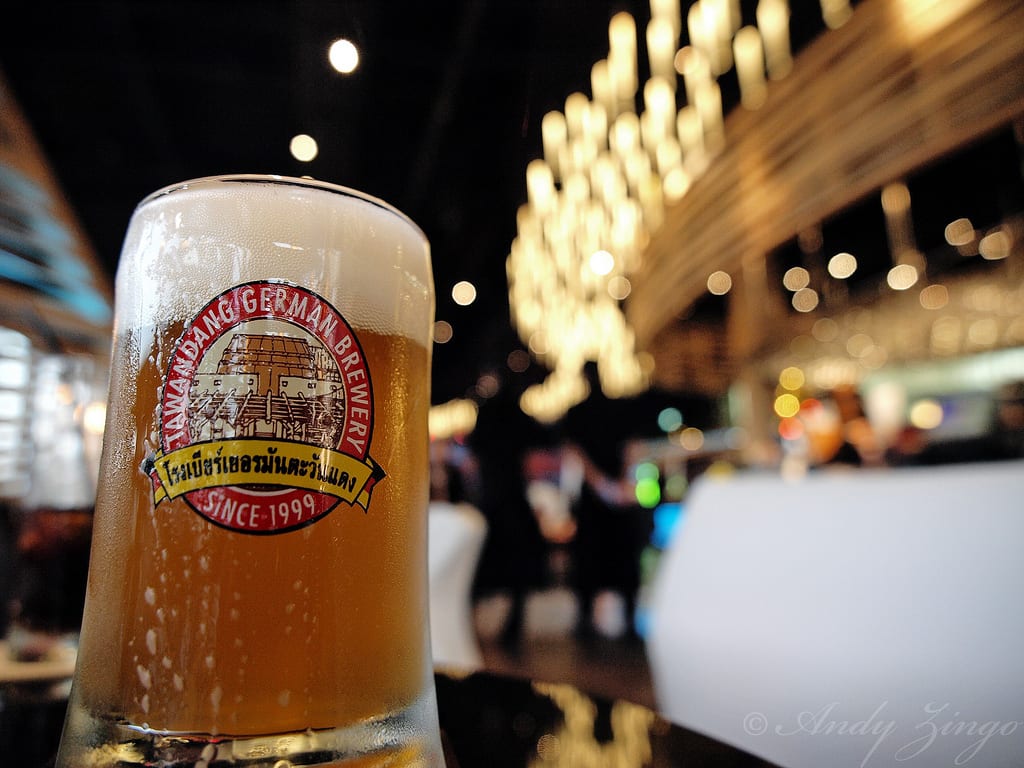
    Thai-based brewery restaurant chain Tawandang is planning further expansion at home and abroad as its concept gains favour with consumers.

    There are currently three Tawandang Germany brewery restaurants operating in Bangkok, with a third scheduled to open on August 7. The first two are located on Rama III and Ram Intra, and the third will open on Chaeng Watthana Rd.

    Tawandang also has breweries in Singapore and Cambodia and a restaurant in Australia.

    In an interview with the Bangkok Post newspaper, CEO Supote Teerawatanachai said the company is now considering expanding into Myanmar and the UK.

    Meanwhile, a further two outlets have been confirmed for Bangkok over the next five years- one at Srinakarin and the other at Bang Khae, each outlet to cost about 200 million THB (US$5.7 million)

    The new Chaeng Watthana Tawandang brewery restaurant features 5000 sqm of space and a dining hall which can seat 1200.

    “The brewery business has shown significant growth every year we have operated,” Supote told the bangkok Post.

    “Even though spending per head may be down because of the poor economy, we believe our sales this year will grow 15 per cent as expected from more new clients and a bigger customer base.”

  • Capital Foods’s brand Chings’s Secret exits noodles market

    Capital Foods’s brand Chings’s Secret exits noodles market

    Consumer goods company Capital Foods, which sells the Ching’s Secret instant noodles and Smith & Jones ketchup and masala noodles, has officially exited the noodles category post the Nestle Maggi controvery. The company says it had a marginal contribution from the noodles category to its total business and will restrict its focus to soups and sauces. The company has also shut down its Vapi plant which manufactured noodles.

    The company’s founder chairman and managing director, Ajaay Guptal told ET that the controversy had affected the growth prospects of the category. ” It has never been a focus business and we decided to shut down our factory. As far as our pedigree is concerned, we started off as an exports company and out backend meets the strictest guidelines and laws laid down by global markets, especially the US government.

    The Maggi controversy has impacted the entire processed foods industry significantly especially the ready to eat food category. All food companies are reworking their packaging and ingredients to make sure it meets the strictest mandatory laws.

    Very recently Hindustan Unilever (HUL) had recalled its Chinese range of ‘Knorr’ instant noodles from the market pending product approval from the central food safety regulator FSSAI. “HUL has decided to stop production and sale of its Chinese range of instant noodles till such time as its application is approved by FSSAI. HUL is initiating a withdrawal of its Chinese instant noodles from the market,” HUL had stated.

    Capital Foods sells Ching’s brand and Smith & Jones range of ketchups and ginger-garlic paste in markets such as the US, Canada, Singapore and Dubai. Capital foods recently hired Bollywood actor Ranveer Singh as the brand ambassador, with a campaign ‘My Name is Ranveer Ching’.

    It has tie-ups with the large retailers such as Tesco, Loblaw, and Mustafa in Singapore.

    ITC’s Sunfeast Yippee, HUL’s Knorr and Nissin Foods’ Top Ramen categories are very nascent, so other players are growing the market instead of biting into each other’s share. Capital Foods’ (it has two brands Smith-Jones and Ching’s Secret) consolidated revenue for the fiscal year 2014 stood at Rs 240 crore of which Ching’s Secret contributed a whopping Rs 200 crore.

  • Take Flight at Sky on 57

    Take Flight at Sky on 57

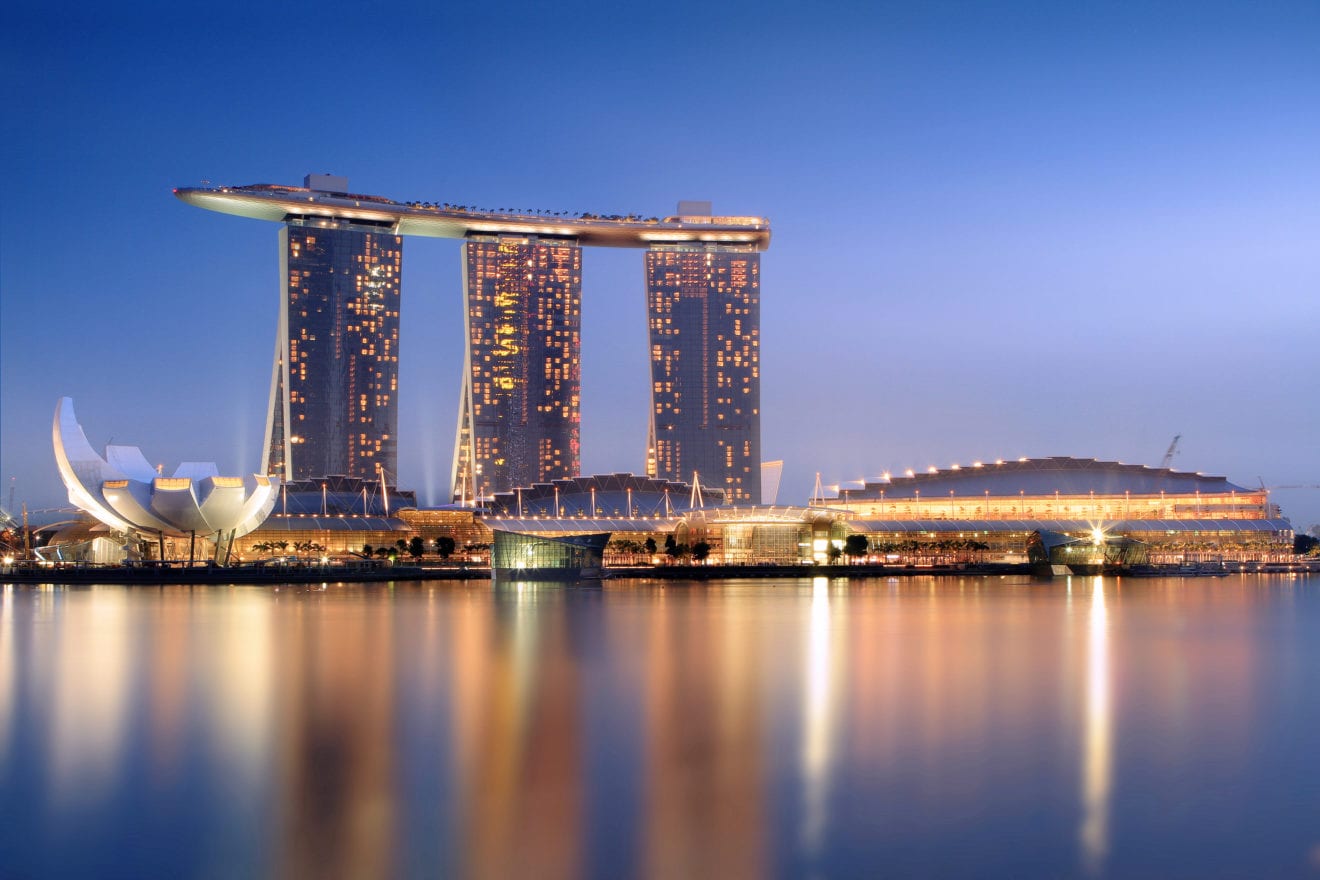
    A brand new entertainment venue has opened in Singapore: Flight at Sky on 57  a new lounge experience atop Marina Bay Sands.

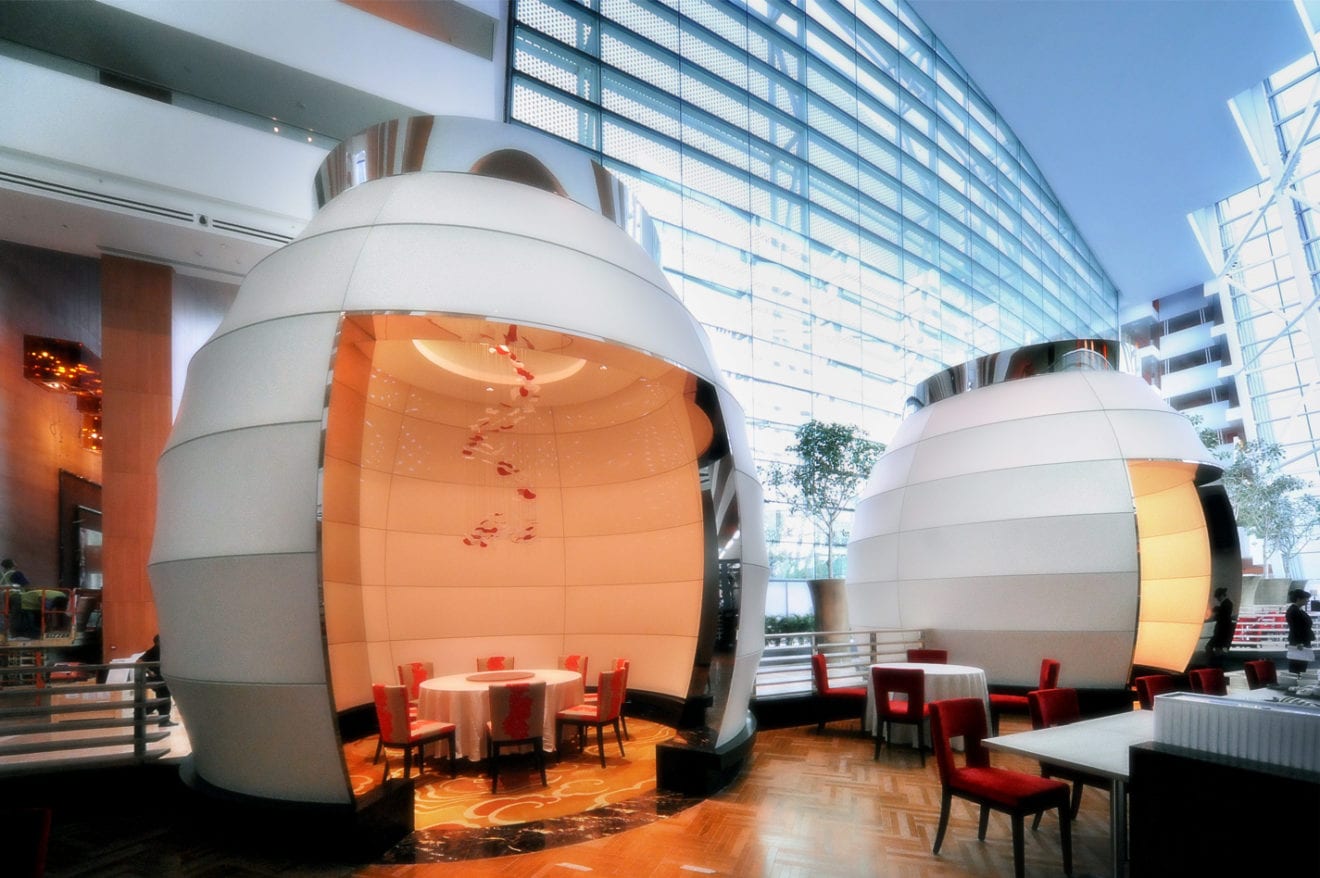
    The integrated resort has transformed its outdoor terraces into a “contemporary lounge experience” called Flight, making the most of the million-dollar views at the Sands Skypark restaurant and the culinary artistry of Chef Justin Quek.

    Now the lounge also offers a unique bar program by award-winning mixologist Lucas Swallows.

    Sky on 57 is one of a collection of celebrity chef restaurants in the Marina Bay Sands complex, most of which are assembled in the Shoppes at Marina Bay Sands retail mall closer to the ground.

    The lounge describes the new venue as “sophisticated and playfully provocative”.

  • Cold Stone Creamery to open in India, Sri Lanka

    Cold Stone Creamery to open in India, Sri Lanka

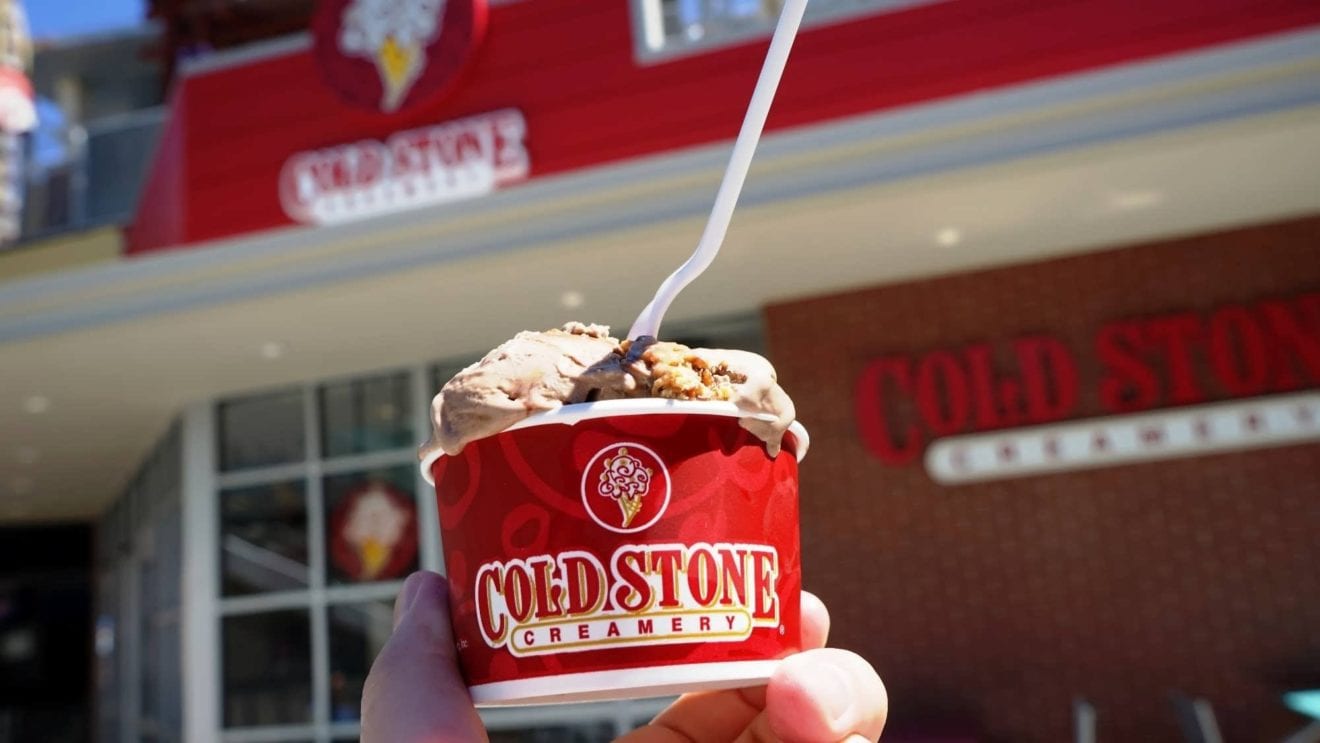
    US ice cream chain Cold Stone Creamery  is to open multiple stores in India and Sri Lanka.

    Parent Kahala Brands has partnered with Tablez Food Company, part of Lulu Group International, to open 40 locations in India over the next five years and five in Sri Lanka.

    The first Indian store will open by the end of the year at the Lulu Mall, a premier mall in Kochi and will be followed by more in Bangalore initially.

    “Tablez Food Company is a leading organisation in India and a perfect fit for the Cold Stone Creamery brand,” said Eddy Jimenez, senior VP of international operations and development at Kahala.

    “It specialises in unique, home-grown and international cuisines and has acquired the rights to many leading franchise concepts. Tablez Food Company is dedicated to seeking out concepts that bring inspiring experiences to their customers.”

    Lulu Group is diversified in retail, imports & exports, trading, shipping, IT, travel & tourism and education. Tablez currently operates multiple food and beverage brands across India, Sri Lanka and the UAE including Peppermill Indian cuisine, London Dairy, Galito’s Flamed Chicken, Famous Dave’s Barbecue and The Sugar Factory..

    “Cold Stone Creamery offers the best quality product and offers an amazing in-store experience that the international market has embraced for a number of years,” said Shafeena Yussuf Ali, Tablez Food Company chairperson.

    “We now want to bring this unique experience to the India and Sri Lanka markets where we strongly believe that people will embrace not only the quality of the product, but also the overall guest experience.

    “Over the next five years, Tablez Food Company plans to invest around $11-13 million in the Cold Stone Creamery business across India and Sri Lanka.”

    In Asia, Cold Stone Creamery has established store networks in Japan, Thailand, the Philippines and Indonesia. Last month it announced a partnership in Vietnam.

  • Costa Coffee Manila opens

    Costa Coffee Manila opens

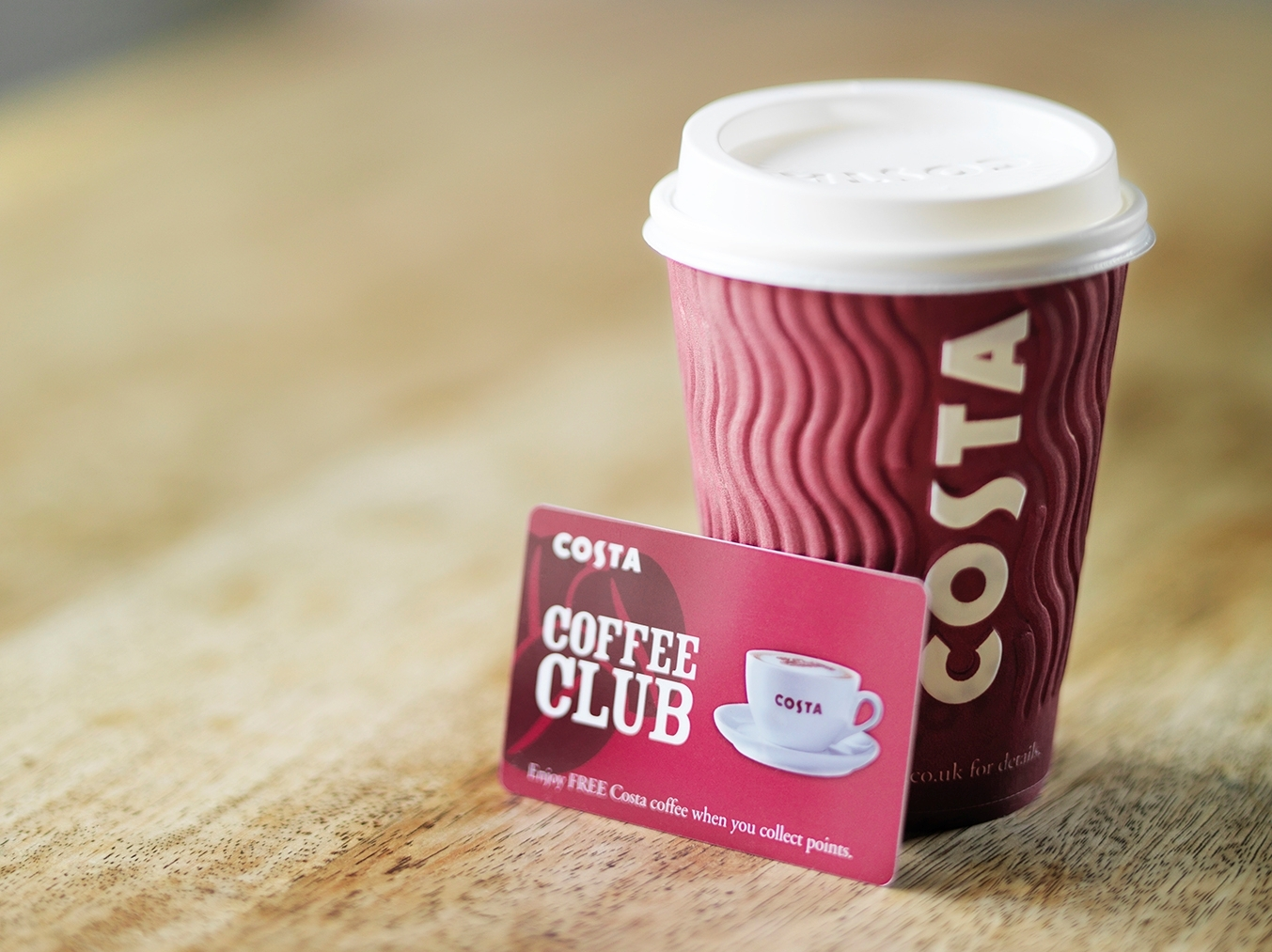
    The first of five Costa Coffee Manila cafes has opened its doors, marking the British-headquartered coffee chain’s Philippines debut.

    Costa, the world’s second largest dedicated coffee chain behind Starbucks, has opened in Eastwood City Mall in Quezon City, metropolitan Manila.

    Four more cafes are planned by the year’s end in Bonifacio Global City, Robinsons Ermita, Tera Towers and Robinsons Antipolo.

    The Eastwood City Mall cafe is spread over two floors and features distressed timber fittings, and a sofa upholstered with the Union Jack to reflect the brand’s heritage.

    For its Philippines entry, Costa has partnered with Robinsons Retail Holdings, which owns the Robinsons Department Store, supermarket, Handyman, True Value, Toys ‘R’ Us, and Daiso retail banners in the Philippines.

    Costa Coffee has over 3000 stores worldwide, including 1800 in the UK and 400 in the Middle East.

  • Glenfiddich debuts Residence Cask at Changi Airport

    Glenfiddich debuts Residence Cask at Changi Airport

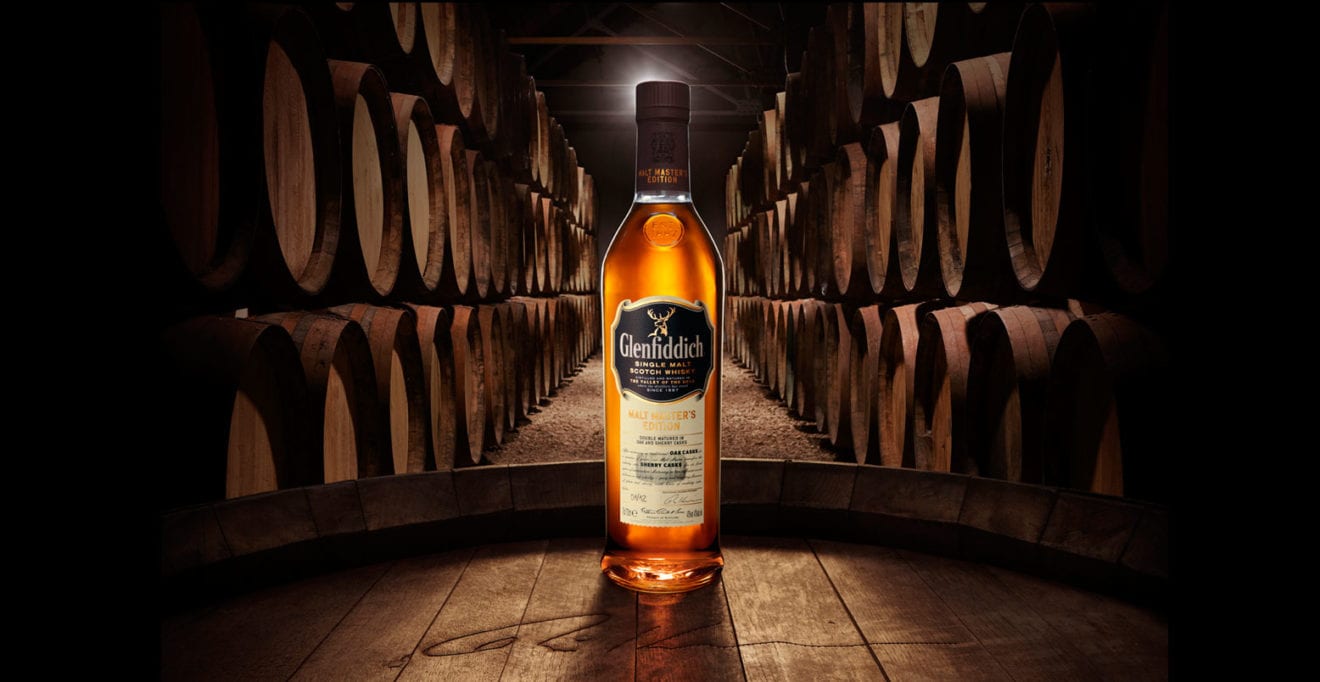
    Glenfiddich, ‘the world’s most awarded’ single malt Scotch whisky, is partnering with DFS Group, to launch the Glenfiddich Residence Cask Vintage 1992 at DFS Singapore Changi Airport.

    The Glenfiddich Residence Cask Vintage 1992 edition comprises single cask releases chosen by Malt Master, Brian Kinsman, which are said to be in line with the ‘classic taste’ profile of Glenfiddich.

    A select group of DFS VIPs were invited to ‘immerse themselves’ in a Glenfiddich ‘experience’ including exclusive tasting sessions, hosted by Kinsman, where he shared his insights into the ‘art and romance’ of whisky making.

    Scott Hamilton, APAC Travel Retail Director said: “This event is more than a launch of an exceptional whisky. It is a great example of the close and successful partnership between DFS Singapore Changi Airport and William Grant and Sons.

    “We have the opportunity to showcase our unique range of products to the right audience and for DFS, they keep their privileged customers excited, giving them more reasons to stay loyal to the DFS and Glenfiddich brands. We are thrilled to have this opportunity and I certainly look forward to the next exclusive launch with DFS.”
    Owners of these exclusive bottles can also fill out a leather-bound ledger book, which will be sent back to the distillery and put on display, becoming a part of Glenfiddich’s history.The Glenfiddich Residence Cask Vintage 1992 bottles are individually numbered and presented in hand-crafted leather boxes featuring detailed cask information. Shoppers have the option to personalise the ‘foot label’ upon purchase.

    Matured in American Oak (ex-Bourbon) cask number 8247, this 22-year-old spirit is distilled in 1992 and bottled at cask strength of 58.7%. The release is limited to only 200 bottles and exclusively available to DFS.

    This launch coincides with the opening of the Glenfiddich Residence Changi, a shop-in-shop at DFS Group’s new double-storey Wines and Spirits flagship store at Terminal 3 Changi Airport.

  • Heineken joins foreign brewers seeking to slake Myanmar’s thirst

    International brewers are trickling into Myanmar, betting that higher incomes and economic reforms will whip up a thirst for foreign beer in a market that has long been dominated by state-owned firms.

    Heineken NV, the world’s third-largest brewer, on Sunday opened a $60-million brewery joint-venture just outside Yangon, returning to one of Asia’s most promising beer markets after exiting in 1997 amid international condemnation of the human rights abuses of the military government at that time.

    Heineken’s Regal Seven beer is set to rival the Tuborg and Yoma brands by Carlsberg, which in May became the first foreign brewer to set up in Myanmar as it emerges from 49 years of military rule.

    “Myanmar is on faster trajectory of growth and its disposable income will rise for common people in coming years,” said Vijay Dhayal, senior consultant at financial advisors New Crossroads Asia.

    Myanmar’s beer industry is dominated by state-backed Myanmar Brewery, and beer consumption rates are some of the lowest in Asia at just 3.2 litres per person in 2013, according to the latest data from research firm Euromonitor International, well below the 31 litres per person in neighbouring Thailand.

    But with consumer spending expected to rise as economic reforms kick in, foreign brewers hope Burmese will want more beer, especially the branded kind. Euromonitor forecasts the value of the beer market to almost double to $675 million in three years time from an estimated $375 million this year.

    Heinken’s Myanmar brewery is a joint venture with privately owned Alliance Brewery Co Ltd (ABC), majority-owned by local spirits entrepreneur Aung Moe Kyaw.

    Analysts, however, say the dominance of Myanmar Brewery, which has an 80 percent market share, will be tough to crack.

    “This will not be an easy game for foreign firms,” said Alec Maurice, Business Development Officer at consultancy Thura Swiss. “Myanmar consumers are often very loyal to their brands, especially in the beer sector.”

  • Teddy’s Bigger Burgers Thailand opens in Bangkok

    Teddy’s Bigger Burgers Thailand opens in Bangkok

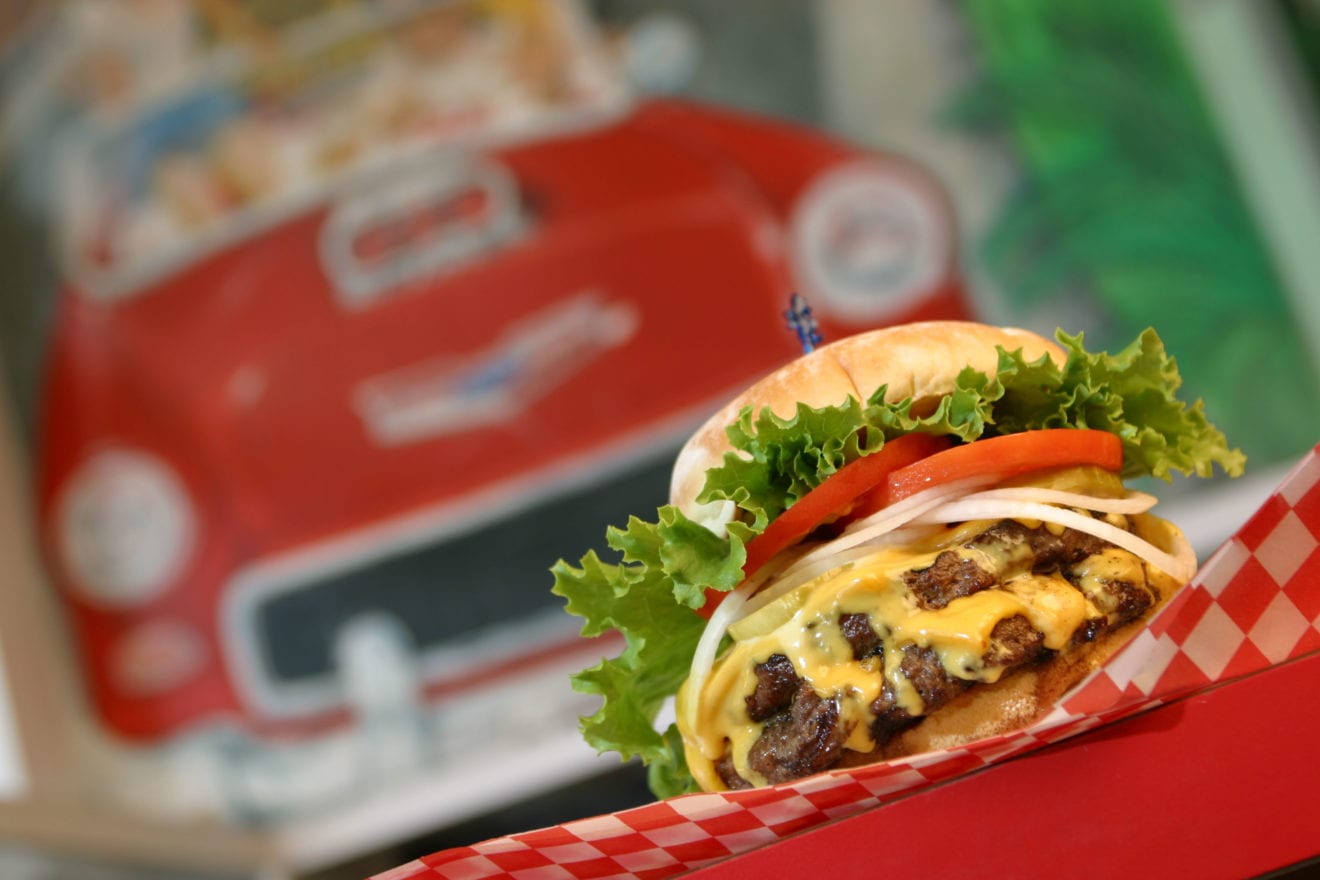
    Teddy’s Bigger Burgers Thailand is to open its first outlet in Bangkok on July 16.

    Thailand marks the third Asian market for the Hawaii-based chain, which has appointed Go Go Restaurants as its local partner for an initial eight year term. Ten stores are planned within five years.

    Teddy’s Bigger Burgers currently has 20 outlets in the US, the Philippines and Japan. It has a five year plan to open 64, with 10 in each of its three Asian markets, 30 in the US and four in Dubai.

    Teddy’s Bigger Burgers Thailand’s first outlet will be in the Gateway Ekkamai mall, adjacent to the Ekkamai BTS station. A second will open in October in CentralPlaza Pinklao.

    Co-founder Richard Stula said in an interview with the Bangkok Post newspaper that his company sees “huge opportunities” for premium burgers in Thailand.

    “However, it’s very challenging to find good locations as retail malls have several fast-food burger brands already,” he said.

  • Smoothie King eyes Asia

    Smoothie King eyes Asia

    Fresh from sealing a deal to enter the UAE, US chain Smoothie King is now seeking partners to enter seven Asian markets, along with Australia.

    With more than 700 locations worldwide and plans to top 1000 locations globally by the end of 2017, Smoothie King has signed up Al Ghurair Retail to open across the emirates, starting with multiple locations in Dubai.

    Smoothie King is currently located in Korea, Grand Cayman and Singapore, and according to Dan Hannah, VP of international business development, the company is now eyeing development in Japan, China, India, Indonesia, the Philippines, Taiwan, Australia and Brazil.

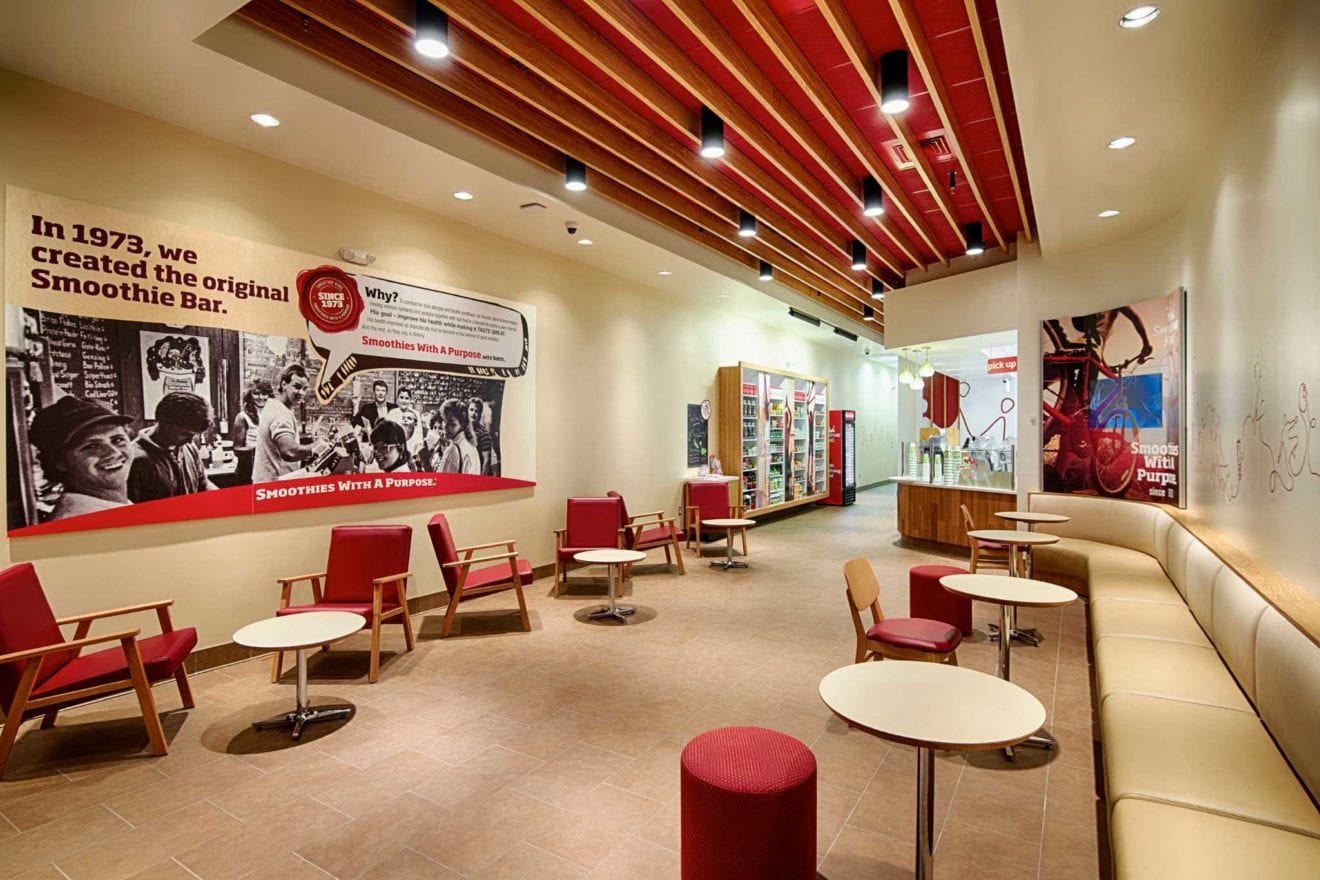
    Smoothie King is providing guests around the world with nutritional solutions that live up to the brand’s founding vision to create “Smoothies With a Purpose.”

    Smoothie King differentiates itself in the crowded juice and smoothie category as an “originator and innovator”, evolving to meet customer’s health needs since 1973. The mission since the company’s inception carries through to today: to inspire people to live a healthy and active lifestyle.

    New Orleans-based Smoothie King offers a wide variety of smoothies made with the highest quality ingredients, created to meet all nutritional goals including weight loss, weight gain and increased energy.

    “By working with dedicated and passionate partners like AG Retail, we are able to continue to build our brand and expand our presence worldwide, while preserving brand integrity,” said Smoothie King CEO Wan Kim.

  • Marina Bay Sands delivers Scoops of Hope

    Marina Bay Sands delivers Scoops of Hope

    Marina Bay Sands’ family of celebrity chef restaurants have joined hands to craft exclusive gelato flavours for Scoops of Hope, a new addition to this year’s Sands for Singapore Charity Festival.

    From 31 July to 9 August, the public can savour eight delectable flavours at the Scoops of Hope pop-up gelato station at Marina Bay Sands, while giving back to the community at the same time. All proceeds will go towards The Straits Times School Pocket Money Fund, which lends a hand to children from low-income families.

    Marina Bay Sands CEO and president George Tanasijevich, said, as home to nine outstanding celebrity chef restaurants, Marina Bay Sands’ Scoops of Hope project is an excellent way to harness its combined culinary talent to benefit the less privileged.

    “We invite the public to join us in this.”

    The gelato flavours also play a special tribute to Singapore during this national celebratory period. Cut by Wolfgang Puck is contributing Gula Melaka gelato, an ingredient commonly used in local traditional desserts. Adrift by David Myers is creating Masala Teh Tarik gelato, a spin on the popular milk tea beverage. Waku Ghin by Tetsuya Wakuda will be rolling out Coconut with White Miso gelato, reminiscent of the famous local dessert Chendol, a personal favourite of Chef Tetsuya.

    A special flavour has also been created to commemorate the 170th anniversary of The Straits Times, Singapore’s oldest English-language daily. Created by executive chef of Marina Bay Sands, Christopher Christie, the multi-colour ST gelato comprises creamy White Chocolate with Raspberry, topped with crunchy Blue Sprinkles, incorporating the corporate colours of the newspaper as it crosses its milestone this month.

    Already, the first 170 scoops of the ST gelato have been bought by a private donor of the The Straits Times School Pocket Money Fund, which is also celebrating its 15th anniversary this year. The scoops of gelato will be redeemed by beneficiaries and their accompanying caregivers from 31 July. Another corporate donor of ST School Pocket Money Fund – Ascendas Funds Management (S) Limited – has also donated S$50,000, in support of the Scoops of Hope initiative.

    The Straits Times School Pocket Money Fund is a community project initiated by The Straits Times to provide pocket money to children from low-income families to help them through school. The Fund supports over 10,000 children and youth each year. Since the project started in 2000, the Fund has disbursed close to $42 million and helped over 128,000 cases of children and youth in providing them with monthly school pocket money.

    The Scoops of Hope project is also made possible with support from Carpigiani Gelato University and Allied Foodservice Equipment Pte Ltd. Carpigiani Gelato University, which has a mission to develop the art and science of gelato production, offered expertise and training in gelato making, while Allied provided the requisite equipment.

    From 31 July, gelato lovers can visit the pop-up store at The Shoppes Canal Level, B2 (Opposite Cold Storage) from 11am to 9pm. The gelato is priced at S$4.50 for a single scoop, S$8 for a double scoop and S$12 for a triple scoop.

  • Agri-Food and Veterinary Authority allows importers to resume sale of India-made Maggi noodles …

    Agri-Food and Veterinary Authority allows importers to resume sale of India-made Maggi noodles …

    NEW DELHI: Singapore’s food regulator declared Maggi noodles imported from India to be free from health risks, bringing some respite to Nestle. The manufacturer had been ordered to withdraw the locally made product from shelves in India because of excessive lead content and mislabeling.

    The Agri-Food and Veterinary Authority of Singapore (AVA) ordered the resumption of India-made Maggi in the citystate, which has among the most stringent rules on public hygiene. Nestle India surged on the news, ending 9.4% up on the National Stock Exchange, its biggest daily increase in five years. The share had plunged by more than 10% last week as the controversy ballooned, culminating in the nationwide withdrawal of Maggi noodles ordered by the Food Safety and Standards Authority of India.

    Singapore had asked retailers to stop selling the product last week, pending tests, after the furore in India over the product. The island-nation imports a wide variety of foods made in the country to cater to expats and locals that are sold through stores such as Mustafa Centre in the Little India area.

    Results from AVA’s laboratory tests showed that the India-made Maggi instant noodles met local food safety standards, according to a report in The Straits Times. The Maggi noodles exported to Singapore is identical to the product sold in India, said a company spokesperson. “They are manufactured at the same plants,” the person said.

    AVA also tested Maggi instant noodles produced in other countries and these too met food safety requirements, the report said. At press time, the UK’s Food Standards Agency (FSA) hadn’t reached any conclusion on India-made Maggi noodles. The FSA was checking whether the product contained excessive levels of MSG along with Nestle UK and the European Commission.

    Nestle UK only imports the masala flavour of the product from India, the FSA said on its website. It also said that the “batch of noodles originally tested by the authorities in India, which was found to contain lead, was not sold in the UK… Following the incident in India, we have taken the decision to test for levels of lead in a selection of Maggi noodles as a precaution.”

    A spokesperson from the Food Standards Agency said: “The FSA is now testing this (masala) flavour and other flavours as a precaution. As tests are currently ongoing, these results are not available at this time.

    We have requested the information on the test results and batches involved from the Indian authorities via European Commission channels.” The India and Singapore food regulators couldn’t immediately be reached for a response.

    Maggi noodles became an integral part of the Indian diet after being launched in the country in the early 1980s. Nestle’s troubles began when excessive levels of lead were found in samples tested by the Uttar Pradesh regulator. The day before FSSAI issued its order, Nestle decided to withdraw Maggi noodles from shelves in India.

    “We withdrew the product from shelves because consumers’ trust was shaken,” said Nestle global CEO Paul Bulcke in New Delhi last week. “We want Maggi noodles back on shelves as soon as possible.” The food regulator rejected Nestle’s queries regarding testing procedures in India. FSSAI said the tests had been carried out on the noodles and the seasoning or tastemaker together and separately.

    It also admonished the company for labeling the pack with the line ‘No added MSG’ (monosodium glutamate), saying this was unacceptable in markets such as the US. FSSAI has since ordered the testing of other noodle brands.

  • KFC China accepts Alipay

    KFC China accepts Alipay

    More than 700 KFC China stores have started to accept customer payments via Alipay’s smartphone-based payment technology.

    The stores, in Shanghai and Zhejiang Province are the first of some 5000 outlets across Mainland China which will adopt the payment option in coming months.

    The the partnership with Alibaba, KFC China customers can pay for their meals in local KFC restaurants by using the Alipay Wallet app on their smartphones. The cashless payment solution is expected to enhance operational efficiency of the fast food chain.

    The tie-up with KFC is the first major move of the newly established Koubei, a 50-50 joint venture between Alibaba Group and its affiliate Ant Financial that focuses on increasing the availability of local services through O2O (online-to-offline) eCommerce.

    Koubei plans to integrate Alibaba’s existing food ordering and delivery service Taodiandian and Ant Financial’s merchant services.

    KFC China, which launched in 1987, has been upgrading its restaurants for mobile commerce. Wi-Fi is now available in 2200 KFC China outlets and the company has launched a mobile application for food ordering in Shanghai and Hangzhou.

    According to iResearch, Alipay, a subsidiary of Ant Financial, accounted for 82 per cent of China’s third-party mobile payment sector in 2014. In May, 25 Walmart supermarkets and hypermarkets in Shenzhen began accepting Alipay’s mobile payments.

  • Hollys Espresso set for Vietnam debut

    Hollys Espresso set for Vietnam debut

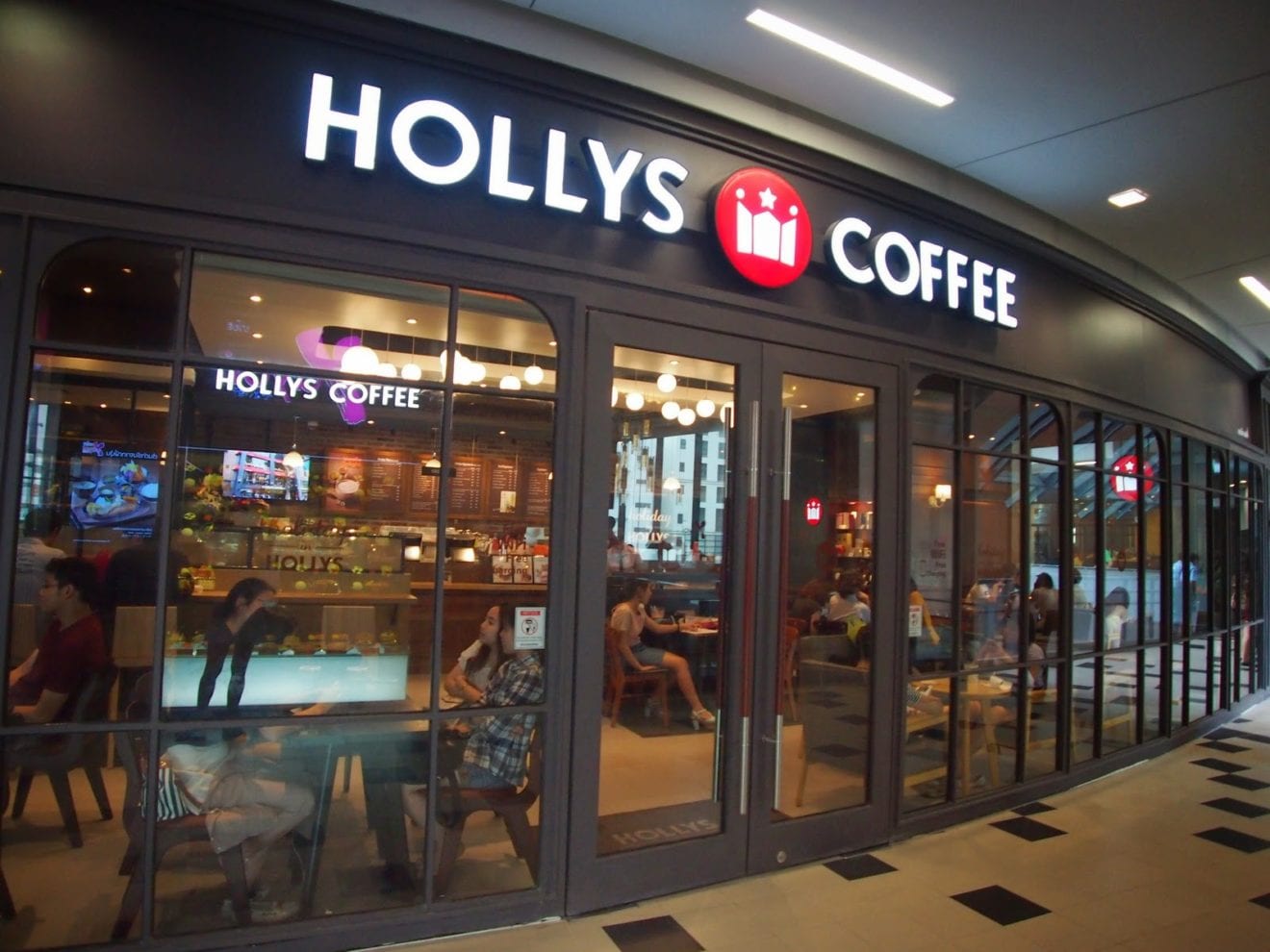
    Hollys Espresso, the Korean cafe chain with a particular Parisian decor, will open its first outlet in Vietnam on July 9.

    The flagship retailer can be situated in Ho Chi Minh Metropolis and would be the first of three to be buying and selling in Vietnam by the yr’s finish.

    Hollys Espresso’s native franchise associate is TNC Holdings, which just lately gained the native franchise rights for Chilly Stone Creamery ice cream cafe chain.

    Director of franchising with TNC, Vercy Luu, informed Inside Retail Asia the primary two Chilly Stone Creamery shops will open this calendar yr. As beforehand reported, TNC plans 30 Chilly Stone shops in Vietnam, the primary in Ho Chi Minh Metropolis.

    TNC additionally has the Incito Espresso franchise and operates 5 cafes in Ho Chi Minh Metropolis and Vietnam’s capital Hanoi.

    And it operates two Mizuchi Japanese scorching pot eating places in Hanoi, with plans to open 5 in Ho Chi Minh Metropolis over the subsequent six months.

    TNC has a imaginative and prescient to be one of many prime 10 shopper and retail corporations in Vietnam, grossing US$1 billion by 2020.

    “Chilly Stone Creamery is a premium American ice cream idea and the product will probably be very inviting to the Vietnamese individuals,” Phan Duc Binh, CEO of TNC, stated on the time of the awarding of the Chilly Stone rights.

    TNC specialises in branding, distribution and manufacturing of fast paced shopper items, together with drinks, particularly espresso and tea, and private care merchandise. TNC additionally owns retail manufacturers and franchises, together with comfort shops, supermarkets and F&B chains.

  • 320 Under Singapore expands into Malaysia

    320 Under Singapore expands into Malaysia

    Singapore nitro ice cream cafe 320 Under has opened its first worldwide retailer, in Kuala Lumpur’s 1 Utama purchasing centre.

    320 Under has three cafes working in Singapore – in Geylang, Tampines and Tanjong Katong Rd.

    The idea makes use of liquid nitrogen to create recent ice cream, sorbet and yogurt desserts to buyer order, mixing theatre and flavour into an experiential eating vacation spot. The top product is described as “clean and freezing chilly till the final chew”.

    The 320 Under retailer is situated on the primary flooring of the enormous 1 Utama complicated in Petaling Jaya, Selangor.

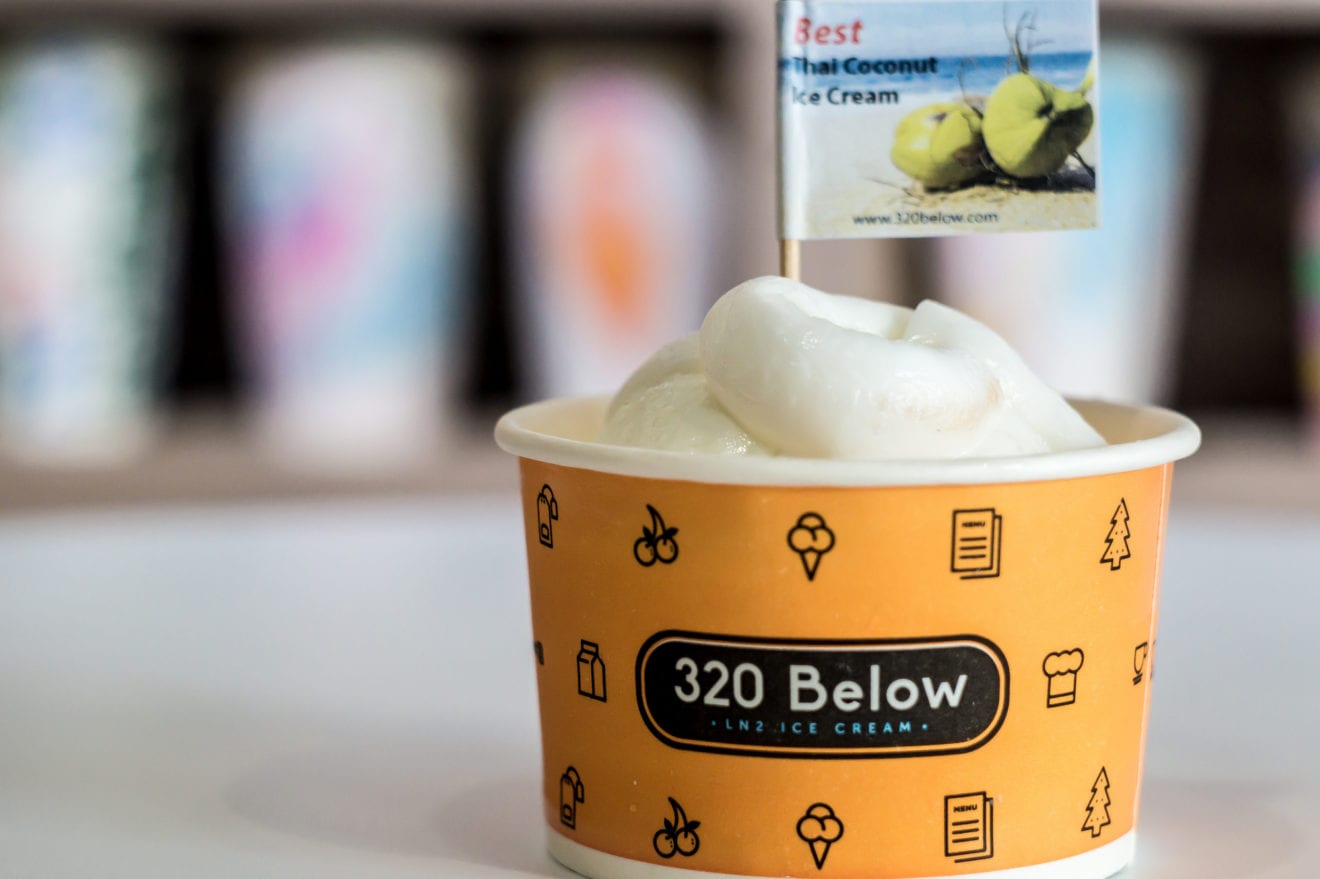
    The operators say buyer response to the brand new idea has been “overwhelming” with the model’s signature Thai coconut ice cream bought out on Saturday and Sunday, its first weekend of buying and selling.

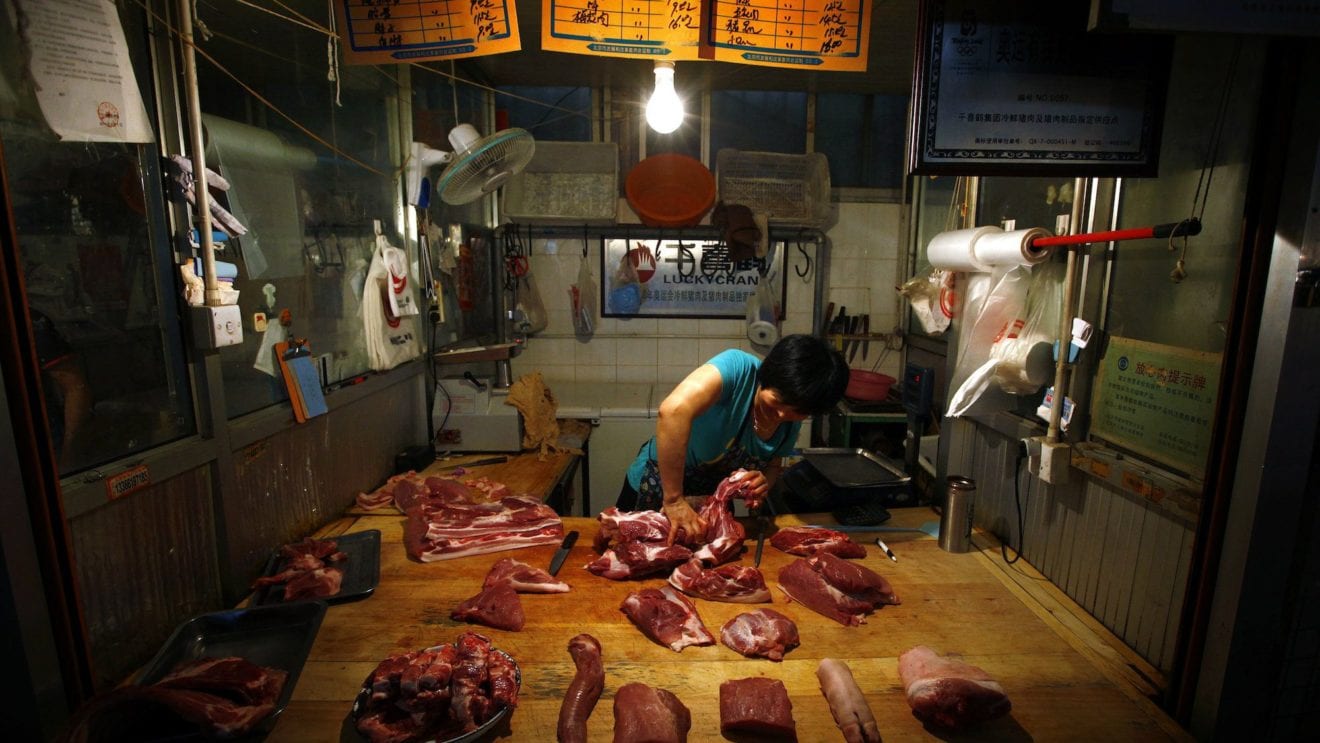
  • Stomachs flip by 40-year-old meat peddled by merchants

    Stomachs flip by 40-year-old meat peddled by merchants

    From rat meat masquerading as lamb to tainted milk to exploding watermelons, Chinese language shoppers have turn into inured to stomach-churning meals scandals. However on Tuesday, numerous individuals have been pressured to ponder the advantages of vegetarianism after information stories emerged that unscrupulous meat merchants had been peddling tons of beef, pork and hen wings that in some instances had been frozen for 40 years.

    The Chinese language information media introduced that the authorities had seized almost half a billion dollars’ value of smuggled frozen meat this month throughout China, a few of it courting to the 1970s. The caches of beef, pork and hen wings, value as much as three billion renminbi, or $483 million, have been found in a nationwide crackdown that spanned 14 provinces and areas, the state information company Xinhua reported.

    Sometimes, the meat was shipped from overseas to Hong Kong after which delivered to Vietnam, the place merchants would smuggle the product throughout the Chinese language border with out declaring it to customs officers or going via required inspection and quarantine procedures. From there, criminals would typically transport the meat in unrefrigerated vans to save lots of prices and refreeze it a number of occasions earlier than it reached clients.

    “It was too smelly. A truck filled with it. I virtually threw up when the door opened,” Zhang Tao, a customs administration official in Changsha, the capital of central Hunan Province, was quoted as saying by Xinhua. The authorities in Changsha seized 800 tons of frozen meat on June 1 and arrested 20 suspected members of two gangs.

    In accordance with the Changsha Administration of Customs, one-third of the meat on sale on the largest wholesale market within the metropolis was discovered to be illegally imported. Whereas the origin of the smuggled meat was unclear, a report on the official Hunan propaganda division web site stated that the contraband had come from the border with Vietnam.

    Within the area of Guangxi, which borders Vietnam, customs officers discovered that a few of the smuggled frozen meat “was greater than 40 years previous,” based on The China Every day newspaper. Chinese language officers didn’t clarify the place the meat originated or the way it had been saved for nearly two generations. After being refrozen, the meat was bought to retailers, supermarkets and eating places throughout the nation. China Central Tv, the state broadcaster, confirmed staff within the southern metropolis of Shenzhen repackaging the imported meat with Chinese language labels, regardless that imported merchandise, if authorized, are typically extra worthwhile.

    A number of the meat was bought on the Web. Many meat retailers have arrange profiles on Taobao, the web buying web site owned byAlibaba, providing native and imported meat. Some declare to be promoting beef imported from the USA, although such beef has been barred from the Chinese language mainland since 2003, after outbreaks of bovine spongiform encephalopathy, or mad cow illness.

    Meals scandals are a politically delicate situation in China, the place tainted meals has sickened big numbers of individuals. In 2008, milk powder tainted with melamine, a poisonous industrial compound, made 300,000 infants sick and 6 died. Since then, the nation has encountered watermelons that exploded from the misuse of a progress accelerator chemical, pork soaked in a detergent additive, steamed buns tainted with pesticides, and 15,000 lifeless pigs drifting down the Huangpu River in Shanghai.

    However the information of 40-year-old frozen meat being bought to shoppers has left even probably the most seasoned specialists in shock. Bob Delmore, an professional on meat science at Colorado State College, stated that though it was attainable for meat to final that lengthy frozen, it might be coated by “an incredible quantity of freezer burn” because the product misplaced moisture and the flesh degraded. However as soon as it started to thaw, a shopper would instantly know one thing was incorrect. “The lifeless giveaway can be the odor and the style,” he stated.

    In China, individuals turned to social media to complain concerning the newest scandal, with some contemplating vegetarianism, or at the least a very good wine classic to make the danger go down simpler. “A bottle of 1982 Lafite plus a bit of 70s steak and a pair of 80s hen wings,” wrote one consumer on the Sina Weibo microblog. “Bon appétit!”