Category: Food

Retail News Asia is committed to providing both local and global retailers with the latest Food and Food & Beverage news throughout the Asian market. This on a daily base.

  • Tous Les Jours China expands

    Tous Les Jours China expands

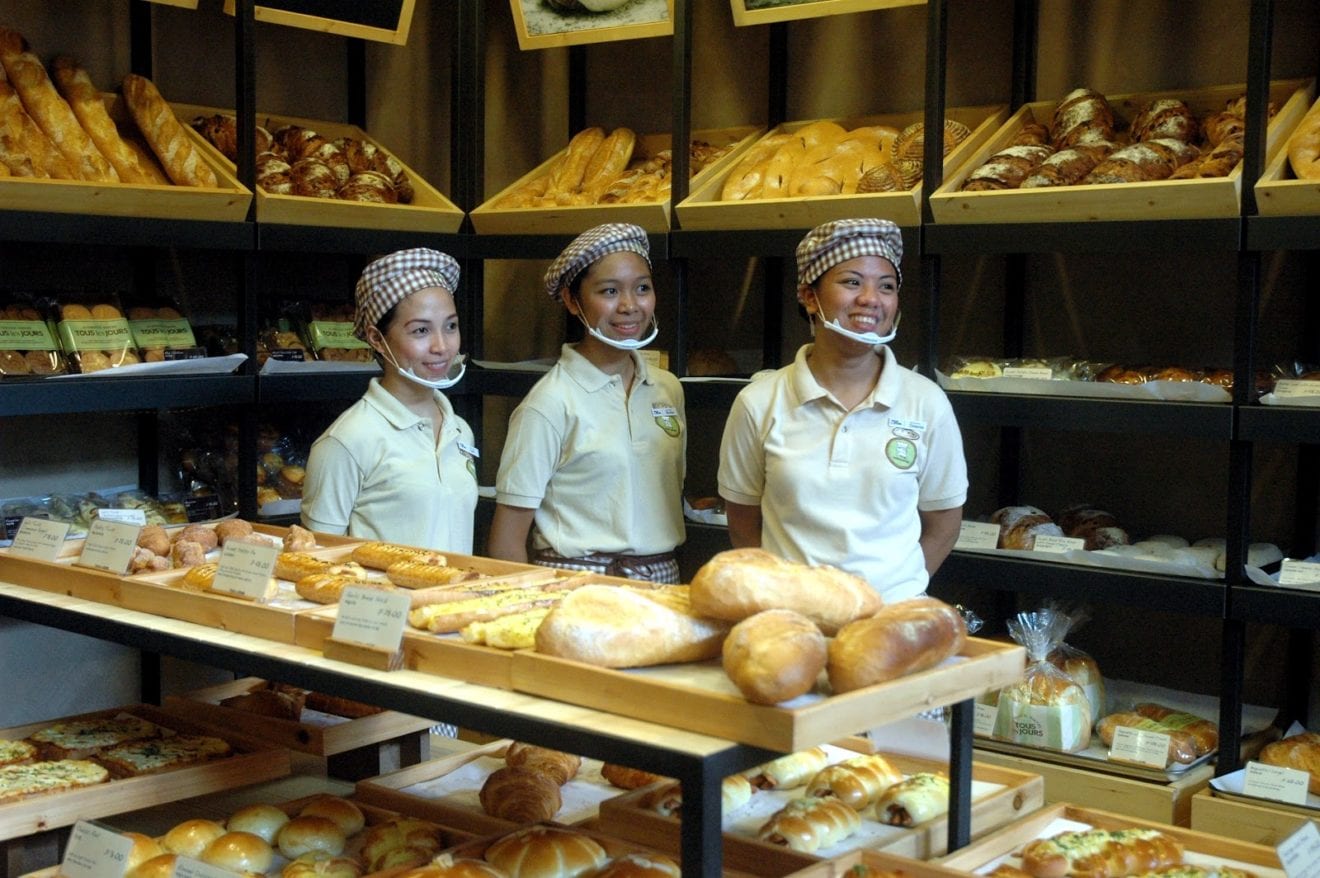
    Korea’s CJ Foodville has opened its first Tous Les Jours store in the Xinjiang Uyghur Autonomous Region of China.

    CJ Foodville now has Tous Les Jours stores in 14 regions of China and more business region-based contracts than any other Korean bakery franchise company in the world’s most populous nation. It says it is committed to opening more than 1000 stores in China by 2020.

    Tous les Jours China inside 315

    The new bakery is located on the first floor of a landmark department store in Xinjiang’s capital city of Ürümqi, and saw more than 1000 customers on its opening day.

    CJ Foodville established a master franchise contract with a local restaurant operating company last October.

    One of the best-selling baked goods at the store is a Halal sandwich, which accounts for more than 20 per cent of overall sales, reflecting the unique demographic of Xinjiang Uyghur.

    The company has 172 overseas stores in seven countries including the US and Vietnam.

  • Kim Soo-Hyun: Caffe Bene’s new face

    Kim Soo-Hyun: Caffe Bene’s new face

    Korean-based coffee shop franchise Caffe Bene has named famous Korean actor Kim Soo-Hyun as its global face for the next year.

    Korean film and television drama has massive following throughout China and southeast Asia making Kim Soo-Hyun a recognised personality throughout the region.

    Caffe Bene will use the actor’s image in TV commercials, print advertisements and online, promoting its brand in 13 countries, with particular focus on Taiwan and China.

    Caffe Bene is the largest coffee franchise in Korea, based on store numbers, and now has 1500 cafes in Korea, China, Taiwan, Vietnam, the US, the Philippines, Indonesia, Saudi Arabia, Mongolia, Malaysia, Cambodia, Singapore and Japan.

    Kim Soo-Hyun has been chosen for his pan-Asian popularity, which will help Caffe Bene to make inroads globally.

    The company said that Kim Soo-Hyun has risen to be a global star based on a very hard earned filmography, which can be related to Caffe Bene’s success on the global scene.

    According to Wikipedia, he is an actor, model and singer best known for his roles in the television dramas Dream High, Moon Embracing the Sun, and My Love from the Star, as well as the movies The Thieves and Secretly, Greatly.

  • Tesco food chief exits

    Tesco food chief exits

    Tesco’s in-store restaurant and cafe concepts may be doomed after the man heading the division exited the company this week.

    Analysts are interpreting the departure of Michael Holmes, who headed the Tesco food division, as an admission the concepts had failed.

    Giraffe restaurants and Harris + Hoole cafe chains were opened in a number of larger Tesco supermarkets in the UK as part of former CEO Philip Clarke’s strategy to draw customers back to its stores. Holmes also oversaw Euphorium bakeries and Decks, an in-store restaurant created by Tesco.

    The grocer paid £50 million to buy Giraffe and took a strategic stake in Harris + Hoole. Harris + Hoole reportedly lost £13 million in the year to February 2014 and Giraffe is understood to have also been booking losses.

    Critics of the former Tesco CEO have long said the company should be focusing its investment on cutting prices and improving product quality, focusing on the core grocery business instead of such initiatives like in-store cafes and restaurants.

  • KFC China moves into ‘premium’ coffee

    KFC China moves into ‘premium’ coffee

    t’s a hard concept to grasp: ‘quality coffee’ at a fried chicken chain.

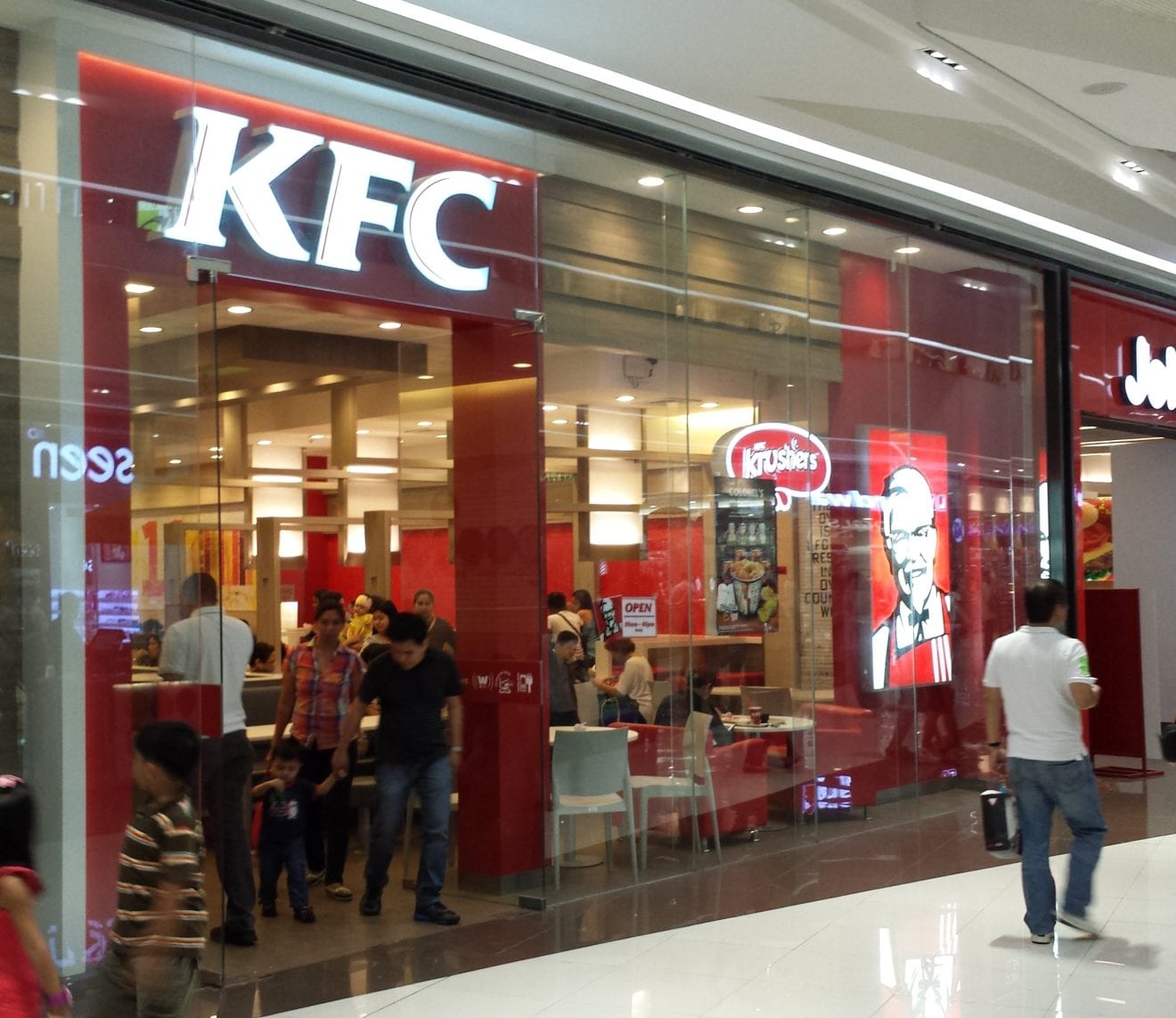
    But KFC China is reportedly planning a serious move into the ‘premium’ coffee market, aiming to become a low cost alternative to Starbucks.

    Yum! Brands-owned KFC is the leading fast food player in China already and Starbucks has built a strong and loyal following in the market after 16 years there.

    According to a report on Bloomberg News, KFC China will start selling freshly ground hot coffee this year.

    The new coffee offer made its debut in several restaurants in December and the company is “very pleased with the results” according to CFO Pat Grismer, commending at an investors conference last week.

    So by the end of 2015, KFC China will add ‘premium’ coffee to 2500 outlets – 1000 more than the size of Starbucks’ network. It’s following in the footsteps of McDonald’s, which has McCafes at most of its 2000 Chinese outlets.

    “Trying to beat Starbucks on higher-quality coffee in China makes more sense than it might seem for KFC, which has a long-established breakfast menu featuring such local fare as congee,” Bloomberg observed.

    A premium coffee is priced at about 10 RMB (US$1.60) which is about half the price of a like cup at Starbucks.

    While it is not clear quite the range of coffee styles on offer, it is unlikely to be as broad as Starbucks, which is also gaining favour in Asia for its range of teas.

    “While Starbucks coffee is positioned as a more luxurious product, the entry of a large competitor such as KFC at a midrange price will certainly complicate those expansion plans in a country where tea is far more popular,” observed Bloomberg.

  • Aldi comes to the party as grocery code tabled

    Aldi comes to the party as grocery code tabled

    Australian Small Business Minister Bruce Billson has won support for the grocery industry code of conduct from discounter Aldi but is disappointed that wholesaler Metcash has agreed to adopt elements of the code rather than sign up in full.

    The code, which was tabled in Parliament on Monday and takes effect on Tuesday, prohibits certain types of unfair conduct by retailers and wholesalers in their dealings with suppliers and provides a clearer framework for retailer and supplier negotiations.

    Aldi, which was originally reluctant to sign the code until it was confident it would not increase costs and push up prices for consumers, said on Monday it would sign up to the code as a party.

  • Lower tier boost for Sun Art

    Lower tier boost for Sun Art

    Chinese hypermarket operator Sun Art Retail Group says a move into lower-tier cities is bearing dividends.

    The group, a joint venture between French retailer Groupe Auchan SA and Taiwan’s Ruentex Group, says its profit rose 4.8 per cent last calendar year.

    Sun Art, already China’s largest hypermarket operator despite intense competition from Tesco, Carrefour and Walmart, opened 49 new hypermarkets during 2014, expanding its chain to 372.

    On Sunday the retailer announced its profit for 2014 was 2.91 billion yuan ($464.15 million) compared with 2.78 billion yuan ($442.64 million) in 2013.

    Sales rose from 86.2 billion yuan to 91.9 billion and gross profit margin by 1.3 percentage points to 22.9 per cent.

    Same store sales slipped 1.6 per cent as consumers enjoyed wider choice in the market and consumer spending was largely subdued.

    In the year ahead, Sun Art says it will continue to open new hypermarkets in lower tier cities and increase sales in its eCommerce business.

  • 7-Eleven Malaysia thrives on store growth

    7-Eleven Malaysia thrives on store growth

    7-Eleven Malaysia says its quarterly profit soared 70 per cent on the back of an aggressive store expansion program.

    The listed company operated 1774 stores at the end of the December quarter – 200 more than at the end of 2013. It posted a profit of RM17.9 million (US$4.94 million) for the quarter compared with RM10.5 million ($2.9 million) a year earlier. Revenue rose 14 per cent to RM481.1 million ($132.7 million).

    Full year net profit was up 44 per cent to RM63.7 million ($17.6 million) fuelled by growing sales and gross profit margin and store network expansion.

    Sales rose 12 per cent year on year to RM1.9 billion ($524.2 million).

    7-Eleven Malaysia said in a profit statement it is positive about the year ahead, despite a softening in consumer sentiment (in part driven by wariness of the introduction of GST on April 1).

    “The continuing roll-out of new stores to increase the existing network as well as the on-going store refurbishment programme will have a positive impact. In addition to this, increased promotional and merchandising activities along with the expansion of in-store services and a further expansion of the group’s food and beverage offerings at store level will help drive revenue and profit growth,” the company said.

  • Alfamart Philippines targets 3000 stores

    Alfamart Philippines targets 3000 stores

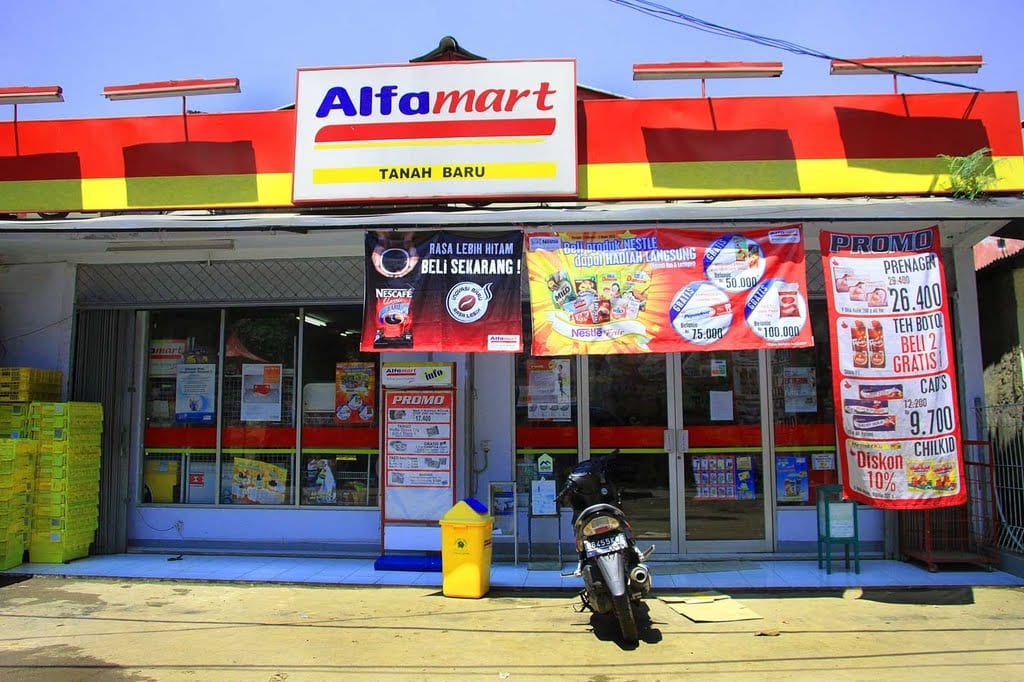
    Indonesian c-store format Alfamart is making steady progress in the Philippines after local retail giant SM Group entered a joint venture.

    Alfamart operates some 8500 convenience stores in Indonesia and now the brand is expanding into Philippines, where the c-store sector is still in its development stage.

    SM Supermarkets president Joey C. Mendoza told the Philippine Star newspaper that at the end of 2014, his company had opened 22 Alfamart branches after the two companies partnered in July. The first store in Trece Martires in Cavite, near Manila.

    Another eight have opened already this year.

    Alfamart Philippines stores stock basic groceries, foods, medicines and convenience foods 24 hours a day.

    SM expects strong growth during the next five years, believing critical mass for the chain is between 1000 and 3000 stores.

    Alfamart Indonesia is providing SM Group with experience and advice on the format’s expansion, stocking and rollout.

    Each store ranges from 150 sqm to 300 sqm in size and costs a maximum of P30 million (US$681,000) to open.

  • Food and mobile phones boost mall sales

    Food and mobile phones boost mall sales

    Mobile phone sales, supermarkets and a turnaround in the performance of discount department stores all helped to underpin the half-year results for the Australian retail landlords Federation Centre and Charter Hall Retail REIT.

    Both landlords own shopping centres dominated by food retailers with an array of speciality stores and some DDS, throughout the country. They said new acquisitions and mall redevelopments would continue in the coming months.

    The two groups reaffirmed the full-year results were positive as lower petrol prices and the low interest rates boosted consumer spending.

  • Starbucks stores roll out Lunar New Year merchandise across Asia

    Starbucks stores roll out Lunar New Year merchandise across Asia

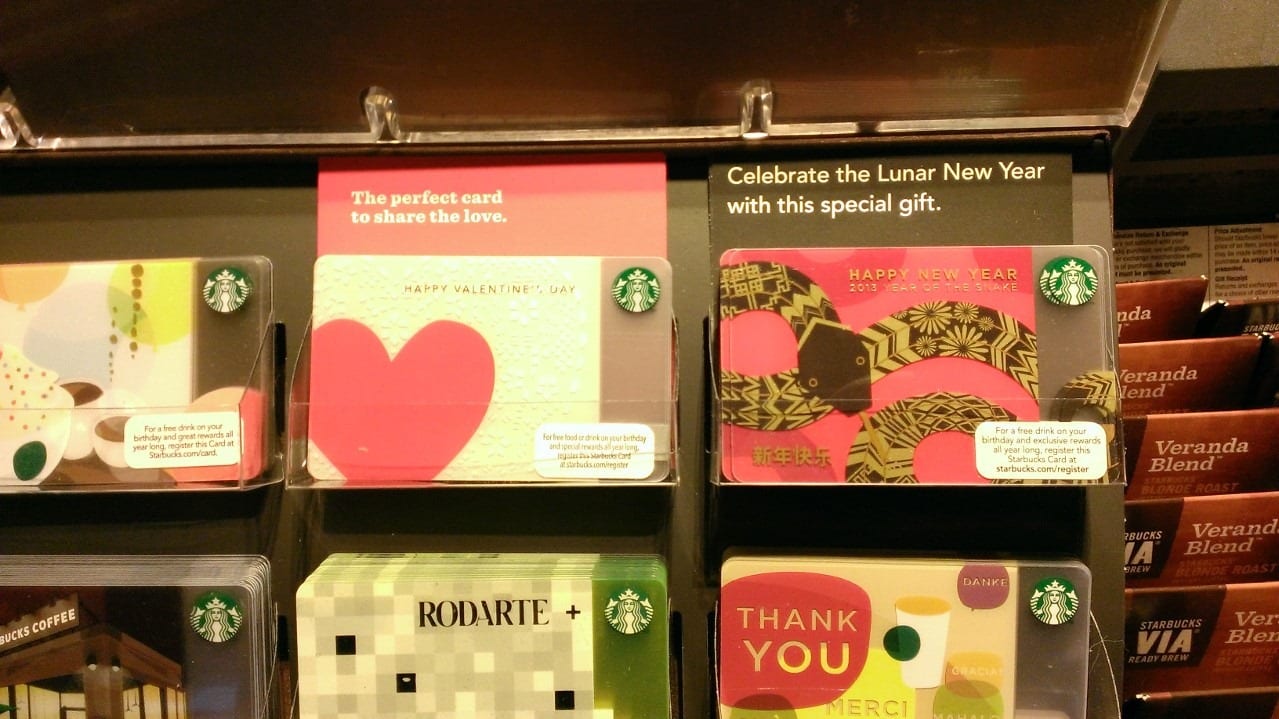
    Starbucks stores has unveiled new card designs, mugs, tumblers and other merchandise in Asian markets in time for the celebration of the Lunar New Year.

    As one of the world’s grandest and most significant cultural celebrations, the Lunar New Year, also known as the Spring Festival, is a time to sweep out the old and bring in the new with family gatherings, celebrations and the exchanging of gifts.

    Starbucks senior designer Victor Melendez created the design for the 2015 Starbucks Lunar New Year Card, available in dozens of countries around the world. His design, crafted using a linoleum block printing technique, features the seasonal colors of red and gold.

    Complete set includes 12 Hong Kong USD20 gift vouches and a complimentary tall handcrafted beverage voucher and 16 delicate packets in red and gold.

    Starbucks Coffee Wafer Rolls are also made available in China, Singapore, Taiwan. Meanwhile, a delicate treat of aromatic peach blossom and Earl Grey tea with freshly steamed milk, topped off with whipped cream and peach blossom sugar sprinkle.

  • CP All in USD433m drive to expand store operations

    CP All in USD433m drive to expand store operations

    Thailand’s retail company CP All Plc has earmarked THB14 billion (USD432.6 million) to expand its convenience and cash-and-carry store operations this year on the back of economic recovery and high consumer spending power.

    Of the total budget, THB9 billion will go to its own 7-Eleven convenience store expansion and the remaining THB5 billion to its subsidiary Siam Makro Plc, which operates Makro cash-and-carry stores.

    CP All plans to open 600 new convenience stores and improve its existing outlets, while Siam Makro will open 10 new Makro branches.

  • KFC Thailand to boost network

    KFC Thailand to boost network

    KFC Thailand says it plans to open 55 new outlets in 2015 and refurbish another 20 as it aims to boost its share of the nation’s fast food market.

    According to a report published by the Bangkok Post newspaper, KFC will boost its capital spending by 20 per cent this year, largely with funds from the brand’s parent Yum! Restaurants International, the balance from local partner Central Group.

    By the end of the year it will have a chain of 586. Fifteen of the new branches will be configured as drive-thrus.

    According to Waewkanee Assoratgoon, KFC country GM with Yum! Thailand, further capital will be invested in a new IT system aimed at speeding up the ordering process for both home-delivery and counter transactions. The company is also developing apps which would allow customers to order from smartphones or computers.

    Waewkanee told the newspaper it expects sales to increase by 10 per cent this year, one per cent more than in 2014.

  • Esquires takes back China

    Esquires takes back China

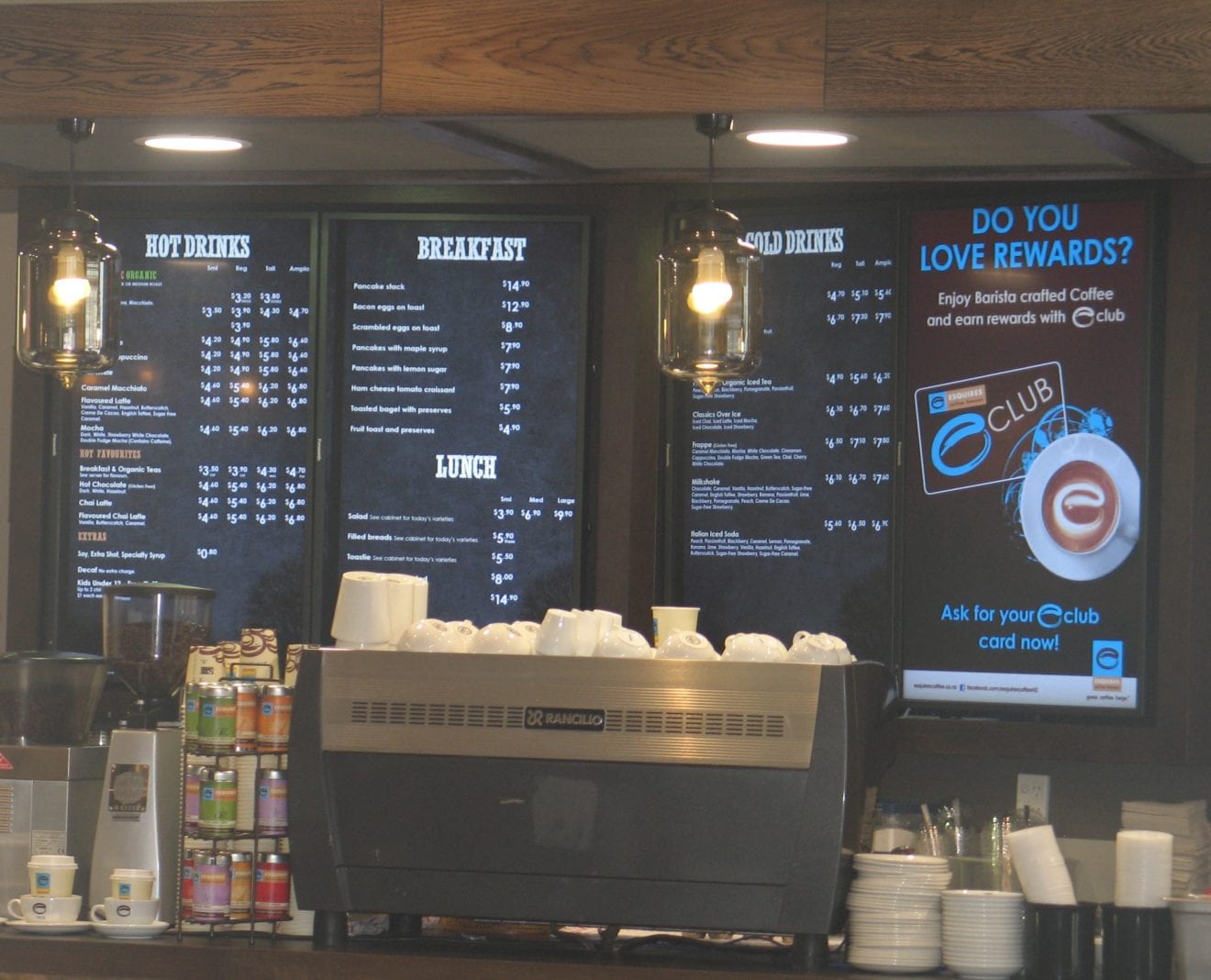
    Cooks Global Foods’ has successfully completed the purchase of the Esquires Coffee Houses master franchise in China.

    Cooks first signalled the purchase of Beijing Esquires Management Co (Esquires China) in September under an agreement where the Chinese master franchisee sold back the Chinese rights in return for a stake in Cooks.

    Esquires China was formerly owned by three shareholders, including Beijing Yunnan Building Hotel Co, wholly owned by Yunnan Metropolitan Investment Company (YMCI), which is in turn owned by the Yunnan Provincial Government. Yunnan is a province located in the southwest of China with a population of 46 million people.

    YMCI is now the second largest shareholder in Cooks, with a 15.8 per cent stake.

    Cooks Global Foods chairman, Keith Jackson, says the franchise purchase delivers a strong cornerstone shareholder to the listed company.

    “YMCI is a company with a capital value in excess of US$800 million and part of its assets are listed on the Shanghai Stock Exchange,” Jackson said.

    “The vendors remain very keen to be part of the growth of the Esquires brand and the coffee industry itself in China and internationally through the shareholding in the Esquires global business, that they now have through their Cooks shareholding.

    “We were able to come to an agreement to buy back the master franchise business for China and the vendors took a shareholding in Cooks. Effectively that provides Cooks with a more direct interest in China, the world’s fastest growing coffee market where branded coffee is in its infancy.

    “The big brands are in there and that’s great for us because it spreads the coffee gospel. Our aim is to accelerate the growth of the Esquires business in China through expansion in conjunction with both existing and new partners building on our core principles of Organic and Fairtrade coffee from New Zealand.”

    Jackson says there is a strong management team in China under Ellen Zhang, a former Esquires franchisee at the Auckland Quay Street café, part of the Countdown supermarket complex.

    “Ellen manages a very good team, many of whom have experience with international brands such as Starbucks. In fact, NZTE advised us that we are now New Zealand’s third largest employer in China, behind Fonterra and our government,” Jackson said.

    The aim is to have more than 200 stores operating in the Peoples’ Republic of China by 2020.

    Esquires Coffee Houses operate in Ireland, England, the Middle East, Canada, and China.
  • Jollibee to open 330 stores

    Jollibee to open 330 stores

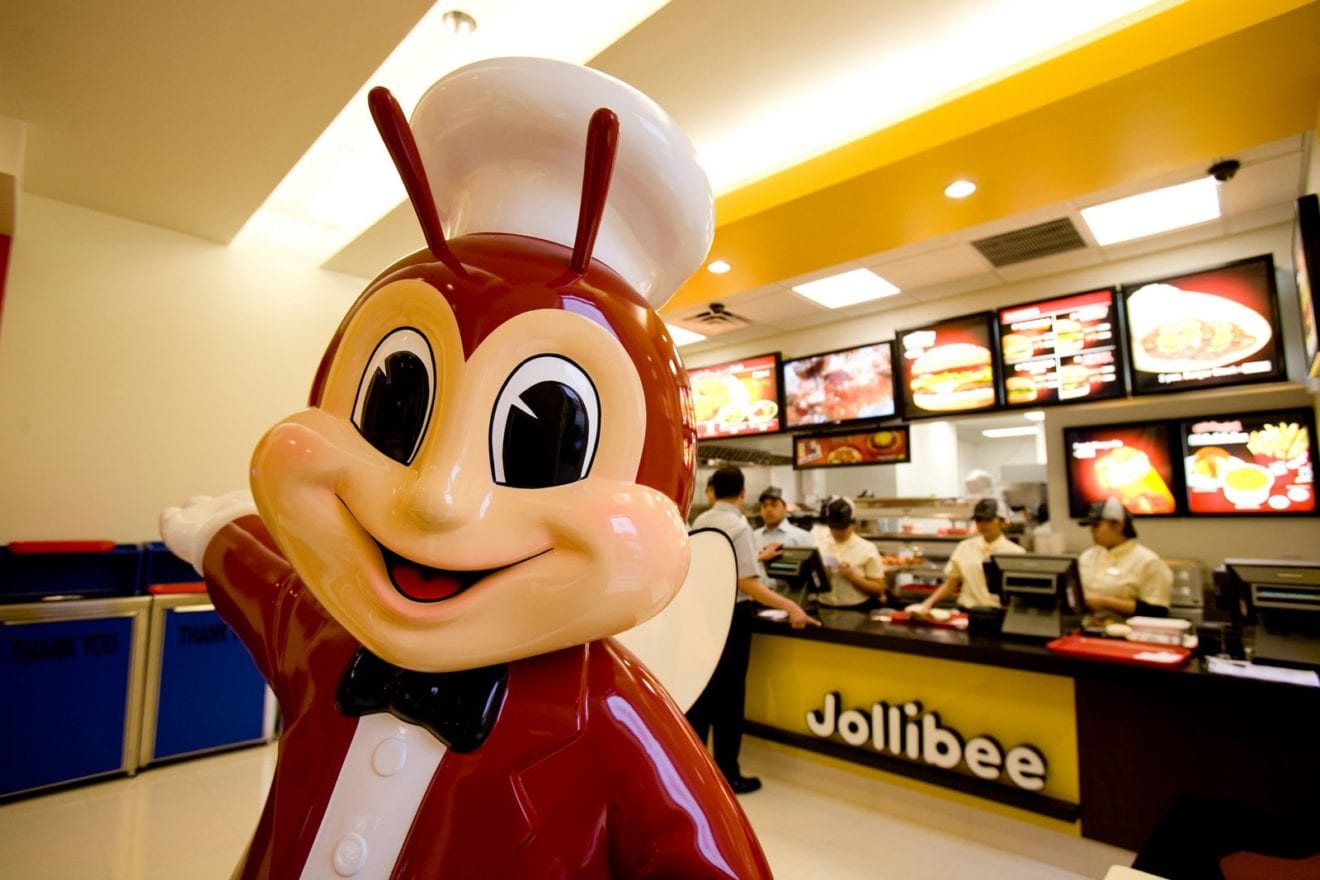
    Philippines-based fast food operator Jollibee Foods has reported a 14.3 per cent increase in income and announced a massive 330-store rollout for 2015.

    Jollibee is the country’s largest fast-food chain saw global sales increase 12.9 per cent to P90.7 billion (US$2.05 billion) from P80.2 billion ($1.81 billion) year on year to December 31.

    Its profit was P5.3 billion ($120 million), according to a lodgement with the Philippine Stock Exchange.

    Jollibee says it will open 330 stores this year – 220 of which will be in the Philippines. That’s a significant increase on last year’s 234 stores last year, of which 169 were in the Philippines and the remaining 65 abroad.

    The expansion will be funded by a 65 per cent boost in capital expenditure this year. two thirds to be spent in the Philippines, the blance in China, the Middle East and Southeast Asia.

    Jollibee operates 2301 restaurants inside the Philippines: 858 bearing the Jollibee banner, 456 Mang Inasal, 410 Chowkings, 211 Greenwich, 323 Red Ribbon, and 43 Burger Kings. It has a further 612 stores overseas, including 310 Yonghe Kings, 50 Sang Pin Wan stores and 42 Hong Zhuang Yuan stores in China; 125 Jollibees outside the Philippines, including 62 in Vietnam and 32 in the US; and a chain of Chowkings in the US and Middle East.

    It also has a 50 per cent stake in Vietnamese chains Highlands Coffee, which has 78 stores in Vietnam and the Philippines, and Pho 24 which has 53 restaurants in Vietnam, Indonesia, the Philippines, Cambodia, Macau and Korea; and in 12 Sabu, which has 19 stores in China.

    Jollibee says system-wide retail sales grew a faster 13.3 per cent in 2014, including company-owned and franchised stores.

    Jollibee’s CFO Ysmael V. Baysa said profitability would have been higher if not for increased raw material costs last year.

    “The raw material cost increases in 2014, averaging 5.4 per cent, brought pressure on our profit margins. We made important price adjustments and improved our store and manufacturing expenses during the year. We are now very close to fully covering these cost increases and look forward to the full recovery and improvement in gross profit margins in 2015 through lower cost of energy and more stable raw material prices,” he said.

    “We will also offer even better products to our consumers to help ensure our products continue to provide them great value.”

  • Shake Shack Japan bound

    Shake Shack Japan bound

    US burger chain Shake Shack is headed for Asia.

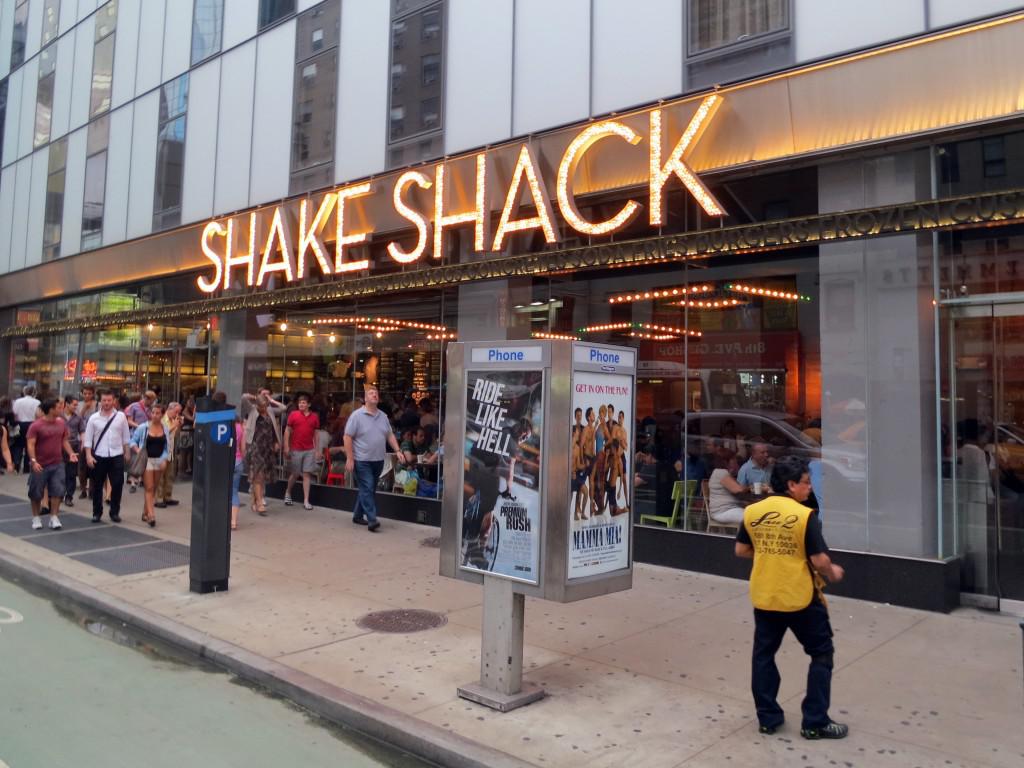
    The company says it has signed a licensing agreement with Japanese company Sazaby League, local operator of Starbucks. The two companies plan to open 10 Shake Shacks in Japan by 2020, with the first, in Tokyo, scheduled to open in 2016.

    Shake Shack, headquartered in New York, raised US$105 million in a recent IPO and is using the funds for expansion at home and abroad.

    At the time of the IPO it ran 63 restaurants in the US, 15 of them in New York. It also has stores in London, Istanbul and Moscow and plans 10 new restaurants this year as part of a longer term plan to expand to 450 outlets.

    The chain is known for burgers, milk shakes and crinkle-cut fries.

    Its Japanese restaurants will have a menu which retains core items from the brand, but is tailored to the local palate.