Blog

  • Huawei says existing devices will continue receiving Android updates

    Huawei says existing devices will continue receiving Android updates

    Huawei has confirmed that its devices will continue to receive software and security updates, reports Huawei Central. Last year, Google stopped providing non-public software to the company to comply with a US blacklist.

    The company was provided a temporary relief which allowed it to provide software updates to its existing phones. Handsets launched after the trade ban come with an open-source version of Android and lack key services and apps.

    The temporary general license expired recently and this raised speculations that older Huawei and Honor phones would stop receiving Android updates from Google.

    Huawei says that phones that were released before it was put on the entity list have not been impacted and will keep getting updates.

    As for the new devices which do not feature Google Mobile Services (GMS), updates will be managed through Huawei’s AppGallery. Google had previously said it would keep providing updates as long as the government lets it do so. There is no indication from its side that it will continue sending out updates now that the temporary general license has expired.

    The Commerce Department recently said that the license will not be extended.

    The US shows no intention of letting Huawei off easily as is evident by a recent move that aims to make it even harder for the company to source chips. The company recently said it could no longer make its own chips because of restrictions imposed by the US government and that the Mate 40 will be its last phone to have a Kirin chip.

    Later this year, the manufacturer is expected to launch its first phone with Harmony OS, its own operating system.

  • Shopee dominates online shopping in Vietnam

    Shopee dominates online shopping in Vietnam

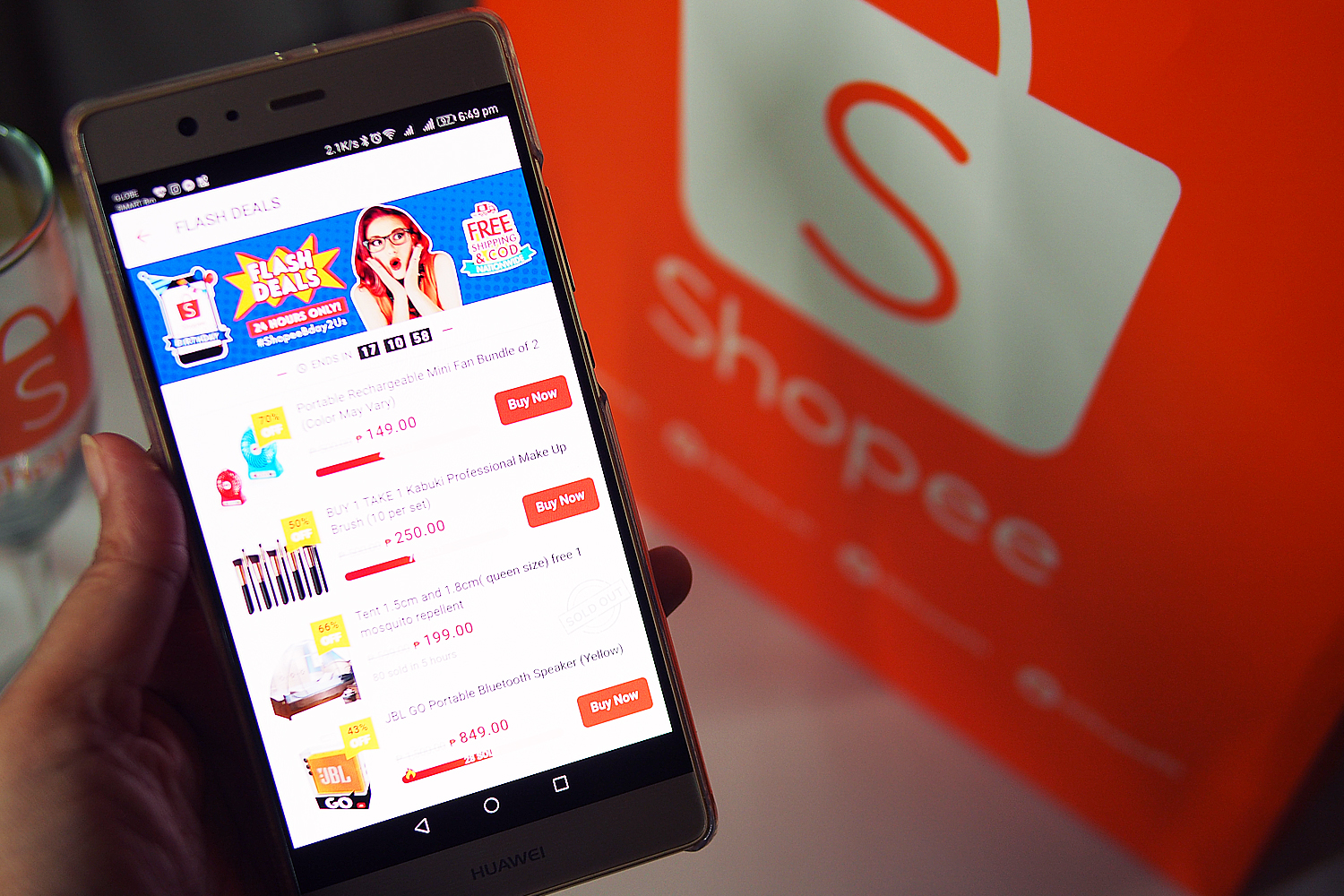
    Shopee reported a new web traffic record in Vietnam with 52.5 million monthly visits last quarter, exceeding Lazada’s previous record in 2017.

    The Singapore online shopping platform’s numbers exceeded those of the next two put together, Vietnamese companies Mobile World (25.1 million) and Tiki (21.1 million), according to data collated by Malaysian online shopping aggregator iPrice Group.

    Shopee achieved growth of 21.6 percent from the first quarter, while the three behind it, Mobile World, Tiki, and Singapore’s Lazada, saw declines of 6-12 percent.

    In the last quarter of 2017 Lazada reported 50.5 million monthly visits, but since then its numbers have declined — to 18.5 million in the second quarter of this year — as other players grabbed a bigger share of the market.

    Tiki and another homegrown player Sendo informed authorities in June that they planned to merge, but later decided to call off the deal due to disruptions caused by the Covid-19 pandemic and disagreements between their shareholders.

    Last year Vietnam’s Internet economy, which has been growing annually at 38 percent since 2015, was estimated to be worth $12 billion.

    It is expected to rise to $43 billion by 2025, according to the “e-Conomy Southeast Asia report 2019” by Google, Singapore investment firm Temasek and U.S. global management consultancy Bain.

  • Yi Fang Fruit Tea increasing its global expansion pace

    Yi Fang Fruit Tea increasing its global expansion pace

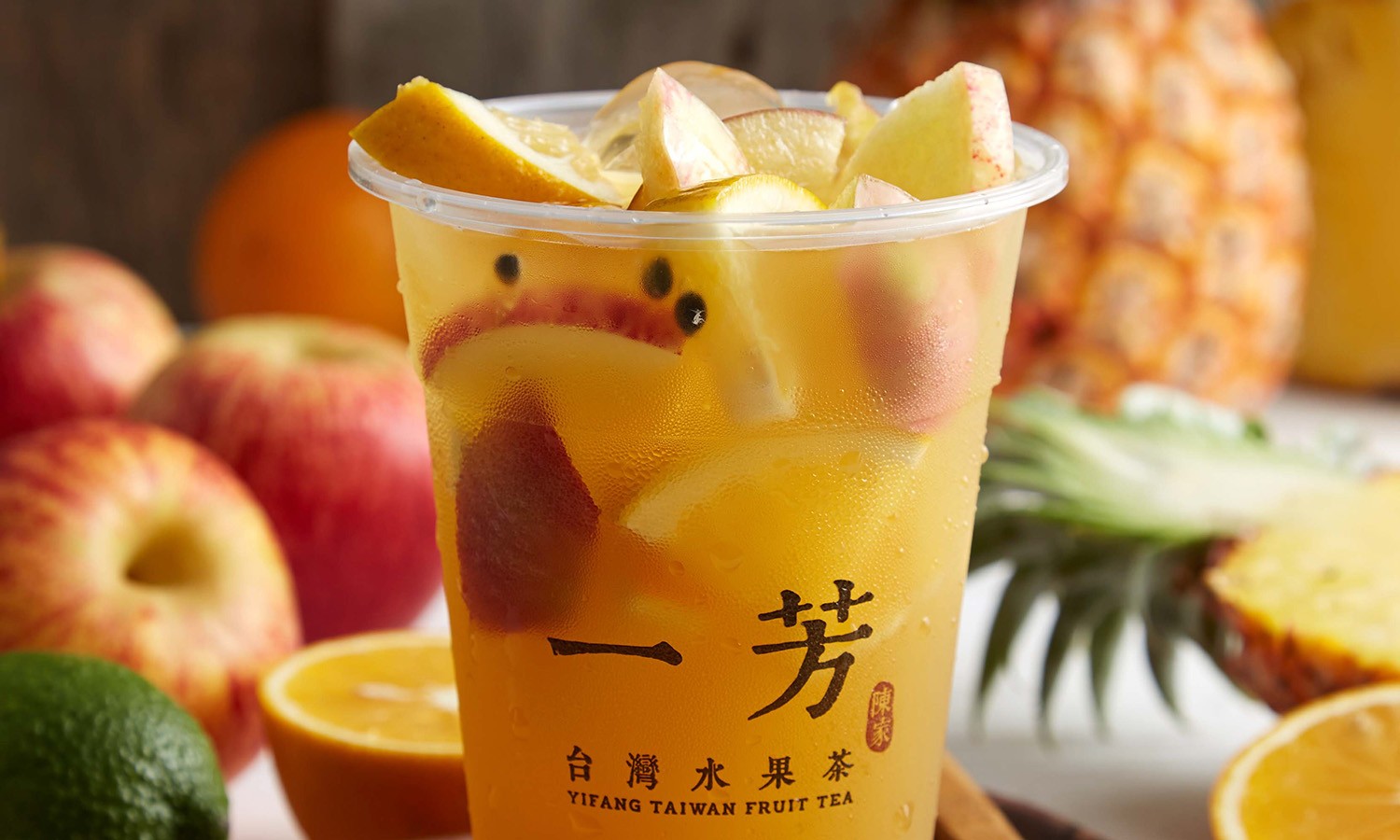
    Taiwanese tea brand Yi Fang Fruit Tea is expanding its retail network globally despite the Covid-19 pandemic.

    The founder of Yi Fang, Ko Tzu-kai, said the brand will open more stores in northern California where consumers are seeking healthier beverage options. More stores will follow later this year in Dubai along with European countries, including Paris and Sweden.

    Yi Fang operates more than 170 branches outside Taiwan, including Japan, China, the UK, Australia, and New Zealand. The brand aims to reach 200 stores by the end of this year.

    According to UDN, since July, Yi Fang has opened more than 12 outlets across regions including Thailand, the Philippines, Cambodia, and Canada. Yi Fang’s offshore sales account for about 40 percent of the brand’s revenue.

    Last year, the brand was forced to close more than 30 outlets in Taiwan after its announcement to support China’s “one country, two systems” policy triggered a boycott in the country.

  • Australia’s Mecca opens in China

    Australia’s Mecca opens in China

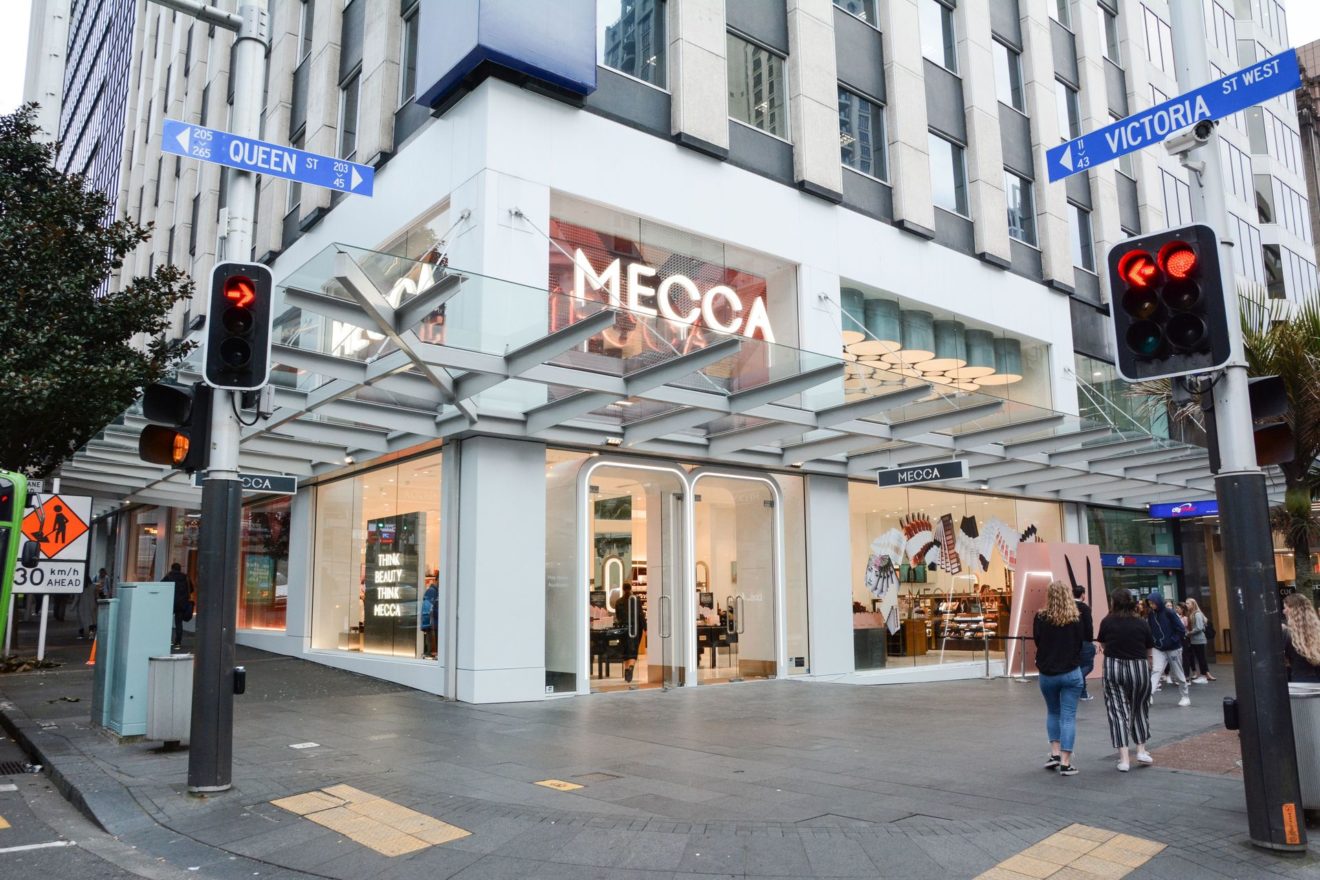
    Australian beauty retailer Mecca is entering the competitive Chinese market and launching its luxury flagship store at the online marketplace Tmall today.

    Known for its curation of niche and luxury local and international cosmetics, the brand has launched an edit of 22 first-to-market brands at its Tmall store, including its private-label brands, Mecca Brands and Mecca Max. Mecca’s Beauty Loop loyalty program will also now be available to Chinese customers.

    “I started Mecca with the desire to make every customer look and feel their best. From our very first store in the Melbourne suburb of South Yarra, to now launching in China our second international market, we have stayed true to this philosophy over the last 23 years,” said Mecca founder Jo Horgan in a statement.

    “I am thrilled that we are assisting Chinese customers, some of the most well-informed beauty shoppers in the world, to unearth incredible new brands and products and know that once they experience the Mecca magic, it will be love at first ‘add to cart’.”

    Celebrations will kick off today in Shanghai in the penthouse of luxury hotel Middle House, and will be attended by more than 100 Chinese media and key opinion leaders, while Horgan live streams from Melbourne.

    Horgan opened Mecca’s first shop in 1997 and the well-loved beauty business has since grown to 100 stores in Australia and New Zealand, along with e-commerce in both markets.

    “The idea was to bring these innovative brands into a service-driven, luxury boutique environment where women could shop across all brands and customize the product offer to suit their specific needs and wants,” Horgan said back in 2017.

    “Our goal was to take someone from a beauty novice to feeling like an expert in a single session, and for a makeup artist to feel like they had found their nirvana – we really wanted everyone to feel welcome, in control and walking out having had a great time.”

    While some beauty brands have avoided the Chinese market as legislation mandates cosmetic products in government laboratories must be tested on animals, many others such as Rihanna’s Fenty Beauty and The Body Shop have found a loophole by selling on cross-border e-commerce platforms such as Tmall and JD.

    Several brands now available at Mecca’s Tmall store are vegan and cruelty-free.

    According to a report from AlixPartners last year, 90 percent of those Chinese millennial customers surveyed indicated that purchasing ‘healthy or clean products’ was of importance to them.

  • Elie Saab vows to rebuild after devastating Beirut blast

    Elie Saab vows to rebuild after devastating Beirut blast

    It felt like an eternity rather than just a few minutes as haute couture fashion designer Elie Saab scrambled to make sure his 200 staff members, including his son, were safe when this month’s massive explosion shook Beirut.

    Like many Lebanese on August 4 when chemicals at the port detonated, the 56-year-old felt the blast was on his doorstep.

    “I saw my son covered in blood, I could not believe it. I said okay, he is wounded, but it was okay, it was just cut to his head and arms,” Saab said.

    “But it was 15 minutes that felt like two days long. It was not just because it is a father and son thing, it was because we all work together like one family under one roof.”

    The explosion killed 178, injured 6000 and damaged whole neighborhoods of the Lebanese capital.

    Saab said his main office and headquarters were badly damaged. His home a few hundred meters from the port, was gutted.

    The blast destroyed the shops and ateliers of at least two other designers, Zuhair Murad and Rabih Keyrouz, himself badly injured.

    Saab is no stranger to devastation. He started his label in 1982, at the height of Lebanon’s 1975-1990 civil war.

    The August 4 blast revived those memories.

    “It was the same smell, the same dust, the broken glass. Honestly, we did not want to relive this and it was not necessary,” he said.

    “This is a huge setback but we have to be like Beirut – every time dusting itself off and returning to the way it was,” Saab said.

    Saab’s team plan to go back to their offices from August 20 to meet a deadline for the September Paris couture show.

    He also plans to rebuild his residence, with its high ceilings and arches, marble columns and Arabesque tiles. For now, rubble and dust were everywhere.

    “We must go on … It does not become us as Lebanese to give up,” Saab said. “That is the doable part. But the biggest loss is the people you can’t bring back.”

    On a table lay a record by singer Fairouz, “Lebanon Forever”. It was broken in two.

  • JD sales beat estimates as customers move online

    JD sales beat estimates as customers move online

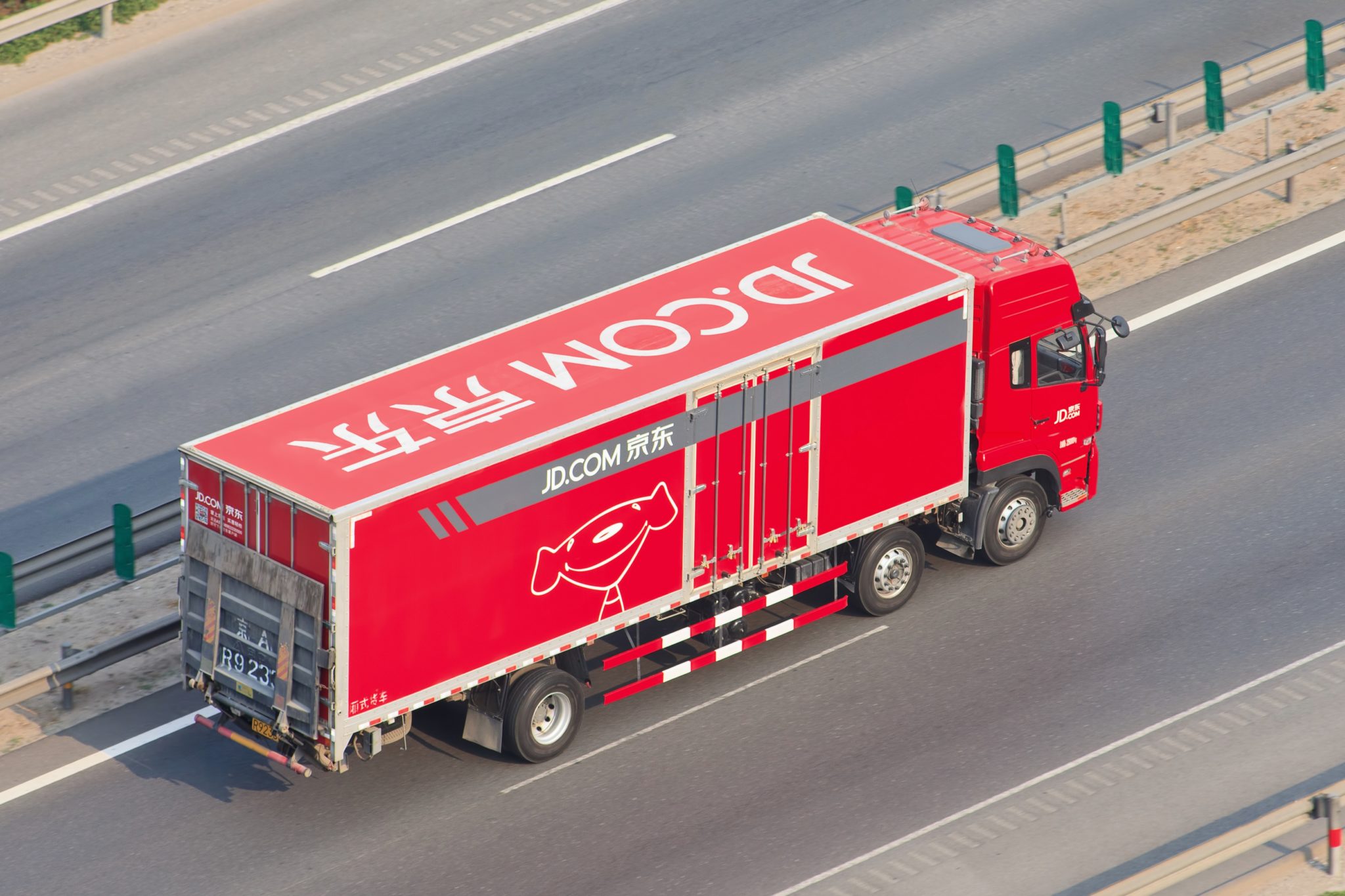
    China’s JD beat analysts’ estimates for quarterly sales, as the firm benefited from a shift in shopping habits of domestic consumers who have largely moved to online ever since the outset of the Covid-19 pandemic.

    The results coincide with growing tensions between Beijing and Washington. Several Chinese companies are putting off plans for US listings amid tensions between the world’s top two economies, while those listed in New York are seeking to return to exchanges closer to home. In June, JD raised about $3.87 billion in its Hong Kong secondary listing.

    JD executives did not offer any comments on US-China tensions on a conference call with analysts on Monday.

    China, which has under a thousand active Covid-19 cases currently, has largely emerged out of lockdowns but demand is still picking up in many sectors.

    Retail sales in the world’s second-largest economy slipped in July, dashing expectations for a modest rise, as consumers failed to shake off wariness about the coronavirus, while the factory sector’s recovery struggled to pick up the pace.

    The company’s net product revenue, which includes online retail sales, rose 33.5 percent to $25.74 billion in the second quarter.

    Net income attributable to shareholders rose to $2.38 billion from $89.4 million a year earlier.

    The company’s total net revenue rose 33.8 percent to $28.98 billion in the quarter ended June 30.

  • iKala raises US$17M Series B to expand global footprint

    iKala raises US$17M Series B to expand global footprint

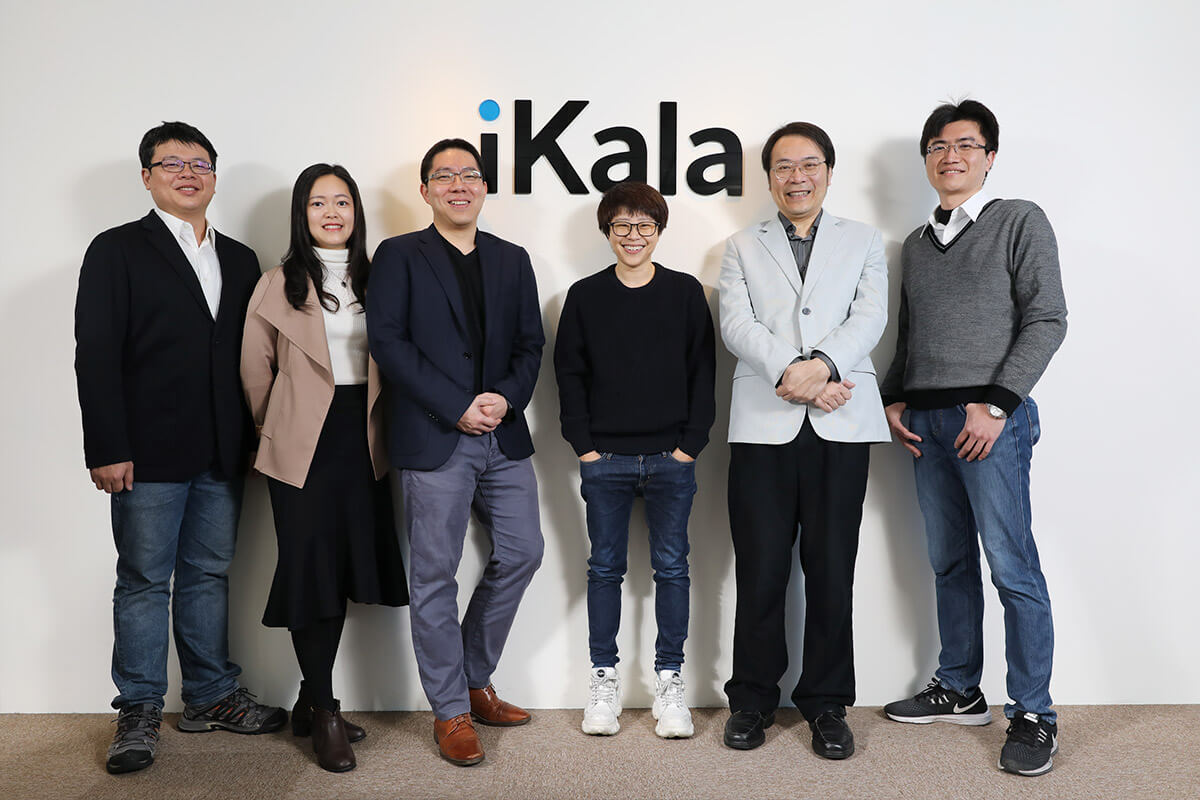
    iKala, Asia’s leading AI company headquartered in Taiwan, has raised US$17M in a Series B round of funding led by Wistron Digital Technology Holding Company, a Wistron Corporation’s wholly-owned subsidiary which focuses on digital technology industries and software application related investments. Previous investors Hotung Investment Holdings Limited and Pacific Venture Partners are also coming in, showing confidence in iKala’s practical AI and digital solutions and SEA cross-border operational efficiency.

    The latest round of funding takes the company’s total funding to US$30.3 million and will be used to further fuel iKala’s AI and digital technologies innovation. Equally, it signals the company’s expansion into new markets including Indonesia and Malaysia, while strengthening its position in its existing key markets of Singapore, Thailand, Taiwan, Hong Kong, Philippines, Vietnam and Japan.

    This strategic investment marks the lead investor Wistron Digital Technology Holding Company, which also focuses on big data analytics, entry into  Southeast Asia. Together, both companies are confident of propelling the region’s digital transformation journey forward and facilitate the development of Artificial Intelligence technology and software.

    “We’ve been on a strong growth trajectory over the last couple of years, expanding into new markets and developing cutting-edge technology that has put us in a leading position in the region’s digital transformation and commerce space. With this funding, we look forward to exploring new opportunities in AI commerce beyond our existing markets,” said Sega Cheng, co-founder and CEO of iKala.

    “Taiwan has an excellent reputation for having some of the best high tech talents in both hardware and software around the region. With Wistron as a strategic partner, iKala can become a major driving force for transforming Taiwan into an AI industry and talent hub in Asia,” said Dr. Lee-Feng Chien, iKala’s board member, former Google Taiwan managing director, who joined earlier this year.

    “As part of the Fortune Global 500 and as a TSP (Technical Service Provider) company,  iKala’s AI and software capabilities will be a value-adding element to Wistron’s long-held and leading hardware industry presence. We have heavily invested ourselves in digital transformation and further creation of new business to provide our clients with new opportunities brought by digital transformation,” said Robert Hwang, Vice Chairman & President of New Business, Wistron.

    Following its exceptional growth in the cloud and digital transformation industry since Series A round of funding early last year, iKala established a new division in June: iKala Commerce. The new solution consolidates AI-powered influencer database KOL Radar, and AI social commerce solution Shoplus, to provide an integrated solution and holistic customer data insights for the region’s social commerce players.

  • Grab and Unilever establish wide-ranging partnership to support lives and livelihoods in Southeast Asia through COVID-19

    Grab and Unilever establish wide-ranging partnership to support lives and livelihoods in Southeast Asia through COVID-19

    Grab and Unilever today announced an extensive partnership in Southeast Asia to protect Grab drivers and riders as well as support the livelihoods of small business owners as they weather the impact of the COVID-19 pandemic.

    The partnership covers Grab’s Transport, GrabFood, GrabMart, and GrabExpress services. Unilever’s personal and home hygiene brands such as Lifebuoy and Cif will support Grab drivers to deliver safer and more hygienic rides under GrabProtect. By leveraging Grab’s platform and technology, Unilever products will be available for consumers to purchase directly from Unilever’s vast network of retailers in Southeast Asia through GrabFood and GrabMart, thereby also helping small retailers and mom-and-pop shops around the region.

    “Unilever is committed to helping protect the lives and the livelihoods of those impacted by the COVID-19 pandemic. By providing Unilever’s hygiene products such as Lifebuoy and Cif to Grab’s driver-partners, Unilever is helping people get back on the move safely. The partnership will also assist small retailers, many of whom are still without a digital presence, move to an online platform, whilst also giving people more ways to purchase their favorite Unilever products. As a purpose-led organization, we will continue playing our part to support our communities through this crisis,” said Umesh Shah, Chief Executive Officer, Unilever International.

    “The pandemic has hit communities hard, particularly small and offline businesses. By partnering with Unilever, we hope to help Southeast Asians adapt and thrive in this new normal – whether by providing cleaner, safer modes of transportation or by connecting them to the growing digital economy. We’re particularly excited about the breadth and depth of the partnership with Unilever, which is a testament to the value of the open ecosystem that we’ve built. We offer an unparalleled combination of consumer reach, data insights, and logistics fleets that partners like Unilever can tap on to grow their footprint in the region,” said Russell Cohen, Group Managing Director – Operations, Grab.

    The Grab x Unilever partnership includes:

    • Boosting confidence in a new normal with GrabProtect

    Grab and Unilever is bringing greater peace of mind to driver-partners and passengers by equipping vehicles in Indonesia, Malaysia, and the Philippines with Lifebuoy hand sanitizers and Cif disinfectant sprays, at no cost to driver-partners or passengers.

    • Growing income for small and offline business owners through Unilever Ice Cream virtual stores on GrabFood and GrabMart

    Grab and Unilever is setting up Unilever Ice Cream virtual stores on the Grab platform which will offer Grab users instant access to their favorite Unilever ice cream brands such as Wall’s, Ben & Jerry’s and Breyers.

    Orders will be fulfilled by Unilever retailers located closest to the consumer – the majority of which are offline businesses such as neighborhood mom-and-pop shops and ice-cream carts. The partnership will generate more sales for these businesses, supporting their livelihoods and families. Grab aims to help these businesses further digitalize, by giving them the option to create individual storefronts on the Grab platform in the future.

    Over 250 Unilever Ice Cream virtual stores have been established across Malaysia, the Philippines, and Thailand, with the goal of reaching over 550 stores by end-2020 through upcoming expansion into other Southeast Asian countries like Indonesia.

    • Addressing the increasing demand for home deliveries and driving visibility and traffic to small retailers via GrabMart

    As social distancing measures continue, Unilever will expand its range of food, household and personal hygiene products available to Grab users and help retailers list their products online through GrabMart – Grab’s on-demand delivery service for daily essentials available across 8 countries in Southeast Asia. The partnership has kicked off in the Philippines and will expand to Indonesia, Singapore, and other Southeast Asian markets by the end of the year.

    This will be complemented by GrabAds to help grow demand for Unilever products. Orders will be fulfilled by Unilever retailers, helping them to grow and ensure resilient future-fit income streams. The rich audience data based on real-life behaviors derived from different touchpoints across the Grab platform will offer valuable consumer and category insights to further support their business.

    • Creating additional income opportunities for thousands of GrabExpress driver-partners in Indonesia

    Unilever and Grab will run pilots in Medan and Makassar in Indonesia to leverage the GrabExpress delivery fleet to ship inventory from Unilever’s warehouses to retailers, such as grocery stores and mom-and-pop shops, in response to real-time demand. Grab’s wide and readily available pool of delivery-partners will allow consumers to receive Unilever’s food and hygiene products quickly even during peak periods. At the same time, this creates additional and diversified income opportunities for Grab’s delivery partners.

    Launch dates of the partnership vary by market and by Grab service.
     

  • Kerry Logistics Network’s subsidiary Kerry Apex ranked number one NVOCC from Asia to the US

    Kerry Logistics Network’s subsidiary Kerry Apex ranked number one NVOCC from Asia to the US

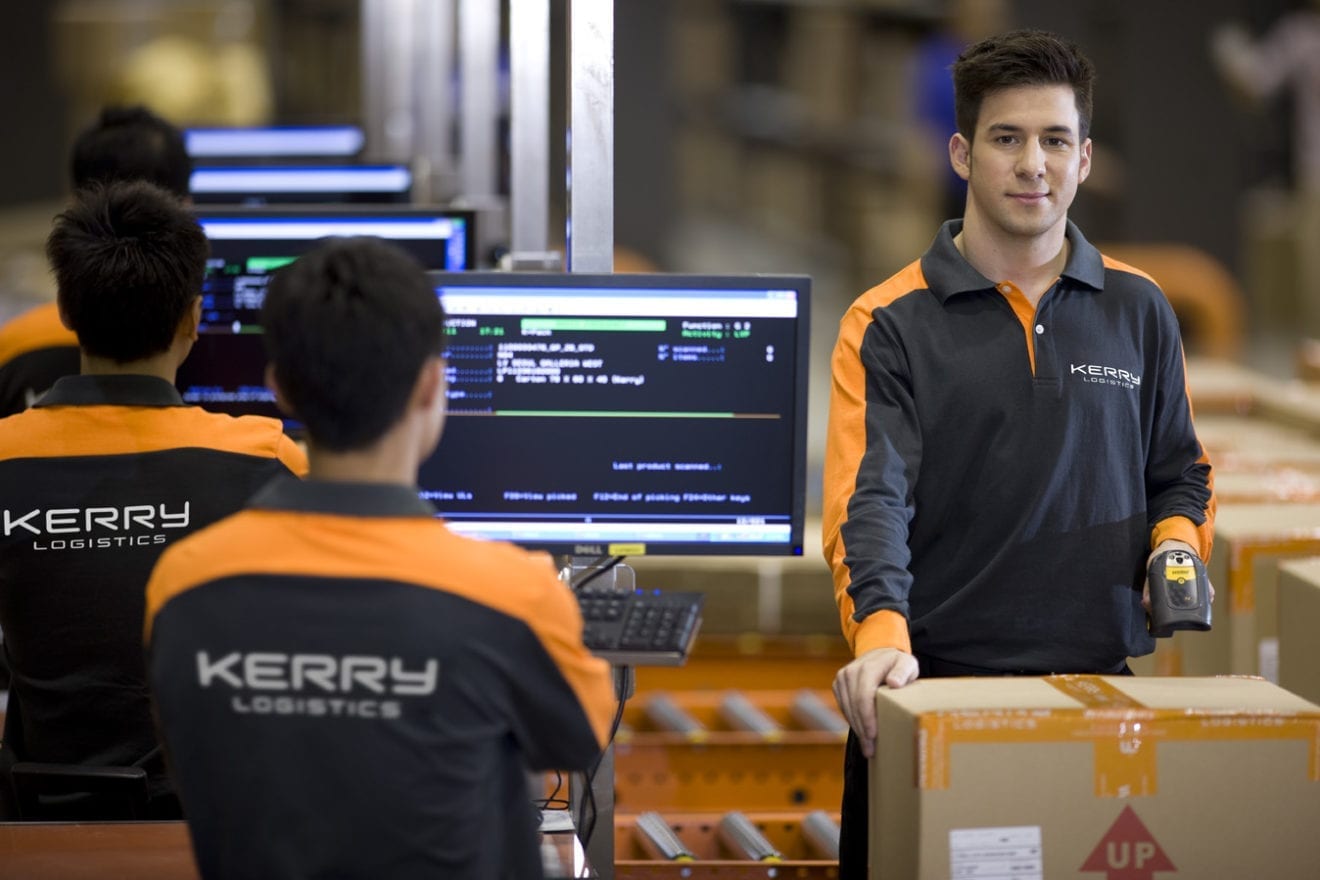
    Kerry Logistics Network Limited is pleased to announce that Kerry Apex, its indirect wholly-owned subsidiary, was the number one non-vessel operating common carrier (‘NVOCC’) from Asia to the US from January through July 2020, supported by a well-positioned team in Southeast Asia to capture the export volume shift from China to Asia.

    Kerry Apex was the third-largest NVOCC in terms of volume from Asia to the US in 2019. In the first seven months of 2020, Kerry Apex outperformed the market by recording a 6% growth in volume against the market trend of a 7% contraction in the same period.

    Kerry Apex shot to the top spot through capturing the volume shift from China to Southeast Asia by a strong regional team perfectly situated to handle the volume surge, earning additional origin-controlled shipments and winning new customers, on top of the increased demand from existing customers who restocked their inventory. Kerry Apex was also able to build on its long-standing relationships with ocean-carrier partners who helped it to secure the space needed to move its customers’ freight from Asia to the US. Kerry Apex’s achievement was made possible by the tremendous support from within Kerry Logistics’ global network both in origin and destination.

    Vicky Cheung, Executive Director of Kerry Logistics Network, said, “We are gratified to see that the efforts of our team in Southeast Asia and the relationships we have built with our partners have paid off. While the protracted US-China trade war and the as-yet-uncontained COVID-19 pandemic are clouding the horizon, we are confident that we will maintain our leading position in ocean freight for the rest of 2020.”

  • Car imports plummet nearly half

    Car imports plummet nearly half

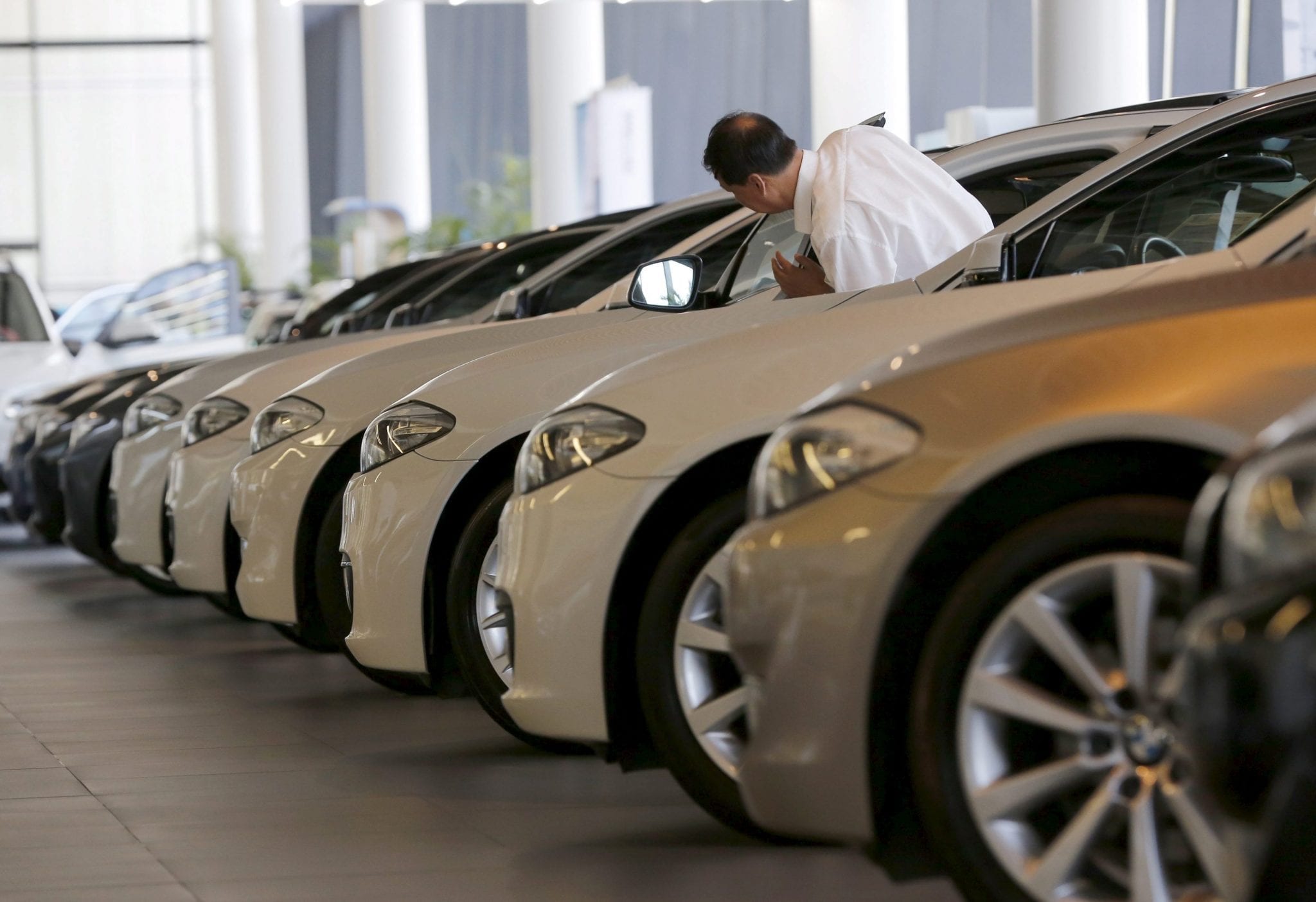
    Vietnam imported 44,973 cars in the first seven months, down 47.5 percent year-on-year amid a slump in auto demand due to Covid-19.

    The value of the cars was around $1 billion, falling by 47 percent year-on-year, according to Vietnam Customs. Over 80 percent of the cars were imported from Thailand and Indonesia, tax-free under the ASEAN Trade in Goods Agreement. Thailand accounted for 19,944 units and Indonesia for 17,723.

    July saw a recovery from the previous month to 4,760 cars worth $107.7 million, up 34 percent and 10 percent. Auto sales in the first seven months fell 28 percent year-on-year to 131,200 units, with the Vietnam Automobile Manufacturers Association (VAMA) blaming it on a fall in demand due to the pandemic.

  • DBS to Train Staff in AI and Machine Learning

    DBS to Train Staff in AI and Machine Learning

    The bank hopes to equip its employees with skills in these areas, under a partnership with cloud services provider Amazon Web Services (AWS).

    DBS Bank will accelerate the use of artificial intelligence (AI) and machine learning (ML) across its business by training its staff in these skills with the launch of the AWS DeepRacer League, the bank announced on Tuesday.

    As part of the program, DBS staff will learn the basics of AI and ML through hands-on online tutorials and will use their knowledge in programming an autonomous model race car to compete in a virtual racing environment. The bank hopes to train some 3,000 employees, including its senior leadership, by the end of the year. The league is the largest among Asian-headquartered enterprises and one of the first in the world to be organized at scale by a financial institution, the announcement said.

    Employees are also encouraged to develop their talent beyond the bank’s league and compete globally – the bank said six of its employees have already qualified for the AWS DeepRacer Championship Cup to be held in Las Vegas later this year.

    We have never believed in limiting digital expertise to a small team. Instead, we passionately believe in democratizing technology skillsets among all employees, so that they can run alongside the company as we advance on our digital transformation together, Paul Cobban, DBS chief data and transformation officer, said.

    DBS said it is preparing for the next stage of its digital transformation efforts and has been leveraging AI and ML in areas such as advanced credit risk management, and to provide accurate self-service digital options to its retail customers based on their digital footprint.

  • Siemens MindSphere Offers Cloud-Based Motorcycle Analytics

    Siemens MindSphere Offers Cloud-Based Motorcycle Analytics

    A team of scientists from Siemens is developing a new cloud-based real-time motorcycle analytics program called MindSphere. The system uses a series of sensors fitted around the bike that monitor the machine as well as the environment around it. The MindSphere system automatically uploads data to the cloud in real-time, so in case of a competition machine, the team in the pits can review the information within seconds of the bike entering a corner, or while negotiating a bump on the tarmac. While there are already systems in place which monitor motorcycle performance, the current system uses telemetric data which is recorded and stored and then needs to be downloaded to review after a few laps or test runs.

    The system can monitor the lean angle of the bike, rear tire temperature, GPS position, air temperature, the speed of the bike, acceleration, and deceleration, and also fork travel. The number of systems monitored by MindSphere is limited only by the number of sensors that can be fitted on the bike. And if it’s any indication, the system opens up a long list of possibilities and measuring almost all kinds of parameters related to a race bike, like pitch, yaw, brake pressure, rear-wheel slip, and more.

    The MindSphere system is being developed by a team of scientists led by Petra Fuchsikova, a Siemens scientist from the Czech Republic. Fuchsikova works as a consultant for the digital enterprise and the open, cloud-based Internet of Things (IoT) operating system from Siemens. She is also an accomplished motorcycle racer and has been at the forefront of testing the new system by connecting her race bike to the cloud.

  • Amazon India diverts into online medicines sales

    Amazon India diverts into online medicines sales

    Amazon India has opened a digital pharmacy trading in Bangalore in an attempt to grow its market reach in the highly competitive territory.

    The new Amazon Pharmacy service extends the firm’s online offer by trading in prescription and over-the-counter drugs, in a region where restricted medicines can often be purchased without evidence of the prescription. The firm will also trade in traditional remedies and health devices.

    India’s online medications industry operates in an environment where regulations are unclear, and where numerous startup-level firms are operating on a local scale. Amazon moved into the sector in its home market two years ago, purchasing American online pharmacy Pillpack.

    Amazon has recently expanded into food delivery, liquor trading and automobile insurance within the Indian market as part of its expansion moves.

  • Dunhill opens new outlet in Macau

    Dunhill opens new outlet in Macau

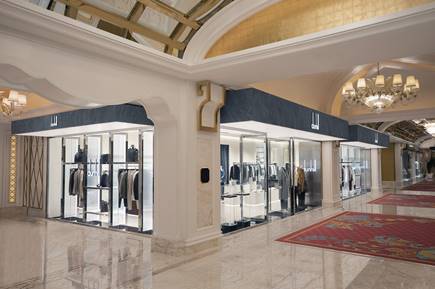
    British luxury menswear label Dunhill has opened a new store at Wynn Palace in Macau.

    The Dunhill Wynn Palace opening is part of the brand’s expansion strategy in Asia, according to the company.

    The store features a contemporary yet elegant design with modern elements such as its signature marble, leather, and metal details.

    Inspired by the Dunhill’s 1950s South Rodeo Drive store, the Wynn Palace store’s facade features the brand’s logo under a grey marble background and floor-to-ceiling glass walls.

    The store also houses a walnut burl cabinet and table inspired by the original furniture from London’s Duke Street and Paris’ Rue de la Paix stores.

    The Dunhill store in Macau offers a selection of luxury menswear by creative director Mark Weston, including ready-to-wear, leather goods, and accessories.

  • Ducati Panigale V2 India Launch Date Revealed

    Ducati Panigale V2 India Launch Date Revealed

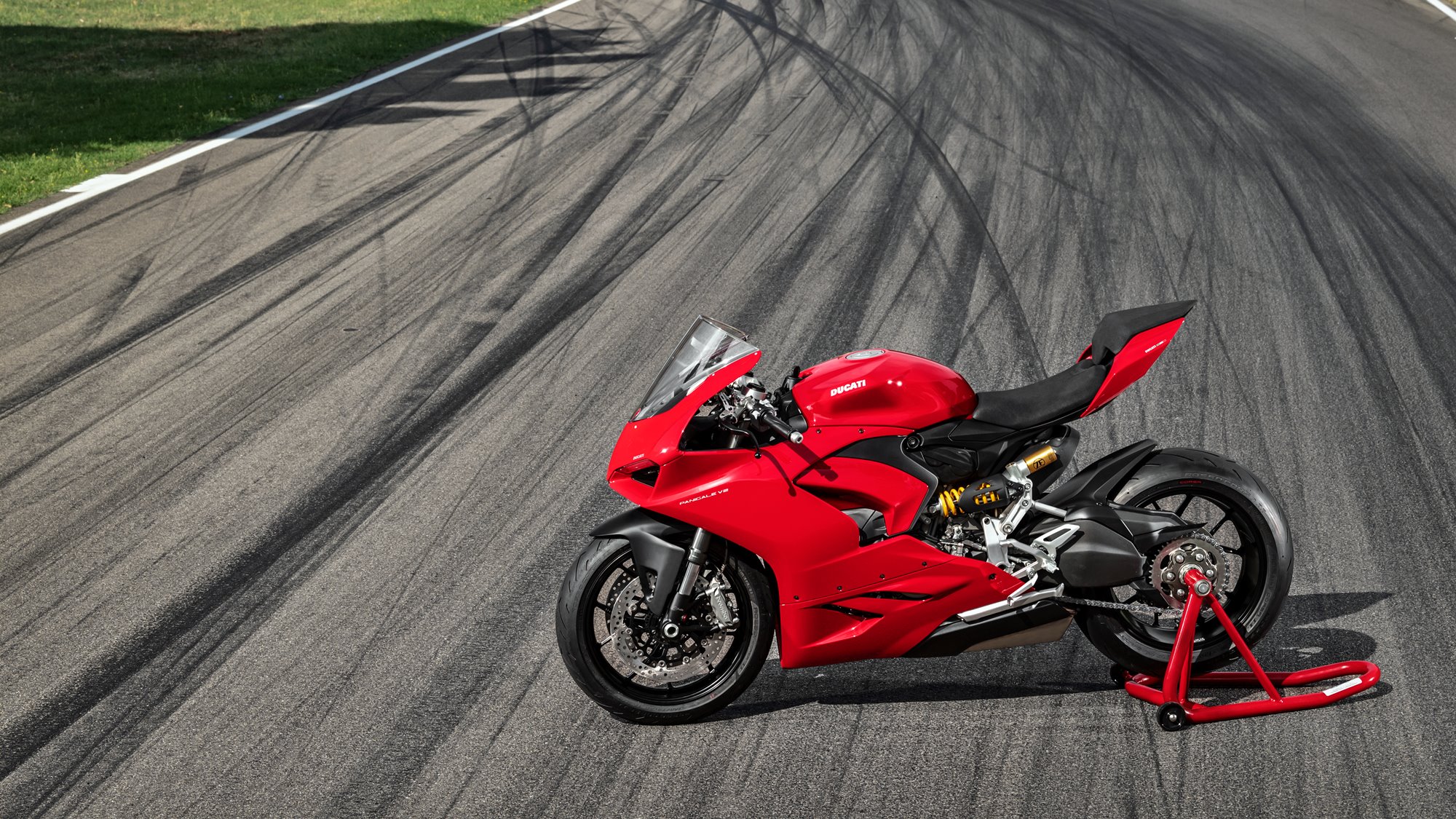
    Ducati India has revealed that the Ducati Panigale V2 will be launched in India on August 26, 2020. The Panigale V2 will be the first Bharat Stage 6 (BS6) compliant Ducati bike to be launched in India. It will replace the Panigale 959 and is designed in a way that it resembles its elder sibling, the Panigale V4. The fairing has been redesigned and the headlamp cluster has been slightly tweaked as well. The other substantial change is that the Panigale V2 now gets a single-sided swingarm like the Panigale V4 while the 959 Panigale had a conventional swingarm.

    The Ducati Panigale V2 gets a 955 cc super-Quadro L-twin motor that makes 155 bhp at 10,750 rpm and has a peak torque output of 104 Nm at 9,000 rpm. The peak power and torque go up by 5 bhp and 2 Nm. The USP is that the motorcycle has a dry weight of just 176 kg, which means the power to weight ratio will be incredible. The engine is Euro V or BS6 compliant and gets a few new components as well.

    The electronics package includes 6-axis inertial measurement-assisted traction control, called the Ducati Traction Control EVO 2, wheelie control, and cornering ABS and ABS. There is a bi-directional up/down quick-shifter as well along with engine braking control. There are three riding modes on offer, which are Race, Sport and Street. The settings for each riding mode can be adjusted via the new 4.3-inch TFT instrument console.

    The new Panigale V2 gets Showa Big Piston Forks upfront, a fully adjustable Sachs monoshock at the rear, with a steering damper. The electronic suspension is not offered on the Panigale V2. The travel for the front and rear suspension is 120 mm and 130 mm respectively. Braking is handled by Brembo M4.32 monobloc calipers and Brembo master cylinders with twin 320 mm discs on the front wheel. The front and the rear get a 5-spoke alloy 17-inch alloy wheel. The front wheel is wrapped in Pirelli Diablo Rosso Corsa II 120/70 ZR17 rubber while the rear wheel gets a fatter Pirelli Diablo Rosso Corsa II 180/60 ZR17 unit.