Blog

  • Balenciaga faces backlash over Chinese Valentines Day-exclusive mockery

    Balenciaga faces backlash over Chinese Valentines Day-exclusive mockery

    Luxury label Balenciaga has drawn widespread scorn in China over promotional material for a new handbag range.

    In celebration of yet another Chinese Valentines Day (QiXi), Kering-owned Balenciaga has released four limited-edition bags of its Hourglass collection on Tmall.

    Graffitied on the bag are Chinese phrases such as “He loves me”, “I love you”, “You love me” and “I love me”. Each of these bags sell for US$2000.

    The campaign is stylised with an amateur Photoshop aesthetic – ones referenced to the Chinese “senior pictures” (similar to the likes of India’s infamous WhatsApp ‘Good Morning’ images), where a stock image is paired with a bold Microsoft Art text. The Balenciaga QiXi campaign features models in front of a stock image backdrop with pixelated Valentines images Photoshopped on top.

    The dated image has received backlash online with netizens calling the brand out for its gaudy – and even insulting – designs. A hashtag shortly surfaced not long after its debut, with #BalenciagaChineseValentinesCampaignisTacky (self-translation), drawing more than 220,000 discussions and 180 million views on Weibo. Another hashtag trending on social media was #BalenciagaInsultsChina.

    The Balenciaga backlash is yet another example of failure by a Western brand designing limited-edition exclusives, specifically geared towards the Chinese market, but getting the pitch and tone all wrong.

    With the continuing focus on China and desperate attempts to win more of their wallet share, many local consumers are shifting their spending towards domestic labels with ‘more authentic’ intentions.

  • South Korean bakery franchise Tous Les Jours for sale

    South Korean bakery franchise Tous Les Jours for sale

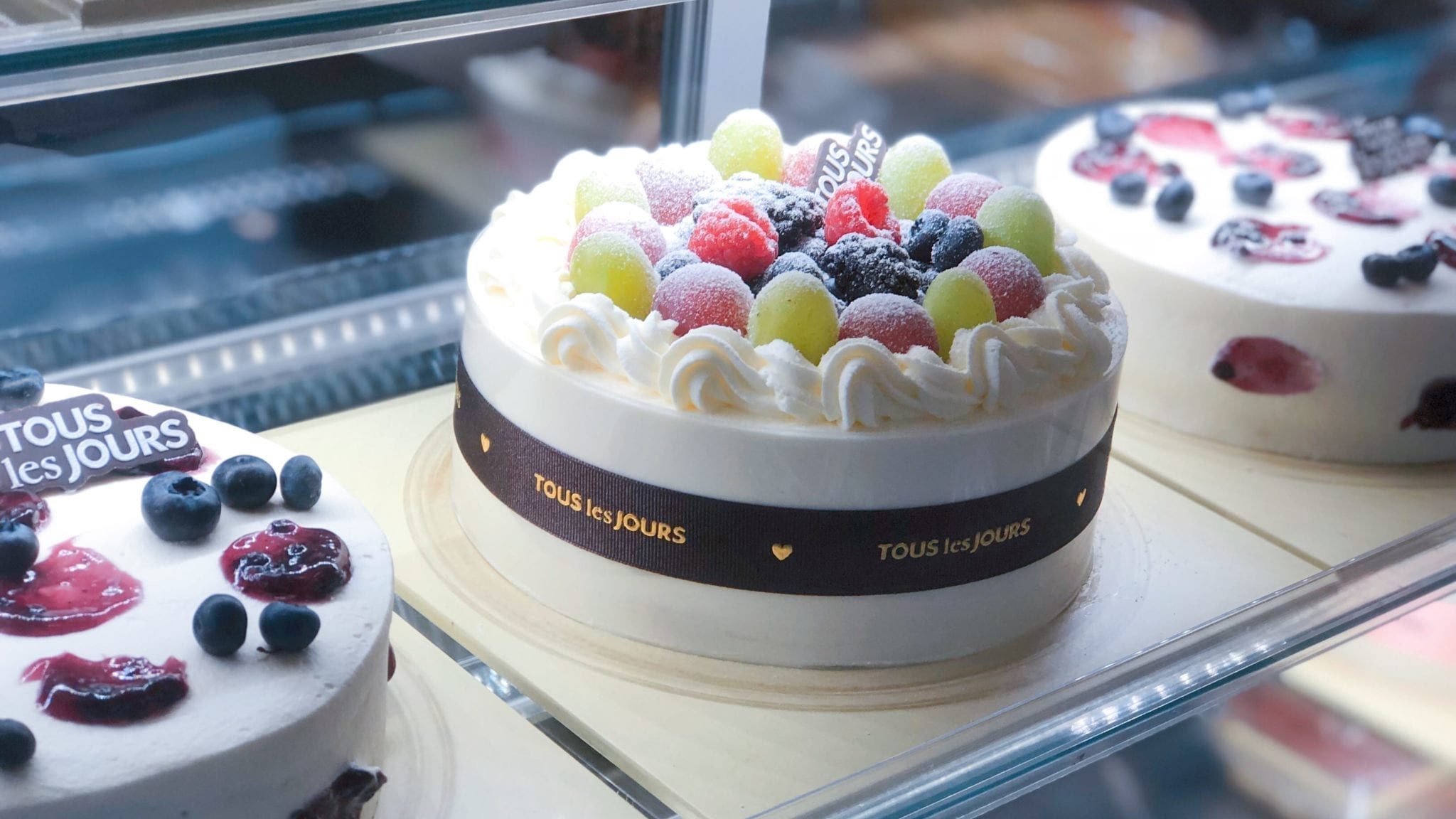
    South Korean food and entertainment conglomerate CJ Group has announced it plans to sell its retail bakery franchise Tous Les Jours.

    CJ Group has chosen accounting firm Deloitte Anjin to manage the sale process and at the same time launched a review of options to boost the chain’s competitiveness.

    Tous Les Jours is South Korean’s second-largest bakery chain between its archrival, SPC Group-owned Paris Baguette. Both chains have expanded overseas into markets including Mainland China, Malaysia, and Vietnam, with Paris Baguette’s footprint spreading as far as the US and even its namesake city Paris.

    CJ Group has sent background documents about the business to private-equity companies located domestically and offshore to gauge interest in the business.

    Tous Les Jours operates about 13,000 stores across South Korea.

    Market analysts say that in looking to sell the chain, CJ Group’s CJ Foodville is looking to use the proceeds to expand its food-service business amid the Covid-19 crisis.

    Last year, CJ Foodville sold its coffee chain brand Twosome Place to a Hong Kong-based private-equity fund for US$168.8 million.

  • Asos upgrades sales and profit outlook as returns drop

    Asos upgrades sales and profit outlook as returns drop

    British online fashion retailer Asos forecast full-year sales and profit significantly ahead of market expectations, saying it was benefiting from stronger than anticipated underlying demand and fewer products being returned by shoppers.

    Shares in Asos surged 8.5 percent on Wednesday morning UK time, extending gains this year to 36 percent after it said revenue growth for its 2019-20 year was now expected to be between 17 and 19 percent.

    It forecast pretax profit in the region of $170-$196 million, up from $43.2 million in 2018-19.

    Several British clothing retailers, including Next and Superdry , have recently reported better-than-expected trading as Britain emerged from coronavirus lockdown.

    Asos, whose fast fashion is popular with shoppers in their twenties, said it had expected to see return levels normalize once lockdown measures eased and customers were able to ship returns and felt more comfortable doing so.

    However, it said returns were not increasing at the rate it had anticipated due to strong demand during the lockdown for activewear and a shift to more deliberate

    It said this reflected robust demand for “lockdown” categories, such as activewear, and a prolonged shift in customer behavior towards more intentional purchasing across all ranges.

    German online fashion retailer Zalando said on Tuesday it had also benefitted from a decline in returns, though it assumes the fall will be temporary

    “Looking forward, the consumer and economic outlook remains uncertain and it is unclear how long the current favorable shopping behavior will persist,” Asos said.

    Last month Asos said it would repay the money it claimed under Britain’s scheme to furlough workers during the crisis.

  • Leaked White House document shows how U.S. plans to hurt TikTok financially

    Leaked White House document shows how U.S. plans to hurt TikTok financially

    With short-form video app TikTok about to be banned in the U.S. starting in the middle of next month, a Harris Poll that was shared with USA Today found that 64% of adult Americans are against the presidential executive order that will end the app’s presence in the states. The order was signed by U.S. President Donald Trump because the app’s parent company, ByteDance, is a Chinese company. Many U.S. lawmakers and members of the Trump administration believe that Chinese manufacturers use backdoors embedded in their products to capture data from consumers and companies and send it to the Communist Chinese government.

    While a majority of those adults polled are against Trump’s executive order, 57% of tall Americans agreed with the move by the president to kick TikTok out of the states. However, those answering the poll were 18 years of age or older while most TikTok users are younger. The app has been installed two billion times from the App Store and the Google Play Store. Content includes lip-syncing, dancing, pranks, protests, singing, and more. During the pandemic, TikTok picked up interest from those who were stuck at home.

    Microsoft has reportedly been looking at buying the North America, Australia, and New Zealand operations of TikTok although company founder Bill Gates has stated his reservations. Twitter has supposedly has had preliminary meetings with TikTok to form some sort of combination. However, this would be quite a longshot considering that the estimated valuation of TikTok is well above the $30 billion that Twitter is worth. But even if a deal with a U.S. firm is completed, the Harris Poll found that 62% of Americans would continue to believe that the app would pose a national security threat because of its ties to China. The rest of the poll saw 67% of Americans worried that the Chinese are using personal data collected by TikTok, a sentiment agreed to by 59% of TikTok users.

    A document from the White House indicates how the U.S. plans to impact TikTok’s operations in the country. One way that this could happen is by disrupting the app’s operations and sources of funding. A source inside the White House verified the authenticity of the document which said, “Prohibited transactions may include, for example, agreements to make the TikTok app available on app stores … purchasing advertising on TikTok, and accepting terms of service to download the TikTok app onto a user device.” Industry analysts say that if the ban prevents TikTok from appearing in the App Store and the Google Play Store, the result would sharply damper the growth of the app.

    Also facing a ban in the U.S. is messaging, social media, and mobile payment app WeChat. The latter, launched by Tencent in 2011, has over one billion users and many Chinese consumers rely on the app every single day. Trump also signed an executive order that will ban U.S. firms from doing business with WeChat. The White House document seen by Reuters is not clear on whether WeChat will indeed be banned in the states.

    The U.S. ban on TikTok would take effect starting on September 16th, the same date that any WeChat ban would also begin. James Lewis, a cybersecurity expert with the Washington-based Center for Strategic and International Studies, said, “That kills TikTok in the U.S. If they want to grow, these rules are a huge obstacle.” Lewis did note that the U.S. government might not be able to prevent American TikTok fans from downloading the app from a foreign website. TikTok has 100 million users in the U.S. and has stated that data from its U.S. subscribers is stored on servers in the U.S. and Singapore and that such information would not be given to the Chinese government.

    TikTok says that it plans to continue honoring ad campaigns although some corporations say that they have made plans to advertise on other apps if TikTok is shut down in America.

  • World-first Sour Patch Kids store launches in New York City

    World-first Sour Patch Kids store launches in New York City

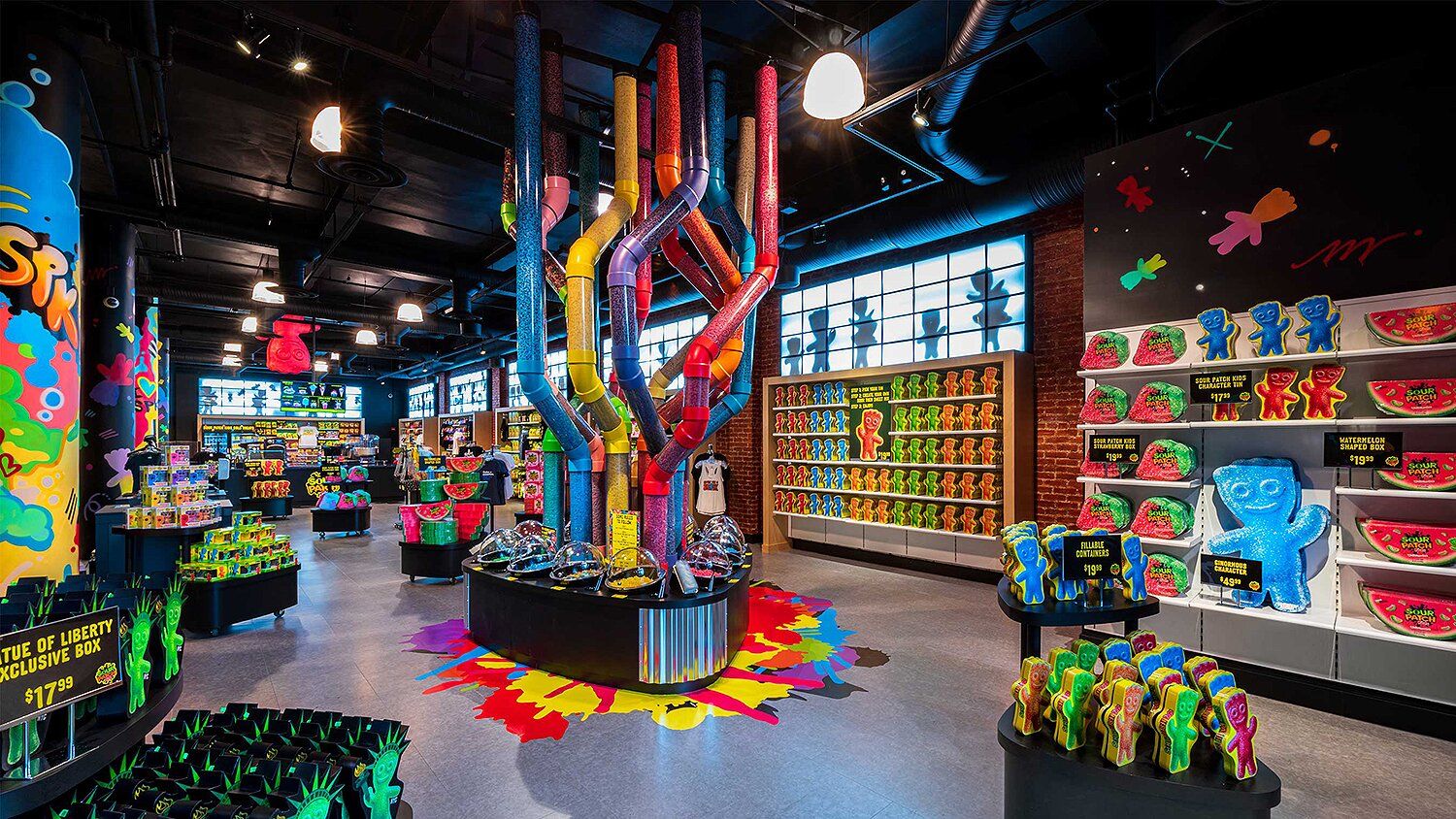
    Soft-candy brand Sour Patch Kids has launched a world-first store in New York City selling confectionery and a raft of themed products.

    Located between New York University’s Washington Square campus and the SoHo Shopping district, Bond Street and Broadway, the Kids’ permanent home features a wide selection of the brand’s merchandise, including mugs, t-shirts, socks, and beach totes.

    “We created this new experience for our fans to engage with the Sour Patch Kids brand on a whole new level, but of course understand that these are uncertain times,” said Danielle Freid, the brand’s manager.

    “With this store as our new permanent home, we want our fans to know that the Kids aren’t going anywhere. We welcome visitors to join us for a colorful, flavourful experience whenever they’re ready to explore the city again,” he said.

    Operated by specialty candy retailer It’sugar, the store also houses a Sour Patch Kids Sweets Bar where customers can find a selection of desserts, including ice creams, smoothies, and cookies.

    The Kids’ store also features a create-your-own candy mix station and a full-size Instagrammable Yellow Cab for customers to take photos with.

    “The concept behind this store is about bringing the beloved Sour Patch Kids brand to life through exclusive products and unique experiences,” said Jeff Rubin, CEO of It’sugar.

    As New York City just begins to reopen, to ensure visitors’ safety, the Sour Patch Kids’ customers are required to follow social distancing and wear face coverings. The Sweets Bar features only a to-go menu until indoor dining is allowed.

  • DBS Brings Automated Supplier Financing to Construction Sector

    DBS Brings Automated Supplier Financing to Construction Sector

    The solution aims to improve productivity and remove inefficiencies in the sector’s procurement and payment processes.DBS Bank has partnered with Singapore fintech Doxa to pioneer a procure-to-pay solution for Singapore’s construction sector, according to an announcement on Thursday.

    DBS worked with the main contractor Tiong Seng Group and its supplier network to validate the construction industry’s process flows and develop a solution to eliminate manual administrative processes that plague the industry. The solution, Doxa Connex, digitalizes and automates the majority of the manual procurement and payment processes and documentation, which could lead to a reduction in administrative fees and processing costs of at least 50 percent, the statement said.

    «Covid-19 has accelerated the need for many industries to turn to digital solutions to continue operating safely even amid manpower constraints, and the construction sector is no exception. Proactive and timely digital transformation will put construction companies in good stead for recovery and growth when economic activity picks up and demand for construction services resumes,» Chew Chong Lim, DBS managing director, and global head of real estate, institutional banking, said.

    The construction sector accounts for more than 4 percent of Singapore’s gross domestic product but has been slow to embrace technology along the construction value chain. The announcement cited a recent study by Autodesk and IDC that said only 2 percent of construction firms have automated most of their manual processes.

    Tiong Seng is keenly aware of the need to embrace Integrated Digital Delivery (IDD) in the entire value chain of the built environment sector. We have thus made digitalization one of our core drivers for industry transformation, John Keung, Chairman of Tiong Seng Contractors, said about the launch of Doxa Connex.

  • Vietnamese rice now more pricey than Thailand’s

    Vietnamese rice now more pricey than Thailand’s

    With the Thai baht weakening, Vietnamese rice is fetching 3 percent higher prices in global markets than varieties from Thailand.

    Vietnam’s 5-percent broken rice has been priced at $468-472 per ton since August 8, $15 more than its Thai rivals. The prices have risen by 6.8 percent since the beginning of this month.

    Vietnam was the third-largest rice exporter last year behind India and Thailand. In the first seven months of this year, it exported $1.9 billion worth of grains, up 10.9 percent year-on-year, with the Philippines being the top buyer, according to the Ministry of Agriculture and Rural Development.

  • ABN Amro Overhauls Corporate Bank

    ABN Amro Overhauls Corporate Bank

    Following a review by its new CEO, the bank will wind down all of its non-European corporate banking operations and stop providing trade and commodity finance.

    «We will serve clients in segments where we can achieve scale, so we will focus on the Netherlands and Northwest Europe, where we will invest and grow,» CEO Robert Swaak, who was appointed in January, said in comments with the bank’s second-quarter results, published Thursday.

    Going forward, the bank’s Corporate & Institutional Banking (CIB) will focus on clients in Northwest Europe and Clearing and will exit all non-European corporate banking activities. Trade & Commodity Finance activities will be discontinued completely, and Natural Resources and Transportation & Logistics will be limited to Europe, while it will impose stricter lending criteria and credit limits, the bank said on Tuesday.

    Non-core activities, which comprise around 45 percent of CIB’s client loans, representing approximately 35 percent of CIB’s RWA and over 10 percent of total RWA, are expected to be wound down in the next three to four years and will affect around 800 full-time employees, of which 150 are in the Netherlands.

    A Netherlands-based spokesperson for ABN Amro said that the schedule of winding down for non-core activities has not been set and that it will differ based on business line and region. In Singapore, only its Clearing desk will remain.

    We can not yet say exactly how many jobs in Singapore are impacted. This will also be worked out in the coming period, the spokesperson said.

    The bank had one of the largest exposures of any bank to the collapse of Singapore oil trading company Hin Leong, at around $300 million. It also had a smaller exposure to Zenrock Commodities Trading, another scandal-hit Singapore oil trading firm.

  • Alibaba-backed Best to list delivery business in Hong Kong

    Alibaba-backed Best to list delivery business in Hong Kong

    Alibaba-backed Best Inc is seeking a Hong Kong listing for its express delivery and freight delivery businesses, keen to boost its valuation and establish an investor base closer to China, said three sources with knowledge of the matter.

    The plans by Best, which went public in New York in 2017 and has a market value of US$1.8 billion, are preliminary and the offering size and target valuation have yet to be determined, said the sources, speaking on condition of anonymity as the information was private.

    The Hangzhou-based company, which has been unhappy with its New York valuation, decided not to include smaller units such as its supply chain management and cloud businesses in the Hong Kong listing as seeking a valuation for just the two delivery units would be more straightforward, one of the sources said

    The two units brought in nearly $4 billion in revenue last year, around 80 percent of the company’s overall revenue.

    The move also comes amid escalating geopolitical tensions between the US and China and tightening scrutiny of US-listed Chinese firms. Those uncertainties have prompted a number of Chinese companies to seek a second listing in Hong Kong.

    Best has tapped Credit Suisse and JPMorgan to lead the listing process said the sources. One source said the float could take place as soon as this year.

    Best and the banks declined to comment.

    Alibaba Group Holding, Best’s biggest shareholder, has endorsed the listing plan and would also consider investing in the float, said one of the people.

    The e-commerce giant, which in June increased its stake in Best to 33 percent via a $150 million convertible bond, also declined to comment.

    Alibaba’s interest in the float would mark another effort to gain more say in the world’s biggest logistics market which is rapidly growing but remains highly fragmented.

    Alibaba also has stakes in four other Chinese couriers – STO Express Co, YTO Express Group Co, ZTO Express (Cayman) Inc and Yunda Holding Co

    Best, led by founder and CEO Johnny Chou, a former Google executive, posted a 20.5-per-cent drop in first-quarter revenue from a year earlier and a net loss of $108 million, hit hard by the fallout from the Covid-19 pandemic.

    Goldman Sachs is also an investor in Best, according to the Chinese company’s 2019 annual report.

    Best’s shares have fallen 18 percent so far this year. In contrast, the S&P/BNY Mellon China Select ADR Index, which tracks Chinese firms listed in New York, has gained 16 percent over the same period.

  • Tencent profit beats expectations after strong demand for games

    Tencent profit beats expectations after strong demand for games

    Chinese gaming and social media giant Tencent Holdings said second-quarter net profit rose 37 percent, beating market estimates, on higher demand for its video games as coronavirus put a dent in other entertainment options.

    Revenue from online games, which accounts for one-third of total sales, jumped 40 percent in the quarter, primarily driven by smartphone games including Peacekeeper Elite and Honour of Kings. That offset a continued decline in desktop games.

    Social networks, fintech and business services, and social advertising revenues all grew by nearly 30 percent.

    Media advertising revenues fell by 25 percent however, “as a result of weak brand advertising demand amid the challenging macro environment”, and delayed content production and releases.

    The world’s largest gaming firm by revenue booked a US$4.8 billion profit for the three months through June. Revenue rose 29 percent to $16.5 billion.

    The results come a few days after the US said it would ban WeChat-related transactions in the country.

    Tencent, which owns the Chinese messaging app, is under pressure to address concerns about the impact of the ban and outline its plans to mitigate any fallout.

    The company has also postponed a blockbuster release of “Dungeon and Fighter Mobile” game planned for August 12, citing upgrades needed to the game’s addiction prevention system.

  • Sony Marching Ahead With The Development Of The Vision-S Concept Electric Car

    Sony Marching Ahead With The Development Of The Vision-S Concept Electric Car

    Sony stole the show at CES 2020, alas the last major trade show, before the world was crippled by the pandemic. And the company introduced its show-stopper which was something it is not known for. Cars, an electric one to be precise. Sony’s Vision-S concept stole the show at CES, but at the time, the Japanese company insisted that this wasn’t an overture for a product, but instead just a concept and more about the technology.

    It turns out Sony has more plans for the electric car and now is marching ahead with its development. Magna, the company behind the electric car platform, has now started involving the car in road testing trials in Tokyo, Japan which is also Sony’s home turf. Previously, the car was parked in the Magna Steyr factory in Graz, Austria.

    Just to recap, the Vision-S concept has 33 sensors feeding the driver assistance system coupled with an all-new electric powertrain. The 33 sensors leverage Sony’s leadership in imaging technology with a slew of CMOS and time of flight (ToF) sensors embedded in the system that kind of replicates the job of a LiDAR for autonomous capabilities.

    The car also gets some goodies from Sony’s iconic audio group with technologies like a 360-degree reality audio system that has speakers built-in the seat. Like Tesla, this car even had a panoramic screen for the core user interface of the car. It even features technologies from Bosch and Blackberry which has the QNX automobility platform.

    While Sony hasn’t communicated anything officially that it will be pursuing this venture more seriously, the fact that the car is being tested on roads in Sony’s home, indicates something bigger. It also comes at a time when many big tech companies have started struggling or failing with electric car ventures. Notable examples are Apple and Dyson. While Dyson has pulled the plug on the project, Apple has pivoted towards the development of autonomous car technology which can be integrated with third-party manufacturers rather than making the so-called prophetic “Apple Car”.

  • Indian retail sales plummet, but RAI points to early signs of recovery

    Indian retail sales plummet, but RAI points to early signs of recovery

    Indian retail sales figures reflect signs of recovery in the nation’s economy, even as the overall number shows a massive drop against last year due to the impact of the coronavirus pandemic.

    The Retailers Association of India (RAI), in the fifth edition of its fortnightly business survey, reported a 63-per-cent year-on-year decline in retail sales during July. The massive decrease compares favorably with that recorded for June (67 percent) and April (more than 80 percent).

    The trend towards recovery was most pronounced in the food & grocery and consumer durables product categories, but not apparent in the apparel, sports goods, and beauty & wellness sectors.

    The statistics signal challenges still facing retailers despite the easing of India’s lockdown last month.

    “With Unlock 3.0 now being rolled out across the country, there is a possibility of significant sales recovery for retail businesses,” said RAI CEO Kumar Rajagopalan. “However, localized lockdowns, weekend curfews, and not allowing formats like food courts and cinema halls to reopen are creating roadblocks on the path to revival.

    “In places where local authorities have been supportive, there is confidence in the minds of consumers. If the retail industry continues to be under pressure, it will have a serious rippling effect on other sectors such as manufacturing, entertainment, and artisans among others.”

  • Audi Dealership Destroyed In The Beirut Explosion

    Audi Dealership Destroyed In The Beirut Explosion

    It’s been over a week since the explosion at the Beirut port in Lebanon, and the damage to the people, economy and the city at large is insurmountable. The extent of the destruction is devastatingly visible in the form of this Audi dealership that’s been reduced to rubble in the aftermath. The image shared by Hildegard Wortmann – Member of the Board of Management of Audi AG for Marketing and Sales, shows the completely destroyed dealership surrounded by towers on either side with shattered glass. She further revealed that while the employees at the dealership are safe, many of them have lost their homes. Not just Audi but most auto dealerships and other businesses in areas close to the port have been destroyed due to the blast.

    In a post on social media, Hildegard Wortmann wrote, “It is with great sorrow that I wish to express my deepest sympathy to our Audi team in Beirut and to everybody there who is suffering from this unbelievable tragedy. I have been in contact with Nabil Kettaneh, who is our Audi importer and partner in Beirut, immediately the morning after and so grateful to hear that everybody is safe while our dealership has been completely destroyed. Many of our team have lost their homes and their families have been impacted. Your grief is the grief of the whole Audi family worldwide. Our thoughts and compassion are with you and the victims’ families. May strength and confidence be with you!”

    In fact, images and videos which emerged on the internet further show massive destruction to homes and cars. A video of what appears to be a dealership parking lot in the city shows damaged Audi vehicles that were ready to be delivered to customers, adding millions to the overall damage. Not just Audi, but other automakers have suffered equal levels of destruction. Carmakers including Mercedes-Benz, Jaguar, Suzuki, Ford, Seat among others took to social media to show support for the city.

    The extent of damages as a result of the explosion has been estimated at about $10 billion so far and the number is only expected to go higher, according to a report by Bloomberg. As of August 11, the blast resulted in over 200 fatalities and 110 people are missing, with over 6000 injured. The explosion has also rendered over 200,000 people homeless or living with homes with shattered windows and doors. Beirut was also home to several refugees in the Middle-East that have once again been rendered homeless amidst the massive crisis.

  • South Korean KOLs banned from promoting products without full information

    South Korean KOLs banned from promoting products without full information

    South Korea will ban social-media influencers – KOLs – from pitching a new product or service on their online platforms without disclosing their business ties with corporate sponsors, government officials have announced.

    The move comes amid controversy over some famous social-media influencers’ involvement in the shady practice called “backdoor online advertising.”

    The Fair Trade Commission (FTC), South Korea’s antitrust watchdog, said its revised advertising guidelines for social-media platforms will become effective from September.

    The new rules require KOLs on social media platforms, such as YouTube or Instagram, to state clearly whether their product endorsements are “financially rewarded or intended for promotion”.

    Vague wording like “thanks to” or “reviewer group” will be prohibited on their videos as well.

    The corporate watchdog said it will start to crack down on and punish violators after a certain guidance and grace period.

    Violators — both influencers and corporate sponsors — will be slapped with a fine of up to 2 percent of related sales and revenue or US$422,000.

    Some social media influencers have drawn flak for their backdoor advertising. A popular ‘mukbang influencer’ with 4.7 million viewers recently apologized for being involved in the unfair advertising practice.

    In addition, a renowned YouTuber with an audience of 2.68 million has announced her retirement from mukbang, a portmanteau in Korean of “eating” and “broadcast.”

    Last year, the antitrust watchdog clamped down on companies’ backdoor advertising through influencer reviews for the first time.