Blog

  • Patent applications reveal how Apple Glasses will charge

    Patent applications reveal how Apple Glasses will charge

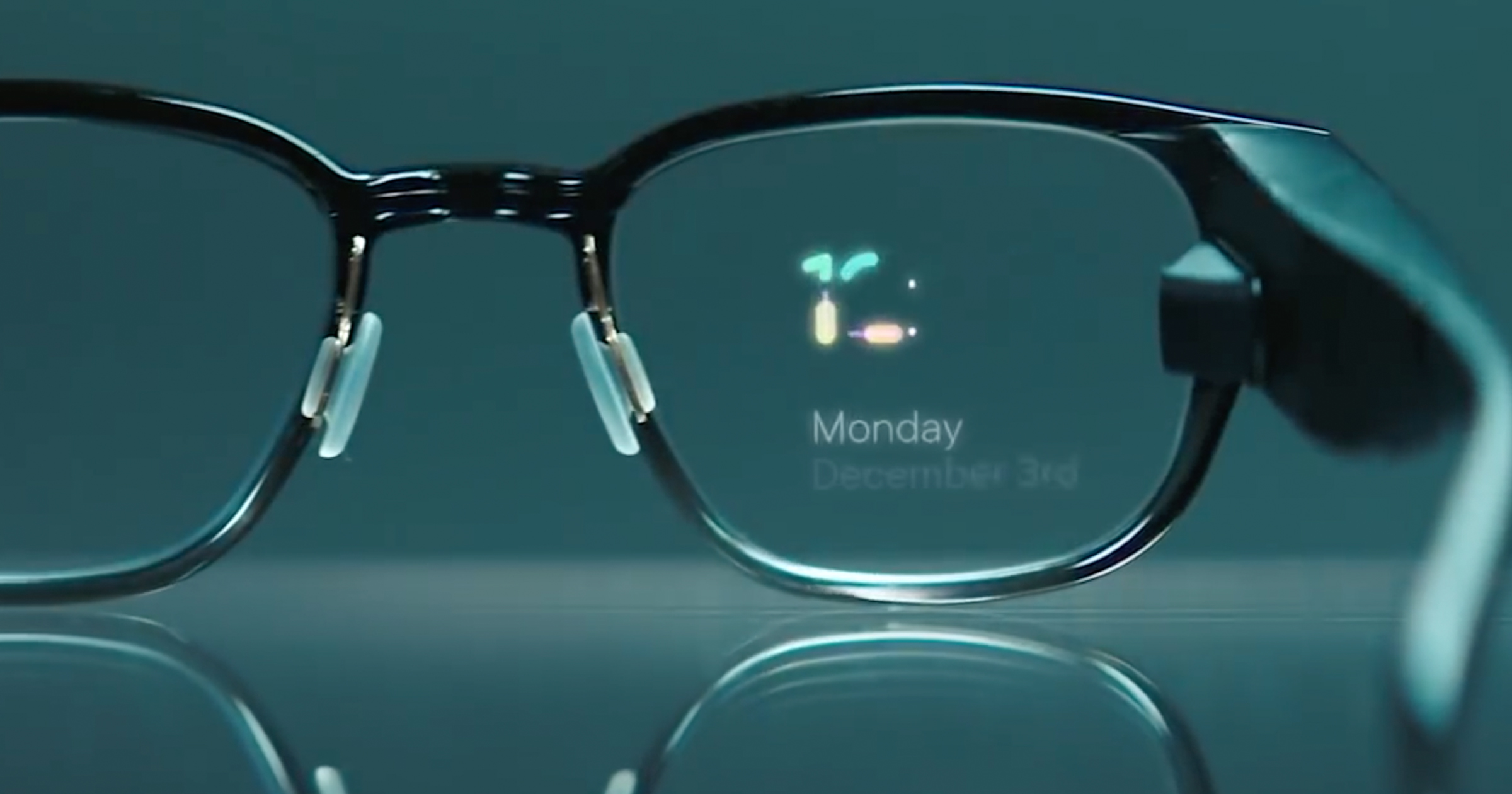
    A new series of patent applications filed by Apple with the U.S. Patent and Trademark Office (USPTO) reveals some of the features that Apple might include with its upcoming AR or mixed reality (augmented and virtual reality) headset. While some analysts had called for this device to launch as soon as this year, it is more likely that the device will see the light of day in 2022 or 2023.

    The first of the patent applications published today is simply called “Display System.” The patent envisions the use of coils placed inside the headband of the Glasses that go around the back of the wearer’s head. A power storage device would be placed near the display and between uses, the headset would be placed in a dock that aligns with the coils to wirelessly charge the device. The headset band could use magnets to help align the coils with the charger. Another possibility is the use of a stand that the headset could hang on. The part of the Apple Glasses that contains the coils connects with the part of the stand that allows the inductive charging to take place.

    Since different people have different face shapes and sizes, Apple applied for another Apple Glasses related patent. Titled “Electronic Device with Adjustable Support Structures,” this reveals an adjustable structure that rests against a user’s forehead with second and third portions that rest against the user’s cheeks or temples. The adjustable structures can use telescopic layers of material, inflatable structures, posts with adjustable lengths, or elastic material that expands or retracts depending on the shape and size of the wearer’s face. A cable system could be used so that if the user adjusts the device to better fit his forehead, the cable tightens around both temples.

    Another patent application titled “Electronic Device With A Display Attached to a Lens Element” suggests that Apple could attach lens elements to the headset’s display by using a layer of optically clear adhesive or the lens element may be formed from gel that directly contacts the display. Attaching the lens directly to the display could help prevent dust and dirt from blurring images. Most VR headsets include lenses that can be found between the user’s eye and the display. The patent would help Apple align these lenses with the headset’s display. “Ultimate Sensor” is another patent application filed by Apple that discusses a system that transmits pulses and measures any echo coming from that pulse. If a sensor on the headset detects the presence of an object, a second pulse is sent out to help identify it. The technology could be used in combination with a camera to show the headset wearer a view of the real-world to prevent accidents.

    Apple has kept mum about its Apple Glasses although it is known that CEO Tim Cook loves AR. He has said in the past that “I regard it (AR) as a big idea like the smartphone. The smartphone is for everyone, we don’t have to think the iPhone is about a certain demographic, or country or vertical market: it’s for everyone. I think AR is that big, it’s huge. I get excited because of the things that could be done that could improve a lot of lives. And be entertaining.”

    Last September, hidden code discovered in iOS 13 revealed that Apple’s upcoming headset has a code name of T288 and is known as “Garta.” It reportedly will use the “reality Operating System (rOS)” and an app called “”STARTester” will recreate on an iPhone display exactly what the Apple Glasses wearer is seeing on his headset. A 5nm chip long has been rumored to be used on Apple Glasses and the very first chip that meets this standard will soon roll off of TSMC’s assembly line.
  • DBS, Revenue Projections are a Moving Target

    DBS, Revenue Projections are a Moving Target

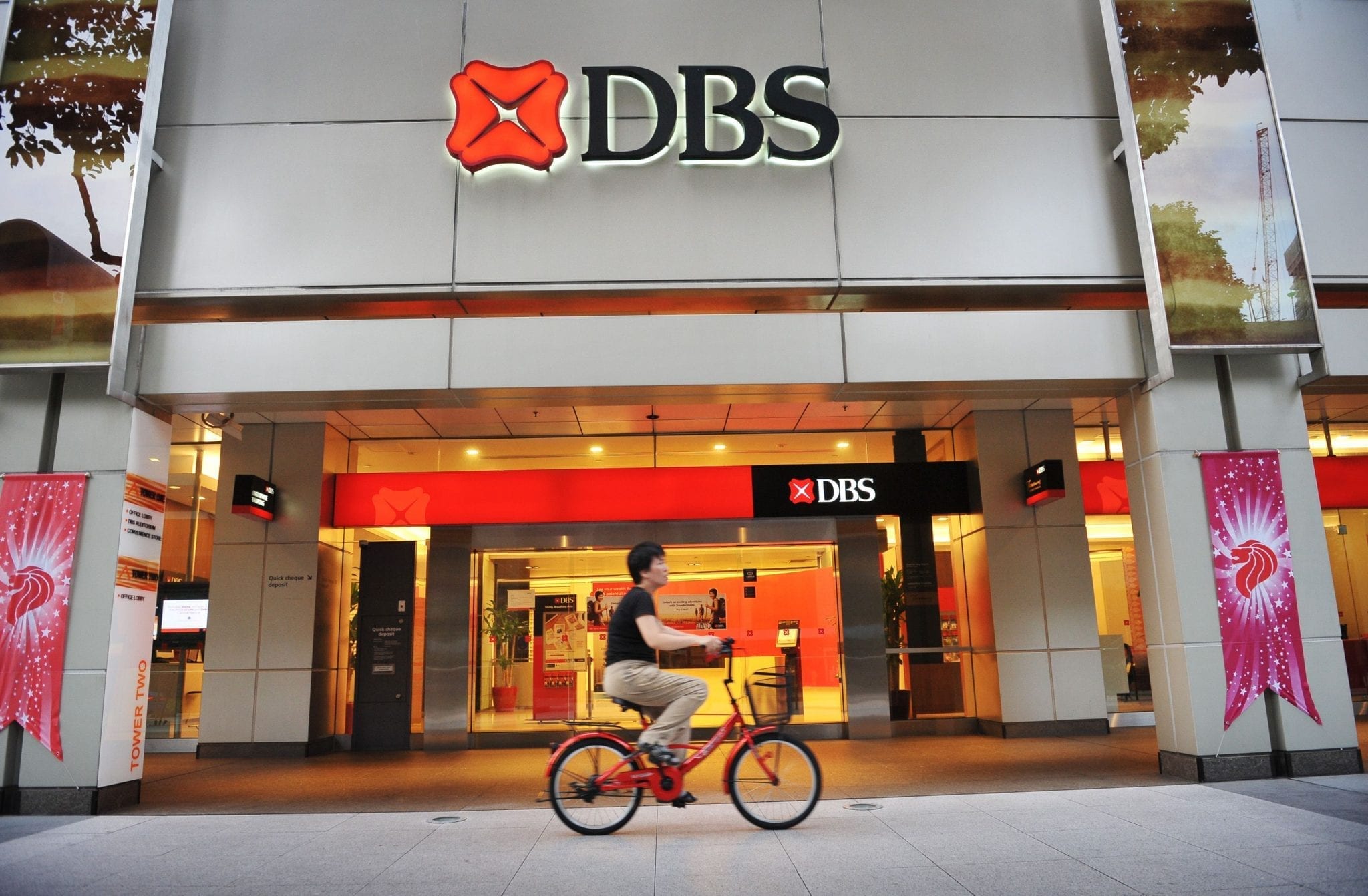
    DBS’ Tan Su Shan followed up on the estimates for a 2 percent of revenue cut, underlining that potential revisions could come should the pandemic prolong.

    Soon after the bank’s chief executive Piyush Gupta announced a modest 1-2 percent revenue reduction, institutional banking head Tan Su Shan followed up by adding that the matter was a «moving target» and that potential revisions could come.

    We are living day by day, week by week right now, she said in a report, highlighting that the estimate was based on the assumption that the pandemic would subside by mid-year. «The key here is to stay with the clients, watch everyone’s positions and make sure everyone is okay.»

    According to Tan, non-performing loans are expected to increase from small and medium-sized enterprises across tourism, apparel, hospitality and other sectors tied to consumer demand. Nonetheless, she noted that Singapore and other parts of Asia are observing signs of stability fuelled by government stimulus though business confidence and a recovery in consumer demand still lag.

    For 2019, DBS demonstrated resilience posting a 14 percent increase to net profits to a record S$6.4 billion ($4.5 billion) from a 10 percent year-on-year income increase. From such a position, its modest revenue cut projection signals greater risks in the broader financial industry, especially amongst players with greater China exposure.

    AIA, for example, noted that face-to-face meetings in China, which account for 40 percent of sales, took a hit, though its online sales managed to partially offset the loss. Its soon to retire chief executive and president Ng Keng Hooi noted the headwinds the insurer faced from the coronavirus and low-interest rates but remains optimistic that  «the industry would overcome this down cycle and come out stronger», in a report.

  • DC Super Heroes Cafe in Manila closes for good

    DC Super Heroes Cafe in Manila closes for good

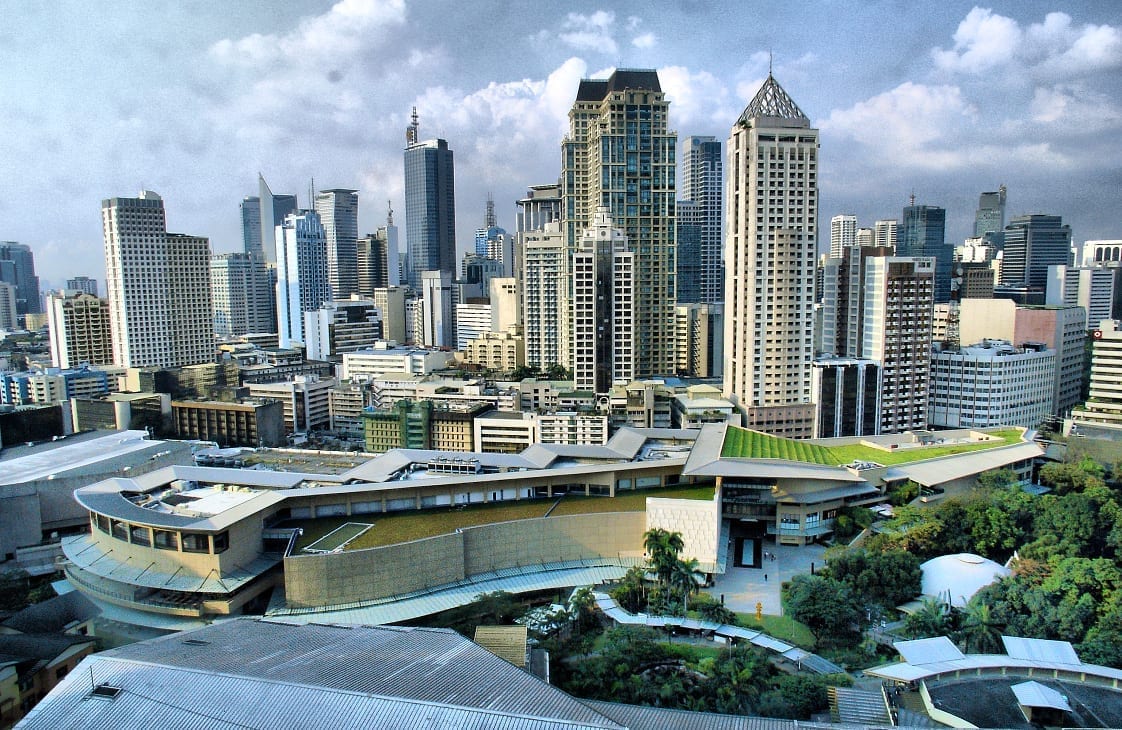
    DC Super Heroes Cafe in Manila permanently closed on Thursday, announcing the move on Facebook.

    In the post, management thanked customers of the SM Megamall store who had been fans of the superheroes-themed cafe since it opened in 2018.

    “To say that it was our pleasure to serve you is an extreme understatement. Our goal was to create a place where every superhero fan can enjoy good food and feel at home. Seeing your faces when you walk into our store, when you talk excitedly with our team about how you enjoy all the small details when you acknowledge the service and food makes it all worth it”.

    The DC Super Heroes Cafe in Manila, managed by Edric Chua. was known for its DC-inspired food and drinks. It also offered DC superhero merchandise collections for characters including Batman, Superman and Wonder Woman. Even though closing, the shop promised customers it will still continue to sell merchandise through its Facebook account.

    “We would have loved to extend our stay, but these are trying times. The most important thing to remember now is to stay properly informed, and to stay safe,” the company concluded.

    In the end, DC Super Heroes Cafe in Manila described its customers as “the true heroes”.

  • Volkswagen Plans To Tap Electric Car Batteries To Compete With Power Firms

    Volkswagen Plans To Tap Electric Car Batteries To Compete With Power Firms

    Volkswagen’s expansion in electric cars will open up new business opportunities in storing and managing energy, encroaching on business currently dominated by utilities and energy firms, chief strategist Michael Jost said on Thursday.

    Electric car batteries could be used to stabilize the energy grid by charging the battery in times of excess supply and selling electricity back to the grid at times when supplies of electricity from wind and solar power are low, Jost said.

    An automotive analyst says the car industry will potentially suffer as the world economy is negatively impacted by the coronavirus pandemic

    “By 2025 we will have 350-gigawatt hours worth of energy storage at our disposal through our electric car fleet. Between 2025 and 2030 this will grow to 1 terawatt-hours worth of storage,” Jost told journalists in Berlin.

    “That’s more energy than is currently generated by all the hydroelectric power stations in the world. We can guarantee that energy will be used and stored and this will be a new area of business.”

    The German carmaker is not alone in looking into this field. German utility E.ON has been working with Japanese carmaker Nissan to develop so-called vehicle-to-grid (V2G) services.

    Volkswagen is launching the ID:3 electric car this year. A basic version will cost less than 24,000 euros ($27,000) in Germany, once green car tax breaks and incentives are deducted, putting electric cars on par with combustion-engined variants.

  • The Philippines’ Max’s Group posts 17-per-cent profit growth

    The Philippines’ Max’s Group posts 17-per-cent profit growth

    Max’s Group (MGI) which operates restaurants under its own brand name, Yellow Cab Pizza, Krispy Kreme, Jamba Juice and Teriyaki Boy, has boosted net income to $14.43 million last year.

    Fourth-quarter sales alone increased by 10.4 percent to $108.55 million from $98.22 million the previous year.

    System-wide revenue for the full year totaled $77.56 million, up 7 percent year on year, to $392.07 million.

    “Our performance demonstrates the success of our strategies to focus on our core business and spur long-term expansion through franchising,” said MGI president and CEO Robert F Trota. “Our continued investment in our commissaries also marshals the integration and modernization of our operations.”

    He said the company remains cognisant of the headwinds in the current business environment and assured investors that their teams are well-equipped to sustain levels of service and profitability.

    Meanwhile Ariel P Fermin, group COO said that following a year when the company invested in its brands to drive mainstream relevance, its focus now is to deliver on the increased demand.

    “Our integrated supply-chain programs are designed to furnish consistent quality, cost-optimized, and responsive services to our growing customer base and store network.”

    He added that the fundamentals the company put in place will serve it well in light of the challenges ahead this year.

    Max’s Group opened 82 new stores last year, including 22 overseas, taking its network to 760 locations, with 70 of them located overseas in North America, the Middle East and Asia.

  • BNP Paribas Wins VCC Mandate

    BNP Paribas Wins VCC Mandate

    It will provide fund administration and global custody services in Singapore to Kamet Capital Partners.

    Multi-family office Kamet Capital Partners, one of the first fund managers to use Singapore’s Variable Capital Company (VCC) structure, is partnering BNP Paribas Securities Services in its plans to use the VCC.

    We selected BNP Paribas Securities Services for its attention to client needs and willingness to grow alongside Kamet, said Kerry Goh, chief executive officer of Kamet Capital Partners, said in a statement issued by BNP Paribas on Tuesday.

    Goh founded Kamet in 2017 after leaving Julius Baer, where he was head of portfolio management, Asia. Kamet’s Long Term Capital fund invests 60–70 percent of its portfolio in public securities, and the balance in alternatives and private investments.

    The VCC framework, launched in January, is part of Singapore’s plans to attract more funds to base themselves in the city-state.

    Catered to the needs of global investment funds and investors, fund managers will have greater flexibility in share issuance/redemption and the payment of dividends. Managers can also incorporate multiple funds in a single VCC to save costs.

    The initiative has already borne fruit, with Mindful Wealth redomiciling its flagship fund to Singapore under the framework, and RF Fund Management announcing it would be setting up its inaugural private equity fund to focus on fintech and property investments in Asia.

  • Alibaba Cloud to help retailers go live online within five days

    Alibaba Cloud to help retailers go live online within five days

    Alibaba’s cloud service is promising to boost e-commerce solutions to businesses suffering from the impact of the coronavirus outbreak.

    The new services will allow retailers to set up a functioning trading platform within five days. Remote hands-on training with a focus on time to market is provided.

    “The global retail industry has been hit hard by the widespread outbreak of the novel coronavirus, with businesses encountering a variety of challenges including limited access to supplies, decreasing consumer demand and foot traffic,” said Alibaba Cloud Intelligence president of international business Selina Yuan.

    “Retailers are in urgent need of a digital enterprise platform and ready-to-deploy e-commerce system to continue growing their businesses despite the uncertainty.

    “Alibaba Cloud is committed to supporting retailers amidst the coronavirus outbreak. Our suite of solutions is to facilitate this process quickly and securely, making e-commerce a sustainable option for offline retailers to carry on with business as usual.

    The services include a set of plug-and-play Alibaba Cloud products and solutions in computing, databases, multimedia and video live streaming, collaboration, and security and data analytics.

  • Rolls-Royce Dawn Silver Bullet Roadster Teased

    Rolls-Royce Dawn Silver Bullet Roadster Teased

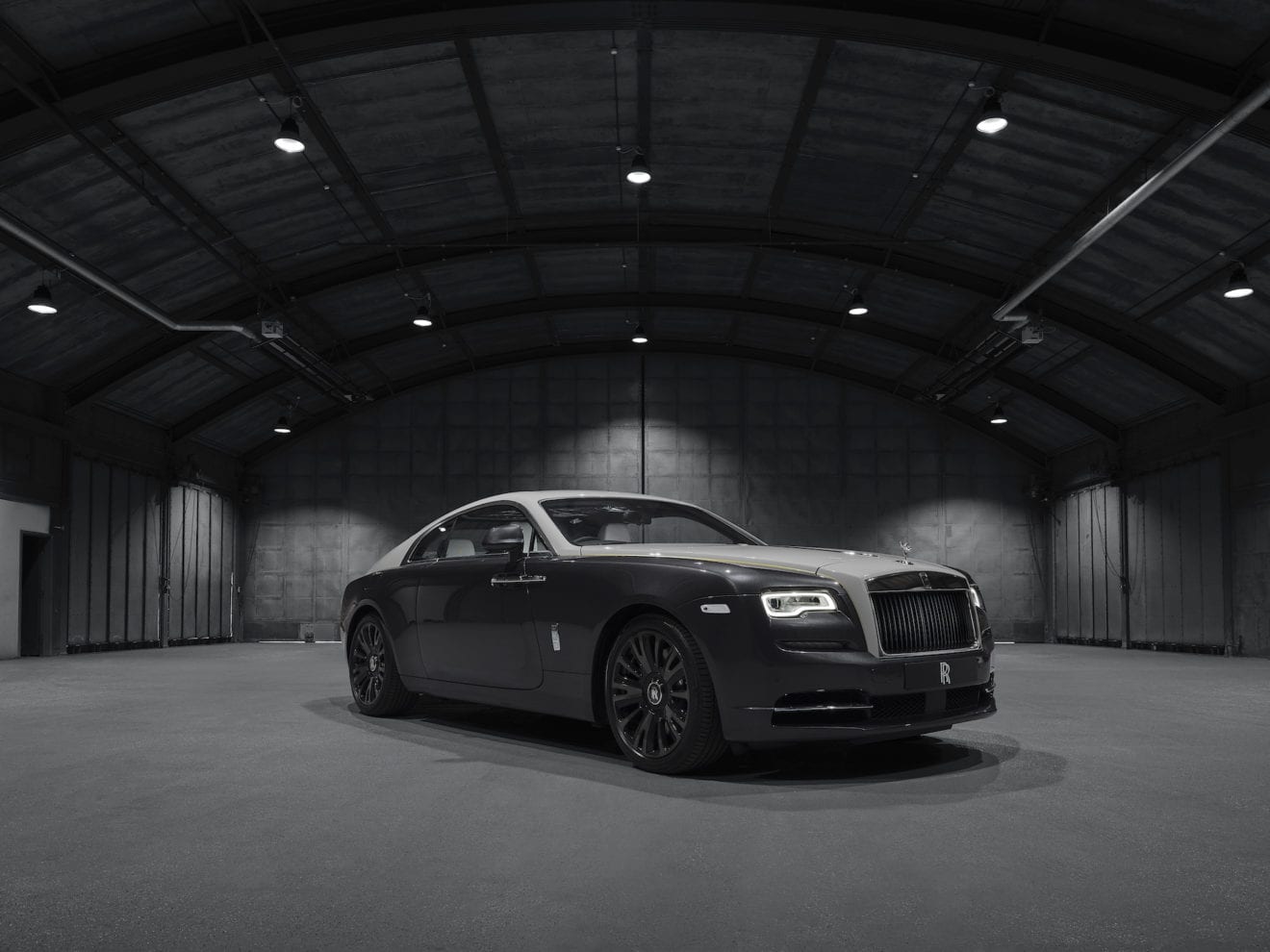
    Rolls-Royce is all set to introduce its first collection car of the new decade. It’s the Dawn Silver Bullet Collection and according to the company it is an ode ‘to decadence, to frivolity, to heady heydays and irreverent past times’. It’s basically the open-top roadster iteration of Dawn, and Rolls-Royce teased the car and we’ll know more about it very soon.

    A quilted transmission tunnel, with design cues taken from the leather jacket, runs through the center of the cabin in a tailored fashion.

    Drawing inspiration from the roadsters of the 1920’s -the Dawn Silver Bullet Collection looks seductive and cool too. It comes with a newly commissioned ultra-metallic silver paint finish which looks fantastic on the car. The aero cowling gives the Dawn Silver Bullet a high-shouldered silhouette. The rakish silver center spine brings the bodywork into the cabin, giving it the intimate, connected feel of a true two-seater.

    A behind-the-scenes look at Sunseeker, Britain’s biggest superyacht builder.

    It comes with a newly commissioned ultra-metallic silver paint finish which looks fantastic on the car.

    The Dawn Silver Bullet Collection features dark exterior detailing; dark headlights and a new dark front bumper finisher. The wheels are part-polished and offer a translucent shadow finish with a single silver pinstripe.

    Inside, the Dawn Silver Bullet Collection comes with an open-pore carbon fiber fascia. A quilted transmission tunnel, with design cues taken from the leather jacket, runs through the center of the cabin in a tailored fashion.

    Only 50 examples of this car will be made and we are sure there are plenty out there who want to scoop up this two-seater roadster from Rolls-Royce

  • AS Watson says health-category sales rise 11 per cent

    AS Watson says health-category sales rise 11 per cent

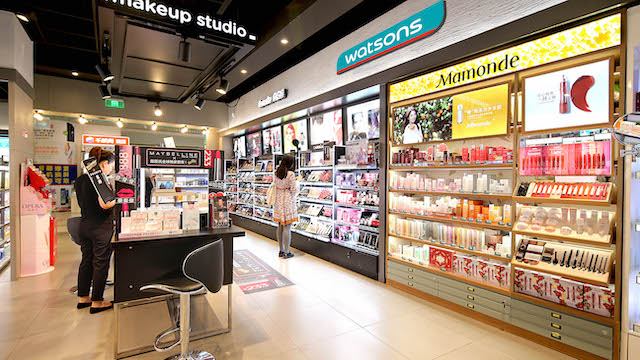
    AS Watson Group saw its health-category sales increase 11 percent last year with 1 billion shoppers purchasing health products from the brand globally.

    The figures reflect a global uptick in the vitamins and supplements industry, which is growing at a rate of 12 percent year on year internationally.

    Shoppers for health products visit a Watson’s store 10 times per year on average, according to survey data released by the firm. Their spending is almost 80 percent higher than the general shoppers.

    “Vitamins and supplements have experienced the fastest growth of 12 percent,” said group COO Malina Ngai. “We care about our customers’ health, and this is the second Global Health Survey we have commissioned, with the aim to ensure we stay abreast of their needs in their lifestyle. We will look for product and service solutions worldwide for our customers who increasingly want more control of their health.”

    The firm also launched a strategic partnership with Prenetics last year to pioneer a personalized preventive digital healthcare solution through the launch of DNA home testing to focus on prevention instead of treatment, which has also boosted its health-category sales.

  • Chow Tai Fook closes 40 stores after sales slump

    Chow Tai Fook closes 40 stores after sales slump

    Hong Kong-based jewelry group Chow Tai Fook has closed 40 stores in Hong Kong after experiencing a 60-per-cent drop in retail sales there amidst the coronavirus outbreak.

    Sales on the mainland fell 42 percent, according to an update on trading for the first two months of this year.

    “In response to the measures of local governments in containing the spread of COVID-19 virus, the majority of our point of sale in Mainland China were temporarily closed since late January, and in Hong Kong and Macau from early February,” read the update.

    “Businesses in both markets were inevitably affected during the period. As of February 29, approximately 70 percent of our points of sale in Mainland China and 64 percent in Hong Kong and Macau had resumed operations.”

    The company said the interest of public health and the safety of its staff remained of utmost importance to the group despite its heavy loss of business.

    Operations at the Chow Tai Fook’s production facilities in Shunde and Shenzhen have resumed operations gradually. Its inventory remains higher than usual in the short term due to a boost in production for the Chinese New Year period of items that now remain unsold.

  • South Korean fashion chain Aland quits Hong Kong

    South Korean fashion chain Aland quits Hong Kong

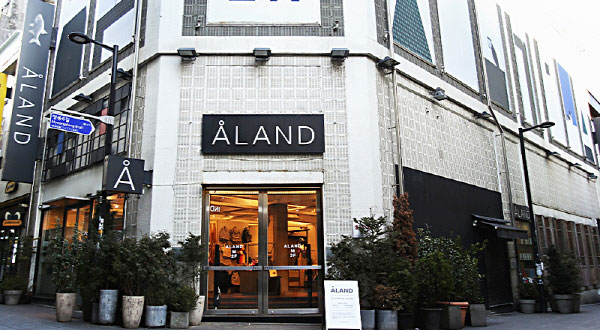
    South Korean fashion chain Aland has quietly exited the Hong Kong market, after shuttering its final stores.

    The multi-brand retailer opened its first international branch in 2011 at Harbour City. Riding the ‘Korean Wave’ in the local market, the multi-brand retailer opened multiple stores within the following years, including at Lee Theatre, APM and Megabox. Without an official announcement, Aland has just folded its most recent branch at Mong Kok’s TOP mall, which opened in 2018.

    The South Korean fashion chain Aland, best described as an affordable fast-fashion brand, was founded 15 years ago by sisters Kinam Jung and Jung Eun Jung in Seoul, South Korea and still has branches in their domestic market and Thailand. It recently expanded its footprints in the US.

    Meanwhile, South Korean coffee chain Tom n Toms also left Hon

  • Gold Tumbles as Investors Scramble to Raise Cash

    Gold Tumbles as Investors Scramble to Raise Cash

    Gold was not spared on Thursday’s market rout, with gold futures on Comex falling by $52, or 3.2 percent, to settle at $1,590.30/oz.

    A drop in the stock market typically raises the safe-haven appeal of gold, but it is now the asset of choice among investors who want to raise cash, and a selloff on Thursday knocked back the yellow metal’s sharp rally that began in December.

    Gold traders are now selling «what they can amid a panicked marketplace,» said Kitco.com analyst Jim Wyckoff on Thursday in a roundup note.

    People are liquidating gold to cover margin calls they have in the equity market, Albert Cheng, chief executive of the Singapore Bullion Market Association, said, explaining the precious metal’s sharp losses.

    Gold is an easily liquidate asset, which again shows its value as a safe haven asset in times like this, Cheng said, noting similar behavior in the 1997 and 2008 financial crises.

    Wall Street endured its worst session since 1987’s «Black Friday» on Thursday, following the World Health Organization’s declaration of the Covid-19 outbreak as a pandemic and U.S. President Donald Trump’s address on Wednesday night, which has seemed to cause further unease about the situation, even as he assured the United States is «more prepared» to fight the pandemic than any other nation.

    At the start of trading on Friday, Singapore’s STI index fell 5 percent, the most at the opening bell since October 2008. Other stock markets also took large hits: Hong Kong’s Hang Seng index fell 5.8 percent, and Shanghai’s Composite Index fell 3.3 percent.

    Australia’s S&P/ASX 200 benchmark fell 7.1 percent in its biggest decline since 2008, and is on track for its worst week on record, while New Zealand’s S&P/NZX 50 index tumbled a record 7.4 percent. Japan’s Nikkei 225 index fell 9.4 percent, and Korea’s Kospi fell 7.6 percent.

  • APAC Banks Brace for Hiring Freeze

    APAC Banks Brace for Hiring Freeze

    Hiring has slowed down significantly at banks in Asia-Pacific, according to job post data, and a prolonged freeze could last the entire year from the effects on the ongoing pandemic.

    At the beginning of March, the number of listed banking jobs closed surged to 1,200 per weak – more than the average of 500 – while new job posts fell to less than 300, according to GlobalData. The data provider noted that freezes could last for the full year even if the pandemic is moderated and contained this month and April.

    Clearly, the appetite for new personnel has dried up,» said Andrew Haslip, APAC head of financial services content at GlobalData, in a release. With major banks in the region facing a hit to revenue from the drop off in consumers’ demand for credit and even desire to consume more than bulk purchases of toilet paper; most banks are reluctant to take on new staff.

    Haslip forecasts that Asia Pacific will lead the hiring slowdown this month before similar trends will be witnessed across the world next month.

    Wealth managers in Asia are expected to miss client inflow targets en masse and register «heavy losses» on invested assets. But one of the bright spots GlobalData highlights is digital banking where automation capabilities require less physical interaction, though it noted that the area would also face a slowdown in hiring for specialized talent.

    Being able to extend credit and payment services without having to involve a person directly will also be a boon in a time when many bank employees are likely to be ill or self-isolating, Haslip added.

  • Snap Fitness to open 300 locations in Japan

    Snap Fitness to open 300 locations in Japan

    Snap Fitness plans to open 300 locations in Japan in partnership with local franchisee Global Fitness Japan Co.

    The international franchised gym group will open a flagship location in Tokyo this year, followed by more venues in Osaka and other regions.

    “Snap Fitness has been successfully providing innovative fitness services in a sustainable manner across the world for more than 15 years,” said Kazuki Takenouchi, CEO and GM at Global Fitness Japan.

    “Global Fitness Japan believes Snap Fitness will enhance the wellness of all people’s lives in Japan by providing technology-based, results-driven workouts.”

    With a population of about 126 million, Japan is the 11th most populous country in the world, yet just 3.3 percent of people own a gym membership providing what Snap Fitness’ US-based parent company Lift Brands consider is a significant growth opportunity.

  • Shopback wins investment from Singapore state fund

    Shopback wins investment from Singapore state fund

    Singaporean cashback startup Shopback has secured around US$30 million in investment from state fund Tamasek, alongside existing investors.

    According to a Business Times report, the deal takes Shopback’s total capital input to US$113 million since it was established in 2014. The investment was made through the firm’s shareholder Dahlia Investments.

    Shopback is expected to use the funding to improve its IT infrastructure, expand its data capabilities and bolster expansion in the Asia-Pacific region, where it currently serves cashback deals to customers across a range of categories.

    The firm clocked more than US$2 billion in sales last year in partnership with at least 2500 retailers.

    Other investors participating in the deal included Rakuten Capital, EDBI, EV Growth, Cornerstone Ventures and 33 Capital.