Blog

  • KrisShop Singapore souvenir store pops up at Sentosa

    KrisShop Singapore souvenir store pops up at Sentosa

    KrisShop has collaborated with Enterprise Singapore to open a pop up Singapore souvenir store featuring the city’s most distinctive trinkets.

    The new store displays products from different local brands ranging from Singapore gin to its ubiquitous satay, with a tagline “With Love, SG”. Served as a platform for domestic brands, With Love, SG is curated to demonstrate Singapore’s culture and heritage.

    Singapore Airlines’ KrisShop says it aims to help local brands expand their retail network internationally and to strengthen their brand equity amongst local and international customers.

    KrisShop features more than 2000 products ranging from cosmetics and fragrance to electronics and exclusive co-branded items, sold online and on its aircraft.

  • Tiitan Holdings plans to open 50 stores in India

    Tiitan Holdings plans to open 50 stores in India

    Hong Kong-based digital accessories firm Tiitan Holdings plans to invest US$5 million to set up its first 50 branded outlets in India by March next year.

    The company announced its foray into India in collaboration with distribution firm Mak Mobility – which also makes and sells fitness band Aq-Fit under its sister firm in the territory.

    “This alliance will help us in reaching the customers in India and boost our strategy of increasing our pan-India presence and thereby reaching to customers,” said Tiitan Holdings co-founder Piyush Sharma. “Also, this collaboration will help both the companies to further leverage its innovative product range to customers across India.”

    Tiitan Holdings has plans to make its smart accessories – bluetooth speakers, headphones, intelligent charger, wireless power bank, etc, – at Mak Mobility’s manufacturing facilities.


  • Forever New grows US presence

    Forever New grows US presence

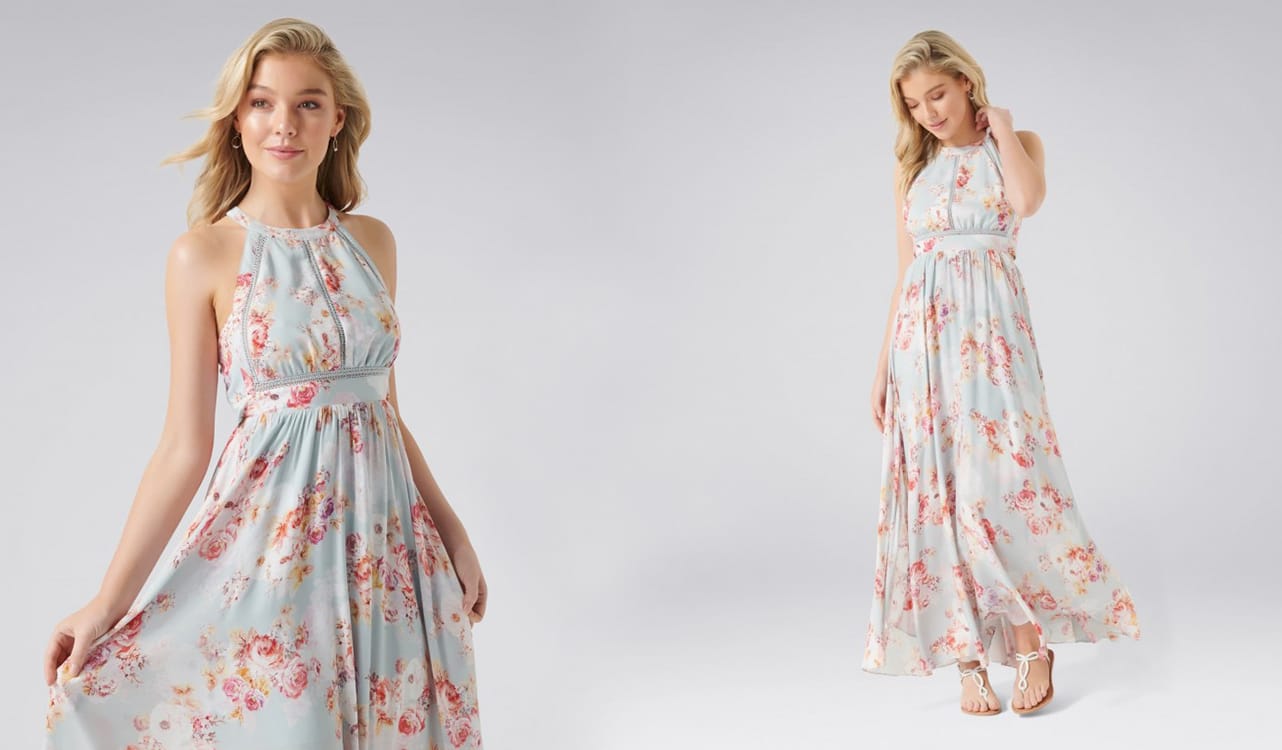
    Australian womenswear brand Forever New has launched a standalone e-commerce site in the US, catering to increased demand from local customers with around 50 new products dropping online every week.

    The website marks an expansion of the brand’s presence in the US, where it currently sells through Nordstrom.com, as well as through concessions in Bloomingdales and Neiman Marcus.

    “We are excited to be expanding in North America and a branded US website was the next step on our journey,” Carolyn Mackenzie, Forever New’s managing director, said in a statement.

    “We have had a lot of demand for our product in the US so we are happy to give our US customers one more way to shop with us.”

    Launching on Thursday, the US website features a range of styles currently available in North America, with about 50 new items being added to the site each month. It is branded under Forever New’s North American trading name, Ever New.

    This is just the latest step in the Forever New’s global digital expansion, which sees the brand selling on Asos and Next in the UK, Zalora in Singapore and Zalando in Europe, and through its own recently relaunched global e-commerce site.

    At the same time, Forever New continues to expand its global bricks-and-mortar presence. The fashion brand has more than 200 stores in Canada, Singapore, China, India, South Africa and New Zealand, and concessions in the US, Singapore and the Middle East. and plans to open a new store in November in Vancouver, Canada.

    Revenue from overseas operations accounted for 40 per cent of Forever New’s sales of around $300 million in 2018.

    Mackenzie previously said that standalone stores in the US are not out of the question.

    “Being an agile and fast-moving business means there is always the possibility…” she said.

    Broader transformation underway

    The ramp-up overseas is just part of the multi-faceted transformation currently underway at Forever New.

    Already this year, the retailer has unveiled two first-to-market digital initiatives – a reserve-in-store option and visually-similar product recommendation tool – and launched a “connected change room” pilot in its store in Highpoint Shopping Centre.

    The retailer has also rolled out a plus-size range called Forever New Curve and a new high-end store concept designed by Hecker Guthrie, featuring terrazzo tiled floors, brushed brass detailing and fluted glass panels.
  • Sephora shared launch dates for first SA store

    Sephora shared launch dates for first SA store

    Sephora will open its first store in South Australia on October 10.

    The beauty giant today revealed the launch date for its Rundle Mall store in Adelaide, and provided details about the opening day event.

    “We will be taking over the section of Rundle Mall outside of our new store to create what we like to call, the Sephora Street Party,” Beth Glancey, country GM for Sephora Australia & New Zealand, said in a statement.

    “There will be a huge stage, a live DJ, influencer appearances and Q&As, makeup stations and plenty of fun.”

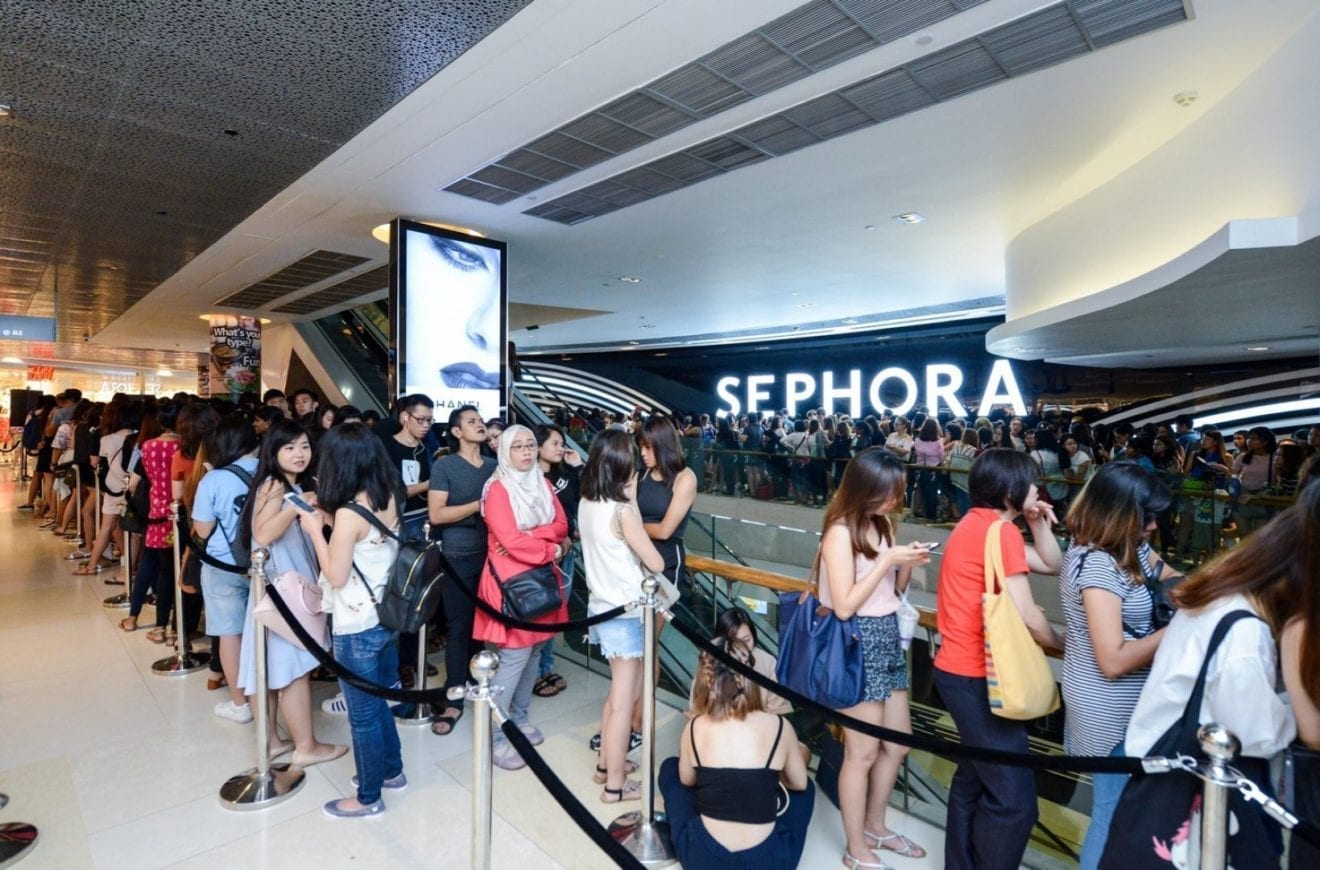
    Sephora is rewarding the first customers in line with free products, with the first 100 receiving an Anastasia Beverly Hills Modern Renaissance Palette ($76), and the next 400 picking up the Anastasia Beverly Hills Sugar Palette ($74).

    The first 10 people in line will be invited to shop the store before it opens and receive $100 to spend.

    According to Glancey, the store will be unlike any other Sephora location in Australia, with a particular focus on services, including a Benefit “brow bar” and the first dedicated skincare studio in the country.

    Sephora’s services include make-up lessons as well as applications, with customers able to book in to receive a full makeover, while the Benefit “brow bar” allows customers to have their eyebrows, lips and chins styled, waxed, tinted, and tweezed.

    Sephora confirmed earlier this month that it was entering South Australia for the first time, generating a strong response from local customers on social media.

    “When we announced our Adelaide arrival two weeks ago we were met with such excitement by our clients. We had over 2,500 ‘likes’, 900 ‘comments’ and 75 ‘shares’ on Facebook and Instagram,” Glancey said.

  • Apple Japan opens its largest store today

    Apple Japan opens its largest store today

    Apple Japan has opened its largest flagship store this month in Marunouchi, Tokyo.

    The new stores was designed by Foster + Partners, one of several architecture practices commissioned to build the tech giant’s retail stores around the world. Foster + Partners also recently completed the revamp of the Fifth Avenue ‘cube store’ in New York City.

    A Foster + Partners spokesperson said the company wanted the Apple Japan store to embody “an honesty of materiality”.

    Located adjacent to the busy Tokyo Station, Apple’s fifth store in Tokyo features a facade featuring two-storey glass display windows framed with aluminium and with 3-dimensional, rounded corners.

    Inside, locally sourced bamboo was planted to create a vibrant greenery atmosphere.

    “The opening of Apple Marunouchi marks a significant moment in Apple’s long relationship with Japan,” said Deirdre O’Brien, senior VP of retail and people at Apple.

    “We wanted to create a restrained presence amid the bustle of Tokyo,” said Stefan Behling, head of studio at Foster + Partners. “The beautifully crafted aluminium vitrines (display windows) define the boundary of the store and Apple’s presence, offering everyone walking by a glimpse into the store. The structural grid gives the entire volume a certain rhythm, while the calm interior is enhanced by the bamboo that lines the perimeter.”

    Later this month Apple Japan will also relocate its Apple Fukuoka to a new and expanded location and complete the remodelling of Apple Omotesando.

  • Kakao Friends expands to Europe with IMG

    Kakao Friends expands to Europe with IMG

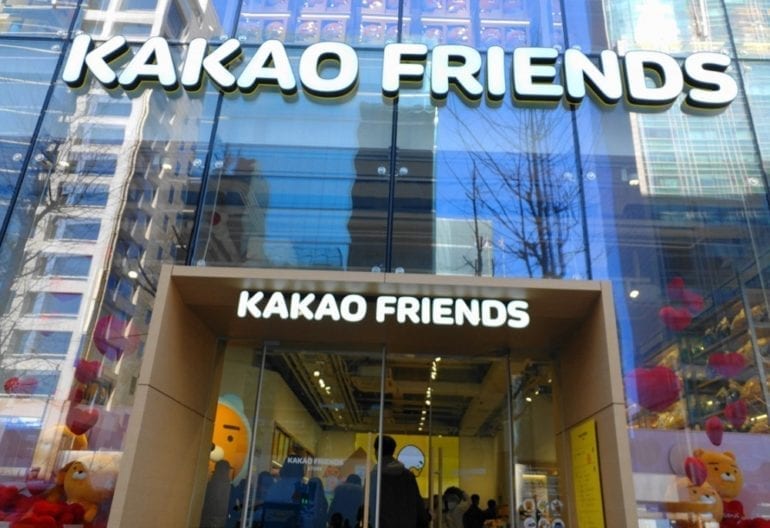
    Korean mobile lifestyle platform company Kakao has associated with IMG to exclusively license its character brand Kakao Friends in Europe.

    Originating from South Korea’s leading messenger platform Kakao Talk, Kakao Friends’ characters have gained millions of fans with its charisma and unique personalities. As K-pop culture has become a global phenomenon, Kakao Friends decided to enter Europe markets by launching an European online store to reach its global fans.

    Eight Kakao Friends’ characters have already collaborated with some of premium brands such as Louis Vuitton or Nike. There will be approximately 30 Kakao Friends stores opened in South Korea and Japan in the future.

    “Having already connected emotionally with millions of fans and aspirational brands, Kakao Friends is a leading K-POP culture export and is powerfully on trend in Europe,” said Matthew Primack, senior vice president of licensing at IMG. “Now is the perfect time for a social and culturally rich lifestyle brand like Kakao Friends to explore new product opportunities that reflect its unique identity and booming popularity.”

    Kakao Friends in Europe will primarily feature apparel and accessories, homeware with future extension into additional categories.

  • Afternoon Tea Tearoom opens first Hong Kong store

    Afternoon Tea Tearoom opens first Hong Kong store

    Japanese tearoom chain Afternoon Tea Tearoom will open its first branch in Hong Kong this Saturday to offer a Japanese-style casual afternoon tea experience in a tourist hotspot.

    The tearoom is located in K11 Musea in Tsim Sha Tsui and offers sweets and a variety of foods such as sandwiches and pasta, plus selected teas and drinks.

    The firm is offering a training program in Japan for the Hong Kong staff of its partner Tearoom (HK) Limited to learn the company’s concept, menu and way to serve customers.

    “Hong Kong is a culturally diverse society and people here are familiar with afternoon tea culture,” said Ivy Company, Sazaby League company president Ryuhei Tsukada.

    “We are grateful to have an opportunity to offer our quality sweets and foods in the city. Our Hong Kong team and Japan team will work together closely to provide the best services to customers, providing them with a rich but casual and relaxing afternoon tea experience.”

    “We are happy to see a popular Japanese brand join our dynamic food and beverage market,” said Investment Promotion associate director-general Dr Jimmy Chiang. “Hong Kong people love Japanese food culture, and I am confident Afternoon Tea Tearoom will draw a good following among food lovers who look for nothing but the best.”

  • Metro Retail Stores Group shares vision for sustainable shopping

    Metro Retail Stores Group shares vision for sustainable shopping

    Philippines retailer Metro Retail Stores Group Inc (MRSGI) is planning to open up more opportunities for sustainable shopping.

    Speaking at the recent Regional Forum on the Promotion of Sustainable Consumption in the Association of Southeast Asian Nations (Asean), MRSGI VP for corporate affairs Anna Marie Periquet shared that “as engines of economic growth and shapers of consumer taste, retailers can make a difference in the world.”

    Organized by Asean and the Department of Trade and Industry (DTI), the forum brought together delegates from Asean member states, representatives from relevant government bodies, and non-governmental organizations as well as regional and international experts.

    Periquet added that social responsibility is “part of MRSGI’s corporate DNA”. The company works alongside the Vicsal Foundation to create programs that holistically take on the challenge of providing sustainable solutions for society’s most pressing needs. Vicsal Foundation is the corporate social responsibility arm of Vicsal Development Corporation, which owns and operates MRSGI.

    “Together with Vicsal Foundation and our other CSR partners, we are able to actively pursue programs that support the United Nations’ 17 Sustainable Development Goals,” said Periquet. “We focus on helping eradicate poverty, provide quality education, ensure decent work and foster economic growth, and build stronger partnerships.”

    Among MRSGI’s programs are initiatives that promote inclusive business for local farmers, fisher folk and weavers. The company also helps consumer mindsets by providing them with socially-responsible and high-quality products.

    “The socially responsible goods on our shelves are not pity purchases,” emphasized Periquet. “They have passed strict tests on consumer safety, health, sanitation, and are government-registered.”

    Among the CSR brands mentioned were Caritas Margins, an organisation that works with micro-entrepreneurs from marginalised communities to create various products like food, artwork, home decor and accessories; St Arnold Janssen Kalinga Center, which provides care and livelihood for people experiencing homelessness; and the Bureau of Jail Management and Penology, which facilitates the sale of fashion and homeware products made by persons deprived of liberty.

  • Stripe buys Vietnam fashion chain Vascara

    Stripe buys Vietnam fashion chain Vascara

    Japanese clothing firm Stripe International has purchased a majority stakeholding in Vietnamese firm Global Fashion.

    The 70-per-cent shareholding will give Stripe a controlling interest in Vietnamese brand Vascara. It is the second Vietnamese apparel company to be acquired by the firm since its purchase of Nem Group two years ago.

    “We see the potential of the Vietnamese fashion market, especially the footwear and bags industry,” said Stripe Saigon general director and CEO Harigae Tsutomu.

    “Vascara is a brand that has great potential for development, so we believe that the experience and technology accumulated from many markets around the world will accompany and support Vascara to accelerate development, expand the system of stores and serve millions of Vietnamese consumers.”

  • Eslite Bookstore to open outlet in Tokyo

    Eslite Bookstore to open outlet in Tokyo

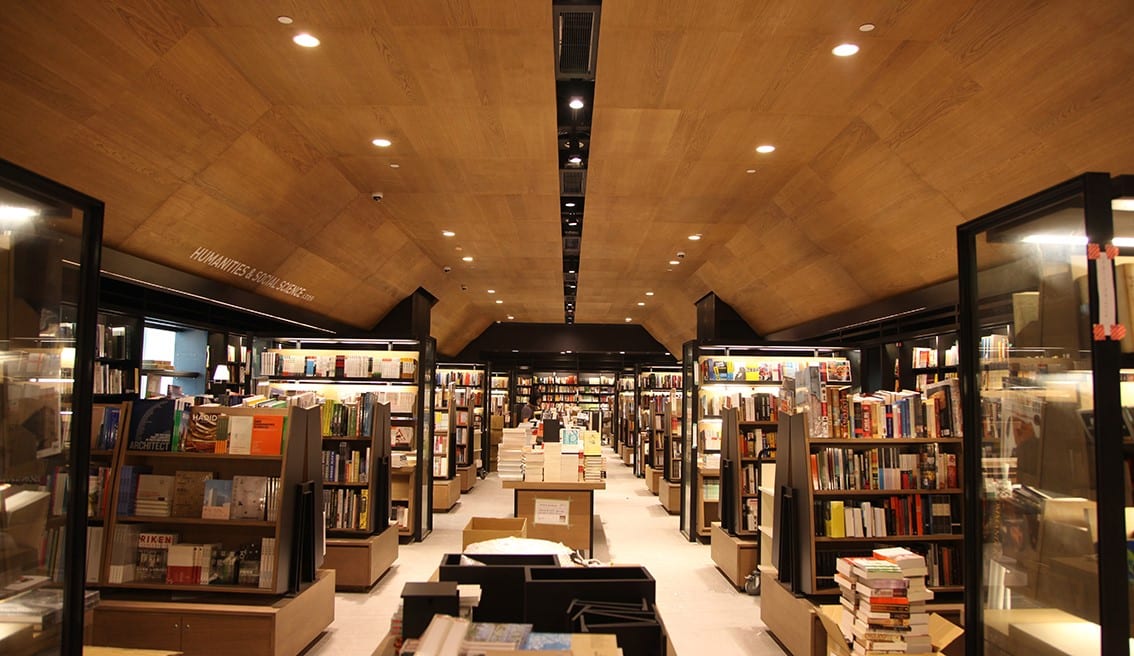
    Taiwan’s Eslite bookstore chain is set to launch its first outlet in Tokyo this week.

    The store opening marks Eslite Spectrum Corp’s 30th anniversary as well as the first time for the firm to start-up business in a territory where Chinese is not spoken. The 50th Eslite location, it will trade in books and other merchandise sourced from Taiwan and Japan.

    The late Robert C.Y. Wu, who founded the bookstore, is on record as hoping the store would become a “warm venue for people to meet and connect”.

    Eslite has stores in Hong Kong.

  • South Korea’s CU convenience store chain to open in Vietnam

    South Korea’s CU convenience store chain to open in Vietnam

    South Korea’s CU convenience store chain will expand its footprint to Vietnam, its second international market after Mongolia.

    BGF Retail, the operator of CU, signed a master-franchise agreement with CUVN, a Vietnam-based convenience store operator, on Tuesday. CUVN will be in charge of investment and operations in Vietnam market as BGF Retail contributes its brand and business background.

    BGF Retail and CUVN plan to open their first store in Vietnam by June next year.

    Park Jae-koo, CEO of BGF Retail, said the company will continue to expand internationally making forays into growing emerging markets.

    With the new expansion, the South Korean convenience store operator expects to gain a strong position in the Southeast Asian market as Vietnam’s economy has witnessed significant growth during recent years.

    Rival network GS25 has already launched in Vietnam, opening stores in Ho Chi Minh City.

  • Alibaba Group eyes 1 billion users within the next five years

    Alibaba Group eyes 1 billion users within the next five years

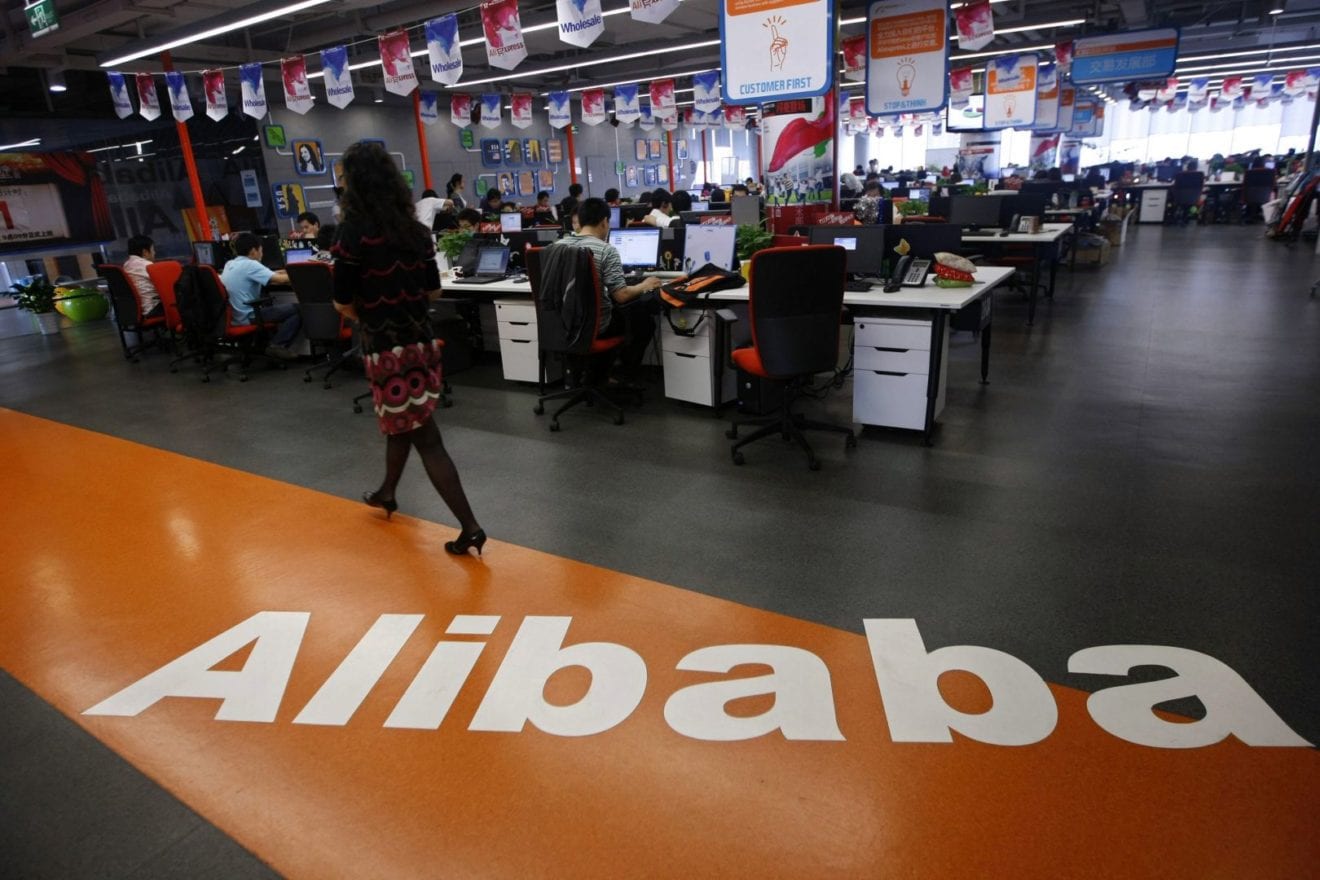
    Alibaba Group says it aims to serve more than 1 billion consumers and exceed RMB10 trillion gross merchandise volume by 2024.

    Unveiling the Chinese tech giant’s five-year plan to the investment community, Alibaba Group executive chairman and CEO Daniel Zhang said the company remains “true to the mission it laid out over 20 years ago” of making it easy to do business anywhere. He said empowering merchants with data technology and cloud intelligence is essential to fulfilling this mission in the digital era.

    “Today, we are creating and fulfilling new consumption needs with a view to focus on growing our digital consumer population as a whole. We can unlock tremendous synergies between our various consumer-facing businesses to convert and harvest incremental customers across the Alibaba digital economy,” said Zhang.

    In the year June 30, Alibaba Group had 730 million annual active consumers in its China consumer business, which includes its China retail marketplaces, digital media and entertainment, as well as local consumer services.

    Together with 130 million annual active consumers in its cross-border and global retail-commerce business, Alibaba has about 860 million annual active consumers globally.

    Its payments division Alipay, meanwhile, had about 900 million annual active users in China. Zhang said that while 85 per cent of Chinese people living in developed areas have tapped into Alibaba’s China retail marketplaces, the penetration rate is only 40 percent in less-developed areas, offering a tremendous opportunity to reach underserved consumers there and improve their lives.

    However, while absolute consumer numbers continue to rise, Zhang said it is just as important to view consumer needs holistically and serve them across all platforms in the Alibaba economy.

    Alibaba’s five-year goals for its China consumer business put it on the path of meeting its longer-term global ambitions to serve 2 billion customers, support 10 million profitable SMEs and help create 100 million jobs by 2036.

    Underpinning the company’s projected growth is the Alibaba Business Operating System, a full suite of digital tools that marries Alibaba’s commerce ecosystem and its cloud intelligence technology to empower brands and companies to reach more customers, better understand their needs and deepen engagement with them.

    “We have always viewed technology through the lens of real business applications. We don’t view technology in isolation,” said Zhang. “We believe in the marriage of commerce and technology. This has always been Alibaba’s unique value proposition.”

  • UOB Malaysia Announces Firms for Digital Accelerator Program

    UOB Malaysia Announces Firms for Digital Accelerator Program

    The program, now in its third edition, aims to help startups, SMEs and businesses adopt digital technology to drive productivity and growth.

    Sixteen Malaysian SMEs have been selected to take part in UOB’s three-month-long digital accelerator program, the bank announced in a press release on Tuesday. The firms taking part in the «Jom Transform» program, whittled down from more than 900 applications, are from diverse sectors, including food and beverage, healthcare, consulting, logistics, manufacturing and more.

    As part of the program, these businesses will be paired with mentors, which include the Chinese Chamber of Commerce & Industry of Kuala Lumpur & Selangor, Malaysian Association of Tour and Travel Agents, Maxis, Malaysia Digital Economy Corporation and SME Corporation Malaysia, who will advise them on how to optimize workflow processes and inventory, distribution and human resource management systems.  They will also be paired with technology partners to pilot and assess digital solutions.

    «As family-owned businesses transition from the first- to second-generation leadership, we see an accelerated use of technology in their business. Yet many business leaders lack the skills to implement digital solutions successfully and effectively,» Wong Kim Choong, UOB Malaysia CEO, said about the opportunities and challenges SMEs in Malaysia face.

    Jom Transform is run by UOB and Singapore-based innovation accelerator The Finlab. It was announced in June in Malaysia, following successful editions held in Singapore (2018) and Thailand (2019).

  • DBS to Expand E-Wallet Functionalities

    DBS to Expand E-Wallet Functionalities

    To mark the e-wallet’s fifth anniversary, DBS announced new functionalities and merchant deals and said it hopes to grow its user base.

    BS Bank wants to grow its PayLah e-wallet user base from 1.6 million users currently to 3.5 million users by 2023, and will roll out new functionalities and improve the user experience, the bank said in a statement on Wednesday.

    From next year, the bank will integrate its rewards app, as well as debit and credit cards payments to the PayLah platform, expand payment touchpoints across the region, and increase ecosystem partnerships, the statement said, highlighting strategic platform partnerships with merchants like KFC, SISTIC and AXS.

    «In 2020, we’ll be building on the three Ps – Payments, Partners and Platform – as part of a longer-term strategic roadmap. By linking DBS/POSB debit and credit cards and integrating the DBS Lifestyle rewards app into DBS PayLah!, our customers will be able to earn and redeem rewards instantly on a single platform simply and seamlessly, regardless of their mode of payment,» Anthony Seow, DBS head of Payments & Platforms, Consumer Banking Group (Singapore), said.

    Introduced in 2014, PayLah allows users to make instant peer-to-peer fund transfers, purchase travel insurance, movie tickets, pay bills and transport expenses and pay for their purchases at more than 80,000 NETS QR, SGQR and PayNow QR-enabled merchants. The app was the first in Singapore to allow users to send and receive funds using QR codes.

    According to DBS, its 1.6 million e-wallet users made S$1.5 billion ($1.09 billion) in transactions from August 2018 to September 2019.

  • Goldman Reducing Loan Exposure to Softbank Vision Fund

    Goldman Reducing Loan Exposure to Softbank Vision Fund

    Goldman Sachs Group aims to offload a portion of its stake in a $3.1 billion credit line to SoftBank Group Corp’s Vision Fund which it helped arrange.

    The U.S. lender has approached other financial institutions to take on some of its lending commitment to decrease its risk, quoting people with knowledge of the matter.

    The bridge facility involved, which Goldman and Mizuho International began arranging last year, enables the famous investment vehicle to quickly decide on transactions. The loan was syndicated to other banks including Standard Chartered, Citigroup, Barclays and Royal Bank of Canada, according to a SoftBank presentation in May.

    Goldman has been looking to cut its exposure to the facility for the last few months, one of the people said to the media outlet. Goldman is offering the debt at prices slightly below par, and also sell the credit line in pieces as small as $50 million, according to Bloomberg’s sources.

    In May, Goldman already reduced its exposure by bringing on board additional lenders. Now, the firm is looking beyond the existing group, and at least one of the original 10 lenders isn’t interested in boosting its exposure, one of the people said.

    Bad news has been plaguing SoftBank this week, from the stalled initial public offering of WeWork(one of its biggest bets) to doubts over the sale of its debt-laden Sprint. The cost to protect against nonpayment by SoftBank in the credit-default swaps market jumped on Wednesday, according to ICE Data Services.

    Goldman Sachs has deep ties to SoftBank, working with the company to raise a second Vision Fund and advising founder Masayoshi Son’s businesses on several deals in recent years. SoftBank’s first Vision Fund, which counts Saudi Arabia’s Public Investment Fund as its largest investor, has backed firms including messaging software company Slack, ride-hailing giant Uber and office-sharing startup WeWork.