Blog

  • Japanese conveyor belt sushi chain Sushiro makes debut in Hong Kong

    Japanese conveyor belt sushi chain Sushiro makes debut in Hong Kong

    Japanese conveyor belt sushi restaurant chain Sushiro has opened its first Hong Kong outlet.

    The franchise is moving for a foothold in the local market and aiming to use the city’s international status to expand across the region.

    The flagship store, located at a commercial building near Jordan MTR Station, offers traditional sushi alongside other side dishes and desserts. To ensure freshness, it will soon deploy a high-tech system currently used in Japan, that can automatically remove unclaimed plates after they travel more than 350 metres on the belt and replace them with new ones.

    “Hong Kong has a sophisticated Japanese cuisine market,” said Sushiro Hong Kong president Kazuo Aratani. “People here love sushi and demand the best.

    “All of these conditions work perfectly with our competitive advantages. We are dedicated to offering customers the highest quality sushi at affordable prices.”

    “We are happy to see that a popular Japanese sushi restaurant chain has set up a presence in Hong Kong and joined our dynamic food and beverage scene,” said investment promotion associate director-general Dr Jimmy Chiang. “We wish it every success in leveraging on Hong Kong’s business advantages to expand in the region.”

  • Ariana Grande perfume launched, named after her anthem

    Ariana Grande perfume launched, named after her anthem

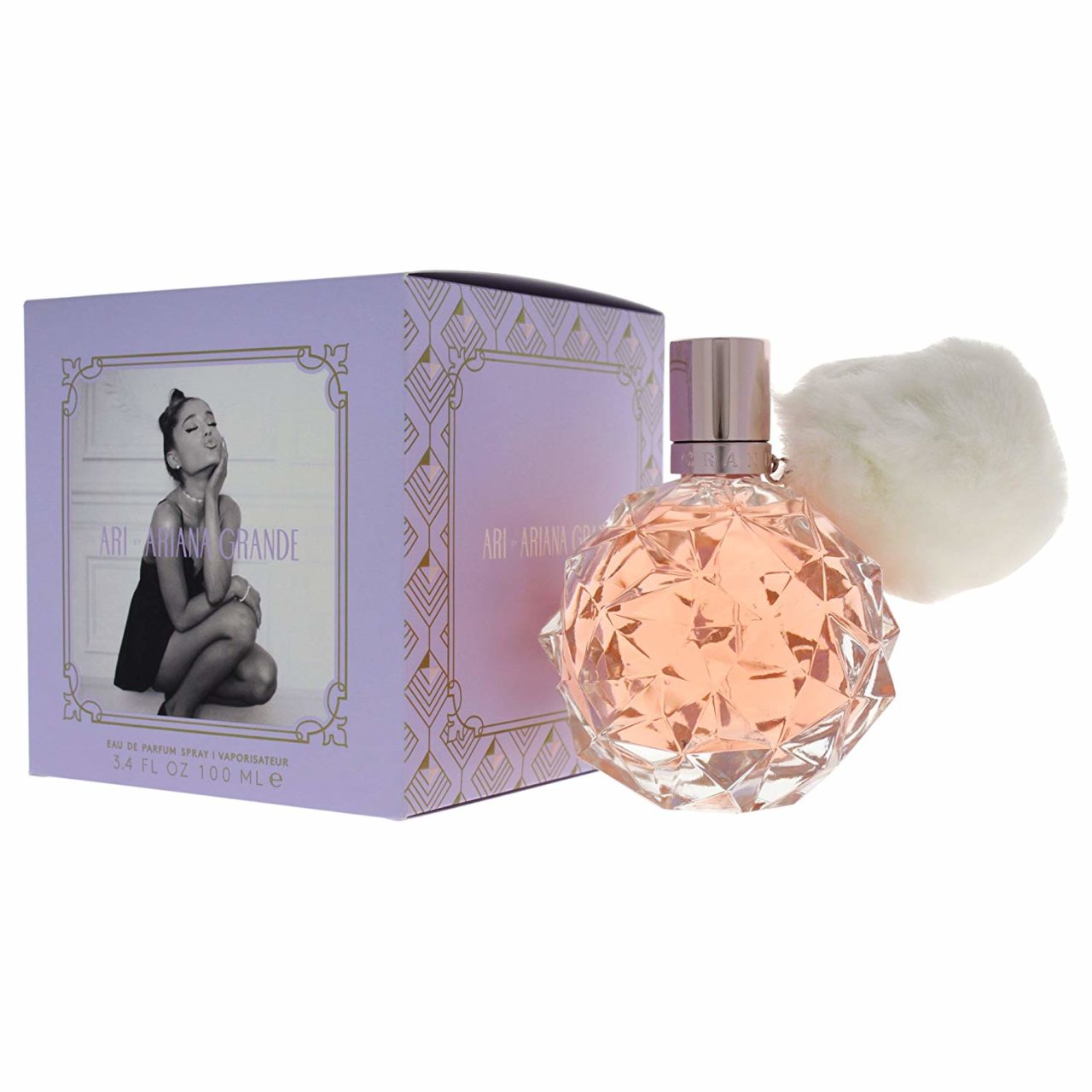
    An Ariana Grande perfume has gone on sale, named after her hit song Thank U Next.

    The fragrance, released in partnership with Luxe Brands, will launch exclusively on Ulta.com on August 18 before going on shelf in Ulta Beauty retail stores US-wide and at Shoppers Drug Mart in Canada on September 1.

    Grande’s hit song debuted at number one on the Billboard Hot 100 and went on to break the record for the most-watched music video with 55 million YouTube views in under 24 hours. Thank U, Next has been regarded as the phrase of the year, symbolising moving on and taking control in a self-affirming way.

    Following her 2019 Fragrance of the Year win for Cloud, Grande has moved to build a stronger platform for her brand by extending the Thank U, Next franchise into a fragrance.

    “For the Thank U, Next fragrance campaign, Grande and Luxe Brands partnered with Hannah Lux Davis to seamlessly weave Grande’s newest fragrance creation into the Thank U, Next world,” said Luxe CMO Noreen Dodge. “Ariana’s creative vision for Thank U, Next perfectly communicates the combination of sexiness and sweetness, while cleverly conveying the details of Ariana’s latest fragrance in a fresh, modern way that is both authentic to Ari and unique to the category.”

    “I wanted to make a fragrance that smells related to my first fragrance Ari but more summery,” said Grande. “So I revisited Ari’s fruity pear and raspberry notes and changed it up by adding some coconut. I was inspired to design a bottle that represented the message of my song – the emergence of the perfume from the broken heart represents moving forward from a challenging chapter.”

    Crafted by Robertet’s Jerome Epinette, the perfumer and artisan behind Byredo and Atelier Cologne, Jerome was inspired to develop new territory with the new fragrance.

    “Each of Ariana’s fragrances surpasses the last and Thank U, Next will be no exception,” said Luxe CEO Tony Bajaj. “The scent, packaging and campaign are all a perfect representation of Ariana’s globally embraced message. It is remarkable how Ariana connects with her fans and shares her incredible passion through everything she does.”

    “Building on the global appeal and success of Ariana Grande, we have strategically grown the international footprint of her fragrance franchise,” said Designer Parfums CEO Dilesh Mehta. “Our success is in partnership with Luxe Brands and our key retail partners Boots and Superdrug in the UK and exclusively with Douglas in over 12 countries.”

  • Michael Hill profit hit by staff underpayment

    Michael Hill profit hit by staff underpayment

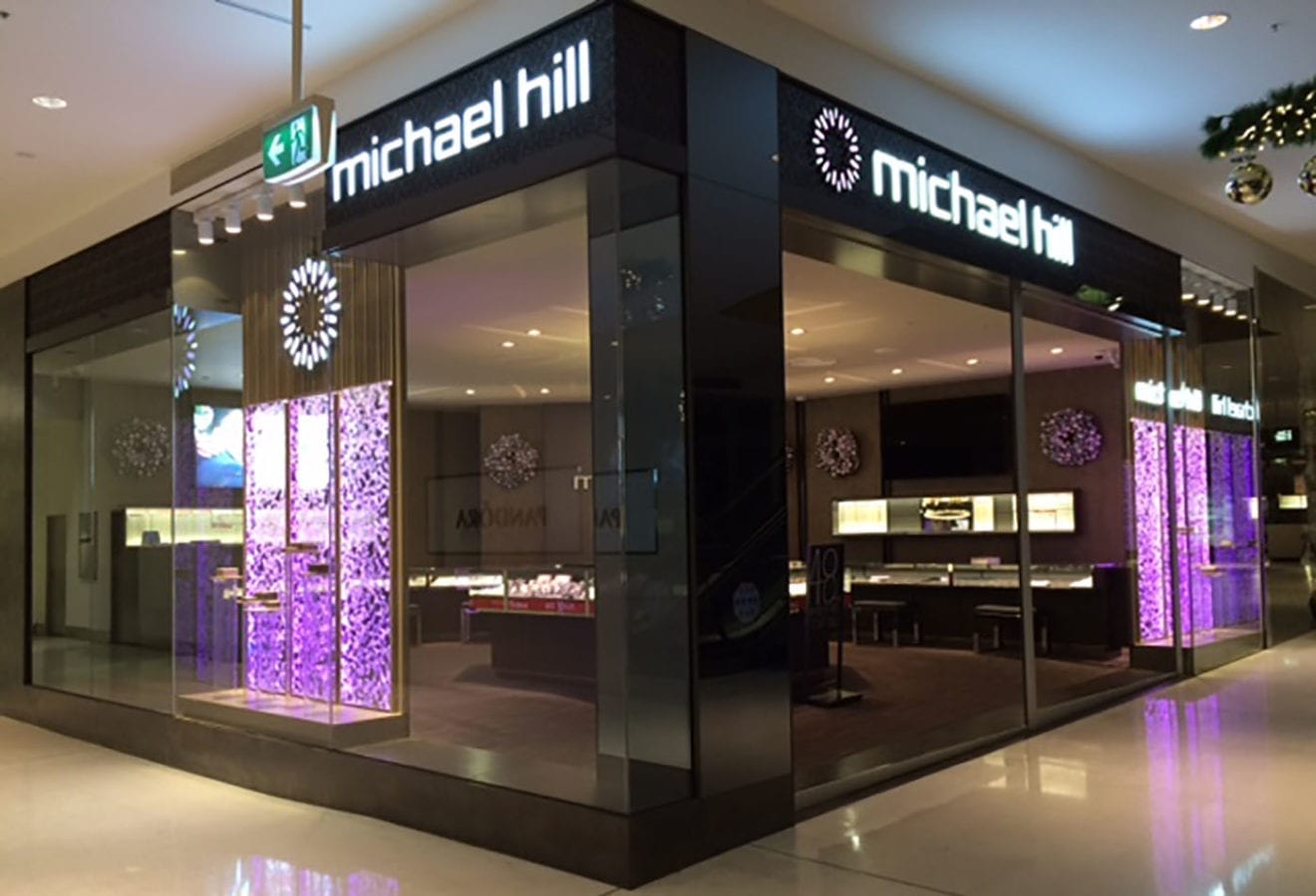
    Michael Hill posted a $16.5 million net profit in FY19, which was impacted by the $4.5 million back-payment it made to employees, after it found that it had unintentionally underpaid workers for the past six years.

    Still, this was an improvement form the $1.6 million net profit in FY18, following the closure of its Emma & Roe business.

    Total revenue for the international business fell to $569.5 million, compared to $575.5 million during financial year 2018.

    Online sales grew 43.6 per cent to $16 million, up from $11.1 million, while branded collections – driven by Michael Hill’s recent expansion into bridal jewellery – made up 32.5 per cent of total sales.

    Chief executive Daniel Bracken said the team was disappointed with the results overall, but pleased with having generated positive sales momentum.

    “2019 was a transitional year for the company,” Bracken said.

    “The pace of change has been intense this year with a greater sense of urgency and determination to deliver, which is really infectious. There is a strong belief in the strategy and each other – and a healthy impatience among us to see results.”

    While the business saw revenue growth in Canada of 1.8 per cent to $147.3 million (CA$133.1 million), both the Australian and New Zealand markets saw segment revenues decline.

    Australian revenue declined 3.7 per cent to $313.6 million, while New Zealand saw revenue fall to $113. 9 million (NZ$120.1 million) – a 4.1 per cent decrease on FY18.

    Michael Hill’s chief financial officer Andrew Lowe said the business believes the retail environment in Australia will continue to be challenging through 2020.

    Same-store sales fell 3.3 per cent over FY19, though improved on a quarter by quarter basis over the course of the year – from an 11 per cent decline in Q1 to a 0. 6 per cent increase in Q4.

    According to Lowe, this was largely due to the impact of a competitive retail environment, as well as a shift away from heavy discounting.

    2020 and beyond

    Looking toward the next 12 months, Bracken said the business will focus on the fundamentals of retail and build on the five strategic priorities identified last year: omnichannel retail, customer loyalty, branded collections, brand loyalty and operational excellence.

    “Our focus will be on strengthening our customer proposition with new branded product and improved disciplines in buying, selling and marketing,” Bracken said.

    According to Bracken, branded products could reach approximately half of total sales over the next two to three years, and act as an avenue to attract new customers as well as satisfy loyal customers.

  • Australia Post announces e-vehicle trial

    Australia Post announces e-vehicle trial

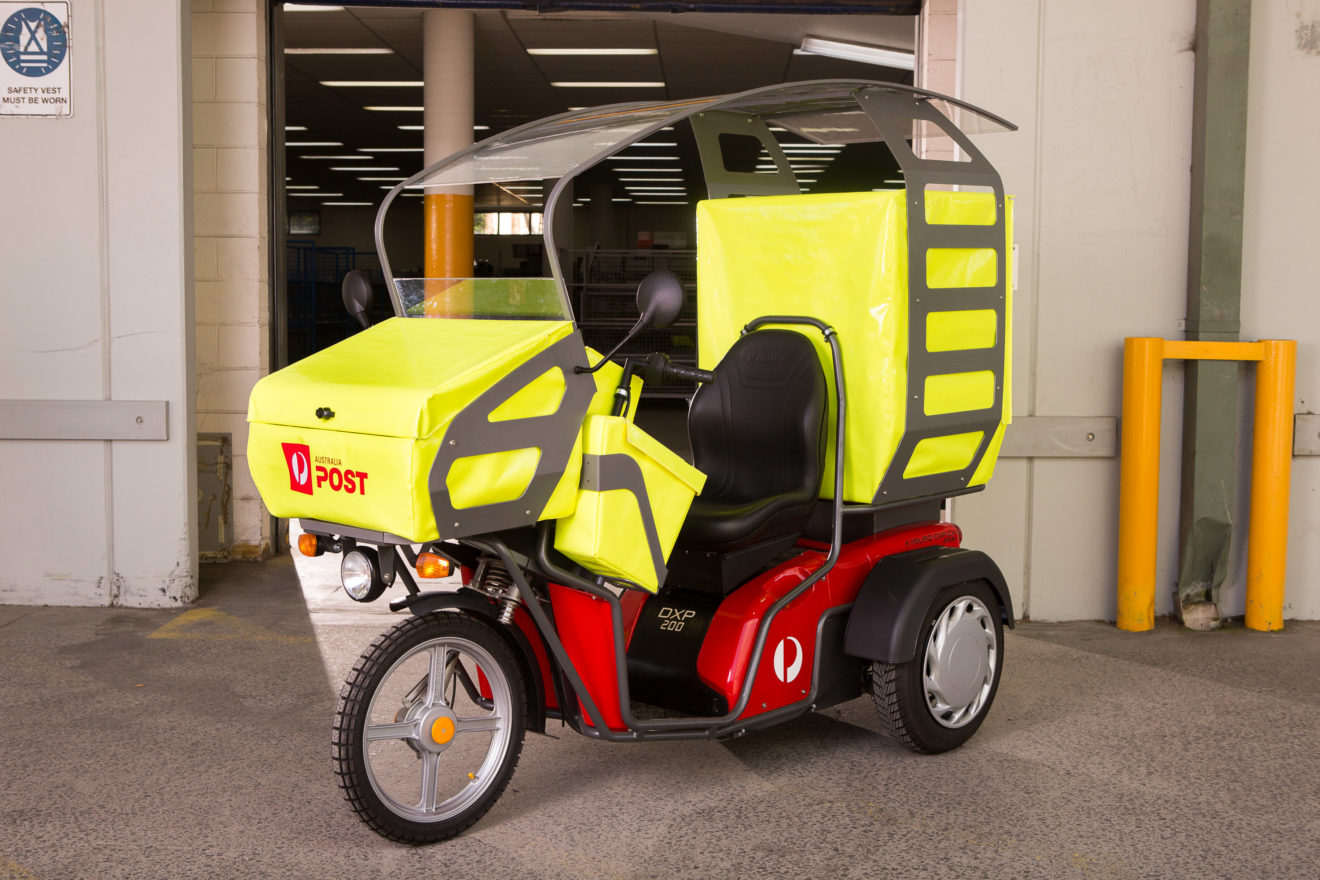
    Australia Post has announced the trial of a new Australian-built three-wheeled electric delivery vehicle.

    Built in Melbourne’s south-eastern suburbs, the new Stealth OzPOD will service residents in the suburb of Lilydale over a five-week period, as Australia Post tests its features over different terrains in a bid to complement existing electric vehicles in operational use.

    Australia Post general manager of network optimization, Mitch Buxton, believes Lilydale is a perfect area to trial the new vehicle, with locals increasingly embracing online shopping and more small parcels being delivered than ever before.

    “We know that residents in Lilydale love online shopping. Health and beauty, fashion and media are the most popular purchases among residents in the trial area,” he added.

    “The yearly growth rate in Lilydale is higher than the national average, at close to 21%. The area saw almost 79% of households purchasing online in 2018, above the national average of 73%.

    “The Stealth OzPOD has been developed over the past 2.5 years and is designed to cater for Australian conditions, with added safety and stability, wet weather, and gradient and surface measures.”

    Buxton continued, “As our business continues to transform, we are equipping our posties to deliver more small parcels. In February we announced an order of 1,000 Swiss-built three-wheeled electric delivery vehicles, so this trial is another example of how we are looking at ways to keep our posties delivering for Australians and supporting local manufacturing businesses.”

    The Stealth OzPod has an increased carrying capacity of up to 720 liters and can travel up to 50km/h (31mph). Australia Post will use the trial to review the vehicle’s performance and identify where it can be introduced.

  • Store fined for displaying non-compliant PMDs for sale

    Store fined for displaying non-compliant PMDs for sale

    A Paya Lebar retailer has been fined $750 for displaying personal mobility devices (PMDs) for sale which did not comply with Singapore laws.

    It was the first prosecution under the Active Mobility Act (AMA) which took effect after the July 1 deadline for all PMDs to be certified by the Land Transport Authority (LTA).

    Chew Tat Weng, the manager of Ning Pte, which operates as Orion@Paya Lebar, pleaded guilty to the charge of displaying three PMDs for public purchase.

    Retailers face a maximum penalty of three months in jail or a $1000 fine if they are caught trying to sell PMDs which do not comply with certification, part of a range of restrictions on the devices following rising accidents and incidents of fires in Singapore.

    According to Ng Jun Kai, a prosecution officer for the LTA, Ning Pte had posted advertisements online and produced flyers promoting the sale of PMDs at the company’s store at 160 Paya Lebar Road, which also sells sporting goods, bicycles and boats.

    Chew told the court he had stopped selling PMDs in mid June and the ones spotted by LTA staff were leftover inventory.

    However, Kai said the LTA had given retailers at least seven months grace after the laws took effect to remove non-compliant PMDs from sale. “Ning Pte Ltd had blatantly continued displaying non-compliant PMDs.”

    Presiding, Judge Ho warned retailers not to flout the new laws.

    “Retailers are now forewarned and this serves as a cautionary note,” said the judge, quoted by Channel News Asia. “Retailers … should clear all non-compliant devices from their premises. They should not think they will not be in trouble with the law if they are merely keeping old stock … Do not expect the courts to be lenient with them.”

  • US retail sales up solidly

    US retail sales up solidly

    The US Commerce Department says retail sales rose a healthy 0.7 per cent last month, a sign of consumer confidence.

    US consumers have spent more at retail stores and restaurants in July, a sign that concerns over slower global growth that have roiled financial markets haven’t dampened consumer confidence.

    The Commerce Department says retail sales rose a healthy 0.7 per cent last month, after a 0.3 per cent gain in June. Online retailers, grocery stores, clothing retailers and electronics and appliance stores all reported strong gains.

    Consumer spending, the primary driver of the US economy, remains healthy even as other sectors of the economy, such as business investment, have weakened amid growing uncertainty over the US-China trade war.

    Job growth is steady, the unemployment rate is near a 50-year low, and wages are rising modestly, which bolsters Americans’ spending power.

    Even department stores reported solid sales increases despite Wednesday’s anaemic earnings report by Macy’s.

  • Maxis store designers create ‘retail experience of the future’

    Maxis store designers create ‘retail experience of the future’

    Australian retail design firm Public Design Group and retail consultancy Fitch have collaborated to create a “retail experience of the future” for Malaysian telco Maxis.

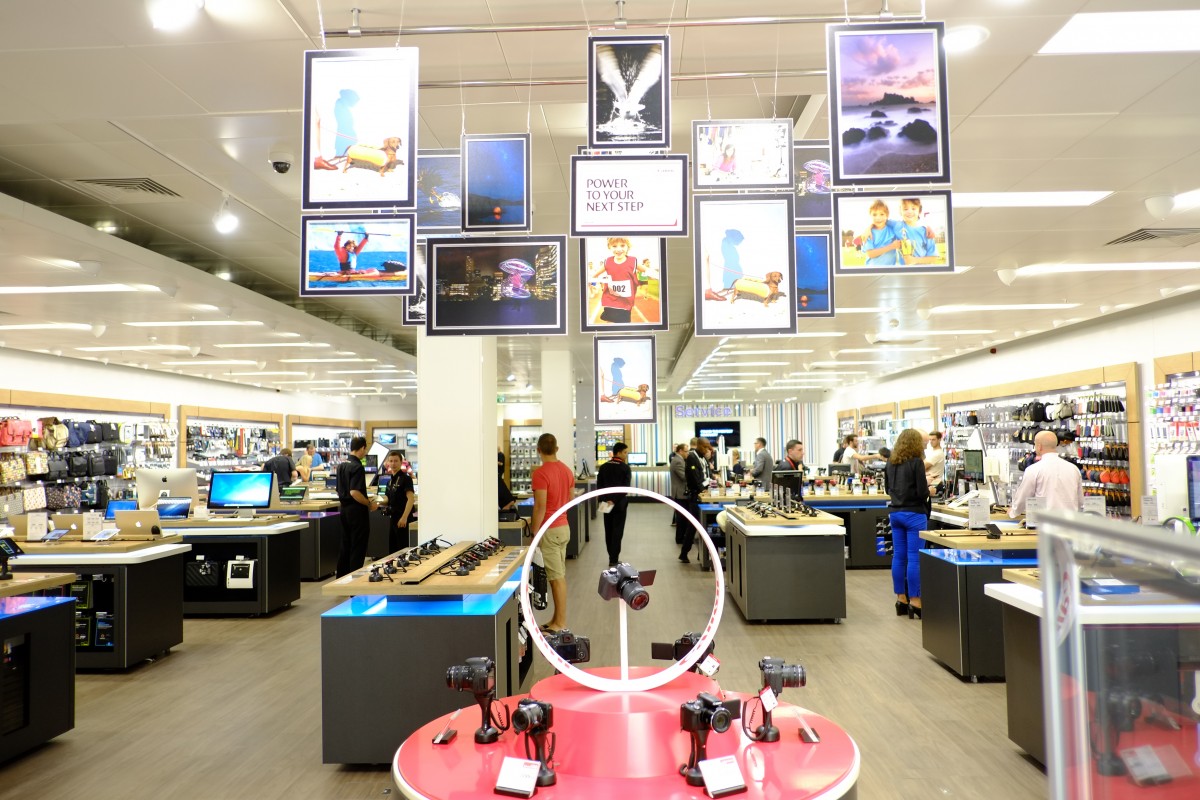
    According to Public Design Group, the new Maxis flagship store at Gardens Mall – which follows the consultancies’ previous collaboration with Singtel – is a contemporary twist on a cafe-style theatre set, where shoppers receive “the highest level of personalised service from a brand new human service model” based on a conviction that “mall retailers have an inherent responsibility to engage and entertain shoppers well beyond the confines of product”.

    The store features a Gallery of Living Potential – a series of product-solution stories told through products, staff and large-format digital screens leaning back against the “gallery” wall. Waiters serve shoppers at tables in the “street”, while maitre d’ sales staff engage browsers throughout the store to discuss the new Maxis proposition.

    “The business focus is no longer on selling third-party devices,” said Public Design Group’s director of retail strategy Jason Pollard. “It’s now all about raising awareness of how the internet enables better living. This leads to multiple devices, premium content, and managed services all being sold under one umbrella lifestyle story, for example Wellbeing”.

    The store’s retail experience is designed to optimise human exchange with personalised demonstration of product solutions, digital queuing systems and seamless transaction processes.

    “Motivating store teams is key to ensuring a sustainable increase in business performance, and that’s what we have been able to do by creating a theatre set for customers and staff alike,” said Pollard. “When staff can play and enjoy the product, they self-educate whilst becoming advocates. The staff in this store stage a singing and dancing performance for customers daily; their happiness directly influences the quality of shopper experience.”

    “The lack of corporate colour and the recessed store entrance is part of the Maxis corporate brand being deliberately recessive,” said Public Design Group chief designer Dan Cooper. “We are seeing a gradual shift in retailers understanding of the importance of brand experience over and above branded environments.

    “Shoppers believe this environment has been designed for them to experience rather than for Maxis to sell; it’s very much a ‘pull’ rather than a ‘push’ psychology. When we look at what the Maxis brand means to people, it’s not their logo, their promotions or their tone of voice any more, it’s a fantasy world that shoppers can escape into, full of optimism, colour and compelling lifestyle stories.”

    Fitch Hong Kong collaborated with Public Design Group to create the digital content in the store, as well as developing a number of tech-driven initiatives to optimise customer processing and transactions. They are now working on phase two of the customer experience plan, where the stories in the Gallery of Living Potential are being taken to a deeper level of digital immersion.

  • Growth rate down for China retail sales in July

    Growth rate down for China retail sales in July

    Chinese retail sales in July rose at a slower rate than in June, although the decline was largely attributed to falling sales of new motor vehicles.

    Official government retail sales figures include motor vehicles, making it difficult to assess the true trend of ‘real’ retail sales in the market.

    Chinese retail sales in July rose by 7.6 per cent year on year, compared to a 9.8-per-cent increase in June. The growth rate was slower than analysts had been forecasting.

    July marked the 13th consecutive month of decline in China’s new-car market, affected by the imposition of stricter environmental controls and a generally cooling economy.

  • Vodafone named ‘national retailer of the year’

    Vodafone named ‘national retailer of the year’

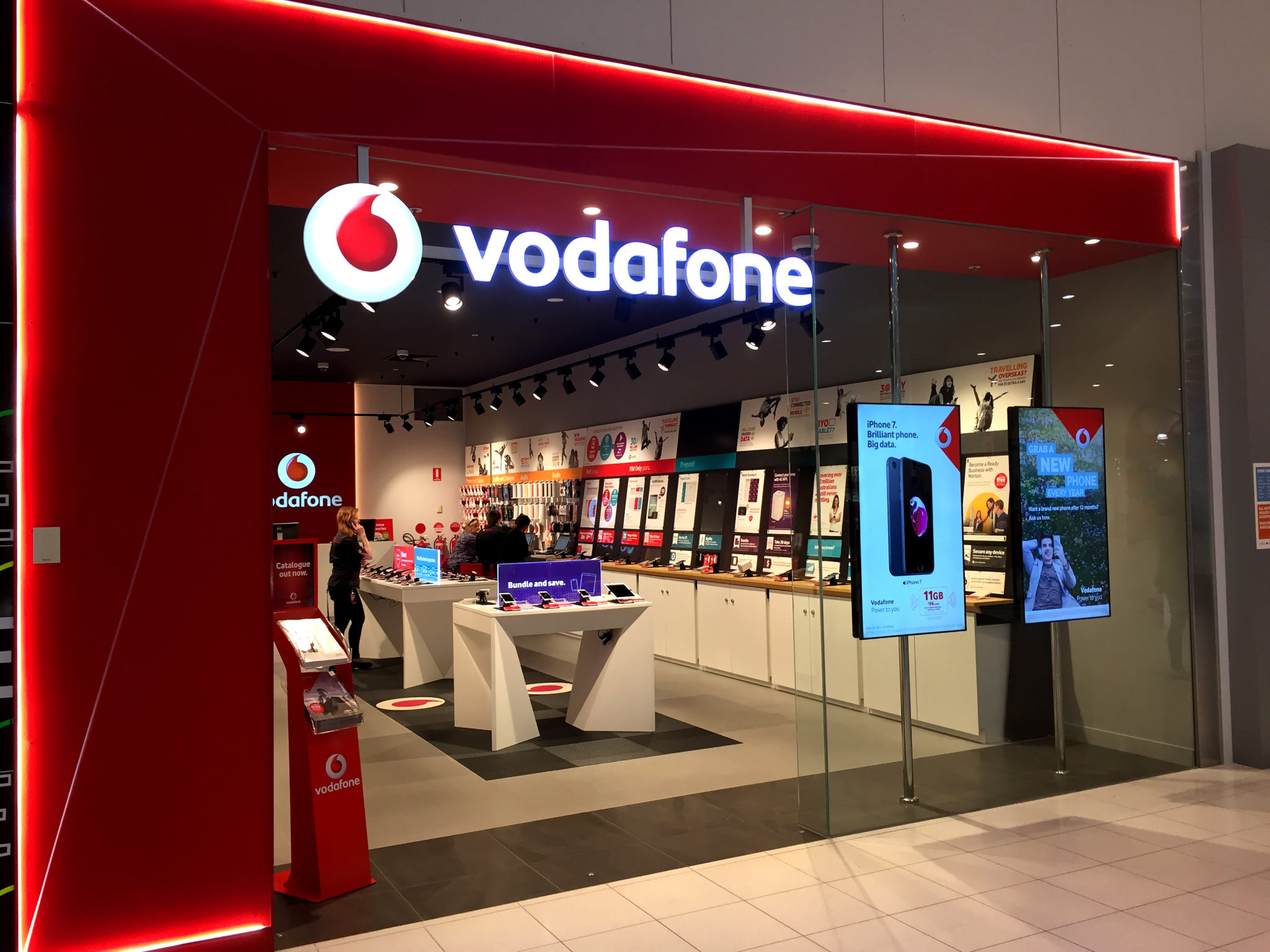
    Vodafone was crowned ‘national retailer of the year’ at the Australian Retailers’ Association’s annual awards in Melbourne on Thursday.

    The telecommunications company said it had made significant improvements to its business and customer experience since a low point a few years ago by making common sense decisions and backing its people.

    This was a fitting result, given this year’s theme, ‘Retail Morphosis’, which is all about how retailers adapt to change in order to succeed.

    “Although the retail landscape will continue to be disrupted by emerging technology and international competitors, it is truly gratifying to see the industry filled with hardworking retailers who continue to power retail through innovation and adaption,” Russell Zimmerman, executive director of the ARA, said.

    Retailers including Petstock, Bakers Delight, Birdsnest, Coles Group and Biome were recognised for their achievements in innovation, marketing, customer experience and more. The winners in all 12 categories are listed below.

    The awards took place at Myer Mural Hall on Thursday morning, and featured fashion parade capturing the history of Australian retail from the 1920s to the 1990s, with outfits curated by Myer and hair and make-up created by Chiseled Hair.

    Consumer futurist Amanda Stevens delivered a keynote speech on what the latest consumer research insights reveal about the opportunities for growth in the sector, and host Steve Plarre, CEO of Ferguson Plarre Bakehouses, entertained the audience with a rendition of ‘Uptown Funk’.

  • Australian dollar declines

    Australian dollar declines

    The Australian dollar has declined Friday, buying 67.75 US cents from 67.83 US cents on Thursday.

    Yesterday, better-than-expected jobs data has helped edge up the Aussie dollar as fears the global economy is headed for recession continue to weigh on the currency.

    The Australian dollar has struggled under the weight of worldwide economic anxiety even as domestic data showed jobs jumped past expectations in July and lessened the risk of a rate cut in the very near term.

    The figures helped the Aussie edge up to $US0.6780, from an early low of $US0.6747, but left it short of Wednesday’s $0.6809 high after a 0.7 per cent drop overnight.

    The New Zealand dollar was sidelined at $US0.6439 after easing 0.3 per cent overnight to as low as $US0.6422.

    Both currencies had been pressured by concerns the United states, and with it the rest of the world, was heading for recession as Treasury yields sank to record lows.

    The yield on 30-year bonds broke under 2.0 per cent for the first time on Thursday and briefly traded beneath the three-month bill rate, an inversion that has foretold recessions in the past.

    The Aussie won some respite when domestic data showed 41,100 new jobs were added in July, well above forecasts of 14,000, with full-time work up 34,500.

    That was enough to make investors pare the probability of a rate cut from the Reserve Bank in September to 18 per cent, from 38 per cent earlier.

    However, the data also showed unemployment held at 5.2 per cent in July as more people went looking for work, implying that wage growth and inflation would stay subdued.

    Futures imply an 84 per cent chance of a quarter-point rate cut to 0.75 per cent in October, with November seen better than 100 per cent.

    RBA deputy governor Guy Debelle also highlighted the risks from the trade war in a speech earlier on Thursday, warning it could trigger a self-fulfilling global downturn.

    That outlook, coupled with the global rush to safe havens, kept Australian bonds well bid.

    Yields on the 10-year note hit another historic low of 0.88 per cent, having dived a staggering 60 basis points in the past month.

    New Zealand’s 10-year bond yields dropped to a record trough of 1.033 per cent to be down 65bps from this time last month.

  • Vietjet is named Forbe’s Vietnam’s Best 50 Listed Companies

    Vietjet is named Forbe’s Vietnam’s Best 50 Listed Companies

    New-age carrier Vietjet has been named one of Forbes’ Vietnam’s Best 50 Listed Companies. This is the third consecutive year that Vietjet has been included in Forbes’ “50 Best” List since it was officially listed on the Ho Chi Minh City Stock Exchange (HOSE) in February 2017. The award ceremony was held by Forbes Magazine during the Business Forum 2019 in Ho Chi Minh City on August 15.

    Forbes’ seventh “50 best listed companies in Vietnam” gathered leading companies on HOSE and Hanoi Stock Exchanges (HNX), including Vinamilk, Sabeco, FPT, Vietjet, DHG Pharmaceutical, Bao Viet, Mobile World and Vingroup. The chosen companies this year were evaluated by industry standards, based on compound annual growth rate, profit, return on equity, earnings per share growth between 2013 to 2018, branding, quality of corporate management, source of profit and the prospect of sustainable development.

    According to Forbes, the companies chosen this year has shown impressive growth. All 50 companies in this year’s list accumulated VND 127,530 billion (approximately USD 546 million) in profit after tax, an increase of 19.2 per cent year on year. The total capitalisation of the 50 companies reached USD 94 billion, equivalent to 63% of the total market capitalisation on HOSE and HNX.

    The 50 best listed companies in Vietnam this year recognised in particular the growth of the private sector, highlighting companies such as Vietjet, Vingroup, Masan and Hoa Phat. HOSE companies dominated the list with 45 companies, while five HNX companies were included.

    With outstanding business results, Vietjet’s shares have attracted the attention of investors, being listed in VN30 in the first year of its listing. In 2018, Vietjet had year of high and sustainable growth, with its revenue at VND 53,577 billion (approximately USD 2.3 billion) and profit before tax at VND 5,816 billion (approximately USD 249 million).

    In the first six months of 2019, Vietjet’s air transport revenue increased sharply by 22 per cent to reach VND 20,148 billion (approximately USD 863 million), while the pre-tax profit of air transport reached VND 1,563 billion (approximately USD 67 million), up 16 per cent year on year. Consolidated revenue reached VND 26,301 billion (approximately USD 1.1 billion), an increase of 24 per cent, and profit before tax reached VND 2,398 billion (approximately USD 103 million), up 11 per cent year on year. Vietjet operated a total of 68,821 flights and transported 13.5 million passengers in the first half of 2019, accounting for up to 45 per cent of the total number of flights operated by all Vietnamese airlines. As a result, Vietjet has maintained its leading position in domestic transport.

    To date, the new age carrier has operated 129 domestic and international routes to countries such as Singapore, Japan, South Korea, China, Indonesia, Malaysia, Myanmar, Cambodia, Thailand and Taiwan.  Vietjet also maintains the one of the highest safety and operation requirements in the world and region. With remarkable business and operation results, Vietjet’s CEO is also the first ‘self-made’ female billionaire in Southeast Asia, and the first and only Vietnamese female billionaire in Forbes’ and Bloomberg’s top lists. She has been mentioned in the world’s Top 100 most powerful women in 2017 and 2018. With all the successes of Vietjet, she was also mentioned in a research case study from Harvard University.

  • Li Ning profit up as restructure pays off

    Li Ning profit up as restructure pays off

    Chinese sportswear retailer Li Ning reaped the benefits of a restructure in the first half of this year, with net profit attributable to shareholders by 196 per cent to RMB795 million (US$113 million).

    For the last two years, Li Ning has been investing in its retail business, upgrading stores, refining its product offer and reorganising its supply chain and other back-of-house operations.

    More recently it has launched a new retail brand Li Ning Young, which has added 79 more stores so far this year, taking the network to 872.

    The company said its margin has increased from 5.7 per cent during the first half of last year to 12.7 per cent in the same period this year.

    While the huge profit boost was partly due to non-operational factors, the regular business still posted a surplus up 109 per cent to RMB561 million, and net profit margin was 9 per cent.

    Group sales revenue rose 33 per cent to RMB6.255 billion ($889.5 million), with same-store sales growing by the mid-teens.

    The company said it was focused on strengthening its brand and product competitiveness during the first half, especially its five core categories: basketball, running, training, badminton and sports casual.

    “We set professionalism and functionalism as the foundation, and consolidated the brand’s DNA of professional sports,” the company said in an earnings statement.

    As at June 30, Li Ning had 6422 points of sale, a net increase of 112 over three months.

    The network of conventional stores, flagship stores, China Li-Ning stores, factory outlets and multi-brand stores under its brands amounted to 7294 as of June 30, representing a net increase of 157 since December 31.

  • Digital Payment Provider QFPay Raises $20 Million

    Digital Payment Provider QFPay Raises $20 Million

    Major Asian digital payment tech firm QFPay has raised another $20 million from both existing investors and a new list of renowned names including Sequoia Capital and Rakuten.

    Sequoia Capital China, which has participated in all three funding rounds, joins Matrix Partners as returning investors. New investors also include Rakuten Capital, the VC arm of major Japanese internet service provider, Rakuten; MDI Ventures, the VC arm of Indonesia’s largest telecom, Telkom Indonesia; and VentureSouq, a Dubai-based VC firm specializing in tech startups.

    According to QFPay co-founder and CEO, Patrick Ngan, the value from new investors this round extends beyond just funding to matters such as market-specific strategic growth.

    We have been witnessing tremendous growth in digital payment adoptions across Asia and given the need for localized strategy and networks in each of the markets, having support from trusted strategic partners like MDI Ventures, Rakuten Capital and VentureSouq as your investors and advisors plays an important role in navigating through the complex business environments, he elaborated.

    Asia is currently the leader for digital payments driven by demand from the region’s largely unbanked population. The ASEAN region is a major contributor to the sector with the market expected to grow 25 percent CAGR till 2027 to reach $109 billion, according to a research report by Nomura. QFPay is well-positioned to capture some of this growth with presence in 13 markets in Asia and the Middle East including Cambodia, China, Hong Kong, Indonesia, Japan, Korea, Laos, Malaysia, Myanmar, Philippines, Singapore, Thailand and United Arab Emirates.

    We have built our track record, know-how and expertise in this industry since we launched in China which is dubbed as the birthplace of digital payment, added Tim Lee, co-founder and CEO of QFPay.

    We are excited to leverage what we have learned in the past seven years to help lead the cashless movement in the rest of Asia as demand for digital payment, particularly QR-code payment method, heats up in the region.

  • Strong retail interest in Asia, but very little action

    Strong retail interest in Asia, but very little action

    More than 80 percent of Australian businesses have Asia on their radar, but most are failing to generate significant revenue from Asian markets, a new report from Asialink Business has found.

    Of the businesses surveyed, 83 percent generate less than half of their annual revenue from Asia, and 55 percent generate less than 5 percent of their annual revenue from Asia. This is because they haven’t taken the necessary steps to grow.

    These include hiring staff with the right language skills and experience to operate in Asia, keeping up with Asian customers’ fast-changing preferences and having a presence on the ground – three characteristics that top performers in the Asian market share.

    “The business opportunities that exist in Asia are well known and well versed. But while many Australians businesses are including Asia as part of their strategy, we know that majority of these organizations don’t optimize their operations to maximize revenue streams,” Jonathan Yeung, head of Asian business banking at Commonwealth Bank of Australia, which sponsored the report, said.

    One business that is tapping into the Asian market successfully is Australian health and beauty brand G&M Cosmetics, which was profiled in the report.

    The Sydney-based business, which has been manufacturing and selling to national and global retailers for over 22 years, first started exporting to China in 1998, and now exports 600,000 units of skincare products to the country every week.

    CEO Zvonko Jordanov said it is crucial to understand the customer in each market you sell in.

    For instance, Emu oil-based products are best-sellers in Taiwan and Malaysia, but Lanolin is preferred in China. This changes quickly, though, and Jodanov said avocado, goat’s milk, and manuka honey products are on the rise.

    At its laboratory in Australia, G&M also looks at the suitability of certain skincare products for different markets based on local conditions, including weather and humidity.

    “We’re all humans. The number one thing is that you respect the consumer. Give them a proper product and don’t promise the impossible,” Jordanov said.

    According to the Asialink Business survey, businesses that tailor and adjust their product or service and marketing earn, on average, more than eight times the revenue from Asian markets than those that sell the same offering using the same marketing.

    Businesses that always mention these Asian language skills and experience in the Asian market in job ads earn, on average more than five times the revenue from Asia than those that do not.

    And 33 percent of businesses that earn more than 5 percent of their annual revenue from Asia undertook in-country visits at least once a month – more than double that of businesses earning less than 5 percent of their revenue from Asia.

    The businesses most likely to be doing well in Asia were professional services firms, according to the report, followed by private education and training organizations.

    China was the top Asian market for 44 per cent of respondents, followed by the ASEAN countries, which include Indonesia, Malaysia, Philippines, Singapore, Thailand, Vietnam, Laos, Brunei, Cambodia, and Myanmar, for 32 per cent of respondents.

    Overall business sentiment towards Asia remains positive, despite the ongoing China-US trade tensions, the report found.

  • The Source Bulk Foods opens Restaurant in Singapore

    The Source Bulk Foods opens Restaurant in Singapore

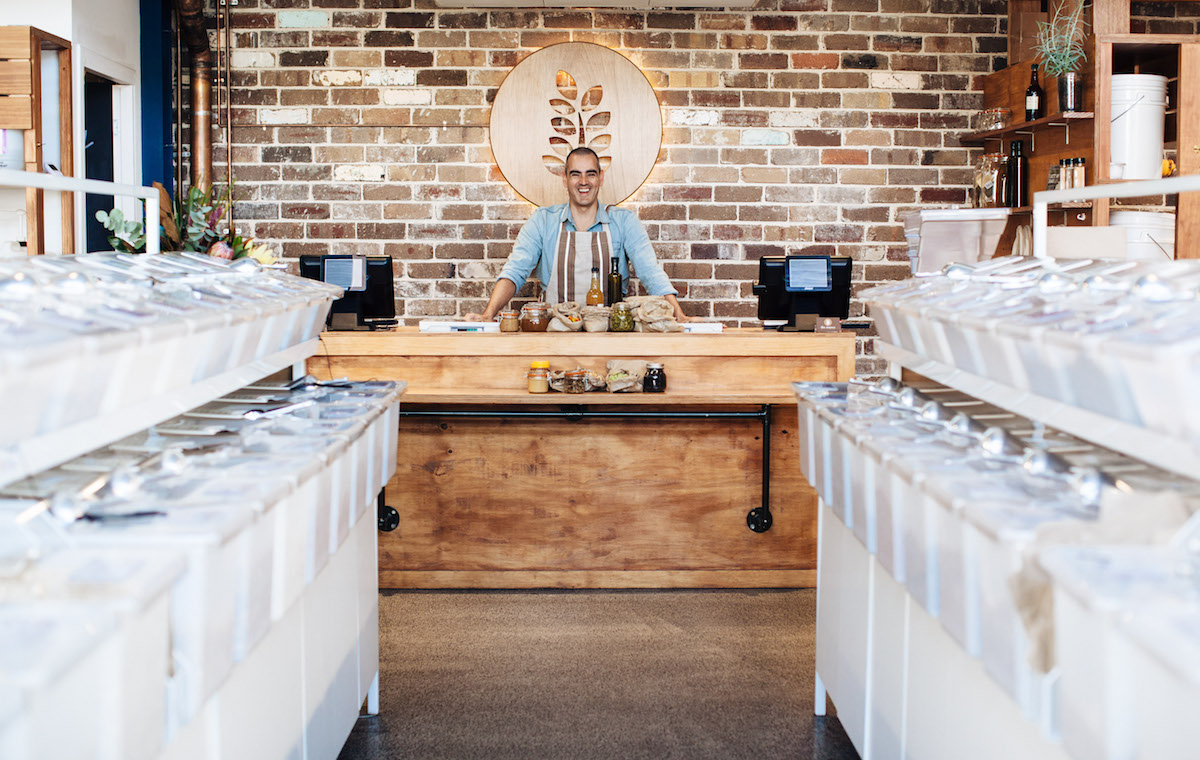
    Australia’s largest bulk foods and zero waste retailer The Source Bulk Foods has unveiled its first outlet in Singapore.

    Located at Cluny Court, the store will carry a wide range of pantry staples, numbering more than 350 products that include premium whole foods and treats as well as packaging-free household products.

    Founded in 2012 in Byron Bay, Sydney, Australia, The Source Bulk Foods has promoted an ethos of zero packaging, encouraging customers to buy and use only what is needed.

    “We are as much about providing nutritious products as we are about embracing a zero waste goal, and creating a healthy community,” said The Source Bulk Foods master franchisor for Southeast Asia Rob Behennah.

    “Our passionate team looks forward to delivering wholesome food, nourishing families, and in doing so, taking a hands-on approach to nurturing our planet.”

    Shoppers at the store are given three easy steps to purchase: grab a bag (or refill a jar), write the product code, and fill the bag with the desired amount of the chosen product. Customers then proceed to the cashier, where their groceries will be weighed and payment made.

    “The Source Bulk Foods is revolutionising the way we shop,” said franchise partner and full-time nutritionist Sarah Widjaja.

    “At every step of the way, suppliers, retailers, and customers can reduce their use of unnecessary packaging and single-use plastics. By buying only what is needed, we can also minimise food waste.”