Blog

  • Japan’s JDC Corp Backs Centuria’s $320 Million Sydney Office Acquisition

    Japan’s JDC Corp Backs Centuria’s $320 Million Sydney Office Acquisition

    JDC Corporation, a Tokyo-based construction and engineering group, has been named as one of three Japanese entities supporting Centuria Capital Group’s recent acquisition. Centuria purchased a 50 percent share in a prominent central Sydney office complex from Canada’s Brookfield for A$454 million, equivalent to $320.4 million.

    This investment highlights a continued trend of Japanese capital flowing into major Australian commercial property assets. Such cross-border deals are becoming more common across the Asia Pacific region, as investors seek stable returns and diversification in developed markets.

    Japanese Capital Fuels Sydney Deal

    The transaction, which completed recently, sees JDC Corporation join two other Japanese financial institutions in backing Centuria. While specific details of JDC’s contribution were not disclosed, its involvement signifies a strategic move by the company into the Australian real estate market. The Sydney office complex represents a significant asset, and its partial acquisition by Centuria with Japanese backing underscores the growing international interest in Australia’s commercial property sector.

    This type of investment is often driven by a combination of factors, including attractive yields compared to domestic markets, a strong legal framework, and the potential for capital growth. For Japanese firms, Australia offers a stable economic environment and a transparent real estate market, making it an appealing destination for outward investment.

    Implications for APAC Real Estate

    The involvement of JDC Corporation in a major Sydney office deal signals how Asian companies are increasingly deploying capital across the region’s diverse real estate markets. While the primary focus of JDC is construction and engineering, its financial backing for a significant property acquisition points to broader investment strategies. This move reflects a wider pattern observed by RetailNews Asia, where Asian investors, including developers, funds, and corporate entities, are actively acquiring commercial assets from retail spaces to logistics hubs across the region, from Singapore to Melbourne.

    These investments influence market dynamics by introducing new capital and sometimes new development approaches, impacting property values and competitive landscapes for all players, including retailers seeking prime locations and consumer brands looking for office or warehouse facilities. Such cross-border financial backing often precedes or runs in parallel with other Asian firms expanding their operational footprints in these markets.

  • ANA Introduces Framework to Standardise Retail Media Measurement

    ANA Introduces Framework to Standardise Retail Media Measurement

    The Association of National Advertisers (ANA) has unveiled a new framework designed to tackle measurement challenges within the rapidly expanding retail media sector. This initiative comes as over US$100 billion is now invested globally in commerce media, with retail media networks struggling to provide consistent and comparable performance metrics across platforms.

    The ANA’s Retail Media Measurement Standardization report proposes a path towards a unified measurement ecosystem. It advocates for common standards across diverse retail media networks, increased transparency in performance calculations, and a greater reliance on independent third-party measurement providers. Leading brands, including PepsiCo, Hershey’s, Clorox, Kimberly-Clark, Mondelez, Bayer, and Intel, contributed to the framework’s development through the ANA’s Retail Media Working Group.

    Addressing Fragmentation in Retail Media

    Retail media has become one of the fastest-growing segments in the media mix, attracting significant brand investment. However, the fragmented nature of the ecosystem makes it difficult for marketers to compare the effectiveness of their spending across different platforms. This new framework seeks to establish a foundational measurement standard, allowing brands to better understand what truly drives results and to optimise their media strategies more effectively.

    For retailers and brands operating in Asia-Pacific, where e-commerce and digital retail media are also experiencing explosive growth, standardisation is crucial. As platforms like Lazada, Shopee, and regional supermarket chains expand their advertising offerings, consistent measurement practices would enable brands to allocate budgets more strategically and demonstrate clear returns on investment across diverse Asian markets. This move by the ANA provides a potential blueprint for similar efforts in the region, helping to mature the retail media landscape.

    Call For Transparency And Independent Verification

    The framework highlights three key areas for improvement: the establishment of common measurement standards that all retail media networks can adopt, enhanced transparency regarding how performance metrics are calculated and presented, and a wider acceptance and use of independent third-party measurement solutions. These recommendations aim to instill greater confidence among advertisers and foster healthier competition within the retail media space.

  • Yen Weakness Persists Despite Intervention, Raising Concerns for Asia-Pacific Businesses

    Yen Weakness Persists Despite Intervention, Raising Concerns for Asia-Pacific Businesses

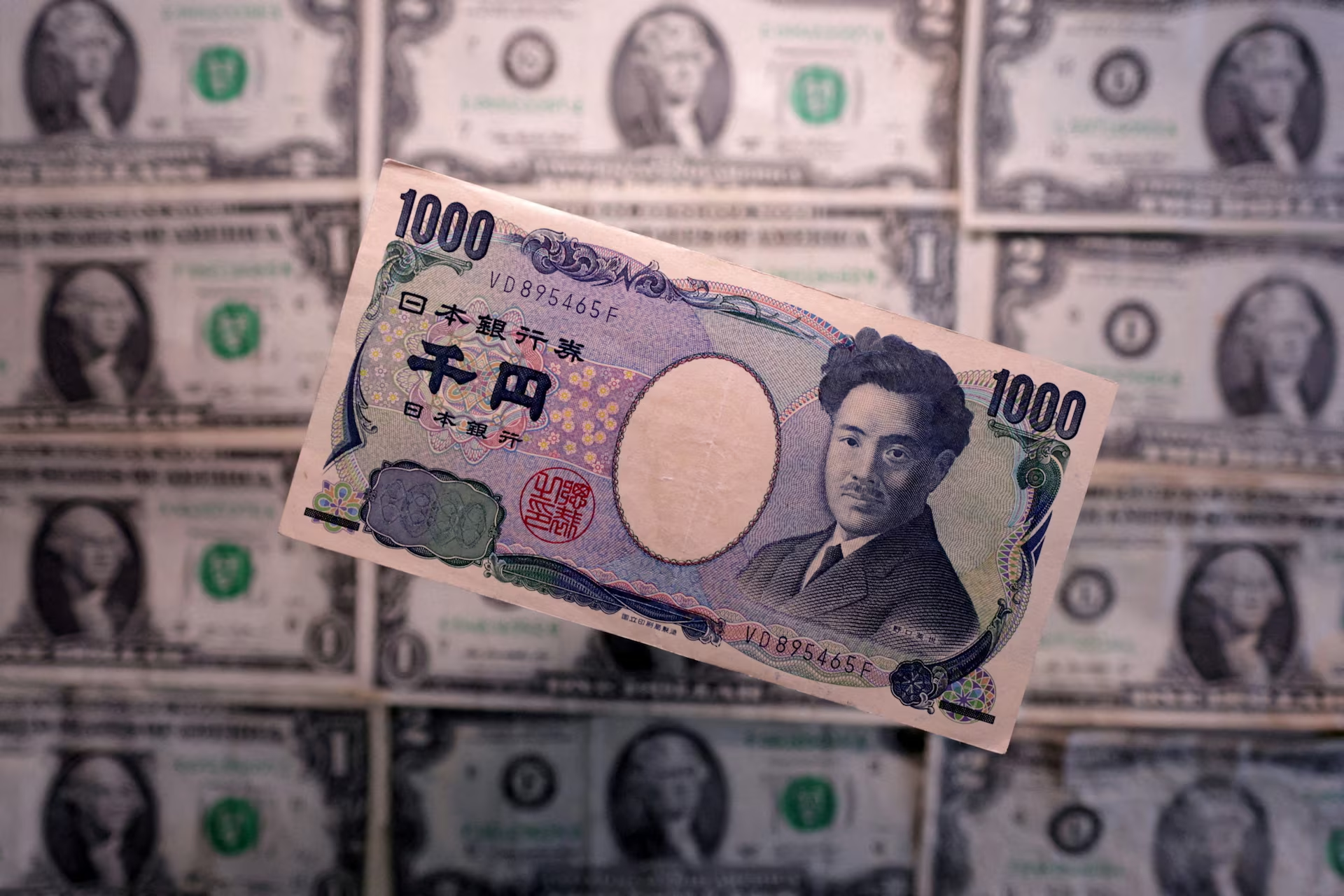
    The Japanese yen continues to face significant downward pressure, with a historic joint intervention by the United States and Japan failing to provide lasting relief. Weeks after the coordinated effort, the currency has reversed half its brief gains and is approaching the 160 yen per US dollar mark, having previously hit a 40-year low above 163 yen in late July.

    This persistent weakness is largely attributed to the widening interest rate differential between the US and Japan. US Treasury yields have reached multi-year highs, making dollar-denominated assets more attractive and fueling the yen carry trade. Despite a more hawkish stance from the Bank of Japan, investors continue to prioritize higher US yields, according to market observers.

    Intervention’s Limited Impact

    Market analysts suggest that while currency interventions can temporarily shift market positioning and disrupt momentum, they do not address underlying fundamental drivers such as interest rate differentials. Gary Dugan, CEO of The Global CIO Office, noted that the yen’s continued decline despite direct intervention indicates that US yields remain the primary factor influencing its value.

    The 30-year US Treasury yield recently reached 5.285 percent, while the rate for 30-year Japanese government bonds closed at 4.141 percent. This substantial gap incentivizes investors to borrow in yen at lower rates and invest in higher-yielding US assets, contributing to the yen’s depreciation.

    Implications for Asia-Pacific Retail

    The continued weakness of the yen has direct consequences for businesses operating across the Asia-Pacific region. Japanese companies, from luxury brands to electronics manufacturers, face higher import costs for raw materials and components, potentially impacting their pricing strategies and profitability. Conversely, the weaker yen can make Japanese exports more competitive, which could boost sales for some retailers and manufacturers focusing on international markets.

    For global retailers with a presence in Japan, purchasing power for Japanese consumers may diminish, affecting sales of imported goods. This situation mirrors challenges seen in other Asian markets where local currency depreciation against the dollar has driven up operational costs and consumer prices, requiring careful strategic adjustments from brands and retailers across the region.

  • H Mart Orlando Unveils Expanded Asian Food Hall

    H Mart Orlando Unveils Expanded Asian Food Hall

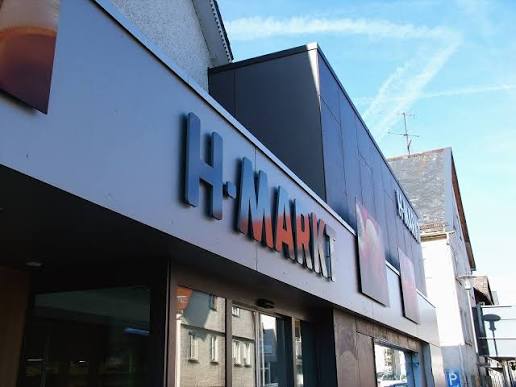
    H Mart, America’s prominent Asian supermarket chain, will significantly enhance its customer experience with the Phase 2 grand opening of an expanded food hall in its Orlando, Florida, supermarket. The new extension is scheduled to launch on August 21, 2026, at 10:30 a.m. Local time, with regular operating hours set from 10:30 a.m. To 9:00 p.m. Daily.

    Located at 7501 W Colonial Dr, the Orlando supermarket, which opened last year and spans over 100,074 square feet, has already established itself as a community hub. The food hall expansion doubles the available dining choices, offering a wider array of culinary experiences. This move reinforces H Mart’s ongoing commitment to innovation and service excellence, bringing diverse Asian flavors under one roof.

    Expanding Culinary Horizons

    The expanded food hall aims to redefine convenience and variety by bringing together popular Asian fast-casual favorites. Customers can expect a diverse range of dishes, all prepared with fresh ingredients and authentic flavors. Offerings will include Korean street food, iconic Korean fried chicken, sweet stuffed hotteok, and savory Japanese curries.

    Brian Kwon, President of H Mart, stated the company’s enthusiasm for the expansion, emphasizing its dedication to sharing Asian food culture with the community. He affirmed the commitment to maintaining the high quality of food and service customers have come to expect. This expansion aligns with H Mart’s strategy to provide a holistic experience that combines shopping, dining, and entertainment.

    New Dining Concepts Introduced

    The new extension will introduce six distinct dining stalls, each offering a unique culinary focus. These additions are designed to create an upscale ambiance within the cultural space of the food hall. The new establishments include:

    • Curry 88: Specializing in Japanese Curry
    • Mari Mari: Offering Maki Rolls, Inari, and Noodles
    • Seoul Hotteok: Featuring Korean Traditional Dessert
    • bb.q Chicken: Known for Korea’s Finest Fried Chicken
    • Dduk Dabang: Serving Korean Street Food
    • SORIMMARA: A Korean Style Mala Restaurant

    H Mart’s strategic move to integrate an extensive food hall within its supermarket model echoes a broader trend observed across Asia, where retailers increasingly blend grocery shopping with experiential dining. In markets like South Korea and Japan, large-format supermarkets often feature diverse food courts and prepared food sections, drawing customers in not just for staples but also for a complete lifestyle experience. This US expansion by an Asian grocery giant highlights the growing global appeal of Asian culinary diversity and the evolution of the supermarket format into a comprehensive lifestyle destination.

  • US Billionaires Boost Baidu Bets Amid AI Surge, Pull Back from Alibaba and JD.com

    US Billionaires Boost Baidu Bets Amid AI Surge, Pull Back from Alibaba and JD.com

    Major US investors are rebalancing their portfolios in Chinese technology stocks, with a notable shift towards Baidu as artificial intelligence capabilities expand. Stanley Druckenmiller, through his Duquesne Family Office, re-entered the US-listed Chinese market by acquiring 88,200 Baidu American depositary receipts (ADRs) during the second quarter. This purchase, valued at approximately US$10.1 million, marks his firm’s first investment in such companies since exiting Alibaba Group Holding in late 2023.

    Similarly, David Tepper’s Appaloosa Management nearly doubled its investment in Baidu, increasing its holdings to 1.3 million ADRs, worth about US$148 million. This move contrasts with the hedge fund’s earlier stance in late 2024, when Tepper indicated a broad increase in China exposure.

    Shifting Focus To AI Innovations

    Baidu, traditionally known for its dominant search engine, has aggressively pivoted to artificial intelligence. The company’s strategic focus now includes its Ernie large language models, cloud computing services, and autonomous driving technology. This emphasis on AI appears to be a key driver for the renewed investor interest from Wall Street billionaires.

    The increased investment in Baidu coincides with a reduction in other Chinese internet holdings for some investors. Appaloosa Management, for instance, cut its Alibaba stake by 42 percent and completely divested from JD.com and PDD Holdings. These adjustments reflect a selective approach to the Chinese tech sector, prioritizing companies with strong AI growth narratives.

    Implications For Asia’s Tech Market

    These investment shifts by influential global investors underscore the growing significance of AI capabilities in determining value within Asia’s technology sector. As Baidu strengthens its AI ecosystem, including efforts in large language models and autonomous vehicles, it could reshape competitive dynamics, especially in cloud services and advanced consumer tech, areas RetailNews Asia actively tracks across the region. Such movements by prominent investment figures often signal broader trends that impact market sentiment and strategic directions for companies operating in Asia-Pacific’s fast-evolving digital economy.

  • SoftBank Plans Record $6.3 Billion Retail Bond Issue for AI Acquisitions

    SoftBank Plans Record $6.3 Billion Retail Bond Issue for AI Acquisitions

    Japanese technology conglomerate SoftBank Group is set to issue around 1 trillion yen, or approximately $6.26 billion, in corporate bonds targeting retail investors within Japan. This planned offering would represent the largest ever retail bond issue by a Japanese company, signaling a bold move by the firm to secure capital for its strategic investments.

    The substantial funds generated from this bond sale are earmarked for an aggressive expansion into the ‘physical AI’ sector. SoftBank’s Chairman and CEO, Masayoshi Son, has consistently championed AI as a critical area for future growth, and this financing move aligns with his vision to bolster the company’s position in advanced technological fields.

    Funding Strategic AI Expansion

    SoftBank’s focus on ‘physical AI’ indicates an interest in artificial intelligence applications that interact directly with the real world, potentially through robotics, autonomous systems, or smart infrastructure. This investment direction could see the company acquiring firms specializing in these areas, deepening its technological capabilities and market presence. The retail bond structure allows SoftBank to tap into domestic Japanese savings, diversifying its funding sources beyond institutional investors or venture capital rounds.

    The strategy reflects a broader trend among major Asian tech players to aggressively fund and acquire innovative technologies, particularly in the AI space. RetailNews Asia has observed similar capital-raising efforts and strategic investments from other regional giants, all vying for leadership in emerging tech markets that promise to reshape consumer experiences and business operations across the continent.

    Boosting Investment in Physical AI

    Masayoshi Son has been a vocal advocate for significant investment in artificial intelligence, previously stating that the AI boom would necessitate trillions in annual investment. This record bond issuance underscores SoftBank’s commitment to transforming that vision into reality. The company’s prior investments in various tech startups globally have positioned it as a key influencer in the digital economy, and this latest move reinforces its determination to lead the next wave of technological innovation.

    For retail investors in Japan, these bonds represent an opportunity to participate in the growth of a prominent domestic tech firm while potentially seeking more attractive returns than traditional savings options. The success of this large-scale offering will be closely watched as an indicator of both investor appetite and SoftBank’s ability to finance its ambitious AI-driven future.

  • Chip Squeeze Drives up Smartphone Prices in India, Boosting Apple and Samsung over Chinese Rivals

    Chip Squeeze Drives up Smartphone Prices in India, Boosting Apple and Samsung over Chinese Rivals

    Rising memory chip costs are significantly impacting India’s smartphone market, leading to a surge in average selling prices and a shift in consumer preferences. The average smartphone selling price in India has reached a record $315, marking a 14.4 percent increase from the previous year, according to recent market data.

    This price inflation is particularly affecting budget-focused Chinese smartphone brands, which have historically dominated the sub-$150 segment. As cheaper chips become scarce and more expensive, these companies are forced to raise their prices, diminishing their traditional value-for-money appeal. Conversely, premium and mid-range players such as Samsung and Apple are gaining market share, partly due to improved financing options that make their higher-priced devices more accessible to consumers.

    Chinese Brands Face Mounting Pressure

    Chinese smartphone makers, including Vivo, Oppo, Xiaomi, and Realme, experienced significant declines in shipments during the June quarter. Vivo’s shipments fell by 13.9 percent, Oppo by 8.5 percent, Xiaomi by 10 percent, and Realme by 14.2 percent year-on-year, according to IDC. Only OnePlus, which caters to a higher-end segment, saw a smaller decline of 2.5 percent.

    Industry experts indicate that the era of sub-$150 smartphones is effectively over in India. New Chinese models with similar features are now expected to cost between $200 and $250, a substantial increase from their previous pricing. This pricing pressure has already led to some budget brands raising smartphone prices by up to 40 percent.

    This development is crucial for RetailNews Asia readers, as India represents one of the world’s largest and fastest-growing consumer markets. The shift towards premiumisation, driven by supply chain economics, presents both challenges and opportunities for retailers and brands operating across Asia-Pacific. As affordability dynamics change, retailers may need to adapt their product assortments and financing solutions to cater to evolving consumer demand.

    Samsung And Apple Expand Their Foothold

    In contrast to the struggles faced by Chinese brands, Samsung and Apple have demonstrated resilience and growth. In the June quarter, Samsung’s shipments rose by 0.4 percent, and Apple’s by 0.7 percent. This enabled Samsung to narrow the gap with the leading player, Vivo, increasing its market share by nearly 200 basis points. Apple also saw its market share rise by 100 basis points in the same period.

    Samsung, with its diverse portfolio spanning from $200 to over $800, is intensely competing with Vivo in the $200-$300 segment. A key advantage for Samsung is its access to in-house memory chip supplies, which mitigates some of the cost pressures affecting competitors. Many Chinese firms rely on external suppliers like MediaTek, SK Hynix, and even Samsung for their chips, making them more vulnerable to price fluctuations.

    The global memory chip shortage, exacerbated by increased demand for AI and data center applications, has driven chip prices up fourfold since September 2025, with further increases anticipated. This trend is expected to continue pushing smartphone prices higher, accelerating the Indian market’s shift towards more premium products as financing options become more prevalent for expensive handsets.

  • TSMC’s AI Chip Capacity Challenges Offer Samsung A Pricing Advantage

    TSMC’s AI Chip Capacity Challenges Offer Samsung A Pricing Advantage

    Taiwan Semiconductor Manufacturing Company (TSMC), a global leader in chip manufacturing, is reportedly struggling with production constraints for its advanced AI chips. These bottlenecks are primarily linked to the intricate Chip-on-Wafer-on-Substrate (CoWoS) packaging technology, which is critical for high-performance computing components used in artificial intelligence.

    This production challenge at TSMC presents a strategic advantage for its main competitor, Samsung. With demand for AI chips surging and TSMC’s capacity limited, Samsung finds itself in a stronger position to negotiate higher prices for its competing memory products, particularly High Bandwidth Memory (HBM). HBM is a vital component often bundled with AI chips.

    Market Dynamics and Pricing Power

    The current situation highlights the intense competition and intricate supply chain dynamics within the semiconductor industry. As AI development accelerates, the ability to produce these complex chips and their associated components at scale becomes a major determinant of market leadership. TSMC’s temporary hurdles with CoWoS packaging could give Samsung a window to capture a larger share of the lucrative AI hardware market, at potentially more favourable pricing. This rivalry extends beyond just the foundry business into memory and packaging, where both companies are significant players.

    Implications for Asia’s Electronics Supply Chain

    For Asia’s electronics and consumer tech sectors, this dynamic is crucial. Many consumer devices, from smartphones to smart home hubs, increasingly rely on AI capabilities, which in turn depend on advanced chips and memory. A shift in pricing power or supply availability from major manufacturers like TSMC and Samsung can ripple through the entire supply chain, affecting component costs and product development timelines for brands across the region. RetailNews Asia tracks how such foundational shifts in manufacturing impact the availability and pricing of critical components for major electronics brands and, ultimately, the consumer market.

  • Digital Payments Now Comprise over 64% of Philippines Retail Transactions

    Digital Payments Now Comprise over 64% of Philippines Retail Transactions

    Digital payment methods have significantly surpassed traditional cash transactions in the Philippines, now representing 64.7 percent of all retail transactions by volume in 2025. This figure is a notable increase from 57.4 percent in the previous year, demonstrating a rapid adoption of electronic payment channels across the archipelago.

    The Bangko Sentral ng Pilipinas (BSP) reported that this growth has exceeded its target of 50 to 54 percent. The central bank credits its efforts towards interoperability, ensuring that a broad range of businesses and service providers operate within a unified payment system. This integration enhances the value proposition for all participants, including consumers, businesses, banks, and e-wallets, by expanding the network’s reach and utility.

    Accelerated Digital Shift in Retail

    The rise of digital payments in the Philippines has been dramatic, climbing from just 20.1 percent of retail transactions in 2020. The share grew to 30.3 percent in 2021, 42.1 percent in 2022, and 52.8 percent in 2023, before reaching the current level. This sustained momentum underscores a fundamental change in consumer behavior and retail operations across the country.

    Key drivers behind this acceleration include a 69.4 percent increase in digital payment accounts and a 36.3 percent expansion in the number of merchant locations accepting digital payments. QR Ph transactions, the national QR code standard, surpassed both debit and credit card transactions for the first time in 2025. A total of 2.47 billion QR Ph transactions, valued at P1.16 trillion, were processed during the year, reflecting a growing preference for interoperable, account-based payments among Filipinos. This wider adoption generates network externalities, where the convenience and value of electronic payment channels increase as more entities join the ecosystem.

    Broader Financial Inclusion and Future Outlook

    Beyond retail transactions, the push for digital payments aligns with the BSP’s broader goal of deepening financial inclusion. The number of basic deposit accounts reached 27.9 million as of March, up from 27.6 million at the end of 2025, with 177 banks now offering these accessible accounts. The central bank has also welcomed initiatives by several banks to reduce or waive interbank digital transaction fees, anticipating that lower costs will make electronic fund transfers more affordable and accessible for households and small businesses.

    For retailers and consumer brands operating in the Philippines, this trend necessitates continued investment in digital payment infrastructure and smooth integration of various e-wallet and QR code solutions. The rapid adoption seen in the Philippines mirrors similar patterns across Southeast Asia, where countries like Indonesia and Vietnam are also experiencing significant shifts towards cashless economies. This transformation offers opportunities for businesses to streamline operations, enhance customer experience, and reach a wider, digitally-savvy consumer base.

  • Philippines Under Pressure to Close Vape Tax Loophole Hurting Retailers, Boosting Illicit Trade

    Philippines Under Pressure to Close Vape Tax Loophole Hurting Retailers, Boosting Illicit Trade

    Consumer advocacy groups in the Philippines are pressing Congress to revise the nation’s vape excise tax system, asserting that its current design encourages illicit trade. They contend that the significant tax disparity between nicotine salt and freebase nicotine products creates opportunities for misdeclaration, resulting in substantial revenue losses for the government and unfair competition for legitimate retailers.

    Under the existing tax framework, a 10-milliliter nicotine salt vape product incurs a tax of P602, while an equivalent freebase product is taxed at P69.46. This P532.54 difference, where nicotine salt products are taxed almost nine times higher, provides a strong incentive for operators to misdeclare their goods. This issue has been brought to the attention of the House Committee on Ways and Means, which is reviewing several bills aimed at amending excise taxes on tobacco and vapor products.

    Tax Disparity Fuels Illicit Market

    Representative Miro Quimbo, chair of the House Ways and Means Committee, has noted a concerning disconnect between rising vape consumption and declining tax collections, pointing to a growing illicit market. Orlando Oxales, convenor of CitizenWatch Philippines, stated that the problem stems not just from weak enforcement but from a tax system vulnerable to manipulation. Products that appear and are used similarly but are taxed differently based on characteristics difficult for regulators to verify on-site become prime targets for misdeclaration, transforming it into a business opportunity for unscrupulous players.

    Several legislative proposals before the committee suggest replacing the current two-tier system with a single excise tax rate for all vapor products, irrespective of their nicotine formulation. These bills highlight the risks of mislabeling and misdeclaration inherent in the existing framework. Marc Gamboa, convenor of Progreso Para sa Bayan, emphasised that simpler regulations would allow enforcement agencies to concentrate their resources more effectively on combating actual tax evasion. He noted that the Philippines’ specific tax distinction between nicotine salt and freebase formulations is unusual internationally, adding complexity and potential loopholes.

    Unified Rate Proposed For Fairer Trade

    Support for a unified vape tax rate has also come from key government agencies, including the Bureau of Internal Revenue, Bureau of Customs, and the Department of Trade and Industry. These bodies cite enforcement difficulties and potential revenue leakage as major concerns under the current setup. Oxales stressed that tax systems should aid enforcement, not create avenues for illicit operations, arguing that regulatory complexity makes abuse easier.

    While advocating for simplification, the groups acknowledge that different product categories may warrant varying tax treatments. Their primary goal is for Congress to establish a system that is easy to administer, resistant to manipulation, and aligns with broader fiscal and regulatory goals. A streamlined tax regime would not only help stem the flow of illicit products but also create a more level playing field for legitimate retailers and brands operating within the Philippine vape market. Other Southeast Asian nations are also grappling with effective taxation of novel products like vapes, with varying approaches to product classification and excise duties often impacting market dynamics and the prevalence of illicit trade.

  • SABECO Boosts Consumer Engagement at Khanh Hoa Sea Festival 2026

    SABECO Boosts Consumer Engagement at Khanh Hoa Sea Festival 2026

    SABECO, the Vietnamese beverage giant behind Bia Saigon and 333 Beer, plans to significantly enhance its consumer engagement initiatives at the Khanh Hoa Sea Festival in 2026. This strategic move aims to connect directly with a large audience, reinforce brand loyalty, and expand its market reach within Vietnam.

    The company, known for its extensive portfolio of beer brands, regularly participates in major cultural and sporting events across the country. Its involvement in the Khanh Hoa Sea Festival provides a platform to show products, create memorable brand experiences, and gather direct feedback from consumers.

    Building Brand Presence Through Local Events

    Participating in large-scale public events like the Khanh Hoa Sea Festival allows SABECO to integrate its brands into local cultural celebrations. This approach helps the company build a stronger emotional connection with consumers, moving beyond traditional advertising. These festivals attract both local residents and tourists, offering a diverse demographic for brand interaction.

    For consumer brands operating in Southeast Asia, local festivals and events are critical channels for market penetration and consumer relationship building. Such engagement strategies are particularly effective in markets where community and cultural ties play a significant role in purchasing decisions. This is a common strategy for F&B companies across the region, from ThaiBev in Thailand to San Miguel in the Philippines, as they aim to embed their brands deeply within national identities and local traditions.

    SABECO’s Market Strategy in Vietnam

    SABECO continues to be a dominant force in Vietnam’s competitive beverage market. Its consistent presence at key national events underscores a long-term strategy to maintain market leadership and respond to evolving consumer preferences. These engagements often include interactive booths, product sampling, and branded entertainment, designed to create a positive association with its beer brands.

    The company’s focus on consumer engagement at events like the Khanh Hoa Sea Festival also reflects a broader trend among regional consumer goods companies. They are increasingly investing in experiential marketing to differentiate themselves and foster deeper brand loyalty in a dynamic retail environment. This direct interaction helps gather insights that inform future product development and marketing campaigns.

  • Xiaomi SU7 Electric Vehicle Surpasses Half Million Deliveries Amid Strong EV Sales

    Xiaomi SU7 Electric Vehicle Surpasses Half Million Deliveries Amid Strong EV Sales

    Xiaomi’s SU7 electric vehicle has reached a substantial delivery milestone, with over 500,000 units now in the hands of customers. This achievement underscores the robust growth in electric vehicle (EV) sales and signals the increasing influence of technology companies in the automotive sector.

    The SU7’s rapid adoption reflects a broader trend of accelerating EV demand, especially within the Asia-Pacific region. As traditional automakers face heightened competition, new entrants like Xiaomi are quickly capturing market share with their tech-integrated vehicles.

    Accelerating EV Market Penetration

    The half-million delivery mark for the SU7 demonstrates Xiaomi’s successful entry into the highly competitive EV market. The company, initially known for its smartphones and consumer electronics, has used its brand recognition and technological expertise to quickly establish a presence in automotive manufacturing. This pivot highlights the convergence of consumer tech and mobility, a trend reshaping retail and consumption patterns across Asia.

    Strong sales figures for the SU7 contribute to the overall surge in electric vehicle adoption globally, with China remaining the largest market. Consumer preferences are shifting towards sustainable transportation options, driven by environmental concerns, government incentives, and advancements in battery technology and charging infrastructure.

    Broader Implications for Retail and Tech

    Xiaomi’s performance with the SU7 provides a clear example for other tech companies considering expansion into new hardware categories. The success in automotive highlights the potential for brand diversification beyond core products, particularly in high-value consumer goods. This move also forces traditional automotive retailers and brands to adapt their strategies, focusing on digital integration, advanced features, and a smooth customer experience that tech-savvy consumers expect.

    The competitive market in Asia’s EV market is intensifying, with both established brands and new startups vying for dominance. RetailNews Asia has been tracking similar moves by companies like Sony, which is also exploring mobility solutions, indicating a strategic shift among tech leaders to diversify their product ecosystems and tap into lucrative automotive opportunities.

  • Mom’s Touch Sees Strong Singapore Debut with Sales More Than Doubling

    Mom’s Touch Sees Strong Singapore Debut with Sales More Than Doubling

    Korean fast-food chain Mom’s Touch has reported strong initial performance for its first store in Singapore, with opening sales more than doubling its target. The outlet, located on South Bridge Road in Singapore’s Central Business District, launched last Friday and attracted over 200 diners on its opening day.

    This Singapore debut marks the first venture under a master franchise agreement between Mom’s Touch and FairPrice Group, Singapore’s largest retailer. FairPrice Group operates a diverse portfolio including supermarkets, food outlets, convenience stores, and pharmacies. Despite having a capacity of 90 seats, the store has maintained queues before opening each day, consistently exceeding its daily sales target by more than twofold during its first five days of operation.

    Local Adaptations and Expansion Plans

    Mom’s Touch dedicated over two years to developing ingredients, sauces, and a supply chain to meet halal dietary requirements and cater to local tastes in Singapore. The company ensured its signature items, such as the Thigh Burger, maintained their quality equivalent to those offered in Korea. The Singapore menu features market-specific items, including a spicy pepper-sauce burger, a fish fillet burger, and a burger with Australian Angus beef, egg, and cheddar cheese. Morning options like egg toast were also introduced to suit the store’s office district clientele. Prices for menu items range from 3.95 to 6.95 Singapore dollars.

    Dennis Quek, General Manager for Mom’s Touch Singapore and General Manager of FairPrice Group’s Kopitiam division, highlighted the aim of offering local customers a distinctive dining experience. Following this successful launch, Mom’s Touch plans to open a second store in a residential area of Singapore later this year, with broader expansion across the country slated for next year. The brand has been actively expanding its international footprint, having entered Thailand in 2022 and subsequently establishing a presence in Japan, Mongolia, Laos, and Uzbekistan. The company aims to operate 220 overseas stores by 2027.

    Asia’s Growing Fast Food Market

    Mom’s Touch’s strategic entry into Singapore, partnering with a retail giant like FairPrice Group, reflects a common approach for international brands seeking rapid market penetration and local relevance in Asia. Other global and regional fast-food chains have similarly adapted menus and forged local alliances to succeed in diverse Asian markets. RetailNews Asia has observed this trend across various F&B sectors, where localization and strong distribution partnerships are key to overcoming operational challenges and appealing to distinct consumer preferences in a competitive landscape.

  • Filipinos Tighten Belts as Financial Pressures Mount, Study Finds

    Filipinos Tighten Belts as Financial Pressures Mount, Study Finds

    Filipino households are exercising greater caution in their spending habits, as global and political instability intensifies pressure on family finances. This trend is leading consumers to prioritize cheaper products and purchase smaller quantities, according to the Shopperscope 2026 study by Worldpanel by Numerator.

    The study indicates that Filipinos anticipate a decline in their financial and socioeconomic conditions over the next year. This marks a reversal from 2025, when there were indications of improvement. Many households are now concerned about simply covering daily expenses.

    Shifting Consumer Sentiment And Spending

    Laurice Obana, Worldpanel’s shopper insights director, noted that Filipinos are reverting to a state of financial constraint after a brief period of improvement. This pressure is widely felt across various financial segments: those who are comfortable may see their buffers shrink, managing households could face shortfalls, and struggling families may fall deeper into debt. This increased caution is already evident in consumer spending, with the local fast-moving consumer goods sector showing no growth from March to May compared to the previous year.

    To manage their budgets, consumers are actively looking for promotions and discounts, opting for more economical items, and reducing the size of their purchases. Shopping behaviors are also adapting across different retail channels. Discounters are seeing increased sales of frozen meats and non-sweet snacks, while online platforms are key for baby diaper purchases. Convenience stores, however, experienced double-digit growth in sales of snacks, ice cream, and bread.

    Retailers Must Adapt To New Demands

    For retailers, mere proximity is no longer sufficient to retain customers. Shoppers are now carefully evaluating a store’s product range and the value it offers. This shift necessitates a deeper understanding of how and why Filipino consumers make their purchasing decisions for essential goods.

    Retailers across Southeast Asia frequently encounter similar shifts in consumer sentiment during periods of economic uncertainty. Tracking these changes in purchasing priorities and channel preferences is vital for brands and operators in markets like the Philippines, Vietnam, and Indonesia, which often show parallel trends in consumer resilience and adaptability. Understanding these local nuances allows for more targeted strategies and product offerings.

  • Japan Households Brace for Further Price Hikes Amid Weak Consumer Spending

    Japan Households Brace for Further Price Hikes Amid Weak Consumer Spending

    Japanese households are expected to face increasing financial strain as companies across the nation plan to raise prices for goods and services. These hikes, set to begin this summer, are a direct response to persistently high crude oil prices and other rising operational costs. This development is likely to further dampen consumer spending and could impede economic growth.

    Inflationary Pressures Mount

    The impending price adjustments come at a challenging time for Japan’s economy. The gross domestic product (GDP) for April-June recorded a modest 0.3% quarter-on-quarter growth, translating to an annualised rate of 1.1% after price and seasonal adjustments. However, this growth was not fueled by domestic strength. Both private consumption and corporate capital investment declined during the period, highlighting a significant weakness in Japan’s internal demand. The economy’s expansion was primarily supported by external factors.

    Impact On Retail And Consumer Sectors

    The anticipated price increases are poised to directly affect the purchasing power of Japanese consumers. With households already managing existing cost pressures, new price hikes on essential goods and services will likely lead to a further tightening of budgets. This situation poses a challenge for retailers and consumer brands operating in Japan, as cautious consumers may reduce discretionary spending. Companies will need to strategize carefully to navigate this environment of rising costs and potentially constrained consumer demand.