Blog

  • Apple’s mobile devices can help diagnose a serious health issue

    Apple’s mobile devices can help diagnose a serious health issue

    With Apple working hard to come up with more health-related features for its products, drugmaker Eli Lilly announced last week that certain Apple products can help spot people with dementia. Early results from a test showed that devices including the iPhone, iPad and Apple Watch, in combination with certain apps and the Beddit sleep monitoring device, can reveal whether a person has “mild Alzheimer’s disease dementia” and “mild cognitive impairment” (MCI). The study was conducted by Apple, Lilly and health care company Evidation Health on 113 people age 60 to 75 over a period of 12 weeks.

    Those participating in the study were asked to answer a pair of one-question surveys each day. They also were asked to perform certain tasks on an app such as tapping on a circle as fast as possible and dragging on screen an object with a certain shape to another object. Other tests were performed on the participant’s ability to type and read. The results of the study were presented at the Association for Computing Machinery’s KDD conference in Anchorage and found that those with symptoms of dementia tended to type at a slower rate of speed than others, and sent fewer text messages over a set period time.

    16TB of data were collected from the participants, and the study showed that Apple devices and certain apps can help monitor symptoms of those diagnosed with MCI or mild Alzheimer’s disease dementia; detect cognitive changes that could point to MCI; test the effectiveness of treatment and therapies; and speed up the development of therapies to produce more accurate diagnostic tools.

    Over the past few years, we’ve seen how data and insights derived from wearables and mobile consumer devices have enabled people living with health conditions, along with their clinicians, to better monitor their health. We know that insight from smart devices and digital applications can lead to improved health outcomes, but we don’t yet know how those resources can be used to identify and accelerate diagnoses. The results of the trial set the groundwork for future research that may be able to help identify people with neurodegenerative conditions earlier than ever before.”-Nikki Marinsek, Ph.D., first author and data scientist, Evidation Health

    “Lilly has been leading the fight against Alzheimer’s disease for more than 30 years, and we’re broadening the application of digital health to identify tools that may improve the lives of people with chronic conditions and diseases. While further research is needed, the study findings provide important insight into the potential benefits of wearable devices in identifying chronic health conditions such as MCI, Alzheimer’s disease, and dementia. These findings could inform subsequent research that may eventually lead to early screening or detection tools for neurodegenerative conditions.”-Divakar Ramakrishnan, Ph.D., chief digital officer, Eli Lilly ”

    Apple has already demonstrated that it can integrate life-saving health tools in the Apple Watch; the heart-rate monitor has already saved a number of lives and the breakout feature on the Apple Watch series 4 is the electrocardiogram (ECG) sensor. The latter detects abnormal heartbeats indicative of Atrial fibrillation, which can lead to blood clots, heart failure, strokes, and death. This life-saving feature has become so popular that Samsung is including it on the Galaxy Active Watch 2. However, as it did with Apple’s ECG sensor, the FDA needs to greenlight the one on Sammy’s phone. As a result, the ECG sensor will be disabled on the new Tizen-powered timepiece until sometime during the first half of next year.

    Apple released a very brief statement related to the release of the study. Myoung Cha, Apple’s Head of Health Strategic Partnerships, said, “We are excited to work alongside Lilly and Evidation in supporting the research community, as they seek to discover digital biomarkers of cognitive impairment.”
  • Toyota Aims To Counter Mistakes Of Gas Pedal For Brake

    Toyota Aims To Counter Mistakes Of Gas Pedal For Brake

    Toyota Motor Corp. plans to introduce a safety function as early as this year to help prevent accidents caused by drivers slamming the accelerator instead of the brake by mistake, the Yomiuri newspaper reported, citing a person familiar with the matter.

    The new function is designed to prevent vehicles from quickly accelerating when the driver presses the gas pedal too firmly, the report said. Prime Minister Shinzo Abe has called for measures to counter a number of fatal accidents recently caused by simple mistakes made in some cases by elderly drivers.

    The number of fatalities caused by drivers 75 years old or older reached a four-year high of 460 last year in Japan, according to National Police Agency data, and critics have been calling attention to cases involving senior drivers mistaking the accelerator for the brake. Toyota will likely first focus on installing the new function on hybrid vehicles popular among senior citizens if requested by car owners, the Yomiuri said.

    Toyota plans to keep the cost at 50,000 yen ($472) or less for the device, the report said.

  • Apple is giving out a special iPhone that can lead to a $1 million reward

    Apple is giving out a special iPhone that can lead to a $1 million reward

    Apple is giving out special versions of the iPhone to security researchers who have the opportunity to collect as much as $1.5 million from Apple. Announced last week at the Black Rock cybersecurity conference in Las Vegas (where ironically Apple earlier this year put up a billboard reading “What happens on your iPhone stays on your iPhone”), the tech giant is giving these experts the task of hacking into the iPhone to find vulnerabilities and security flaws. Apple security chief Ivan Krstic says that these special iPhones come with “advanced debug capabilities.” Unlike the units sold to consumers, these will allow researchers to access parts of iOS that are off-limits to most users.

    The so-called iOS Security Research Device Program will get underway next year and while anyone can apply to receive one of the special iPhone units, Apple says that there will be a limited amount handed out. Most likely only qualified security researchers will be able to obtain one of these devices. Even though they will be much more open than a store-bought iPhone, the researchers won’t have the same access that Apple’s own internal security team has on their iPhones.

    Companies like Apple and Google pay these researchers to find flaws as an incentive. In addition, Apple would prefer that a security expert who finds a vulnerability tell the company about it instead of selling it or using it for their own evil intentions. Flaws found on iOS are said to bring researchers as much as $1 million from hackers willing to pay that much. Apple announced last week that a researcher can receive $1 million by finding a flaw allowing him or her to take over full control of an iPhone without the owner touching the handset. Other flaws can also handsomely reward a researcher as Apple is willing to pay up to $500,000 for the information. Google announced last month that it will pay up to $30,000 to a researcher finding flaws in its Chrome browser while paying $150,000 if it is told about a flaw that can compromise its Chrome OS.

    “We want to attract some of the exceptional researchers who have thus far been focusing their time on other platforms. Today many of them tell us they look at our platform and they want to do research but the bar is just too high. We have by far the highest maximum payouts in the industry, and we have the iOS security research device program for exceptional researchers that are new to our platform”-Ivan Krstic, head of security engineering and architecture, Apple

    Researchers who find a vulnerability in code found on beta software will receive a 50% bonus from Apple. That is to reward an expert who has identified a problem before the bug is passed along to the public, and brings the top possible award handed out by Apple to $1.5 million. As the company’s security chief points out, “The second-best reason to have a bug bounty is to find out about a vulnerability that’s already in the users’ hands and fix it quickly. The number one best reason is to find a vulnerability before it ever hits a customer’s hands.”

    Apple’s new program might have received more applause if it wasn’t for the limited number of special iPhones it is handing out. As iOS security researcher Will Strafach noted, “It’s a huge step, but I do think it would be great if there were a bit more wide availability of the devices.” Apple might be concerned that the wider availability of these units might lead to several ending up in the wrong hands, creating more problems for the company. Still, with all this money at stake, regular iPhone owners should benefit from the incentives that Apple is throwing at security experts.

  • Cebu Pacific launches P99 domestic seat sale starting Monday

    Cebu Pacific launches P99 domestic seat sale starting Monday

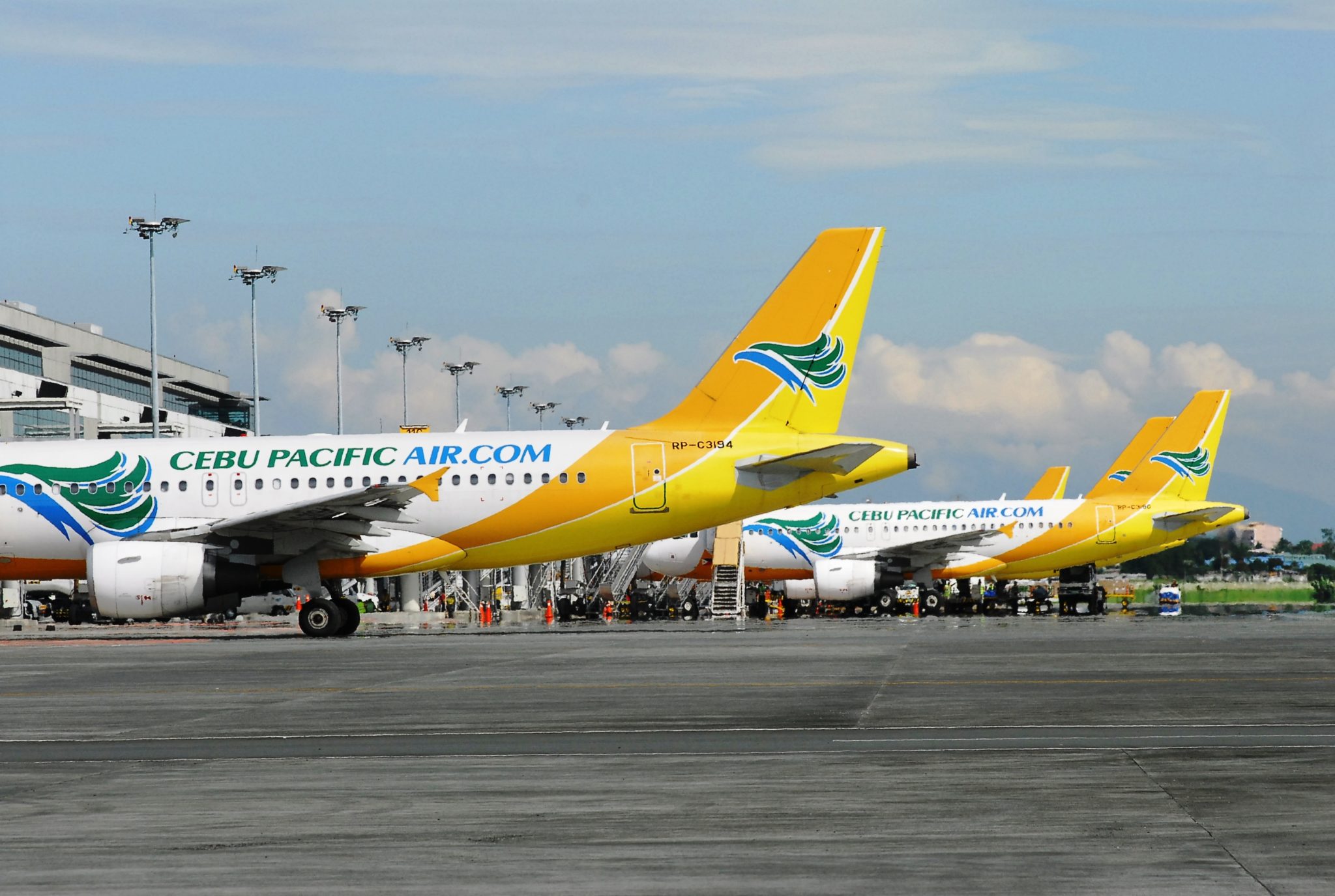
    Budget carrier Cebu Pacific on Monday announced a P99 seat sale for domestic flights one-way from Clark International Airport.

    In an advisory, the airline said the sale started Monday, August 19, and will end on Wednesday, August 21.

    The travel period is from October 1, 2019 to January 31, 2020.

    The P99 one-way flights are Clark to Bacolod, Bohol, Boracay (Caticlan), Cebu, Clark, Davao, Iloilo, and Puerto Princesa.

    Aside from Clark, Cebu Pacific operates flights out of six other strategically placed hubs in the Philippines: Manila, Kalibo, Iloilo, Cebu, Cagayan de Oro (Laguindingan) and Davao.

    The carrier operates over 2,000 weekly flights across 37 domestic and 26 international destinations.

  • Versace adds gloss to Capri results

    Versace adds gloss to Capri results

    At headline level, the latest Capri results looks to have been a good quarter for the fashion retail owner, with revenues up by a solid 11.9 percent.

    However, the results are far from spectacular. The uplift in revenue is all a function of the inclusion of sales from Versace, which was not part of the group at this point last year. Revenue at the two other brand houses – Michael Kors and Jimmy Choo – both fell significantly.

    Moreover, margins at both divisions declined, contributing to a 70.2 percent dip in operating income. All the metrics are going in the wrong direction and run counter to Capri’s business plan for strengthening profitability as it advances to being an US$8 billion business.

    Michael Kors is the most problematic part of the business and the brand starts the new fiscal year in the same way as it ended the last one – with a decline in overall revenue. The difference from last year is that the pace of decline has accelerated, underpinned by a modest deterioration in comparable sales. As much as Capri blames the poor performance on its efforts to rebalance the brand, the weak numbers have more to do with a lack of underlying enthusiasm from some of the audiences it wants and needs to reach.

    Part of the issue is the baggage that Michael Kors still carries from the days when it expanded to the point of ubiquity: there are still lingering perceptions that the brand is unsophisticated and lacks the refinement of labels like Coach. None of this is aided by the fact that Michael Kors deliberately plays up its edgy nature with some bold and occasionally gaudy designs supported by marketing and promotion that can appear gauche. These things may differentiate the brand from more conservative rivals, but they do little to increase its appeal.

    To be fair, Michael Kors also has products that are elegant and its newer menswear ranges are designed to be fashionable and functional and so come across as more conservative. However, these get lost in the wider image of the company and make the offer look unfocused and schizophrenic. Michael Kors is still a brand that is unsure of its identity and this does not bode well for future growth.

    Jimmy Choo’s heritage is more conservative, and its backstory is one of the elegant products with interesting fashion twists. However, the influence of Michael Kors is starting to rub off and the brand is becoming more focused on the bling with a pinch of ostentatiousness thrown in for good measure – as is exemplified by the new logo and some of the new non-footwear product launches. Attempts to amplify the brand are not necessarily wrong, but the methods being used have the potential to alienate existing customers and drag the brand into territory where it cannot thrive.

    The integration of Versace represents an opportunity for Michael Kors and in terms of styling and brand attitude, the division is a good fit for the ethos of the whole group. The challenge is to bring discipline to a logo that is larger than life, but which often lacks focus and coherence. We are generally supportive of the vision to grow share in menswear and activewear and to expand the store footprint. However, a lot of work on the overall brand vision is still needed to create a compelling offer for the customer.

    Overall, Capri is fulfilling its vision to create a house of luxury brands. Unfortunately, it currently has a collection of brands that need a lot of work in order to reach their potential. We reserve judgement on whether current management can deliver the long-term growth plans they have set out.

  • Uniqlo, Coupang, Daiso weigh cost as Japan boycott grows

    Uniqlo, Coupang, Daiso weigh cost as Japan boycott grows

    Casual-clothing chain Uniqlo says its sales have been affected as the consumer boycott of Japanese goods intensifies in South Korea.

    Uniqlo, owned by Fast Retailing, will close a downtown Seoul store soon, but says this is due to a decision not to renew a lease rather than the Japan boycott as reported by Japanese news media.

    Uniqlo has close to 190 stores in South Korea where it sells around US$1.3 billion of clothes annually, accounting for 6.6 percent of its revenue.

    Meanwhile, the boycott is leaving some South Korean companies that some consumers have labeled as “Japanese companies” struggling to explain themselves.

    South Korean consumers are boycotting Japanese products from beer to pens in protest over Japan’s decision to impose restrictions on exports of key high-tech materials to its Asian neighbor. While Japan cited security concerns for the curbs, the move also been seen as retaliation after a South Korean court last year ordered Japanese companies to compensate Koreans who were forced to work for Japanese occupiers during World War Two.

    Japan has also removed South Korea from a list of favored trading partners.

    “It is not easy to clear up the misunderstanding as there are some complicated cases of stake relationships that are confusing even to consumers,” wrote D M Park of Korea Bizwire.

    For example, Daiso, a flat-priced household goods company run by Asung Daiso, has been dogged by constant attacks from some consumers saying it is a “Japanese company” since the beginning of the boycott campaign.

    Daiso originally started in May 1997 when Park Jung-won, a former office worker, opened a household goods store called “Asco Even Plaza” in Seoul. In November 2001, the company changed its name to Daiso Asung in cooperation with Daechang Co, a Japanese distributor of flat-price goods. Daiso is the Japanese pronunciation of Daechang. It later registered as a foreign-invested company under the Foreign Investment Promotion Act in March 2002.

    Currently, Park holds 50.02 percent of Asung HMP, the largest shareholder, while Japan’s Daechang Industrial holds 34.21 percent of the shares.

    The problem is that Japanese companies own more than 30 percent of the shares, and Japan also has more than 2900 stores of the same mutual, uniform price household goods company run by Daechang Industrial.

    “There is no relationship between Japan’s Daiso, Japan’s payment of royalties, personnel exchanges, nor participation in management except for equity investments,” stressed a representative of Asung Daiso.

    “Samsung Electronics also has a high foreign stake, but that does not make Samsung a foreign company,” the representative said.

    Coupang, a leading e-commerce company, also suffered from rumors that it was a Japanese company after Japan’s Softbank Vision Fund (SVF) made equity investments.

    Although Coupang, an unlisted company, has never made its exact stake public, industry sources estimate that SVF’s stake in Coupang will exceed 30 percent.

    Coupang responded quickly through its own promotional channel as such rumors spread quickly in the early days of the boycott and showed signs of affecting sales as well.

    “Foreign ownership of KB Financial Group is close to 70 percent, while foreign ownership of Samsung and Naver is also close to 60 percent,” Coupang explained.

    Coupang then laid out the similar logic of Daiso that high foreign investment in shares does not mean that a company is a foreign company, hoping to overcome impact from the Japan boycott.

  • Google Flights now guarantees refund for price difference

    Google Flights now guarantees refund for price difference

    In an attempt to make its Flights app more trustworthy, Google announced a couple of nifty new features that, hopefully, will offer users more peace of mind when they book a flight through the app.

    Up until now, Google Flights would show users whether prices for a flight route are high, low or typical. However, starting today, the app is getting a new feature that will show you the same insights for your exact itinerary. On top of that, for some flights, the app will be able to show you how the price has changed over the past few months.

    Google Flights will also notify users when it predicts the price may go up soon or won’t get any lower so that they can book their flights as soon as possible. And to give Google Flights more confidence when they book a flight, when the app predicts the price won’t decrease for select routes booked between August 13 and September 2, Google will guarantee the price won’t drop and will refund you the difference if it does.

    Yes, Google will monitor the price and if the price drops any time before your departure, you’ll receive an email to inform you once your flight takes off. According to Google, this feature is only available for select routes originating in the United States with domestic or international destinations.

    Google Flights is also getting some improvements when it comes to trips. Starting this week, the app will assist users with recommendations for the next steps after they booked a flight and received a confirmation in Gmail. These recommendations cover everything from searching for hotels to restaurants and other things to do.

  • Alibaba expands 88 VIP prestige loyalty program

    Alibaba expands 88 VIP prestige loyalty program

    Alibaba Group has rolled out an upgraded 88 VIP membership program, adding new perks and privileges to its prestige loyalty program.

    The new offerings range from discounts at more online flagship stores, memberships for Alibaba’s various services, and wider access to other platforms within the Alibaba ecosystem.

    This year’s package extends the 5-per-cent 88 VIP member discount to 300 brands on Tmall, adding to the 88 brands introduced when the club launched last year. Each 88 VIP member will also be automatically entitled to global travel membership with Alibaba’s travel service platform Fliggy, giving them additional benefits when booking international hotels and flights throughout the year.

    “The upgraded membership program demonstrates we are committed to enhancing the customer experience and delivering benefits that cover all aspects of our customers’ lives,” said Alibaba Group chief marketing officer Chris Tung.

    “Discounts on a wider range of brands and products and deeper engagement with the Alibaba ecosystem have helped us enhance customer loyalty, as well as strengthen our capabilities in cross-selling and generating consumer insights, benefiting customers and brands alike.”

    An 88 VIP member spends an average of RMB100,000 annually on services within the Alibaba ecosystem. These VIP members are often the first to discover what later become best-selling items on Alibaba’s platforms. Their purchases usually cover a wider range of categories than typical members. Moreover, these VIP members are more likely to have memberships on multiple services on Alibaba’s platforms.

    Launched in 2018, the 88 VIP program has created immense growth opportunities for both brands and merchants, according to Alibaba. For example, Marriott International, the global hospitality group that joined the 88 VIP program last December, has received twice as many hotel room bookings from 88 VIP members than from non-members. The land, a New Zealand dairy brand, has generated around 90 per cent of its sales on its Tmall flagship store from 88 VIP members.

  • Singapore retail sales slip in June

    Singapore retail sales slip in June

    Singapore retail sales – excluding motor vehicles – decreased by 2.7 percent in June, according to Statistics Singapore.

    The headline figure, which includes motor vehicles, was down 8.9 percent, reflecting the high volume of cars sold in June last year and a lower COE quota for May to July this year.

    Month-on-month, Singapore retail sales were down 0.4 percent, excluding vehicles.

    Online accounted for 5.5 percent of the S$3.5 billion in retail spending for June.

    Sales of furniture & household equipment declined 15.1 percent year on year, attributed to higher sales in the sector during last year’s Hari Raya festive season. Similarly, the computer & telecommunications equipment and watches & jewelry sectors reported sales down by 7.7 percent and 4.8 percent respectively, driven in part by lower demand for handphones and jewelry.

    Sales of medical goods & toiletries and of apparel & footwear both grew by 1.4 percent.

    Compared to the same period last year, sales of food & beverage services grew by 5.3 percent in June, estimated at $864 million, compared to $820 million in June last year.

    Sales by fast-food outlets grew by 10.6 percent compared to June last year, due partly to the opening of new outlets by some major fast-food chains. Food caterers, restaurants and other eating places (such as cafes)were up by between 3.2 percent and 5.7 percent during the period.

  • Shiseido to create Tory Burch beauty products

    Shiseido to create Tory Burch beauty products

    Global beauty firm Shiseido has entered into a long-term partnership to create and sell a range of Tory Burch beauty products.

    Shiseido will have an exclusive worldwide license to develop, market, and distribute Tory Burch beauty products.

    The agreement goes into effect on January 1 next year. The Tory Burch beauty products license will be managed by Shiseido Group’s Americas region headquartered in New York City. Through the partnership, Shiseido will provide Tory Burch with a global platform and dedicated resources to elevate its beauty business, cultivating opportunities as a multi-platform, global lifestyle beauty brand.

    For Shiseido, this partnership will expand its global fragrance portfolio and create further opportunities for collaboration.

    “Shiseido is on an exciting journey to achieve its long-term mission of ‘Beauty Innovations For A Better World’,” said Shiseido president and CEO Masahiko Uotani, “and we are honored to welcome Tory and the Tory Burch brand to the Shiseido family and pursue this mission together as partners.

    “Shiseido is dedicated to creating value for all of its partners and we are excited to share the benefits of Shiseido’s platform, R&D resources, technology portfolio and Centers of Excellence with the Tory Burch brand to help maximize its significant potential and opportunities for growth and development.”

    “There are great synergies between our companies,” said Tory Burch, the eponymous brand’s executive chairman and chief creative officer, “including a deep respect and connection to our customers, a passion to support women’s empowerment and an aligned long-term strategic vision.

    “We could not be more excited to build a global lifestyle fragrance and beauty concept in partnership with Shiseido, a realization of a long-time dream.”

  • Starbucks India Speeding up store rollouts

    Starbucks India Speeding up store rollouts

    Starbucks India plans to ramp up its store rollout. The global coffee chain opened 25 new stores in the last financial year and 30 new stores this year with local partner Tata Global Beverages – but plans to open a far greater number of new stores in the near future, according to Tata Starbucks CEO Navin Gurnaney, with an investment of more than US$6.4 – 7.1 million.

    “We spend anywhere between $213,000 and $284,000 to build a store,” said Gurnaney in an interview with the Business Standard. “We would not be being aggressive with our store growth if we didn’t see potential. We think the market is very strong. Excellence is always well received and we believe we have an excellent experience, partners and products. We are extremely bullish on India. India is one of the top five growing markets for Starbucks internationally.”

    Starbucks India stores serve an average of 270,000 customers per week, with 90 percent of their chosen beverages being coffee.

    “People don’t come to us just to buy a sandwich,” added Gurnaney. “It is always an accompaniment with a beverage. The coffee category has been growing with all groups of people and the millennials are certainly gravitating towards coffee. But not just millennials, it is also the 30 years something upwardly mobile, better traveled and better-educated people which are growing in India.”

    While there has been some speculation that Starbucks Tata is considering an acquisition of a rival brand, Gurnaney insisted that Starbucks India outlook is extremely optimistic, and that future plans are to be “thoughtfully aggressive”.

    Starbucks entered India with its first store in Mumbai launching in 2012.

  • Japan okays one shipment of material Samsung needs for its most advanced chips

    Japan okays one shipment of material Samsung needs for its most advanced chips

    The term Free trade has become an oxymoron. Just look at the mess that is taking place with the U.S. and China. As we’ve pointed out countless times, the tariffs that the U.S. is imposing on imports from China are import taxes that are paid by U.S. corporations. The latter can decide to eat some or all of the additional taxes lowering their profit margins or pass along the higher costs to U.S. consumers. China is retaliating by devaluing its currency, the Yuan. This makes Chinese goods cheaper to buy in the states but will force Apple to raise the price of the iPhone in China.

    This isn’t the only trade war going on. Japan and South Korea have been fighting since last October. That’s when a South Korean court ruled that South Koreans forced to work for Nippon Steel during World War II must be compensated for their labor. Calling the decision “unthinkable,” Japanese authorities said that the issue had already been decided when the two countries restored diplomatic ties in 1965.

    To retaliate against the court decision, Japan started restricting the export to South Korea of materials like fluorinated polyimide and resist, and high-purity hydrogen fluoride (HF). These are used in the production of chips used inside smartphones, and for smartphone displays, respectively. Beginning last month, companies looking to ship these materials to South Korean phone manufacturers like Samsung and LG need to apply for permission to do so. Receiving such approval could take as long as 90 days. That’s because Japan has removed South Korea from its “white list” of trade partners that have fast-track trade status. South Korea plans on discussing the removal of Japan from its “white list” but has tabled the matter for a future time. It does plan on tightening regulations on some of Japan’s exports into South Korea for materials used in other industries besides tech.

    For the first time since announcing the restrictions, Japan has approved a shipment of EUV photoresists to South Korea. Samsung uses this material to help it mask or map out designs on the silicon that ends up in chipsets. These show the placement of billions of transistors and EUV, or extreme ultraviolet lithography allows for more precise designs to be made. This leads to the design of more powerful chips that consume less energy. Japan controls as much as 90% of the global market for this material, so Samsung cannot simply move on to another country to source the EUV photoresist it needs.

    “Usually, we don’t announce each time we give export permission. However, the South Korean government has referred to our moves as an embargo on exports, which is unfair criticism.”-Hiroshige Seko, Japanese Industry Minister

    “Even if there are any gains, it will be short-lived. In the end, it is a game without winners, where everyone, including Japan itself, becomes a victim.”-Moon Jae-in, president, South Korea

    However, it doesn’t seem as though this approval changes anything between the two countries. A South Korean senior trade ministry official pointed out that Japan “approved only one out of a number of items,” and a presidential official said that  Japan’s actions “doesn’t mean that uncertainties have been completely removed for the other items.” While these materials can be used to produce smartphones, they also can be used to manufacture weapons.

    Apple iPhone models that sport an OLED display and those expected to be equipped with such a screen (iPhone 11, iPhone 11 Max) could be affected by this trade war. That’s because, as we’ve mentioned, high-purity hydrogen fluoride (HF) is used to produce smartphone displays. As one of the materials that Japan will no longer allow to be shipped to South Korea without permission, both Samsung and LG could face delays in obtaining it. And that could mean that Apple, which purchases its OLED panels for the iPhone from both South Korean firms, could find itself scrambling for this important part as production gears up for the 2019 iPhone models.

  • Changes force all Android reminders to go through Google Assistant

    Changes force all Android reminders to go through Google Assistant

    In addition, Google is now forcing all reminders to go through Google Assistant. Android users were once able to add a reminder or edit one through the Google app if Assistant was disabled. Now, if you try to do this, a prompt appears telling you to turn on Google Assistant since the virtual digital assistant “is ready to help you get things done.” You won’t be able to do anything reminder-wise unless Google Assistant is turned on. If you have your phone set to a language not supported by Google Assistant, you won’t be able to set reminders on the phone.

    Also changed is the user interface which is now done up in Material Design. The new UI eliminates the gray dividers, and the blue floating button is now in Google’s four-color plus sign. Each reminder includes a checkbox replacing a swipe. And reminders that are overdue will jump out at users thanks to a big red badge that says “OVERDUE” in caps. Additionally, the UI for creating a reminder no longer automatically asks you to choose a place where you want to be reminded. If you want the reminder to appear at a certain location, you will have to ask Assistant to “remind me to (fill in the blanks) when I get to (a specific location).”

    The changes have already hit our Pixel 2 XL and could very well be on your Android phone as well.

  • Nestle starts selling Starbucks-branded coffee in China

    Nestle starts selling Starbucks-branded coffee in China

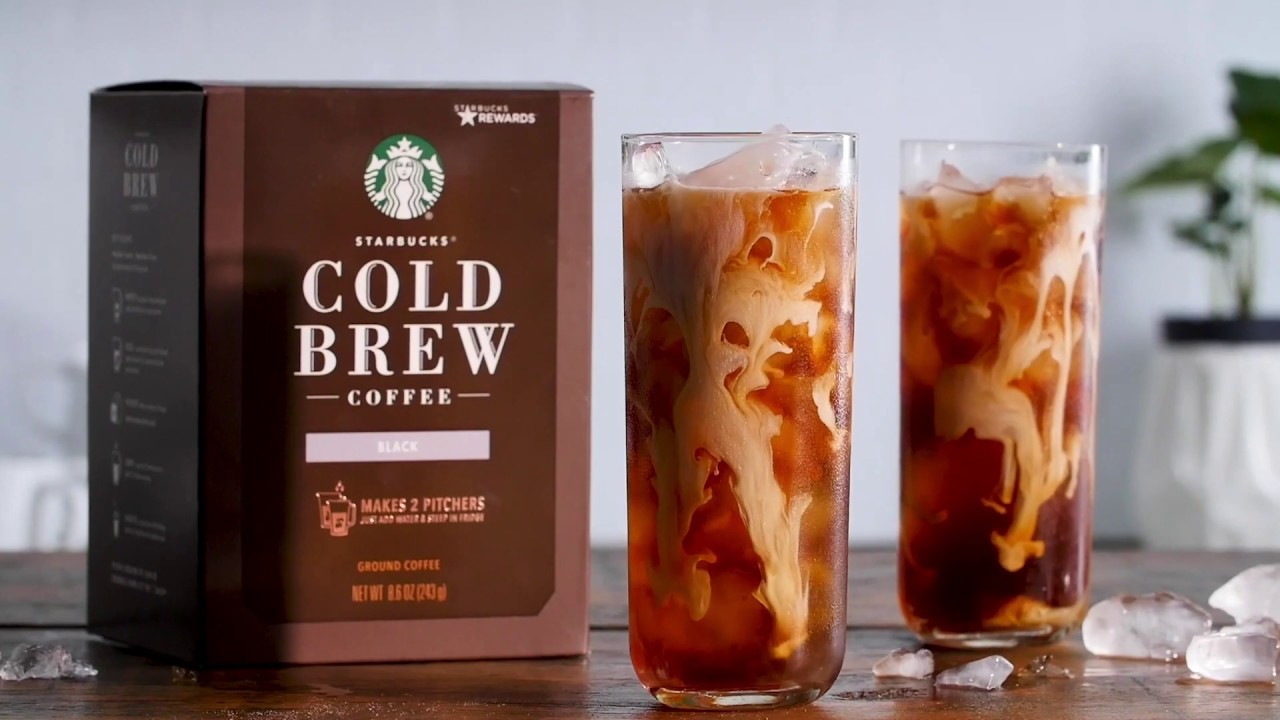
    FMCG giant Nestle started selling Starbucks-branded coffee in Mainland China today, seeking to tap growth in a market where it says coffee consumption per capita remains low compared to global standards.

    Nestle last year paid US$7.15 billion for exclusive rights to sell the US chain’s coffees and teas globally and began selling Starbucks-labelled products in Europe, Asia and Latin America in February.

    The world’s largest food company will start selling 21 Starbucks-branded capsule and instant-coffee products on Chinese e-commerce platforms like Alibaba’s Tmall and JD, as well as to offices and hotels in tier-1 cities, both companies said.

    “We believe China is the most exciting market in general but especially for coffee because… per capita cup consumption is quite low as compared to Asia,” said Rashid Aleem Qureshi, Nestle’s CEO for the Greater China region.

    “Right now the overall soluble coffee [market] in China is growing between 3 to 5 percent a year and we believe that by bringing this exciting new business opportunity we should be able to grow faster than that,” he said, referring to a category that includes capsule and instant coffee.

    Nestle’s move comes as the Swiss company experienced slower first-half growth in China, its second-largest market, where other categories like mainstream baby foods have struggled compared to pricier options.

    China’s per capita coffee consumption is about six cups a year, compared to 400 in Japan and 300 in South Korea, Nestle said.

    The partnership with Starbucks would help Nestle add a premium coffee option to the range of products it already sells in China, such as Nescafe instant coffee range and Nespresso capsule coffees, Qureshi said.

    Starbucks China CEO Belinda Wong said the Nestle deal would open two new avenues to sell its products in China, where it has been investing heavily in its store network and delivery amid tougher competition from local startups.

  • Mophie’s new wireless pads will charge three Apple devices at once

    Mophie’s new wireless pads will charge three Apple devices at once

    Remember AirPower? The multi-device wireless charging pad was canceled by Apple in March 562 days after it was unveiled on September 12th, 2017. During that same event, Apple introduced the iPhone 8, iPhone 8 Plus and the iPhone X. AirPower was supposed to allow an iPhone, an Apple Watch and the AirPods wireless charging case to power up at the same time. While we might not see Apple unveil a similar accessory for some time, the Apple Store will soon start selling a pair of wireless chargers made by mophie. These products will be exclusive to the Apple Store.

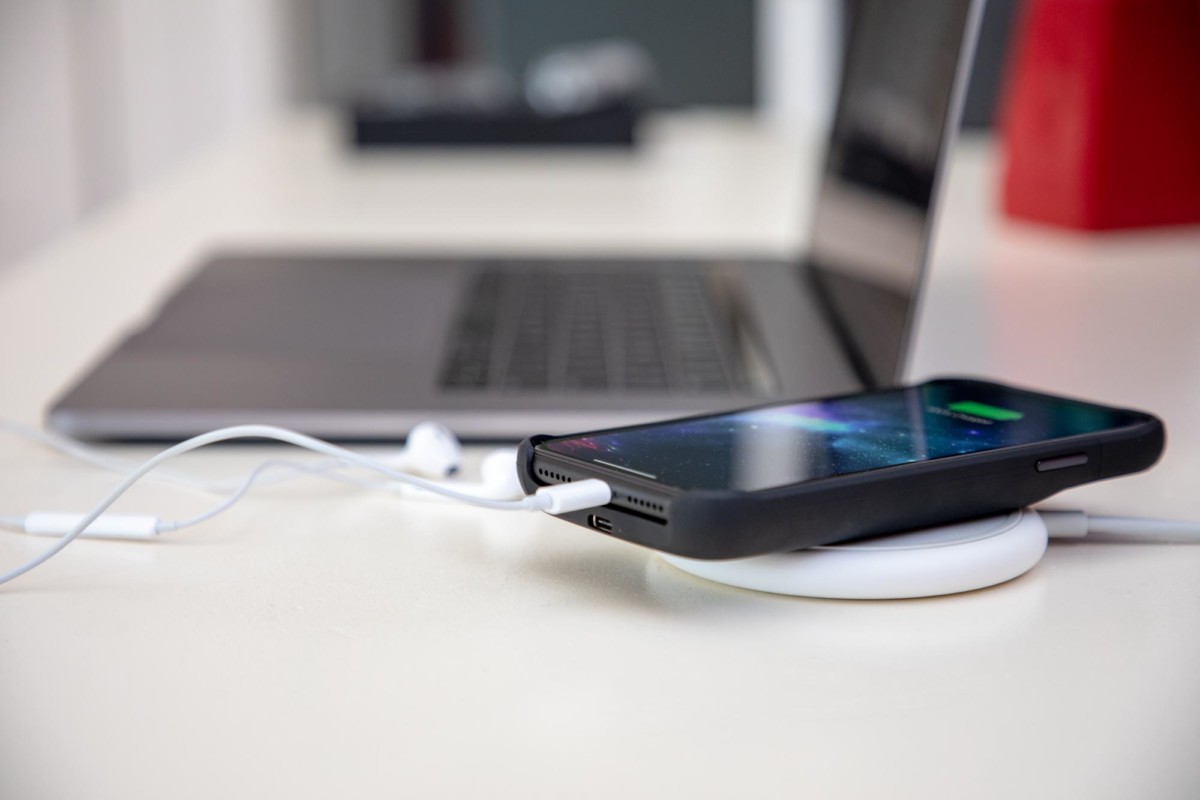
    Mophie’s wireless charging dual pad looks similar to the now-canceled AirPower, and while there are only two hot spots on the pad, an extra USB-A port on the accessory allows the user to charge an iPhone, an AirPods wireless charging case and an Apple Watch all together at the same time. The pad will charge at 7.5W and will be priced at $99.95.

    For $139.95, or $40 more, the Apple Store will sell the mophie 3-in-1 wireless charging pad. This has the two hot spots like the other model and an extra USB-A port for an Apple Watch. But it also includes an Apple Watch charging connector so that while you’re wirelessly charging the timepiece, it will be held at a perfect angle to use the smartwatch’s Nightstand mode. This pad also charges wirelessly at 7.5W.

    “The compact mophie Wireless Charging Pad conveniently recharges your compatible Apple iPhones and Wireless Charging Case for AirPods. Just place your iPhone or AirPods on the pad and a steady, efficient charge of up to 7.5W begins on contact. With the pad’s two fast charge spots and extra USB-A port, you can simultaneously charge your iPhone, AirPods, and connect your Apple Watch cable.”-Apple Store

    While listings for the mophie wireless charging dual pad and the 3-1 wireless charging pad appear on the Apple Store website, they are incomplete. Both are missing photos of the accessories and accompanying videos.