Blog

  • Central Group has plans to spin off the retail division

    Central Group has plans to spin off the retail division

    Thai mall operator Central Group will list its Central Retail Corporation unit, combining retail businesses in Thailand, Vietnam and Italy.

    The listing is scheduled to take place before the end of this year and the company expects it will raise between US$1 billion and $2 billion.

    “We are reaching customers in new ways through physical and digital platforms,” said Central Group president Yol Phokasub. “The platforms are especially focused on personalisation, based on data from our 27 million customers worldwide.”

    Central operates almost 2000 stores in Thailand. It runs 134 outlets in Vietnam under a variety of banners, and nine in Italy, trading as “Rinascente”.

    The move follows the group’s acquisition of Zalora Thailand, as well as a joint venture with Chinese e-tailer JD and an investment in ride-hailing business Grab.

    Central will also delist its Robinson Pcl subsidiary with a tender offer.

  • Prada sales rise as markdowns capped

    Prada sales rise as markdowns capped

    Prada sales rose 2 percent in the first half of the year, as improving full-price sales and solid growth in its wholesale channel offset the impact of a move to cut back on markdowns.

    The Hong Kong-listed Italian luxury fashion group said this year it would stop offering end-of-season promotions in its stores and be more selective with wholesalers to support full-price sales to lift margins and protect its brands.

    Prada sales had risen last year for the first time in four years, helped by a new strategy aimed at rejuvenating the brand, which focused on renovating shops, new products, and digital sales.

    In the first half of 2019, revenue totaled US$1.73 billion, which was flat when stripping out the impact of currency swings.

    The retail network declined 3 percent affected by the phase-out of markdown sales, while the wholesale channel rose 14 percent driven by online sales, with the rationalization not having any impact yeton that part of the business.

    Prada warned however it will affect results in the short-term.

    Operating profit, or earnings before interest and taxes (EBIT), decreased 13 percent to US$166 million, equivalent to 9.6 percent of sales. The group’s operating profit margin has been declining every year since 2012 when it stood at 27 percent.

  • Facebook’s plan to avoid getting split up might be too late

    Facebook’s plan to avoid getting split up might be too late

    More than seven years have elapsed since Facebook bought Instagram for $1 billion. At the time, Instagram was known for its photo filters and was just reaping the rewards of dropping its Android version of the app. In hindsight, that was a spectacular deal for Facebook as Instagram now has over 1 billion monthly active users and some estimate that it takes in $2 billion a month in advertising revenue.

    In October 2014, Facebook closed on its purchase of messaging app WhatsApp. The final price was over $21 billion. At the time of purchase, the messaging app was free to users for a year and $1 a year thereafter, although that charge was removed in 2016. Annual revenue, estimated by Forbes, is $5 billion and the app will start running ads next year on its own version of Stories called “Status.” WhatsApp has more than 1.5 billion daily active users.

    Because Facebook didn’t go around and promote its ownership of Instagram and WhatsApp, it is quite possible that the vast majority of the smartphone-wielding public doesn’t even know that all three are owned by the same company. But that apparently is going to change. The Information cites three unnamed sources who revealed that Facebook’s properties are going to have new branding. The two apps will be known as “Instagram from Facebook” and “WhatsApp from Facebook.” The report notes that employees have already been informed about this surprising move that comes as a shock since the two have been running autonomously since their acquisitions.

    So why would Facebook do this now? After all, Instagram and WhatsApp both have achieved strong growth without having the Facebook name included with their branding. There is an answer. Reportedly, Facebook CEO Mark Zuckerberg is upset that the company doesn’t get enough credit for the two apps’ success. But another reason might have to do with the FTC’s investigation into Facebook and the calls from some presidential candidates to split up the company into separate units. By adding the “…from Facebook” line, it could appear to FTC staffers that those using Instagram and WhatsApp realize that they belong to one big happy Facebook family. Before adding the new branding, the FTC could have pointed out that most Instagram and WhatsApp users didn’t know who owned the apps and therefore breaking up Facebook wouldn’t matter to them.

    It is doubtful though that such a strategy will stop those calling for Facebook to be split up. With great power comes great responsibility and that is something that Facebook has yet to prove it can handle.

  • Starbucks China sales and transaction volume grows

    Starbucks China sales and transaction volume grows

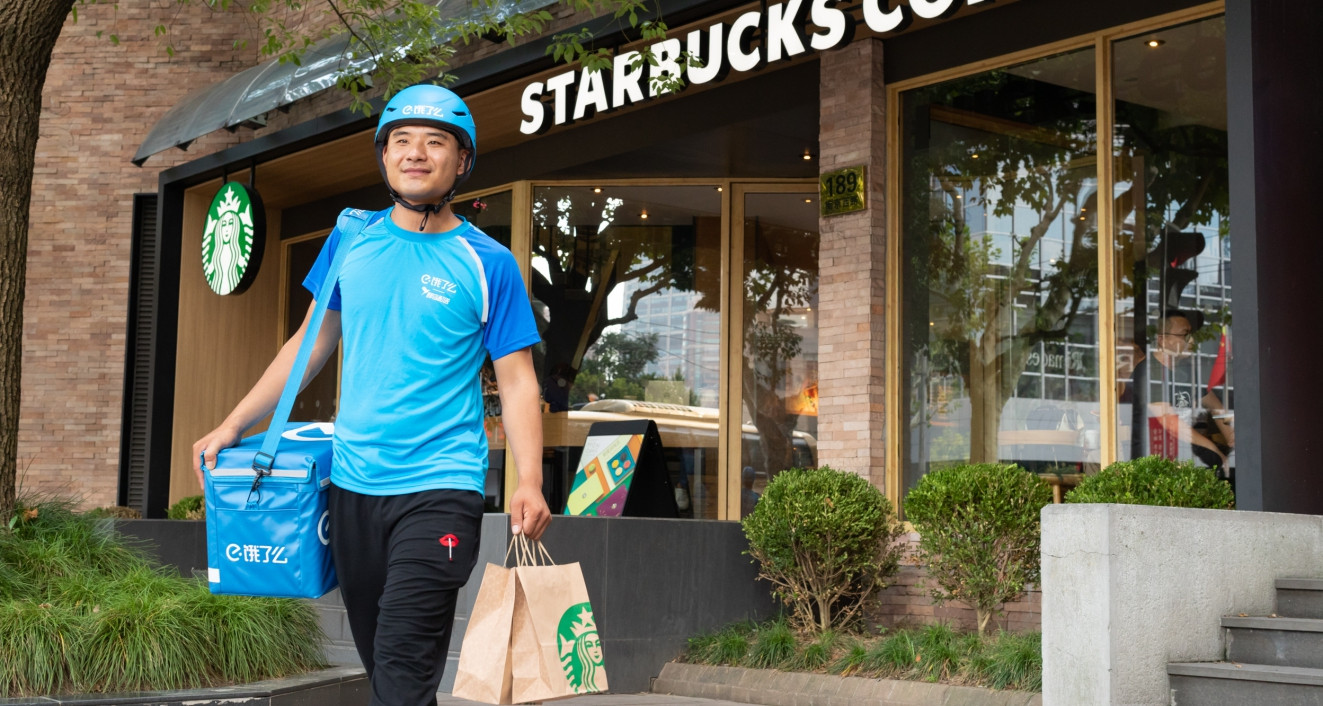
    Starbucks China sales growth out-paced the rest of Asia in the third quarter, up 6 per cent on a same-store basis and 2 per cent by transaction volume.

    But the coffee giant appears to be getting the most traction from its home market, where sales grew 7 per cent in the 13 weeks to June 30, the average ticket price was up by 4 per cent and the number of transactions rose 3 per cent.

    “Starbucks continues to be focused and disciplined in the execution of our three key strategic priorities that we established last year: accelerating growth in the US and China, expanding the global reach of the Starbucks brand through our Global Coffee Alliance with Nestle, and increasing shareholder returns,” said Kevin Johnson, president and CEO, referring to the Growth at Scale program.

    The company opened 442 net new stores in the quarter, with nearly one third of those in China and 48 per cent in other international markets outside the US. It ended the period with 30,626 stores worldwide, 7 per cent more than a year earlier.

    Johnson said Starbucks delivered strong operating performance demonstrating the success of the Growth at Scale agenda.

    “Our two targeted long-term growth markets, the US and China, performed extremely well across a number of measures as a result of our focus on enhancing the customer experience, driving new beverage innovation and accelerating the expansion of our digital customer relationships. Given the strong momentum across our business, we are raising our full-year financial outlook.

    “With our efforts to streamline the company and elevate the Starbucks brand, we are positioning the company to deliver predictable and sustainable operating results while building an enduring company that creates meaningful long-term value for Starbucks shareholders,” he concluded.

    Global comparable store sales increased 6 per cent, driven by a 3 per cent increase in average ticket and a 3 per cent increase in comparable transactions.

  • Android Messages will reportedly become the default messaging app on Samsung phones

    Android Messages will reportedly become the default messaging app on Samsung phones

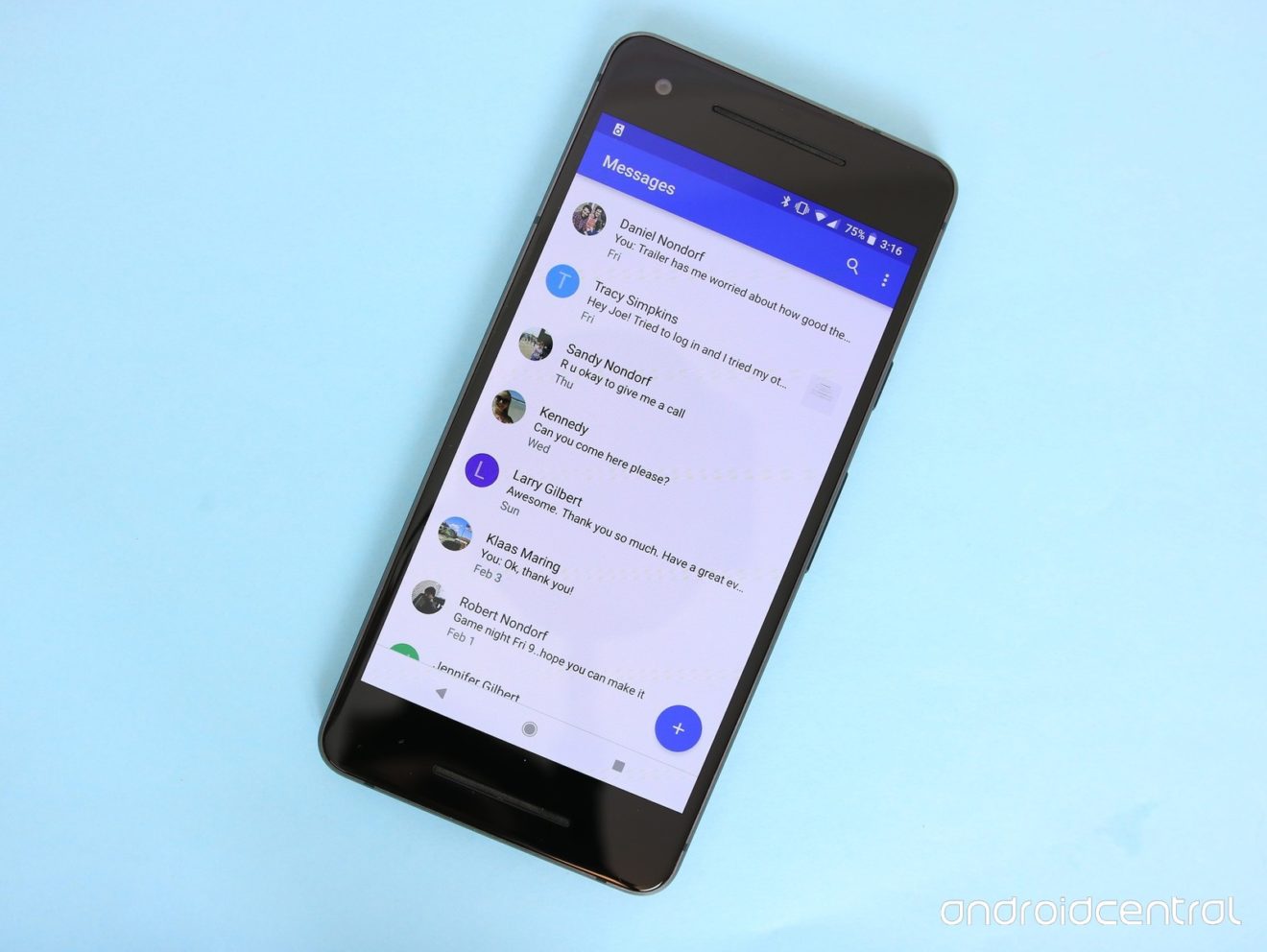
    A Reddit poster who claims to be a Samsung engineer says that the company is thinking about making Android Messages the default messaging app on its phones replacing Samsung’s own messaging app. The Redditor says that this is being done to “to reduce headaches down the road for US devices.” The headache involves creating a universal version of the Rich Communication Services (RCS) messaging platform called RCS Chat in the country. Recently, Google was able to bypass carriers in the U.K. and France in order to complete the rollout of RCS in those two countries. And while the search giant says that it will soon announce more markets where the SMS replacement will be disseminated, it isn’t clear whether the U.S. will be one of them.

    The U.S. has some complications including the fact that some carriers have their own RCS systems. This makes it a complicated task to build a universal platform in the states, according to the person claiming to be a Samsung engineer. With RCS, users will have a much larger character cap than the 160 now available with SMS apps. There also is support for group messages, “read-receipts” that let you know when the recipient has looked at the message you sent, and an alert that tells you when that person is writing a reply. While Google would like RCS to compete against Apple’s Messages app and its encrypted iMessages platform, RCS won’t totally encrypt messages.

    It seems that Google’s best bet to implement universal RCS in the states is to skirt around the carriers. Whether or not Google is considering this end-around is not clear. For those Android users in the states using their carrier’s messaging app or the one that is pre-loaded by their phone’s manufacturer, universal RCS would be a big step forward.

  • YouTube update lets users live stream directly from their Android phones

    YouTube update lets users live stream directly from their Android phones

    Google is bringing back the option to live stream gaming content directly from a smartphone, which was available since 2015 via the YouTube Gaming app. However, because the latter was killed off a few months ago, the option to live stream from a smartphone disappeared since it wasn’t included in the basic YouTube app.

    But that’s not an issue any longer, as Google has already implemented the ability to live stream a phone’s screen in YouTube 14.31.50 for Android, XDA Developers reports. The app’s support website has already been updated to reflect the new changes, so if you want to live stream directly from your phone, here is what you have to do:

    Select the capture button
    Select GO LIVE.
    At the top right of the screen, tap the phone icon to stream your phone’s screen.
    Create a title, then select a privacy setting and game title.
    Optional: select More options.

    • Add a description
    • Schedule for later
    • Tap Advanced settings for:
    • Enable or disable live chat
    • Enable or disable age restriction for your stream
    • Indicate whether your stream contains paid promotion and add a paid promotion disclosure
    • Enable or disable monetization

    Select Next to set your thumbnail and screen orientation.

    • The default thumbnail is based on the game title you chose. Customize the thumbnail by tapping the edit button on the top right of the thumbnail.
    • Select Landscape or Portrait orientation for your recording. Once you start recording, you won’t be able to change the orientation.

    Tap Next to finish setup.
    A toolbar will show up at the top of your screen, allowing you to control the stream.
    Hit GO LIVE button to start. A 3 second countdown animation will appear before your stream starts.
    “You are live” will stick for 3s before fading off screen.

    Although you’ll be able to live stream your mobile device screen directly from the YouTube app without any additional hardware, you need to be eligible for mobile live streaming (verified channel) and own a smartphone that runs Android version 6.0 or later.

  • Comcast tweaks Xfinity Mobile data plans

    Comcast tweaks Xfinity Mobile data plans

    Comcast announced earlier today a handful of changes to its Xfinity Mobile data plans. The most important is the addition of a $20 fee per month for subscribers who want to stream HD video with an unlimited data plan. The move isn’t a surprise since Comcast revealed plans to introduce such a fee last year when it capped video resolution on unlimited plans to 480p.

    To stream HD video with an unlimited plan, you’ll have to buy an HD Pass, which costs $20 month. The new pass will upgrade to HD video resolution on Unlimited lines (720p on phone and 1080p on tablets) and allow subscribers to access faster speeds when the network is congested.

    Also, the announcement contains information about new Xfinity Mobile customers who will be able to customize the new data options and features. The new “By the Gig Shared Data” plans will allow users to pay per gigabyte and select a minimum amount of cellular data each month shared across all lines on an account.

    Xfinity Mobile offers 1GB for $12, 3GB for $30, and 10GB for $60. With the addition of the “by the gig” plans, the 480p video resolution cap has been completely removed, as video will stream in HD if you choose any of the option mentioned above.

    Last but not least, Xfinity Mobile introduces a $10 per month per line pass, which offers customers unlimited calls to Mexico and Canada.

  • Apple iPhone 11 suppliers are reporting low component orders

    Apple iPhone 11 suppliers are reporting low component orders

    Despite recently setting a revenue record for the April-June quarter, Apple’s iPhone business hasn’t been doing too well lately. The arrival of new iPhones in September will inevitably help improve the situation but suppliers are receiving low orders for the iPhone 11.

    Citing “industry sources,” today’s report says the order momentum for touch panels and other iPhone components has so far “been weak.” Apple is currently gearing up for mass production but the “low order visibility” ultimately suggests the company is forecasting combined iPhone 11 sales that could either be on par or below those of the iPhone XS and XR devices.

    Bloomberg recently reported a similar situation. According to Mark Gurman, Apple has ordered an initial batch of 75 million combined iPhone 11, iPhone 11 Max, and iPhone 11R units. The figure is roughly the same as a year earlier and suggests Apple is preparing for flat year-on-year sales. But if everything goes to plan, overall revenues should be up thanks to better performance by the Wearables, iPad, and Mac businesses.

    Apple often diversifies its supply chain as much as possible but this year it’s expected to take things to the next level in light of the current trade war between the US and China. Because of this, there’s no guarantee these reports about orders paint the entire picture. However, considering the iPhone 11 lineup isn’t expected to bring any groundbreaking changes, there’s also no reason to believe there will be a sudden boost in demand.

    For those of you that aren’t yet aware, all 2019 iPhone models will be virtually indistinguishable from their direct predecessors when it comes to the front panel. Reports suggest Apple has plans to retain the 5.8-inch and 6.5-inch OLED displays used on last year’s iPhone XS series and the 6.1-inch LCD found on the iPhone XR. As a direct result of this, Apple’s controversial notch will remain unchanged for another year.

    Despite the lack of physical changes upfront, reports suggest there will be some important upgrades. Specifically, the 7-megapixel selfie camera will be replaced by an all-new 12-megapixel sensor and Face ID will benefit from updated components that’ll allow it to work at shorter distances and wider angles. It is, however, still unclear if Apple’s new Face ID system will support horizontal or upside-down unlocking like the upcoming Pixel 4.

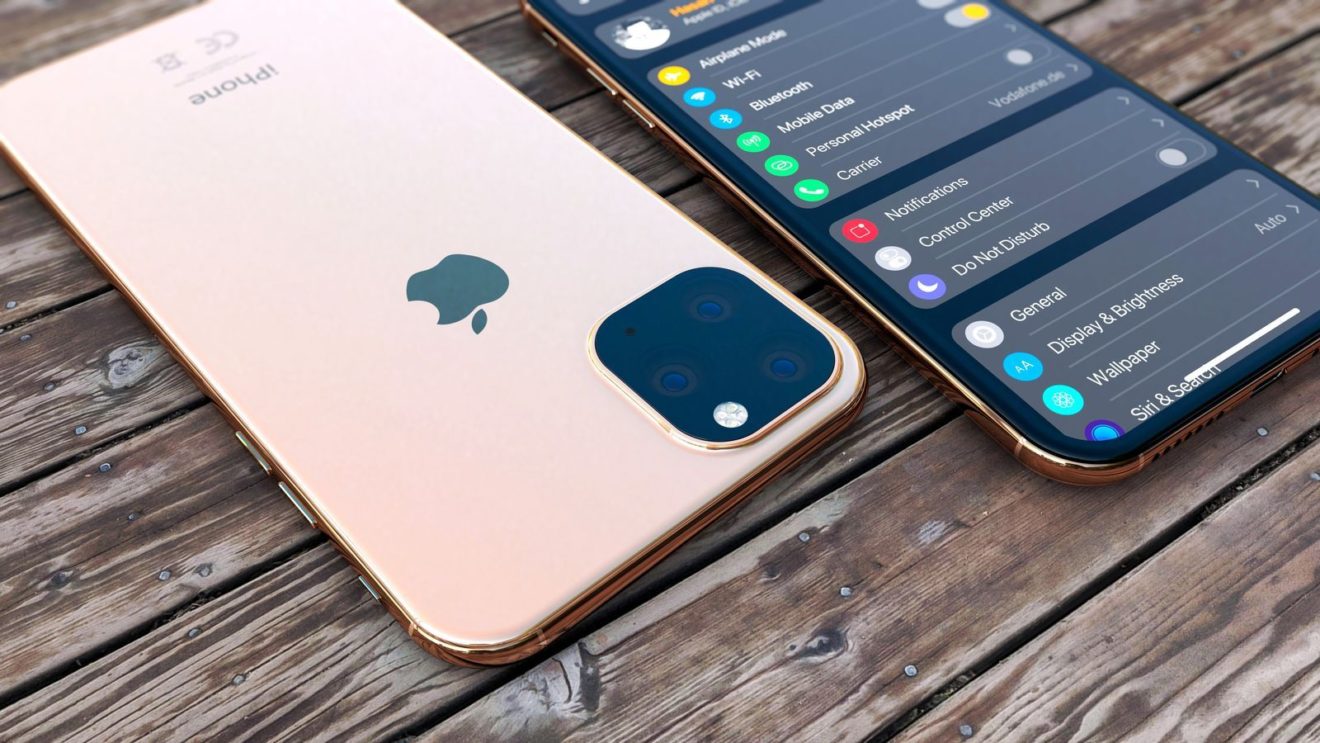
    Moving over to the rear, numerous leaks suggest Apple will be adopting a totally redesigned camera setup. Both the iPhone 11 duo and the iPhone 11R will feature square-shaped modules in the top-left corner which house the new cameras. All three smartphones will feature a main 12-megapixel sensor and a second one of the same resolution that boasts a 2x telephoto zoom lens. These shouldn’t differ too much from the iPhone XS cameras.

    To help make the iPhone 11 and iPhone 11 Max more competitive, Apple is also planning a third camera. This sensor should also offer a 12-megapixel resolution but it’ll reportedly arrive paired with a new super-wide-angle lens that’ll permit a new feature called Smart Frame. This captures the area around the framed area in pictures and videos, therefore giving users the ability to adjust framing or perform crop corrections after a photo has been taken. The extra information will be retained for a short period of time and eventually deleted automatically.

    The iPhone 11 series is expected to go official in early September alongside the Apple Watch Series 5 and 10.2-inch iPad. Pre-orders are expected to kick off Friday, September 13. As for the release date, Apple’s previous launch schedules suggest the new models will be available on Friday, September 20.

  • K-Pop group Red Velvet marks Beauty&You’s first year at HKIA

    K-Pop group Red Velvet marks Beauty&You’s first year at HKIA

    The Shilla Duty-Free’s 2019 brand ambassador, K-pop group Red Velvet, performed at Hong Kong International Airport to celebrate the first anniversary of travel-retail concept Beauty&You.

    The performance coincided with a new pop-up store at the airport, an all-immersive space featuring several experiential zones, including Beauty&You’s DIY Mobile Sticker Photo Booth and weekly exclusive zones by YSL Beauty, Sulwhasoo, Marc Jacobs fragrances, and Ray-Ban.

    The Shilla Duty-Free plans to continue in-store activities and promotions throughout the summer.

    Beauty&You’s anniversary celebration event, featuring an exclusive performance by K-pop group Red Velvet, was attended by The Shilla Duty-Free’s senior management, representatives of the Airport Authority Hong Kong and brand and business partners.

  • Tory Burch opens store on Tmall Luxury Pavilion

    Tory Burch opens store on Tmall Luxury Pavilion

    American fashion brand Tory Burch has opened a flagship store on Tmall Luxury Pavilion, Alibaba Group’s dedicated channel for luxury and premium goods.

    Chinese consumers can now find Tory Burch’s clothing, shoes, bags, accessories and watch collections on the Pavilion – the label’s first third-party e-commerce store in the country, it said in a statement.

    To mark the opening, the brand exclusively debuted seven items on the platform, including its Katya Tunic Dress, Ella Printed Logo Tote and Poppy Canvas Espadrille, as well as products from its Chinese Valentine’s Day capsule collection. The capsule includes four handbags, a card case and the brand’s signature ballet flats in pink and red.

    Tory Burch also released an interactive tool for consumers to share their sentiments with one another on the romantic holiday, which falls on August 7 this year. Using the augmented reality-powered “AR Buy+” function on Mobile Taobao, consumers can scan any heart-shape in their surroundings to access a special page that allows them to send personalized letters to their loved ones. Meanwhile, from July 26 to August 9, the fashion brand will launch a Chinese Valentine’s Day-themed pop-up installation in China’s northern Harbin city.

    “To have an iconic brand like Tory Burch join Tmall is a testament to the platform’s ability to attract and engage with the 700 million-plus consumers on our platforms for premium fashion and lifestyle brands from around the world,” said Jessica Liu, GM of Tmall Fashion and Luxury. “We look forward to partnering with them closely to bring special products and creative activations to Chinese consumers.”

    The flagship opening comes as Tory Burch expands its retail footprint across the country. The brand now operates 34 stores in China, including five new boutiques launched this year, including in Guangzhou, Hangzhou, Nanning and Chengdu.

    Launched in 2017, Tmall Luxury Pavilion now offers more than 115 brands, ranging from apparel and beauty items to watches and luxury cars, including Chanel, Bottega Veneta, Valentino, Alexander McQueen, Burberry, Tod’s, Versace, Stella McCartney, Marni, Moschino, Gentle Monster, Michael Kors, MCM, Breitling, Maserati, LVMH-owned Rimowa, Guerlain, Givenchy, Tag Heuer and Zenith. Tmall said it wants to double that number by next March.
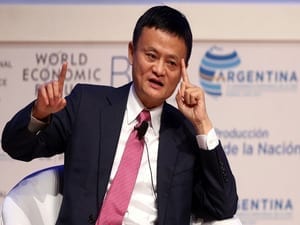
  • Jack Ma’s Online Bank Changes China’s SME Lending Space

    Jack Ma’s Online Bank Changes China’s SME Lending Space

    Unlike traditional banks which could take days to approve loan applications, Jack Ma’s online bank usually takes a few minutes. At Jack Ma’s MYbank operating in China, borrowers only need a few taps on their smartphones to receive cash almost instantly, if they are approved. The whole process takes three minutes and involves zero human bankers. Using real-time payments data and a risk-management system, Ma’s four-year-old MYbank has dished out 2 trillion yuan (S$398 billion) in loans to nearly 16 million small companies.

    Small and medium enterprises are really the boiler room of the economy, said Keith Pogson, a senior executive in charge of banking and capital markets at Ernst & Young LLP in Hong Kong. It used to be a segment that banks thought was too difficult and too risky. But now they run their model and work out what the risks are so they feel more comfortable, said Pogson.

    MYbank and its peers are getting more comfortable with smaller borrowers previously shunned by traditional banks because of their ability to analyze stacks of data from payment systems, social media, and other sources. The default rate at MYbank is only about one percent.

    One unique source of information for lenders in China – the government-administered social credit system. It is being tested in cities across the country as a way to reward good borrowers and punish misbehaving ones.

    Another big advantage that lenders have in China, is the relaxed stance towards privacy versus other jurisdictions; lenders or app developers can get data of borrowers much more easily. Hence, big payments provider such as the one operated by Ma’s Ant Financial, the biggest shareholder of MYbank, can get their hands on huge reams of personal data.

    Once authorizations from borrowers are obtained, MYbank analyses real-time transactions to gain insights into creditworthiness. For example, a drop in customer payments at a retailer’s flagship store might be an early indicator that the company’s prospects are deteriorating.

    As a result, the loan approval rate at MYbank is four times higher than at traditional lenders, which typically reject 80 percent of small-business loan requests and take at least 30 days to process applications, according to MYbank president Jin Xiaolong. The Hangzhou-based firm’s operating cost per loan is about three yuan, versus 2,000 yuan at traditional rivals.

    MYbank, which earned 670 million yuan last year, is far from the only lender using technology to boost small-business lending. Units of Tencent Holdings and Ping An Insurance Group both have similar offerings, while state-owned China Construction Bank Corp is dramatically ramping up its presence in the space.

  • DBS 2Q Net Profit Rises On Sustained Business Momentum

    DBS 2Q Net Profit Rises On Sustained Business Momentum

    DBS Group’s second-quarter net profit rose 17 percent from a year ago as the lender’s total income reached new highs.DBS’ recorded net profit of S$1.60 billion, 17 percent higher than a year ago due to sustained business momentum.

    The results reflect the strengths of an entrenched broad-based franchise that is well placed to nimbly navigate market volatility and capture opportunities as they arise, said DBS Chief Executive Piyush Gupta in a media statement.

    Net interest income, the difference between interest collected versus interest paid to depositors, increased by 9 percent to S$2.43 billion due to loan growth of 5 percent, while net interest margin improved six basis points to 1.91 percent.

    Net fee income rose 9 percent to a new high of S$767 million, on the back of investment banking, wealth management and cards.

  • Zoomcar Partners With Renault To Offer Kwid Hatchback

    Zoomcar Partners With Renault To Offer Kwid Hatchback

    Self-driving car rental platform Zoomcar has partnered with Renault India to offer the Kwid hatchback via its leasing program. Zoomcar users can now subscribe to the Renault Kwid at a monthly subscription of ₹ 14,999, and the company plans to add 1000 Renault cars to its fleet across India by next year for its 15 million users. Under Zoomcar’s leasing program – ZAP – subscribers ca share the car back on Zoomcar’s self-drive platform which can be used for self-drive bookings by its registered customers for short-term rentals.

    Speaking on the announcement, Greg Moran, Co-founder, and CEO, Zoomcar said, “We are a dedicated marketplace that is addressing a sizeable market void. Our constant endeavor is to keep on widening the automotive options available to our subscribers and Zoomcar users, might it be SUVs, Hatchbacks or sedans. To accomplish this overarching objective, we are getting into deep strategic partnerships with leading OEMs in India. We are grateful to Team Renault for joining hands with Zoomcar and cultivating a futuristic and dynamic business relationship.”

    As part of the partnership with Renault, Zoomcar will offer some of the company’s most popular models to its customers. While the association has kick-started with the Kwid, the firm will soon add the automaker’s range of SUVs and crossovers to its fleet, according to the statement. Zoomcar has a total of 25 car variants of different brands available under its regular rental model as well as its shared subscription mobility model.

    Zoomcar has partnered with a number OEMs recently including Volkswagen and Nissan, and is expected to announce a number of associations in the future. The leasing option helps customers reduce capital expense on purchasing a vehicle, while manufacturers also find volumes at one go. Zoomcar says the shared mobility segment promises limited liability and superior flexibility including the minimized cost of ownership that is making it attractive for the new-age car buyers.

  • Hang Lung Properties overcomes challenges

    Hang Lung Properties overcomes challenges

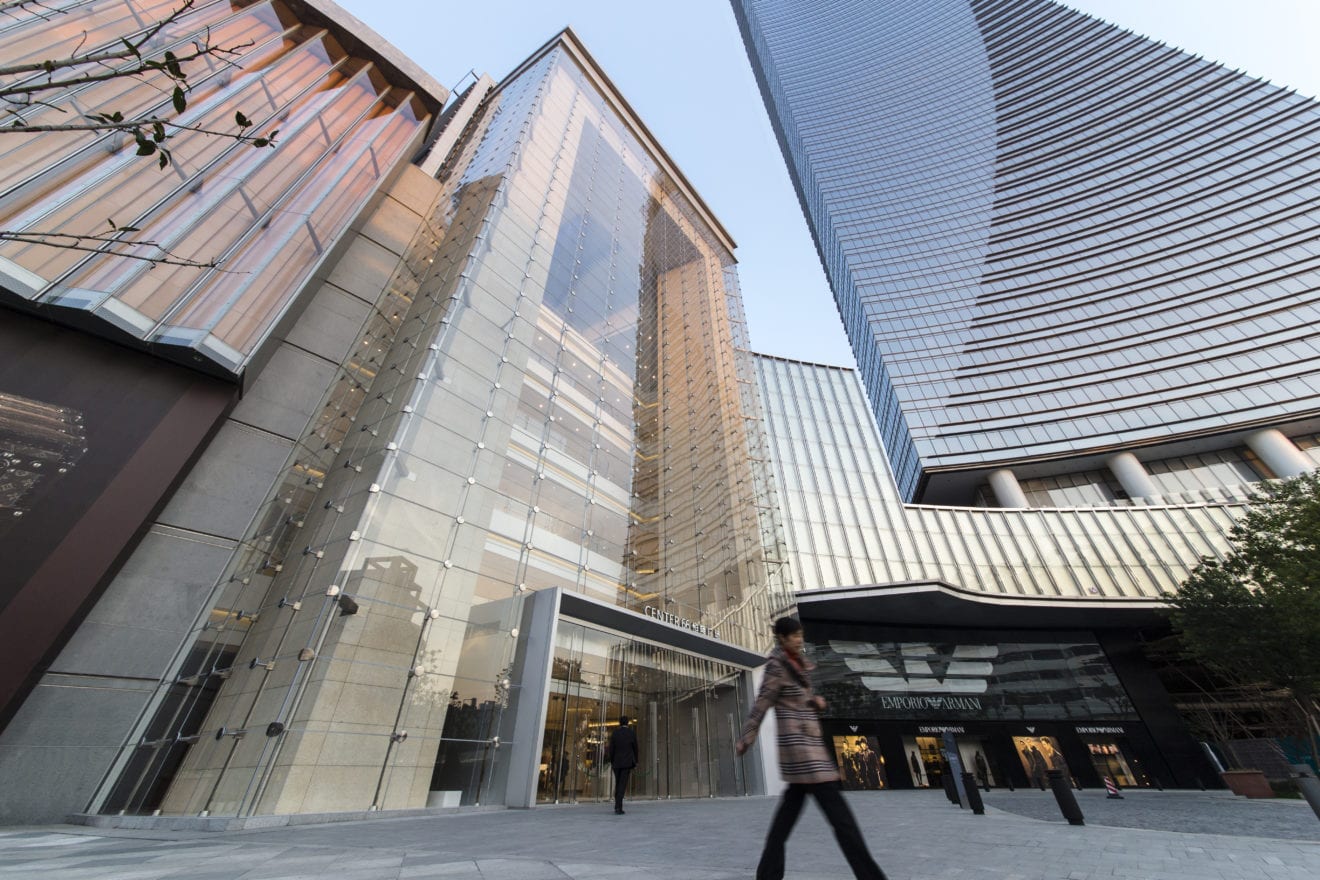
    Hong Kong-headquartered mall operator Hang Lung Properties has overcome the regional economic headwinds to report a solid increase in revenue from its core leasing business.

    Hang Lung, which owns eight Mainland China shopping centers carrying the 66 brand, along with The Peak Galleria, Fashion Walk and Amoy Plaza in Hong Kong, achieved a 2 percent rise in rental revenues during the first half year, despite a 6 percent period-on-period Renminbi (RMB) depreciation

    “We have sustained solid growth in our core leasing business in the first half of 2019 despite the uncertainties in the global economy,” said Ronnie C Chan, chairman of Hang Lung Group and Hang Lung Properties.

    “The growth momentum of our leasing portfolio, especially at our mainland properties reflected effective measures taken to improve our tenant mix and enhance facilities and customer services.

    “Our properties outside of Shanghai have achieved remarkable revenue growth of 14 percent, while our investments in asset enhancement in Shanghai are paying off handsomely, as evident from the strong performance of Plaza 66.”

    He said the progressive completion of the major renovation at the Grand Gateway 66 mall in Shanghai this year is expected to deliver a similar boost in revenue and a number of new properties will commence business in the second half of this year.

    Revenue from the eight mainland malls rose by 8 percent to RMB 1.479 billion (US$214.8 million) for both Hang Lung Properties and Hang Lung Group. The asset enhancement initiatives at Grand Gateway 66 caused a short term disruption of rental income, while the properties outside of Shanghai achieved 14 percent revenue growth.

    In Hong Kong, the company said the performance of its core leasing properties was stable.

    Combined revenue at Hang Lung Properties and Hang Lung Group both recorded growth of 3 percent, to HK$2.014 billion and HK$2.096 billion, respectively.

    The company said that while the US China trade dispute shows no sign of abating, the group remains cautiously optimistic its business will deliver sustainable growth in both Hong Kong and the mainland.

  • UBS Pursued in Forex-Rigging

    UBS Pursued in Forex-Rigging

    The bank is part of a $1.24 billion lawsuit by investors who want damages back following a scandal over rigging currency exchange markets. It revives another scandal from UBS’ past.

    The Swiss-based bank is one of five major foreign exchange dealers hit by a 1 billion pounds ($1.24 billion) class-action lawsuit in London, according to Reuters. This revisits a $545 million fine UBS paid four years ago for its role in a global currency-rigging scheme.

    The lawsuit is an attempt to mimic U.S. class-action suits, where a group of people claiming damages are pooled into one legal process. It was filed against Goldman Sachs, HSBC, Barclays, J.P. Morgan, and the Swiss bank by an American law firm. A spokesman for UBS declined to comment.

    Last week, UBS flagged a potential class action in its quarterly report: Certain class members have excluded themselves from that [U.S. class action] settlement and have filed individual actions in US and English courts against UBS and other banks, alleging violations of U.S. and European competition laws and unjust enrichment, the bank said.

    UBS escaped relatively lightly in the U.S. settlement because it turned whistleblower and quickly cooperated with authorities and copped to a charge of wire fraud. The Swiss bank is still among the top-five dealers in global foreign exchange. The market is estimated at north of $5 trillion-a-day by the Bank for International Settlements.