Blog

  • Suzuki, Mazda, Subaru Join Toyota-Softbank Self-Drive Venture

    Suzuki, Mazda, Subaru Join Toyota-Softbank Self-Drive Venture

    Five Japanese automakers including Suzuki Motor Corp and Mazda Motor Corp said they would each invest 2 percent in the on-demand, self-driving car service venture set up by SoftBank Corp and Toyota Motor Corp. Suzuki, Mazda, Subaru Corp, Isuzu Motors Ltd and Toyota’s compact car unit Daihatsu will each invest 57.1 million yen ($530,620) in the venture – dubbed Monet – in return for a 2 percent stake, the companies said in a statement.

    SoftBank and Toyota will each retain their 35% stakes in the company, which is now capitalized at $26.6 million. The latest investors join Honda Motor Co Ltd and Hino Motors Ltd, Toyota’s truck-making operations, which each own 10 percent stakes. Launched in October, the venture plans to roll out on-demand bus and car services in Japan in the next year, and a services platform for electric vehicles in the country as early as 2023 based on Toyota’s boxy “e-palette” multi-purpose vehicle.

    Monet is building up members as it joins the ride-sharing sphere which is dominated by startups such as Uber Technologies Inc, Didi Chuxing and Lyft Inc, as traditional automakers band together to compete in an industry which is placing a growing emphasis on offering vehicle services rather than selling cars to individual drivers.

    Automakers are increasingly joining forces with technology companies as well as each other as they grapple with the massive investment and software expertise required to develop these new services for which demand has yet to be tested. The new investment will see Suzuki, Mazda and Subaru deepen their partnership with Toyota, as they have already agreed to tap the R&D firepower of Japan’s biggest automaker for electric cars and other future vehicle technologies.
  • The popularity of online loans has not increased in Singapore

    The popularity of online loans has not increased in Singapore

    Analyzing statistics of search requests, analysts of the company compared trends of demand for online loans in Singapore, Indonesia, Vietnam and the Philippines. The findings show that the situation in Singapore differs from other countries  significantly. The demand in Indonesia, Vietnam and the Philippines demonstrates a clear ascending trend and fast development. However, in Singapore, with low development of online loans issued by alternative lending companies, there is no significant growth of their demand recorded by the systems for search analytics. At the same time, looking at the frequency of the search request of “online credit”, the increase is observed from late 2007 to 2015 and stops afterwards.
    The reason is the faster economic development and dense area of Singapore, as opposed to its multi-island neighbours. Consequently, the country has an advanced financial sector, which is accessible for all residents. Taking into account the general maturity of the digital sphere, it’s obvious that the fintech services started developing here earlier, but within the traditional banking sector.
    The legislative regulation of lending in Singapore also makes an impact. Limited interest rates make it more profitable for alternative lenders to work with the business community. According to the University of Cambridge, in 2017, 99% of issued alternative loans there fell under the business segment. In the Philippines and Vietnam, the situation is opposite: only 7% and 10% of loans respectively accounted for business sector. In Indonesia, the distribution is more balanced: 72% were business loans and 28% – consumer loans.
    Moreover, the demand for online loans is affected by the age of the population. According to the United Nations, the average age of Singaporeans is 40, Filipinos – 24, Indonesians – 28 and Vietnamese  – 30. The young age and lack of access to banking products are the main driver for the development of alternative lending in Indonesia, Vietnam and in the Philippines. This is confirmed by the statistics on 200,000 online loans issued by the companies of Robocash Group in Southeast Asia (the Philippines, Vietnam, Indonesia), where 49.9% of borrowers are under 30.
  • Uniqlo opens another Australian store

    Uniqlo opens another Australian store

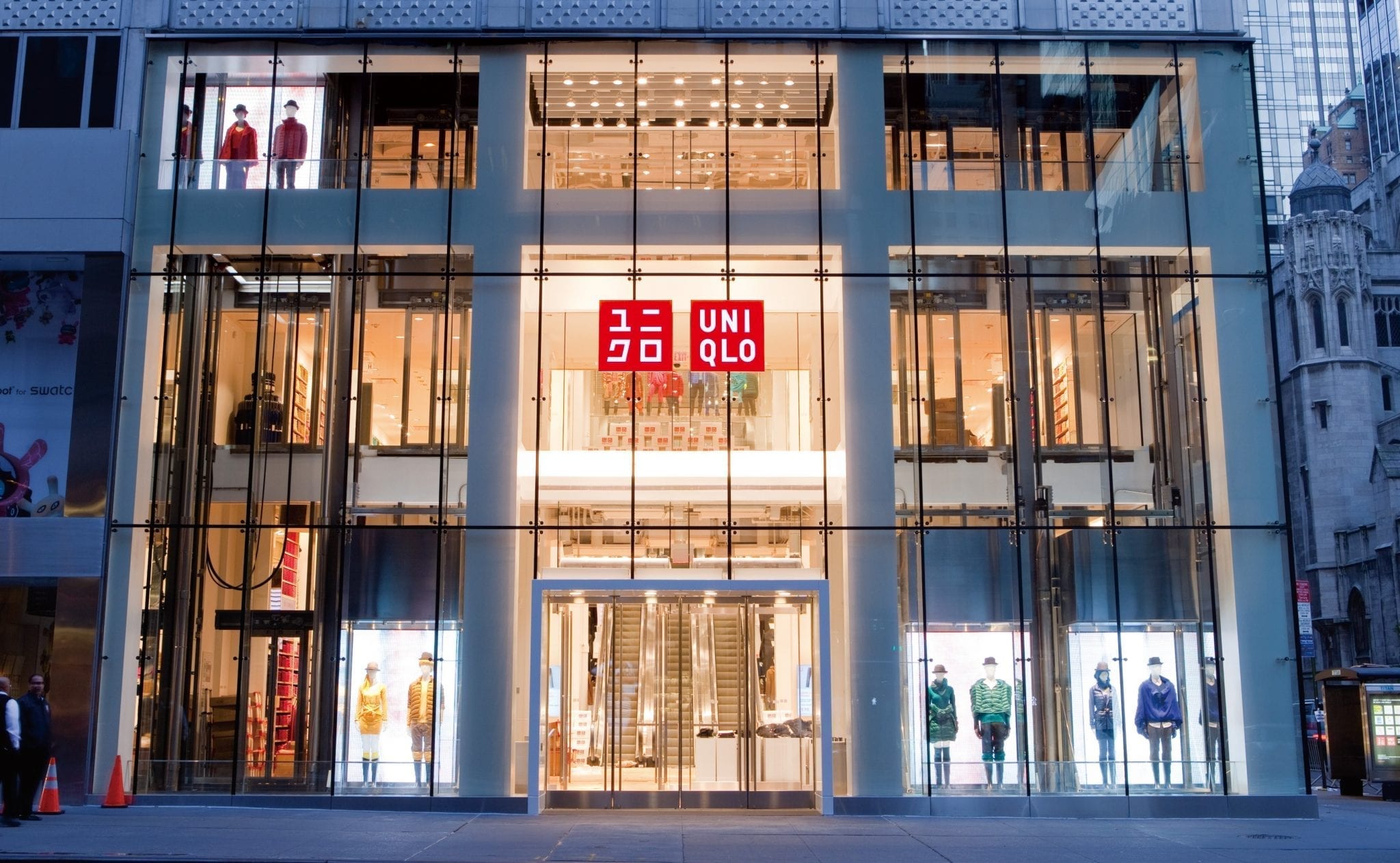
    Fast fashion retailer Uniqlo said it will open its 20th store in Australia on July 4 at Northland Shopping Centre.

    The new store, set in 888sqm of retail space, will take the retailer’s store count in Victoria to eight.

    According to the Japanese retailer, the Uniqlo Northland store will feature the brand’s LifeWear apparel for men, women, kids, and babies.

    “The opening of our twentieth site in Australia is a significant milestone that demonstrates our commitment to finding the right locations to extend our LifeWear message to all Australians,” said Kensuke Suwa, Uniqlo Australia chief operating officer.

    “Our offering of high-quality products at an affordable price, paired with exemplary customer service is resonating with Australians and we look forward to continuing our growth in 2019 and beyond.”

    The doors will open to consumers at 10 am after an official ribbon cutting ceremony and Japanese drumming celebration.

  • DB Schenker Awarded CEIV Pharma Certification in  Korea

    DB Schenker Awarded CEIV Pharma Certification in Korea

     In early June 2019, Schenker Korea received its CEIV Pharma Certification at the IATA Annual General Meeting and World Air Transport Summit in Seoul. The award ceremony on 3rd June, 2019 was organized by IATA Korea, and the certificate was presented by Mr. Alexandre de Juniac, Director General and CEO of IATA, to Schenker Korea CEO Dirk Lukat.

    The Center of Excellence for Independent Validators in Pharmaceutical Logistics, or CEIV Pharma, is an IATA program designed to address the pharmaceutical industry’s need for increased safety, security, compliance and efficiency, through the creation of a globally consistent pharmaceutical product-handling certification. The accreditation officially recognizes Schenker Korea – already an established leader in the transportation of pharmaceuticals and healthcare equipment – for its commitment to ensuring product integrity and the safety of healthcare products via air freight.

    In response to the growing demand for increased quality standards in the healthcare sector, Schenker Korea has taken a proactive stance in promoting the standardization of safety, security and compliance for pharmaceutical goods over the past year and a half.

    In January 2018, the Incheon Airport CEIV Pharma Committee was formed through the initiative of Schenker Korea by the Incheon International Airport Corporation (IIAC), with the objective of verifying end-to-end logistics processes, from the point of arrival of goods, up until the final delivery. This partnership required a strong collaboration between IIAC, Korean Airlines, Asiana Airlines, and DB Schenker. In July 2018, IATA conducted a two-week CEIV Pharma training with more than 30 representatives from the 4 participating organizations. The training was followed by a preliminary assessment in August 2018 held by IATA validators. From there, further preparation and validation ensued until the successful audit in May 2019.

    Hanmin Kim, Head of Air Freight Schenker Korea, proudly commented that the certification is an official recognition of Schenker Korea’s pharmaceutical transportation and operational capabilities. Schenker Korea will continue to actively engage in multiple services for the healthcare industry by providing the highest standards of service quality through its competent network of experts, contributing to the overall growth of the healthcare industry, globally and in Korea.

  • Review of 5 Most Popular Linear Actuators

    Review of 5 Most Popular Linear Actuators

    The automation market in the field of linear motion devices as in any other branch of automation has its world leaders. Those leaders are manufacturers of electric linear actuators – technology that in the last decades gained unbelievable success and popularity. Linear actuator solutions are more and more frequently used not only by giant enterprises and distributors but also by homeowners desiring to introduce certain automation to their own houses. 

    According to statistics, there are top five leaders whose products manufacturers from various spheres appreciate and use for their projects most often. 

    • Electric linear actuators of American wholesaler and manufacturer Progressive Automations. This company offers a diversity of actuators like samples of mini, micro, heavy-duty, high speed, and feedback actuators. All types of these actuators are well-appreciated for their high safety and reliability. For over ten years period electric linear actuators of this manufacturer bring benefits to its customers around the world.
    • Electric linear actuators of Tolomatic are also in the list of top 5 actuator solutions widely appreciated by craftsmen dealing with engineering and automatization. Among the top products manufactured by the company are rod-style and rodless electric linear actuators. Its ServoWeld models are used even for robotics where the combination of servo motor technology and the heavy-load actuators is the best possible choice. 
    • Harmonic drive actuators – automation technology of the company having over 60 years of experience behind its back constructing and distributing the high-force and extremely accurate electric linear actuators the company offers only three but extremely reliable series of its products. 
    • Quality And Innovation manufacturer’s electric linear actuators count versatile actuators and extremely reliable controllers of five types: shaft, compact, flat, medium, and large type. All of these actuators types are extremely fast. They present high precision at even long strokes. The longest stroke position 
    • Venture MGG. Co. manufacturer provides customers around the world with linear actuator products and accessories related to this automation technology. Their automation technologies are widely appreciated by experts in manufacturing of solar tracking systems, military equipment & armament, and even satellites construction companies. Variety of products of different voltage makes this linear motion automation manufacturer one of the top 5 companies providing users around the glove with solely impeccable and high-quality products.   

    The diversity of electric linear actuators manufactured nowadays is really impressive, however, some of them will always be gaining more popularity than others. What electric linear actuator solutions provided by all the above-mentioned linear actuators manufacturers represent is dependable implementation. Among popular linear automation technologies will always be waterproof actuators as the need for outdoor automation is as huge as the need of the indoor linear actuators implementation. Also, the range of popular linear actuator solutions will always be headed by 12V linear actuators as they are regularly the most suitable easy-to-use solution. Their high versatility suits to implement them in a wide range of applications.  

    Among the most valuable things to consider when searching for the most suitable electric linear actuator for your particular situation are technical specifications of the desired automation mechanism. It doesn’t matter which of actuators is the best or the most popular if it can’t provide you with functions wanted. Making the best choice is always about meeting the required demand. Everything must be counted: load capacity, stroke length, time of stroke, dimension, surrounding environmental condition, so frequently influencing the performance of mechanisms for better or for worse. Implementation of any technology should always be wise. Otherwise, mistakes in choosing the right actuator, its installation, and further performance will sooner or later cause malfunctions. Be attentive and choose technologies due to specifications rather than due to labels. 

  • Nike grows profit, pulls product in China

    Nike grows profit, pulls product in China

    Sportswear brand Nike has revealed its net profit increased to US$4 billion during the 2019 financial year, compared to the previous year, which saw Nike earn US$1.9 billion.

    The large disparity is attributed to the enactment of the Tax Act last year, which raised Nike’s effective tax rate to 55.3 percent – causing a 54 percent drop in profits. In FY19, Nike’s tax rate returned to a more normalized level of 16.1 percent.

    The positive results come at a turbulent time for the sportswear giant, which recently faced a social media backlash in China after Undercover, a Japanese streetwear label it collaborated with on a line of sneakers, shared an Instagram Story with the caption, “No Extradition to China,” and “Go Hong Kong”.

    Nike subsequently pulled the sneakers from its offering in China, according to media reports.

    Nike president, chairman, and chief executive Mark Parker told investors the business is committed to the China market “for decades to come”.

    “We are and remain a brand of China and for China,” Parker told analysts, according to the Financial Times.

    “We’re confident that we’ll continue to grow sport and our business in China for decades to come.”

    On Thursday, Parker told investors FY19 was a pivotal year for the retailer.

    “Our distinctive innovation and digital advantage led to accelerated growth across our complete portfolio, while our brand fuelled deeper relationships with consumers around the globe,” he said in a statement.

    Revenue grew 7 per cent to US$39.1 billion, driven by sportswear, Jordan, and running, as well as strategic investments in innovation and digital led by Nike Direct.

    The Converse brand saw revenue grow 3 per cent to US$1.9 billion, which was mainly driven by double-digit growth in Asia and digital.

    Nike and Retail Prodigy Group have been contacted for comment.

  • Google Maps update brings two new important features for commuters

    Google Maps update brings two new important features for commuters

    Google launched two new features for Maps, which will greatly help those using public transportation to commute every day. The new features, live traffic delays for buses and crowdedness predictions, will help Google Maps users to plan better for their transit ride.

    Since transit schedules aren’t always accurate due to real-time traffic conditions, Google has decided to launch live traffic delays for buses, a new tool that will feed Maps users with real-time info directly from local transit agencies.

    It will allow Google Maps users in select cities to see if their bus will be late, how long the delay will be, as well as more accurate travel times based on live traffic conditions along their route. The new feature will be visible on the map too, as you’ll be able to see exactly where the delays are on the map so you know what to expect before you get your bus.

    The second new features announced today is transit crowdedness predictions, which will allow Maps users to see how crowded their bus, train or subway is likely to be based on past rides. That way you’ll be able to take a more informed decision when taking a bus or waiting for the next one to arrive.

    Starting today, both new features will be available in Google Maps in nearly 200 cities around the globe on both Android and iOS.

  • DFS and Parfums Christian Dior launch DFS X Dior Summer Party pop ups

    DFS and Parfums Christian Dior launch DFS X Dior Summer Party pop ups

    International travel retailer DFS Group has partnered with Christian Dior Parfums on a pop-up concept to launch July 1 in Macau.

    The DFS x Dior Summer Party pop-up experience, celebrating the arrival of summer, kicks off in T Galleria by DFS, Macau through to July 31 before traveling across DFS’s global network of retail stores.

    The DFS x Dior Summer Party presents exclusive products designed for world travellers seeking to look and feel their best across all time zones.

    “We aspire to tantalize our traveling customers’ senses,” said DFS Group’s senior VP of beauty Christophe Marque, “and this beautiful pop-up is a perfect example of our commitment to combining exclusivity and entertainment with world-class brands.”

    “Parfums Christian Dior and DFS have always shared a powerful synergy when it comes to providing excitement and innovation to our customers,” said Dior Travel regional retail director Leonardo Ferracina. “Our exclusive Dior Summer Party pop-up for DFS is an indulgent start to an exciting and vibrant Summer, enriched with the signature of our Dior products.”

  • Twitter’s new policy is aimed squarely at Donald Trump

    Twitter’s new policy is aimed squarely at Donald Trump

    Many Twitter users have been complaining about several tweets disseminated by President Donald Trump. These Twitter members say that if they sent out tweets with the same insults and language used by the president, they would have had their account suspended. After all, besides giving insulting names to anyone that the thin-skinned president feels has insulted him, Trump has threatened nuclear war with North Korea, posted a video containing violence against CNN and more.

    While not mentioning Trump by name, Twitter explained in a blog post that “there are certain cases where it may be in the public’s interest to have access to certain Tweets, even if they would otherwise be in violation of our rules.” In addition, the social media site noted that “a critical function of our service is providing a place where people can openly and publicly respond to their leaders and hold them accountable.”

    “Our highest priority is to protect the health of the public conversation on Twitter, and an important part of that is ensuring our rules and how we enforce them are easy to understand. In the past, we’ve allowed certain Tweets that violated our rules to remain on Twitter because they were in the public’s interest, but it wasn’t clear when and how we made those determinations. To fix that, we’re introducing a new notice that will provide additional clarity in these situations.

    Serving the public conversation includes providing the ability for anyone to talk about what matters to them; this can be especially important when engaging with government officials and political figures. By nature of their positions, these leaders have outsized influence and sometimes say things that could be considered controversial or invite debate and discussion. A critical function of our service is providing a place where people can openly and publicly respond to their leaders and hold them accountable.”-Twitter

    Twitter’s solution is to make users go through various screens. In the “rare occasion” when it is in the public interest for Twitter to allow a tweet to remain posted even if it violates the platform’s rules, Twitter will place a notice on the tweet. This will indicate that to view such a tweet, Twitter members will have to click or tap on an additional screen. The company says that it will prevent these tweets from being “algorithmically elevated on our service, to strike the right balance between enabling free expression, fostering accountability, and reducing the potential harm caused by these Tweets.”

    So just exactly whose tweets are covered by the new policy? Government officials, those representing a government official, someone running for office or being considered for a public office are affected by the new policy if they have a verified Twitter account with more than 100,000 followers. If someone meets this criterion and sends a tweet that would normally be a violation of Twitter’s terms of service, a notice will appear that reads “The Twitter rules about abusive behavior apply to this Tweet. However, Twitter has determined that it may be in the public’s interest in the Tweet to remain available.” To the right of the notice will be a link marked “view;” tapping on that link will allow the tweet to be visible to the user. These tweets also will not appear in Safe search, Timeline when switched to Top Tweets, Live events pages, Recommended Tweet push notifications, Notifications tab and Explore.

  • Volvo XC90 Armoured Vehicle Revealed

    Volvo XC90 Armoured Vehicle Revealed

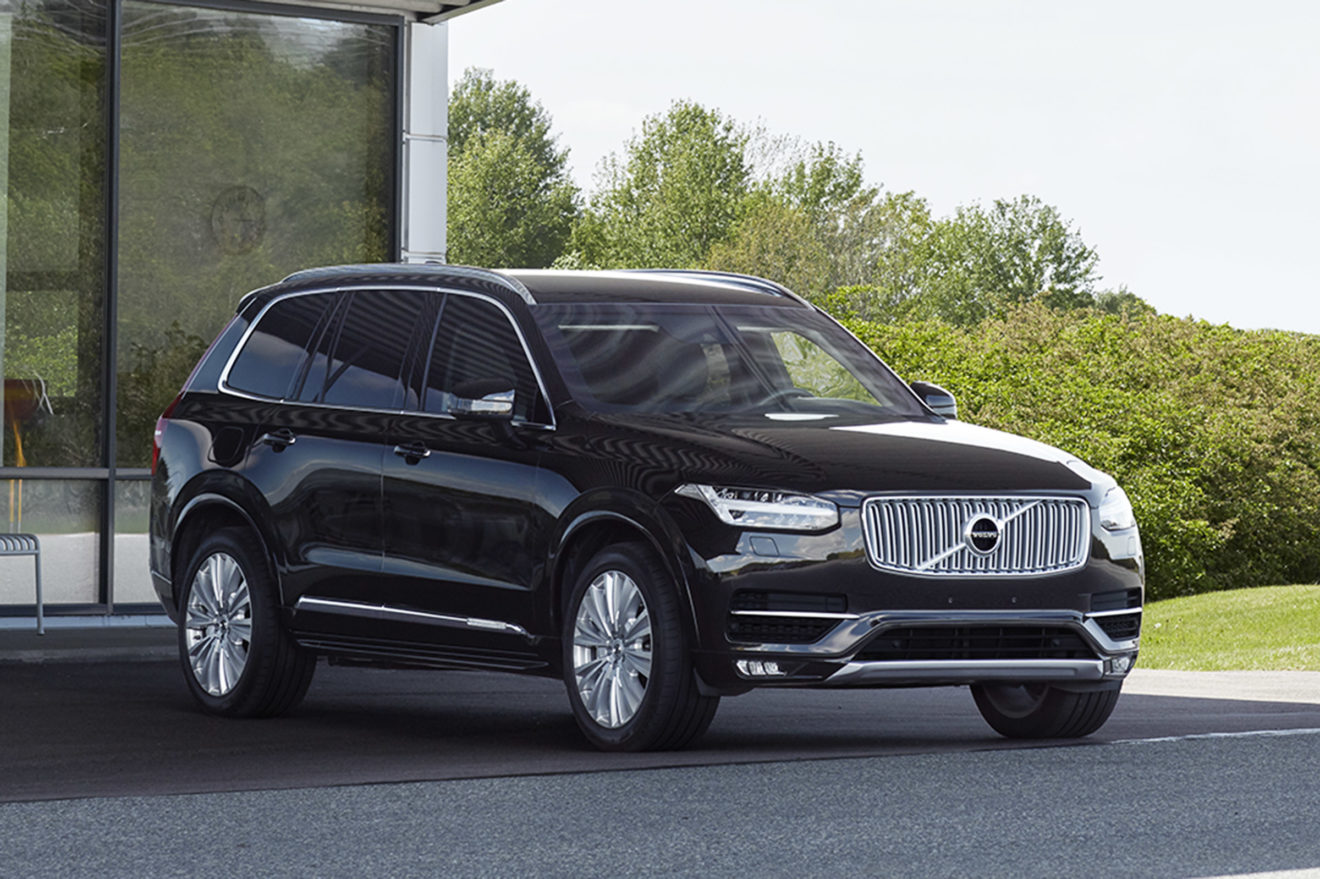
    Volvo Cars takes a big step as a manufacturer of armoured vehicles with the XC90 Armoured car. The cars are designed and built to provide safe and comfortable travel with a high level of personal protection for the occupants. There is a growing global market for armoured vehicles at present, and a large number are manufactured with various protection ratings. Volvo already has received numerous requests over the past few years to develop an armoured XC90. The company has extensive experience of building police cars, fire engines and diverse special vehicles with high requirements in terms of function, driveability and safety. In fact, the first Volvo police car was delivered back in 1929.

    Work to develop a car with a VPAM VR8 protection rating commenced just over two years ago. A certified VPAM VR8 rating means the car has 360-degree ballistic resistance as well as explosive resistance. The armoured car is built on the Inscription version of the Volvo XC90 T6 AWD, which is manufactured at the Torslanda plant in Sweden. The size and nature of the model make it the most suitable vehicle in Volvo Cars’ product portfolio for armouring. From Torslanda, the car is sent to TRASCO Bremen GmbH in Germany, a company which has specialised for many years in building high-quality vehicles with high protection ratings.

    The high-strength steel armour is 10 millimetres thick, while the thickness of the glass can be up to 50 millimetres. The armour adds approximately 1,400 kilograms to the XC90, which brings the total weight of the car up to 4,490kg (including five occupants). To cope with the increased weight, the car is fitted with uprated suspension and new brakes. The Volvo XC90 Armoured (heavy) is available to order now and the first customer deliveries will be made at the end of 2019.

    Volvo Cars also develops another version of the armoured car (light). This means that Volvo Cars has a full portfolio of cars able to offer high personal protection. These cars are built on the XC60 T6 AWD Inscription or XC90 T6 AWD Inscription.

    These versions are geared towards different clientele than the XC90 Armoured (heavy). Users could be individuals or companies requiring a car with a higher level of protection due to a geographical risk or a heightened personal threat. A market for these types of protective vehicles also exists among security services, the police, the diplomatic corps and private individuals.

    The cars are intended for Latin America and Europe. After construction, they are retrofitted in Brazil, where there is considerable demand for these types of cars as well as substantial experience of building them. These vehicles are designed to offer lighter protection compared with the XC90 Armoured (heavy). Sales of these cars are scheduled to begin in the first half of 2020.

  • Apac consumers embracing shopping apps

    Apac consumers embracing shopping apps

    Users of shopping apps users are becoming increasingly purchase-happy in what is poised to be mobile commerce’s biggest year so far, according to a recent study by Liftoff.

    The report by the mobile-app marketing and retargeting platform also uncovers key insights into Asia Pacific (Apac) mobile shopping behaviour, suggesting the rise of “Mobile Window Shopping” in the region, which is underpinned by the low costs of installing shopping apps and acquiring new users.

    Analysing more than 90.9 billion ad impressions across four global zones, 13.6 million installs and 3.9 million registration and purchase events between April 2018 and April this year, the report identified several trends relevant to the Apac region.

    In Apac, users are clearly open to exploring retail apps, with registration rates skyrocketing and acquisition costs dropping year-on-year. But the data points to a surprising new trend – “Mobile Window Shopping”. While users install and register in retail apps with ease, the joint report shows a sizeable drop-off at the all-important purchase stage. Apac’s cost-per-first-purchase comes in at US$31.26 (up 13.3 per cent year-on-year), coupled with a low 10.1 per cent conversion rate.

    This could point to a larger retail trend: the demand for a more user-friendly shopping experience. While price tends to dominate purchasing decisions, factors such as having personal engagements with retailers and concerns on whether the retailers can capably fulfill orders are also seen as crucial by mobile shoppers.

    “For marketers looking to boost purchase rates, the key is to utilise the data they have, understand potential drop-off points and to segment and target properly,” said Adjust co-founder and CEO Christian Henschel. “Brands can then create and deliver the perfect user interaction strategies for their marketing initiatives. This personalisation is key to winning over fickle consumers and building long-term loyalty.”

    Southeast Asia’s largest country – Indonesia – presents a dynamic landscape for marketers operating in APAC; especially in terms of the number of users that can be acquired. However, turning those acquisitions into actual purchases will likely depend on how convenient the mobile app shopping experience is. The cost of an application installment is just US$1.65, but this is paired with somewhat meagre conversion rates. Another concern for marketers and retailers is that retention rates of shopping apps in Indonesia trail behind other markets studied in the region, the prime reasons being consumers having a low learning curve, lack of patience with the app onboarding process and failing to understand the long-term value of installing an app.

    “The shopping app market in Asia is growing dynamically and at an all-time-high, yet based on our findings, the number of purchases made through such apps are not as high as they could be; despite the general trend of consumers moving their browsing from store windows to the phones’ screens,” said, Liftoff VP marketing Dennis Mink.

    “Indonesia is a microcosm of the behaviors and concerns of the region’s shoppers. So, finding the right message and conveying it in the right context to the consumer can help remove these roadblocks, thereby improving retention and interest.”

  • Ford Says To Cut 12,000 Jobs In All Across Europe

    Ford Says To Cut 12,000 Jobs In All Across Europe

    US carmaker Ford said Thursday that it plans to slash a total of 12,000 jobs across Europe as part of a previously-announced restructuring, as it closes or sells six plants in Britain, France, Russia and Slovakia in 2019 and 2020.

    “Ford’s manufacturing footprint in Europe will be reduced to a proposed 17 facilities by the end of 2020, from 24 at the beginning of 2019,” the group said, adding that the job cuts — including 5,400 already announced in Germany and 1,700 in Wales — would come “primarily through voluntarily separation programmes”.

  • Jony Ive left Apple

    Jony Ive left Apple

    It is absolutely the end of an era at Apple. The company announced that it’s chief design officer, Sir Jony Ive, is leaving the company. The man responsible for the design of many iconic devices including the iPhone and the iPad is forming an independent design company. And yes, Apple will be one of its major clients. In addition to creating the look and finish of many Apple products, Ive’s distinctive British accent could be heard narrating most of Apple’s new product videos during the iPhone era.

    Ive first came to Apple in 1992, working as a member of the company’s industrial design group. One of his first assignments was to work on the design of the second generation Newton personal digital assistant (PDA) and the MessagePad. In 1997, Apple co-founder Steve Jobs returned to Apple and Ive was promoted to senior vice president of industrial design. He and Jobs combined on an amazing run of successful new products that might never be topped. It started with the all-in-one Apple iMac G3 released in 1998. With a brightly colored translucent case, the design stood out in a sea of dull desktop PCs. In 2002, a whole new design was used on the iMac G4. Keeping with the all-in-one theme, the screen was attached to an adjustable arm with the motherboard and hard drive placed inside the dome-shaped base. The success of these two products helped revive Apple.

    Ive also had a big hand in the design of the Apple iPod, which was first released in 2001. Apple’s mp3 player was a massive success and combined with the iTunes platform, Apple sold hundreds of millions of units. And then came the iPhone, followed by the iPad and the Apple Watch. By the time Apple’s tablet was released, Ive had more power than anyone at Apple outside of Steve Jobs. With that power came a huge paycheck estimated to be as high as $30 million by 2011, with an additional $25 million stock bonus.

    Following the fiasco that was the launch of Apple Maps in 2012, the company removed software chief Scott Forstall and Ive took on new responsibilities as the Senior Vice President of Design (no “Industrial in the title). The man who designed hardware for Apple was put in charge of designing iOS 7. After giving up control of the design team in 2015 so that he could work on Apple’s new campus, the executive regained that control two years later. That same year, Apple unveiled the iPhone X with a completely new design. The device featured thinner bezels, an edge-to-edge-screen and Face ID (replacing Touch ID). The design chief said that the phone was the closest he had come to his original goal of creating a phone that was all screen.

    The company is not immediately planning on naming a new chief design officer. Instead, Apple said that design team leaders Evans Hankey, vice president of Industrial Design, and Alan Dye, vice president of Human Interface Design, will report to Chief Operating Officer Jeff Williams.

  • SMCP Taking over men’s luxury brand De Fursac

    SMCP Taking over men’s luxury brand De Fursac

    Chinese-controlled affordable luxury fashion group SMCP has agreed to buy French luxury menswear label De Fursac.

    The deal – the value of which was not disclosed – gives SMCP an entry into the menswear category and will complement its existing labels Sandro, Maje and Claudie Pierlot.

    In a regulatory filing, Shandong Ruyi said the deal would be financed from debt but would increase earnings-per-share immediately.

    Last year, De Fursac’s sales reached €41.4 million last year and it achieved like-for-like sales growth of 5.4 percent.

    SMCP CEO Daniel Lalonde said De Fursac gives his company a unique opportunity to accelerate its strategy by tapping into a new segment in the fast-growing men’s accessible luxury market.

    “De Fursac is an outstanding brand, poised for growth through international expansion, with the support of our expertise.”

  • H&M to scale back store openings and focus on E-commerce

    H&M to scale back store openings and focus on E-commerce

    H&M says it will scale back its store-opening program in the year ahead, and reported strong sales in its stores this month.

    The company had already announced a 5 per cent increase in same-store sales in the second quarter; now it is estimating June’s growth at 12 per cent. It is also selling more stock at full price, lessening its reliance on discounting which had been necessary to shift an unusually high inventory during the last year.

    “Inventory increased by less than sales, the composition of inventory is better and markdowns are lower,” said CEO Karl-Johan Persson during an investor conference call. “We will see more improvements, it’s heading in the right direction.”

    As the company slows its rate of store openings, forecasting 130 now rather than the 175 flagged earlier, it will invest more on building up its e-commerce business.

    “We have decided in certain markets to hold back from new openings. We think rents are higher than they should be,” Persson said.

    Kate Ormrod, lead retail analyst at GlobalData, says the company’s results and Persson’s comments shows H&M remains on track with its transformation plan.

    “Efforts to strengthen its product ranges and availability are clearly resonating with shoppers, helping to drive full price sales and reduce markdowns. One sticking point for the first half remains profitability, with operating profit still down on the year, and margin falling from 7.3 per cent to 6.4 per cent. The true test of its strategy lies in the second half where tougher comparatives can be found – although with the retailer reporting a strong June, … the signs are encouraging.”

    She said that having been a laggard for so long in e-commerce, H&M’s investment continues apace as the retailer is still yet to fully harness the opportunities that lie within online.

    “While it now plans fewer store openings, minimising costs, the new strategy puts pressure on H&M’s existing stores and online operations to deliver.”