Blog

  • Steel production and their Basic Methods

    Steel production and their Basic Methods

    Steel is a durable material and the main structural material for engineering.  It represents an alloy of iron with carbon, the content of which in its structure contains 0.01–2.14%.  The composition also includes insignificant amounts of silicon, manganese and sulfur. This material has exceptional mechanical properties: hardness and malleability, thanks to which it is considered the main structural material in mechanical engineering.  It is difficult to imagine what could replace the steel. A wide variety of products are made of steel – from paper clips to the beds of multi-ton presses and construction pieces of ships. Let’s consider main methods of steel production to understand the process better.

    •       Open-hearth process  (Siemens-Martin process)

    This method is used for the production of high quality steels used in especially important parts of machines and precise mechanisms. At one time this method replaced the labor-intensive and inefficient crucible and pulping melts used before. The loading capacity of a single reflective furnace used in this method reaches 500 tons.  The peculiarity of the open-hearth method is the possibility of remelting not only pig iron, but also metallurgical wastes and scrap metal. The heating temperature of the liquid steel reaches 2 thousand degrees. The melting process takes 4 to 12 hours. In order to accelerate the melting process, the volume of injected oxygen exceeds demand, which increases the melting capacity by 20–30%.

    •       Bessemer converter method

     When it comes to this method, smelted steel is good for the production of automotive sheet, tool steel, welded structures and other steel billets.  By quality, it is inferior to an open-hearth method, and is used for the manufacture of less demanding products. It contains more impurities than in the open-hearth manufacture.  Due to the high volume of loading of one furnace up to 900 tons, the method is considered the most productive, therefore, it became widespread.

    The processing is transient and lasts up to 20 minutes.  During this time, the oxidation of carbon, silicon and manganese contained in the raw materials, happens, and they are further removed from the bath with the molten slag. The converter is a retort-shaped (pear-shaped) vessel, consisting of steel sheets with lining from the inside.  One hole is used for casting iron and producing finished steel; it also loads iron and scrap.

    •       Oxygen converter process (Linz–Donawitz-steelmaking)

    Steel production today is carried out mainly this way.  (You can buy steel for sale) The share of oxygen-converter production quite recently accounted for up to 60% of world steel production. However, this percentage is reduced due to the appearance of electric arc furnaces (EAF).  The furnaces are purged with pure oxygen (99.5%) under high pressure.

    •       Electric steelmaking method

    The production of steel by electric smelting has a number of undeniable advantages.  This method is considered to be the main one in the smelting of high-quality alloy steels.  High quality is achieved by the practical absence of phosphorus, sulfur and oxygen in the steels.  This method is also used for the production of a wide range of building steels.
     

  • Takashimaya Closing Shanghai store

    Takashimaya Closing Shanghai store

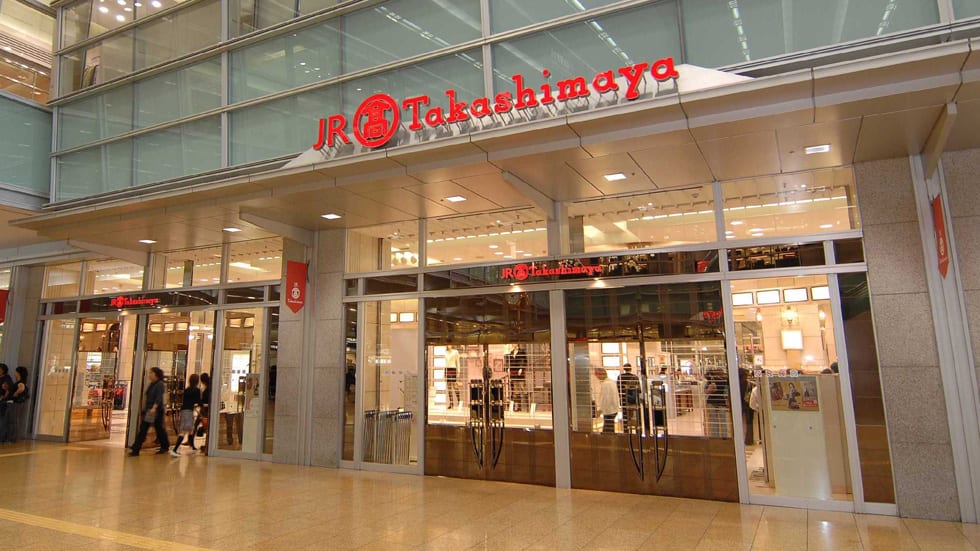
    Japanese department-store operator Takashimaya is to close its Shanghai department store after years of losses, and exit China.

    The company said it would recommend to shareholders at a special meeting on August 25 that its Shanghai Takashimaya Co subsidiary be liquidated after it failed to negotiate a rent reduction from its Chinese landlord. Assuming approval – essentially a formality – the store will close on the same date.

    Located in the city’s Changning District, the store had sought to deliver an authentic Japanese-style department store experience, and Takashimaya says it had developed “a large local following”.

    However, figures supplied by the company show net sales rose from US$59.2 million in the year to February 2017 to $65.44 million last year and then slumped to just $29.78 million this year. The division’s loss attributable to shareholders was $15 million in 2017, $28.84 million last year and $14.28 million this year.

    Takashimaya says the proposed dissolution and liquidation may lead to a further loss for the parent company of $18.69 million to $28.04 million.

    In a statement, Takashimaya said the lack of profitability is largely due to tough competition within the industry coupled with delays and changes in development projects for adjacent commercial facilities.

    “These problems have been compounded by China’s economic slowdown and falling consumer spending, which reflect the protracted US-China trade friction. In view of these developments, the board of directors concluded that it was no longer feasible for Shanghai Takashimaya to continue.”

    The Japanese company will now focus its growth and expansion planning to Southeast Asia where it sees greater opportunities. It currently has stores in Singapore, Bangkok and Ho Chi Minh City, Vietnam. The company will expand the Ho Chi Minh City store to carry more items suited to families and is considering opening another department store in Vietnam.

    The Takashimaya Shanghai store opened in 2012 and has a floor space of 40,000sqm, a similar size to one of its larger stores in Japan.

  • Indonesian coffee chain Kopi Kenangan to expand across SEA

    Indonesian coffee chain Kopi Kenangan to expand across SEA

    Indonesian coffee chain Kopi Kenangan has closed a US$20 million growth funding deal with Sequoia India.

    The firm, which secured an $8 million investment from local group Alpha JWC Ventures last October, plans to use the capital to open 150 outlets within this year, expanding to 1000 stores throughout the territory by 2021. The chain will also consider regional expansion across Southeast Asia.

    Kopi Kenangan currently operates 80 stores in eight cities, which sell around a million cups of coffee per month – predominantly traditional Indonesian iced coffee with organic palm sugar.

    “Our mission is to bring high-quality coffee, made with the freshest local ingredients to consumers across Indonesia – and the rest of Southeast Asia, too,” said Kopi Kenangan co-founder and CEO Edward Tirtanata.

    Sequoia expressed admiration for the firm’s achieving profitability in its second year of business.

    “Most food-retail businesses struggle despite high gross margins due to operating costs like rent, manpower and wastage,” wrote Sequoia Capital investment advisor Rohit Agarwal. “Kopi Kenangan has implemented robust backend systems to track inventory in real-time and moves excess items across stores, cutting wastage to almost zero. Its stores are 10–20 per cent of the size of a normal cafe, significantly cutting cost per store”.

    One of the chain’s core strengths is its app, launched in April, which allows customers to order their coffee for pick up and avoid queues, or have their purchase delivered by food delivery partners.

  • Amazon brings Alexa to Android TV, Sony Bravias are first

    Amazon brings Alexa to Android TV, Sony Bravias are first

    Amazon promised a few months ago that it will bring Alexa to Sony’s TVs running Android, despite the issues the US retailer has with Google when it comes to access to their TV platforms. Today, a first sign that Amazon fulfilled that promise has just popped up in the Google Play Store in the form of a new app.

    Amazon recently published a new Alexa app in the Google Play Store, which specifies that it’s meant for Sony Bravia TVs powered by Android. The new Amazon Alexa app allows Sony Bravia TV users to listen to music from Amazon Music, Pandora, iHeartRadio, TuneIn, and much more.

    Of course, its main use is to enable voice commands, so whenever you want to listen to a specific song, you could simply say “Alexa, play songs by the artist on [TV name].” The functionality goes beyond just asking Alexa to play songs on various music streaming services, which means you can change the channel, volume, or even turn your TV on and off.

    The new Alexa app can be only be downloaded on Sony Bravia TVs in the US, Amazon said. Once the app is installed on your TV, select a group for your TV and complete the guided Sony set-up. Also, make sure that you have all the skills for music providers and cameras using the Alexa mobile app enabled.

  • YouTube promises to give users better control

    YouTube promises to give users better control

    In a surprising move, YouTube revealed plans to offer users more control over their Homepage and Up Next videos. Apparently, three specific changes will be introduced in the coming days, which will allow YouTube users to set their preferences when it comes to what videos appears on their page.

    For starters, YouTube users will be able t explore topics and related videos easier than before. A new set of options will be added, which are based on their existing personalized suggestions and should help them find what they’re looking for faster than ever. The new feature will be implemented directly on the homepage, so you should see it when you scroll up. It’s also on Up Next when browsing. Initially, the feature will be available on the YouTube app for Android, while iOS users will get it soon.

    Another new tool that will give users better control over their videos is a new option that will make it easy to stop suggesting videos from a particular channel. This is very useful when YouTube gets your suggested videos wrong and a way to permanently fix the problem. Simply tap the three-dot menu next to a video on the homepage or Up next and choose “Don’t recommend channel.” This specific new feature will be available globally on the YouTube app for Android and iOS today.

    Last but not least, YouTube users will now receive more information about the videos they’re recommended from channels they haven’t seen before, which are based on what other viewers with similar interests have liked and watched in the past. A small box under the video will offer more information on these suggested videos. As per YouTube’s announcement, this feature is now available to everyone on the YouTube app for iOS, while Android users will get it “soon.”

  • Google now allows users to auto-delete user data

    Google now allows users to auto-delete user data

    Google is making it possible for Android and iOS users to auto-delete location history and activity data starting today. Although the search giant already provided the ability to turn on or off the Location History and Web & App Activity directly from the Google Account, including the option to manually delete the data recorded, there was one feature that makes it so much easier to get rid of this data.

    Starting today, a new set of auto-delete controls are available in the Google app, which will allow users to manage their data easier than before. Simply choose a time limit for how long you want your activity data to be saved, and any data that’s older than that will be automatically deleted from your account.

    Google mentions that you’ll be able to set a time limit for how long your activity data to be saved from anywhere between 3 and 18 months, so there’s that.

    According to Google, users should start seeing the new auto-delete controls soon, and that they will come first to Location History and Web & App Activity. A broader rollout should happen in the coming weeks, so if you don’t see the new feature right away, you’ll have to wait.

  • YouTube Music update adds new Smart Downloads feature

    YouTube Music update adds new Smart Downloads feature

    Google’s music streaming service, YouTube Music is bringing users a brand new feature that will allow them to listen to their favorite songs even when they’re offline. The new feature is called Smart Downloads and will automatically download up to 500 songs that a YouTube Music user “liked.”

    That new feature will be available on Android devices first, but only for YouTube Music Premium subscribers. In order for the feature to work, you’ll have to enable Smart Downloads from the app’s menu. All downloads will happen while your phone is connected to Wi-Fi, hence the name Smart Downloads.

    Make sure that you have enough free storage though and if you don’t think your phone can take all your “liked” songs, you can select how many you want YouTube Music to download from within the settings.

    Unlike Offline Mixtape, a feature that’s available for YouTube Music users for quite some time, Smart Downloads doesn’t create a mix of songs that fit your taste profile and makes it available offline but rather downloads exactly the songs you like.

  • Thai AirAsia X begins new service to Brisbane

    Thai AirAsia X begins new service to Brisbane

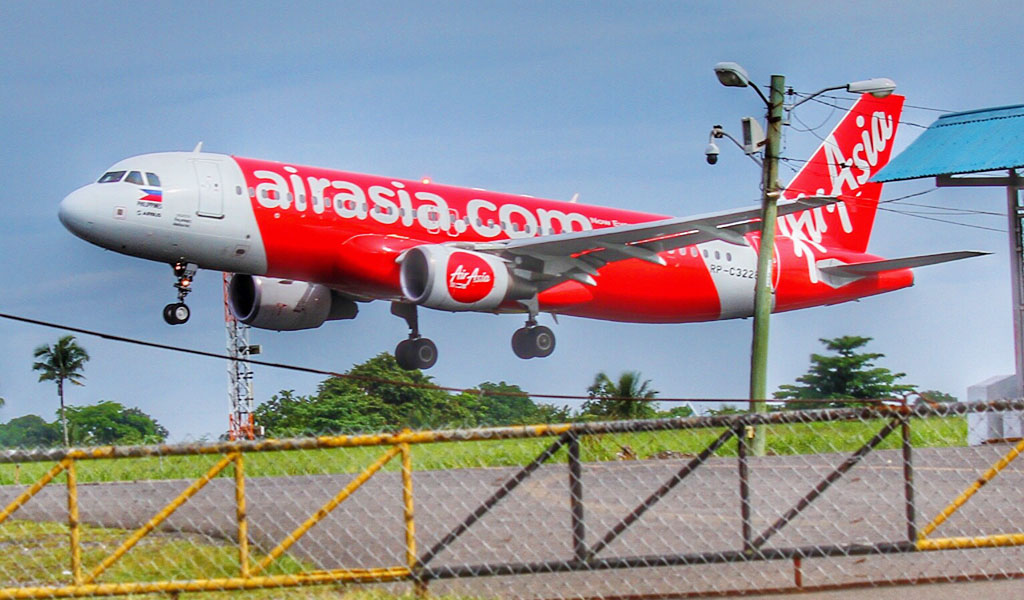
    Thai AirAsia X has started its newest service from Bangkok to Brisbane, with the first arrival touching down at 11:46 am local time on Wednesday. This marks the first AirAsia service to Brisbane Airport. The aircraft received a water salute on arrival, courtesy of the airport’s fire and emergency service.

    The route is operated by Thai AirAsia X under flight number XJ310 (Bangkok to Brisbane) and XJ311 (Brisbane to Bangkok); duration of the flight is approximately nine hours and 20 minutes. Before this connection, the only non-stop service between Brisbane and Bangkok was operated by Thai Airways using the Boeing 777-200. The Malaysian AirAsia X serves Gold Coast Airport, which is located 90 kilometres (56 miles) south of Brisbane.

    We are delighted to have a new home in Queensland, adding Brisbane to our Queensland ports after we commenced operating flights from the Gold Coast in 2007. This direct service between Bangkok and Brisbane strengthens our connections into Australia and adds to our extensive network of more than 140 destinations worldwide.Nadda Buranasiri, AirAsia X CEO
    Asia is a key market for Queensland’s tourism industry and this new service will bring more than 235,000 inbound seats to Brisbane over the next three years, providing a $156 million boost to the state’s economy and supporting 660 jobs.Kate Jones, Minister for Tourism Industry Development

    Thai AirAsia X is a sister airline of AirAsia’s long haul carrier AirAsia X. The Thai airline is based at Bangkok Don Mueang Airport. Together with AirAsia X and Indonesia AirAsia X, it operates a fleet of 36 Airbus A330-300 with up to 100 of the new generation A330-900neo on order. Thai AirAsia X will soon receive its first A330neo and become the Asian launch-customer of the aircraft type. The airplane, which is already due for delivery, was on display at Paris Air Show 2019.

  • Pirata Group to launch new Japanese concept Honjo

    Pirata Group to launch new Japanese concept Honjo

    Hong Kong dining concepts business Pirata Group is opening Honjo, a modern Japanese restaurant, in Sheung Wan district late next month.

    As Pirata’s second Japanese concept, Honjo will be a 120-seat venue independent from its cosy street-inspired neighbour, TMK, set to launch a few days prior. Realised by interior designer Ben McCarthy of Charlie & Rose, Honjo is designed to remind diners of a modern restaurant set in the 1950s with a retro futuristic vibe, vibrant colours and intricate details from stained glass windows to hanging light fixtures.

    “The interior of Honjo will be demurely and appropriately extravagant, a dream eclectic and quirky home complete with an expansive collection of New and Old World wines,” read press material put out by the firm. “It will be the imaginary backdrop of a typical Japanese person’s dream world, a communal aspiration shared by many. A short reprieve from reality, one enters a fantastical world where he or she lives lavishly in a home resembling a British manor from the 1950’s. Finding joy in traveling the world and being influenced by each vibrant culture visited, the dreamer will craft Honjo’s interior, philosophy and cuisine based on his or her fantasies.”

    The restaurant celebrates the ability of Japanese cuisine to absorb inspiration and concepts from other countries, with a menu that will pay homage to a combination of Japanese people’s passion for exploring new flavours as well as their Japanese origin.

    Pirata Group’s existing restaurants include The Optimist, Pici, Tokyo Lima, Meats, Chifa, Madame Ching, Chaiwala, The Loft and Hugger Mugger.

  • Perfect Shape Medical sales soar on network expansion

    Perfect Shape Medical sales soar on network expansion

    Hong Kong-headquartered Perfect Shape Medical has reported a 32 per cent increase in sales to HK$1.197 billion in the year to March.

    Profit for the company soared 64 per cent to $319 million.

    The company says the improved sales were in part due to the expansion of its network of new medical concept stores. Under the Perfect Shape brand, the company operates slimming and beauty services and sells slimming and beauty products in Hong Kong, Macau and Mainland China.

    Sales in Hong Kong rose 49 per cent to $879 million thanks to an increased spend per customer and the opening of new medical beauty concept stores.

    “As the group continues to grow, it has been closely examining the market trends,” the company said in its results statement. “To cater for different preferences of its customers, the group provided non-invasive medical beauty services to meet customers’ needs. The group has a first-mover advantage and positioned itself as a market leader in non-invasive medical beauty services in Hong Kong.”

    Revenue of $318 million from Mainland China and Macau contributed 27 per cent of the group’s total revenue. The group operates direct service centres in four mainland cities – Beijing, Shanghai, Guangzhou and Shenzhen – and in Macau. Its top-end centres can be found in prestigious shopping malls located in areas regularly frequented by high-end customers.

  • The Battle is on for fastest shipping worth fighting?

    The Battle is on for fastest shipping worth fighting?

    Consultancy firm AlixPartners has challenged whether the battle to deliver the fastest shipping is worth fighting, following Amazon’s move to free one-day shipping for Prime members from the two-day norm.

    The firm’s Home Delivery Shopping Survey this year found that US customers are willing to wait up to 4.3 days to receive an item if they get it shipped for free.

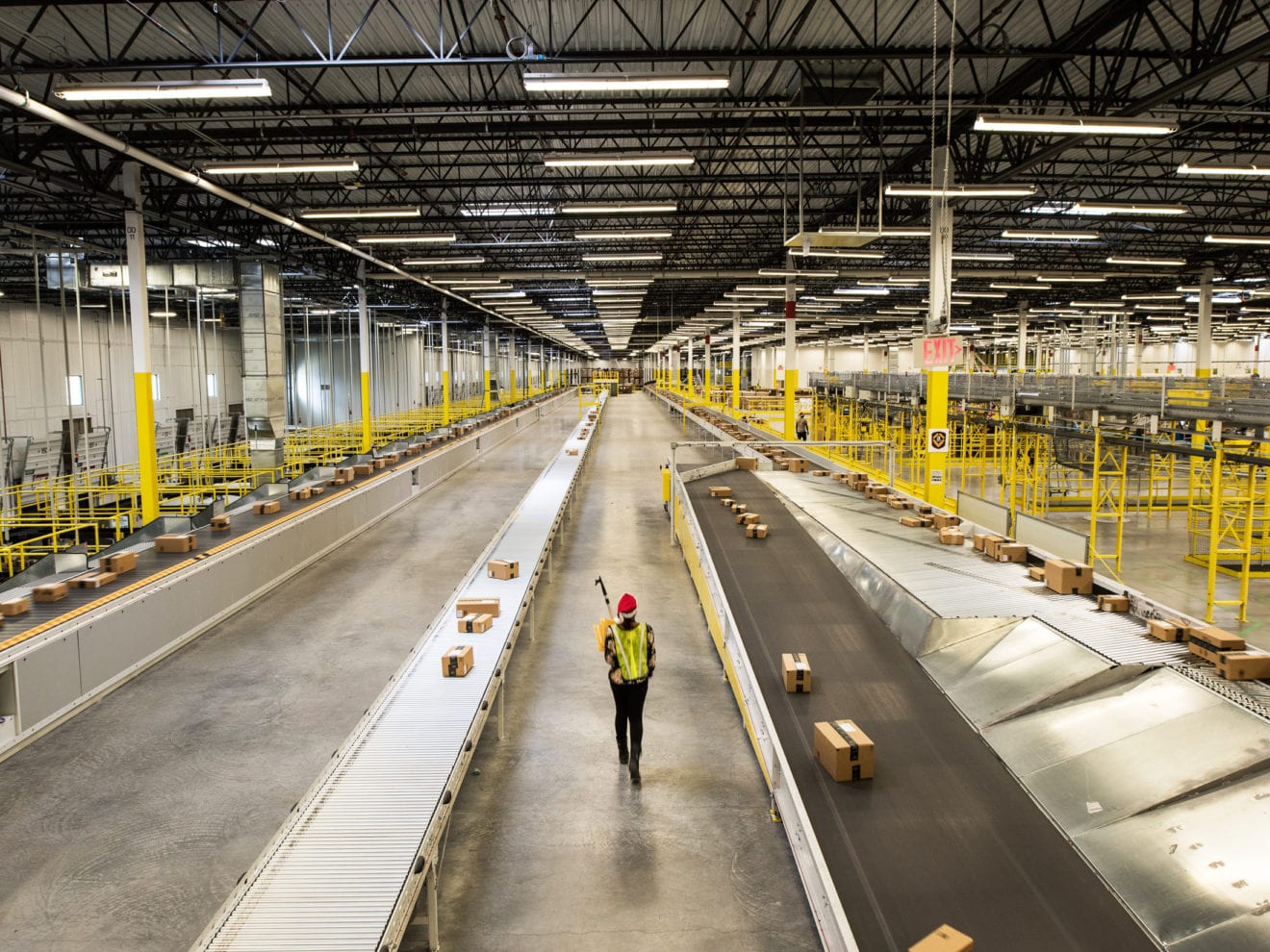
    AlixPartner’s research notes that while faster shipping translates to a higher perceived value for the customer, sustainability and social responsibility are also important to consumers. The implications of transportation and other shipping logistics on carbon emissions are substantial – some estimates say home deliveries add millions of metric tons of carbon to the atmosphere every year. There are also safety concerns for warehouse workers. Labour unions have questioned whether Amazon’s fulfillment centers can safely accommodate faster deliveries given that they manage 200–300 orders per hour over 12-hour shifts with two-day shipping.

    Then there is the tremendous burden of added expenses. Amazon has spent more than 20 years and an estimated US$150 billion globally to build out its capabilities. It is improbable many other retailers would be able to invest at the same level.

    Competitors have scrambled to follow Amazon’s lead. Most notable was Walmart, which announced that its own next-day shipping program – to be test launched in a handful of cities – would not even require an annual membership fee. Target also appears poised to become similarly competitive in its shipping offerings.

    “Instead of blindly matching Amazon, you may be better placed ascertaining what your customers actually want and expect from you around service and experience and creating strategies to deliver on those expectations,” read an editorial released by the firm.

    “Retailers must mine data insights to understand what’s being purchased in each specific store location as well as what customers expect from shipping options.”

    In-store pickup

    The survey found that more than 60 percent of US shoppers have taken advantage of an in-store pickup program, and one in two are expecting to use such options more often.

    Consumers were shown to sometimes prefer to receive access to all items in their order in one go or prize incentives such as discounts or store credits.

    About 76 percent of respondents said retailers who use more mobile technology provide a faster shopping experience. The best way to harness stores is through a real-time inventory management system, which means having a precise view of what is available in the store and when, including for returns. Target’s Drive Up service, for example, allows online consumers to order items from a local location, pull up to the store’s parking lot about an hour or two later, and then have an employee deliver merchandise directly to their car within two minutes.

    The pressures of maintaining an e-commerce edge have become harder, but trying to jump into battle on every single front can turn out to be counterproductive and, with something like ultra-fast shipping, potentially an expensive mistake. Consumers today have strong opinions and won’t shy away from conveying exactly what they need or expect.

  • MG Hector Launched In India

    MG Hector Launched In India

    MG Motor had revealed almost everything about the Hector in a series of events but we still awaited the prices. Now the company has announced the price of the Hector and it starts at  ₹ 12.18 lakh  (ex-showroom, India) going all the way up to ₹ 16.88 lakh. These prices are introductory. The Hector will be available in four variants- Style, Super, Smart and Sharp and of course it is the first connected car in its segment. The company has kick-started operations with 120 centers for the convenience of its customers. This figure will go up to 250 in September

    The connected car tech remains the magnum opus and MG Motor has left no stone unturned in its promotion, be it the ‘Internet Inside’ badge on the fender and tailgate or Benedict Cumberbatch talking about connectivity features in TV commercials or conducting a mega event for its technology demonstration. The Hector packs-in the best of connected car tech Indian customers have seen so far. The vertically-mounted 10.4-inch screen comes with pre-loaded entertainment content and allows you to manage complete vehicle settings and some more. The system offers features like – Real-Time Navigation, Remote Location, Geo-Fencing, Emergency Response, and Indian accented voice assist for a plethora of features. The software is updated via over-the-air (OTA) downloads like firmware and features updates like any updates. The SUV also comes with pre-loaded apps like – TomTom IQ Maps, Gaana Premium, and AccuWeather app among others. The system also comes with a first machine-to-machine embedded sim, along with the SUV Internet Protocol version 6 which makes it 5G-ready. The e-Sim will be provided by Airtel and MG Motor will give internet connectivity for free until the SUV is under warranty period. That said, the MG Hector oozes in the features department as well and scores really well with plenty of upmarket features. It gets a panoramic sunroof, premium sound system by Infinity, Electronic Stability Program (ESP), Hill Assist, cruise control, MID, powered seats, and wing mirrors and powered tailgate among others.

    Moving to its looks, the design and overall silhouette of the Hector are definitely something buyers in this segment will admire. Though MG is historically a British brand, the outline and impression of the Hector are more American. It has a butch looking front which is dominated by a massive black mesh grille with sleek chrome surroundings and MG has adopted the new, in-trend design where the headlamp assembly is mounted in the bumper and the daytime running lights (DRLs) are positioned at the top, close to the hood. The dimensions of the Hector are a size plus for its segment and it has the largest footprint in its segment at 2750 mm and it is 4270 mm long, 1835 mm wide and 1760 mm tall. On the inside, it gets an all-black treatment and the upholstery is finished in soft-touch leather which feels good. The design of the dash and central console looks minimalistic which is majorly due to the enormous touchscreen which eliminates many buttons. The longest wheelbase has also translated into a spacious cabin.

    There will be three powertrain options and gearbox options to choose from. The diesel variant will be powered by the Fiat-sourced 2.0-liter engine which churns out 168 bhp and 350 Nm of peak torque and is mated to a six-speed manual transmission as standard. The petrol variants will get the 1.5-liter, four-cylinder turbo petrol engine which is also mated to a six-speed manual transmission and develops 141 bhp and 250 Nm of peak torque. However, MG is also offering the same 1.5-liter engine with a 48 Volt mild hybrid system which is mated to a six-speed dual-clutch transmission (DCT). A 48-volt lithium-ion battery helps store energy and provides 20 Nm of extra torque when required. The combination also helps in reducing emissions by up to 12 percent using three key functions – Engine Auto Start-Stop, Regenerative Braking, and E-Boost. MG Motor is also planning to launch the seven-seater version of the Hector next year.

  • Instagram announces ads will be served to users Explore feed

    Instagram announces ads will be served to users Explore feed

    Instagram has just confirmed it will bring ads to your Explore feed. As one of the go-to features for Instagram users who search for places, shops and connect with people businesses and creators, Explore looks like a great monetization tool.

    According to Instagram, more than 50% accounts on its social network use Explore every month to see photos and videos related to their interests from accounts they aren’t following. Apparently, the company considers brands an important part of the Instagram experience for its users, which is why over the next few months, it will introduce ads in Explore feed.

    Instagram says it will release ads in Explore “slowly and thoughtfully,” so not everyone will see them at the same time. Here is how it works for users: after tapping on a photo or video in Explore, you may see ads as part of your browsing experience just like in the main feed.

    For advertisers, it’s quite obvious that this is an opportunity to reach larger audiences in Explore. And they will be able to do that by extending their campaigns with a simple opt-in. So, there you have it, folks, expect to start seeing ads in your Explore feed pretty soon.

  • Apple decision forces Intel to auction its smartphone modem patents

    Apple decision forces Intel to auction its smartphone modem patents

    Intel confirmed plans to exit the smartphone business a few months ago, but news about the auction of its smartphone modem assets emerged only today. The announcement follows Apple’s decision to buy 5G smartphone modems from Qualcomm rather than Intel.

    Although the US company said it will continue to produce 4G smartphone modems and honor all orders, it will no longer invest in 5G modem product line following the announcement. Instead, Intel will shift focus on its 5G network business, which is expected to grow in the coming years

    According to a new report from IAM, Intel has decided to auction all its IP relating to cellular wireless connectivity. There are no less than 8,500 patents that Intel is now looking to sell in order to recover some of the resources it invested. The report also mentions that Intel is launching this auction separate to its efforts to sell the smartphone modem division, hoping that a potential buyer for both will appear.

    Intel’s inability to meet Apple’s deadlines proved to be fatal for the business in the end, as the Cupertino-based company decided to make sure it’s got enough 5G modems in 2020. Left without the main client for its smartphone modem division, Intel is forced to cut its losses and refocus on those businesses that apparently bring much more money.

  • AuMake sees online sales growing

    AuMake sees online sales growing

    Online sales now make up 30 percent of AuMake’s total sales, and they are continuing to grow.

    The daigou business announced its unaudited FY19 earnings in an investor presentation on Thursday, reporting an estimated $40-45 million in revenue for the year. That’s more than double the revenue it generated in FY18 of $21 million.

    The company said it is experiencing strong trading conditions even in the traditional low season of June and is anticipating significant growth from its recent Broadway acquisition, which will be effective next month.

    AuMake expects own-brand sales through the Broadway channel to reach $15 million to $20 million in FY20.

    In the presentation, AuMake said most of its online sales come from the Chinese social media app, WeChat.

    In April, the company reported that its online customer database had grown more than six times over from 20,000 in Q3 FY18 to 130,000 in Q3 FY19.

    It continues to invest heavily in its online infrastructure to maintain this growth. This includes a larger online customer service team, improvements to its various online sales platforms, such as WeChat and JD.com, and a new packaging facility.