Blog

  • Ikea makes catalogues “shoppable” on Pinterest

    Ikea makes catalogues “shoppable” on Pinterest

    Global furniture retailer Ikea will start putting its product catalogue on Pinterest to give the print publication a longer lifespan and to allow customers to move more quickly from inspiration to purchase.

    According to a report in Digiday, Ikea has been working to monetise its presence on the social platform for some time, which has led to a shoppable version of its catalogue.

    “We didn’t want to just copy and paste – we already have a digital catalogue online,” Ikea media project manager Kerri Longarzo told Digiday.

    “But promotions in the past felt a little stale. We were running out of ways to show the catalogue to people online, so we sought out something different.”

    Pinterest differs from its social media contemporaries in that rather than sharing aspects of their lives, Pinterest users search for images of furniture, recipes, wedding ideas and more, and save it to their ‘boards’ for later reference. Essentially, it’s an online scrapbooking tool.

    “Catalogues have been a pretty big part of the Ikea concept from the very beginning,” Longarzo said.

    “As we get to 2019 and realise customer behaviours are shifting, the world is going more digital, having this print-only piece was becoming more challenging.”

    Ikea’s US Pinterest page boasts more than 10 million monthly unique viewers, while its Australian arm sees numbers closer to 350,000.

    On Ikea Australia’s Pinterest page, you can find boards ranging from bedroom ideas, recipes, and home inspiration – which when clicked through will take users to the relevant product page on the online store, allowing for further shopping or purchases. Adtech Ad

    The pinned images also automatically show other users’ images of the same product, allowing customers to see how the product looks in practical use.

    “People come to Pinterest in a shopping mindset open to discovering products, which creates a great connection between Pinners and businesses,” Pinterest wrote in a statement announcing its catalogue feature to businesses in March.

    “In the past year, we’ve been bringing together the worlds of visual search and shopping to make it easy to shop for anything you see on Pinterest, and for brands to reach people on Pinterest while they’re actively looking for inspiration.”

  • Versace to expand Asian store network

    Versace to expand Asian store network

    More stores, broader range, fewer brands as fashion icon tries to double sales. Versace will open its largest store yet in China this week, part of a concerted plan by the fashion label’s new owners to expand its footprint globally.

    Capri Holdings, which also owns Michael Kors and Jimmy Choo, bought Versace from Donatella Versace late last year for US$2.2 billion. It is now implementing a plan to double the label’s worldwide sales with at least 112 new stores scheduled by 2022 along with a refurbishment program for the existing network. The new Beijing store – details of which are scant at present – is a key step in that plan.

    Worldwide, Versace has 188 stores currently and wants to reach 300 within three years. Asia will be a big benefactor from the plan, already accounting for more than half the network. China alone has 40.

    Along with new openings and revamps of existing stores, Versace will boost its product offer, adding more handbags, footwear and leather goods to its high-end clothing range. Accessories currently account for just 35 per cent of Versace’s sales and the company wants to lift that to 60 per cent.

    “It’s very clear: The productivity in our stores is not what it should be,” CEO Jonathan Akeroyd told an investors briefing this week. He plans to double the sales per square foot across the network.

    “We need to rapidly increase productivity and this will really be the real driver to take us to our US$2 billion revenue target.”

    Versace’s marketing strategy will be revised, with less focus on fashion shows in favour of a stronger social media presence.

    The company has quietly dropped its diffusion brands Versace Collection and Versace Versus and new stores will all bear the core Versace brand name alone.

  • Official Designs Reveal Aprilia RS 660

    Official Designs Reveal Aprilia RS 660

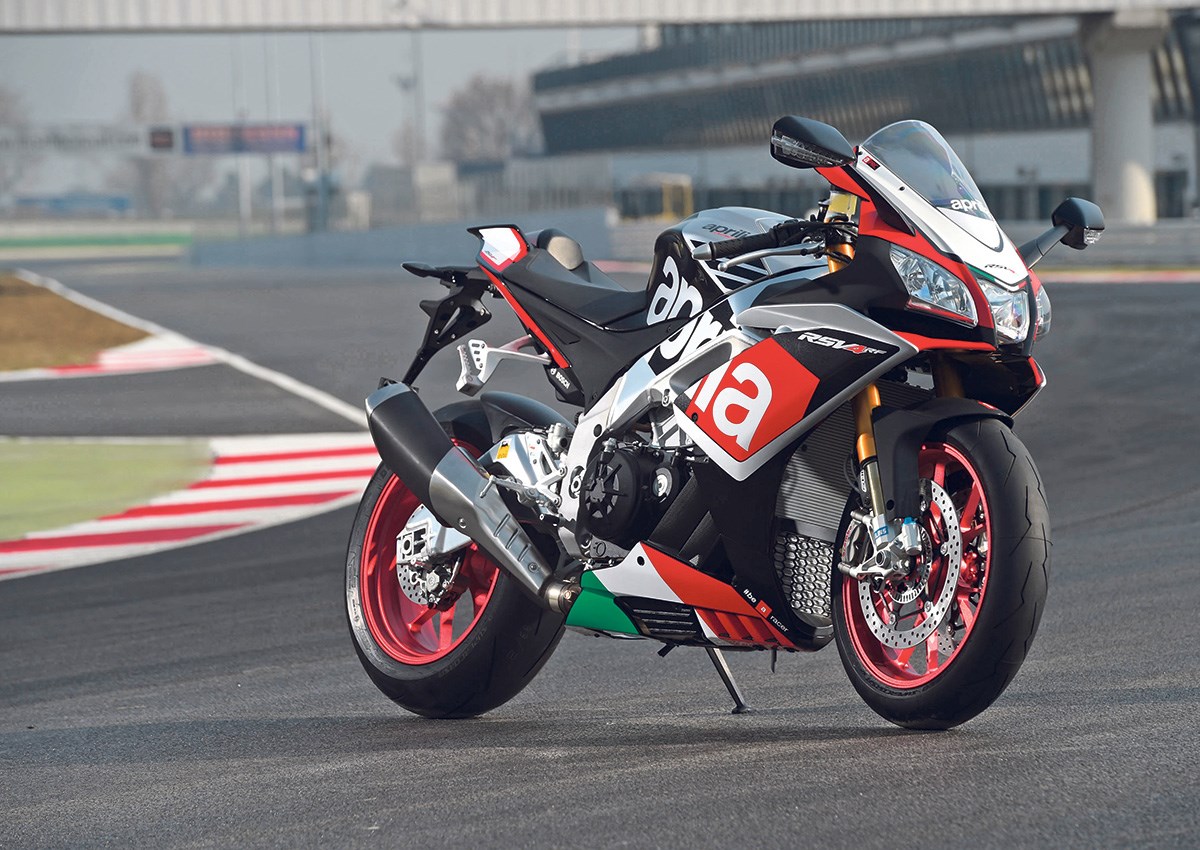
    The Supersport class may not be getting much interest from consumers, across all brands, but now Aprilia seems intent to introduce a new 660 cc motorcycle, the Aprilia RS 660, which was showcased as a concept at the EICMA 2018 show in Milan, Italy, last year. Aprilia has revealed production drawings of the RS 660. From the concept showcased at the EICMA show, the design is nearly identical, but a closer look reveals that the production drawings show reveals that almost every body panel has been completely redesigned.

    The powerplant and other elements though remain the same as the concept, including the 660 cc, parallel-twin engine. The bike’s fairing has undergone some changes in design on the production drawings, with reshaped side panels as well as some changes in the cycle parts. The production design reveals the bike will sport Sachs suspension and Brembo Monoblocs, while the concept featured Ohlins suspension and Brembo Systema calipers. A top-spec production variant could also feature the Ohlins and Systema hardware which could be introduced at a later stage once Aprilia introduced the production model of the RS 660. The wheel design is also different on the production drawings.

    The triple clamp on the steering is a straight lift from the Aprilia RSV4, while the clip-on handlebars have a less aggressive riding position – placed higher and are significantly straighter than the ones shown on the concept. The swingarm seems to be completely new, but the single seat design has remained the same on the production model. We expect the production-spec Aprilia RS 660 to be showcased at this year’s EICMA 2019 show in November.

  • BMW Motorrad Files Patent For Electric Front Wheel Drive

    BMW Motorrad Files Patent For Electric Front Wheel Drive

    BMW Motorrad has filed patents for an electrically-driven front wheel that is likely to be featured in future generation adventure bikes. The patent drawings are ostensibly of an electric front wheel drive system, which will be able to supply drive force in combination with the conventional rear-wheel drive on motorcycles. The drawings show what is an all-in-one unit mounted around a front wheel hub, which will offer drive to the front wheel when needed in particularly steep inclines or slippery surfaces. The system isn’t a full-time two-wheel drive, but can be engaged only when the rider wishes to use it.

    The accompanying patent description does not say much about how it works, or what goes behind the front wheel drive concept, but BMW Motorrad states that it can be applied to motorcycles, as well as other vehicles, including three-wheelers and four-wheel vehicles. A patent application doesn’t always mean that such technologies will be introduced, or neither are these a sure-shot guarantee that BMW Motorrad will in fact introduce an electric two-wheel drive system.

    In fact, more than two years ago, there were reports of BMW Motorrad’s all-wheel drive system as well, on what was to be the world’s first series-production all-wheel drive travel enduro motorcycle with hybrid drive. Called the xDrive Hybrid, that system is similar to the one filed in the new patent application, but two years hence, it is yet to see something of a production form.

    If BMW Motorrad is indeed working on such an all-wheel drive system for motorcycles, with an electric front-wheel drive system, two years is a long time to be working on it, and about time we saw something, at least in concept form. Our guess is, something may be shown at the EICMA show in Milan, in November this year. But then again, who knows? Either ways, it will be interesting to see what the next generation motorcycle technology will be showcased at the world’s most popular motorcycle show in November 2019.

  • Snapchat launches its first ever battle royale

    Snapchat launches its first ever battle royale

    Snapchat mobile games are a recent thing that Snap introduced a few weeks ago, but if you’re not familiar with the new feature, here is a quick rundown. Starting last month, Snapchat users can play together with their friends three mobile games directly within the app without having to install anything.

    These three games – Snake Squad, Zombie Rescue Squad, and Bitmoji Party, are available on both Android and iOS platforms. Today, a fourth title for the Snap Games feature has been released – Tiny Royale.

    Developed by Zynga, Tiny Royale is a battle royale game, exclusively available on Snap’s real-time multiplayer gaming platform. A top-down multiplayer shooter at its core, Tiny Royale promises to reinvent the battle royale experience for the Snapchat platform.

  • Google Maps is getting new features

    Google Maps is getting new features

    Over the past couple of years, software and technology have become considerably more aware of the user. This extends from using biometrics to unlock your phone, to having your vitals regularly checked by a smartwatch on your wrist, to getting pestered by a digital well-being assistant. Health monitoring as a whole has proven to be potentially life-saving many times on an individual scale. But what about large groups of people, possibly the populations of entire cities, who may be at risk?

    Google Maps already provides relevant information during times of crisis with SOS alerts. These include real-time updates on the situation, a map of the affected area, emergency contact information, and translations for common phrases in the local language. With the latest update to Maps, SOS alerts are expanding with more detailed visuals and a new crisis navigation system will try its best to get you—and potentially hundreds, if not thousands of others—out of harm’s way.

    For example, in the case of a hurricane, you’ll automatically get a crisis notification card on Google Maps in the days leading to the expected disaster. The map will also display the predicted trajectory of the storm, alongside times when the hurricane is expected to hit certain areas in your vicinity. If you happen to be driving through an affected region on the day of the storm, you’ll get a suggestion for a safer route alternative. Such suggestions will be offered for all types of disasters while driving, starting later this summer.

    In the case of an earthquake, the crisis notification card will display a shakemap, which is a visualization of the earthquake’s epicenter, magnitude, and how surrounding areas were affected. Flood forecasts will notify you of possible floods, as well as where they are likely to occur, and where the waters are expected to flow. Google says this is especially important in regions like India, where over 20 percent of global flood-related fatalities occur.

    The revamped SOS alerts system will start rolling out to Android, iOS, and the web version of Google Maps in the coming weeks. Flood visualizations will first launch in Patna, India, and will spread to neighboring regions, and eventually globally, though curiously they won’t be coming to iOS, at least initially.

  • Toys ‘R’ Us returning to Australia with online focus and small-format stores

    Toys ‘R’ Us returning to Australia with online focus and small-format stores

    Toys ‘R’ Us and Babies ‘R’ Us are returning to the Australian market through an exclusive licensing agreement with Hobby Warehouse.

    The agreement allows Hobby Warehouse to sell through the Toys ‘R’ Us and Babies ‘R’ Us websites in Australia and New Zealand, including private label products owned by parent company Tru Kids Brands – such as Fastlane, Imaginarium, Koala Baby, and Koala Kids. This is the first time Toys ‘R’ Us and Babies ‘R’ Us have had a presence in the New Zealand market.

    Launching on June 12, the offering will initially be online-only, but Hobby Warehouse plans to launch smaller-format ‘experience centres’ for Toys ‘R’ Us and Babies ‘R’ Us beginning in 2020.

    “We are delighted to bring the much-loved brands of Toys ‘R’ Us and Babies ‘R’ Us back to Australia and introduce them to New Zealand,” Hobby Warehouse chief executive and Toys ‘R’ Us Australia director Louis Mittoni said.

    “Our mission is to encourage children to engage with as many forms of play as we possibly can. Hobby Warehouse is a digital native with a keen understanding of how to accelerate and match the requirements of the modern shopper.”

    Tru Kids executive vice president of global licensing and general counsel James Young said that Mittoni and his team have a strong digital vision, and understand the heritage of the Tru Kids brands, as well as how to evolve this heritage for the modern consumer.

    “This is an exciting milestone for our company as we continue to grow Toys ‘R’ Us and Babies ‘R’ Us around the world,” Young said.

    The Toys ‘R’ Us Australia management team. Left to right: Toys ‘R’ Us marking manager Tristan McLindon, Toys ‘R’ Us Australia director Louis Mittoni, Mittoni Pty Ltd general manager Lian Yu and Toys ‘R’ Us Australia chairman Kevin Moore

    Tru Kids Brands president and chief executive Richard Barry confirmed in February that the company had begun discussions with partners in Australia, and that the brand would focus on serving customers through all retail channels.

    Prior to its demise, Toys ‘R’ Us was the largest toy retailer in the country with a market share of over 20 per cent, according to IBISWorld senior industry analyst Kim Do.

    The retailer will be returning to a very different market, however, with its collapse changing the way consumers shop for toys.Adtech Ad

    “The company’s decline… accelerated the rate at which department stores and online-only retailers have captured market share, as consumers have shifted their spending away from industry retailers,” Do said.

    The shift away from physical retail, and towards a more online-centric offer, should make the retailers re-entry smoother.

    “Previously, the Toys ‘R’ Us and Babies ‘R’ Us business model in Australia was focused primarily on large physical retail stores which had high fixed costs and extended periods of relatively low sales due to seasonal factors,” said commercial advisor Kevin Moore, who helped negotiate the agreement.

    “Going forward, the business model for Australia and New Zealand will be online focused, with smaller and fewer physical ‘experience centres’ that allow children and their families and friends to see and touch our products.”

    According to IBISWorld data, the toy and game retailing industry is expected to see a revenue drop of almost 16 per cent over 2019, with the market expecting to generate around $740 million – down from the $880.2 million seen in the prior year.

  • Pokemon GO’s best yearly event makes a return this month

    Pokemon GO’s best yearly event makes a return this month

    Last year, Pokemon GO kicked off a special event that soon became one of the most popular Niantic, the company behind the smash hit, has ever launched. The event called Adventure Week offered Trainers sweet rewards and the possibility to catch rare Pokemon for a very limited time.

    One year later, the event is back in full force, so if you’re still playing Pokemon GO, you’re in for a treat for the next week or so. The 2019 Adventure Week is all about rock-type Pokemon, but Niantic throws in a lot of bonuses as well.

    During the Adventure Week, you’ll be getting the following bonuses: 4x Buddy Candy, 10x XP on the first spin of each Photo Disc, 50,000 Stardust and 15 Rare Candies to all Trainers who have Adventure Sync activated and walk 50 km.

    Furthermore, specially themed Field Research tasks will be available for a limited time during this event. But these are just the bonuses that you can obtain, so here is what other rewards you’ll be able to get:

    • Rock-type Pokémon like Geodude, Rhyhorn, Omanyte, Aron, Lileep, Anorith, and many others will appear more frequently in the wild.
    • Hatch Rock-type Pokémon such as Onix, Larvitar, Lileep, Anorith, and Shieldon from 2 km Eggs.
    • Challenge Onix, the Rock Snake Pokémon, and other Rock-type Pokémon in raids.
    • You may encounter a Shiny Onix, Lileep, or Anorith if you’re lucky!

    Pokemon GO devs announced that this year’s Adventure Week will run from today, June 4 at 1 pm through June 11 at 1 pm PDT.

  • Samsung cuts production in China as local struggles continue

    Samsung cuts production in China as local struggles continue

    Samsung has been struggling in the Chinese smartphone market for quite some time. In fact, around six months ago the company shut down one of its factories in the region. Now, suggesting things have improved little, Samsung has confirmed that its scaling back production at its only remaining Chinese manufacturing plant.

    At its peak back in 2013, Samsung accounted for an impressive 20% of all smartphone shipments in China. But as local rivals with thinner profit margins became more competitive, the company’s sales quickly began to decline. Over the course of the past year, Samsung has struggled to retain a 1% market share and, while the Galaxy S10 has certainly boosted performance, it seems sales still aren’t at the required level.

    The company’s plants in China previously served both local and international markets, but over the past few years Samsung has shifted a big portion of its production over to countries such as India, leaving Chinese factories to cover local demand only. As such, any cuts suggest the company’s revival strategy isn’t going as smoothly as hoped.

    The South Korean-based brand hasn’t yet revealed the exact extent of these latest production cuts, so the adjustments could potentially be minimal. But it’s reported that Samsung is offering voluntary layoffs with compensation to interested employees until the 14th of June.
  • Visa Expands Contactless Payments to Public Transport

    Visa Expands Contactless Payments to Public Transport

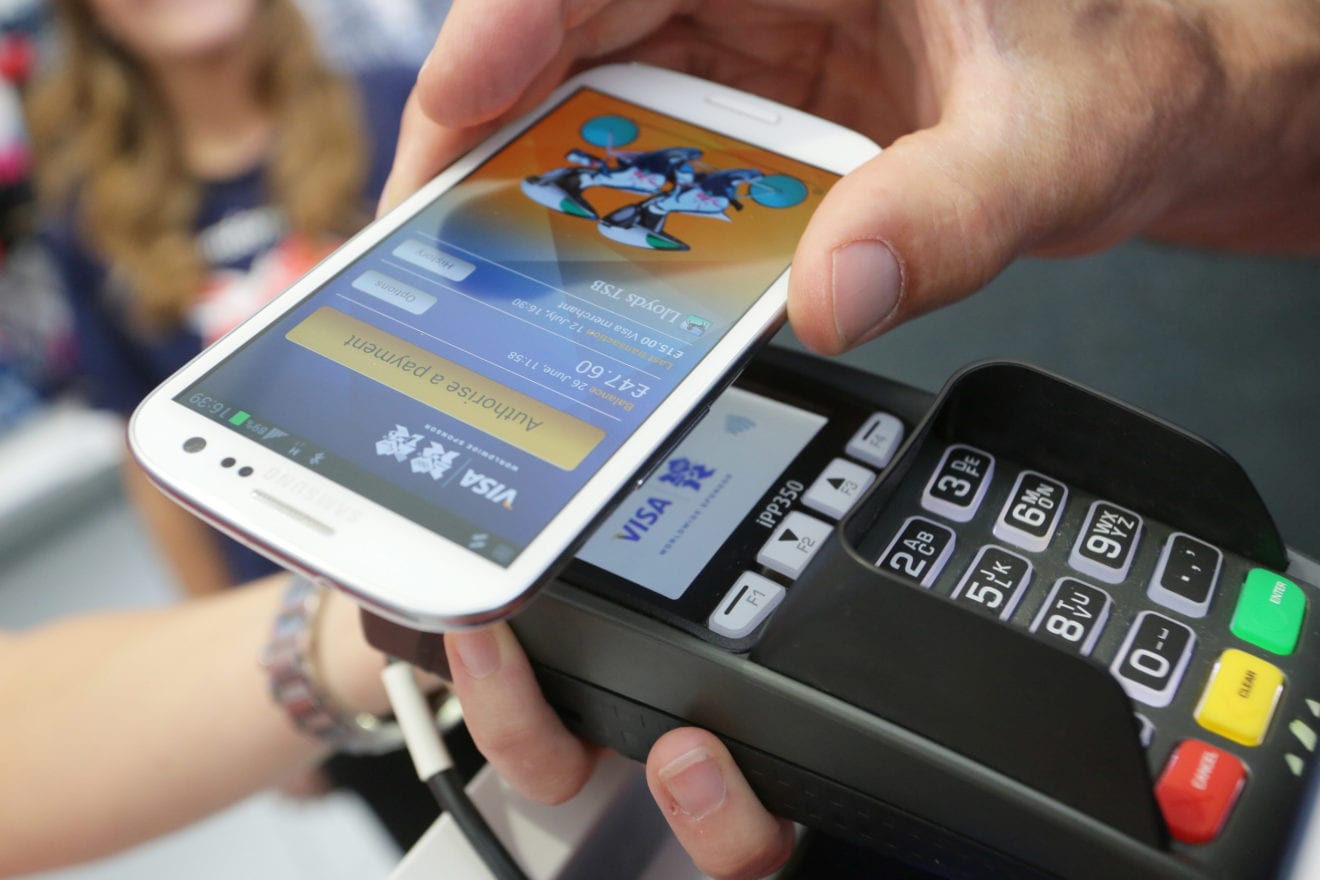
    Singapore joins other major cities that have enabled open-loop Visa payment cards for public transport, including London, Sydney and New York. Commuters in Singapore can now use their Visa contactless cards or compatible devices to pay for bus or train rides under the Land Transport Authority’s (LTA) SimplyGo initiative, Visa said in an announcement on Thursday.

    According to Visa, the project with LTA is one of its largest implementation for contactless acceptance for transit globally, with 30,000 acceptance points.

    SimplyGo was rolled out for MasterCard users in April, aiming to make traveling by public transport seamless and convenient by eliminating the need to carry a travel card or wait in line to purchase or top up a travel card. Fees under SimplyGo are the same as paying with a travel card.

    Visa said has been working with partners and merchants to expand the acceptance of contactless payments nationwide, including transport, quick service restaurants and hawker centers.

    Today, Singapore is already one of the top markets globally in terms of contactless penetration with more than 80 percent of all Visa transactions being contactless. We expect this number to grow even faster with the opening of transit acceptance, Kunal Chatterjee, Visa country manager for Singapore and Brunei, said.

  • Sahara Group To Sell Electric Vehicles Under New Brand Sahara Evols

    Sahara Group To Sell Electric Vehicles Under New Brand Sahara Evols

    Sahara Group has recently announced its plan to foray into the electric vehicle business under a new brand name ‘Sahara Evols’. This is the first time the the company is entering the automobile sector, and under the new Sahara Evols brand, the company will offer a range of electric vehicles (EVs) along with advanced allied services. Sahara Evols electric vehicle portfolio will include everything from electric scooters and motorcycles to electric three-wheelers and cargo vehicles. It is introducing a network of battery charging-cum-swapping stations.

    Sahara India Pariwar Chairman Subrata Roy said, “We are proud to introduce for the first time, a complete ecosystem of electric vehicles in India. Sustainable and environment-friendly modes of transportation are the need of the time. The Sahara Evols range of electric vehicles is going to be our contribution…towards alternative, sustainable and eco-friendly modes of transportation.”

    The company has already gone live with its official website, which currently lists two electric scooters – Classic and JMT 1000, and an electric three-wheeler named Veera. The website also confirms the imminent arrival of two new electric motorcycles – Whiz ES, and Whiz SE, however, currently no other details are available about them. As for the Scooters, both Sahara Evols Classic and JMT 1000, offer a maximum range of 75 km on a full charge, and a top-speed of 55 kmph. The e-rickshaw Veera on the other hand offers a range of 145 km and it comes with a Driver+4 passenger setup.

    The vehicles are powered by dry lithium-ion batteries. The cost of driving Sahara Evols Electric Vehicles in an average can go as low as 20 paise per kilometer against the cost of ₹ 2 per kilometer on petrol vehicles, thus entailing direct and substantial economic benefits to the users.

    Starting with Lucknow, Sahara Evols will establish its ecosystem in the country’s tier-II and III cities by the end of this financial year, in a phased manner. Subsequently, in the next financial year, it will roll out its products and services pan-India.

  • Clarks opens first dual concept store

    Clarks opens first dual concept store

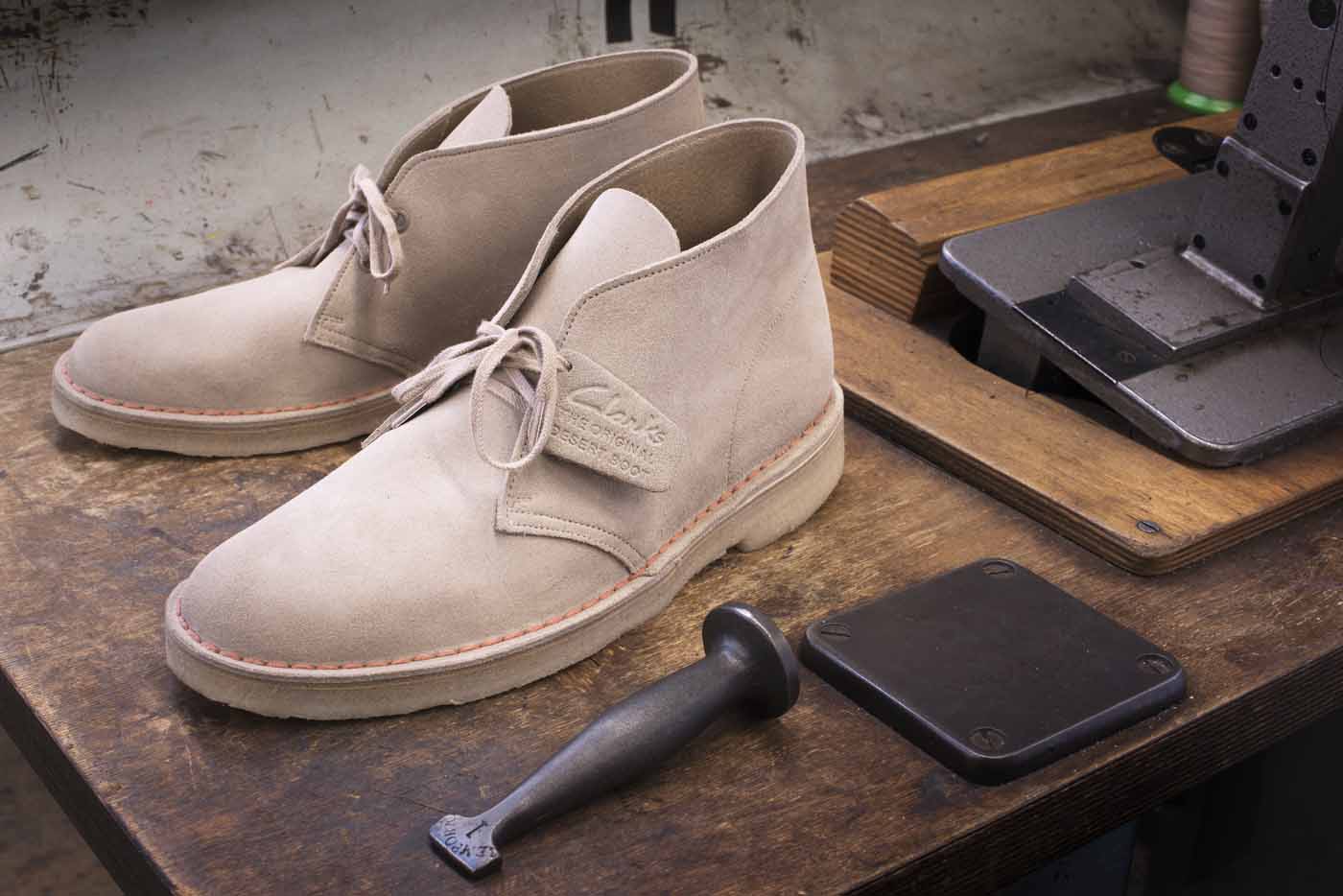
    Footwear retailer Clarks has opened its first dual concept store at Suntec City Singapore.

    The store showcases Clarks casual footwear products on one side and Cloudsteppers line, which targets Millennial and GenZ consumers, on the other.

    The store marks what Clarks’ management describe as a “milestone of the retail transformation initiated in Southeast Asia”.

  • Eco-friendly pop-up store Mosscape opens at Scotts Square

    Eco-friendly pop-up store Mosscape opens at Scotts Square

    Verteran horticulture company Nyee Phoe Group has opened its first pop-up store, Mosscape Concept.

    Located on the first level of Scotts Square, the 2800sqft space combines horticulture and entertainment – aptly named “HortiTainment” – blending a retail space, food-and-beverage counter and an educational zone.

    Products for sale include preserved nature installations which come in several forms such as moss, foliage, flowers and trees, sold for decorations. They have been preserved so they do not need water or sunlight, making them suitable for nature lovers who are away from home often.

    Visitors can also sign up for moss art workshops where they will be able to make their own moss terrarium.

    For dining, the store offers locally grown farm-to-fork salads and desserts.

  • Unmanned pop-up store Unboxed by Singtel

    Unmanned pop-up store Unboxed by Singtel

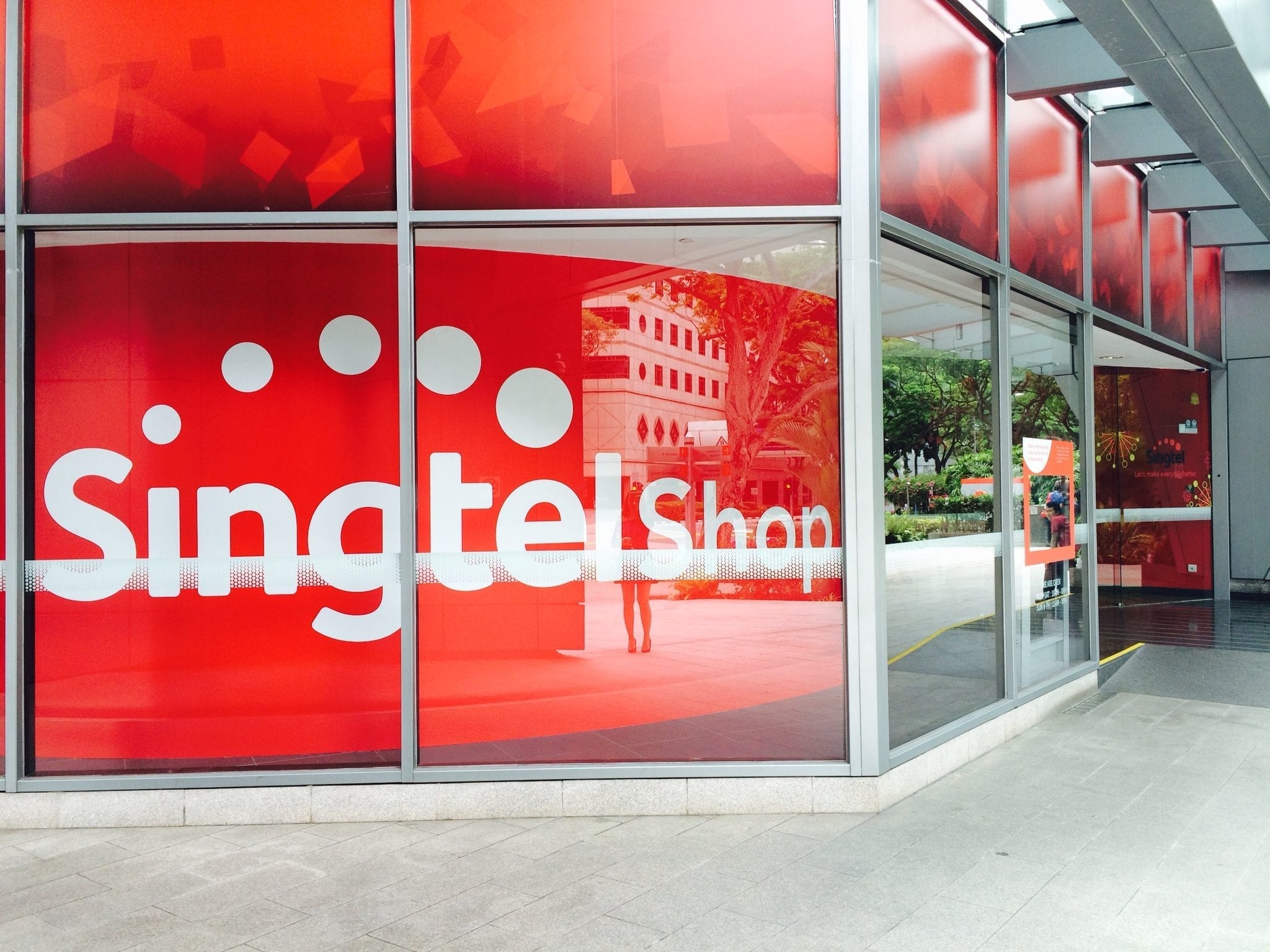
    In the 45sqm store, customers can consult with a live bot, which is powered by facial recognition technology, to receive personalised recommendations, try out phones, sign up for mobile plans at video-assisted self-serve kiosks and buy and collect phones and devices via an in-store POPStation.

    Customers can browse and buy accessories including headphones, phone cases, power banks and contract-free handsets.

    They can also make bill payments, top up prepaid cards and Dash wallets, and get SIM card replacements.

    “The future of retail is here and now. Our digital transformation integrates online and offline customer touchpoints to deliver fresh and fuss-free buying experiences to consumers,” said Yuen Kuan Moon, CEO of consumer at Singtel.

    “Unboxed fulfils the needs of today’s consumer and provides a peek into the next-generation of retail – fast, instant, convenient and experiential.

    Co-created by Singtel, NCS and SingPost, Unboxedbuilds on the success of the digital transformation of Singtel’s flagship Comcentre store, which offers integrated online and in-store shopping carts, and instant purchases via an automated checkout.

    The store will move to a new location every few months to serve customers at high-traffic areas such as transport hubs and school campuses.

  • AirAsia transitioning to asset-light business model

    AirAsia transitioning to asset-light business model

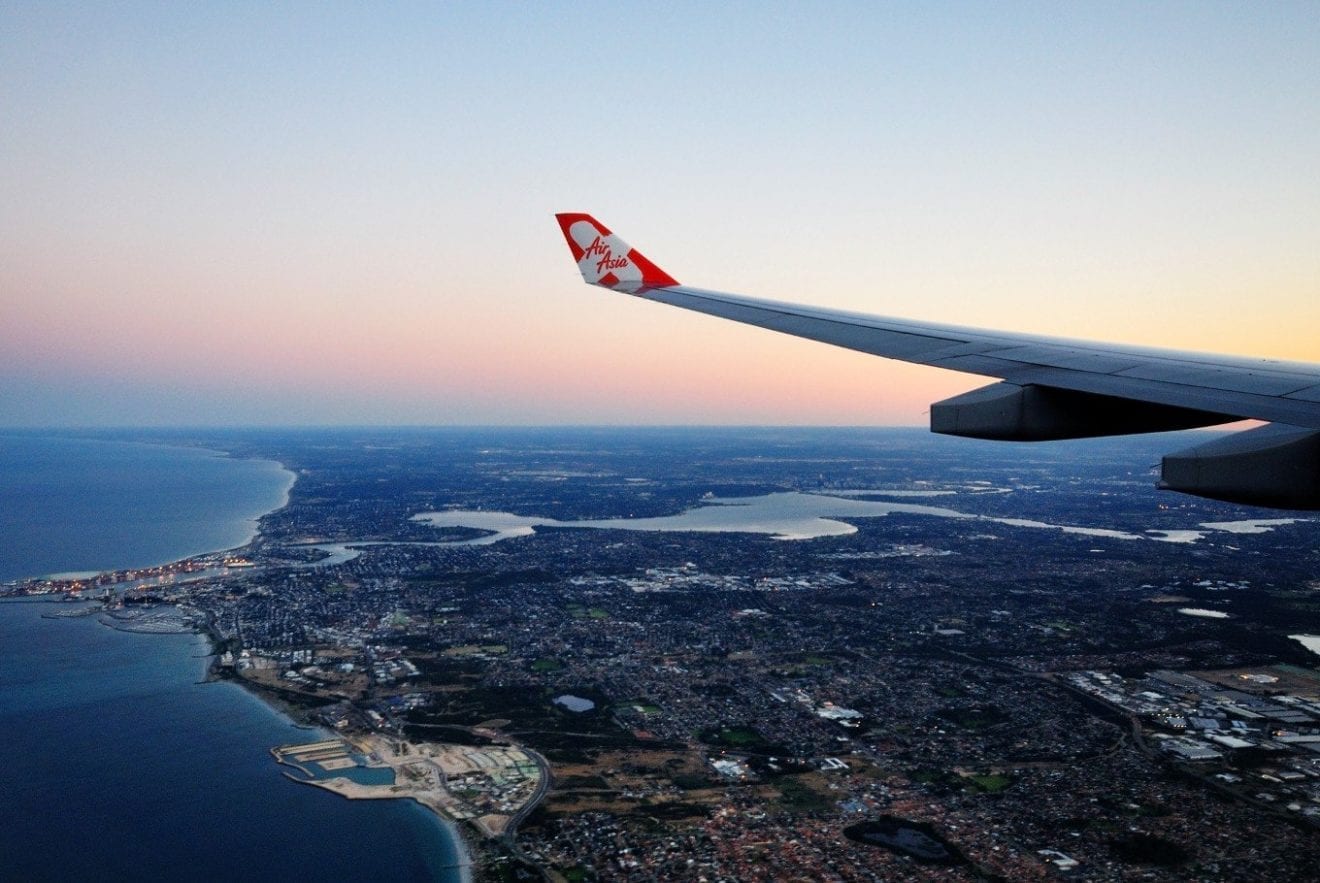
    AirAsia is moving from the traditional model of owning aircraft to become an asset-light airline. The company plans to fully shift to the new model by completely withdrawing from aircraft ownership, a move that would bring the obvious benefit of lowering its financial liabilities.

    During AirAsia’s conference call with analysts last Wednesday, its management said it is targeting to sell another 19 aircraft this year.

    AirAsia is also focusing on its “digitalization” agenda, management added.

    The analyst said AirAsia would be looking to secure a deal similar to what it achieved last year when it went into sale and leaseback agreements that helped it raise a lot of funds.

    AirAsia’s management expects to raise around RM1.5bil from the sale and leaseback of its remaining 19 aircraft.

    Last year, the airline group sold 79 aircraft and 14 aircraft engines to US private investment firm Castlelake LP in a deal worth RM4.38bil.

    Following the success of the sale, AirAsia had last week announced a bumper dividend of 90 sen a share, which is worth more than RM3bil in total payout.

    For shareholders of AirAsia, this strategy has worked out well. AirAsia began its aggressive sale and leaseback programme and dishing out dividends around 2017.

    Here’s an interesting fact: AirAsia shareholders who bought the company shares on Jan 2, 2017 would have paid RM1.78 per unit. Since then, that’s exactly how much the airline has paid back in dividends, giving back those investors their entire cost of buying those shares.

    “AirAsia is a different company now. It is transitioning into an asset-light model, focusing its services through its platform and on-the-plane experience as well as its mobile wallet,” an analyst said.

    Going forward, though, not all analysts have a positive view on the airline’s earnings growth prospects.

    Going by Bloomberg data, analysts have a varied target price on AirAsia’s shares, ranging from RM1.56 to RM5.20.

    For the first quarter ended March 31, AirAsia posted a 92% drop in net profit to RM96.09mil compared with RM1.14bil recorded last year, when it recorded extraordinary gains. Its shares closed at RM2.88 last Friday.

    CIMB Research analyst Raymond Yap expects AirAsia’s future earnings to be under pressure, stemming from rising operating costs and higher depreciation as well as interest expenses due to the Malaysian Financial Reporting Standards 16.

    He added that other risks included higher fuel prices and a weaker ringgit against the US dollar.

    “The poor results will likely shock the market and cause analysts to slash their earnings forecasts, although the share price may be supported in the next two months by the 90 sen special dividend per share,” he said in a report.

    Yap has recommended investors to sell their positions in AirAsia prior to the dividend ex-date on June 30.

    “We recommend investors to take advantage of any share price upside post-announcement of the 90 sen special dividend to sell into strength, and to sell their AirAsia holdings prior to the dividend ex-date on June 30, 2019, to avoid the rush out of the door,” he said.

    Although AirAsia’s management has highlighted that it is targeting to continue with special dividend payments to shareholders for every two years, Yap believed the group is unlikely to declare additional special dividends in the near future beyond the 90 sen per share it had announced.

    “Continued losses at AirAsia India and Indonesia AirAsia may require the group to provide further equity injection or continuous working capital support,” he said.

    A different view is held by Nomura Research analyst Ahmad Maghfur Usman, who has the highest target price of RM5.20 for AirAsia shares. He expects AirAsia’s core earnings in financial year 2019 (FY19) to double to RM1.37bil compared with RM656mil last year.

    “We remain optimistic on the earnings outlook on the back of lower fuel costs, coupled with the turnaround from its Asean affiliates, while we expect losses from India to narrow on improved scalability as passenger volumes increase,” he said in a research note.

    For this year, AirAsia is targeting to add 18 aircraft including additional 11 for AirAsia India.

    In terms of its digital business, AirAsia is targeting to roll out remittance and lending products and expand its BigPay offerings to other Asean countries this year.