Blog

  • DHL Starting drone deliveries in China

    DHL Starting drone deliveries in China

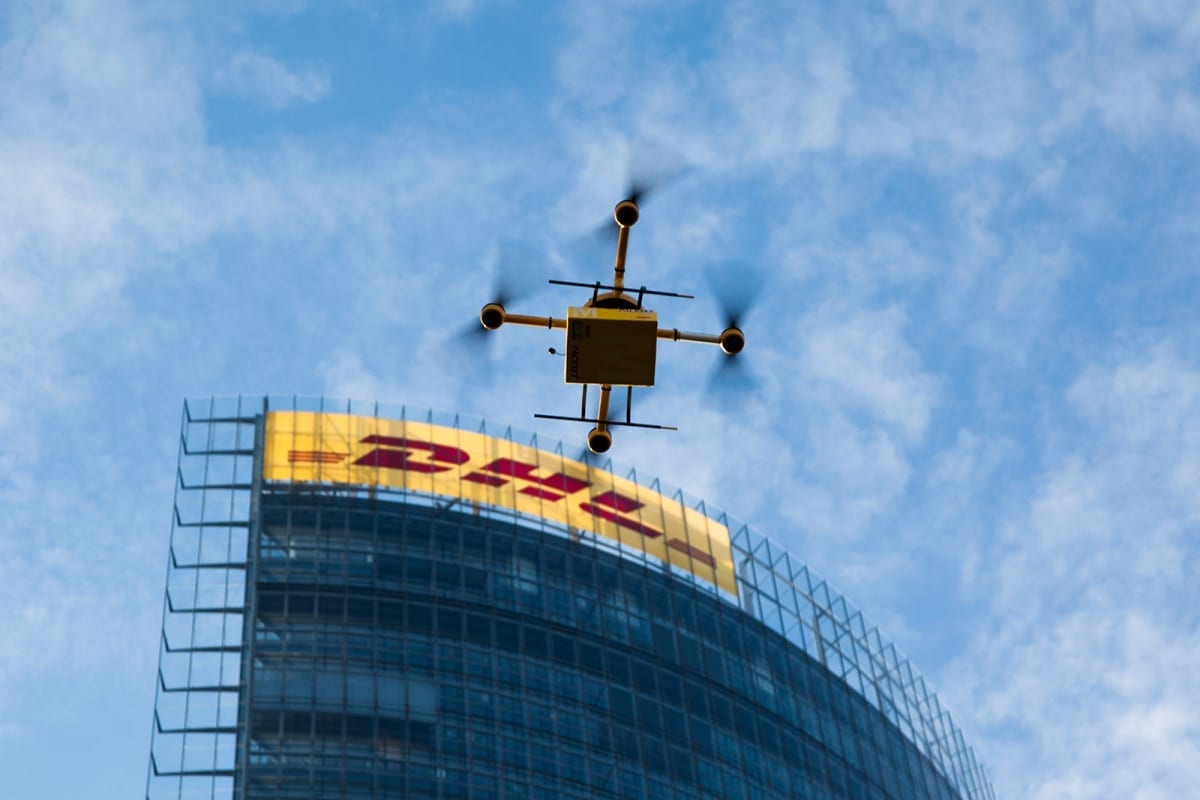
    DHL China is to start delivering goods by drones, cutting the delivery time on a route in Guangzhou from 40 minutes to just eight.

    The international express delivery-service provider has entered into a strategic partnership with autonomous aerial-vehicle firm Ehang to jointly launch a fully automated smart drone-delivery solution to tackle last-mile delivery challenges in Chinese urban areas.

    Using the most advanced Unmanned Aerial Vehicle (UAV) in Ehang’s newly-launched Falcon series, the new intelligent drone delivery solution overcomes the complex road conditions and traffic congestion common to urban areas. It reduces one-way delivery time from 40 minutes to eight minutes and can save costs of up to 80 per cent per delivery, with reduced energy consumption and carbon footprint compared with road transportation.

    “We are delighted to be partnering with Ehang to set a new innovation milestone with this new fully-automated and intelligent drone logistics solution,” said DHL Express China CEO Wu Dongming, “which combines the strength of the world’s largest international express company together with one of the leading UAV companies in the world. This is an exciting time for the logistics sector, with continued growth of the Chinese economy and cross-border trade, particularly in South China and the Greater Bay Area, which is home to an increasing number of SMEs and startups. This means there is a tremendous volume of logistics needs, which in turn creates new opportunities for implementing innovative solutions that can continuously drive growth with greater efficiency, sustainability and lower cost.”

    The new customised route, which has been exclusively created for a DHL customer, covers a distance of approximately 8km between the customer premises and the DHL service center in Liaobu, Dongguan, Guangdong Province.

    “Together with DHL we are very glad to bring the first smart drone delivery service route to China in Guangzhou; this marks a new beginning in building air logistics for smart cities,” said founder & CEO of Ehang Hu Huazhi. “Riding on today’s launch, we expect smart drone delivery as an innovative logistics solution to be expanded and realised in more areas, and we look forward to working with DHL in building the eco-system for a multi-dimensional urban air transport system.”

    The EHang Falcon smart drone, with eight propellers on four arms, is designed with multiple redundant systems for full backup, and smart and secure flight control modules. Its high performance features include vertical take-off and landing, high accuracy GPS and visual identification, smart flight path planning, fully-automated flight and real-time network connection and scheduling. As a fully-automated and intelligent solution, the drones, which can carry up to 5 kg of cargo per flight, take off and land atop intelligent cabinets that were specifically developed for the fully autonomous loading and offloading of the shipment. The intelligent cabinets seamlessly connect with automated processes including sorting, scanning and storage of express mail, and will feature high-tech functions such as facial recognition and ID scanning.

    This smart drone delivery solution will enhance DHL’s delivery capabilities and create a new customer experience in the logistics sector that opens up even more opportunities for sustainable growth and greater economic contribution. Given the growing prominence of B2C business operations and delivery in China, employing drones in express delivery services offers an innovative solution for meeting the increasing demands for time-sensitive delivery, particularly for last mile delivery in urban areas.

    Building on the launch of its first fully automated, intelligent drone delivery solution in China, DHL will continue to identify new routes that can be developed for clients in need of tailored customer services and logistics solutions and will work closely with EHang to create a second generation of drones in the near future that will further improve capacity and range in drone-operated express delivery.


  • Myer keeps Westfield Belconnen store Open

    Myer keeps Westfield Belconnen store Open

    Myer has announced it will keep its Westfield Belconnen, ACT store open, after stating in 2017 that it would close this year, due to a new lease agreement with Scentre Group.

    The agreement will see the stores’ scope narrowed, dropping from 3 floors to 2, over 12,000sqm of retail space and will be refurbished with the aim of creating a stronger retail experience and attracting a number of new and exclusive brands.

    “This is great news for our loyal customers, team members and, importantly, for the local team members,” Myer chief executive John King said in a statement.

    “This is an example of Myer’s customer-first plan in action, where we are looking to work collaboratively and constructively with landlords to reduce space, improve our stores and, most importantly, to enhance our range and brands for our customers.”

    The customer-first strategy, as put forward by King last year as a way to turn around the department store’s fortunes, involves three key priorities: transforming the in-store experience for customers, expanding the ‘Only at Myer’ range of brands, and improving the business’ online offering.

    The strategy proved to be profitable for the business during the first half of FY19, with Myer unveiling a 3.1 percent growth in net profit despite sales falling 2.8 percent, which King attributed to a move away from discounting and an increased focus on improving store profitability.

    The department store notes that the refurbishment of its Westfield Belconnen store is the first announcement through this new strategy regarding store direction, with more to come, and demonstrates the strong partnership it shares with Scentre Group.

    “Myer offers an important range of products and services that our customers want and expect and refurbishment of the Belconnen store will be welcomed by all,” Scentre Group chief executive Peter Allen said.

    “Myer’s reduced floorspace will allow us to introduce other retail partners to Westfield Belconnen which will further enhance the overall customer experience at the center.”

  • Bobbi Brown Sells on Lazada

    Bobbi Brown Sells on Lazada

    Bobbi Brown cosmetics is launching on Lazada Malaysia, Thailand and Singapore this week.

    The flagship stores on Lazada Singapore will see the largest online inventory of products – more than double the selection of the largest existing online distributor.

    Bobbi Brown said its partnership with Lazada will further its mission of bringing “high-touch educational experiences”. The flagship stores will provide consumers tips on selecting the right product for their needs and skin. Customers will also be able to seek advice from the brand’s beauty consultants through Lazada’s instant-messaging feature.

    A live-streaming event tomorrow on the Lazada app will involve makeup tutorials by local beauty influencers. Besides midnight flash sales, there will also be “live” exclusive deals and promotions shoppers can purchase in-app during the livestream.

    The partnership with Lazada will not just extend the reach of its range of products in Southeast Asia, but also to bring more innovative and immersive ways to share educational tips with a larger audience within the shopping experience, according to Bobbi Brown brand manager Yanny Li.

    Bobbi Brown is the fifth brand under Estee Lauder Companies to launch its e-commerce flagship store on Lazada.

  • Boots Chain Closing Down 200 Stores

    Boots Chain Closing Down 200 Stores

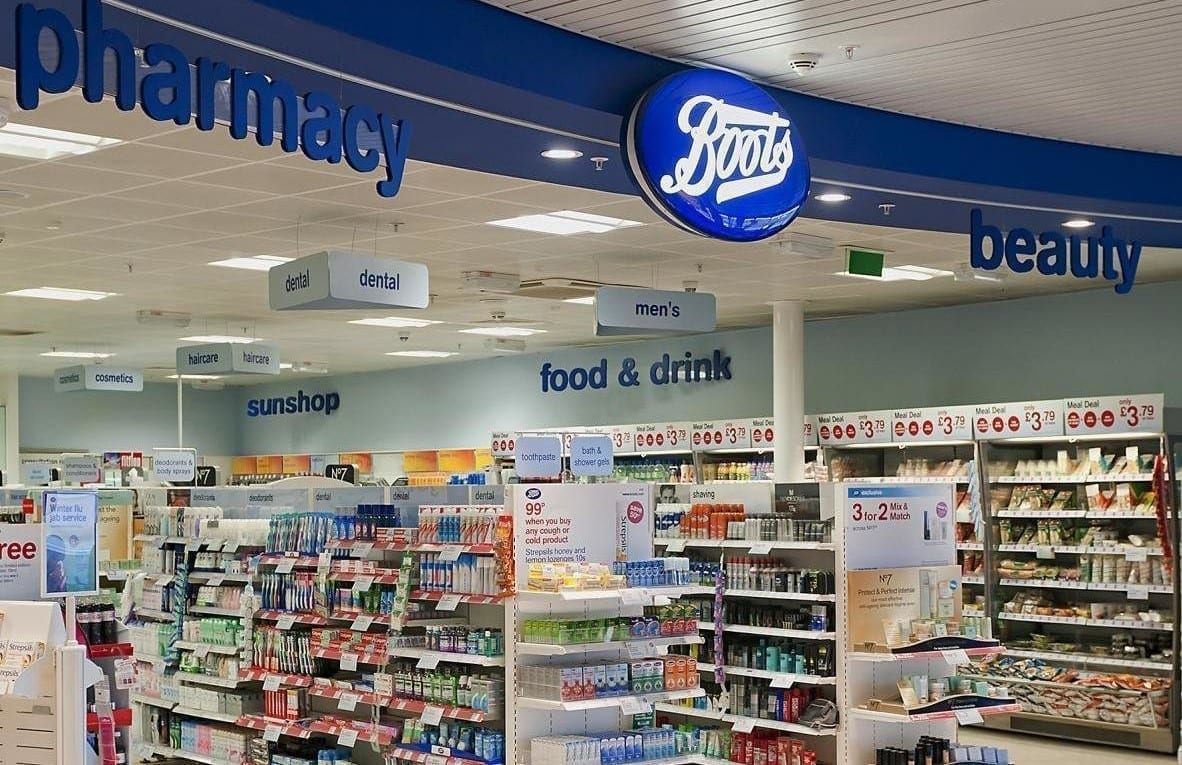
    The Boots chain of health & beauty stores is looking to cull as many as 200 outlets in its home UK market as its US parent embarks on a strategic review.

    Walgreens Boots Alliance (WBA) says the Boots business saw profits fall 20 percent to £398 million for the year to August 31. Sales slipped 0.8 percent to £6.7 billion during the period.

    Many of the Boots chain stores would close when their current leases expire. Others which are performing badly, would be shuttered more quickly, especially in smaller towns where there are two stores operating yet one would suffice.

    WBA will review the future of 2500 stores worldwide, including about 200 in the UK, which is equivalent to about 10 percent of Boots’ local network.

    Patrick O’Brien, UK retail-research director at GlobalData, said the Boots closures are overdue.

    “It has taken Boots a long time to address the midmarket squeeze that has wrought so much damage to major multichannel retailers in other sectors such as food, fashion and department stores. Shoppers have been trading down to discounters, and trading up to higher-end retailers for more expensive treats and gifts,” he said.

    “Like Tesco and M&S it has actually been in this predicament for years, but unlike them, it has done little to address the issue until very recently, and now we have to wonder if Boots has left it too late to halt its market share decline.”

    O’Brien said a long-term lack of investment in stores has become more noticeable to shoppers.

    “Its dated approach also extends to pricing, where multi-buy promotions and a generous loyalty scheme have made its shelf edge prices uncompetitive with discounters such as Aldi, Lidl and Savers, who have all been eating into its market share in health & beauty,” he concluded.

  • Docomo, Tohoku Uni to use AI for gum disease detection

    Docomo, Tohoku Uni to use AI for gum disease detection

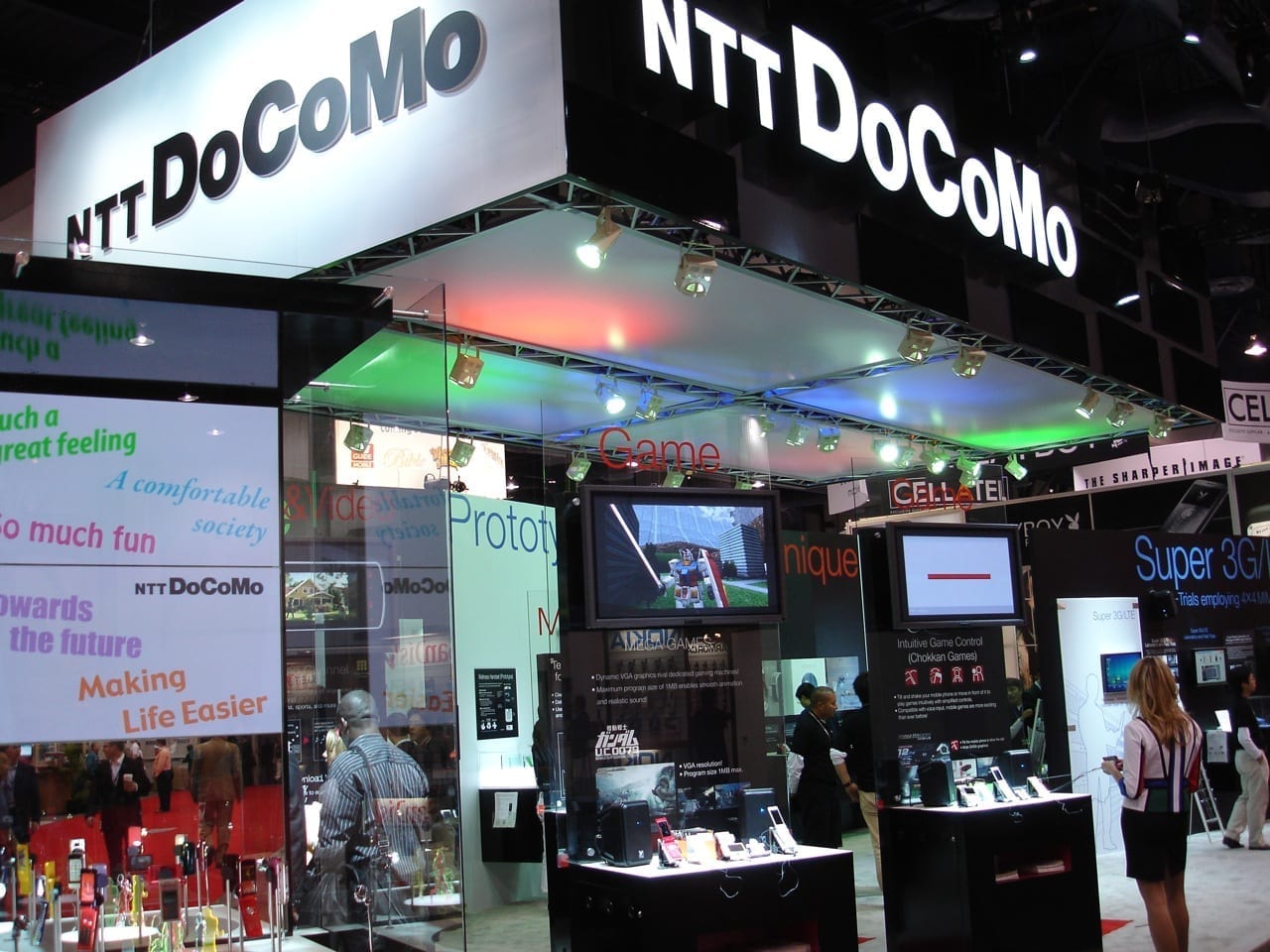
    NTT Docomo and Tohoku University have launched a research initiative to jointly develop a service using AI technology to detect periodontal disease.

    The AI-based service will photograph a person’s gums with a smartphone and analyze gum color and shape, compensating for photo brightness and camera shake, to determine the risk of periodontal disease.

    Docomo said the service combines the operator’s expertise in AI technology with Tohoku University’s expertise in oral diseases and extensive data on medical examinations and research.

    It provides a practical, everyday solution to help users to understand their personal risks by facilitating better communication with dentists and increased examinations aimed at preventing early-stage periodontal disease from becoming serious.

    Docomo and Tohoku University also plan to use their AI technology for the detection of additional oral diseases, such as temporomandibular disorders and oral cancer.

    A device-based tool for determining disease risks is slated for commercial launch by March 2023.

    In Japan, periodontal disease is present in 61% of adults in their 20s, 71% in their 40s and 75% in their 60s, according to a survey conducted by Japan’s Ministry of Health and Welfare in 2016.

    Confirmation of the disease requires going to dental office to be examined, which is often inconvenient for working people.

    The Japanese Society for Oral Health Magazine estimated in 2018 that only 4.3% of people between the ages of 40 and 70 receive examinations and many do not consult dentists until symptoms become severe.

  • Altran, Wind River developing end-to-end NFV platform

    Altran, Wind River developing end-to-end NFV platform

    Engineering and R&D services provider Altran has announced a partnership with critical infrastructure software provider Wind River to develop an end-to-end networks functions virtualization (NFV) platform.

    Under the agreement, Altran is using Wind River Titanium Cloud, an NFV infrastructure software platform for telecom operators, to develop a platform that incorporates NFV in the data center and at the network edge.

    Altran has designed its VNF Management and Orchestration Platform to help operators lower costs, accelerate service delivery and meet customer demands for high availability.

    The platform will provide an environment for vendors to deploy virtual network functions (VNFs) on Wind River infrastructure software.

    The platform will take advantage of Altran’s programmable VNF Lifecycle Management solution – which can integrate with any VNF as well as with third-party orchestrators – and its integrated policy engine.

    “The Wind River Titanium Cloud ecosystem provides outstanding infrastructure for highly available, robust and agile virtualization platforms needed in telecommunications networks and industrial control,” said Altran North America group SVP and chief engineering officer N. Mohan Rangan said.

    “We are delighted to be a part of Wind River’s initiative. Service provider customers will benefit greatly from a comprehensive NFV platform that handles a wide variety of sophisticated VNFs.”

  • Shared services models fuel demand for mobility-as-a-service

    Shared services models fuel demand for mobility-as-a-service

    Shared mobility business models that focus on integrated and digitally connected ecosystems that offer unified multi-modal mobility services and personalized user experiences will find high adoption all over the world.

    “Globally, companies are planning to commercialize autonomous shuttles between 2020 and 2022, backed by favorable government initiatives in North America, the UK, China, Japan, and Dubai,” said Abhishek Iyer, research analyst, Mobility at Frost & Sullivan.

    “There will be an increase in the number of partnerships and rollouts of new technologies such as autonomous shuttles, blockchain, and Artificial Intelligence (AI), which will enhance user experience and operation.”

    Iyer noted that governments across developed cities are building testing infrastructure and piloting autonomous shuttles to evaluate viability and user experience. “Approximately 10 to 15 cities can be expected to conduct autonomous shuttle trials on public roads in 2019. Cross-industry collaborations for connected technologies, integrated payment capabilities, shared mobility insurance and financial services will also prove to be critical for future success,” he commented.

    The researcher suggested that further growth opportunities will come with industry participants partnering with stakeholders from other industries such as banking and financial services (BFS) and insurance to lower costs and generate fresh revenue streams.

    Other opportunities include adopting business models such as vehicle subscription services, demand responsive transit (DRT), ride-hailing and carsharing to create opportunities for data monetization. This will also allow them to leverage their investments and partnerships to develop autonomous and emission-free vehicle technologies.

  • Cebu Pacific sale offers P299 domestic, P699 international fares

    Cebu Pacific sale offers P299 domestic, P699 international fares

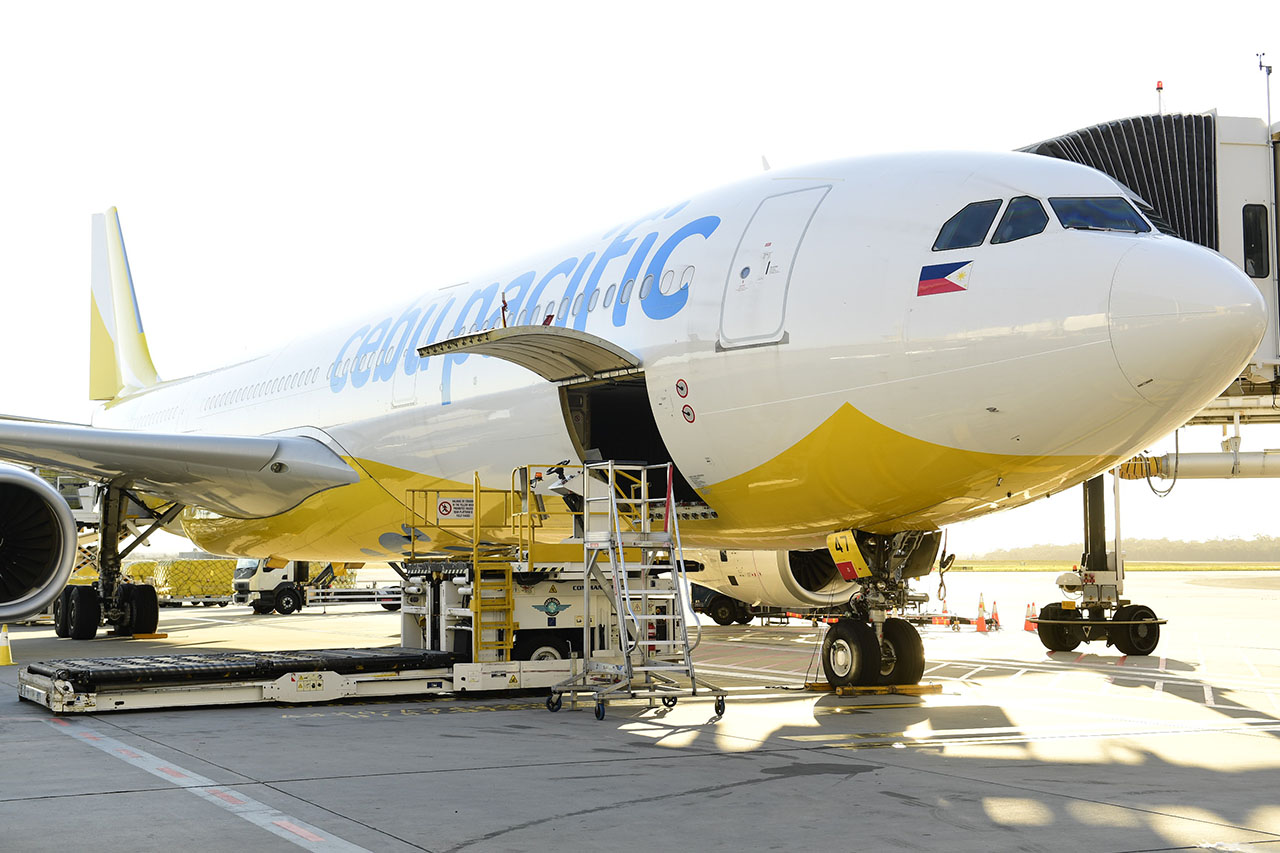
    Cebu Pacific said it was offering domestic and international seats on sale starting Thursday.

    The Philippines’ largest airline said the sale would run until Friday for travel from Nov. 1 to March 31 next year.

    Among the destinations on offer are Boracay, Coron, Puerto Princesa and Siargao at P299 for one-way base fare, Cebu Pacific said.

    Flights to international destinations like Bali, Hong Kong, Bangkok, Beijing, Taipei and Tokyo are also on offer for as low as P699 one-way base fare, the airline said on its website.

    Other destinations like Dubai are also on offer for as low as P1,599; Melbourne for as low as P4,599 all in; and Sydney at P5,599 all in.

    The quoted domestic one-way base fares are inclusive of 7 kg hand carry baggage allowance, but exclusive of web admin fee, 12 percent VAT, terminal fees and fuel surcharge, it said.

    Quoted international one-way fares are inclusive of 7 kg hand-carry baggage allowance, but exclusive of web admin fees for short haul and long haul flights, respectively and P550 international terminal fee and fuel surcharge.

  • Starbucks China Reshuffles Management

    Starbucks China Reshuffles Management

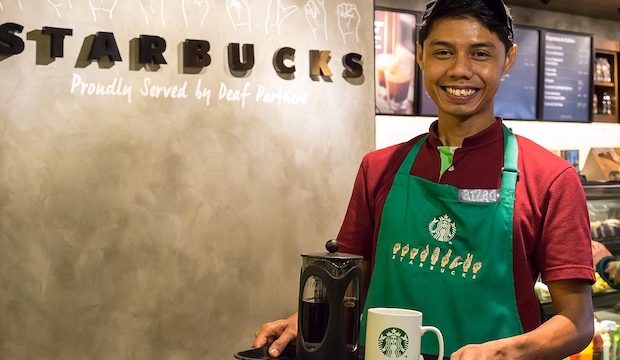
    Starbucks China management has been restructured as the company gears up for a more intense focus on its digital business. From June 1, CEO Belinda Wong, becomes chairman and CEO of Starbucks China.

    Two distinct business units will be created – Starbucks Retail and Digital Ventures – the heads of which will report directly to the newly created office of the chairman and CEO, Starbucks China.

    Leo Tsoi has been appointed SVP, COO & president of Starbucks Retail and Molly Liu has been appointed VP & GM of Digital Ventures.

    Wong will oversee new business development in China and focus on long-term sustainable growth.

    “The new team structure is for the next phase of growth and managing resources to balance the short-term needs of the business and the long-term strategic priorities in China,” said Starbucks group president, international, channel development and global coffee and tea, John Culver.

    “While paying more attention to customers and partners, we will accelerate the pace of innovation to capture the new opportunities in the third-place experience and digital innovation,” he said.

    Wong has headed the China business since 2011 and under her leadership, the company has grown at a rate faster than any other of the brand’s global markets. Among her achievements were setting up the New Retail partnership with Alibaba, integrating the East China business in 2017 and creating the “Coffee Wonderland” experience with the Starbucks Reserve Roastery in Shanghai.

    After 20 years in China, the company has grown to 3800 stores in 165 cities, serving 9 million customers every week.

    “For 20 years, we have worked steadily to achieve a long-term and healthy development in China,” said Wong. “For the next chapter of growth, we will stay true to our mission, values and guiding principles. About 53,000 Starbucks partners in China will work together to continue our innovation ventures and bring our passion of coffee to our customers to enhance the third-place experience.

    “We will also support our partners in their professional development to realise their full potential and give back to the community where we live in. ‘In China, for China’, we will continue to fulfill our commitment in developing a long-term and healthy development in China, making Starbucks as a faster, stronger and more loving company,” she said.

  • Online Spending on local sites strengthens

    Online Spending on local sites strengthens

    Spending on local online sites has strengthened, helping boost the country’s total online retail sales over the three months to April by 7 percent over the previous corresponding period.

    Spending on New Zealand sites is continuing a recent strong run, seeing an 11 percent increase over the three months to April 30 compared to the previous corresponding period.

    Continued strong growth in the food, clothing, electronics and department store categories was seen as the driving force.

    “Growth in online spending on food is particularly strong and is emerging as a key reason for stronger growth rates at domestic sites versus international,” said Gary Baker, director of institutional research at Bank of New Zealand.

    Baker said the country is continuing to see softer growth rates for purchases from offshore sites, which over the last three months were only 2 percent higher than in the same period the previous year.

    “One influence is the NZ dollar, which is tracking around 7 percent lower versus the USD than it was a year ago, making offshore purchases more expensive for Kiwis,” Baker said.

    “This will reduce spending if a fall in purchase volumes more than offsets the effect of paying higher prices.”

    According to Baker, another influence on the softening growth rates from spending in offshore sites is the ongoing maturation of the online channel.

    “In recent years we have seen online growth rates ease from double-digit levels and slowly trend down,” he said. “Online growth rates still exceed those of physical stores, but the gap is reducing.”

    In some categories, however, purchases from offshore sites are continuing to grow very strongly, such as in computers and entertainment media.

    Total online retail spending over the three months to April 30 was 7 percent higher than the previous corresponding period.

    Annual online spending across the retail categories covered is running close to $4.6 billion, excluding GST.

  • Cafe Amazon Opens in Singapore

    Cafe Amazon Opens in Singapore

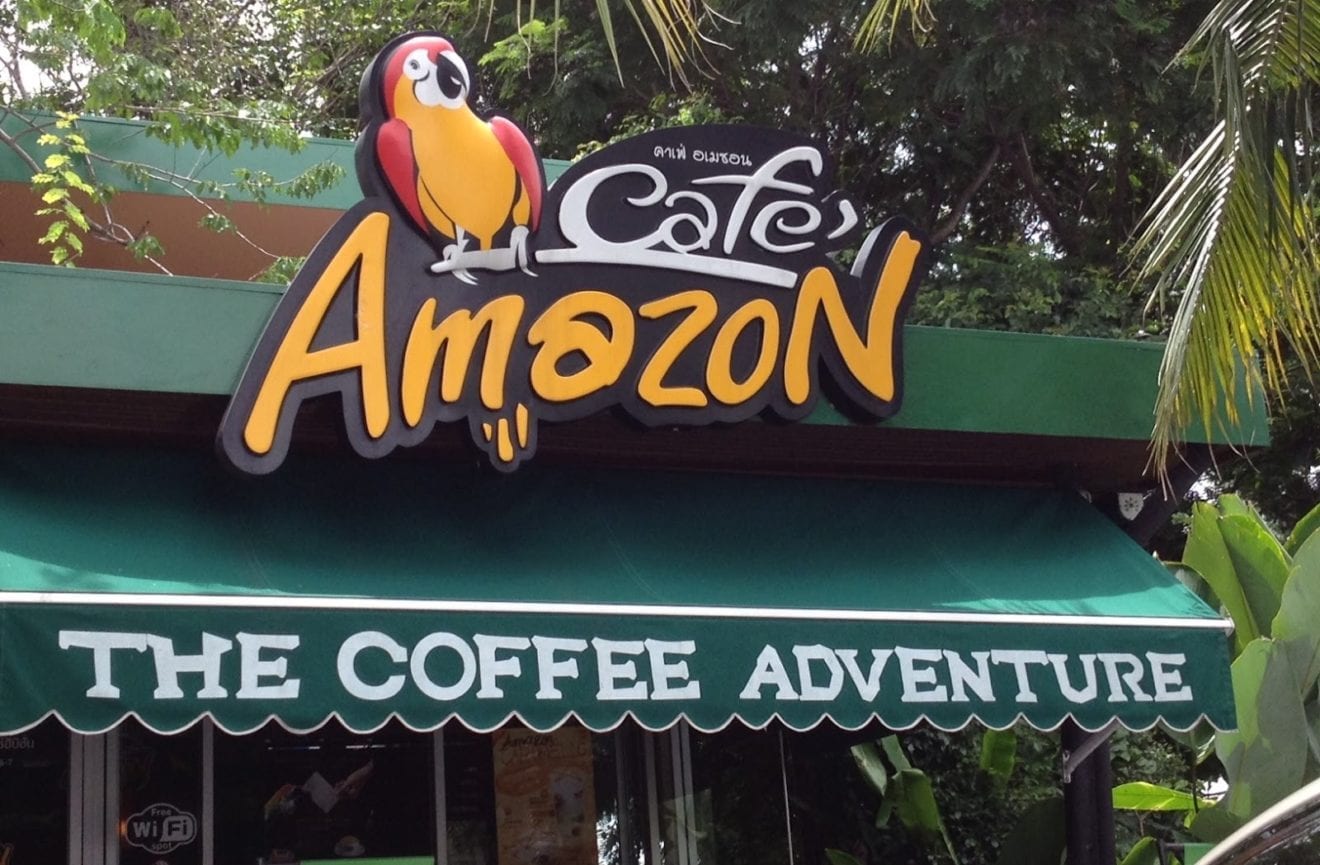
    Thai coffee chain Cafe Amazon has opened its first outlets in Singapore.

    One store is located at Jewel Changi, the other at Jurong Point shopping center.

    An opening ceremony was held at Cafe Amazon Jewel Changi, which marked the 2750th branch of the franchised chain worldwide. The chain was founded in 2002 to provide beverages and food to travelers refueling at the company’s gas stations.

    PTT Oil and Retail Business Public Company Limited (PTTOR) chairman Auttapol Rerkpiboon said the company was pleased to open in the Lion City.

    “Throughout 15 years of business, we’re proud to say that Cafe Amazon has received an overwhelming response in every country it operates.”

    Singapore joins Laos, Cambodia, Myanmar, the Philippines, Japan and Oman on the list of countries Cafe Amazon has entered. It has about 2500 stores in Thailand and nearly 200 abroad.

    To adapt to Singaporean taste, Cafe Amazon has adjusted its snack and beverage menu, making Yin Yang, a premium matcha latte its signature drink.

    PTTOR plans to invest US$1.3 billion to open 20,000 branches of Cafe Amazon over the next five years under a franchise business model.

  • Little Yellow Bird Raised Half Million Dollar in Crowdfunding Campaign

    Little Yellow Bird Raised Half Million Dollar in Crowdfunding Campaign

    Little Yellow Bird has raised over $440,000 in an equity fundraising campaign – having passed its minimum funding figure of $300,000, and becoming New Zealand’s self-professed ‘first community-owned ethical fashion brand’.

    The campaign has only hours left, has attracted over 220 backers, and will see Little Yellow Bird scale itself up with the aim of increasing market reach, growing sales and its leadership team, and expanding into new markets.

    Expansion plans also include a clothes recycling program, which the company calls a “crucial next step for sustainable change” in its industry.

    “We’re more than just a clothing brand,” Little Yellow Bird founder Samantha Jones said.

    “We’re telling the story about where and how our products are made and are working tirelessly to provide employment opportunities in the communities where our clothes come from.”

    At the end of the funding period, the ownership of the business’ shares will be split between campaign investors, Jones, and female-founder focused Lightning Lab XX at $1 a share.

    The brand uses rain-fed, organic cotton grown without the use of pesticides or chemicals, while its factories use zero-waste initiatives. The business is working to minimize waste and utilizes closed loop systems to do this.

  • Nissan’s Position In Alliance Might Be Weakened

    Nissan’s Position In Alliance Might Be Weakened

    Nissan found out about Renault’s merger talks with Fiat Chrysler just days before they became public, four sources told Reuters, stoking fears at the Japanese carmaker that a deal could further weaken its position in a 20-year alliance with Renault. Nissan Motor Co Chief Executive Hiroto Saikawa likely first caught wind of the merger plan through his own chief operating officer, Yasuhiro Yamauchi, who also serves on Renault’s board, one of the sources said, speaking on condition of anonymity due to the sensitivity of the matter.

    Saikawa’s actual notification from Renault most likely came a day ahead of a report over the weekend that the French company was in tie-up talks with Italian-American rival Fiat Chrysler Automobiles (FCA), the source said.

    The plan, which would create the world’s third-largest automaker, raises difficult questions about how Nissan would fit into a radically changed alliance. Renault Chairman Jean-Dominique Senard arrived in Japan on Tuesday to discuss the proposed tie-up – and presumably to try to smooth over ties.

    But the deal poses an additional challenge for Saikawa, already grappling with poor financial performance and an uneasy relationship with Renault after Nissan led the ousting last year of long-standing alliance chairman Carlos Ghosn.

    “All this put Saikawa under massive pressure,” a second source said, referring to the fact that negotiations caught the CEO and senior management off guard.

    Renault, which owns a 43.4% stake in Nissan, had previously angled for a merger with Nissan, but Saikawa has long opposed a full integration. New vehicle and powertrain platforms developed by FCA-Renault could also pose a dilemma to Nissan, challenging its jealously guarded independence in some areas of engineering, research and development.

    Nissan could find itself forced to choose between technology developed elsewhere or going it alone – between scale without autonomy and autonomy without scale, a source close to the Renault board said.

    FCA has said a deal would embrace Nissan and another alliance member, Mitsubishi Motors, as “valued and respected partners”. “I have huge respect for Nissan and Mitsubishi, and their products and businesses,” FCA Chairman John Elkann told the Nikkei. Still, there is awareness of friction between Renault and Nissan, which is perhaps why the Japanese company was not involved in talks at an earlier stage.

    “The relationship between Renault and its Japanese partners is not as constructive as probably anybody wishes,” said a source familiar with the FCA-Renault talks. “The FCA view is that Nissan has a lot on its plate … So the time is not right to consider anything other than enhanced cooperation.”

    The French government, which owns shares in Renault, said on Tuesday it wanted Nissan to be on board with the deal. But there have long been tensions between Paris and Tokyo over the imbalance of power in the carmaking alliance, with Nissan holding only a 15% non-voting stake in Renault.

    The Japanese automaker’s clear advantage is in its technology, including vehicles that meet China’s tougher emissions regulations. Renault and FCA, therefore, would need Nissan to help them meet increasingly tough fuel economy, emissions and electric vehicle (EV) quotas around the world.

    An FCA-Renault tie-up would also raise questions about how to extract synergies in some markets where Nissan and FCA compete, such as in North American trucks and SUVs.

    The Japanese firm’s line-up of Nissan and Infiniti brand SUVs competes with FCA’s Jeep models such as the Cherokee. Nissan’s Titan pickup is also competitor, albeit a weak one, to FCA’s Ram pickup line.

    The fact Renault is prepared to consider creating such challenges may be a sign of its frustration with Nissan’s reluctance over a full merger. “It sends a strong signal that Renault does not necessarily have to tie its fate to Nissan,” said Chris Richter, senior research analyst at brokerage CLSA, about the proposed FCA-Renault tie-up.

    Saikawa told reporters on Tuesday that “strengthening the alliance and constructive discussions are forward-looking, and we are open to constructive discussions,” according to Japanese broadcasters. But unless Nissan can regain the initiative, it risks being marginalized even more. “If the Renault-Fiat merger happens and the status quo continues at Nissan-Renault, Nissan’s position and influence within the alliance will fall behind Fiat,” said Takeshi Miyao, managing director of consultancy Carnorama.

    Bernstein analyst Max Warburton said there were theoretically stronger synergies for Renault with FCA than with Nissan, and a better cultural fit too. “It may be inevitable that Renault eventually exits Nissan,” he said, adding the French company’s stake in its Japanese partner was currently worth about 11 billion euros – “plenty of capital to spend on EVs and new technology.”

  • Rimowa opens store in Singapore, Raffles

    Rimowa opens store in Singapore, Raffles

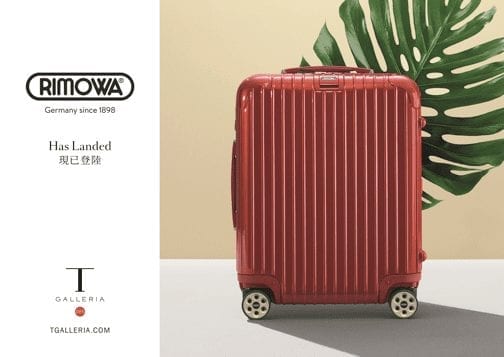
    LVMH’s luggage brand Rimowa Singapore has opened a new store at the newly refurbished Raffles Hotel.

    The 600sqft store features a greenery space with the floral walls which provides an immersive conceptual experience to visitors and shoppers alike.

    Customers can find the latest Rimowa luggage collections there, including the Rimowa Original, Rimowa Classic, Rimowa Essential, Rimowa Essential Lite, Rimowa Essential Sleeve, and Rimowa Hybrid.

    The store also includes a sticker wall featuring classic, new and exclusive luggage stickers from the Rimowa Sticker Collection.

  • AirAsia Deputy CEO Confident That they Will Become the Amazon of Travel

    AirAsia Deputy CEO Confident That they Will Become the Amazon of Travel

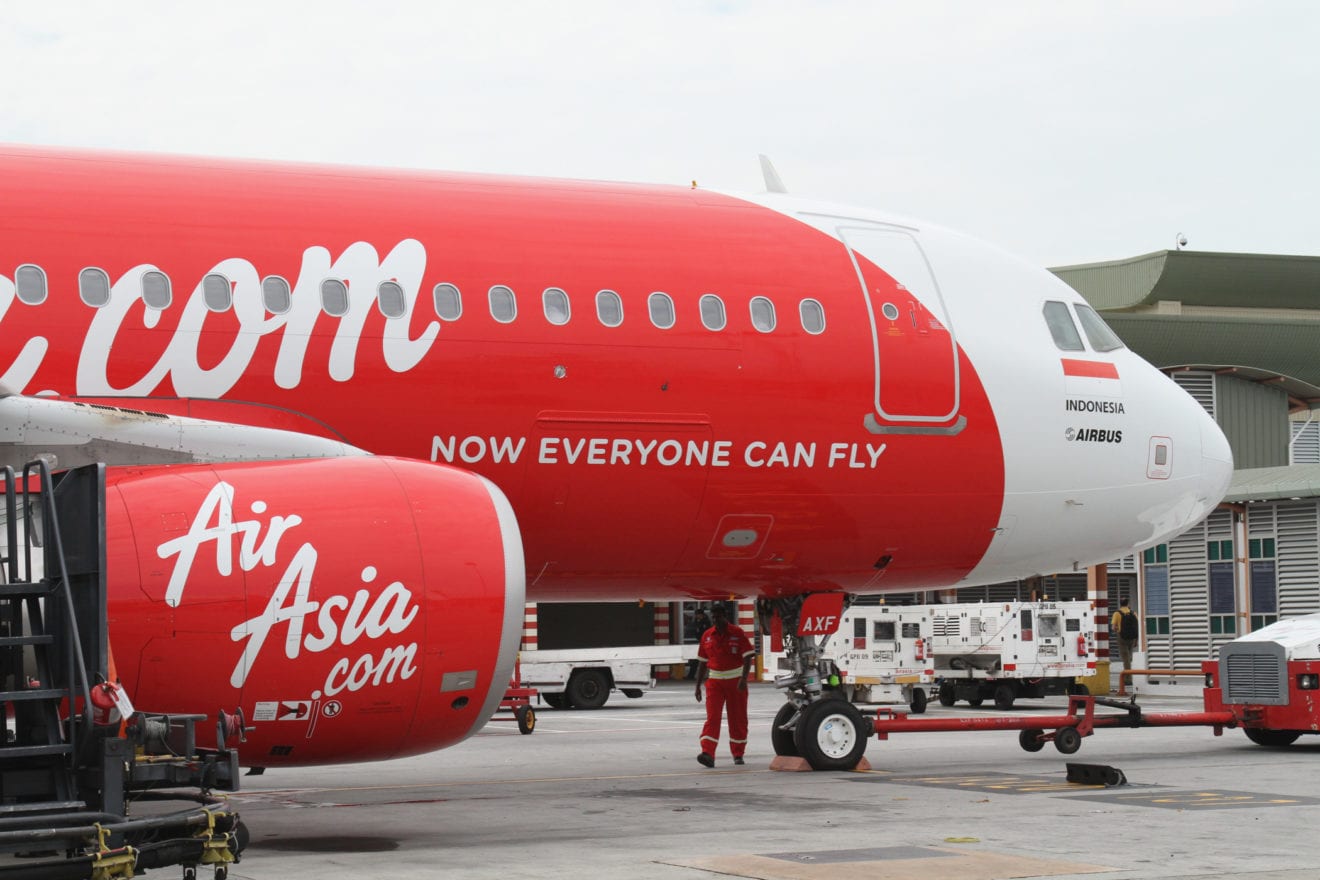
    There was no backtracking from AirAsia in its plan to branch out into selling other airlines on its platform, financial services, and more experiences.

    Asked in Singapore  if becoming the Amazon of travel is overly ambitious, Aireen Omar, AirAsia’s deputy CEO, technology and digital said it’s “ambitious, but I think it’s very doable.”

    Another AirAsia executive recently made the declaration that the airline could become the “Amazon of travel.”

    Omar argued that AirAsia’s wealth of data from such things as its bookings systems and passenger management equip it to improve revenue management and personalization and to make its operation more efficient.

    The idea is to provide a seamless journey for passengers and to build new business areas for the airline beyond its core flying.

    Omar said AirAsia has been approaching other airlines about selling tickets, and that most are not afraid of doing that because they can take advantage of AirAsia’s network and data.

    Although AirAsia is interested in offering innovative payment systems, Omar said the airline would not use cryptocurrencies because their value fluctuates greatly, and AirAsia is interested in engendering consumer trust.

    Omar made a pitch for the greater inclusion of women in the airline industry. She said around 6 percent of AirAsia’s engineers are women, and so are about 10 percent of its pilots.

    Schools new to open up their curriculum to encourage women to become data scientists, for example, and to work for airlines.

    Omar is responsible for AirAsia’s digital strategy, promoting innovation throughout the group and encouraging collaboration across AirAsia’s businesses and markets. She oversees large, strategic group-wide initiatives to help transform AirAsia into a global, cloud-driven product and platform company.