Blog

  • Alibaba and Bailian JV Ego stores Debut

    Alibaba and Bailian JV Ego stores Debut

    Take a look inside the first of 500 fresh-food and convenience stores planned by Alibaba and Bailian, which has opened in Shanghai. The fruits of Alibaba’s joint venture with Bailian Group are on show in Shanghai where the first of 500 Ego stores planned this year is now trading.

    According to mainland media reports, the joint venture has leased space for up to 30 outlets under the Ego brand already. Two formats are planned – larger central stores with footprints of between 300sqm and 500sqm, and smaller satellite stores of about 100sqm.

    Analysts say the Ego format – the stores are bannered Ego 逸刻 (which translates to Escape) – will bring together the back-end expertise of Alibaba Group with Bailian’s brick-and-mortar convenience experience.

    Bailian and Alibaba announced their strategic cooperation in February 2017 jointly creating what they described as a “New Retail, new consumption, new future” concept. They pledged to work together to use big data and internet technologies in areas including efficient supply chain integration, customer membership systems, seamless payment interconnections, and logistics synergy.

    “More than two years after Alibaba’s RMB1 billion deal with Bailian Group, we can finally see some fruits of this collaboration,” observed China-based entrepreneur, speaker, coach, and author Dr Mirko Wormuth, who posted these accompanying photos on LinkedIn.

    About two-thirds of the Ego store area is dedicated to fresh or hot products, including coffee, baked bread, and hot meals. The remaining space sells bottled and packaged foods.

    The first store in Shanghai is equipped with three self-checkout machines, in addition to Alipay checkout, and encourages consumers to pay by Bailian wallet.
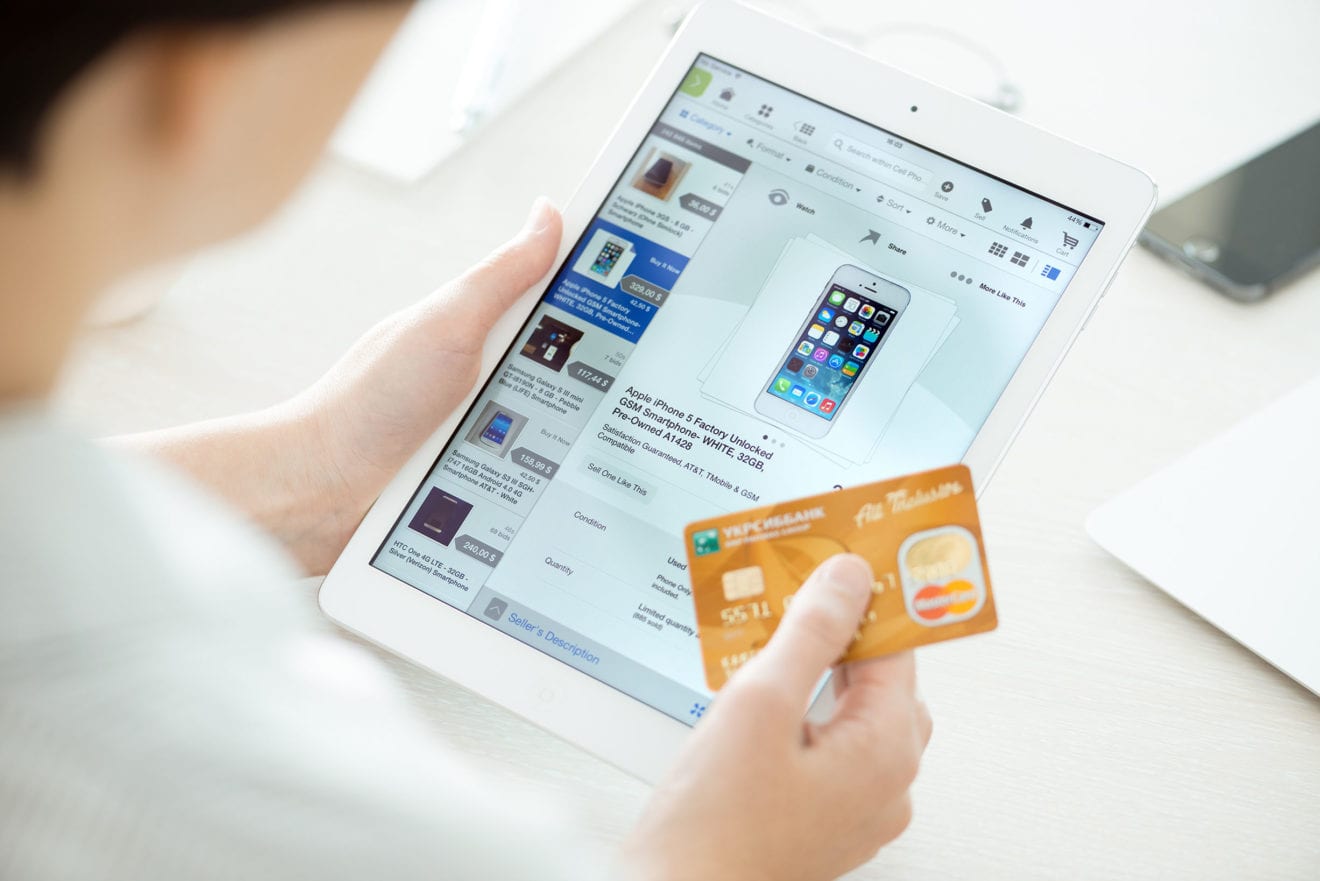

    The fruits of Alibaba’s joint venture with Bailian Group are on show in Shanghai where the first of 500 Ego stores planned this year is now trading.

    According to mainland media reports, the joint venture has leased space for up to 30 outlets under the Ego brand already. Two formats are planned – larger central stores with footprints of between 300sqm and 500sqm, and smaller satellite stores of about 100sqm.

    Analysts say the Ego format – the stores are bannered Ego 逸刻 (which translates to Escape) – will bring together the back-end expertise of Alibaba Group with Bailian’s brick-and-mortar convenience experience.

    Bailian and Alibaba announced their strategic cooperation in February 2017 jointly creating what they described as a “New Retail, new consumption, new future” concept. They pledged to work together to use big data and internet technologies in areas including efficient supply chain integration, customer membership systems, seamless payment interconnections, and logistics synergy.

    “More than two years after Alibaba’s RMB1 billion deal with Bailian Group, we can finally see some fruits of this collaboration,” observed China-based entrepreneur, speaker, coach, and author Dr Mirko Wormuth, who posted these accompanying photos on LinkedIn.

    About two-thirds of the Ego store area is dedicated to fresh or hot products, including coffee, baked bread, and hot meals. The remaining space sells bottled and packaged foods.

    The first store in Shanghai is equipped with three self-checkout machines, in addition to Alipay checkout, and encourages consumers to pay by Bailian wallet.

  • EBay orders Shipped Faster

    EBay orders Shipped Faster

    New data from Juniper Research predicts consumer interaction with chatbots in retail will reach 22 billion by 2023.

    The figure represents a sharp increase over an estimated 2.6 billion interactions this year.

    According to the new research report “AI in Retail: Segment Analysis, Vendor Positioning & Market Forecasts 2019-2023”, chatbots in retail will enable effectively automated customer interactions for both online and offline vendors.

    A crucial enabler of this development will be improvements in NLP (Natural Language Processing), which will dramatically reduce the failure rate of chatbot interactions, by making them more natural and valuable for customers.

    Juniper anticipates that retailers who do not adopt chatbots will face strong challenges from more technologically-adept disruptors, who will use chatbots as an extension to the crucial omnichannel retail experience.

    The research also found that chatbots used for customer service have a strong potential to reduce costs; with deployments realizing annual savings for retailers of US$439 million globally by 2023, up from just $7 million this year.

    These potential savings will act as a key “pull” factor, given the margin pressure that many retailers are presently feeling.

    “By embracing automated customer service with chatbots, retailers can act in a more flexible and efficient way,” explained research author Nick Maynard. “The wider retail market means that chatbots are no longer a luxury, they are essential.”

    Meanwhile, sales resulting from interaction with chatbots in retail will reach $112 billion by 2023, up from $7.3 billion this year; representing an annual growth rate of 98 percent.

    The research found these sales will largely be a result of migration from other channels, rather than a new revenue stream. Accordingly, the research emphasized that while retailers must adopt chatbots for ease of use (and to reduce consumer churn), their return on investment will come from efficiencies, rather than net income.

  • Pricing Tactics to Boost Sales in E-Commerce

    Pricing Tactics to Boost Sales in E-Commerce

    More than 80% of the purchasing decision depends on price. Especially in the ultra-fast e-commerce arena where businesses showcase and change their prices every 3 to 6 hours. But before changing prices out of the blue you must know that there are certain conditions to do that. Decrease your prices to very low and you’ll leave a lot of money on the table raise them up high and you’ll end up hunting flies.

    The Importance of Pricing

    Let’s start by going through each insight down below to understand why pricing needs more attention ever than before.

    • 90% of consumers invest their time to hunt the best online deals.
    • 80% of “first-time” consumers say it’s important to be able to see and compare prices from different sellers.
    • 70% of consumers believe they’ll get a better deal online than in brick&mortar stores.
    • 50% of consumers will purchase products left in shopping carts if those products are offered at a lower price.

    As you can see pricing is very, very important.

    Let’s get into some tactics on how you can approach pricing to increase your profits margins and sales numbers.

    Charm Pricing

    Have you ever heard about the power of 9s? That is the strategy, where you end a price with a “9” instead of a “0” on the price tag. This is a very common tactic especially in physical stores, but you may also come across it in online stores as well.

    Here’s why! Our brain perceives $50.00 and $49.99 as different values. According to consumer perception, $49.99 seems closer to $40.00, which is cheaper than $50.00 and product prices ending with a “9” are considered “the” deal to not miss.

    Prestige Pricing

    This is suitable for high-end, luxury, emotion-triggering products, where you should apply round prices such as $500, $750, opposite of charm pricing. Setting round prices on products which evokes emotions converts better.

    A study by Kuangjie Zhang and Monica Wadhwa, claims that “A rounded price ($100.00) encourages consumers to rely on feelings when evaluating products, while a non-rounded price ($98.76) encourages consumers to rely on reason. When a purchase is driven by feelings, rounded prices lead to a subjective experience of feeling right,”

    Bundle Pricing

    This psychological trick makes online shoppers search for getting an extra item with the purchased product at the same price. This presents a golden opportunity for the wise e-commerce seller. To reduce this pain and encourage online shoppers to buy your products, use bundling, set your prices accordingly and get these customers to reach deeper into their pockets.

    For example, Amazon has an advanced bundling strategy; it always suggests two or three related items that you may want to purchase at the same time. Most of the online shoppers jump onto these types of offers because they’re amazed by the simplicity of purchasing them all at the same time. Bundle two or three items together with a single price set an adequate discount, and you can start selling less-popular items.

    What’s Next?

    All of the tactics above are some part of the common approaches laid out from the people of Prisync. To learn more about other pricing strategies take the time to read most of their blog posts. When you’ve successfully implemented a strategy, you’ll either address your customer’s emotions or logic. Either way, you will start winning and boosting your conversion rates, sales, and eventually revenue. And if you want to automate that, we recommend you start using a pricing software sooner before its too late.

  • BMW Group Plans To Launch 25 Plug-In’s

    BMW Group Plans To Launch 25 Plug-In’s

    Since 2013, BMW has been in the game of electric cars and it was then that the company envisioned the future of electrification in automobiles. The ‘i’ brand has been very successful right from the i3 all-electric car to the i8 plug-in hybrid. And now, BMW is looking to expand that portfolio and bring in a lot more cars for its customers. The company announced at an investor meeting that it is going big on its electrification plan. The company plans to launch 25 Plug-In hybrids and 12 All-Electric cars by 2025. Over the next couple of years, the company will focus on bringing out plug-in hybrid versions of its existing models.

    Back in 2017, deliveries of electrified vehicles for BMW jumped by 65.6 percent to 103,080 units. Considering the strong growth it has seen in this space, the BMW Group announced that it will spend more on research and development in 2018. The company spent 6 billion euros in 2017 and that figure jumped to 7 billion in 2018.

    The company met its target of selling 1,40,000 EVs worldwide and has already sold 4 lakh electrified cars across the globe. The company is eyeing the 5 lakh unit sales milestone in 2019. The surge in sales will be helped by the introduction of new products and these will include all-electric BMW iX3, the new i4, and MINI. The BMW Group already manufactures electrified vehicles at ten production facilities.

    In 2019, Plant Oxford will join this list with the start of production of the fully-electric MINI. The BMW i4 is just one of the 25 electrified models that the BMW Group intends to bring to market by 2025. Half of these models will be fully electric. Powered by the fifth generation of battery and drivetrain technology, from 2021 the BMW Group will of offer all-electric vehicles with a range of up to 700 kilometers and plug-in hybrids with an electrical range of up to 100 kilometers.

  • Coach Hong Kong Best Employer To Work for in Asia

    Coach Hong Kong Best Employer To Work for in Asia

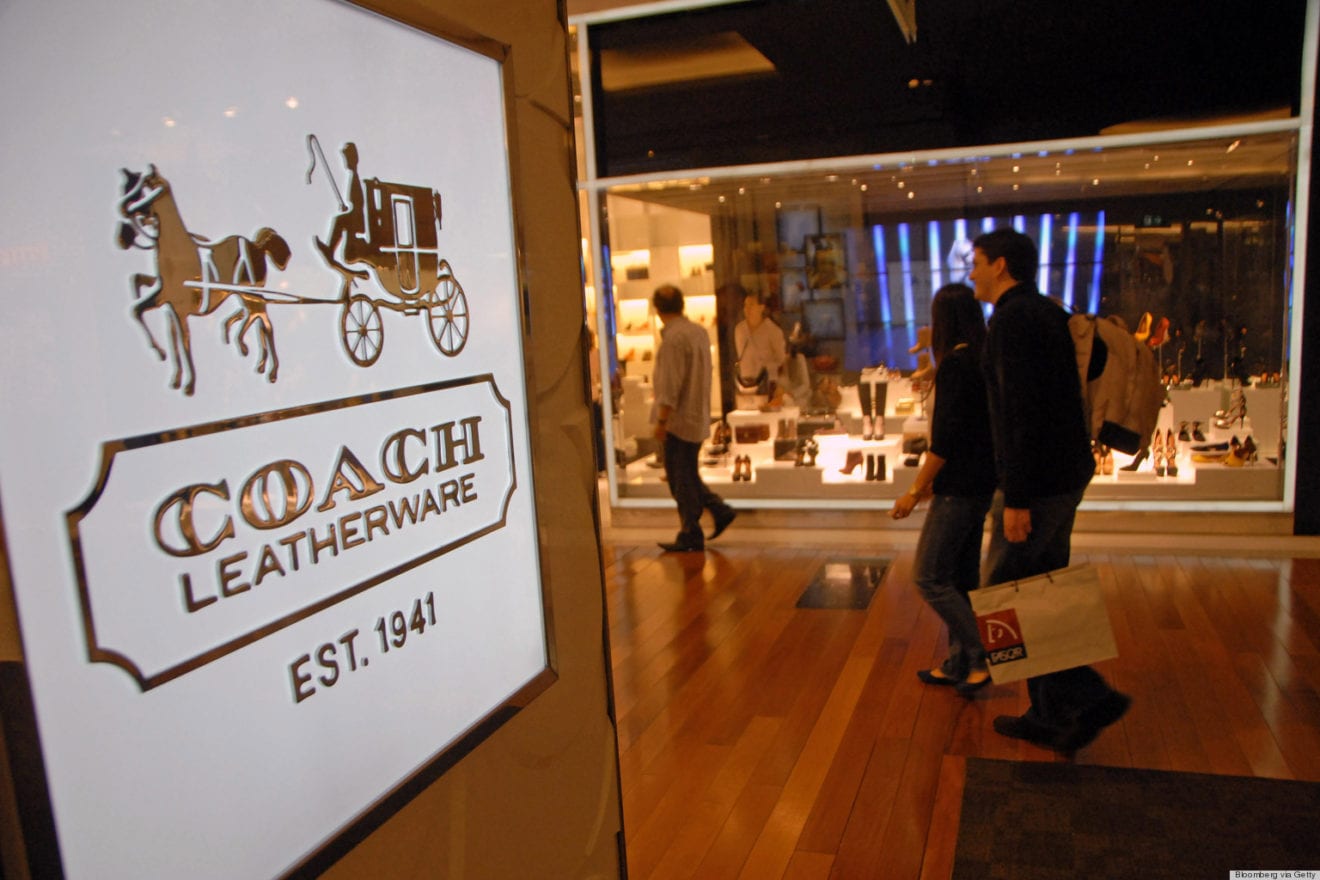
    Luxury leather goods retailer Coach Hong Kong has been awarded the “Best Company to Work for in Asia 2019” by HR Asia magazine.

    The award recognises companies that possess “remarkable levels of employee engagement, corporate culture and employer branding”. The selection process covers a comprehensive assessment of participating organisations’ talent strategies, employee engagement and leadership effectiveness. Employees are invited to provide ratings and opinions on their employers to help select the winner.

    Coach Hong Kong was awarded the accolade after it was judged by an independent panel of industry experts, academics and journalists.

    “As a core brand under Tapestry, Coach adheres to the values of optimistic, innovative and inclusive,” said Coach Hong Kong, Macau and Taiwan GM Damien Tonneau. “We are committed to helping our employees grow and provide an engaging work environment that celebrates innovation and inclusiveness. We empower passionate people to fulfill their dreams with a digital-centric talent strategy.”

    “We see talent as our most valuable asset, and they are at the forefront of our customer service,” said Coach and Tapestry Asia Pacific VP and head of HR Janet Zhong. “The award fully recognizes our HR and talent strategy and business growth in the region. We are immensely proud of how we implement new ideas, tools, and systems to empower our managers and employees, offer robust learning and development programs, and exciting opportunities for career advancement.

    “Looking ahead, we will continue to evolve our HR transformation journey to support Coach’s brand strategy; focus on building a critical talent pipeline and continue to thrive with great stamina and offer a dynamic environment celebrating personal growth and success for all our employees,” she added.

    Coach Hong Kong has 19 directly operated stores and nearly 340 employees.

  • Retailers trust Mobile Device Data for Retail Network planning

    Retailers trust Mobile Device Data for Retail Network planning

    Retailers have found a new way to conquer the challenge of limited data availability in many Asian markets by using Mobile Device Data.

    Yes, location-powered Mobile Device Data is the latest and most powerful tool for analyzing customer origins and movement patterns.

    With both population growth and growing disposable incomes, as well as an appetite for many retail formats, numerous Asian countries are becoming increasingly attractive for global retailers. But the Asian market is both enormous and very diverse, so customer profiling is essential for any retailer wanting to target its growth strategy to the most lucrative opportunities.

    Enter Mobile Device Data – the new frontier in the trade area, customer analysis and retail network planning.

    Mobile Device Data as a technology can be used to cost-effectively deliver a range of network planning functions, including:

    1. Understanding population densities and movements at a small area level, for both daytime and evening populations
    2. Identifying gaps for new business opportunities
    3. Forecasting trade area overlaps and sales cannibalization
    4. Creating targeted local store marketing and advertising opportunities.

    Increasingly retailers are moving to cloud-based mapping tools like GapMaps to help them make the best possible decisions in a data-driven, cost-effective manner. Instead of running customer origin surveys, which can incur huge costs and chew up lots of time for data entry, fieldwork and analysis, retailers are now looking for location intelligence platforms which are dynamic, global, flexible and cost-effective. Most importantly, Mobile Device Data can also generate more accurate results, drawing on massive volumes of customer data collected over years, rather than a small sample survey conducted over a few weeks.

    That’s exactly what GapMaps offers. GapMaps is a global platform which is leading the way in Mobile Device Data analysis. The platform has successfully integrated device data as a new layer on its network mapping platform, providing deep insights into customer visitation patterns and movements during both daytime and evening. The GapMaps technology has been successfully used in many countries by a number of leading global retailers in quick service restaurants, fast food, cafes, petrol retailing, health and fitness, child care and many other sectors. The platform is also widely used by many developers in these various sectors.

    Where can you use GapMaps Mobile Device Data?

    GapMaps can help any client analyse Mobile Device Data for any location in the world where mobile phones are extensively used.

    Many GapMaps clients in India, Indonesia, Hong Kong, and Taiwan are already using Mobile Device Data to define trade areas. The following example shows the mobile device density during the day in New Delhi, India.

    The data can be used for any location that attracts significant numbers of visitors, be it an individual retail store or shopping centre, quick service restaurant, gymnasium, sports arena, museum, entertainment venue or tourism precinct.

    Real-time, large scale, and cost-effective Mobile Device Data

    Harnessing GPS information based on mobile phone activity at and around any selected location, the data are collected from mobile phones (devices) via one or more of hundreds of popular apps. These apps collect the data and feed it back to a central collection point.

    GapMaps founder and managing director, Anthony Villanti says: “Mobile Device Data is a game changer in terms of how retailers can substantiate network planning decisions and model their catchment areas. Mobile devices observed in specific locations, such as a retail store, can be linked with their common evening and daytime locations, such as ‘home’ or ‘work’, for example. When the data is visualized in the GapMaps platform, it’s a really effective tool.”

    Mobile Device Data offers the powerful combination of being real-time, Big Data, continual, flexible, easily replicable across locations or time periods, and cost-effective, because

    1. The observations are time stamped and therefore any period of analysis can be selected.
    2. The analysis can be easily repeated for multiple time periods and multiple locations. There are no limits.
    3. Any site or location can be analyzed, including any competitor sites – no permissions are required.

    The data is easily deployed via the user-friendly GapMaps platform, enabling insightful analysis (both tabular and pictorial) to be conducted and presented by any user – no technical expertise is necessary.

    Combining such Mobile Device Data with demographic, government and industry statistics in India, Indonesia, Hong Kong, Taiwan and other countries throughout Asia, GapMaps can be used to inform and guide network strategy. It is already being used by hundreds of companies across a wide range of industries – from childcare and fast food to fitness, cafes, aged care, fashion retailing, entertainment destinations, financial services and more.

  • PLDT taps Panlilio as chief revenue officer

    PLDT taps Panlilio as chief revenue officer

    PLDT announced Alfredo S. Panlilio (AI) will return to the Philippines telco as chief revenue officer of both PLDT and its mobile unit Smart Communications, starting July 1, 2019.

    Panlilio (pictured) currently serves as senior vice president of customer retail services group at the Manila Electric Company (Meralco).

    He first joined PLDT as SVP for the telco’s corporate business group in 1999 and was later tasked to head PLDT’s carrier business group before he joined Meralco in 2010.

    Panlilio will replace Ernesto R. Alberto (Eric), who is set to step down from his post as PLDT and Smart CRO, effective June 30.

    “We would like to thank Eric for his 16 long years of service and loyalty. Under his watch, PLDT Enterprise rose to become the leading force that it is in the market today,” said Manuel V. Pangilinan, chairman and chief executive officer of PLDT and Smart.

    Enea has tapped former Ericsson executive Jan Häglund as its new CEO.

    Häglund was chosen to lead the company late 2018 to succeed Anders Lidbeck, who becomes chairman of the board, Enea said in a statement.

    Haglund brings to the table 25 years of experience in the telecoms industry. Prior to joining Enea, he was head of Ericsson’s product portfolio and R&D for digital services.

    Anders Lidbeck, chairman of Enea said Häglund will help Enea strengthen and develop its position as a reference supplier and trusted partner.

    “[Häglund’s] wide-ranging experience across many disciplines at Ericsson will benefit Enea and our continued expansion,” he said.

  • APJxC to produce 33.8 zettabytes of data by 2025

    APJxC to produce 33.8 zettabytes of data by 2025

    Seagate Technology recently released a white paper with IDC on the growing datasphere in Asia Pacific including Japan, but excluding China (APJxC).

    This is following the launch of IDC’s global White Paper, The Digitization of the World – From Edge to Core, sponsored by Seagate Technology, which examines how much new data is created and replicated each year and the impending shifts to the global data model by 2025.

    Top findings from the regional paper include:

    • Data created in the APJxC regions will increase from 5.9ZB in 2018 to 33.8ZB in 2025.
    • The APJxC Datasphere is one of the fastest growing Datasphere regions, growing at a 2018–2025 CAGR of 28.3% compared with a gloabl rate of 27.2% and a U.S. growth rate of 23.6% over the same time period.
    • Entertainment-related data is growing at a faster pace than most other regions, expanding at a rate of 23% compared with a global average of 20% for 2018–2025.
    • The number of online users in the region participating in entertainment-related activities is growing faster than the global rate — 7.2% compared with 4.6% for 2017–2022, which will increasingly happen on the go on mobile devices.
    • Storage utilization in APJxC will grow from 0.5ZB in 2018 to 2.3ZB in 2025, even though not all data created will require permanent storage.
    • By 2025, 58% of data storage will take place in the public cloud compared with 22% in 2018 – largely driven by the growing number of internet users in the region, which drives use of the cloud not only by users but also by enterprises as they race to keep up with user demands.

    As such, the percentage of data in the APJxC Datasphere emanating from or replicated in the edge will increase from 12% to 20% of the region’s total Datasphere — as data is delivered to endpoints and as IoT devices increasingly drive processing and analytics closer to the point of origin of the data itself.

    This unprecedented data growth combined with the pressures of deriving value from data for digital transformation will create imperatives for IT and business organizations across all regions over the next decade. Enterprises must develop a fitting data storage and management and capitalization strategy and drive a new level of engagement with consumers using data-informed services and products.

  • Kerry Logistics Appoints Martin Stoekenbroek as MD for EMEA

    Kerry Logistics Appoints Martin Stoekenbroek as MD for EMEA

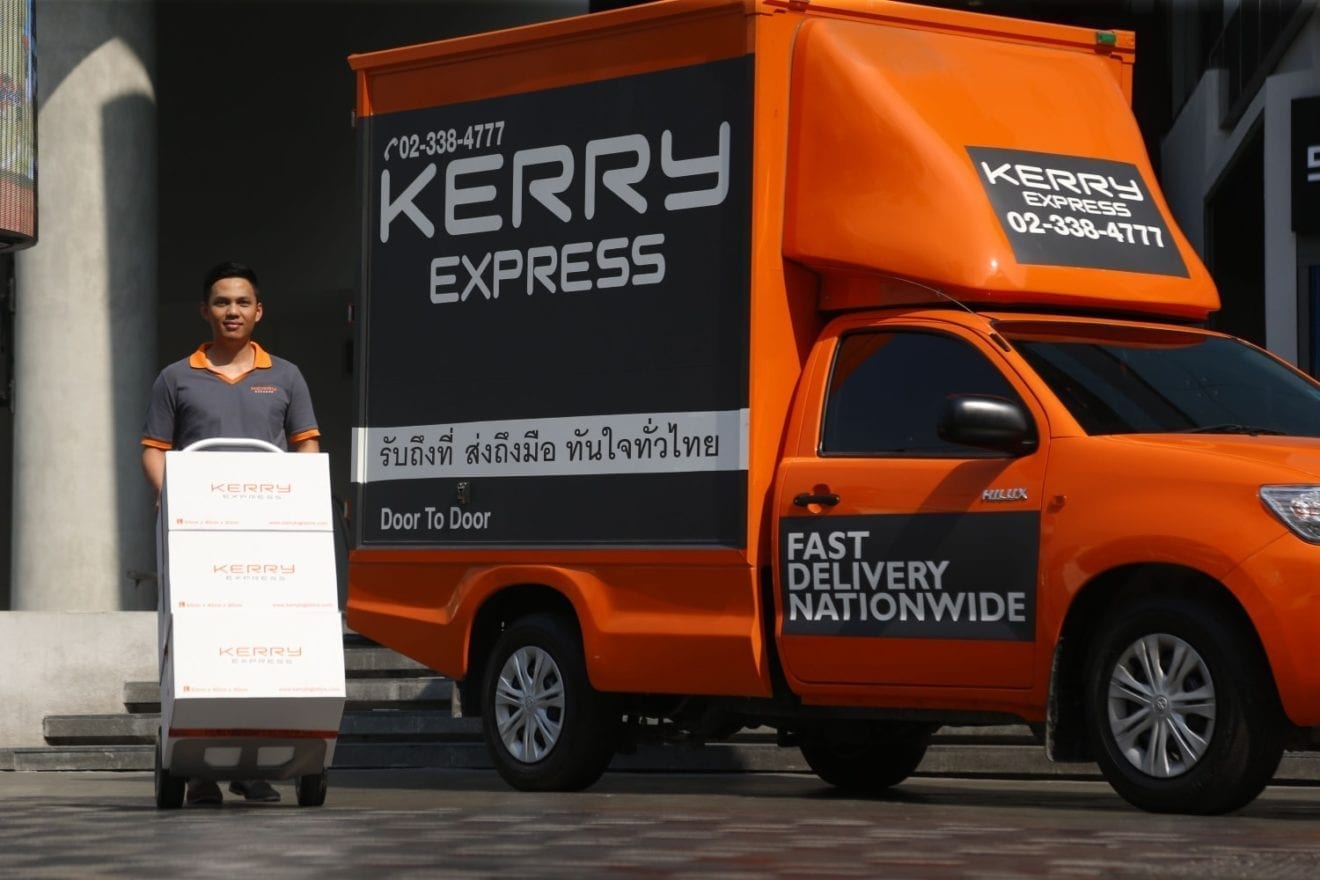
    Kerry Logistics Network Limited has appointed Martin Stoekenbroek as its new Managing Director – Europe, Middle East, and Africa (EMEA) with effect immediately.

    Based in Amsterdam, The Netherlands, Stoekenbroek will lead Kerry Logistics’ international freight forwarding business in the EMEA region and be in charge of its strategic development, focusing particularly on strengthening Kerry Logistics’ foothold and business portfolio.

    With over 30 years of extensive experience in the industry specializing in EMEA and global roles, Stoekenbroek brings a wealth of supply chain knowledge, insights, and expertise to Kerry Logistics.

    He was the Senior Vice President Global Air Freight of Geodis prior to this appointment and has previously worked for top industry players including Wilson Logistics and TNT Freight Management.

    Mathieu Biron, Managing Director – Global Freight Forwarding of Kerry Logistics, said: “We warmly welcome Martin to our team.

    “Having built his career in logistics within the EMEA region for decades, Martin possesses an in-depth knowledge of our business in the region and a thorough understanding of the changing conditions of our industry.

    “He will be a vital part of our ongoing global expansion, providing visionary guidance as we realize our long-term strategy.”

    Commenting on his new appointment, Stoekenbroek said: “Kerry Logistics has been going from strength to strength through its worldwide expansion.

    “I am honoured to have the opportunity to apply my knowledge and experience to lead a strong team and help to propel the Group’s further development in the EMEA region.

    “At a time when the global supply chain is in flux, I look forward to contributing to Kerry Logistics’ progress and overcoming challenges to reinforce its position as a leading logistics partner connecting EMEA to the rest of the world.”

  • Rituals Hong Kong Store About To Open

    Rituals Hong Kong Store About To Open

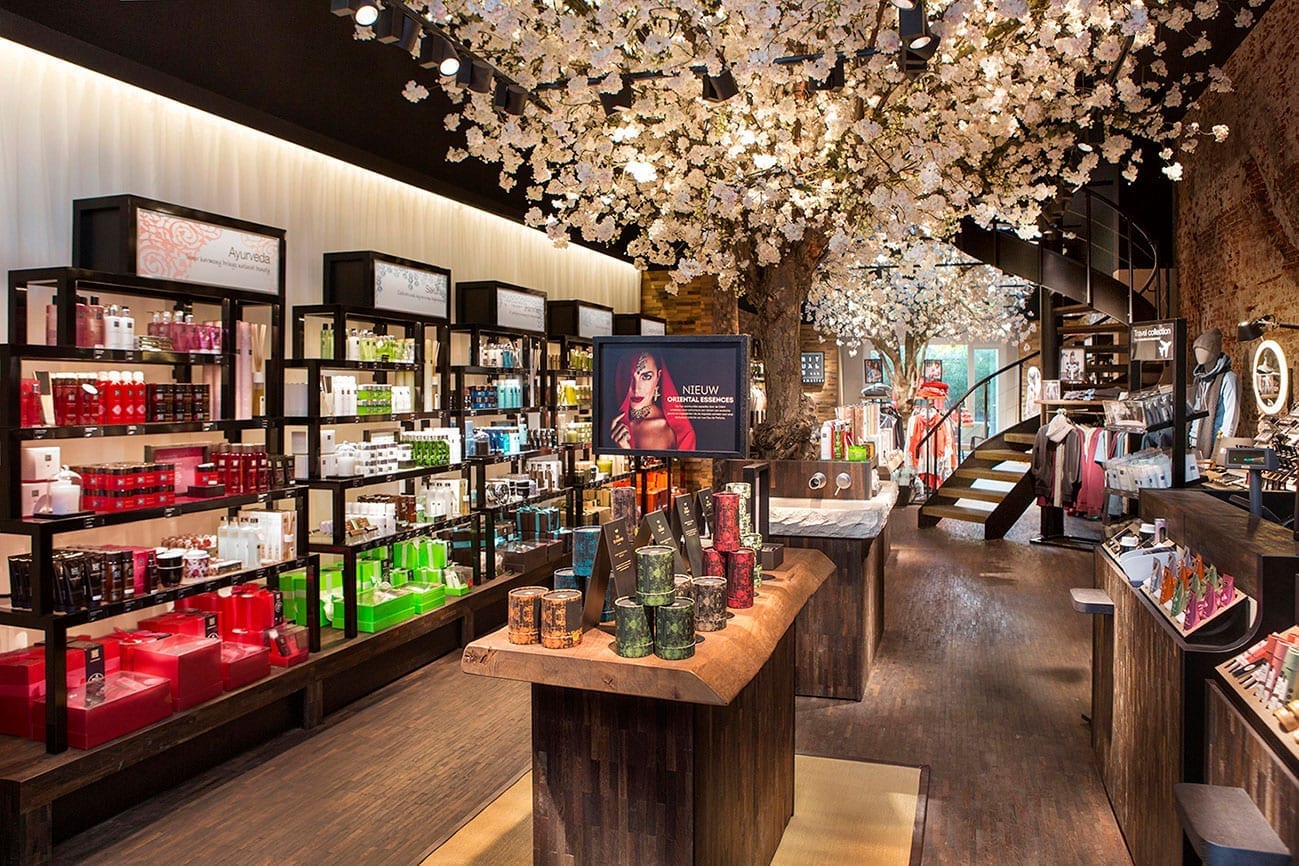
    The first standalone Rituals Hong Kong store is slated for opening in July as the Dutch cosmetics retailer ramps up its presence in Asia.

    The company has promoted business development manager of travel retail, Marjet de Vlieger, as head of travel retail Apac. She will take up the newly created role on July 1 and relocate to the city in January. A Rituals Hong Kong office and warehouse are set to open next month.

    Until now, Rituals has only been sold in the region through concessions, including one at the T Galleria by DFS stores on Kowloon’s Canton Road. But that is about to change. Along with the Hong Kong store, the first in Asia, Rituals plans 10 new points of sale in the region, including a debut in South Korea.

    “Opening the Hong Kong office and warehouse facility is a major investment and steps forward as we look to convert the Asia opportunity,” said Rituals director of travel retail Neil Ebbutt.

    “For Rituals, travel retail is leading the way in building the brand’s presence in Asia, which not only shows the power of the channel but also allows airports and retailers to better differentiate themselves by being the gateway into the Rituals world.

    “Our vision is to build a truly global lifestyle brand and we’re ready to capitalize on this travel retail-first approach,” he said.

    Rituals has a five-year plan to build sales across Asia encompassing travel retail, standalone stores, and e-commerce. It will seek partnerships with airlines and hotels through a network of distributors.

  • Motorola One Vision leak reveals new color option

    Motorola One Vision leak reveals new color option

    We’ve known for a while that Motorola is gearing to release another Android One phone under the name Motorola One Vision. Today, another leak gives us a glimpse at a new color option, which the One Vision will be available in at launch.

    As per earlier leaks, the Motorola One Vision will sport a sizable 6.2-inch display with a 21:9 aspect ratio and a small punch-hole selfie camera in the upper left corner. Around the back, the renders reveal, a dual-camera setup with a 48-megapixel sensor will be taking care of video and stills. There’s no word yet on what function the second camera will serve, though it could very well be used for depth sensing.

    Under the hood, the One Vision is set to be Motorola’s first smartphone that employs a Samsung processor. Specifically, the Exynos 9610, which was recently used in the Galaxy A50, and is about on par with the Snapdragon 660, performance-wise. The Samsung CPU is said to be accompanied by 3 or 4 GB of RAM and a 3,500 mAh battery.

    The newly-leaked renders also reveal a blue color option for the Motorola One Vision, in addition to the brown shade, which was shown in earlier leaks. The phone is slated to make its official debut at an event held in São Paulo, Brazil on May 15th.

  • Tigerlily launches local e-commerce Platform

    Tigerlily launches local e-commerce Platform

    Resortwear brand Tigerlily is expanding further into New Zealand. It has just unveiled a New Zealand-specific e-commerce site, and will soon open a new store at the upmarket Newmarket precinct, which is currently undergoing redevelopment.

    The Newmarket Tigerlily physical store will feature the brand’s new store design, which came into play around six months ago.

    “Our stores used to be a real habitat, almost like lifestyle stores in that they were created to look like a bazaar – there was lots of furniture and loads of things on the walls,” explained Gareth Connolly, merchandise and supply chain director at Tigerlily.

    “Now we’ve done some decluttering – we wanted the product to be a hero. The Sydney Westfield store is a lot cleaner than what you may have seen before. Now, we embellish stores with just a beautiful living palm tree, instead of a bird cage and map of the world. It’s got a cleaner atmosphere … you’re not distracted by the rug, cushions and maps. It’s just about telling people that this is what we sell – not furniture.”

    Capturing the customer

    Meanwhile, the brand is also working on increasing its omnichannel presence in Australia, with plans to introduce several new services to customers, including click-and-collect, ship-from-store, endless aisles and floor-to-door.

    According to Connelly, floor-to-door is available for customers who enter a Tigerlily shop but find that the item they want is not available in-store in their size. It can be sent to them instead.

    “I don’t think Australians have done click-and-collect that well yet, but that’s the next thing we’re working on. We want to make sure there’s no reason for a customer to not get a product tomorrow,” he said.

    “If there’s not a particular item in our Bondi store for our customer, we’ll get it to her somehow. That’s an expectation created internationally and we’re not that good at it because we’re such a big country. Getting something from Sydney to someone to Perth is hard, but doing floor-to-door or ship-from-store will make things easier for us.”

  • Telesat completes 5G backhaul demo over LEO satellite

    Telesat completes 5G backhaul demo over LEO satellite

    Satellite operator Telesat, Vodafone Group and the University of Surrey in the UK have successfully completed the world’s first 5G backhaul demonstration using a low earth orbit (LEO) communications satellite.

    The successful trial demonstrates that LEO satellites can provide effective backhaul transport for mobile operators, including for 5G services, the participants said.

    During the live test last month, Telesat’s Phase 1 LEO satellite connected to the University of Surrey’s 5G testbed, with the support of specialist Vodafone engineers.

    The satellite-delivered a round trip latency of between 18-40ms, which is among the lowest latency recorded for a satellite connection.

    The backhaul was used to support video chat, web browsing and simultaneous streaming of up to 8K video, as well as 4K video transferred to the edge of the 5G network.

    “Providing cost-effective, high-performance backhaul services to MNOs seeking to extend their 4G and 5G networks is an important market for Telesat’s LEO program,” Telesat LEO VP Erwin Hudson said.

    “Telesat is collaborating with leading customers like Vodafone, who are experts in their markets, to perform tests and demonstrations on our Phase 1 LEO satellite that help us optimize the design of our LEO system to most effectively meet their future requirements.”

  • Hong Kong Restaurant Profits Rise

    Hong Kong Restaurant Profits Rise

    Retail sales may be down but Hong Kong restaurant sales rose by 3 percent in the first quarter of this year.

    The Census and Statistics Department (C&SD) provisionally estimates the value of restaurants receipts at HK$31.5 billion, while the value of purchases by restaurants increased by 3.1 percent to $10 billion.

    After netting out the effect of price changes over the same period, the provisional estimate of restaurant receipts rose by 0.5 percent compared with a year earlier.

    By comparison, Hong Kong retail sales for the quarter fell by 1.2 percent.

    Analyzed by restaurant type, Chinese restaurant sales decreased by 0.6 percent in value and by 2.7 percent in volume. Total receipts of non-Chinese restaurants increased by 4.8 percent in value and by 2.4 percent in volume. Fast food shop sales rose by 5.8 percent in value and by 2.8 percent in volume.

    Sales in bars rose by 2.6 percent in value and by 0.4 percent in volume, while “miscellaneous eating and drinking places” saw sales rise by 11.2 percent in value and by 7 percent in volume.

    C&SD also released figures for restaurant receipts and purchases for each month during the quarter. Receipts rose by 6.7 percent in January, by 0.8 percent in February and by 1.4 percent in March, compared with the same months last year.

    However, after factoring in inflation, it estimated restaurant sales rose by 3.8 percent in January but decreased by 1.3 percent in February and by 1 percent in March.

  • HSBC Gets New Trade Finance Head from OCBC

    HSBC Gets New Trade Finance Head from OCBC

    The move comes as HSBC Singapore looks to strengthen its regional coverage and increase its headcount across its entire business by more than 10 percent over a three-year period from 2018.

    HSBC Singapore on Monday announced the appointment of Tze Tze Lee as the bank’s head of product and propositions, a new position created within the bank’s global trade and receivables finance (GTRF) team.

    Lee began her new role on April 29 and reports to GTRF country head Iain Morrison and Sanjay Tandon, the Asia-Pacific head of product and propositions.

    According to her LinkedIn profile, Lee was previously head of Trade Finance Product Management at OCBC Bank, where she worked for two and a half years. Prior to that, she spent five years at Swedish commercial group Skandinaviska Enskilda Banken, where she was responsible for its product management of Cash Management and Trade Finance business. She was also employed by DBS Bank for 11 years, including as head of supply chain financing.

    HSBC Singapore recently completed a live and fully digitised trade finance transaction on a scalable blockchain platform and a fully digitised end-to-end trade finance transaction.