Blog

  • Turning data into Useful Insights in the age of IoT

    Turning data into Useful Insights in the age of IoT

    If you think about what your home was like even just a few years ago, life was very different. Think about what grocery shopping was like. You’d open your fridge door to check out what’s missing, scribble down on a notebook a shopping list of what you need, turn off the aircon and switch on the alarm before you left the house and leave.

    Now, your smart fridge automatically knows when you’re running low on milk and will order the specific brand and size that you prefer and have it delivered to your front door. Left home and forgot to switch the aircon or alarm on or off? Simply view the app on your smartphone and tap your appliances on or off.

    Known as the Internet of Things (IoT), people are consuming information from more connected devices and as a result, marketing practices are rapidly changing. Retailers need to learn how to speak to customers through more channels than before.

    As IRI’s product solution director Adam Fisher explains, while more devices are creating more communication, marketers are getting blocked where they weren’t before. What happens when your fridge starts ordering groceries for you? Where a marketer could previously capture customers at the shelf in a grocery store, they now need to work out how to get your attention when the fridge automatically orders milk to your doorstep.

    “From a marketer’s standpoint, there are so many devices vying for people’s attention — How do you get the right person’s attention at the right time?” Fisher asks.

    According to Fisher, one of the biggest challenges for retailers is knowing how to turn all the data into actionable information.

    “It’s knowing how do I bring [the information] in, how do I make sense of it, but on top of that, how do I know when I need to do something when it’s signalling something?” he asks.

    Creating cut-through

    Marketing automation can give brands more insights and data into how people are responding to these different channels and how they should be approached, suggests Fisher. It’s one of the biggest trends in retail today and can help businesses engage with their customers by programmatically finding the optimal marketing and promotional activities for defined customer segments.

    A major benefit of IoT is the fact that based on all this new information from devices, brands and retailers are able to bring products to market faster, allowing them to keep up with the ever-changing retail landscape.

    However, it is vital that businesses have the right infrastructure in place in order to deliver real business growth.

    Fisher says: “It is important that they have the technology and the right partner in place. In order to do this, brands and retailers will have to combine mobile and cloud technology infrastructure and go entirely digital to build a new business model by connecting people, things, processes, and data to keep up with technological innovation. That is the essence of what we do at IRI, is connecting the dots to help make faster and stronger business decisions.”
  • Homewares Influenced by SPA and Wellness Concepts

    Homewares Influenced by SPA and Wellness Concepts

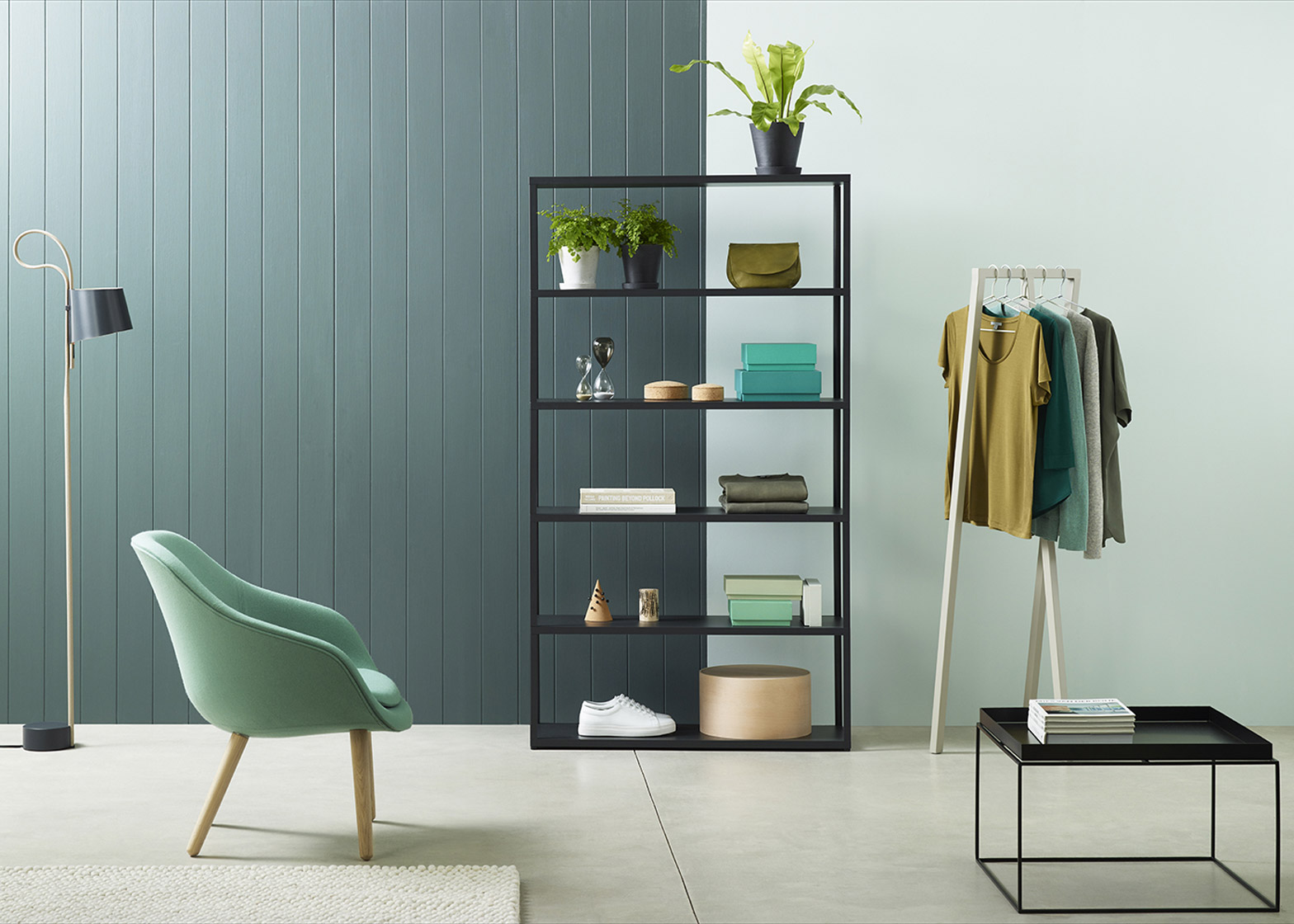
    The concept of wellness will increasingly be incorporated into houseware and home designs, predicts consumer market analytics firm WGSN. Speaking at the 34th HKTDC Hong Kong Houseware Fair and the 10th HKTDC Hong Kong International Home Textiles and Furnishings Fair, WGSN Mindset trends specialist Charlie Clark looked at the design concepts, colours and macro directions that will define homeware collections for spring/summer 2020.

    She explained how “sensorial wellness” – the concept of wellness embracing living as well as mental and physical health – is increasingly at the forefront of consumers’ minds and will become a theme in upcoming houseware designs.

    According to Clark, there will be a greater emphasis on the way textures and colours are used to affect our mood, and how the arrangements of spaces and products can make us feel energised or calm.

    Clark highlighted four design trends that have emerged out of this wellness theme, with corresponding zones set up at the Houseware Fair so that visitors could experience how these concepts can be applied to product designs.

    The trends include “Primitive Future”, a tendency toward sensorial simplicity in a blend of high-tech and organic lifestyles; “Hyper Room”, underscoring a mysterious and sometimes moody sense of the future; “Playful Plush”, blending culture with global influences; and “Harmony Lab”, emphasising wellness in the relationship between humans and technology.

    The fairs ran from April 20 to 23 at the Hong Kong Convention and Exhibition Centre. Some 2500 exhibitors from 28 countries and regions were featured at the fairs to showcase the latest houseware and home textiles collections to global buyers. The two four-day fairs welcomed close to 47,000 buyers from 121 countries and regions.

  • Huawei taps Infosys to help its build cloud ecosystem

    Huawei taps Infosys to help its build cloud ecosystem

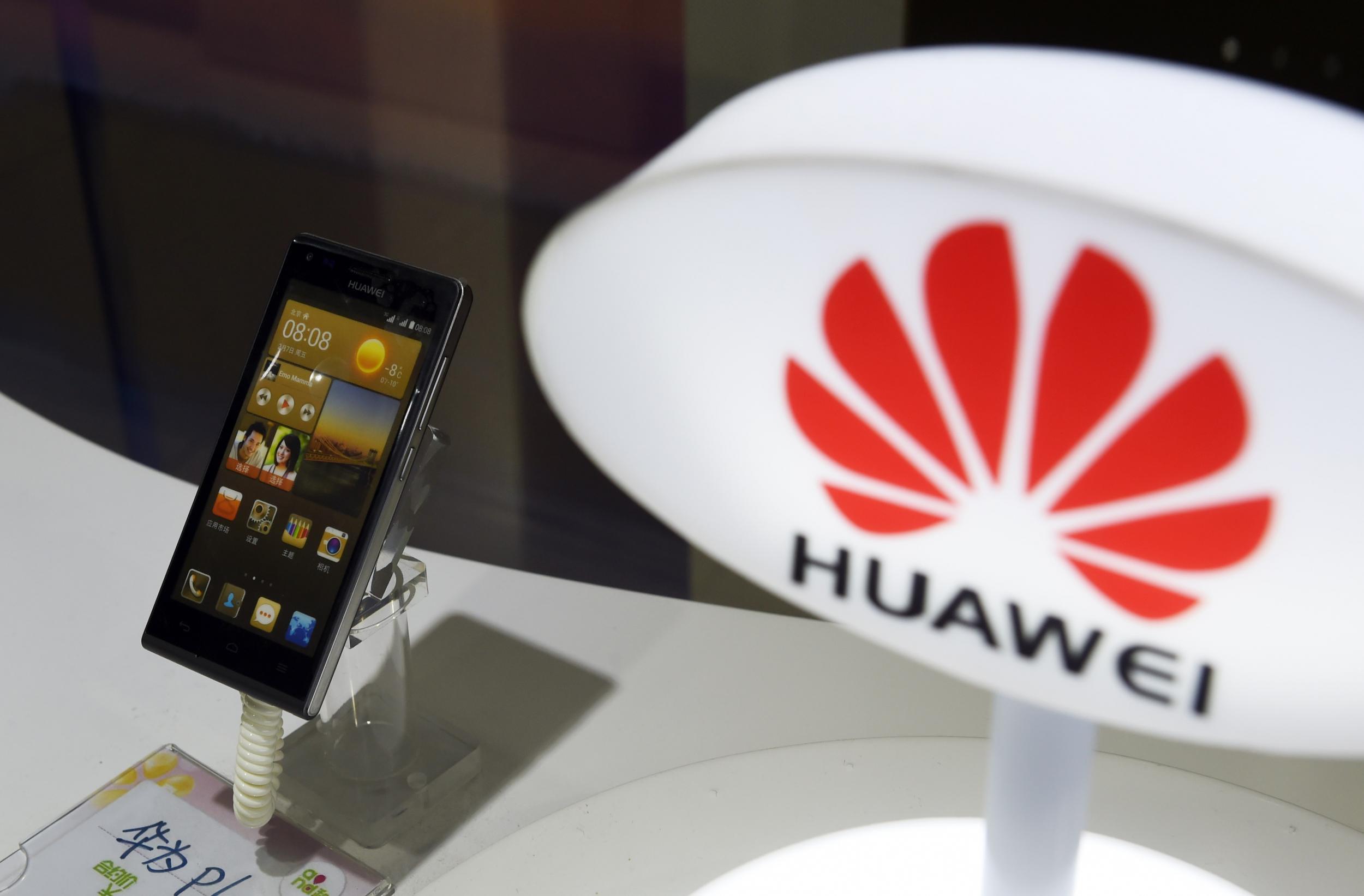
    Huawei’s continued quest to be one of the world’s largest cloud players took a small step forward with the announcement of a new partnership with Infosys.

    Huawei Cloud has signed a memorandum of understanding (MOU) with India-based IT firm Infosys in order to help enterprises transition to the digital cloud. As part of the MOU, Infosys will join the Huawei Cloud Partner Network (HCPN) in order to better blend Infosys’ products with Huawei Cloud’s offerings.

    “Combining Huawei Cloud’s product innovation and Infosys’ strengths in next-generation digital services, we will help our clients accelerate their transition to the cloud,” said Infosys President Ravi Kumar, in a prepared statement. “As part of this engagement, we will provide a suite of technologies hosted on Huawei Cloud, such as workload migration solutions including SAP and other enterprise workloads.”

    Over the past several years, Huawei has made a determined effort to become one of the world’s largest cloud providers, but it faces stiff competition from Amazon Web Services, Microsoft Azure, and Google Cloud. Closer to home, Huawei also competes with China-based Alibaba. Alibaba has been making a concerted effort to expand its cloud business into Europe.

    According to a February report by Synergy Research Group, Amazon Web Services increased its market share at the end of last year to the point where it is equivalent in size to the next four competitors combined. In order, Microsoft, Google, IBM and Alibaba held the top spots after AWS, according to Synergy Research Group.

    While Huawei wasn’t mentioned among the top cloud providers in the report, it has been trying to build a cloud ecosystem since at least 2016 when it first launched its “All Cloud” strategy for ICT infrastructure. A year later, Huawei announced it was seeking cloud computing partners to become the world’s fifth largest cloud provider behind AWS, Azure, Google and Alibaba.

    Given its size, Huawei Cloud may be able to muscle its way into cloud markets that are currently underserved by the top four companies, but there are also a host of medium and regional cloud companies.

    In this week’s first quarter earnings report, which was the company’s first, Huawei touted the artificial intelligence capabilities that are in Huawei Cloud.

    “Huawei CLOUD remains committed to innovation. It aims to build the best possible hybrid cloud, provide full-stack AI solutions for intelligent industries, and make inclusive AI a reality,” the company said in its earnings report. “More than one million enterprise users and developers have chosen to work with Huawei Cloud. In Q1, Huawei Cloud services were launched in Singapore, and Huawei Cloud released its AI model market.”

    In yesterday’s press release, Huawei said the number of HCPN partners had exceeded 6,000. Working with those partners, Huawei Cloud has added 2,800 applications that are available in 23 regions around the world.

  • Apple’s iPhone XR was the best-selling iPhone in Q2

    Apple’s iPhone XR was the best-selling iPhone in Q2

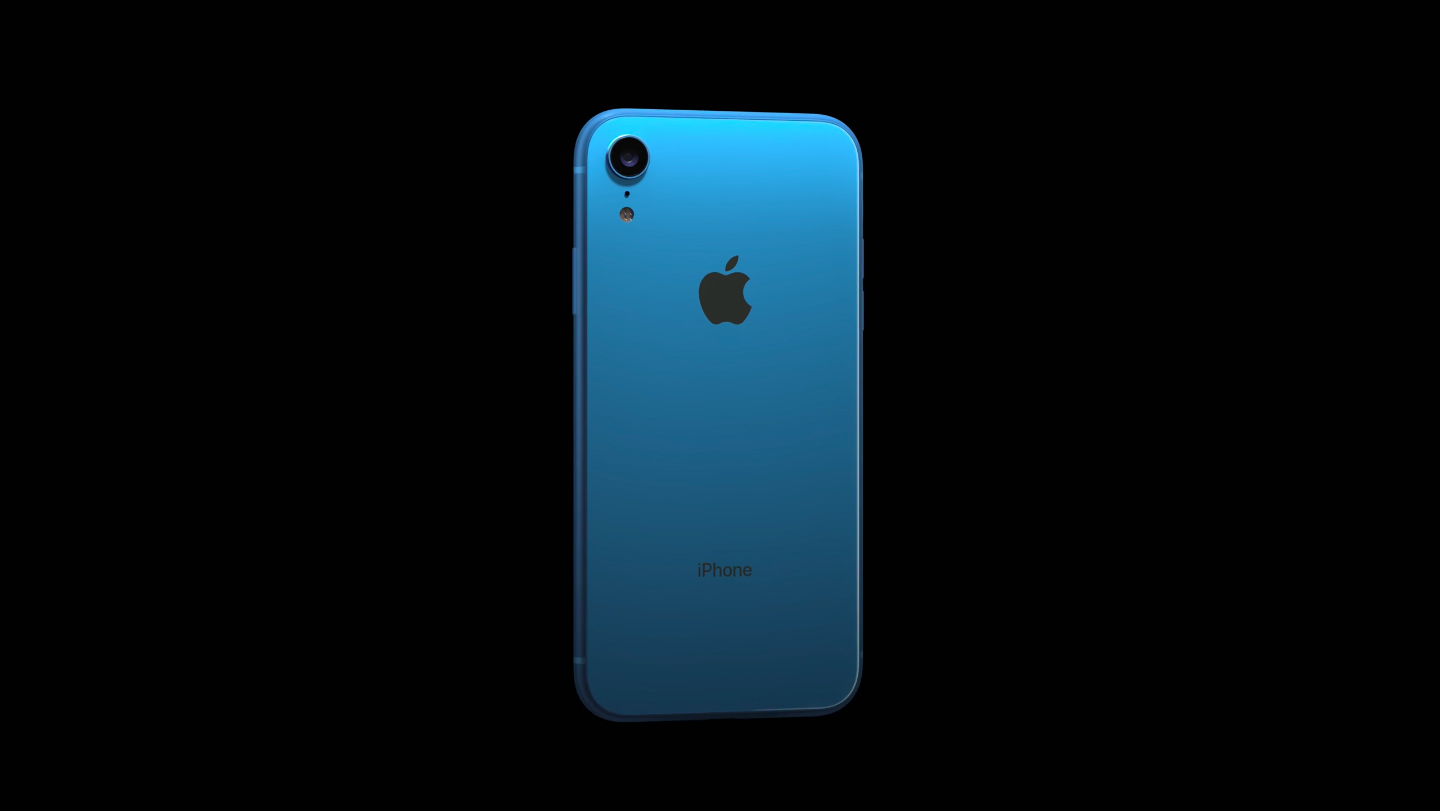
    Although iPhone sales haven’t been living up to Apple’s expectations lately, a recent CIRP report revealed that iPhones were the best-selling devices in the US throughout the first quarter of 2019. And now a new report has revealed which model was the most popular. For the second quarter running, the iPhone XR was the best-selling individual iPhone model in the United States. It accounted for 38% of all US iPhone sales throughout the recent quarter and outsold both the iPhone XS and iPhone XS Max combined by a factor of almost 2:1 – the iPhone XS series accounted for just 21% of sales.

    The remaining 41% of sales were distributed between the iPhone 8 and iPhone 7 lineups. The iPhone 8 Plus and iPhone 7 were the most popular among these, while the iPhone 8 followed closely behind. The iPhone 7 Plus was the least popular by a significant margin, but still managed to sell in numbers that are comparable to those of the iPhone XS.

    During the fourth quarter of 2018, the sales of higher storage tiers are understood to have boosted Apple’s average selling price (ASP) to new heights. But as interest in these devices declined and the iPhone XR became the dominant device, CIRP believes the ASP of iPhones dropped to around $800 last quarter.

    Looking at the second quarter of 2019, the iPhone XR is expected to continue dominating. However, iPhone sales as a whole could lose some ground to Samsung who recently launched the Galaxy S10, Galaxy S10+, and Galaxy S10e.

    During the first quarter the two brands were neck and neck – Apple held a 36% market share while Samsung accounted for 34% of sales – but during this current quarter iPhone sales are set to continue declining while Samsung should finally feel the full effect of the Galaxy S10’s popularity.

    Although Samsung is yet to release official sales figures, its latest flagship smartphones are reportedly outselling last year’s Galaxy S9 lineup by a small margin. Apparently, Galaxy S10 and Galaxy S10+ sales are on par with those of the Galaxy S9 and Galaxy S9+, while the smaller Galaxy S10e is essentially providing a nice boost to Samsung’s total unit sales.

    According to estimates, the Galaxy S10 trio will ship a combined total of 10 million units by the end of this quarter on a global scale. It’s unclear, however what percentage of these will be from the US.

    Continuing into the third quarter of the year, it seems likely that Samsung will continue to dominate the smartphone market. iPhone sales should continue to drop, while Galaxy S10 sales will have lost steam too. However, the South Korean brand is rumored to be preparing a Galaxy Note 10 and Galaxy Note 10 Pro that’ll help boost its performance significantly.

    As for the final quarter of the year, Samsung is expected to return its crown to Apple once again. The latter should release its latest iPhones towards the very end of the third quarter in September, with the full effect of sales being noticeable during the final three months of the year.

    This year, rumors suggest Apple’s iPhone XS and XS Max replacements will adopt triple-camera setups, smaller notches, reverse wireless charging, and a number of other features. The iPhone XR’s successor, on the other hand, should benefit from two rear cameras, Apple’s next-gen processor, and potentially an upgraded screen.

    All three smartphones should ship with iOS 13 straight out of the box. This will introduce a dedicated Dark Mode and a number of other features which are detailed in this article.

  • Singapore’s Chinatown Point Mall Finally Sold

    Singapore’s Chinatown Point Mall Finally Sold

    Singapore’s Chinatown Point Mall has been sold to a subsidiary of Pan Asia Realty Advisors, for S$520 million (US$383.28 million). The joint-venture, including Mitsubishi Estate and CLSA Real Estate Partners, will also acquire four accompanying strata office units in the office tower element of the project.

    Perennial Real Estate Holdings and a consortium of investors including Singapore Press Holdings (SPH) have agreed to sell their entire interests in the retail complex.

    The consortium will receive S$225 million in cash for their shares in the company holding the assets as well as for assignment of shareholder loans. Perennial, which holds a 50.64 per cent stake is expected to receive approximately S$125.3 million of that amount, subject to final adjustments.

    “The transaction is a testament to Perennial’s ability in identifying quality assets, creating value via enhancement initiatives, and ultimately unlocking value via divestment for all stakeholders,” said Pua Seck Guan, Perennial CEO.

    After settlement, Perennial’s retail management subsidiary will continue to manage the mall.

    Built in 1993, the Chinatown Point project includes a 25-storey strata-title office tower next to the mall. SPH and Perennial bought a 60 percent stake in the mall in 2016, at a value of S$442.5 million.

  • New features added to the official Google I/O 2019 App

    New features added to the official Google I/O 2019 App

    You know that the annual Google I/O developers conference is just around the corner when the latest Google I/O app becomes available in the Google Play Store. With Google I/O taking place this year from Tuesday, May 7th through Thursday, May 9th, the app is now ready to be installed on your Android phone. Now laid out in Google’s Material Display (bright white backgrounds, Google Sans font), the app allows attendees and the curious alike to view the schedule of sessions for the conference. In fact, those planning on making the trip to Mountain View can reverse seats for each event through the app.

    In addition, the Google I/O app allows attendees to create a schedule that they can view, and set reminders to go off before each session starts. This custom schedule can be synced between a developer’s mobile devices and the Google I/O website. This year, the app also adds events to the user’s personal calendar and allows those attending the conference to view the grounds using Augmented Reality. Individual sessions can now be found by looking under topics and speakers, and the home page will show upcoming events, announcements and more. For those interested in the Keynote, it will take place at 10 am PDT (1 pm EDT) on May 7th.

    With the use of Material Design, Google has added a Dark mode for the app that shows up once the Battery Saver has been enabled on an Android phone. This will change the app from showing black text on a white background to white text on a black background. Dark mode has been added as a feature on many of Google’s core Android apps over the last year and protects users’ eyes from the blinding white background when the app is viewed in the dark.

    When you install the app, make sure it is for the 2019 Google I/O conference. Even though the Google Play Store listing showed that we were installing the 2019 app, we received last year’s app instead.

  • Ellery Australia to Shut Down Sydney’s production and stores

    Ellery Australia to Shut Down Sydney’s production and stores

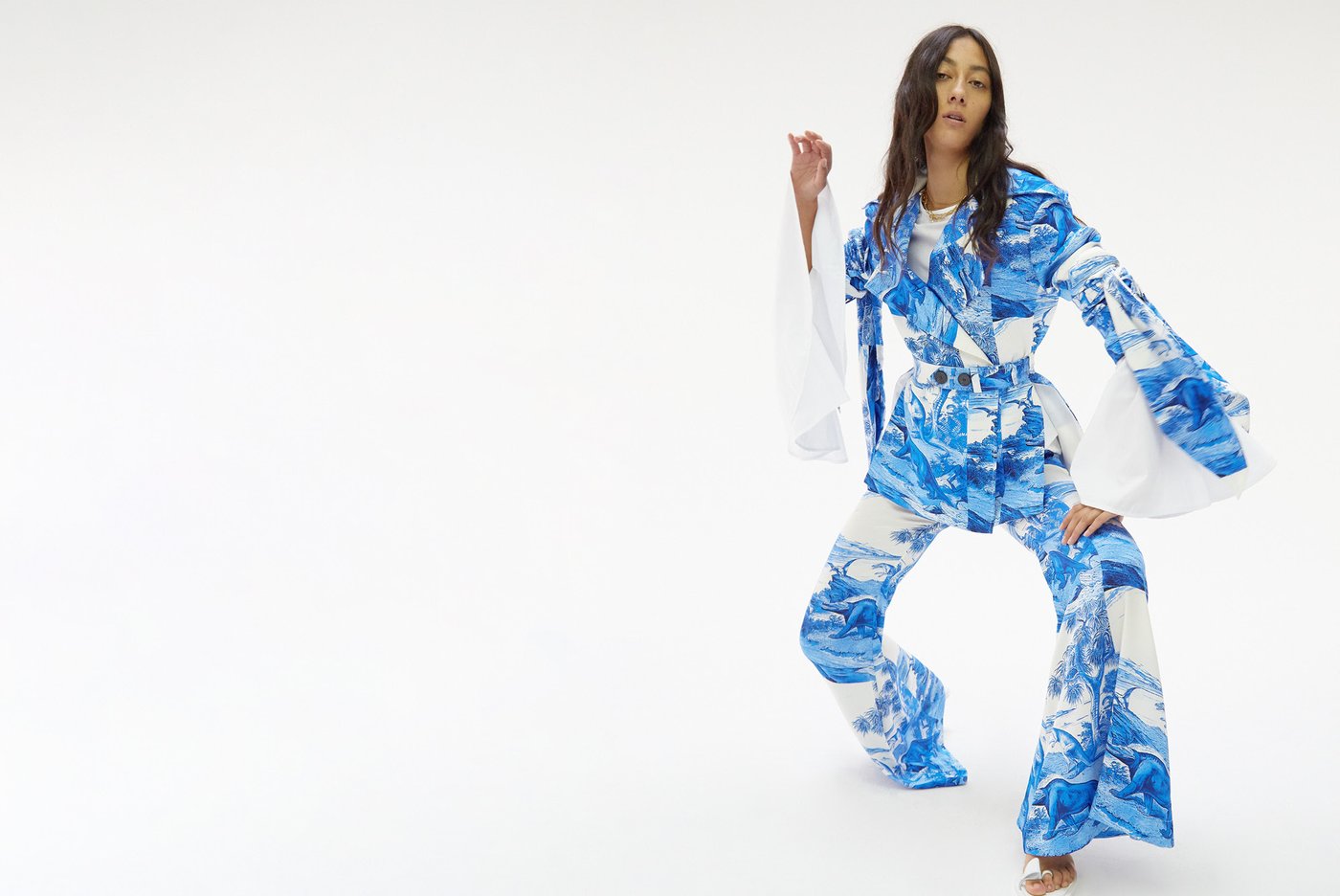
    Australian designer Kym Ellery has closed the local arm of her highly successful fashion brand, Ellery, citing the high cost of manufacturing Down Under.

    The company on Tuesday announced it closed its two Sydney stores on April 16 and will be closing its Sydney-based production facility, Elleryland this week. Twenty-two staff were made redundant on April 18.

    The luxury womenswear brand has been manufacturing in Australia since it was founded by Kym Ellery in 2007, but a combination of poor strategic decisions and cost have made local operations commercially unsustainable.

    “We have been left with no choice but to close Elleryland, our production facility and Australian operations company,” the founder and creative director said in a statement.

    “I have always championed Australian manufacturing, and this decision was incredibly difficult to make. I am deeply grateful for the dedication and support of everyone involved.”

    The local company appointed liquidators on April 18, according to a document lodged with the Australian Securities and Investments Commission. Ellery Group’s other companies, including the trademark and Paris-based design company, will continue.

    Ellery said it is in the final negotiations of appointing a new global distributor for the brand, which will also consolidate production in Europe, provided longer term stability.

    “One of our great success stories”

    Eva Galambos, director of Parlour X, a luxury fashion boutique in Sydney that stocks Ellery, said the decision makes sense, given the size of the brand’s international business, compared to its domestic business.

    “It makes sense that she focuses on her international operations as most of her major accounts exist in the northern hemisphere,” Galambos told.

    She added that Parlour X will continue to stock Ellery, which she said sits well with the boutique’s other international collections, including Loewe, Balenciaga, Celine and Chloe, and that the brand will still have strong representation in the Australian market.

    “Kym is one of our great, proud international success stories and we need to focus on celebrating her achievements,” Galambos said.

    Ellery gained international recognition after taking the collection to Paris in 2012, and is now stocked in prestigious department stores and specialty boutiques, including Selfridges, Lane Crawford, Net-a-Porter, MyTheresa, Matches, Galeries Lafayett and Harrolds.

    The brand, which is known for its voluminous shapes, masculine tailoring and innovative fabrications, has been worn by celebrities including Beyoncé, Nicole Kidman, Elle Fanning, Susan Sarandon, Rihanna and Emma Watson.

  • Meituan Scaling down Ella Supermarket Outlets

    Meituan Scaling down Ella Supermarket Outlets

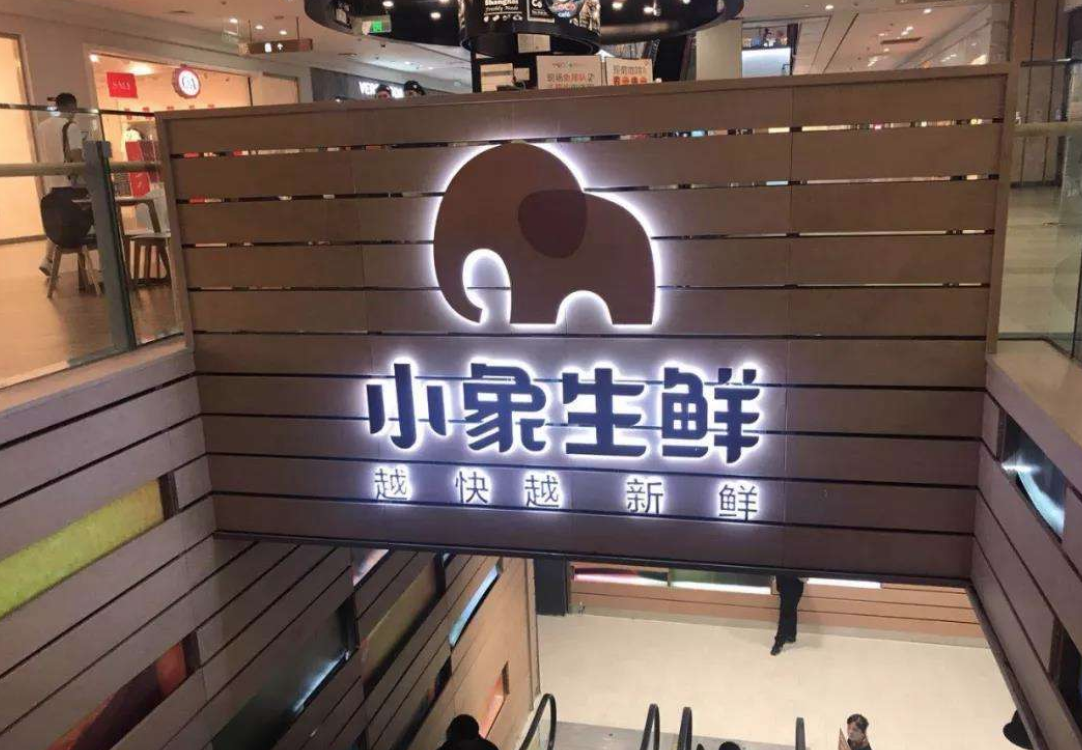
    Chinese food-delivery website Meituan has closed three of its Ella Supermarkets in Jiangsu, almost halving its network of outlets.

    The business initiative, which sells fresh supermarket produce online for fast home delivery, has just four remaining locations in Beijing and Wuxi.

    The closures were reportedly put down to mismanagement, and stand in stark contrast to the company’s stated plans to open 20 outlets within last year.

    Its shortcomings are reflected by competing brands, however, with rival groups Yonghui Super Stores, 7Fresh and SuFresh also performing under par. Alibaba’s Hema offering is an exception with reportedly strong trading.

  • Veeko buys New Territories retail store

    Veeko buys New Territories retail store

    Veeko International has sealed a deal to buy a retail property in the New Territories, with an eye to converting it into one of its own stores.

    Veeko – which owns its namesake fashion brand along with Wanko, and the Colourmix and Morimor cosmetics-store chains – has paid HK$117.5 million to acquire the ground floor of 88 San Hong Street North in the New Territories. The 833sqft space is currently occupied by Yue Fung Dispensary Co, paying $248,000 a month until its lease expires on December 31, 2020.

    The company says that while the retail space is currently tenanted, “upon the expiry of the existing tenancy agreement, the group shall evaluate the benefit of continuing leasing of the property against the benefit of using the property as the group’s store”.

    Savills has independently valued the space at $120 million.

    The transaction is scheduled to be completed by June 18.

  • UBS Quarterly Profit Down Drastically

    UBS Quarterly Profit Down Drastically

    The Zurich-based bank’s net profit for the first quarter dropped to $1.1 billion Swiss francs from $1.6 billion a year ago, it said in a statement on Thursday. A 6.5 percent cut in spending wasn’t enough to offset UBS’ 16 percent tumble in revenue. Last year’s quarter also included an 241 million franc pension credit.

    The result follows a warning last month from CEO Sergio Ermotti that the first quarter – traditionally the strongest in banking – was the toughest in years. Crosstown rival Credit Suisse on Wednesday posted an 8 percent hike in profits for the same period, following an eventful three-year restructuring.

    Profit before tax at UBS’ flagship private bank slid nearly 22 percent: fees dropped because the bank managed fewer assets and commissions fell because clients stopped trading, particularly in Asia. «The first quarter of 2019 was characterized by challenging market conditions, which improved towards the end of the quarter and into April», CEO Ermotti said.

    Nevertheless, clients brought $22.3 billion in fresh assets to the wealth arm, which translates to a healthy 4 percent rate of growth. The bulk came from Asia, where UBS has banked heavily on China as the region’s biggest and fastest-growing wealth market.

    Meanwhile, profits at UBS’ investment bank plummeted by nearly two-thirds, where foreign exchange trading was the only bright spot. A downturn in Europe and the Middle East as well as Asia hit stock and bond trading and advising on deals. The unit eked out a meager 7 percent return on equity in the quarter.

    UBS said it is on track with measures such as stretching out technology projects, slowing hiring, reducing contractors, and pruning travel and entertainment costs – a bid to cut another 300 million francs in spending. «Benefits from these measures should come in the second half of the year, supporting our attractive capital return plan for the year», UBS said.

    Ermotti was more measured than Thiam’s buoyancy in his outlook, saying UBS expected global growth has slowed, but that UBS stands to gain because it is so regionally and operationally diversified. UBS’ rising asset base will bolster recurring income at its private bank and asset management units, the bank said.

  • Julius Baer Starts to Serve Thai Wealthy Individuals

    Julius Baer Starts to Serve Thai Wealthy Individuals

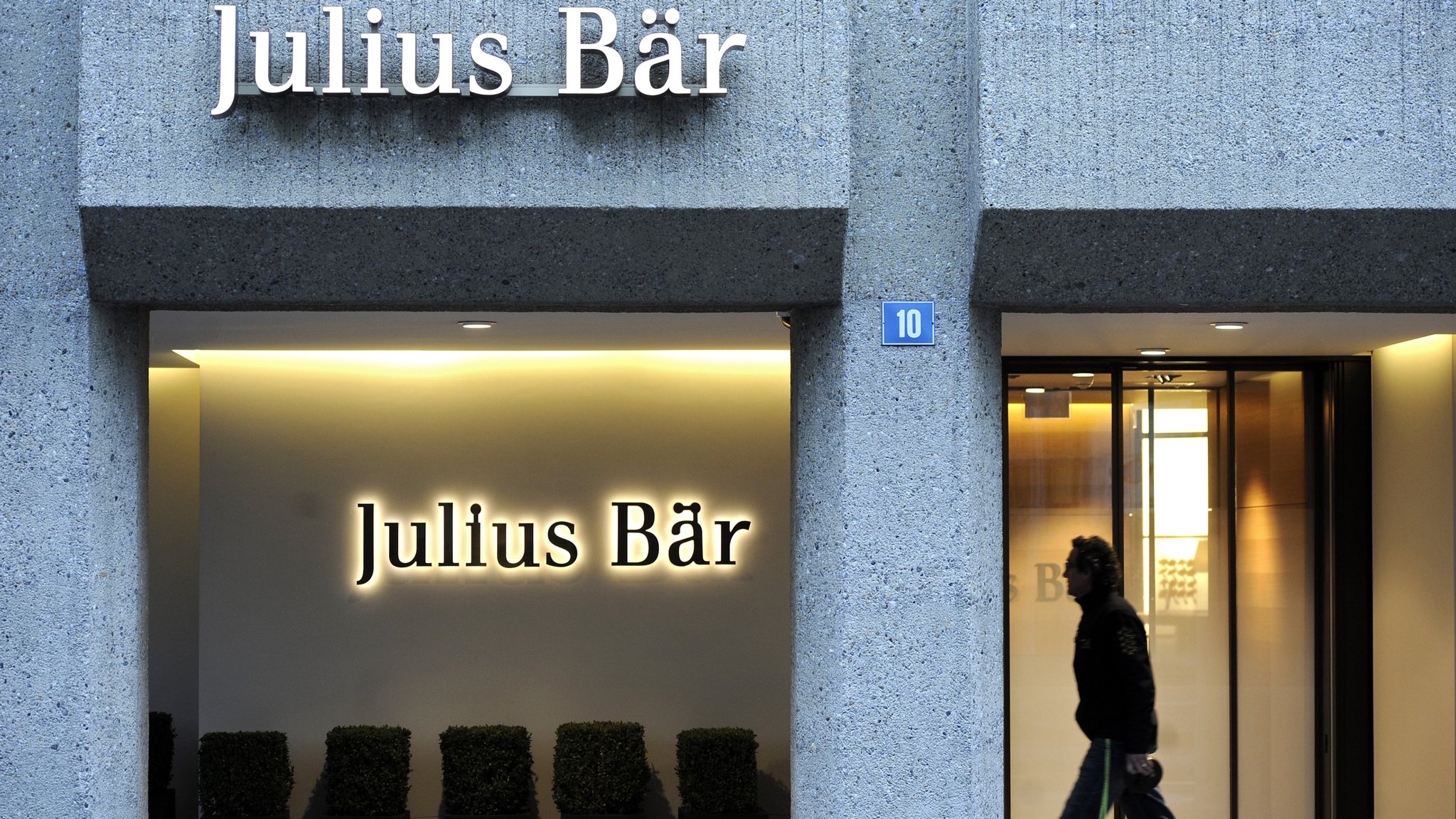
    The Siam Commercial Bank (SCB), the first commercial bank in Thailand, and Julius Baer, the leading Swiss wealth management group and one of the four largest private banks in Asia, announced on Thursday that their joint venture company, SCB Julius Baer, has received the necessary approvals and licenses to operate in Thailand, beginning with over 50 dedicated professionals.

    SCB Julius Baer will focus on bringing best-in-class global wealth management capabilities to clients in the growing Thai wealth management market.

    Jiralawan Tangitvet joins as Chief Executive Officer to lead SCB Julius Baer. A seasoned investment specialist with over two decades of experience, both in the buy- and sell-side in the financial industry, Jiralawan has a track record of helping clients build investment strategies tailored to their financial goals as well as design business plans that accelerate growth and opportunities. Prior to joining SCB Julius Baer, she was most recently Managing Director at Kasikorn Securities.

    «We are delighted that Jiralawan has been appointed to lead this important joint venture in Thailand. Her extensive experience combined with Julius Baer and SCB’s capabilities provide our clients with a unique value proposition in Thailand,» said Jimmy Lee, Member of the Executive Board and Head Asia Pacific, Julius Baer.

    Over the last few months, concrete steps have been taken and key personnel has been hired with the leadership experience and expertise in Thailand to advise clients regarding their wealth management and wealth planning needs. Julius Baer’s international expertise and SCB’s on-the-ground experience form the foundation of these training and development programmes.

    «SCB’s strong brand name in Thailand provides the joint venture with a home-court advantage while Julius Baer contributes its comprehensive investment and advisory solutions built on global best-in-class expertise. Together, we have a winning formula for our clients in Thailand,» said Christian Cappelli, Market Head Emerging Asia, Julius Baer.

  • Official Online Nintendo Store Opens Doors in Hong Kong

    Official Online Nintendo Store Opens Doors in Hong Kong

    An official Nintendo Hong Kong online store has opened this week.

    The new storefront eplaces a former Nintendo page that offered download codes which could be redeemed on WhatsMall.

    Now fans of the Japanese game platform can buy software online direct from the manufacturer.

    The Nintendo Hong Kong e-commerce site offers download codes for a range of Nintendo Switch and Nintendo 3DS games along with DLC, reports fansite NintendoSoup.

    The site features multiple languages as well, along with Chinese: American and UK English, Canadian French, French, Latin America Spanish and Spanish.

  • Google launches its health-tracking app for Iphone Users

    Google launches its health-tracking app for Iphone Users

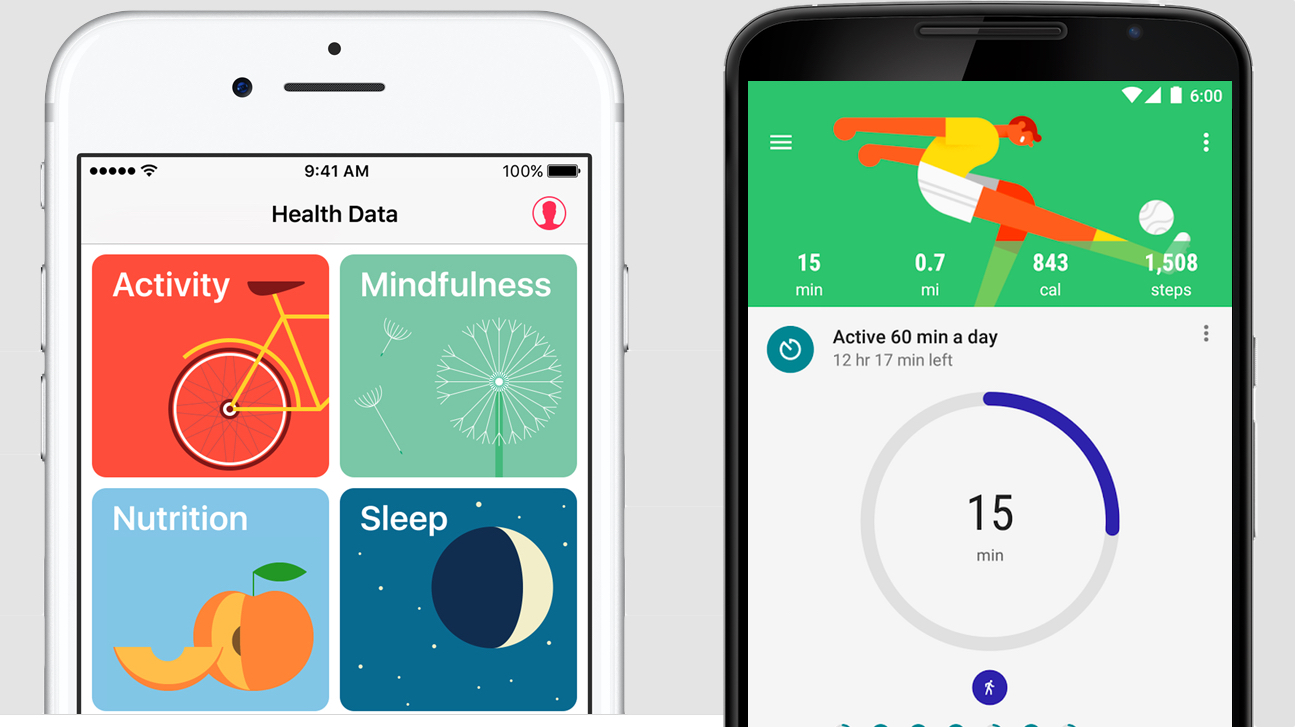
    Google Fit, the health-tracking app that made its debut on Android four years ago, has now been released on iOS. The app has gone through multiple overhauls since its launch back in 2014, but the last major update released last year made it extremely simply to use.

    Starting today, iOS users will be able to track their Heart Points and Move Minutes, the best way to build smarter, healthier habits throughout the day. Google Fit awards users so-called Move Minutes and Heart Points the more they move and the more intensely they move. Based on the scores, you’ll be closer to reach the recommended amount of weekly physical activity and reap the health benefits.

    It’s purely motivational, but very helpful if you’re trying to exercise but don’t find the courage to do it regularly. More importantly, Google Fit allows users to track their progress throughout the day using various apps.

    For example, app connected to Apple Health, such as Sleep Cycle, Nike Run Club and Headspace, can be synced with Google Fit to offer a more holistic view of your health. You’ll also be able to see how many Heart Points and Move Minutes you earn through other activities.

    Moreover, if own an Apple Watch as well, Google Fit will keep track of all your workout sessions too. Just don’t forget to check the app’s journal to see what you need to do to sleep better and get more active. You can download Google Fit for iOS right now via the App Store.

  • Michael Kors launches improved Sofie Heart Rate smartwatch

    Michael Kors launches improved Sofie Heart Rate smartwatch

    Michael Kors is expanding its smartwatch offering with an improved version of Sofie, a wearable device that was launched two years ago. The new model, weirdly named Sofie Heart Rate, packs a few new features that the original model lacked, but keeps a similar price.

    The Sofie Heart Rate is available in five colors – Pave Rose Gold, Rose Gold, Silver, Pave Two-Tone, and Gold, for as low as $325. Officially unveiled early this year, Michael Kors’ new smartwatch runs Wear OS and is fully compatible with iPhone and Android phones.

    Unlike the original model, the new Sofie Heart Rate features built-in GPS, NFC (Near Field Communication) payment technology, heart rate tracking, and swimproof technology (water resistant up to 30m). Also, it comes with an AMOLED display, 4GB internal storage, and a 300 mAh battery.

    Design-wise, the smartwatch is made of stainless steel and features interchangeable straps. According to Michael Kors, in addition to the three classic stainless steel platings and the two-tone glitz version models, the Sofie Heart Rate will also be offered in alligator-stamped silicone. Moreover, brown and plum stainless steel platings, along with grey silicone, will be made available this fall.

  • eBay and Singapore Institute of Retail Studies come together to deliver eCommerce training

    eBay and Singapore Institute of Retail Studies come together to deliver eCommerce training

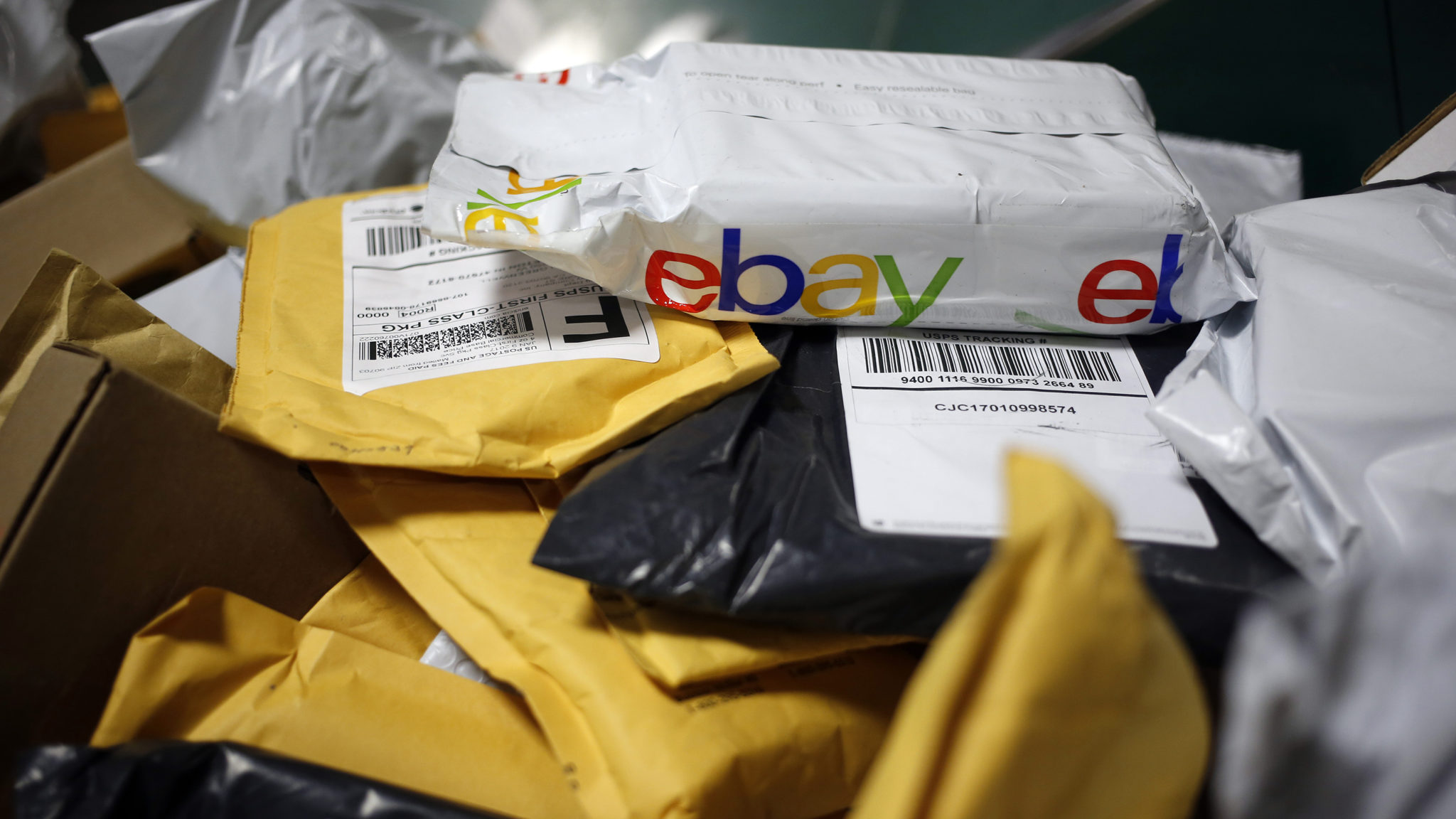
    eBay and the Singapore Institute of Retail Studies (SIRS) joined forces to deliver training to small businesses and entrepreneurs seeking new and global sales channels in the fast-growing eCommerce sector. Titled “Let’s eBay with SIRS”, the full-day workshop was held at the Lifelong Learning Institute, one of two Continuing Education and Training (CET) campuses by SkillsFuture Singapore. To offer SMEs in Singapore a holistic support system to grow their businesses globally and sustainably, eBay and SIRS signed a memorandum of understanding (MOU) focused on Global e-Commerce Onboarding & Education Programs.

    Singapore’s eCommerce market is expected to grow by 48% to S$10.04 billion by 2022, and a rising number of entrepreneurial Singaporeans are capitalising on the opportunity to sell their products directly to customers all around the world on eBay.

    According to eBay Head of Southeast Asia Seller Growth Wong Mei Inn, “Singapore’s cross border trade (CBT) exports continue to grow and there is huge opportunity for more small businesses to join the ranks of eBay sellers. By listing their products on eBay’s global marketplace, Singaporean businesses can reach 180 million active buyers all around the world.”

    “Let’s eBay with SIRS was designed for the small business and entrepreneur who has little or no ecommerce experience but wants to learn directly from the source,” said Wong.

    “eBay has thousands of sellers here in Singapore and over 80% of them sell to customers overseas. eBay’s focus in Singapore this year is to enable even more SMEs to sell worldwide”, said Jenny Hui, General Manager, Cross Border Trade, eBay Hong Kong, Taiwan and Southeast Asia.

    “eCommerce has been recognised as one of the key growth opportunities under the 2020 vision of the Retail Industry Transformation Map launched by SPRING Singapore (now Enterprise Singapore),” said Nanyang Polytechnic’s Singapore Institute of Retail Studies Director Megan Ong. “By partnering eBay, we will be able to encourage retailers in Singapore to adopt eCommerce and omni-channel strategies to succeed in today’s digital context.”

    Small medium enterprises (SMEs) contribute to 72% of Singapore’s employment, and in 2018, added a nominal value of S$213.6 billion, or 48% to the economy. The government has acknowledged the importance of SMEs plugging into the digital economy as it would make a noticeable impact on Singapore’s economic growth.

    During the workshop, Let’s eBay with SIRS featured speakers from eBay, SIRS, WorldFirst, Watcheszon International, JTBC Global and DHL Express Singapore. The speakers shared case studies, advice on getting started, and introductions to payments and logistics service providers to help small businesses begin their global ecommerce journey.

    Following the workshop, eBay has launched the “eBay Onboarding Program”, a series of courses with SIRS to further enable SMEs to optimise cross-border selling and manage operations. Each course will be charged at $160, and subsidies range from 70-95%. For more information on the courses and available subsidies, visit https://www.sirsdigitalcommerce.com/ebay.html or email SIRS at courses@sirs.edu.sg