Blog

  • Tinder beats Netflix to become the top-grossing non-game app

    Tinder beats Netflix to become the top-grossing non-game app

    Dating app Tinder has beaten Netflix and it is now the top-grossing non-game app on the iOS App Store, according to intelligence firm Sensor Tower.

    Tinder’s revenue soared by 40% in the first quarter of 2019 to reach $260.7 million, up from $183 million from the same period last year, while Netflix’s numbers went down from $255.7 million to $216.3 million.

    But there is a reason for that: Netflix itself stopped paying the so-called “Apple tax”, a 15% cut on all in-app purchases that go through Apple’s systems, and since December of 2018, all new Netflix subscriptions are handled outside of iOS. Apple traditionally charges companies a 30% cut of their subscription revenue for the first year and then drops that number to 15%, but Netflix is said to have had a special deal with the 15% rate available on day 1. Even those 15%, however, workout to a massive amount when you look at the numbers. At an estimated annual revenue of around $850 million, 15% would amount to around $130 million.

    Netflix pulling out of the App Store subscription program (it had already pulled out of a similar program on Android earlier) is basically a reaction to those huge amounts of money that it had to pay to Apple, which provided only the platform. And of course, this move has allowed Netflix to keep more of its revenue to itself.

    At the same time Tinder’s popularity has continued growing and the company has managed to overcome Netflix as the top grossing app.

    Interestingly, if you look at the general picture of things, you see that the majority of the top grossing, non-game apps in this first quarter of 2019 all had something to do with streaming, either for music or for video. Those apps include Tencent Video (a video streaming service popular in Asia), YouTube, Pandora and YouKu (Chinese YouTube alternative).

    And if you look at just the top downloads, you see that messengers at among the most popular ones: WhatsApp, Messenger, TikTok, Facebook, Instagram, and others.

    Considering these numbers it really is no surprise to see Apple shift to a portfolio of streaming services of its own. The newly announced Apple TV+ is coming this fall and will open a new world of Apple-original movies and shows headlined by an Oprah show and a bunch of Hollywood honchos, plus it will offer streaming from services such as HBO or Showtime. And then you have Apple Arcade, a brand new gaming service focused on quality releases that do not have pay-to-win written all over them.
  • ZTE, China Mobile, Ericsson conduct 5G-4G VoLTE call

    ZTE, China Mobile, Ericsson conduct 5G-4G VoLTE call

    ZTE, the Guangzhou branch of China Mobile and Ericsson have announced a joint demonstration of a VoLTE voice and video call between 5G and 4G smartphones.

    The successful call, completed at the end of March, utilized non-standalone 5G networks provided by different vendors, as well as China Mobile Guangzhou’s existing 4G network.

    It used ZTE’s 5G and 4G smartphones for the VoLTE voice and video call, as well as network equipment from the two vendors.

    Guangzhou is one of five 5G pilot cities for China Mobile, which is investing the most heavily in 5G among China’s big three mobile operators.

  • Lack of clarity will stump 5G growth

    Lack of clarity will stump 5G growth

    As the first commercial deployments of 5G start to appear, the stage is set for consumers finally to find out what the powerful next-generation mobile standard promises can bring: an ambitious and far-reaching technological advance that transforms virtually all aspects of human activity—how we experience life, conduct business, create goods, and build societies.

    That’s the theory and the hope.

    For many in the industry 5G will set the stage for incredible change. However with standards are still being rolled out, it remains a confusing landscape, with varied and sometimes conflicting interpretations of what 5G is and what to expect from it.

    This confusion is impacting not just consumers but also complicating the industry’s ability to measure itself against a standard set of 5G expectations and requirements.

    To optimize short-term and long-term 5G adoption, it is imperative that clarity regarding what 5G is and when each capability will be available is established for both consumers and the ecosystem. To that end, IHS Markit follows the official 3GPP definition of 5G but also believes that this description needs to be understood within the context of everyday experience and concepts.

    According to the IHS Markit whitepaper, The promise and potential of 5G, 5G will improve existing services and enable new use cases, such as driverless cars, immersive entertainment, zero-delay virtual reality, uninterrupted video and no-latency gaming. On the industrial front, 5G will be key to expanding and realizing the full promise of the internet of things (IoT), with the technology’s impact to be felt in smart homes, smart cities and smart industries.

    “The marketplace implicitly understands 5G represents an unprecedented growth opportunity, with the initial smartphone rollout set to generate record shipment volumes,” said Francis Sideco, vice president at IHS Markit. “However, fewer people understand the iterative nature of major technology rollouts such as the one we are going through now with 5G—a process involving multiple major updates that will add new capabilities in the coming years. With each of these updates having the potential to significantly disrupt the market’s competitive dynamics, it’s critical for companies to clearly understand the implications of each rollout or risk falling behind the competition.”

    New 5G technical standards will eventually enable the creation of applications that could open new opportunities, inform new business models and transform everyday life for multiple industries and billions of users throughout the world.

    However, many of these capabilities won’t be available in initial 5G rollouts, but instead will arrive in subsequent releases of the standard to be implemented over the next few years. Each of the releases will deliver new challenges and opportunities not only for the wireless industry but also every industry for which the new use cases are envisioned. To fully realize the potential of these opportunities, competitors will need to understand and capitalize on new capabilities even before they are fully introduced.

    The 5G standard’s next release is already on the horizon, with the expected introduction of Release 16 in late 2019. The upcoming release will deliver highly desirable enhancements, including far greater reliability and peak data rates of 20 Gbps downlink and 10 Gbps uplink.

    “This next phase of implementation and rollout will trigger a race among mobile network operators to meet and take advantage of these performance enhancements. The winners of this race are likely to gain a competitive advantage as they gear up for the next wave of growth,” Sideco said.

    Future revisions will spur similar competitive battles, as 5G adds major new capabilities and expands into other markets beyond mobile communications, such as mission-critical applications and massive internet of things (IoT) deployments.

    “For companies throughout the technology supply chain—from network operators, to smartphone brands, to industrial and automotive device manufacturers and electronics suppliers—it will become increasingly important to understand the changes brought by each phase of the 5G deployment and to be ready to capitalize on the latest capabilities to gain a competitive advantage,” concludes Sideco.

  • Retail spend on AI services to Multiply by 2023

    Retail spend on AI services to Multiply by 2023

    Global spending by retailers on AI services will reach US$12 billion by 2023, according to Juniper Research.

    That figure is more than three times the amount expected to be spent this year, of $3.6 billion and represents investment by more than 325,000 retailers expected to adopt the technology during the next four years.

    According to Juniper Research’s report, AI in Retail: Segment Analysis, Vendor Positioning & Market Forecasts 2019-2023, AI use by retailers will unlock efficiencies across back office operations. Advanced analytics employed in functions such as demand forecasting and automated marketing will make retailers more agile and improve margins.

    Juniper forecasts that retailers will face an AI adoption race, where AI-equipped retailers, which have adopted systems as early movers, will displace slower moving retailers, offering superior service at optimised price points.

    Demand forecasting crucial

    The use of machine learning in demand forecasting will prove to be a key market for AI vendors, with associated service revenues reaching $3 billion by 2023, up from $760 million in 2019.

    Juniper Research says demand forecasting will be essential to enable an effective omnichannel experience and drive higher margins.

    “With the rise of collect-in-store and one-off events such as Black Friday, understanding demand and supply chains is more crucial than ever with AI playing the central role,” said research author Nick Maynard.

    The research also found that smart checkouts, largely powered by AI technologies such as computer vision, will have a strong future in the convenience area; leading to annual transaction volumes of more than 1.4 billion by 2023, compared with just 42 million this year.

    While Amazon is currently highly visible with its Go model, China will be the biggest driver of future growth. This reflects the rapidly growing Chinese market, as well as the backlash Amazon has had recently due to its cashless model.

    Juniper Research provides research and analytical services to the global hi-tech communications sector, providing consultancy, analyst reports and industry commentary.

  • Marks & Spencer Singapore store opens at Jewel Changi

    Marks & Spencer Singapore store opens at Jewel Changi

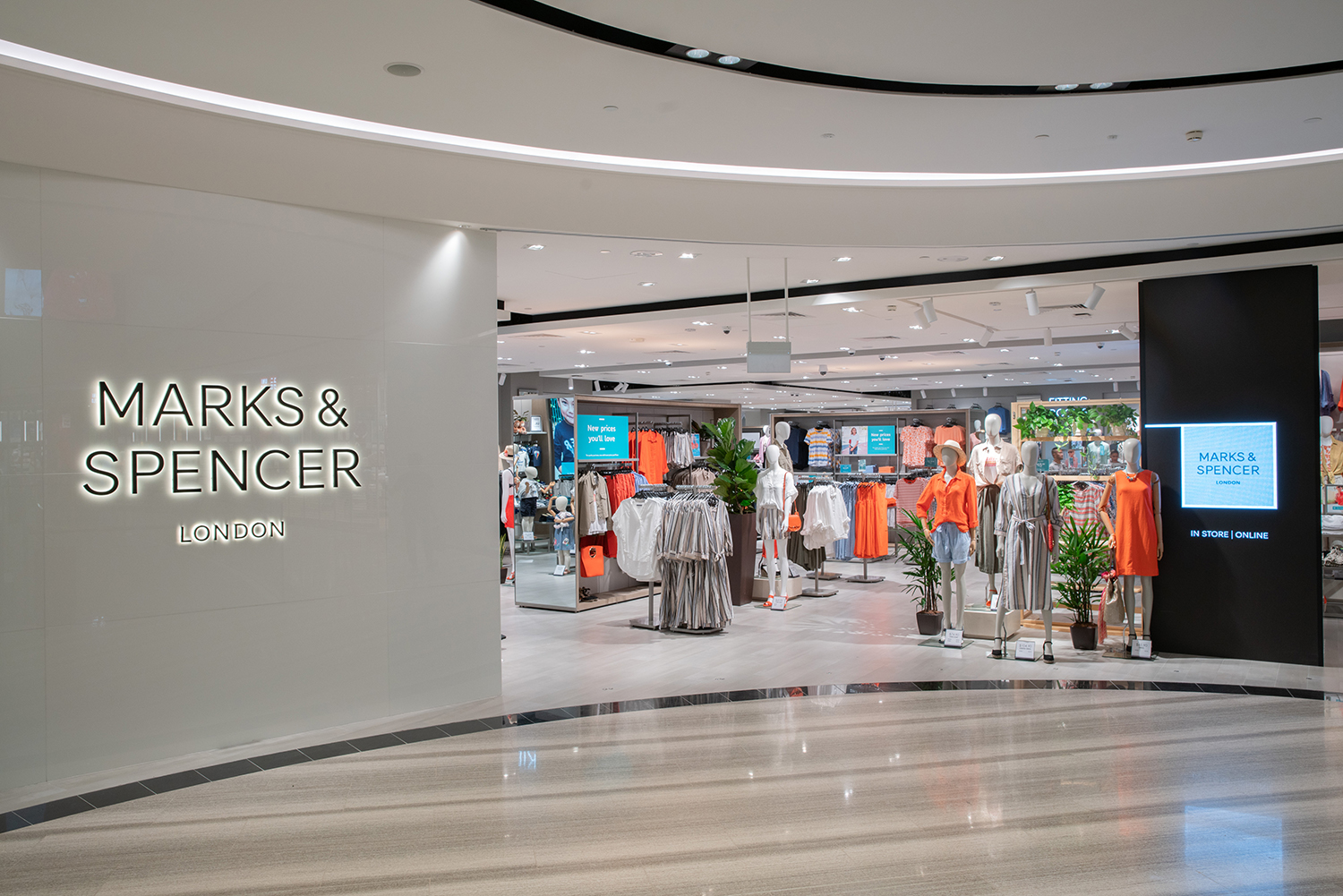
    Marks & Spencer Singapore will open its Jewel Changi store this Wednesday.

    The 13,000sqft space offers M&S’s clothing and accessories across womenswear, menswear, lingerie and kidswear.

    The store also features Food Hall which will include nearly 3000 lines of food and drinks, including international award-winning wines.

    Customers can expect a variety of chilled food and drinks including fresh sandwiches, prepared salads, fruit and vegetables, meat and dairy, prepared meals, inspired by world cuisines.

    The new store also features an M&S in-store bakery, selling coffee-to-go and patisserie goods.

    “Our new store at Jewel Changi Airport will combine the best of our clothing collections and high-quality food with an inspiring shopping environment and exceptional customer service, offering a truly special experience,” said Christine Choi, Marks & Spencer Asia CEO.

    A new feature of the Jewel Changi store will be unique name badges for staff which bear ‘Singlish’ taglines such as ‘I am Stylo Milo, ‘I am Tok Kong’, and a few other variations embracing local culture.

    From April 17 to June 11, shoppers can enjoy special offers including lucky draws and free M&S cooler bags.

  • Rebecca Feng buys LK Bennett

    Rebecca Feng buys LK Bennett

    UK-based affordable-luxury fashion-brand LK Bennett has been sold to its Chinese franchise partner Rebecca Feng.

    Rebecca Feng, who operates the label’s business in China under a franchise agreement, competed with several interested buyers following the fashion retailer’s entry into administration last month, including founder Linda Bennett.

    The purchase reportedly places stores in Britain and Ireland in some danger of closure, which could affect up to 500 staff. It will also involve a review of the firm’s operations in Europe and the US, which filed bankruptcy proceedings earlier this month. The firm has some 200 locations globally.

    The brand was founded by Bennett in 1990 with the vision of bringing “a bit of Bond Street luxury to the High Street”. Initially known for its signature ‘kitten heels’ favoured by celebrities, the label grew to become a destination for feminine footwear. Ready-to-wear collections were introduced in 1998 establishing LK Bennett as a fashion house offering complete wardrobe solutions for all occasions.

    All of the label’s collections are designed in house with a theme that combines signature detailing with strong colours, distinctive prints and a flattering fit.

  • Oysho Singapore opens first store in Singapore

    Oysho Singapore opens first store in Singapore

    Oysho Singapore is opening its first store this week, at Jewel Changi.

    The Spanish fashion label’s debut Singapore store spans 220sqm, and features a warm atmosphere, fitted out with materials such as wood and metal, combined with new furnishings.

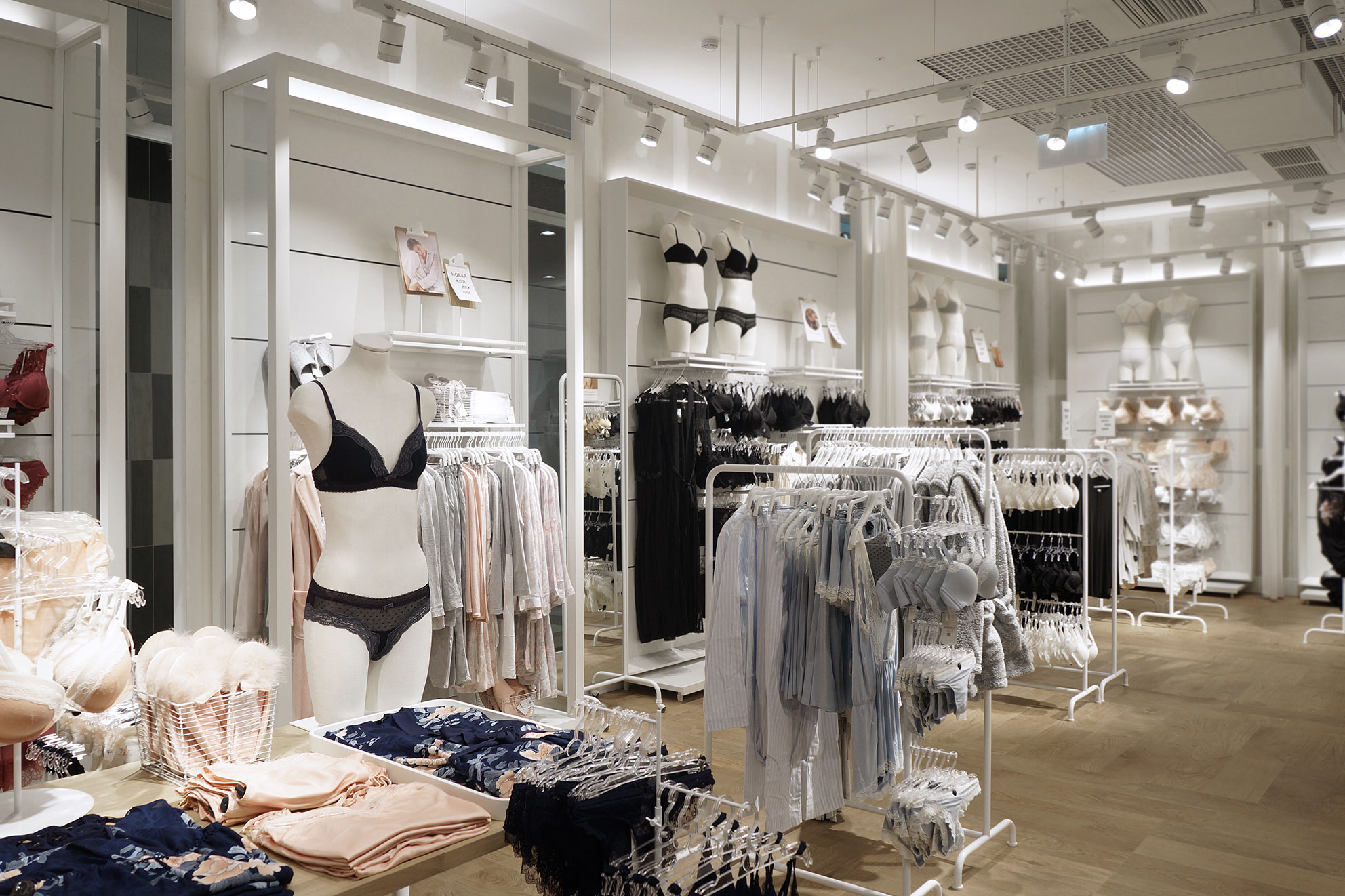
    The store stocks products from all the brand’s categories, including sleepwear, lingerie, gym wear, beachwear, footwear, sportswear and accessories. Prices range from $7.90 to $299.

    The Oysho Sport range features garments suited to boxing, surfing, skiing and trekking. With a commitment to technical innovation, the brand’s garments include lines featuring aloe vera microcapsules, compression fabrics for muscle recovery, and Sensil Innergy Nylon 6.6 fabric which Oysho says enhances physical performance.

  • Cloud fueled data center spending growth to $150b in 2018

    Cloud fueled data center spending growth to $150b in 2018

    Synergy Research Group (SRG) says a 30% spike in public cloud spending the data center hardware and software market grow to $150 billion in 2018. In addition, the requirement for ever-richer server configurations also drove up enterprise server average selling prices.

    Spending on enterprise data center infrastructure grew by 13% in part driven by the 23% growth in private cloud or cloud-enabled infrastructure, which helped to offset a marginal decline in traditional, non-cloud infrastructure.

    In terms of market share, ODMs in aggregate account for the largest portion of the public cloud market, with Dell EMC being the leading individual vendor, followed by Cisco, HPE and Huawei. The 2018 market leader in private cloud was Dell EMC, followed by Microsoft, HPE and Cisco.

    Private cloud or cloud-enabled infrastructure accounted for a little over a third of the total. Servers, OS, storage, networking and virtualization software combined accounted for 96% of the data center infrastructure market, with the balance comprising network security and management software.

    “Cloud service revenues continue to grow by almost 50% per year, enterprise SaaS revenues are growing by 30%, search/social networking revenues are growing by almost 25%, and e-commerce revenues are growing by over 30%, all of which are helping to drive big increases in spending on public cloud infrastructure,” said John Dinsdale, chief analyst at Synergy Research Group.

    “We are also now seeing some reasonably strong growth in enterprise data center infrastructure spending, with the main catalysts being more complex workloads, hybrid cloud requirements, increased server functionality and higher component costs,” added Dinsdale.

  • German Motor Authority Probes More Mercedes Emissions Software

    German Motor Authority Probes More Mercedes Emissions Software

    Germany’s motor vehicle authority KBA is investigating Daimler on suspicion that 60,000 Mercedes cars were fitted with software aimed at tricking emissions tests, the Bild am Sonntag newspaper reported on Sunday. A spokesman for Daimler, owner of Mercedes-Benz, said the carmaker was reviewing the facts and fully cooperating with the KBA. Bild am Sonntag said the KBA was looking into suspicious software in Mercedes-Benz GLK 220 CDI cars produced between 2012 and 2015, after tests showed they only meet emissions limits when a certain function is activated.

    Since rival Volkswagen admitted in 2015 to cheating U.S. emissions tests, the scandal has spread to other carmakers. Daimler has ordered the recall of 3 million vehicles to fix excess emissions coming from their diesel engines.

    Bild am Sonntag said the KBA found that the function it had discovered had been removed during software updates carried out by Daimler.

    The Daimler spokesman said the company had complied with a process agreed upon with the KBA and German Transport Ministry when updating software for the 3 million recalled vehicles.

    “The allegation that we wanted to hide something with the voluntary service measure is incorrect,” he said.

    This month European Union antitrust regulators charged BMW, Daimler and Volkswagen with colluding to block the rollout of emissions-cleaning technology.

  • Selected unveils Future You store concept

    Selected unveils Future You store concept

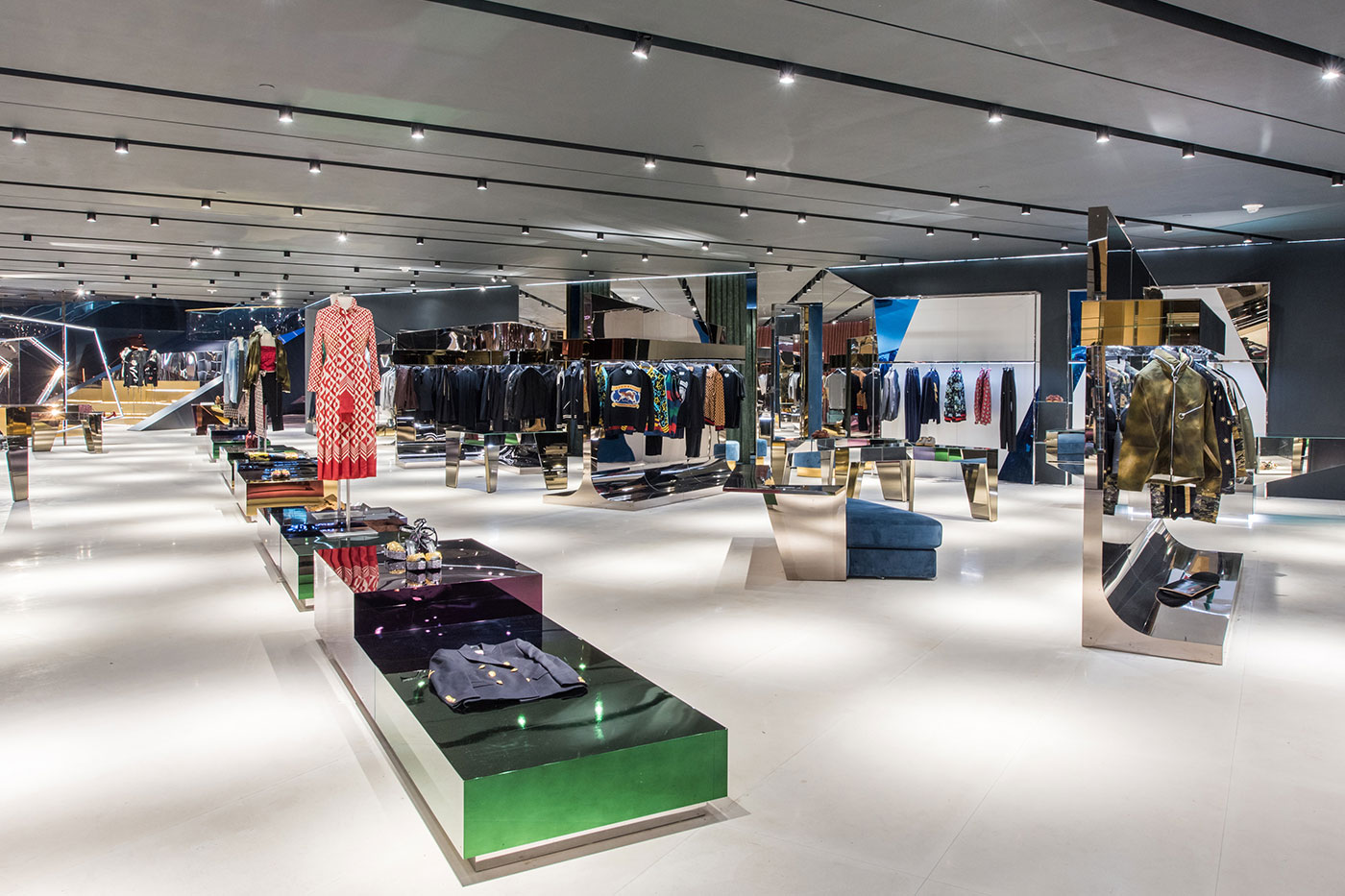
    Retail design agency Dalziel & Pow has created an elevated retail experience for Bestseller Fashion Group China’s “Selected” brand.

    The new premium Future You store concept is to be launched initially in a series of stores in Beijing, delivering a space “ready to connect, change, and dress the future consumer”. The design is an attempt to raise Selected’s profile as the destination for on-trend, quality workwear, as well as building an aspirational lifestyle model around the brand.

    Integrating a dynamic, hyper-connected experience to impress China’s digital natives, the store includes projections, kinetic signage and a live social media feed behind the cash desk to evoke a sense of change and “newness”. A “magic mirror” within the fitting rooms area allows customers to swipe through products to find their perfect outfit, which once chosen can then be shared via WeChat.

    Integrated throughout the store on the perimeter rails are pocket-sized screens, called “Debriefs” which showcase bite-sized snippets of product information, education on materials and fashion inspiration.

    The design language for the store was developed to create a feeling of “one space”, a concept designed for people and not for genders; a fluid space creating flow between categories and reflecting the fact that Chinese couples often shop together. A single product rail flows through the whole store, symbolically unifying the space.

    Selected’s fitting rooms form a key architectural feature as well as a social space, as is the cash desk. There are also separate shop-in-shop areas for Chinos and Denim, enhanced by miniature screens detailing fit and fabric qualities.

  • South Korean bank launches hand palm recognition verification

    South Korean bank launches hand palm recognition verification

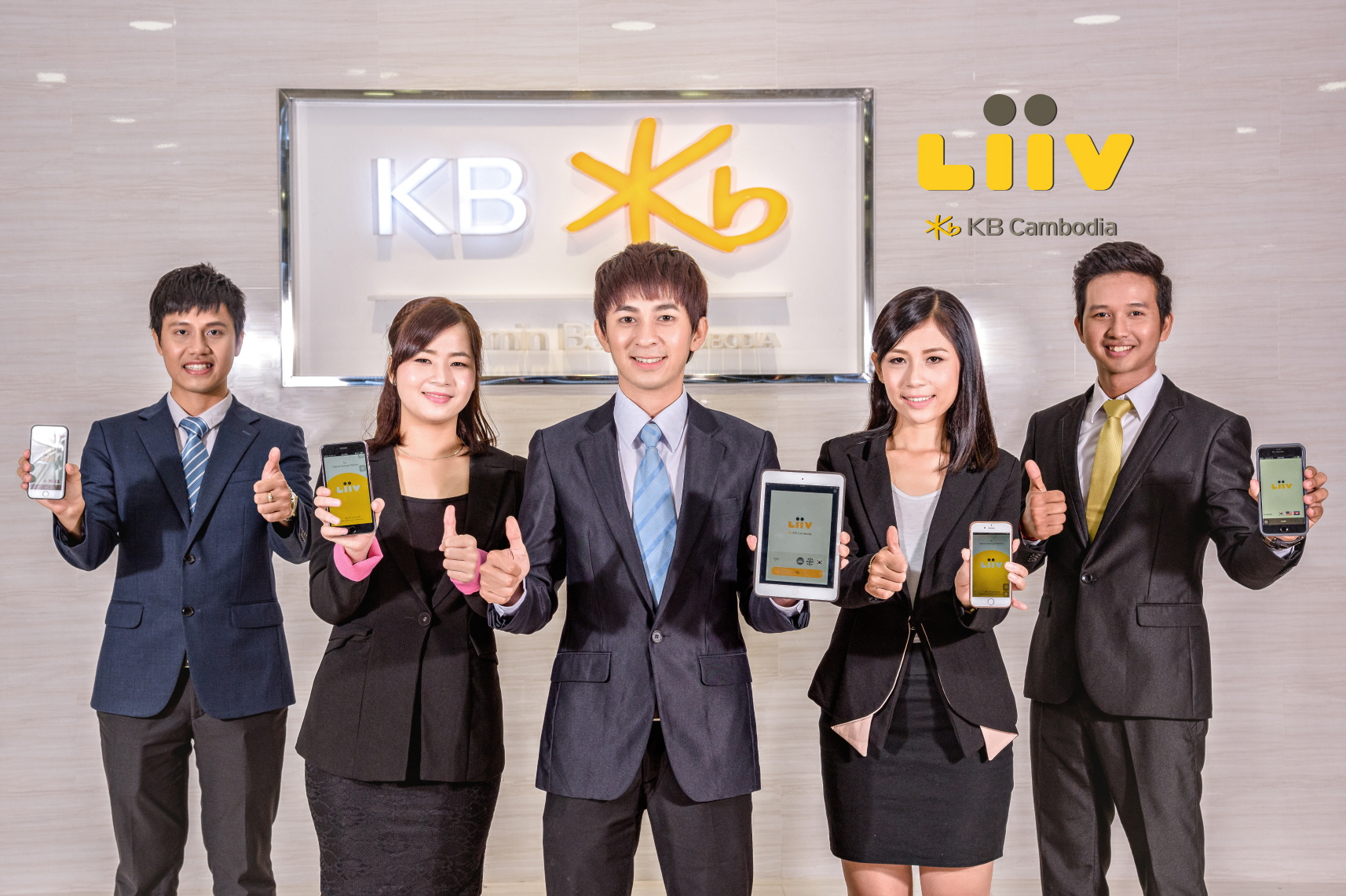
    A South Korean bank has launched a service allowing customers to use palm recognition to withdraw cash – a likely precursor to similar technology becoming available in retail stores.

    KB Kookmin Bank says by using palm prints, customers no longer have to use a bankbook, stamp or password.

    The bank explained that palm vein recognition is safer and more precise than other biometric identification methods such as fingerprint or iris recognition. It believes the service will appeal to older customers who often have difficulty recalling passwords.

    According to a report, using palm recognition is also quicker than current means. Palm vein patterns differ by individual, allowing the scanner to correctly identify the customer.

    Similar palm-vein scanners are already being used at automated teller machines (ATM) from major banks worldwide, including Barclays in the UK and Ogaki Kyoritsu Bank in Japan.

    To prevent biometric information from leaking, the bank will encrypt the vein pattern database and work with the Korea Financial Telecommunications and Clearings Institute to store the information. The data will be disassembled into multiple blocks when stored, and reassembled when used for transactions.

    KB Kookmin Bank expects that the new palm-recognition service will particularly benefit senior customers who often have a hard time remembering passwords.

  • Singapore retail sales plunge due to Chinese New Year

    Singapore retail sales plunge due to Chinese New Year

    Singapore retail sales plummeted 10 per cent year on year in February – but the sudden drop was largely due to the timing of Chinese New Year celebrations.

    After excluding motor vehicles from the figures, sales dropped by a slightly higher 10.7 per cent.

    Chinese New Year fell in the middle of the month last year, and early in the month this year, resulting in a shifting of some seasonal spending back into January this time around. Figures combining January and February sales in both comparable periods were not released.

    According to Statistics Singapore, sectors such as food retailers, apparel & footwear, supermarkets & hypermarkets, department stores, furniture & household goods, and medical goods & toiletries registered declines in retail sales of between 10.4 per cent and 24.8 per cent this year.

    Sales of watches & jewellery, optical goods, and books fell by between 7.2 per cent and 9.2 per cent.

    Statistics Singapore estimated total retail sales in February this year at $3.3 billion, with online retail sales comprising about 5 per cent of those.

    Sales of food & beverage services decreased 2.3 per cent year on year. The total sales value of food & beverage services in February was estimated at $855 million, compared to $875 million in February last year.

  • Massimo Dutti Singapore opens at Jewel Changi

    Massimo Dutti Singapore opens at Jewel Changi

    Massimo Dutti Singapore has launched its sixth store, at Jewel Changi. The Inditex-owned fashion label’s almost 600sqm retail space features the brand’s newest design concept for the first time in Southeast Asia and following the opening of a similar outlet in Munich, Germany.

    Designed to look like a New York apartment, the new interior design layout expresses the natural evolution of the brand. The store concept is focused on lifestyle, offering a more enticing setting via the use of warm, high-quality materials such as wooden furniture and finishes and the use of plants – a blending of contemporary designer furniture that greatly reinforces this updated identity.

    As Massimo Dutti Singapore’s second largest store after Liat Tower, the new venue is in line with the Inditex Group’s latest approach to eco-efficiency.

    Electricity consumption has been reduced by some 30 per cent and water consumption by 40 per cent in comparison with its conventional stores. The eco-efficiency measures implemented include a store lighting system that optimises the lighting for the furnishings, and the exclusive use of LED bulbs. The lighting system also enables partial lighting of store spaces.

    The Changi store also features a Travel Collection, with easy-iron shirts and lightweight crease-resistant suits.

  • Easter 2019 trading hours Unveiled

    Easter 2019 trading hours Unveiled

    The Australian Retailers Association expects shoppers to turn out in force to buy Easter-related food and gifts this week.

    According to the ARA, most Easter sales do not occur until the week before Good Friday, which this year falls on April 19.

    Although the Easter trading period is shorter than the Christmas period, it is still recognised as a busy event for retailers, ARA executive director Russell Zimmerman said.

    “As Easter is celebrated widely, many Australians will be heading to retail outlets to buy fresh produce to cater for Easter lunches and feed their friends and families,” Zimmerman said.

    The ARA predicts that sales of traditional Easter items, including hot cross, buns, seafood, fresh produce, liquor and chocolate will increase during this time.

    Bryan Skepper, Sydney Fish Market general manager, said he expects 50,000 people to visit the iconic market on Good Friday and estimates over 650 tonnes of seafood will be sold during the day.

    Skepper said the fish market will open its doors for extended trading hours on Good Friday. It will open at 5am on April 19 and will close at 5pm.

    Steve Plarre, CEO of Ferguson Plarre Bakehouses, said hot cross buns, unsurprisingly, are top-sellers during the Easter period.

    He said the last few years have seen a rise in the sale of their raspberry and white chocolate and apple and cinnamon varieties.

    Restrictions on trading during the Easter period, which begins on Good Friday and lasts until Easter Monday, vary by state. The National Retail Association has provided the following information on trading restrictions:

    ACT

    There are no trading restrictions any day from April 19-22.

    Northern Territory

    Trading hours are not regulated in the Northern Territory, however, individual restrictions may apply to certain shopping centres based on centre management.

    Trading hours for the sale of liquor products are regulated.

    NSW

    Shops are closed on Good Friday, April 19, and Easter Sunday, April 21, except for small shops and exempt shops, and shops in exempt areas.

    There are no trading restrictions on Saturday, April 20, or Monday, April 22.

    Queensland

    Independent retail shops are closed on Good Friday except if they are a predominantly food and/or grocery store, which can trade unrestricted. There are no restrictions from April 20-22.

    Non-exempt shops must not open on Good Friday. Trading may be permitted for non-exempt shops in certain areas of Queensland on the other public holidays during the Easter period.

    Tasmania

    Shops are closed on Good Friday, April 19, but are open from April 20-22.

    South Australia

    Shops in the CBD tourist precinct are closed on Good Friday, April 19. Trading is permitted on Saturday, April 20, until 5pm, and between 11am and 5pm on Sunday, April 21, and Monday, April 22.

    Shops in the Greater Adelaide Shopping District are closed on Good Friday, April 19, and Easter Sunday, April 21. Trading is permitted on Saturday, April 20, until 5pm, and between 11am and 5pm on Monday, April 22.

    Shops in Proclaimed Shopping Districts, excluding shops selling hardware, building materials, furniture floor coverings and motor vehicle parts and accessories, are closed from April 19-22.

    Trading is permitted for the exempted categories listed above on Saturday, April 20, until 5pm, and between 9am and 5pm on Sunday, April 21, and Monday, April 22. These shops are closed on Good Friday, April 19.

    Victoria

    Shops are closed on Good Friday, April 19, except for exempt shops. There are no restrictions on trading from April 20-22.

    WA

    Shops are closed in the Perth metro area on Good Friday, April 19, and trade is permitted on Saturday, April 20, between 8am to 5pm. On Sunday, April 21, trade is permitted between 11am to 5pm, and on Monday, April 22, trade is permitted between 8am to 6pm.

    Outside of the Perth metro area, shops are closed on April 19-22, except for Saturday, April 20, when trade is permitted between 8am and 5pm.

  • King Living Opens Shanghai Flagship Store

    King Living Opens Shanghai Flagship Store

    Australian furniture and lifestyle brand King Living has opened a flagship retail store in Shanghai, continuing its global expansion into China.

    The new 400sqm space will showcase King Living’s sofa designs, dining ranges, contemporary bed and mattress ranges, and outdoor collections.

    The brand has been a prominent player in Australian furniture design for more than 40 years, and is now continuing to seek a global audience with the opening of the new showroom in the design district of Xuhui in Shanghai.

    As King Living moves into China, it further expands its global reach with existing stores in Singapore, Malaysia, New Zealand and Canada, with a showroom opening in Vancouver slated for later this year.

    The brand represents the deep quality and barefoot luxury of the Australian lifestyle that is in high demand across China, which has been the driving force behind for its expansion.

    “Shanghai is key to King Living’s global growth strategy,” said King Living’s CEO Anna Carrabs. “China provides us with an unparalleled growth opportunity that doesn’t exist in slower-moving markets of developed countries. A key advantage for King Living is that one of our manufacturing facilities is in Shanghai, which allows us to implement initiatives and increase market penetration.

    “Being from Australia, we have a reputation for quality, and I think that sets us apart from some of our global competitors. This is a very exciting time for King Living and we look forward to seeing the Shanghai showroom thrive in what we hope will be the first of many stores in the region.”

    King Living is also one of the first Australian furniture retailers to offer Alipay and WeChat Pay as a payment option throughout all their showrooms in Australia and abroad. These platforms are the preferred payment method for Chinese consumers both domestically and internationally, enabling more customers to transact with their mobile wallet.