Blog

  • A narrative-driven Retail Concept Shop Opened by Macy’s Story

    A narrative-driven Retail Concept Shop Opened by Macy’s Story

    US department store Macy’s has opened its “narrative-driven retail concept shop” Story in 36 locations across the US.

    The store concept takes an editorial approach to retail, launching with “colour” as an inaugural theme, inviting customers to explore and experience colour through a rainbow of curated, giftable products and more than 300 colour-inspired events.

    “The discovery-led, narrative experience of Story gives new customers a fresh reason to visit our stores and gives the current Macy’s customer even more reason to come back again and again throughout the year,” said Macy’s chairman & CEO Jeff Gennette.

    Story themes will change every few months with new concepts featuring unique collaborations, narrative-driven merchandising and dynamic event programming.

    “The simultaneous launch of Story at Macy’s in 36 stores across 15 states is the successful outcome of a reimagined approach to cross-functional collaboration and the work of more than 300 Macy’s colleagues who contributed to creating this new, scalable business model nationwide,” said Story founder and Macy’s brand experience officer Rachel Shechtman.

    In the lead up to launch, more than 270 dedicated Story managers and “storytellers” were hired and participated in an experiential retail training program that immersed staff with integrated roles on everything from building fixtures to customer engagement and event production.

    Story at Macy’s averages 1500sqft, cumulatively representing more than 55,000sqft of main-floor retail space across all 36 stores. Herald Square serves as the flagship location, where Story at Macy’s covers more than 7500sqft of continuous retail space on the main floor and mezzanine levels. The expanded space showcases a broader range of partners and interactive experiences than in other locations.

    “The Story at Macy’s experience feels a lot like a real-life version of scrolling through Instagram,” added Shechtman. “You discover things you weren’t looking for, but are inspired by all the fun finds – the second you see it, you need it!

    “We aspire to create that feeling with the breadth of the narrative-driven merchandise edit we are bringing to life with the launch of Story at Macy’s across the country.”

  • Cebu Pacific income dives in 2018

    Cebu Pacific income dives in 2018

    Cebu Air reported its net income plunged 50.6% to P3.9 billion in 2018, from P7.9 billion in the previous year, due to the “challenging macro environment.”

    In a statement over the weekend, the operator of Cebu Pacific noted the high fuel prices, volatile Philippine peso, rising interest rates, increased competition, six-month closure of Boracay, and operational limitations of key airports as factors that affected its bottomline last year.

    Airlines around the world took a hit from rising jet fuel prices last year, which only started going down in the fourth quarter, based on data from the International Air Transport Association (IATA). The average price of jet fuel during the nine-month period was at $85.37 per barrel, 36% up from $62.89 per barrel in the same period in 2017.

    Adding to Cebu Air’s problem is the weakening of the Philippine peso, which recorded an average of P52.66 per dollar in 2018, a steep decline from the P50.40-per-dollar it recorded in 2017.

    But despite the slump in its net income, Cebu Air said its revenue grew by 9% to P74.1 billion in 2018, driven mostly by its cargo business which posted a 19% growth. Passenger revenue was also up 9% to P54.3 billion in 2018.

    “Despite the pressures posed in 2018, we remained resilient. We were able to expand our network by upgauging our flights touching congested airports,” Cebu Pacific Chief Operations Officer Michael Ivan S. Shau was quoted as saying.

    In aviation, “upgauging” is a strategy used by airlines to increase capacity by replacing smaller planes with larger ones.

    Cebu Pacific said it ferried 20.3 million passengers last year, 2.7% higher than the previous year.

    The budget carrier said it is hopeful it will bounce back in 2019 with the acquisition of fuel-efficient planes and opening of new routes.

    “We will continue to pursue our fleet upgauging strategy and invest in the latest aircraft technologies, as well as develop secondary hubs like Cebu and Clark. We will also continue to grow our cargo business with the incoming ATR freighters as well as continue our digital transformation for us to be more agile and adaptable to changing customer expectations,” Mr. Shau said in the statement.

  • Gong Cha to open world’s first bubble-tea funhouse

    Gong Cha to open world’s first bubble-tea funhouse

    Gong Cha will team up with Tokidoki to create the world’s first bubble-tea funhouse at Singapore Shilin night market.

    The Tokidoki-themed bubble-tea funhouse will bring three new flavours including Rosa Latte, Berry Biscotti, Bambu Boba, served in Tokidoki co-branded cups.

    Boba enthusiasts can also treat themselves to bubble tea-inspired desserts such as Boba Pancake, and Earl Grey Milk Tea Ice Cream.

    There will also be two limited-edition Tokidoki x Gong Cha-merchandised tumbler and sleeve for the first 500 customers daily.

    At a DIY station, customers can customise their own drinks.

  • New Sketch Shows Hyundai Venue’s Dual-Tone Dashboard

    New Sketch Shows Hyundai Venue’s Dual-Tone Dashboard

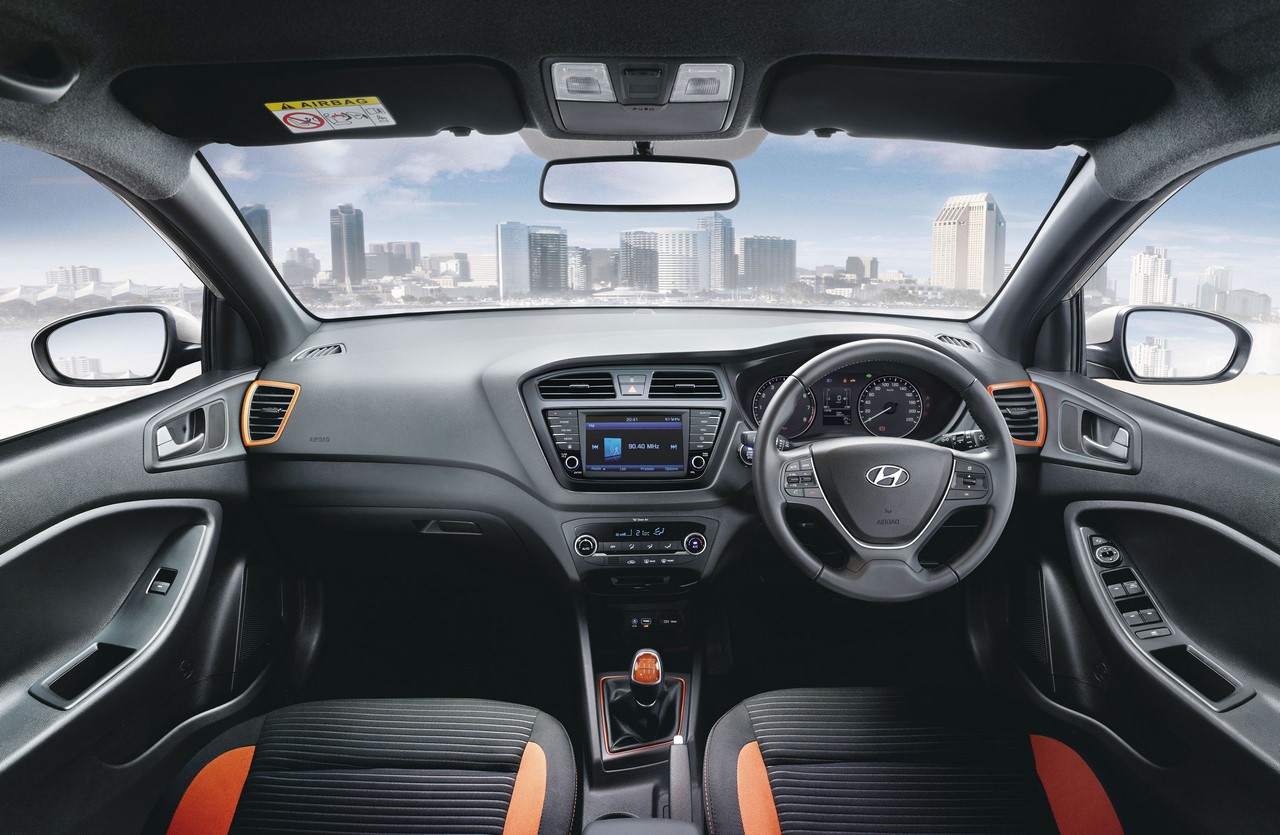
    Hyundai Motor India is all set to introduce the Venue Subcompact SUV later this year and the company is releasing details on the new offering ahead of its global unveil on April 17, 2019. While Hyundai released sketches of the exterior and interior a few days ago, the company has now posted a new sketch of the dashboard providing more details on the upcoming offering. The new Hyundai Venue will be offered with a dual-tone dashboard, while the sketch also showcases the large 8-inch touchscreen infotainment display with Android Auto and Apple CarPlay, along with an automatic transmission.

    The dual-tone treatment will also extend to the seats and the door panels, while rear AC vents are also likely. The big takeaway from the upcoming Hyundai Venue will be the Blue Link connectivity features that will be a first for the automaker in India. The system will come with a dedicated smartphone app and an eSIM from service provider Vodafone-Idea for in-car internet connectivity. The new connectivity system will have 10 India-only features with a total of 33 connectivity features including geo-fencing, speed alerts, SOS, panic notifications, destination sharing, and road-side assistance and so on.

    Poweron the Hyundai Venue will come from the 1.0-litre T-GDi Turbo petrol engine along with the 1.4-litre turbo diesel on offer. Transmission options will include a 6-speed manual and a 6-speed torque converter automatic, while there will also be the 7-speed dual-clutch automatic available as an option.

    The new Hyundai Venue is slated for launch on May 21, 2019 and will take on a host of offerings including the Maruti Suzuki Vitara Brezza, Ford EcoSport, Tata Nexon and the Mahindra XUV300. While the Vitara Brezza has been the sales benchmark in the segment, it will be interesting to see if the Venue will be able to attract similar volumes.

  • Uniqlo Parent Cuts Financial Outlook

    Uniqlo Parent Cuts Financial Outlook

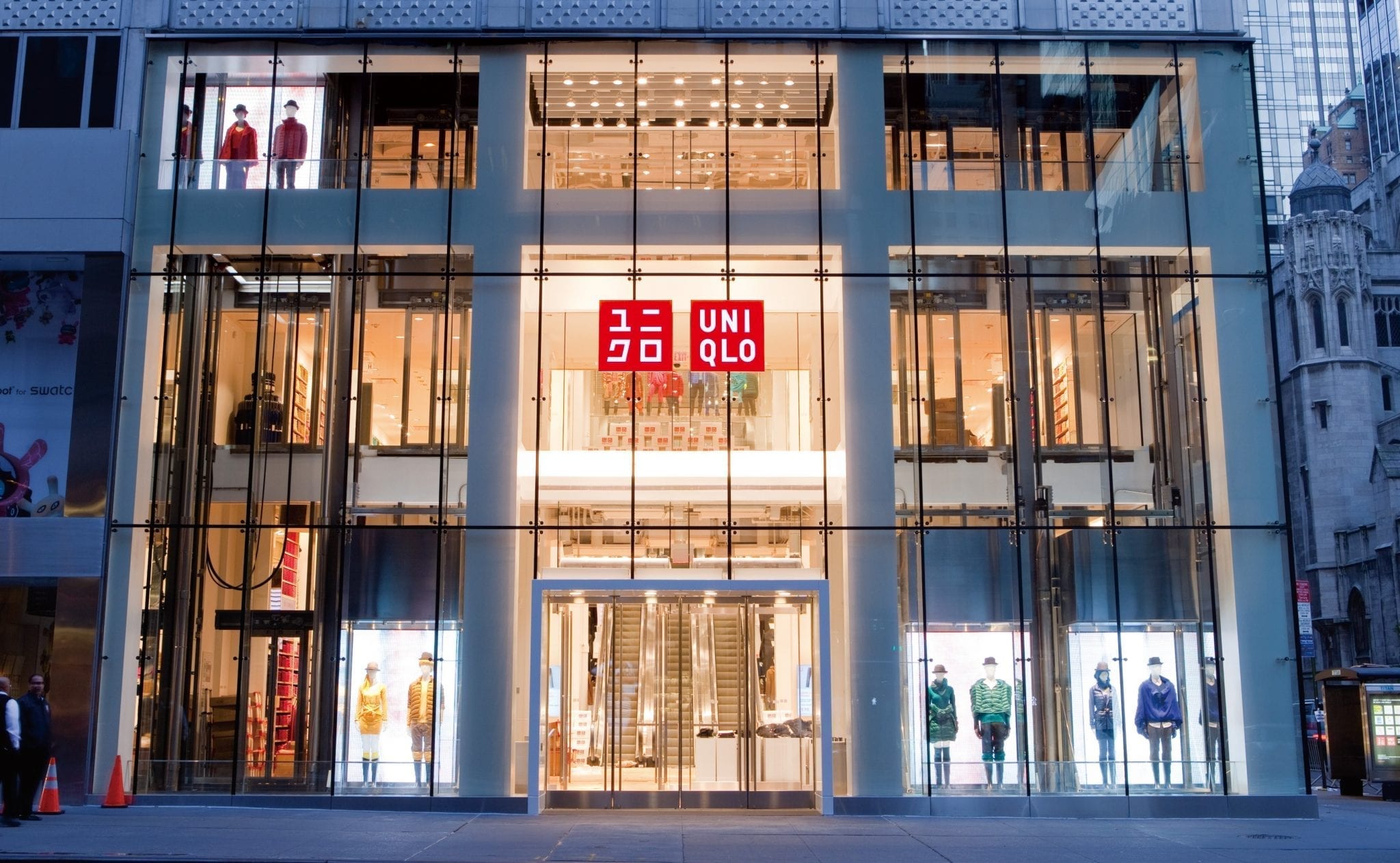
    Uniqlo parent Fast Retailing has cut its annual operating forecast amid heavy discounting to offload winter clothes.

    The apparel company has struggled with a shortage of popular winter items in the past, and overcompensated last winter by ordering too much inventory.

    The unseasonably warm weather hit sales of winter clothes which led to the decline of Fast Retailing’s first quarter profit.

    The company is undergoing the biggest revamp of its logistics and supply chain network to resolve the challenge it faced over winter.

    The Japanese retailer said it now expects an operating profit of  ¥260 billion (A$3.2 billion) for the financial year through August, compared to its previous forecast of  ¥270 billion in January. The revised outlook would still be a record high and represent a 10 per cent year-on-year rise.

    For the quarter ending February, Fast Retailing posted a double-digit increase in sales and profit in China, which has helped the brand turn in a better-than-expected rise in operating profit to ¥68 billion.

    The company reported declines in both revenue and profit in the first half of fiscal 2019, with revenue totaling ¥491.3 billion yen, down 5 per cent from the previous corresponding period, and operating profit totaling ¥67.7 billion yen, down 23.7 per cent from the previous year.

    First-half same-store sales, including online sales, declined 9 per cent.

    Online sales, which now account for 9.9 per cent of Uniqlo sales in Japan and 20 per cent in China, rose 30.3 per cent in the first half.

  • Microsoft reportedly builds Surface Pro prototypes

    Microsoft reportedly builds Surface Pro prototypes

    Microsoft has apparently become more serious about offering at least some versions of its Surface Pro tablets powered by ARM-based processors. Right now, the Surface Pro 6 runs on an Intel Core i5 or Core i7 processor. According to Thurrott, Microsoft has built prototypes of the Surface Pro that run on Qualcomm’s Snapdragon chips. The report says that Microsoft has considered stuffing some of its low-end Surface Pro models with a Snapdragon processor.

    There also is speculation that the original plans for Microsoft’s iPad competitor, the Surface Go tablet, called for the device be powered by Qualcomm’s Snapdragon chips. Intel reportedly pressured Microsoft to have the lower priced tablets run on Intel’s Pentium Gold Processors instead. If Intel doesn’t put the squeeze on Microsoft so hard this year, the second generation Surface Go models could end up with Intel outside and Qualcomm inside.

    The Surface Pro line is supposed to get a major redesign with new models to be unveiled during the fourth quarter of this year. Thurrott’s Brad Sams says to expect thinner bezels, the long awaited USB-C port, new color options and some other changes. That would be the time to expect Microsoft to make the change to Snapdragon chips for the Surface Pro, starting with the lower-end variants of the tablet.

    In a related piece of news, testing has started on the Firefox for Windows 10 ARM browser.

  • Gucci restaurant pop up heads into Singapore

    Gucci restaurant pop up heads into Singapore

    Osteria, the Gucci restaurant pop up, will open in Singapore next month.

    Set to open at The Arts House, the four-week popup will have a Renaissance theme, replete with the signature red Gucci Herbarium-motif wallpaper.

    The restaurant will open for lunch and dinner on select days from May 1 to 26

    The menu will be conceptualised by chef Massimo Bottura, with Gucci Osteria head chef Karime Lopez.

    Main highlights include Bottura’s signatures dishes, including The Crunchy Part of the Lasagne, Lopez’s creation of sweet-sour pork belly bun, named Taka Bun.

    “We are excited to be able to bring Gucci Osteria to Singapore – a city with a vibrant culinary landscape,” says chef Karime Lopez.

    “At our first international edition, we want to showcase the best of global cuisine, as a country’s cuisine is no longer confined to its birthplace – it can always be reinterpreted and refined. The cuisine we are presenting is not just traditional Italian, but rather a cultural expression that resonates with the global diner of today.”

    Ticket sales open on the 20th of this month. Diners can choose a specially curated four-course lunch (from $128), a seven-course lunch ($228), or seven-course dinner (from $278).

  • Carousell raises US$56 million from Naspers

    Carousell raises US$56 million from Naspers

    Singaporean m-commerce platform Carousell has raised US$56 million from Naspers, the parent company of the Philippines’ online marketplace OLX.

    As part of the deal, Carousell will also acquire OLX Philippines, with the transaction due to be completed by the second half of this year.

    OLX Group will own a 10 per cent stake in Carousell, and values the company at “over US$550 million,” the firm says.

    The merger will give Carousell a boost in the Philippines and across Southeast Asia.

    Currently featuring 196 million listings Carousell has sold some 71 million items since it was founded in 2012. The company says it wants to continue improving predictive features like smart listings, personalised browsing, chat experiences and price-suggestion functions.

    The firm has raised approximately $170 million to date, and expects a valuation of $1 billion, in the near future.

    Carousell operates in Malaysia, Indonesia, the Philippines, Hong Kong, and Taiwan.

  • Greater China and South Korea drive Massive Uniqlo sales

    Greater China and South Korea drive Massive Uniqlo sales

    Heavy discounting necessary to offload winter stock has hit Uniqlo sales. Parent Fast Retailing has struggled with a shortage of popular winter items in the past, and overcompensated last winter by ordering too much inventory ahead of what proved to be an unusually warm season.

    As a result, the Japanese retailer’s first-quarter profit took a hit which in turn impacted of first-half results issued yesterday.

    The company reported declines in both revenue and profit in the first half of the current financial year, with revenue totaling ¥491.3 billion, (US$4.397 billion) down 5 per cent from the previous corresponding period, and operating profit totaling ¥67.7 billion ($606 million), down 23.7 per cent from the previous year. Same-store sales fell 9 per cent, however online sales, which now account for 9.9 per cent of Uniqlo sales in Japan and 20 per cent in China, rose 30.3 per cent.

    The weak first quarter for Uniqlo sales was in part compensated for by a double-digit increase in sales and profit in China, which helped the brand turn in a better-than-expected rise in operating profit to ¥68 billion ($609 million) for the three months to February.

    The company said it now expects an operating profit of ¥260 billion for the financial year through August, compared to its previous forecast of  ¥270 billion in January. The revised outlook would still be a record high and represent a 10 per cent year-on-year rise.

    Uniqlo re-stated its medium-term vision of becoming the world’s number one apparel retailer.

    “In pursuit of this aim, we are focusing our efforts on expanding Uniqlo International and our GU casual fashion brand,” said Tadashi Yanai, chairman, president and CEO of Uniqlo. “We continue to increase Uniqlo store numbers in each country in which we operate, and open global flagship stores and large-format stores in major cities around the world to further develop Uniqlo as a global brand.”

    He said that within the company’s international division, Greater China and Southeast Asia are entering “a new stage of growth as key drivers of operational expansion”.

    Uniqlo Greater China generated double-digit growth in both revenue and profit in the first half of the year despite the dampening effect of the mild winter weather.

    “Within that region, our operation in Mainland China continued to report strong growth in revenue and profit of approximately 20 per cent year on year. Uniqlo South Korea also reported increases in both revenue and profit. Uniqlo Southeast Asia & Oceania generated significant rises in both revenue and profit thanks to strong increases in same-store sales in every single one of the region’s markets.

    Meanwhile, the company plans to open more GU stores in Japan, while expanding the brand’s international presence, primarily in Greater China and South Korea.

  • Home market hurts Sa Sa International sales

    Home market hurts Sa Sa International sales

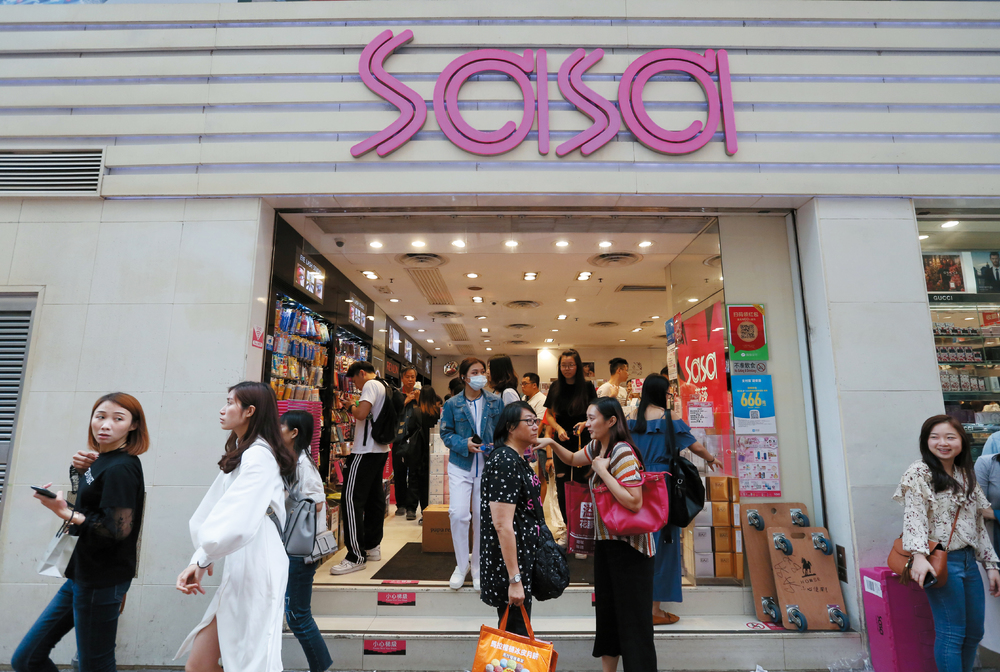
    Hong Kong beauty products retail Sa Sa International has reported a 7.2 per cent decline in sales for the March quarter.

    The company’s home market and Macau were to blame, with same-store sales falling 10.8 per cent and combined retail and wholesale turnover down 8.4 per cent.

    Sa Sa is one of the bellwethers of the broader Hong Kong market because it serves both local consumers and tourists, appealing to more mainstream clients than the luxury watch and jewellery retailers which often disproportionately affect total Hong Kong retail sales figures.

    In a stock exchange filing, Sa Sa International blamed the sales decline on a 6 per cent fall in total transaction volume, of which the number of transactions of local customers and mainland tourists decreased by 8.8 per cent and 3.7 per cent respectively.

    “The average sales per transaction of local consumers and mainland tourists decreased by 0.7 per cent and 5.9 per cent respectively, which resulted in a 3.5 per cent decline in total,” the company said.

    “The weaker sales performance was mainly due to high base effect. The hot trend of some trendy product categories last year has been weakening while the group’s newly launched products could not fully compensate their sales decline. In addition, a number of new pharmacy stores selling skincare and cosmetic products have opened new stores in tourist hot spots aggressively, resulting in intensified competition and lower-than-expected sales at Sa Sa.”

    The company says it plans to open new stores to enhance its store network and boost its competitiveness “under reasonable rental condition”.

    “The group is adjusting its business strategies to adapt to the changing consumer preferences and competitive landscape. The first action is to change towards a more balanced product mix.”

    Sa Sa International says it will also increase its range of high-end products and focus on its own-label products which offer better margins.

    Another step Sa Sa plans to arrest falling sales is speeding up its investment in digitalisation and IT, using big data to formulate better product strategies.

    The new Express Railway Link and Hong Kong-Zhuhai-Macau bridge have so far failed to bring about the expected stimulus to the retail industry, the company said.

    “Looking ahead, the group believes the benefits of the two mega infrastructure projects will gradually emerge under the favourable policy of the Greater Bay Area. The group remains cautiously optimistic about the outlook of Hong Kong and Macau markets in the long run.

  • March delivers biggest month in Winning’s 113-year history

    March delivers biggest month in Winning’s 113-year history

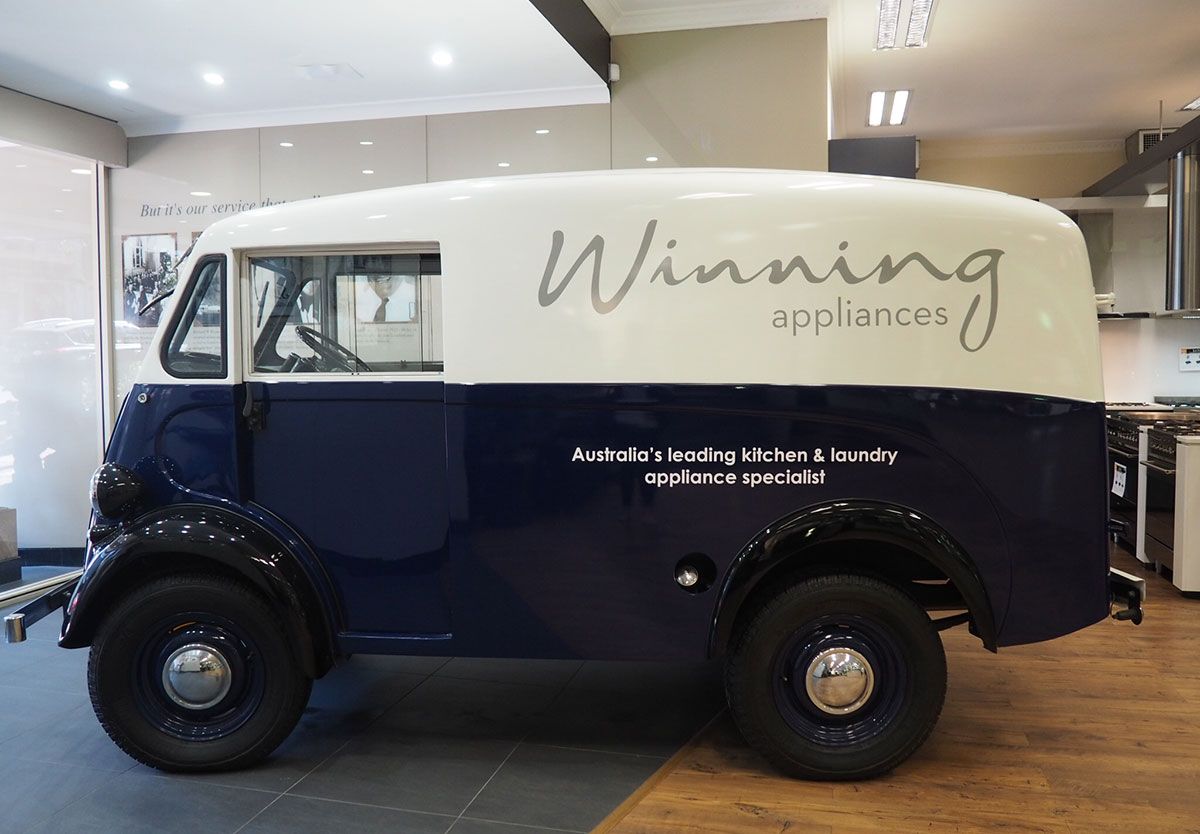
    Winning Group chief executive John Winning credits “good old-fashioned customer service” with delivering what he says was the biggest month in Winning Appliance’s 113-year history.

    According to the CEO, March sales were up 42 per cent on last year’s written sales, and same-store sales were up 32 per cent on the same period last year.

    While the company has acquired Melbourne appliances business Michael’s Appliance Centre and opened a new showroom in Western Australia over the last year, Winning said the sales increase was the result of its customer-centric approach to business, rather than a bigger footprint.

    “At Winning Appliances we focus on providing an exceptional customer experience from the minute someone steps foot in our store or goes onto our website, until well after they have received their appliance,” he told.

    “We provide good old fashioned customer service in a modern context.”

    Customer-centric approach

    The family business operates 15 showrooms across the country, including seven in NSW, two in Queensland, four in WA, one in the ACT and two in Victoria. It is set to open a new flagship in Richmond, Victoria, this year, and also operates an e-commerce business, Appliances Online.

    The retailer recorded $478.26 million in revenue for the financial year ended June 30, 2018, according to documents lodged with Australian Securities & Investments Commission.

    Winning Appliances says it is focused on providing the best customer experience possible. Its parent company Winning Group last year changed the corporate motto to, “we say ‘yes’ in a ‘no’ world”.

    This mentality extends across the in-store experience, where all showrooms have working kitchens and customers can get one-on-one demonstrations of product features, to the delivery of customer service, where the support team is available 24/7 to speak to the manufacturer and arrange service calls on behalf of customers.

    “We don’t work on commissions, so customers know that when they come to Winning Appliances, they receive unbiased advice that is based on their needs and how they like to live in their homes,” Winning said.

    “We have the world’s best appliances available at every budget and our showrooms are designed with a distinct focus on customer interaction, which provides customers with an experience beyond browsing and buying.

    “We have also recently introduced 30-minute training sessions each morning, which allows each of our product experts to learn about the new technologies within the appliances and other features and benefits that can help customers get the best use out of their appliances.”

    While 2019 may be proving challenging for other retailers, Winning said the family business’s old-fashioned approach is delivering results. Sales have been on an upwards trajectory since the beginning of the year, he said, despite some analysts predicting a slowdown in the home furnishing sector due to the property slump.

  • Omnichannel key to AS Watson Group success

    Omnichannel key to AS Watson Group success

    Don’t mention the so-called ‘Retail Apocalypse’ to AS Watson Group MD Dominic Lai.

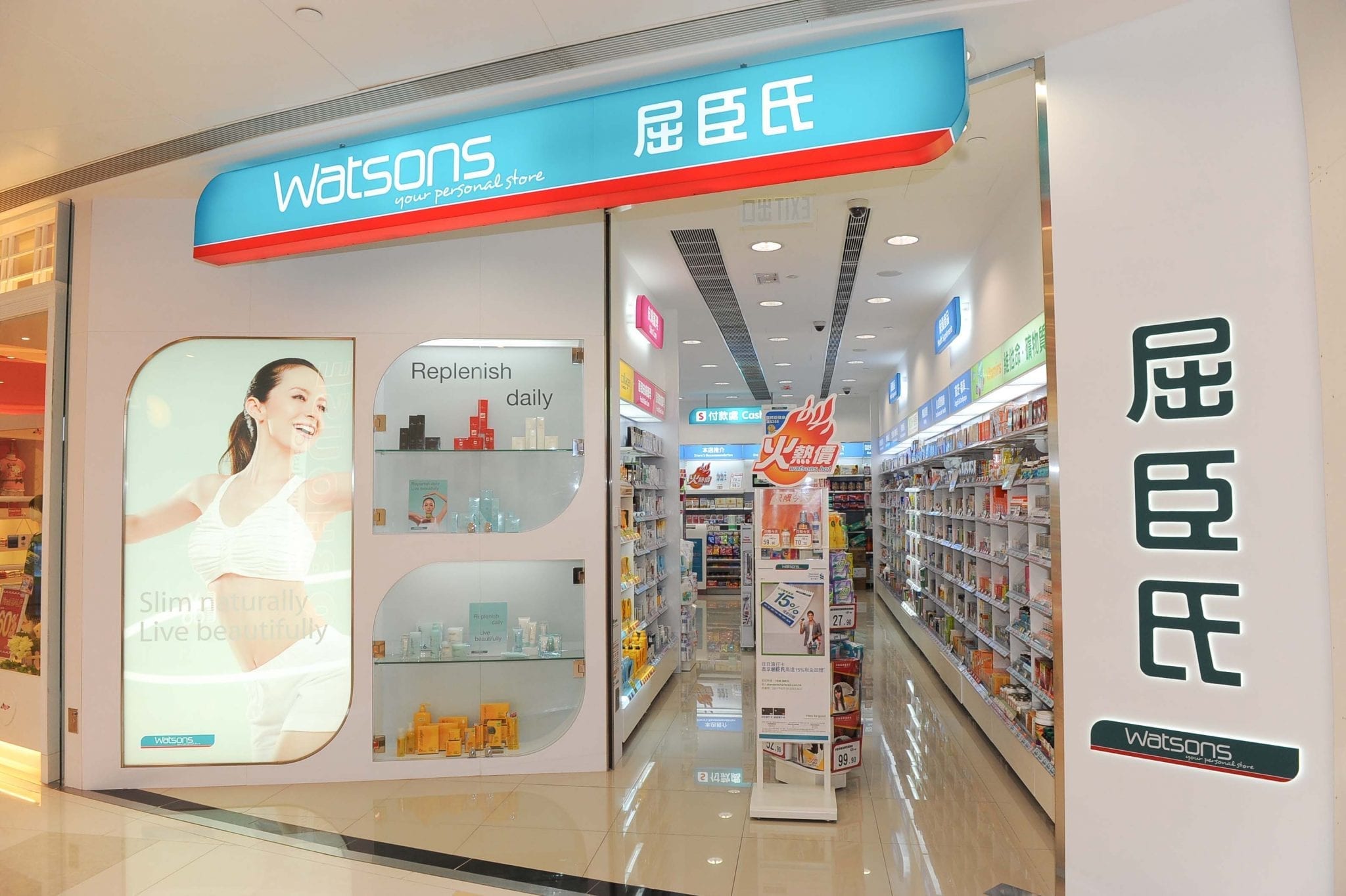
    An ardent enthusiast in new-generation retail technology, he heads a company that has just celebrated its 15,000th physical store opening. And that network expansion is showing no signs of slowing, with a new store opening on average every seven hours for the foreseeable future.

    “A few years ago, technology arrived and people said: That’s the end days for retail. But no, we never thought that,” Lai tells Inside Retail Asia during an interview outside the 15,000th milestone store, a Watsons health & beauty shop in the new Central I-City mall in suburban Kuala Lumpur.

    AS Watson Group is possibly one of the best examples worldwide of a retailer successfully merging online and offline in a way that is achieving growth in both sales and profit. Revenue was up 10 per cent last year and profit increased 9 per cent. “My shareholders expect even more,” he deadpans.

    Embracing online and developing an O2O (online-to-offline) business model is the key to the company’s success, he says. It keeps his customers happy.

    The company has invested some US$130 million in technology since 2012, to be sure to be competitive in the online era.

    “We anticipated e-commerce. We anticipated big data. But we are not just about e-commerce. We have to connect our customers through digital, social media, mobile, everything. This is what we have done and we will continue to invest in technology. We are ready. Technology-wise, we are up to speed.”

    At the heart of this O2O business model is click and collect, linking 13,000 stores to their localised e-commerce site. Most online retailers only offer click and deliver, but Watsons’ customers can browse its sites online at midnight and pick up in any of the stores the next morning.

    The best part of this model is that the company has the opportunity to sell more goods to customers collecting their online purchases.

    “The traffic comes straight to the store,” adds Malina Ngai, AS Watson Group COO. “So on average, 20 to 30 per cent of the shoppers will buy something else.” In some markets, like Taiwan, that rate grows as high as 52 per cent.

    Moreover, As Watson data shows when its loyalty program members shop online and in store, their spending is on average three to four times higher than those who shop only in stores.

    Ngai says the business model – combining physical stores with mobile, website and social media – sits well with the retailer’s core demographic. In Asia, 60 per cent of AS Watson Group’s customers are aged under 35. In China, that segment jumps to 80 per cent. “So you know you have to offer those digital options.”

    The company’s loyalty program, with 135 million members worldwide, represents one of the largest of any retailer’s anywhere in the world. That provides a treasure chest of data, helping the company recognise and understand trends, assess the performance of different promotions, and personalise offers or other marketing communication. And it is clearly working: the health & beauty store network growth is running at 6 per cent, yet sales are growing at 9 per cent.

    New store sites are chosen based on interpretation of customer spending both on and offline, using big data. They are typically staffed by people in the same age profile as its customers. “We have a lot of Gen Y and Gen Z staff,” says Lai. “Retail is detail and we look at every [way] how to connect with our customers.

    In the years ahead, Lai’s vision for AS Watson Group is succinct: “We will continue to open new stores and at the same time we would like to get more members, more formats and make more investment in technology.”

    He is unafraid of any economic downturn.

    “Look at [our] business model. We sell essential products. We are not selling watches and jewellery, we are selling essentials. That’s why I use the word resilient to describe our business: we are resilient.”

    AS Watson Group this year added Vietnam to its footprint, taking the number of countries and territories it trades in to 25. Lai says the company is always looking for new markets, but for now is more focused on expanding within the ones it is already in.

    “We are international. We plan prudently. So we went into Vietnam because we realise the customers there already know our brand and the demographics – and the market entry strategy was to open the flagship and enable the online. That’s the process by which we look at the international market.”

    Ngai points out that the 25 markets AS Watson Group already trades in represent 32 per cent of the world’s population, “and we only have 15,000 stores”.

    “That is why we can still open one store every seven hours.”

    With a new-store payback time of less than one year, that strategy is clearly working. “We open, the customers really love us and we get enough sales to get payback within one year.”

    AS Watson has 12 retail brands across the globe, of which Watsons is by far the largest, with 7200 stores in Hong Kong, Mainland China, Taiwan, Macau, Thailand, Singapore, Malaysia, the Philippines, Indonesia, Vietnam, Turkey, Russia and Ukraine. Sales last year nudged US$22 billion. Across its banners, the company has some 20 different formats.

    “Going forward we will be seeing more and more different models because it is about specialising the offer for the customer needs,” explains Ngai. “It may be [we serve] the same customer, but when the customer goes to a work area they just want to buy wellbeing products, so we have a Watsons Health; and in an area with a lot of young mothers we have a Watsons Baby store; and when they go back to the residential area and want to pick up personal-care products, we have a more regular Watsons store.”

    Lai says the reason the company has been so successful over the years is its customer connectivity. And because it has embraced technology.

    “We have even been quietly investing and developing our big data and analytical capabilities.

    We have been using technology to identify sites to control our inventory, to connect with our customers, to do the assortment planning and space planning.

    “I would like people to know that AS Watson Group is a very modern company, it is not just a retail company opening physical stores. We know how to reach young customers,” he says.

    “We are one of the longest-standing companies in the world with 178 years of history. To be able to reach yet another critical milestone, this is only possible with the love from our customers, passion and commitment from our 140,000 colleagues around the world, and the unfailing support of our business partners.”


  • Korean GS25 launches shared-bike charging service

    Korean GS25 launches shared-bike charging service

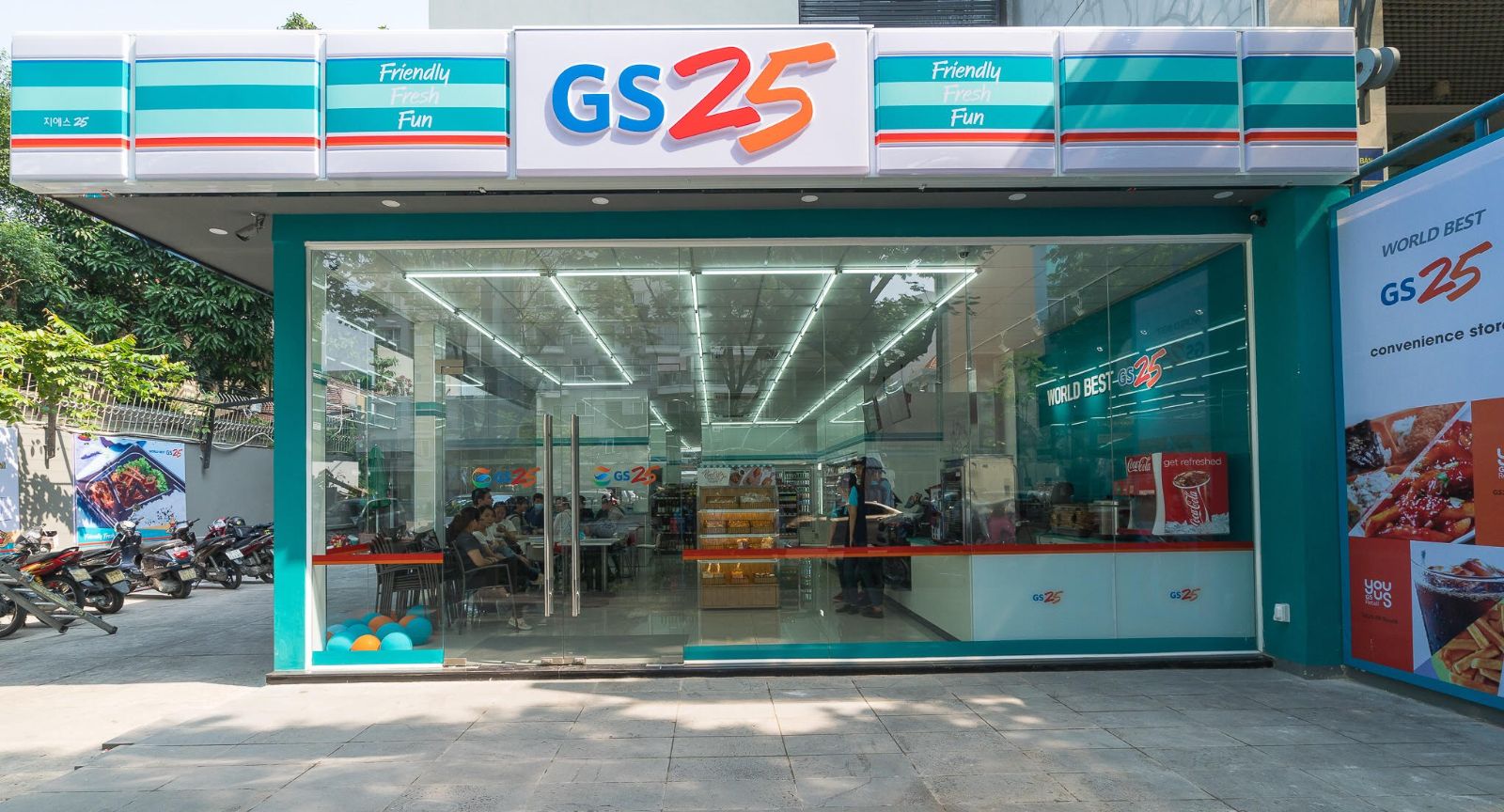
    Starting June, customers of South Korean GS25 convenience stores will be able to charge shared electric bicycles or kickboards.

    GS25 announced on Wednesday that it will set up an electric bicycle and kickboard charging service facility at its stores in partnership with the shared micro-mobility integrated platform “GoGoSing.”

    Under the terms of the deal, GoGoSing will operate 800 shared electric kickboards and shared electric bikes in Gangnam District in Seoul and Pangyo in Gyeonggi Province, while GS25 will set up charging facilities at stores in nearby areas.

    Customers will be able to use an electric kickboard and return it to a nearby GS25 store, and if they need to charge their device, they will also be able to exchange or charge batteries at the stores.

    GS25 expects that this will help convenience stores to move away from their focus on simply selling products and serve as a hub for charging various shared devices, as well as attracting new customers.

    GS Retail has introduced charging facilities for electric vehicles at 45 locales at present, and will offer delivery services for convenience store products since starting from April, in tandem with the delivery application Yogiyo.

  • AirAsia becomes Brisbane Broncos Official Airline

    AirAsia becomes Brisbane Broncos Official Airline

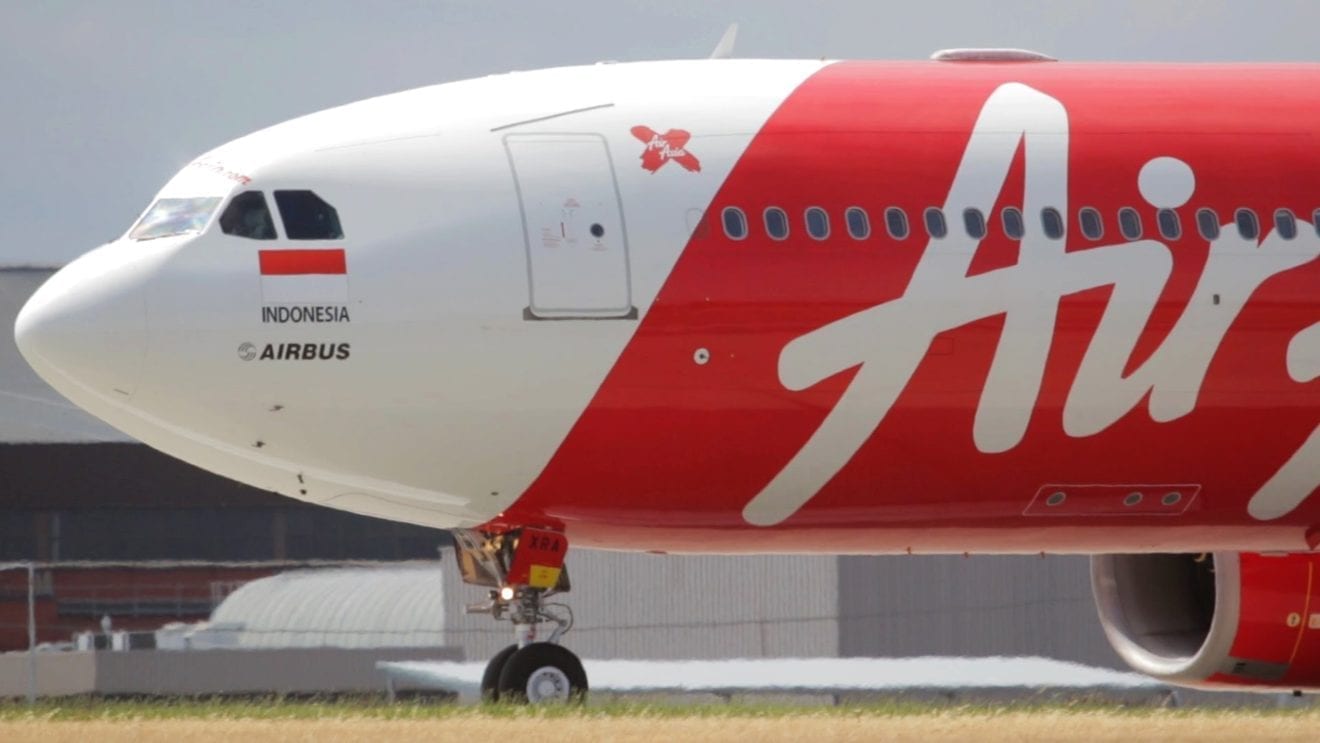
    AirAsia has formalised a deal to become the Brisbane Broncos’ official airline, along with promotions held at every Broncos home game and special discounts for fans.

    The deal is centred around the launch of the new ‘The Buck Stops Here’ campaign, to celebrate AirAsia the airline’s new services from Brisbane to Bangkok, which are set to commence on 26 June.

    AirAsia Group Head of Branding, Rudy Khaw, said AirAsia is excited to partner with the Brisbane Broncos.

    “We are thrilled to partner with Queensland’s number one sports team, and National Rugby League favourites, the Brisbane Broncos.

    “Queensland is an integral part of our Australian network, and since commencing flights to the Gold Coast in November 2007, we’ve flown more than 2 million passengers through the sunshine state,” Mr Khaw said.

    “Our new services from Brisbane will soon become the most affordable and convenient way to travel to Thailand’s capital, and with the help of the Brisbane Broncos, we hope to see demand for these new flights grow even more.”

    As part of the partnership, AirAsia will run events and giveaways at Brisbane Broncos home games over the 2019 NRL season, as well as provide fans advanced notice on AirAsia promotional offers.

    Brisbane Broncos CEO, Paul White, said the partnership reflects a shared culture for both organisations.

    “Our partnership with AirAsia reflects a shared culture of delivering a fantastic experience at exceptional value for fans, whether it’s a night at the footy or choosing your next holiday.

    “The Broncos look forward to seeing how the beloved Buck is made part of this exciting plan to further enhance the fan experience and showcase AirAsia and their exciting destinations,” Mr White said.

    The deal, which was announced during the Broncos home game against the West Tigers at Suncorp Stadium last night, has already seen one fan receive return flights for two to Bangkok, Thailand.

  • Mountain Designs relaunches witch New E-commerce Platform

    Mountain Designs relaunches witch New E-commerce Platform

    Australian adventure brand Mountain Designs has officially relaunched, with a new e-commerce website sporting the brand’s full range.

    Spotlight Group chief executive of leisure brands Chris Lude said the business was committed to maintaining its 45 year heritage.

    “We are dedicated to ensuring the iconic Mountain Designs brand remains Australian owned, operated and designed,” Lude said.

    The relaunched brand also offers a renewed range, with the business having redeveloped 14 of its best sellers, as well as newly designed apparel and gear.

    “Adventure is in the Mountain Designs DNA, and the new range will continue to provide quality, technical, multi-functional gear that people know and love,” Lude said.

    Acquired in early 2018 by Spotlight Retail Group for an undisclosed sum, Mountain Designs confirmed it would offer a selection of goods, including thermals, apparel and equipment, within the Spotlight-owned Anaconda chain.

    Prior to being acquired by Spotlight Retail Group, Mountain Designs had been shuttering its bricks-and-mortar locations to focus on a purely online model to create a more sustainable platform for the business moving forward.

    During this period, the brand’s website was also closed to facilitate this shift, remaining offline until earlier this week.

    Spotlight Retail Group has recently indicated a larger push into the New Zealand market amid a larger revamp of its brands, with craft retail chain Spotlight to open a Christchurch flagship later in the year.

    It remains to be seen if this initiative extends to Anaconda or Mountain Designs – both of which operate solely in Australia.