Blog

  • Skyrocketing Demand: Docomos Starlink Direct Soars to 5 Million Subscribers in Just Two Months

    Skyrocketing Demand: Docomos Starlink Direct Soars to 5 Million Subscribers in Just Two Months

    NTT DOCOMO, a prominent telecommunications company, has reported a remarkable surge in subscribers for its innovative Docomo Starlink Direct service. The subscription numbers exceeded 5 million just over two months after the service was launched, signaling a robust initial demand for direct-to-device (D2D) connectivity in Japan.

    A New Era in Mobile Connectivity

    The Docomo Starlink Direct service, which was launched on April 27, achieved this impressive milestone within approximately two months. The service facilitates a direct link for compatible smartphones to SpaceX’s Starlink satellites, bypassing the need for terrestrial base stations. It provides comprehensive coverage across Japan, extending up to 12 nautical miles offshore.

    The company attributes this rapid adoption to the growing interest in satellite-enabled mobile connectivity. Among the operator’s 92 million mobile subscribers, a substantial percentage of users with compatible devices have already activated the feature.

    Currently, the company supports 89 smartphone models for the service. Over 25 million compatible devices are already in operation. The Docomo Starlink Direct service contrasts with traditional satellite services, which necessitate specialized hardware. Instead, this service operates intuitively on supported smartphones, eliminating the need for users to register or subscribe separately. Furthermore, the company ensures that satellite data usage is not deducted from customers’ monthly mobile data allowances. Currently, the service is offered at no extra charge.

    The service allows for text messaging, location sharing, and compatible data applications in places where terrestrial mobile networks cannot reach.

    The Future of D2D Satellite Market

    The launch of this service firmly establishes NTT DOCOMO’s foothold in Japan’s burgeoning D2D satellite market. In this space, all major mobile operators are introducing satellite-supported connectivity.

    Operators in Japan view satellite connectivity as a solution to close the remaining mobile coverage gaps in the country’s remote and mountainous regions. This is despite the fact that terrestrial networks already cover over 99% of the country’s population. In addition to extending coverage, these services aim to ensure resilient communication when typical mobile infrastructure is compromised by natural disasters, such as earthquakes and tsunamis.

    Questions & Answers

    What is the Docomo Starlink Direct service?
    The Docomo Starlink Direct is a service offered by NTT DOCOMO that allows compatible smartphones to connect directly to SpaceX’s Starlink satellites, providing coverage across Japan and up to 12 nautical miles offshore.

    How is the service different from traditional satellite services?
    Unlike traditional satellite services which require dedicated hardware, Docomo Starlink Direct operates automatically on supported smartphones, without requiring users to register or subscribe separately.

    What is the purpose of these satellite connectivity services?
    The main purpose of these services is to close the remaining mobile coverage gaps in remote and mountainous regions and provide resilient communications when conventional mobile infrastructure is disrupted by unforeseen circumstances like natural disasters.
  • Digital Bridge Unveiled: China and Cambodia Debut Historic Subsea Cable System

    Digital Bridge Unveiled: China and Cambodia Debut Historic Subsea Cable System

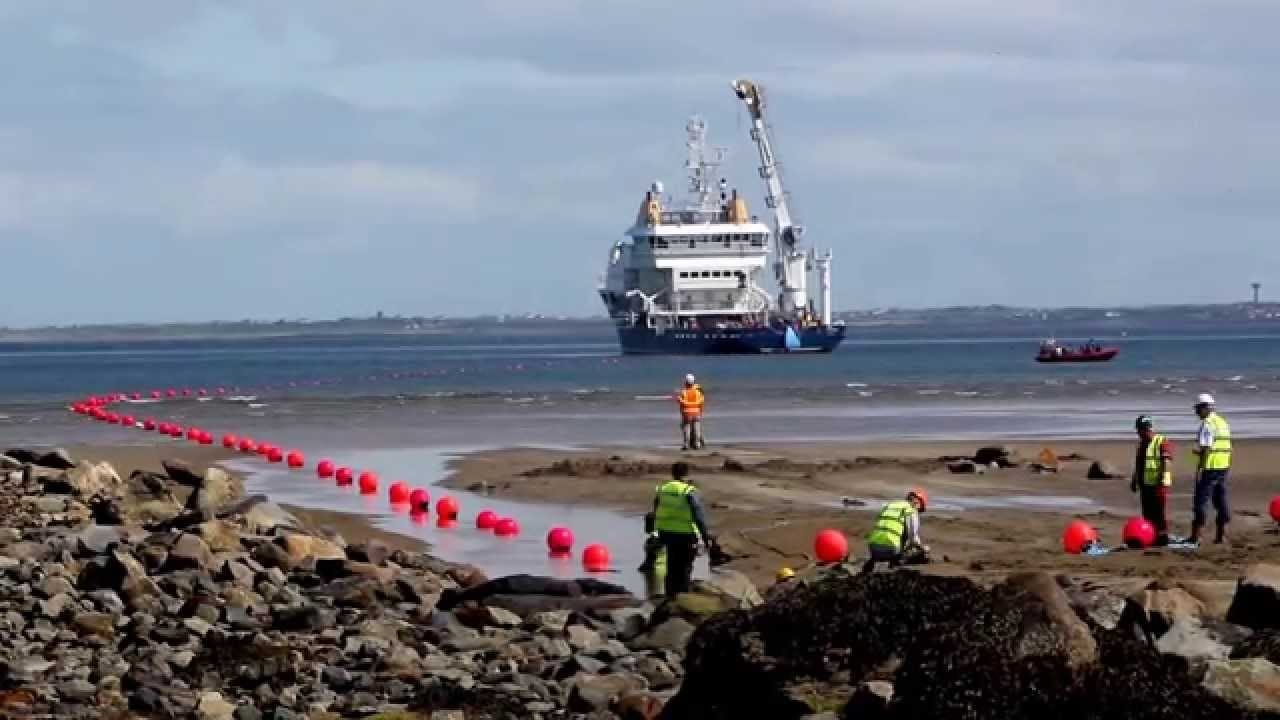
    China Unicom Global, in partnership with Cambodia’s Ministry of Posts and Telecommunications (MPT), has made significant strides in the global telecommunications arena with the successful landing and installation of the Sihanoukville-Hong Kong (SHV-HK) submarine cable system. This monumental achievement establishes a direct digital link from Sihanoukville, Cambodia to the Tseung Kwan O Industrial Estate in Hong Kong SAR.

    First State-Owned International Submarine Fiber-Optic System in Cambodia

    The collaborative venture between the MPT and China Unicom Global has produced the inaugural state-owned international submarine fiber-optic system in Cambodia. Produced and deployed by HMN Tech, this significant investment, costing an estimated USD 165 million, is set to enhance high-capacity optical transport across the South China Sea.

    The SHV-HK subsea system spans an impressive 2,938 kilometers and features a main trunk with two additional stub cables, paving the way for potential expansions in the future. Boasting a design capacity of a whopping 80 Terabits per second across four fiber pairs, this cable has the capacity to support over 3.2 million simultaneous streams of 4K ultra-high-definition video or manage massive enterprise cloud transfers.

    Hong Kong’s Role in the Ambitious Project

    China Unicom Global is managing the Hong Kong segment of this ambitious project. The cable reaches the shore at a Beach Manhole (BMH) specifically located in the Tseung Kwan O Industrial Estate. Supplementing the overall infrastructure are the Power Feeding Equipment (PFE) and Submarine Line Terminal Equipment (SLTE) located at China Unicom Global’s global center and cable landing station in the Tseung Kwan O Industrial Estate. These installations will guide traffic effectively into the major local carrier-neutral data centers.

    Questions & Answers

    What is the length of the SHV-HK submarine cable system?
    The SHV-HK submarine cable system stretches for approximately 2,938 kilometers.

    What capacity does the SHV-HK submarine cable system hold?
    The cable system has a design capacity of up to 80 Terabits per second, which can support over 3.2 million simultaneous streams of 4K ultra-high-definition video or extensive enterprise cloud transfers.

    Who are the key players involved in this project?
    China Unicom Global and Cambodia’s Ministry of Posts and Telecommunications (MPT) have partnered to complete this project, with HMN Tech manufacturing and deploying the cable system.

  • Our New Website Is Live, A Thank You To Our Loyal Readers

    Our New Website Is Live, A Thank You To Our Loyal Readers

    The moment has arrived: Retail News Asia is now running on a brand-new platform. Over the past few days we worked hard to make this move happen, and we’re proud of the result. But just as important to us is taking a moment to recognize the people we do this for: you, our readers.

    Since we started in 2014, Retail News Asia has grown into the trusted source for retail news across Asia. With a team of 18 editors, analysts and correspondents, we bring more than 50 stories a week to 13.6 million readers — from shopkeepers and founders to executives at global retail brands. We would never have reached this point without your trust, which is exactly why we approached this migration as carefully as we could. We know the transition caused some disruption this week, and we remain grateful for your patience.

    Our founder Sven put it this way: “We’re here to keep you in the loop – every single day. Whether you’re running a local shop, scaling an online business, or part of a global brand making moves in Asia, we’ve got something for you.”

    Everything we offer you

    With the new platform as our foundation, we wanted to lay out everything Retail News Asia offers today.

    Daily news from across the region. We cover General, E-commerce, Fashion, Food, Finance, Living, Electronics, Supply Chain, Real Estate, Automotive, Startups, Tech and Crypto — across eighteen markets, from China, Japan, Korea and India to Singapore, Hong Kong, Indonesia, Thailand, Vietnam and beyond.

    The Retail Brief. A five-minute audio briefing every morning covering the top headlines, deals and consumer shifts across Asian retail.

    The RNA-10 Index. Our own editorial index of ten major listed Asian retailers — including Alibaba, PDD, JD.com, Sea Limited and Coupang — with daily index levels, five years of history and a detail page per company. It’s an editorial experiment, not tradeable and not investment advice, but a sharp gauge of how the sector is moving.

    Data & Insight. Alongside the RNA-10 Index, we offer an earnings calendar, a directory of retailers & brands, our Research coverage, People moves (who’s going where), and the ability to save articles for later.

    Events. An overview of retail events across the region, with the option for readers and organizers to submit their own events.

    The Retail Leaders Circle. For senior operators, our private membership offers closed-door roundtables, C-level dinners across six Asian cities, curated industry travel and a vetted peer network — deliberately kept small, with no sales pitches.

    The weekly newsletter. One carefully curated email a week, no spam, with the most important retail news and sharpest insights from across Asia.

    Thank you

    This new platform isn’t for us — it’s for you: the readers who come back day after day, week after week. Thank you for your trust and your patience during the transition. We can’t wait to serve you even better from here, on a stronger foundation.

    — The Retail News Asia team

    Questions & Answers

    How much content does Retail News Asia actually publish? We publish more than 75 articles and podcast episodes a week across our news sections, The Retail Brief and our other formats — all curated by our team of 18 editors, analysts and correspondents.

    Did the migration affect existing accounts, subscriptions or saved articles? No. Everything carried over automatically to the new platform, including newsletter subscriptions, saved articles and Retail Leaders Circle memberships.

    Where can I go if I still run into issues on the new site? Reach out to us anytime via retailnews.asia/contact and we’ll sort it out as quickly as we can.

  • DNA Brands Pledges $1M Refunds for Coerced Purchases: Singapore Beauty Giant on Road to Redemption

    DNA Brands Pledges $1M Refunds for Coerced Purchases: Singapore Beauty Giant on Road to Redemption

    DNA Brands Co, a Singapore-based firm that operates a chain of beauty and wellness centers, has pledged to issue refunds worth up to $1 million in response to accusations of coercing clients into making unwanted purchases. The firm, which oversees brands such as The Mineral Boutique, Beautique, Sae-Ren, Jingran, Harmonix, Allura, and Comfeet, has reportedly employed these controversial sales strategies since 2023.

    Manipulative Sales Tactics

    According to an investigation by the Competition and Consumer Commission of Singapore (CCS), these high-pressure tactics were deployed by an area manager and certain staff members and were portrayed as “deliberate and calculated.” The inquiry uncovered that staff had been applying facial masks onto clients even after their treatments had concluded, essentially confining them within treatment rooms for sales pitches. Staff members would then inquire about the number of credit cards clients possessed, purportedly to check for applicable promotions, but actually to gauge their potential spending capacity.

    In the case of elderly clients, staff members would probe about their CPF balances and coerce them into utilizing these savings to purchase beauty packages and products. The investigation by the CCS, however, found no evidence that DNA Brands’ directors either directed or participated in these practices.

    Company Response

    In response to these findings, DNA Brands has promised to set aside up to $1 million with an independent escrow agent to refund affected consumers. Refunds may be available to those who made purchases from specified outlets since January 1, 2023, and experienced undue pressure or distressing circumstances during their transactions.

    The company has further taken disciplinary action against the involved staff, either through dismissal or suspension, and has revoked their ability to earn sales commissions. In addition, DNA Brands has vowed to cease all unfair trade practices and to implement enhanced compliance measures. All outlets will also prominently display a 14-day refund policy for customers’ benefit.

    Questions & Answers

    What actions has DNA Brands taken in response to the investigation?
    DNA Brands has pledged to issue refunds worth up to $1 million to affected customers, dismissed or suspended the staff involved, and committed to ending all unfair trade practices. The company will also implement stricter compliance measures.

    Who is eligible for the promised refunds?
    Customers who made purchases from specified DNA Brands outlets since January 1, 2023, and experienced pressure or uncomfortable situations during their transactions may be eligible for a refund.

    What changes will be made at DNA Brands outlets?
    All DNA Brands outlets will prominently display a 14-day refund policy. The company has also committed to ending all unfair sales practices and implementing stronger compliance measures.

  • Riding High on KFC, Pizza Hut Success, Yum China Accelerates Expansion to Surpass 20,000 Stores in 2021

    Riding High on KFC, Pizza Hut Success, Yum China Accelerates Expansion to Surpass 20,000 Stores in 2021

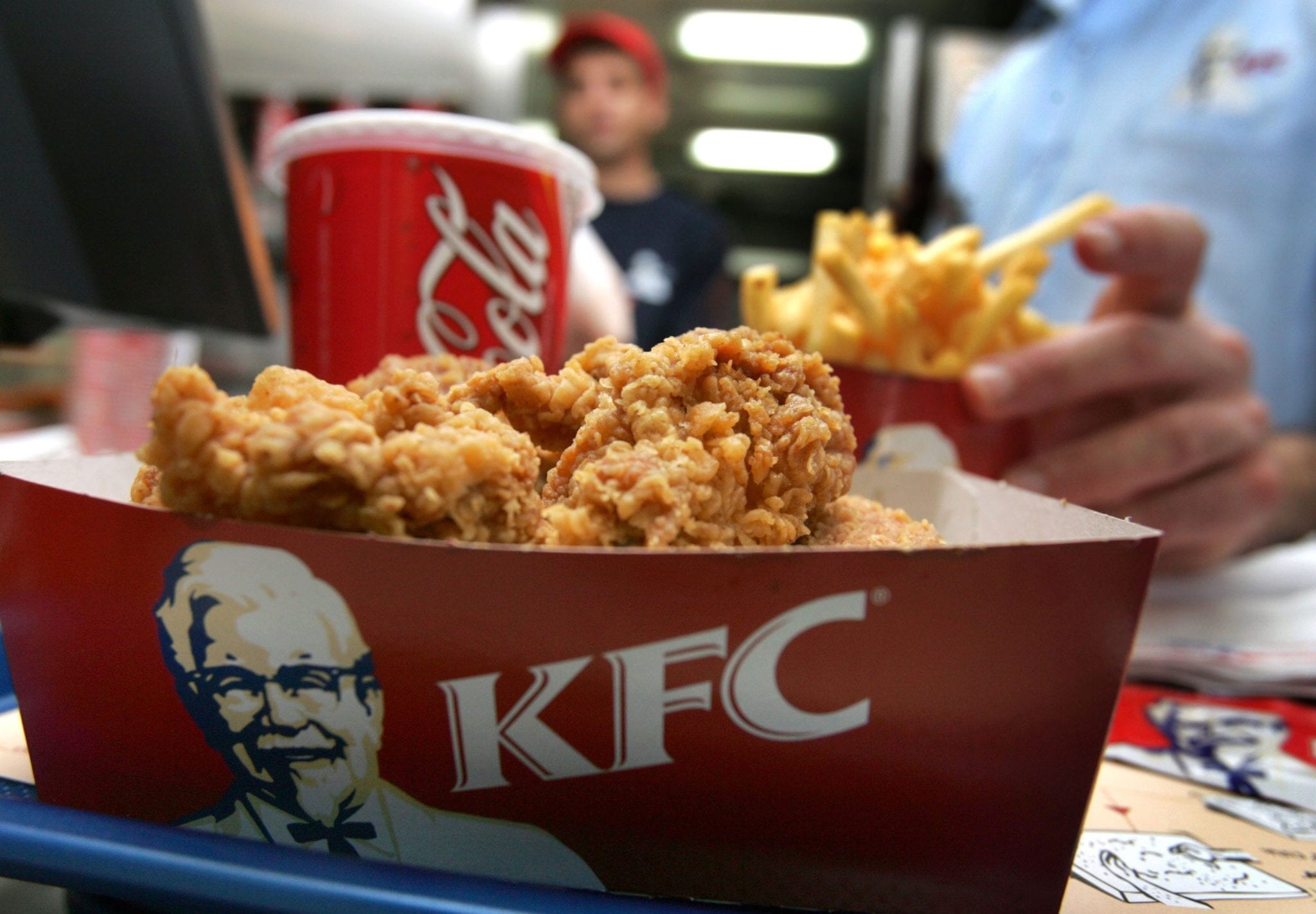
    Yum China, the company behind KFC and Pizza Hut, has expressed its plans to further expand its footprint after a profitable second quarter. The robust financial performances from both KFC and Pizza Hut were significant factors in the company’s growth.

    Strong Quarterly Performance Fuels Expansion Plans

    Yum China’s revenue rose 13% YoY to $3.1 billion for the second quarter, which concluded on June 30. A 6% increase in system sales, discounting foreign exchange impacts, exceeded the broader performance of China’s catering industry. The company also marked a second-quarter record, with an operating profit of $348 million.

    Customer demand has shown resilience, with same-store sales witnessing a marginal 1% growth. This growth, driven by a 5% increase in transactions, marks the 14th consecutive quarter of transaction growth. The quarter saw the opening of 560 new stores, a 67% increase from the previous year, elevating the total number of restaurants to 19,297. Yum China has also indicated its plans to surpass the 20,000 store milestone by the end of the year.

    KFC and Pizza Hut Lead the Way

    KFC has spearheaded growth for Yum China, opening 335 new stores to reach a staggering total of 13,789 locations. System sales for KFC have climbed by 7%, while same-store sales have grown by 1% for the fifth consecutive quarter.

    Pizza Hut has also seen increased traction, with the addition of 174 new stores – nearly double the number opened during the same period last year. System sales for Pizza Hut have grown by 6%, while same-store transactions have surged by 13%.

    Joey Wat, CEO of Yum China, spoke about the company’s imminent breakthrough: becoming the owner of the Pizza Hut brand in Mainland China. She mentioned that the company anticipates savings in license fees to facilitate margin expansion.

    Newer concepts are also gaining momentum. Kpro, Yum China’s light-meal business, is projected to reach about 800 locations this year. KCoffee Café has expanded to more than 3,300 locations, and Pizza Hut’s Burger Bar, with plans to reach 500 to 600 locations by year-end, now operates in more than 200 outlets.

    The company has reaffirmed its 2026 outlook, predicting high single-digit operating profit growth and double-digit EPS growth. This excludes the anticipated impact of the acquisition of the Pizza Hut brand in mainland China, expected to finalize next month. Following the acquisition, Yum China aims for more than 800 net new store openings annually from 2027.

    Questions & Answers

    What financial growth did Yum China witness in the second quarter?
    Yum China saw a 13% YoY rise in revenue, reaching $3.1 billion.

    What has been the contribution of KFC and Pizza Hut to Yum China’s growth?
    KFC opened 335 new stores, and Pizza Hut added 174 new ones, contributing significantly to the company’s growth.

    What is Yum China’s outlook for 2026?
    Yum China predicts high single-digit operating profit growth and double-digit EPS growth for 2026, excluding the impact of the anticipated Pizza Hut brand acquisition in mainland China.

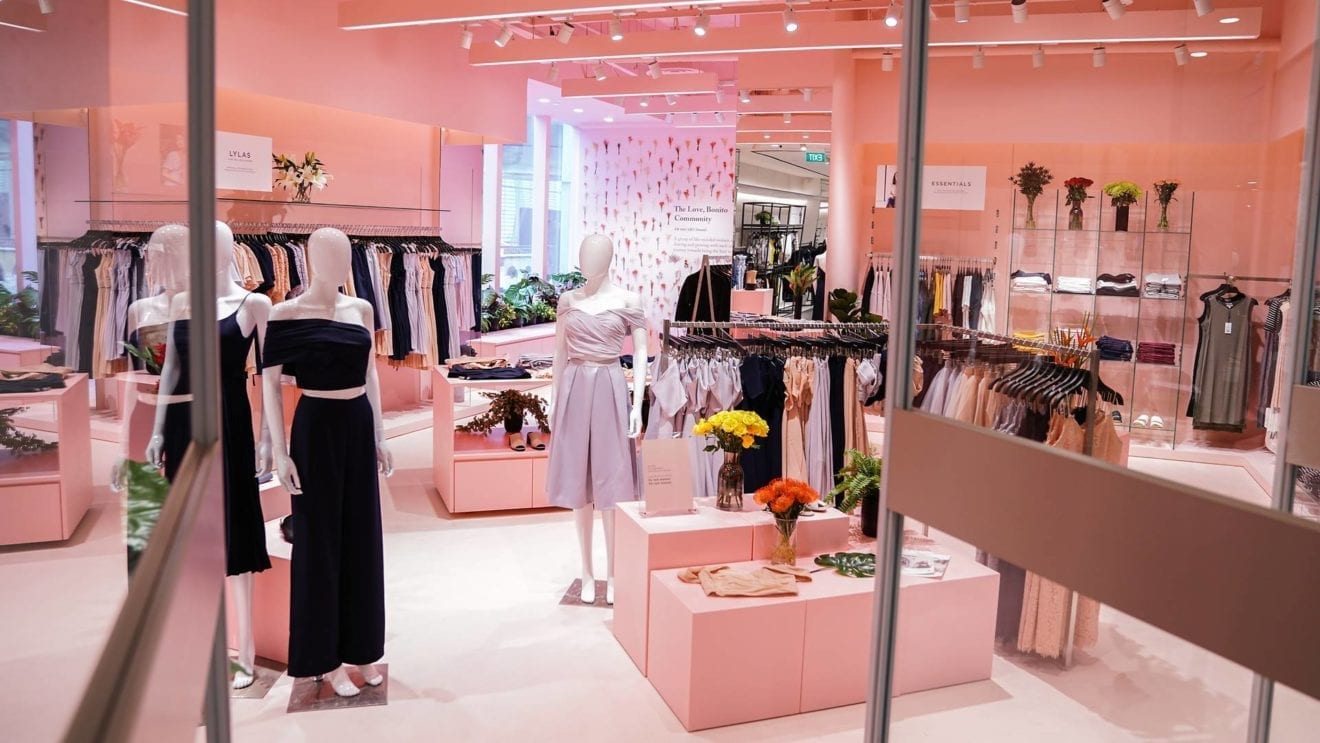
  • Love, Bonito Exposed: Singaporean Fashion Retailers Data Breach Puts Customer Information at Risk

    Love, Bonito Exposed: Singaporean Fashion Retailers Data Breach Puts Customer Information at Risk

    The Personal Data Protection Commission (PDPC) of Singapore is currently conducting an inquiry into a cybersecurity event involving fashion retailer Love, Bonito. The company revealed recently that a vulnerability on its website might have exposed some of its customers’ personal details.

    Love, Bonito discovered the security glitch on July 26 and promptly addressed the issue on the same day, upon uncovering unauthorized access to select customer account data. Following immediate actions to manage the incident, the retailer has also boosted its security measures to thwart similar incidents in the future.

    Customer Information at Risk

    According to Love, Bonito, the data that was potentially accessible includes customers’ names, birth dates, email and shipping addresses, as well as phone numbers. The company also acknowledged that customers who made card payments on their website might have had certain card information revealed. This includes the final four digits of their card number and the card’s expiration date. However, they were quick to reassure customers that full credit card details were not exposed in the incident.

    Love, Bonito did not divulge the number of customers impacted by the breach or provide any detailed description of the security vulnerability.

    The retailer has advised all affected customers to be on high alert for any possible phishing attempts, refrain from sharing one-time passwords or verification codes, and consistently monitor their accounts and payment cards for any suspicious activities.

    Questions & Answers

    What information was potentially accessed during the security breach?
    Customer names, birth dates, email and shipping addresses, and phone numbers might have been accessed. Limited card information may also have been exposed, including the last four digits of the card number and the expiration date.

    Did the security breach expose full credit card details?
    No, Love, Bonito has assured that full credit card details were not compromised during the incident.

    What measures has Love, Bonito taken following the incident?
    The company has taken immediate steps to contain the incident and has since strengthened its security safeguards to prevent future occurrences. They have also advised affected customers on measures to protect themselves.

  • Lululemon Debuts in Japan with Innovative Flagship Store in Tokyos Fashionable Harajuku District

    Lululemon Debuts in Japan with Innovative Flagship Store in Tokyos Fashionable Harajuku District

    Lululemon, the well-known Canadian athleisure brand, is set to break into the Japanese market with its first flagship store in Harajuku, Tokyo. The store is scheduled to open on August 19, marking a significant milestone for the brand’s international expansion.

    Lululemon’s Harajuku Connection

    The choice to situate their flagship store in Harajuku district, a melting pot of fashion and community spirit, was a strategic move by Lululemon to align with the brand’s identity. The brand expressed how the unique blend of history, culture, creativity, and freedom in Harajuku and Jingumae districts echoes the core values of Lululemon, which include movement, connection, and community. The brand’s appreciation for the diverse cultural energy in Harajuku, the historical significance of Meiji Jingu Shrine, and the vibrant vivacity of Yoyogi Park, is reflected in the ethos of their new store.

    The Harajuku flagship store will feature artwork inspired by the local culture and landmarks such as the Meiji Jingu Shrine and Yoyogi Park. This distinctive artwork, a result of collaborations with local artists, will add an authentic touch of the locale to the store.

    A Unique Shopping Experience

    In addition to offering their signature athleisure line, the store will also provide a unique shopping experience with a personalization service exclusive to the Harajuku store. Customers will be able to customize select products, such as embossing on the Everywhere Belt Bag and engraving on the Back to Life Sports Bottle.

    Stewart Tudor, President of Lululemon Japan, stated that the flagship store is not just a retail outlet, rather it aspires to be a community hub that fosters connections, ideas, and inspiration.

    Questions & Answers

    What is unique about Lululemon’s Harajuku store?
    The Harajuku store will incorporate artwork inspired by local culture and landmarks, created in collaboration with local artists. This store will also offer a unique personalization service for select products, exclusive to this location.

    What does Lululemon’s new store aim to be?
    According to Stewart Tudor, President of Lululemon Japan, the store aims to be more than a retail outlet. It aspires to function as a community hub that connects people and ideas, fostering new inspiration and possibilities.

    Why did Lululemon choose Harajuku for its first Japanese store?
    Harajuku and Jingumae districts are known for their unique blend of history, culture, diverse creativity, and free self-expression. These qualities align with Lululemon’s core values of movement, connection, and community, making it an ideal location for their flagship store.

  • Public Outcry in China as Louis Vuitton Wins Trademark Case Against Popular Beverage Chain Molly Tea

    Public Outcry in China as Louis Vuitton Wins Trademark Case Against Popular Beverage Chain Molly Tea

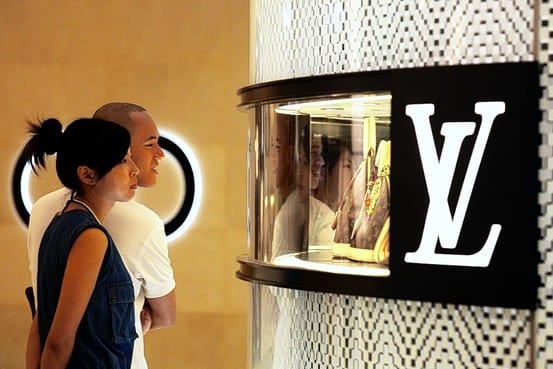
    French luxury fashion giant Louis Vuitton is currently in the midst of public disapproval in China, following its array of trademark lawsuits including a significant victory against the well-liked beverage chain, Molly Tea. In June, a court in Suzhou, Jiangsu province, concluded that Molly Tea, based in Shenzhen, had violated seven of LV’s registered four-petal floral trademarks. The beverage chain was subsequently ordered to pay 10.3 million yuan (approximately US$1.5 million) in damages and legal costs. Despite Molly Tea’s indication of appealing the decision, the verdict has garnered public discontent and stimulated a fervent debate across the country.

    The Dispute Fuels Chinese Public Opinion

    Initially, the argument centered on the resemblance between Molly Tea’s logo and LV’s trademarks, and the reasoning behind the fashion house’s lawsuit against a company operating in a completely different sector. However, the debate soon shifted towards determining the fine line between protecting intellectual property rights and monopolizing elements of shared cultural heritage. As seen from public discourse, a large proportion of Chinese citizens compared the four-petal floral trademarks to various elements of their cultural heritage, including the baoxiang floral designs on Tang dynasty pipa instruments, decorative window patterns in Suzhou’s classical gardens, and even older public toilet ventilation grilles and floor tiles. The critics argue that while the LV monogram has a history of about 130 years, the four-petal flower motif has been a part of Chinese culture for more than a millennia. This case has also rekindled public resentment over perceived cultural appropriation by international luxury brands.

    Public Relations Woes Despite Legal Victories

    Despite its legal defeat, Molly Tea appears to have garnered significant public support. The beverage chain’s official social media account on Weibo witnessed a surge in followers in the days following the lawsuit. Moreover, the brand gained even more backing after donating to the Guangxi Zhuang Autonomous Region, which had been affected by a typhoon.

    Meanwhile, Louis Vuitton continues to actively enforce its trademark rights in China, with numerous cases of opposition filed against designs similar to its four-leaf or four-petal trademarks. Despite some defending the luxury brand’s actions, many have accused it of monopolizing ancient Chinese motifs and exploiting smaller businesses. This controversy has impacted the brand’s foot traffic and resale market prices of popular handbags.

    Spring Chang, founding partner of IP law firm Chang Tsi and Partners, considers these controversies to highlight the gaps in legal application and communication. “If public opinion swings entirely to the view that any enforcement by a big company is bullying, that will weaken the basis for legitimate enforcement and confidence in the system over time,” she noted.

    Questions & Answers

    What is the source of the conflict between Louis Vuitton and Molly Tea?
    The conflict stems from a lawsuit filed by Louis Vuitton, claiming that Molly Tea infringed on seven of its registered four-petal floral trademarks with its logo.

    What has been the public’s reaction to the lawsuit in China?
    The lawsuit has ignited a public debate about cultural appropriation and intellectual property rights. While some defend Louis Vuitton’s actions, many see it as an example of a global luxury brand exploiting smaller businesses and monopolizing shared cultural symbols.

    How has this controversy affected Louis Vuitton’s business in China?
    The controversy has led to a noticeable drop in foot traffic in Louis Vuitton boutiques in several cities, including Shanghai, and a decline in the resale market prices of some of its popular handbags.

  • Thailand Elevates Trade Prospects with $750M Railway Project Boosting Port Connectivity

    Thailand Elevates Trade Prospects with $750M Railway Project Boosting Port Connectivity

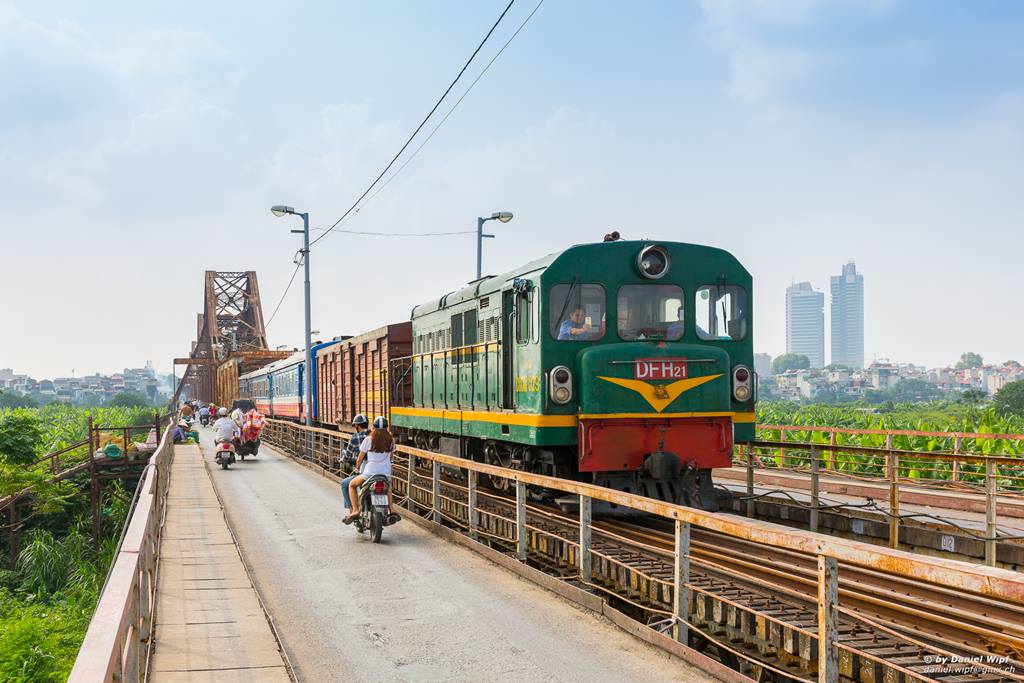
    Thailand’s Ministry of Transport has confirmed its dedication to constructing a dual-track railway, a $750 million (27 billion baht) project that is viewed as a critical component in the nation’s logistics chain. Deputy Transport Minister Sanphet Boonyamanee, who talked about the project on Wednesday, highlighted it as a pivotal move towards bridging a “missing link” in Thailand’s nationwide logistics structure. This statement aligns with infrastructure strategies laid out by the government.

    The project in question is a 110-kilometer railway that will connect Chumphon and Ranong Port. This railway will directly link the country’s main rail system to its only deep-sea port, paving the way for a new trade conduit to the Indian Ocean. This railway is intended to facilitate an integrated multimodal transportation network that encompasses roads, railways, seaports, airports, and border crossings.

    Despite being smaller than many of Thailand’s main railway lines, this particular railway is predicted to function as a key land bridge. Once the railway is completed, freight from the agricultural and industrial areas in the north, northeast, central, and southern regions will be able to travel directly to Ranong Port via rail. This would render the need for road transport on the last leg of the journey obsolete.

    Another significant benefit of the new railway is that it will provide direct rail access to both Thailand’s coasts. The existing network links to the Gulf of Thailand ports, including Laem Chabang, Bangkok, and Map Ta Phut. However, the new route will create direct access to the Andaman Sea and the Indian Ocean, thereby broadening access to markets in the Middle East and Africa.

    A Project with Multiple Advantages

    In addition to facilitating international trade, officials also anticipate the project to stimulate economic growth in Chumphon and Ranong. They believe it will attract private investment towards warehouses, distribution centers, and logistics facilities.

    Government agencies are currently assessing the project’s economic, environmental, and social impacts. These studies are also determining whether to extend existing facilities at Ranong Port or to construct a new deep-sea terminal capable of accommodating larger container vessels.

    The State Railway of Thailand has finalized the project’s detailed engineering design and submitted its Environmental Impact Assessment report for review. The construction contract is expected to be up for bidding in 2027, subject to environmental approval later this year.

    The government had initially explored the possibility of this project in 2019 but later postponed it due to economic feasibility concerns.

    Questions & Answers

    What is the purpose of the new railway project in Thailand?
    The new railway is intended to establish a multimodal transportation network integrating roads, railways, ports, airports, and border crossings. It will also open a new trade gateway to the Indian Ocean.

    What benefits does the railway project bring to Thailand?
    The railway project is expected to boost international trade and spur economic growth in Chumphon and Ranong by attracting private investment in warehouses, distribution centers, and logistics facilities.

    When is the construction of the railway expected to start?
    Pending environmental approval, the bidding for the construction contract is expected to commence in 2027.

  • Vietnam’s Fuel Prices Skyrocket to Two-Month Peak amid US-Iran Tensions

    Vietnam’s Fuel Prices Skyrocket to Two-Month Peak amid US-Iran Tensions

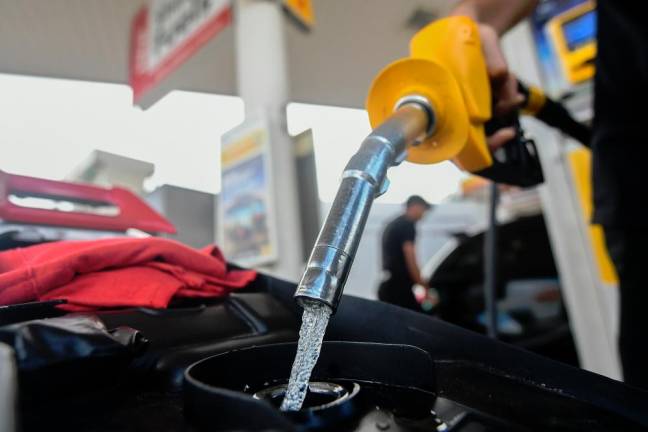
    In Vietnam, gasoline and diesel prices soared to their highest levels since May 28 on Thursday afternoon. The popular fuel E10 RON95 rose by 6.6%, reaching VND22,850 (US$0.87) per liter, while Biofuel E5 RON92 experienced an increase of 7.2%, costing VND22,380 per liter. Diesel prices also jumped by 7.2%, coming in at VND27,620 per liter.

    Global Fuel Prices and Local Shortages

    This surge in fuel prices aligns with a global trend observed over the past week, primarily driven by the escalating conflict between the U.S. and Iran. The Ministries of Industry and Trade and Finance note that RON95 has increased by 5%, costing $121.3 per barrel, and diesel has followed suit with a 5.4% hike, amounting to $159 per barrel.

    Alongside these rising costs, Vietnam has been contending with fuel shortages, particularly of diesel. Fuel retailers across Hanoi, HCMC, and other areas have reported difficulties in stocking enough supplies. Some tanker trucks have had to wait up to four days to collect supplies. Meanwhile, certain gas stations have either limited their sales or temporarily halted operations due to lack of inventory.

    Fuel Procurement and Market Dynamics

    Tran Huu Linh, the director general of the Agency for Domestic Market Management and Development under the Ministry of Industry and Trade, attributes these issues to the Middle East conflict disrupting fuel procurement by petroleum wholesalers. Additionally, amplified demand in certain areas has put a strain on supply, leading wholesalers to ration the volume of fuel distributed to the market temporarily.

    However, Linh maintains that the nationwide fuel supply remains stable, although localized shortages, especially of diesel, may occur. Linh also suggests that some businesses might be withholding inventory, anticipating a potential increase in prices.

    Questions & Answers

    What caused the recent rise in fuel prices in Vietnam?
    The escalating conflict between the U.S. and Iran has driven up global fuel prices, directly impacting prices in Vietnam.

    How has the conflict in the Middle East affected the fuel market?
    The conflict has disrupted fuel procurement by petroleum wholesalers, leading to delays in supply and temporary restrictions on the volume of fuel released to the market.

    What measures are being taken to manage fuel supply shortages?
    Despite localized shortages, the nationwide fuel supply remains stable. Wholesalers are temporarily rationing fuel distribution to the market to manage demand and maintain supply levels.

  • Revolutionizing Health Checkups: Vietnam Embraces AI-Assisted Preventive Screening

    Revolutionizing Health Checkups: Vietnam Embraces AI-Assisted Preventive Screening

    AI-supported comprehensive health screening is becoming increasingly accessible in Vietnam, granting both local and overseas Vietnamese the opportunity to access preventative diagnostic services. In the past, these services were usually sought after in countries like Japan, South Korea, and Thailand, where advanced screening programs were more readily available.

    One factor driving the growing interest in preventative screening, according to healthcare providers, is early detection. Statistics from Nura, an AI-powered health screening center network, show that 73.5% of Vietnamese cancer patients do not survive their illness, compared to around 30% in Japan, where regular screenings are commonplace.

    In Japan, the long-standing ningen-doku program screens approximately 80% of the population annually. In contrast, Vietnam’s screening rate is estimated to be around 3.5%.

    AI-Assisted Screening

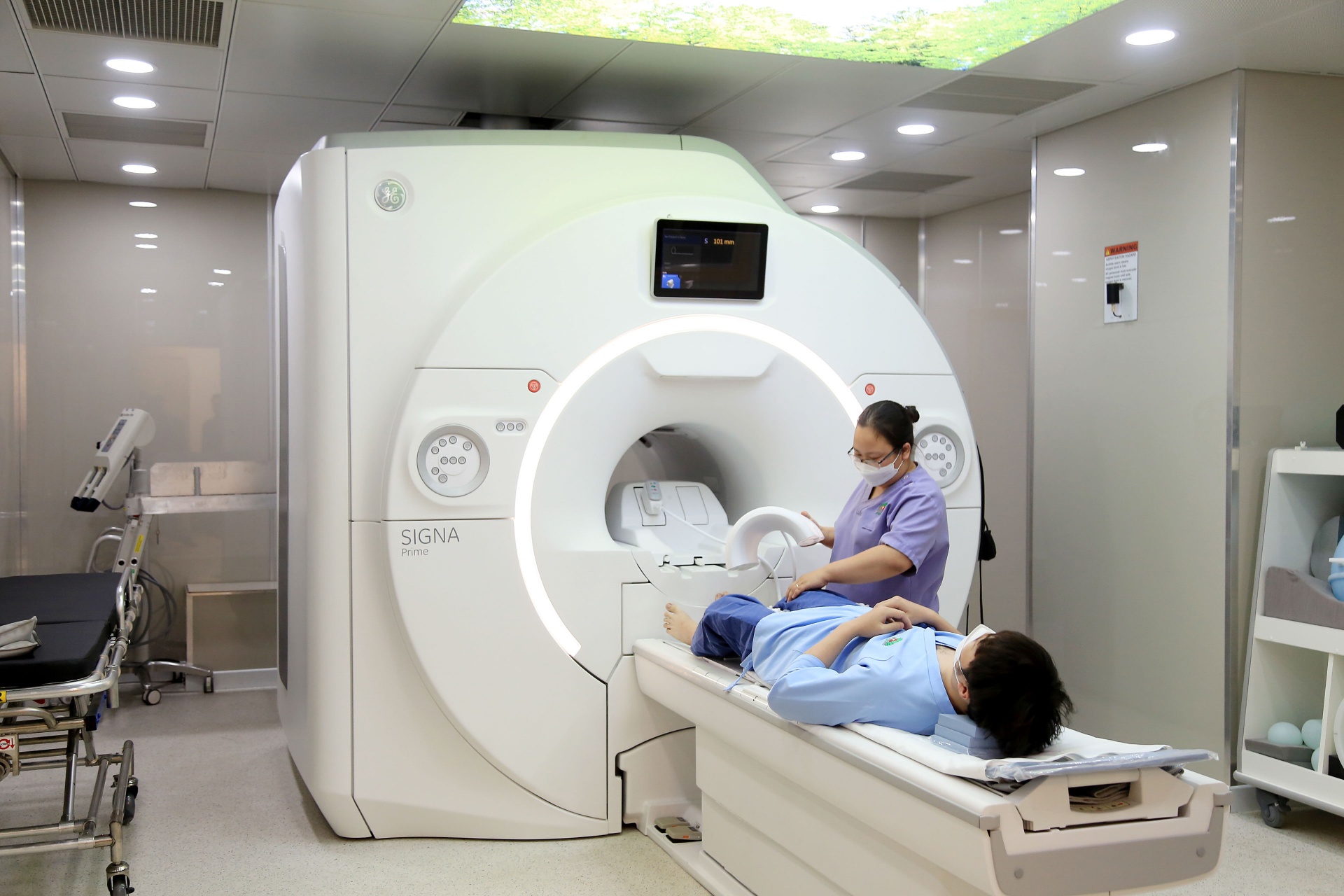
    Since July 2024, Nura has been providing AI-assisted full-body screening services in Hanoi and Ho Chi Minh City. The company reports that over the past two years, they have conducted more than 33,000 screenings, identifying over 160 early-stage cancers in asymptomatic individuals.

    Nura’s AI system is designed to aid doctors by supporting medical image analysis, not replace them. The platform, developed in conjunction with Fujifilm and partially trained on approximately 400 million medical images from Stanford Medicine, utilizes around 50 AI models to identify various types of abnormalities. Physicians review areas flagged by the AI before finalizing and sharing examination results with patients.

    Supporting Clinical Decisions

    According to Nura, AI-assisted imaging can assist doctors in evaluating complicated cases. In one instance, a 45-year-old man who was initially advised to undergo a lung biopsy after a suspected malignant lesion was detected at another medical facility. After an AI-assisted scan and specialist review, the abnormality was deemed consistent with benign inflammation. The patient was treated for pneumonia and recovered without needing a biopsy.

    Nura’s services are not only convenient for local residents but also for overseas Vietnamese and expatriates living in Vietnam. The company’s AI-assisted screening services provide an alternative for those seeking preventative healthcare without having to travel outside of Vietnam.

    One of the prominent concerns for people considering CT-based screening is radiation exposure. Nura states that its ultra-low-dose CT protocol, cleared by the U.S. Food and Drug Administration (FDA), is aimed at reducing radiation exposure while maintaining image quality through AI-supported image reconstruction.

    Questions & Answers

    What is the main purpose of Nura’s AI-assisted screening?
    The main purpose of Nura’s AI-assisted screening is to facilitate early detection of diseases, such as cancer, by providing comprehensive health screenings.

    How is Nura’s AI system used in clinical decision making?
    Nura’s AI system aids in clinical decision making by supporting medical image analysis, flagging areas of concern for physicians to review and make an informed medical decision.

    What measures has Nura taken to address concerns about radiation exposure during CT-based screening?
    To alleviate concerns about radiation exposure during CT-based screenings, Nura has developed an ultra-low-dose CT protocol, designed to reduce radiation exposure while maintaining image quality. This system has received clearance from the U.S. Food and Drug Administration (FDA).

  • Indosat Ooredoo Hutchison Delivers Double-Digit Growth, Accelerating Its AI-Led Transformation

    Indosat Ooredoo Hutchison Delivers Double-Digit Growth, Accelerating Its AI-Led Transformation

    PT Indosat delivered strong financial and operational performance in the first half of 2026, demonstrating how its AI-led transformation is strengthening the business today while building the foundation for Indonesia’s next phase of digital growth.

    For the six months ended 30 June 2026, Indosat recorded revenue of IDR30.7 trillion, up 13.1% year-on-year (YoY). EBITDA increased 14% YoY to IDR14.6 trillion, growing faster than revenue and maintaining a healthy EBITDA margin of 47.6%. Normalized figure of net profit attributable to owners of the parent rose 49.2% YoY to IDR3.2 trillion, supported by sustained business growth, disciplined cost management, and increasing operational efficiency.

    AI is now becoming an integral part of customers’ everyday digital experience. Through services such as Anti-Spam and Anti-Scam feature, Sahabat-AI, Gemini AI, and Adobe Express, Indosat is delivering greater productivity, creativity, and digital security as part of its connectivity offering. These differentiated experiences helped drive a 19.9% YoY increase in data traffic and a 17.3% YoY increase in Average Revenue Per User (ARPU) to IDR46 thousand, while maintaining a healthy mobile subscriber base of 93.4 million.

    Vikram Sinha, President Director and Chief Executive Officer of Indosat Ooredoo Hutchison, said, “Our AI North Star has always been about creating long-term value by transforming Indosat beyond connectivity into an AI-driven technology company. The double-digit growth we are achieving demonstrates the strength of this strategy and the momentum behind our transformation journey. This progress gives us the confidence to accelerate the next phase of our transformation, strengthening the capabilities that will become our future growth engines while helping build Indonesia’s AI ecosystem.”

    Investing Today’s Performance into Tomorrow’s Growth

    Strong operating performance has enabled Indosat to accelerate investments that will shape its next phase of growth. With a stronger financial foundation, Indosat is investing in the capabilities that will expand its technology business and unlock new long-term growth opportunities.

    A significant milestone during the first half was the establishment of PT Infra Fiber Teknologi (IFT) together with Arsari Group. Through the transfer of management of more than 86,000 kilometres of national fibre infrastructure, Indosat unlocked approximately IDR11.7 trillion in gross proceeds while adopting a more asset-light operating model. This transaction provides greater financial flexibility to accelerate investments in higher-growth opportunities that support Indosat’s long-term transformation.

    Building on this stronger capital position, Indosat continues to scale its AI Cloud business as enterprises accelerate AI adoption. During the first half of 2026, AI Cloud generated US$33 million in revenue, already surpassing its full-year 2025 revenue of US$28 million. This strong performance reflects accelerating enterprise demand for sovereign AI infrastructure and positions AI Cloud as one of Indosat’s key emerging growth engines.

    To support this growing AI ecosystem, Indosat also continues strengthening its connectivity. Indosat recently secured 80 MHz of spectrum across the 700 MHz and 2.6 GHz bands, expanding network capacity and enhancing service quality as demand for AI-powered digital experiences continues to grow. Together with its continued focus on Customer Love, these investments will enable Indosat to deliver more reliable, intelligent, and personalized digital experiences, while unlocking new opportunities to monetize 5G services, including Fixed Wireless Access (FWA).

    Building Sustainable Growth

    As Indosat expands its AI-powered growth platforms, the Company remains committed to ensuring innovation creates lasting value for society and the environment. AI-powered network optimization and intelligent energy management reduced carbon emissions intensity by 50.89%, while Indosat’s commitment to responsible business practices was recognized through its inclusion in all three KEHATI ESG Indices—SRI-KEHATI, ESG Sector Leaders, and ESG Quality 45—for the June–November 2026 period.

    Indosat is also investing in Indonesia’s AI future through its partnership with the Ministry of Manpower (Kemnaker RI) and the Wadhwani Foundation, with the ambition to develop one million digital talents and 100,000 AI-driven entrepreneurs by 2029. Together, these efforts reinforce the Company’s belief that long-term AI leadership must be built on responsible innovation, sustainable growth, and inclusive talent development.

  • Hong Kong Land Buys Singapore’s Wheelock Place for $900 Million, Boosting Its Commercial Footprint

    Hong Kong Land Buys Singapore’s Wheelock Place for $900 Million, Boosting Its Commercial Footprint

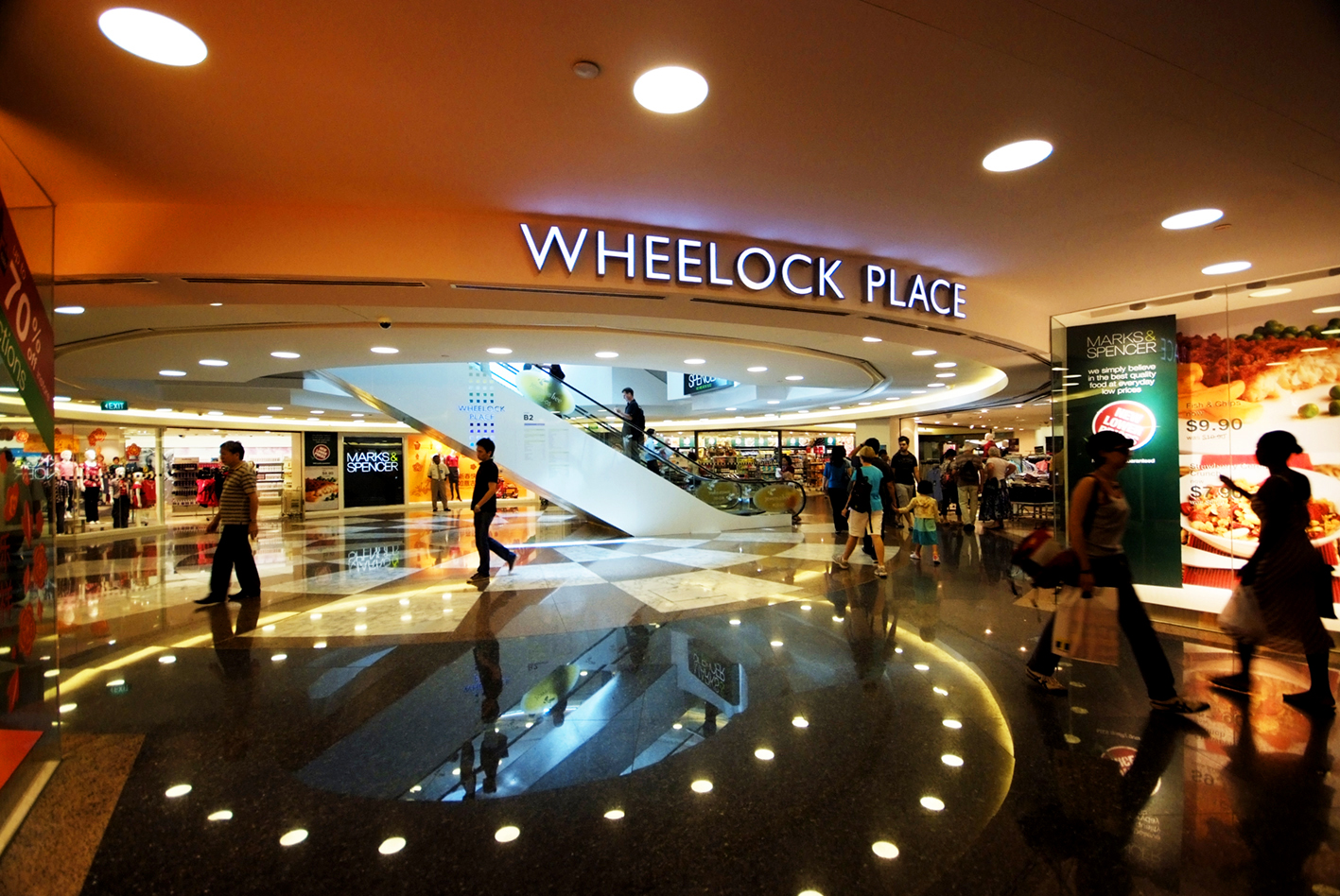
    Hongkong Land, a leading property investment, management, and development group, has successfully secured a deal to purchase Singapore’s premium shopping centre, Wheelock Place. The purchase, valued at approximately US$900 million, is being transacted through the company’s Singapore Central Private Real Estate Fund (SCPREF). This deal marks the first acquisition for the fund since its establishment in February.

    Wheelock Place, situated on the iconic Orchard Road, is a multi-faceted commercial property. It consists of a 21-story commercial building that houses office spaces, a retail podium, and two levels of basement that offer more shopping outlets and car parking facilities. The shopping centre boasts over 4000 square meters of retail space, within a total gross floor area of 43,280 square meters.

    In the past year, Wheelock Place demonstrated robust financial performance, generating nearly $100 million in profit after tax. This marks a significant 160 per cent growth from the previous year.

    The deal is anticipated to be finalized by the end of August. Following the completion of this acquisition, the assets under management for SCPREF will surge to $7.3 billion. This brings the fund closer to achieving its target of approximately $11.6 billion.

    Michael T Smith, the Group CEO of Hongkong Land, commented on the acquisition, highlighting the rarity and premium nature of the asset. He stated that securing Wheelock Place within months of the fund’s launch reflects positively on their fund management team and validates the trust their capital partners have in their strategic decision-making capabilities.

    This acquisition also symbolizes Hongkong Land’s strategic expansion into the Orchard Road precinct, a move that further enhances its commercial portfolio in Singapore.

    Questions & Answers

    What is the significance of this acquisition for Hongkong Land?
    This acquisition marks Hongkong Land’s strategic entry into the Orchard Road precinct, expanding its commercial footprint in Singapore. It also reflects a successful start for their Singapore Central Private Real Estate Fund.

    What is the financial impact of this deal on the Singapore Central Private Real Estate Fund?
    Once the deal is completed, the assets under management for the Singapore Central Private Real Estate Fund will increase to $7.3 billion, bringing it closer to its target of around $11.6 billion.

    What type of commercial property is Wheelock Place?
    Wheelock Place is a multi-faceted commercial property located on Orchard Road. It comprises a 21-story commercial building housing offices, a retail podium, and two basement levels containing additional shops and car parking facilities.

  • Retail News Asia Completes Platform Migration, Launches New Features

    Retail News Asia Completes Platform Migration, Launches New Features

    Retail News Asia, the leading platform for retail news and analysis across Asia with over 13.6 million readers, has completed a migration to a new platform over the past few days. The transition is now finished, and the editorial team is fully operating on the new infrastructure.

    The migration caused some disruptions and irregularities for readers this week. We acknowledge this and sincerely apologizes. The team worked to keep the impact to a minimum and thanks readers for their patience during the transition.

    New features on the platform

    The migration is more than a technical operation — it also brings a number of new features:

    The Retail Brief — a daily five-minute audio briefing covering the top headlines, deals, and consumer shifts across Asian retail, freshly published every morning.

    RNA-10 Index — Retail News Asia’s own index, a basket of ten major listed Asian retailers. The index tracks how these companies move together on a daily basis, with five years of historical data and a detail page per constituent. It is an editorial experiment, not a tradeable instrument or investment advice.

    Events — an overview of retail events across the region, with the option for readers and organizers to submit their own events.

    Looking ahead

    With the new platform, we are building a more stable foundation along with deeper data and tools for retail professionals in the region. The editorial team continues to deliver daily news, market analysis, and sector updates from eighteen Asian markets, from China and Japan to Singapore and Vietnam.

    Readers with questions can reach out via retailnews.asia/contact.

    Question & Answers

    Why did Retail News Asia migrate to a new platform?

    The migration was carried out to build a more stable, faster foundation for the site and to support new features such as The Retail Brief, the RNA-10 Index, and Events.

    Will I need to do anything as a reader, such as resetting my account?

    No action is required. Existing accounts and subscriptions carry over to the new platform automatically.

    What should I do if I still experience issues on the site? Readers who continue to experience problems can reach the team via retailnews.asia/contact, and any remaining issues will be resolved as quickly as possible.

  • Lvl Up Breaks Into Sports Hydration Market with Complete Nutrition Solution

    Lvl Up Breaks Into Sports Hydration Market with Complete Nutrition Solution

    Supplement brand Lvl Up has broadened its product offerings by venturing into the sports hydration segment with the introduction of Lvl Up Sports. This new line-up includes a variety of products such as hydration powders, ready-to-drink sports beverages, electrolyte capsules, and energy gels.

    Filling a Market Gap

    Co-founders Madison Verrochi and Austin Xenos reported that the inspiration to diversify into the sports nutrition domain came from identifying an unmet need in the market. They observed that consumers were often procuring hydration, electrolytes, and fuel products from multiple different brands due to the absence of an all-inclusive solution from a single brand. They expressed their intent to rectify this situation by offering a comprehensive sports nutrition range under the Lvl Up brand.

    The Lvl Up Sports range includes an array of products: Sports Hydration Formula, which comes in 600g containers and single-use packs, Sports Hydration RTD, Electrolyte Capsules, Sports Fuel Isogel, and Sports Fuel + Caffeine Isogel.

    The newly launched products are currently available for purchase through Lvl Up’s online store and Chemist Warehouse, with plans to extend distribution to 7-Eleven stores starting in August. The product prices vary, ranging from $4.99 to $59.99.

    Questions & Answers

    What inspired Lvl Up to develop a sports hydration range?
    The decision to develop a sports hydration range came from co-founders Madison Verrochi and Austin Xenos identifying a gap in the market where consumers were sourcing hydration, electrolytes, and fuel products from multiple brands due to a lack of a comprehensive offering from a single brand.

    What products are included in the Lvl Up Sports range?
    The Lvl Up Sports range includes the Sports Hydration Formula, available in both 600g tubs and single-serve sachets, Sports Hydration RTD, Electrolyte Capsules, Sports Fuel Isogel, and Sports Fuel + Caffeine Isogel.

    Where can customers purchase the Lvl Up Sports range?
    Customers can purchase the Lvl Up Sports range through the Lvl Up online store and Chemist Warehouse. There are also plans to expand availability to 7-Eleven stores from August.