Blog

  • Sogo department stores see strong sales growth

    Sogo department stores see strong sales growth

    Sogo department stores parent Lifestyle International has reported a 50 per cent drop in net profit for last year, despite increased sales.

    While turnover rose 16 per cent to HK$4.36 billion (US$555 million), net profit fell to $1.69 billion ($215 million).

    However, the company explained the fall was largely due to comparison with 2017 when the company received a one-off gain from the sale of a majority stake in its subsidiary, netting $420.8 million. On a trading basis, the department stores it operates posted solid results.

    Sales at its Sogo Causeway Bay flagship store rose by 10.5 per cent last year, and mainland tourists underpinned a 30.3 per cent increase in sales at the Sogo Tsim Sha Tsui store.

    CFO Terry Poon Fuk-chuen said the improved turnover was due to the company enhancing the shopping experience at its stores.

    Lifestyle International executive director Kam Shim Lau predicts this year will be challenging for retail as declining wage growth and weakening asset values may dent consumer sentiment.

    “Looking ahead, the group predicts a single digit growth in the first half of 2019 and adopts a cautious approach for 2019,” he said.

  • DesignSingapore to take local brands global

    DesignSingapore to take local brands global

    DesignSingapore Council (DSG)’s new Business of Design (BOD) program has launched to help local furniture and lifestyle brands expand globally.

    As a part of Singapore Design Week 2019, which runs until March 17, the program will select up to six brands the council believes have the potential to expand internationally, to receive mentorship from industry experts.

    During the first two years, the BOD program will focus on the furniture and lifestyle product sector, and it will be expanded to include designers from other industries later.

    “With increasing industry demand for design, the role of designers will expand,” said Chee Hong Tat, senior minister of state for trade and Industry. “Hence, our design education and talent development programme must adapt to help our designers tackle more complex challenges in the future.

    A themed collective showcase will be held in 2020 at an international location before travelling to other events including Milan Design Week. Displays will also be created at retail pop ups in cities including Shanghai.

    Established in 2003, DSG aims to help local companies expand beyond Singapore.

  • Most Japanese firms want to expand Vietnam operations

    Most Japanese firms want to expand Vietnam operations

    Higher revenues have motivated almost 70 percent of Japanese firms in Vietnam to consider expanding their business here. Higher revenue was cited as the reason for expansion plans by 65 percent of Japanese businesses. Another 43 percent saw greater potential and high growth as encouraging factors. The majority of respondents also said that Vietnam has advantages in market scale and high growth, political-social stability and low labor costs.

    65.3 percent of Japanese companies in Vietnam reported profit last year, up 0.2 percentage points from 2017. The ratio of businesses reporting loss went down 2.8 percentage points to 12.7 percent last year. Japanese businesses in Vietnam seem to be most confident in their prospects this year among the Asia countries JETRO surveyed. 58.7 percent of businesses in Vietnam expect their profit to increase this year, while this figure is only 47 percent in Thailand, 44.7 percent in Malaysia and 39.5 percent in China.

    However, the ratio of businesses reporting profit last year is lower than other countries in Asia, including Indonesia at 65.5 percent, Thailand 67.2 percent, and Malaysia 68.9 percent. Japanese businesses also said that the top risks in the country were increasing labor costs, an incomplete legal system, lack of transparency in law enforcement and complicated tax and administrative procedures.

    They said that Vietnam has a high rate of employee turnover, with 36.2 percent of respondents mentioning this as a problem, higher than in Thailand at 33.2 percent and India at 32.5 percent.

    Labor costs account for 20 percent of total costs in Vietnam, higher than the Philippines at 16.8 percent and Indonesia at 16.5 percent.

    The localization rate in Vietnam remains low, the Japanese respondents said. Only 14.4 percent of Japanese businesses said they bought material and parts from local businesses last year, lower than in Indonesia at 19.5 percent, Malaysia 20.4 percent, and China 41.6 percent.

    This is the 32nd year that JETRO has surveyed business conditions of Japanese firms in Asia and Oceania.

    The survey polled 787 Japanese businesses operating in Vietnam in October and November last year.

    Japan was the largest foreign direct investor in Vietnam last year, with a total registered investment of $8.59 billion, accounting for 24.2 percent of the total, according to the Ministry of Planning and Investment.

  • New stores boost sales for Sheng Siong Group

    New stores boost sales for Sheng Siong Group

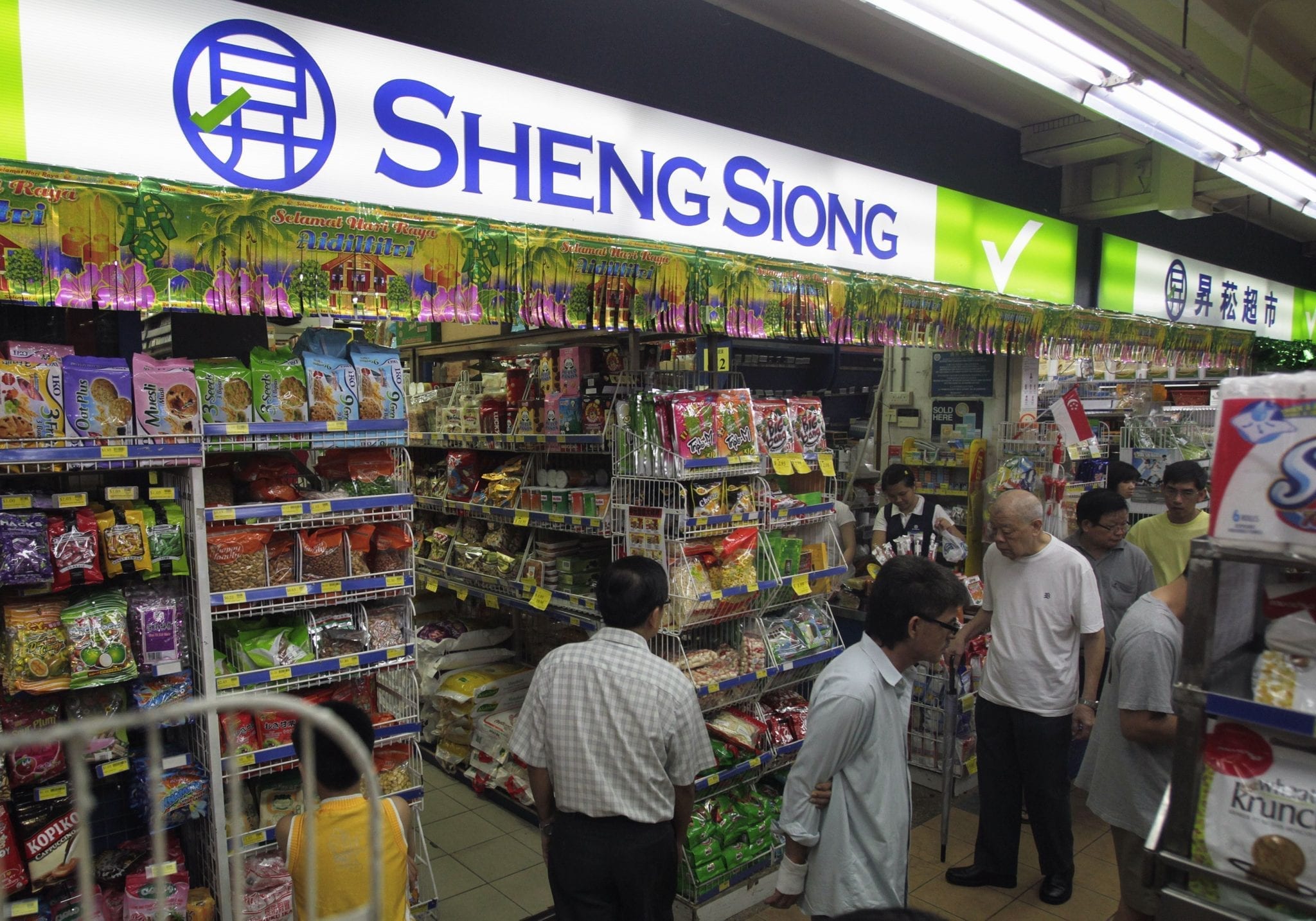
    Singapore supermarket chain Sheng Siong Group has reported a 1.4 per cent year-on-year rise in net profit to S$70.5 million for 2018. Revenue, gross profit and gross margin all improved in both the final quarter and full year, but they were offset by a reduction in other income and higher operating expenses. Government statistics show sales in supermarkets across the city state shrank during the year, but Sheng Siong Group said it was able to mitigate that with new stores, its revenue rising 7.4 per cent for the year.

    The company’s gross margin increased to 26.8 per cent, from 26.2 per cent, mainly because of better buying prices, higher rebates from suppliers for special promotions and volume discounts, improvement in efficiency in the central distribution centre and higher mix of fresh versus non-fresh offerings.

    In a statement, Sheng Siong Group said it expects competition in Singapore’s supermarket industry to remain keen, “exacerbated by the proliferation of new supermarkets in HDB residential areas, as well as the push by new and existing e-commerce players for market share”.

    The group will continue to look for new retail spaces in new and existing HDB housing estates, particularly in estates where there is no presence. It has delayed a planned expansion of its central warehouse, which is now likely to be completed about mid year.

    The company’s store in Kunming, China, which opened in November 2017, recorded a loss of $700,000 last year.  It has has leased a site for a second supermarket in the city and hopes this will commence trading in the third quarter

    “Our store expansion plans have been well on track where we have opened 10 new stores during the year, bringing our total store count to 54 and expanding our total retail area to 496,200sqft,” said CEO Lim Hock Chee.

    “Going ahead, we remain on the lookout for new retail opportunities, especially in areas where we do not have a presence. Besides nurturing the growth of our new stores in Singapore and China, we will continue with our efforts in enhancing the gross margin via more efficiency gains in the supply chain and higher sales mix of fresh produce. We will remain vigilant on costs.”

  • Diesel files for bankruptcy

    Diesel files for bankruptcy

    Famed denim streetwear brand Diesel USA has collapsed, filing for bankruptcy protection in Delaware.

    According to papers filed with the court, the company has up to $100 million in assets and as much as $50 million in debts. The company filed for bankruptcy after unsuccessfully lobbying landlords for rent reductions.

    However under a three-year proposed restructuring program, Diesel says it does not plan to reduce its store network, rather to find more affordable locations.

    Diesel USA has 28 retail stores across the country and about 380 employees. It also wholesales through department stores and specialty retailers

    In the 1990s and early 2000s, Diesel USA, the North American unit of Italian-headquartered Diesel SpA, was at its peak, “dominating pop culture”. As a result it was commanding a high premium for its clothes and could justify seeking high-profile – and thus high-rent – locations in major cities across the US.

    Now those leases are no longer affordable and landlords seem reluctant to reduce rents to maintain a tenant no longer at its peak of popularity. The company has managed to get a reduction on only a single store despite a year of negotiations.

    Bloomberg reports the company had also been affected by several instances of cyber fraud and theft, costing it about $1.2 million.

  • Indian mall supply industry booming

    Indian mall supply industry booming

    A three-fold jump in Indian mall supply from 3.2 million sqft last year to nearly 10 million sqft this year has been reported in India, following supply rollover from the previous year.

    The figures were outlined in the research report Customer Experience (CX) – The Epicentre of Retailing by property consultant firm Anarock, released at the Retail Leadership Summit 2019 in Mumbai this week. The report finds that customer experience and ‘built environment’ are completely metamorphosing the retail business in the country, and that these trends have already started influencing and impacting both the online and the offline retail segments.

    “With the new e-commerce policy in effect from early this month, online retail giants are realigning their business strategies and focussing to expand their offline presence,” said Anarock chairman Anuj Puri.

    “Brick-and-mortar retailers who were earlier under threat from e-commerce can now look forward to a more level playing field and tap into the rapidly growing Indian consumer market with renewed confidence and business prospects. The new e-commerce policy will bring parity between the online and offline retailers and address the concern of data colonisation as well. Even as online players may lose many of their competitive advantages – such as high price discounts on their private labels – brick-and-mortar stores will focus on offering superior customer experience to enhance customer loyalty.

    “The new e-commerce policy will cause online retail entities to invest seriously in offline stores,” he continued. “They will consider tie-ups with offline retailers or buy stakes in them. However, as competition stiffens, customer experience will be the key differentiator to the success and sustenance of any new retail venture.”

    Kumar Rajagopalan, Retailers Association of India CEO, added: “A combination of essential and value-added services, along with sound marketing strategy, is now the key to customer attraction and therefore successful mall performance. F&B and entertainment are critical ingredients for attracting footfalls into retail developments. Simultaneously, style, variety, and overall quality of malls also play crucial roles in ensuring customer satisfaction.”

    Historically dominated by unorganised mom-and-pop stores, the Indian retail sector’s dynamics are rapidly changing post liberalisation and subsequent e-commerce boom across the country. The rise in internet subscribers and active social media users, changing lifestyles and increasing disposable incomes have transformed the rural and urban consumer bases alike. This dynamic resulted in the increasing prominence of e-commerce across the country, leading to India’s emergence as a key global retail market.

    Nearly $1.42 billion FDI has already been infused in the Indian markets between April 2000 to June 2018 – and global investments into Indian retail are all set to increase further, states the report. The Indian retail sector is expected to reach $1.750 trillion by 2026, due to changing demographics and increasing consumer expenditure, which is expected to rise to $3.6 trillion by 2020.

  • Abysmal start Zero Pay pilot in South Korean

    Abysmal start Zero Pay pilot in South Korean

    The Seoul city government’s smartphone-based payment-program pilot posted an abysmal track record in its first full month of service, data showed Wednesday.

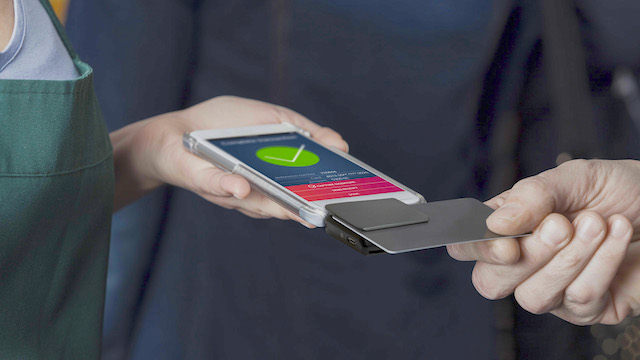
    In a bid to help relieve small merchants of burdensome credit card fees, the municipality began the trial run of the “Zero Pay” service in late December, enabling users to pay for purchases card-free and receive tax benefits.

    About 8600 purchases totalling 199 million won (US$177,000) were settled via the Zero Pay system in January, according to the data provided to Rep. Kim Jong-seok of the main opposition Liberty Korea Party by the Financial Supervisory Service.

    The number of settlements came to a mere 0.0006 per cent of the 1.56 billion purchases made using credit, debit and prepaid cards, with the value reaching only 0.0003 per cent of the total 58.1 trillion won.

    As of the end of January, slightly over 46,600 small shops and businesses were taking part in the pilot payment service.

    Watchers attributed Zero Pay’s poor record to the small number of participating merchants and customers’ unwillingness to change their payment habits.

    Eleven commercial banks, including all major lenders, joined the test service, which the Seoul city government plans to formally launch after this month.

    Nine more banks are slated to take part in the Zero Pay system, and the municipality will recruit convenience stores and other franchise stores to join.

    Under the system, money is transferred from a consumer account to that of a merchant when the consumer scans the merchant’s QR code with a smartphone using the existing apps of commercial banks or online payment platforms.

    Following its formal launch, the central government plans to gradually expand the service to other parts of the country by offering tax breaks and eliminating related regulations.

  • HKT Payment adds marketplace to mobile wallet

    HKT Payment adds marketplace to mobile wallet

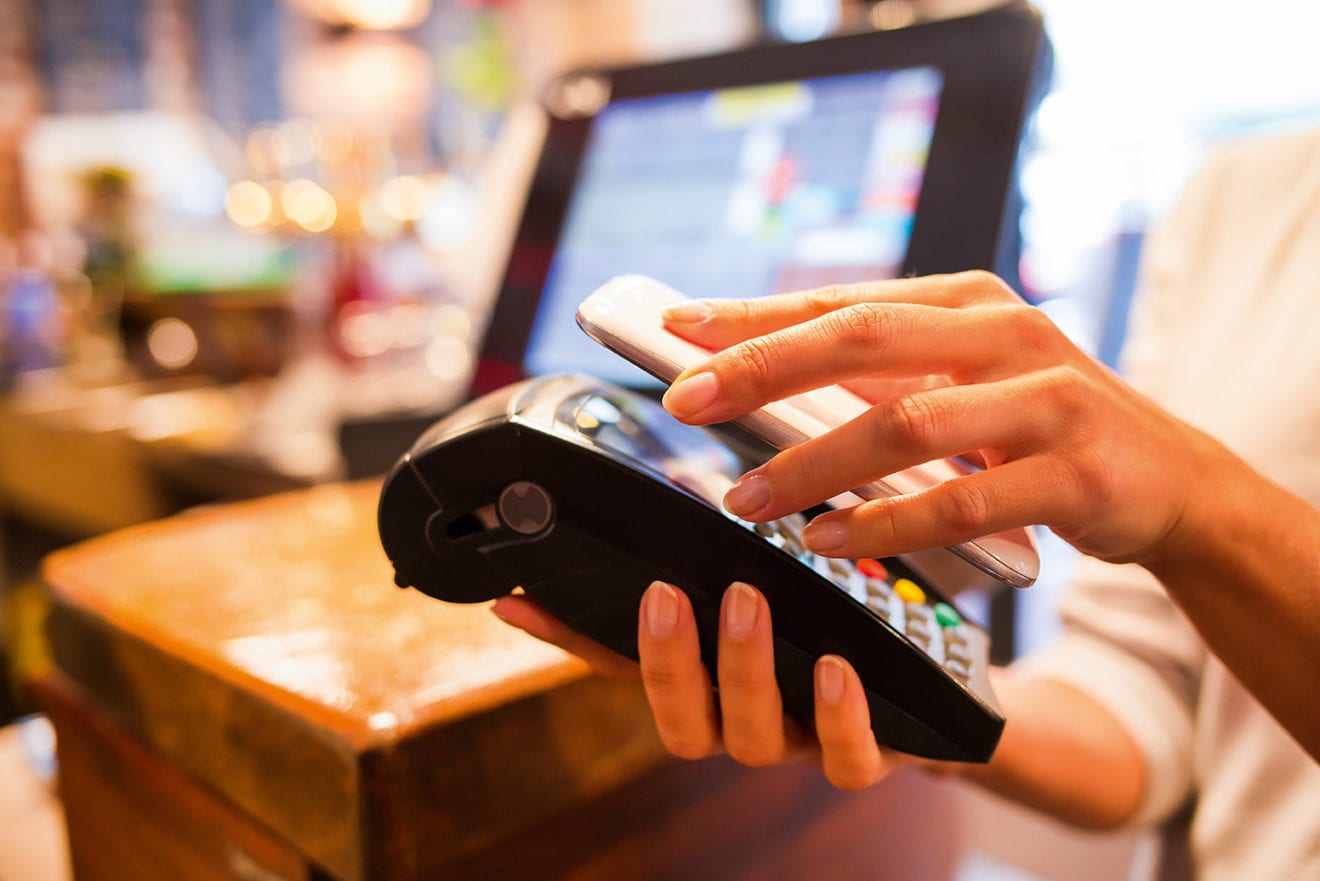
    HKT Payment has launched a new virtual store within its Tap & Go mobile wallet to allow customers to purchase online game virtual gift cards.

    The new Tap & Go Marketplace will offer a wide range of gift cards including Google Pay Gift Codes, PlayStation Network, Xbox and hvmod cards.

    Once payment is complete, a PIN will be instantly installed within the Tap & Go marketplace that can be easily redeemed on the respective online marketplace.

    “We are excited to launch the Tap & Go Marketplace and extend the service to better meet the needs of the game-savvy segment,” HKT Financial Services head Monita Leung said.

    “Not only does online purchase via Tap & Go Marketplace give customers full control over their spending and peace of mind with secure payments, but it also offers gamers greater convenience and a seamless experience.”

    The launch follows the introduction of the Faster Payment System in September that allows customers to instantly top up their mobile wallet.

    Leung said HKT Payment plans to continuously expand the gift card categories available over Marketplace to cover music, videos and software.

    HKT Payment secured Hong Kong’s second ever stored value facilities license in 2016.

  • India’s copper cabling market to reach $862m by 2023

    India’s copper cabling market to reach $862m by 2023

    The India structured cabling market is projected to reach $861.6 million by 2023, according to Research and Markets.

    Increasing demand for copper cables, growing data center market, higher product launch activities by the market players, and rising demand for bandwidth solutions are the major factors driving the growth of the market.

    Based on wire category, the India structured cabling market is divided into Cat5e, Cat6, Cat6A, and Cat7. The most popular category, Cat6 held the largest market share in 2017. Cat6 owed its popularity to the backward compatibility of this cable with Cat3, Cat5, and Cat5e cable system while providing at least 150 MHz of more frequency range than older types of cables that provides a cost-effective solution for the end users.

    In India, demand for Cat6A is surging owing to its low cost/feature characteristics. It is forecast to grow at 11.9% CAGR. Cat6A cable provides a better cost-effective solution than Cat7 cable and double the bandwidth than Cat6 cable.

    On the basis of application, the India structured cabling market has been categorized into data center and LAN. Data center is expected to register faster growth in the market, during the forecast period, owing to growing demand for cloud computing and cloud storage. This demand is fulfilled by increasing number of data centers in the country.

    The market for data centers in India is expected to reach a value of $4.1 billion by 2020. Tier I cities predominantly, Mumbai, New Delhi, Chennai, Bengaluru, and Pune are expected to be the main locations for data centers in the country.

    Copper cabling has been providing a flexible, reliable, and economical communication medium since decades. Initially, commencing with the analog telephone and continuing with present high-speed digital networks, copper cabling has been the preferred choice for much of the communications infrastructure installed in India’s residential, commercial, industrial and institutional buildings.

  • India may allocate 5G trial spectrum in June

    India may allocate 5G trial spectrum in June

    The Indian government is reportedly planning to allocate spectrum to mobile operators for 5G trial services in June.

    A panel established to set the terms for 5G trials is expected to soon begin deliberations on the spectrum that will be allocated for the trials, as well as the trial time period and other factors, citing government sources.

    Operators could then commence trials in July or August, and a spectrum auction for commercial 5G services may take place from September onwards.

    According to the report, the Department of Telecom is currently in the process of appointing an auctioneer and drafting bid documents for the online auction.

    Incumbent operators Bharti Airtel and Vodafone Idea have reportedly engaged vendors including Huawei, Ericsson and Nokia over the proposed trials.

    But the mobile industry has expressed concern that the expected high cost of 5G rollouts could further damage the financial performance of what is already a highly indebted industry.

    The market’s three operators – which also include Reliance Jio Infocomm – have an estimated total net debt of nearly 8 trillion rupees ($114.15 billion), due in part to high spectrum prices during previous auctions.

  • AT&T joins Global Telco Security Alliance

    AT&T joins Global Telco Security Alliance

    The Global Telco Security Alliance, the industry alliance founded by Singtel, SoftBank, Etisalat and Telefónica. has welcomed a new member in US telecoms giant AT&T.

    The inclusion of AT&T will significantly increase the global presence and resources available to the alliance, which was first launched in April 2018.

    AT&T, which has joined the group as an equal member, has become the first North American member of the alliance.

    AT&T recently enhanced its cybersecurity capabilities and technologies though the acquisition of cybersecurity solutions provider AlienVault for an undisclosed sum. The acquisition target was converted into a wholly-owned subsidiary of AT&T named AT&T Cybersecurity.

    Globally, the alliance now has access to the expertise of more than 6,000 security experts and a global network of more than 28 Security Operations Centres. Combined, the members of the alliance have more than 1.2 billion customers in more than 60 countries across APAC, Europe, the Middle East and the Americas.

    “We are thrilled to be the first telco in North America to join the alliance, and to do so as a founding member,” AT&T Cybersecurity president Barmak Meftah said.

    te“Hackers have well established and organized communities that cooperate to produce cyber threats and it’s time large network operators work together to help deliver disruptive innovations and enable our global customers to detect and respond to threats faster and protect their digital footprint.”

  • Tata Comm, Syniverse enter managed IPX tie-up

    Tata Comm, Syniverse enter managed IPX tie-up

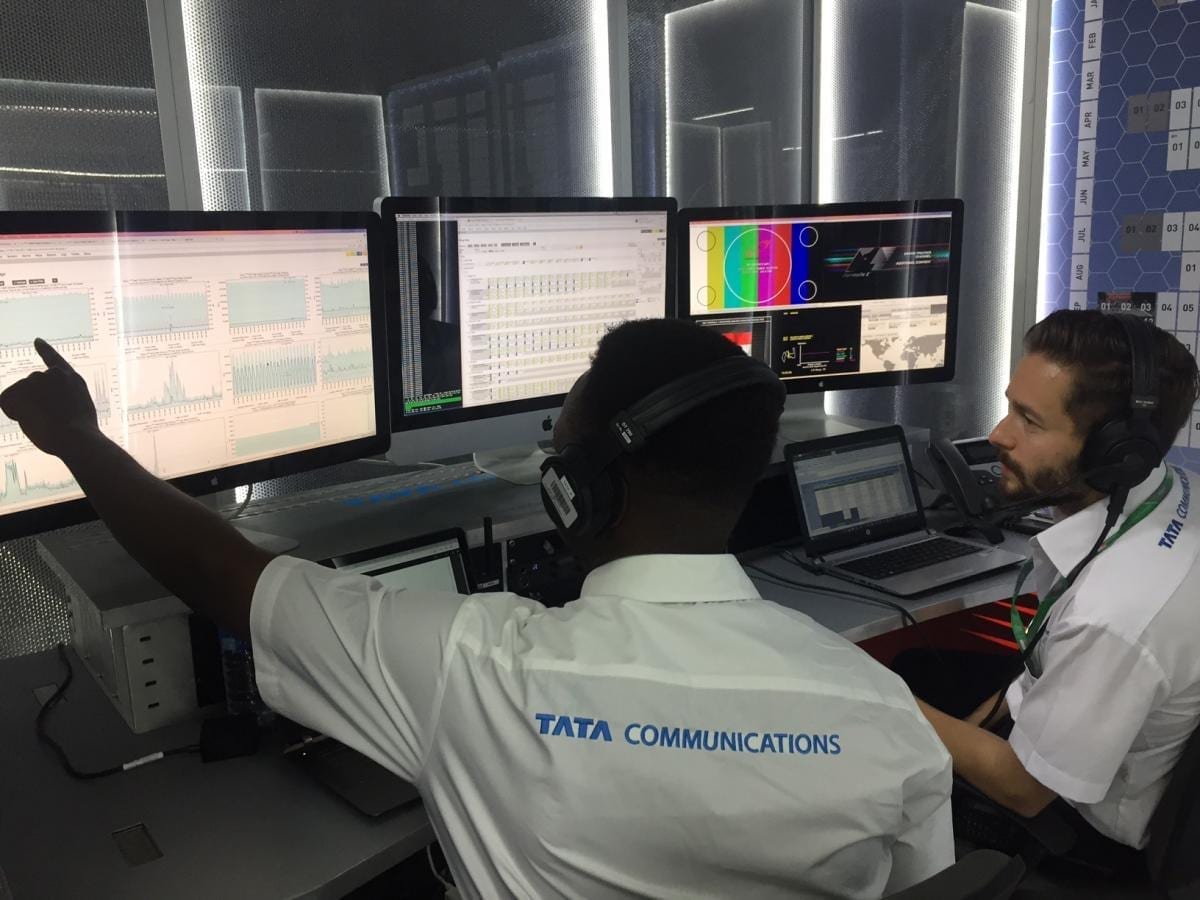
    India’s Tata Communications and US-based technology and business services provider Syniverse have teamed up to create what they are billing as the first fully-managed, end-to-end IPX network interconnection partnership for operators.

    The IPX network partnership will combine platforms that support 5G and IoT to create a comprehensive foundation for global mobility services.

    Under the IPX network partnership, Syniverse and Tata Communications will collaborate to manage traffic traveling via interconnection between the two companies’ networks to enhance quality of service and improve capacity and connectivity.

    The two operators will leverage each other’s IPX network to expand the reach of global mobile service provider customers. Both companies will have access to nearly 300 directly connected IPX/GRX customers, for a total reach of nearly 800 mobile operators.

    Customers will also be provided with enhanced monitoring, reporting, redundancy and quality of service, according to Tata Communications chief product officer Anthony Bartolo.

    “By joining forces with Syniverse, we’re one step closer to our goal of creating an environment where everything and everyone can become seamlessly connected, anywhere in the world,” he said.

    “As our customers leverage next-generation IoT and mobility services to drive their digital transformation, they need a solid foundation to ensure that they are able to capture, move and manage information seamlessly and securely worldwide. The powerful combination of Tata Communications’ and Syniverse’s capabilities and global reach will enable them to do just that.”

  • Telenor Pakistan partners with Netflix

    Telenor Pakistan partners with Netflix

    Telenor Pakistan today announced its partnership with Netflix, the world’s leading internet entertainment service. As part of this partnership, Telenor’s postpaid and corporate customers in Pakistan will be able to add their Netflix subscription fee to their monthly mobile bill, eliminating the need to share additional credit card or debit card details.

    New and existing Netflix subscribers in Pakistan will be able to select the option to pay through their Telenor mobile bills from the payments page of Netflix. They can simply complete this process by entering their Telenor mobile number, followed by the OTP (one time password).

    “Leading Pakistan’s digital transformation, we are always on the lookout for innovative ways to integrate solutions and maximize utility for our customers,” said Sardar Abubakr, Chief Digital & Strategy Officer at Telenor Pakistan. “Telenor Pakistan’s partnership with Netflix will help us achieve that through our industry-first Direct Carrier Billing (DCB) service. With this partnership, our customers will be able to get seamless access to Netflix’s stellar catalogue of original and licenced content.”

    Netflix launched its service in Pakistan in 2016 enabling its members to enjoy unlimited, ad-free entertainment on any internet connected mobile phone, laptop, desktop, tablet, or television.  More than 139 million Netflix paid members in over 190 countries enjoy TV series, documentaries and feature films across a wide variety of genres and languages.

    To promote digital and e-commerce ecosystem in the country, Telenor Pakistan launched Direct Operator Billing (DOB) in 2014 in collaboration with mobile payments company Fortumo and digital & social games publisher Gameloft for purchase of exclusive Gameloft titles and content from the gaming ecosystem. Direct Carrier Billing (DCB) was launched in 2017 through which customers may purchase content from Telenor Apps and Google Play Store, Gamebird related content and now for Netflix subscriptions as part of their mobile bills.


  • Hyperlocal Start-up, Mapprr Brings Innovation & Ease To The Customers

    Hyperlocal Start-up, Mapprr Brings Innovation & Ease To The Customers

    To provide comfort to the customers, Mapprr – a pioneer in Hyperlocal delivery concept has launched live availability of the products on-board for the first time in India along with quick 60 minutes delivery. With this, Mapprr has taken a step forward towards enhancing the quality of customer experience.  Moreover, on one hand, users experience difficulties in finding products one may need, and on the other hand roaming store to store is a big disadvantage! So, with Mapprr, users can get real time product availability updates along with quick delivery service. Moreover, users can either order from Web or Mobile Application from Mapprr!

    In the words of Aruna Subhakar, Founder & CEO – Mapprr, “Innovation in Hyperlocal market along with specialized services is making all the right noises. It works towards empowering small and local retailers to think smart and tie up their business to serve customers in their locality smartly adhering to the technological advancements. 

    He further added that the people are embracing this new dynamic marketplace, as it provides them a perfect amalgamation of the traditional and modern shopping experience.

    Mapprr has stationed out 10+ number of delivery champions in every area summing up to 100 champions. These delivery champions would receive the orders within certain distance from the store assigned to them. The company has tied up with stores like Apollo, Medplus, Ratnadeep, The Body Shop, Nykaa, HealthKart, NewU, Sangeeta Mobiles, Big C & LOT Mobiles, etc. who readily pack the products once the order is received. The delivery champions go and pick up the orders and deliver at the doorsteps. The fastest delivery in a busy city like Hyderabad is 17 Minutes!

    Currently available in Hyderabad, Mapprr delivers Groceries, Medicines, Electronics, Beauty care, Fitness Supplements, Pet Supplies, and plans to introduce Flowers, Watches, Gifting items, Mouth Sweetener like Paan, etc. This year, the company plans to hire 2,000 delivery fleet and 200 employees across Hyderabad and Bangalore. This year, Mapprr plans to expand to Pune and Gurugram.

  • YSL Beauty Hotel to open in Singapore

    YSL Beauty Hotel to open in Singapore

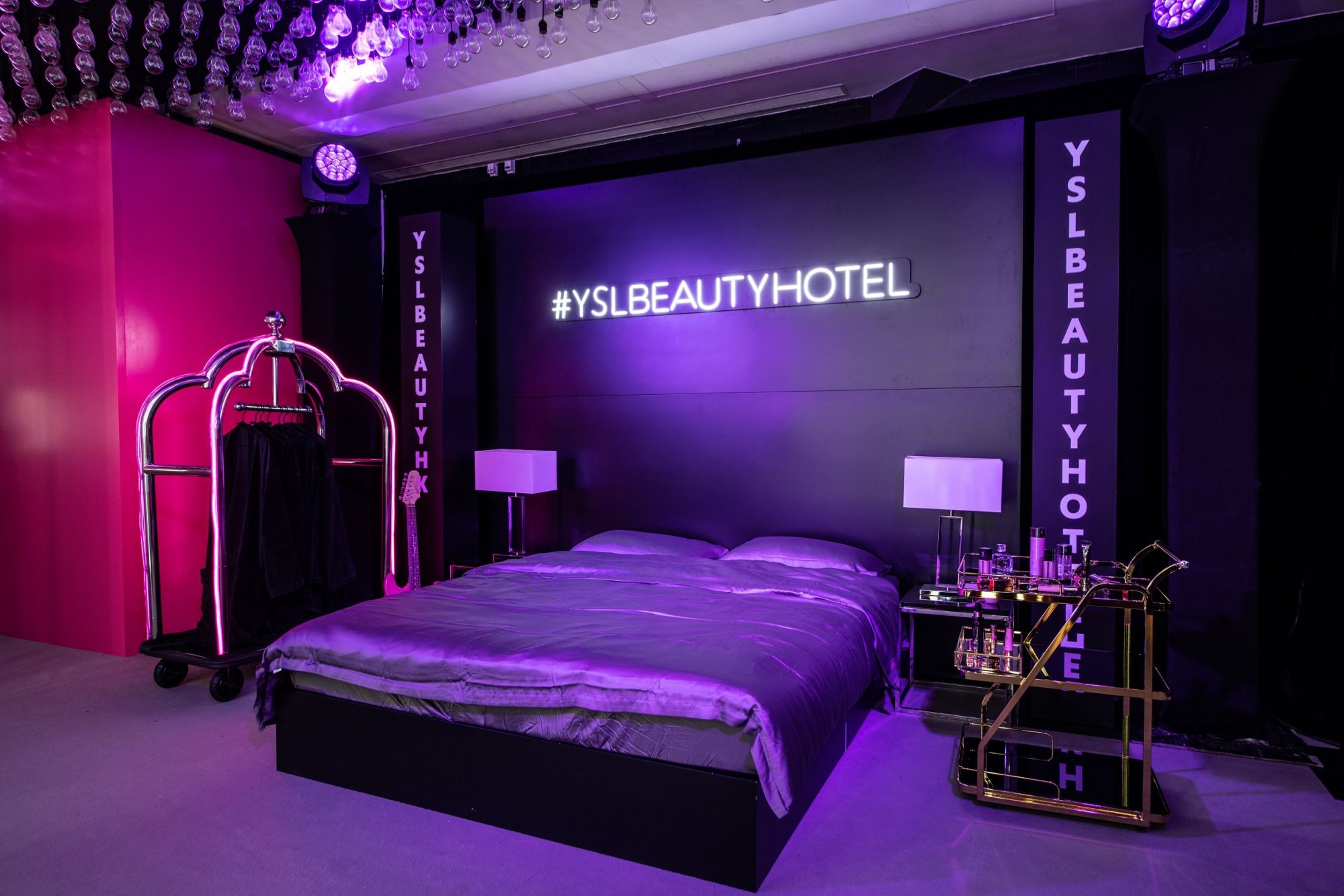
    SL Beauty Hotel is coming to Singapore this month, as part of a tour of the world’s fashion meccas, including Paris, New York, Tokyo, Hong Kong, Shanghai and Seoul.

    Precise details of the Singapore ‘hotel’ have yet to be revealed, but it is expected to have same style of neon lights, sleek furnishing, and comfy bedding as in previous cities. Themed rooms like the All Hours Lounge, interactive game machines, photo booths and YSL Beaute products will be on site for visitors to experiment with and Instagram.

    Products in the spotlight will likely include the Encre de Peau Cushion Leather Collector’s Edition, Rouge Volupte Shine, and All Hours Foundation.

    The one-day pop up is set to open on March 16, from 10am to 5pm, at Cherry Discotheque in Cecil Street.