Blog

  • Bigbasket India expands its offerings to include beauty products

    Bigbasket India expands its offerings to include beauty products

    Bigbasket has made its foray into the beauty and cosmetics category. The company is already a leader in FMCG sales, staples, and fruits and vegetables, has about 10 million subscribers, and is clocking over 1 lakh orders per day. With this new category, bigbasket has cemented its place as the one-stop-shop for all customer needs in groceries.

    The vast range of cosmetic products on the beauty store by bigbasket includes eyeliners, kajal, face creams, nail colors, lipsticks, hair colors, perfumes, deodorants, etc. which can be purchased on the website or through the app. Some of the prominent labels featured include Lakme, L’Oreal, Garnier, Elle18, Lotus Herbals, and Maybelline, among others.

    Customers can make choices based on their skin type, preferred brand, benefits, formulation, etc. There are also exciting discounts of about 25 percent to 40 percent on selected brands and products.

    Speaking about this, Seshu Tirumala, National Head, Buying and Merchandising, bigbasket, said, “bigbasket’s customers can now look forward to far larger variety in our offering with our most recent addition of beauty products. The foray into beauty and cosmetics category comes at a time when we are already growing at a frenetic pace in the market. With this category, we aim to transcend our existing customer base and take the venture a notch higher – both in terms of the customer base and revenue. We will be providing the widest range of affordable and regularly used beauty products to our customers.

    With a dominant share in the market space, bigbasket now aims to raise additional investments up to US$ 200 million over the next few months. The FMCG sales overall (food and non-food) contribute to over 50 percent of its business, another 30 percent comes from staples (including 14.5 percent from private labels) and 18 percent is from fruits and vegetables. The Alibaba-backed company expects to break even in the 10 large cities by next June and aims at becoming a billion-dollar company by the next fiscal year. The company has a presence in 25 cities and plans to launch its operations in Kochi soon.

    Recently, bigbasket acquired Pune-based RainCan and Bengaluru-based Morning Cart to deliver milk to 20,000 customers. The service has been launched in 7 cities and is expected to roll out to another three cities among the top 10 metros. The milk delivery business is expected to clock Rs 10 billion by next year.

  • Haute Hijab bags US$2.3 million funding

    Haute Hijab bags US$2.3 million funding

    US-headquartered fashion and lifestyle startup targeting Muslim women, Haute Hijab, has raised US$2.3 million in seed funding. The investor group was led by Cue Ball and also includes Ludlow Ventures, Sinai Ventures, Maveron, Muse Capital, AngelList and The Helm. The funds will be used to help Haute Hijab accelerate growth and extend its reach worldwide.

    “Cue Ball invests in category-defining and culturally-shaping ideas and Haute Hijab fits that description perfectly,” said Tony Tjan, managing partner of Cue Ball. “[Founders] Melanie and Ahmed are building a purposeful company that not only outfits but also supports and empowers Muslim women across all areas of their lives.”

    Haute Hijab has recently introduced the Ultimate Underscarf (a garment worn under the hijab), which uses specially designed tech fabric engineered for breathability and with anti-bacterial properties.

    “We are pleased to welcome a new group of investors as partners in our mission to empower Muslim women,” said co-founder and CEO Melanie Elturk. “Haute Hijab is entering an exciting phase of growth and innovation. We look forward to using this capital infusion to build the first digital-native Muslim cultural lifestyle brand across the globe.”

    The brand had elevated the hijab category and creating an engaged online community of Muslim women, offering a variety of innovative and high-performance fabrics, styles, and designs ranging from every day to luxury via its online store.

    According to The Guardian, the Muslim middle class is expected to triple to 900 million by 2030, with one-third of Muslims under the age of 15 and two-thirds under the age of 30. The average Muslim woman wears up to four hijabs per day and owns more than 100 hijabs.

  • SoftBank Ventures invests in Trevari, a Korean book club

    SoftBank Ventures invests in Trevari, a Korean book club

    SoftBank Ventures announced Tuesday it invested 4.5 billion won ($4 million) in Trevari, a Korean book club operator. Fast Investment, another venture capitalist firm, invested an additional 500 million won in Trevari’s first publicly-announced funding round.

    “While adults today are reading less and less, the Trevari team has proven the success of its business model through quality book clubs,” said a spokesperson from SoftBank Ventures.

    Founded in 2015, Trevari operates paid membership-based book clubs. Members can sign up to join Trevari’s 300-plus book clubs located around Seoul and meet up with fellow members every month to discuss books on topics of their preference.

    Some of the book clubs are headed by special experts in the field, including former Naver CEO Kim Sang-hun.

    As of last August, over 13,600 individuals have participated in Trevari’s book clubs.

    A four-month membership costs between 190,000 won and 290,000 won.

  • Largest Nike store planned to open in Singapore at Jewel Changi

    Largest Nike store planned to open in Singapore at Jewel Changi

    SUTL Corporation will open its eighth and largest Nike Singapore store at Jewel Changi Airport in the first half of this year. Located on the second floor, the duplex store will span more than 1000sqm, and boasts the latest and most extensive range of Nike footwear, apparel and merchandise in the city. Shoppers who visit the store can look forward to customising their Nike t-shirt and footwear purchases at the Nike By You customisation area.

    SUTL Corporation  says the store will seek to enhance shopper engagement with multiple touch points offering customers “a fully immersive Nike experience” as they walk through the store.

    “Despite the rise of e-commerce as a viable option for shoppers, we believe that brick-and-mortar spaces remain an important part of the retail landscape. Nike at Jewel Changi Airport reaffirms our confidence in this space and we look forward to strengthening our partnership with Nike on its journey to transform the sporting world,” said Arthur Tay, chairman at SUTL Corporation.

    SUTL operates in more than 18 markets across Asia-Pacific, distributing products ranging from tobacco, liquor, spirits, beer, water and wine to fragrances and cosmetics for airports and seaports in Southeast Asia and the Indian Subcontinent.

    Jewel Changi is a 10-storey mega complex that will feature gardens and attractions, retail and dining, a hotel and facilities for airport operations.

  • India’s WoodenStreet eyes 15 stores by end of 2019

    India’s WoodenStreet eyes 15 stores by end of 2019

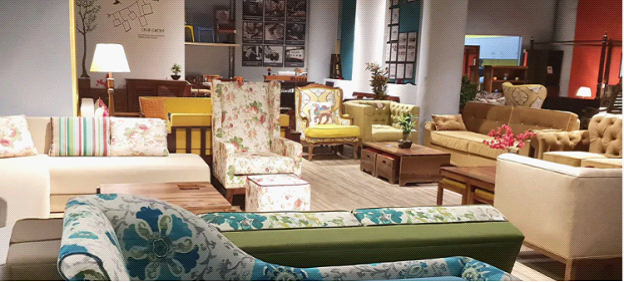
    In 2016, WoodenStreet entered the retail market with its first brick-and-mortar experience store in Bangalore. Established in 2015 as an online platform for quality custom furniture, WoodenStreet expanded its reach by opening 2 stores in 2017 and 9 stores in 2018, totalling to 12 experience stores. What’s next? 15 new experience stores by the end of 2019.

    Lokendra Ranawat, CEO, WoodenStreet expressed his aim to bring customization and quality a step closer to everyone’s home. “It’s not just about an online presence”, he elaborates, “but getting down there and interacting with our customers makes buying furniture a more personal experience, as it should be. We want people to not just visualize, but also feel the quality of furniture that we offer. We want them to see the limitless configurations, combinations and customization possibilities that they can actually get for themselves.”

    2018 was a long but fruitful year for WoodenStreet. Mumbai and Jaipur stores have been established in the last quarters of 2017, and the overwhelming response from these two stores, combined with a financial push from US$ 1 million Series A funding from RVCF, hardened the resolve to expand into further cities. Hence came the first stores of Ahmedabad, Hyderabad, Chennai, Pune, Noida, Gurgaon and Indore, with two more stores in Bangalore and Jaipur. This set up a large Omnichannel network, enabling greater penetration into the furniture market with a promise of quality and flexibility.

    “Last year was challenging but fun.”, says Virendra Ranawat, COO of WoodenStreet.com, commenting on the rocking journey. “But this hasn’t stopped us. We want to ensure that 2019 sees the addition of 15 more stores to our ever-growing roster. Which means that by the end of this year, we’ll have 27 brick-and-mortar stores in total.”

    WoodenStreet.com is a custom furniture store, with more than 30 delivery hubs and 12 experience stores spread across India, bringing quality solid wood furniture and the flexibility of customization closer to people and their dream of setting up a home flavoured to their tastes.

  • Alibaba Says China’s Slowdown Isn’t Hurting It All That Much

    Alibaba Says China’s Slowdown Isn’t Hurting It All That Much

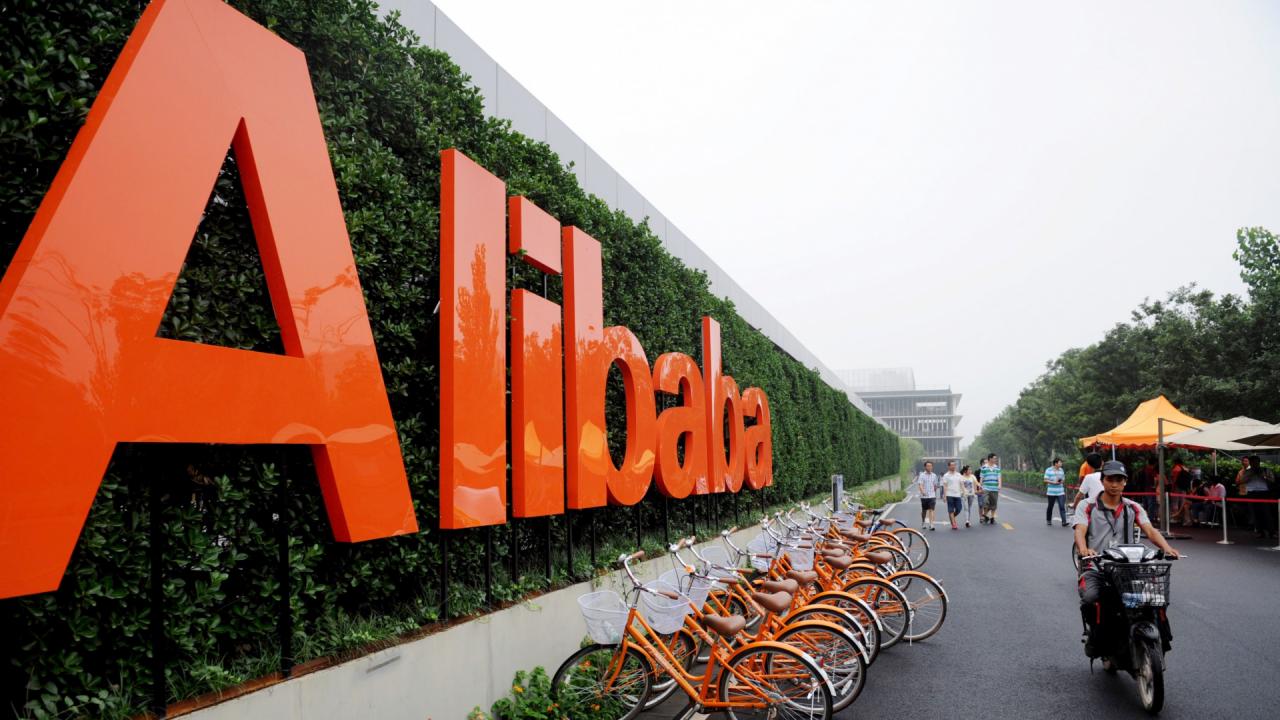
    Alibaba Group VC Joseph Tsai says the firm is unperturbed by China’s economic slowdown. Quoted in a Bloomberg report, Tsai said Alibaba is “delinked” from a Chinese economy in which more and more business are moving online because “we’re in e-commerce and we’re digitising the whole sector”.

    He added that Alibaba’s growth is expected to continue to outpace the economy in general, as digital commerce grows at faster rates compared with more traditional retail business.

    The comments were made at the Goldman Sachs Group technology conference in San Francisco.

    According to the Bloomberg article, China’s economy expanded 6.4 per cent in the final three months of last year compared with a year earlier. Alibaba’s takings during the period rose 41 per cent to RMB117.3 billion (US$17.3 billion), representing its slowest pace of growth in more than two years. Its continued positive performance is buoyed by excursions into new business territories such as cloud services and entertainment, while assisting physical retailers with modernisation drives.

    According to the Alibaba Group VC, the situation is comparable to Amazon’s in terms of its consistent double-digit sales growth in the face of slowing economic growth within the US.

  • Malaysia’s economy expands 4.7% in Q4 2018

    Malaysia’s economy expands 4.7% in Q4 2018

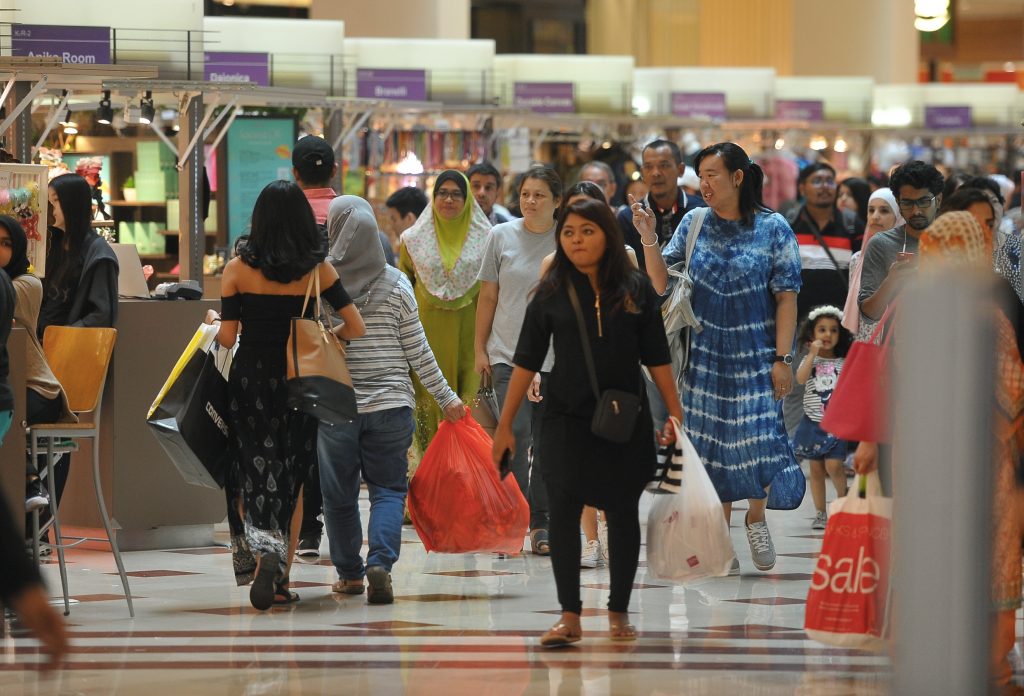
    The Malaysian economy grew at a faster pace of 4.7% in the fourth quarter (Q4) of 2018 driven by private sector activity. This compares with a 4.4% growth in Q3 2018. For 2018 as a whole, the local economy also expanded 4.7%. According to Bank Negara Malaysia (BNM), a rebound in exports of goods and services contributed towards the positive growth of net exports.

    Headline inflation declined to 0.3% from 0.5% in Q3, mainly due to transport inflation turning negative.

    The zerorisation of the Goods and Services Tax and the implementation of the Sales and Services Tax continued to exert an overall downward impact to headline inflation during the quarter.

    BNM governor Datuk Nor Shamsiah Mohd Yunus said the Malaysian economy is expected to remain on a steady growth path with private sector demand being the main driver of growth.

    She said headline inflation is expected to average moderately higher.

  • SKT brings 5G workplace to life

    SKT brings 5G workplace to life

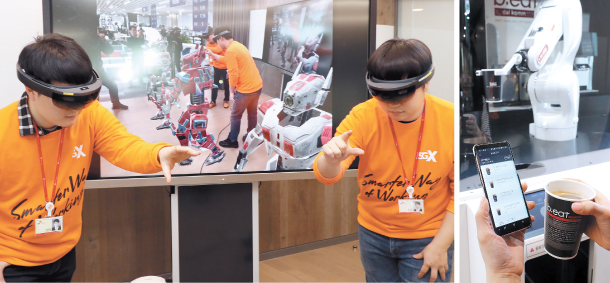
    ID cards, laptops and business trips will no longer be necessary, according to SK Telecom, when the 5G network-based smart office environment becomes an industry norm. The mobile carrier showcased its smart office technology test bed in Jongno District, central Seoul, Wednesday. Currently, about 300 SK Telecom employees are working at the space set up roughly a month ago by renting out three floors in the Centropolis building.

    At the entrance to the office, SK Telecom has facial recognition technology manning the security desk. Due to privacy issues, only employees who have agreed to register their biometric information can pass through the gate without an ID card.

    Inside the office, a display panel shows seat reservations. The screen shows all available seats inside the office, similar to the systems seen in university libraries and also shows who is in which seat. When designing the smart office, SK Telecom made it into an open space so employees can freely move around. The display even shows how many toilet cubicles are available for immediate use, although in this case employee names aren’t shown.

    The carrier said it used roughly 2,300 sensors, including on the ceilings, CCTV and even doorknobs in the bathrooms that track relevant data on employees’ work patterns inside the office. The data collected will be used to develop smart office solutions packages for enterprise customers.

    The desks in the office come with desktop computers connected to mobile routers that convert 5G signals into super-fast Wi-Fi. Beside the computer monitor is a docking station for smartphones. The so-called virtual desktop infrastructure enables employees to bring up what they were working on with their personal computers on the desktop computer using the cloud. Unlike simply mirroring a smartphone display, the phones become an authorization medium that allow the computer to verify which work files are downloaded from the cloud.

    At one side of the office is a space for so-called telemeetings that could cut down the need for frequent business trips. SK Telecom said it used its “T real telepresence” technology to invite multiple users into a virtual space where participants can have meetings while watching videos or 3-D designs of game characters and buildings together.

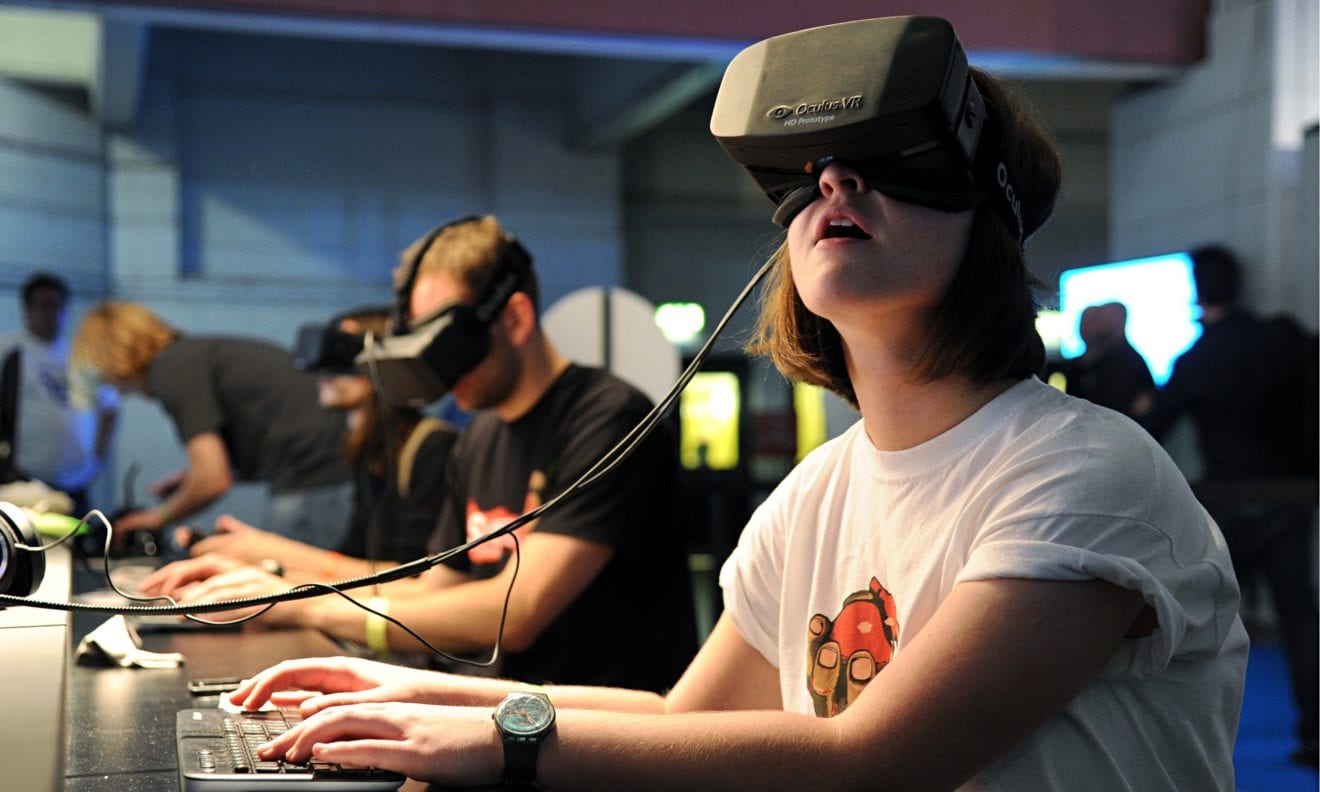
    After donning Microsoft’s HoloLens, this reporter was invited to a telemeeting to discuss the design of a game character.

    Within the virtual meeting, attendees were able to see and walk around a moving 3-D game character while interacting with the avatars of other people in the meeting.

    The experience wasn’t perfect – the field of view was small and constantly looking around was necessary in order to follow everything that was going on, but the potential of the technology to greatly reduce the need for business trips was evident.

    Other technologies already being used in the office included a barista robot and artificial intelligence-based autonomous vending machine, which can track employee purchases with camera sensors.

    Would any of these innovations be possible without 5G network?

    According to SK Telecom, yes. But, while all of these technologies are possible on the existing 4G LTE network, the new high-speed network, touted to be 20 times faster when fully commercialized, offers faster and more stable internet connection even when a million devices are connected at once.

    In essence, 5G ensures that all these systems work seamlessly without their huge data usage interrupting networks or slowing down work.

    “Dependency on landline internet will be reduced and high-capacity data will be delivered fast enough for real-time telemeetings with 5G,” said Shin Seung-ho, a manager from SK Telecom’s media lab under ICT center.

  • Japanese megastore Don Quijote to open its first Hong Kong store

    Japanese megastore Don Quijote to open its first Hong Kong store

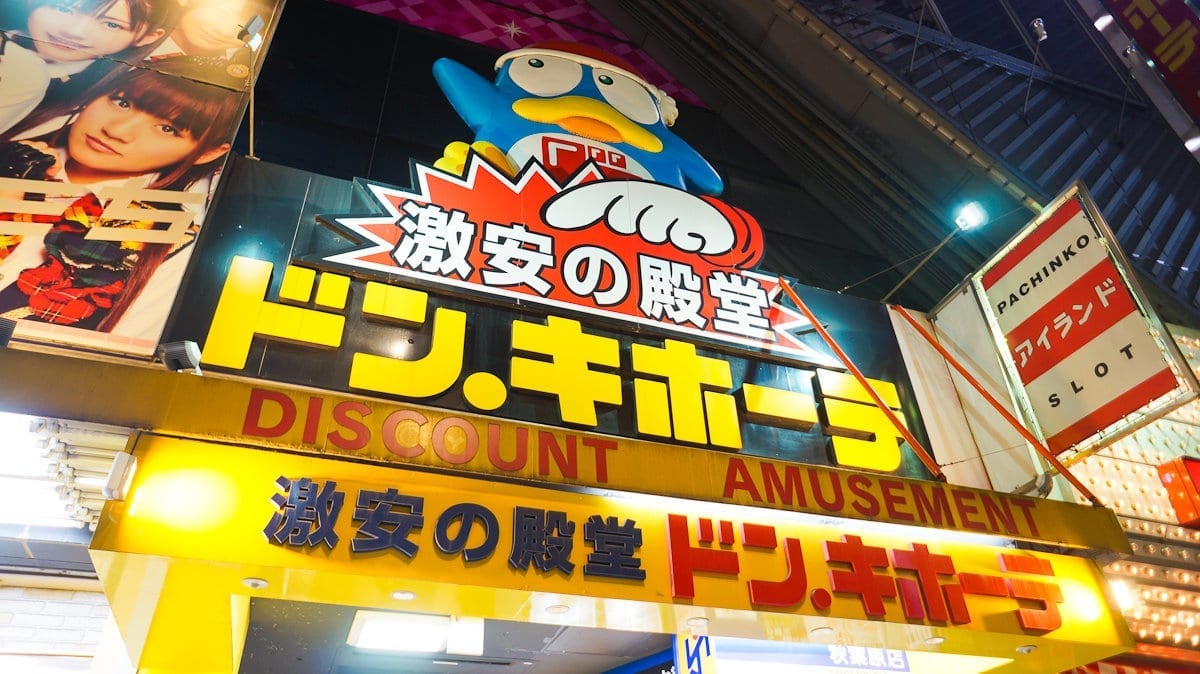
    Don Quijote Hong Kong is set to make its debut in the middle of this year. The Japanese discount merchandise retailer – which has three stores in Singapore and also plans to make its Thai debut in Bangkok this year – has leased a 15,000sqft space in the basement of Mira Place Two on Nathan Road in Tsim Sha Tsui.

    In Japan, most of the company’s 160 discount stores trade 24 hours, but this is unlikely in Hong Kong.

    Helen Mak, senior director and head of retail services at Knight Frank said the basement location would appeal to local consumers and tourists.

    “Don Quijote’s Tsim Sha Tsui location can attract mainland tourists who travel via the high-speed rail and mega bridge. Instead of shopping for luxury items, these same-day visitors usually spend money on cosmetics, health care items and food, products that are most celebrated at [Don Quijote].”

    According to the SCMP, Don Quijote will pay HK$1 million (US$127,000) a month for the space, with the fitout expected to be complete by July.

    Besides its general merchandise and fresh food offer, the Don Quijote Hong Kong store will feature a cafe.

  • Swiggy India now opens Stores to deliver everyday needs

    Swiggy India now opens Stores to deliver everyday needs

    India’s food ordering and delivery platform Swiggy Tuesday said it has launched ‘Swiggy Stores’ moving beyond its core food delivery segment to provide access to consumers items across multiple categories. The company will deliver from these stores “in categories such as fruits and vegetables, kiranas and supermarkets, florists, baby care, health and supplements among others,” Swiggy said in a statement.

    With the launch of these stores, Swiggy wants to become the one-stop delivery app that enables access to every store in the city, it added.

    “Today’s announcement takes Swiggy to categories beyond food, where we hope to deliver the same level of delightful experiences to consumers for their everyday needs,” Sriharsha Majety, CEO, Swiggy said.

    It is the first milestone in Swiggy’s vision to elevate the quality of life for the urban consumer by offering unparalleled convenience, he added.

    Swiggy Stores will give its merchant-partners unmatched access to a combination of core assets to reach more existing and new customers, the statement said.

    For the delivery partners this will give them access to an additional avenue for income, it added.

    Founded in 2014, Swiggy currently connects consumers to over 60,000 restaurant partners across more than 80 cities.

  • Tissot basketball concept store New York opens door

    Tissot basketball concept store New York opens door

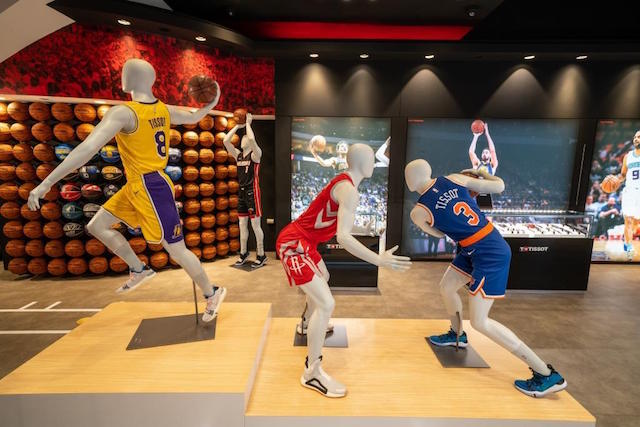
    Swiss watch brand Tissot has opened a sports-themed store in New York City. The Tissot basketball concept store is the brand’s fourth boutique in the city, located at 112 W. 34th Street, a prime location in the Midtown neighbourhood. With a 2800sqft area, the boutique has a wall of multi-coloured basketballs, along with action-styled mannequins wearing uniforms of some of the brand’s nine NBA team partners.

    Hung on the walls are photos of the brand’s sponsored athletes, including three-time NBA Champion and five-time NBA All-Star Klay Thompson, four-time NBA Champion and six-time NBA All-Star Tony Parker and top rookie Trae Young.

    Besides shopping, fans can spend their time playing NBA 2K19, watch an NBA game on the large TV screens or try to beat the clock in a mixed-reality Tissot Buzzer Beater game set to debut at NBA All-Star 2019. A custom art installation debuting at NBA All-Star will then find its permanent home in the store.

    “This is a departure from our traditional merchandising strategy, but with our continued partnership growth and passion around the NBA, we wanted to harness that power to showcase our brand in a different light,” said Francois Thiebaud, president of Tissot.

    “We have seen a tremendous response so far from fans and we are excited to see what is to come.”

  • Renault Korea still at odds with union

    Renault Korea still at odds with union

    Renault Samsung Motors and its labor union once again failed to reach a consensus on 2018 wages after negotiations fell through for a 14th time on Tuesday. Renault Samsung is the only domestic automaker that has still not clinched a wage deal for last year. A source from the automaker said the Tuesday talks lasted for about an hour and a half after the meeting began at 2 p.m. at Renault Samsung’s Busan factory, but ended in vain.

    The major issue of disagreement is over whether to raise the base pay.

    The labor union has been requesting a 100,667 won ($89.51) raise in base pay. The company has refused, citing bad timing, and offered incentives if the base pay is maintained instead.

    The wage deal is very important for both the company and the labor union, as it comes at a crucial time.

    While Renault Samsung’s Busan factory has been producing Nissan’s Rogue compact crossover on consignment, the contract ends in September.

    The Korean unit of Renault needs to negotiate with the French headquarters to win follow-up models to produce in Busan. As Rogue production accounts for nearly half the workload at the Busan factory, it could be seriously harmed if the deal falls through and may even end up following in the footsteps of GM Korea’s Gunsan factory in North Jeolla, which closed last year.

    The company claims raising the base pay at this time would negatively affect negotiations with the headquarters.

    The labor union, however, responded to the company with partial strikes. From October last year through last month, the labor union has gone on strike 28 times at the Busan factory. The labor union claims it deserves a base pay raise considering its wage is about 85 percent that of workers at Hyundai Motor factories and its productivity has been high.

    In response to the strikes, Jose Vicente de Los Mozos Obispo, Deputy Alliance Executive Vice President, Manufacturing & Supply Chain at Renault, sent a video message to employees at the Korean unit earlier this month, warning the Renault-Nissan-Mitsubishi Alliance cannot assign new models to the factory if the strikes continue. Renault considers labor cost, production cost and supply stability when allocating new models to factories.

    The two parties have yet to hammer out their differences in the negotiations that began in June last year.

    The company and the labor union will have another round of negotiations soon, though the exact date was not released Tuesday.

    Renault Samsung is in a hurry to finalize the deal as it is running out of time to win new models for the Busan factory before September. The factory needs several months of preparation to adjust production lines to produce a new model.

  • Blockchain in the business of fashion

    Blockchain in the business of fashion

    Fashion brands are finally beginning to take note of the rising consumer awareness on traceability and sustainability particularly driven by the millenniums. These evolving consumers are deep diving into knowing the history of the apparels before they buy – the story behind each garment and where and how are they manufactured.

    Moreover, mere claims or information is not enough to be trustworthy unless backed by detailed sequence of data on the complete value chain necessitated in wake of some or other global brand getting exposed of unethical sourcing or not being sustainable.

    This is making fashion companies to attempt towards transforming their business models focused on delivering transparency of data – both in backend and frontend by employing the emerging technologies.

    There has been a global buzz around new technologies like Artificial Intelligence, Augmented Reality, Virtual Reality and Blockchain for some time now and the global Fashion industry has also moved in the last few years to adopt some of these in ways it firmly resisted for a long time. However, blockchain applications haven’t really seen much adoption by fashion organisations.

    So, What is Blockchain?

    According to Digital Trends, blockchain is a database that’s validated by a wider community, rather than a central authority. It’s a collection of records that a crowd oversees and maintains, rather than relying on a single entity, like a bank or government, which most likely hosts data on a particular server.

    Each ‘block’ represents a number of transactional records, and the ‘chain’ component links them all together with a hash function. As records are created, they are confirmed by a distributed network of computers and paired up with the previous entry in the chain, thereby creating a chain of blocks, or a blockchain.

    Blockchain is the technology behind digital currencies like Bitcoin and involve cryptography while in a usability sense they are just shared database or digital ledgers that publicly show a record of transactions having happened. Every time a product changes hands, that information on change in custody is recorded by the user in the ledger and entry becomes linked to every other entry (or Block) and every other copy of the ledger is automatically synchronised via internet. The interconnection among all the blocks forms a chain and the complete application becomes the blockchain. The chain of custody on blockchain provides a record of the last party to gain custody of the product. So, blockchain means decentralised structure that provides security and transparency and thus making data trustworthy.

    In broader sense, blockchain is not just technology, its impact goes beyond the industry or the society for creating a fair, safe and more transparent fashion industry.

    Applicability into Fashion Business

    Blockchain applications are not only for tracking virtual payments and financial transactions but have wider applications in securely distributing other product and supply chain information including complete database at SKU level. In other words, blockchains may be understood as indexes of standardised information or in simple sense, these are community generated data maps by brand and product.

    Most promising application of blockchain in fashion industry could be in supply chain and inventory management. What blockchain technology can enable in the fashion business is uniform real-time access to updated product information supplied by brands, a universal pathway for retailers to immediately report back to suppliers on aspects like stock levels and customer feedback, the final consumer details and many more might come along once something like this new basic building block structure is in play. Distributed nature of blockchain technology makes it superior to other tracking technologies as here the records can’t be altered, destroyed or lost.

    Blockchains have merely begun transforming apparel supply chains through technology such as track-and trace and inventory management. But as other technologies like 3D printing and AI continue to advance, the fashion apparel industry may very well see much more dramatic changes in years to come.

    Greater transparency in fashion supply chains will create new incentives for companies to change the way they do business and even how they view themselves as an organisation. If so, adoption of blockchain is only the beginning as the fashion industry may be entering a new era with vastly different forms of production and consumption.

    Advantages of Blockchain in Fashion

    • Nowadays, one of the major trends in the fashion industry is sustainability and circular economy. Today’s consumers believe in fair trade practices and hence increasingly demanding transparency and want to know where the product is coming from not only in food but also in fashion.
    • Blockchain enables fashion companies to securely communicate to the public the complete product story (DNA) for each and every fashion garment. This includes comprehensive details on all stages of product life cycle starting from design inspiration, raw materials, manufacturing and distribution to the stores and also providing visibility of all stakeholders involved in the value chain to create traceability and transparency in true sense.
    • Blockchain applications allow customers to scan the tag and discover the history of every garment and thus help in improving the customer experience.
    • Global companies like Patagonia and Everlane have been successfully betting on sustainability and supply chain transparency as a distinct selling proposition enabling customers to identify their suppliers.
    • Authenticity of branded products can be verified by both retailers and consumers since branded garments pass through the blockchain steps and hence can be tracked. This could help reducing the counterfeiting and diverting out of authentic products. Every time a fashion item moves from one place to other, its tag or code gets scanned thus recording its location with the time stamp. Consumers would be able to scanthe item and trace its journey from raw material stage to their home and would be able to ascertain if the product is real or a counterfeit. Blockchain applications can help provide protection against the counterfeiting.
    • Blockchain applications also can help fashion companies who license their trademarks or designs in tracking the sales and working out the royalty payments. Similarly, it enables design houses to document design process steps and thus having the organic evidence of ownership on the designs.

    Blockchain helps create peer-to-peer and decentralised network that connects all stakeholders in the value chain (design houses, farmers, raw material suppliers, manufacturers, transporters, distributors, retail outlets, banks, consumers and other parties of the complete supply chain). Using decentralised system, all communication between these parties will be direct and will not pass through a specific central entity. Due to its decentralised nature, the blockchain platform will not have any single point of failure and will not rely on any single entity.

    Through this technology, there could be a possibility wherein everyone from the farmer to the textile mill to the garmenting factory can communicate directly with the brand that buys from them. And, even the consumer can interact directly with the brand/design house for co-creation or customisation of the garments, influencing pricing and even co-investing in the concept.

    Given all the advantages, blockchain clearly seems to be the future for fashion, however, to speed up the application, a single and comprehensive blockchain standard adopted by the fashion industry has to come in fast.


  • Skechers Takes Control of India Business

    Skechers Takes Control of India Business

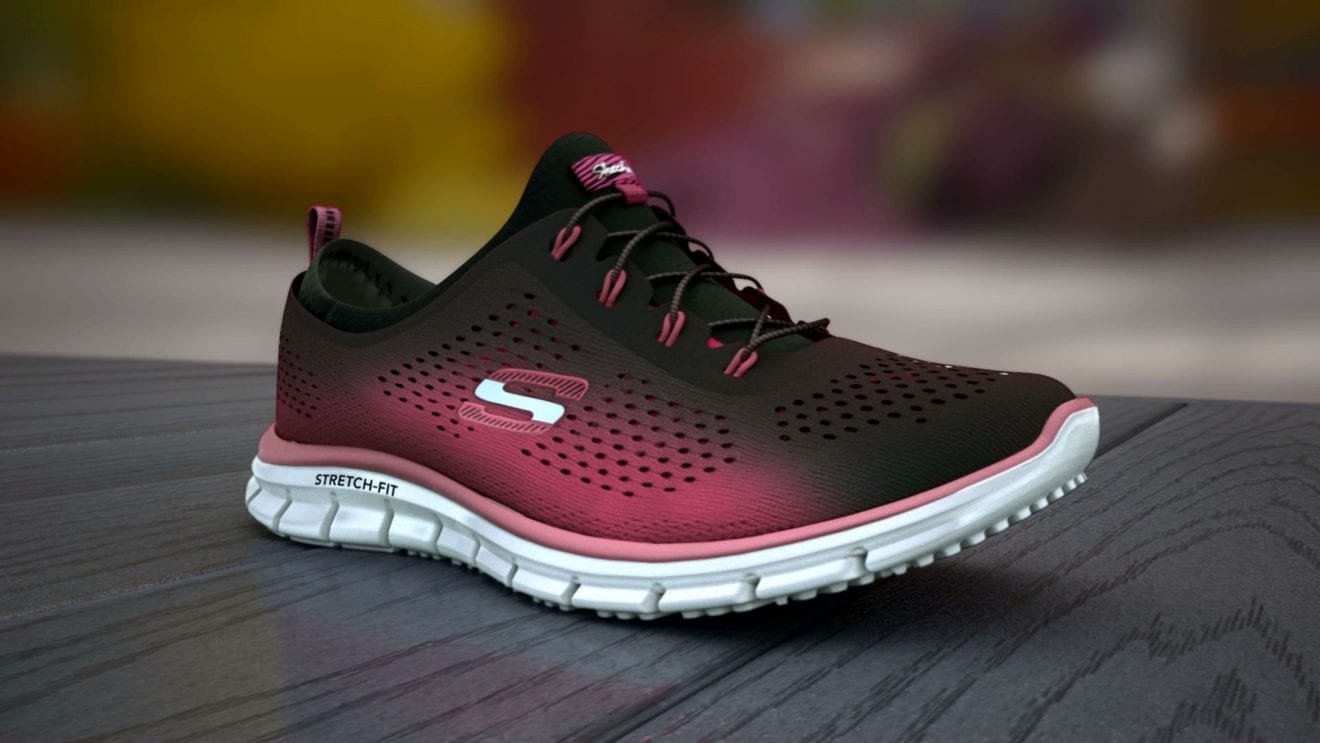
    Skechers has bought its joint venture partner in Skechers India, taking the business inhouse. Skechers India has 223 retail locations across the country, 61 of which are company owned and operated, with the remainder franchised. Last year, Skechers saw double-digit increases in wholesale and retail sales and an 80 per cent increase in pairs sold, reaching 2.7 million.

    An additional 80 to 100 stores are planned for this year – of which about 20 will be company-owned.

    The dual-ownership model is expected to allow Skechers India to grow and expand its presence faster, the parent company said in a statement.

    “Skechers is still a relatively young brand in this country, having been in India for less than a decade, yet in the last five years, we have seen significant growth through our joint venture,” said Michael Greenberg, president of Skechers.

    “The substantial existing retail network of over 200 stores, a strong wholesale business and a recently launched e-commerce site is a solid foundation that we can build upon. These accomplishments, as well as opportunities we see to increase the brand’s exposure and drive sales, give us great optimism and confidence for the growth of Skechers in India.”

    Rahul Vira, CEO at Skechers South Asia, said the company was delighted to become a wholly-owned subsidiary of Skechers.

    “This development will enable us to amplify our growth plans, accelerate expansion of our operations and build a stronger network to further gain market share in India,” he said.

    Skechers India will continue operating under its existing structure and from its existing headquarters in Mumbai.

  • Vietnam’s Deputy PM wants Long Thanh airport construction to begin next year

    Vietnam’s Deputy PM wants Long Thanh airport construction to begin next year

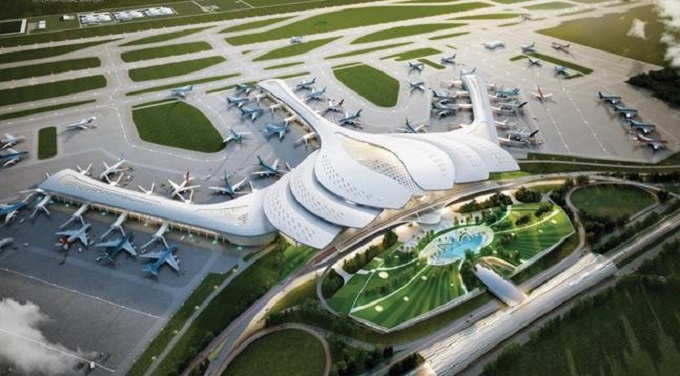
    Construction of Long Thanh International Airport should begin next year with private funding prioritized, Deputy PM Trinh Dinh Dung has said. It has reached the highest level of priority since Saigon’s Tan Son Nhat has become overloaded, he said at a recent meeting. The deputy prime minister wanted the giant new airport in Dong Nai Province near HCMC to become an aviation hub for Southeast Asia.

    “If we get companies with deep pockets into the project, costs would surely be lower than using public funds or loans.”

    The Airports Corporation of Vietnam (ACV) recently proposed it should be the main investor.

    The ACV, which operates 21 airports in the country, said it could bring in the $1-1.5 billion needed for the first phase of the airport.

    It is currently working with the Ministry of Transport and Dong Nai authorities to acquire 1,800 hectares of land for the first phase.

    The ministry reported at the meeting that the consultancy consortium of the airport is now completing the preliminary design, which would be submitted next April.

    The ministry has instructed the consortium, JFV, to complete an environmental impact report by next month.

    JFV, comprising three Japanese, one French and two Vietnamese companies, will also need to submit a feasibility report for the airport by June.

    The Long Thanh International Airport, to be built in three phases over three decades, will become Vietnam’s largest airport.

    The first part is scheduled for completion in 2025 with a capacity of 25 million passengers a year. The next two phases will run from 2030 to 2035 and from 2040 to 2050.

    The total cost is estimated at $16 billion. Experts have warned that the cost could double every five years in case of delays.

    Once completed, the airport will have an annual capacity of 100 million passengers and five million tons of cargo.

    The tourism surge in Vietnam in recent years has resulted in a demand for upgrades to existing airports and construction of new ones.

    The country received 12.5 million air passengers last year, up 14.4 percent from 2017, according to the General Statistics Office.