Blog

  • China’s Midea Doubles AC Production to Quench Heatwave-Driven Demand in Europe

    China’s Midea Doubles AC Production to Quench Heatwave-Driven Demand in Europe

    Midea, the Chinese home appliance heavyweight, recently revealed that it accelerated its production operations to deliver 20,000 air conditioning units to France in a span of seven days. This was in response to the escalating demand spurred by the severe heatwave that is engulfing Europe.

    In 2020, Midea led China’s air conditioning sector in terms of market share. It was able to double its production capacity to 6,000 portable units each day by initiating a fresh production line on July 7. As a result, the company managed to finish manufacturing all 20,000 units in just three and a half days. Midea prioritized the French order by designating additional labor and production capacity, even while its factories were operating at full tilt to satisfy local demand.

    Increased Demand for Chinese Home Appliances in Europe

    The ongoing heatwave in Europe has sparked a significant surge in demand for Chinese-made home appliances. Midea Group reported that sales of a portable split air conditioner, specifically designed for the European market, have exceeded 200,000 units this year, marking a twofold increase from the previous year. Furthermore, this particular model has sold out in Germany, France, the Netherlands, and the United Kingdom.

    Official data disclosed that more than 10,000 extra deaths were reported in European countries during the extraordinary heatwave that swarmed the western part of the continent in late June. The majority of these, over 9,000, were among individuals aged 65 and above.

    Surge in Online Sales of Air Conditioners and Fans

    Alibaba, the e-commerce juggernaut, has reported three-figure growth in sales of air conditioners and fans on its overseas platforms. On AliExpress, Alibaba’s international retail platform, warehouse inventory of a 2.35-kilowatt Midea air conditioner, which was released in Germany in June, was entirely sold out by Thursday.

    The trend was significantly evident in southern Europe as well. In Spain, fan sales skyrocketed by 94% between June 17 and 23 compared to the same period in May. Meanwhile, Italy witnessed a 100% month-on-month surge in sales of cooling appliances and sun-protection apparel in June.

    The rush by European consumers was also mirrored on Alibaba.com, the company’s business-to-business platform, displaying urgent procurement by local merchants. In June, air conditioner orders in Spain almost doubled from a year earlier. Simultaneously, wholesale fan orders saw a staggering increase of 378% in Sweden and 114% in Belgium.

    Questions & Answers

    What has been Midea’s response to the increased demand for air conditioners in Europe?
    Midea has ramped up production and shipped 20,000 air conditioners to France in just seven days to meet the increased demand due to the intense heatwave.

    What is the sales trend of the portable split air conditioner designed for Europe?
    Sales of the portable split air conditioner, specifically designed for the European market, have exceeded 200,000 units this year, marking a twofold increase from the previous year.

    How has the demand for cooling appliances and sun-protection apparel changed in Italy?
    In Italy, there has been a 100% month-on-month increase in sales of cooling appliances and sun-protection apparel in June due to the heatwave.
  • DBS, Singapores Largest Lender, Hits Record Market Value of $155B – A Milestone for Citys Stock Market

    DBS, Singapores Largest Lender, Hits Record Market Value of $155B – A Milestone for Citys Stock Market

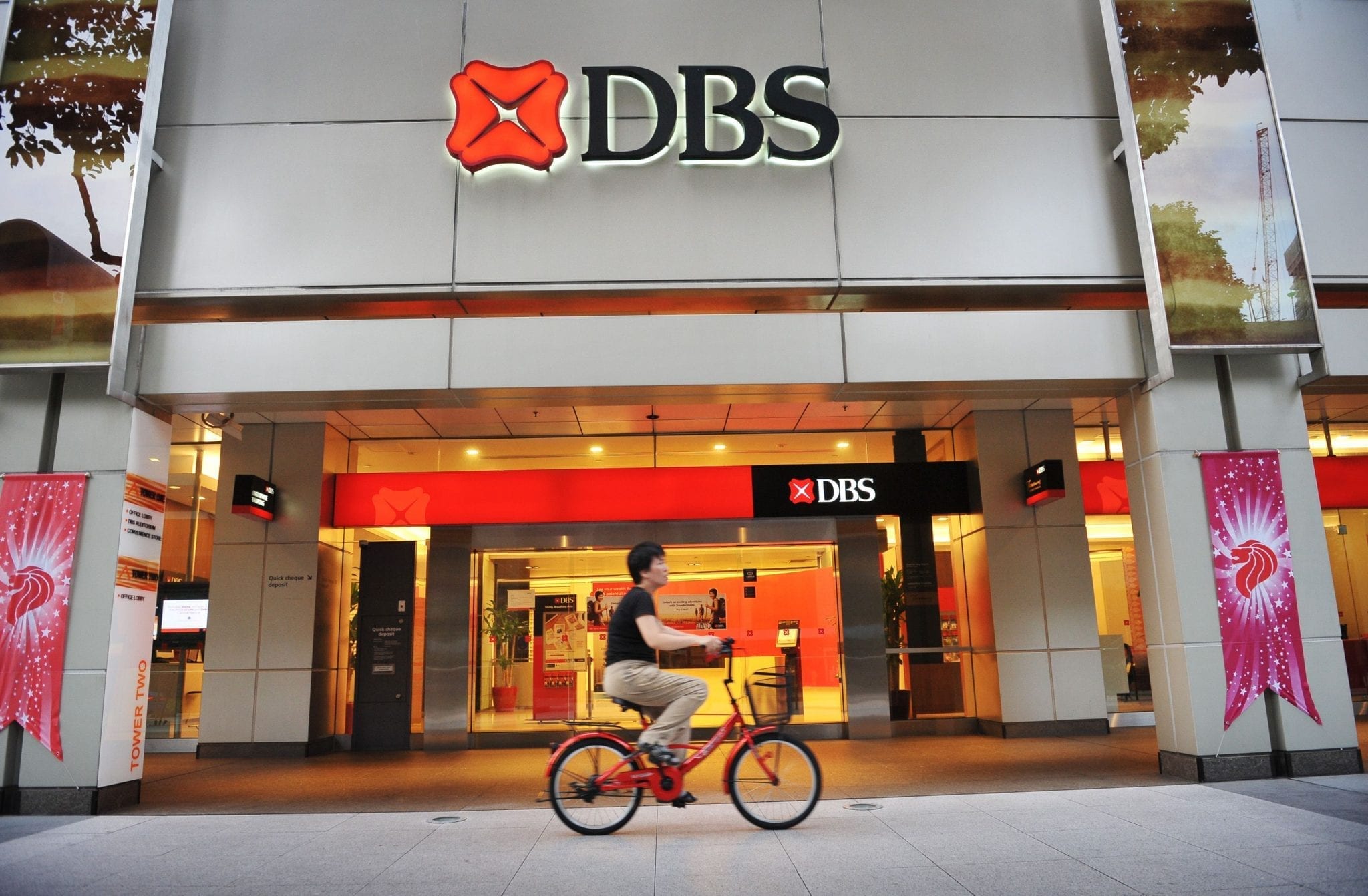
    DBS Group, Singapore’s dominant bank, has reached a new milestone with its market value surpassing SGD200 billion (US$154.8 billion) as of Monday. This achievement marks a key moment for DBS, known for being the largest bank in Singapore in terms of asset size, and underscores the strength of the city-state’s stock market. The bank’s shares climbed almost 0.5%, closing at SGD70.79, following their peak at SGD70.80 in the session. To date, the bank’s gains this year total approximately 26%.

    Anticipation of Q2 Results Fuels Rally

    DBS’ increase in market valuation comes ahead of its second-quarter results announcement, scheduled for August 6th. The bank’s net profit for the first quarter had seen a 1% increase to reach SGD2.93 billion, largely driven by record income and robust wealth management fees. Experts believe that the share price surge is likely due to the improving clarity of earnings and a more favorable interest rate outlook. Future growth is anticipated if the banks present an optimistic outlook during their results release.

    Analyst Jayden Vantarakis, the head of Asean equity research at Macquarie Capital, stated, “We are entering an environment where we believe Singdollar rates will be supportive of improving net interest income alongside continued strength in non-interest income.”

    Singapore Banks Propel Straits Times Index

    The collective rally of DBS, OCBC, and UOB, the top three Singapore banks by market value, has boosted the Straits Times Index to all-time highs. Together, these banks make up over half of the index’s total weight.

    According to Vantarakis, the strengthening of the U.S. dollar, due to high U.S. interest rates, will have a positive influence on Singapore dollar rates. Moderate rate increases, he suggests, will encourage wealth inflows and improved asset quality.

    Vantarakis also anticipates a possible further re-rating of the sector, supported by growth in both net interest and non-interest income. He maintains that the Singapore dollar will remain a preferred currency due to the broad strength of the U.S. dollar.

    Lastly, Thilan Wickramasinghe, head of Singapore research and regional head of financials at Maybank Securities, added that the banks are well-positioned to gain from robust credit growth and wealth management fees. He also indicated that ongoing uncertainty in certain regional markets and conflicts in the Middle East, have likely directed safe-haven liquidity towards Singapore banks over the past week.

    Questions & Answers

    What factors have contributed to DBS’ market value surge?
    The bank’s rising market value has been attributed to a combination of an upcoming second-quarter results announcement, improving clarity of earnings, and a more favorable interest rate outlook.

    How have the top three Singapore banks impacted the Straits Times Index?
    The collective rally of DBS, OCBC, and UOB, which constitute over half of the Straits Times Index’s total weight, has propelled the index to all-time highs.

    What is the potential future outlook for the sector?
    There is a potential for further re-rating of the sector supported by growth in both net interest income and non-interest income. Moreover, the Singapore dollar is expected to remain a preferred currency due to the broad strength of the U.S. dollar.

  • Vicca Ng Steps into COO Role at Hextar Retail: Driving Expansion and Strategic Partnerships

    Vicca Ng Steps into COO Role at Hextar Retail: Driving Expansion and Strategic Partnerships

    Vicca Ng has been appointed as the Chief Operating Officer (COO) of Hextar Retail, a Malaysian retail conglomerate. Ng’s new role takes effect immediately and she will continue to supervise the group’s retail operations, in addition to serving as an executive director.

    Vicca Ng’s Role in Hextar Retail

    Ng has been instrumental in the expansion of Hextar Retail. She has successfully managed the brand’s growth, fostered strategic partnerships, and developed retail operations across a growing portfolio. Her background encompasses business expansion, retail operations, and commercial development. In her new role as COO and Executive Director, Hextar Retail looks forward to Ng’s continued leadership as the company evolves and expands.

    Hextar Retail, initially established in 1988 as Classic Scenic Berhad, was rebranded in 2024. The company is a subsidiary of the larger Malaysian conglomerate, the Hextar Group. The Hextar Retail portfolio covers a range of sectors, including lifestyle, apparel, food and beverage, as well as convenience retail sectors.

    Questions & Answers

    What is the new role of Vicca Ng in Hextar Retail?
    Vicca Ng has been appointed as the Chief Operating Officer and will function as an Executive Director. She will supervise the group’s retail operations.

    What role has Vicca Ng played in the expansion of Hextar Retail?
    Ng has been instrumental in the company’s expansion, overseeing brand growth, fostering strategic partnerships, and developing retail operations across the growing portfolio.

    What sectors does Hextar Retail’s portfolio cover?
    Hextar Retail’s portfolio spans a wide range of sectors, including lifestyle, apparel, food and beverage, and convenience retail sectors.

  • Chairman Tang Steps Down as Shein Gears Up for Hong Kong IPO

    Chairman Tang Steps Down as Shein Gears Up for Hong Kong IPO

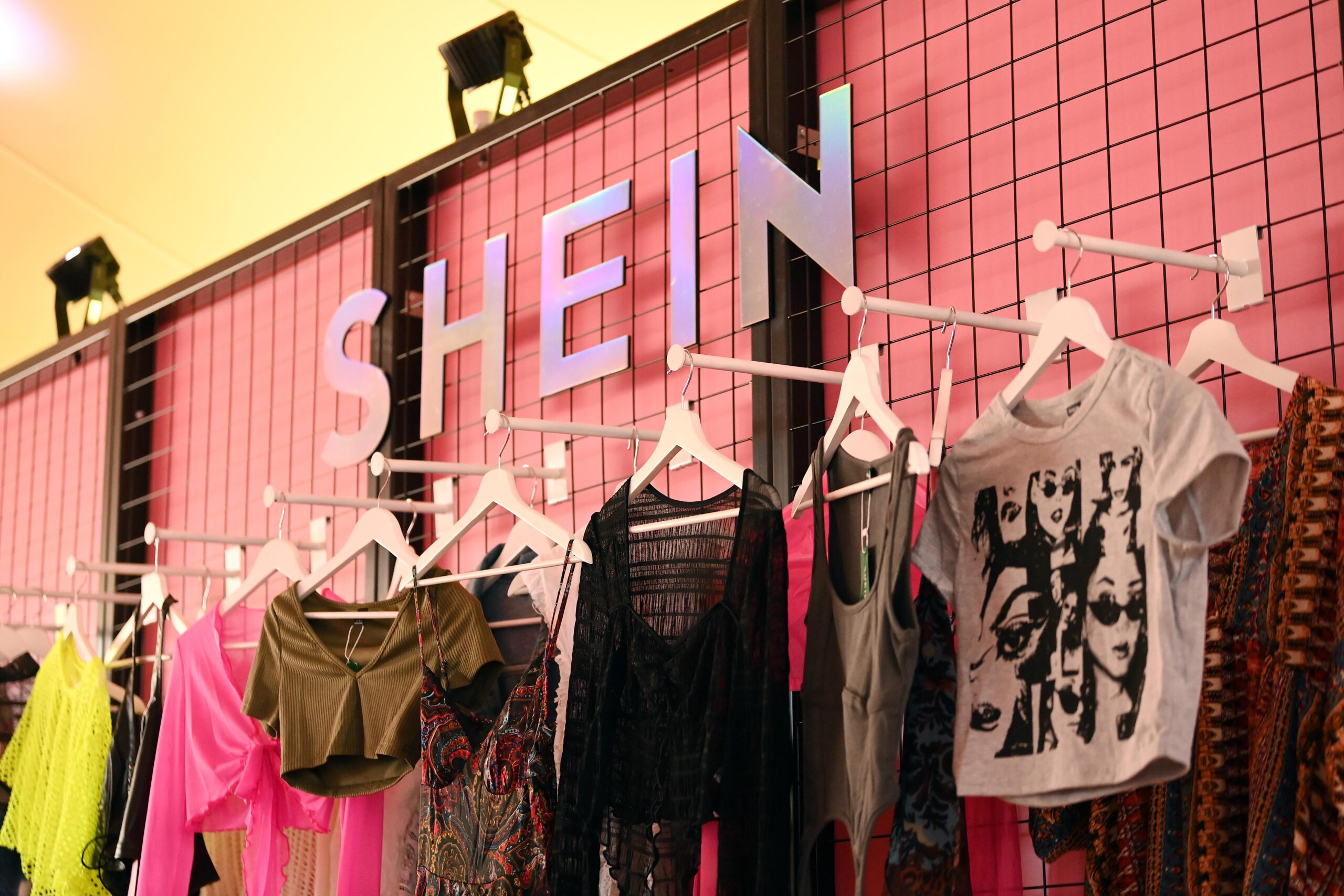
    Donald Tang, executive chairman of Shein, the global fast-fashion retailer, is preparing to step down as the company nears its public offering, according to sources with first-hand knowledge of the situation. Tang has been the public face of the company for the past three years, acting as a Western representative for Shein’s founder and CEO, Sky Xu.

    Tang’s Role and the Company’s Leadership Transition

    Tang, a Chinese American billionaire with a background in banking, has worked closely with Xu, interacting with politicians, regulators, and investors globally and representing the e-commerce giant at conferences and public events.

    As Tang steps down, CEO Sky Xu is set to assume the role of chairman and will spearhead the investor roadshow before Shein’s listing on the Hong Kong stock exchange. The company’s hearing with the exchange is scheduled for this Thursday.

    Tang will maintain a close relationship with the company’s leadership as a senior adviser for the foreseeable future, a source revealed. Despite his considerable contributions, Tang’s name will not appear in Shein’s public filing among the company’s top leadership, the sources noted.

    Previous Public Offering Attempts and Regulatory Challenges

    Initially, Tang aimed to list the company in New York and even relocated to Washington, D.C., to lobby politicians. However, as controversies surrounding Shein’s use of the ‘de minimis’ customs duty waiver grew, he voiced his support for removing the waiver in July 2023.

    Tang has also defended Shein against allegations linking its supply chain in China to forced labor, an issue strongly denied by Beijing. Shein maintains a zero-tolerance policy towards forced labor.

    Following the unsuccessful New York IPO attempt, Shein turned to London for a potential listing. Despite receiving approval from Britain’s Financial Conduct Authority, the plan fell through due to the China Securities Regulatory Commission withholding its approval. As a result, the company decided on a Hong Kong listing.

    Questions & Answers

    What has been Donald Tang’s role at Shein?
    Donald Tang has acted as the Western representative of Shein, liaising with global politicians, regulators, and investors, and representing the company at public events.

    Who will take over the role of chairman once Tang steps down?
    The current CEO of Shein, Sky Xu, will assume the role of chairman as Tang steps down.

    What were the challenges faced by Shein in their previous attempts at an IPO?
    Shein initially planned for an IPO in New York but faced criticism over its use of the ‘de minimis’ customs duty waiver. The company then pivoted to London, but the IPO was halted due to the China Securities Regulatory Commission withholding its approval. This led Shein to opt for a listing in Hong Kong.

  • Five Guys Burgers Set for Beijing Expansion Amid Uptick in US Fast-Food Foothold in China

    Five Guys Burgers Set for Beijing Expansion Amid Uptick in US Fast-Food Foothold in China

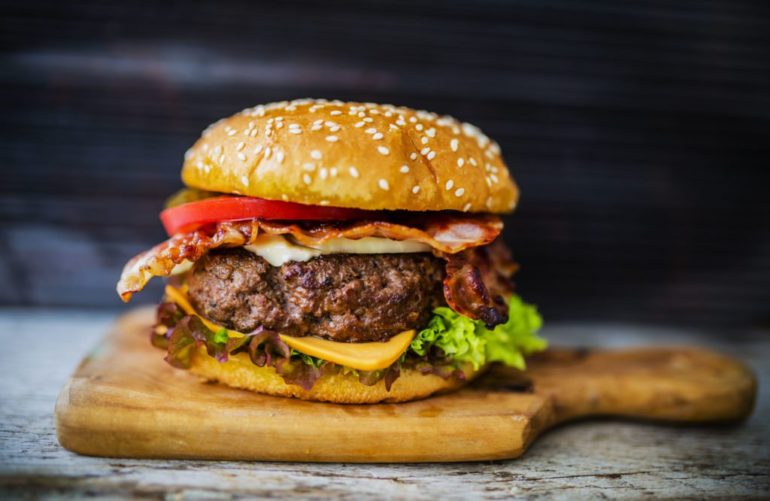
    Next month, the renowned American burger establishment, Five Guys, is all set to launch in Beijing. This event signifies the continued expansion of U.S. restaurant brands in China, undeterred by the escalating competition in the market.

    Five Guys plans to establish three eateries in Beijing’s shopping centers, strategically located in areas favored by the younger demographics. The brand’s entry into Mainland China came about in 2021, facilitated through a collaboration with local franchise operator, JumboFive. The inaugural restaurant, located at Shanghai’s Printemps Mall on Huaihai Middle Road, attracted considerable consumer attention. The brand reported that customers started lining up from as early as 2 am, enduring waits of over three hours on the opening day.

    The rapid expansion of Five Guys in China aligns with a larger trend noticed among American fast-food companies. These organizations are seeking growth opportunities in China as the prospects in the U.S. become more saturated. Domino’s Pizza China serves as a representative example, recently extending its franchise network to encompass 1550 stores. The pizza chain added a net of 235 new outlets in the first half of the year, concurrently reporting a surge in sales during the second quarter.

    In an akin move, Yum China recently decided to purchase the Pizza Hut business in mainland China from U.S.-based Yum Brands. The deal, worth US$1.2 billion in cash, aims to tap into the potential of Pizza Hut as the country’s largest casual dining restaurant brand. Last year, Pizza Hut generated a substantial revenue of $2.3 billion and an operating profit of $183 million.

    Questions & Answers

    What is Five Guys’ plan for expansion in Beijing?
    Five Guys plans to open three restaurants in Beijing, targeting shopping malls frequented by young consumers.

    How was Five Guys’ entry into Mainland China facilitated?
    Five Guys entered Mainland China in 2021 through a collaboration with the local franchise operator, JumboFive.

    What are some other examples of American fast-food chains expanding in China?
    Additional examples include Domino’s Pizza China, which expanded its network to 1550 stores recently, and Yum China, which acquired the Pizza Hut business in mainland China.

  • China Targets $9 Trillion Retail Sales in Unprecedented Consumption-Driven Five-Year Plan

    China Targets $9 Trillion Retail Sales in Unprecedented Consumption-Driven Five-Year Plan

    China has unveiled its inaugural five-year scheme centered on consumption, where it anticipates annual retail sales to reach approximately 60 trillion yuan (US$9 trillion) by 2030. This indicates a deceleration in year-on-year growth to roughly 3.7 per cent, compared to the estimated 5 per cent noted between 2021 to 2025.

    Encouraging Household Consumption and Spending

    In addition to scaling retail sales, China also committed to enhancing household incomes and significantly augmenting the share of household consumption in the economy, which presently stands around 40 per cent. The yearly target for retail sales growth mirrors a declining impetus in goods consumption, prompting policymakers to shift the focus towards bolstering household expenditure as a key growth propeller.

    China’s State Council approved and unveiled the plan on Monday, with a pronounced focus on service consumption. Target sectors encompass elderly care, childcare, healthcare, culture, tourism, sports, and education. The State Council anticipates that, by 2030, the consumer market will expand further, the household consumption rate will increase considerably, and the economic growth’s reliance on consumption will be solidified further.

    The new blueprint also advocates for substantial tourism-related spending, broadening of visa-free entry to additional countries, and increasing direct international flights to Europe, the US, and countries involved in the Belt and Road Initiative.

    Addressing Consumption Imbalances and Enhancing Services

    While China’s services expenditure has outpaced goods consumption growth in recent years, it remains significantly behind developed economies. In 2025, per capita services consumption amounted to 46.1 per cent of total consumption, markedly lower than the approximately 70 per cent observed in the US.

    To redress the deepening imbalance between robust industrial output – buoyed by exports – and tepid domestic consumption, some government economists have advocated for long-overdue income and welfare reforms.

    The plan also aims to make China’s social security system more streamlined and sustainable, providing individuals with greater spending confidence and stability.

    The five-year plan underscores the need to strengthen household spending power via higher wages, increased property income, enhanced social security, and improved public services. Commitments have also been made to eliminate “unreasonable restrictive measures” in areas like car purchases, housing, and approvals for entertainment events.

    Fiscal and financial policy is expected to place heightened emphasis on direct benefits to consumers, spending related to livelihood, and consumption-related infrastructure.

    Questions & Answers

    What is China’s anticipated annual retail sales by 2030?
    China aims for annual retail sales to reach approximately 60 trillion yuan (US$9 trillion) by 2030.

    What sectors does China’s inaugural five-year scheme on consumption target?
    The industries of focus encompass elderly care, childcare, healthcare, culture, tourism, sports and education.

    What measures does China’s consumption plan propose to strengthen household spending power?
    The plan proposes measures such as increasing wages, enhancing property income, improving social security, and boosting public services. It also promises to remove restrictive measures in areas like car purchases, housing, and approvals for entertainment events.

  • China Dethrones US as Vietnam’s Top Seafood Consumer: A 40% YoY Increase

    China Dethrones US as Vietnam’s Top Seafood Consumer: A 40% YoY Increase

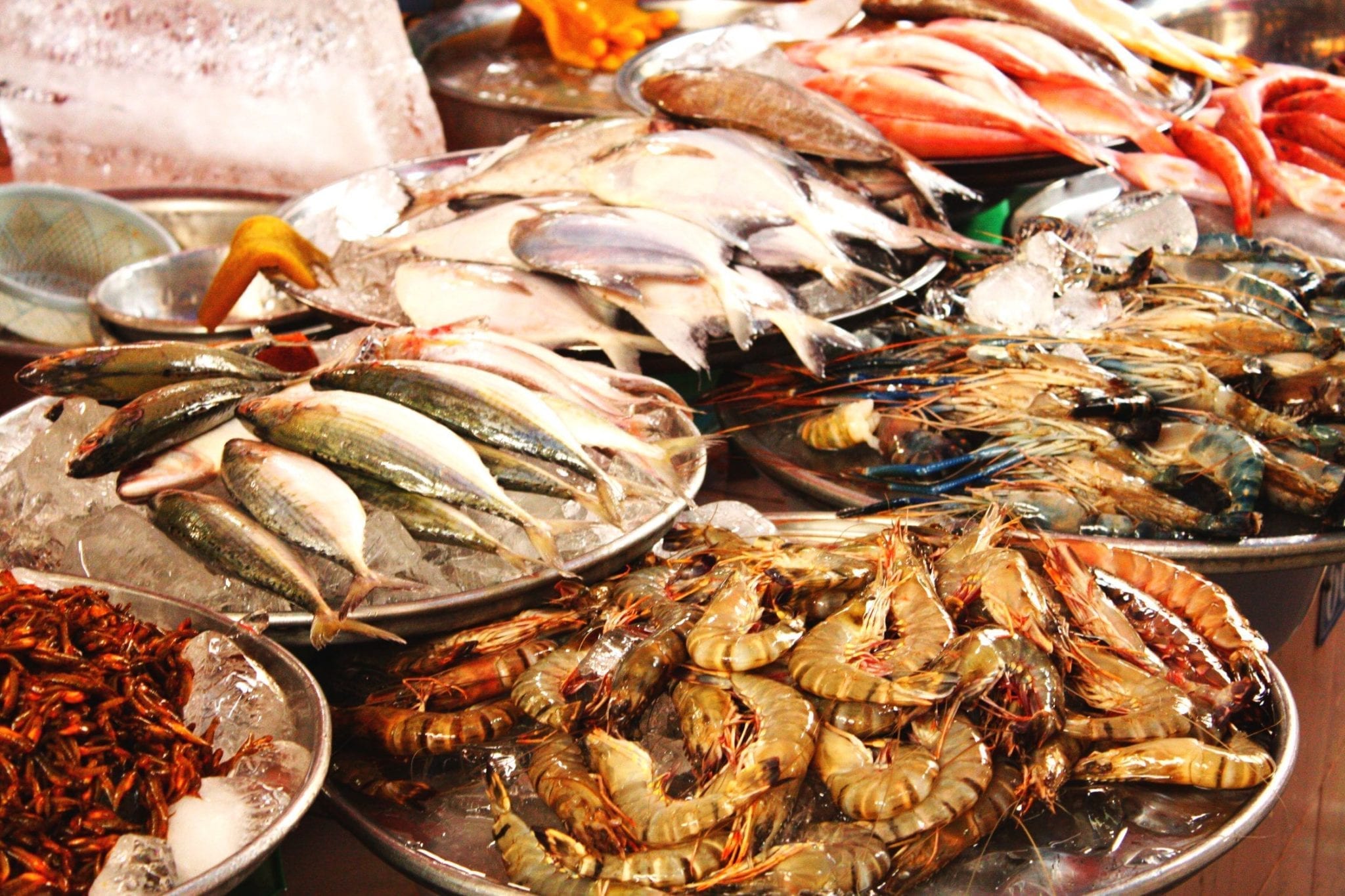
    In the first half of 2026, China became Vietnam’s largest seafood market, surpassing the United States. This shift resulted from an importation of Vietnamese seafood valued at nearly $1.4 billion, a 40% year-on-year increase. This accounted for almost a quarter of the $5.7 billion worth of Vietnamese seafood exports, a rise of 11.4%, as per the Ministry of Agriculture and Environment. Comparatively, the value of the U.S.’s imports was $898 million, while Japan, in third place, had $788 million worth of imports.

    Factors in Market Shift

    The rise in shipping costs has elevated China’s attractiveness due to its geographical closeness, according to Nam Viet Jsc, a seafood exporter. Furthermore, Le Hang, the Deputy General Secretary of the Vietnam Association of Seafood Exporters and Producers, noted that as the U.S. and Europe increased non-tariff barriers, many businesses turned towards China. She highlighted the U.S.’s requirement for businesses to provide extra admissibility certificates with a complex application process, particularly impacting tuna products. Additionally, shrimp exports faced high anti-dumping duties.

    Another contributing factor was the frontloading of shipments to the U.S., which led to significant inventories for importers in the country. This occurred during a period when consumers were restricting their spending and leaning towards lower-priced products.

    Adaptability and Future Outlook

    Hang stated that the growth in the first half was a reflection of the rebound in global demand and the adaptability of Vietnamese businesses, who adjusted their markets and product structures. Shrimp was the top export, valued at $2.3 billion (a 13.6% increase) and constituted over 40% of the total value. The demand from mainland China and Hong Kong primarily drove the growth. Moreover, exports of Pangasius, a white-flesh fish, increased by 12.1% to reach $1.1 billion, owing to Vietnam’s competitive pricing and the consistent demand in many markets.

    However, Hang predicts an uncertain future for exports in the second half of the year due to potential U.S. protectionist measures and trade barriers, ranging from regulations associated with “forced labor” to imposition of quotas on products. She emphasizes that in this rapidly evolving trade landscape, businesses must stay updated, adjust export plans, diversify markets, and increase the proportion of deeply processed products to manage risks and sustain growth.

    Questions & Answers

    What factors have contributed to China becoming Vietnam’s top seafood market?
    Shipping costs and non-tariff barriers in the U.S. and Europe have caused businesses to favor China. Additionally, China’s proximity to Vietnam makes it an attractive option.

    What was the largest exported seafood product from Vietnam?
    Shrimp was the top exported product, making up over 40% of the total export value and experiencing a 13.6% increase.

    What challenges do Vietnamese businesses face in the second half of 2026?
    They face potential U.S. protectionist measures and trade barriers, ranging from regulations related to “forced labor” to the application of quotas on products.

  • Vietnam’s Auto Market Zooms Ahead: 15% Hike in Sales with Hybrids and Imports in the Lead

    Vietnam’s Auto Market Zooms Ahead: 15% Hike in Sales with Hybrids and Imports in the Lead

    The Vietnamese auto market has witnessed a significant growth of 15% in sales during the first half of 2026, as compared to the same period last year. A substantial portion of this growth can be attributed to the robust sales of imported and hybrid vehicles. Cumulative sales during this period amounted to 149,761 vehicles, which presents an increase of 4% from the previous month with total sales reaching 31,104 vehicles, as per a report by the Vietnam Automobile Manufacturers’ Association (VAMA).

    The Uneven Recovery of the Auto Market

    Despite the substantial growth, the auto market recovery in Vietnam appears to be inconsistent. When compared to June 2025, the sales for June 2026 reflect a decrease of approximately 2.7%. The first half of the year marked the sales of over 100,000 passenger cars, around 38,000 commercial vehicles, and nearly 10,865 hybrid vehicles, which witnessed a remarkable growth of 83% year-on-year.

    The surge in the sales of hybrid vehicles suggests a growing preference for fuel-efficient and environmentally friendly vehicles. VAMA reported the sale of 2,347 hybrid vehicles in June alone, marking an increase of 41% from the previous month and nearly double the sales in June 2025, making hybrid vehicles the most rapidly growing sector in the auto market.

    Competitive Landscape and Market Growth Prospects

    Among the brands under VAMA, Toyota secured the leading position with the sale of 6,494 vehicles in June, accounting for nearly 27% of the total sales. They were followed by Mitsubishi with 3,158 units sold, and then Ford with 2,741 units. Kia and Mazda, both distributed by THACO, sold 2,675 and 2,361 vehicles respectively, making it to the top five best-selling brands of June.

    The competition has been intensifying in the market, as reflected by the narrowing gap in sales among the leading brands. It spans across various segments including B-segment sedans, urban SUVs, MPVs, and pickup trucks.

    Industry experts anticipate that the positive performance in the first half of 2026 will lay a strong foundation for greater growth in the second half. Several automakers are planning to introduce new models, expand their hybrid and electric vehicle lineups, and implement promotional programs to boost demand.

    Given the competitive auto loan interest rates, stable supply of vehicles, and a diverse product range, Vietnam’s automotive market is likely to sustain its growth momentum for the rest of 2026. SUVs, MPVs, and hybrid vehicles are expected to continue to drive overall market sales.

    Questions & Answers

    What is the growth rate of sales in the Vietnamese auto market in the first half of 2026?
    The Vietnamese auto market recorded a growth rate of 15% in sales in the first half of 2026.

    Which are the top-performing vehicle brands in June 2026?
    Toyota, Mitsubishi, Ford, Kia, and Mazda were the top-performing vehicle brands in June 2026.

    What type of vehicles are expected to drive overall market sales for the rest of 2026?
    SUVs, MPVs, and hybrid vehicles are expected to be the key drivers of overall market sales for the rest of 2026.

  • Revolutionizing Employee Health: LivWell Broadens Wellness Ecosystem in Vietnam with Innovative InsurTech Solutions

    Revolutionizing Employee Health: LivWell Broadens Wellness Ecosystem in Vietnam with Innovative InsurTech Solutions

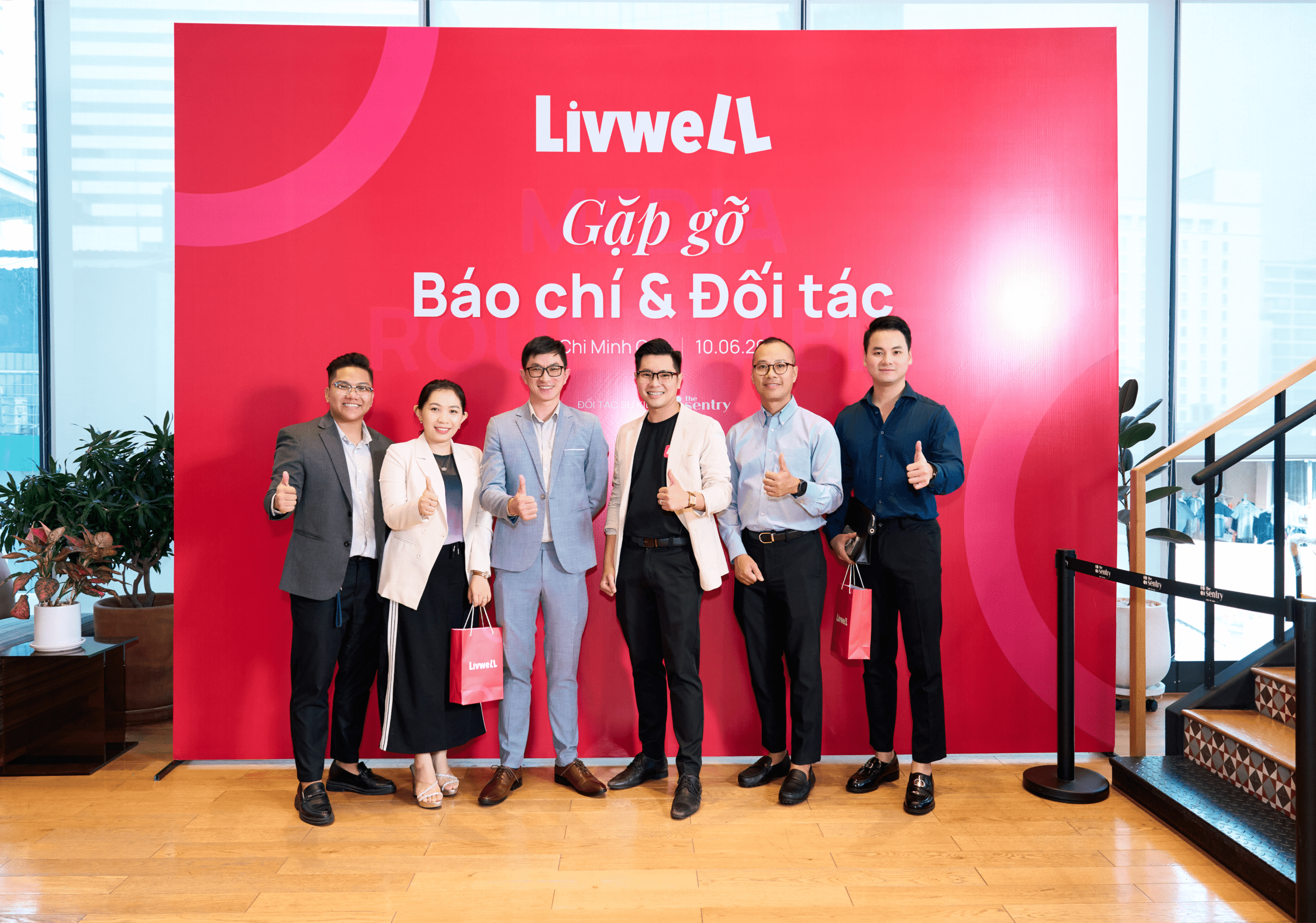
    LivWell, a leading Singapore-based InsurTech firm, has announced plans to broaden its OneHealth employee benefits scheme in Vietnam. The expansion includes the development of specialized insurance solutions, focused on various health conditions.

    The company’s decision to expand its services and offerings was announced during a strategic conference held in Ho Chi Minh City, where LivWell also revealed new partnership agreements with InSmart and DiaB.

    Revolutionising Health and Wellness Benefits

    LivWell aims to transform OneHealth from a traditional employee benefits solution, primarily focused on medical expense reimbursement, into a comprehensive healthcare platform. This integrated platform is aimed at consolidating preventive care, financial protection and long-term health support.

    This all-inclusive platform combines numerous elements of health, including insurance, healthcare services, wellness incentive programs, and health monitoring tools, all within a single application.

    For employers, OneHealth delivers a unified view of workforce health and benefits utilization, aiding benefits management. Meanwhile, employees can use the LivWell app to monitor their health indicators while availing themselves of health screenings, workplace wellness activities, and healthcare services.

    Emphasizing the need for proactive health management, Nikhil Verma, Co-Founder and Group CEO of LivWell, said, “We aim to help organizations cultivate healthier workplaces where health is proactively managed and every employee gets the necessary support throughout their wellness journey.”

    Enhancing Workplace Productivity and Reducing Out-of-Pocket Expenses

    LivWell cited studies to illustrate that a staggering 70% of adults believe wellness programs boost workplace productivity. However, Vietnamese households continue to pay nearly 39.5-40% of healthcare expenses out of pocket, despite having public and private health coverage. This figure starkly contrasts with the World Health Organization’s recommended out-of-pocket expenses in the range of 15-20%.

    LivWell’s partnerships with InSmart and DiaB aim to address these issues. The collaboration allows users to submit insurance claims and monitor benefits through the LivWell app, in addition to providing remote consultations, personalized nutrition guidance, and chronic disease management services.

    Additionally, LivWell announced plans to create insurance products specifically for individuals with certain health conditions, starting with cancer. Noting the financial burden of cancer treatment, the company mentioned that patients often pay up to 70% of the treatment cost by themselves.

    Balakrishnan Ambat, Co-Founder and CEO of LivWell Vietnam, reiterated the company’s commitment to not only providing for treatment costs but also encouraging healthier lifestyles to prevent illness.

    LivWell’s expanded ecosystem and future condition-focused insurance products intend to contribute to the evolution of employee health benefits in Vietnam, by aiding businesses in investing in workforce wellbeing and expanding access to healthcare services throughout different life stages.

    Since 2020, LivWell has served over 320,000 users and supported more than 450 businesses, including small and medium-sized enterprises, with employee benefits and wellness programs.

    Questions & Answers

    What is LivWell’s OneHealth?
    OneHealth is an employee benefits solution by LivWell. The company plans to transform it into a comprehensive healthcare platform integrating preventive care, financial protection, and long-term health support.

    What are some of the features of the OneHealth platform?
    OneHealth combines health insurance, healthcare services, wellness incentive programs, and health monitoring tools within a single application. It provides employees with health screenings, workplace wellness activities, and healthcare services.

    What is the aim of LivWell’s partnerships with InSmart and DiaB?
    The collaborations with InSmart and DiaB will allow users to submit insurance claims and monitor benefits through the LivWell app. They will also provide remote consultations, personalized nutrition guidance, and chronic disease management services.

  • Vietnam Gold Prices Hit Two-Week Downtrend Amidst Global Market Shifts

    Vietnam Gold Prices Hit Two-Week Downtrend Amidst Global Market Shifts

    On Tuesday, Vietnam witnessed its lowest gold prices since the start of July, resulting from a decline in worldwide prices due to escalating tensions in the Middle East. The price of a gold bar from the Saigon Jewelry Company fell 0.88%, to VND147.1 million (equivalent to US$5,604.76) per tael. In Vietnam, a tael is a unit of weight equivalent to 37.5 grams or 1.2 ounces.

    Gold Market Trends

    The price of gold rings also saw a decrease, falling by 0.54% to VND146 million per tael. The drop in gold prices this year has amounted to a 3.7% decrease overall.

    On the worldwide stage, after experiencing a 3% drop on Monday, gold prices made a minor recovery. This was following an announcement by U.S. President Donald Trump that he was re-establishing a naval blockade on Iran. This action led to a rise in oil markets, renewed fears about inflation, and the potential for the longevity of higher U.S. interest rates. As a result, spot gold increased by 0.28% to $4,011.10 per ounce.

    Expert Insights

    Market analyst at Forex.com, Fawad Razaqzada, commented on the situation, explaining that the rally in oil prices was a result of the conflict in the Middle East and suggested policy tightening by the Federal Reserve. He also noted that these developments spelled bad news for assets like gold, which yield no interest.

    Razaqzada further speculated, “If oil prices continue to surge, gold prices might experience a downfall, potentially dropping to the $3,800 level initially. There is also a chance they could drop to $3,500 over time if the selling pressure intensifies.”

    Questions & Answers

    What caused the drop in Vietnam’s gold prices?
    The decrease was primarily due to a dip in global gold prices, spurred by increased tensions in the Middle East.

    How has the global gold market reacted to recent events?
    After a 3% plunge on Monday, global gold prices have slightly recovered following the US President’s decision to reinstate a naval blockade on Iran.

    What impact could rising oil prices have on the gold market?
    According to market analysts, if oil prices continue to surge, gold prices could potentially drop significantly, possibly down to $3,500 over time if the selling pressure increases.

  • US Dollar Takes a Dip against Vietnamese Dong Amid Global Uncertainties

    US Dollar Takes a Dip against Vietnamese Dong Amid Global Uncertainties

    The performance of the United States dollar presented a mixed picture on Tuesday, as it dipped slightly against the Vietnamese dong while maintaining its position against other key currencies. The state-owned Vietcombank recorded a 0.04% reduction in the greenback’s value, with an exchange rate set at VND26,450. However, in contrast, the black market saw the US dollar appreciate by 0.11%, pegged at the same exchange rate.

    Global Performance of the Dollar

    In the wider international scene, the dollar remained relatively stable as markets anticipated the release of U.S. inflation data. Rising tensions in the Middle East provided a boost to oil prices which, in turn, had a knock-on effect on currency exchange rates. The Japanese yen traded in a cautious manner, due in part to potential interventions and recent comments made by policymakers regarding the allocation of state pension funds.

    The dollar index, a tool used to compare the value of the greenback against a selection of international currencies such as the yen and euro, also recorded a slight decrease of 0.04%, resulting in a figure of 101.23.

    Meanwhile, the euro showed a strengthening trend against the dollar, trading at a rate of $1.1388. The British pound also saw a minor gain of 0.07%, resulting in an exchange rate of $1.3355.

    Questions & Answers

    What was the exchange rate of the US dollar against the Vietnamese dong?
    The state-owned Vietcombank listed an exchange rate of VND26,450 for the US dollar, showing a minor drop of 0.04%.

    What influenced the performance of the Japanese yen?
    The Japanese yen was affected by several factors, including potential interventions and recent policy-related comments on state pension fund allocations.

    How did the euro and the British pound perform against the US dollar?
    Both the euro and the British pound displayed a strengthening trend against the dollar. The euro traded at a rate of $1.1388, while the British pound gained 0.07%, resulting in an exchange rate of $1.3355.

  • World Cup Fever Ignites Retail Boom: How Vietnamese Consumers Score Big with Huge Discounts

    World Cup Fever Ignites Retail Boom: How Vietnamese Consumers Score Big with Huge Discounts

    In Vietnam, the excitement of the 2026 World Cup has sparked a shopping frenzy, as consumers eagerly take advantage of retail promotions. With retailers offering substantial discounts on household appliances and fashion items, Vietnamese shoppers have been quick to seize the opportunity.

    Major Discounts on Household Appliances

    One shopper, Hang, who resides in Ho Chi Minh City (HCMC), had been monitoring prices for a few months. In early June, she successfully purchased a slow juicer at half its regular price, thanks to a World Cup promotion. She excitedly shared how previous discounts on the product, which only ranged from 10-20%, hadn’t been enticing enough. However, with the price slashed by over half, she made the purchase immediately.

    Another Ho Chi Minh City resident, Lan Anh, also capitalized on the ongoing promotions to purchase a variety of household appliances, including a television and a vacuum cleaner. Anh noted that aside from the significant markdowns, retailers were also providing additional incentives such as vouchers and gifts as part of interactive match prediction programs.

    The World Cup’s influence also extends to the electronics retail market. Several electronics retailers in HCMC have been actively promoting televisions in light of the football event. Various TV models have been discounted significantly, with some prices reduced by as much as 61%. This has been described as the most substantial price-cutting campaign for TVs to date, with large-screen models being heavily discounted to meet the tournament-driven demand.

    Boost in Retail Sectors Beyond Electronics

    While electronics retailers are witnessing a surge in sales, other consumer goods retailers haven’t been left behind. Saigon Co.op, for example, offers discounts of up to 30% on almost half of their snack, beer, and beverage bundles, targeted at football fans. They are even rewarding customers making large purchases with gifts.

    Fashion retailers are also leveraging the World Cup frenzy to their advantage. Pierre Cardin Shoes and Oscar Fashion reported the simultaneous launch of their World Cup’s Vancouver 2026 collection in six markets: Vietnam, Cambodia, Myanmar, Thailand, Laos, and Canada. Since the campaign’s inception, store traffic has reportedly increased by more than 55%, and sales have reached approximately 65% of the campaign’s target.

    The World Cup’s impact on global retail activity is projected to be highly positive, with predictions suggesting it could contribute up to $41 billion to global GDP by stimulating tourism, services, and consumption.

    Questions & Answers

    Q: How have Vietnamese consumers reacted to the World Cup retail promotions?
    A: Vietnamese shoppers have been quick to take advantage of the significant discounts offered by retailers during the World Cup, leading to a shopping frenzy.

    Q: Which sectors have seen a boost in sales due to the World Cup?
    A: The electronics sector, particularly TV sales, has seen a substantial boost, along with other consumer goods retailers and the fashion industry.

    Q: What has been the impact of the World Cup on global retail activity and GDP?
    A: The World Cup is expected to have a highly positive impact on global retail activity and could potentially contribute up to $41 billion to the global GDP by boosting tourism, services, and consumption.

  • Jaspal Ropes in Globally-experienced Damien Corcoran as New CEO to Bolster International Expansion

    Jaspal Ropes in Globally-experienced Damien Corcoran as New CEO to Bolster International Expansion

    Renowned Thai retailer Jaspal has announced the appointment of Damien Corcoran as their new Chief Executive Officer with immediate effect. Corcoran boasts an impressive background in international leadership, with extensive experience in retail and consumer sectors spanning Europe, the Middle East, and Asia.

    A Proven Leader

    Corcoran’s most recent role was at the helm of the Isle of Man Meat Company, serving as chairperson. Earlier, he demonstrated his leadership prowess as the CEO of Grandiose Supermarkets and Catering in Dubai. Corcoran also held the position of international vice-president at Whole Foods Market, where he guided the company through expansion into international markets in the wake of its acquisition by Amazon.

    His expertise lies in a number of areas, including business transformation, retail operations, commercial strategy, and international growth – all skills that will prove invaluable in his new role.

    Steering Jaspal Towards Future Growth

    As Jaspal’s new CEO, Corcoran will spearhead the business’s ongoing efforts to solidify its market position and extend its international reach. Jaspal’s portfolio is home to 19 brands, showcasing popular in-house labels such as Jaspal, CPS, Lyn, CC Double O, Lyn Around, Jelly Bunny, and CPS Coffee.

    In addition, Jaspal holds distribution rights for a number of international brands like Fred Perry, Asics, Diesel, Puma, Melissa, Marithé + François Girbaud, and Satur. The company operates over 400 retail outlets and points of sale globally, complemented by its robust e-commerce platforms.

    Jaspal expressed that Corcoran’s appointment marks a significant stride in its long-term growth strategy, aimed at bolstering its competitive stance and opening up new avenues of opportunity across the region.

    Questions & Answers

    Who is the new CEO of Jaspal?
    Damien Corcoran has been appointed as the new CEO of Jaspal.

    What previous roles has Damien Corcoran held?
    Corcoran has previously served as the chairman of the Isle of Man Meat Company, CEO of Grandiose Supermarkets and Catering in Dubai, and international vice-president at Whole Foods Market.

    What is Jaspal’s growth strategy under Corcoran’s leadership?
    Under Corcoran’s leadership, Jaspal aims to strengthen its market position and expand its global presence.

  • Adidas Unveils Experiential Lifestyle Hub in Bangkoks Songwat District: A Fusion of Fashion, Street Culture & Community

    Adidas Unveils Experiential Lifestyle Hub in Bangkoks Songwat District: A Fusion of Fashion, Street Culture & Community

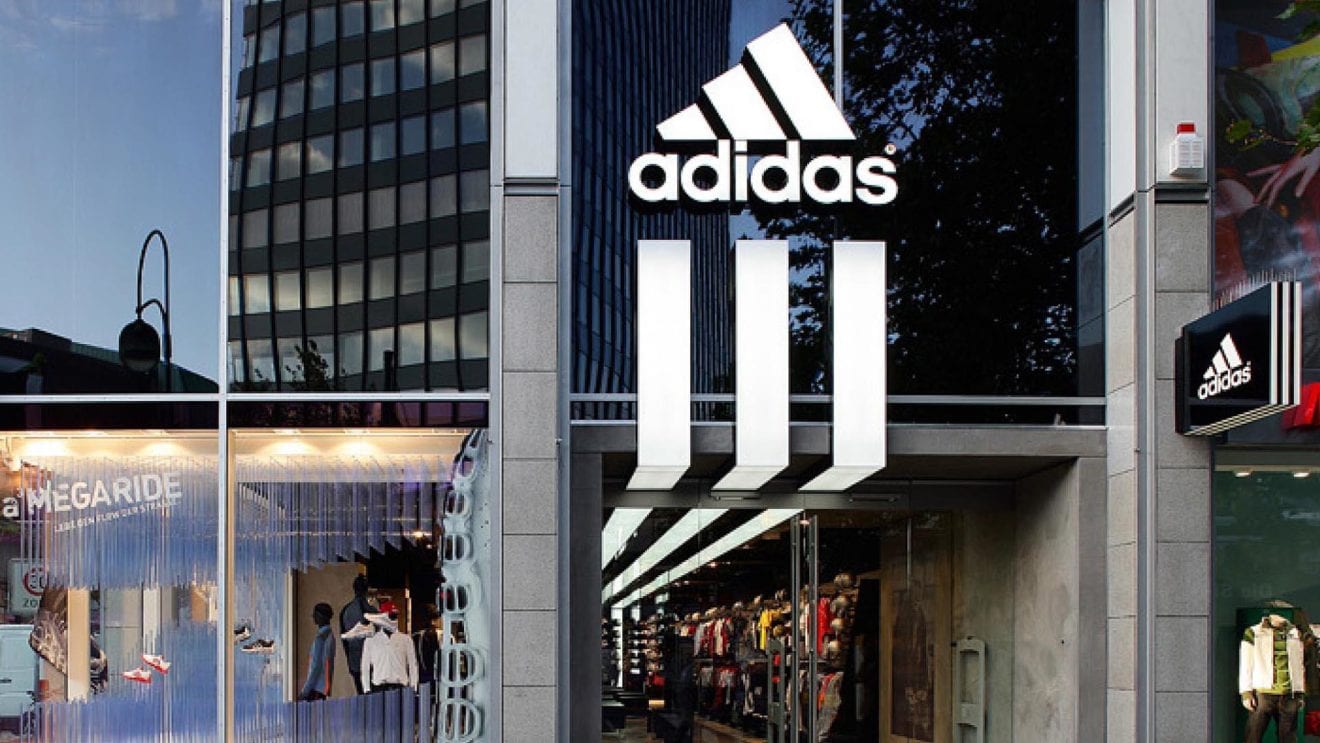
    Adidas has recently inaugurated a flagship store in the Songwat district of Bangkok, further broadening its experiential retail strategy. This engaging destination seamlessly meshes fashion, street culture, and community involvement.

    A Blend of Retail, Customization, and Community Space

    The two-level establishment unifies retail, food, drink, product customization, and cultural offerings all under one roof. A carefully chosen collection of Adidas Originals merchandise is featured on the ground floor. Meanwhile, the upper level is graced by the specialty coffee brand, % Arabica, which aims to promote longer visits and social engagement.

    The store is further embellished with a Maker Lab for product personalization, a photobooth, and an exclusive Graphic Tee Collection. This collection is the result of a collaboration with local artists and can only be found at this particular Songwat store. It takes inspiration from the district’s rich heritage and presents it through a modern perspective.

    According to Adidas, the design and layout of the store are in line with their Originals’ strategy of transforming brick-and-mortar retail into creative hubs. These spaces not only accommodate commerce but also foster creativity, culture, and a sense of community.

    This opening comes on the heels of the introduction of Adidas’ flagship store at Jewel Changi Airport in Singapore last year. That location also featured experiential zones that drew inspiration from the local culture and storytelling.

    Questions & Answers

    What does the new Adidas store in Bangkok offer?
    The new Adidas store in Bangkok’s Songwat district offers a blend of retail, food and beverage, product customization, and cultural experiences. It also features an exclusive Graphic Tee Collection created in collaboration with local artists.

    What is the strategy behind the design and layout of the Adidas store?
    The design and layout of the store reflect Adidas Originals’ strategy of transforming physical retail into destinations that foster creativity, culture, and community, in addition to commerce.

    What is unique about the Graphic Tee Collection at the new Adidas store?
    The Graphic Tee Collection, which is exclusively available at the Songwat location, is a collaborative work with local artists. It draws inspiration from the neighborhood’s heritage and presents it through a contemporary lens.

  • Fast-Fashion Leader Shein Secures Approval for High-Profile Hong Kong IPO after Setbacks

    Fast-Fashion Leader Shein Secures Approval for High-Profile Hong Kong IPO after Setbacks

    Fast-fashion retail giant Shein has received authorization for its much-anticipated Initial Public Offering (IPO) process in Hong Kong, bringing it one step closer to a listing after unsuccessful runs in both New York and London. This news came from the China Securities Regulatory Commission (CSRC) on Friday, offering Shein the endorsement it has been seeking for over a year.

    Shein’s journey to the IPO stage has been hindered by a variety of factors, including weak investor sentiment and conservative spending habits among lower to middle-income consumers. The retailer’s journey to the stock market is therefore noteworthy, with many other consumer brands opting to postpone their IPOs in the current financial climate.

    Shein’s Journey to the IPO

    Shein was established by Sky Xu, a Chinese-born entrepreneur, in 2012. The IPO approval was contingent upon approval from the highest echelons of the ruling Communist Party in China, due to various controversies surrounding the brand. The controversies included a scandal involving a sex doll in France and allegations of poor labor standards in its supplier factories in China.

    Despite these scandals, Shein has shown resilience. The IPO’s confidential nature and the company’s decision not to make the filing documents public suggests that the retail giant is embracing its Chinese origins, rather than distancing itself. This is contrary to the strategies of many Western fashion companies, which have sought to reduce their Chinese exposure.

    Shein’s Current Financial Status

    Shein was valued at a staggering US$100 billion in 2022. However, as the online shopping boom brought on by the pandemic began to wane and a customs duty loophole for e-commerce parcels in the US was closed, the brand’s value decreased. In the latest fundraising round in May 2023, Shein was valued at just $66 billion.

    Shein’s IPO goal is speculated to be between $40 billion to $50 billion. The company plans to sell up to 8 percent of its shares, but the final stake sold is expected to be lower, thus generating low single-digit billions of dollars.

    Shein’s unsuccessful attempts to list in New York and London indicate the challenges faced by Chinese-linked companies due to geopolitical tensions. Despite moving its headquarters to Singapore in 2022, Shein is still subject to Chinese IPO rules as its products are largely manufactured by third-party suppliers in China.

    Questions & Answers

    What controversies has Shein faced?
    Shein has been involved in several controversies, including a scandal involving a sex doll in France and allegations of substandard labor practices in its supplier factories in China.

    What is the projected worth of Shein’s IPO?
    Shein is targeting an IPO valuation of between $40 billion and $50 billion.

    Why has Shein’s valuation decreased since 2022?
    Shein’s valuation has decreased due to the diminishing online shopping boom brought on by the pandemic and the closure of a customs duty loophole for e-commerce parcels in the US.