Blog

  • 7-Eleven parent sales surges: Report

    7-Eleven parent sales surges: Report

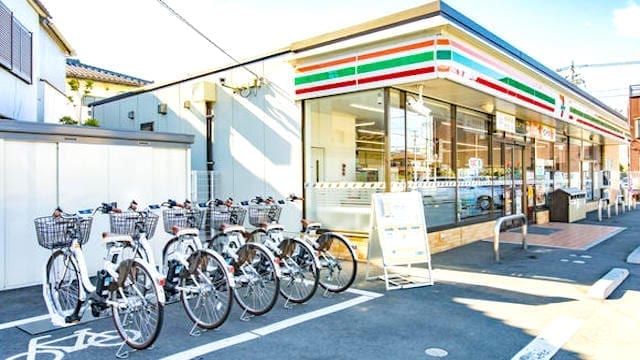
    Japanese retail giant Seven & I has reported a 15.8 per cent increase in net sales for the nine months to November. Profit rose by a less impressive 2.9 per cent. The 7-Eleven parent said its overseas convenience store business achieved an impressive 15.7 per cent increase in operating profit year on year.

    At home, its Ito-Yokado superstore managed to reduce its operating loss to ¥200 million (US$1.85 million), however its York-Benimaru supermarket division and Sogo & Seibu department stores both struggled, the latter losing ¥937 million ($8.6 million).

    Seven & I’s net sales totalled ¥4.11 trillion ($38 billion).

  • Vietcombank’s profit skyrockets, Vietinbank’s falls

    Vietcombank’s profit skyrockets, Vietinbank’s falls

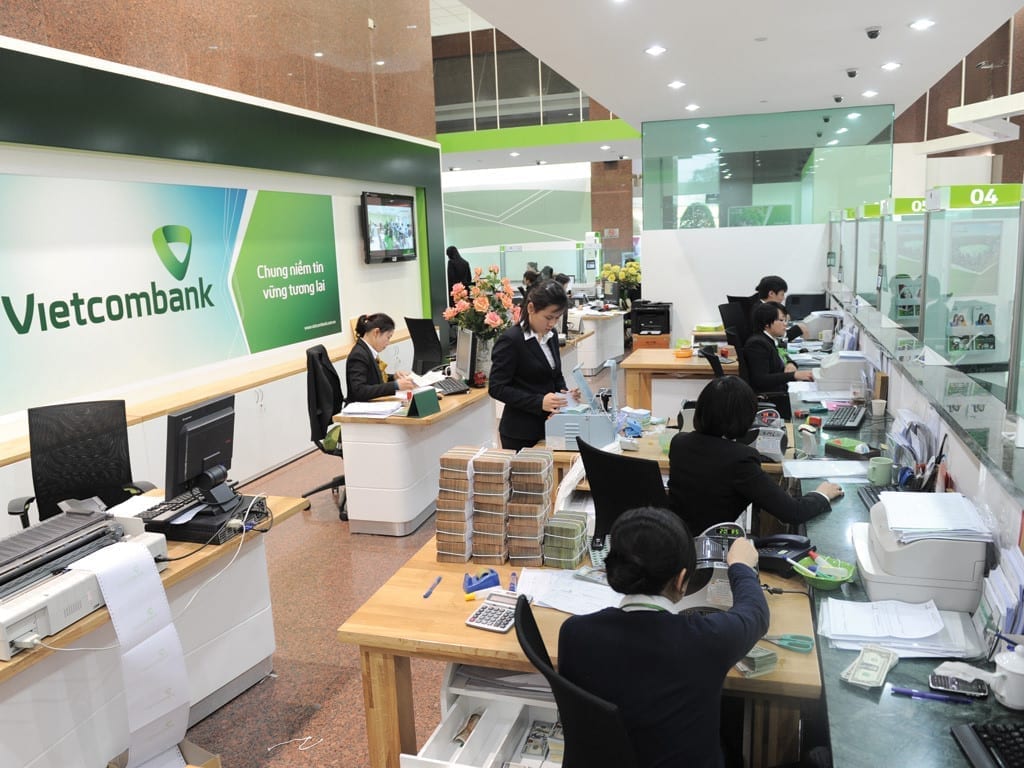
    Two of Vietnam’s largest banks reported contrasting performances in 2018, with Vietcombank’s profits rising by 63.5 percent and Vietinbank’s falling by 27 percent. Vietcombank, the largest listed bank by market capitalization, said profit before tax was VND18.02 trillion ($772.73 million) last year, up 63.5 percent over 2017. Vietcombank earlier this month raised VND6.2 trillion ($265.86 million) from selling a 3 percent stake to foreign investors.

    Singapore sovereign fund GIC bought 2.55 percent while Japan’s Mizuho Bank bought the remaining 0.45 percent to keep its 15 percent stake unchanged. Nghiem Xuan Thanh, Vietcombank’s chairman, said at a recent conference his bank had achieved all its target last year.

    Bad debts last year accounted for 0.97 percent of total loans and the bank hopes to keep it below 1 percent this year too. Vietcombank plans to have its total asset value increased by 12 percent, and its capital mobilization up by 13 percent this year.

    Vietinbank, the fourth largest listed bank by market cap, saw profit before tax slip to VND6.7 trillion ($287.3 million) in 2018 from VND9.2 trillion ($394.5 million) in 2017. Asset growth, credit growth and capital mobilization grew by 6-10 percent, lower than targeted.

    The lender’s proposal to increase charter capital has not been approved. Its chairman Le Duc Tho said increasing capital is “vital” since it has remained unchanged for years. The State Bank of Vietnam owns 65 percent of the bank, while foreign ownership has reached the 30 percent cap.

  • Chun Yang Tea expands into Canada

    Chun Yang Tea expands into Canada

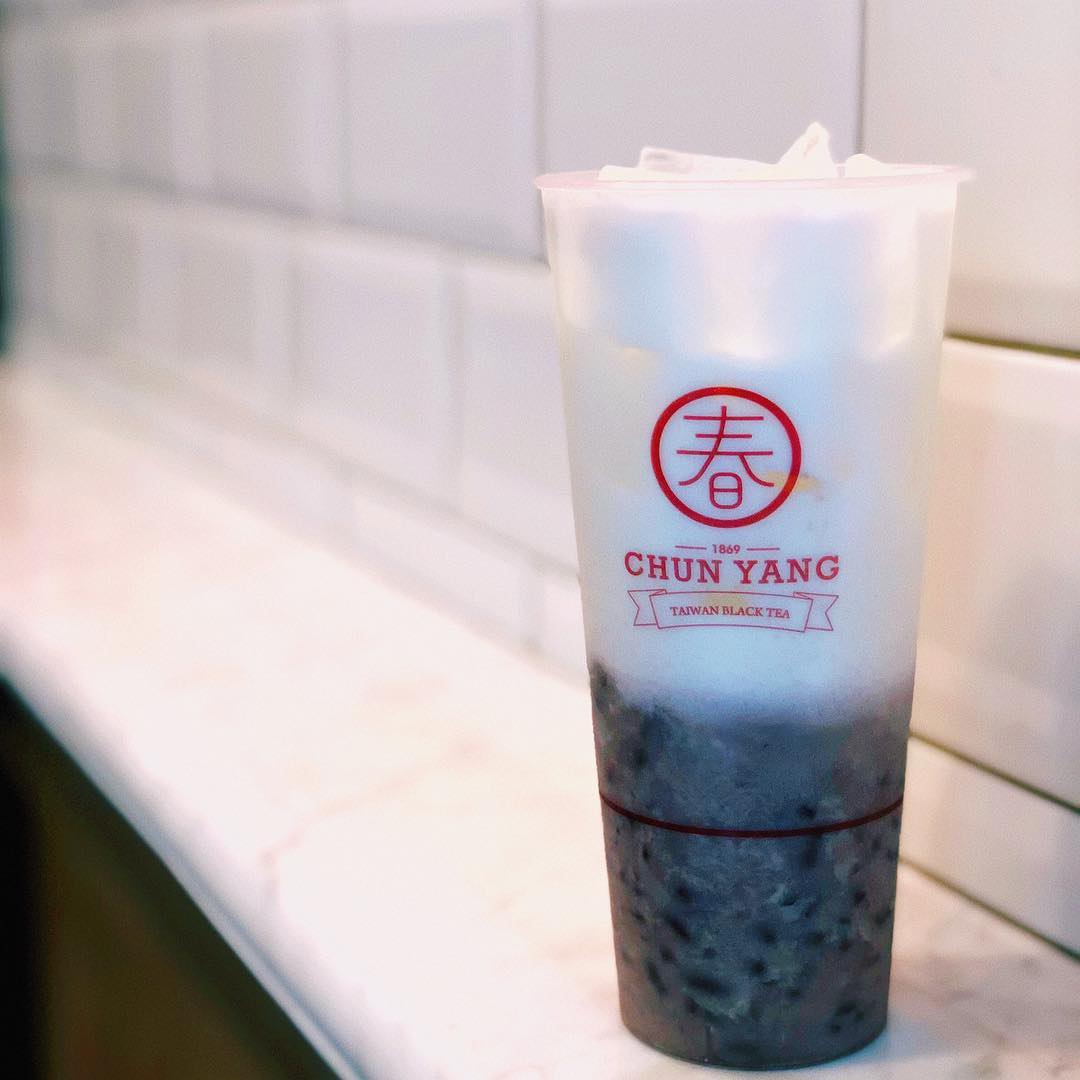
    Taiwanese bubble-tea brand Chun Yang Tea is launching its first store in Canada. With operations across Taiwan as well as in Mainland China, Hong Kong, Macau and Malaysia, the brand is now planning two new store locations in Toronto and one in Vancouver. While the Canadian market has been judged as saturated for bubble-tea retailers, Chun Yang claims its product is authentic and traditional, offering beverages made without any artificial milk powder to achieve a more natural taste.

    So far no information has been released as to exact launch dates, although the brand’s website claims the stores are “coming soon”.

  • Jaguar’s first electric car roars into Korea

    Jaguar’s first electric car roars into Korea

    Luxury carmaker Jaguar introduced the I-Pace, its first electric vehicle (EV), to the Korean market Monday at the Paradise City hotel in Incheon, joining a growing number of EV automakers in the country. The luxury brand’s all-electric sport-utility vehicle (SUV) sports an electric powertrain that produces up to 400 horsepower and a 333-kilometer (207-mile) driving range.

    “The I-Pace is a high-performance electric car that has battery and electric motor technology developed from our experience in electric motor sports Formula E,” said Baek Jung-hyun, CEO of Jaguar Land Rover Korea. “Jaguar will lead the future of premium electric cars through the I-Pace.”

    The vehicle, originally unveiled in the global market early last year, was delayed for launch in Korea due to the certification process, according to Jaguar Land Rover Korea.

    The automaker has prepared charging infrastructure for the product’s launch, installing 52 charging stations in 26 of its showrooms. The company has also installed 52 chargers and 26 fast-charging stations in its service centers.

    The fast-charging stations can charge vehicles to up to 80 percent in just 40 minutes.

    For maintenance, the carmaker promised to establish 10 new service centers so that there will be a total of 37 by the end of this year.

    Jaguar Land Rover Korea is also promising an eight-year or 160,000-kilometer warranty for its battery system and will install home-charging systems for free for those customers who receive their vehicles by March 31 this year.

    The luxury brand’s all-electric car enters the budding local EV market that has seen rapid growth over recent years.

    A total of 21,375 EVs were sold between January and September last year, up from 13,826 sold in 2017. The Ministry of Environment plans to have 350,000 EVs and 10,000 fast-charging stations in the country by 2022.

    Jaguar’s newest offering joins the short list of electric SUVs in Korea, which include Tesla’s Model X and Hyundai Motor’s subcompact SUV Kona EV, both released last year in the local market.

    The I-Pace will be sold from Jan. 23 with a starting price of 110.4 million won ($98,300) that climbs to 128 million won for its highest trim, the EV400 First Edition.

  • Strategies that will differentiate leaders in Indian retail in 2019

    Strategies that will differentiate leaders in Indian retail in 2019

    Indian retail industry has seen tremendous transformation and growth in the last few years and has become one of the most favourable market for global investment. The vibrant industry, hugely shaped by changing policies and consumer behaviour is adopting technology not only to understand changing consumer preferences but also to enhance shopping experiences. Innovations have defined a gradual shift in how companies approach retail altogether.

    Technology disruptions have taken all industries in its stride and the cash and carry business is no exception, despite it dealing with B2B customers. Technology has been a pivot for the creation of personalised, ‘instant’ buyer experiences. The players who leverage technology well will be industry leaders of the next decade.

    As we have stepped in 2019, here are some retail trends that will make news this year.

    Integrated Omnichannel presence for retail analytics – Omnichannel in retail has been a high talk point and some retailers have successfully expanded their presence across platforms. However, integration is the key to success in this game. Unless the platforms are integrated, they will present an inconsistent experience to the customers, creating confusion about the product, pricing and promotions.

    Besides ensuring an unswerving experience, a bigger advantage of an integrated Omnichannel approach would be to share and cross-leverage customer behaviour data. For instance, if a customer has a specific purchasing pattern for a product offline, the retailer can use these insights for targeted marketing on various digital platforms. It will not only help the shopper find what they need but also help the retailer generate higher sales through relevant product suggestions and repeat business.

    Shaping in-store experience through proximity marketing – Internet of Things has transformed many industries and has the potential to enable real-time interaction between retailers and consumers, providing them with a truly connected experience. It not only brings about a seamless experience but also enable guided discovery and shopping, using a network of beacons in store. These beacons can help retailers in marketing, mapping the consumer movement patterns and time spent at various sites, in-store messaging, building consumer loyalty etc. This will offer the opportunity to revolutionise in-store experience for consumers.

    Increasing focus towards sustainability – The consumer dynamics have evolved considerably over the last few years. They feel connected to a company or a brand that helps them contribute to social and environmental issues. The inclination of Indian consumers towards building a sustainable future will provide an edge to brands operating sustainably.

    The dynamic regulatory environment and shifting consumer preferences are making it imperative for retailers to decrease the social and environmental impact of their operations. Companies will be seen instituting practices and initiatives to address this need, and, the players who will ace this, will be the most preferred brands for consumers in the future.

    Decreasing wastage, promoting recycling and energy conservation will be certain immediate outcomes of bringing sustainable practices within business operations. Over a longer period, the impact of sustainability will run much deeper, with local community engagement and expected economic benefits.

    Employing Blockchain to enhance credibility through responsible and ethical sourcing –Blockchain technology helps retailers with core functions including supply chain management, inventory management, authenticity verification, auto-renewal and subscription services, customer data and loyalty programmes. However, the key benefits that the technology is delivering to retailers are to ensure authenticity and improve accuracy in tracing the origin of any product swiftly.

    Incorporating blockchain technology will enable retailers to track data right from sourcing stage to customer purchase while ensuring authenticity for their customers. It will also help establish sustainable sourcing practices being followed by the company, making a stronger connect with the millennial consumer.

  • The Body Shop India to open 20 new stores in 2019

    The Body Shop India to open 20 new stores in 2019

    The concept of beauty has evolved dramatically over the last few years. The desire to look attractive and feel good is at an all time high among consumers from all walks of life. Consumers are continuously looking out for products that make them look good. Innovation, ingredients and integrity are the new buzzwords in beauty. Natural and organic has never been more popular. The movement towards healthier, wellness-oriented lifestyles around the world – complemented by a growing consumer awareness of sustainability, naturality, and ethical sourcing, has influenced personal attitudes towards beauty.

    There has been a huge upsurge of consciousness in beauty purchase – Beauty with Responsibility. Today consumers want to buy beauty products which are chemical free, natural, organic, vegetarian and not tested on animals. ‘Ethical and Clean Beauty’ is indeed on the rise.

    Keeping up with the rising demand, many new brands have entered the beauty retail space in India but brands like The Body Shop which have been there in the industry from past 12 years, has carved a niche for itself.

    Vishal Chaturvedi, General Manager-Retail – India, Sri Lanka and Bangladesh, The Body Shop explains how the brand has become a established household name. He says, “The brand is a one stop shop for new and trending beauty products and ingredients. We have ranges across skincare, bath and body, haircare, make-up, men’s grooming range and gifting. Perfected by centuries of wisdom, the brand brings to its cusotmers the finest natural ingredients, refined textures and delicate fragrances, from purifying and firming clays, sensorial and luxury oils, refining natural scrubs and decadent creams.”

    “We are always on the verge of experiments to bring new beauty formats and testing efficacy to bring the very best to our consumers,” he adds.

    All the products of the brand are made exclusively in the UK and supplied across the world. India is one the fastest growing markets and among the top markets for The Body Shop.

    “We have been in India since 2006 and have 175 stores across the country. We have presence in 60+ Indian cities and over 600 towns and cities through own e-commerce channel. The brand is known for its ethical positioning with strength of natural ingredients, community trade programs, animal cruelty free and 100 percent vegetarian products. The Body Shop has a fast growing consumer base. We are expanding into new markets and are a leading global beauty retailer in the country,” asserts Chaturvedi.

    Store Innovations

    The Body Shop keeps the customers at the centre of their business and their location strategy is driven by the endeavour to reach as many customers across a wide spectrum of segments.

    “We choose locations that allow us access to all kinds of beauty consumers and where we can offer our unique The Body Shop experience,” reveals Chaturvedi.

    The brand’s pillars are naturality, animal cruelty free and activism and the stores celebrate this through their ambience and every customer touch point.

    “Through the stores, the brand offers a heightened personalized experience by unique display of products and experiential zones which uplift the sensorial experience of the customers. We have a marquee Community Wall that specifically talks s about our ongoing ethical campaigns and initiatives,” states Chaturvedi.

    “Our greatest innovation is our beauty experts and advisors. They are the true ambassadors of the brand. The advisors undergo rigorous training and each one of them is well equipped to give a 360° experience of the brand,” he adds.

    Future Plans

    The beauty brand has endeared itself not only to consumers in big cities like Mumbai, Delhi, Bangalore, Chennai, Hyderabad, Kolkata but is also hugely popular in Tier II cities like Guwahati, Siliguri, Jammu, Aurangabad, Patna, Nasik, Mysore, Calicut and many more towns and cities.

    “We shall be opening 20 more stores this year in 2019, establishing our footprint in new cities to make ourselves even more accessible to new customers,” he reveals.

    “Apart from physical presence, we have a very strong online presence. E-commerce is our fastest channel of reaching 600+ cities and towns adding almost 30,000 customers to The Body Shop family every year. Our e-commerce business contributes to 10 percent of our business. We are expecting to grow by 12 percent,” he concludes.
  • Sunshine department store Penang goes online via Shopee

    Sunshine department store Penang goes online via Shopee

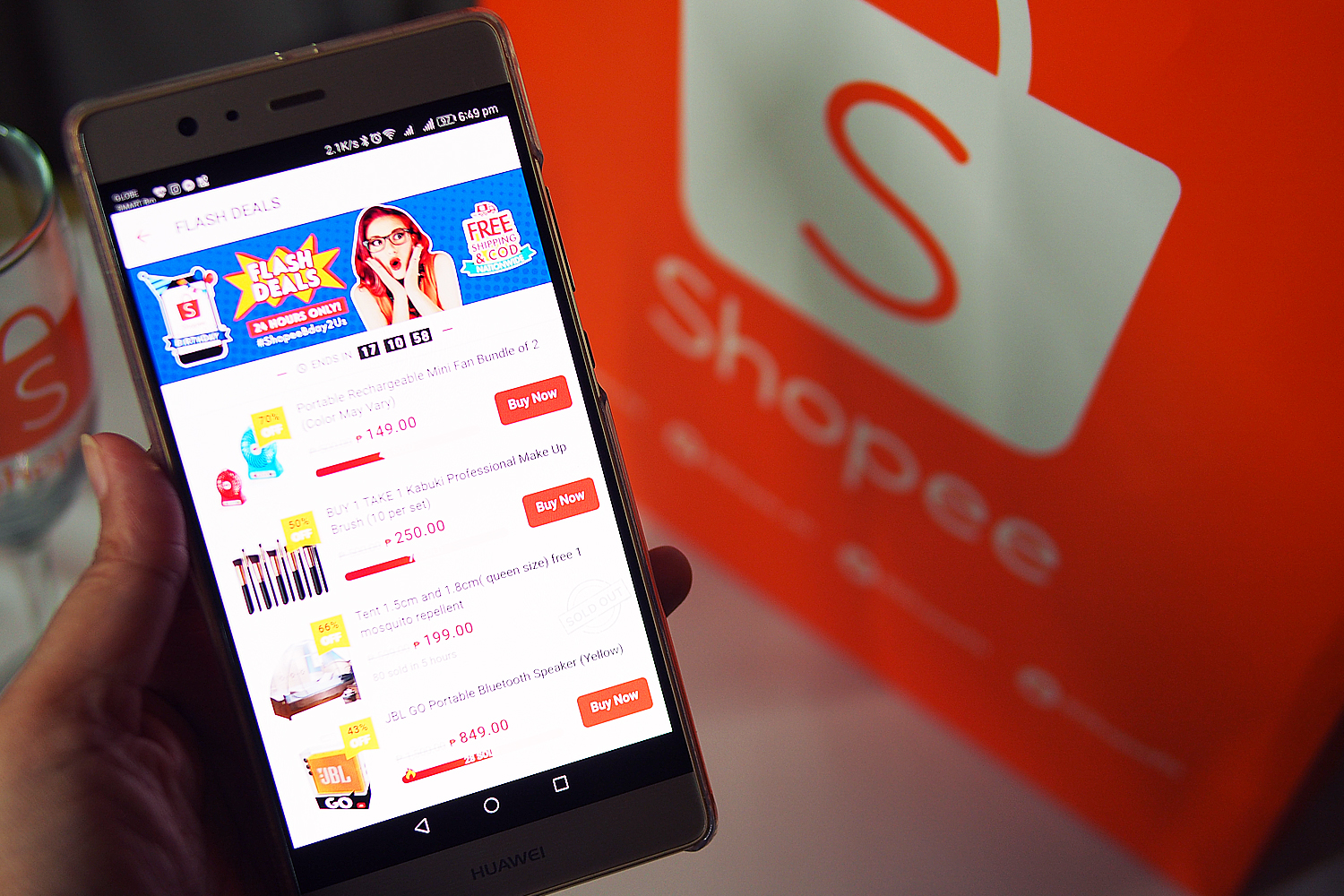
    Penang department store Sunshine has launched on online shopping platform Shopee with expectations of doubling its income. According to Sunshine’s CEO Cynthia Hwang, the move to list initially 1500 products, as well as the brand’s in-house fashion label Iloveasap, on the platform would target 16 million users throughout the country while leveraging Shopee’s free shipping and Super Brand Day.

    “Further expansion into the online realm with the opening of an official store on Shopee will see a bigger contribution to the brand’s revenue growth,” she said.

    “As a whole, it is part of our aspiration to help to grow Malaysia in terms of providing more choices, better and easier accessibility for quality products and enable consumers to purchase from trusted sellers such as Sunshine Online,” added Shopee Malaysia category manager Tan Ming Kit.

  • H&M Tested New Concept and Digital Developments

    H&M Tested New Concept and Digital Developments

    Global fast-fashion retailer H&M plans to introduce further digital services and features to improve its customer experience both in physical stores and online. The brand launched a series of tests in selected stores last year while rolling out digital features and services to boost its customer offer, experimenting with factors such as the interior and exterior, the product range and the overall look and feel of its stores. The firm also introduced technical solutions to make it easier for both staff and customers to navigate stores and identify fashion favourites.

    H&M plans to continue that work this year in line with the firm’s omnichannel strategy. Testing this year will include cafe concept It’s Pleat, a florist shop-in-shop, self-service checkouts, monogramming services and repair services as well as a digital wall where customers can share their H&M favourites under the #HMxME tag.

    “These stores give us a chance to try out and explore new concepts and activities to make our stores more inspiring and offer customers a great experience,” said H&M MD Fredrik Olsson.

    “We are looking forward to continuously evaluate these tests where we are exploring the strength of a global brand in combination with a more personal touch and local relevance. We are also rolling out digital services and features to offer fashion fans inspiring and seamless shopping in line with our omni-channel strategy.”

  • Malaysia won’t lose out to Vietnam: Council

    Malaysia won’t lose out to Vietnam: Council

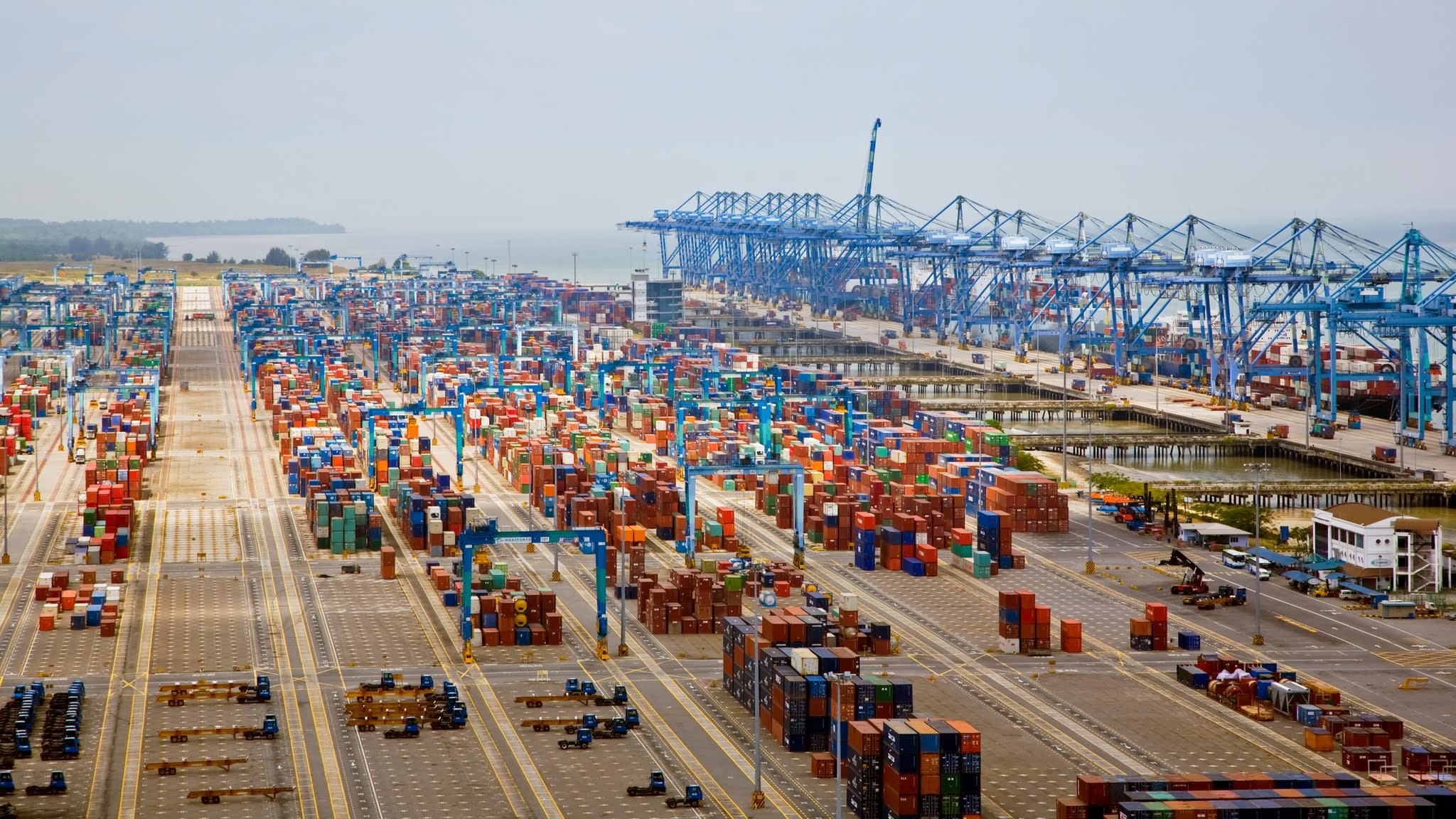
    Malaysia will not lose its competitiveness to Vietnam even though it does not ratify the Comprehensive and Progressive Agreement for Trans-Pacific Partnership (CPTPP). Malay Economic Action Council researcher Mohd Effuan Aswadi Abdul Wahab said there was no significant proof that there would be an increase in investment once a country signed a free trade agreement (FTA).

    “It is said that many companies, especially manufacturing firms will move to Vietnam after the country has ratified the CPTPP as the trade agreement is being seen as opening doors for companies to go to countries which have ratified the FTAs. This is certainly not true,“ he said.

    He said investors would look into various factors, including political stability, better infrastructure, skilled workers and rule of law, before making any investment decision.

    “Investors will certainly look into Malaysia’s economic policies before they make any investment decision.

  • Hyundai Motor now ready for big races

    Hyundai Motor now ready for big races

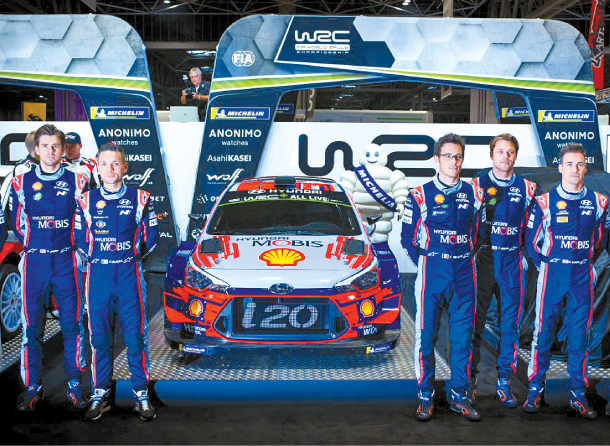
    Hyundai Motor finalized its driver lineup for this year’s major motorsport competitions, the company said Monday.  The automaker said its target this year is to win championship titles at the World Rally Championship (WRC) and the World Touring Car Cup (WTCR). In WRC events, the carmaker participates with its own team. In WTCR events, it supplies its cars to professional racing teams.

    For the WRC, the company said last year’s vice champions Thierry Neuville and Nicolas Gilsoul – a team of driver and co-driver – will be joined by Norwegian crew Andreas Mikkelsen and Anders Jaeger in all events. This year’s WRC has a total of 14 rounds. A composite score in those events will decide the winner.

    Dani Sordo and Carlos del Barrio will take part in eight events starting at Rally Mexico.

    Nine-time WRC champions Sebastien Loeb and co-driver Daniel Elena, who joined the Hyundai team from last month on a two-year contract, will take part in six rounds.

    “I am pleased to be joining such a great lineup of crews,” Loeb said. “It is clear to me that the car was a competitive package in 2018, which enabled the team to fight for the championship titles right to the very end.”

    Hyundai Motor’s team – named Hyundai Shell Mobis – came in second at last year’s WRC using an i20 coupe WRC vehicle.

    The automaker also announced four drivers who will participate at this year’s WTCR event with Hyundai’s i30 N TCR racing car. The carmaker races in the Customer Motorsports category with competitors that include Audi, Volkswagen and Ford.

    Hyundai’s customer team consists of four drivers, each driving on their own. Last year’s champion Gabriele Tarquini and fourth place driver Norbert Michelisz are driving Hyundai cars once again. Augusto Farfus and Nick Catsburg are newcomers.

    Hyundai Motor has been active in motorsport events as it has a positive influence on European sales thanks to a huge popularity of motorsports with European customers. In the long run, the carmaker hopes to upgrade its image from a value-for-money carmaker to a company known for high-performance cars.

  • Uniqlo sales performs well globally, not in hometown

    Uniqlo sales performs well globally, not in hometown

    Fast Retailing Group has reported a decline in revenues for Uniqlo Japan against broader successes internationally in its first quarter. A sharp profit decline on sluggish sales of seasonal ranges during a warm winter in Japan has given rise to disappointing results in the Uniqlo brand’s home territory. Uniqlo Japan posted revenues of ¥246.1 billion (US$2.27 billion), a decrease of 4.3 per cent year on year, with first-quarter profit before taxes of ¥111 billion ($1.03 billion), down 5.7 per cent; and profit attributable to owners of the parent firm of ¥73.4 billion ($678.4 million), down 6.4 per cent. Online sales expanded favourably in the market, however, showing an increase of 30.9 per cent.

    Uniqlo International saw an operating profit far exceeding that of Uniqlo Japan, with revenues at ¥291.3 billion (2.69 billion) up 12.8 per cent. Uniqlo Greater China and Uniqlo South Korea both reported higher sales and profits despite the dampening effect of the warm winter. Uniqlo Southeast Asia & Oceania continued to report significant revenue and profit gains.

    The report said Fast Retailing’s consolidated business estimates for the financial year ending August 31 remain unchanged from the initial forecasts released last October, predicting an 8 per cent expansion in revenue and 14.3 per cent increase in operating profits.

  • Ananth Narayanan steps down as Myntra Jabong CEO

    Ananth Narayanan steps down as Myntra Jabong CEO

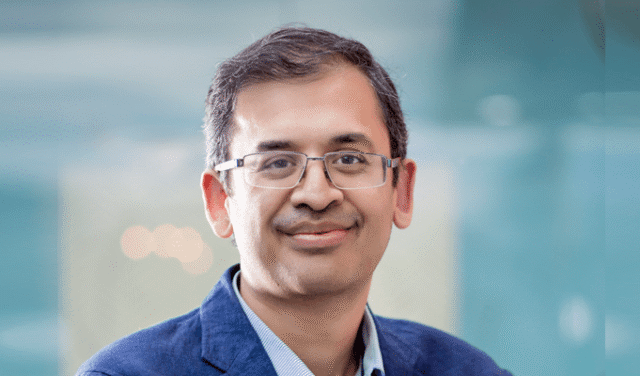
    Fashion e-tailer Myntra Monday said its CEO Ananth Narayanan has quit, a development that ends months of speculation about his exit following a recent re-jig at its parent group Flipkart. In a statement, Myntra said Narayanan has decided to step down as CEO of Myntra and Jabongto pursue external opportunities. Amar Nagaram has been named as Head, Myntra and Jabong, and will report to Flipkart Group CEO Kalyan Krishnamurthy, it added.

    According to a report, there were speculations that Narayanan would quit after a new reporting structure was put in place when Binny Bansal — the then CEO at Flipkart Group (which owns Myntra and Jabong) — quit the company.

    As a part of the new structure, Myntra and Jabong were brought under Flipkart, with Narayanan reporting to Krishnamurthy.

    “Ananth has played an important role in making Myntra and Jabong into a formidable player in the fashion e-commerce market and steering the company towards sustainable growth,” Myntra said in its statement Monday.

    It added that over the last three and a half years, Narayanan and the management team have built a strong foundation for the company.

    “Myntra and Jabong are an important part of the Flipkart group serving our valuable customers. The company will continue to execute the growth strategy and leverage synergies with Flipkart as appropriate,” it said.

    The strong bench strength and new leadership at Myntra and Jabong will allow the business to continue on its strong and sustainable growth trajectory, the statement added. Nagaram, who recently moved to Myntra from Flipkart, has been working with the group for around seven years.

    “…(Nagaram) has played a pivotal role in making shopping accessible, delightful and affordable on every connected device. Most notably, he led the efforts on revisiting the boundaries of mobile web, making the experience on it as good as native,” the statement said.

  • Remarkable Asian Enterprises That Will Have an Impact in 2019

    Remarkable Asian Enterprises That Will Have an Impact in 2019

    Southeast Asia has become a shining star with its several enterprises in the area. Singapore, especially, has become one of South Asia’s most attractive countries for entrepreneurs and investors, thanks to investments by technology companies, government support, and low tax rates. Singapore is closely followed by Malaysia and Indonesia in this competition.

    Malaysia, one of the three strongest economies in Southeast Asia, is one of the few countries that provide state support to entrepreneurs. These competing enterprises of the region have been developing products in the fields of machine learning and blockchain to keep up with the technology age. Entrepreneurs focus on developing problem-solving oriented products to preserve and expand their market shares. Here is a list of five Asian enterprises, which will have a great impact on the industry in 2019.

    Naulo

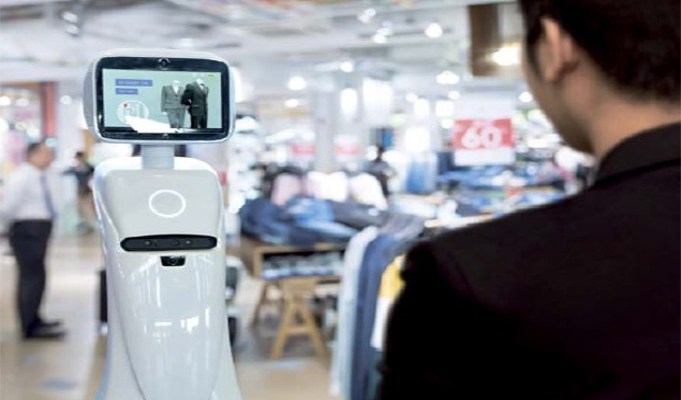
    Naulo is a restaurant in Kathmandu, Nepal. What makes it unique is the fact that it operates with five waiter robots, two named Ferry and three named Ginger. Customers choose their orders by touching the screen on the robots and then the robots serve the orders to the tables. With this digital service, the restaurant was the first venue in Southern Asia to use robots as waiters.

    Designed and manufactured by the Nepali technology company Paaila Technology, Robot Ginger has the ability to recognize objects and conversations, process natural language, auto-dock and even make jokes and answer basic IQ questions in both English and Nepali. Binay Raut, CEO of Paaila Technology and Naulo Restaurant, said that their new target is “to introduce this Nepali innovation in the international market.” So, we are highly like to see more robots in the restaurants in 2019 as well!

    Groove X

    Japanese engineers have a great invention for those who feel lonely! The start-up company, Groove X’s robot has the name Lovot, a combination of the words ‘love’ and ‘robot’. This penguin-looking robot uses artificial intelligence technology to move, react when it is called or loved, and sleep when it is cuddled. Lovot will compete with Sony’s artificial intelligence-equipped robot dog, Aibo, and will be released towards the end of 2019. As Groove X says, it will be “the one and only robot in this universe that heals your heart.”

    Glueck Technologies

    It goes without saying that we all depend on technology. Various technologies impact and improve almost every aspect of our lives: online education to space travels, self-driving cars to online poker are all astonishing features of technology once thought to be impossible.

    Glueck takes technology and artificial intelligence to another level. Using artificial intelligence and deep learning technologies, Glueck offers a product that enables machines to understand people’s emotions. With the algorithm they’ve developed, the analyzes people’s emotional states and their responses to real-life alerts. This unique product is designed to produce the right message to the right audience in the media, advertising and e-commerce fields.

    Dahmakan

    Dahmakan has become the first food distribution company to create an important capital in Southeast Asia. It provides first-class, chef-made food delivered to customers’ doorsteps, and appeals to a niche audience. The company’s founders are former FoodPanda employees, which is the biggest food distribution chain in Asia. Dahmakan plans to rapidly expand to other countries besides Malaysia and Thailand. You can also expect Dahmakan at your own doorstep in 2019!

    GrabCar

    GrabCar is a car-sharing app with a Southeast Asian origin. While studying at Harvard Business School in 2011, Tan Hooi Ling and her classmate, Anthony Tan, decide to take part in an entrepreneurship competition and at the end of the competition GrabCar, first known as MyTeksi, was born.

    Although it was first designed to adopt a smart local business strategy, GrabCar is currently one of the biggest shareholders in Asia in the car-sharing applications market. It operates in eight Southeast Asian countries from Malaysia to Singapore, Vietnam to Myanmar, Thailand to the Philippines.

    In March 2018, Grab announced that it had acquired Uber’s Southeast Asia operations integrating Uber’s ridesharing and food delivery business in the region into its own platform. As Grab said, in 2019 it “will drive towards becoming the number one online-to-offline mobile platform in Southeast Asia and a major player in food delivery.”


  • Top 3 reasons why Fintech is rising in Asia

    Top 3 reasons why Fintech is rising in Asia

    Fintech or financial technology is a new trend in the financial sector that is set to blow away the banking industry and you are a part of it. Yes, if you are making online payments and indulging in virtual currencies you are helping fintech grow. From what was just a startup is now a multimillion-dollar Philemon. From the United States to Asia it has quickly progressed into various regions across the globe. We will be looking into the 3 main reason for Fintech progression in Asia. Here is how fintech is rising in Asia

    1. Supports Start-ups

    Fintech has massively supported start-ups with its financial techniques. Instead of depending on banks, start-up have financial technologies to develop their businesses. From automatic payment methods, managing in and outflow of cash to a cloud-based system for all financial depositories Fintech provides a better more advanced way of money management to start-ups. Hence, a lot of companies have quickly adapted to this new wave of technology. With the introduction of Fintech Asia and especially in Asia, there are more than a thousand Fintech companies running strong helping these start-ups with all their financial needs.

    1. Rise of Internet

    Application of the internet has seen a sudden steep in Asia. Contributors being widespread internet connection and cheap smartphone availability. From small grocery shops to super markets all have accept the trend of virtual currency. Individuals knowing that they don’t have to visit the banks when they can manage their finances with the click of a button, they have entrusted their finances with Fintech. Fintech has successfully penetrated Asia’s local market with the support of rise in internet connectivity in recent years.

    1. Young Population

    The key to success for Fintech in Asia has a lot to do with its young population. Millennials are widespread amongst Hong- Kong, Singapore, Tokyo and other regions. This group of population is tech-savvy, digitally advanced and very accepting of the digital norms. They have been quick in adapting to fintech’s functionalities. Be it young entrepreneurs or working class individuals everyone has found a better more easy way to deal with their finances. Hence, Financial Technology has easily found its way into various regions of Asia.

    To sum it up

    Fintech is projected to become a billion dollar industry by the end of 2020 in Asia. Financial Technology has also merged with various banking institutes and financial organization in India. Applying for credit cards , personal loans, making your credit card bill payments and cashless transaction easier than before.

    Especially with the low margins of credit card users in India due to trust factors Fintech plans on providing a better substitute. Although a part Fintech i.e Cryptocurrency is still a controversy around the globe. It’s another service including investment techniques, finance management, and virtual payments are widely appreciated and used.

    Yes, the question of security is still up. Being an online phenomenon major questions are about security and spamming. However, Fintech organizations are making their security stronger by the day.


  • L’Occitane adds Elemis to portfolio

    L’Occitane adds Elemis to portfolio

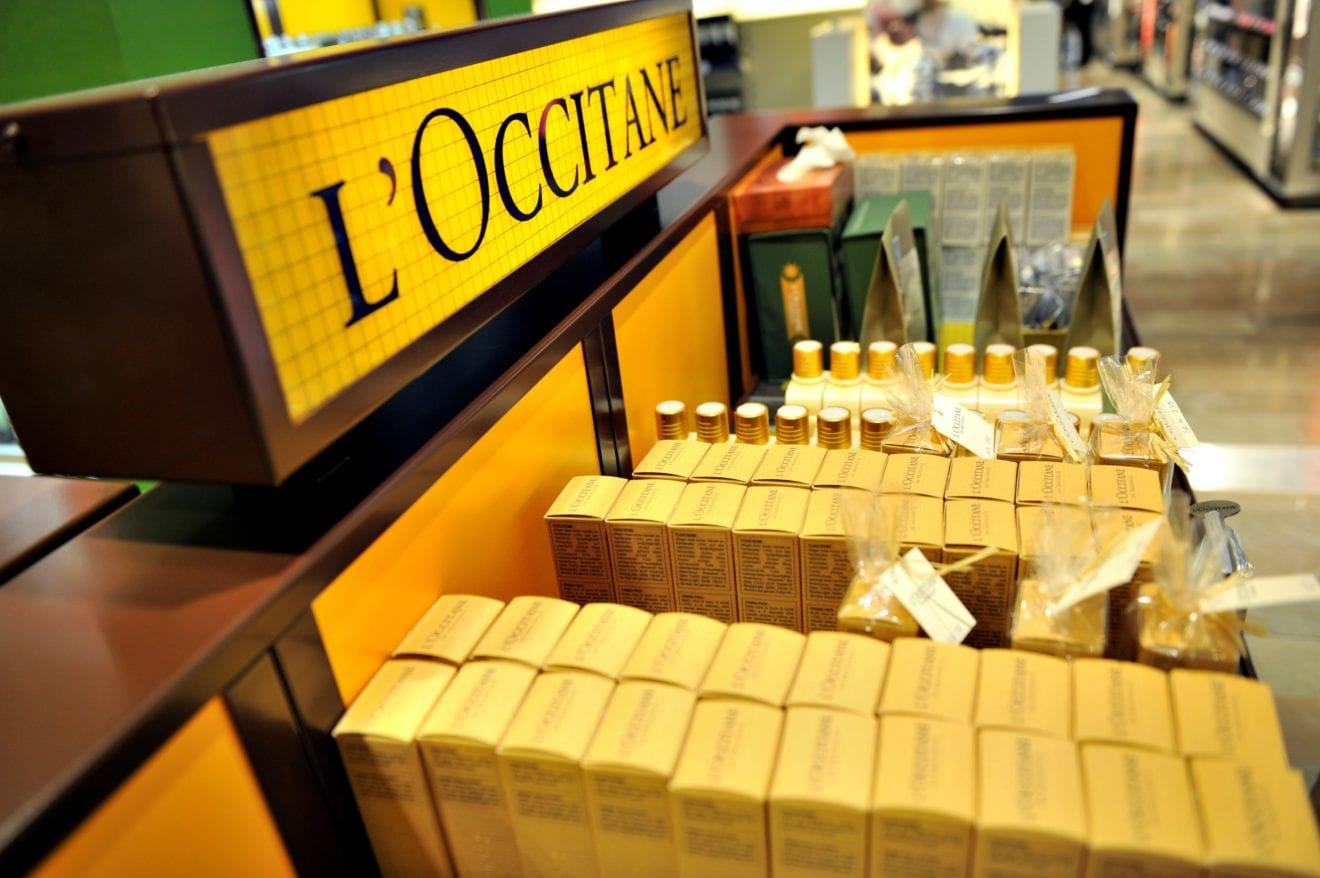
    Hong Kong-listed cosmetics retailer L’Occitane International is to buy privately owned beauty and skincare brand Elemis for about US$900 million. “This is L’Occitane’s largest acquisition since listing and a major step forward in building a group of premium beauty brands,” said CEO Reinold Geiger in a statement.

    The move is part of a strategy to boost L’Occitane’s sales in the UK and the US. In a statement, the company said the the deal will allow Elemis to expand into new markets and boost L’Occitane’s business in markets in which it is not so strong as yet.

    L’Occitane has agreed to buy the Elemis brand from Steiner Leisure, which owns the US business, and Nemo UK, which owns the European business.

    The deal, to be funded by cash and bank loans, will be closed in the first quarter of this year.

    L’Occitane, which listed in Hong Kong in 2010, currently has 3285 outlets in 90 countries, including 1555 stores it owns and operates directly. Last financial year it achieved a profit of €141 million on sales of €1.3 billion.