Blog

  • Vuori Targets Chinas Fitness Boom: Plans to Triple Store Count in Aggressive Expansion

    Vuori Targets Chinas Fitness Boom: Plans to Triple Store Count in Aggressive Expansion

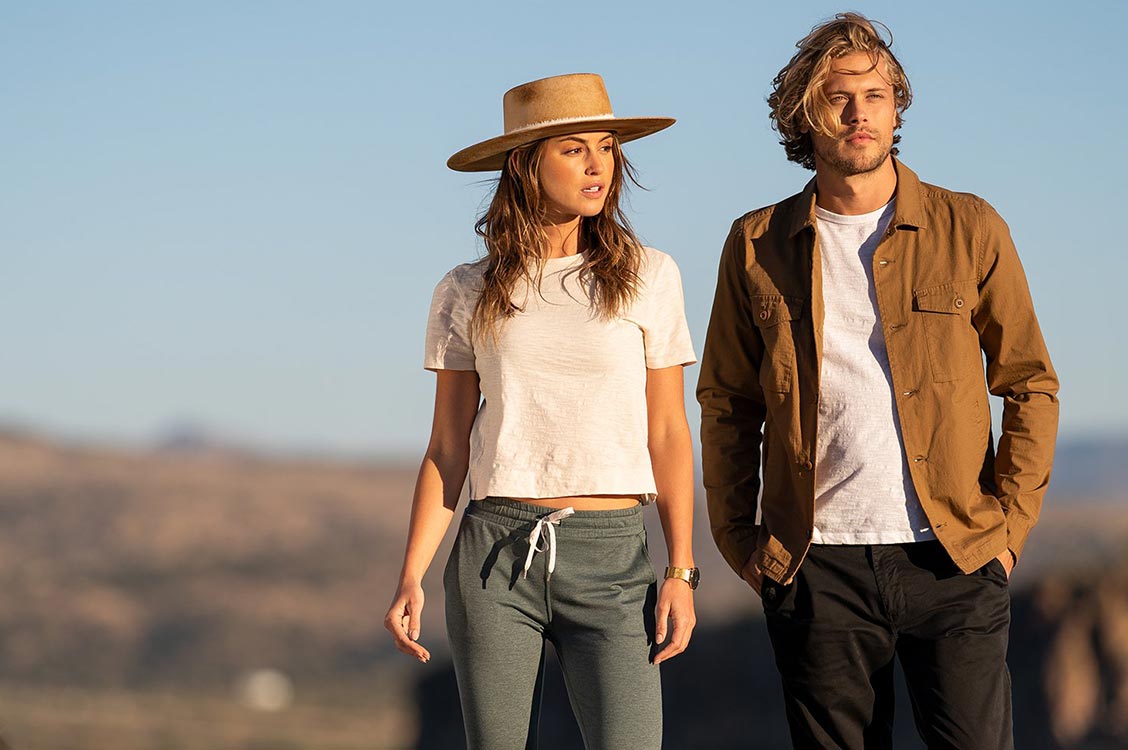
    California’s Vuori, an activewear brand, is reportedly putting China at the forefront of its global expansion strategy. The company’s intention is to expand its global store network more than twofold.

    China at the Heart of Vuori’s Expansion Plan

    In a recent interview, company president Ashley Kechter revealed that Vuori is planning to elevate its store count in China from eight to 20 by the close of next year, concentrating its growth in the cities of Shanghai and Beijing. This planned expansion is a key aspect of the retailer’s larger ambition to increase its worldwide store network to over 300 outlets by 2030, more than doubling its present reach.

    Vuori initially entered the Chinese market via Tmall in 2022, setting its sight on operating in 15 international markets by the year 2026. To date, Vuori operates eight stores in China. Furthermore, the brand commenced its operations in Shanghai with the inauguration of its first store in 2024.

    Global Expansion Beyond China

    Even beyond China, Vuori is hastening its expansion into other markets, including South Korea and the Middle East. This comes as China continues to rise as a pivotal arena for high-end activewear brands.

    In competition with brands such as Lululemon and Alo Yoga, Vuori is zeroing in on a market segment where younger consumers are increasingly focusing on health, fitness, and wellness. This shift is stoking the demand for athleisure products.

    Questions & Answers

    What is Vuori’s expansion plan?
    Vuori plans to increase its store count in China from eight to 20 by the end of the following year, primarily focusing on Beijing and Shanghai.

    What is Vuori’s long-term goal?
    The company’s long-term ambition is to expand its worldwide store network to over 300 outlets by 2030, more than doubling its current reach.

    What markets is Vuori targeting alongside China?
    Besides China, Vuori is also hastening its expansion into other markets such as South Korea and the Middle East.

  • Apple’s Leap of Faith: Intel Chip Deal Sparks Debate on Future of U.S. Chipmaking Industry

    Apple’s Leap of Faith: Intel Chip Deal Sparks Debate on Future of U.S. Chipmaking Industry

    Apple’s transition to Intel chips, as reported last week, displays a strategic move driven by necessity and ambition. However, industry experts suggest this is not a straightforward transition, as advanced Intel chips typically require two to three years to manufacture. Moreover, the translation of this shift into tangible benefits may take even longer due to the extensive and meticulous production process.

    This potential deal, which has not yet been officially confirmed by either party, could present a mutually beneficial opportunity. Intel has been striving to reestablish its reputation as a credible contract chipmaker, while Apple seeks additional manufacturing capacity. This comes in light of Apple’s current supplier, TSMC, grappling with increased Artificial Intelligence (AI) chip demand led by companies such as Nvidia.

    Supply issues have impacted iPhone sales, as Apple CEO Tim Cook noted in April. The prospective agreement with Intel aligns with the U.S strategy to bolster domestic chip manufacturing, using tariffs and incentives. Intel, holding a 10% stake in the company and having received a $5 billion investment from Nvidia on the request of President Donald Trump, is considered a critical player in this initiative.

    However, Malcolm Penn, CEO of chip research firm Future Horizons, offers a cautious perspective. “The very best-case scenario would see the first chips produced within two to three years. Designing an SoC (system on chip) of this complexity takes two years, with an additional four months needed for production cycle time to ramp up,” he explained. Penn underscores that this estimation is contingent on Intel’s technology being fully developed and its design tools sufficiently reliable for Apple to rely on. He termed the deal as “a shotgun wedding,” due to the high degree of faith and commercial risk involved.

    Intel’s Prospects with Apple

    Despite being late to the AI boom, Intel has made tentative strides, securing Tesla as a customer in April and potentially entering a significant partnership with Apple. Experts are split over which Intel manufacturing process Apple will select.

    While some predict Apple will follow Tesla onto Intel’s forthcoming 14A process, others foresee Apple prioritizing reliability over cutting-edge gains, potentially favoring 18A-P, a refined version of Intel’s most advanced process, or a reliable, older node such as Intel 3.

    Bob O’Donnell, an analyst at TECHnalysis Research, believes Apple might opt for Intel’s 14A process technology, expected to be available by 2028 or 2029. He notes that if this comes to fruition, it would mark a pivotal development for Intel’s foundry business and U.S-based semiconductor manufacturing more broadly.

    Turning Apple’s Vision into Reality

    Daniel Newman, CEO of tech research firm Futurum Group, suggests that the mass production of Apple-designed chips may not commence until late 2027 or early 2028. It is anticipated that initial efforts will concentrate on less critical components used in MacBook Air or certain iPad Pro models.

    Apple might adopt a cautious approach, initially testing Intel with lower-end products before entrusting them with their most essential chips, as per analysts. Intel, which has faced challenges with the timeline and quality of its chips, will need to meet Apple’s high yield expectations—a standard that TSMC has accustomed Apple to.

    Paul Meeks, head of tech research at Freedom Capital Markets, voices skepticism. “Investors are betting on flawless execution by Intel, a company that hasn’t delivered for about 20 years. While Intel seems to have made progress with its latest manufacturing process, we should all at least modestly discount a perfect outcome,” he warned.

    Questions & Answers

    What is the predicted timeline for the production of Intel chips for Apple?
    The best-case scenario predicts that the first chips could be produced within two to three years. However, the mass production of Apple-designed chips may not start until late 2027 or early 2028.

    What factors could impact this timeline?
    The timeline depends largely on whether Intel’s technology is fully developed and its design tools reliable enough for Apple to depend on. It is also contingent on Intel meeting Apple’s high yield expectations.

    What could be the implications of this shift for Apple and for U.S. semiconductor manufacturing?
    The shift could potentially provide Apple with the additional manufacturing capacity it seeks and help Intel rebuild its credibility as a contract chipmaker. If successful, it could also mark a significant development for U.S-based semiconductor manufacturing.

  • AS Watson Group Promotes Queennie Fung to Lead Global Corporate Communications

    AS Watson Group Promotes Queennie Fung to Lead Global Corporate Communications

    AS Watson Group, a leading global health and beauty retailer, has announced the promotion of Queennie Fung to the position of General Manager of Group Corporate Communications. In this role, Fung will be responsible for overseeing the company’s brand positioning, reputation management, and stakeholder engagement across its 31 markets worldwide.

    Professional Journey of Queennie Fung

    Queennie Fung joined AS Watson Group in 2014 and has since made notable advancements within the organization. Prior to her promotion, she served as the Head of Corporate Communications, a position she assumed in 2024. In this capacity, she successfully led integrated communications initiatives across various markets, working in close collaboration with numerous business units to ensure the delivery of consistent messaging.

    In addition to this, Fung has been at the forefront of several campaigns aimed at bolstering AS Watson Group’s brand presence and amplifying community engagement. Her strategic and impactful contributions have been instrumental in refining the group’s global communications strategy and enhancing relationships with customers, partners, and communities.

    Looking Ahead: AS Watson’s Global Vision

    Commenting on the promotion, Malina Ngai, Group CEO of AS Watson Group, emphasized Fung’s pivotal role in shaping the company’s communication strategy. Ngai expressed confidence in Fung’s leadership, envisaging her as instrumental in fostering a more integrated and purpose-driven brand across all markets.

    The decision to promote Fung is in line with AS Watson’s ongoing efforts to strengthen its global brand and stakeholder engagement across its international business divisions.

    Questions & Answers

    Who is Queennie Fung?
    Queennie Fung is the newly appointed General Manager of Group Corporate Communications for AS Watson Group. She joined the company in 2014 and has held various roles within the organization.

    What will be Fung’s responsibilities in her new role?
    As the General Manager of Group Corporate Communications, Fung will oversee AS Watson Group’s brand positioning, reputation management, and stakeholder engagement worldwide.

    What has been Fung’s contribution to AS Watson Group so far?
    Fung has played a critical role in shaping the company’s global communications strategy and strengthening its relationships with customers, partners, and communities. She has led integrated communications initiatives and driven campaigns to enhance the brand and boost community engagement.

  • Beijing Liyuan Shakes Up Beauty Industry: Eyes Exit from Shiseido China Venture

    Beijing Liyuan Shakes Up Beauty Industry: Eyes Exit from Shiseido China Venture

    Beijing Liyuan is said to be planning a sale of its 35% stake in its longstanding cosmetics joint venture with Japanese beauty firm Shiseido. This decision would conclude a partnership that has spanned more than thirty years.

    According to information available on the China Beijing Equity Exchange, Beijing Liyuan is looking for a minimum of RMB199.5 million (US$29.3 million) for its stake in Shiseido Liyuan Cosmetics.

    Details of the Proposed Sale

    Shiseido China Investment, which owns the remaining 65% of the joint venture, has confirmed the planned sale. However, they haven’t specified if they plan on acquiring the stake.

    Shiseido Liyuan Cosmetics was established in 1991 with a focus on developing products specifically for Chinese customers.

    Their leading brand, Aupres, was exclusively designed for the Chinese market. Over the years, this brand became a significant part of Shiseido’s local strategy as the company expanded its operations throughout the country.

    The proposed sale is still in progress and remains subject to completion. Both Beijing Liyuan and Shiseido have refrained from disclosing any additional details about the transaction.

    Questions & Answers

    What is the proposed sale price for Beijing Liyuan’s 35% stake in Shiseido Liyuan Cosmetics?
    Beijing Liyuan is seeking at least RMB199.5 million (US$29.3 million) for its stake in Shiseido Liyuan Cosmetics.

    Who owns the majority stake in Shiseido Liyuan Cosmetics?
    Shiseido China Investment owns the majority stake, holding 65% of the joint venture.

    What is the significance of the Aupres brand in Shiseido’s strategy?
    The Aupres brand, which was exclusively created for the Chinese market, became a cornerstone of Shiseido’s local business strategy as the company expanded its presence across China.

  • Golden Goose Leaps Forward: Chinese and Singaporean Investments Fuel Luxury Brands Global Expansion

    Golden Goose Leaps Forward: Chinese and Singaporean Investments Fuel Luxury Brands Global Expansion

    Italian luxury brand, Golden Goose, has recently gone through a significant change in ownership. A majority stake in the company is now held by Chinese private equity firm HSG, while Singapore’s investment firm, Temasek, has also joined as a minority shareholder. This move followed the necessary regulatory approvals, and while the financial specifics remain undisclosed, existing investor Permira has retained a minority stake.

    A New Chapter for Golden Goose

    The revamped ownership structure is poised to support the next phase of Golden Goose’s worldwide expansion, faithfully retaining the company’s focus on Italian craftsmanship and its direct-to-consumer retail model. Silvio Campara will maintain his position as CEO, managing the company in association with the existing management team. Effective immediately, former Gucci CEO, Marco Bizzarri has been appointed as the non-executive chairman of the company.

    Campara expressed his confidence in the new investors, stating that their vast experience in scaling international luxury brands and driving innovation will propel Golden Goose in achieving its global aspirations. He is anticipating benefiting from their expertise as they advance towards realizing their international ambitions and introducing Golden Goose to more “Dreamers” around the world.

    Campara added, “This investment is a testament to our unique model and the global appeal of our brand. It will aid us in unlocking Golden Goose’s full potential, establishing it as a leading Next Gen luxury brand.”

    Golden Goose’s Expansion over the Years

    Golden Goose has witnessed remarkable growth under the ownership of Permira, with its global retail presence now spanning 232 stores across Asia-Pacific, Europe, and the Americas. The brand has also boosted its direct-to-consumer business and invested in experiential retail concepts, including its signature in-store co-creation services, as it continues to expand its international presence.

    Questions & Answers

    What is the new ownership structure of Golden Goose?
    The luxury brand Golden Goose is now primarily owned by the Chinese private equity firm HSG, with Temasek, a Singaporean investment firm, and Permira as minority shareholders.

    Who will lead Golden Goose under the new ownership?
    Silvio Campara will continue to serve as CEO of Golden Goose, working alongside the existing management team. Marco Bizzarri, former Gucci CEO, has been appointed as the non-executive chairman.

    What are the future expansion plans of Golden Goose?
    Under the new ownership, Golden Goose plans to further expand its worldwide presence while maintaining its focus on Italian craftsmanship and its direct-to-consumer retail model. The company also plans to leverage the experience of its new investors to scale the brand and drive innovation.

  • Experience Luxury Dining: Tiffany & Cos Inaugural Blue Box Cafe in Southeast Asia to Open in Singapore

    Experience Luxury Dining: Tiffany & Cos Inaugural Blue Box Cafe in Southeast Asia to Open in Singapore

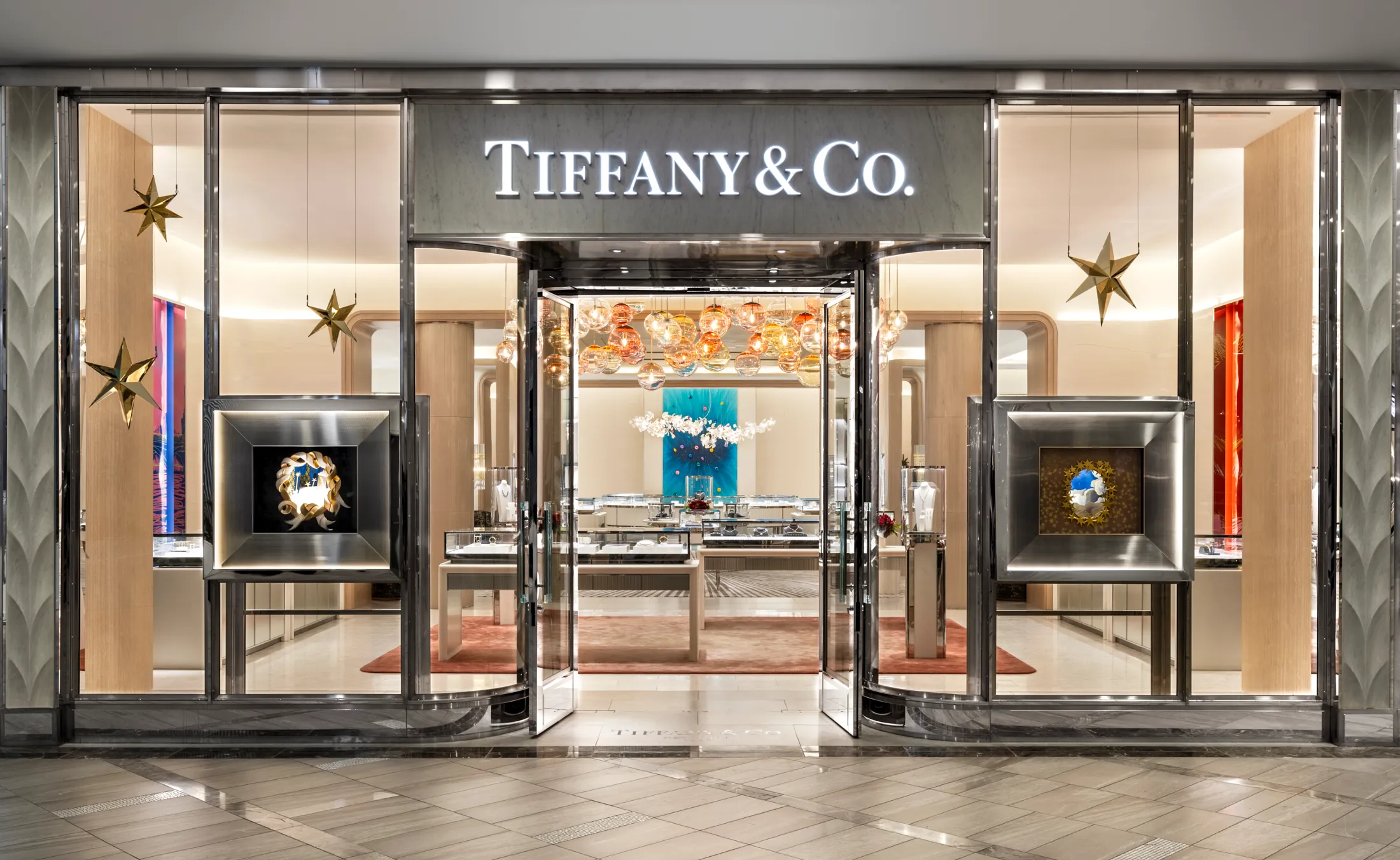
    Tiffany & Co, the prestigious luxury jeweller, announced their plans to launch their first-ever Blue Box Cafe in Southeast Asia. Set to make its debut in Singapore’s flagship store next month, this move is meant to elevate the brand’s presence within the region.

    Details of the Blue Box Cafe

    Slated to open its doors in mid-July, the Blue Box Cafe will take over the top floor of the recently revamped Ion Orchard store. Taking inspiration from its original New York-based Blue Box Cafe, the Singaporean outpost will boast an American-French menu. This gastronomic offering is the brainchild of Julien Royer, renowned chef and owner of Odette, a three-Michelin-starred restaurant.

    The Ion Orchard branch of Tiffany & Co has recently undergone a significant facelift and is now the only triplex boutique of the brand in Singapore. The store’s refurbishment began in September of the previous year. Its design shares similarities with Tiffany’s Landmark flagship store in New York, featuring a dynamic light installation by British architect, Hugh Dutton, gracing the store’s facade.

    Highlights of the Renovated Store

    This boutique not only houses the first Tiffany watch salon in Singapore, but it also encompasses private VIP suites, and the Schlumberger Gallery. This exclusive space showcases the works of notable jewellery designer, Jean Schlumberger.

    In addition to these offerings, the store also features artworks by ceramic artist Peter Lane and exhibits the Monumental Bronze-Mounted Vase. This historic masterpiece, created in 1898, is the work of Louis Comfort Tiffany, after whom the brand is named.

    Yeo Mui Hong, CEO of Orchard Turn Developments, expressed his pride in housing the first Blue Box Cafe in Southeast Asia at Ion Orchard. He affirmed the company’s commitment to enhancing the shopping experiences of its patrons and members. This introduction of the Blue Box Cafe follows the successful opening of a similar cafe earlier this year at Tiffany & Co’s Lee Gardens boutique in Hong Kong.

    Questions & Answers

    What is the Blue Box Cafe?
    The Blue Box Cafe is a dining concept by luxury jeweller Tiffany & Co. The cafe is designed to complement the shopping experience with a unique gastronomic offering.

    Where will the first Blue Box Cafe in Southeast Asia be located?
    The first Blue Box Cafe in Southeast Asia will be located on the top floor of the Tiffany & Co store in Ion Orchard, Singapore.

    What unique features does the renovated Ion Orchard store offer?
    The renovated Ion Orchard store houses Singapore’s first Tiffany Watch Salon, private VIP suites, and The Schlumberger Gallery, showcasing creations by jewellery designer Jean Schlumberger. It also features a kinetic light installation on its facade and several noteworthy art pieces.

  • French Fashion Sensation Marithé + François Girbaud Unveils First Flagship Store in Malaysia Amid Asian Expansion

    French Fashion Sensation Marithé + François Girbaud Unveils First Flagship Store in Malaysia Amid Asian Expansion

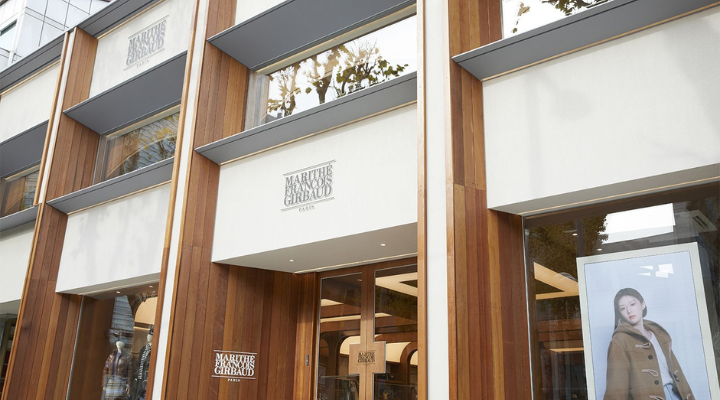
    French fashion brand, Marithé + François Girbaud, has made its debut in Malaysia with a flagship store at Suria KLCC. This move is part of the brand’s ongoing aggressive expansion in the Asian region.

    The new store, situated on the first level of the Kuala Lumpur shopping centre, features the brand’s latest retail concept. It focuses on casual wear marked with the company’s logo and introduces its new-season campaign spearheaded by global ambassador, Go Youn-jung.

    Signature Products and Range

    The store’s merchandise is defined by two iconic products: the brand’s logo T-shirt and logo cap. These are complimented by a diverse selection of casual denim, oversized shirts, utility outerwear, and everyday separates. To round off the retailer’s lifestyle offering, accessories such as bags and footwear are also available.

    Marithé + François Girbaud was established in France in 1972 and has a reputation for pioneering developments in denim and casual wear. This includes innovative fabric treatments and experimental silhouettes.

    Expansion in Southeast Asia

    The opening of the Malaysian store is the latest in a series of Southeast Asian launches, facilitated through the brand’s collaboration with Thailand-based Jaspal Group. The Jaspal Group has been spearheading Marithé + François Girbaud’s regional growth.

    Earlier in the year, the French label marked its entry into Vietnam with a store at Ho Chi Minh City’s Takashimaya department store. It also made its debut in Cambodia with a store in Phnom Penh.

    In the previous year, Marithé + François Girbaud opened its first store in Greater China, indicating its strategy to consolidate its retail presence in key Asian markets.

    Questions & Answers

    What is the latest retail concept of Marithé + François Girbaud?
    The latest retail concept of Marithé + François Girbaud focuses on casual wear marked with the company’s logo and the introduction of its new-season campaign.

    What are the signature products of Marithé + François Girbaud in their new store?
    The brand’s logo T-shirt and logo cap are the signature products in their new store, accompanied by a diverse selection of casual denim, oversized shirts, utility outerwear, and everyday separates.

    What is the expansion strategy of Marithé + François Girbaud in Asia?
    Their expansion strategy involves strengthening their retail presence in key Asian markets. This is evident in their recent store openings in Malaysia, Vietnam, Cambodia, and Greater China.

  • Versace in Search of New Leader as CEO Emmanuel Gintzburger Steps Down

    Versace in Search of New Leader as CEO Emmanuel Gintzburger Steps Down

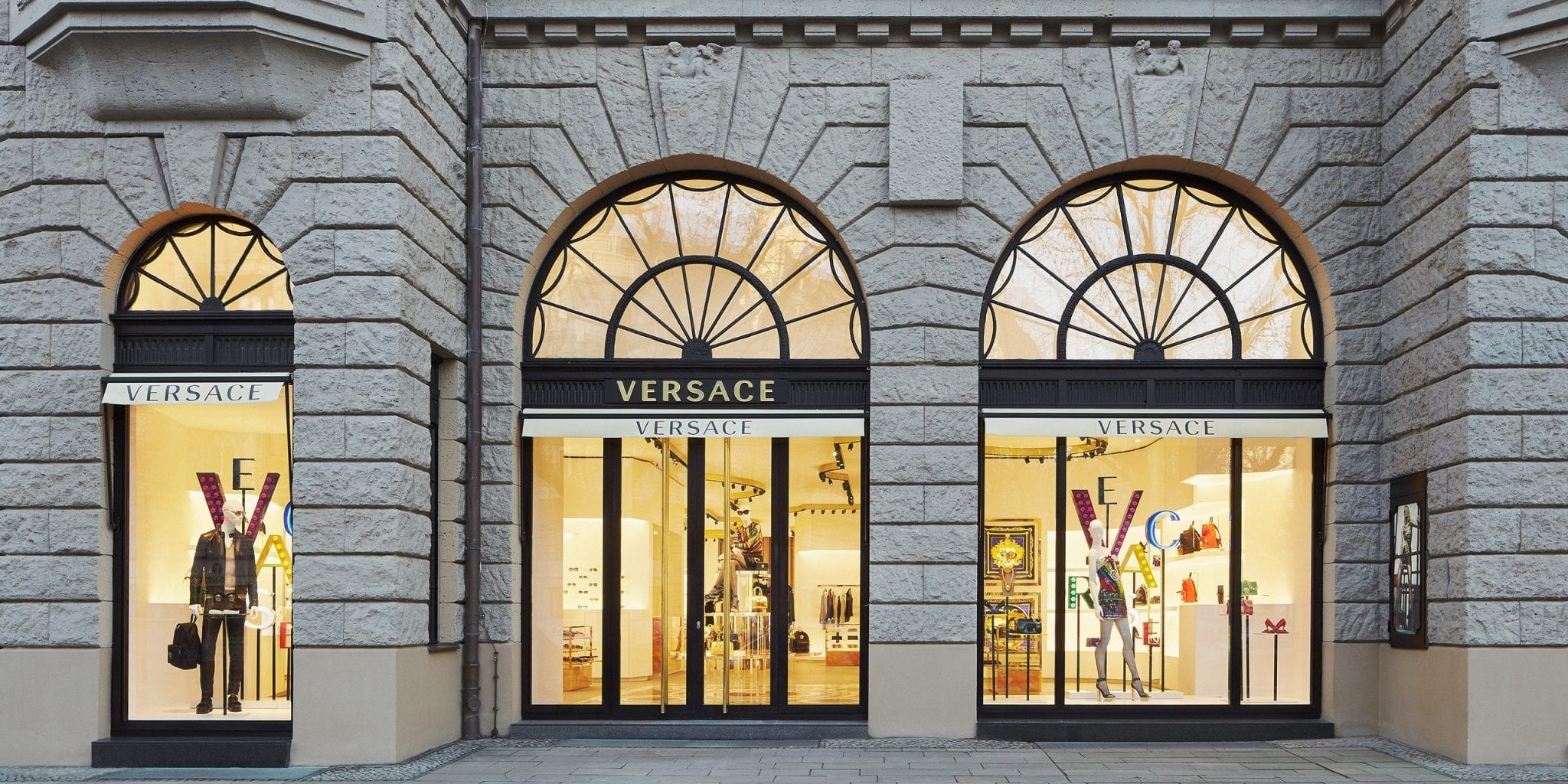
    After nearly four years of guiding the iconic Italian luxury fashion house, Versace’s CEO, Emmanuel Gintzburger, has decided to step down from his role.

    A Leadership Transition at Versace

    Gintzburger took the reins at Versace in September 2022, following his tenure as the CEO of Alexander McQueen, where he served for approximately six years. Gintzburger also boasts an impressive resume with leadership roles at Saint Laurent, Jeanne Lanvin, and Sephora under his belt.

    His time at Versace was marked by significant changes, notably the brand’s acquisition by the Prada Group last year. The Group, another Italian luxury titan, purchased Versace in a significant transaction valued at US$1.375 billion from US-listed Capri Holdings, effectively “bringing the brand back home.”

    Subsequent to this acquisition, Lorenzo Bertelli, the Chief Marketing Officer at Prada Group, was appointed as the executive chair of Versace.

    The Future of Versace

    The Prada Group confirmed that Gintzburger’s resignation became effective on June 23, and assured that an announcement regarding his successor will be made when the time is right.

    Earlier this year, Versace named Pieter Mulier as the new chief creative officer, effective from July 1, replacing Dario Vitale, who had a brief stint with the company, departing in December.

    As Mulier prepares to unveil his debut collection for Versace next February, the company is working diligently to finalize its management team, which includes Bertelli and the forthcoming CEO. This is a critical step as the brand gears up for its next growth phase.

    Questions & Answers

    Who is the outgoing CEO of Versace?
    Emmanuel Gintzburger was the CEO of Versace, leading the company for nearly four years before announcing his resignation.

    Who acquired Versace recently?
    The Prada Group, an Italian luxury company, acquired Versace last year in a deal worth US$1.375 billion.

    Who is the new Chief Creative Officer for Versace?
    Pieter Mulier was named the new Chief Creative Officer for Versace, with his tenure starting from July 1.

  • Harlan + Holden Brews $12M Expansion Deal for Southeast Asia Presence

    Harlan + Holden Brews $12M Expansion Deal for Southeast Asia Presence

    Harlan + Holden, a lifestyle and coffee brand, is reportedly close to finalizing a funding round estimated to be around US$12 million. This capital injection is intended to propel the brand’s expansion strategy across Southeast Asia.

    Harlan + Holden: From Clothing to Coffee

    Established in Manila in 2015, Harlan + Holden has built a retail presence in Indonesia and the Philippines and runs its own online store. Initially, the brand focused solely on fashion, but it later branched out into the specialty coffee market.

    Investor Interest and Use of Proceeds

    The impending funding round is expected to attract notable angel investors and venture capital firms. Among the potential backers are Michael Soerijadji, co-founder of AC Ventures; Willix Halim, former CEO of e-commerce powerhouse Bukalapak; and Trihill Capital.

    The funds raised will be allocated to expanding the brand’s store network and enhancing its footprint in critical regional markets.

    Investors are demonstrating increased interest in Southeast Asia’s rapidly growing coffee and tea sector. Earlier this year, the budget coffee chain Pickup Coffee in the Philippines reportedly secured up to $8 million in convertible notes from Venturi Partners and new investor Antler. Meanwhile, Indonesian mobile coffee startup Jago Coffee raised $12.5 million in a Series B round led by Beenext.

    Questions & Answers

    What is Harlan + Holden?
    Harlan + Holden is a lifestyle and coffee brand that began as a clothing company in Manila in 2015 before expanding into the specialty coffee market.

    How much is Harlan + Holden expected to raise in its upcoming funding round, and what will the funds be used for?
    Harlan + Holden is reportedly nearing the completion of a US$12 million funding round. The capital raised will be used to broaden the brand’s store network and strengthen its presence in key regional markets.

    Who are the potential investors in Harlan + Holden’s funding round?
    Prominent angel investors and venture capital firms are anticipated to back the funding round. Potential investors include Michael Soerijadji, co-founder of AC Ventures; Willix Halim, former CEO of e-commerce giant Bukalapak; and Trihill Capital.

  • Damien Licciardi: From Richemont to Cartiers New MD in Thailand

    Damien Licciardi: From Richemont to Cartiers New MD in Thailand

    Luxury jewelry brand Cartier has announced the appointment of Damien Licciardi as the Managing Director (MD) for its operations in Thailand. This appointment is effective immediately.

    Licciardi’s Professional Background

    Damien Licciardi steps into the role of MD at Cartier with over a decade of experience in the luxury retail industry. Licciardi has spent the past 12 years with Richemont, a Switzerland-based international distributor of luxury goods. During his tenure at Richemont, Licciardi served in various high-ranking roles. He held the positions of General Manager and Chief Financial Officer for the company’s Mexico operations. More recently, he was the Chief Operating Officer of Richemont’s Thailand business.

    Licciardi’s multi-faceted experience with Richemont, from operational roles to senior leadership responsibilities, has provided him with a broad understanding of the luxury retail sector.

    Licciardi’s Remarks on His Appointment

    Expressing gratitude upon his appointment, Licciardi acknowledged the exciting opportunity to be a part of Cartier. He expressed his admiration for the brand, its distinctive culture, unique craftsmanship, and its talented team. Licciardi notes that he is looking forward to continuing his learning and development journey at Cartier.

    He also expressed his heartfelt appreciation to Cartier’s regional and headquarters management for entrusting him with this new role. Licciardi thanked his teams, partners, and colleagues who have supported him in moving into this new chapter in his career. He gave special thanks to his wife and family for their steadfast support and for embarking on this new adventure alongside him.

    Questions & Answers

    Who has been appointed as the new Managing Director for Cartier Thailand?
    Damien Licciardi has been appointed as the new Managing Director for Cartier Thailand.

    What was Damien Licciardi’s previous role before joining Cartier?
    Before joining Cartier, Damien Licciardi was the Chief Operating Officer of Richemont’s Thailand business.

    What are Licciardi’s sentiments concerning his new role at Cartier?
    Licciardi expressed gratitude and excitement for his new role at Cartier, acknowledging the brand’s unique culture and craftsmanship, and expressing his eagerness to continue his learning and development with the company.

  • Grab and GoTo Yield to Pressure: Slash Driver Commissions in Indonesia

    Grab and GoTo Yield to Pressure: Slash Driver Commissions in Indonesia

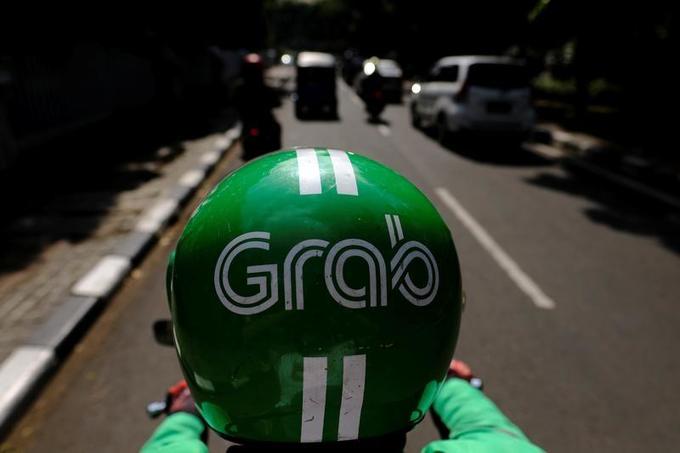
    Indonesia’s GoTo, a ride-hailing and food delivery company, alongside Singapore-based Grab, announced they will reduce the per-trip commissions for their two-wheeled driver partners in Indonesia. Beginning July 1, the commission rate will be slashed from 20% to 8%.

    Implementation of Reduced Commissions

    Indonesia’s President, Prabowo Subianto, first brought up the idea of an 8% cap on commissions in his speech on May 1. However, he did not provide details regarding when this initiative would be implemented.

    GoTo’s VP Director, Catherine Hindra Sutjahyo, expressed the company’s support for the initiative at a press conference. “We support the efforts to continue increasing the prosperity of the drivers,” she stated.

    Neneng Goenadi, Grab Indonesia’s CEO, echoed Sutjahyo’s sentiments. Both leaders confirmed that their respective companies will start applying the new 8% commission rate from July 1.

    Impact on Ride-Hailing Platforms

    This development was first reported in January, with concerns raised about its potential effect on the profitability of ride-hailing platforms, particularly in Southeast Asia, which serves as their largest market.

    Cucun Ahmad Syamsurijal, the Deputy Parliament Speaker, lauded the reduced commissions as a testament to President Prabowo’s administration’s commitment to supporting all ride-hailing drivers in the country.

    Questions & Answers

    **What is the new commission rate for two-wheeled drivers for GoTo and Grab in Indonesia?**
    The new commission rate is 8%, reduced from the previous rate of 20%.

    **When will the new commission rate take effect?**
    The new commission rate will be implemented starting July 1.

    **What potential impact could this reduction have on ride-hailing platforms?**
    The reduction could potentially affect the profitability of ride-hailing platforms, particularly in Southeast Asia, their largest market.

  • Essilor Luxottica and Meta Unveil Affordable AI Glasses for the Masses

    Essilor Luxottica and Meta Unveil Affordable AI Glasses for the Masses

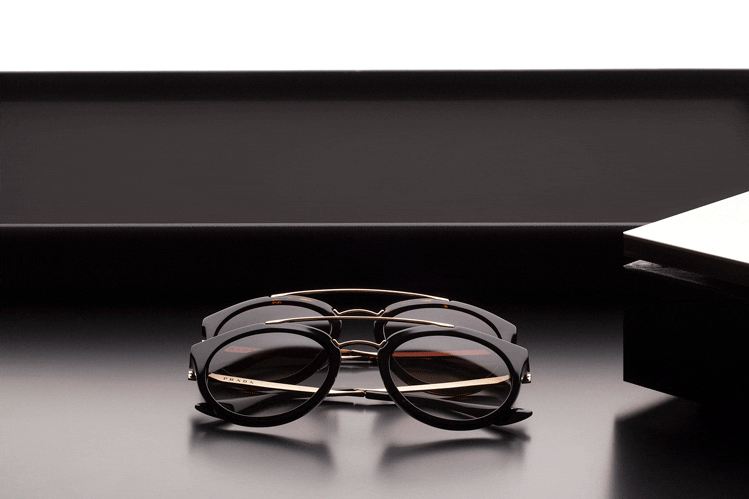
    Renowned eyewear manufacturer, Essilor Luxottica, has entered into a collaboration with Mark Zuckerberg’s Meta for the creation of a more affordable range of AI glasses, targeting price-conscious customers. This move follows the successful release of AI glasses under the Ray-Ban and Oakley brands, with the Ray-Ban line becoming the top-selling AI glasses on the market.

    Creating Affordable AI Glasses

    The Essilor Luxottica range, priced from just $299, promises to bring the company’s innovation in smart eyewear to a wider audience, offering consumers around the globe enhanced and more integrated experiences. The CEO of Essilor Luxottica, Francesco Milleri, expressed his excitement at this cutting-edge development in the realm of smart eyewear. He asserted the launch provides an opportunity for budget-conscious consumers to experience the transformative effect of wearable tech in their daily lives.

    According to Milleri, Essilor Luxottica’s range of “iconic brands” have been instrumental in boosting the adoption of their products in the market. The company, a result of the 2018 merger of lens manufacturer Essilor and frames producer Luxottica, boasts a remarkable portfolio that includes global brands such as Ray-Ban, Oakley, and Oliver Peoples. In addition, they produce glasses for luxury brands like Chanel, Prada, Coach, and Armani.

    The Future of Eyewear

    Meta CEO Mark Zuckerberg was enthusiastic about the partnership with EssilorLuxottica, highlighting the aim to integrate potent AI into eyewear frames that consumers will want to wear. Zuckerberg suggested that glasses could become a primary medium for individuals to access personal superintelligence, and with the new Meta Glasses, this possibility could become a reality for a much broader audience.

    The new collection will initially offer three styles, coupled with a variety of lens options. Currently, the range is available online for customers in the US, Canada, and a select number of European countries, with plans to extend further into additional markets later in the year.

    Questions & Answers

    What is the pricing for the new Essilor Luxottica AI glasses?
    The AI glasses will start retailing from $299.

    Who is Essilor Luxottica partnered with for this new venture?
    Essilor Luxottica is partnering with Mark Zuckerberg’s Meta for the production of these glasses.

    Where are the new AI glasses currently available?
    They are available online for customers in the US, Canada, and select European countries.

  • Starbucks Brews Major Expansion in India: Targets 100 New Stores Annually

    Starbucks Brews Major Expansion in India: Targets 100 New Stores Annually

    Starbucks has announced ambitious plans to open up to 100 outlets annually in India, marking an accelerated expansion in one of the company’s most rapidly growing global markets.

    Sushant Dash, CEO of Tata Starbucks, emphasized the potential for significant expansion in India, despite the country’s dominant tea culture. Coffee remains a smaller category, but the industry size and potential for growth cannot be overlooked.

    Tata Starbucks, a successful joint venture between Starbucks and the Tata Group, presently manages more than 500 outlets across India, accounting for roughly 30% of the nation’s structured coffee market. The partnership plans to amplify its presence by inaugurating between 50 to 100 stores each year.

    According to Dash, India ranks as one of Starbucks’ fastest expanding markets globally. The renowned coffee chain has more than doubled its number of stores in the country within the last four to five years.

    This aggressive expansion comes in response to the observed increase in coffee consumption amongst the youth and urban consumers in India. This uptick has sparked intensified competition from both local and international brands.

    To seize this opportunity, Tata Starbucks is considering a multi-format expansion strategy that includes drive-through outlets, highway locations, kiosks, and experiential stores. The company has also invested in its Starbucks Reserve concept, with six locations currently operating across major cities like Mumbai, Delhi, and Kolkata.

    This most recent expansion supports the company’s aspiration to reach 1,000 stores in India by 2028. In line with this goal, Tata Starbucks aims to increase its workforce to approximately 8,600 partners and further extend its network of drive-through outlets, airport cafes, and 24-hour locations.

    Notably, the company’s expansion plans extend beyond metropolitan areas. Tata Starbucks seeks to tap into India’s next wave of consumer growth by stepping up its presence in Tier 2 and Tier 3 cities.

    Questions & Answers

    What are Starbucks’ expansion plans in India?
    Starbucks plans to open between 50 to 100 outlets annually in India, aiming to reach 1,000 stores in the country by 2028.

    Is coffee popular in India?
    Despite India’s tea-dominant culture, the consumption of coffee is rising, particularly among the younger and urban demographics, leading to a surge in growth opportunities for coffee retailers.

    How does Starbucks plan to capture the growing coffee market in India?
    Starbucks, through its joint venture with the Tata Group, aims to leverage the growing coffee market in India by expanding its network of drive-through outlets, airport cafes, and 24-hour locations. The company is also broadening its reach to Tier 2 and Tier 3 cities.

  • British Sportswear Giant Castore Bags Historic Brand Grenson Shoes: A Strategic Move to Boost Profitability

    British Sportswear Giant Castore Bags Historic Brand Grenson Shoes: A Strategic Move to Boost Profitability

    UK-based sportswear retailer Castore has recently announced its acquisition of the longstanding footwear brand Grenson Shoes. This strategic move is aimed at bolstering Castore’s financial stability and expanding its product portfolio.

    Embracing Heritage Brands

    According to Thomas Beahon, co-founder of Castore, the acquisition of Grenson, a 160-year-old brand, underlines the company’s belief in the value of heritage brands. Grenson has built a diverse customer base over the years and has successfully partnered with some of the most renowned global brands.

    Beahon highlighted that the rich heritage that brands like Grenson possess is one of the key factors contributing to their enduring appeal. He believes that the historical legacy, born out of years of dedication, love, and passion, is an element that cannot be artificially recreated or replaced by advanced technologies like AI.

    Grenson, which is based in Northampton, England, has earned international acclaim for its high-quality leather shoes. Among its wide range of styles, the brand’s signature wingtip shoes are especially popular.

    Overcoming Common Challenges

    Throughout Castore’s decade-long journey, Beahon has observed that many brands grapple with similar issues, such as balancing growth and profitability, deciding between short-term and long-term goals, developing multi-channel distribution, and strategizing international expansion.

    He pointed out that it’s challenging for brands to achieve profitable growth without seeking external funding, which often leads to the dilution of the brand’s unique identity and values.

    However, Beahon argued that Castore’s new approach of investing in premium and established brands has effectively addressed the common issue of cash flow that many similar brands face. Moreover, he emphasized that Castore’s strategy is primarily focused on yielding long-term returns.

    He expressed his strong belief in the potential of great brands to continually strengthen over time with the right nurturing and management. As a company, Castore is deeply committed to promoting British brands’ competitive edge on the global platform.

    Questions & Answers

    Why has Castore acquired Grenson Shoes?
    Castore’s acquisition of Grenson Shoes is part of a strategic move to enhance its financial health and broaden its product range.

    What is Castore’s view on heritage brands?
    Thomas Beahon, co-founder of Castore, holds a high regard for heritage brands. He believes that their rich history and legacy, achieved over many years of dedication, love, and passion, contribute significantly to their lasting appeal.

    What are the common challenges that brands face according to Beahon?
    Beahon identified several common challenges that many brands face, including balancing growth and profitability, deciding between short-term and long-term goals, developing multi-channel distribution, and strategizing for international expansion.

  • Danone Boosts Australian Footprint with Profitable Made Group Takeover

    Danone Boosts Australian Footprint with Profitable Made Group Takeover

    Global food corporation Danone is extending its foothold in Australia by acquiring Made Group, the parent company of Cocobella and Rokeby. This transaction is an element of a two-part acquisition designed to increase Danone’s influence in the Asia Pacific region. In addition to this, Danone has also announced the full ownership of its fresh dairy joint venture with Saputo Dairy Australia by acquiring the remaining 49% stake.

    Made Group’s consistent performance with “appealing profit margins”, backed by its sales of $490.7 million in the last fiscal year, was a driving factor behind the acquisition. Made’s portfolio includes popular brands such as The Collective, Nutrient Water, and Impressed.

    Mutual Values and Profitable Growth

    According to Antoine de Saint-Affrique, CEO of Danone SA, Made Group has had a remarkable history of fast and profitable growth, thanks to its robust brand portfolio and health-focused nutritional products. He notes that both companies share a belief in promoting health through food and expressed excitement about welcoming Made into the Danone family.

    Made Group was sold by US-based TPG Capital in a transaction that earned TPG approximately $2 billion, a mere five years after it had purchased the beverage business.

    Shared Commitment to Health and Innovation

    Amanda Butler, CEO of Made, views this as an exciting new phase for the company. She acknowledged Danone’s shared commitment to health and enthusiasm for innovation, expressing optimism about future prospects. Butler anticipates that their joint efforts will unlock new infrastructure, capabilities, and research and development expertise, spurring growth across the region.

    Questions & Answers

    What companies has Danone recently acquired in Australia?
    Danone has recently acquired Made Group, the parent company of Cocobella and Rokeby.

    What motivated Danone’s acquisition of Made Group?
    Made Group’s consistent “attractive profit margins” and sales performance, coupled with its strong brand portfolio and focus on health-focused nutritional products, influenced Danone’s decision to acquire the company.

    What are the anticipated benefits of this acquisition for Made Group?
    Following the acquisition, Made Group expects to access new infrastructure, capabilities, and research and development expertise to accelerate growth in the region.