Blog

  • Cafe Amazon preparing Coffee Shop concept to challenge Starbucks

    Cafe Amazon preparing Coffee Shop concept to challenge Starbucks

    Thai oil company PTT plans to spin off its Cafe Amazon division and build a coffee chain it says will one day rival Starbucks. The company says it will open 20,000 cafes globally, nearly 10 times the current network of 2300 outlets in Thailand, the Philippines, Laos, Cambodia, Myanmar and Japan.

    PTT will invest US$1.3 billion in the Cafe Amazon brand over the next five years to develop the franchise business.

    “We aim to build the Cafe Amazon into a top 10 global brand over the next five years,” said PTT Oil and Retail CEO Jiraporn Khaosawas.

    The move signals PTT’s turn towards the retail business at a time when it stands poised to be floated next year, initially into China and the Middle East via franchise partnerships.

    PTT announced plans earlier this year to sell off half of its retail holdings, which generate 20 per cent of the group’s profits, including takings of THB10 billion (US$303 million) from Cafe Amazon last year. The firm has declined to reveal how much it expects to raise in the floatation, although experts have valued the firm’s retail unit at roughly THB120 billion ($3.6 billion).

    PTT’s executive VP for the retail oil business Suchat Ramarch said: “We will not only expand Cafe Amazon, but we will also expand our petrol stations and our lube oil retail business. However, Cafe Amazon will be the highlight, with strong potential to grow.”

    Informed estimates suggest it would cost about THB2.3 million ($70,000) to open a Cafe Amazon shop in a PTT gas station, and from $100,000 to $300,000 for a stand-alone outlet.

  • Malaysia’s e-commerce on growth estimation

    Malaysia’s e-commerce on growth estimation

    The government is targeting for e-commerce to achieve an annual growth rate of 20%, from a 14.3% growth posted in 2017, via its various initiatives. Deputy International Trade and Industry Minister Dr Ong Kian Ming said e-commerce registered a continuous increase for the period of seven years to RM85.8 billion in 2017.

    He said the government, through the National E-commerce Council, will continue to chart the growth and development of e-commerce in the country through the implementation of the National E-commerce Strategic Roadmap.

    Malaysia also signed the Asean Agreement on Electronic Commerce on Nov 12, 2018, a concerted effort between 10 countries to smoothen cross border e-commerce transactions by reducing barriers and lowering entry costs.

  • Chow Tai Fook reveals massive China expansion plan

    Chow Tai Fook reveals massive China expansion plan

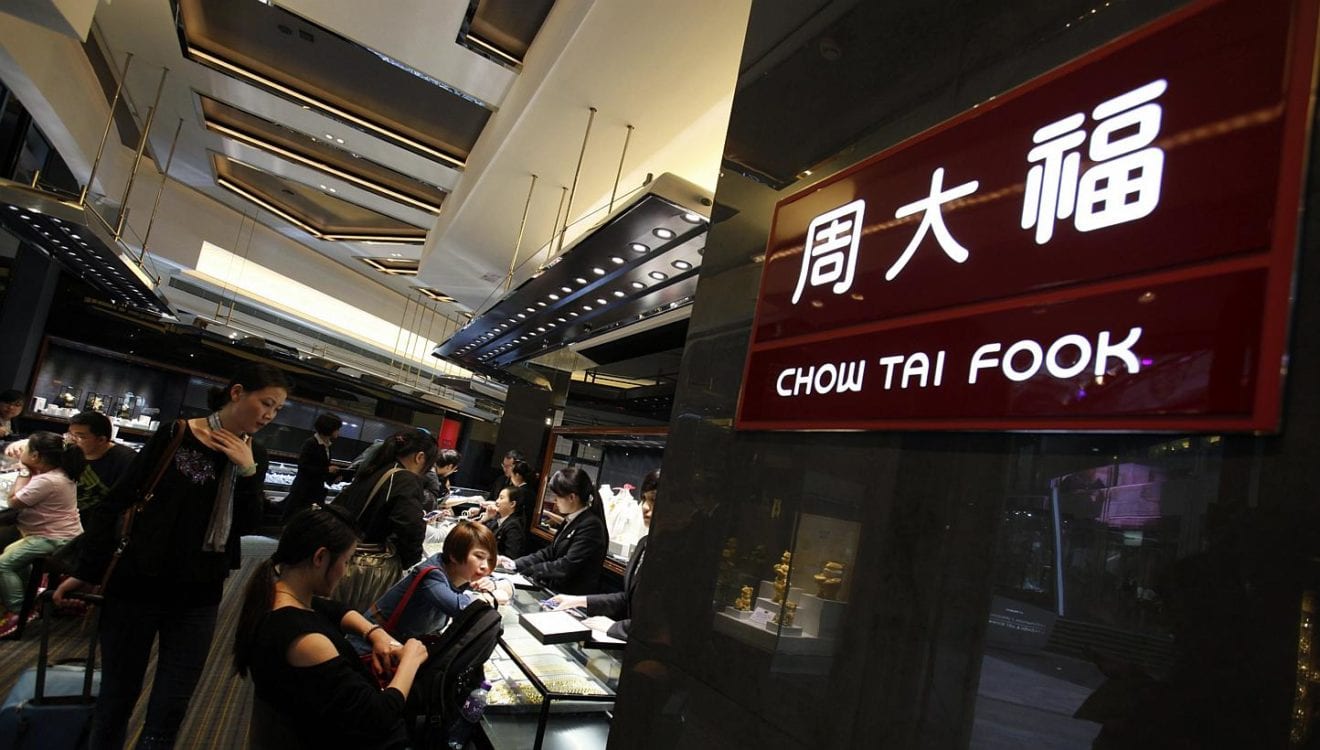
    Chow Tai Fook opened 233 stores in Mainland China in the first half – and is planning another 400 next financial year. The Hong Kong-listed jeweller is targeting shopping malls for its new stores, and second-tier cities. The latest additions took the company’s global network to 2822, with 2682 of those located on the mainland. By the end of the 2020 financial year, the company will have more than 3000 stores on the mainland alone.

    In Hong Kong and Macau, the network remained stable during the first half, the company closing one store in Hong Kong’s tourist district and opening another in a residential neighbourhood targeting locals.

    The jeweller has reported robust growth of 20 per cent year-on-year backed by the buoyant consumer demand. Same-store sales in Hong Kong and Macau soared 24.4 per cent in what the company described as “stellar” growth, driven by gold products, gem-set jewellery and platinum/karat gold products.

    On the mainland, same-store sales were up 4.9 per cent. Core operating profit rose 24.7 per cent to HK$2.989 billion.

    However the company has warned of a slowdown in sales growth in the second half of the year “as the escalating comparison base, rising US-China trade tensions and foreign exchange fluctuations could cloud the performance”.

    Meanwhile, the company says its new jewellery retail brand Monologue, targeting younger customers, is going well and the T Mark diamond brand achieved a 134 per cent increase in sales in Mainland China and 156 per cent increase in Hong Kong and Macau.

  • Vietnam’s food processing industry an appetizing option for investors

    Vietnam’s food processing industry an appetizing option for investors

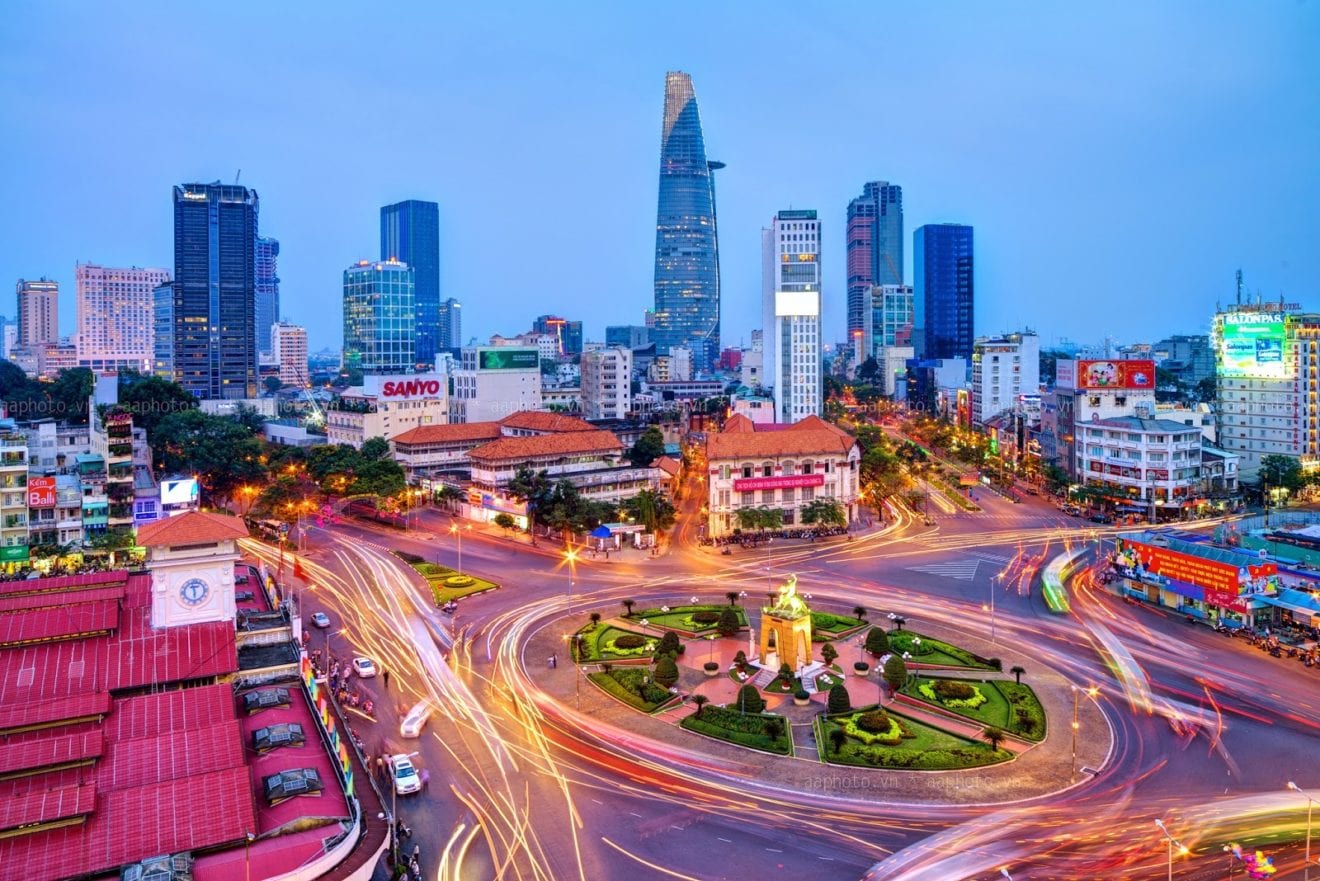
    With huge untapped potential and steady growth, Vietnam’s food processing industry promises much for foreign investors, officials say. In Ho Chi Minh City, Vietnam’s biggest city, the food processing industry grew by 8.7 percent and the beverage production sector grew by 4.6 percent in the first ten months of this year, according to the municipal trade department.

    The industry’s products are sold at 2,280 convenience stores in the city, up 507 stores over 2017, it said.

    In the past five years, Vietnam’s annual consumption of processed food and beverages has grown at an average of 9.68 percent and 6.66 percent respectively, says data compiled by the Ministry of Industry and Trade.

    In 2013-2017, the industrial production index grew by an average 6.8 percent per year for processed food and 9.7 percent for drinks, Deputy Minister of Industry and Trade Do Thang Hai said at a recent seminar in HCMC.

    The country’s annual food consumption value is estimated to make up 15 percent of its gross domestic product, he said, adding that the figure is about to grow bigger thanks to higher annual incomes and the increasing trend of consuming ready-to-eat food, especially organic ones.

    In the first nine months this year, the consumption index grew by 8 percent and 10.2 percent against the same period last year for processed food and drinks, respectively, according to the Vietnam Report Joint Stock Company, a Hanoi-based market research and business assessment firm.

    The Business Monitor International (BMI) projected earlier this year that Vietnam’s food industry will grow by 10.9 percent each year between 2015 and 2020.

    Tran Kim Oanh, director of the Investment Promotion Center for Industry under the Vietnam Trade Promotion Agency, said that in the 2010-2016 period, the number of companies operating in the sector made up two percent of the total, but their total revenue accounted for 7.3 percent, or $54 billion.

    With more than half of a population of 95 million of working age, Vietnam’s food processing industry has a lot of room to grow, said experts.

    Food and beverages currently account for the highest proportion of monthly consumer spending in Vietnam, accounting for about 35 percent of the total, she said.

    Opportunities

    Food processing is one of the industries Vietnam is giving priority to in its growth plans until 2025 with vision until 2035.

    Vu Van Chung, deputy head of the Foreign Investment Agency under the Ministry of Planning and Investment, said that so far, foreign investment in the food processing industry of Vietnam was $11.2 billion in 717 projects, excluding those formed through merger-acquisition deals.

    Most foreign investment has flowed into processing agricultural produce, seafood and producing beverages.

    The food processing industry in Vietnam is considered attractive thanks to tax preferential policies including an import tax exemption for technologies to upgrade the production chain in Vietnam.

    “Despite preferential policies for investors, Vietnam’s food processing industry has not been able to attract investments from markets that strong in this field, like Japan, the U.S., Australia and the EU,” Chung said.

    The biggest obstacle for the sector right now is that domestic material supply is unable to meet production chain demands.

    For example, domestic materials supply can only meet 25 percent of inputs for the dairy sector, and up to 90 percent of materials to make cooking oil is imported, he said.

    But deputy minister Hai was hopeful that things would improve when the free trade agreements that Vietnam has signed come into effect, opening a broader consumption market for investors in Vietnam in general and investors in the food processing industry in particular.

  • Lazada Malaysia to sell houses soon

    Lazada Malaysia to sell houses soon

    Southeast Asian e-commerce platform Lazada will begin selling houses in time for its planned 12.12 shopping festival. The move, in partnership with Malaysian property developer Mah Sing Group, constitutes part of Lazada’s plans to grow the variety of items on its platform.

    Lazada Malaysia CEO Christophe Lejeune said it plans to increase the number of Malaysian sellers from the platform’s current 50,000 to hundreds more, as well as provide support for 8 million Southeast Asian SMEs by 2030.

    Lazada operates in Thailand, Indonesia, Vietnam, Singapore and the Philippines, beyond the Malaysian market.

  • US, China trade war finally (temporary) stops

    US, China trade war finally (temporary) stops

    China and the United States agreed to a ceasefire in their bitter trade war on Saturday after high-stakes talks in Argentina between US President Donald Trump and Chinese President Xi Jinping, including no escalated tariffs on Jan 1. Trump will leave tariffs on US$200 billion (RM835.8 billion) worth of Chinese imports at 10% at the beginning of the new year, agreeing to not raise them to 25% “at this time”, the White House said in a statement.

    “China will agree to purchase a not yet agreed upon, but very substantial, amount of agricultural, energy, industrial, and other product from the United States to reduce the trade imbalance between our two countries,“ it said.

    “China has agreed to start purchasing agricultural product from our farmers immediately.”

    The two leaders also agreed to immediately start talks on structural changes with respect to forced technology transfers, intellectual property protection, non-tariff barriers, cyber intrusions and cyber theft, services and agriculture, the White House said.

    Both countries agreed they will try to have this “transaction” completed within the next 90 days, but if this does not happen then the 10% tariffs will be raised to 25%, it added.

    The Chinese government’s top diplomat, state councillor Wang Yi, said the negotiations were conducted in a “friendly and candid atmosphere”.

    “The two presidents agreed that the two sides can and must get bilateral relations right,“ Wang said adding they agreed to further exchanges at appropriate times.

    “Discussion on economic and trade issues was very positive and constructive. The two heads of state reached consensus to halt the mutual increase of new tariffs,“ Wang said.

    “China is willing to increase imports in accordance with the needs of its domestic market and the people’s needs, including marketable products from the United States, to gradually ease the imbalance in two-way trade.”

    “The two sides agreed to mutually open their markets, and as China advances a new round of reforms, the United States’ legitimate concerns can be progressively resolved.”

    The two sides would “step up negotiations” toward full elimination of all additional tariffs, Wang said.

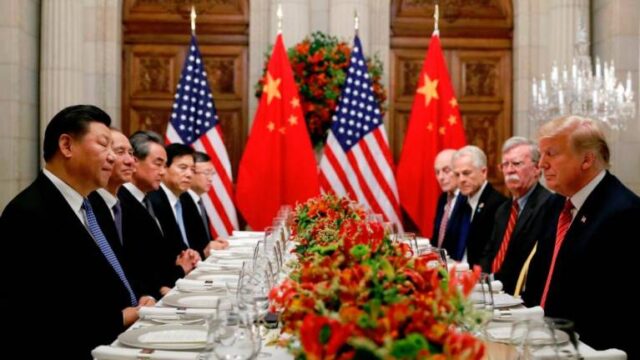
    The announcements came after Trump and Xi sat down with their aides for a working dinner at the end of a two-day gathering of world leaders in Buenos Aires, their dispute having unnerved global financial markets and weighed on the world economy.

    After the 2½ hour meeting, White House chief economist Larry Kudlow said the talks went “very well,“ but offered no specifics as he boarded Air Force One headed home to Washington with Trump.

    China’s goal was to persuade Trump to abandon plans to raise tariffs on US$200 billion of Chinese goods to 25% in January, from 10% at present. Trump had threatened to do that, and possibly add tariffs on US$267 billion of imports, if there was no progress in the talks.

    With the United States and China clashing over commerce, financial markets will take their lead from the results of the talks, widely seen as the most important meeting of US and Chinese leaders in years.

    The encounter came shortly after the Group of 20 industrialised nations backed an overhaul of the World Trade Organisation, which regulates international trade disputes, marking a victory for Trump, a sharp critic of the organisation.

    Trump told Xi at the start of their meeting he hoped they would achieve “something great” on trade for both countries. He struck a positive note as he sat across from Xi, despite the US president’s earlier threats to impose new tariffs on Chinese imports as early as the next year.

    He suggested that the “incredible relationship” he and Xi had established would be “the very primary reason” they could make progress on trade.

  • Rivalry heats up in Vietnam’s food delivery market

    Rivalry heats up in Vietnam’s food delivery market

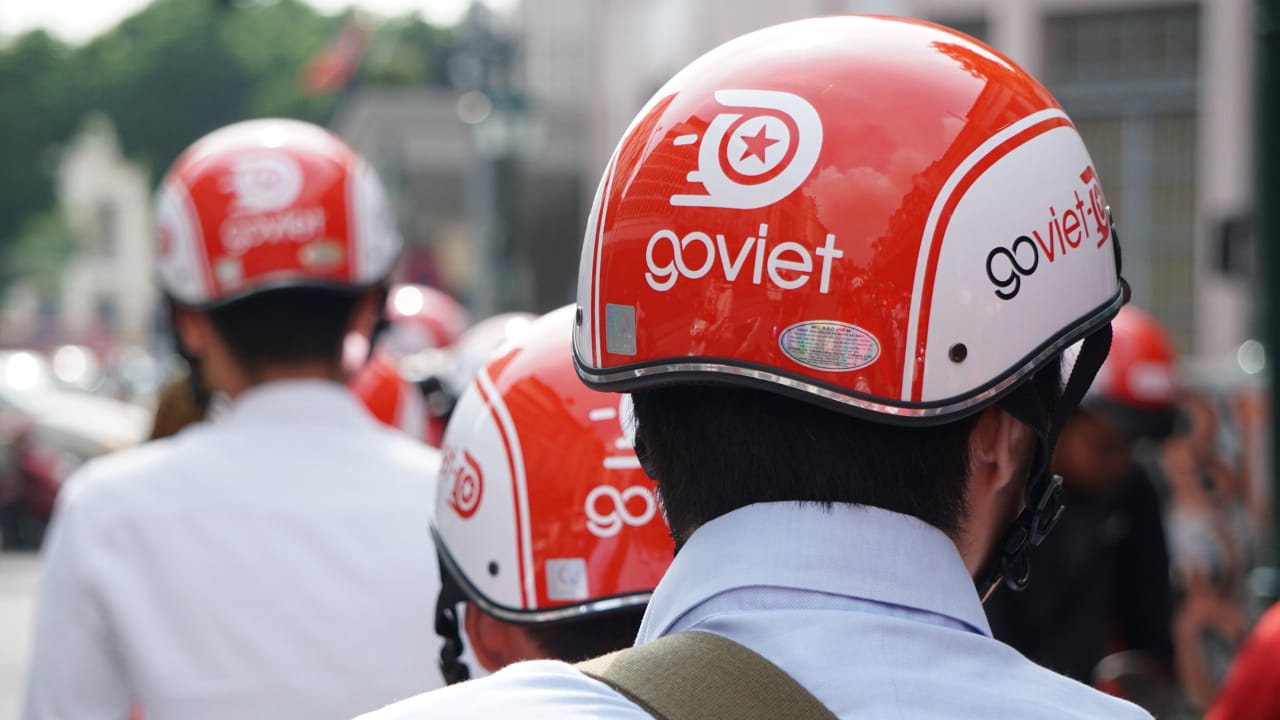
    Last week, a sea of red filled the inside of a milk tea shop in Ho Chi Minh City instead of regular young customers usually found in such places. GoViet drivers were queuing up to purchase food ordered by customers over its online delivery app Go Food, which was running a 50-percent discount program along with free delivery within 5 kilometers.

    The very next morning, the shop was filled with green shirts of Grab drivers. Grab had launched a free delivery promotion for the first 999 cups of milk tea ordered.

    Gradually, the green shirt – red shirt war is becoming visible on the streets.

    Despite being new entrants in the online food delivery market, both Go Viet and Grab are using various measures to attract and capture customer habits. Everyday, these two tech companies spend big on promotions across a wide range of food and drinks.

    They are also recruiting stars from the entertainment industry to endorse their service.

    From the get go, Go Viet had announced a partnership with singer Son Tung M-TP, who broke the record of Asia’s most viewed music video in 24 hours last May, as the company’s brand ambassador.

    Similarly, Grab’s start-studded ads feature diva My Tam, goalkeeper Bui Tien Dung and striker Nguyen Quang Hai of the national football team.

    While having large financial and technological capabilities, both Grab and Go Viet face many challenges after entering the market later than competitors like Delivery Now by Foody, Vietnammm, and Lala, which are apps well known to many customers.

    Delivery Now offers a wider range of food on its menu than Grab and Go Viet, had has a dense network of partners from large restaurants to small pavement stalls, industry insiders say.

    Delivery Now is a product of Foody Corporation, a Vietnamese food service startup that was acquired by Singapore-based internet firm Sea LTD last year; Vietnammm.com is a subsidiary of Takeaway.com, one of the world’s largest online food ordering websites based in the Netherlands; and Lala is invested by Ho Chi Minh City-based Scommerce Group, an information technology and services firm.

    Many experts believe that the race for market share between Go Viet and Grab will resemble that of Grab and Uber when they first entered Vietnam.

    Both Grab and Go Viet are aspiring to become super apps, for which food delivery is an indispensable keystone. In addition to attracting users with incentives and advertising, the two companies are spending a lot of money on reward policies to incentive drivers and expand their network of partner restaurants.

    Grab Vietnam CEO Jerry Lim claimed GrabFood’s growth has been very impressive, with the number of its contractors increasing eight-fold in just a month of testing in Hanoi. GrabFood was released in the city early last month, after a period of testing.

    In Vietnam, Grab is reaching delivery speeds of under 25 minutes and aims for a further reduction to 20 minutes per order, the fastest in regional markets.

    Grab Food is available in both Hanoi and Ho Chi Minh City, while Go Food is only present in the latter.

    Go Viet, however, remains confident that it will meet the needs of customers, aiming to partner up with thousands more restaurants nationwide in casual dining, fast food or luxury dining.

    “Food delivery and e-wallets are promising market segments,” GO Viet CEO Nguyen Vu Duc said after a few months of competing against Grab.

    However, these delivery apps also have certain limitations. For some items on their menu, drivers have to pay up front when ordering for customers in non-partner restaurants.

    Not all drivers are happy to buy food this way as waiting is time consuming, they have to make advance payments and risk the customer not accepting delivery.

    Do Xuan Quang, deputy head of Vietnam Logistics Business Association, said Vietnam was the fastest growing e-commerce market in Southeast Asia, and along with the strong growth of the logistics industry at 15-20 percent, a similar movement in the delivery market was not surprising.

    In 5-10 years, the delivery market in Vietnam will be valued at around $10 billion, he said.

    U.K.-based market research firm EuroMonitor International values the food delivery market in Vietnam at around $33 million this year and at more than $38 million in 2020. It also puts the annual growth rate of the market at 11 percent.


  • Esprit appointed new chief product and brand officer

    Esprit appointed new chief product and brand officer

    Struggling fashion retailer Esprit has tapped a former Burberry and Tommy Hilfiger executive to become its chief product and brand officer. Mia Ouakim will take up the new role – a crucial post in the brand’s turnaround plan – in February, reporting to the group CEO.  She will be responsible for managing the product creation and design of all product divisions, as well as the consistent execution of the brand strategy across all product divisions and consumer touch points, according to Esprit in a stock exchange filing.

    Ouakim’s experience spans corporate strategy, product design, merchandising, planning and development, brand and communication, and distribution gained from luxury and premium fashion brands. Her most recent role was senior VP of Tommy Hilfiger menswear and tailored, overseeing the brand’s menswear division globally. Prior to that, she served as VP at Tommy Jeans, formerly known as Hilfiger Denim (Women & Men) between 2014 and

    2017 where she had full business responsibility of the denim division globally.

    Before joining Tommy Hilfiger, Ouakim held various roles with Burberry, working in product, merchandising and design roles for childrenswear between 2006 and 2014. Before that, she was with Children Worldwide Fashion in the UK, responsible for brand, communication and public relations of various luxury and premium brands, including Burberry, Timberland, Kenzo, Nike, Elle and DKNY childrenswear.

  • Vietnam needs more hotels as tourism blooms

    Vietnam needs more hotels as tourism blooms

    The “golden age of tourism” in Vietnam presents robust hotel development opportunities in Vietnam’s biggest cities. Troy Griffiths, deputy managing director of real estate consultant Savills, said Ho Chi Minh and Hanoi are “under-hoteled per population, per travel and per airlift capacity”.

    “Hotel is a particularly dynamic sector at the moment as Vietnam is experiencing a golden age of tourism, with international tourism rising 20-30 percent year-on-year and more Vietnamese travelling than any time before,” Griffiths said.

    “There’s a demand for five-star hotels which will be really a strong asset class for the future,” he added.

    As of November, 14.12 million foreigners visited the country, up 21.3 per cent year-on-year and exceeding last year’s 12.9 million, according to the General Statistics Office.

    South Koreans dominated the surge at 46.5 percent, followed by Hong Kong (32.8 percent), Finland (29.6 percent), mainland China (26.9 percent), Taiwan (15.6 percent), and Denmark (15.4 percent).

    In the same period, domestic travelers rose 20.91 percent.

    “Hanoi and HCMC had been pretty quiet in the past as they went through a bit of a bad phase, when international visitors would pass and go straight to Da Nang, Phu Quoc and Nha Trang.

    “Now we see they are actually coming to Hanoi and HCMC because they are both very charming cities for international tourists,” Griffiths said.

    “And their stay is lengthening. That means more five-star demand.”

    Vo Quoc Phuong Trang, head of hotel investment consultancy at real estate service firm Jones Lang LaSalle (JLL), also said that Hanoi and HCMC, with their steady economic and tourism growth, would continue to draw foreign investors in the high-end hotel segment, which Trang said has low risk but offers steady revenue.

    A report released in July this year by global consulting firm Grant Thornton stated that increasing numbers of well-to-do Vietnamese citizens are choosing to stay in five-star hotels and spend lavishly when they travel within the country.

    Vietnamese citizens accounted for 19.2 percent of 4-star and 5-star hotels guests in 2017, according to the report. Although this is a slight decrease from last year’s figure of 20.8 percent, the number of domestic guests staying at upscale hotels had increased for three consecutive years from 2014 to 2016.

    The country has seen a strong influx of international hotel brands and hotel management companies in the last few years. From 30 hotels with international brand names in 2010, the number had increased to 79 at the end of last year, according to Savills.

    There has been a particularly big jump this year with recent announcements by Mandarin Oriental and Movenpick in HCMC and Best Western Premier in the central province of Quang Binh, it said.

    The emergence of Vietnamese hotel operators is also a highlight in the local hospitality landscape.

    “Vietnamese hotel developers are also getting mature. They are acquiring international knowledge and becoming a really strong force in their own right as we have already seen across the resort cities with Vingroup, FLC, BIM and Sun Group,” Griffiths noted.

    Savills’ third-quarter report shows that the 5-star segment in Hanoi continued its strong performance in Q3 though the high travel season for foreign tourists lasts from the beginning of Q4 to April.

    Occupancy rate of five-star hotels in the capital city was highest, at about 80 percent, followed by four-star hotels (65 percent) and three-star hotels (59 percent).

    Average revenue of five-star hotels was $100/room/night, double that of four-star and three times that of three-star properties, the report said.

    Data said, ten out of 19 high-end hotels in the best locations in HCMC have foreign owners. These include Sheraton, Caravelle, InterContinental, Asiana Saigon, and Sofitel.

    In Hanoi, nine of 16 high-end hotels have foreign firms as major owners such as Melia, Sheraton, Sofitel Metropole, Nikko, and Pan Pacific being the major names.

  • BBQ, hotpot dining blooms in Vietnam

    BBQ, hotpot dining blooms in Vietnam

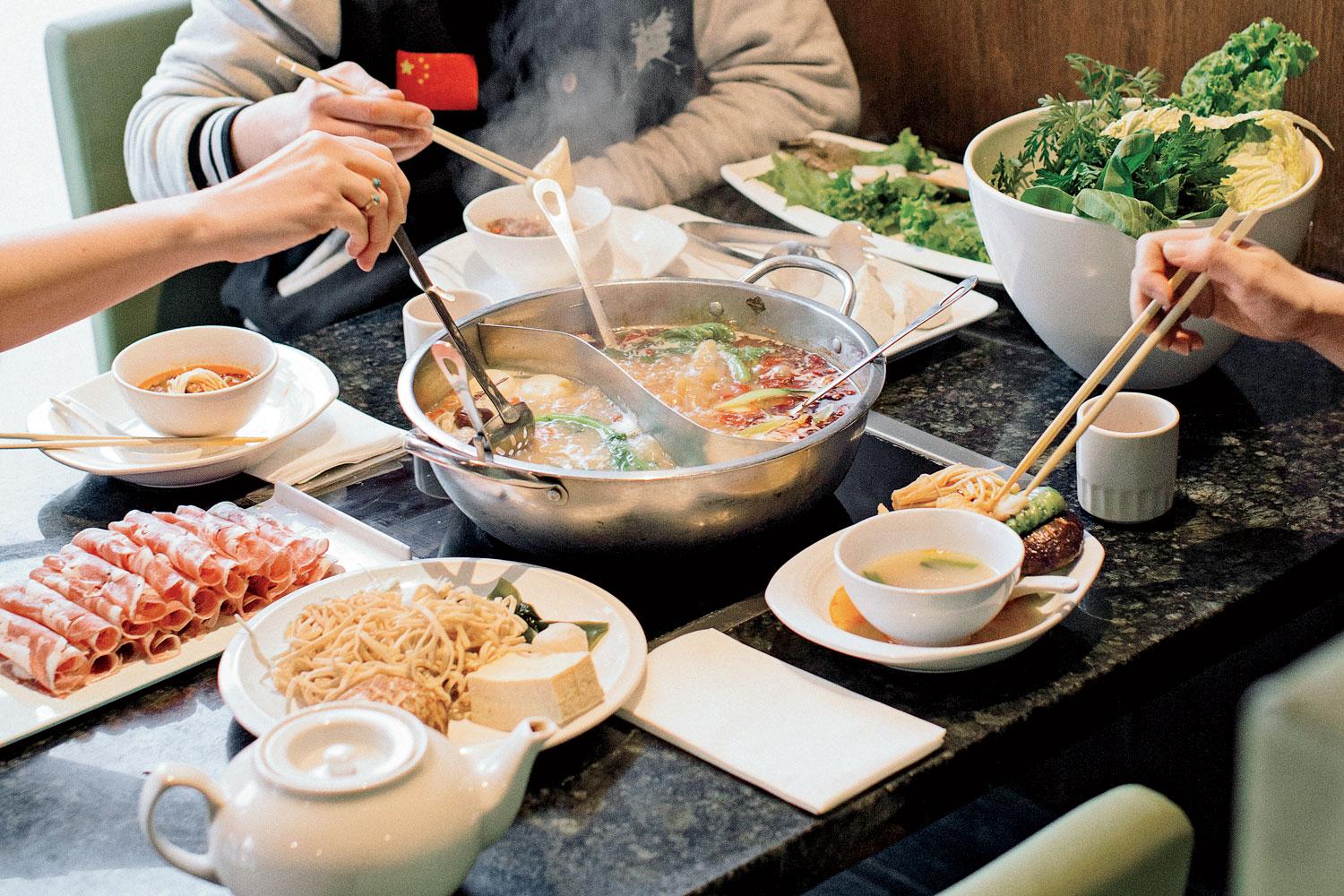
    Among non-Vietnamese cuisine channels, BBQ and hotpot are leading eating out options, and establishments offering these are growing bigger. From last year’s fourth quarter to this year’s third quarter, these two segments have posted the strongest growth in terms of diners’ visits – 46 percent for BBQ and 37 percent for hotpot, according to data compiled by HCMC-based market research firm Decision Lab.

    In terms of international cuisines, Japanese food and other Asian food grew the strongest in terms of diners’ visits – 49 percent and 23 percent respectively.

    The firm tracked all food and drink consumed out of home on a daily basis with an annual sample size of 15,000 completed interviews, and respondents were Vietnamese consumers aged above 15, who also reported on consumption by children (under 15 years) present when eating out.

    According to the survey, which covered the out-of-home eating and drinking market in Hanoi, Ho Chi Minh City and Da Nang, Vietnam’s three biggest cities since April 2016, the drivers of consumer choice for these cuisines may differ, but all hint at Vietnamese’s underlying expectations toward a dining destination.

    They choose BBQ places for celebration, quality of food and friendly service, and prefer hotpots because it is good for socializing, is suitable for celebrating special occasions, and provides a clean environment.

    Such customer preference has helped these service providers to register robust growth.

    For Vietnamese dining out in big cities, especially Hanoi and HCMC, Kichi-kichi, Gogihouse, SumoBBQ, ThaiExpress, Seoul Garden, KingBBQ and Hotpot Story are no strange names.

    Run by two Vietnamese operators Golden Gate Restaurant Group and Red Sun ITI Corporation, these are among most popular grill and hotpot restaurant brands in the country.

    Le Vu Minh, vice president of franchising, research and development and international relations for Redsun ITI said back in September that the company has maintained annual growth rates between 40 and 60 percent since 2015.

    The company increased its charter capital to VND150 billion ($6.6 million) from VND70 billion ($3.1 million) early this year.

    Redsun aims at setting up 400 restaurants in the next three years, half of them franchisees.

    Golden Gate’s revenues hit topped VND3.3 trillion ($142 million) last year, up 30 percent over 2016 and seven times that of 2013.

    Its pre-tax profit stayed at over VND250 billion ($10.75 million), while the company has a charter capital of VND64 billion ($2.73 million) last year.

    This year, it has targeted VND4.4 trillion ($190 billion) in revenue and VND326 billion ($13.93 million) in pre-tax profits and raising the number of outlets from 227 to 316.

    Vietnamese spend more than a third of their income on food and beverages, topping education and utilities, according to market research firm Vietnam Report.

  • Gome Retail sales free falling

    Gome Retail sales free falling

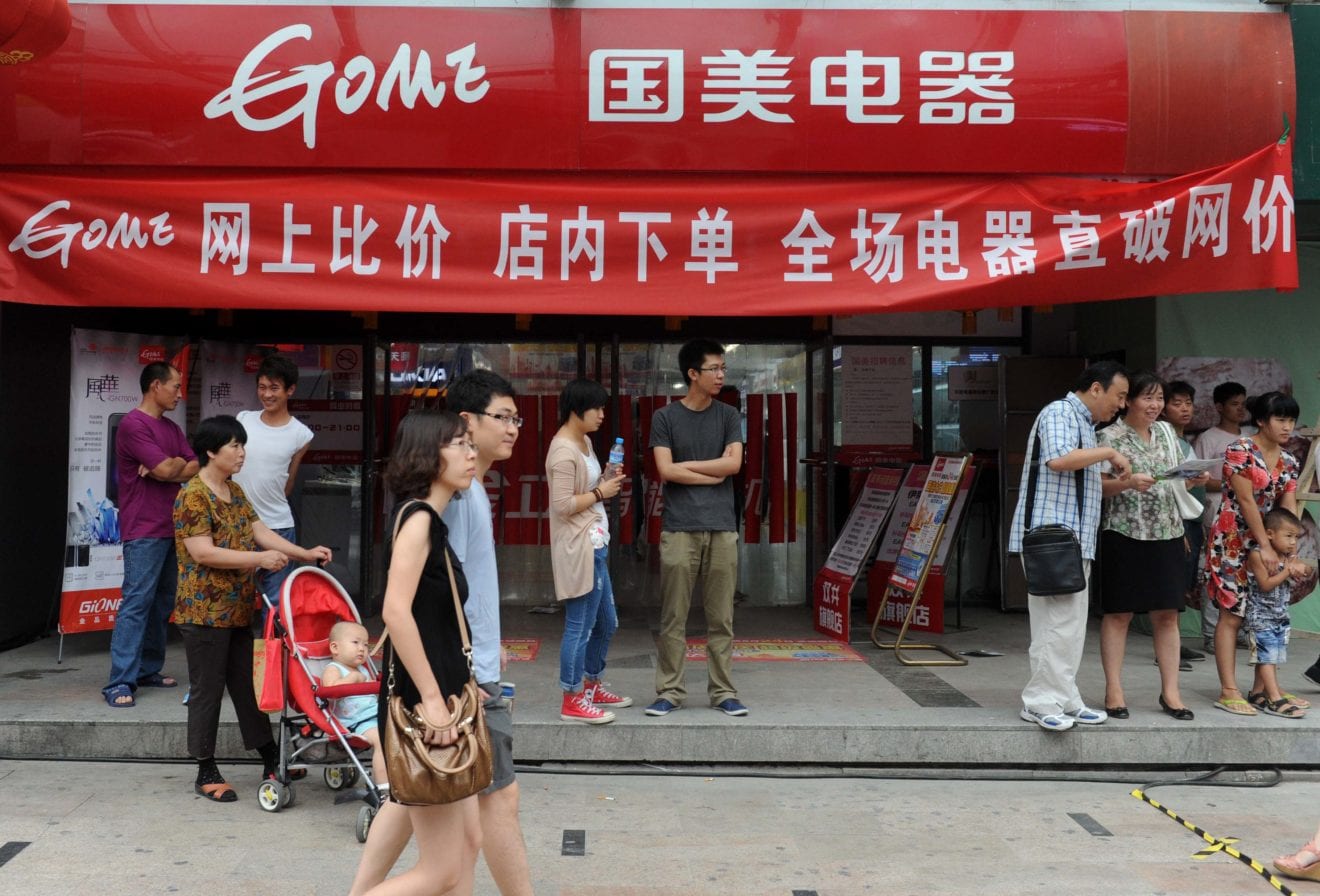
    Gome Retail has plunged US$64million into the red as its restructuring program takes its toll. The company took the unusual step of releasing third-quarter financial data, which shows group sales were down 11.2 per cent in the first nine months of the year, to $7.3 billion.

    Total gross merchandise volume (GMV) of the group for both online and offline grew by 4.83 per cent year on year, with its e-commerce business growing by 26.04 per cent.

    Gome’s consolidated gross profit margin was 18.06 per cent, up by one percentage point compared with the same time last year.

    But the loss for the period contrasted with a $31.7 million profit last year.

    Gome issued a profit warning early this month, with the actual figure turning out to be at the top end of its projected range. While yesterday’s statement did not include any commentary, the company has made considerable effort to keep shareholders aware of the scale of the task it faces and the short-term pain required to effect the restructuring plan.

    Gome Retail is integrating its online and offline business and promoting a new ‘Social + Business + Sharing’ shared retail model. As part of that strategy, the company is combining its electrical appliances, home decoration, household systems and supermarkets to create sizable “experiential stores” in tier 1 and 2 cities. The group is also optimising its platform to include the Xiaomei Net Cafe, VR Cinemas and Gome esports.

  • Innisfree lands in the Philippines

    Innisfree lands in the Philippines

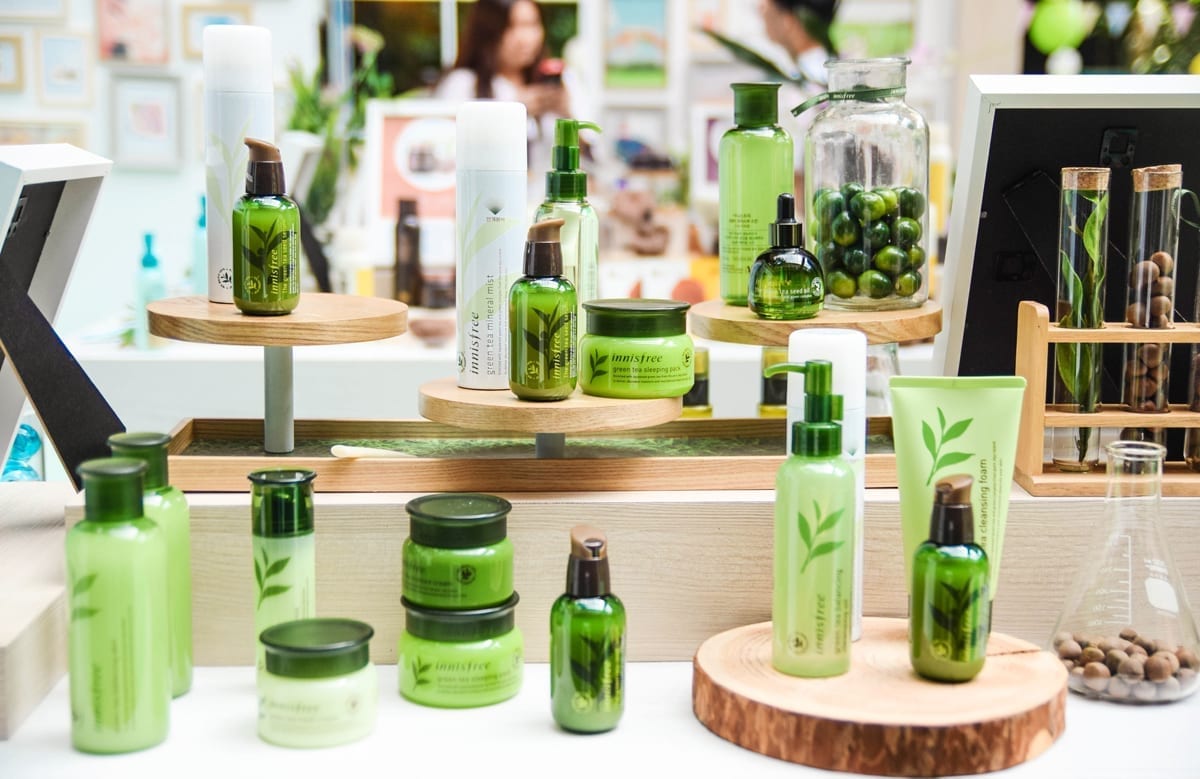
    Innisfree Corp., budget cosmetics manufacturer under South Korea’s beauty powerhouse Amorepacific Group opened its first store in the Philippines with hopes to expand its presence in the bourgeoning Southeast Asian market. According to the company, the 148-square-meter store opened at SM Mall of Asia, the largest shopping mall in Manila.

    The naturalism-oriented brand plans to introduce skin-care products made of natural ingredients from Jeju Island such as green tea and volcanic pine mushroom and their effectiveness to consumers in the Philippines to satisfy beauty demand and experience.

    The Philippines is considered a potential market due to the high ratio of young people in their 20s and 30s interested in hallyu, or Korean wave, and Korean beauty.

    An unnamed official from Innisfree said that the company will introduce not only its flagship beauty items but also pore- and oil-treatment mask and powder products tailored for humid and hot climate. The official added that the company will also pursue its environmentally-friendly green life campaign in the Southeast Asian country.

    Innisfree, meanwhile, manages 655 outlets overseas including the latest store in the Philippines.

    The skin-care brand, which opened its first overseas store in China in 2012, has outlets in Hong Kong, Taiwan, Singapore, India, Thailand, the United States, and Japan.

    Innisfree also plans to open stores at three major shopping malls in Metropolitan Manila next year and launch online channel

  • LG Electronics supports Ethiopian entrepreneurs

    LG Electronics supports Ethiopian entrepreneurs

    LG Electronics announced on Thursday that it has opened an entrepreneurship center for young people at an existing technical and vocational education center run jointly by LG and the Korea International Cooperation Agency (Koica) in Addis Ababa, Ethiopia.

    The existing job training center, the LG-Koica Hope TVET (Technical and Vocational Education and Training) College, was established in Addis Ababa in 2014 to help Ethiopia achieve economic growth by offering quality education to young Ethiopians and helping them acquire the foundations of financial independence.

    The new center has been named the LG Social Campus Business Incubator Center. It provides graduation candidates of LG-Koica Hope TVET with the opportunity to receive help building a business model and launching their own company. The center will offer office and co-working spaces, as well as training in law, marketing, leadership and business administration.

    “We hope that a socially-recognized company will be born in Ethiopia with the support of the LG Social Campus,” said Yoon Dae-sik, president of the government relations division at LG Electronics.

    “We will keep up with efforts to help Ethiopian youngsters step up their competitive edge and independence.”

    The Korea International Cooperation Agency is a state-run organization devoted to supporting socio-economic development in developing countries.

  • Fung Group launches Explorium in Hong Kong

    Fung Group launches Explorium in Hong Kong

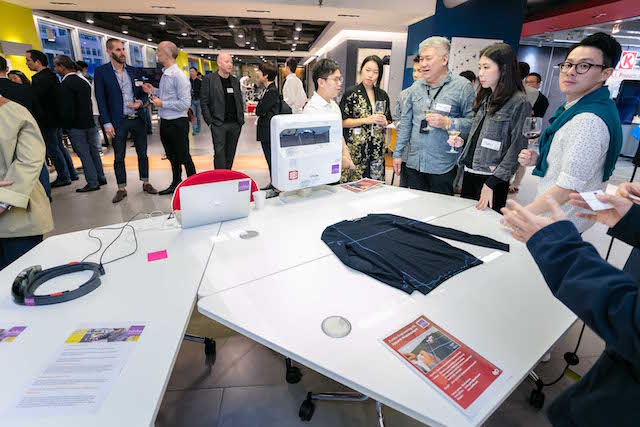
    Fung group has opened an innovation hub in Hong Kong for co-creating, learning, experimenting and scaling the ideas, opportunities and business models that will shape the future of supply chains. Explorium Hong Kong – taking its name from an earlier project in Shanghai which tested retail technologies – was opened this week with Dr Victor Fung hosting a housewarming party.  Product recognition system using AI technology and developed by Circle K and JD, one of the first prototypes from the partnership between JD’s AI lab and the Fung Retailing Group, was on show along with other technology innovations.

    Among the highlights of the AI tech showcase were:

    ZhuiYi Technology, one of the top AI companies in China has integrated deep learning and NLP to help enterprises improve customer experience and business efficiency.

    WhatsSquare has produced chatbots and digital workspace tailored for SMEs with advanced Software as a Service (SaaS) technology.

    Zhulke Engineering Hong Kong specialises in the design and development of technology in collaboration with corporate partners.

    Virtual Control is an SaaS company that has developed a digital solution to analog processes in modern global supply chains. Its software will pull together a range of digital tools to maximise the impact on efficiency and automation, such as augmented reality, machine learning, photo recognition, and data analytics.

    Beijing MeShow Digital Technology has taken the lead in 3D virtual-human modelling technology. Using MeShow’s mobile app, users can create their 3D model simulating their own face and body, try out types of makeup looks, enjoy virtual fitting services and realise apparel purchase needs concurrently in a single app.

    WildFaces Technology offers a vision-based AI software system that can recognise and track faces anonymously from moving cameras, including on drones, walking robots, PTZ cameras, mobile phones and wearables such as glasses and body-worn cameras. This world-first “on-the-move” recognition technology requires only one low-resolution camera to be able to recognise hundreds of faces in real-time in large uncontrolled crowds and at far distances, replacing at least 50 more high-resolution but fixed cameras from other traditional facial recognition systems.

    Hampen Technology provides deep learning-based biometric authentication and video analytics solutions for fintech, security and retail applications.

    Find Innovation Lab’s Find Retail Suite uses AI and machine learning to offer retailers products that change the way purchasing departments buy merchandise and how the marketing department sells it.

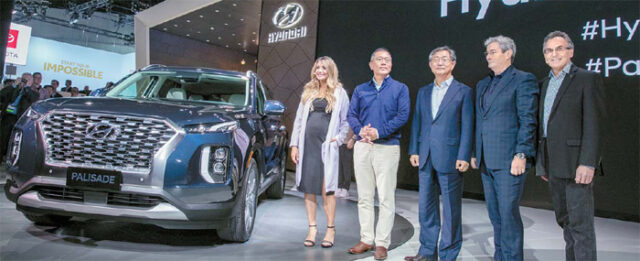
  • Hyundai’s Palisade premiers at LA Auto Show

    Hyundai’s Palisade premiers at LA Auto Show

    The Palisade, Hyundai Motor’s latest effort to rework its lineup in the direction of globally-popular SUVs, was premiered at the 2019 LA Auto Show on Wednesday. Chung Eui-sun, Hyundai Motor’s executive vice chairman, was in attendance. The eight-seat vehicle is the biggest model in Hyundai Motor’s SUV lineup, which includes the small Kona, the midsize Tucson and the Santa Fe.

    The vehicle “looks good,” Chung said after the introduction at the LA Convention Center.

    When asked if the Palisade will boost sales in the U.S. market, Chung replied “it remains to be seen” and estimated the carmaker’s sales target next year to be “similar to this year’s or a little more than that.”

    Hyundai Motor, with its sedan-oriented lineup, is seen as being behind the curve with its a-bit-too-late SUV launches. In attending the event in LA, Chung missed the launch of the Genesis G90 in Korea, suggesting that the priority lies with the Palisade.

    With a spacious interior and convenient features throughout the three rows in the back, the Palisade has been developed to suit families.

    “From the driver’s seat to the third row in the back, [the Palisade] suits contemporary customers who have a desire for individual space while also providing comfortable space just like home,” Brian Smith, chief operating officer of Hyundai Motor America, said at the press event Wednesday.

    The car is equipped with a roof air ventilation system, which circulates the air inside the car from the first row to the third row to enhance the air quality. It enables passengers in each row to control the air conditioning on their own. There are USB ports for charging electronic devices in each row as well.

    Two engine types are available: the 2.2-liter diesel and 3.8-liter gasoline. Hyundai Motor started taking preorders in Korea on Thursday and will launch the vehicle officially in December. It will launch in the United States next year.

    The diesel version price starts at 36.2 million won ($32,300) and the gasoline model 34.7 million won.

    Kia Motors, an affiliate of Hyundai Motor, premiered the fully-revamped version of its Soul at the LA Auto Show. It unveiled the electric version of the car as well as the Niro EV.

    The new Soul and the Soul EV will launch in Korea and in global markets in the first quarter of next year.

    Some hefty SUV models from global carmakers were on display at the LA Auto Show. BMW premiered the X7 SUV and Mercedes-Benz unveiled the Maybach GLS, the first SUV model under the premium Maybach label.

    Lincoln, a premium Ford brand, unveiled the seven-seater, three-row Aviator SUV, and Jeep showcased the Gladiator, a midsize pick-up truck.