Blog

  • Solid six months for Link Reit

    Solid six months for Link Reit

    Link Reit has improved like-for-like revenue by 7 per cent in the first half year, with car park revenues up 10 per cent and retail up 6.6 per cent. The valuation of Link’s investment properties portfolio reached HK$209.8 billion, an increase of 3.3 per cent compared to March 31.

    In a results announcement, the company said its portfolio “continued to demonstrate its resilience and provide a productive platform for our tenants to thrive” during a time of geopolitical and economic uncertainty.

    “Our efforts invested in asset management have yielded positive results for our retail portfolio,” the company said. “As at September 30, occupancy rate for the portfolio remained stable at 95.5 per cent and the overall portfolio reversion rate stood at 22.5 per cent. Average monthly unit rent improved to $65.7 per square foot (psf) as at September 30, up from $62.4 psf as at March 31.

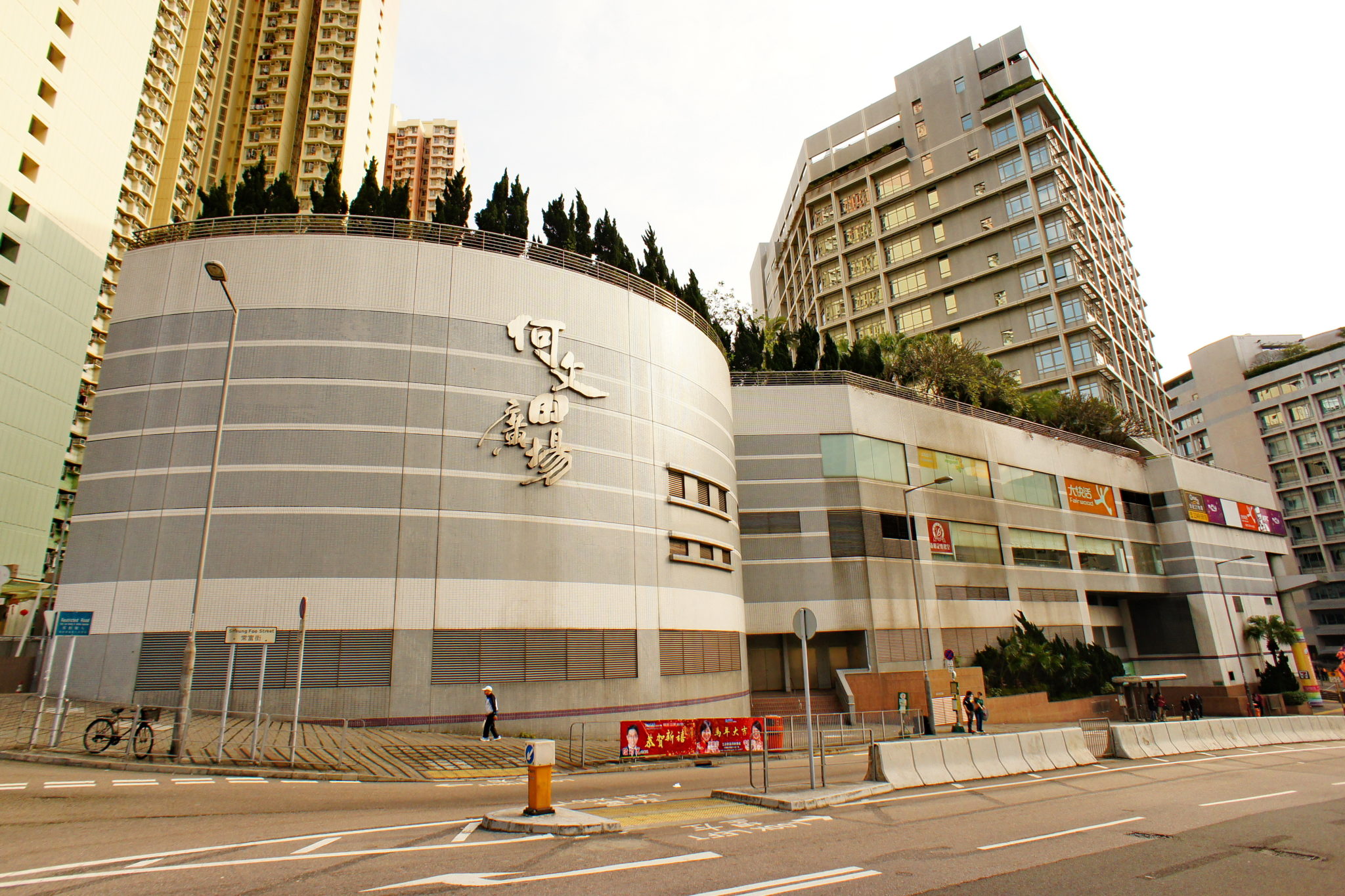
    Four asset enhancement projects were completed during the six-month period: Fu Shin Shopping Centre, Homantin Plaza, Sam Shing Commercial Centre and Wan Tsui Commercial Complex. Link’s asset enhancement pipeline is filled with projects in various stages, including 10 projects currently underway, five preparing to commence and 19 projects undergoing review.

    On the mainland, Link’s three properties – EC Mall in Beijing, Metropolitan Plaza in Guangzhou, and Link Square 1 & 2 in Shanghai – performed “satisfactorily”, contributing a combined revenue of $490 million and net property income of $390 million. Increases of 22.8 per cent and 25.8 per cent, respectively. The retail portfolio occupancy rate was 98.8 per cent.

    “The latest addition to the portfolio, Metropolitan Plaza, continues to be a growth engine with vast potential to be unlocked. EC Mall’s reversion rate stayed at a satisfactory level and the new tenants have been warmly welcomed by the local community. Reversion rate of retail portfolio stood high at 43.2 per cent. We will continue to tailor asset management strategies to enhance our asset qualities and offerings to the neighbourhoods,” the company said.

    CEO George Hongchoy said Link is “well-placed to sustain its long-term growth trajectory while keeping foundation of business fundamentally sound and resilient”.

    The company is considering acquisitions and/or divestments that can drive sustainable return long term.


  • E-commerce to contribute 11 pc of FMCG sales by 2030: Nielsen

    E-commerce to contribute 11 pc of FMCG sales by 2030: Nielsen

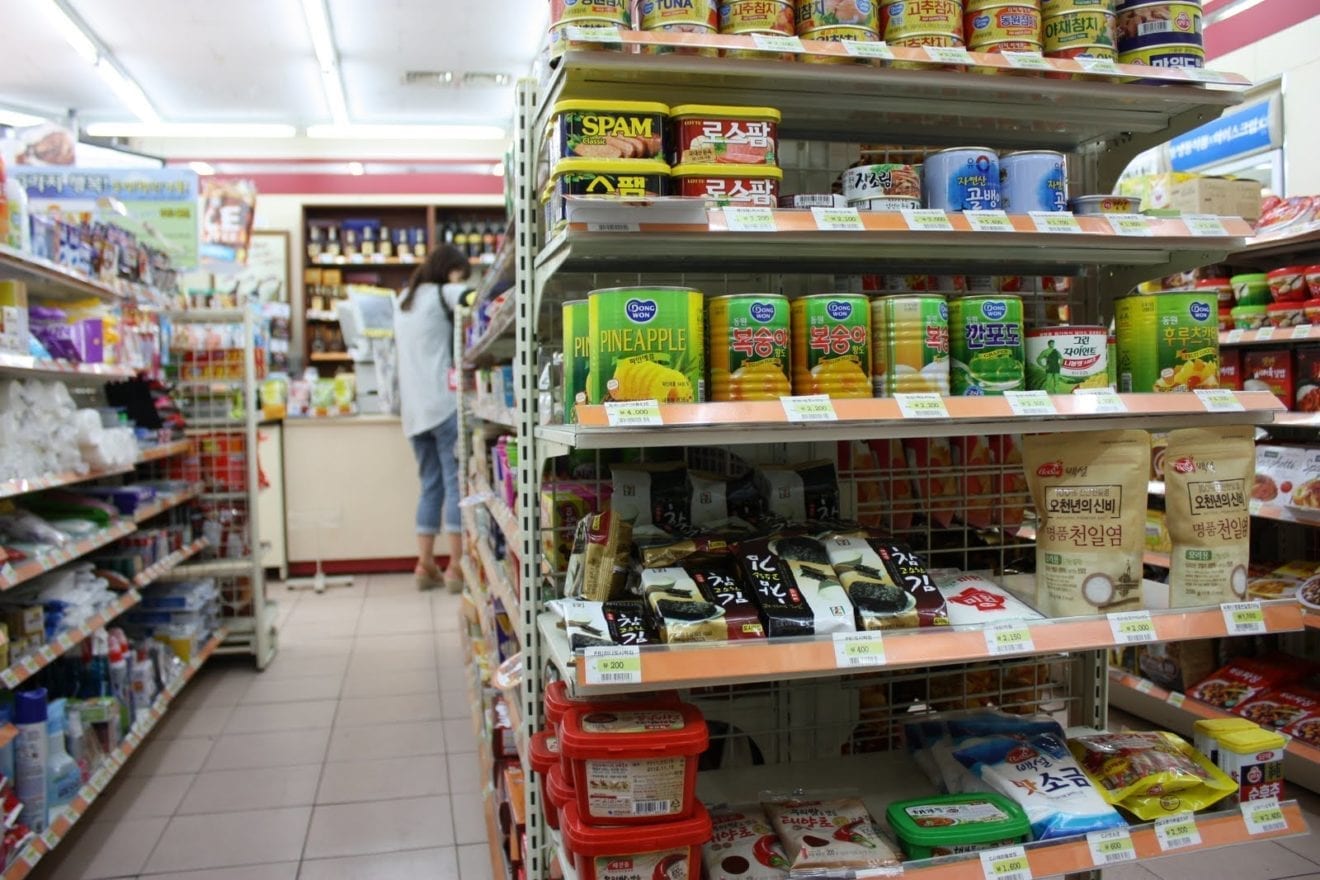
    E-commerce’s contribution to the total FMCG sales is expected to be 11 percent by 2030, according to market research firm Nielsen. E-commerce contributed 0.4 percent to FMCG sales in 2016 and in 2018 it is expected to be around 1.3 percent of the branded packaged FMCG sales.

    “Over the next 12 years, we expect e-commerce itself to be 11 percent of FMCG sales, an 8X growth from its current size, Sameer Shukla, Executive Director – Retail Measurement Services, South Asia, Nielsen (India) said.

    E-commerce is around 10 percent of modern trade, while modern trade at present is 10 percent of FMCG sales.

    “E-commerce channel contribution to India FMCG sales now stands at over 1 percent and has grown at over 101 percent since last year. In specific product categories and markets the contribution is already touching double digits of total category value sales,” he said.

    He added that in categories like diaper there has been an upsurge in e-commerce from 4 percent to 9 percent since July 2016 to September 2018.

    Modern trade itself has seen a growth over the last few years from growing at one-third of traditional trade in 2015 to 2X at present.

    From the third quarter in 2016 to third quarter of 2018, traditional trade grew at 2 percent while modern trade at 23 per cent.

    The growth in modern trade has been classified as 18 percent from metros, 32 to percent from 5-10 lakh towns, 33 per cent from 1-5 lakh towns and 58 percent from less than 1 lakh towns.

    Nielsen also noted that salary weeks witness 15-20 percent higher sales compared to regular weeks in a given month and the tactical play adopted by modern trade retailers around big days or weeks (Republic Day, Independence Day, Diwali etc) is an essential ingredient for success in the fast growing modern trade channel.

    In the third quarter of calendar year 2018, FMCG had a growth of 16 percent largely led by volumes, with 81 per cent share or 13 percentage points and the remaining 3 percentage points from price changes.

    It also noted that north and east have contributed to the 16 percent growth in the third quarter. Rural consumption is growing at a faster pace than urban with an index of 1.4X.

    The market research firm also noted that the FMCG companies in the top 50 contributed 60 percent in value terms, however the smaller manufacturers are driving the growth.

    It noted that companies in the bracket of top 101 to 300 contributed 11 percent in terms of value however their growth was 12.8 percent and in terms of the tail-end companies beyond the top 300, the contribution was 21 percent while the growth was 18.5 percent.

    Regional players are growing at a faster clip at 27.7 percent compared to national players at 11.7 percent.

    The presence of regional players is predominantly in packaged food categories where they clocked 31 percent growth in September 2018 on year. This was nearly 3X times growth witnessed among national players.

    However for the last quarter of 2018, it expects the growth in FMCG to come down to 12-13 percent.

  • Vietnam’s 2018 monthly car sales highest in October

    Vietnam’s 2018 monthly car sales highest in October

    October sales of 28,899 cars made it the best month of the year so far, according to Vietnam Automobile Manufacturers’ Association (VAMA). This was 3,811 cars more than the 25,088 sold in September or a 15 percent rise, a VAMA report says.

    October sales of passenger cars by VAMA members climbed 25 percent month-on-month to 21,288.

    During the same period, sales of commercial vehicles dropped 7 percent to 7,096 and that of special-purpose vehicles were up 31 percent to 515, the report says.

    While 17,599 domestically assembled cars were sold in October, up 2 percent, the number of imported completely built units (CBUs) sold was 11,300, up 46 percent over September.

    Toyota remained the leading brand last month, with sales rising 30 percent over the previous month to 8,426 units.

    Truong Hai (Thaco) group, local assembler and distributor of brands such as Kia, Mazda, Peugeot and Hyundai, and a significant player in the commercial vehicle segment, reported a 29.2 percent rise over September in group sales to 8,175 units.

    Compared to September, Ford’s sales were 9.2 percent higher at 2,574 units; while Honda sales rose 12.4 percent to 3,475 units.

    In the first 10 months of the year, VAMA members sold a total of 223,326 vehicles, up one percent over the same period last year.

  • Korean brands stars on China’s Singles’ Day

    Korean brands stars on China’s Singles’ Day

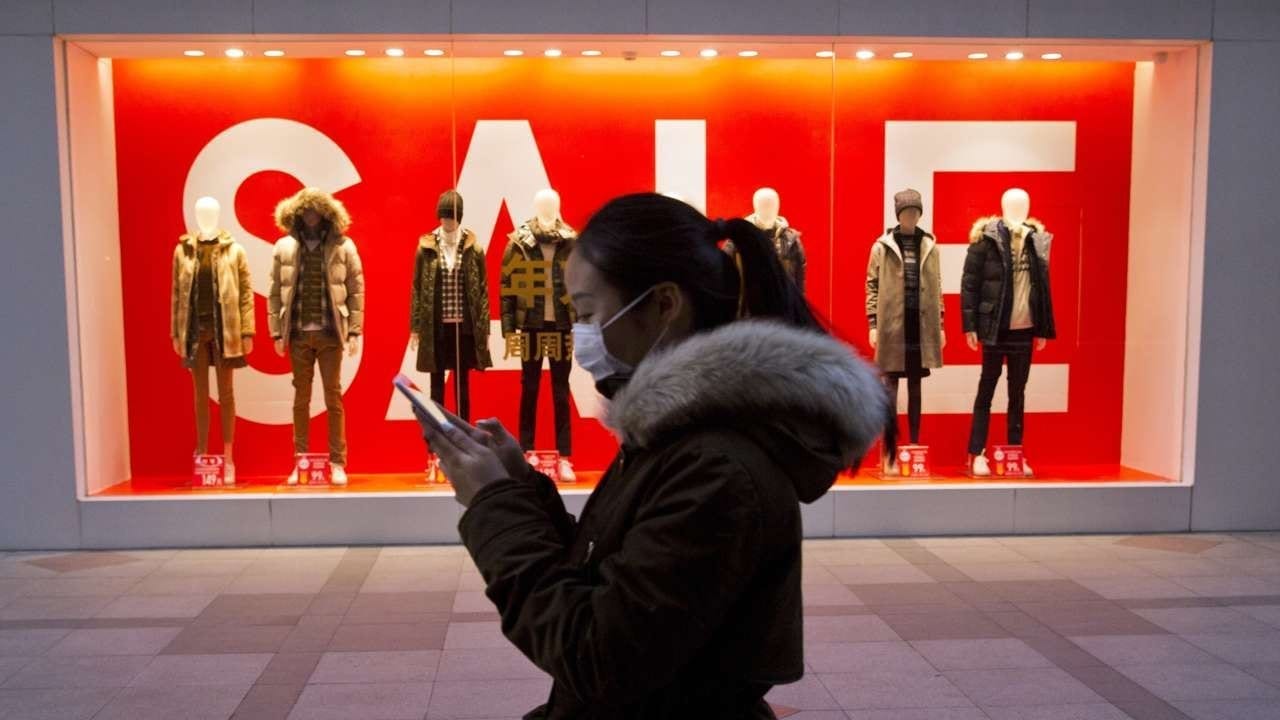
    South Korean retailers benefited from another record-setting Nov. 11 Singles Day shopping extravaganza led by Alibaba Group of China. Since 2009, Chinese retail giant Alibaba Group has transformed Singles’ Day, which falls on Nov. 11, into an online shopping festival with large discounts offered for 24 hours.

    Over 40 percent of shoppers made purchases from international brands, said Alibaba.

    Among the countries that sold products to Chinese customers on Sunday, Korea ranked third after Japan and the United States.

    Korea placed at No. 3 on the list in 2016, but fell two ranks last year after the deployment of the U.S.-led terminal high altitude area defense (Thaad) antimissile system.

    The incident soured relations between the two countries and provoked a boycott movement against domestic brands in China.

    The exact volume of Korean goods purchased on Sunday was not disclosed, but it was evident that the shopping spree had an impact on local companies, as some of them reported record-breaking figures on Monday.

    Korea’s top beauty and personal care brand LG Household & Health Care Ltd. said on Monday that overall cosmetics sales during this year’s around-the-clock shopping gala rose 50 percent from a year ago at Tmall Global, a major e-commerce platform managed by China’s Alibaba Group.

    Sales of household items also jumped 73 percent during the same period.

    LG Household & Health Care raised 23 billion won (US$20.3 million) in sales of its flagship cosmetics label the History of Whoo during this year’s Singles Day event, up 72 percent from last year.

    Sales of luxury cosmetics brand su:m37 also jumped 82 percent during the same period mainly driven by increased demand for its Water-Full skin-care product line.

    The brand sold 26,500 sets of Water-Full line on November 11, up 208 percent from a year ago. It sold 24,400 sets of its Time Energy skin moisturizing solution, up 48 percent during the same period.

    Korea’s largest cosmetics company AmorePacific Corp. also scooped up sales on Sunday event.

    Sales of Yoonjo Essence, an activating serum of its premium cosmetics brand Sulwhasoo, hit 10,000 in just 60 seconds after launching sales at Tmall.

    Pre-order sales of Hera’s Rouge Holic lipstick also quintupled this year from last year.

    Korea’s fashion and retail conglomerate E-Land Group that manages 19 brands on Tmall raised 72.3 billion won in revenue on November 11 alone.

    Korea’s largest manufacturer of instant noodles Nongshim Co. also raked in record sales of 800 million won at Alibaba’s online shopping mall Taobao on the event day, more than tenfold from its daily average sales and up 25 percent from last year.

    The company attributed record sales to its top-sellers Shin Ramyun and Kimchi Ramyun.

    Alibaba clocked in sales of US$30.8 billion in the 24-hour shopping gala that began at 12 a.m. Sunday, beating last year’s US$25.3 billion.

  • SK unit to supply batteries to VW

    SK unit to supply batteries to VW

    SK Innovation is supplying electric car batteries to Volkswagen Group along with existing suppliers LG Chem and Samsung SDI, the Korean battery maker said Wednesday. The Volkswagen Group brands plan to launch 50 new fully electric models by 2025, and the group said it needs more battery supplies in a statement Tuesday. SK Innovation was the last of the four battery suppliers selected by the carmaker.

    SK Innovation will start supplying batteries to Volkswagen cars in Europe from 2019. LG Chem and Samsung SDI are also strategic partners in the auto company’s European operations.

    From 2022, SK Innovation will also supply batteries for the North American market.

    The group’s electric car production in China will source batteries from Chinese partner Contemporary Amperex Technology (CATL) from 2019.

    SK Group’s battery arm is planning on covering Volkswagen orders by setting up new facilities in Europe and the United States. Currently, the company is mulling three locations in the United States, it said, without giving details about the production capacity or the amount of investment. As for its newly-planned European plant, the company said it is considering multiple locations including Hungary, where it is already building a plant.

    When all planned factories are in place, SK Innovation’s battery production capacity will increase to 20 gigawatt-hours per year by 2022, the company said. Despite being a latecomer to the market, SK Innovation has been rapidly expanding its battery business. Daimler and Kia Motors are also using SK batteries.

    Its share of this year’s global battery market, excluding China, was 2.2 percent based on accumulated battery sales through the end of September, according to data from market tracker SNE Research, growing from 1.4 percent the same period last year.

    LG Chem is still the largest local player, with a 17.5 percent market share, followed by Samsung SDI, with an 8.2 percent market share.

    “With SK Innovation, LG Chem, Samsung and CATL, we have found strong partners for the long-term supply of cells for our electric vehicles,” said Stefan Sommer, a Volkswagen board member responsible for components and procurement.

  • Sabah to produce more sustainable palm oil

    Sabah to produce more sustainable palm oil

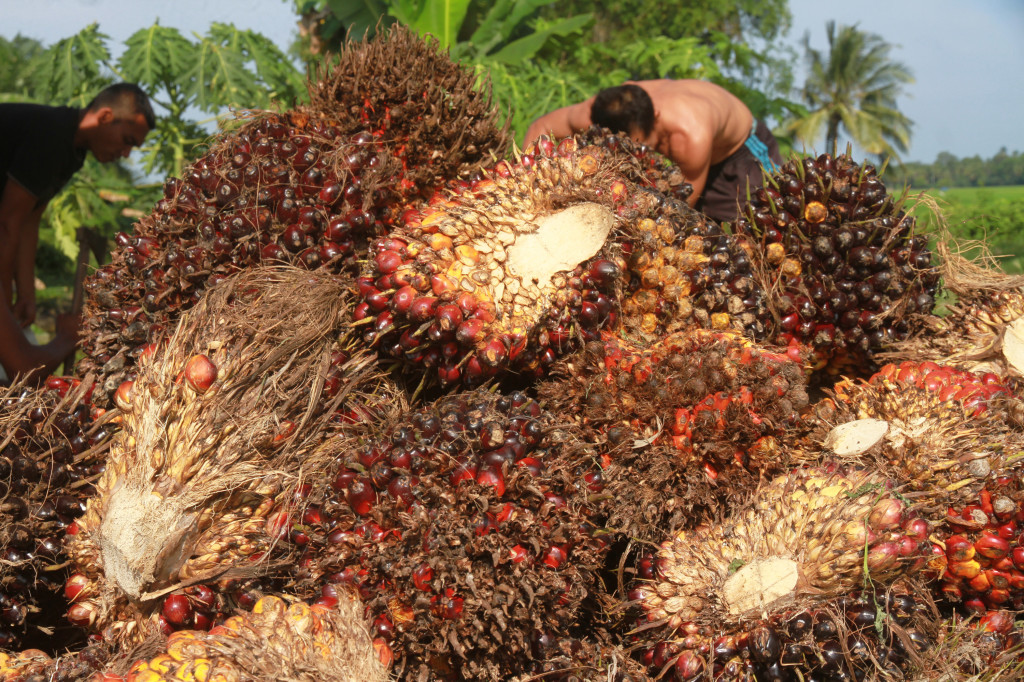
    Deputy Chief Minister of Sabah Datuk Seri Wilfred Madius Tangau said during his closing address at the 16th Annual Roundtable of Sustainable Palm Oil Conference today, the state is committed to having more palm oil produce to achieve both the Roundtable of the Sustainable Palm Oil (RSPO) and the local Malaysian Sustainable Palm Oil (MSPO), concurrently.

    In 2017, Sabah produced more than 5.2 million metric tons (MT) of crude palm oil (CPO) accounting for more than 30% of total Malaysian palm oil produced.

    Between January and October this year, Sabah produced some 1.55 million MT of CPO of which 28% were certified.

    About 400,000ha of plantations are RSPO certified, of which 3,960ha belonged to smallholders. Sabah has some 623 small players.

    “Therefore Sabah can play an important role in the sustainable palm oil industry. Sabah is one of the largest producer of RSPO certified palm oil,” said Tangau.

    On assisting smallholders in the state, he said while incentives such as grants for planting comes from the federal government, land titles fall under the state government’s purview.

    On the government’s move to make MSPO certification mandatory by end of 2019, Tangau welcomed the move.

    “We will assist in whatever (way) we can. I’m happy the federal government is spending money to do that, but whether we achieve that target, is another story,” he added.

    Sabah saw an economic growth of 8% last year and palm oil has played a part in it. Tangau said one of the biggest challenge in this country is the high dependence on foreign labour as it is difficult to get locals to work in plantations.

    The state government is also looking towards stepping up downstream activities instead of just being active exporters of CPO.

    On another note, RSPO co-chairman Datuk Carl Bek-Nielsen said the challenge lies on bridging the gap between supply and demand of sustainable palm oil as the uptake for certified palm oil globally stood only at 65%.

    “This is as disappointing as wet gunpowder and it sends a discouraging, hypocritical message of “do as I say but not as I do. And I will be clear, the growers expect action and whilst the grower fraternity has just shown a willingness to change, to innovate, to now halt deforestation, to now stop any new plantings on peat soils, they also expect that the NGOs, CGM, retailers alike, including the Secretariat of RSPO now direct just as much attention and energy towards improving uptake and not just pursuing higher standards for the growers,” he said in his closing remark.

  • China retail sales surges in October

    China retail sales surges in October

    Official figures for China retail sales show an 8.6 per cent year-on-year increase in October. That’s a little shy of the 9.2 per cent achieved in September and the same pace of growth for the first 10 months of the year.

    The data was released by the National Bureau of Statistics (NBS), which blamed the slowing growth rate on delayed consumption ahead of the 11.11 Singles Day shopping festival. Many products sold on Singles Day are pre-ordered, but not settled until the 24-hour sale commences, to boost the event’s topline figure.

    The NBS said sales in rural areas rose by 9.7 per cent in October, a faster rate than the 8.4 per cent in urban areas.

    Online spending soared 25.5 per cent to reach RMB 7 trillion during the first 10 months of this year.

  • Asia rice: Indian rates up on firmer rupee; Thai harvest to shore up stocks

    Asia rice: Indian rates up on firmer rupee; Thai harvest to shore up stocks

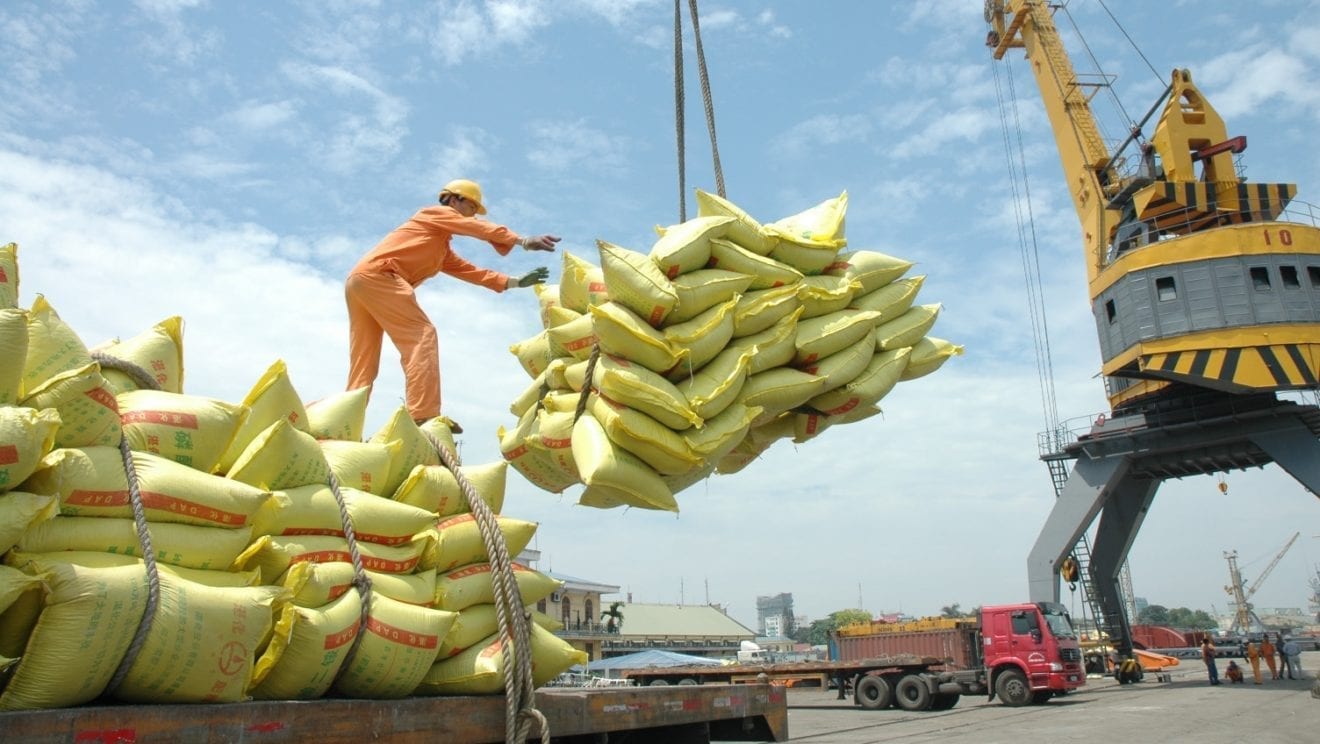
    Rice prices in India nudged higher this week as the rupee firmed, while Thai exporters eyed fresh demand from the Philippines. India’s 5 percent broken parboiled variety was quoted around $363-$371 per tonne this week, versus $362-$369 last week.

    “As the rupee has started to appreciate, we have to adjust export prices,” said an exporter based at Kakinada in the southern state of Andhra Pradesh.

    The Indian rupee rose 0.4 percent on Thursday to its highest level in nearly 8 weeks, trimming exporters’ margins from overseas sales.

    In southern and eastern states, supplies have started to arrive from the new season crop but they are expensive due to higher fixed government buying prices, said a Mumbai-based exporter.

    India’s rice exports dropped 9.6 percent to 5.8 million tonnes between April and September from a year earlier, as leading buyer Bangladesh trimmed purchases due to a bumper local harvest, a government body said earlier this week.

    Meanwhile in Thailand, benchmark 5 percent broken rice prices were quoted at $380 – $398 per tonne, free on board (FOB) Bangkok, unchanged from last week.

    “There have been some minor deals with markets like Japan but they have had no impact on prices,” a Bangkok-based trader said.

    “Thai rice exporters are now watching the Philippines closely because their government will open the bidding process next week.”

    The Philippines’ National Food Authority has issued an international tender to import up to 500,000 tonnes of rice with offers to be opened on Nov. 20.

    “We see this as a major deal ahead of December,” another trader in Bangkok said, pointing out that during the mid-November to early-December period, the market expects an increase in supply due to the seasonal harvest.

    In Vietnam, rates for 5 percent broken rice remained in the $415-$420 a tonne range seen last week.

    “We haven’t signed any new export deals over the past month as domestic supplies are scarce,” a trader in Ho Chi Minh City said. “We wouldn’t be able to secure sufficient rice if we got any new contracts now.”

    Egypt received offers for more than 500,000 tonnes earlier this week, including 50,000 tonnes from Vietnam, the trader said, adding that they were not sure if they will bid in the Philippines’ state grains agency tender.

  • What is the hot new “Boundaryless Retail” trend?

    What is the hot new “Boundaryless Retail” trend?

    Chinese consumers are quickly adapting to buying groceries online for immediate delivery from local offline stores, according to a new joint study conducted by JD, Walmart, Tencent and JD Daojia. In China, where over 15% of consumption takes place online, compared to just 9% in the US, consumers have been faster to embrace online grocery shopping.

    Over 67% of Chinese consumers actively use services like JD Daojia, which can deliver goods from local offline shops, including Walmart, to customers in under an hour.

    An increasing number of online shoppers in China view a guarantee of product authenticity as the most important factor when buying goods, with price often viewed as secondary in importance to considerations like product variety, speed of delivery and after-sales service.

    Consumers carefully consider purchases that can improve their lifestyle, reflect their individuality and be delivered in a convenient way that fits in with their busy modern lives.

    Omnichannel integration in the Chinese supermarket industry is expected to be a major trend going forward, as online and offline players in the industry are increasingly combining resources to meet the diverse needs of modern-day shoppers: bringing together the convenience and diversity of online shopping with offline retail’s immediacy of service and superior user experience.

    Boundaryless Retail is a reality gaining in popularity as “The increasingly diverse needs of consumers require a correspondingly dynamic approach” said Kenny Li, VP of JD.com.

  • Muji reopen largest store outside Asia

    Muji reopen largest store outside Asia

    Muji Canada is reopening its original Toronto location next week as its first flagship store in the country’s east. The Muji Atrium opened four years ago as the company’s first location in Canada. While the previous store occupied 5658sqft of retail space, the new flagship store will reach 19,110sqft spread over two floors, becoming the largest Muji store outside of Asia.

    “During the four years since we expanded to Canada, we opened seven additional stores and gradually increased our range of products and services,” said Muji Canada president Toru Akita.

    “By allowing us to reach out to more people and to further convey our philosophy, the Atrium flagship store will open a new chapter for Muji in Canada.

    “Through interactive events, innovative projects, and new partnerships, we wish to connect and evolve together with local communities and contribute to the creation of a better quality of life.”

    The location will carry Muji Canada’s full range of merchandise of more than 4000 items – including household goods, apparel, and food – and offer many products and services only available in select Muji flagship stores around the world, such as a coffee counter serving ethically sourced coffee and an aroma bar that will allow customers to create customised fragrances from more than 40 essential oils.

    Muji Atrium will feature two new customisation services for customers to personalise their products for the first time outside of Japan, including a digital fabric printing service and laser engraving service

    Muji Atrium will be the only location in Eastern Canada to carry books, made-to-order curtains and rugs, the Muji Labo collection, maternity wear, a brand new activewear collection and more.

  • Dolce & Gabbana’s Christmas pop-up at Galaxy Macau

    Dolce & Gabbana’s Christmas pop-up at Galaxy Macau

    Dolce & Gabbana is launching a new Pop Up at The Promenade Shops, Galaxy Macau, featuring its iconic colorful Christmas characters and festive decorations. Inspired by traditional Sicilian parades, the exclusive-to-Asia pop-up store features the brand’s latest collections and inventive installations.

    Shoppers will be the first to experience the pop-up at the Pearl Lobby of The Promenade Shops from 16 November 2018 through 6 January 2019.

    The italian brand will light up the Pearl Lobby with luminaria (festive lights) and ornate, hand-painted Sicilian carreto (carts).

    The craft of making carreto has been handed down from generation to generation and is often a focal point of Dolce & Gabbana’s aesthetics.

    At The Promenade Shops, they will carry the latest men’s, women’s and children’s prêt-à-porter and accessories collections, as well as an exclusive, Chinese-inspired collection featuring the beloved and playful panda.

    Shoppers purchasing at the pop-up will be entitled to various customization activities for personalized Dolce & Gabbana gifts.

    Hazel Wong, Senior Vice President of Retail for Galaxy Macau, said, “We are excited to host an unmissable, Sicilian-style Christmas celebration with delightful Chinese accents courtesy of legendary Italian fashion brand Dolce&Gabbana.”

  • Swiggy to engage 2,000 women for food delivery

    Leading food ordering and delivery start-up Swiggy on Tuesday said it would engage about 2,000 women as delivery personnel by March 2019. “About 2,000 women will join our delivery team by March next year. Over the last few months, we have been working on training women for opportunities in this growing food delivery sector,” the city-based online food delivery platform said in a statement here.

    By deploying more women as delivery personnel across the country, the company said it aimed to create an inclusive workforce.

    The company engages around a lakh personnel daily to deliver food across 45 Indian cities it operates in.

    Currently, about 60 women are tied up with Swiggy across 10 cities, including Ahmedabad, Kochi, Kolkata, Mumbai, Nagpur and Pune, to deliver food.

    World over, the employment of women as delivery personnel has been meagre.

    “We are creating a women-friendly work environment with a dedicated helpline for any concern, as well as appointing more women in managerial roles,” the company said.

    Swiggy is identifying ‘safe zones’ for women delivery personnel to operate in and will allow them to complete their deliveries by 6 p.m., it added.

    “Since inception, we have seen the potential in investing in logistical prowess, which has helped us in having end-to-end control over the food delivery experience,” Sachin Kotangale, Vice President (Operations), Swiggy said in the statement.

    Set up in 2014, the food delivery platform claims to receive about 20 million orders a month across 45,000 restaurants in 45 cities, including New Delhi, Hyderabad, Mumbai, Bengaluru, Chennai, Kolkata, Gurugram and Pune.

    It raised US$ 210 million (around Rs 1,500 crore) from multiple investment firms, and has so far raised over US$ 460 million (around Rs 3,350 crore).

    The company, which has over 4,000 employees, reported an operating revenue of Rs 442-crore for the fiscal 2017-18.

  • Hyundai investing in U.S. drone company

    Hyundai investing in U.S. drone company

    Hyundai Motor, Korea’s largest carmaker by sales, said Thursday it has invested in a U.S. unmanned aerial vehicle (UAV) company to jointly develop new products. In the investment, Hyundai Motor and Top Flight Technologies will jointly seek business opportunities in the global high-end aerial drone market, the company said in a statement.

    “In addition to solving the challenges of longer-duration flight for quadcopters, Top Flight is developing the technologies needed to enable new solutions in aerial logistics and mapping which could be useful in Hyundai’s future business,” John Suh, vice president of Hyundai CRADLE in Silicon Valley, said in the statement.

    Hyundai CRADLE is Hyundai Motor’s corporate venture and open innovation business in the United States.

    “Hyundai’s investment in Top Flight confirms its commitment to autonomous vehicles and mobility solutions, whether on the road or in the air. We fully believe that Hyundai’s world-class assembly and automation capabilities will help spur the production and deployment of aerospace-grade UAVs, more efficiently than ever,” Top Flight Chief Executive Long Phan said in the statement.

    The U.S. start-up is unrivaled in the fields of cutting-edge unmanned aerial vehicles equipped with small-sized gasoline engines that can extend flight range by charging a battery, it said. Hyundai didn’t provide how much it has invested in the U.S. start-up.

    The global UAV market is expected to grow from $5.6 billion in 2016 to $12.2 billion in 2019 and to $22.1 billion in 2026, the statement said. As UAVs are mainly used for military purposes, there is big growth potential for the commercial drone market. At present, the drone delivery services market is in the early stages of development. The concept of drone delivery services began with Amazon in December 2013. The U.S. retailer said its drone service is designed to deliver packages to customers as quickly as possible using UAVs.

  • Macy’s partnering with Facebook to bring e-commerce brands to stores

    Macy’s partnering with Facebook to bring e-commerce brands to stores

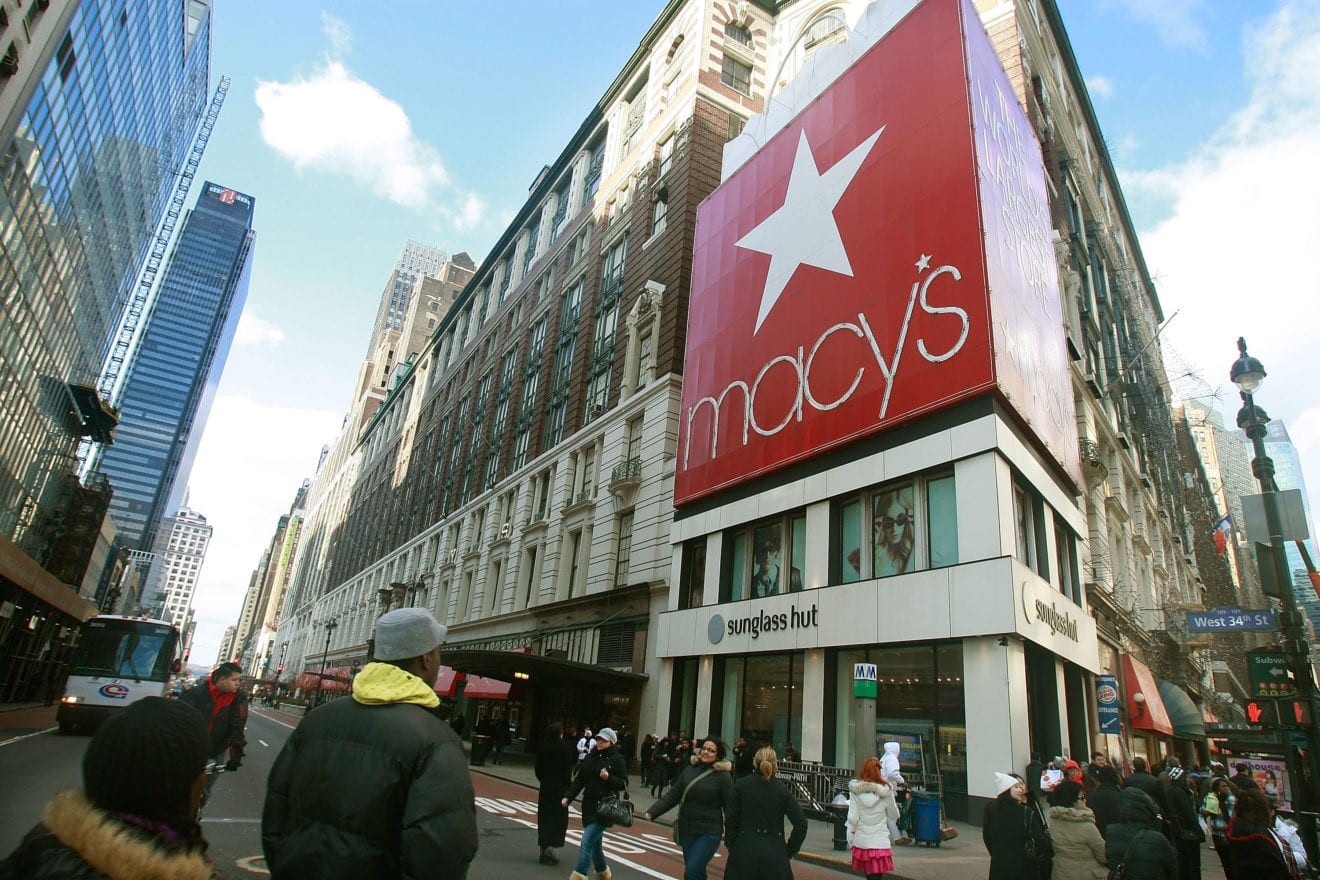
    US department store retailer Macy’s has teamed up with Facebook to bring 150 e-commerce brands and digital native brands on Facebook and Instagram into its retail stores ahead of the holidays.

    Macy’s has launched The Market @ Macy’s, a pop-up marketplace concept that curates more than a hundred brands on a two-week rotation at nine Macy’s stores for the holiday season. The company will add more locations towards the end of the month. The brands range from apparel, accessories and beauty to home decor, technology and more.

    The Market @ Macy’s is just one of several experiential concepts the retailer has rolled out to drive in-store traffic. The company recently announced plans to use virtual reality to boost furniture sales. It will pilot the experience in two of its stores by the end of November.

    According to GlobalData, the department store chain is showing signs of recovery. Macy’s recently reported good sales numbers in the quarter and a growing number of people say they plan to visit the stores, suggesting the retailer is succeeding in creating stronger appeal.

    Macy’s yesterday posted healthy sales growth for the quarter ending November 3 with same-store sales seeing a 3.1 per cent increase. Including licensed departments, the figure increased 3.3 per cent.

    Total sales rose 2.3 per cent to US$5.4 billion. Net income more than doubled to US$62 million from US$30 million a year earlier, boosted by asset sales, higher credit income and lower taxes.

    Company CEO Jeff Gennette said the recently improved results showed that turnaround plans are working.

    The department store chain has been investing in a group of stores it calls ‘magnets’, adding new lighting, fixtures, a better assortment of merchandising and technological innovations to its locations, while experimenting on shrinking other less promising stores.

  • Most SE Asia stocks fall in line with broader Asia; Indonesia climbs 1 pct

    Most SE Asia stocks fall in line with broader Asia; Indonesia climbs 1 pct

    Most Southeast Asian stock markets fell on Tuesday, tracking broader Asia after a selloff on Wall Street overnight. As reported, citing sources from both sides, that China’s top trade negotiator Liu He may visit Washington to prepare for the talks between U.S. President Donald Trump and his Chinese counterpart Xi Jinping on the sidelines of the G20 summit in Argentina later this month.

    Philippine shares declined 1.2 percent, extending falls into a third session, dragged by industrial and real estate stocks. SM Prime Holdings declined 2.3 percent, while JG Summit Holdings fell 6.9 percent.

    Singapore shares declined for a third consecutive session, dragged by financials. DBS Group Holdings, the city-state’s largest lender, slipped 0.9 percent, while rival United Overseas Bank Ltd fell 1.2 percent.

    Malaysian shares extended falls into a third session, with IOI Corp Bhd shedding 3.1 percent to a near 11-month closing low and IHH Healthcare Bhd declining 2.8 percent to its lowest close since July 2014.

    Trade tensions between the United States and China will create a “domino effect” and prompt other countries to turn protectionist, said Malaysian Prime Minister Mahathir Mohamad.

    Vietnam shares declined 1.4 percent, dragged by financial and real estate stocks. Joint Stock Commercial Bank for Investment and Development of Vietnam (BIDV) fell 3.7 percent, while real estate investor Vingroup JSC ended 2.7 percent lower.

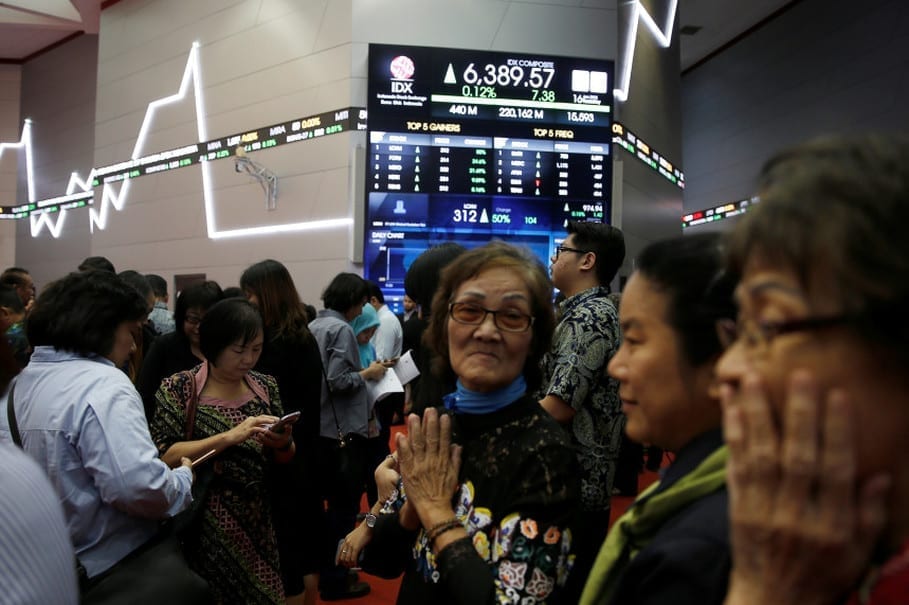
    Indonesian shares were the top gainers in Southeast Asia with a rise of 1 percent. Consumer staples and financials led the gains with United Tractors Tbk PT and Bank Central Asia Tbk PT rising 5.5 percent and 1.6 percent respectively.

    Thai shares climbed 0.3 percent, helped by consumer staples.

    Glass container manufacturer Berli Jucker PCL rose 1.4 percent, while convenience stores operator CP All PCL climbed 2.6 percent to a more than one-month closing high.

    “Stocks are rising on internal factors like government improving infrastructure and linking of our three airports,” said Teerada Charnyingyong, an analyst with Phillip Capital Thailand.”The government also announced measures to stimulate spending by promoting the tourism sector.”