Blog

  • DBS Unveils Singapores First Retail-Ready Tokenised Gold Offering: Buy, Trade, and Hold via One Digital Platform

    DBS Unveils Singapores First Retail-Ready Tokenised Gold Offering: Buy, Trade, and Hold via One Digital Platform

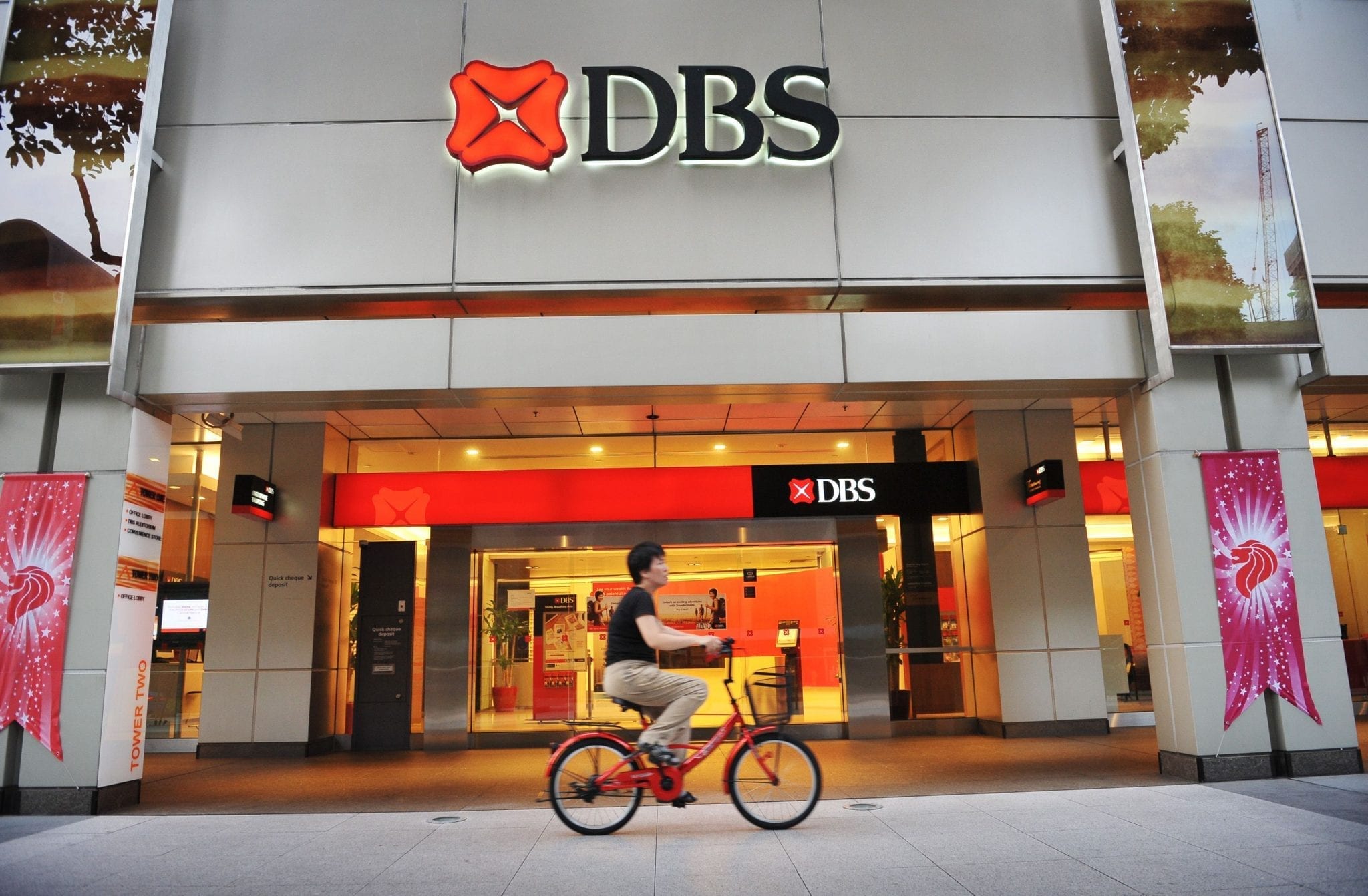
    DBS Bank is set to revolutionize the financial market in Singapore by launching tokenized physical gold for retail customers in the latter half of 2026. With this initiative, DBS Bank takes the lead as the first bank in the nation to empower its customers with the capability to purchase, possess, and transact in tokenized physical gold via a singular digital platform.

    Tokenizing Precious Metal

    The advanced DBS Physical Gold Tokens will be available through the DBS digibank app. With each token backed by an equivalent amount of physical gold that will be securely stored in a dedicated DBS vault located in Singapore. Each token will stand for one gram of gold, providing customers the opportunity to acquire fractional ownership of this valuable metal.

    DBS Bank assures that this offering will facilitate 24/7 trading, almost immediate settlement, and the choice to exchange tokens for physical gold. Moreover, the bank is looking into the possibility of having the tokens listed on the DBS Digital Exchange (DDEx) for accredited and institutional investors.

    This launch coincides with the escalating interest in gold and the tokenization of real-world assets. DBS Bank will oversee the entire procedure internally, including tokenization, custodial services, vaulting, and distribution.

    Li Zhen, Head of Foreign Exchange, Precious Metals, and Digital Assets at DBS, commented on the initiative, stating that the bank’s comprehensive digital asset capabilities will simplify access to and management of physical gold for clients.

    James Tan, Group Head of Investment Product and Advisory, also shared his views on the subject. He mentioned that tokenization would expand access to an asset class that has typically been accessible mainly to wealthy and institutional clients.

    Expanding Digital Asset Services

    The introduction of tokenized gold expands upon DBS Bank’s existing array of gold investment products. Moreover, it is part of the bank’s broader endeavor to delve into digital assets and blockchain-based financial services.

    Questions & Answers

    What is the DBS Physical Gold Tokens initiative?
    This initiative by DBS Bank allows customers to purchase, hold, and trade tokenized physical gold via a single digital platform.

    What features does the tokenized gold offering include?
    The offering will enable 24/7 trading, near-instant settlement and the option to redeem tokens for physical gold. The bank is also exploring a future listing of the tokens on the DBS Digital Exchange for accredited and institutional investors.

    How does this initiative fit into DBS Bank’s broader strategy?
    The tokenized gold offering expands DBS Bank’s existing range of gold investment products and is part of the bank’s broader push into digital assets and blockchain-based financial services.

  • Nike Kicks Off Football Universe in Hong Kong: Unveiling the 2026 World Cup Kit Collection and More

    Nike Kicks Off Football Universe in Hong Kong: Unveiling the 2026 World Cup Kit Collection and More

    Nike has initiated a football-centric retail strategy throughout Hong Kong, as a segment of its worldwide ‘Rip the Script’ campaign, by transforming select stores into immersive environments.

    This effort, known as the ‘Nike Football Universe’, aligns with the unveiling of the athletic apparel behemoth’s 2026 National Team Kit collection, in anticipation of the upcoming Fifa World Cup. Selected stores have been given a complete overhaul, with campaign-specific visual marketing, football-themed displays, and interactive elements that put the spotlight on the 2026 National Team Kit Collection and the Mercurial football boot line.

    The strategy’s implementation also includes visits from local football stars Yapp Hung Fai, Yu Jesse Joy Yin, and Lau Ka Kiu. Integrated into the campaign’s activities, Nike’s Fa Yuen Street store extends a Football Photo Booth experience until July 22.

    Moreover, Nike is broadening the availability of its Jersey By You and Nike By You services throughout participating outlets. Customers who purchase selected national team jerseys have the option to personalize them with player names and numbers. Simultaneously, Nike By You provides football-inspired graphics and patches for bespoke apparel and footwear.

    This Hong Kong campaign is a fragment of Nike’s larger drive to fuel enthusiasm about football leading up to the 2026 World Cup. It uses retail experiences as a platform to debut new product lines and escalate customer involvement.

    Questions & Answers

    What is the aim of the ‘Nike Football Universe’ in Hong Kong?
    The initiative is part of Nike’s global ‘Rip the Script’ campaign, aimed at increasing anticipation and excitement for football and the 2026 Fifa World Cup, by transforming select stores into immersive football-themed spaces.

    How is Nike personalizing the retail experience for customers?
    Nike is expanding its Jersey By You and Nike By You services to more locations. This allows customers to personalize selected national team jerseys with player names and numbers. Customers can also add football-inspired graphics and patches to customize their apparel and footwear.

    Why are local football stars visiting Nike stores?
    Local football stars Yapp Hung Fai, Yu Jesse Joy Yin, and Lau Ka Kiu are visiting select Nike stores as part of the campaign. Their appearances are designed to engage customers and create a more immersive and personal retail experience.

  • Robotic Revolution: Hong Kong Unveils First 24/7 Convenience Store Operated by Humanoid

    Robotic Revolution: Hong Kong Unveils First 24/7 Convenience Store Operated by Humanoid

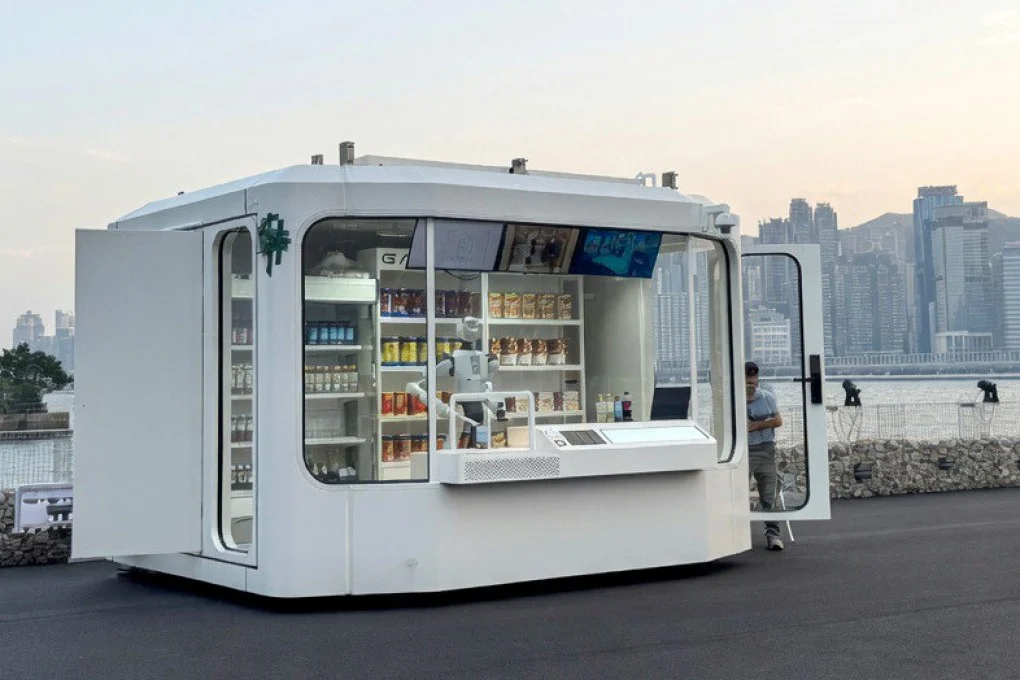
    The bustling city of Hong Kong is all set to welcome its inaugural 24-hour convenience store managed entirely by a humanoid robot. This groundbreaking project denotes the initial venture outside Mainland China for Beijing-based robotics firm, Galbot.

    Situated along the waterfront of Hung Hom, the robotic store is financially supported by the Hong Kong Investment Corporation (HKIC). A 9 square meter capsule store, it will be supervised by ‘Xiao Gai’, a G1 humanoid robot model standing tall at 173cm. The robot is equipped with a 190cm arm span, specifically engineered to restock shelves, select inventory items and manage customer checkouts with ease.

    A New Era of AI in Retail

    The store is designed to cater to high-demand retail categories such as snacks, lifestyle merchandise, and over-the-counter pharmaceuticals. The upcoming launch of this humanoid robot-managed store in Hong Kong highlights a rapidly evolving trend: the integration of artificial intelligence (AI) into our everyday lives.

    As the HKIC stated, their active promotion of AI development extends beyond the goal of enhancing industries and bolstering economic competitiveness. It also aims to provide residents with a unique, AI-enabled convenience experience while simultaneously fostering new areas of growth and opportunity.

    Galbot’s forecasts predict that this automated storefront model could boost local foot traffic by a significant 30 to 40 percent, owing to its novelty factor.

    Global Expansion on the Horizon

    Following the initial pilot in Hong Kong, Galbot reportedly has plans to introduce this innovative capsule store format on an international level. The ambitious expansion plan targets rollouts across ten major cities worldwide.

    Questions & Answers

    What is the size of the Hong Kong capsule store?
    The Hong Kong capsule store spans 9 square meters.

    Who is the humanoid robot managing the store?
    The store will be managed by a G1 humanoid robot model named ‘Xiao Gai’.

    What are Galbot’s future expansion plans?
    Galbot plans to introduce the capsule store format globally, targeting rollouts across ten major cities.

  • Li & Fung Partners with Vera Bradley: A Bold Foray into the Apparel Industry

    Li & Fung Partners with Vera Bradley: A Bold Foray into the Apparel Industry

    Global sourcing and supply chain leader, Li & Fung, is setting its sights on further growth within the apparel sector, following a successful trading year in home products. The firm plans to extend its licensing agreement with American lifestyle brand, Vera Bradley, and make a significant foray into the competitive industry.

    Expanded Agreement Details

    Under the terms of the extended deal, Li & Fung will be responsible for designing and manufacturing a variety of everyday clothing items. These will mirror Vera Bradley’s visual identity and include tops, sweaters, outerwear, dresses, and swimwear. The company’s designs will continue to feature its well-known patterns, colours, and quilting elements, with the aim of appealing to a wide, multigenerational audience.

    The new product line will be launched in stages. The first phase, slated for the holiday season in 2026, will unveil the winter collection, which includes tops, sweaters and outerwear. The subsequent expansion into dresses and swimwear is expected during the cruise season of 2027.

    Melinda Paraie, Chief Brand Officer of Vera Bradley, commented on the development, “Our foray into the apparel market is a significant step for Vera Bradley. We’ve been successful in the home category and we’re confident that our partnership will enable us to deliver high-quality apparel reflecting our brand’s ethos. It’s about meeting our customers in their comfort zone and offering them more avenues to express their personal style.”

    Distribution Plan

    The upcoming clothing range will be distributed widely, targeting customers across full-price, specialty, off-price, and warehouse club retail channels. This strategic approach is expected to maximize the reach of Vera Bradley’s offerings to their diverse customer base.

    Questions & Answers

    1. What are the terms of the expanded agreement between Li &Fung and Vera Bradley?
    Under the expanded agreement, Li & Fung will design and manufacture everyday apparel items like tops, sweaters, outerwear, dresses, and swimwear, reflecting Vera Bradley’s visual identity.

    2. When is the new product line expected to launch?
    The new product line will be launched in phases, beginning in the holiday season of 2026 with the release of cold-weather categories. The expansion into dresses and swimwear is planned for the cruise season of 2027.

    3. What is the proposed distribution plan for the new clothing range?
    The clothing range will be widely distributed across full-price, specialty, off-price, and warehouse club retail channels.

  • Hermès Unveils Culturally-Inspired Boutique at The Landmark Nagoya Sakae

    Hermès Unveils Culturally-Inspired Boutique at The Landmark Nagoya Sakae

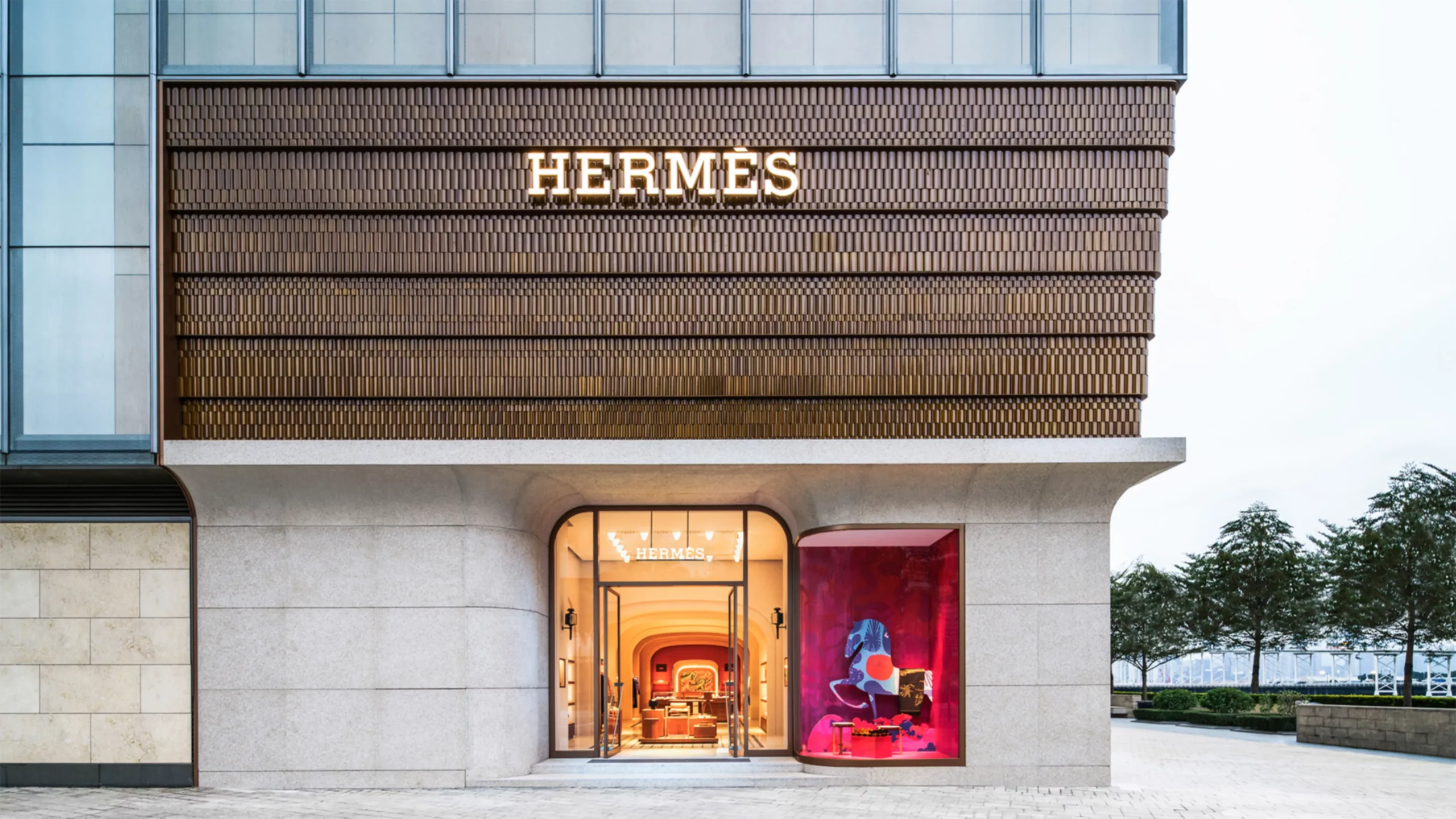
    Hermes, the high-end retail brand, recently established a new outlet in The Landmark Nagoya Sakae, Japan. The store design was inspired by the locale’s rich culture and long-standing textile customs.

    This new store, envisioned by the renowned architectural firm RDAI based in Paris, exhibits the brand’s sixteen merchant categories beautifully. The design is a blend of naturally illuminated spaces accentuated by varying textiles and vibrant colours.

    Store Design and Features

    The store’s entrance is adorned with towering windows that feature molded glass panels. A unique curtain, made from almost a thousand hand-woven cotton threads, hangs like the strands of a loom. The glass panes provide a backdrop for the reflection of two horses in mid-gallop, a sight to behold for visitors.

    The boutique’s layout is harmoniously connected by a central stone staircase, linking the various levels and departments effortlessly. The menswear section is located on the lower level, displaying an interior decor inspired by the traditional Japanese hakama, characterized by pleated gray silk walls.

    The womenswear section, situated on the second floor, employs a warm colour palette of plum and blush tones. It is elegantly finished with stucco and boasts yuzen-inspired floral elements. A dedicated jewellery section is demarcated by rich purple carpeting. The top floor houses the equestrian and homeware collections, incorporating design elements reminiscent of traditional shibori dyeing techniques. This is paired with neutral finishings and a distinctive ceiling light fixture.

    Questions & Answers

    What was the inspiration behind the design of the new Hermes store in Japan?
    The store was inspired by the local culture and textile traditions of Nagoya, Japan.

    What unique features can be found in the new Hermes store?
    The store showcases a variety of unique features such as a curtain made from nearly a thousand hand-woven cotton threads, a central stone staircase, and design elements that reference traditional Japanese shibori dyeing techniques.

    What collections does the Hermes store in Nagoya house?
    The store houses the menswear, womenswear, jewellery, equestrian, and home collections of Hermes.

  • South Korea Slaps Coupang with Record $409M Fine Over Unprecedented Data Breach

    South Korea Slaps Coupang with Record $409M Fine Over Unprecedented Data Breach

    South Korea has handed down a massive fine of 625 billion won (US$409.30 million) to e-commerce behemoth, Coupang. This follows an extensive breach of customer information and illicit collection of personal data, marking the country’s most substantial data violation penalty ever levied on a corporation.

    The nation’s Personal Information Protection Commission revealed that the New York-listed company had leaked the personal data of over 33 million customers. Notably, the company failed to identify and address the leak within the legally mandated 72-hour window.

    The fine represents approximately 1.4 per cent of Coupang’s revenue of 45 trillion won in 2025. The commission’s chairperson, Song Kyung-hee, pointed out during a Thursday briefing that the data breach happened due to Coupang’s inadequate safety measures and systems – not because of advanced hacking techniques.

    Acknowledgement and Apology

    In response to the announcement of the fine, Coupang expressed regret and offered an apology for the public distress and concern caused to its customers. Although, the company expressed disappointment that their proactive efforts to mitigate the aftermath of last year’s data leak were not fully recognized by the regulatory body’s decision.

    Coupang, headquartered in Seattle, generates the majority of its earnings in South Korea by offering speedy delivery of groceries, food, and other goods. The penalty comes on the heels of a government-led investigation earlier this year, attributing the data breach to a managerial failure.

    Investigation Findings and Implications

    The science ministry in South Korea reported that a former employee, a Chinese national, had unlawfully procured a security key, allowing unauthorized access to customer accounts. Song noted that Coupang’s flawed security system allowed a hacker to undeterredly access the personal information of all customers, even after the alleged culprit had left the company.

    In addition to the breach, the firm did not notice an abnormal increase in traffic to its customer data until alerted by a customer inquiry. Moreover, the regulator discovered that Coupang’s marketing program had illicitly collected information on the online activities of around 11 million customers without obtaining their consent.

    Song remarked that Coupang had significantly expanded its e-commerce service based on extensive customer data. However, despite its business scale, the company lacked a system to protect and manage customer information.

    Questions & Answers

    Why was Coupang fined 625 billion won by South Korea?
    Coupang was fined for a substantial breach of customer data and illegal collection of personal information, marking the largest data violation penalty ever issued by South Korea.

    What are the details of the data breach?
    The company leaked the personal data of over 33 million customers and failed to identify and address the breach within the legally mandated 72-hour window. A former employee was found to have unlawfully accessed customer accounts.

    What was Coupang’s response to the fine?
    Coupang apologized for the concern caused to the public and its customers. However, the company expressed disappointment that their proactive efforts to prevent further harm from the data leak were not fully acknowledged by the regulatory authority.

  • Emirates SkyCargo Expands Global Network with Weekly Freighter Service to Almaty, Central Asias Growing Commercial Hub

    Emirates SkyCargo Expands Global Network with Weekly Freighter Service to Almaty, Central Asias Growing Commercial Hub

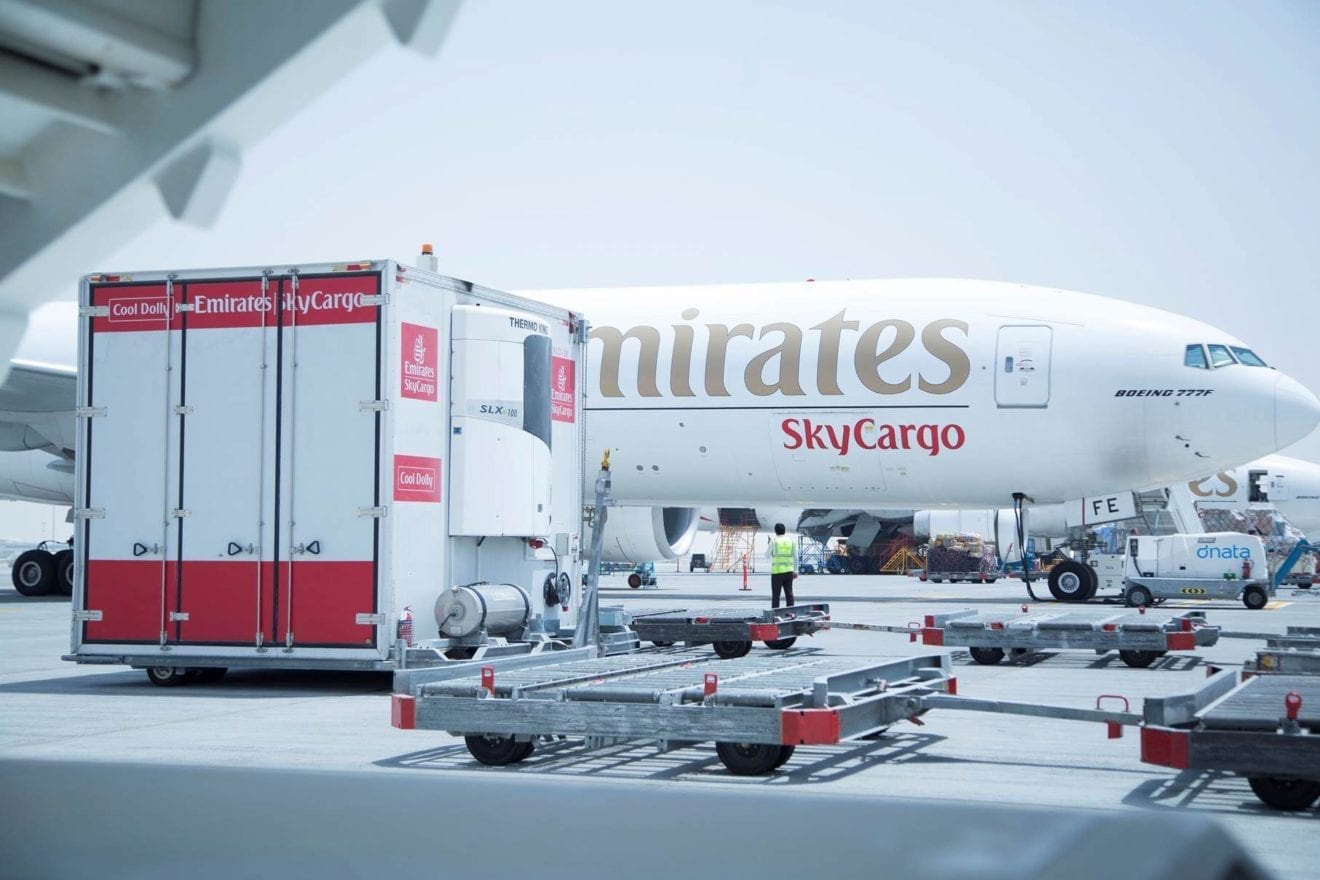
    Emirates SkyCargo, the freight arm of the prominent Emirates airline, recently announced the commencement of weekly freighter flights to Almaty International Airport, Kazakhstan, starting from 16 June 2026. In what marks the company’s first foray into Central Asia, the Dubai-based flights are set to establish a robust trade channel, tying the region to the Emirates SkyCargo global network.

    Strengthening Trade Corridors

    As the major city of Kazakhstan, Almaty is a fast-developing commercial and logistical center, serving as an economic and trading nexus in Central Asia. By offering weekly freights every Tuesday, Emirates SkyCargo aims to supply over 100 tonnes of weekly cargo capacity. This will facilitate the smooth transportation of key commodities including electronics, perishables, machinery, and other consumer items between Dubai and Almaty.

    Badr Abbas, Divisional Senior Vice President of Emirates SkyCargo, noted that the decision to offer weekly freighter services to Almaty was in line with the company’s role as a global trade facilitator. He expressed optimism that the new service would provide businesses in Almaty and the surrounding region with opportunities to expand their international operations. Furthermore, it would offer the company’s global customers quick and convenient access to a strategic marketplace. Abbas also stated that the Almaty expansion supports the company’s long-term growth strategy and the D33 Dubai Economic Agenda objectives by increasing foreign trade and solidifying Dubai’s status as a global logistics hub.

    Expansion of Freighter Fleet and Network

    In response to a surge in global demand, Emirates SkyCargo has strategically expanded its freighter fleet and worldwide network. Since March 2026, the airline has taken delivery of four new Boeing 777 freighters, with six more due for delivery later this year. This will bring the total Emirates freighter fleet to 21 aircraft by December 2026. Emirates SkyCargo offers its global customers scalable and flexible cargo capacity solutions. In addition to dedicated freighter flights, the carrier also provides high-frequency bellyhold cargo capacity on Emirates’ passenger aircraft fleet, operating to destinations across six continents.

    Questions & Answers

    What is the significance of Emirates SkyCargo’s new service to Almaty?
    The new service will open up a new channel of trade, linking Central Asia, particularly Kazakhstan, to Emirates SkyCargo’s global network. It offers businesses an opportunity to expand their operations and provides global customers with a strategic marketplace.

    How does this expansion fit into Emirates SkyCargo’s broader strategy?
    The expansion aligns with the company’s long-term growth strategy and the D33 Dubai Economic Agenda objectives. It supports the company’s role as a global trade facilitator and strengthens Dubai’s standing as a global logistics hub.

    What are Emirates SkyCargo’s plans for their freighter fleet?
    With the delivery of four new Boeing 777 freighters in 2026 and six more expected later in the year, Emirates SkyCargo plans to expand its freighter fleet to 21 aircraft by the end of 2026.

  • Yakult Singapore Swaps Unpopular Orange Flavor for Peach, Sparks Consumer Debate

    Yakult Singapore Swaps Unpopular Orange Flavor for Peach, Sparks Consumer Debate

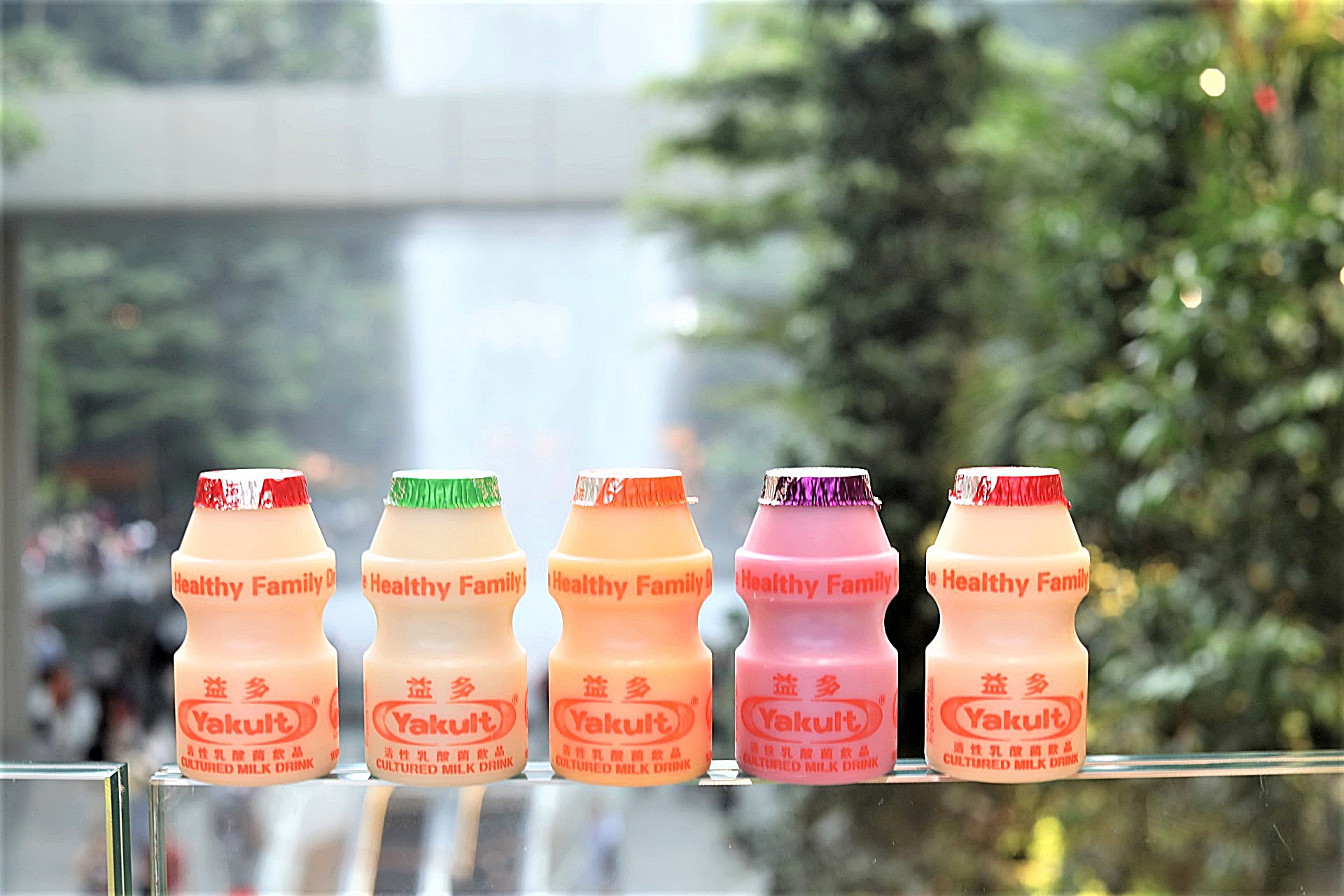
    The recent announcement regarding the discontinuation of Yakult Orange, a popular probiotic drink flavor, has elicited mixed reactions from consumers. For some, it comes as a surprise that this flavor was not as beloved as they had previously believed.

    Reactions to the Discontinuation

    Christine Heng, a 43-year-old music teacher, shared that she had always considered orange to be the preferred flavor until she discovered it was actually grape. She confessed that her regular monthly purchases of Yakult Orange for her family would drastically reduce due to the unavailability of her favorite variant.

    However, not everyone is mourning the loss of the orange flavor. A considerable number of comments were in favor of the change, with some people voicing their disapproval of the synthetic taste of the orange flavor. Comments such as, “I didn’t like how artificial the orange flavor was. I’m glad they replaced it,” and “Can replace any flavors, just don’t touch Apple and Grape,” reflect the varied consumer opinions on the matter.

    Farewell to Yakult Orange

    Despite the discontinuation, fans of Yakult Orange still have the opportunity to stock up on their favorite flavor until production officially comes to a halt at the end of this month. The drink will remain available as long as supplies last.

    Yakult, the probiotic cultured milk drink, was founded in Japan in 1935. It contains a strain of beneficial bacteria known as Lacticaseibacillus paracasei Shirota, discovered by its founder Minoru Shirota. Today, Yakult drinks are marketed worldwide, including regions such as Europe, Brazil, and Vietnam. In addition to the standard Yakult drink, there are other product ranges, like Yakult Plus. Furthermore, Yakult Peach was introduced in China in 2024.

    Questions & Answers

    What is the reaction of consumers to the discontinuation of Yakult Orange?
    Reactions are mixed: some consumers are disappointed, while others are glad about the change, criticizing the artificial taste of the orange flavor.

    Until when can consumers purchase Yakult Orange?
    Consumers can purchase Yakult Orange until the end of the month when production ends, or until supplies last.

    Where else are Yakult drinks available?
    Yakult drinks are available in several international markets, including Europe, Brazil, and Vietnam. They offer the standard Yakult drink and other product ranges like Yakult Plus.

  • Ease Your Cost-of-Living: Singaporean Households Grab $390 Support Vouchers!

    Ease Your Cost-of-Living: Singaporean Households Grab $390 Support Vouchers!

    From June 11, all Singaporean households will be eligible to receive S$500 (US$380) in Community Development Council (CDC) vouchers. This initiative is set to ease the financial burden of living costs for approximately 1.38 million households across the country.

    Voucher Validity and Usage

    The CDC vouchers can be claimed online via the official website and remain valid until the end of 2027. They can be used across a broad range of establishments, half of which are participating local merchants and hawkers. The remaining vouchers are applicable at around 400 outlets run by eight major supermarket chains throughout Singapore. These include Ang Mo Supermarket, Cold Storage, Giant Singapore, HAO Mart, NTUC FairPrice, Prime Supermarket, Sheng Siong, and U Stars Supermarket.

    This allotment of vouchers was originally set to be distributed in January 2027, as per Singapore’s 2026 national budget. However, it was advanced by six months to help households manage the cost-of-living pressures exacerbated by the ongoing Middle East conflict.

    About the Voucher Scheme

    The CDC voucher program was established in 2020 and expanded the following year. It was devised to aid households in managing living expenses while simultaneously supporting businesses hit by the COVID-19 pandemic. These vouchers have been distributed annually, with this latest disbursement marking the ninth cycle.

    As of June 3, more than $4.64 billion has been utilized through the previous eight CDC voucher rounds and two rounds of SG60 vouchers. The SG60 vouchers were similarly designed and distributed last year in celebration of Singapore’s 60th anniversary. About $2.43 billion, or 52% of the total sum, was spent at local merchants and hawkers, while the remaining was used in supermarkets.

    Over 94% of the 1.36 million eligible households claimed the most recent S$300 voucher tranche disbursed in January. More than 80% of these claimed vouchers have already been spent, indicating a high utilization rate. The CDC voucher scheme has proven to be both practical and accessible to the Singaporean populace.

    Alongside the CDC vouchers, a S$200 increase to a cash handout scheme known as the Cost-of-Living Special Payment was announced in April. Consequently, qualifying Singaporean adults will receive a payout of S$400-600 in September, an increase from the previous S$200-400.

    Questions & Answers

    What is the purpose of the CDC voucher scheme?
    The CDC voucher scheme was designed to assist households in coping with living costs while also supporting local businesses affected by the COVID-19 pandemic.

    Where can the CDC vouchers be used?
    Half of the vouchers can be used at participating local merchants and hawkers, while the remainder can be spent at around 400 outlets run by eight major supermarket chains throughout Singapore.

    When will eligible Singaporean adults receive the Cost-of-Living Special Payment?
    Eligible Singaporean adults will receive the Cost-of-Living Special Payment, which has been increased to S$400-600, in September.

  • Fuel Frenzy: Indonesia Suffers Sudden 32% Surge in Popular Gasoline Prices Amidst Middle East conflict

    Fuel Frenzy: Indonesia Suffers Sudden 32% Surge in Popular Gasoline Prices Amidst Middle East conflict

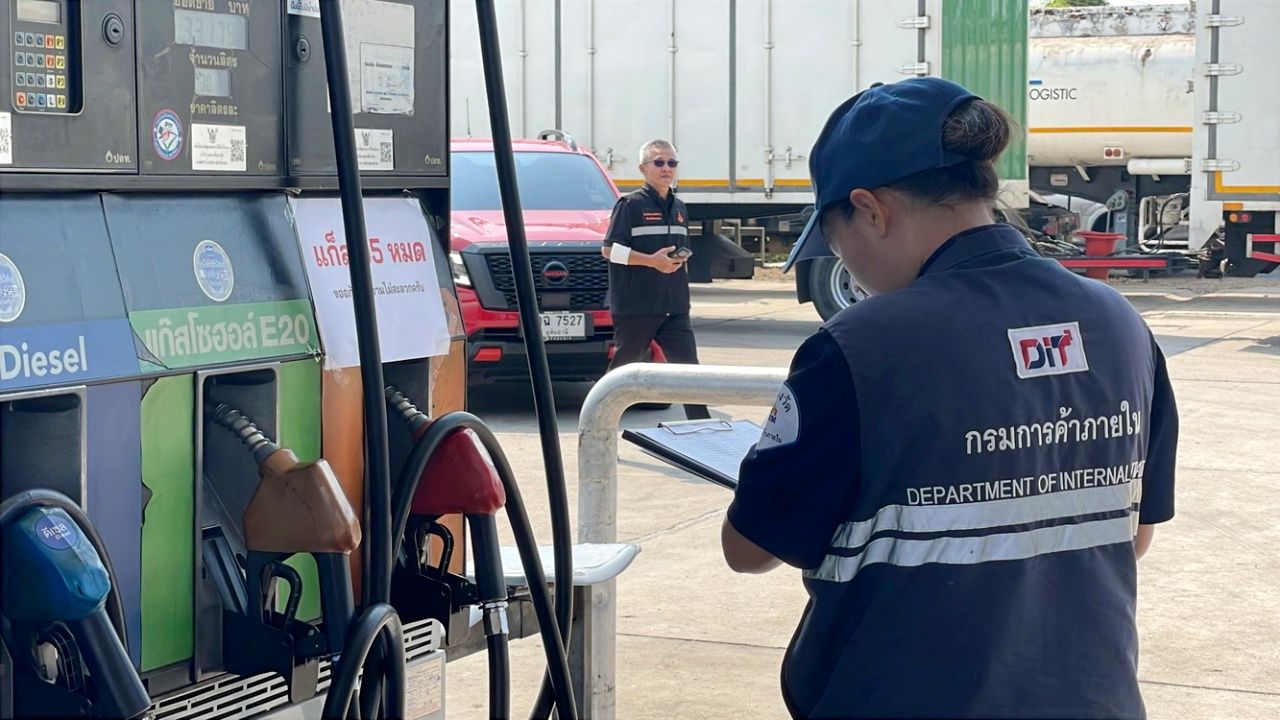
    In response to the ongoing conflict in the Middle East, Indonesian public corporation Pertamina has substantially elevated its fuel prices, marking the first rise since hostilities commenced. The price of 92-octane gasoline, popularly referred to as Pertamax and frequently used by Indonesia’s middle class, rose from Rp12,300 per liter to Rp16,250. This represents a substantial 32.1% increase.

    Pertamax Green, a 95-octane fuel variant mixed with ethanol, underwent a similar increase, with the price rising from Rp12,900 to Rp17,000 per liter, registering a 31.8% increment. It’s noteworthy that Pertamax fuels typically do not receive subsidies, and it remained unclear if Pertamina would receive compensation for managing to keep the prices constant since the conflict erupted.

    Financial Implications and Public Reaction

    The decision to implement these price increases was made following Bank Indonesia’s surprising move to increase interest rates for the second time within a month. This move was intended to bolster the nation’s economic health, especially considering that budget data from last week revealed a 208% surge in fuel, power, and fertilizer subsidies from the previous year.

    Finance Minister Purbaya Yudhi Sadewa opined that the inflationary impact of these price hikes would probably be minimal, given that these fuels are not typically used for public transportation. However, the annual headline inflation rate had already spiked to a record eight-month high of 3.08% in May.

    Radhika Rao, a senior economist at DBS Bank, stated that the fuels impacted by these changes represent approximately 7% of domestic fuel sales and 7.5% of energy usage in the transportation sector in 2023. She suggested that due to these changes, both monetary and fiscal policies should adopt a defensive approach to bolster the economy.

    The sudden increase in fuel prices came as a shock to many, with Masgal Carta, a resident of Bandung, West Java, expressing his concern over the financial strain that this could impose. He noted, “My earnings have remained static, but the prices of basic commodities have begun to rise, and now the cost of fuel, our primary mode of transportation to work, has also increased unexpectedly.”

    However, the price of the subsidized 90-octane fuel, known as Pertalite, remained unchanged, as confirmed by Pertamina.

    Questions & Answers

    What are the new prices for Pertamax and Pertamax Green fuels?
    The price of Pertamax fuel has risen to Rp16,250 per liter, while Pertamax Green now costs Rp17,000 per liter.

    What is the projected inflationary impact of these price increases?
    Finance Minister Purbaya Yudhi Sadewa believes that the inflationary impact of these price increases will be kept in check as these fuels are not typically used in public transportation.

    How have the price hikes affected everyday consumers?
    The sudden price increase has contributed to the financial pressure on consumers, with some expressing shock and concern over the possible tightening of their personal budgets.

  • Hollister Brings California Cool to the Philippines with First Store Debut at SM Mall of Asia

    Hollister Brings California Cool to the Philippines with First Store Debut at SM Mall of Asia

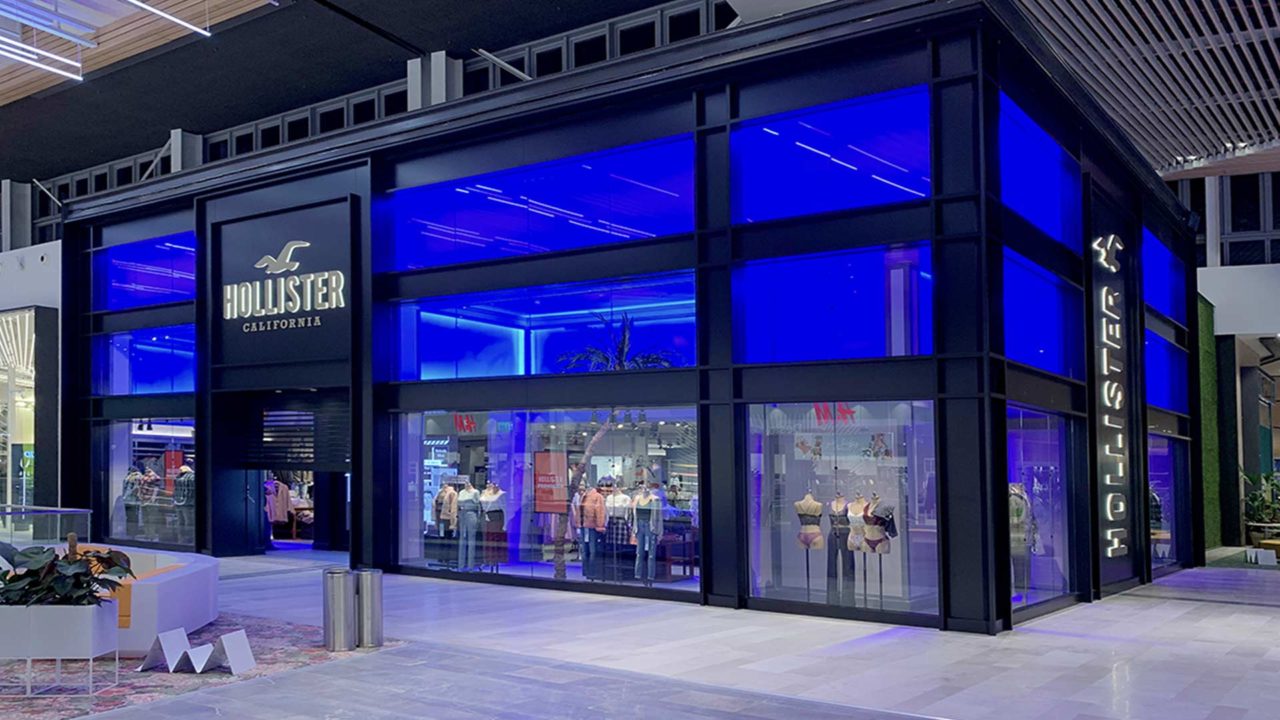
    Following closely on the heels of Abercrombie & Fitch’s entrance into the Philippine market, Hollister, the popular American lifestyle brand, has also opened its doors at the SM Mall of Asia.

    Partnership with PT Mitra Adiperkasa

    The grand unveiling was made possible through a collaboration with PT Mitra Adiperkasa Tbk (MAP). MAP is an Indonesian lifestyle retail giant that holds the reins of more than 150 global brands under its umbrella.

    Hollister, renowned for its relaxed, eclectic style influenced by Californian casual chic, will be offering a wide array of clothing options. Customers can look forward to browsing through a diverse assortment of denim, dresses, woven tops, shorts, and other accessories.

    Expanding its reach further, Hollister is also launching its Summer Essentials collection for kids. This range boasts of lightweight garments, tailor-made for active children and designed with warm weather in mind.

    Introducing Hollister’s Unique Style to the Philippines

    Representatives for Hollister expressed their eagerness to introduce the brand’s unique fashion sense to the Filipino market. “We couldn’t be more excited to introduce Hollister’s unique vibe to the Philippines,” shared Steven Sare, the MD of Apac for Hollister.

    He added, “The energy in this country is truly phenomenal, and our partnership with MAP has allowed us to create an immersive space where customers can fully experience our brand’s youthful clothing line, designed to capture moments, create memories, and promote an unapologetic self-expression.”

    In addition to Hollister and Abercrombie & Fitch’s recent launches, MAP is also reviving the presence of Marks & Spencer in the country.

    Questions & Answers

    What is Hollister’s style influence?
    Hollister’s style is heavily influenced by California’s casual and relaxed fashion.

    Who facilitated the launch of Hollister in the Philippines?
    The launch of Hollister was facilitated by PT Mitra Adiperkasa Tbk (MAP), an Indonesian-based lifestyle retailer.

    What else is Hollister introducing in the Philippines apart from its standard clothing line?
    Apart from its standard clothing line, Hollister is also introducing its Summer Essentials collection for children in the Philippines.

  • Frasers Group Boldly Bids $2.3 Billion for Complete Control of Hugo Boss

    Frasers Group Boldly Bids $2.3 Billion for Complete Control of Hugo Boss

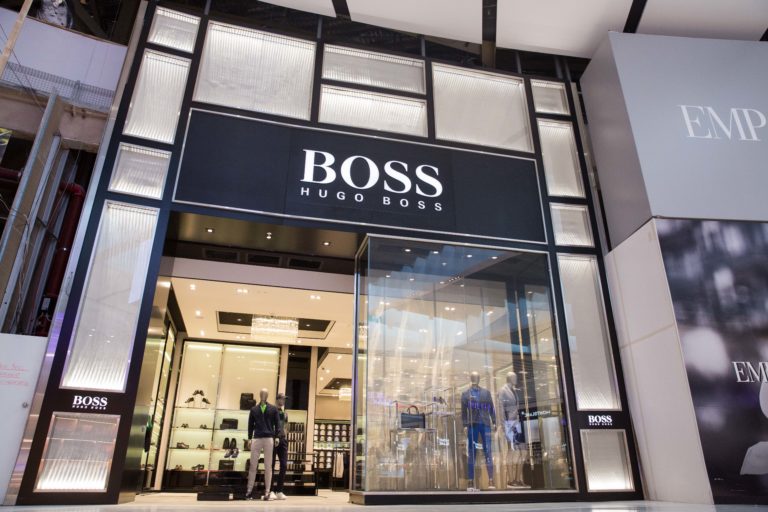
    Frasers Group, a prominent UK retail corporation, recently unveiled an unexpected voluntary takeover bid for Hugo Boss. Their goal is to procure the remaining shares of the renowned German fashion brand and obtain complete ownership. Currently, Frasers Group possesses a 26.06% stake in Hugo Boss, and their proposal to acquire the unowned 73.94% stake stands at €38 per share in cash. This proposition elevates the total bid value to roughly US$2.3 billion.

    Frasers Group’s Confidence in Hugo Boss

    Frasers Group’s proposed takeover reflects its sustained assurance in Hugo Boss’s potential and facilitates possibilities for additional business investment. The company regards Hugo Boss as one of its most critical strategic brand associates. Furthermore, Frasers Group continues to back the growth strategy and management team of the fashion firm.

    However, Hugo Boss confirmed that it had received the unrequested bid and emphasized that the company had no prior involvement in coordinating the proposal. The fashion group’s management board and supervisory board will assess the proposal document once it is officially available. Subsequently, they will issue an informed viewpoint for the shareholders.

    The company also assured that it would keep its shareholders and the public updated about any future developments and the following steps as per the legal and regulatory stipulations.

    Frasers’ Association with Hugo Boss

    The affiliation between Frasers Group and Hugo Boss traces back to 2020. This was when Mike Ashley, the founder of Frasers, initiated an investment in the German fashion company. The group also secured representation on Hugo Boss’s supervisory board through its CEO, Michael Murray.

    Questions & Answers

    What is Frasers Group’s current stake in Hugo Boss?
    Frasers Group currently holds a 26.06% stake in Hugo Boss.

    What is the proposed offer per share by Frasers Group for the remaining stake in Hugo Boss?
    The proposed offer by Frasers Group for the remaining stake in Hugo Boss is €38 per share in cash.

    What is the history of the relationship between Frasers Group and Hugo Boss?
    The relationship between the two companies began in 2020 when Frasers Group’s founder, Mike Ashley, started investing in Hugo Boss. Additionally, Frasers Group has representation on Hugo Boss’s supervisory board through CEO Michael Murray.

  • Zara Unveils Latest Flagship Store in Shanghai, Showcasing New Global Store Design

    Zara Unveils Latest Flagship Store in Shanghai, Showcasing New Global Store Design

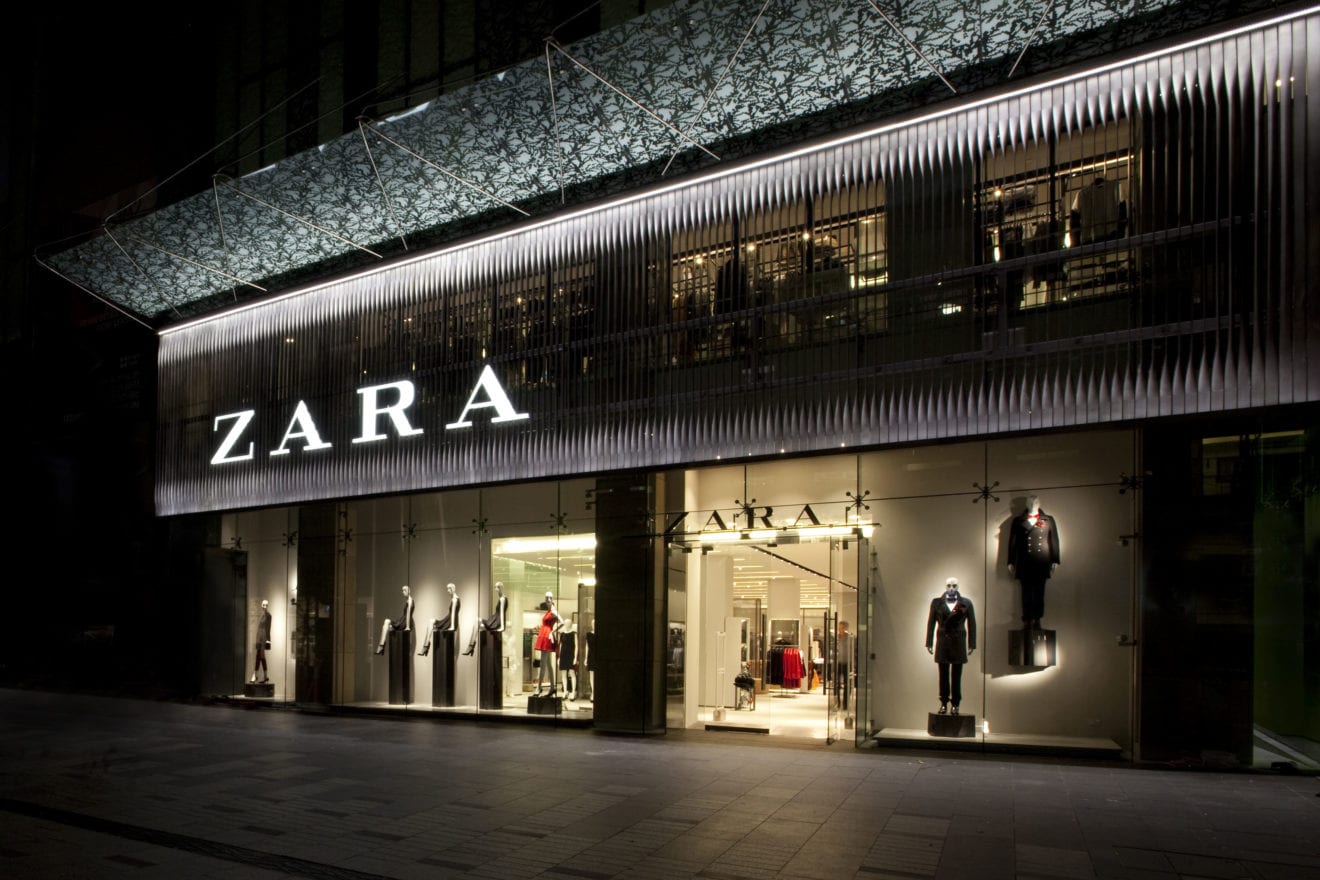
    Spanish fashion retailer Zara has expanded its presence in China by launching a state-of-the-art flagship store on Shanghai’s Huaihai Road. The new establishment reflects a strategic shift by its parent company, Inditex, towards larger retail spaces in prime locations, enhanced shopping experiences, and a consolidation of its store network through the closure of smaller outlets.

    The Huaihai Road store, which officially opened on June 6, sprawls over almost 2000 square meters across five floors. It features Zara’s full range of men’s and women’s apparel. Shoppers will also find designated sections for footwear, handbags, the Athleticz line, Zara Salon, and fragrances. This modern retail space was brought to life by the Zara Architecture Studio, in partnership with AIM.

    The Shanghai store’s unveiling is part of Zara’s ongoing flagship upgrade program across the Asia-Pacific region, a strategy that included considerable enhancements to its outlets on Nanjing Road in the previous year.

    Eugenio Bregolat, President of Inditex Greater China, highlighted the significance of the event, stating it marked a notable milestone as Zara celebrates two decades of operations in China. He reaffirmed the company’s commitment to uplifting the customer experience throughout the country by creating more inspiring and immersive retail spaces.

    Meanwhile, another Inditex brand, Massimo Dutti, is gearing up to open its flagship store at the Hong Kong Plaza near Huaihai Middle Road, further indicating the group’s ongoing investment in landmark locations within China.

    Questions & Answers

    **What is the new strategy of Zara’s parent company, Inditex, in China?**
    Inditex’s new strategy focuses on opening larger stores in key locations, enhancing the shopping experience, and consolidating its store network by closing smaller outlets.

    **What does the new Zara store on Shanghai’s Huaihai Road offer?**
    The new store, spread over almost 2000 square meters across five floors, offers Zara’s men’s and women’s collections, and includes designated areas for footwear, handbags, the Athleticz line, Zara Salon, and fragrances.

    **What does the opening of the new Zara store signify?**
    The opening of the new Zara store marks a milestone as the brand celebrates its 20th anniversary in China. It also symbolizes the continuation of Inditex’s investment in flagship locations within the country.

  • Guoquans Global Debut: Chinese Home-Dining Giant Ventures into Hong Kong Market

    Guoquans Global Debut: Chinese Home-Dining Giant Ventures into Hong Kong Market

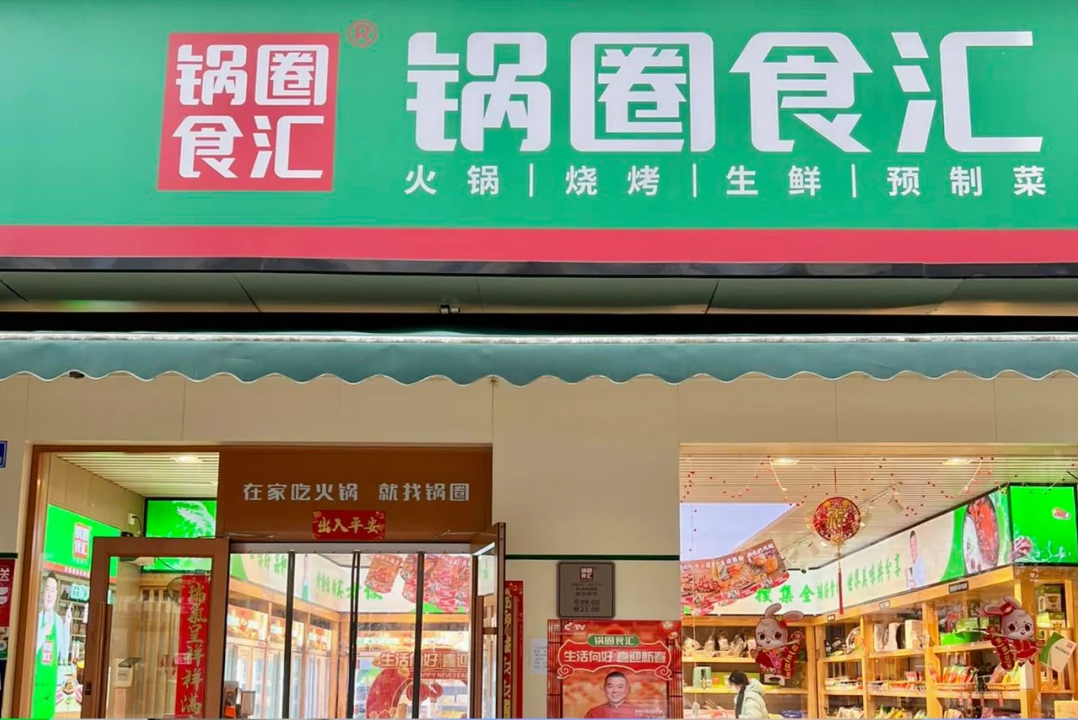
    The Chinese home-dining retailer, Guoquan, is planning to extend its business to Hong Kong. This move signifies the company’s first initiative outside Mainland China, aligning with their international expansion plans.

    The retailer anticipates the launch of its inaugural store in Wan Chai, Hong Kong, later this year. During this launch, local consumers will be introduced to the Guoquan’s “community central kitchen” concept.

    Expansion and Innovation

    This planned expansion to Hong Kong is concurrent with Guoquan’s continued growth within Mainland China. As of the first quarter of 2026, Guoquan boasts a network of 11,758 stores across the nation, including more than 3100 outlets in township level markets.

    From the latter half of 2025, Guoquan has been enhancing its store network by transforming smaller outlets into larger “community central kitchen” formats. The floor area of these renovated stores typically ranges from 80 to 100 square meters. These larger stores offer a wider array of products, a departure from the company’s traditional hotpot and barbecue ingredients.

    Guoquan’s product range has evolved to include breakfast items, ready-to-eat meals, light fare, alcoholic beverages, and other options tailored for various consumption times of the day. With 24-hour unmanned stores, customers can access these products and services at any time.

    Guoquan’s Journey

    Established in 2017, Guoquan has flourished into one of the leading home-dining brands in China. The company was publicly listed on the Hong Kong Stock Exchange in November 2023.

    Guoquan is renowned for specializing in household meal ingredients. Its product offerings range from hotpot and barbecue items to self-heating meals and prepared Chinese dishes.

    Questions & Answers

    What is Guoquan’s “community central kitchen” concept?
    The “community central kitchen” model is an innovative retail concept where stores are expanded from their traditional format to offer a wider range of products. This not only includes Guoquan’s traditional hotpot and barbecue ingredients, but has evolved to include breakfast items, ready-to-eat meals, light fare, alcoholic beverages, and more.

    When was Guoquan founded and when did it list on the stock exchange?
    Guoquan was founded in 2017 and listed on the Hong Kong Stock Exchange in November 2023.

    What is Guoquan’s current store count in Mainland China?
    As of the first quarter of 2026, Guoquan operates 11,758 stores nationwide in Mainland China, including over 3,100 outlets in township-level markets.

  • From Disruption to Resilience: How Retail Supply Chains Are Evolving in Asia

    From Disruption to Resilience: How Retail Supply Chains Are Evolving in Asia

    Supply chain disruption has become a constant reality for retailers. From geopolitical tensions and shifting trade conditions to demand volatility and supplier fragmentation across Asia, the operating environment has become significantly more complex and unpredictable. The steady flow of goods to store shelves or through to eCommerce fulfilment is no longer guaranteed, placing pressure on retailers to maintain availability while managing risk.

    This shift is forcing a fundamental rethink of traditional retail supply chains. To continue meeting customer expectations, retailers are shifting towards more adaptive, more resilient data-driven operations that can respond reliably and dynamically to change as it happens.

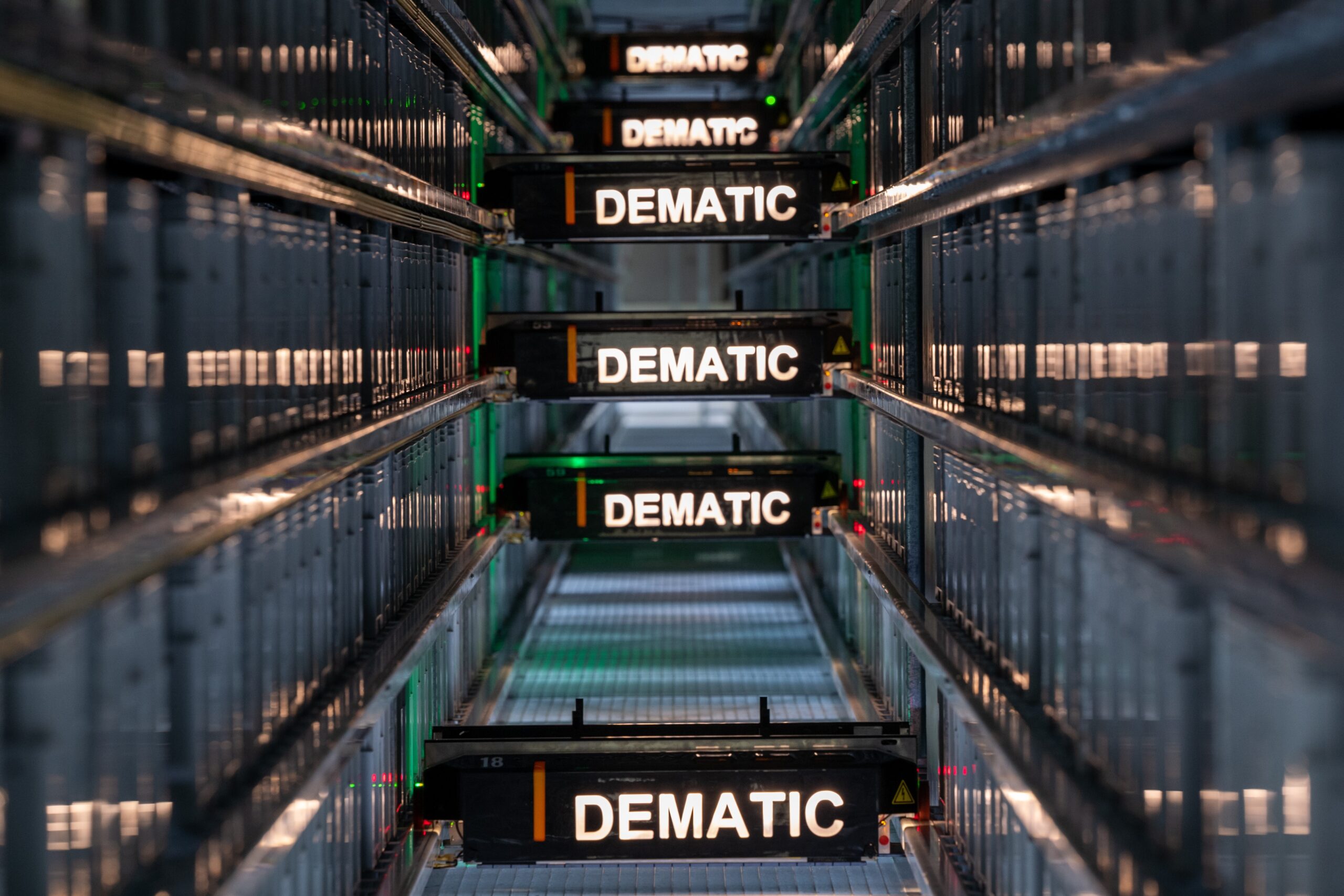
    To explore the implications for retailers, Retail News Asia spoke with Steve Cheung, President, Dematic Asia, China and MEAabout how retail supply chains need to evolve across Asia to address ongoing supply disruptions.

    1. How much does supply chain performance now shape the overall retail customer experience, especially for online shoppers?

    Supply chain performance is intrinsically tied to the customer experience today, particularly in eCommerce. Customers no longer separate the front-end brand from the back-end operations. What matters is whether the product is available, is low cost, delivered on time and arrives as promised.

    If a product shows as in stock but can’t be fulfilled, or delivery is delayed, that becomes the customer’s experience of the brand. Even what might seem like a small delay can have a bigger impact. It doesn’t just affect that one order but influences how customers see the brand and whether they come back.

    As online retail continues to grow, customer expectations are increasingly shaped by leading marketplaces, with speed, accuracy and reliability now expected as standard. So supply chain performance is no longer just an operational metric. It now directly affects conversion, repeat purchases and long‑term brand loyalty.

    1. What are the risks to retailers when product availability becomes inconsistent due to disruption, particularly in eCommerce?

    In eCommerce, customers don’t have the ability to see or experience the product physically, so they rely entirely on the service. That makes them much more sensitive to availability, delivery and overall fulfilment performance across the fulfilment network.

    When availability becomes inconsistent, the impact is immediate. If a product is out of stock or delivery timelines aren’t clear, customers can easily switch to another retailer. Over time, the bigger risk is loss of trust. If customers feel a retailer can’t reliably meet their expectations, they are less likely to return.

    There are also operational impacts. Retailers often respond by expediting shipments or holding extra safety stock, which increases costs and reduces efficiency. Without the right fulfilment strategy and operational visibility, what starts as a supply issue can quickly affect both margins and long-term customer relationships.

    1. Many retailers are still reacting to supply chain disruptions as they arise. How can a more agile, data-driven supply chain benefit retailers?

    A reactive approach makes it very difficult to stay ahead of disruption. By the time the issue is visible, it’s often already impacting operations or the customer experience.

    A more agile, data-driven approach allows retailers to respond earlier and with more confidence. With accurate, real-time and historical data, they can identify patterns, adjust inventory and make faster decisions, whether that’s reallocating stock optimising inventory positioning, or adapting fulfilment strategies.

    But the key starting point is data accuracy. If the data isn’t right, even the best systems or automation won’t deliver the right outcomes. Retailers that get the data right are in a much stronger position to improve responsiveness, maintain availability and manage disruption more effectively.

    1. Where do automation and real-time visibility make the biggest difference for retailers facing supply disruption?

    Automation and real-time visibility make the biggest difference when retailers need to maintain consistency or adapt to change under pressure. When demand changes or supply becomes uncertain, manual processes are difficult to scale and often introduce variability.

    Automation helps deliver consistent throughput, accuracy and performance, regardless of labour availability or demand spikes. It reduces reliance on manual intervention and supports more predictable operations, especially in high-volume and fast‑moving fulfilment environments.

    At the same time, real-time visibility gives a clear view of inventory, order status and operational performance across the network. That allows retailers to make faster, better-informed decisions, whether that’s reallocating stock or adjusting order and fulfilment priorities. Together, they give retailers much greater control when conditions are less stable.

    1. For retailers looking to make their supply chains more resilient, where should they prioritise investment – automation, systems, or process change?

    In reality, it’s not about choosing one over the other, as all three need to work together as part of a well‑designed fulfilment operation. Process is the starting point. Retailers need to understand how inventory flows, where the bottlenecks are and how decisions are being made. Without that, it’s very difficult to get the full value from systems or automation.

    There’s also no one-size-fits-all approach, particularly in retail where demand patterns and fulfilment models vary significantly. Retailers need to consider what’s right for their operation, their timelines and how their demand profile may evolve over time. From there, systems provide the visibility and intelligence needed for better decision-making, and automation improves consistency, throughput and accuracy. The key is taking a longer-term view rather than focusing only on short-term fixes.

    1. Retailers are trying to avoid both stockouts and excess inventory. How can they strike the right balance today?

    This has become much more complex as demand patterns continue to shift and fulfilment networks become more dynamic. Holding too little stock risks lost sales, while holding too much ties up capital and increases the risk of markdowns.

    The key is improving both forecasting accuracy and operational responsiveness. Retailers need better visibility into what is selling, where inventory sits across the operation and how quickly it can be replenished. This is where data, analytics and increasingly AI are playing a bigger role.

    Buying patterns are also changing more quickly, which makes traditional forecasting models more challenging. So rather than relying on excess inventory as a buffer, retailers are focusing more on positioning stock intelligently and moving it efficiently. That helps maintain availability while protecting margins.

    1. How should retailers be thinking about future-proofing their operations in an increasingly unpredictable environment?

    Future-proofing isn’t really about predicting what will happen next, but about building the capability to respond when it does.

    Retailers need to design supply chains that are flexible, scalable and able to adapt as demand patterns and operating conditions change. A modular, scalable approach is key here. Instead of making fixed, short-term investments, they need solutions that can be expanded or adjusted over time as their operations evolve.

    It’s also important to work with experienced partners who understand how to design fulfilment operations for these conditions. Supply chains today are not static; they require systems that can evolve alongside the business. The retailers that take a longer-term, design-led approach are much better positioned to stay competitive and navigate disruption in what is a very fast-moving and unpredictable environment.

    For more information please visit: https://www.dematic.com/