Blog

  • Aston Martin Lagonda Appointed New Director of Investor Relations

    Aston Martin Lagonda Appointed New Director of Investor Relations

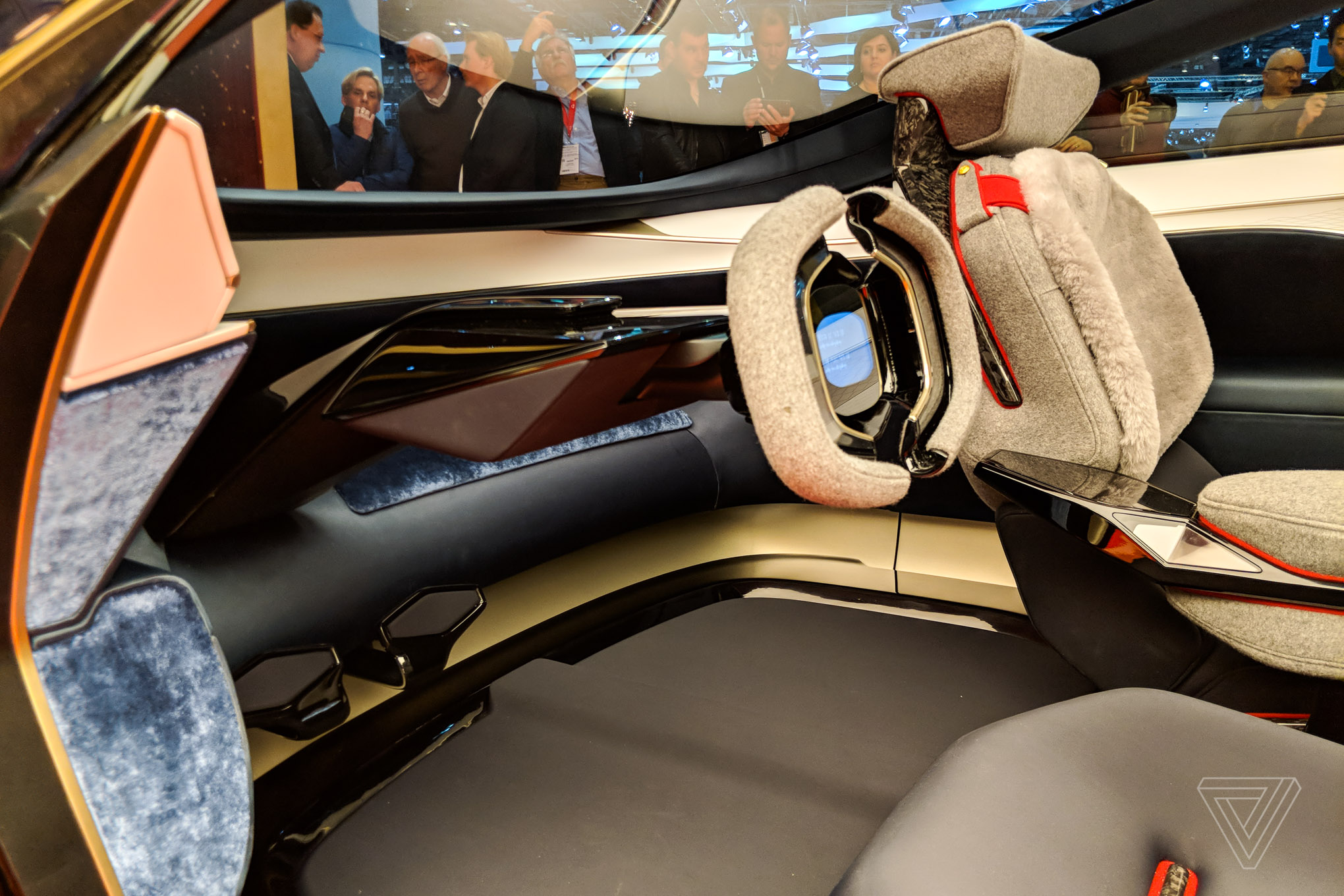
    Aston Martin Lagonda Global Holdings plc (AML) has today announced the appointment of Charlotte Cowley to the position of Director of Investor Relations. Charlotte joins Aston Martin from Burberry plc where she served as Vice President, Investor Relations, and was instrumental in establishing their dedicated IR function. Before this, Charlotte worked in corporate broking at UBS and prior to that, equity research at Credit Suisse.

    In this newly created role, Charlotte will lead the investor relations activities for the company and will report to EVP and CFO Mark Wilson, joining during January 2019.

    Aston Martin EVP and CFO Mark Wilson said: ‘Strengthening our Investor Relations team is a key priority for the business following our successful listing on the London Stock Exchange. Charlotte will bring significant experience to the company at this exciting time in our history. I am delighted to welcome Charlotte to the team as we continue on our execution of our Second Century Plan.”

  • Stocking up on Digitalization to Increase Share-of-Basket

    Stocking up on Digitalization to Increase Share-of-Basket

    With the rise of e-Commerce, Asian retailers are under tremendous pressure to continuously push traditional boundaries and embark on digital transformation to engage consumers. Keeping up with the latest trends in providing the best consumer experience have retailers looking to tech innovations, particularly digital technologies, to play a key role in capturing and keeping customers’ attention and loyalty.

    Technologies such as the cloud, Internet of Things (IoT), mobility solutions, and augmented reality (AR) are driving customer-facing innovations such as digital marketing, smart shopping carts, couponing, and mobile apps – that bring people into the store and keep them coming back. Cloud applications also make it easier for store associates and corporate staffers alike to collaborate and take care of back-office needs.

    The reality is that retailers need to embrace digital transformation and use technology in innovative ways to enhance the customer experience if they want to remain competitive.

    Technology Challenges

    However, rapid adoption of digital in retail not only improves outcomes but ignites new challenges for IT administrators in retail organizations. Among the challenges are how to:

    • Support increased customer engagement with in-store technologies that have high-bandwidth demands
    • Support increasing use of applications in the cloud with a resilient and secure network
    • Ensure connectivity and provide secure access for point-of-sale (POS) applications and electronic payment transactions
    • Ensure performance for real-time applications such as voice, video, and unified communications

    Taking on one of these efforts in the past may have required every resource, but now all of these must be accomplished by the same IT staff.  Also, these changes must be deployed across hundreds and even thousands of store locations spanning vast geographical regions.

    Yet the connective element that brings everything together for retailers –  existing networks are now too complex, too expensive, and frankly, too outdated to support the challenges and opportunities that come from digital transformation. A new approach to the retail network is required.

    With a Virtual Cloud Network, retailers can create an end-to-end software-based network architecture that delivers services to applications and data wherever they are located at global scale from edge to edge, with consistent, pervasive connectivity, and security.

    Faster service delivery on the cloud

    Alfamart in Indonesia is an example of a retailer that embarked on digital transformation by adopting cloud and mobility solutions, and reaped the benefits of a modernized, connected business network.

    Faced with a vast network of over 10,300 minimarts spread across the Indonesian archipelago and basic internet infrastructure in many far-flung areas, it was difficult for Alfamart to convey information in a timely manner across its network.

    The slow flow of information impeded the business’ ability to make critical decisions in a timely manner,  resulting in them not being able to react quickly enough to customer feedback or market trends, and affected overall competitiveness.

    Alfamart decided to connect all of its store employees and partners with a bring your own device (BYOD) strategy and an enterprise mobility management platform over the cloud.

    All store employees are now equipped with the most up-to-date product information, prices and stock level at their fingertips, enabling them to act quickly to meet market trends, and manage peaks in demand for the fast-moving perishable goods they provide.

    This has improved their speed-to-market, reduced training costs by 20 per cent, enhanced mobility across device and platforms, and improved internal communications between management and employees. Customer satisfaction levels have also gone up.

    Keeping systems up and goods in stock at all times

    City Mart in Myanmar is another retailer which benefited from modernizing its legacy IT infrastructure by adopting virtualization. Lengthy downtimes were a common occurrence under their old IT system, which affected their supply chain and resulted in unfulfilled customer orders, negatively impacting revenues.

    The supermarket network implemented a software-defined IT infrastructure and automated certain IT processes, which not only eliminated server downtime but also cut operational expenses by half. Predictive analytics and smart alerts also helped improve the system performance.

    With a new inventory management system, City Mart is now able to gain visibility of their stock across their entire network of 180 stores, whether on storeshelves or in the warehouse. This enabled them to better understand changing consumer demand patterns across different stores, ensure that goods are in stock at all times, and build stronger relations with suppliers.

    Ultimately, the virtualized IT infrastructure supports City Mart’s expanding business, enabling the retailer to meet the needs of Myanmar’s growing consumer class.

    Networking for Retail 2020

    The future of networking is software, and the network of the future is the Virtual Cloud Network. Virtual Cloud Networks allow retailers to create a digital business fabric for connecting and securing applications, data, and users across the entire network in a hyper-distributed world. In this way, retailers can simplify networking and wide area network management, optimize cloud access from all locations, assure high performance for even the most demanding applications, and enforce security and compliance across the network in every store location.


    – Sanjay K. Deshmukh, Vice President and Managing Director, South East Asia and Korea, VMware

  • Hong Kong Top 10 Most Visited Cities in Asia Pacific: Mastercard

    Hong Kong Top 10 Most Visited Cities in Asia Pacific: Mastercard

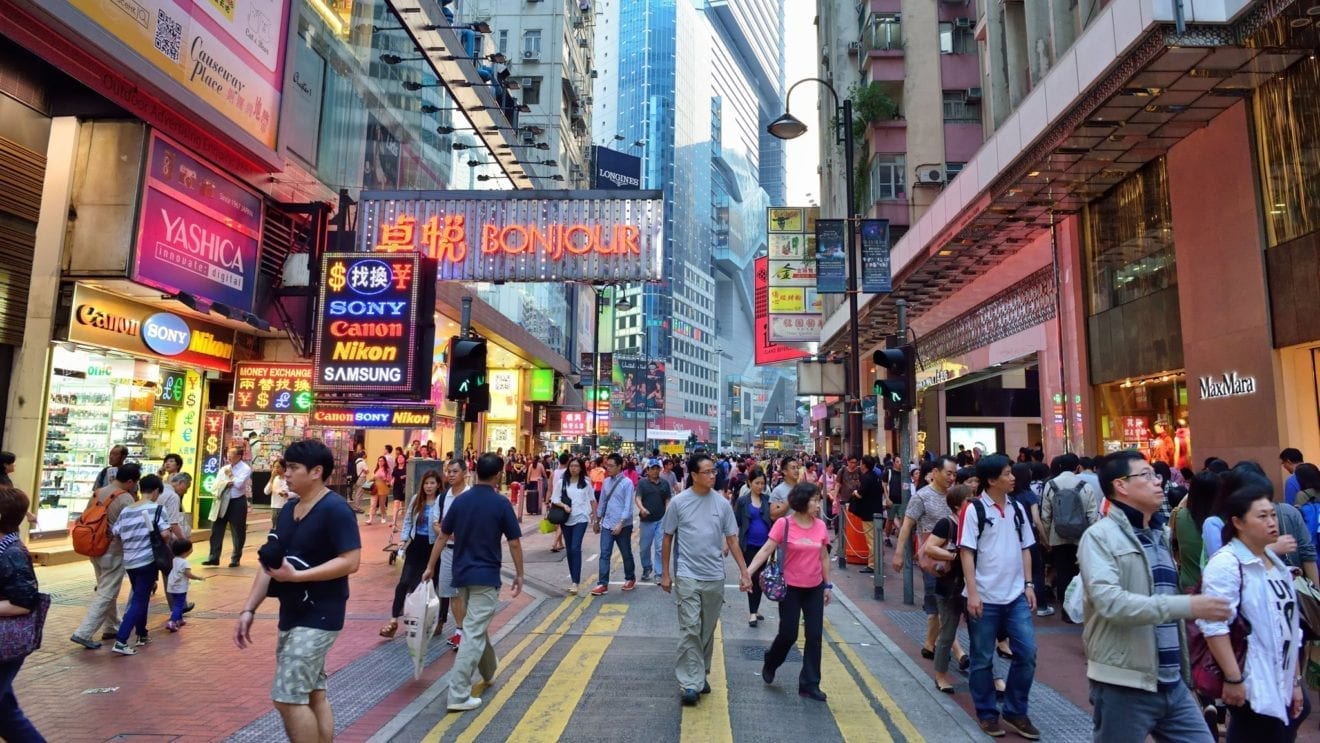
    Hong Kong is listed as one of Asia Pacific’s top 10 most visited destinations for the eighth consecutive year in the Mastercard Global Destination Cities Index 2018 released. Ranked 14th globally and seventh in Asia Pacific, Hong Kong welcomed 9.03 million international overnight visitors in 2017. Despite dropping a notch from ranking the sixth the previous year, the city saw a slight increase in international overnight visitors from 2016 which saw 8.86 million visitors. Overnight visitor arrivals to Hong Kong are forecast to grow by 0.9 percent in 2018.

    The city is currently at the tenth spot regionally, and is also expected to see 3.78 percent growth in international overnight visitor spending from US$5.92 billion in 2017.

    Ranking the world’s 162 top destination cities, the Index analyzes visitor volume and spending for the 2017 calendar year and provides a forecast for annual growth, insights on the fastest growing destination cities, and a deeper understanding of why people travel and how they spend around the world.

    Global & Asia Pacific Highlights:

     Bangkok remains to be the No. 1 destination city in the world with 20.05 million international overnight visitor arrivals, while London came in a close second with 19.83 million visitors. Paris and Dubai came at the third and fourth spots, with 17.44 million and 15.79 million visitors respectively. Singapore remains at the fifth spot with 13.91 million visitors.

     Forty-eight point five percent of travelers to the global destinations came from China, which ranks at number two among the top origin countries, next to the United States with 57.4 percent.

     Dubai continues to be the top ranking destination city in the world based on overnight visitor spend, having recorded an International Overnight Visitor Spend of US$29.70 billion, followed by Makkah and London with US$18.45 billion and US$17.45 billion each.

     The top three overnight international visitors in Hong Kong last year were from the Republic of Korea (12.9 percent), the U.S.A. (9.6 percent) and Taiwan (9.5 percent).


  • Luxasia Vietnam targets generation z buyer

    Luxasia Vietnam targets generation z buyer

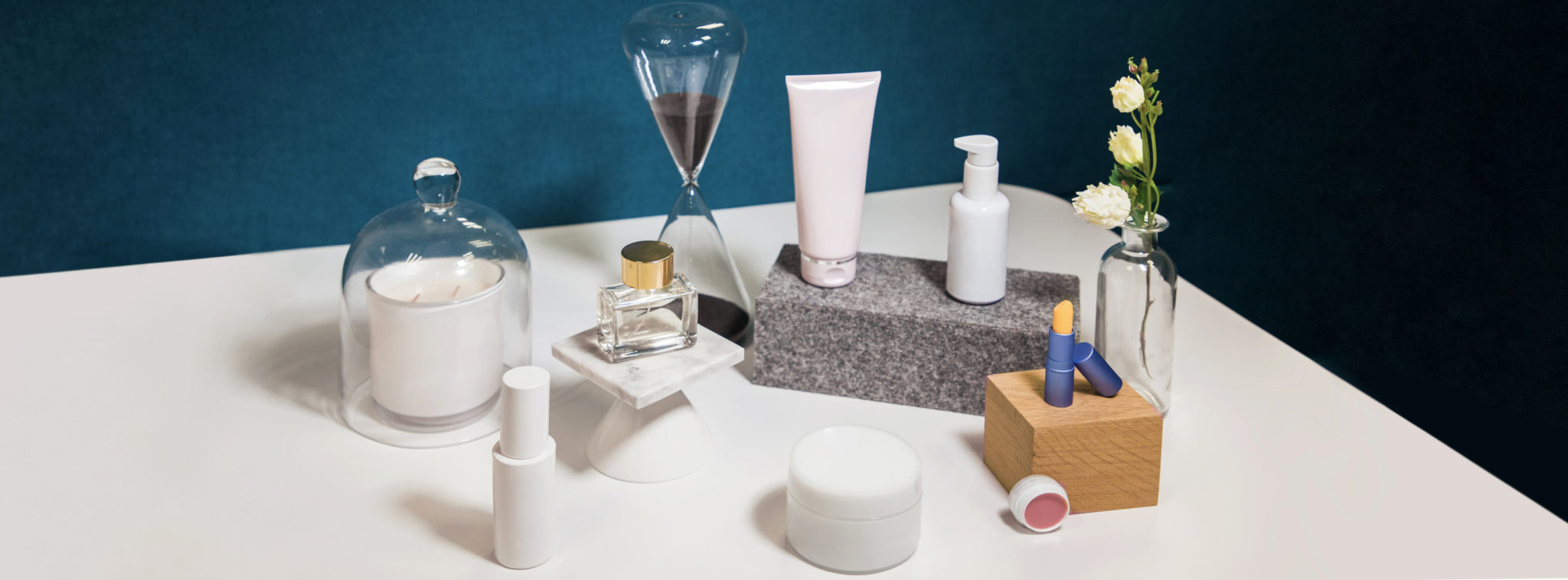
    Singaporean luxury beauty and lifestyle distributor Luxasia is making moves into Vietnam. The brand will be targeting younger millennial consumers who are thought to be responsive to social media and social media influencers.

    Luxasia Vietnam is focusing on the nation’s fast-growing economy and strong population of nearly 100 million. It currently offers 20 brands in the market, but is planning to introduce more incrementally. It also has designs on developing new distribution channels via small independent perfumeries, and building an e-commerce platform.

    Luxasia’s regional MD Karen Ong said of the Vietnamese market potential for beauty products, “It is still very much big brands focused. People want to use something other people recognise.”​

    Regarding the business climate, Ong commented: “In Singapore we take things for granted. We shake on it and we think it’s done and that everyone knows what to do. But there, you have to follow up and chase. There’s a lot of email back and forth. It reminds me of how we used to do business 10 to 15 years ago.”

    “It’s still very relationship based, the speed is much slower, and even if you plan way in advance, things may not always execute the way you have planned. The follow up has to be very close and you have to be very prescriptive in the way things want to be done.”​

  • Amazon reports US$ 56.6 bn revenue in Q3

    Amazon reports US$ 56.6 bn revenue in Q3

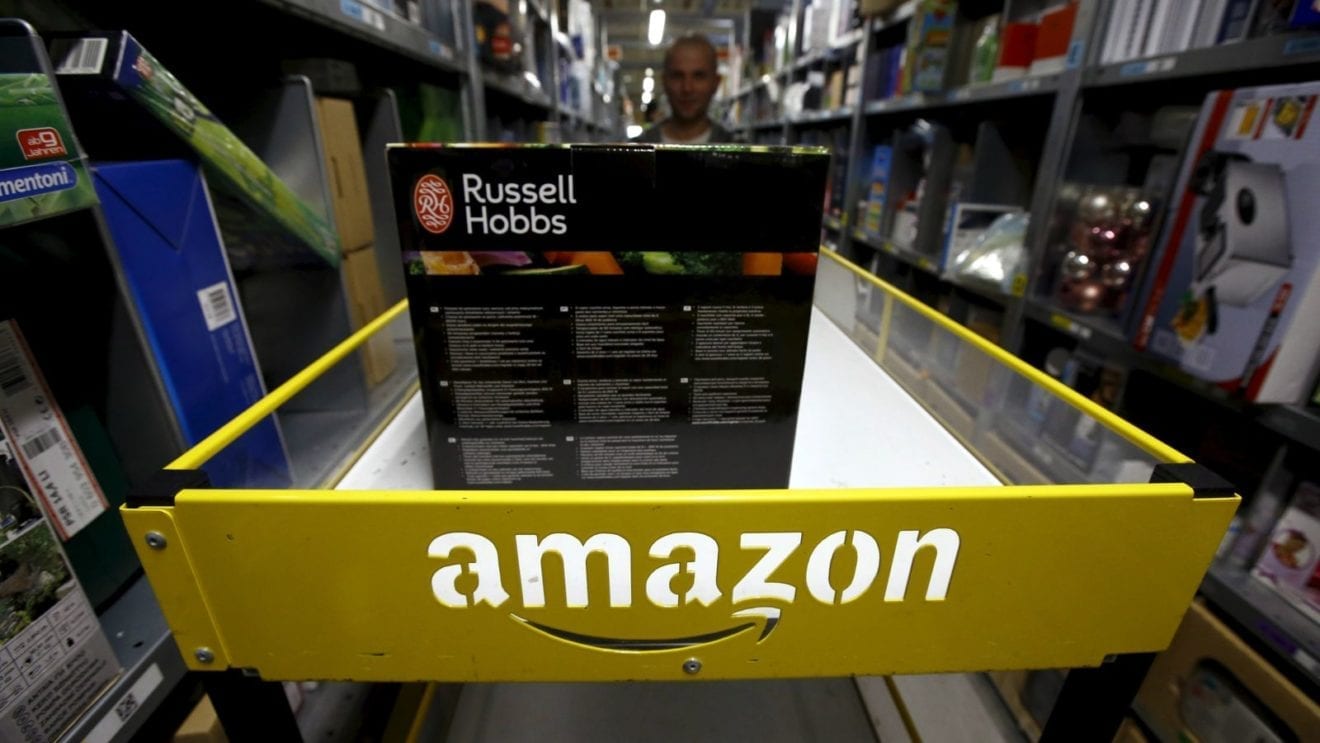
    Riding on its Cloud business, retail giant Amazon.com saw its net sales increasing 29 percent to US$ 56.6 billion in the third quarter this year, compared with US$ 43.7 billion in third quarter of 2017. Operating income increased to US$ 3.7 billion in the third quarter, compared with operating income of US$ 347 million in the third quarter of 2017.

    Net income increased to US$ 2.9 billion in the third quarter, or US$ 5.75 per diluted share, compared with net income of US$ 256 million, or US$ 0.52 per diluted share, in the third quarter of 2017.

    “Amazon Business has now reached a US$ 10 billion annual sales run rate and is serving millions of private and public-sector organisations in eight countries,” said Jeff Bezos, Founder and CEO, Amazon.

    “We’re not slowing down — Amazon Business is adding customers rapidly, including large educational institutions, local governments, and more than half of the Fortune 100,” Bezos said in a statement.

    Amazon gave fourth-quarter revenue guidance in the range of US$ 66.5 billion and US$ 72.5 billion.

    Amazon Web Services (AWS) announced several new customer commitments and major migrations during the quarter.

    In the third quarter, Amazon introduced a new family of Echo smart home speaker devices.

    Amazon also introduced the all-new Fire HD 8 tablet, featuring an 8-inch HD display, a quad-core processor, 16 GB of internal storage with support for up to 400 GB more via microSD, up to 10 hours of mixed use battery life, and hands-free access to Alexa.

    The number of Alexa-compatible smart home devices has quintupled year to date to more than 20,000 devices from over 3,500 brands.

    Through new tools, including updated Alexa Smart Home Skill APIs and the Alexa Connect Kit, developers and device makers can enable voice control of any device and feature with Alexa.

    Amazon India also announced the launch of Amazon.in in Hindi.

    Amazon Business is generating US$ 10 billion in annual sales, serving hundreds of thousands of business sellers and millions of customers across eight countries.

  • Uniqlo acquires stake in Vietnamese brand

    Uniqlo acquires stake in Vietnamese brand

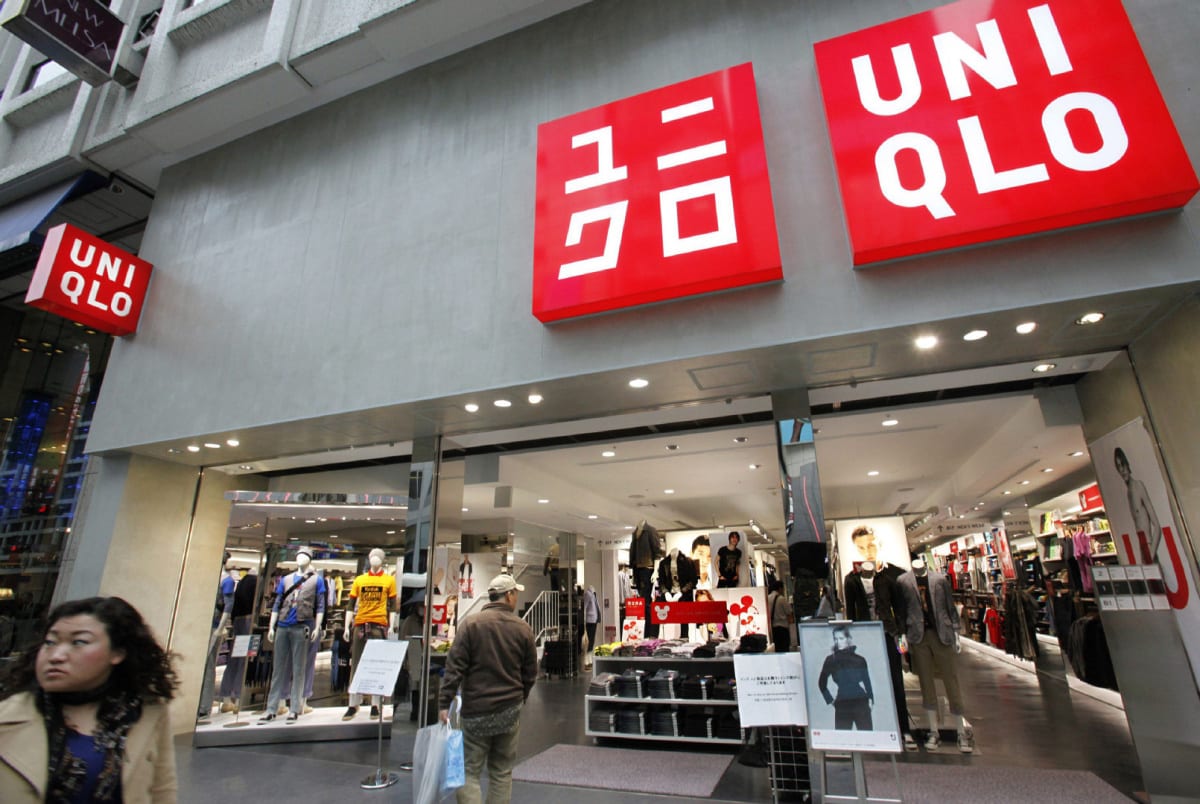
    Uniqlo’s parent, Fast Retailing, has acquired a 35 per cent stake in Hanoi-based women’s fashion brand Elise. Elise, which has more than 100 stores across the country, is said to have received tens of millions of dollars from the deal – a figure much higher than its entire charter capital.

    This is Fast Retailing’s first significant move into Vietnam since it announced it would launch its Uniqlo brand in Ho Chi Minh City next year.

    The store will be operated by a joint venture between Fast Retailing and Mitsubishi Corporation.

    Vietnam is one of the markets Uniqlo is counting on to double its store network in Southeast Asia and Oceania to around 400 by 2022.

    Uniqlo’s arrival in Vietnam will intensify competition for foreign brands as Zara and H&M who have already successfully launched there.

    According to German firm Statistics Portal, Vietnam’s fashion revenue will annually grow 22.5 per cent from 2017 to 2022, and its clothing sales will surge to an estimated US$245 million this year.

    Another fashion group from Japan, Stripe International, has reportedly bought NEM, a Vietnamese fashion brand which targets female office workers.

  • WK Life launches its flagship store at Mall of India

    WK Life launches its flagship store at Mall of India

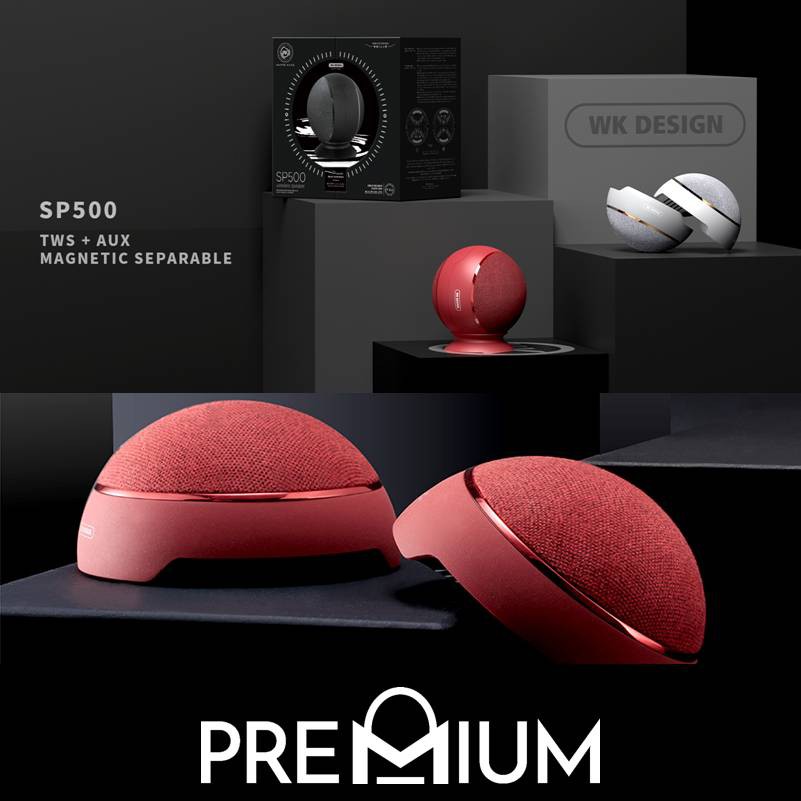
    Electronics and accessories retailer WK Life is launching its first Indian flagship at DLF Mall of India, Noida. The firm is entering the Indian market on the strength of its more than 1000 outlets in 60 countries worldwide. The 1000sqft flagship stocks a broad range of the brand’s products designed according to the ideas of its customers.

    WK Life director Rohit Sahni said the launch of the company’s first store in India is a significant achievement. “The decision to enter the Indian market has been driven by the anticipated growth in this untapped sector which is worth ₹10,000 crore.”

    WK Life retails bluetooth speakers, laptop accessories, travel luggage and gear, household electronic articles and car accessories.

  • Pepsi India betting big on digitisation for growth; to connect 10 million retailers

    Pepsi India betting big on digitisation for growth; to connect 10 million retailers

    Food and beverages major PepsiCo India is betting on digitisation as a big growth opportunity and is looking at using technology in both backward and forward integration. According to a report: The maker of Lay’s, Kurkure and many a cola brand, including Pepsi, said it is working on a project to digitally connect about 10 million retailers along with about 600 million consumers, with the supplier.

    Ahmed El Sheikh, President and Chief Executive Officer, PepsiCo India, said that the company has just finalised a project which is digitising the total supply chain within PepsiCo India, end-to-end.

    “We are working on another project to digitise our connection with farmers. We are talking about thousands of farmers where we want to be connected with the crops in the field, getting certain parameters measured and taking corrective action against it through digital solutions.

    “We are using digital in backward integration of supply chain network,” he said.

    Sheikh said the company is making technology as the cornerstone and building the business around it.

    “We are looking at how technology is going to reshape India and I think this is one of the key enablers to unleash the potential of our business in the country,” he said.

    The company, which reported profit in 2017-18, after a gap of seven years, is bullish on the prospects in the country and is rolling out the first river shipment of its snack portfolio from Kolkata to Varanasi.

    “We are going to start the first river shipment this month, from Kolkata to Varanasi. This is based on GST, which we are leveraging. We are starting a pilot with the Government.

    “It is the first containerised movement on inland waterway on river Ganga,” he said.

    Sheikh, PepsiCo India’s first expat president, further said the company, which has been in the country since 1989, isseeing healthy growth coming out of India, which is well balanced between food and beverage, while the nutrition segment comprising Quaker Oats and Tropicana, is growing faster albeit on a lower base.

    “We need to be positive growth driver for PepsiCo, but that growth needs to be sustainable and responsible,” he said.

    He added that the water and juice segment outgrows the soft drink segment in India, and the company is counting on being glocal to succeed in the food segment.

  • Profits down at Vietnam’s largest brewer

    Profits down at Vietnam’s largest brewer

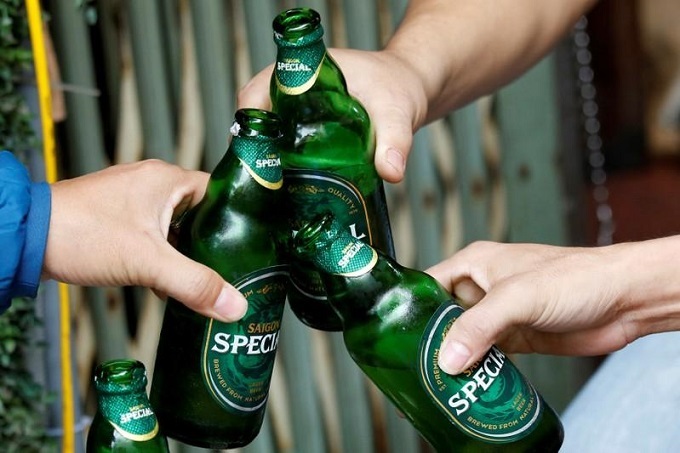
    Beer maker Sabeco has reported after tax profits of $149 million in Jan-Sept 2018, down 6 percent year-on-year. The company’s total revenue in the first nine months of the year was VND25.5 trillion ($1.1 billion), 70 percent of its annual target.

    According to the company’s third quarter financial report Sabeco, formally known as Saigon Beer Alcohol Beverage Corp, beer continued to dominate its revenue structure, netting over 85 percent of total income. The remaining revenue came from packaging, other beverages and spirits.

    Sabeco recently unveiled a restructuring plan to improve profit margins by 3-4 percentage points over the next few years.

    The company plans to adjust its business operations in five key segments: manufacturing, distribution, marketing, supply chain and storage. This plan involves the leading beer maker in Vietnam considering acquiring minority stakes in beer factories and distribution units.

    The company’s management board has also announced that one of its top priorities is to develop a better distribution system in major cities, especially in HCM City. Through this, Sabeco hopes to regain market share in urban areas currently dominated by Heineken.

    According to the Ho Chi Minh City Securities Corporation, Sabeco occupies approximately 42.8 percent of the domestic beer market. Due to increasing competition from multinational companies, this figure is down slightly from 43.6 percent in the previous year. As a result, consumption growth of Sabeco’s beer was less than the industry average, totalling 1.85 billion litres.

    The corporation estimates that by the end of 2019, Sabeco’s beer market share will increase slightly to 43 percent thanks to its marketing efforts and the launch of new products. Consumption of Sabeco-made beer is also expected to increase to 1.95 billion liters.

    Thai Beverage PCL (ThaiBev) is currently the dominant shareholder in Sabeco, which sells popular beer brands kike Saigon Beer and 333.

  • Strongest L’Oreal sales growth in 10 years led by APAC

    Strongest L’Oreal sales growth in 10 years led by APAC

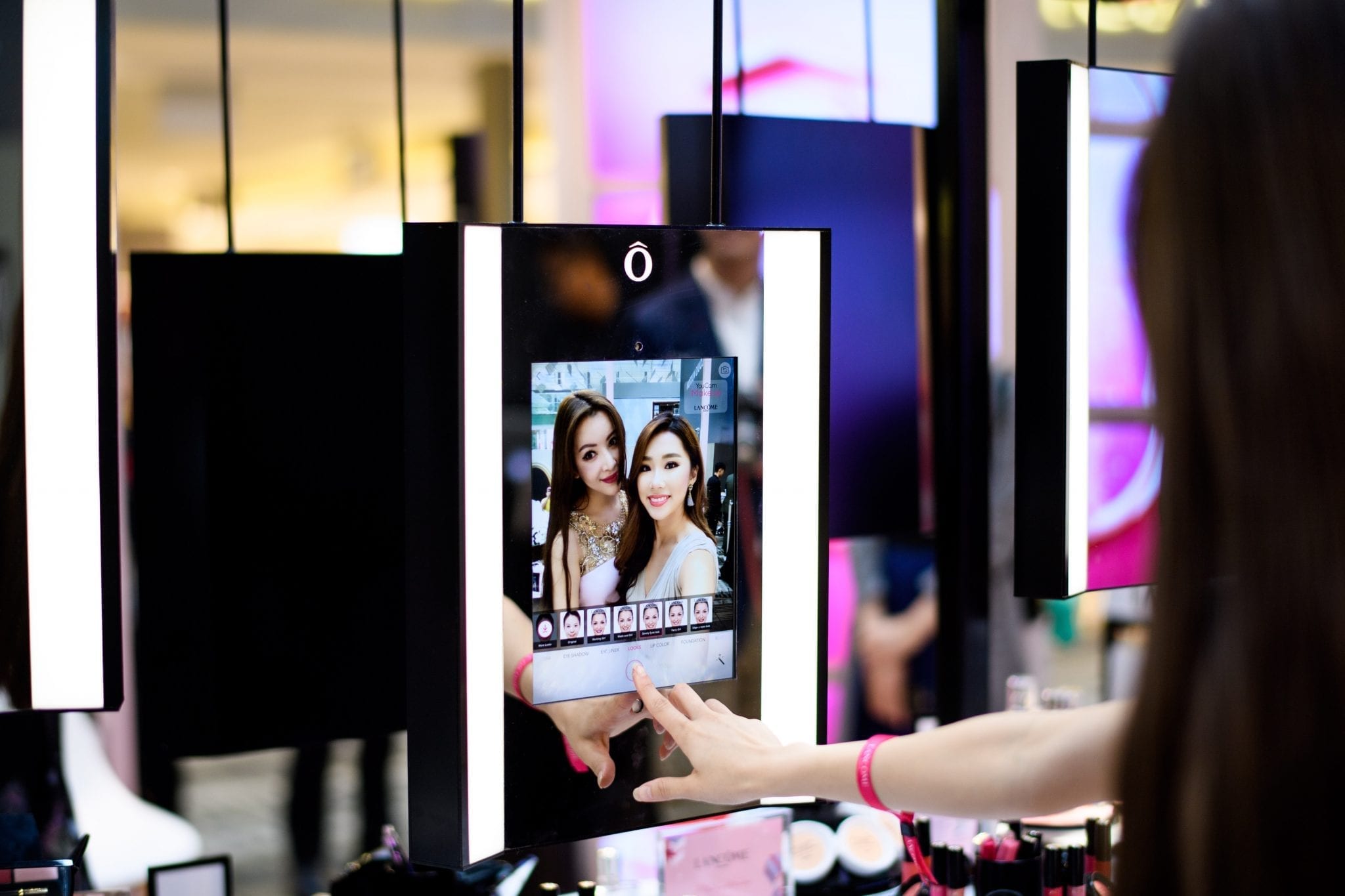
    L’Oreal sales in Asia Pacific soared 25.8 per cent on a like-for-like basis in the latest quarter – making it the French-headquartered company’s strongest international market. Sales in the region hit €1.794 billion in the quarter and €5.342 billion year to date, an increase of 23.3 per cent.

    “This acceleration in growth is boosted by strong demand from Chinese consumers, and the dynamic sales of the Lancome, Kiehl’s, Giorgio Armani, Yves Saint Laurent and L’Oreal Paris brands,” the company said in a statement.

    “In Northern Asia, the key factor remains the strong growth in China and Hong Kong, and in travel retail. In Southern Asia, sustained growth is continuing, particularly in India and Malaysia.”

    L’Oreal chairman and CEO Jean-Paul Agon said the company achieved its highest quarterly growth rate for 10 years in the three months to September 30. Worldwide sales reached €6.473 billion, up 7.5 per cent.

    “In a beauty market that continues to accelerate, driven by robust growth in skincare, the group maintains its strong momentum, with contrasted performances between the divisions. L’Oreal Luxe is showing dynamic growth, underpinned in particular by its four biggest brands, Lancome, Yves Saint Laurent, Giorgio Armani and Kiehl’s. The active cosmetics division, which continues to post double-digit growth, is being driven worldwide by consumer aspirations for dermocosmetics and the quality of its brand portfolio,” he said.

    While the consumer products division is being held back by persistent difficulties in some countries, the L’Oreal Paris and Maybelline New York brands are maintaining strong momentum.

    Travel retail globally was a standout for the group, posting growth of 29.9 per cent for the quarter and online sales grew by 38.3 per cent to now account for 9.7 per cent of L’Oreal’s turnover.

  • Xiaomi is coming to UK

    Xiaomi is coming to UK

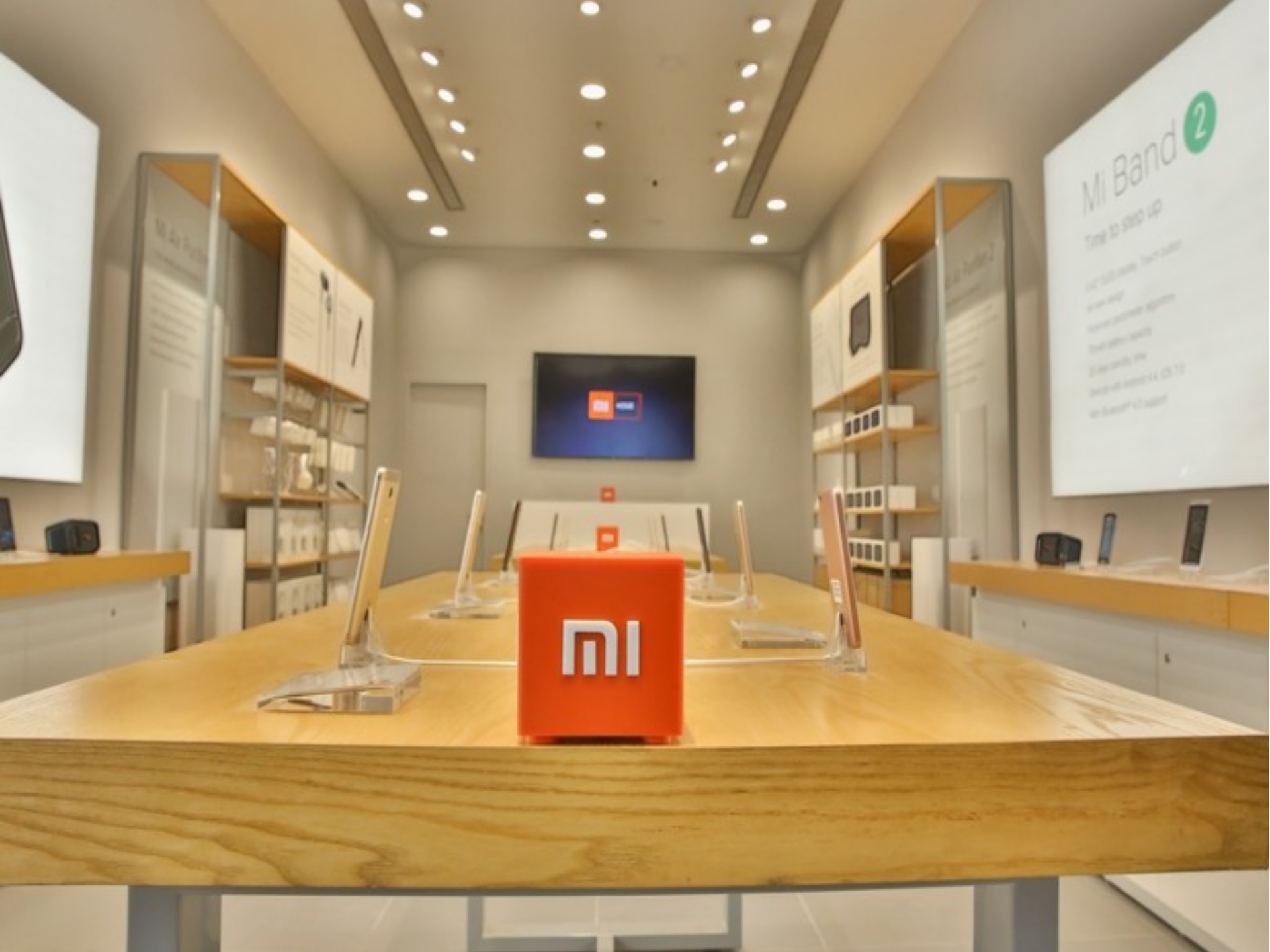
    Xiaomi will open its first store in the UK next week. The fast-growing Chinese electronics company will also sell its smartphones through the Three network, giving the brand exposure in hundreds of stores across the UK and in the Republic of Ireland.

    The Xiaomi UK launch follows openings in Spain and Paris as it joins other major global phone brands fighting for European market share.

    The first store, to be located in Westfield London, will open on November 10 and besides smartphones, will sell consumer electronics and accessories.

    In a Tweet, Xiaomi global spokesperson Donovan Sung wrote: “Excited to announce that Xiaomi will be officially entering the UK. See you all in London!”

    Just eight years after its launch, Xiaomi is now sold in 80 countries and boasts 200 million users. Already the fourth-largest smartphone brand in the world, behind Samsung, Huawei and Apple, Xiaomi sold 28.5 million handsets in the first quarter of this year.

  • Honda raises forecasts on solid motorbike sales

    Honda raises forecasts on solid motorbike sales

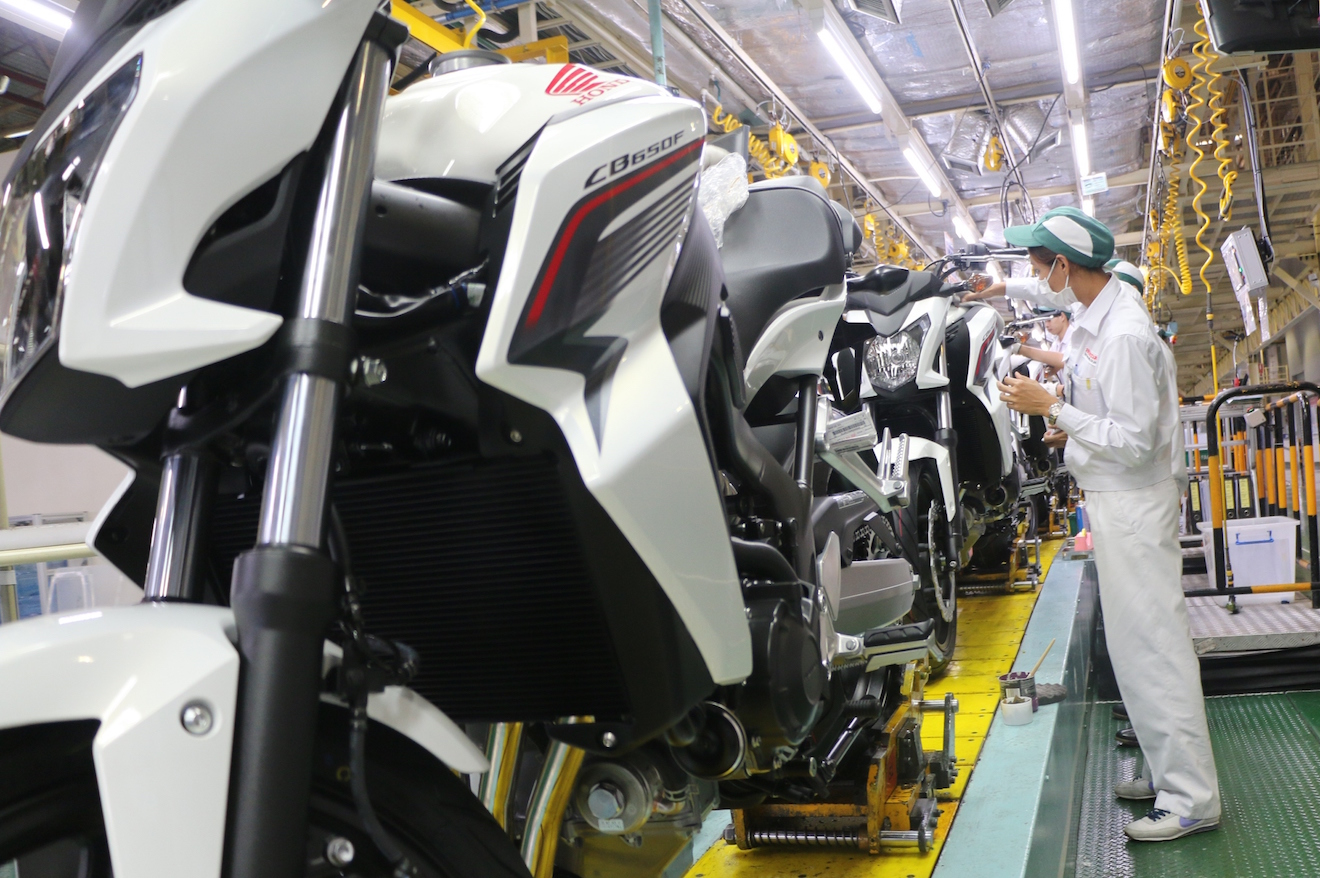
    Japan’s Honda Motor said Tuesday it was raising annual forecasts after first-half profits rose over 19 percent on motorcycles sales in Asia. Japan’s third largest automaker now expects net profit to reach 675 billion yen ($6 billion) for the fiscal year ending March, down from last year but a still an increase from its forecast last quarter.

    It also revised up annual sales to to 15.8 trillion yen.

    The company said it was seeing strong growth in the sales of motorbikes in Indonesia, Vietnam and other Asian countries, and touted cost-cutting efforts.

    It said net profit in the April-September period was up 19.3 percent to 455.1 billion yen while operating profit jumped 21.7 percent to 513.9 billion yen.

    Sales rose 5.0 percent to 7.87 trillion yen.

    “Honda enjoyed strong sales of motorcycles… This offset the negative impact of floods in Mexico on its production,” Satoru Takada, an analyst at TIW, a Tokyo-based research and consulting firm said ahead of the results.

    Honda was forced to temporarily halt operations at its largest auto factory in Mexico due to floods in June, and said at the time that it would lose 50 billion yen as a result.

    Japanese automakers remain on edge over talk of U.S. tariffs, though immediate action by Washington has been put off for now.

    “Japanese carmakers are also bracing for the impact of U.S. trade disputes with other major economies,” Takada said.

  • Dunkin’ to be seen as coffee place in future

    Dunkin’ to be seen as coffee place in future

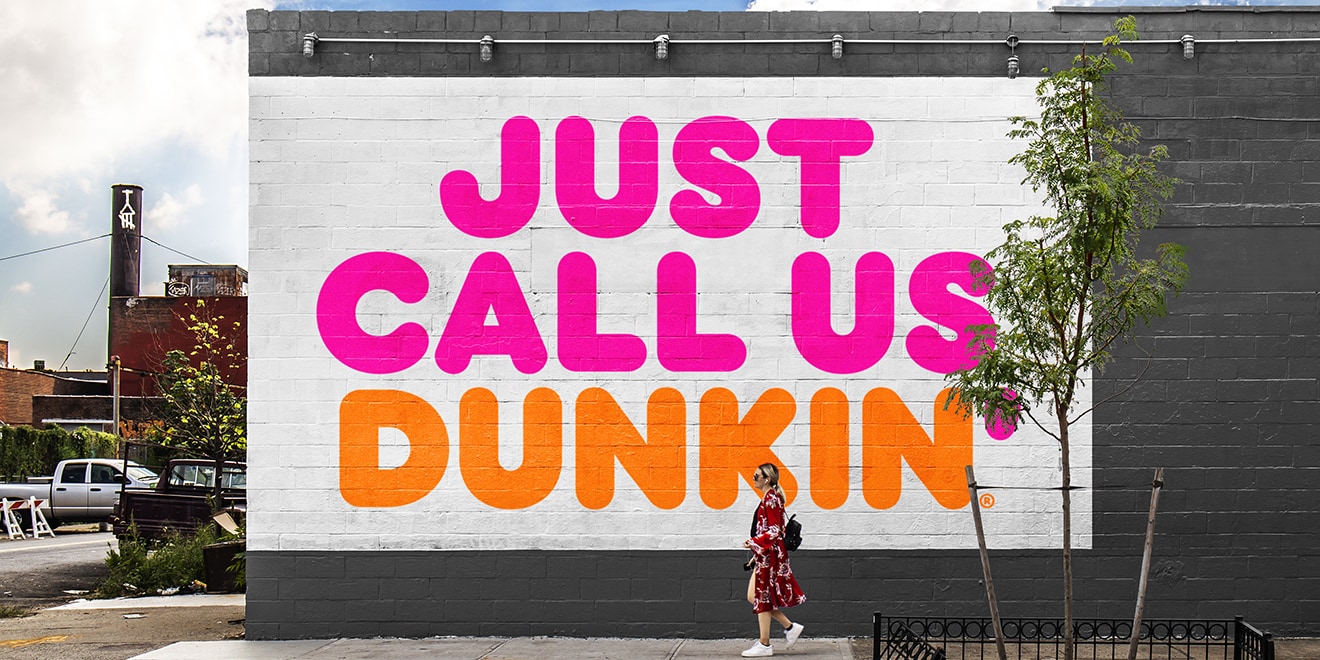
    Global fast-food chain Dunkin’ plans to reposition itself as a coffee chain – but it will still sell fresh donuts. Just a month after Dunkin’ Donuts unveiled rebranding, including dropping ‘Donuts’ from its name, the company has announced a strategy to put quality coffee at the core of its menu

    Dunkin’ has previously revealed a US$100 million budget to revive its market position in its core US home market. Now it says half of that investment will be spent on espresso machines and other restaurant equipment enabling it to accelerate its beverage-led strategy. The company says Dunkin’ franchisees are also making a substantial investment in the initiative, which is focused on growing its market share of the hot and iced espresso category.

    “Espresso is one of the fastest-growing coffee categories, particularly among younger consumers, and with our coffee credentials we believe we have a tremendous opportunity to improve our awareness and credibility among espresso drinkers,” said Tony Weisman, chief marketing officer at Dunkin’ US.

    The company is promising “an entirely new espresso experience for customers” in its US restaurants by the coming holiday season, featuring new state-of-the-art espresso equipment, a new espresso recipe, extensive restaurant training and new espresso cups.  Dunkin’ will serve “handcrafted hot and iced espresso beverages” – including lattes and cappuccinos – “featuring a rich, smooth, balanced taste that meets the profile preferred by espresso customers, and in particular younger espresso drinkers,” the company said in a statement.

    Dunkin’ will support the launch with a comprehensive marketing campaign. New espresso cups are bright orange and feature an exclamation point, a symbol the company says positions the espresso beverages as bold, new and exciting.

    “Relaunching espresso in our restaurants nationwide has been a tremendous undertaking, from installation of the new espresso machines, to the creation of the new, bolder taste profile, to the extensive employee training,” said Dunkin’ US COO Scott Murphy. “This is a transformative initiative, and it would never have happened without the total alignment and support of our franchisees.”

    All espresso beverages served at Dunkin’ US restaurants will continue to be made with 100-per-cent espresso beans sourced from Rainforest Alliance-certified farms.

  • Le Saunda closes stores as profit goes red

    Le Saunda closes stores as profit goes red

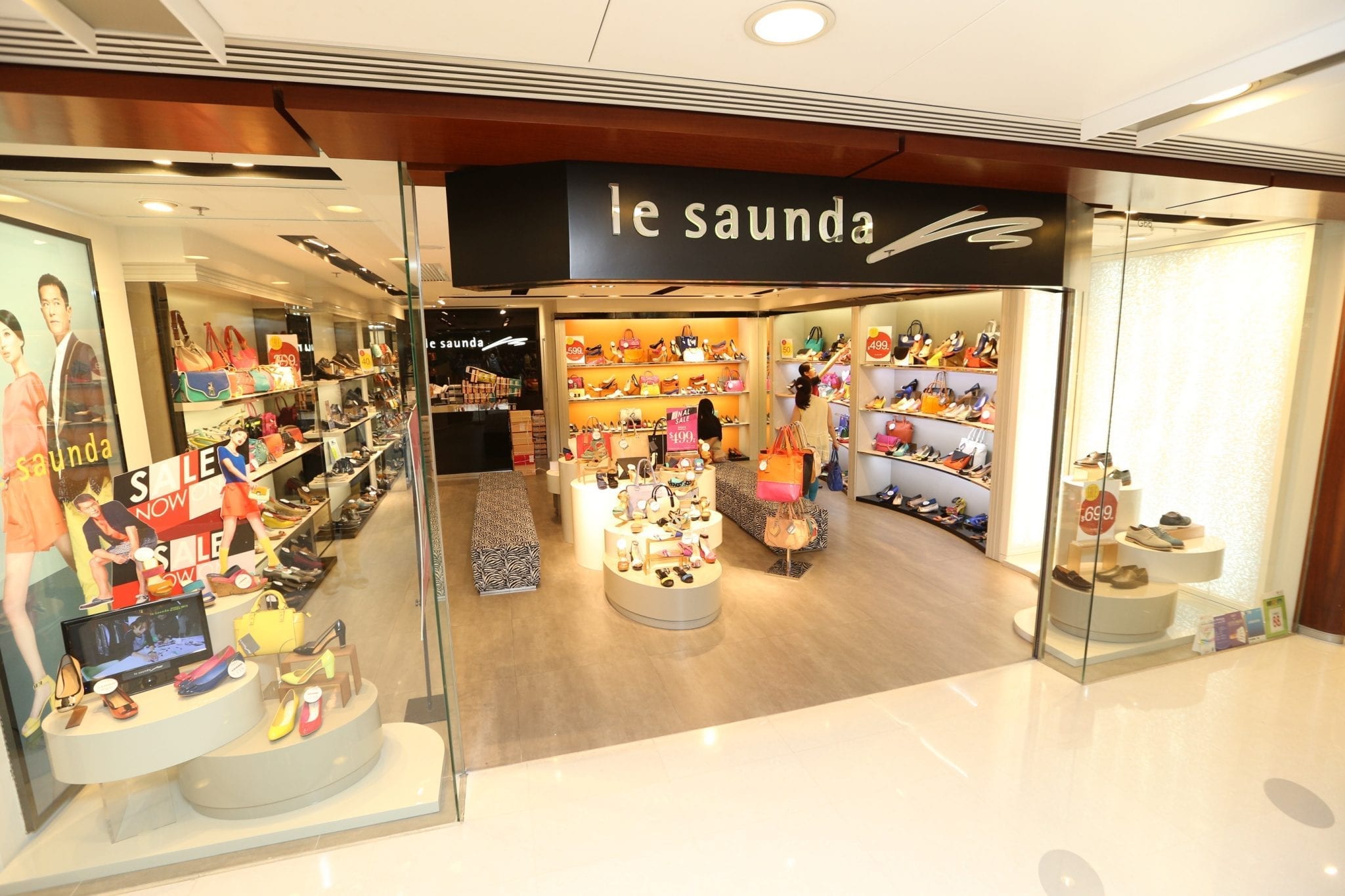
    Struggling shoe and accessories retailer Le Saunda has shuttered more than 100 stores on Mainland China in the last year as it tries to reduce overheads and return to profit. Group sales fell 14.4 per cent in the first half of this year, to RMB 460.4 million, (US$66.1 million), gross profit margin slipped 3 per cent and the company recorded a loss of RMB 9.6 million (US$1.4 million), compared with a profit of RMB22.9 million in the same period last year.

    The company blamed a slowing of retail sales in Mainland China for its poor result, with same-store sales down 10.2 per cent, as well as a decline from the closure of unprofitable stores.

    On the mainland, Le Saunda shuttered 96 of its self-run stores, cutting its network back to 549 and a further eight franchised outlets were closed, leaving a total network of 611.

    In Hong Kong and Macau, where sales rose 4.5 per cent, it closed one store leaving 10.

    Le Saunda chairman James Ngai said the company’s reduced gross profit margin was a result of lowering prices to meet market demand. The growth rate of fashionable ladies’ footwear sector had “slowed down significantly” on the mainland, Le Saunda’s core market, he said.

    “With a change in customers’ buying behaviour, the e-commerce segment experienced rapid expansion, striking a tremendous hit on the sales of traditional retail stores.

    “To cope with the ever-changing market environment, the group is fully committed to enhancing product quality, promoting a new pricing model, enhancing consumers’ shopping

    experience and thereby improving same-store sales,” said Ngai.

    “Facing the challenges posed by the economic environment, the group is determined to [return] to the basic principles of retailing, which include adjusting the pricing strategy, closing down low-profit stores, and actively exploring its franchise and wholesale businesses.”

    With Hong Kong and Macau sales up, totalling RMB 30.7 million, Ngai said the group would pursue growth there “in a proactive yet prudent manner and establish new stores in desirable locations”.

    Le Saunda designs manufactures and retails shoes and accessories under the Le Saunda,

    Linea Rosa, Pitti Donna and CNE brands.

  • DLF Emporio: 10 years of a successful luxury retail journey

    DLF Emporio: 10 years of a successful luxury retail journey

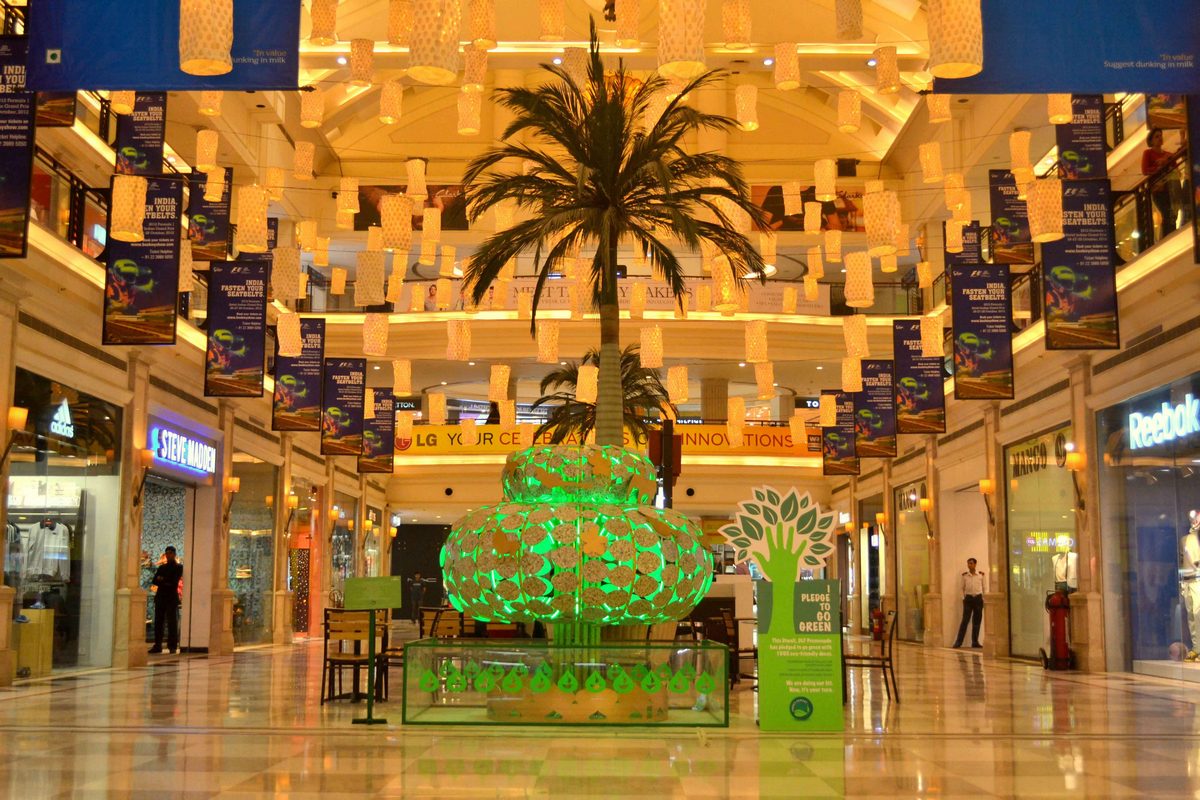
    DLF Emporio is a name to reckon with in the evergrowing luxury retail space in India and the credit for its successful journey, spanning 10 years, goes to Dinaz Madhukar – a stalwart in the hospitality sector in India. Madhukar has over 24 years of operational experience with The Taj Group of Hotels, India’s largest luxury hospitality chain, as General Manager where she led multiple functions. Currently, she is responsible for providing executive leadership and management of DLF’s Vasant Kunj Retail Complex including DLF Emporio and DLF Restaurants – including the iconic Set’z. In addition to this, she is responsible for the management of DLF’s hospitality vertical, which includes The Lodhi. She also looks after the brand’s spanking new luxury addition to the capital – The Chanakya.

    Sharing the secret recipe of success, Dinaz Madhukar’s, EVP, DLF Luxury Retail & Hospitality says, “Luxury, in its very essence, thrives on exclusivity and personalized experiences. Technology, has proven to be a strong ally for the luxury brands and engagement with the audience has become more direct. We use the social and digital media to introduce disruptive content and creative campaigns to connect with our patrons, which leads to a direct impact on footfalls and sales.”

    In an exclusive interview with Shopping Centre News, Madhukar talks about the journey of DLF Emporio over the past 10 years, the challenges, expansion plans and the future of luxury malls in India.

    DLF Emporio has successfully completed 10 years of operations. Tell us about the journey been so far?

    When DLF Emporio started operations in Delhi in 2008, there was no antecedence on how to do it right. At that time no other real estate brand had forayed into the luxury retail terrain. For DLF Emporio, therefore, there was neither an example nor a benchmark; however, ten years of successful operations undoubtedly is a coup for the brand.

    In many ways, DLF Emporio remains a case study for the luxury retail spaces, across India. The mall is today globally synonymous with Indian luxury retail and has been catalytic in putting India back on the global luxury retail map. The Indian luxury retail trail, begins with DLF Emporio and goes on to set higher expectations for their next luxury project, The Chanakya. This young one-year-old property is wisely curated given its compact nature and is poised to cater to the niche and discerning young and mature digitally savvy audiences.

    What, according to you, are the key elements that determined the success of DLF Emporio?

    The success of every business depends on understanding the pulse of your customers and pre-empting and adapting to the change in dynamics of the everevolving market space.

    DLF Emporio has been very cognizant of creating bespoke customer and retailer experiences in keeping with aggressive marketing and promotion plans of its retail partners, and I think keeping pace with and supporting the marketing needs of each retailer and guest, is what has worked for us.

    The marriage of hospitality services with luxury retail has been key to best attend the needs of both the retail partner and our guests.

    If you were to look at the annual brand properties created by DLF Emporio right from the luxury shopping festival, to couture weddings, down to the shopping fiesta, every event property is focused at addressing and pushing targeted business goals of our retail partners, while showcasing the best of luxury fashion and hospitality to our loyal customer base. The idea is to continually support both our retail and customer audiences with winning propositions for each.

    In the past 10 years, how have you seen the fashion luxury market evolving in India?

    The Indian luxury retail industry has been on a growth trajectory ever since we opened our doors in 2008. We have actually seen the customers’ taste maturing over the years. When the luxury brands came into India it was more of a sellers’ market; however, today we see a conscious buyers’ market where subtlety and self-astuteness guide govern purchase behaviour. Our guests have always veered towards quality and craftsmanship, and today you will see a significant acceptance and slant towards bespoke merchandise and limited-edition products. The guests today adhere to the ‘less is more’ adage when it comes to investing in luxury.

    India has always been a great purveyor of luxury. The initial luxury patrons were the royalty and today the most decadent luxury products are consumed by not just HNI’s but also top CXO’s, young, mature and astute entrepreneurs. We have also seen the emergence of the young start-up communities egging their ways into the Unicorn universe; these are also voracious consumers of luxury.

    The trend now is slowly shifting from product and brand focused luxury to experiential luxury consumption. You do see brands reflecting this shift with their new verticals and product innovations. Earlier, technology was restricted to corporate corridors in the silicon valleys, however, technological disruptions are now becoming a norm across luxury brands. These tech-luxe disruptions are focused on capturing eyeballs and mind space of the more assertive, highly demanding and seriously articulate, young Millennials, who live their lives on, and consumer information on virtual and social mediums.

    How has the brand mix at the mall changed over the years?

    The brand mix has remained broadly the same. In fact, we have had to request some brands to give back some proportion of their spaces to us in order to pave room for new brands. As the market and the consumer evolved, we have seen an epic change in the kind of ranges and products that the brands started introducing in the mall.

    Monograms have made way for subtle luxury, and limited editions are becoming more coveted. The propensity to own, gave way to the intent to own curated, one-of-a-kind, products.

    What are the new brands that you are introducing this year?

    We have already introduced first-comers of luxury in India, including names like Berluti and Molton Brown. Polo by Ralph Lauren has also launched its store at DLF Emporio. We have added a global luxury porcelain art creator like Lladro to our brand mix, which makes the DLF Emporio luxury retail proposition even more exciting. India will continue to be a lucrative market for global luxury brands given its discerning customer mix and penchant for curated luxury.

    Do you see luxury shopping in India evolving in the future?

    2018 is turning out to be a massive year in the world of luxury retail in India. The retail industry has depicted a future forward and a very positive growth, and we see this trend continuing. Luxury is no longer the bastion of a few but fast becoming the remit of the successful first-generation entrepreneurs, the affluent corporate and the young and the aggressive successful start-up landscape.

    Older brand narratives are finding vibrant new platforms. Brands are re-inventing storytelling and showcasing disruptive innovations. The luxury shopper is now, an ever-expanding universe with audiences across various luxury access points, looking to fulfil varied and differentiated needs. You will now see a more exuberant and new age evolution of the luxury retail sector with global brands jostling for consumer’s minds space and share of wallet.

    And what steps are you taking to keep consumers coming to DLF Emporio for the next ten years?

    DLF Emporio has always been a forerunner in the luxury retail sector. We were the first to foray into luxury retail, and we have been agile enough to keep on top of our game. A decade is a long time, and we have successfully completed our milestone, replete with challenges, learnings and substantial deep dives into our customer’s buying behaviours and mindsets.

    For any brand to stay relevant it must appeal to the core interests of its customers and guests. We have kept the brands more than relevant, by offering unique experiences, the best in luxury brand offerings and superlative service experiences in a genuinely luxurious environment. We are committed to elevating our customer and brand experience with many more luxury retail disruptions in the near future.