Blog

  • Online printing startup Gogoprint raises $7.7m to prepare new markets

    Online printing startup Gogoprint raises $7.7m to prepare new markets

    Gogoprint, a startup that’s modernizing the printing industry, has raised US$7.7 million in series A funding to fuel its expansion into new markets like Australia, New Zealand, and South Korea in the next 12 months.

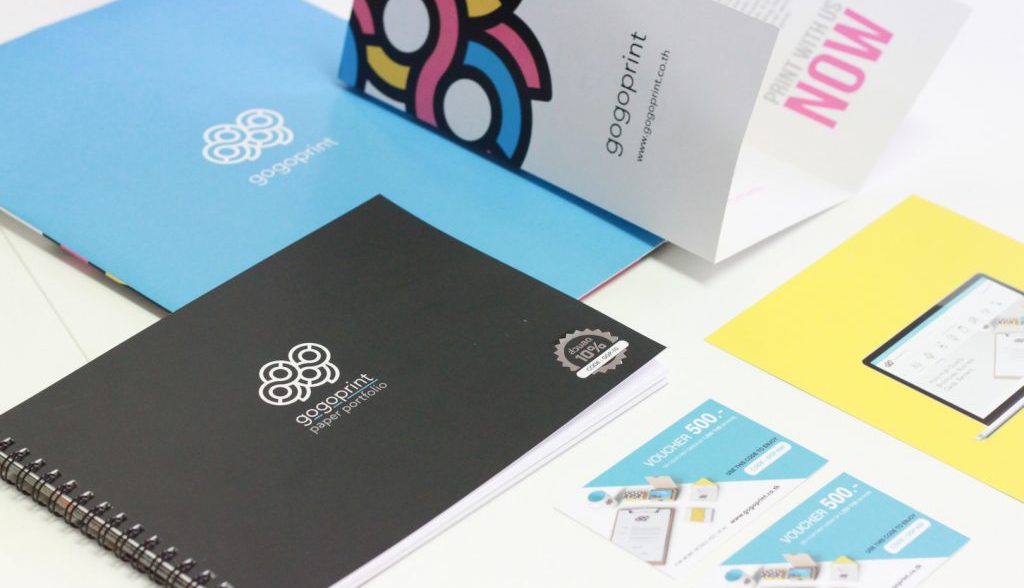
    Gogoprint is an online service for printing things like business cards, flyers, and leaflets. It uses algorithms that take into account parameters such as paper type, quantity, and delivery, and then aggregates those orders into a “print-run” or a batch of prints.

    This enables printers to make the most out of one printing sheet. Because each sheet carries fixed costs, maximizing it helps reduce prices and turnaround time for customers. It also allows printers to take in small orders from budget-conscious firms, instead of only focusing on large volume orders.

    Printers that partner with the company are able to tap new customers, helping offset the cost of any unused capacity.

    Gogoprint is active in four countries: Thailand, where it started, as well as Singapore, Malaysia, and Indonesia. In Indonesia, it faces competition from another online printing startup, Prinzio.

    To date, Gogoprint has experienced a 200 percent year-on-year growth in customer base, attracting more than 45,000 customers with over 250 million products printed. Its clients include Honda, Lazada, Lion Air, Yamaha, Singapore’s Nanyang Technological University, and Booking.com.

    Retail News reached out to the company for more financial details, but it declined to disclose figures.

    The series A round was led by its existing backer OPG (Online Printing Group), an investor and partner of Brazil-based Printi.

  • AirAsia to push discounted airfares via digital platforms

    AirAsia to push discounted airfares via digital platforms

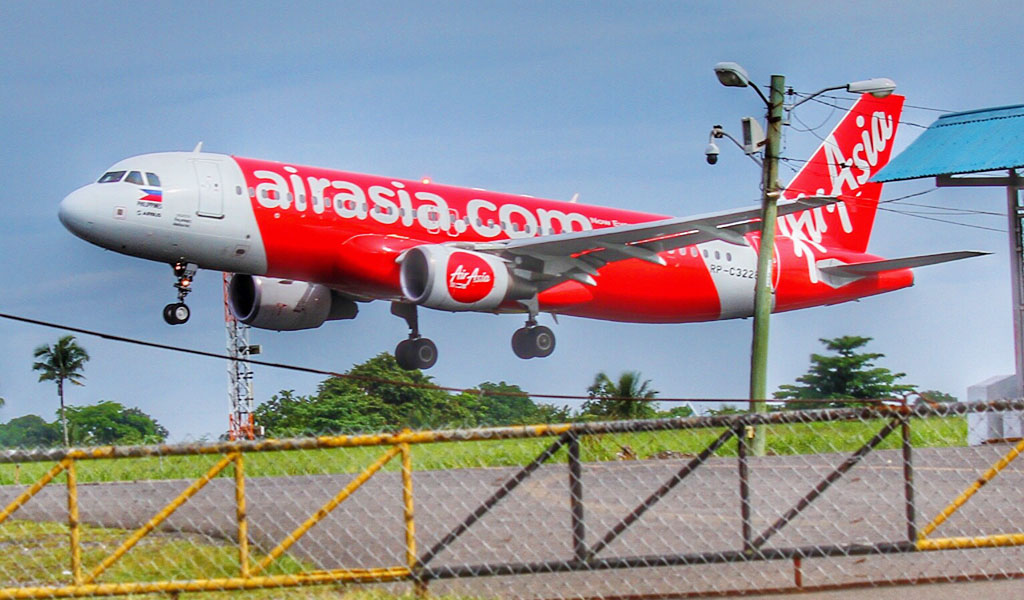
    In line with the upcoming year end holidays and early 2019 travels, AirAsia is offering up to 70% off on all its destinations until 28 October 2018. These include Changsha, Tokyo, Kolkata, Bali, Phuket, Siem Reap, Yangon, Manila, Singapore and Kota Kinabalu, among others. In a statement, AirAsia group marketing head Amanda Woo said the move to offer discounted airfares is based on understanding the different travel and route behaviours of its consumers. For this campaign, AirAsia is focused on a combination of content marketing and digital platforms. It also looked into offline platforms for certain key regions, Woo said.

    “In line with our company direction of going digital, our marketing strategy relies heavily on data and digital analytics as part of the deciding factors on the channels we use,” she added.

    Besides encouraging more travels during the period, Woo said the airline also hopes to boost more member sign-ups so consumers can enjoy more exclusive deals.

    “The year end is always an exciting time and we can think of no better way to welcome the holiday season than to offer more discounts on our already low fares,” Woo said. AirAsia BIG members will enjoy more perks including instant discounts when booking directly via the website and mobile app.

  • Malaysia’s TM hires four new board members

    Malaysia’s TM hires four new board members

    Telekom Malaysia (TM) has appointed four new directors to the company’s board, following the resignation of David Benello as an independent non-executive director. The new directors are Dato’ Asri Hamidin @ Hamidon, Dato’ Mohd Naim Daruwish, Hisham Zainal Mokhtar and Saheran Suhendran. Asri Hamidin is appointed as a non-independence non-executive director representing the special shareholder, Minister of Finance (Inc) on the board. Mohd Naim has been made a non-independent non-executive director representing the interests of the Employees Provident Fund (EPF) which is a major shareholder of the Malaysian incumbent.

    Asri is currently the deputy secretary general (investment) at the Ministry of Finance, while Mohd Naim is currently the deputy chief executive (operations) of EPF. Hisham and Saheran were appointed as the independent non-executive directors. Hisham is currently a director in the group MD’s office at Malaysian Industrial Development Finance Bhd, while Saheran is currently a consultant at Messrs Chua Associates.

    All the board appointment took effect on October 3.

    TM also announced that Farid Basir has joined the telco as its new chief human capital officer (CHCO). Farid, taking over the position previously covered by Suhaimi Sulong as the acting CHCO since early this year, assumed his new role on October 1.

    Prior to his appointment, Farid was the CHCO at Bank Rakyat for almost three years.

    Cisco names Herman Lam as MD for HK & Macau

    Cisco has appointed Herman Lam as managing director for Hong Kong and Macau.

    The company has also announced that Barbara Chiu, vice president of Hong Kong, Macau and Taiwan, will retire by end of October.

    Cisco said Lam brings to the table over 25 years of experience in IT industry combined with a wealth of leadership and management experience gained with leading technology firms.

    Prior to joining Cisco, Lam’s previous stints include CEO of Hong Kong Cyberport Management Company, and general manager of Microsoft Hong Kong.

    Commenting on the appointment, Cisco Greater China chief executive officer Hera Siu said Lam’s “unique blend of experience and knowledge, complemented by extraordinary vision and operational expertise within large organizations,” will bring valuable insights to the company.

    “I also want to thank Barbara, who has had an immeasurable impact on Cisco’s success and express my utmost appreciation for her devotion and leadership during the past 12 years,” Siu noted.

    21Vianet appoints Wing-Dar Ker as DYXnet Group’s CEO

    Chinese carrier-neutral network service provider DYXnet Group has announced that Wing-Dar Ker has been appointed as the company’s new CEO.

    He takes over the position from company founder and CEO Lap Man, who will continue to serve the group as adviser.

    The appointment was made by 21Vianet Group, parent company of DYXnet Group and one of China’s carriers and cloud-neutral internet data center service providers.

    Wing is also president of Shanghai Blue Cloud Technologies Co Ltd, 21Vianet Group’s other wholly-owned subsidiary.

    The move is aimed at facilitating greater collaboration between DYXnet Group and Blue Cloud, while exploring and capitalizing on synergies, 21Vianet said.

  • BMW Luxury Lounge Showcases Future Products

    BMW Luxury Lounge Showcases Future Products

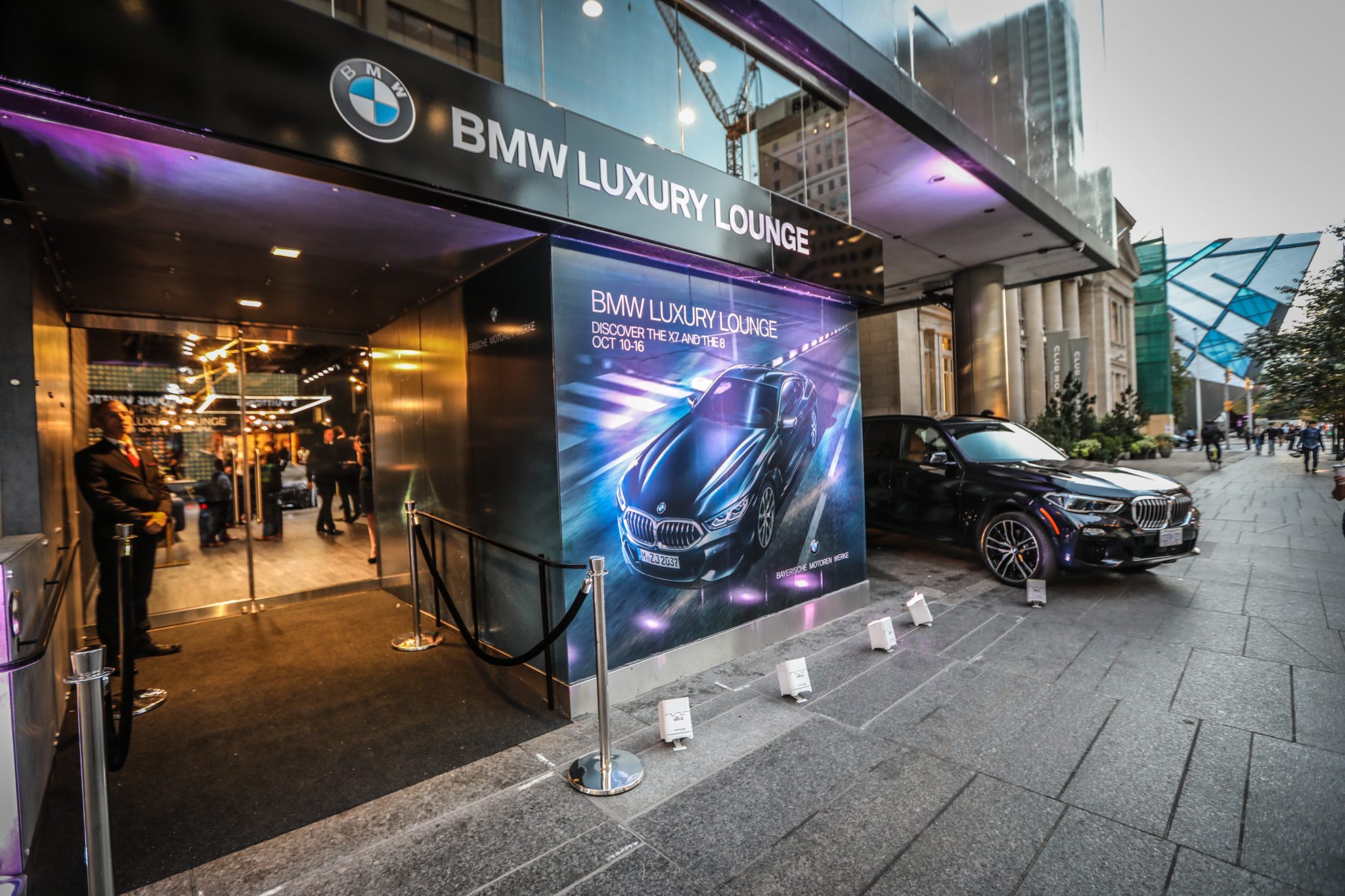
    In the midst of a product offensive that will see many new and refreshed models join its lineup in the coming months, BMW recently staged a limited-run brand experience in Toronto’s Yorkville neighbourhood to showcase two forthcoming models. The display, which has a pop-up feel to it, is known as the BMW Luxury Lounge, a venue open to the public during the day and invite-only events in the evening. As its name would suggest, the point is to generate interest in the brand and get attendees excited for a slew of new BMWs on deck.

    The site of the Luxury Lounge – Bloor St. W. near Avenue Rd. – is fertile ground not only for luxury automotive manufacturers but makers of other luxury goods as well, which is why BMW is partnering with Hugo Boss, Montblanc and Roche Bobois. These brands, along with Samsung Canada and art gallery LUMAS Canada have also contributed to furnishing the space which, with its black and glass walls, wood grain floors and leather sofa, has the feel of modern, minimalist luxury.

    “We’ve taken on this initiative because we believe customers’ expectations of luxury are evolving,” said Sebastian Beuchel, director, BMW brand management, said in a statement. “This beautifully designed space is a showcase for our interpretation of modern, contemporary luxury.”

    Last October, BMW hosted a similar limited engagement exhibit known as the Luxury Excellence Pavilion on Bay St. in the heart of Toronto’s financial district that not only showcased the Munich-based carmaker’s wares, but also those of other several other luxury brands. The feature attraction was the BMW X7 iPerformance, a concept vehicle first shown about a month earlier at the 2017 Frankfurt Motor Show.

    Fast forward a year, and it’s time for the Luxury Lounge, a similar exhibit but with some noteworthy differences.

    Whereas the Luxury Excellence Pavilion ran for almost two weeks (Oct. 16-29), the Luxury Lounge was around for just six days (Oct. 10-16) and there were no test drives from the BMW fleet available.

    In its place are two main attractions that represent the future of BMW and are bound to cause a bit of a stir.

    First up is a vehicle that can’t be discussed in detail but was available for viewing so long as visitors surrendered their mobile phones before entering the curtained-off backroom where it was being shown. A strict no-photo policy was in effect.

    I’m talking about the full-size, three-row 2019 X7 SUV, a vehicle BMW and its dealers are very excited about. The production X7 will make its world premiere at the Los Angeles Auto Show next month and will go on sale early next year. The one being shown in Toronto was an uncamouflaged pre-production copy. Getting it to Toronto took some doing, but its presence made a visit to the Luxury Lounge even more worthwhile.

    Now, in accordance with the wishes of BMW Canada’s communications team, I’ll move along… to the 8-Series coupe which is returning to the lineup after a 20-year hiatus. I have clearance to talk about this one freely.

    Centred in the middle of the Luxury Lounge floor plan was a Dravit (metallic) grey 2019 850i xDrive, trimmed in factory option carbon fibre accents (roof, mirror caps, lip spoiler, rear diffuser, etc.) and optional M Performance 20-inch wheels finished in a metallic gold tint.

    Conceived as a flagship model, the 8 Series is a design and technology carrier and, as such, has features that will eventually spread across the BMW family.

    On this front, a few things stand out. The first thing that caught my eye are the new LED headlights the 8 Series is wearing, which feature standard high beam LaserLight technology (to comply with North American laws they’ll only work at speeds above 60 km/h) along with a more angular shape with two separate elements that still look like BMW headlights when viewed from a distance. Clever.

    Other new design elements include a revised kidney grille that is attached at the centre, a callback to the grilles of 1970s-era BMWs. Also, a BMW rep told me that customized paintwork will be offered on the 8 Series though the company’s Individual program. While they can’t guarantee they’ll be able to match every paint chip or swatch a customer has, BMW aims to make the 8 Series available in more exciting colours than those offered on a traditional list of set finishes.

    Inside, the cabin receives some noteworthy advances headlined by the company’s all-new Operating system 7.0 software, which powers the infotainment and instrument cluster screens. My eye was also drawn to the available glass crystal shift knob and iDrive controller.

    Finally, I’d be remiss if I didn’t mention the powertrain. The 8 is being offered with an overhauled variant of BMW’s 4.4-litre twin-turbocharged V8, which packs 523 horsepower and 553 lb-ft. of torque that is mated to a standard 8-speed automatic and xDrive AWD system.

    Fast? You bet. BMW has the 8 Series’ 0-100 km/h time pegged at 3.7 seconds.

    The best part for consumers and interested auto journalists alike is the wait for the 8 Series arrival won’t last much longer. Customer orders begin on December 8, with deliveries likely to begin in the new year. Pricing info hasn’t been released but will be announced closer to on-sale.

    As for the X7, look for more info when it’s revealed during the media preview days at the Los Angeles Auto Show on Nov. 28-29.
  • CSA, partners launch call for innovation on security threats

    CSA, partners launch call for innovation on security threats

    The  Cyber Security Agency of Singapore (CSA) and partner TNB Ventures have launched a Cybersecurity Industry Call for Innovation inviting industry providers to develop solutions for specific cybersecurity challenges. The initiative is being conducted in collaboration with five participating organizations – Ascendas-Singbridge Group, PacificLight Power, Singapore LNG Corporation (SLNG), SMRT Corporation (SMRT) and Singapore Press Holdings (SPH). The Call for Innovation consolidates and articulates the cybersecurity needs of these organizations into challenge statements that industry solution providers are invited to address through innovative solutions.

    There are two categories of challenge statements. The first category is “Advanced Protection and Detection” to help end-users avoid, defend against, and detect cyber attacks. This includes intelligent solutions that are able to detect intrusions into Operational Technology (OT) systems.

    The second category is “Advanced Security Operations” to help end-users reduce their vulnerabilities through better management of their systems. This includes solutions to increase the efficiency of patch management processes and management of Internet-of-Things (IoT) and Cloud systems.

    The submission period for the Call closes on 18 December 2018. Solution providers whose proposals are shortlisted will be invited to discuss their proposals in greater depth with the participating organizations for potential co-innovation, adoption and test-bedding.

    Selected solutions that fulfill the eligibility criteria may also be awarded with POC funding of up to S$500,000 ($363,000) under CSA’s Co-innovation and Development Proof-of-Concept Scheme.

    Teo Chin Hock, Deputy Chief Executive (Development), CSA said: “The cyber threat landscape is evolving rapidly. To build our cyber defenses and at the same time grow the industry, innovation is important. We are glad to have our partners on-board our first Cybersecurity Industry Call for Innovation. We hope to help them strengthen their cyber resilience, and at the same time, provide opportunities for solution providers to catalyze cutting-edge solutions here for commercial adoption.”

  • Australia launches fourth Mobile Black Spot round

    Australia launches fourth Mobile Black Spot round

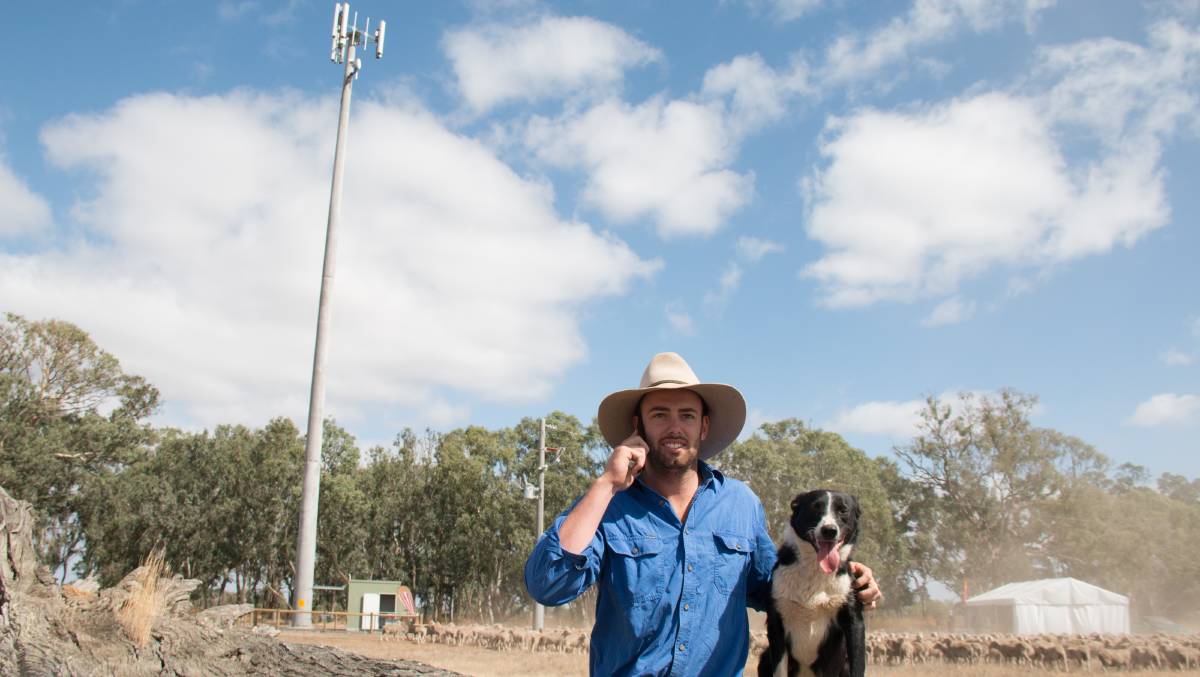
    The Australian government has opened applications for the fourth round of the national Mobile Black Spot program, designed to improve mobile coverage in regional and remote Australia. Mobile network and infrastructure providers have been given until December 10 to submit their applications for taking part in the program to install mobile base stations at designated locations. Construction is expected to commence early next year. The government has allocated A$25 million ($17.8 million) in funding for the latest round of the program, which is designed to subsidize the deployment of base stations in unprofitable areas.

    The program has a focus on public interest premises, including economic centers, emergency services, health and educational facilities, local government facilities, as well as community and non-profit organizations.

    Co-funding is provided by state and local governments, the market’s mobile operators Optus, Telstra and Vodafone, businesses and local communities.

    Locations for the deployment were nominated by local and state governments and federal politicians, but local communities can still seek funding for locations not on the database.

    Under the first three rounds of the A$220 million federal government program, 867 new base stations are being delivered at a total cost of A$680 million.

  • DHL MENA launches new e-com campaign for merchants

    DHL MENA launches new e-com campaign for merchants

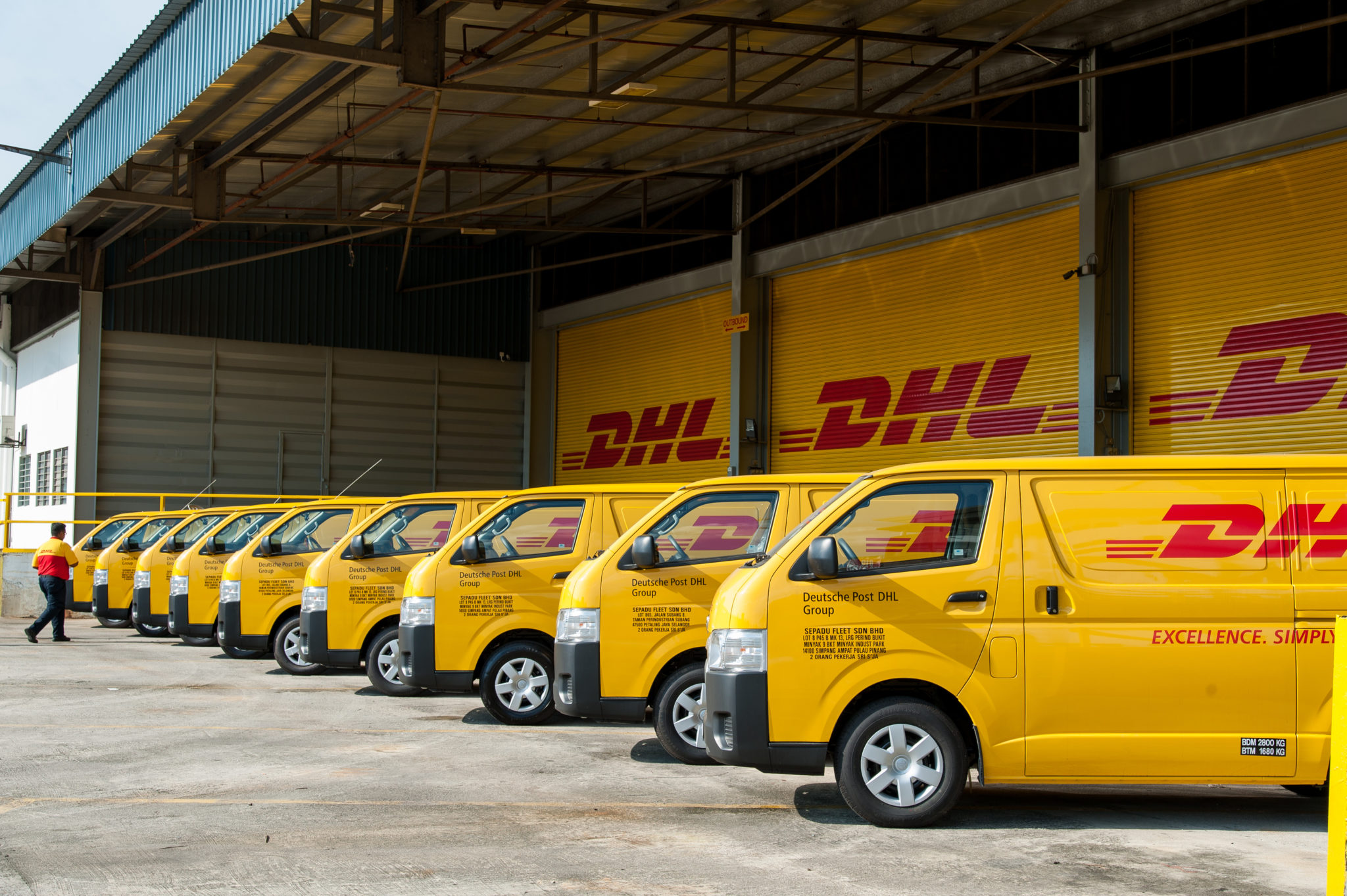
    DHL Express, the world’s leading international express service provider, is set to launch its global campaign ‘Where Everything Clicks’ in Middle East and North Africa (MENA) region, to guide online merchants to navigate and access the booming and lucrative global e-commerce marketplace. DHL Express aims for the campaign to reach companies ranging from start-ups to large enterprises, advising merchants on how to optimize their websites for international sales and to create a competitive advantage via shipping options offered. DHL helps sellers traverse an increasingly global landscape, in which buyers progressively make purchases from international websites.

    The campaign reveals purchasing habits of online shoppers, including always important delivery preferences, and shows merchants how to use this information to increase sales.

    ‘Where Everything Clicks’ includes a rich database of how-to videos, white papers, customer insights, and trend videos that inform merchants and business about evolving consumer behaviour.

    A 2017 study by KPMG reports that consumers across Middle East and Africa were the most likely to import consumer products bought online, almost 50 percent of purchases, showcasing  the rise in cross-border shopping that is driving international retail trade.

    The survey also revealed ‘Enhanced Delivery Options’ as one of the key company attributes that contribute to deciding where shoppers choose to buy online.

    The study findings illustrate that companies must continually innovate to improve and shorten delivery times, to satisfy increasingly demanding consumer expectations.

    “The MENA region is witnessing rapid growth and change in e-commerce trends. Cross border e-commerce presents strong growth opportunities that is yet to be tapped into by many businesses in the region,” said Nour Suliman, CEO MENA, DHL Express. “With the proliferation of online trade, a product in one corner of the world today is now easily accessible to customers at the opposite end in just a few clicks. This has allowed online merchants to access markets and customers from around the globe.”

    Faysal Elhajjami, DHL Express MD, Kingdom of Saudi Arabia said: “We recognise that our customers’ success is closely tied to their buyers’ satisfaction with the delivery experience and the delivery options offered. With ‘Where Everything Clicks’ campaign we want to showcase to business across KSA  how an international express shipping option can increase e-commerce value helping merchants boost revenue and tap into new markets.”

    Geoff Walsh, UAE Country Manager, DHL Express said DHL would be particularly focusing on SMEs and start-ups. “We aim to support local ecommerce start-ups by providing them with tailor made solutions that will allow them to easily address potential global consumers, therefore improving their e-commerce proposition within the current market,” he said. “The ‘Where Everything Clicks’ campaign highlights how an international express shipping option can increase e-commerce value helping merchants boost revenue and tap into new markets.”

    DHL has developed services that enhance customer experience and support web merchants as they access new markets. Using advanced market intelligence tools, DHL can quickly identify shopping sites that receive traffic from international locations, identifying potential sales outside of the seller’s core market. DHL can compare website engagement metrics and suggest service enhancement via addition of a cross-border express delivery option.

    With DHL’s On Demand Delivery, buyers are notified proactively via email or SMS about a shipment’s progress. Receivers can schedule delivery for another day, arrange delivery to a nearby DHL Service Point or an alternate address, and even request that a shipment is held during vacation. DHL Express offers On Demand Delivery in over 100 countries, with about 50 more coming this year.

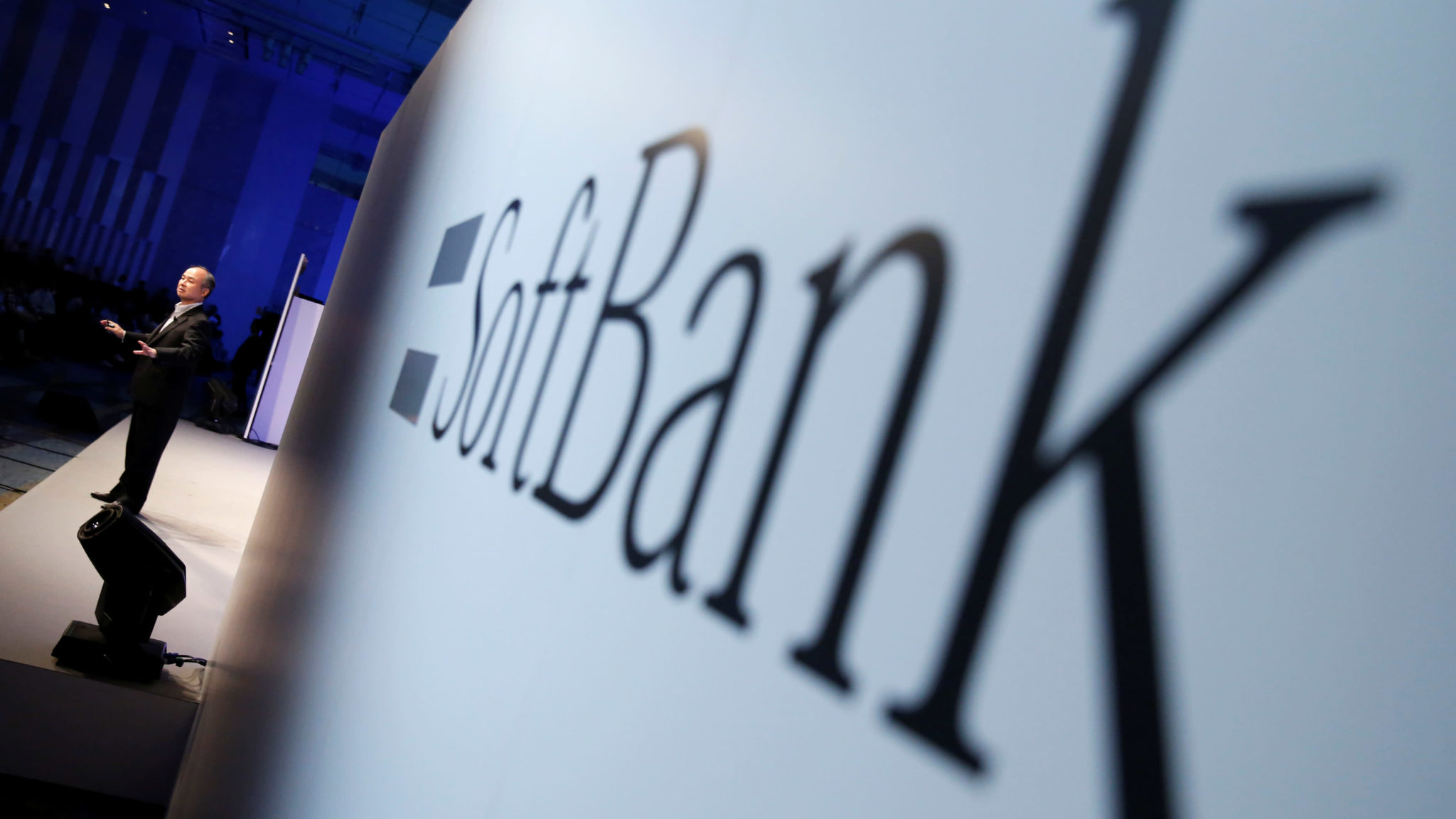
  • Softbank said to pick banks to lead $27b mobile IPO

    Softbank said to pick banks to lead $27b mobile IPO

    Japan’s Softbank has reportedly selected the banks that will serve as lead underwriters for the IPO of its domestic mobile business. The operator has picked banks including Nomura Holdings, Mizuho Financial, Sumitomo Mitsui Financial, Goldman Sachs and Deutsche Bank to underwite the offer for around 3 trillion yen ($26.82 billion) worth of shares, citing unnamed sources. This would make the IPO the largest ever, beating Alibaba Group’s $25 billion IPO from 2014.

    According to the sources, Softbank currently plans to start marketing the IPO next month and could list shares on the Tokyo Stock Exchange by mid-December, but this timing is subject to change.

    Softbank’s founder Masayoshi Son is seeking to squeeze value from its telecoms assets to raise funds for his Vision Fund, which aims to raise $100 billion from global investors every two to three years to invest in promising startups and emerging technologies.

    The operator is expected to market most of the shares on offer to Japanese investors.

  • SK Telecom launches IoT-based cattle healthcare service

    SK Telecom launches IoT-based cattle healthcare service

    SK Telecom has developed a new IoT-based solution which allows farmers to monitor the health of their cattle in real-time using Semtech’s LoRa devices and wireless radio frequency technology (LoRa Technology). Dubbed “LiveCare”, the product is a LoRa-equipped biocapsule which is implanted into a cow’s gastrointestinal tract to monitor a variety of health indicators. The new service will see biocapsules packed with a communication module connected to the operator’s LoRA-based IoT network. The smart biocapsule is then injected into the stomach of a cow, monitoring body temperature and potential hydrogen levels, with data recorded and then sent to a central server as well as cattle farm owners via a smartphone or computer.

    Thus, ranchers can monitor the data transmitted from the devices for anomalies in a cow’s body temperature and other vitals to detect the onset of disease, estrus and to forecast delivery of calves.

    The LiveCare device is shielded from being tampered with by outside conditions due to its strategic position inside the cow itself. This solution is expected to drastically improve the quality of life for the cow and by extension the cattle as a whole on the dairy farm.

    “Our unique solution lets farmers know immediately when a cow’s health is compromised. It takes the guesswork out of farming and lets the rancher focus on preventing cattle disease,” said Taehee Moon, project leader for the small farm project group of SK Telecom. “Healthier cows mean more milk can be produced and dairy farms can focus more on growing their business.”

    According to SK Telecom, a trial run on a South Korean farm using the technology showed an increase in annual milk harvest of 1,200 liters per cow, an increase of $1,100 in income per cow for the farmer and an additional $400 in savings for each estrus successfully planned using the LiveCare solution.

    SK Telecom plans on extending its services to provide automatic notification to ranchers of contagious disease as well as location tracking in the near future.

  • BMW Wants Its Electric Cars to Look More Boring

    BMW Wants Its Electric Cars to Look More Boring

    BMW has decided that despite all the new engineering under the skin of the new 3 Series, the styling of the all-important sedan would only be very mildly updated. At the Paris Motor Show, the Bavarians also displayed a concept of their next i car, the electric iX3 SUV shown above. As far as its exterior goes, the i division’s next move feels like a 180 degree turn from the futuristic i3 city car and i8 plug-in hybrid.

    Indeed, it seems that BMW will dedicate its time to making sure its kidney grilles can keep growing. Indefinitely.

    Now, BMW Design Director Adrian van Hooydonk says that’s all on purpose. Van Hooydonk said that as electrified models get more and more popular, there will be no reason to make i BMWs look unique: Electric mobility will spread through our entire vehicle range in quite a short space of time—to the point that electric or plug-in hybrid is just another option box you tick as you order the car. The fact is that BMW customers want a dynamic car, whether it is a battery-electric vehicle or not, and so there’s is increasingly less reason to make these kinds of cars look different.

    This means BMW will go down a similar route as Audi with its e-tron or Mercedes-Benz with the EQ C—advanced electric vehicles with styling that’s almost exactly the same as their conventional cars. It’s a big shift from BMW’s previous strategy of making its electric cars look decidedly futuristic, and wholly distinct from its other offerings. Notably, Jaguar is committed to making its electric vehicles stand out—look at the I-Pace crossover, with its radical proportions making the most of Jag’s new electric car skateboard platform.

    BMW lost its head of exterior design, Karim Habib, to Infiniti in 2017. Since then, Jozef Kabaň has been responsible for BMW’s core line, while Domagoj Dukec is in charge of the i and M models. Their boss, Adrian van Hooydonk, joined BMW in 1992, becoming head of Designworks USA in 2001, and replacing Chris Bangle as Director of BMW Group Design in 2009. See you at his anniversary party in 2022.

  • Garuda to open direct route from Singapore to Belitung Island’s Tanjung Pandan

    Garuda to open direct route from Singapore to Belitung Island’s Tanjung Pandan

    National flag carrier Garuda Indonesia has strengthened its regional network by introducing a new direct route from Singapore to Tanjung Pandan on Belitung Island, according to a press release. Set to begin on Oct. 29, the flight will be available four days a week, using the Bombardier CRJ-1000 with 96 economy class seats. Garuda Indonesia commercial director Pikri Ilham Kurniansyah said the new service is aligned with the airline’s commitment to help develop tourism in Indonesia. Moreover, the new route is to support Indonesia’s 10 priority destinations aside from Bali, which includes Tanjung Kelayang on Belitung Island.

    “The direct flight is part of the company’s strategy to expand its international network, as well as an effort to strengthen connectivity in Southeast Asia,” Pikri was quoted as saying.

    He went on to say that Singapore is one of the busiest international hubs and also close to Indonesia.

    “With a less-than-an-hour direct flight from Singapore, Belitung is a perfect short getaway destination,” said Pikri.

    He is also confident that the new route would improve the growth of trade and business in Tanjung Pandan and its surroundings, especially since it is a special economic zone and one of the 10 priority destinations.

    Tanjung Pandan is said to have beautiful beaches and being developed to be the “next Bali”.

    Garuda’s Singapore-Tanjung Pandan route will depart from Singapore’s Changi Airport at 5:20 p.m. local time every Monday, Wednesday and Friday. A Sunday flight from Changi is also available, which departs at 5:30 a.m. Arrival time at Hanandjoeddin International Airport in Tanjung Pandan is 5:50 p.m. for Monday, Wednesday and Friday, and 6 p.m. for Sunday.

    Meanwhile, all flights from Tanjung Pandan to Singapore depart at 2:50 p.m. and arrive at 4:20 p.m. local time.

    Garuda Indonesia now serves 84 flights every week to and from Singapore to Indonesian cities. Singapore-Jakarta flights are available nine times every day, the Singapore-Surabaya route has one flight daily and Singapore-Denpasar has two flights daily.

  • Tigerair Taiwan announces Cebu-Taipei flights with seat sale

    Tigerair Taiwan announces Cebu-Taipei flights with seat sale

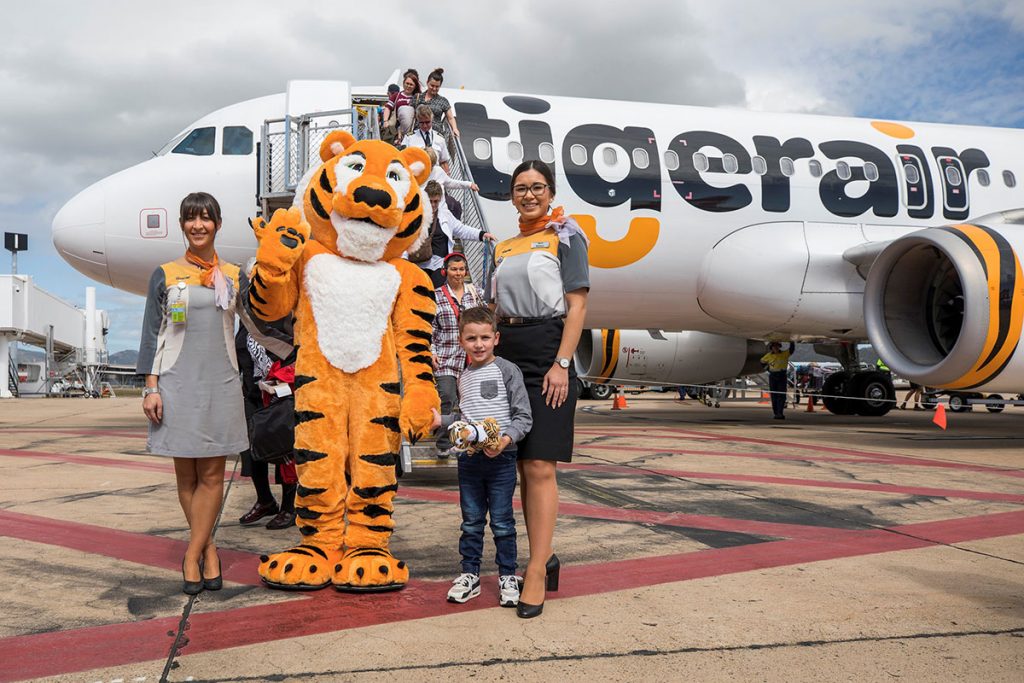
    Tigerair Taiwan said it would start flying between Cebu City and Taipei on Dec. 1. Taiwan’s only low-cost carrier said it would offer a 2-day seat sale for the new route starting Monday. Tigerair will use the new Mactan-Cebu International Airport and will compete with the Philippines’ largest carrier, Cebu Pacific and AirAsia in the Cebu-Taipei route.

    “Tigerair Taiwan’s presence in Cebu shall give Filipinos more access to fun, affordable, and memorable flights to Taipei. We look forward to this development before the year ends,” said Tigerair Taiwan spokesperson Bernard Hsu.

    Tigerair flight IT537 will depart Taipei for Cebu every Tuesday, Thursday, Saturday, and Sunday. The return flight, IT538, will depart Cebu every Monday, Wednesday, Friday, and Sunday.

  • Original Ice Creams to expand to new cities in India

    Original Ice Creams to expand to new cities in India

    Delhi based ice-cream start-up Original Ice Creams founded by ex- defence personnel Vinay Gaur has announced robust business expansion plan and growth strategies. Original Ice Creams, a newly launched ice cream start-up had started its operations in the early months of the year 2018 and in July, 2018 got a funding of Rs 30 million from Maverick Group. The company is now deepening its presence in most of the parts of Delhi NCR. Their newly launched outlets are set up at Indirapuram Laxmi Nagar, V3S Mall, Nirman Vihar, Laxmi Nagar, Shahdara, and Noida Sector 137 in Delhi NCR.

    Catching pace with the ice cream market, Original Ice Creams are extensively focusing on deploying a state-of-the-art ice cream technology which would allow its products to be softer and creamier than other competitor ice cream brands. Also, to make their consumers familiar with the brand this ice cream start-up is planning to come up with all possible formats to grow its brand presence and visibility in the market. For achieving this, they are tailoring in insights such as growing their presence and existence through the combination of traditional and modern selling methods by setting up various retail counters, exclusive ice cream parlors and numerous push carts as well.

    Original Ice Creams while aiming to cement as India’s highest retail seller of pure and authentic fruit flavored ice cream is taking effective and efficient steps to make Original Ice Creams soon diversify to many more cities of India – enabling the brand familiarity and growth. The brand is also focusing to help people make better food choices that satiate their sweet tooth in the healthiest, tastiest and most nutritious manner.

    Vinay Gaur, Founder Original Ice Creams said,“ With an enticing selection of flavors to choose from, Original Ice Creams is eyeing to grab most of the Northern and Western part on the country covering Uttar Pradesh, Lucknow, Haryana, Rajasthan by the end of financial year 2018-2019. The ice cream brand is focusing to tap all the formats in these targeted regions as well. We are looking for new ways to take forward our business by launching our umbrella of franchising in different parts of the targeted market segment.

    “Each of our outlet turned out to be profitable within 45-60 days of its establishment. Apart from 4 running outlets, we are planning to add 10 more before Diwali. Moreover, each of our outlets saw a growth of 100 percent monthly and we are able to achieve breakeven within 2 months of setup itself. The first round of funding which we had received in July month we have utilized that in our expansion to NCR and soon we are planning to invest in freezers, brand building and visibility and for opening outlets in other cities of north India,” stated Gaur.

    Additionally, Original Ice Creams will soon let customers enjoy milkshakes with fresh fruit pieces.

  • Dunkin’ Donuts Thailand expects growth after rebranding

    Dunkin’ Donuts Thailand expects growth after rebranding

    Dunkin’ Donuts Thailand operator Mudman will revise branding next year in line with the preferences of white-collar workers and millennials.

    The change follows the rebranding of the US master business, which will be shortened to “Dunkin’” next year. The brand is commonly referred to by its abbreviated name amongst customers.

    Mudman’s CEO Nadim Xavier Salhani said the new branding signals there is something new there in term of products, store design and a new way to serve our customers.

    Prior to the rebranding exercise, the firm will modernise its stores and expand its menu. The brand has already shifted focus to the coffee business this year, resulting in an overall sales increase of 10 per cent.

    Dunkin’ Donuts Thailand strategy is for coffee to make up 30 per cent of its takings in the near future, with 12 new Dunkin’s stores planned to open next year. There are currently 290 branches throughout Thailand.

    The coffee market is widely expected to have the potential for massive growth in Thailand.

    According to Salhani, the future of the doughnut business in Thailand may not be as positive as in the past because people are more concerned about health and the market is very competitive. “This is why we are offering more coffee products.

    “With our offensive business plan, we want to become a serious coffee player in Thailand,” he said. “When people think of Dunkin’, we hope they think of coffee.”

  • Alibaba’s Jack Ma opens tech institute in Indonesia

    Alibaba’s Jack Ma opens tech institute in Indonesia

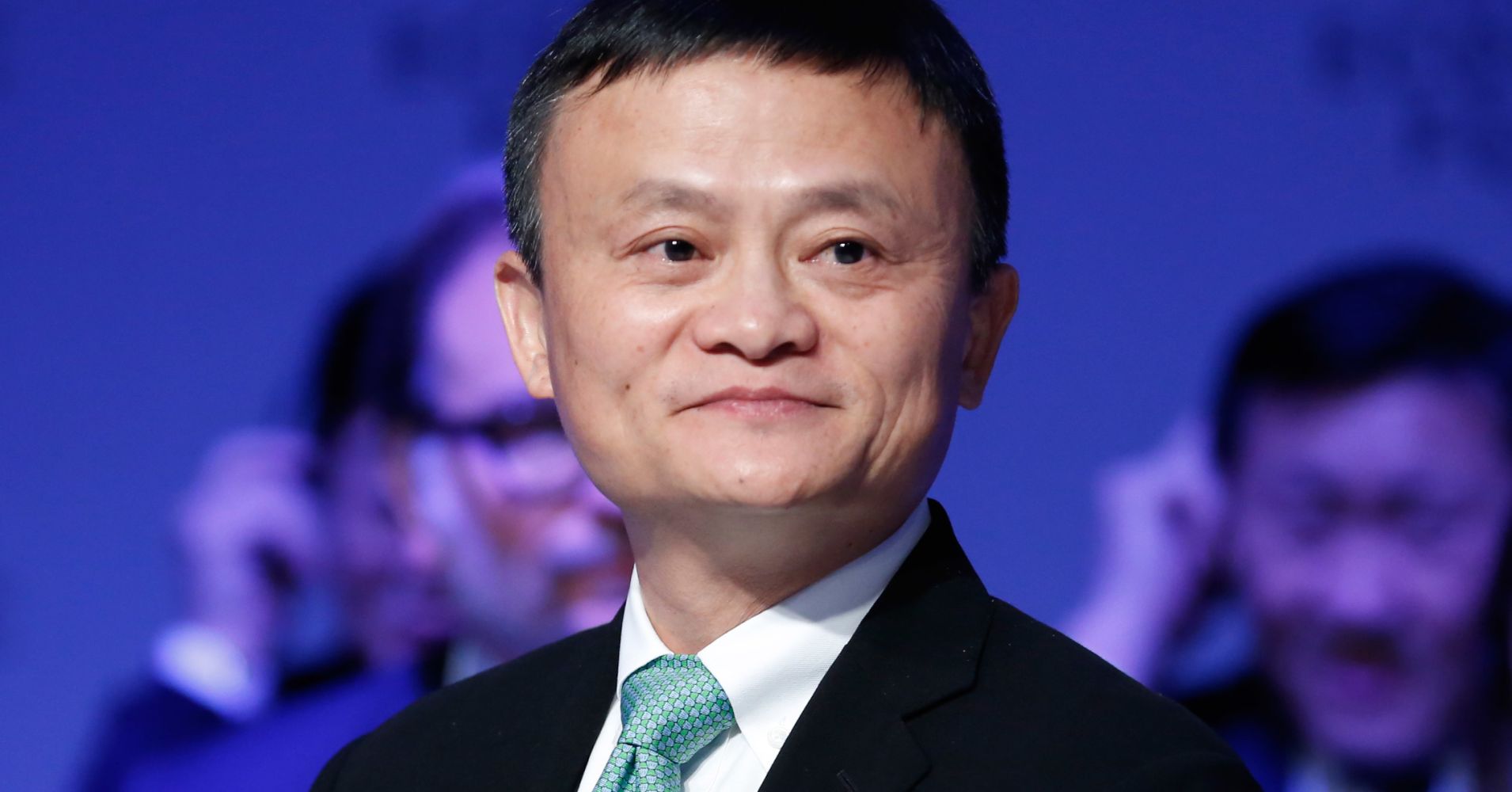
    Jack Ma, executive chairman of China’s Alibaba Group Holding, plans to open an institute to train thousands of tech entrepreneurs in Indonesia, where he is already an adviser to the government on e-commerce.

    Ma did not say when the Jack Ma Institute of Entrepreneurs would launch, but said the aim was to train 1,000 tech leaders a year over the next 10 years.

    “We’re giving a lot of opportunities for young Indonesian people to learn,” Ma said after meeting Indonesian ministers on the sidelines of the International Monetary Fund and World Bank meetings being hosted by Indonesia.

    The co-founder of Alibaba, China’s biggest e-commerce firm, said it is important for Indonesia to invest in human capital because “only when people improve, when people’s minds change, when people’s skills improve, then we can enter the digital period”.

    Indonesia has a shortage of trained engineers in technology and the institute will also train hundreds of developers and engineers on cloud computing to help make Indonesian businesses more digital-savvy.

    The country is a key market for Alibaba, whose cloud computing arm Alibaba Cloud launched a data center in Indonesia in March.

    Ma said his company would continue to invest “not only on e-commerce, but also cloud computing, logistics and…infrastructure” in Indonesia, while also helping local businesses to grow.

    Indonesian Communications Minister Rudiantara stated last month that Indonesia was partnering with Ma to look into ways to harness Alibaba’s businesses to increase its exports, particularly to China.

    McKinsey estimated in a report released on Aug. 30 that the value of Indonesia’s e-commerce market will surge to at least $55 billion (£42 billion) by 2022 from $8 billion in 2017.

    Last week, Ma told a panel discussion at the IMF and World Bank meetings that “the internet is designed for developing countries”, with “great opportunities in Africa” also.