Blog

  • VN-Index claws back to four figures after two months

    VN-Index claws back to four figures after two months

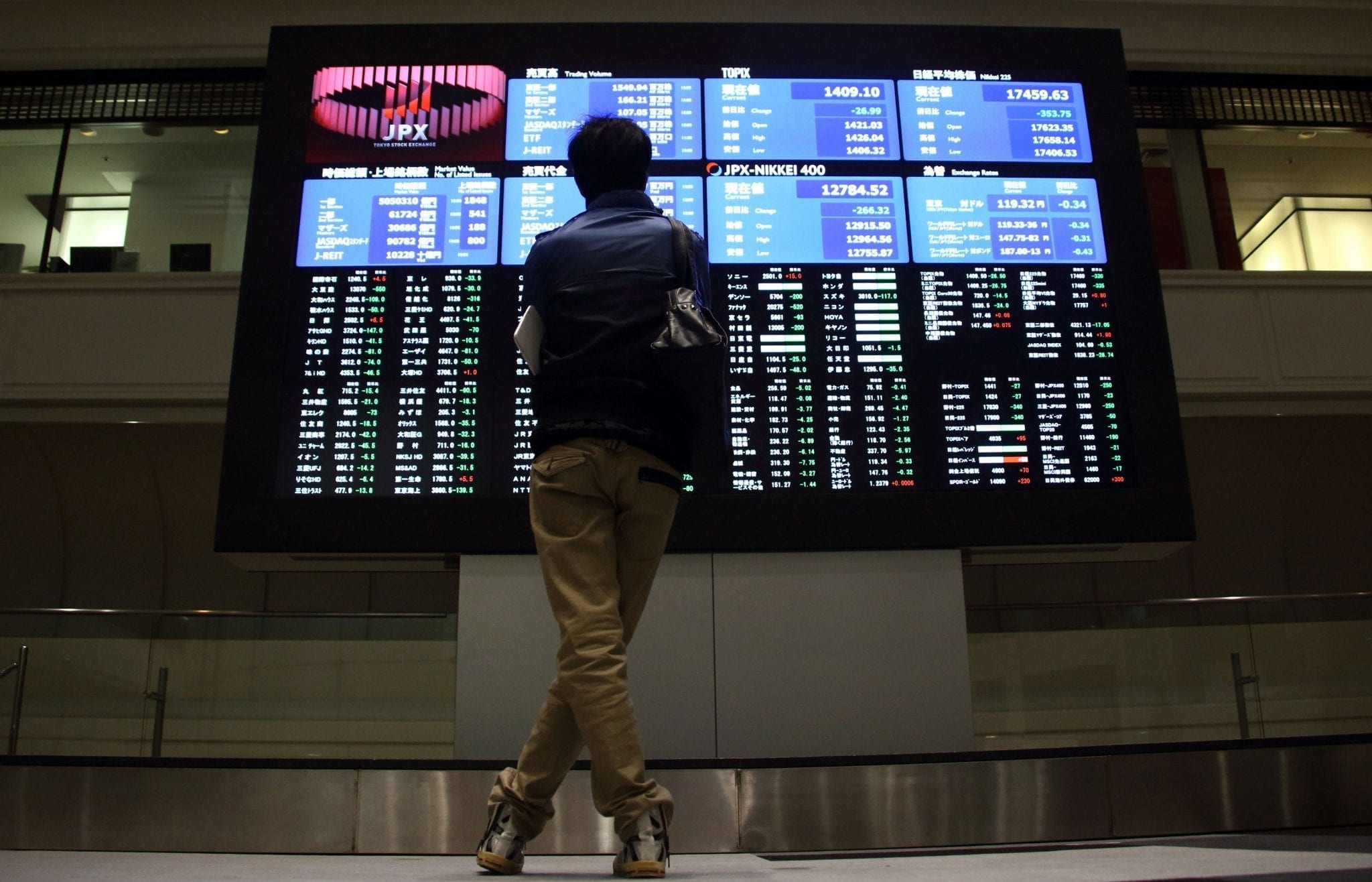
    Vietnam’s benchmark VN-Index closed at 1,004.74 points Thursday, reaching four figures for the first time in two months.

    It gained 9.2 points.

    The HNX-Index on the Hanoi Stock Exchange and the UPCoM-Index for unlisted companies rose by 0.75 percent and 1.01 percent respectively.

    The VN30-Index, representing the 30 largest stocks in terms of capitalization, gained almost 8.5 points to finish the day at 971.

    Twenty one of the 30 stocks rose, including FPT by almost 1 percent. Hoa Phat steel company (HPG) gained VND1,250 (5.4 cents) and food producer Masan (MSN) by VND1,300 (5.6 cents).

    PetroVietnam Gas (GAS), PetroVietnam Oil (OIL) and Binh Son Refinery (BSR) were other prominent gainers.

    Fifteen of 17 bank stocks closed in the green. Techcombank (TCB) stock rose by VND1,400 (6 cents) and VPBank (VPB) VND850 (3.7 cents).

    Nguyen The Minh, director of analysis at Yuanta Brokerage said the market would continue to rise in the short-term despite fluctuations on the international market.

    He expected the VN-Index to touch 1,100 points in the near future.

    It started recovering on September 12 after plunging by 18.19 percent in the second quarter to become the worst-performing market in the world.

  • House of Masaba to host pop-up shop in Singapore

    House of Masaba to host pop-up shop in Singapore

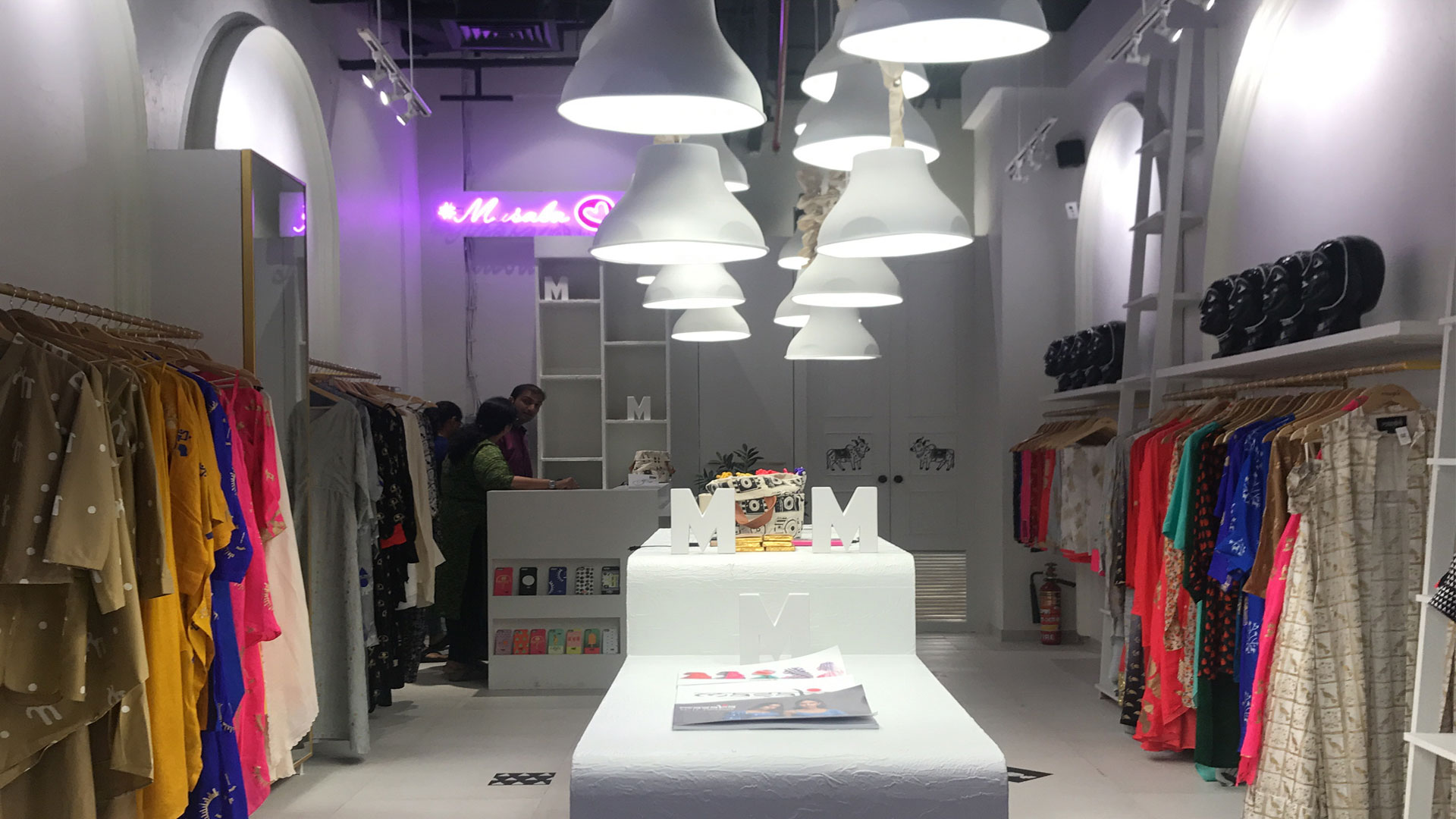
    Designer Masaba Gupta’s House of Masaba will open a pop-up shop in an Indian restaurant, Yantra, on Saturday (September 22).

    Located in Singapore’s Tanglin Mall, the store will present the brand’s latest collection and provide shoppers with a chance to meet the designer.

    Shoppers at the one-day long event, which closes at 6pm, will have the opportunity to meet Gupta and discuss styling options for her designs as well as ask about her inspirations.

    Gupta has held pop-up shows this year in several countries, including the US, Thailand, Canada and Hong Kong.

  • Citychamp eats up luxury watch brand

    Citychamp eats up luxury watch brand

    Listed Hong Kong watch & jewellery group Citychamp has bought a majority stake in Ernest Borel Holdings.

    The transaction, which saw Citychamp taking a 58.22 per cent shareholding in the heritage Swiss watch manufacturing brand, was completed on Tuesday.

    Ernest Borel, an award-winning brand even in its early days of business in the mid to late 19th century, is noted for its traditional focus on export markets outside Europe. It was first purchased by a group of investors from China in 1997.

    Citychamp currently distributes more than 25 international brands within major cities in Mainland China. Its brands include Rossini, Corum, Eterna, Rotary, Ebohr, J&T Windmills, Kana and Dreyfuss & Co.

    The news comes just a day after international fashion brand Chanel acquired a 20 per cent stake in the parent company of luxury Swiss watch brand F P Journe.

  • Flipkart gets over Rs 3,462 crore infusion from Singapore entity

    Flipkart gets over Rs 3,462 crore infusion from Singapore entity

    Flipkart Internet, the online marketplace arm of the Walmart-backed company, has received over Rs 3,462 crore fund infusion from Flipkart Marketplace, Singapore, as per regulatory documents.

    According to a PTI report: The fund infusion — done in two tranches — will provide more ammunition to Flipkart, which is locked in an intense battle with US-based Amazon for leadership in the burgeoning Indian e-commerce market.

    “…in accordance with the Letter of Offer dated August 14, 2018 circulated by the company for the rights issue of shares, the board of directors of the company be and hereby allot 14,57,598 Class A equity shares…for an amount aggregating to Rs 30,07,02,46,740 for cash to Flipkart Marketplace Private Ltd, Singapore,” regulatory documents filed with Corporate Affairs Ministry said.

    The resolution was passed at the board meeting held on August 30, 2018. The board, during the same meeting, also passed another resolution (in accordance to a Letter of Offer dated July 18) for allotting 2,21,002 equity shares for Rs 455.92 crore for cash to Flipkart Marketplace, Singapore.

    The fresh capital also comes close on the heels of festive sale season that not only brings in discounts and deals for customers, but is also an annual showdown of sorts between the two largest players in the segment — Flipkart and Amazon India.

    Market watchers expect the competition between the two to be even fiercer this year as both companies have invested significantly through the year to ramp up product offerings as well as logistics infrastructure to ensure speedier delivery.

    While Flipkart now has the backing of US retail giant Walmart (via a Rs 16 billion deal signed earlier this year), Amazon India too has received millions of dollar in funding through the year from the US parent across operations like marketplace and payments business.

    About 20 million people are expected to shop on various e-commerce platforms during the festive sale next month, translating into sales of around Rs 3 billion for players like Amazon and Flipkart, according to a report by research firm RedSeer.

    In a statement Tuesday, Flipkart said it expects to see a surge of 8-10X in sale of perfumes on its platform during the sale season. This growth, it said, would be on the back of an overhaul undertaken by the company.

    “Project ‘Authenticated’ promises a revamp of Flipkart’s portfolio comprising over 2000 perfumes and a seal of authenticity on the listing image, a new feature that showcases brand-approved sellers,” it said.

    The company will also add more exclusive partnerships and expand its collection of globally recognised labels in coming months, it added. The size of the perfume industry as a whole is predicted to grow 50 percent to Rs 3,000 crore over the next five years, the statement said.
  • US coworking space to set up shop in HCMC

    US coworking space to set up shop in HCMC

    WeWork, the third largest startup in the U.S., and the sixth largest in the world, is set to open a new office in HCMC late this year.

    In its latest report on the co-working space market in Vietnam, real estate firm Jones Lang LaSalle (JLL) said WeWork is looking to open an office on Doan Van Bo Street in District 4.

    The company recently did market research and customer surveys, JLL said.

    The office, to open in December, will be the largest co-working space in Vietnam at 5,000 square meters.

    JLL said the entry of global real estate startups is a positive sign.

    WeWork, valued at $20 billion last year, was one of the largest startups in the U.S., behind only Uber and Airbnb, and the sixth largest in the world. Founded in 2010 it has 250,000 employees.

    It had acquired Chinese coworking space firm Naked Hub for $400 million last April, expanding its reach into the Asian market.

    WeWork reported a rise in losses in the first half of this year to $723 million from $154 million a year earlier.

    But JLL estimates it would continue to expand.

    It said in its report: “We think Wework is likely to have a presence in most of the six Southeast Asia cities within the next 12 months. In addition, the company is likely to grow in terms of number of locations within each city as well.”

    Vietnam has seen the coworking space market expand in recent years.

    Major local operators like Toong, UP, Circo and Dreamplex are all expanding at an accelerated rate, and the number of smaller operators with just one venue is also increasing.

    The Hive, a coworking space maker from Hong Kong, is planning to open a new facility by the end of this year in Ho Chi Minh City. The company already has one office on Xuan Thuy road in District 2 in the same city.

    Real estate consultancy CBRE said the number of coworking offices in the country has grown by an average of 55 percent in the last five years.

    Most operators reported a very healthy 75-80 percent average occupancy rate as of last April.

  • Innisfree second store in Australia opens soon

    Innisfree second store in Australia opens soon

    Korean beauty brand Innisfree will open its second store in Australia at Westfield Doncaster shopping centre in Victoria on October 5.

    The store will feature over 600 products across skincare, make up, body care, hair care and home fragrances, which are formulated with an average of 80 per cent naturally-derived, responsibly-sourced ingredients.

    The company said it will invite customers to discover some of its most-loved products, creating a customised shopping experience.

    “Customers will be invited to discover some of Innisfree’s most-loved products around the world, including the Green Tea Seed Serum, Jeju Orchid Enriched Cream, Super Volcanic Clay Mousse Mask and My Real Squeeze Masks,” the company said in a statement.

    Innisfree opened its first store in Australia in Melbourne Central shopping centre in June. The Doncaster store demonstrates the company’s commitment to the Australian market, according to Innisfree general manager Brian Jeong.

    “We have many exciting developments planned for our Australian consumers and opening the second Innisfree store in Westfield Doncaster shows our commitment to this market,” Jeong said.

    Innisfree is offering exclusive gifts and eco-friendly tote bags to the first 800 people who visit the Doncaster store and spend more than $50.

    Customers who sign up to the beauty brand’s loyalty program will receive free samples with their purchase, as well as loyalty points.

  • Indonesia’s Dollar Supply Increases as Investors Return

    Indonesia’s Dollar Supply Increases as Investors Return

    The value of the rupiah has stabilized in recent days as the domestic supply of dollars has increased due to inflows from returning investors and more exporters converting their earnings, Bank Indonesia Governor Perry Warjiyo said on Friday (21/09).

    “The rupiah has stabilized and it tends to strengthen,” Perry said. “Many fund managers have begun to invest and allocate their portfolios to emerging markets. So what was going out has begun to return.”

    The rupiah traded at 14,815 to the dollar at 1.05 p.m. in Jakarta on Friday, marginally stronger than Thursday’s closing.

    Perry also said inflation is expected to stay benign this year despite the rupiah’s fall, saying the rate is seen near the lower end of Bank Indonesia’s 2.5 percent to 4.5 percent target range. The annual inflation rate stood at 3.20 percent in August.

    Bank Indonesia has raised interest rates four times since mid-May to defend the rupiah, which fell to its weakest in 20 years amid wider emerging market selloffs. It will meet again next week to review monetary policy.

  • KT signs partnership to build AI hotels in Vietnam

    KT signs partnership to build AI hotels in Vietnam

    KT said Tuesday that it inked a partnership with Vietnam’s largest construction company, Hoa Binh Construction Group, to build artificial intelligence-equipped hotels and smart cities.

    Based on the partnership, the two companies plan to install AI services in hotels and apartments in Vietnam and other Southeast Asian countries. In the longer term, the two hope to expand the cooperation to create smart cities featuring digital technologies.

    KT has already created an AI hotel in Korea earlier this year by installing smart speakers customized for hotels in rooms at the Novotel Ambassador Hotel & Residences in Dongdaemun, eastern Seoul. Hotel guests can use a version of KT’s GiGA Genie smart speaker to turn on lights, change TV channels and order more towels from the front desk.

  • H&M sales rise during third quarter, despite logistics hitches

    H&M sales rise during third quarter, despite logistics hitches

    Global H&M sales rose 9 per cent during the third quarter to August 31 as the fast-fashion retailer made the most of a new supply chain system put in place in Europe and North America.

    On a constant-currency basis, sales rose by a more modest 4 per cent.

    According to a brief announcement, which did not include any geographical breakdown of the company’s quarterly performance, sales excluding VAT reached SEK 55.821 billion (US$6.26 billion).

    “The H&M group’s continuous transition, to face the major shift within the industry, has contributed to a gradually improved sales development and increased market share in many markets in the third quarter,” the company said.

    “However, sales and cost development in some of the group’s important markets such as the US, France, Italy and Belgium were in the third quarter considerably affected by the issues that emerged during the implementation of new logistics systems in the spring.”

    The new logistics systems enable a faster and more efficient supply chain as well as a continued integration of store and online.

    A more detailed set of figures is expected with the release of nine-month results on September 27.

  • India rice prices recover; low Thai rates dampen Vietnamese offers

    India rice prices recover; low Thai rates dampen Vietnamese offers

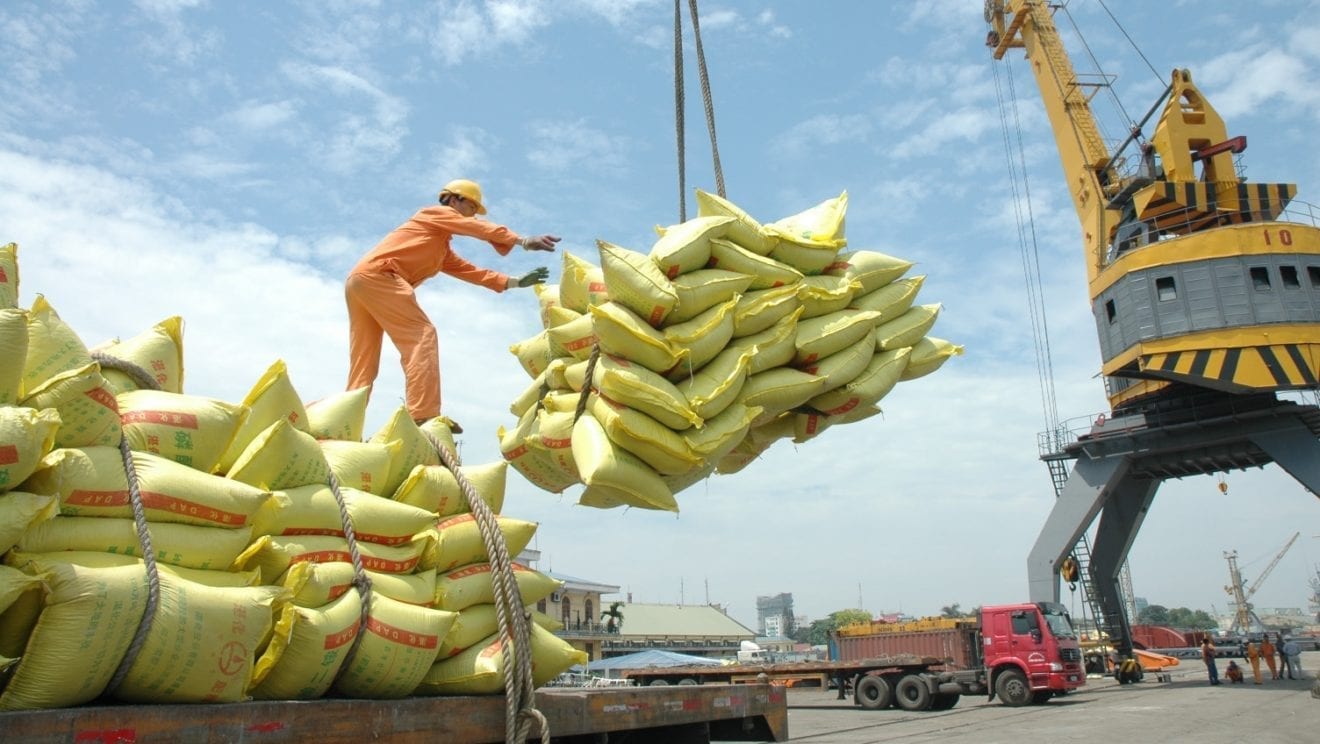
    Rice export prices in India recovered this week after demand improved, while rates for the Vietnamese variety eased.

    Rates for top exporter India’s 5 percent broken parboiled variety edged up by $2 per ton to $373-$377 per ton this week, from their lowest in 17 months last week.

    “Enquiries from African buyers have risen in the last few days,” said an exporter based at Kakinada in the southern state of Andhra Pradesh.

    Another exporter, based in Mumbai, said Indian rice was currently competitive due to rupee depreciation.

    The Indian rupee has lost more than 13 percent of its value so far in 2018, and plunged to a record low earlier this week, increasing exporters margins.

    Meanwhile, in neighbouring Bangladesh, rice output from the summer-sown crop ‘Boro’ hit 19.5 million tonnes, exceeding the target of 19 million tonnes, as farmers raised acreage to cash in on higher prices, data from the Bangladesh Bureau of Statistics showed.

    Last year, the country’s Boro rice crop, which accounts for more than half of the country’s typical annual rice production, fell to its lowest in seven years after floods destroyed crops.

    In Vietnam, traders offered benchmark 5 percent broken rice at $395-$405 a ton, slightly lower than last week’s $400-$405 range.

    Despite potential demand from the Philippines in the aftermath of Typhoon Mangkhut, which damaged paddy in the country, prices for the Vietnamese variety did not go up since Thai rates were lower.

    “If we increase prices further, people will just go and buy Thai rice,” a Ho Chi Minh City-based trader said.

    The south-Asian country, which has already completed the harvest of its two major crops, exported 4.5 million tons of rice in the first eight months, meeting around 70 percent of the whole-year projection of 6.5 million tons set out by the government.

    A trader estimated Vietnam’s current autumn-winter mini crop could yield around 1.8 million tons, half the volume of a major crop, with most of the rice likely to be kept for domestic consumption given the next harvest will not be until March 2019.

    In Thailand, benchmark 5 percent broken rice prices were quoted at $390-$393 per ton, free on board (FOB) Bangkok, unchanged from last week.

    While demand was flat, it would pick up in the near future due to natural disasters in the region, especially in the Philippines and Indonesia, traders said.

  • Forex storm hurt Bossini further

    Forex storm hurt Bossini further

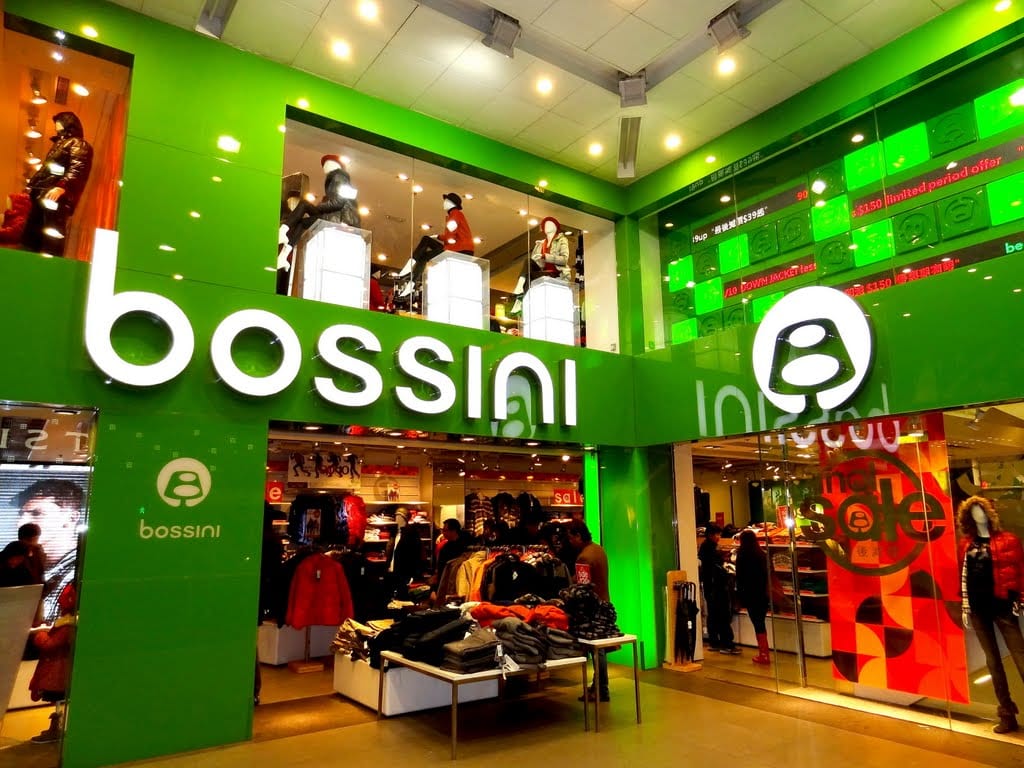
    Foreign exchange losses hobbled the recovery of Hong Kong-headquartered fast-fashion label Bossini.

    In full-year results just released, Bossini reported a 3 per cent decline in total revenue to HK$1.958 billion (US$249.6 million), largely due to a decrease in sales from the export franchising business. However gross margin rose rose two percentage points to 53 per cent.

    While same-store profit rose by 1 per cent, the company reported a loss attributable to shareholders of $29 million, compared with a profit of $5 million last year.

    Mainland China and Taiwan were standout same-store sales performers, recording 6 per cent and 3 per cent growth for the year respectively. Bossini’s export franchising business added three new markets during the year: Laos, the Czech Republic and Rwanda, taking its footprint to 25 countries.

    In a stock exchange filing, Bossini said its operating profits from its retail businesses in Hong Kong, Macau, Mainland China, Taiwan and Singapore all improved. Hong Kong and Macau account for about 50 per cent of the brand’s sales.

    “Nevertheless, the group’s profit attributable to owners posted a decline mainly due to the foreign exchange fluctuation arising from Renminbi,” wrote chairman Man Kuen Bess Tsin.

    “The decrease in the profit derived from the export franchising business, as a result of the continuously weak and competitive apparel retailing environment, was another reason for the drop.”

    Same-store sales by market

    Same-store sales in Hong Kong and Macau slipped 2 per cent and in Singapore by 5 per cent – well below the respective falls of 9 per cent and 11 per cent the previous year.

    Same-store sales in Mainland China and Taiwan grew by 6 per cent and 3 per cent, a turnaround from drops of 5 per cent and 7 per cent last year.

    Company-wide same-store sales fell 1 per cent compared with an 8 per cent drop last year.

    As at June 30, Bossini had 938 stores internationally, 284 directly managed and 654 franchised. Its Hong Kong and Macau network held steady at 40.

    During the year, it opened one new store in Taiwan, taking its network there to 64, and it closed two in Singapore, for a net 16.

  • Walmart India opens 22nd cash and carry store in India

    Walmart India opens 22nd cash and carry store in India

    Walmart India, the wholly-owned subsidiary of Walmart Inc, Saturday announced the opening of its 22nd business-to-business Cash and Carry store in the country, making it the second Best Price Modern Wholesale store in Ludhiana and the sixth in Punjab.

    The new store simultaneously got integrated with the B2B e-commerce platform, making it the 22nd Best Price store to go online, a release said here.

    “I am very excited about opening the 22nd Cash and Carry store in India. It reiterates our commitment to India and our growth plans. Setting up a second store in Ludhiana and sixth one in Punjab reinforces our belief in the ease of doing business here in the state,” Krish Iyer, President and CEO, Walmart India said.

    The Best Price Modern Wholesale Store stocks over 5,000 items, including a wide range of fresh, frozen and chilled foods, fruits and vegetables, dry groceries, personal and home care items, hotel and restaurant supplies, apparel, office supplies, electronic goods and other general merchandise items.

    Punjab is an important sourcing destination for Walmart India and the company sources food items such as fresh vegetables, agri-commodities, staples, meat, and beverages and non-food items including plastic-ware, glassware, decor items, brooms, mattresses, among others.

  • US-based Simon Property inked Siam Piwat deal

    US-based Simon Property inked Siam Piwat deal

    US-based shopping mall operator Simon Property is planning expansion of its outlet malls format into the Southeast Asian market.

    The company has operated an outlet in Malaysia’s Johor since 2011, and opened a new property in Genting Highlands, near Kuala Lumpur, last year. Its first premium outlets in Thailand will open in Bangkok by the end of next year in collaboration with local property developer Siam Piwat.

    Simon Property’s director for international development and finance Uchenna Akujuo said the company’s success in the development of premium outlets, of which 29 out of 100 are outside the US, has stemmed from its strong relationship with top global brands, and revealed that Asia and Southeast Asia remain a strategic focus.

    “We are bringing to Thailand and Bangkok high-quality brands and a shopping experience. We understand the needs of customers and tenants. We are able to leverage different customers all over the world whether in Asia, North America or Europe,” he said.

    The company’s joint venture with Siam Piwat will see it developing three locations in Thailand within the next five years.

    Siam Piwat first executive VP for business development and investment Chollachat Meksupha said the company will invest around THB4 billion (US$123 million) into the first outlets.

  • ANZ Vietnam reports 75 pct fall in profit in H1

    ANZ Vietnam reports 75 pct fall in profit in H1

    ANZ Vietnam’s profits fell 75 percent in the first half of this year following the sale of its retail arm to Shinhan Bank.

    The bank’s financial report shows its after-tax profits were VND41 billion ($1.76 million), down from VND171 billion ($7.33 million) in the same period last year.

    Net interest income and net income from its foreign exchange business saw the biggest declines: 40 percent and 15 percent.

    ANZ Vietnam was one of the few lenders in the country to report negative credit growth, with loans outstanding edging down to VND12.6 trillion ($540 million) at the end of the second quarter.

    In the first half return on equity was only 25 percent of the rate a year earlier.

    But the poor performance notwithstanding, at the end of the first half its assets increased by 16 percent against the beginning of the year as deposits with the State Bank of Vietnam went up by VND320 billion ($13.72 million) and deposits with and loans to other credit institutions increased by VND4.15 trillion ($178 million).

    South Korea’s Shinhan Bank last year acquired ANZ’s retail business in Vietnam. The latter had around 125,000 individual customers, more than $231 million in loans outstanding and more than $578 million in deposits.

    According to the General Department of Taxation, the bank was the 156th biggest taxpayer in the country last year.

  • Giordano to open six more store in the Middle East

    Giordano to open six more store in the Middle East

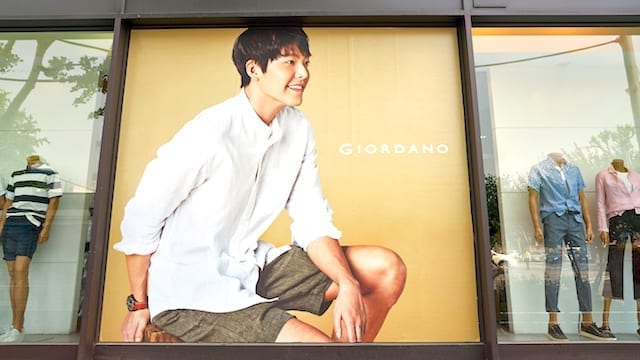
    Giordano Middle East has opened six new stores and relaunched its e-commerce platform.

    The new stores are located at the Ajman City Center and Ibn Battuta Mall in the UAE, Riyadh Park, Villaggio Mall and Lulu Briman in Saudi Arabia and at Al Kout Mall in Kuwait.

    The Hong Kong-headquartered, global fast-fashion brand has also opened its first stores in France, South Africa and Mongolia this year.

    Ishwar Chugani, MD at Giordano Middle East, and part of the management committee of Giordano International, says the new stores feature a fresh new look “redefining simplicity and embracing a more classic and refined concept”.

    Space is maximised for product displays and customer interaction. The Giordano Middle East stores feature wider entrances and larger, more comfortable fitting rooms. Products are also showcased in different ways, with an emphasis on accessibility and demonstrating different matches and styles.

    Chungai says natural wood accents have been added to the interiors to create a feeling of warmth and comfort while energy-efficient LED lights enhance the customer experience and minimise the brand’s carbon footprint.

    “Our customers have been the main focus in the design of our new CIM (Customers In Mind) stores. Giordano embodies simplicity in design and quality in substance, and we have endeavoured to simplify and improve our customers’ shopping experience, enabling them to mix and match items and avail of excellent quality apparel at great value,” said Chungai.

    “We are committed to bringing our brand closer to our customers located across the region. The substantial investments earmarked for this expansion program stem from our confidence in the region’s current developments and future initiatives.”

    Giordano’s cardless loyalty program World Without Strangers boasts more than 500,000 members from the Middle East and 11 million worldwide. The brand has also increased its social-media engagement, with more than 3 million followers on Facebook alone.

    Founded in Hong Kong in 1981, Giordano opened its first store in the MIddle East in 1993. Giordano Middle East is a wholly owned subsidiary of Giordano International.

    The group operates more than 2400 stores in 30 countries across Asia, Australia, Africa, Canada, Central America, Eastern Europe, Central Asia and the Middle East.