Blog

  • Citibank Korea Records Significant Q1 Growth: Noninterest Revenue Fuels Highest Earnings in Six Years

    Citibank Korea Records Significant Q1 Growth: Noninterest Revenue Fuels Highest Earnings in Six Years

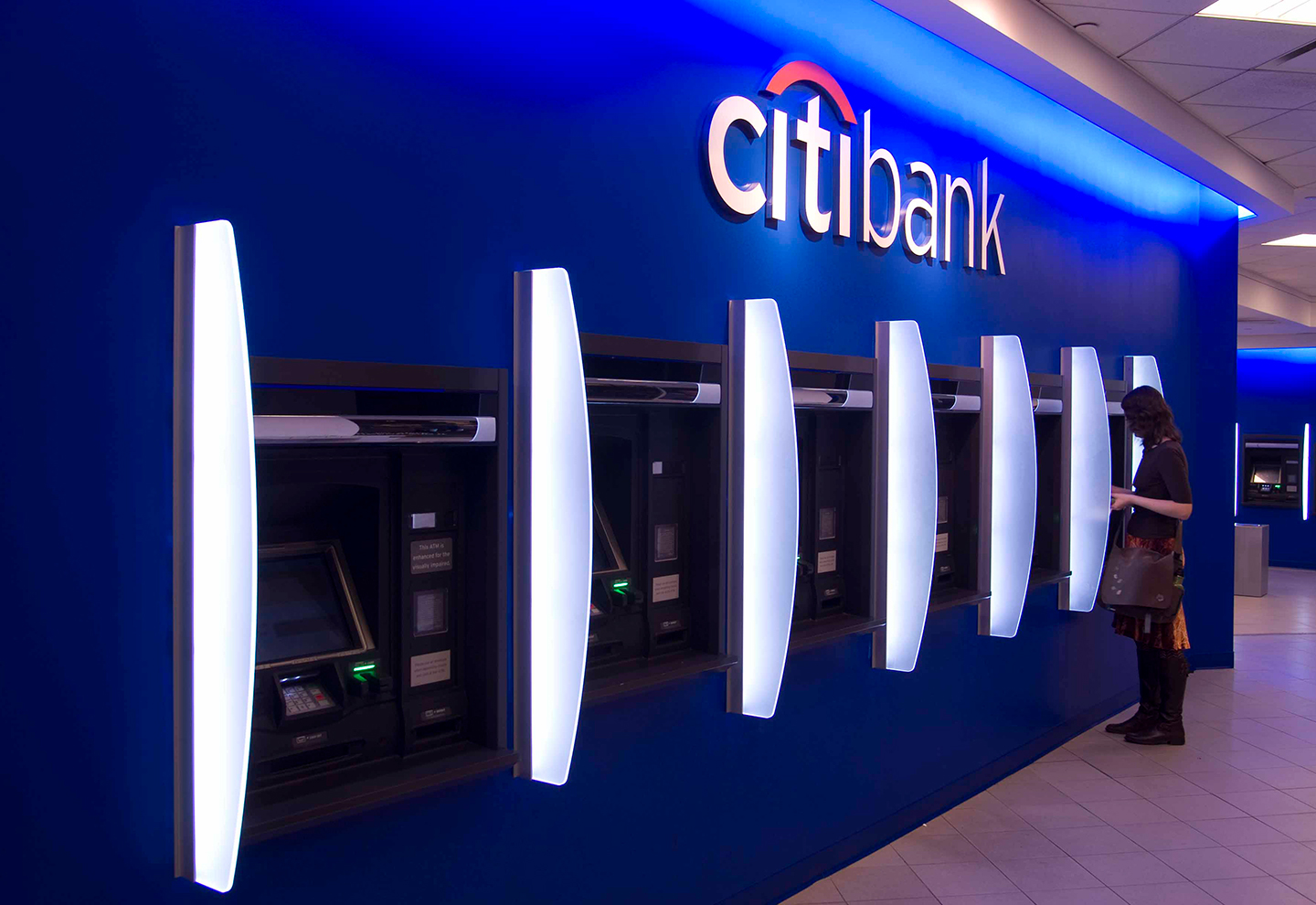
    Citibank Korea has reported their most impressive quarterly earnings in over half a decade. The first-quarter net income witnessed a significant leap of 61% from the previous year, primarily due to a substantial rise in noninterest income.

    Citibank Korea announced a net income of 132.8 billion won (equivalent to $88 million) on a revenue of 330.5 billion won. This represents an increase of 23 percent from the previous year. The surge was primarily driven by a 77 percent escalation in noninterest revenue derived from the bank’s principal businesses, which include fixed-income trading, according to an official statement from the bank.

    In the first quarter, expenses saw a modest increase of 1 percent year-on-year, amounting to 156.4 billion won. On the other hand, the cost of credit recorded a net decrease of 600 million won, a drop of 111 percent from the previous year, owing largely to reduced credit costs in the corporate banking sector.

    Impressive Growth Amidst Challenges

    The quarter’s return on equity rose by 3.81 percentage points to reach 9.73 percent. Despite challenges such as geopolitical conflicts and increased volatility in interest and foreign exchange rates, Citibank Korea delivered its best quarterly performance since 2018, according to the bank’s CEO, Yoo Myung-soon.

    Myung-soon highlighted that this impressive performance was the result of a significant expansion in non-interest revenue across their core businesses in Banking, Markets, and Services. He emphasized the bank’s strategic focus and use of Citi’s global network, which aligns with the global progress of Citi, which posted its best results in a decade in this year’s first quarter.

    Questions & Answers

    What led to the significant increase in Citibank Korea’s first-quarter net income?
    The bank’s first-quarter net income saw a significant increase of 61%, primarily due to a substantial rise in noninterest income.

    What contributed to the decrease in the cost of credit for Citibank Korea?
    The cost of credit recorded a net decrease due to reduced credit costs in the corporate banking sector.

    What were the main challenges faced by Citibank Korea in the first quarter?
    Some of the challenges faced by the bank included geopolitical conflicts and increased volatility in interest and foreign exchange rates.

  • UOB Private Bank Intensifies Greater China Expansion with Appointment of New Market Head

    UOB Private Bank Intensifies Greater China Expansion with Appointment of New Market Head

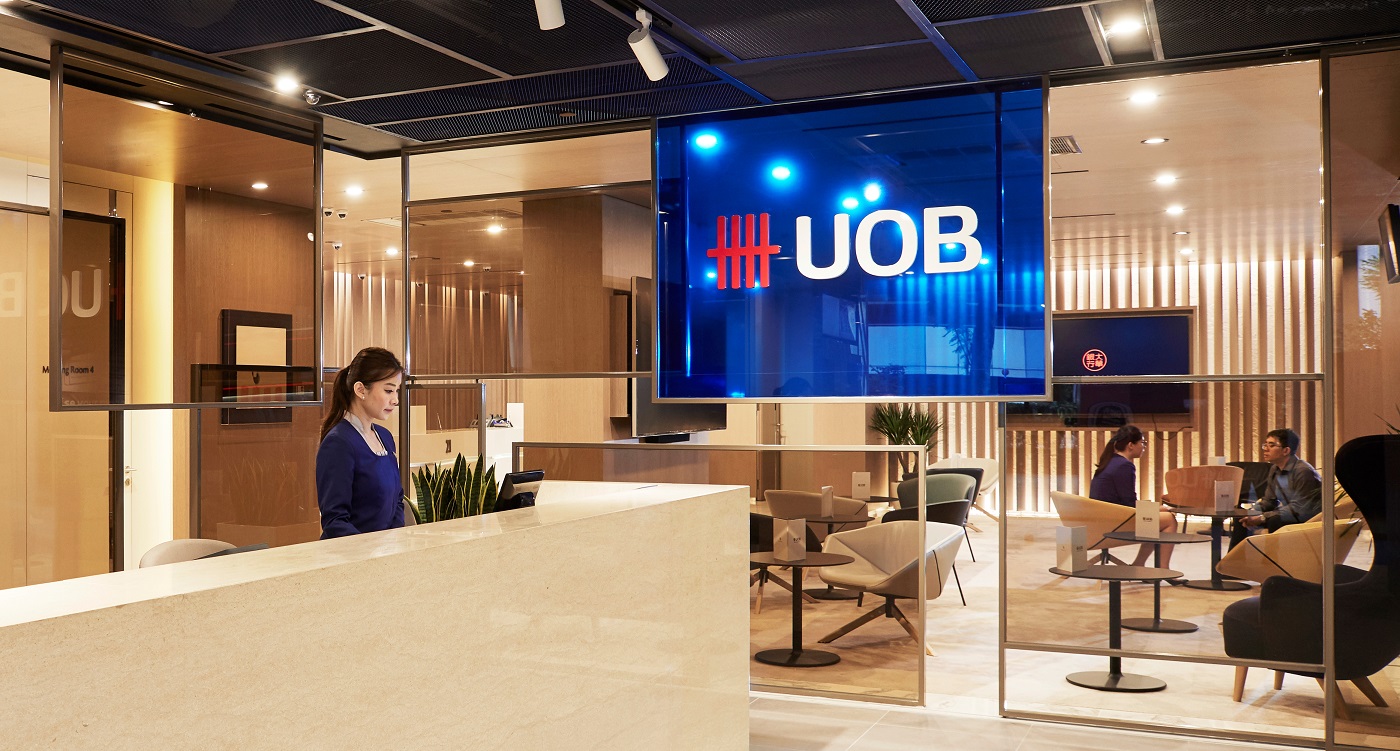
    United Overseas Bank (UOB) Private Bank has announced the appointment of seasoned banker Paul Zhou as the Market Head for Greater China. This strategic move is aimed at accelerating the bank’s expansion plans in one of Asia’s most fiercely contested wealth management markets.

    Effective from May 11, 2026, Zhou will spearhead the growth and strategic planning of UOB Private Bank’s Greater China business, according to a company statement released on Monday.

    Decades of Experience in Private Banking

    Zhou brings to the table over two decades of robust experience in private banking, wealth management, and sales leadership. Prior to this appointment, Zhou was part of UOB China, where he has been serving as the Head of Sales and Distribution since 2018.

    In his previous role, Zhou led the bank’s wealth management and secured lending sales teams, as well as the specialist investment and insurance divisions. His dynamic leadership was instrumental in expanding the bank’s customer base, increasing assets under management and deposits while ensuring strict adherence to governance and compliance standards.

    Before joining UOB China, Zhou held key leadership roles at Ping An Trust and Citibank. He managed private banking teams and directed investment and sales strategies across multiple major Chinese cities. In the early stages of his career, he worked at The Bank of Tokyo-Mitsubishi and HSBC, gaining expertise in investment advisory, wealth management, and cross-border banking solutions.

    Zhou holds an undergraduate degree in Finance and Banking from the Finance and Banking Institution of China in Beijing.

    A Strategy to Reinforce Greater China Franchise

    Zhou’s appointment forms part of a wider strategy by UOB Private Bank to fortify its Greater China franchise. The bank has announced plans to hire a number of seasoned relationship managers and team leads in May and June. This initiative is aimed at enhancing client engagement and supporting the growth of the business in the region.

    The planned expansion underscores the continued competition among local and global banks to tap into the growing wealth creation opportunities in Greater China, despite the ongoing economic uncertainties and unpredictable market volatility.

    Questions & Answers

    Who has UOB Private Bank appointed as the Market Head for Greater China?
    Paul Zhou, a veteran banker with over two decades of experience in private banking, wealth management, and sales leadership.

    What is the strategic objective behind this appointment?
    The appointment aims to accelerate UOB Private Bank’s expansion strategy in Greater China, one of Asia’s most competitive wealth management markets.

    What plans does UOB Private Bank have to fortify its Greater China franchise?
    UOB Private Bank plans to recruit several experienced relationship managers and team leaders over May and June to further enhance client engagement and support business growth in the region.

  • SSI Group Sees Profits Plunge as Luxury Spending Goes Out of Style in the Philippines

    SSI Group Sees Profits Plunge as Luxury Spending Goes Out of Style in the Philippines

    In the first quarter of 2021, SSI Group, a leading luxury retailer in the Philippines, witnessed a significant drop in profits. The company reported a decrease of 58.5 per cent in net income to US$2.4 million (PHP$152.9 million), even though revenue increased by 11.4 per cent to $123.8 million. This decline in earnings is attributed to consumers prioritizing essentials over luxury goods.

    Financial Performance and Consumer Behavior

    A more promotional business environment impacted SSI’s profitability, shrinking the merchandise gross margin from 44.6 per cent the previous year to 42.6 per cent. The main reason for this change is the growing price sensitivity among consumers due to inflation and escalating living costs. Operating expenses also increased by 15.8 per cent to $48.3 million, due to inflationary pressures and store network expansion, which led to a decrease in EBITDA by 18.4 per cent to $12.3 million.

    During this same period, consumer demand was primarily focused on the essential and lifestyle categories with a 48.5 per cent sales increase in SSI’s ‘others’ segment, which includes personal care, food, and home products. Footwear, accessories, and luggage also experienced a 32.7 per cent increase in sales. However, the group’s core luxury and bridge segment witnessed a 1.7 per cent drop in sales, indicating decreased spending on premium discretionary items.

    Online Sales and Store Operations

    E-commerce sales reached $9.1 million, making up 7.4 per cent of total revenue, while rental income from its Central Square property saw an 8.1 per cent increase to $387,270.

    SSI Group also made adjustments to its physical stores. The company closed 14 underperforming stores permanently, opened five new locations, and renovated 12 stores during the quarter. At the end of the quarter, SSI Group operated 631 stores nationwide.

    SSI Group’s portfolio includes a broad range of brands, from luxury labels like Hermès, Cartier, and Salvatore Ferragamo to fashion and lifestyle brands such as Zara, Bershka, Stradivarius, Pull&Bear, Gap, Old Navy, Lacoste, and Muji. The retailer also offers beauty brands like Mac, Lush, and Beauty Bar; home retailers like Pottery Barn and West Elm; and dining concepts like Shake Shack, SaladStop!, and Venchi.

    In February, the retailer announced the termination of its franchise agreement with Marks & Spencer, which had been in operation since 1980.

    Questions & Answers

    What contributed to the decline in SSI Group’s profits for the first quarter of 2021?
    Consumers shifting their priorities from luxury goods to essentials, coupled with inflation and increased living costs, resulted in the decline of SSI Group’s profits.

    How has SSI responded to this change in consumer behavior?
    In response to changing consumer behavior, the group has focused on promoting essential and lifestyle categories more. It has also optimized its physical store network by closing underperforming stores and opening new ones.

    What is the future of SSI’s relationship with Marks & Spencer?
    SSI Group has decided to end its franchise agreement with Marks & Spencer, which had been operational since 1980. The future of this relationship is not clear at this point.

  • Starbucks Korea Leader Axed Over Distasteful Tank Day Promo that Ignited National Fury

    Starbucks Korea Leader Axed Over Distasteful Tank Day Promo that Ignited National Fury

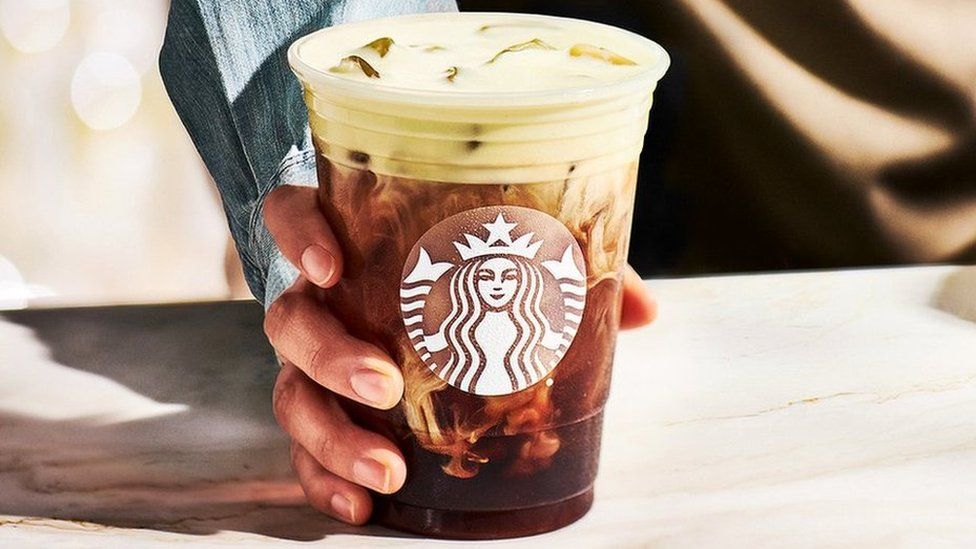
    Shinsegae Group, a major food corporation in South Korea, has terminated the employment of Starbucks Korea’s chief after a marketing campaign sparked widespread controversy on the commemoration of historical pro-democracy protests.

    Shinsegae, the South Korean holder of the Starbucks license, announced on Monday that Chairman Chung Yong-jin dismissed Sohn Jeong-hyun, the leader of Starbucks Korea, on the grounds of conducting “unsuitable marketing.”

    Hours before the announcement, Starbucks Korea initiated a ‘Tank Day’ promotional campaign which provoked backlash from South Koreans who interpreted it as an insensitive reference to the violent suppression of protestors by military tanks during the anti-dictatorial movements in the 1980s. The campaign, which offered discounts to customers purchasing tumblers, employed language that evoked a South Korean official’s explanation for the torture-related death of a student protestor in 1987.

    On Monday, South Korea observed the Democracy Movement Day, commemorating the student-initiated Gwangju uprising. Reportedly, hundreds or even thousands of individuals were killed when the public rebelled against the military dictator Chun Doo-hwan on May 18, 1980.

    In response to the public’s outcry, Starbucks Korea issued a formal apology for the insensitive promotional campaign on its website.

    President Lee Jae Myung expressed his “fury” regarding the issue and insisted on an official apology from the company to the families affected by the uprising.

    Starbucks Coffee Company Spokesperson: 

    “We are deeply sorry for an unacceptable marketing incident in Korea that referenced and coincided with May 18, the commemoration of the Gwangju Democratization Movement – a day of profound historical and human significance. 

    “While unintentional, this should never have happened. We recognize the deep pain and offense this has caused, particularly to those who honor the victims, their families, and all who contributed to Korea’s democratization. 

    “Starbucks Korea immediately halted the campaign, and we are taking this matter with the utmost seriousness. Leadership accountability actions have been taken, and a thorough investigation is underway. We are implementing stronger internal controls, review standards, and company-wide training to ensure this does not happen again.  

    “We sincerely apologize to the people of Gwangju, to those impacted by this tragedy, and to our customers and communities.”

    Questions & Answers

    What was the cause of the termination of the head of Starbucks Korea?
    Starbucks Korea’s chief, Sohn Jeong-hyun, was dismissed due to a controversial ‘Tank Day’ promotional campaign that was seen as insensitive towards the historical pro-democracy protests in South Korea.

    How did the public interpret the ‘Tank Day’ promotional campaign by Starbucks Korea?
    The campaign upset South Koreans as it seemingly reminded them of the violent suppression of protestors by military tanks during the anti-dictatorial movements in the 1980s.

    What was the reaction from the South Korean government to the promotional campaign?
    President Lee Jae Myung expressed his anger regarding the issue and demanded an official apology from the company to the families of those who lost their lives in the uprising.

  • Singapore Online Retailers Exposed: Dark Patterns Mislead Shoppers into Rushed Purchases

    Singapore Online Retailers Exposed: Dark Patterns Mislead Shoppers into Rushed Purchases

    In Singapore, three prominent online retailers, namely Boarding Gate, Origin Sleep, and Light In The Box, have been implicated in deceptive practices aimed at manipulating consumers’ purchasing behaviors.

    These retailers were found to be manipulating elements of their websites. They employed tactics often referred to as ‘dark patterns’, which included showcasing sham visitor counts, fraudulent countdown timers, and bogus discount claims. These tactics are used to generate an unnatural sense of urgency and product demand.

    Deceptive Tactics

    In the case of Boarding Gate, the company’s website was found to be displaying random figures that purportedly represented the number of viewers per product. This sly practice gives consumers the impression of high demand and real-time visitor activity, thereby pressuring them into making rapid purchasing decisions.

    Origin Sleep, also, resorted to similar manipulative strategies. The company’s website featured countdown timers suggesting that purchases had to be finalized before the given time ran out, even though these timers held no actual significance. Moreover, Origin Sleep was found to be conducting a supposedly limited-time sales offer. However, this “flash sale” was discovered to have continued for nearly two years under various pseudonyms.

    Light In The Box, on the other hand, displayed ‘Almost sold out’ notifications on items to suggest scarcity. In actuality, these labels were arbitrarily applied to create promotional effects. The company also provided misleading information about savings by comparing discounted prices with higher ‘original’ prices, which were never genuinely offered.

    Alvin Koh, the CEO of the Competition and Consumer Commission of Singapore (CCS), said that “dark patterns are insidious as they are difficult to detect and erode consumer trust in the digital marketplace.” He vowed that the CCS would continue to act firmly to safeguard consumer trust and honest businesses from those who engage in unfair competition.

    The three accused companies have since provided formal promises to the CCS. They have ceased their misleading actions and pledged to refrain from unjust trading practices in the future.

    Previous Violations

    In the previous year, Courts and Prism+, retailers of electronics and home appliances, were found to have contravened trading laws. They either charged consumers for products that were not selected or employed specific website features to create a false sense of urgency to purchase.

    Questions & Answers

    What are ‘dark patterns’?
    Dark patterns refer to manipulative techniques used on websites to influence consumers’ purchasing decisions.

    How have companies employed these ‘dark patterns’?
    Companies have used bogus visitor counts, fraudulent countdown timers, and false discount claims to generate an unnatural sense of urgency and product demand.

    What are the steps taken by the Competition and Consumer Commission of Singapore (CCS) to prevent such practices?
    The CCS has been proactive in detecting and combating such unethical practices. The implicated companies have been made to cease their deceptive tactics and have pledged to refrain from unfair trade practices in the future.

  • Tops Revolutionizes Thai Beauty Market with Standalone Looks Store Launch

    Tops Revolutionizes Thai Beauty Market with Standalone Looks Store Launch

    Tops, a leading retail brand owned by Central Retail, is expanding its influence in Thailand’s thriving beauty sector by introducing an independent Looks store concept.

    The initial independent Looks store will be inaugurated on May 20th at Robinson Lifestyle Srisamarn, underlining a significant shift in strategy for the wellness and beauty brand as it ventures into dedicated specialty retail.

    This expansion is part of a broader, long-term growth plan for the brand. The company has ambitions to increase the presence of Looks to 100 locations across various formats over the next seven years.

    Historically, Looks has operated mostly as beauty sections within Tops supermarkets. However, the brand’s new direction aims to appeal to the emerging ‘new-gen’ market and the progressively expanding masstige segments.

    The independent store concept is set to offer an impressive range of over 5,000 SKUs, encompassing skincare, makeup, and inner wellness products. Approximately 15% of the stock will consist of exclusive items that will only be available in Looks stores.

    In addition to the diverse range of products, the store will also host a ‘Solution Bar.’ This feature will offer customers personalized recommendations and consultations from beauty specialists at Looks.

    Despite the implementation of the standalone model, the brand will continue to uphold its strong omnichannel presence. This includes maintaining the 105 dedicated Looks zones in Tops stores and the 17 Tops Daily branches throughout the country.

    Questions & Answers

    What is the new strategic direction for the Looks brand?
    With the launch of an independent store concept, Looks is expanding from simply being beauty zones within Tops supermarkets to becoming a standalone specialty retail brand.

    What unique features will the standalone Looks store offer to customers?
    The store will offer a wide range of over 5,000 products across skincare, makeup, and inner wellness. It will also provide exclusive products unavailable elsewhere. Additionally, customers will benefit from personalized advice and recommendations at the in-store ‘Solution Bar.’

    Will the brand maintain its presence within Tops supermarkets despite the new direction?
    Yes, despite the launch of the standalone stores, Looks will continue to operate its dedicated sections within Tops supermarkets and Tops Daily branches nationwide.

  • NAORA Launches the World’s First Private Expedition Membership: A New Way of Living at Sea

    NAORA Launches the World’s First Private Expedition Membership: A New Way of Living at Sea

    NAORA, a new membership-based sailing concept founded by a team of four Belgian explorers, today announced the official launch of its private expedition membership — a continuously moving global journey that allows members to join and leave the vessel at their own pace, across 183+ destinations over a five-year route.

    Unlike traditional cruises, charters, or yacht ownership, NAORA introduces an entirely new category of living: a curated, invitation-only ecosystem at sea, built for a new class of modern explorers who value depth, continuity, and belonging over one-off experiences.

    Not a trip. Not a booking. A membership.

    NAORA members don’t book a holiday. They join a world. Aboard the Lagoon Eighty2, an 80-foot luxury catamaran — members can step on in the Mediterranean, disembark when life calls, and rejoin months later in the Caribbean, exactly where they left off. No expiry dates. No starting from zero.

    Membership is structured in tiers — Coastal, Offshore, and Navigator — offering between one week and up to 90 days per year aboard the vessel, with a one-time entry fee starting from €3,000 and annual fees ranging from €9,000 to €59,000 depending on access level.

    Built from 25+ years at sea

    NAORA was founded by Sven, a commercially licensed Master Mariner with 25+ years of offshore sailing experience, alongside three co-founders with deep roots in international business, adventure, and community building. The concept grew not from a business plan, but from decades of real expeditions across the Mediterranean, the North Sea, and the Caribbean.

    “I didn’t build NAORA because I saw a market opportunity. I built it because I knew this world existed and no one had made it accessible. — Sven, Founder & Captain”

    A global route designed around seasons, not tourism calendars

    The NAORA route covers 45,000+ nautical miles across 183+ destinations over five years, following trade winds and peak seasons rather than tourist schedules. Each leg is optimised for conditions, culture, and natural beauty — from remote Azorean bays to the outer reefs of the Maldives and the South Pacific.

    Membership intake is strictly limited. Every applicant passes through a personal selection process to ensure genuine alignment with the NAORA community — a circle of founders, investors, artists, athletes, and nomadic professionals who value depth over display.

    For more information or to request a private conversation, visit www.naora.world.

  • OCBC Boosts Hong Kong Wealth Management Team by 30% Amid Rising Demand

    OCBC Boosts Hong Kong Wealth Management Team by 30% Amid Rising Demand

    The Oversea-Chinese Banking Corporation (OCBC) has announced plans to bolster its wealth-management staff in Hong Kong by 30% this year. This move is a strategic reaction to an increasing demand from its clientele for investment and financing services.

    Singapore’s second-largest financial institution aims to recruit an additional 30 to 50 relationship managers to its Hong Kong division, according to Josephine Lee, OCBC’s head of Hong Kong consumer financial services. The bank projects a significant increase in its wealth sector income, anticipating a five-fold jump since 2023. Furthermore, Lee disclosed the bank’s strategy to launch a novel array of services this year specifically aimed at clients with at least $1 million.

    OCBC’s wealth services portfolio has been a significant factor in boosting the bank’s profitability. The bank has surpassed projected profits for the first quarter, largely due to increasing fees related to wealth services. Furthermore, the demand for wealth accounts within Hong Kong has shown a marked increase from clients both within and outside the jurisdiction, primarily attracted by offerings such as financing. “We must enhance our pool of relationship managers to optimally serve our client base,” says Lee.

    The Greater China region, which includes Hong Kong, has been a significant income generator for OCBC, contributing 23% to the bank’s operating profit in the first quarter. This makes it the second-largest contributor, following Singapore, and shows a slight increase compared to the same period last year.

    Questions & Answers

    What is the anticipated increase in OCBC’s wealth-management staff in Hong Kong?
    The bank plans to increase its wealth-management staff in Hong Kong by 30% this year, which translates to an addition of 30 to 50 relationship managers.

    How significant has the wealth services portfolio been to OCBC’s profitability?
    The wealth services portfolio has played a major role in boosting the bank’s profitability, with the first quarter earnings surpassing estimates mainly due to increased fees related to these services.

    What proportion of OCBC’s operating profit was contributed by the Greater China region in the first quarter?
    The Greater China region, including Hong Kong, contributed 23% to the bank’s operating profit in the first quarter, making it the second-largest contributor after Singapore.

  • Shopee Slapped with $7700 Penalty for Misleading Free Shipping Promotions in Vietnam

    Shopee Slapped with $7700 Penalty for Misleading Free Shipping Promotions in Vietnam

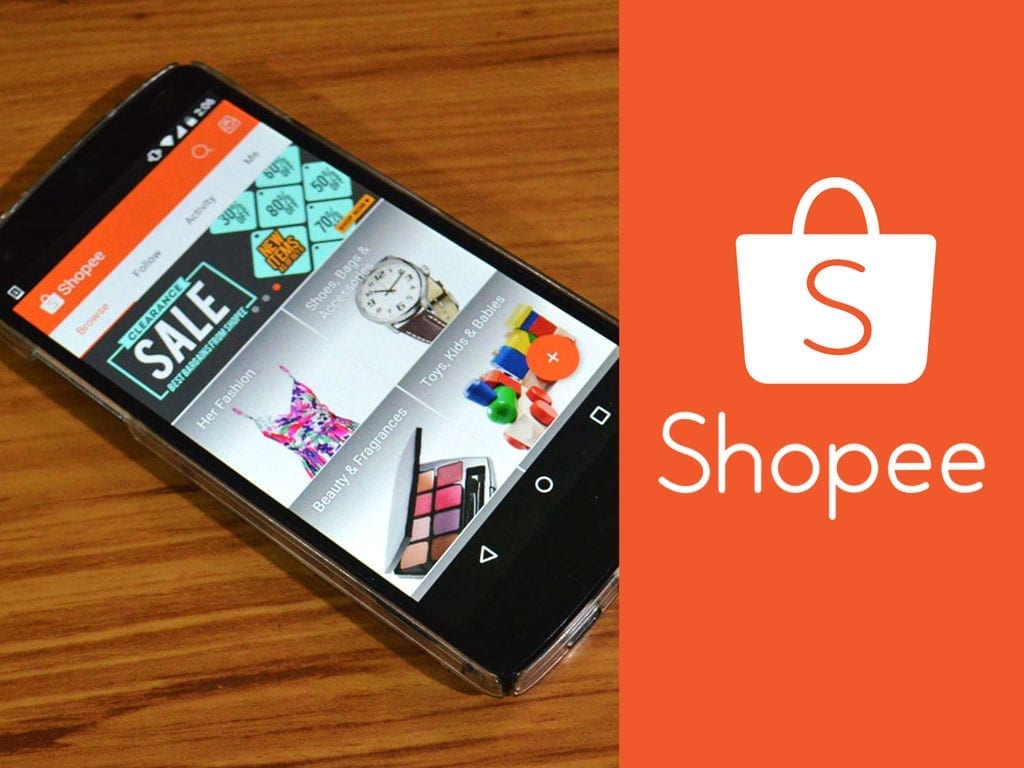
    Shopee, Singapore’s leading online retail platform, has recently been penalized VND200 million (US$7,700) by the Vietnam Competition Commission (VCC) due to deceptive advertising practices linked to a free shipping campaign initiated in August 2025.

    Confusing Advertising Practices

    The charge came after the e-commerce giant used phrases like “Free Shipping for All Orders,” “Everything Ships Free,” and “Wherever We Deliver, Shipping Is Free for All Orders,” in their promotional materials. Despite disclaimers outlining the conditions for the free shipping offer, several advertisement interfaces didn’t fully disclose the terms and exclusions, leading to confusion amongst customers.

    During the promotional period, roughly 94% of orders were shipped free of charge. The remaining orders either obtained partial shipping discounts or no discount at all due to non-compliance with the required conditions.

    Throughout the investigation, Shopee was cooperative, providing necessary information and documents to the VCC. Apart from the financial penalty, the online platform has updated information on its website, mobile application, and related social media pages to rectify this.

    Addressing the Issue and Future Plans

    Shopee has expressed its commitment to review and enhance the transparency of its communication strategies moving forward. This is with the aim of ensuring that details about promotional campaigns are precise and comprehensive.

    Despite the penalty, Shopee continues to be a formidable force in the Southeast Asian e-commerce landscape. A 2025 report shows the platform managed to sustain its dominant position within Vietnam’s online retail marketplace. It accounted for a staggering 58% market share, registering a gross merchandise value of over $11.8 billion. Competitor platforms, TikTok Shop, Lazada, and Tiki collectively made up the remaining market share.

    Questions & Answers

    What was the cause of the fine imposed on Shopee?
    Shopee was penalized due to misleading advertising related to a free shipping promotion. The company failed to clearly outline the conditions and exclusions of this offer.

    What steps has Shopee taken following the penalty?
    Shopee has rectified the information on its website, mobile application, and social media pages. Additionally, it is committed to improving the transparency of its communication activities for better clarity on promotional campaigns.

    Despite the penalty, how is Shopee performing in the e-commerce market?
    Shopee continues to lead in the Southeast Asian e-commerce market, particularly in Vietnam. In 2025, it recorded a gross merchandise value of over $11.8 billion and accounted for a 58% market share.

  • H&M Shifts Southeast Asia HQ to Kuala Lumpur, Triggers Job Cuts in Singapore

    H&M Shifts Southeast Asia HQ to Kuala Lumpur, Triggers Job Cuts in Singapore

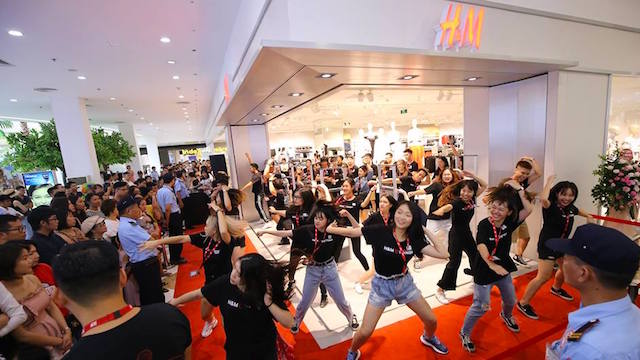
    Swedish fashion conglomerate, H&M, has recently undertaken a restructuring exercise which has led to job cuts in Singapore. This move comes as the retailer transfers its Southeast Asian hub from Singapore to Kuala Lumpur in Malaysia.

    The restructuring operation resulted in a reduction of 78 roles from a total regional workforce of 256 employees. While the exact breakdown of the redundancy hasn’t been made public, it has been confirmed that the majority of job cuts took place in the Singapore office.

    In replying to inquiries, H&M Singapore said that it is “fully backing” employees through the organizational shifts. However, the company did not disclose the exact number of dismissed staff members or specify the affected roles. H&M stated that as a company, they constantly strive to meet customer expectations and this includes regular reviews of their operational efficiency and agility.

    Despite the recent layoffs, H&M maintains that Singapore remains a crucial market for them. The retailer confirmed that it would continue to sustain an office in the country. “We will continue to maintain our retail presence reflecting our long-term commitment,” said a representative of the company.

    H&M first entered the Singapore market in 2011 with its Somerset outlet. Currently, the brand operates six stores in the country. Over the past couple of years, however, H&M has been closing some of its physical stores. In March 2023, the retailer closed its two-storey outlet at Ion Orchard after serving customers for over a decade. The Tampines Mall store was shut in August 2020, followed by the Waterway Point outlet in Punggol in January 2021.

    The Singapore Manual and Mercantile Workers’ Union (SMMWU) released a statement saying that while H&M Singapore is not a unionized entity, some employees could be union members. SMMWU secretary-general Andy Lim asserted that both the National Trades Union Congress and the SMMWU are prepared to offer assistance to these members and help them transition to new job opportunities.

    Questions & Answers

    Why is H&M moving its Southeast Asian headquarter from Singapore to Malaysia’s Kuala Lumpur?
    – Although H&M did not provide a specific reason for the shift of its Southeast Asian headquarters, such decisions are often influenced by cost factors, market opportunities, or strategic alignment.

    What are some of the steps H&M is taking to support its affected employees?
    – Although additional details were not provided, H&M Singapore stated that they are “fully supporting” their employees during these organizational changes.

    How will H&M’s presence in Singapore change as a result of this move?
    – Despite the layoffs and the shift of its regional headquarters, H&M has affirmed that Singapore remains an important market for them. The company will maintain a retail presence in the country, reflecting their long-term commitment.

  • Cambodia Adjusts 2026 Growth Forecast Down to 4.2% Amid Global Crises and Climate Change Impacts

    Cambodia Adjusts 2026 Growth Forecast Down to 4.2% Amid Global Crises and Climate Change Impacts

    The Cambodian Government has revised its economic growth expectation for 2026, dropping it from an earlier prediction of 5% to a more conservative 4.2%. Prime Minister Hun Manet, in the recently published medium-term fiscal framework for 2027-2029, cited a number of global crises as the reasons for this adjustment.

    Challenging Global Crises

    The Prime Minister indicated that Cambodia is undergoing a transition in the midst of prolonged global difficulties. This includes the rise in protectionism, trade conflicts, geopolitical and geoeconomic strife, and escalating impacts from climate change and natural disasters.

    The report also highlighted three consecutive storms that struck Cambodia in the past two years, causing significant damage. Additional challenges noted include the reciprocal tariff policies rolled out during former US President Donald Trump’s tenure, the ongoing border dispute between Cambodia and Thailand, and the turmoil in the Middle East which has led to an energy crisis.

    Future Economic Forecast

    Amid these struggles, the growth forecast for 2027 has also been decreased from 5.5% to 5%, as the economic drag from 2026 is anticipated to carry over into the following year. However, the government remains optimistic that growth will bounce back to an average of approximately 5.5% between 2028 and 2029. This projection is based on the expectation that socio-economic activities will gradually recover to pre-crisis levels.

    Questions & Answers

    **What is Cambodia’s revised economic growth forecast for 2026?**
    The Cambodian Government has reduced its economic growth forecast for 2026 to 4.2%, down from an initial projection of 5%.

    **What are some of the global crises affecting Cambodia’s economy?**
    Cambodia’s economy is being impacted by a series of global crises, including escalating protectionism, trade wars, geopolitical and geoeconomic tensions, and the increasing effects of climate change and natural disasters.

    **What is the anticipated economic growth for Cambodia beyond 2026?**
    Despite lower forecasts for 2026 and 2027, the Cambodian Government expects that economic growth will rebound to an average of around 5.5% from 2028 to 2029 as socio-economic activities gradually return to pre-crisis conditions.

  • Bread Ahead Bakes Up Asian Expansion: Launches First Store in Bangkok with Exclusive Doughnut Delights

    Bread Ahead Bakes Up Asian Expansion: Launches First Store in Bangkok with Exclusive Doughnut Delights

    UK-based bakery company, Bread Ahead, has initiated its Asian expansion strategy with the inauguration of its first outlet in Thailand, located in Siam Paragon, on May 30. This marks a significant milestone for the brand as it looks to expand its footprint in the region.

    The Bangkok store, a result of a collaboration with Passion Restaurant Group, represents the first step of the brand’s comprehensive growth plan in this region. The company has revealed plans to inaugurate six more stores in the coming 12 months.

    Introducing the ‘Hot Doughnut Theatre’

    The new store, situated on the ground floor in Gourmet Eats, will showcase Bread Ahead’s innovative ‘Hot Doughnut Theatre’ concept to Thai consumers. This unique approach offers customers the experience of watching their doughnuts being freshly made, filled, and finished live throughout the day.

    The menu primarily features Bread Ahead’s distinctive doughnut range, with a particular emphasis on two flavours which will be exclusive to the Thai market: Matcha & White Chocolate and Hojicha & Dark Chocolate.

    According to Bread Ahead’s founder, Matthew Jones, “Bangkok is an incredibly vibrant city known for its food, creativity, and hospitality. Siam Paragon is the perfect location for our first Asian bakery. This is an enormous moment for us as we open in Asia for the first time. It feels like the beginning of a very unique journey. We are proud to introduce Bread Ahead to Bangkok first, and we consider this as the initiation of a much grander journey – with Thailand leading the way as we continue our expansion across Asia. This is an incredibly exciting time for the brand, and we are eagerly looking forward to what the future holds.”

    Successful Growth Story

    Bread Ahead, established in 2013, has emerged as one of the most distinguished brands in the UK, boasting six bakery outlets across London. The brand also disclosed ambitions last year to extend its presence to the Philippines.

    Questions & Answers

    What is the ‘Hot Doughnut Theatre’ concept?
    The ‘Hot Doughnut Theatre’ is a unique approach by Bread Ahead where customers can watch their doughnuts being freshly made, filled, and finished live throughout the day.

    What flavours will be exclusive to the Thai market?
    Bread Ahead’s Thai menu will feature two exclusive doughnut flavours – Matcha & White Chocolate and Hojicha & Dark Chocolate.

    What are Bread Ahead’s expansion plans in Asia?
    Bread Ahead has kicked off its Asian expansion with the launch of its first store in Thailand. The brand plans to open six more outlets in the region over the next 12 months and has also shown interest in the Philippines.

  • Chow Tai Fook Unveils Spectacular Global Flagship Store in Tsim Sha Tsui, Showcasing Chinese Craftsmanship in Grand Style

    Chow Tai Fook Unveils Spectacular Global Flagship Store in Tsim Sha Tsui, Showcasing Chinese Craftsmanship in Grand Style

    The Chinese jewelry giant, Chow Tai Fook, has recently unveiled its global flagship store in Tsim Sha Tsui. This spacious establishment, spanning a whopping 10,000 square feet, ranks as the brand’s most extensive outlet in both Hong Kong and Macao.

    Blending Tradition and Innovation

    Named the ‘Home of Chow Tai Fook’, this new store brilliantly merges the brand’s deep-rooted heritage, dating back almost a century, with a modern interior design, aimed at showcasing the finesse of Chinese craftsmanship. As customers step into the store, they are warmly greeted by the Heritage Pavilion. This display draws attention to the ancient techniques applied in crafting traditional jewelry.

    The store’s centerpiece is an enormous Gold Ginkgo Tree, consisting of pure gold leaves and branches and weighing in at 40 kilograms. According to Chow Tai Fook, the creation of this gold masterpiece involved the meticulous efforts of nearly 50 artisans and took a colossal 60,000 hours to complete.

    An Expanded Range of Luxury

    In addition to its signature jewelry collections, the flagship store heralds the introduction of Chow Tai Fook’s luxury home decor line. In collaboration with the French porcelain house, Bernardaud, Chow Tai Fook’s Rouge Collection of tableware blends traditional craft techniques with a contemporary aesthetic.

    Lastly, the store boasts a new concierge service designed to offer customers a more structured, service-oriented in-store experience.

    Questions & Answers

    What is unique about Chow Tai Fook’s new flagship store?
    The store, named the ‘Home of Chow Tai Fook’, is the largest of the brand’s outlets. It showcases the brand’s deeply-rooted heritage and Chinese craftsmanship, with features such as a gold Ginkgo Tree made of pure gold.

    What new offerings does the store introduce?
    In addition to traditional jewelry collections, the store introduces a luxury home decor line. Developed in partnership with French porcelain house Bernardaud, the Rouge Collection of tableware integrates artisan techniques with a modern design.

    What is the purpose of the new concierge service in the store?
    The concierge service is intended to offer customers a more structured, service-focused in-store experience.

  • Misto Holdings Swings into Solid Q1 Profit Boosted by Golf Gear and K-Fashion Surge

    Misto Holdings Swings into Solid Q1 Profit Boosted by Golf Gear and K-Fashion Surge

    Misto Holdings, the South Korean fashion and golf corporation, has announced an impressive surge in their first-quarter earnings, owing to robust demand for K-fashion labels and golf equipment. The company reported a 4.2% year-over-year increase in revenue, generating KRW 1.3 trillion (US$864.9 million) and an operating profit of KRW 193.7 billion (US$128.8 million), marking a 19% increase.

    Driving Factors Behind the Growth

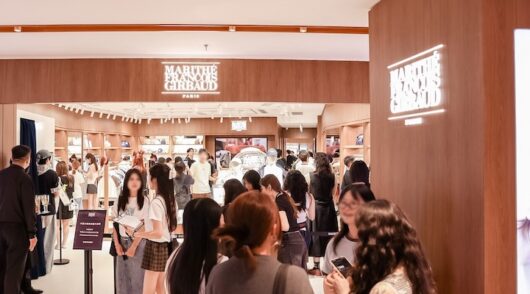
    The impressive growth is attributed to the strong performance of the firm’s golf business and the continued success of its fashion labels in the Greater China region, particularly in Mainland China and Hong Kong. K-fashion brands such as Marithé + François Girbaud, Matin Kim, Rest & Recreation, and Raive have continued to extend their retail presence throughout the region. Their expansion has played a pivotal role in sustaining double-digit growth in Greater China over the quarter.

    Fila, another brand under Misto Holdings, reinforced its position in the lifestyle sector through its footwear and apparel offerings. Standout collections include the Echappe franchise and the newly released Glio lineup. Fila’s Knit Track collection recorded a substantial sales growth of approximately 74% during the first 12 weeks of the 2026 Spring/Summer season, compared to the same period in the previous Fall/Winter season.

    The company’s Acushnet segment also contributed to the successful quarter, generating KRW 1.1 trillion in revenue, an 8% year-over-year increase, due to strong performance across all categories.

    Outlook and Future Plans

    Despite the ongoing macroeconomic uncertainties, Misto Holdings has managed to maintain stable growth momentum. This has been a result of the enhancement of brand competitiveness and improvement of operational efficiency, as stated by the company’s CFO, Ho Yeon (Aaron) Lee. Looking ahead, the company plans to further ensure its sustainable growth through the expansion in Greater China, enhancement of its brand portfolio, and a focus on profitability in management.

    Questions & Answers

    What has contributed to Misto Holdings’ significant first-quarter growth?
    The surge in demand for golf equipment and K-fashion brands have been the key drivers of Misto Holdings’ solid first-quarter growth.

    How does Fila contribute to the growth of Misto Holdings?
    Fila, a brand under Misto Holdings, has reinforced its dominance in the lifestyle sector with its footwear and apparel. Its collections such as the Echappe franchise and the Knit Track collection have recorded substantial sales growth.

    What are the future plans for Misto Holdings?
    Misto Holdings plans to solidify its growth by expanding in Greater China, enhancing its brand portfolio, and maintaining a focus on profitability in management.

  • Fast-Fashion Titan Shein Acquires Everlane in $100M Deal: A New Dawn in US Apparel Retail

    Fast-Fashion Titan Shein Acquires Everlane in $100M Deal: A New Dawn in US Apparel Retail

    Fast-fashion digital platform, Shein, is set to acquire Everlane from its predominant owner, L Catterton, in a transaction that estimates the US-based clothing retailer at roughly US$100 million. As part of the agreement, those possessing common stock in Everlane will not receive a payout, with no details disclosed regarding whether preferred shareholders will be compensated with cash or Shein shares.

    Disrupting the Retail Landscape

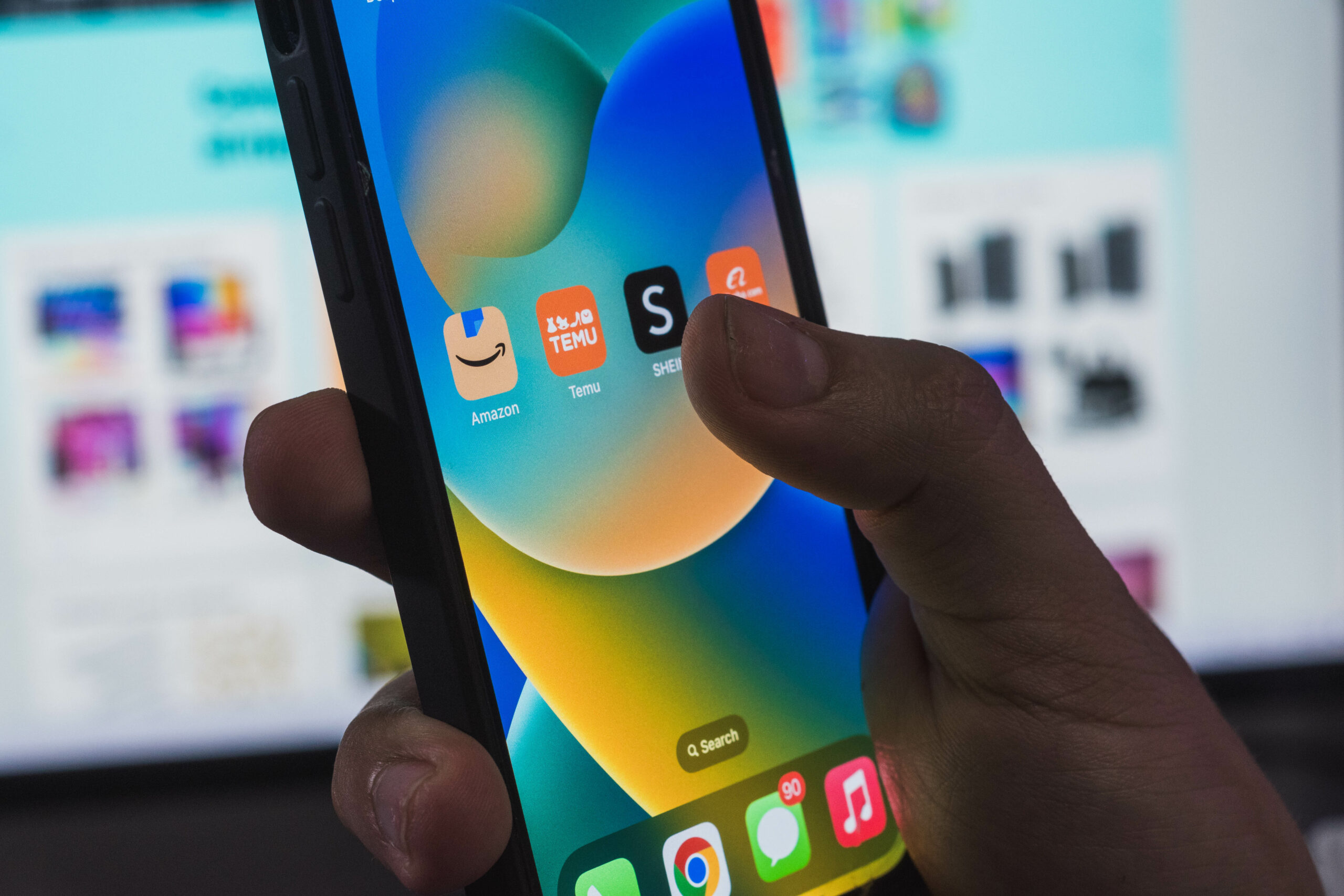
    Companies such as Shein and Temu have significantly disturbed the local retail sector, employing aggressive pricing, strategic marketing, and capitalising on tax loopholes. These tactics originally provided them with a substantial advantage over their local competitors.

    Reports surfaced in March that private equity firm L Catterton, along with Everlane CEO Alfred Chang, were on the lookout for an investor to alleviate their approximately $90 million debt. The private equity company expressed a willingness to contribute further funds if a co-investor was found. However, they also remained open to the possibility of a sale.

    Questions & Answers

    What is the estimated worth of the US-based retailer Everlane in the proposed acquisition by Shein?
    The acquisition by Shein values Everlane at about US$100 million.

    What impact have brands like Shein and Temu had on the local retail landscape?
    Shein and Temu have significantly disrupted the local retail industry through aggressive pricing, strategic marketing, and exploiting tax loopholes.

    What was the financial situation of Everlane and L Catterton prior to the acquisition?
    Before the acquisition, L Catterton and Everlane’s CEO Alfred Chang were seeking an investor to manage their approximately $90 million debt.