Blog

  • Go-Viet perks up competition in Vietnam’s ride-sharing market

    Go-Viet perks up competition in Vietnam’s ride-sharing market

    Go-Viet’s attractive perks for drivers are motivating many to shift from Grab, and the market leader is responding.

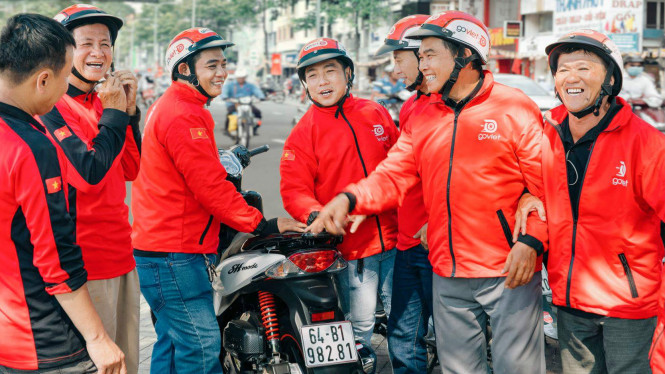
    He’s one of the first drivers to sign up with ride-sharing service Go-Viet, but Thanh Hung is still wearing the well-recognized green GrabBike uniform.

    “Too many drivers have just signed up for Go-Viet so there are not enough jackets,” Hung said.

    The 40-year-old motorbike driver said he was able to make VND800,000 ($34) in a day and a half since he began driving for Go-Viet, much higher than the VND500,000 ($21) he would get from GrabBike for the same work duration.

    Hung said he is also attracted by the tax exemption Go-Viet promises for the first six months and the bonus he’ll get if he finishes nine trips a day.

    Go-Viet, a Vietnamese version of Indonesian service Go-Jek, entered the Vietnamese market early this month, seeking its slice of the market pie that Grab has been dominating after the departure of Uber.

    Aiming to tailor its service to Vietnam with a different name and local teams, one of the first goals of Go-Jek in the country is to recruit drivers.

    “The company hopes to bring a stable income to tens of thousands of drivers through technology,” Nguyen Vu Duc, CEO of Go-Viet said in June.

    The company had contacted potential drivers months before the launch, either by meeting face to face or talking to them online, its communication representative Huong Cung said.

    Grab did not comment on the ploys Go-Viet is using to attract drivers, but it’s also deploying its own strategies.

    The company has just launched a campaign to reward drivers with five percent of the total revenue they make in a week, said Nguyen Thu An, communication director of Grab Vietnam.

    In early June, Grab also announced a plan to have over 100 stops for Grab drivers with free wifi, coffee and even vehicle washing service in Ho Chi Minh City and Hanoi.

    “There is a large number of drivers who don’t like Grab and want to work for Go-Viet,” said Vu Hoang Tam, a mobile app expert and one of the founding members of GrabBike in Vietnam.

    This creates a good supply of drivers for Go-Viet, which has learned a lot from the “previous battle,” Tam said, referring to the competition between Grab and Uber earlier this year.

  • Japanese convenience store ready to fight new challenge

    Japanese convenience store ready to fight new challenge

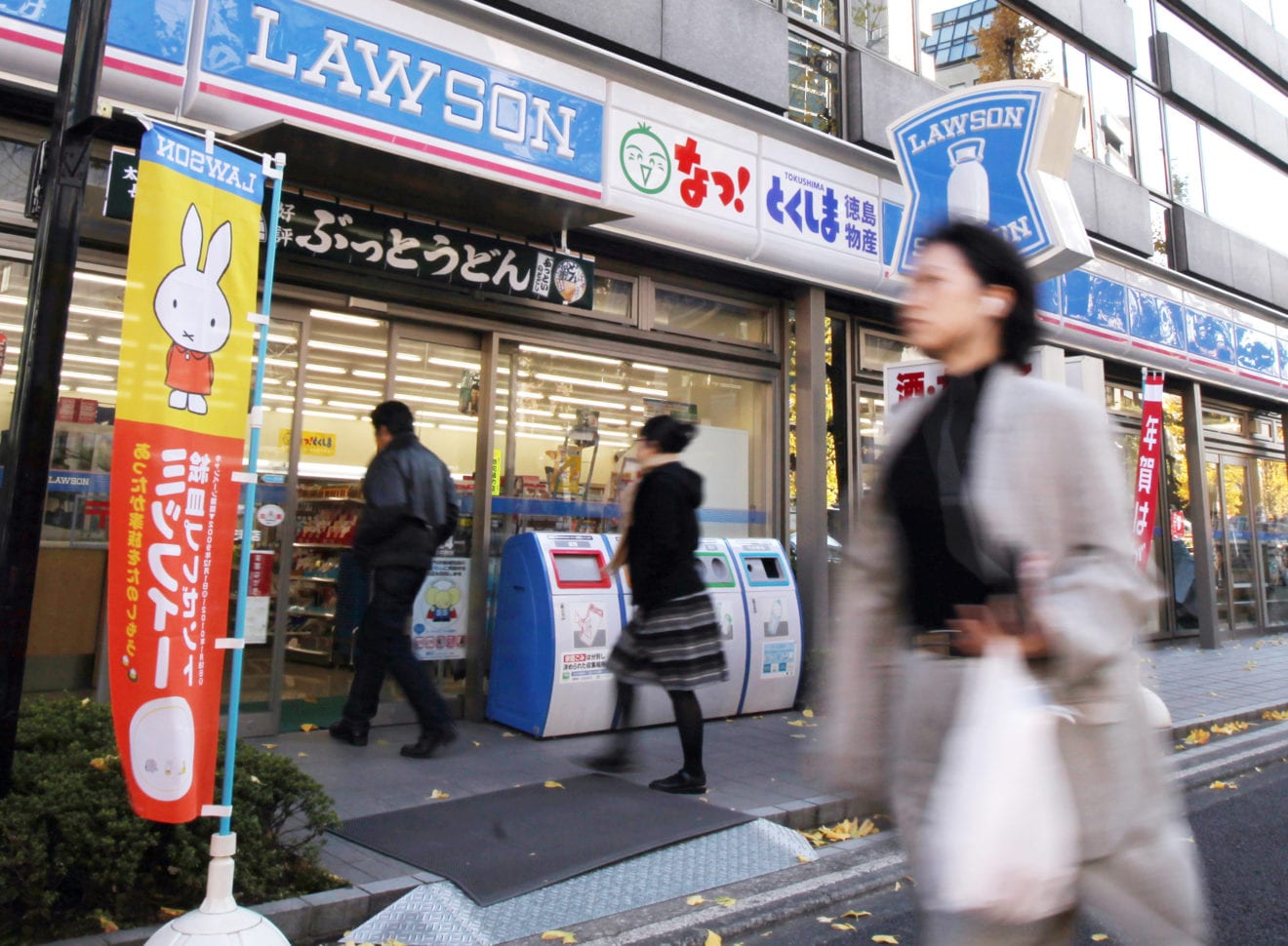
    Healthcare is becoming a staple category for Japanese convenience store chains as they seek to counter the encroachment of pharmacies on their traditional product ranges.

    According reports, while Japanese drugstores are increasingly offering snacks and quick meals, convenience stores are now selling medicines and even setting up health consultation stations in stores.

    Lawson-branded stores have launched 17 in-store consultation corners and plans to expand this number to 100 locations.

    Lawson president Sadanobu Takemasu said the company wants to resolve the community issues that arise “in an age where many people live to be 100”. The service is intended to attract more families and elderly people.

    FamilyMart and Seven-Eleven convenience chains in Japan have also been found to be selling medicines, with some also offering pharmacy-style advice.

    Japanese drugstores have been increasingly expanding beyond medical products in recent years, which has paid off. The value of pharmacy industry sales has gone up five per cent in the past two years, as opposed to two per cent on convenience store sales over the same period.

    The number of pharmaceutical outlets increased 11 per cent since 2015, during which time convenience store expansion was limited to just three per cent.

  • Malaysian economy could shrink if US-China trade war escalates

    Malaysian economy could shrink if US-China trade war escalates

    Malaysia’s gross domestic product (GDP) could contract by 1.3% in two years should the trade war between the United States and China intensify.

    CIMB Group chief economist Dr Donald Hanna said Malaysia’s economic growth could shrink in the event of continuous escalation in tariff imposition and a confidence shock in the financial market, which could result from, say, China offloading its substantial holdings of US debt.

    That will not only result in a reduction of global trade but will also affect Malaysia, which is an open economy – and trigger interest rate increases in the US.

    However, at current levels, Hanna noted that the impact of the trade duel between the two economic giants on Malaysia is small.

    He projected GDP growth to decelerate to around 5.1% in the second quarter (Q2) of 2018 from the 5.8% recorded in Q2 2017 – taking the cue from the slower growth in the Industrial Production Index for June, which rose only 1.1%.

    Full-year GDP growth is expected to be around 5.1-5.2%. This will be due to the natural moderation in GDP growth which started slowing down after a robust expansion in the second half of last year and not due to the US-China tensions.

    Hanna said the trade war appears to be one of US President Donald Trump’s policies that could see some longevity, compared to others on issues such as immigration and abortion.

    He noted that if Trump’s objective of waging a trade dispute is to shrink the US trade deficit, it is not likely to be achieved because of other macroeconomic policies that the US administration has in place.

    Hanna, who was speaking at the 13th CIMB Asean Research Institute’s Asean Roundtable Series: Trade War and Its Impact on Asean, also said Malaysia could be a preferred location for US and Chinese companies to relocate their investments – in the face of tariff slapping.

    Echoing that sentiment, European Union-Malaysia Chamber of Commerce and Industry CEO Roberto Benetello said China is likely to rethink its trade alliances in the region and get closer to partners in Asean.

    This could be a call to accelerate the Regional Comprehensive Economic Partnership (RCEP), which could see a slowdown in the ratification process, thanks to the ongoing spat.

    American Malaysian Chamber of Commerce executive director Siobhan M Das said that without the US market, Asean could become a dumping ground for China’s excesses.

    Malaysia Productivity Corp board member and former ambassador of Malaysia to the World Trade Organisation (WTO) Datuk Muhamad Noor Yacob said the focus should be on the WTO’s Dispute Settlement Body.

    Although observers have voiced their concerns over the possibility of Trump pulling the US out of the WTO, the country has been one of its active users, accounting for more than 100 of the 500 disputes attended to by the body since 1995. It has also been an active respondent to many disputes.

    The roundtable also saw speakers stressing on the importance of the RCEP and free trade agreements between the regional trading bloc and potential trading partners.

  • Vietnam most vulnerable in ASEAN to US-China trade war

    Vietnam most vulnerable in ASEAN to US-China trade war

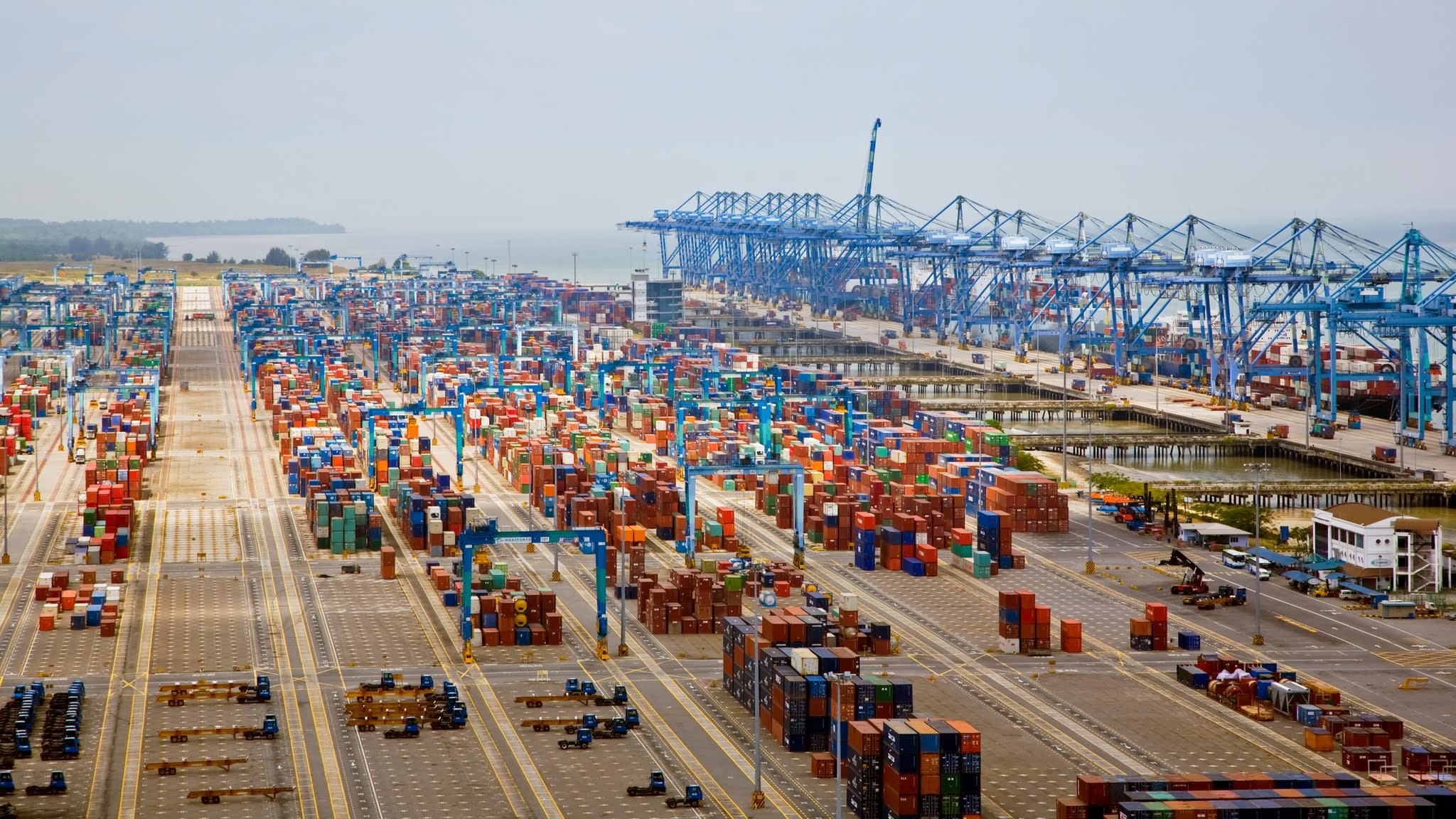
    Vietnam will be the most vulnerable country in Southeast Asia should the U.S.-China trade war persist, according to recent research.

    This is because Vietnam is the most export-dependent of the ASEAN big five, which also includes Indonesia, Malaysia, the Philippines, and Thailand, quoted from Financial Times Confidential Research report.

    Vietnam’s exports were worth $214 billion last year, 21 percent up from 2016, according to Vietnam’s Customs. The U.S. was the largest importer of Vietnamese goods last year, buying goods worth over $41.6 billion.

    “Vietnam’s exports to the U.S. rank first among the ASEAN five, making the country sensitive to softening U.S. consumer demand,” the report said.

    Another reason that Vietnam and other ASEAN member countries would be impacted by the escalating trade tension is the strengthening of the U.S. dollar, it said.

    The dong has been devalued by 1.5 percent this year, and the government could take more aggressive action if exports slow significantly, it said.

    But Vietnam, Thailand and Malaysia might still benefit from the currency weakness “if foreign direct investment shifts away from China as more companies hedge against the risk of trade action,” it added.

    Trade tension between the U.S. and China continues to escalate. A Reuters report cited Beijing as saying last week that it would slap additional tariffs of 25 percent on $16 billion worth of U.S. imports.

    The announcement came after Washington said it would impose 25 percent tariffs on another $16 billion in Chinese goods after imposing tariffs on $34 billion last month.

    So far, China has now either imposed or proposed tariffs on $110 billion of U.S. goods, representing the vast majority of its annual imports of American products.

    Vietnamese experts too have cautioned that the country would suffer collateral damage because of this trade war.

    A report released last week by the Ministry of Planning and Investment’s National Centre for Socio-Economic Information and Forecast said Vietnam’s GDP growth would take a hit from the trade tension.

    The report predicts a drop of 0.03 percent this year, 0.09 percent next year and 0.12 percent in 2020 and 2021.

    In money terms, it translates into VND8 trillion ($344 million) in 2021.

  • L’Oreal China get fuel from Colorlab by Watsons

    L’Oreal China get fuel from Colorlab by Watsons

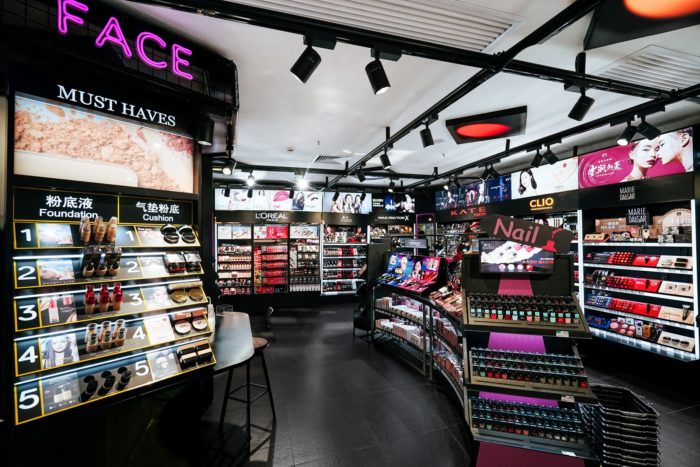
    International health and beauty retailer AS Watson has teamed up with L’Oreal to launch Colorlab by Watsons, a new concept makeup store in China.

    The first Colorlab launched in Shenzhen early this year as a trial, followed by more openings in Guangzhou and Shanghai. Now the company has revealed plans to roll out a further 50 stores across China by the end of this year. The stores feature modern black interiors to convey a fashionable and trendy experience-led makeup space, with access to on-hand makeup artists.

    L’Oreal brands occupy more than 30 per cent of retail space, and such an arrangement is exclusive to Colorlab only.

    With the rise of online shopping and changing shopping behaviours of younger customers, it is expected that the focus on innovative physical spaces and refreshing shopping experiences will help attract younger buyers.

    AS Watson Group COO Malina Ngai said: “Makeup was identified as a huge growth area for Watsons, and working with L’Oreal on the development of this new store concept meant that we had the expertise of an established makeup supplier at the forefront. Colorlab stores put the customers experience first and rather than just purchasing makeup, we wanted to give customers access to advice and expertise from skilled makeup artists, as well as the opportunity to try out different looks and play about with new products.”

  • Lazada, Shopee, 11Street top e-commerce ranking in Malaysia

    Lazada, Shopee, 11Street top e-commerce ranking in Malaysia

    Lazada, Shopee and 11Street have been ranked the top three companies in terms of the most visited website in Malaysia in the second quarter (Q2) of 2018, according to iPrice Group’s Map of E-Commerce (MoE) list.

    Based in KL, iPrice Group is a privately owned online shopping aggregator. According to its portal, the MoE ranks Malaysia’s top 50 e-commerce players based on their average quarterly traffic, mobile application ranking, social media followers and number of staff. The data was collected in July 2018.

    Lazada came out top in traffic ranking with 27.99 million visitors and the number of Facebook followers with 25.5 million followers. It took second place for app downloads and Twitter with 31,035 followers.

    Shopee took second place in traffic ranking with 12.3 million visitors, while 11Street came in third place with 6.4 million visitors.

    However, iPrice said that Shopee inched closer to Lazada’s monthly traffic by two fifths in Q2 2018. In Q1 2018, Shopee’s was one over five to Lazada’s monthly average visitors.

    Fashion Valet and CJ Wow Shop entered the top five most visited Malaysian-based e-commerce platform in Q2 2018, while Lelong remained as the most visited Malaysian-based e-commerce platform with 5.2 million visitors.

    The top three most visited Malaysian-based e-commerce platforms were Lelong, GoShop (818,000 visitors) and Hermo (758,000 visitors).

    In the fashion, health and beauty category, Hermo, Fashion Valet, Poplook, Babydash and Naelofar Hijab are the five most visited Malaysian-based e-commerce platforms as of Q2 2018.

  • Nike drops matching “Qixi Festival” editions

    Nike drops matching “Qixi Festival” editions

    Nike is celebrating China’s Qixi festival, taking place this Friday, 17 August, with a duo of Classic Cortez Nylon colorways for Men and Women.

    The special edition pack features two colorways inspired by the “Dusk till Dawn” Chinese folklore of Niulang and Zhinu. The Chinese Valentine’s Day celebrates the yearly reunion of the couple, banished to the opposite ends of the Sliver River, on the seventh day of the seventh lunar month through a bridge formed by magpies.

    The Men’s edition features a gradient “Dark Obsidian” hue and the Women’s version a “Flash Crimson” wash, each boasting galaxy stars to represent the fading sky of the summer night. The constellation of Vega (Zhinu star) and Altair (Niulang star) are printed on the heel counter in glow-in-the-dark ink, while a tongue tab branded with “Today is the Day” rounds out the limited edition pair.

    Nike’s Classic Cortez Nylon “Qixi Festival” pack will launch exclusively in China on August 18 via Nike’s SNKRS app and select retailers.

  • Yoyoso plans its entrance to India

    Yoyoso plans its entrance to India

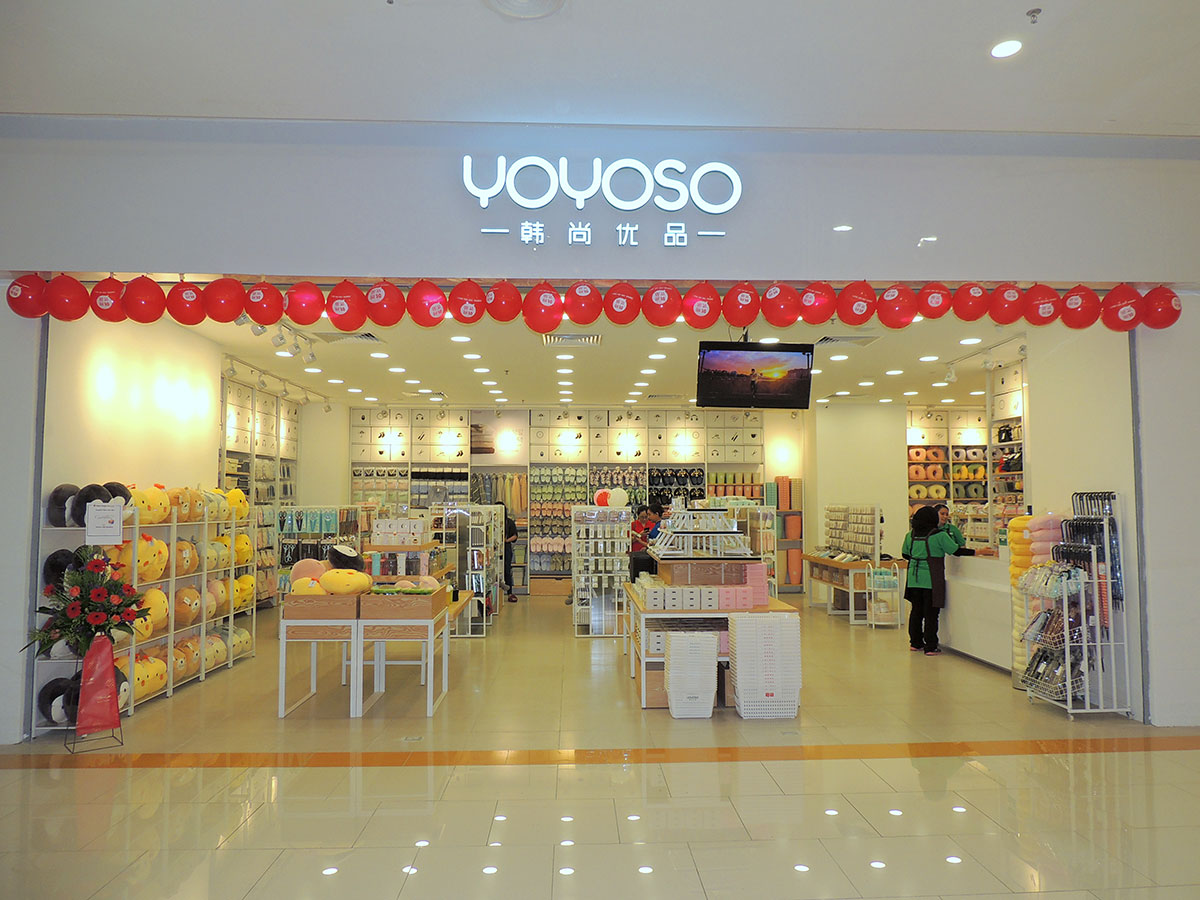
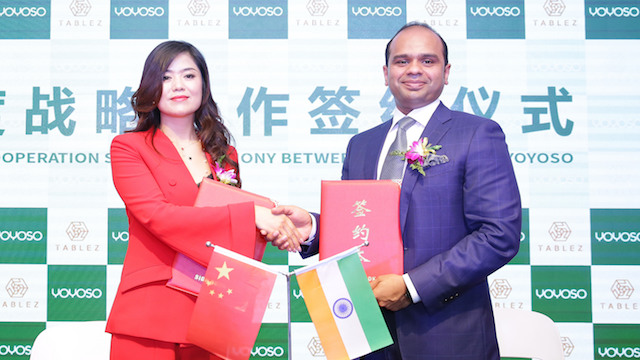
    Chinese lifestyle brand Yoyoso has partnered with Indian retail operation Tablez to bring its outlets to India.

    Ma Huan, president of Yoyoso, said Indian is one of the most important parts of the global market for the business.

    “It’s a great opportunity for both Yoyoso and Tablez.”

    Tablez’ parent company LuLu Group also has plans to open hypermarkets in Yoyoso’s base city of Yiwu, as well as other Chinese cities.

    Tablez MD Adeeb Ahamed said: “Through mutual cooperation, we are confident that Yoyoso will bring plenty of surprises and happiness to a new generation in India.”

    Yoyoso is a discount store, similar in nature to Miniso and Mumuso.

  • 11street Malaysia will take advantage of the new partnership

    11street Malaysia will take advantage of the new partnership

    Online marketplace 11street Malaysia is being overhauled following a partnership with PUC Ventures.

    The e-commerce retailer says the changes will enhance the user experience and further contribute to the Malaysian digital economy.

    The revamp will involve improved payment options and shopper experience; better logistics systems; a new mobile app; an influencer and celebrity store, as well as a platform for micro-influencers and convenient e-voucher sales management for sellers.

    The platform aims to offer new advantages to sellers by bringing together overseas buying and selling channels to encourage SME growth.

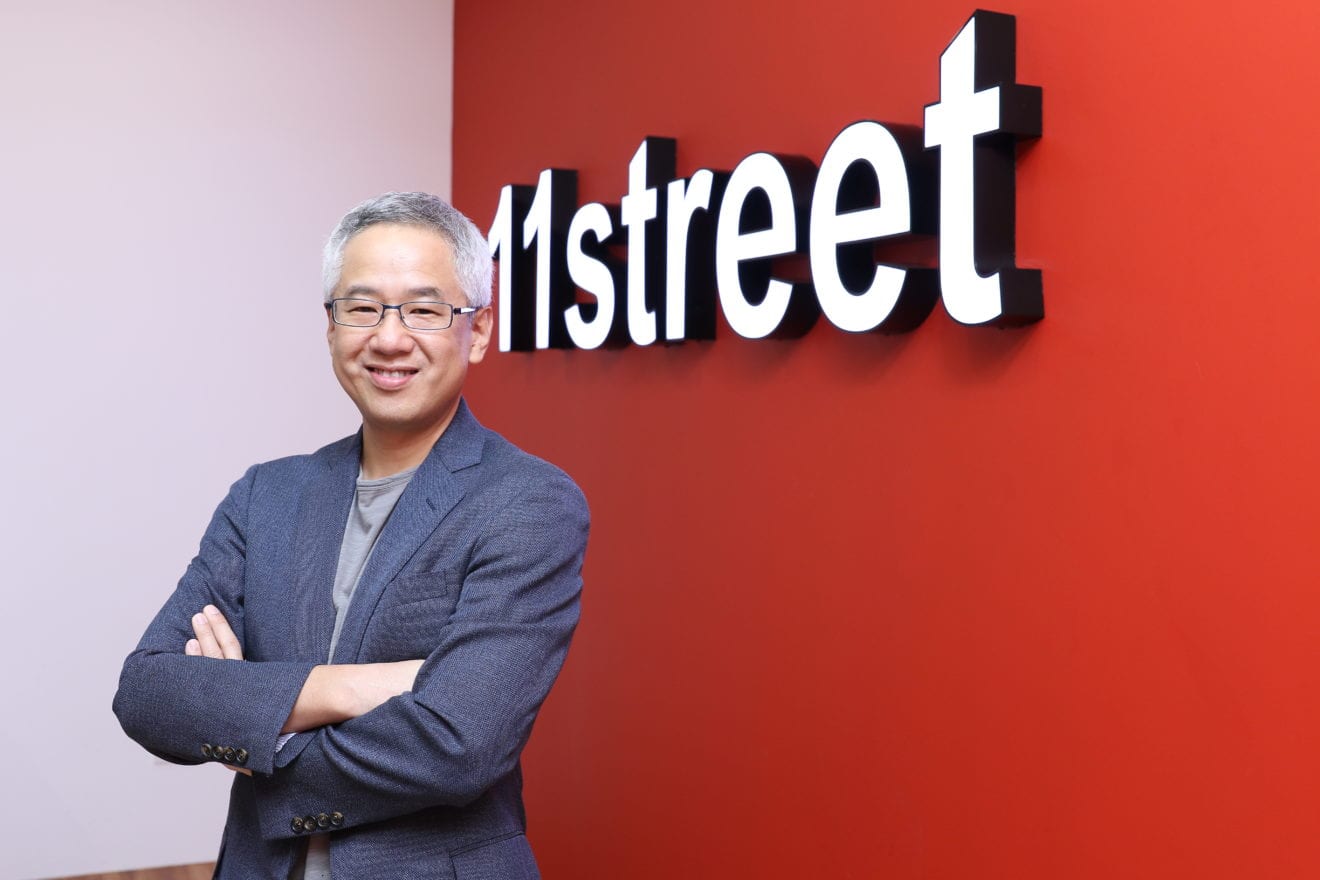
    11street CEO Cheong Chia Chou said: “As everything in our world becomes digitised, there is a need for a stronger e-commerce ecosystem where a customer’s physical digital journey can be fully integrated. Businesses are pushed to ride the wave of this rapid industry expansion to ultimately grow their businesses at a larger scale for better profitability and presence.”

    The partnership was made to expand integration and interoperability across platforms involved in Malaysian e-commerce. A statement released by the firm noted that the Malaysian digital economy has grown exponentially with 15.2 million online shoppers in Malaysia spending an average of RM321.15 (US$78.35) per year.

    The e-commerce industry revenue is expected to show a compound annual growth rate of 17.9 per cent over the next four years.

  • Public Bank Malaysia Q2 earnings up 4.8%

    Public Bank Malaysia Q2 earnings up 4.8%

    Public Bank Bhd’s net profit for the second quarter ended June 30, 2018 rose 4.8% to RM1.40 billion from RM1.33 billion a year ago mainly due to higher net interest income, higher income from Islamic banking business, lower loan impairment allowance and higher net fee and commission income.

    Its revenue jumped 5.2% to RM5.44 billion compared with RM5.17 billion in the previous year’s corresponding quarter.

    For the six months period, the bank’s net profit increased by 8.6% to RM2.80 billion from RM2.58 billion a year ago, mainly due to higher net interest income, higher net fee and commission income and higher income from Islamic banking business.

    Its revenue jumped 5.8% to RM10.79 billion compared with RM10.20 billion in the previous year’s corresponding period.

    Public Bank founder and chairman Tan Sri Dr Teh Hong Piow said the higher profit for the period was largely driven by growth in its loan and deposit business, with further impetus from a 4.9% growth in non-interest income.

    “Sustained business strength continued to place the group in a strong competitive position, with its net return on equity standing at 15.0%. Similarly, the group’s cost-to-income ratio of 33.1% and gross impaired loans ratio of 0.5% remained the best in the domestic banking industry,” Teh said.

    The board of directors declared a first interim dividend of 32 sen per share, which will be paid on Sept 19, 2018, resulting in a total dividend payout of RM1.24 billion.

    “The Public Bank group will continue to ride on the growing economy to strengthen its banking business along its organic growth strategy. The group’s resilient fundamentals, consistent financial performance, agility to market changes and strong customer service culture will continue to be the essential qualities in driving the sustainability of the group’s business, for the interests of all its stakeholders,” Teh said.

  • Dong dips to new low against the greenback

    Dong dips to new low against the greenback

    The U.S. dollar strengthened against the Vietnamese dong on Tuesday as the central bank upped its reference rate.

    The State Bank of Vietnam (SBV) set its highest-ever reference rate for the greenback at VND22,686 on Tuesday, up VND10 from last Saturday.

    Eximbank and Vietcombank were selling the U.S. dollar for VND23,350 at 10:29 a.m. Tuesday, up VND10 from last Saturday.

    A recent report by the Ho Chi Minh City Securities Corporation (HSC) estimates that the SBV has sold about $2.5 billion in total since July, intervening to keep the exchange rate stable.

    The report forecast that the U.S. dollar will continue to strengthen against the dong to reached VND23,500 in the upcoming months.

    The SBV might sell $6-12 billion of its foreign exchange reserves by the end of this year, including the amount it has already sold, the HSC report said.

    Experts have forecast the dollar to rise by 3 percent this year against the dong.

  • Dover Street Market Beijing launched with revamp

    Dover Street Market Beijing launched with revamp

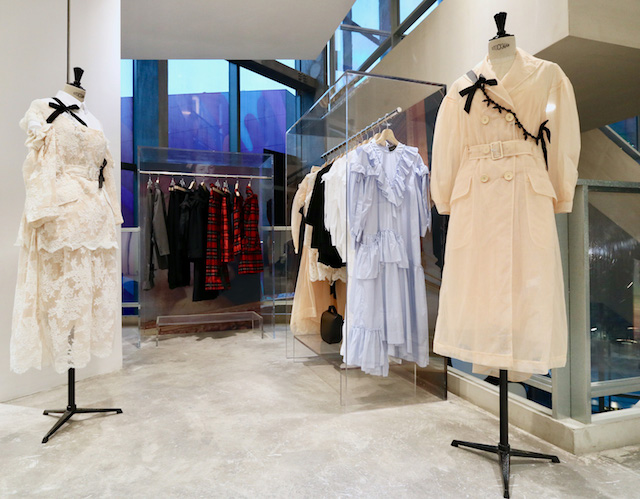
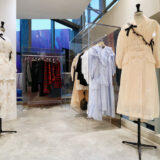
    Dover Street Market Beijing, formerly I.T Beijing Market, has opened for business with a brand-new interior.

    The four-storey, 2200sqm glass house fashion landmark was restructured and redesigned, before a soft opening in April. This week, I.T Group has formally launched the new store, with further upgrades and additions, while renewing the brands and visual displays in line with other DSM stores around the world.

    Much of the interior was redesigned by Rei Kawakubo of the Comme des Garcon team.

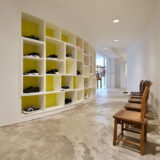
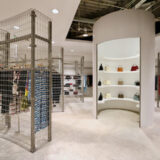
    New features include a “village hut” installation at the entrance as well as diverse and contrasting layouts, materials, and colors on every floor, attempting the DSM signature “Beautiful Chaos” style.

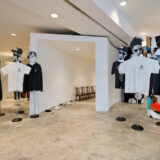
    Highlights include a Molly Goddard white dress and wooden-blind partition theme on the second floor; raw industrial metallic silver displays weaving throughout the third floor, and a dynamic white sneaker space and T-shirt space gallery on the fourth level.

    The market has released a full adjusted space and brands schedule for the Fashion Week 2018 season.

    View the full gallery below (9 picture) :

  • Macau’s Suncity again defers Hoiana casino-resort stake purchase

    Macau’s Suncity again defers Hoiana casino-resort stake purchase

    Hong Kong’s Suncity Group Holdings has twice delayed a deal in the last two months to acquire 34 percent of a casino-resort in Quang Nam Province.

    In a statement to the Hong Kong Stock Exchange, the Macau casino operator and investor said it is waiting for the joint venture between VinaCapital and Hong Kong’s Chow Tai Fook to obtain approval from a Vietnamese bank, which has given a loan to the developers of Hoiana.

    So it is postponing completion of the deal, worth $76.8 million, until August 31 this year, the firm said.

    “It is expected that the bank consent will be obtained on or before August 31, 2018. Save for the condition relating to the bank consent, all other conditions have been fulfilled.”

    In June Suncity had said difficulties in acquiring land for the project caused it to put off the deal until July 31.

    VinaCapital and Chow Tai Fook have since acquired the 163 hectares required for phase 1 of the development.

    Suncity announced plans to acquire the stake in the casino and resort in July last year.

    The $4 billion project was initially planned by VinaCapital and Malaysia’s Genting Group, but in 2012 the latter pulled out, and in 2015 Chow Tai Fook came on board.

    Hoiana is one of eight casinos to be licensed in Vietnam now.

    To be built in seven phases it will have a casino with 140 tables and around 1,000 slot machines, guest rooms and a golf course.

  • Korea falls in love with electric vehicles

    Korea falls in love with electric vehicles

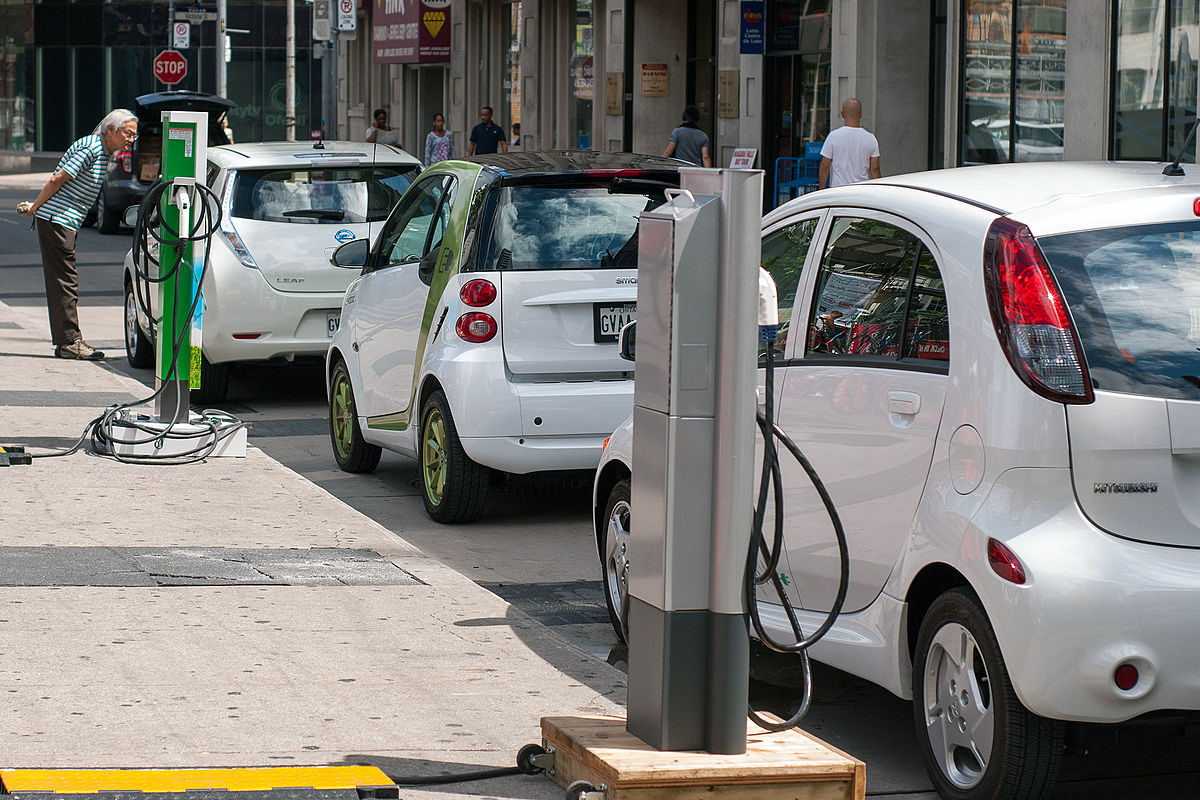
    The adoption of electric vehicles may have been rather slow in Korea, but the market for micro electric vehicles – small two-seater electric cars with less range but cheaper price tags – is booming.

    While sales figures and the charging infrastructure for EVs in Korea falls well behind other countries like Japan and the United States, micro electric vehicles are proving surprisingly popular.

    Renault’s Twizy has become the global poster boy for these mini EVs. In Korea, 984 of the tiny Renault Samsung Motors’ cars were sold in the first half of this year, nearly double the number sold in the previous half. Globally, an average of about 1,300 Twizys are sold every six months, which means that nearly 90 percent of global sales took place in Korea this year.

    In fact, the Twizy is so popular here that the French headquarters is considering moving some of the assembly line from Spain to Korea.

    One of the biggest benefits of micro electric vehicles, like the Twizy, is that they do not require a new charging infrastructure. The vehicles can be charged through any standard 220-volt socket – it takes 3.5 hours and costs about 600 won ($0.53) to fully charge the battery.

    To foster the industry, the government in June categorized electric micro cars in the compact car segment, giving new legal grounds for diverse R&D activities and the establishment of better safety standards.

    Seizing on the opportunity, multiple midsize companies have jumped on the bandwagon and are introducing increasingly souped-up micro electric vehicles.

    Daechang Motors, manufacturer of the infamous Yakult cart in Korea, started mass producing a two-seater electric vehicle called the Danigo in March. The new model costs only about 5 million won for Seoul residents after subsidies, one of the cheapest models on the market.

    Semisysco, another midsize company, has been selling a two-seater electric vehicle called the D2 since February. The D2 is manufactured by Chinese firm Zhidou, and Semisysco is in charge of importing them. From later this year, however, Semisysco is planning on manufacturing them in Korea.

    “The micro e-mobility industry has even more possibilities than traditional electric cars in Korea at the moment,” said Kim Pil-soo, an automotive engineering professor at Daelim University College in Gyeonggi.

    “It has a lower entry barrier from both manufacturers and customers. It is definitely a fledgling industry now but has a lot of potential to grow,” he added.

    Safe and economical

    Upon the government’s announcement on the renewed car segment categorization, institutions that rely on delivery have quickly started to adopt the micro electric vehicles to replace their motorbikes and scooters.

    Korea Post is at the forefront.

    Just last month, the postal delivery service pledged to buy 1,000 micro-electric vehicles to replace its two-wheeled delivery vehicles this year. It said it will replace 66 percent of its current 15,000 two-wheeled vehicles into micro electric cars by 2020.

    “About 300 accidents are reported per year while delivering post,” said Sunwoo Hwan, an official at Korea Post.

    “It mostly results in the driver being severely hurt. In that sense, micro electric vehicles are much safer for delivery drivers,” Sunwoo added.

    Operation costs are also as advantageous when utilizing micro electric vehicles, according to the official.

    “For two-wheeled vehicles, we estimate the life span to be about three to four years,” the official said. “For micro e-mobility, we estimate them to last about eight years. The initial cost may be more expensive but not if you see it in the long term.”

    Fried chicken franchise BBQ has also signed a memorandum of understanding with Renault Samsung Motors to use their Twizys to deliver chicken. It said it will gradually implement a total of 1,000 Twizys within this year.

    “On top of enhanced safety compared to two-wheeled bikes, micro electric cars are extremely cost-effective because it costs about 20,000 won to 30,000 won in charging fees per month,” the chicken company said in a written statement.

    Korea, known for its top-notch delivery service, will continue to take advantage of the new option in the delivery method.

    Shake Shack, La Grilla and Baskin Robbins, which are all F&B affiliates of SPC Group, have also started using Twizys in their delivery fleet to test out their convenience. Pizza delivery franchise Pizza Alvolo also uses Daechang Motors’ Danigo.

    “Demand for delivery food is on a constant rise, and we decided to use Twizy to enhance the convenience of the customers and the staff as well,” a spokesman at SPC Group said.

    Easier access

    Traditionally, cars are purchased at offline dealerships where a long consultation with a talkative dealer is inevitable. Manufacturers of micro electric vehicles are shifting the retail landscape by offering the cars online and in discount stores.

    Daechang Motors has been offering its Danigo vehicle on e-commerce platform TMON since January. It first put a limited 100 units on the platform, but they sold out in two days. It added 200 more units afterwards but they sold within a day as well.

    On the back of such popularity, Daechang Motors is currently offering its cars only through TMON.

    Semisysco is also opting for an online platform to enable easier access to the car.

    It started offering its electric vehicle D2 through Interpark in July.

    It has also signed a partnership with Emart, Korea’s largest discount chain, to display its vehicle along with other household products. The D2 is available at 21 Emarts and other affiliated stores nationwide.

    “The largest number of orders is through Emart,” a spokesperson for Semisysco said.

    “Its price is not burdensome. People who come to the discount store to shop for other products can casually look around, and sometimes that leads to purchase decisions,” the spokesman added.

    Renault Samsung Motors and Semisysco said a majority of their cars’ purchases were made for individual use, such as commuting.

    Room for improvement

    Despite the economic value and agility on narrow roads, it’s not all plain sailing in a micro electric car.

    Under current regulations, vehicles that cannot travel faster than 80 kilometers (50 miles) per hour are not allowed to drive on highways or roads that are built exclusively for cars.

    Although this might not be an issue for short commuting within metropolitan areas, it means that long-distance driving on the weekends or on holidays will not be possible with these miniature vehicles.

    Ultimately, this is the same hurdle that conventional electric cars face when trying to expand in Korea.

    Price could also be an issue for some potential customers. An average price of 9 million won may be cheaper than conventional electric vehicles, but with that money, people can also buy a compact internal combustion engine car from domestic carmakers or a small sedan from a secondhand car market.

    “A subsidy needs to be maintained or expanded in order to further foster the industry,” said Kim. “This segment is completely new and people’s awareness is still lacking,” he added
  • Topshop Topman end franchise agreement with China’s Shangpin

    Topshop Topman end franchise agreement with China’s Shangpin

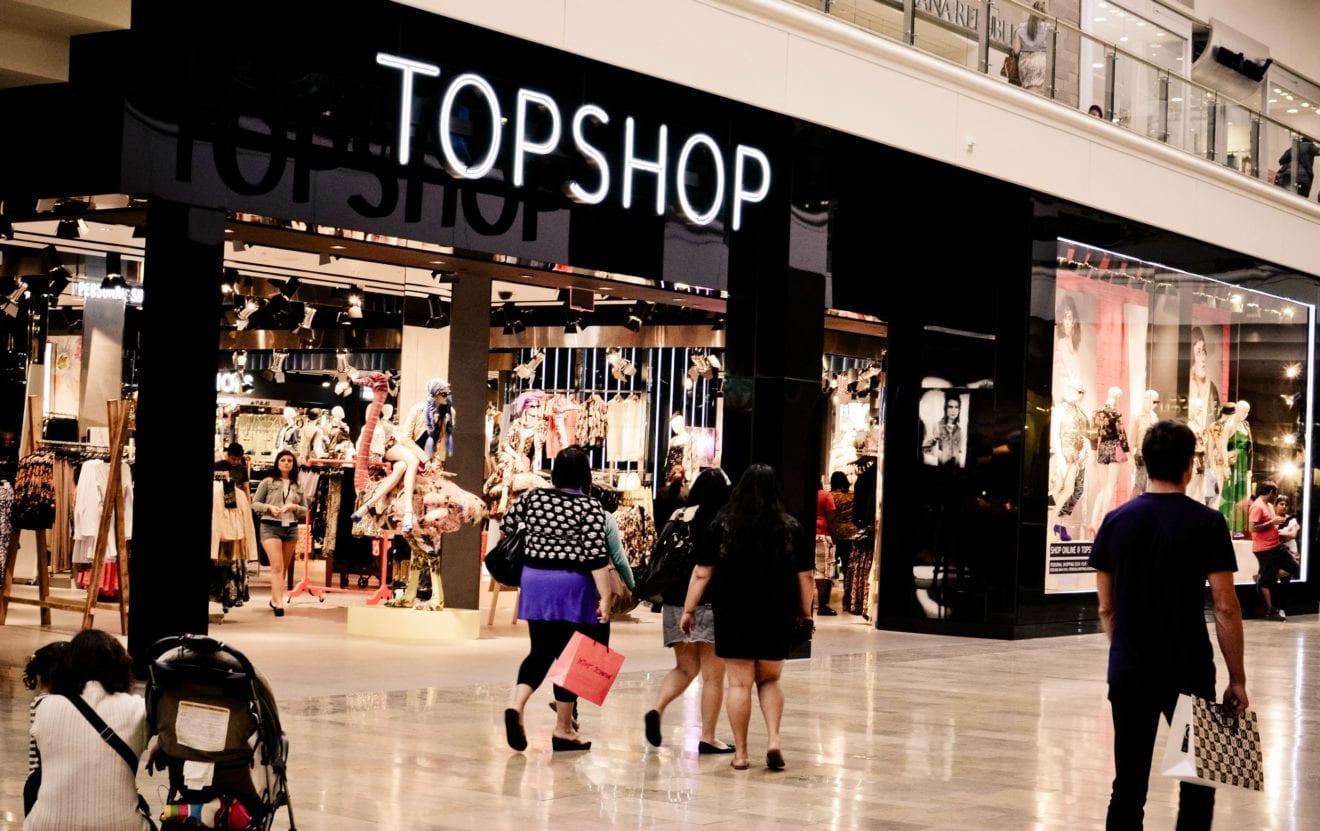
    British apparel group Arcadia has terminated its contract with Chinese franchisee Shangpin to represent its Topshop brand in the PRC.

    Arcadia chairman Sir Philip Green had announced plans to open 80 stores in the region with the Chinese franchise partner in 2016 said that it signalled “the start of a unique, exciting and exclusive partnership that will cement Topshop and Topman’s mission of becoming truly global businesses”.

    None of the planned stores eventually opened.

    A spokesperson for the brand said “Topshop, Topman and Chinese franchise partner Shangpin have reached a mutual agreement to an early termination,” but the UK company nonetheless considered China a “hugely significant market for development”.

    The company said it continues to seek opportunities to grow Arcadia’s brands in China.