Blog

  • Samsung’s Lee Family Wraps Up $7.95B Inheritance Tax Payment: Paves Way for Tech Investment Boom

    Samsung’s Lee Family Wraps Up $7.95B Inheritance Tax Payment: Paves Way for Tech Investment Boom

    The family of the late Chairman of the Samsung Group, Lee Kun-hee, is nearing the completion of a sizeable inheritance tax payment. The amount, approximately 12 trillion won ($7.95 billion USD), is expected to be settled later this month.

    Final Installment

    The heirs, including the Chairman’s widow Hong Ra-hee and their children Lee Jae-yong, Lee Boo-jin, and Lee Seo-hyun, will be making the sixth and concluding payment this month. This plan was initiated in 2021 after the Chairman’s passing in 2020.

    Estate Valuation

    Lee Kun-hee’s estate was estimated to be worth around 26 trillion won, comprising stocks, real estate, and art collections. Hong Ra-hee is shouldering the most significant proportion of the tax, around 3.1 trillion won. The children follow closely behind, each paying between 2.4 to 2.9 trillion won.

    Payment Strategies

    The family members navigated the tax payment through various strategies. Hong and her daughters allegedly sold shares in key Samsung affiliates like Samsung Electronics, Samsung SDS, and Samsung C&T. Hong also entered into a trust agreement earlier this year to sell 15 million Samsung Electronics in an apparent move to cover her portion of the tax.

    In contrast, Samsung Electronics Chairman Lee Jae-yong financed his share of the tax through dividends and personal loans. This approach is perceived as an attempt to maintain his influence over the group’s ownership structure, primarily centered on Samsung C&T.

    Investment Plans

    Over the past five years, the family is estimated to have received about 4 trillion won in dividends from affiliates following Lee Kun-hee’s death, and more than 6 trillion won when considering earlier dividends.

    With the tax nearly settled, the group is predicted to channel more investment into sectors like semiconductors, artificial intelligence, and biopharmaceuticals. The completion of the inheritance tax payments is significant as it coincides with improved earnings at Samsung Electronics and the resolution of legal risks.

    Questions & Answers

    What was the total worth of Lee Kun-hee’s estate?
    The estate, which comprised stocks, real estate, and art collections, was estimated to be worth around 26 trillion won.

    How did the Lee family manage to pay off the inheritance tax?
    The family used various strategies to pay the tax. This included selling shares in key Samsung affiliates and gaining dividends. Lee Jae-yong also utilized personal loans.

    What is the expected future investment direction of the Samsung Group?
    With the tax nearly settled, the Samsung Group is expected to increase investment in sectors like semiconductors, artificial intelligence, and biopharmaceuticals.
  • BNP Paribas Switzerland Pivots to Wealth Management, Targeting Swiss Entrepreneurs and High-Value Lending Market

    BNP Paribas Switzerland Pivots to Wealth Management, Targeting Swiss Entrepreneurs and High-Value Lending Market

    BNP Paribas, the French multinational bank, has recently finished the restructuring of its Swiss operations, with a primary emphasis on Wealth Management. From this point onwards, the bank’s primary concern will be to expand its wealth management sector, focusing especially on Swiss entrepreneurs. A key component of this strategy is the lending business.

    Aligning the Swiss Operations

    Over the years, BNP Paribas has been realigning its operations in Switzerland. Today, Wealth Management and entrepreneurial services form the bedrock of their strategy. Since May 2025, the Swiss unit has been operating as a branch of BNP Paribas Paris. As a result of this change, separate financial figures will no longer be made public. Enna Pariset, Swiss head of BNP Paribas, stated, “The retreat from commodity trade finance was finalized in 2022, and we concluded 2025 positively, intending to continue our growth.”

    Swiss Client Growth

    The bank intends to concentrate primarily on Swiss entrepreneurs. Pariset mentions that “Four years after the launch of the initiative, roughly 30% of the assets under management are from Swiss clients.”

    The Corporate and Investment Banking (CIB) unit is another important aspect of the company. In 2024, revenues from Swiss clients totaled €1 billion globally and saw further growth in 2025. According to the new growth plan, these figures are projected to increase to approximately €1.5 billion by 2030.

    Lending as a Key Strategy

    Lending forms a fundamental part of the Wealth Management strategy. BNP Paribas positions itself as a purveyor of intricate financing solutions for entrepreneurs and affluent private clients. Yusuf Savmaz, CEO of Wealth Management Switzerland, stated, “Not many banks offer a €150 million single-stock loan in Switzerland. Owing to our robust balance sheet and expertise, such transactions are integral to our core operations.”

    Another area of focus is the expansion of the mortgage franchise. Pariset explained, “This is a relatively new business for us. We see immense potential here, especially considering that our collaboration with AXA Investment Managers has enriched our knowledge of the real estate market in Switzerland.”

    AXA Investment Managers Integration

    BNP Paribas anticipates additional momentum from integrating AXA Investment Managers, which currently manages CHF 75.5 billion in assets for Swiss clients, including CHF 52.4 billion in Switzerland. The Swiss asset management business of AXA IM will maintain its independence, with its own CEO. However, Pariset assured that they will collaborate closely to offer clients a wider range of products.

    Private Banking Positioning

    In classic private banking, the entry threshold in Switzerland is approximately CHF 5 million. BNP Paribas adopts a tailored approach based on the client segment. For Swiss clients, the entry threshold is somewhat lower, while for new relationships with Middle Eastern clients, it’s higher due to increased regulatory requirements, explained Savmaz.

    Artificial Intelligence Initiatives

    A key aspect of BNP Paribas’ model is its integration with Corporate and Investment Banking. This deep understanding of firms through Corporate and Investment Banking helps them assess risks, noted Savmaz.

    While BNP Paribas utilizes traditional strategies in the investment management area, digital assets currently do not play an active role. Pariset stated, “We are not the right bank for that.” However, the bank is investing in new technologies and is working with Zurich fintech Unique on several AI projects.

    Questions & Answers

    What is the focus of BNP Paribas in Switzerland?
    BNP Paribas is focusing on expanding its Wealth Management sector, especially serving Swiss entrepreneurs.

    What is BNP Paribas’ approach to private banking in Switzerland?
    In private banking, BNP Paribas adopts a differentiated approach based on the client segment with an entry threshold of approximately CHF 5 million.

    Does BNP Paribas have plans to invest in digital assets?
    Currently, BNP Paribas does not see an active role for digital assets in its investment management area.

  • Qantas Freight Expands Asia Pacific Presence with New Singapore Stop, Boosting Changi Airport’s Air Cargo Network

    Qantas Freight Expands Asia Pacific Presence with New Singapore Stop, Boosting Changi Airport’s Air Cargo Network

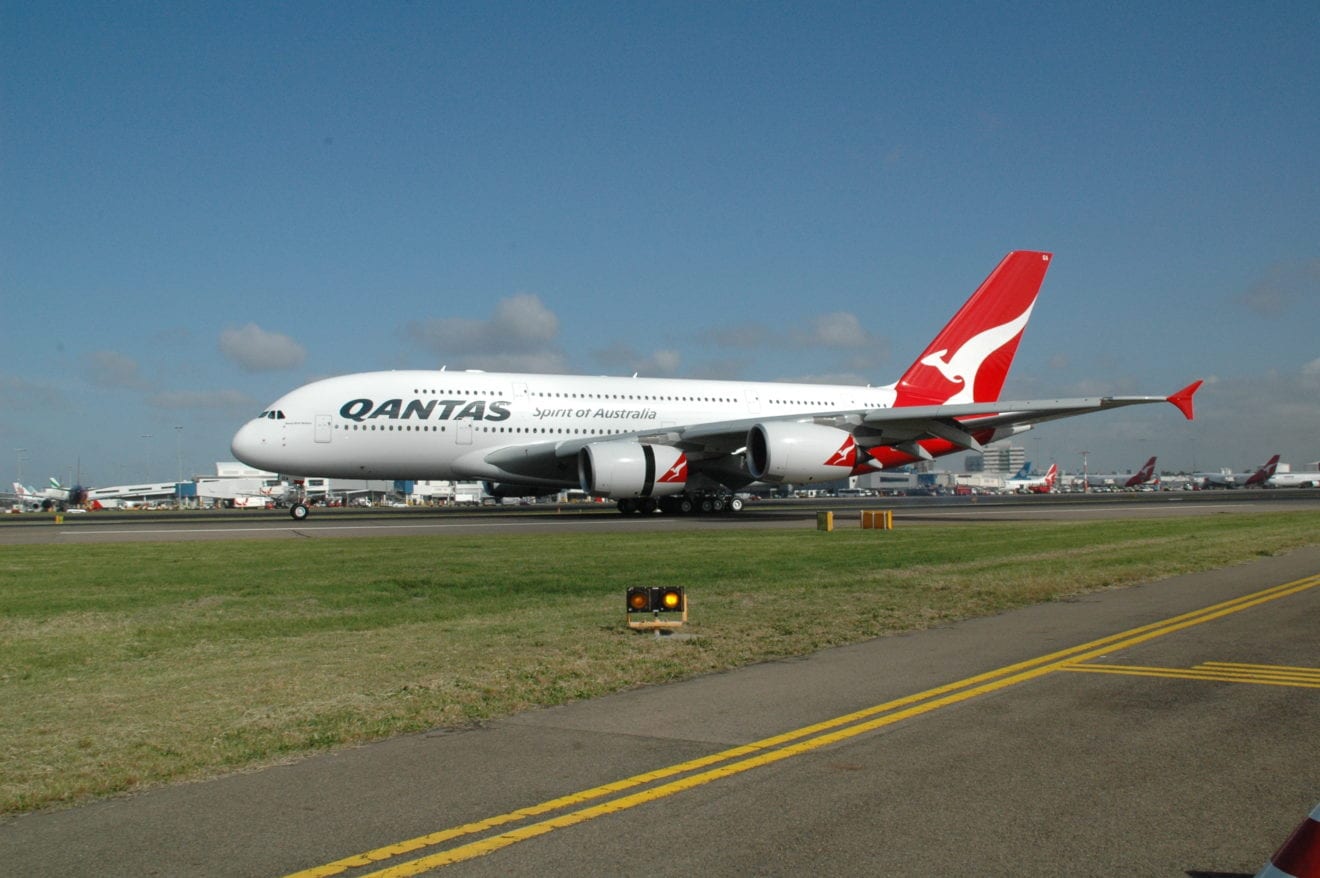
    Qantas Freight, a subsidiary of the Australian airline Qantas, recently announced the launch of its dedicated freighter services to Singapore. These services, which are expected to begin on April 3, 2026, will operate twice a week and include stops in Sydney, Shanghai, and Singapore.

    New Freight Services

    Qantas Freight’s new services are expected to further bolster the cargo network at Changi Airport. The services will provide increased capacity, more routing options, and more flexible scheduling for shippers and freight forwarders. The services will be carried out through Qantas’ A330 freighter flights on Fridays and Sundays, delivering more than 50 tons of cargo capacity per flight.

    The Singapore stopover is a new addition to Qantas’ existing Sydney-Shanghai freighter operations, which is set to enhance connectivity across the Asia Pacific cargo network.

    First Dedicated Freighter Service

    This is the first time Qantas is offering a dedicated freighter service to Singapore. This service is expected to complement its existing belly-hold cargo capacity on scheduled passenger services. Moreover, this new routing reflects the growing demand for time-sensitive air cargo moving across Asia, Australia, and beyond.

    Singapore’s strategic location and significant global air cargo connectivity make Changi Airport an essential consolidation and transshipment hub for regional and intercontinental cargo flows.

    Statements from Qantas Freight and Changi Airport Group

    Lim Ching Kiat, Executive Vice President of Air Hub and Cargo Development at Changi Airport Group, stated that Qantas Group’s decision to expand its freighter operations to Singapore couldn’t have come at a better time. According to him, there has been an increase in air cargo demand in the Asia-Pacific region, and the region is playing a more significant role in global air cargo growth.

    Igor Kwiatkowski, Qantas Freight Executive Manager, also remarked on the importance of the new Singapore stop. He said that it would be a significant addition to the airline’s Asia Pacific presence and freight network. According to Kwiatkowski, Singapore’s status as one of the world’s major cargo hubs will play a crucial role in connecting shipments between Australia, China, and Southeast Asia. He added that the new stop would provide freight forwarders with more routing options and flexibility, especially for high-tech goods and e-commerce.

    Questions & Answers

    What is Qantas Freight’s new service?
    Qantas Freight’s new service is a dedicated freighter service to Singapore, with twice-weekly operations that include stops in Sydney, Shanghai and Singapore.

    What benefits does this new service bring to shippers and freight forwarders?
    The new service provides increased capacity, more routing options, and more flexible scheduling to shippers and freight forwarders.

    How will the new service impact Qantas Freight’s presence in the Asia Pacific region?
    The new Singapore stop is expected to significantly enhance Qantas Freight’s presence and freight network in the Asia Pacific region. It will connect shipments between Australia, China, Southeast Asia, and improve routing options and flexibility for freight forwarders.

  • DHL Express Elevates Herbert Vongpusanachai to Drive Commercial Growth in Asia Pacific

    DHL Express Elevates Herbert Vongpusanachai to Drive Commercial Growth in Asia Pacific

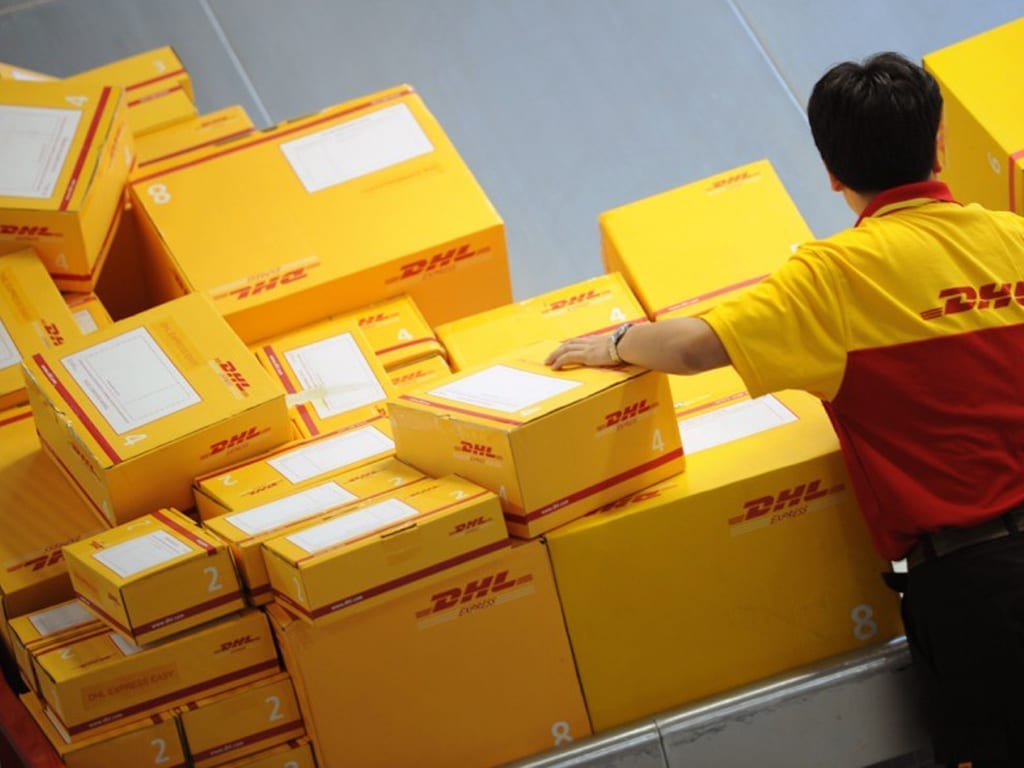
    Global express service giant, DHL Express, has recently announced the appointment of Herbert Vongpusanachai to the position of Senior Vice President, Commercial for Asia Pacific, effective April 1, 2026. Vongpusanachai, in his current role as Managing Director for DHL Express Thailand & Indochina, will relocate to Singapore to undertake his new responsibilities.

    Vongpusanachai’s vast experience within DHL Express spans over two decades, during which time he has effectively overseen several significant markets across the Asia Pacific region. Starting his career with the company in 2003 as Managing Director for Thailand & Indochina, he later assumed leadership of Singapore in 2008, and Hong Kong & Macau in 2016. Vongpusanachai’s return to Thailand & Indochina in 2020 saw him drive consistent profitability and growth year after year, establishing the cluster as a crucial catalyst for regional expansion.

    Exceptional Leadership

    Vongpusanachai’s exceptional track record of notable business performance, coupled with his effective team management across diverse markets, sets him apart from his peers. His deep comprehension of customer needs, his cooperative leadership style and his ability to identify opportunities in complex environments position him as the ideal leader to advance DHL Express’s commercial agenda for Asia Pacific. Ken Lee, CEO of Asia Pacific for DHL Express, expressed confidence that under Vongpusanachai’s stewardship, the region will continue to see a rise in sustainable growth.

    In his new role, Vongpusanachai will set the pace and accelerate the commercial strategy for DHL Express across the Asia Pacific. Collaborating with other departmental leaders, he will evaluate potential new sectors, routes and trade lanes for growth. His focus will remain on deepening customer engagement, supporting their expansion, driving sustainable volume growth, and promoting the integration of new technologies to improve commercial execution across markets. With an extensive understanding of regional nuances and an emphasis on people-first leadership, Vongpusanachai is expected to elevate the commercial performance of both regional and country teams.

    Commercial Success and Future Prospects

    Vongpusanachai commented that the Asia Pacific region’s vital role in global trade as highlighted in the latest DHL Global Connectedness Report underscores the importance of logistics in facilitating the movement of goods. With the introduction of the Heavyweight Express solution, which allows customers to ship heavyweight consignments promptly and reliably, Vongpusanachai anticipates working with the talented teams at DHL Express to help shape the company’s future commercial success.

    The latest DHL Global Connectedness Report reveals the Asia Pacific region’s continued importance in global commerce, with several economies rising in global connectedness rankings and Southeast Asia strengthening its position as a rapidly growing trade corridor. This aligns with DHL Groups’ strategy to enhance support for 20 markets globally to drive growth, with eight of these markets located in the Asia Pacific. This appointment fortifies DHL Express’s position in Asia Pacific, as trade flows diversify and intra-Asia integration deepens.

    Questions & Answers

    What significant experience does Herbert Vongpusanachai bring to his new role?
    Mr. Vongpusanachai brings more than two decades of leadership experience at DHL Express, having effectively managed multiple key markets across the region.

    What is the primary focus of his new role as Senior Vice President, Commercial for Asia Pacific?
    In his new role, Mr. Vongpusanachai will focus on shaping and accelerating the commercial strategy for DHL Express across the Asia Pacific. His responsibilities include identifying growth potential in new sectors, routes and trade lanes, deepening customer engagement, and promoting the adoption of new technologies.

    How does this appointment align with DHL’s overall strategy?
    This appointment supports the DHL Group’s strategy to enhance support for 20 global markets to accelerate growth. The role strengthens DHL Express’s position in the Asia Pacific, a region that plays a critical role in DHL’s global network.

  • DHL Supercharges Asia-Europe Trade Lanes with Expanded Air Freight Capacity

    DHL Supercharges Asia-Europe Trade Lanes with Expanded Air Freight Capacity

    DHL Global Forwarding, which is part of the DHL Group and specializes in air and ocean freight, is looking to increase its dedicated air capacity between Asia and Europe. This will be achieved through the introduction of new weekly flights that will connect the primary logistics centers of Shanghai-Leipzig and Liège-Hong Kong. The new service offering highlights the synergy between DHL Global Forwarding and DHL Express, thereby bolstering the Group’s capacity to cater to the burgeoning Asia-Europe trade routes.

    Launch of Weekly Boeing 777F Rotations

    Coinciding with the initiation of the summer flight schedule, DHL Global Forwarding will commence weekly Boeing 777F rotations. These rotations will connect Shanghai-Leipzig and Hong Kong-Liège, facilitating further distribution across Europe. These flights will significantly augment the uplift available for DHL Global Forwarding’s client base.

    Henk Venema, the Global Head of Air Freight at DHL Global Forwarding, stated that the expansion of their company’s controlled capacity on the Asia-Europe route underscores their commitment to delivering reliability, speed, and resilience for their clients. He mentioned that the demand on this specific trade lane is escalating at a remarkable rate, and bolstering their network will allow them to remain a step ahead of their customer’s needs.

    Enhancing DHL’s Asia-Europe Air Freight Capacity

    Leipzig was selected as it is a pivotal DHL Express aviation hub and boasts robust infrastructure for operational processing. It will act as a crucial gateway for shipments received from Shanghai. This move aligns with DHL’s larger strategy of utilizing its European hubs to optimize efficiency and cater to demand spikes during high season.

    The Liège-Hong Kong route will include a stop in Tel Aviv, which is crucial in maintaining market support and ensuring consistent service for clients. In collaboration with the operating airline partner, the flight may also accommodate limited cargo loading or offloading if necessary. The return trip from Hong Kong will feed directly into DHL’s European distribution network.

    Enhancements Across Intercontinental Air Network

    DHL is also planning to make further improvements to its intercontinental air network, alongside the new Asia-Europe capacities. This includes the planned increase in transpacific uplift between Southeast Asia and the United States later this year.

    Travis Cobb, EVP Global Operations and Aviation at DHL Express, commented on the cross-divisional collaboration, stating that it exemplifies their commitment to facilitating global trade flows. This collaboration between DHL Global Forwarding and DHL Express will allow customers to capitalize on their combined strength as the world’s premier logistics provider.

    By offering additional flight capacities, DHL Global Forwarding and DHL Express are closely aligning to provide customers with enhanced reliability, flexibility, and global reach across the supply chain. Leveraging shared assets and operational strengths within DHL, the divisions continuously deliver integrated solutions that complement each other.

    Questions & Answers

    Why is DHL Global Forwarding expanding its air capacity between Asia and Europe?
    DHL Global Forwarding is expanding its dedicated air capacity to cater to the increasing demand on the Asia-Europe trade lanes and to enhance the Group’s ability to serve this rapidly growing market.

    What role will Leipzig play in DHL’s expanded services?
    Leipzig will serve as a key gateway for shipments arriving from Shanghai, leveraging its status as a major DHL Express aviation hub with a strong operational processing infrastructure.

    How is DHL working to enhance its intercontinental air network?
    In addition to the new Asia-Europe capacities, DHL is preparing further enhancements across its intercontinental air network. Plans include increased transpacific uplift between Southeast Asia and the United States later in the year.

  • Vontobel Targets High-Net-Worth Market with New Düsseldorf Branch: Swiss Investment Firm Fortifies German Presence

    Vontobel Targets High-Net-Worth Market with New Düsseldorf Branch: Swiss Investment Firm Fortifies German Presence

    Swiss investment company, Vontobel, has announced its plan to establish a new office in Düsseldorf in 2026. This new branch will further assert their position in Germany, with a particular focus on high-net-worth individuals (HNWIs) and family offices in North Rhine-Westphalia.

    Consistent Growth Strategy

    Vontobel’s decision to extend its operations in Germany aligns with their ongoing selective growth strategy in prime European markets. The firm already views Germany as a core market where it provides services to private clients through its offices in Munich and Hamburg. Meanwhile, the firm’s institutional activities and European structured products businesses are primarily operated from Frankfurt.

    In a joint statement, Christel Rendu de Lint and Georg Schubiger, Co-CEOs of Vontobel, stated, “We are consistently pursuing our strategy of selective investment in growth. As one of Europe’s key markets, Germany, and particularly North Rhine-Westphalia, are crucial to our business strategy.”

    Targeting a Prime Wealth Region

    Düsseldorf is renowned for its well-established wealth management tradition and a thick web of industrial, commercial, and service-oriented businesses. As such, it is a logical next step for the Zurich-based firm. The new branch will concentrate on providing customized investment solutions to affluent private clients and family offices in the area.

    The company plans to make use of its global investment platform, backed by more than 300 investment professionals worldwide, to deliver local services while maintaining its international diversification capabilities.

    Jean-Pierre Stillhart, Head of Private Clients DACH and member of the Executive Management Board of Bank Vontobel, highlighted the strategic reasoning behind this move: “As an internationally active Swiss wealth manager, this expansion provides our clients in Germany with additional perspectives and diversification opportunities.”

    The firm has now begun the search for a prime Düsseldorf location and is actively seeking experienced advisers and teams who align with its long-term investment philosophy and conservative risk culture.

    Expansion of Cross-Border Wealth Model

    Vontobel’s expansion reinforces its cross-border wealth management model, which allows German clients to custody assets either domestically or in Switzerland. Currently, about 20 investment professionals in Munich and Hamburg, supported by specialists in Zurich, serve German-based clients.

    As of the end of 2025, Vontobel managed over EUR 130 billion in assets for private clients globally, illustrating the scope of its wealth management franchise.

    The Düsseldorf initiative reflects a more extensive industry trend where Swiss private banks are selectively extending their operations in Germany. This expansion seeks to tap into structurally attractive wealth pools, especially among entrepreneurial clients and family offices interested in international diversification and advisory-driven mandates.

    Questions & Answers

    What is Vontobel’s strategy for growth?
    Vontobel uses a selective growth strategy, specifically focusing on key markets in Europe. Germany, in particular, is a core market for the firm.

    How does Vontobel plan to serve clients in Düsseldorf?
    Vontobel plans to use its global investment platform, which is backed by more than 300 investment professionals worldwide. This approach allows the firm to deliver local services while maintaining international diversification capabilities.

    What is unique about Vontobel’s expansion to Düsseldorf?
    This expansion aligns with a broader industry trend where Swiss private banks are selectively extending their operations within Germany to tap into attractive wealth pools. As such, Vontobel’s move into Düsseldorf is part of a larger strategic move within the wealth management industry.

  • Chinese New Year Sparks Stellar 11.2% Surge in Singapore’s Retail Sales

    Chinese New Year Sparks Stellar 11.2% Surge in Singapore’s Retail Sales

    In February, retail sales in Singapore experienced a significant surge, partially attributed to the shifting timing of the Chinese New Year. According to data released by Singapore’s Department of Statistics, retail sales, excluding automobiles and related parts and accessories, skyrocketed by 11.2% in February. This marked a turnaround from a decrease of 2.9% in January.

    Details of Retail Growth

    The estimated total retail sales for February amounted to SG$3.6 billion (US$2.8 billion), with online sales accounting for 16.2% of the total. The significant growth seen in February was partially due to the Chinese New Year falling in February this year, compared to January the previous year.

    For the combined period of January and February, retail sales increased by 3.5% year-on-year.

    Sectoral Growth Patterns

    Most sectors reported year-on-year growth in February’s sales. Supermarkets and hypermarkets led the surge with a growth of 29.3%, followed by recreational goods which saw an increase of 26%. Department stores reported a rise of 16.8% in sales, while the food and alcohol, cosmetics, and watches and jewelry sectors each saw an approximate increase of 13%.

    However, not all sectors experienced growth. The petrol service stations and mini-marts and convenience stores sectors faced declines of 9.8% and 6.1% respectively.

    The food and beverage services sector saw a rise in sales of 5.5% in February, marking a recovery from the 3.2% decline recorded in January.

    Questions & Answers

    What were the estimated total retail sales for Singapore in February?
    The estimated total retail sales for Singapore in February were SG$3.6 billion (US$2.8 billion).

    What percentage of February’s retail sales were from online?
    Online sales made up 16.2% of the total retail sales in February.

    Which sectors saw the most significant growth in February?
    Supermarkets and hypermarkets experienced the most significant growth with a rise of 29.3%, closely followed by recreational goods with a 26% increase.

  • EssilorLuxottica Expands Southeast Asia Presence with Strategic Stake in Thai Optical Powerhouse Top Charoen

    EssilorLuxottica Expands Southeast Asia Presence with Strategic Stake in Thai Optical Powerhouse Top Charoen

    Global eyewear conglomerate EssilorLuxottica has recently acquired a piece of the pie in Thailand’s optical market, Top Charoen. This move is part of EssilorLuxottica’s expansion plan in Southeast Asia, reinforcing its presence in one of the fastest-growing regions for the eyewear industry.

    Partnership At Its Best

    The financial particulars of the deal were kept under wraps. However, the fusion of the world’s leading eyewear group, EssilorLuxottica, with Top Charoen, one of the largest optical chains in Thailand boasting over 2000 stores nationwide, is noteworthy. This partnership is a result of a long-standing commercial relationship between the two companies. The acquisition strengthens this bond and provides EssilorLuxottica with a deep penetration into Thailand’s retail distribution, a strategic move as global eyewear companies increasingly focus on expanding in the rapidly growing Asian markets.

    Aiming High

    Francesco Milleri, the Chairman and CEO, and Paul du Saillant, Deputy CEO at EssilorLuxottica, commented on the partnership. They expressed that their collaboration with Top Charoen is set to bolster their existing dominance in one of Asia’s most significant countries. The partnership aims to elevate vision care standards and foster growth in the emerging wearable category across the region, they added.

    Moreover, the company leadership is committed to prioritizing their customers’ needs, providing high-quality, innovative vision care products and services. With their combined strengths, they plan to drive awareness and take measures to address the increasing visual health needs of Asia.

    A Brief About Top Charoen

    Established in 1947 in Saraburi, Top Charoen has flourished into a nationwide network operating under various banners. The company has an array of brands like Top Charoen, Luxoptic, Eye Class, Eye Bright, Eye Sport, Big C Optical, Robinson Optical, and Beautiful Optic. In addition to its physical stores, Top Charoen also has a strong e-commerce presence through its own platform and local marketplaces.

    Questions & Answers

    What is the significance of EssilorLuxottica’s stake in Top Charoen?
    This acquisition provides EssilorLuxottica a deep penetration into Thailand’s retail distribution, a strategic move as global eyewear companies increasingly focus on expanding in the rapidly growing Asian markets.

    How will this partnership benefit the eyewear industry in Asia?
    The collaboration aims to elevate vision care standards and foster growth in the emerging wearable category across the region.

    What are some of the brands under Top Charoen?
    Top Charoen operates under various banners such as Top Charoen, Luxoptic, Eye Class, Eye Bright, Eye Sport, Big C Optical, Robinson Optical, and Beautiful Optic.

  • Vietnam’s Retail Boom: Tourism Wave Drives Double-Digit Sales Growth

    Vietnam’s Retail Boom: Tourism Wave Drives Double-Digit Sales Growth

    Vietnam’s retail sector experienced significant growth in the first quarter, with sales figures revealing a year-on-year increase of 10.9%. This rise is largely attributed to increased consumer spending over the holiday period, in addition to a significant upsurge in international tourism numbers. These figures were provided by the National Statistics Office of Vietnam.

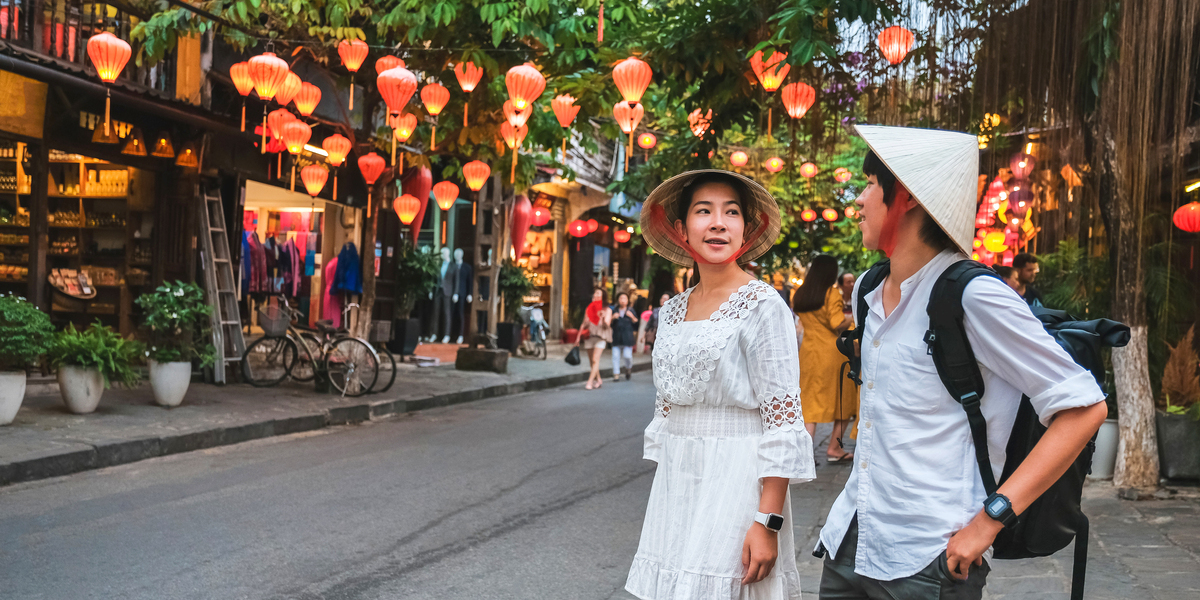
    During the quarter, total retail sales of consumer goods and services reached an impressive US$72.2 billion, marking a 7% increase. The product categories contributing to this growth include apparel, food, and household goods.

    As well as retail, the country’s accommodation and food services sectors also saw an increase in revenue, generating $8.9 billion – a 13.3% increase.

    To further boost the country’s finances, tourism revenue also showed signs of growth, increasing to $870 million. This growth can be largely attributed to an increase in visitors during the Lunar New Year period.

    According to the National Statistics Office, the retail sector remains the largest contributor to Vietnam’s revenue. Accounting for a significant 76.3% of turnover, the retail sector generated $55.1 billion.

    Questions & Answers

    What was the increase in Vietnam’s retail sales figures in the first quarter?
    Vietnam’s retail sales experienced a year-on-year increase of 10.9% in the first quarter.

    Which sectors contributed to this growth?
    The growth in retail sales can be attributed to increased consumer spending in the apparel, food, and household goods sectors, as well as a surge in international tourism.

    What percentage of Vietnam’s revenue is contributed by the retail sector?
    The retail sector accounts for a significant 76.3% of Vietnam’s revenue.

  • Pepper Power: Vietnam’s Exports Leap 31% in Q1 Amid Supply and Shipping Challenges

    Pepper Power: Vietnam’s Exports Leap 31% in Q1 Amid Supply and Shipping Challenges

    In the first quarter of 2026, Vietnam’s pepper exports rose by 31.7% to a value of US$430 million, despite challenges related to global supply and logistics. The export volume increased by 39.2% to 66,350 tonnes, according to the Vietnam Pepper and Spice Association.

    March Exports

    The month of March saw a significant surge in exports. Shipments totaled $199.3 million, equating to 30,638 tonnes of pepper. This marked an increase of 119.3% from February and a year-on-year rise of 51.3% in value.

    Black pepper comprised the majority of these exports, with 26,190 tonnes worth $167.3 million. White pepper accounted for a smaller portion, with 4,448 tonnes worth $32 million. Even though black pepper prices dipped by 0.7%, the average export prices remained high, with black pepper costing an average of $6,520 per tonne and white pepper $8,735 per tonne. On the other hand, white pepper prices experienced a slight increase of 1%.

    Main Buyers

    The United States and China continued as Vietnam’s largest pepper buyers in March, with imports of 8,059 tonnes and 3,663 tonnes, respectively. Compared to the previous month, exports to the United States increased by 121% while those to China rose by 134.7%. Other markets such as Egypt, the Netherlands, Canada, and the Philippines also displayed substantial month-on-month growth.

    Import Increases

    Alongside increased exports, Vietnam also registered a surge in pepper imports as businesses sought to supplement domestic supplies for processing and re-export. In March, imports amounted to 10,313 tonnes, up 66.2% from February and 108.8% year-on-year. The total imports for the first quarter reached 21,201 tonnes, valued at $121 million, marking a year-on-year increase of 118.9%.

    Cambodia was the primary supplier to Vietnam, accounting for 55.1% of imports, followed by Brazil and Indonesia.

    Issues and Outlook

    Despite the encouraging export results, the association highlighted concerns about growing supply-demand imbalances. The 2026 harvest is anticipated to yield only 170,000–180,000 tonnes, a decrease of 15–20% from the previous crop due to unfavorable weather conditions and ageing plantations. This limited supply has driven domestic pepper prices to around VND140,000–150,000 (US$5.32-5.69) per kilogram.

    Farmers are not replanting extensively as they switch to higher-value crops and face decreasing land availability. Globally, this year’s pepper output is likely to be approximately 530,000 tonnes, slightly more than in 2025 but still less than in 2024, while demand remains strong.

    Exporters also face increasing logistical difficulties due to escalating tensions in the Middle East, which has led to a three to four-fold increase in shipping costs. The closure of the Strait of Hormuz to commercial container traffic has disrupted key shipping routes, causing severe congestion at major transshipment hubs. This has forced some exporters to pause new orders to mitigate risks associated with rising costs and delivery delays. Persistent disruptions may impact the sector’s export growth outlook for 2026.

    Questions & Answers

    What was the value of Vietnam’s pepper exports in the first quarter of 2026?
    The value of Vietnam’s pepper exports in the first quarter of 2026 was US$430 million.

    Who were Vietnam’s primary pepper buyers in March of 2026?
    The United States and China were Vietnam’s primary pepper buyers in March of 2026.

    What concerns does the Vietnam Pepper and Spice Association have for the future?
    The Association has concerns about growing supply-demand imbalances, unfavorable weather conditions, ageing plantations, and increasing logistical difficulties due to escalating tensions in the Middle East.

  • Starbucks Seals Deal with Boyu Capital, Sets Sight on 20,000 Stores in China’s Coffee Market Rivalry

    Starbucks Seals Deal with Boyu Capital, Sets Sight on 20,000 Stores in China’s Coffee Market Rivalry

    Starbucks recently finalised a significant strategic transaction with Boyu Capital, effectively transferring majority control of its China-based operations to the investment firm. Initiated back in November, this strategic move is designed to stimulate the coffee chain’s expansion in the world’s second-largest economy. Starbucks faces fierce competition in this market from regional contenders such as Luckin and Cotti, who have managed to gain substantial market share through their affordable pricing strategies.

    Boyu Capital, whose founders include a descendant of previous Chinese President Jiang Zemin, will now oversee a significant 60% stake in Starbucks’ Chinese outlets. Despite this shift in ownership, Starbucks will maintain a 40% interest in these stores and will persist in licensing its distinguished brand and intellectual property rights to the joint venture.

    Molly Liu, the Chief Executive Officer of Starbucks China, expressed her affirmation of the deal, stating that it would foster a “hyper-localisation” of the Starbucks brand within the Chinese market. This essentially means that the brand will be more effectively tailored and marketed towards local consumers, creating a more resonant and culturally appropriate experience for them.

    Currently, China is home to approximately 8,000 Starbucks outlets. With this new agreement, the company plans to dramatically increase the number of stores with Boyu Capital’s assistance. The intended target is an ambitious 20,000 outlets across the country.

    Questions & Answers

    What is the purpose of Starbucks’ deal with Boyu Capital?
    The deal is designed as a strategic move to stimulate Starbucks’ growth in China, the world’s second-largest economy. It is a response to the fierce competition Starbucks faces in China, particularly from local brands offering lower prices.

    What will be the role of Starbucks in the new joint venture?
    Starbucks will retain 40% ownership in its Chinese stores and will continue to license its brand and intellectual property rights to the joint venture.

    What is the future plan of Starbucks in terms of its store count in China?
    Starbucks, in collaboration with Boyu Capital, plans to increase its current store count in China from approximately 8,000 to a target of 20,000 outlets.

  • Big Caring Group’s Bold Move: Malaysia’s Biggest Pharmacy Retail Chain Gears Up for High-Stakes IPO

    Big Caring Group’s Bold Move: Malaysia’s Biggest Pharmacy Retail Chain Gears Up for High-Stakes IPO

    Big Caring Group, Malaysia’s premier pharmacy retail chain, is gearing up for an initial public offering (IPO) as part of its strategic plan to strengthen its standing in the country’s burgeoning retail health sector.

    A Promising IPO

    Based in Kuala Lumpur and backed by private equity firm Creador, Big Caring Group aims to sell up to 25.5 per cent of its shares, amounting to approximately 1.88 billion ordinary shares. This information was found in a preliminary prospectus lodged with the Securities Commission Malaysia. Currently, the company has about 1.29 billion shares in existence; the remainder of the IPO will comprise new shares intended to fund future expansion and decrease existing debt.

    Expanding Retail Presence

    With a strong network of 626 stores across the nation, Big Caring Group continues to display its ambitious growth strategy. The company has plans to open an additional 50 stores within the next three to five years.

    Institutional and Retail Investors

    The structure of the IPO is designed to cater to institutional and selected investors; around 1.61 billion shares will be made available for them. Meanwhile, retail investors, which include company employees, contributors, and the general public, will have the opportunity to subscribe to approximately 268 million shares.

    Leading the Offering

    Maybank Investment Bank and RHB Investment Bank will spearhead the IPO as joint principal advisors, global coordinators, bookrunners, managing underwriters, and underwriters. Additionally, AmInvestment Bank and UBS will play essential roles in coordinating and underwriting the tranche for institutional investors.

    The IPO price and timeline have not yet been disclosed. The listing is pending approval from Bursa Malaysia and the Securities Commission.

    Questions & Answers

    What is Big Caring Group planning?
    Big Caring Group, the largest pharmacy retail chain in Malaysia, is preparing for an initial public offering (IPO) to strengthen its position in the country’s growing retail health sector.

    How many shares is Big Caring Group considering selling in its IPO?
    The company plans to sell up to 25.5 per cent of its shares, or around 1.88 billion ordinary shares, according to their preliminary prospectus.

    What is the company’s expansion plan?
    Big Caring Group intends to open 50 more stores across the nation within the next three to five years. Currently, they operate 626 stores nationwide.

  • Chinese Hotpot Giant Haidilao Sees Sizzling $93.9M Revenues in Vietnam, Solidifying Asian Market Dominance

    Chinese Hotpot Giant Haidilao Sees Sizzling $93.9M Revenues in Vietnam, Solidifying Asian Market Dominance

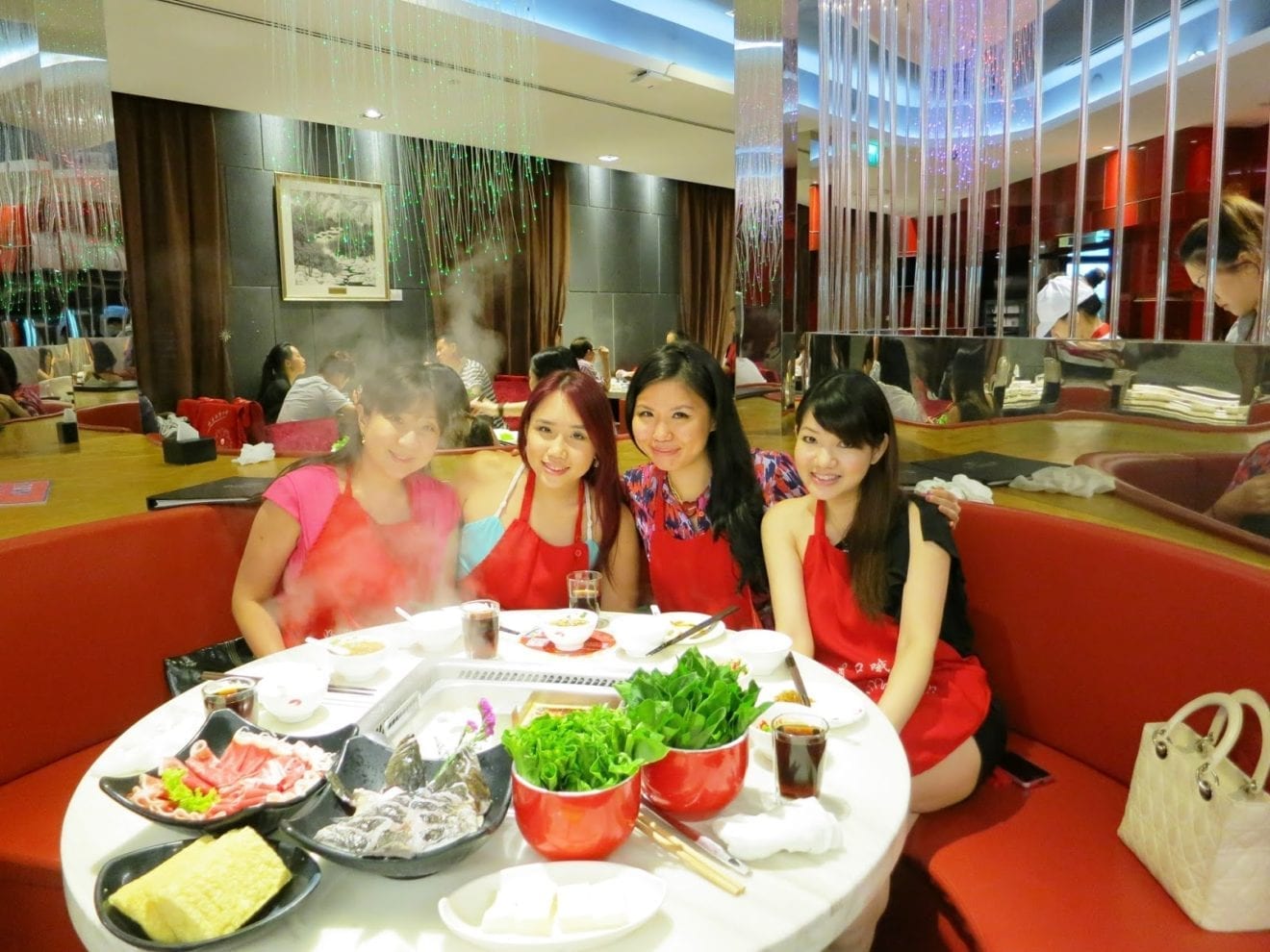
    The renowned Chinese hotpot restaurant chain, Haidilao, announced that it generated over US$93.9 million in revenue from its operations in Vietnam in 2025, marking a 7% increase from the previous year. This solid performance propelled Vietnam to become Haidilao’s fourth-largest international market in terms of sales, following Singapore, the U.S., and Malaysia.

    Global Performance

    In 2025, Haidilao’s total revenue from all its overseas markets was reported at $840 million, representing an 8% boost compared to the year before. Additionally, the restaurant chain’s pre-tax profits experienced a significant surge, nearly 50%, amounting to $49.5 million.

    Presence in Vietnam

    Haidilao made its debut in Vietnam in 2019, with its inaugural restaurant located in the Bitexco Tower in Ho Chi Minh City (HCMC). To date, Haidilao’s presence in Vietnam has grown to 17 outlets scattered across the country. Ten of these can be found in HCMC, six in Hanoi, and one in the central coastal city of Nha Trang.

    Company Background

    The story of Haidilao began in 1994 when Zhang Yong and his partners established the brand. Emerging from humble beginnings with only a four-table restaurant in a small town in China’s Sichuan province, the chain has transformed into a globally recognized brand within the Chinese restaurant industry. This success has also catapulted the co-founders into the league of billionaires.

    Questions & Answers

    What are Haidilao’s top overseas markets?
    Vietnam is Haidilao’s fourth-largest overseas market in terms of sales, following Singapore, the U.S., and Malaysia.

    How many outlets does Haidilao have in Vietnam?
    As of 2025, Haidilao has 17 outlets in Vietnam, with 10 in Ho Chi Minh City, six in Hanoi, and one in the central coastal city of Nha Trang.

    When did Haidilao first establish a presence in Vietnam?
    Haidilao entered the Vietnamese market in 2019 with its first restaurant located in the Bitexco Tower in Ho Chi Minh City.

  • Singapore’s Top Used-Car Hub Faces Uncertainty: Dealers Scramble to Raise $53M for Lease Extension

    Singapore’s Top Used-Car Hub Faces Uncertainty: Dealers Scramble to Raise $53M for Lease Extension

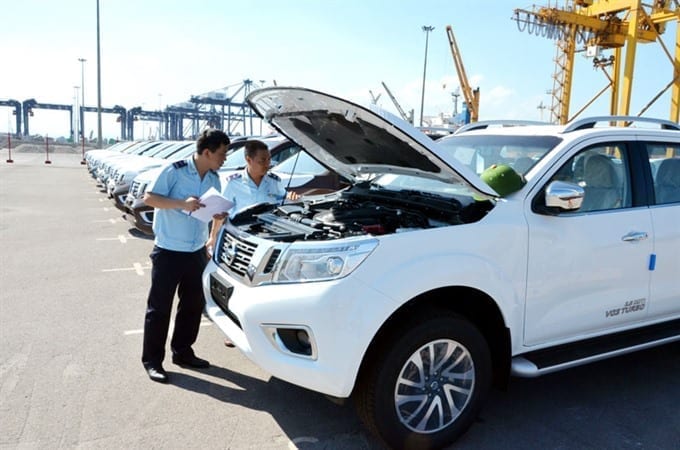
    Owners of the 76 units at Automobile Megamart, the largest used-car hub in Singapore, are faced with a SGD68 million (US$53 million) bill, due by May 15, to extend the complex’s lease until 2040. However, unanimous agreement between all owners is required, and it remains uncertain whether this will be reached.

    Automobile Megamart: A Prime Location

    Located within the Ubi industrial estate, close to the Paya Lebar Air Base, Automobile Megamart is the country’s largest dedicated used-car center. Spanning eight stories, the complex features 121 showrooms and offices.

    Tenants of the hub include car dealerships offering both new and used vehicles, as well as businesses offering related services such as car financing and leasing.

    The Lease Extension Dilemma

    The land lease for the complex was initially acquired by a consortium of car dealers in 1996 for a 30-year term. The lease is set to expire this year, and if a unanimous decision to extend it is not made by the tenants, they will be required to vacate by July 18.

    This looming deadline comes after a final four-week extension was granted by the Singapore Land Authority (SLA), following several previous extensions.

    During the renewal negotiations, a unanimous decision could not be reached, causing the initial renewal offer to lapse. The SLA then revised the terms and issued a second offer.

    The renewal premium will be divided among unit owners based on variables such as the size and location of their respective units.

    Stakeholder Sentiments

    Lease renewal committee chairman Raymond Tang expressed gratitude to the SLA for the lease extension and extra time for payment, but highlighted the uncertainty of the situation, cautioning that the renewal could fall through if even a single owner fails to make their full payment.

    Neo Tiam Ting, director of Think One Group, which owns four units in the complex, revealed that some older owners have chosen to sell their units, as they do not plan to continue in the trade for the long term.

    Henry Heng of Prime Car Traders praised Automobile Megamart as being the only “proper” used-car center in Singapore, pointing to its tenant mix, convenient parking, and display facilities. Despite acknowledging the uncertainty, he expressed confidence that the lease renewal would go through, stating that he has no backup plan if it doesn’t.

    Future Possibilities

    The SLA indicated that it is open to considering extending the tenancy for the locations 7 Ubi Close, current home to Alpine Group and a BYD showroom operated by Harmony Auto, both of which have been rented since 2025.

    Questions & Answers

    Why does the lease renewal at Automobile Megamart require unanimous agreement from all tenants?
    The requirement for unanimous agreement is likely due to the terms of the initial leasing contract, which can vary based on multiple factors such as the nature of the property and the lease duration.

    What will happen to the tenants of Automobile Megamart if the lease renewal does not go through?
    If the lease is not renewed, all tenants will have to vacate the premises by July 18, which could potentially disrupt their business operations.

    What factors determine how the renewal premium is divided among the unit owners?
    The division of the renewal premium among unit owners is typically based on factors such as the size and location of each unit within the complex.

  • U.S. Dollar Slightly Slips Against Vietnamese Dong Amid Global Market Uncertainties

    U.S. Dollar Slightly Slips Against Vietnamese Dong Amid Global Market Uncertainties

    On Monday, the U.S. dollar experienced a slight decrease in value against the Vietnamese dong while maintaining stability against other significant currencies. Vietnam-based bank Vietcombank quoted the U.S. dollar at 26,344 VND, marking a negligible decline of 0.004% from its weekend rate. Concurrently, the unofficial or “black market” rate of the currency experienced a 0.18% drop, bringing it to approximately 27,350 VND.

    Exchange Rates and Global Outlook

    For the day, the State Bank of Vietnam raised its reference rate marginally by 0.02% to 25,090 VND. Internationally, the U.S. dollar held steady on Monday, while the Japanese yen approached the important 160 per dollar threshold. This occurred as investors cautiously assessed the heightening tensions surrounding the Iran conflict and awaited the upcoming deadline set by U.S. President Donald Trump to reopen the Strait of Hormuz.

    Charu Chanana, chief investment strategist at Saxo in Singapore, commented on this trend, noting: “Investors are interpreting this as an oil-to-inflation-to-rates issue, which is why the dollar remains the most reliable haven currently, whereas gold, bonds, and yen have all seemed considerably less dependable than in a typical geopolitical scare”.

    Market Conditions and Currency Performance

    With major markets across Asia and Europe closed due to a holiday on Monday, trading liquidity was expected to be thin. However, a general risk aversion sentiment was observed at the start of the week.

    The dollar index, a measure of U.S. currency strength against six other leading currencies, stood at 100.2. Meanwhile, the Euro depreciated by 0.13% to reach $1.151 in early trading, and the British pound sterling traded at $1.3187.

    The Australian dollar improved by 0.13% at $0.6893, wobbling near its two-month low from the previous week. The Japanese yen weakened to 159.77 per U.S. dollar, closely trailing last week’s 21-month low.

    Questions & Answers

    What was the exchange rate of the U.S. dollar to the Vietnamese dong on Monday?
    The U.S. dollar was trading at 26,344 VND according to Vietcombank rates, while the black market rate was approximately 27,350 VND.

    How was the performance of the U.S. dollar against other major currencies?
    The U.S. dollar largely maintained stability against other major currencies. It held steady levels internationally while the Japanese yen approached the important 160 per dollar threshold.

    What impact did the escalating Iran conflict have on the currency market?
    The increasing tensions surrounding the Iran war resulted in cautious investor behavior. This led to the U.S. dollar being viewed as the most reliable haven currency, compared to less dependable options such as gold, bonds, and yen in this geopolitical situation.