Blog

  • Vietjet to Operate Direct Flights Connecting Vietnam and India

    Vietjet to Operate Direct Flights Connecting Vietnam and India

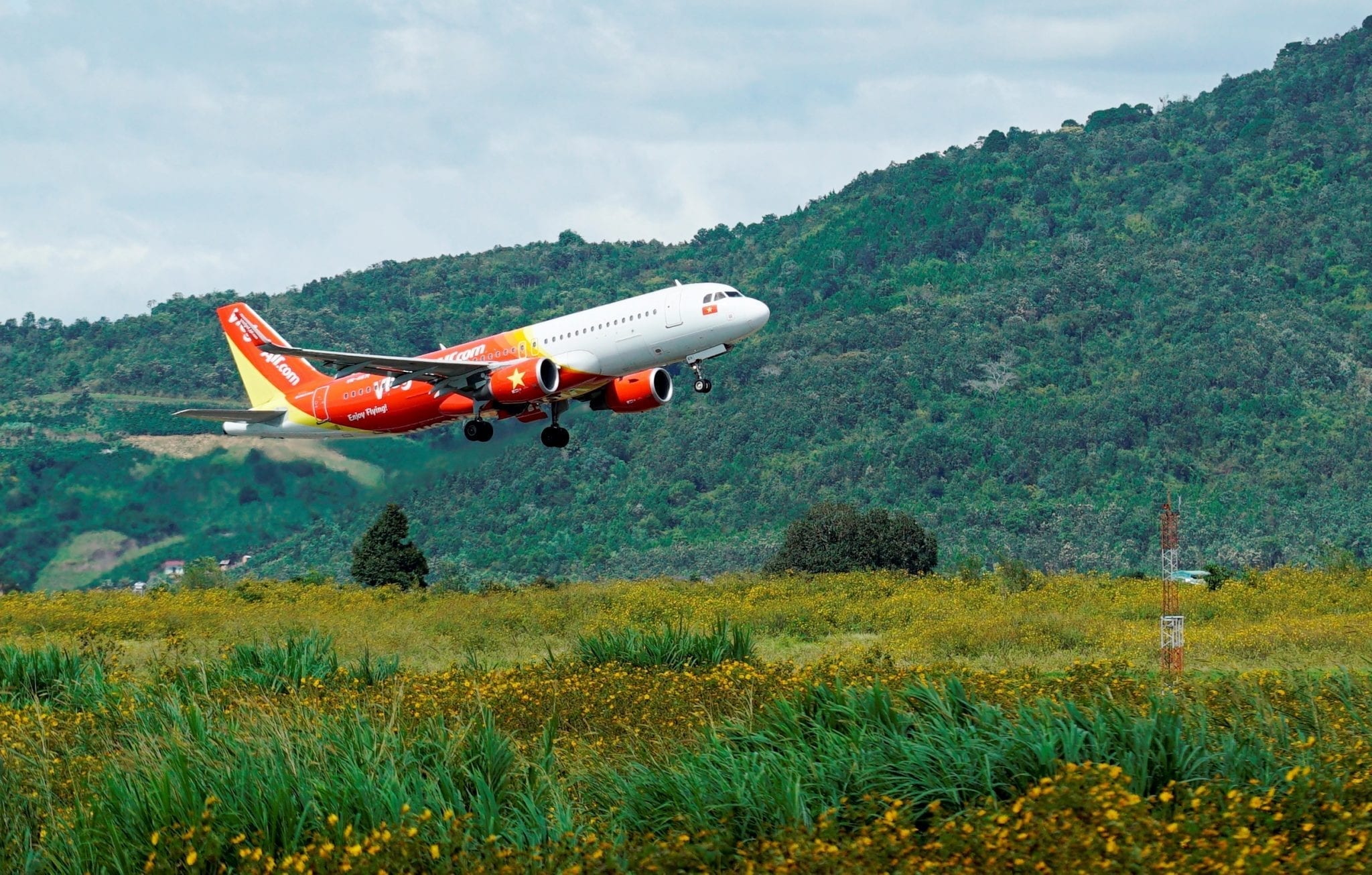
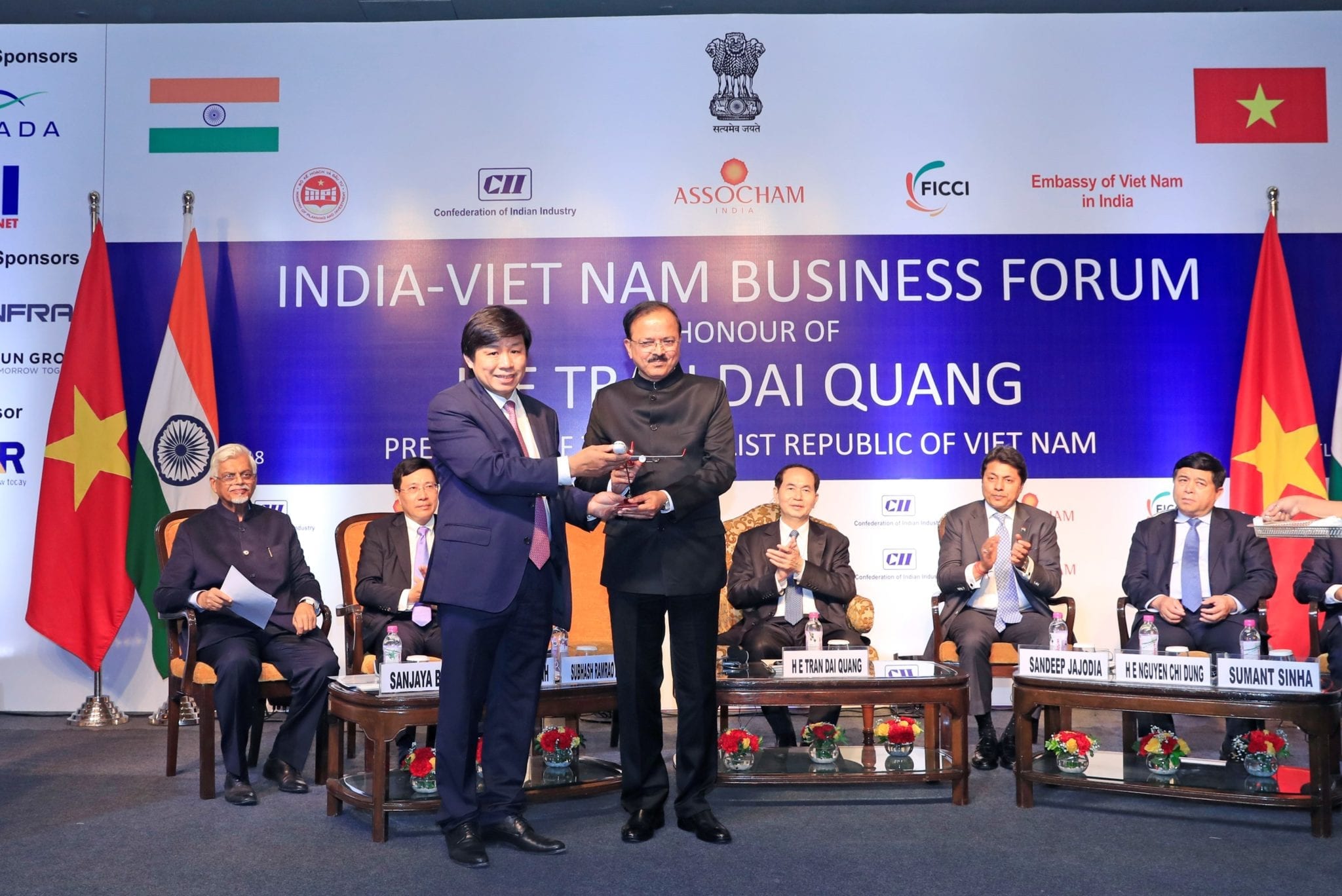
    In the third quarter of 2018, travelers from India will be able to fly direct to Vietnam and vice versa following an announcement made at the recent Vietnam – India Business Forum. The move is set to create bigger opportunities for the airline as there are currently no direct flights from India to Vietnam.

    The announcement which was witnessed by H.E Vietnam President Tran Dai Quang and senior leaders of Vietnam and India also marks a significant milestone for the country especially in light of the 45th anniversary of diplomatic relations between Vietnam and India and the 10th anniversary of strategic partnership between the two countries.

    The first route is scheduled to connect Ho Chi Minh City with New Delhi on a basis of four flights per week.

    Located in Southern Asia, India has the second largest population in the world, making it a huge potential market for Vietjet in the future. It is an extremely diverse country, with vast differences in geography, climate, culture, language and ethnicity. The country is also blessed with marvelous natural landscapes and grand architectures which have been listed in UNESCO’s World Heritage List including The Great Himalayan National Park Conservation Area, Ajanta Caves, Taj Mahal and Humayun’s Tomb to name a few.
    Vietnam on the other hand, is a bustling country that possesses an eclectic mix of local hotspots. From crystal-blue beaches to misty mountains and buzzing cities with mouthwatering cuisines, Vietnam is certainly a place that caters to the whims and fancy of any type of traveler. Some of the must-see destinations in Vietnam include Hanoi, the country’s cultural capital; Hue, a romantic citadel; the magnificent Da Nang, one of Vietnam’s most important port cities, and Ho Chi Minh City, Vietnam’s economic hub.

    The introduction of the new route thus presents Vietjet with an opportunity to not only tap into the growing tourism market but also facilitate trade integration and exchange between Vietnam and India.

    Modeling itself as a ‘Consumer Airline’, Vietjet will continue to meet the growing demands of consumers by introducing new routes, expanding its fleet, investing in modern technology, and offering greater value-added products and services. The airline also prides itself in offering diverse promotional programs on tickets and entertainment especially during the festive seasons.

    Vietjet is favored and known as a pioneer for its many interesting entertainment activities and special promotions during the festive seasons. With its high-quality services, special low-fare tickets and diverse ticket classes, Vietjet offers passengers enjoyable flights with a dynamic and friendly flight crew, comfy seats, amazing hot meals and special surprises from the airline’s inflight activities.
  • 2018 is looking good for Sa Sa sales

    2018 is looking good for Sa Sa sales

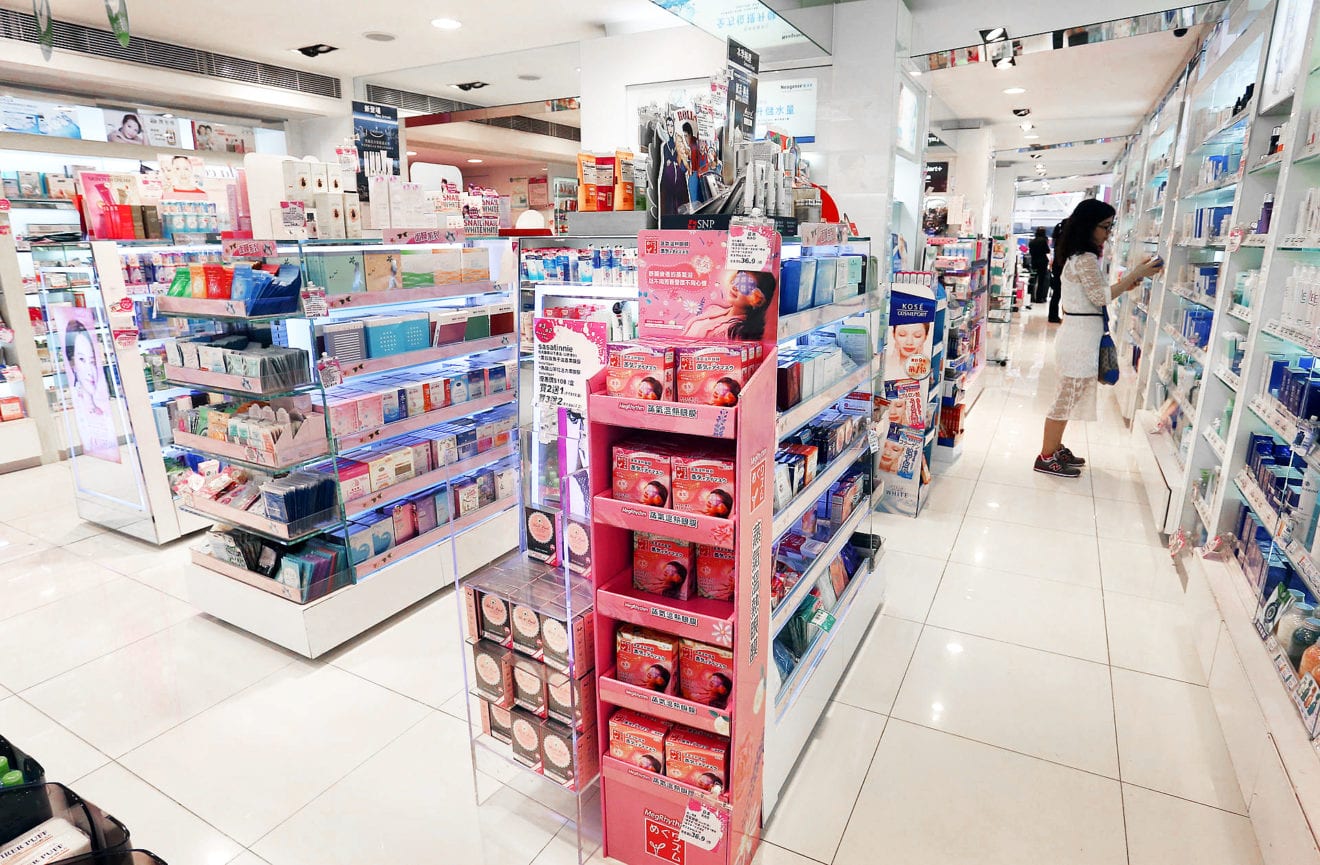
    Sa Sa International has released sales figures combining January and February – the first true indicator of how the Hong Kong retail market is performing so far this year.

    Sa Sa sales in Hong Kong and Macau surged 14.6 per cent during the period, and same-store sales rose 11.1 per cent.

    Official government figures show Hong Kong retail sales rose 4.1 per cent in January, compared to last year, but that figure was relatively meaningless given the timing of Lunar New Year, which fell in February this year and in January last year, preventing a true comparison. A government spokesman said at the time of the data’s release that, after taking the Lunar New Year factor into account, the figures suggested consumer sentiment was “rather robust” entering 2018.

    These Sa Sa sales figures suggest a positive rebound from January 1 to February 28.

    Chairman and CEO Simon Kwok said the number of transactions through Sa Sa stores rose 9 per cent and the average sale per transaction by 5.2 per cent.

    “The overall performance was in line with our expectations. Sales growth was mainly driven by the increase in store traffic and consumer consumption. The number of transactions with locals and mainland tourists increased by 6.3 per cent and 12.5 per cent respectively, while

    their average sale per transaction also increased by 4.6 per cent and 3.6 per cent respectively.”

    Kwok says Sa Sa is benefitting from Hong Kong’s retail market recovery, and  is “cautiously optimistic” about the outlook of Hong Kong and Macau markets.

    “We will continue to optimise product offerings and enhance customers’ shopping experience to cater for consumer demand in the fast changing markets,” he said in a stock exchange filing.

  • Infested Chinese Garlic Imports Kick Up a Stink in Indonesia

    Infested Chinese Garlic Imports Kick Up a Stink in Indonesia

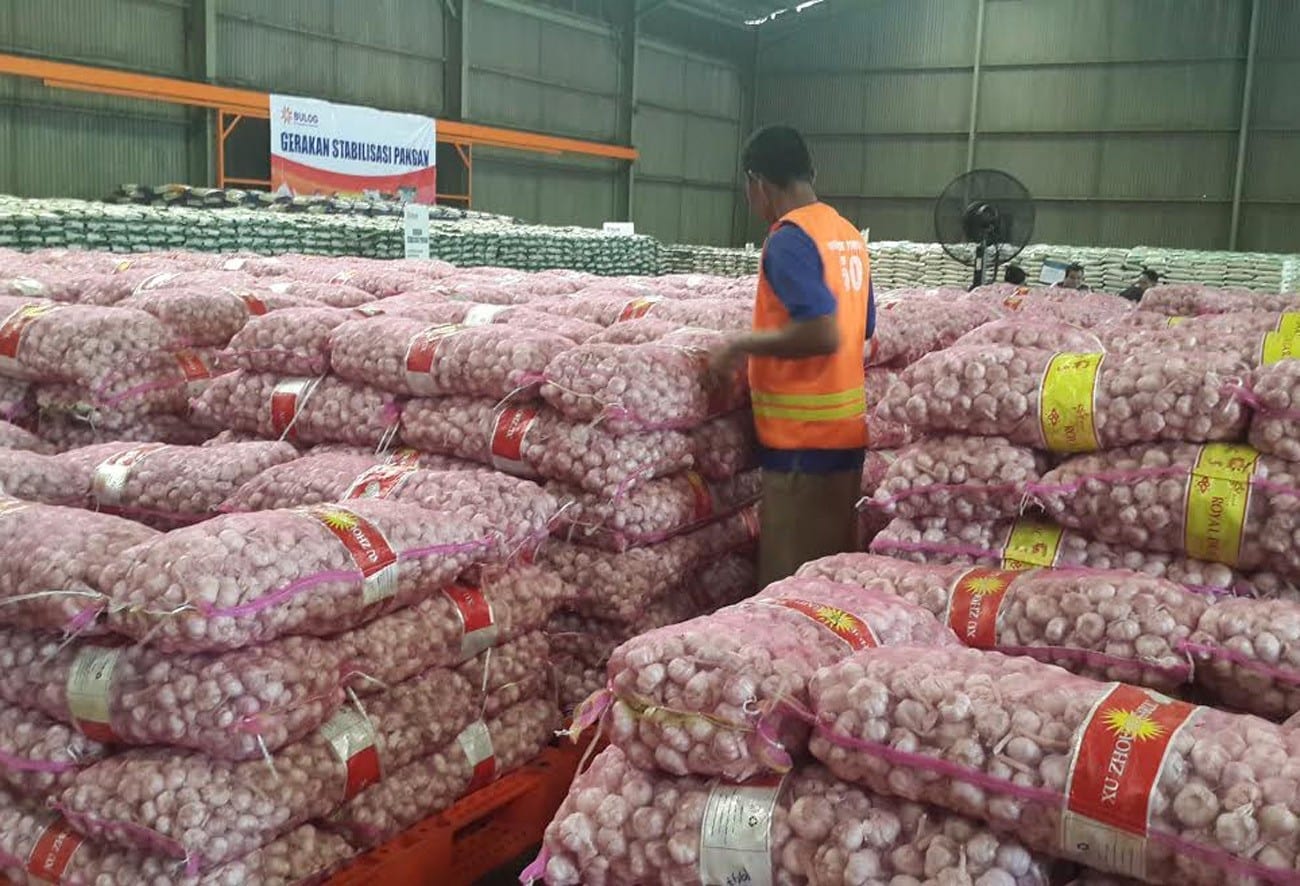
    Indonesia has impounded more than 200 tons of garlic imported from China, warning that a microscopic worm infestation found in the shipment could put at risk plans by the Southeast Asian country to boost its own garlic crop.

    Since coming to power in 2014, Indonesian President Joko “Jokowi” Widodo has pursued self-sufficiency policies to protect farmers, but efforts to rely on domestic supplies of everything from beef to rice have at times caused shortages and price spikes.

    Chinese food imports have previously proved sensitive in Indonesia. In 2016, Beijing’s embassy in Jakarta expressed alarm at media reports accusing China of using a “biological weapon” against Indonesia, after four Chinese nationals were arrested for planting imported chilli seeds contaminated with a bacteria.

    The 232 metric tons of garlic were imported from China in mid-February and after arriving at Jakarta’s port were shipped to the island of Sumatra, the Ministry of Agriculture said.

    This could be “very damaging to our garlic farming when we are trying to achieve self-sufficiency,” the ministry said in a statement on March 12.

    Despite being certified as free of pests in China, samples of the shipment contained ditylenchus dipsaci, a microscopic worm that infects onions and garlic, the ministry said.

    The nematology department at the University of Nebraska-Lincoln describes the worm as “one of the most devastating plant parasitic nematodes.”

    When quarantine officials reported the discovery to the importer, the garlic had already been sent to North Sumatra, the agriculture ministry said.

    The controversy even stirred a heated debate in parliament this week when a member of Jokowi’s ruling party called for a police investigation.

    Soetrisno, the chief executive officer of Tunas Sumber Rejeki, the company that imported the garlic, could not immediately be reached for comment.

    The Chinese embassy in Jakarta declined to comment.

    The garlic is currently being stored at a warehouse in Belawan Port, Sumatra, that has been sealed by police and the quarantine agency.

    Banun Harpini, the head of quarantine at the agriculture ministry, said on Wednesday the importer would be blacklisted. It was not immediately clear what other penalties would be levied.

    Indonesia plans to be self sufficient in garlic in 2019 by increasing the growing area for the crop by more than 70,000 hectares, but this may be an ambitious target since last year the country imported 434,000 tons of garlic, more than ten times the amount grown domestically.

    This year, the agriculture ministry expects 392,000 tons will be imported, mostly from China and India.

  • WeChat gives more effort to support anti-counterfeit

    WeChat gives more effort to support anti-counterfeit

    WeChat has tightened its anti-counterfeit measures with 38 improvements to its Brand Protection Platform revealed in its annual Brand Owner Protection report released yesterday.

    WeChat claims more than 72,000 vendors were punished last year for attempting to sell counterfeit goods on its platforms.

    WeChat has also standardised the online infringement complaint system to make it easier for companies and individuals to report offenders.

    The WeChat team collected more than 126,000 valid infringement clues through user complaints on its Brand Protection Platform, 99.9 per cent of which led to crackdowns facilitated by brand owners.

    Fake-selling had even been occuring on so-called ‘mini programs’. As of early February, 976 mini programs have been permanently banned by WeChat. More than 22,300 infringing links and pieces of content have been removed.

    WeChat’s monthly active users reached 1 billion worldwide last week.

    More than 180 domestic and foreign enterprises from 18 countries and regions covering more than 400 well-known trademarks at home and abroad have registered on WeChat’s Brand Protection Platform. Most of the registered enterprises are from the US, China, Switzerland, Japan and France.

  • Online sales surge boosts Zara owner Inditex

    Online sales surge boosts Zara owner Inditex

    Surging online sales have boosted Zara parent’s Inditex’s net profit in the past fiscal year by 7 per cent.

    Inditex, which also owns brands including Pull & Bear, Bershka and Massimo Dutti, reported an increase in net profit for the 12 months ending January 31 to €3.37 billion (A$5.27 billion) from €3.16 billion a year earlier.

    Sales rose 9 per cent to 25.34 billion euros in the fiscal year, with revenue for online sales growing by 41 per cent.

    In FY17, Inditex invested €1.8 billion in further developing its integrated stores and online model and upgrading its technology. Specifically, the rollout of RFID technology has improved flexibility and response times by integrating stores and online inventories, the company said.

    Pablo Isla, chairman and CEO of Inditex, described it as a year of “solid growth”, and highlighted, “the unique strength” of their integrated stores and online model and its significant growth potential.

    He added that “the prescient investments made in technology and logistics in recent years,” coupled with space optimisation, had positioned the company for continued growth across all its markets.

    The group, which during 2017 opened its first stores in Belarus and launched its online sales platform in India, Vietnam, Singapore, Thailand and Malaysia, was founded in 1975 by Amancio Ortega and has become the world’s largest clothes retailer with eight brands.

    Inditex owns 7,475 shops worldwide, an increase of 183 stores from the previous year when factoring in shop closures, but 29 less than three months earlier.

    Florence Allday, beauty and fashion associate at Euromonitor International, said Inditex faces a period of uncertainty as the changing retail environment and globally volatile currencies make this rapidly evolving market sector even more competitive.

    The fashion conglomerate may be one of the most dynamic players in the industry, Allday said, but the past few months have seen Zara and its direct global competitors vie to remain in favour with their female, millennial demographic in a market that is fast-maturing and reaching saturation.

    Currently, Zara has the fourth largest global market share in the apparel and footwear category, behind Hennes & Mauritz (H&M), Adidas and Nike. Other significant competitors include Asos, Boohoo and Primark.

    Allday said rankings and shares in the global apparel and footwear market remained static in 2016, with sportswear giants taking the top two spots.

    Inditex ranked fourth, maintaining its positioning as one of the leading non-sportswear companies in the world. Inditex’s key rival is H&M, which slightly outperformed Inditex due to more dynamic store expansion and an aggressive pricing strategy. H&M also utilises far more visible marketing, including collaborations with high-profile designers that attract widespread fashion press.

    “Although Inditex does rank higher than H&M in the global footwear market the company will need to utilise its vertical operations and exploit its widespread geographic coverage, to overtake H&M in apparel, capitalising on the narrowing gap between the two rivals,” Allday said.

    “Further still, players such as Fast Retailing [Uniqlo parent] continue to move up the ranks, capturing consumers’ demand for value-orientated product offerings, threatening the dominance of Inditex and H&M.”

    Allday said despite Zara’s status as the world’s largest fast fashion retailer, its sales slowed last year due to a lack of distinction between seasonal collections, and general market saturation.

    “To continue to be a key player in the fast fashion arena, Zara needs to ensure that its constant, uninterrupted flow of new designs and products is matched by a digital retail experience that is equally seamless,” she said.

    “With competitors like Asos, Amazon and Missguided enjoying enormous sales and growth, thanks to their sleek online platforms, Zara must streamline its payment and delivery options to ensure that its online shoppers remain loyal. Consumer attitudes are shifting, preferring to pay more for quality over quantity.”

    “To ensure that it remains relevant, Zara must emphasise the quality and longevity of its garments and justify its low price points to ethically-conscious consumers.”

  • Malaysia’s Q4 retail sales up a disappointing 3.1%

    Malaysia’s Q4 retail sales up a disappointing 3.1%

    The Malaysian retail industry reported a modest growth rate of 3.1% in the fourth quarter of 2017 compared with the same period in 2016, coming in below expectations due to the rising cost of living which the eroded purchasing power of Malaysian consumers, said independent retail research firm Retail Group Malaysia.

    “This latest quarterly result did not meet market expectations. Members of MRA (Malaysia Retailers Association) projected the fourth quarter growth rate in November 2017 at 3.8%. It was also below Retail Group Malaysia’s forecast of 4.5%,” the firm said in its March 2018 Malaysia Retail Industry Report.

    It said the quarterly result is consistent with the Consumer Sentiment Index for the same period published by the Malaysian Institute of Economic Research (MIER).

    “During the latest quarter, the Consumer Sentiment Index (by MIER) improved to 82.6. Malaysian consumers remained cautious in their monthly spending while juggling with higher cost of living.”

    During the fourth quarter of 2017, the performances of all retail sub-sectors were mixed. The supermarket and hypermarket sub-sector was the worst performer.

    For the whole of 2017, the retail sale growth rate was 2.0% (or RM99.8 billion) compared with the same period a year ago. The retail industry’s performance last year lagged the gross domestic product growth rate of 5.9%.

    “After a rollercoaster ride in 2017, members of the retailers’ association are hopeful that their businesses will begin to recover in 2018. They estimate an average growth rate of 5.4% during the first quarter of 2018, due to the Chinese New Year period.”

    Based on its first quarterly projections of retail sales for 2018, Retail Group Malaysia estimates 4.7% growth in retail sale this year (or RM104.4 billion).

    “At this moment, this projection is considered optimistic by MRA members. The prospect of the retail industry this year is still highly dependent on the economic performance and consumer confidence level,” it said.

    It explained that the upcoming Malaysia general election is one of the main reasons Malaysian consumers have been taking a wait-and-see attitude on their retail spending.

    Retail sales may rise after the official election campaign starts. When campaigns begin, there will be many political and social activities throughout the country. This should motivate consumers to spend.

    “Post-election, consumer spending may improve further as Malaysians will focus on their own economic future and release the pent-up demand.”

  • It’s Hanbul to open It’s Skin pop-up stores in Japan

    It’s Hanbul to open It’s Skin pop-up stores in Japan

    Korea’s It’s Hanbul Cosmetics plans to expand into Japan by partnering with a local retailer.

    The company has brought its flagship brand It’s Skin to Japan via two pop-up stores inside ‘Niko and…’ stores in Tokyo and Funabashi, and plans to open eight more this year.

    About 500 items from the It’s Skin range will be sold via Niko and… stores including some developed exclusively for the Japanese market.

    Via the pop-ups, It’s Hanbul expects to boost its brand awareness in Japan before expanding into the local market through the partnership with a local lifestyle company.

    It’s Hanbul manages 53 stores in Canada, Hong Kong, Kazakhstan, Mongolia, Thailand, Russia, the US and online in China.

  • Property market expected to be stable in 2018

    Property market expected to be stable in 2018

    The country’s real estate market in 2018 will maintain mid-term stability, while merger and acquisition in the sector will continue to see strong development.

    This was revealed in the Top 10 Reputable Property Developers, Building Material Companies and Contractors 2018.

    The surveyed top 10 firms said real estate developers would enjoy opportunities of high economic growth rate, newly-signed Comprehensive and Progressive Agreement for Trans-Pacific Partnership trade agreement to attract more foreign investment and approval for establishment of special administrative economic zones.

    However, the survey also said local property developers would face challenges of macro-economic instability in the region, State divestment making capital dispute more severe and virtual money affecting the market and condotel, officetel and hometel segments with potential risks due to lack of clear management policies.

    The firms said special administrative economic zones would continue to be promising lands to lure large real estate projects.

    The estate, construction and building material sectors will be linked to the Fourth Industrial Revolution.

    The survey revealed that in addition to traditional marketing methods, customers were increasingly getting access to property information through internet.

    More than half the surveyed people said they sought information on websites specialising in real estate and on social networks.

    When the requirements of home buyers become stricter, information in the market will become more transparent. Investors and contractors will pay attention to the sustainability and life span of projects and construction buildings.

    According to experts, the quality of estates in 2017 improved due to the pressure of competition. They said property developers were required to improve their ability while enhancing professionalism and quality in projects.

    Last year, the real estate market saw positive changes in all segments. In Hà Nội and HCM City alone, there were 64,263 successful deals. A range of new products, such as condotel, officetel and hometel were developed, making the real estate market more attractive.

    According to report, prestige was one of the top three reasons for customers in choosing a product in the real estate sector.

    Vingroup and Novaland top the list of the 10 most reputable property developers in 2018.Vingroup has been leading the market with diversified products such as apartment buildings, offices, resorts, shophouses, condotel and officetel.

    Novaland, on the other hand, has been a popular brand in the south, with strong financial abilities and large land funds.

    Coteccons Construction Joint Stock Company and Hòa Bình Corporation occupy the first and second positions in the list of top 10 reputable contractors in 2018.

    Hòa Phát Steel Joint Stock Company and Viglacera Corporation Joint Stock Company top the list of the 10 most reputable building material companies in 2018. Both are large-scale companies in the building material sector with hundreds of construction projects every year throughout the country.

    The award ceremony will be organised on April 18 at the Việt Nam National Convention Centre in Hà Nội.

    Read more at https://vietnamnews.vn/economy/424330/property-market-expected-to-be-stable-in-2018.html#EeieWe0sOIEGm5YD.99

  • Furla Asia sales boosts its global growth

    Furla Asia sales boosts its global growth

    Furla Asia sales soared a stunning 50 per cent last year, powering the brand’s global sales to €499 million (US$618 million).

    Revenue from Asia-Pacific now accounts for 24 per cent of global sales and that share is steadily rising.

    Sales in Japan, a separate reporting division, increased by 15.4 per cent, while sales in its largest region, Europe, Middle East and Africa, were up 12.9 per cent, now representing 46 per cent of global sales.

    In Australia, where Furla purchased back the distribution rights to its brand from Luxury Retail Group (LRG) last year, sales rose 60 per cent. Earlier this year the company revealed plans to double its store presence Down Under from its 15 initial locations on the east coast.

    Globally Furla’s earnings increased by 34.1 per cent last year on sales up 20 per cent.

    “The 500 million euros goal is something to be very proud of and motivation to keep evolving,” said CEO Alberto Camerlengo. “The organic sales growth data is the most relevant, as it confirms that the company is on solid financial ground, thanks to the excellence of the brand and the quality of the product and Italian design we offer our customers. The company’s widespread growth across all markets reflects our efforts in further strengthening our distribution network and investing in research and product innovation.”

    Meanwhile, Furla continues to buy back distributorships around the world, the latest market being Singapore. Camerlengo said the brand will increase its store count in the city state, hoping to attract Chinese tourists as well as local shoppers.

  • Ewein joins Bangkok coffee vending machine venture

    Ewein joins Bangkok coffee vending machine venture

    Ewein Bhd is looking to undertake the “Smart Mobile Coffee Vending Machine Project” in Bangkok, Thailand, as part of its strategy to expand its e-commerce division overseas.

    The project will see the installation of smart mobile coffee vending machines in 30 locations in Bangkok.

    While Ewein did not give details of the project, other examples of smart mobile coffee vending machines use a smartphone to see the environmental data as well as to control the amount of coffee, sugar, and coffee creamer which are mixed into a cup of coffee. The machine and the phone exchange their data via Bluetooth, providing a more personalised service.

    The company said in a filing with the stock exchange that its 89%-owned subsidiary Ewein Ecommerce Sdn Bhd today entered into a memorandum of agreement with Yingyos Charubusapayon and Chai Yangruay to collaborate and jointly establish a joint venture (JV) company in Thailand for the project.

    The JV, in which Ewein Ecommerce will own a 40% stake, will have an authorised and paid-up capital of up to 5 million baht (RM629,000).

    Ewein Ecommerce’s participation in the project will be financed through internally generated funds.

    “The board is optimistic that the Bangkok project will contribute towards profitability of Ewein.”

    On Bursa Malaysia today, Ewein fell half a sen or 1.4% to 35.5 sen on 387,000 shares done.

  • Shift to New Retail ‘imperative’

    Shift to New Retail ‘imperative’

    A shift by brands to a New Retail model is imperative to remain relevant and competitive in China, according to a joint report from AliResearch and Bain & Co.

    The report, the most complete to date, offers a look at the blueprint for how companies and brands can seamlessly meld their online and offline channels, providing a better customer experience and making their own operations more efficient.

    It notes the challenge laid out by Alibaba Group CEO Daniel Zhang in a letter to investors, whereby companies need to tap big data analytics to redefine the core of retail – consumers, merchandise and stores – as well as the ties among them, to upgrade formats and create new retail occasions. And it cites a list of brands, including Mondelez, Friso, Estee Lauder and Bestseller, as “leading the charge to shape tomorrow’s retailing.”

    A fundamental change in thinking by companies and brands needs to happen with respect to the customer, viewing them “in the role of co-producers,” the report said. More than just identifying target consumers and their needs, more-comprehensive and dynamic profiles allow brands to find “ways to stimulate consumer needs, identifying look-alike consumers and turning consumers into brand ambassadors who effectively co-create the brand.”

    At the same time, products morph from mere commodities to becoming part of the consumption process and consumer experience. In the world of New Retail, products and delivery are inspired by consumer data and they’re highly personalized. Moreover, with a fully integrated, omnichannel experience, it’s no longer about simply spending time in an online or offline store. It’s about consumers shopping while enjoying content or spending time on social networks, the report said.

    “The best brands are determining how to integrate products with the overall experience of not only shopping, but learning about a product, using it and recommending it,” the report said.

    In all, the report highlights six steps “winning brands” are taking “to reshape the future and make the most of New Retail.” They are:

    • Identifying new governance principals for a customer-centric model
    • Developing new flexibility and efficiency in R&D and supply chains
    • Reimagining marketing and consumer management
    • Modernising route-to-market and retail formats
    • Transforming the organisation and operating model for digital
    • Investing in new technology development.

    The 24-page report covers each step in detail and offers case studies of the above-mentioned and other brands in their quest to reimagine and redefine their business through New Retail.

    While the report’s focus is on China, it telescopes outward and concludes that the changes Jack Ma predicted when he coined the “New Retail” term in 2016 “are arriving so swiftly and dramatically that each month seems to bring with it a big, new preview of what retailing will look like everywhere, as China sets a pace for the rest of the world.”

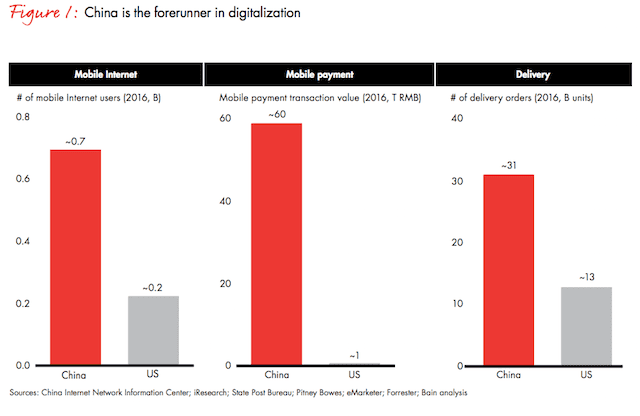
    New Retail in China has already taken hold in numerous sectors, transforming small, disparate shops and businesses into “order-and-delivery stations for e-commerce.” Food-delivery platform Meituan, for example, fulfills more than 18 million orders a day. And China is well ahead of other countries, such as the US, with 60 times more mobile payments.

    “Wherever retailing is headed, China is already there,” the report said. “For brands hoping to sell in China, survival means moving equally fast to capture this future ahead of competitors, both incumbents and digitally savvy upstarts. It will not be enough merely to keep up. Brands will be required to get ahead and help shape the vast changes, even as they completely overhaul the rules of engagement.”

    That means adopting a big-data-based approach to business, along with a new type of customer-centric experience that involves much-higher levels of engagement and personalisation than ever before. Businesses, themselves, need to erase any existing cross-unit barriers, investing in the technology and process redesign to make that happen, as well as changing their mindset.

    The results for brands that get it right are both clear and gratifying. Citing a case study from Mondelez, the report delves into what happened when the cookie company focused on customisation for Tmall’s Super Brand Day 2017. Its goal was to make Oreos more popular among teenagers.

    To do so, Mondelez partnered with third-party vendors and Tmall to create, launch and market a music box that played tunes when an Oreo cookie was placed on a turntable-like device. Taking a bite of the cookie and putting it back on the turntable changed the tune. Consumers could record their own voices on the music box and decorate it, customising it by scanning a QR code. Relying on a flexible supply chain, Mondelez brought the music box to market in just seven days, rather than a more-traditional two to three months.

    “It has been a New Retail success story,” the report said. “The singing biscuits generated 80 times more sales on Mondelez’s site than normal, with 90 per cent of the purchases made by new consumers.”

    Brands need to act now to adapt to a New Retail reality, though the changes they make to their operating models and the introduction of new capabilities won’t necessarily bear fruit right away.

    “New Retail is a work in progress that will require brands to constantly refine and reinvent themselves for new occasions, new formats and the steady flow of new ideas that will define retailing tomorrow,” the report concluded.

    You can read the full AliResearch/Bain report here.

  • Tumi acquisition lead Samsonite to good numbers

    Tumi acquisition lead Samsonite to good numbers

    Samsonite Asia sales lept 16 per cent last year, a rate slower than the Hong Kong-listed company’s global growth, and predominantly driven by the acquisition of Tumi.

    The world’s largest travel luggage company achieved global sales of US$3.49 billion, up 23.3 per cent, with Asia accounting for $1.19 billion of that. Samsonite Asia sales excluding the Tumi effect grew by a much more modest 4.8 per cent, while sales in Japan grew by 32 per cent, or 12 per cent excluding the Tumi business, driven by the Gregory, American Tourister and Samsonite brands.

    In the first half of last year, Samsonite assumed direct control of the wholesale and retail distribution of Tumi products in South Korea, Hong Kong, Macau, China, Indonesia and Thailand.  Net sales in China increased by 11.9 per cent year-on-year, (7.2 per cent excluding Tumi), due to increased sales of the Samsonite and American Tourister brands. Net sales in South Korea increased by 15.7 per cent, but fell 2.5 per cent excluding Tumi, due to fewer shoppers visiting from China and weak consumer sentiment.

    Net sales in Hong Kong increased by 34 per cent year-on-year, driven by the addition of Tumi, but by just 1.5 per cent excluding Tumi.

    Net sales in India increased by 4.6 per cent, despite a temporary disruption during the year due to the Indian government’s introduction of a goods and services tax that took effect in the third quarter of last year.

    Strong direct-to-consumer growth

    Samsonite showed solid progress on its move towards increasing its direct-to-consumer sales, aided by the acquisition of online luggage retailer eBags last May.

    Net sales rose 57.4 per cent overall, by 32.1 per cent excluding Tumi and by 12.2 per cent after 1 further excluding eBags.

    Dollar reported profit attributable to the equity holders increased by US$24.1 million, or 12.1 per cent.

    “We saw very satisfying growth last year, further driven by a strong performance from the Tumi and eBags businesses following their integration into the group,” said chairman Tim Parker.

    “In particular, we made solid strides in improving Tumi’s performance and as a result it was accretive to earnings in its first full year post acquisition. Now that we have strategically expanded into the highly attractive premium segment, and established a firm foothold in e-commerce, we look forward to more aggressively expanding our presence in the direct-to-consumer channel worldwide, especially direct-to-consumer e-commerce, where we see strong growth opportunities.”

    CEO Ramesh Tainwala said that while the company continued to benefit from the buoyant growth in travel and tourism worldwide, its strong performance was also driven by continued investment in brands, especially in the form of increased marketing support, as well as the expansion of direct-to-consumer e-commerce and brick-and-mortar retail operations.

    “Looking ahead, we will continue to implement our multi-brand, multi-category and multi-channel strategy, while leveraging our decentralised management structure and investment in marketing, in order to capitalise on the many exciting opportunities ahead of the group,” he said.

  • Japan bank mulls PetroVietnam plan

    Japan bank mulls PetroVietnam plan

    The Japan Bank for International Cooperation (JBIC) is considering funding the Block B&52/97 project of the Việt Nam Oil and Gas Group (PetrolVietnam) with loans without a government guarantee.

    General Director of PetroVietnam Nguyễn Vũ Trường Sơn recently worked with JBIC representatives on the financial arrangements for the project.

    According to PetroVietnam, the project, worth nearly US$10 billion, is one of the two largest gas projects in Việt Nam. The capital arrangement for the project is one of the main concerns of foreign partners involved in the project.

    The Block B&52/97 project’s oilfield development report was approved by contractors and the State appraisal council, while its environmental impact assessment report was ratified by the Ministry of Natural Resources and Environment. The quantitative risk assessment report was also submitted to the Ministry of Industry and Trade.

    As scheduled, the contract will be awarded in June 2018, and the signing of Engineering Procurement Construction and Installation (EPCI) contracts for the project will be done in July.

    The Block B&52/97 project includes two sub-projects. The first aims to develop the Block B oilfield, with PetroVietnam owning maximum capital in the project (42.896 per cent). Other investors are PetroVietnam Exploration and Production Corporation (26.788 per cent), Mitsui Oil Exploration Company (MOECO) of Japan (22.575 per cent), and Thailand’s PTT Exploration and Production Public Company Limited (PTTEP) (7.741 per cent).

    The second is to build the Block B-Ô Môn gas pipeline having a total length of 430km. PetroVietnam, PetroVietnam Gas Corporation (PV Gas), MOECO and PTTEP have invested in this project.

    The Block B&52/97 project is expected to bring ashore 5.06 billion cu.m of gas per year within 20 years, meeting the gas demand of power plants in the south.

    It is expected to contribute some $18 billion to the State budget.


  • Bankrupt Toys ‘R’ Us is closing all US and UK stores

    Bankrupt Toys ‘R’ Us is closing all US and UK stores

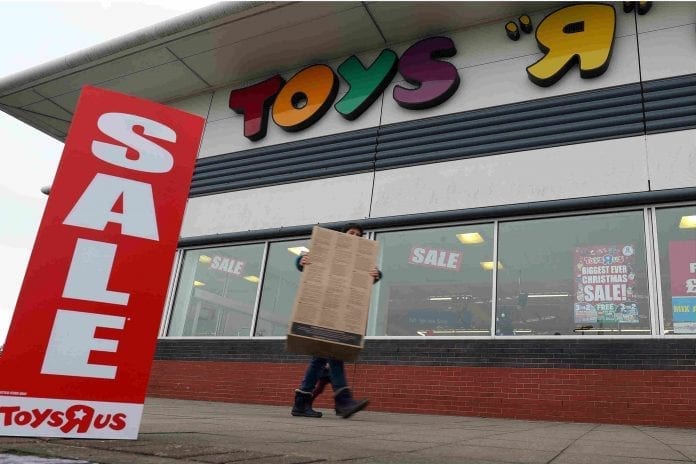
    Toys R Us will sell or close all of its US and UK stores in coming months.

    The decisions, by respective liquidators appointed on both sides of the Atlantic, will leave Canada, Asia and Central Europe up for sale as the last remaining Toys R Us businesses internationally, with operations in France, Spain, Poland and Australia tipped for closure as well.

    Toys R Us has 885 stores in the US and employees about 33,000 people there. It had already begun closing about 20 per cent of its outlets as part of a plan to exit Chapter 11 bankruptcy protection.

    But no buyer could not be found for the remaining business as a going concern.

    Asia appears to be the only region in the world where the Toys R Us business is robust. It is a joint venture with Fung Group, which holds a 15 per cent stake and is reportedly planning a takeover of the business, possibly funded in part by an IPO. But with the brand having failed almost everywhere else in the world, it is unclear how keen investors would be in Hong Kong.

    Neil Saunders, MD of analysts GlobalData Retail, described the liquidation of Toys R Us as “unfortunate but inevitable” given the retailer had lost its way and forgot its core retail competencies.

    “Even during recent store closeouts, Toys R Us failed to create any sense of excitement.”i

    Saunders said management may blame suppliers and competitors for its demise, but the primary responsibility lies with poor decisions.

    “As the competitive dynamics of the toy market intensified, management failed to respond and evolve. As such, the brand lost relevance, customers and ultimately sales.

    “Admittedly, the leveraged buyout which burdened the company with debt reduced the room for maneuver and left Toys R Us vulnerable. Questions should be asked as to the wisdom of this particular financial transaction which weakened the sustainability of the company.”

    The decision to close down Toys R Us was essentially made by its lenders who believed that without a clear reorganisation plan, they could recover more from a liquidation, closing stores and raising money from merchandise sales, according to sources quoted by AP.

    The Toys R Us UK operation was placed in administration at the end of last month.

    Yesterday, administrator Moorfields Advisory confirmed that no prospective buyer had been found for the business and that all 101 stores would close progressively.

  • VF Corporation to acquire Altra footwear

    VF Corporation to acquire Altra footwear

    VF Corporation, parent of Wrangler, Timberland, Vans and the North Face, among others, has bought fast-growing footwear brand Altra.

    Terms of the deal were not disclosed, but Altra, launched in 2011 by Icon Health & Fitness, has already expanded into 1600 points of sale in 55 countries. In the last year it achieved sales of US$50 million.

    Altra’s point of difference is its specialised, innovative design technology for road, trail, and lifestyle footwear which has attracted awards and a strong and dedicated consumer following.

    “The acquisition of the Altra brand is another example of our efforts to reshape and evolve our portfolio of powerful brands to align with our enterprise value creation model,” said Steve Rendle, chairman, president and CEO of VF Corporation. “The active outdoor and performance sector is a large and attractive growth space. The addition of the Altra brand brings to VF a unique and differentiated technical footwear brand and a capability that when applied across VF’s outdoor footwear, direct-to-consumer and international platforms will serve as a catalyst for growth.”

    The deal will be settled next month.

    Scott Watterson, Icon chairman and CEO, said the sale of Altra would allow the company to accelerate the continuing growth of its core NordicTrack and ProForm brands, its Freemotion commercial business, and iFit, its connected fitness subscription program.

    “The global health and wellness industry is exploding, and we’re doubling down on that growth.”