Blog

  • Hubert de Givenchy Dies at 91, Fashion Pillar of Romantic Elegance

    Hubert de Givenchy Dies at 91, Fashion Pillar of Romantic Elegance

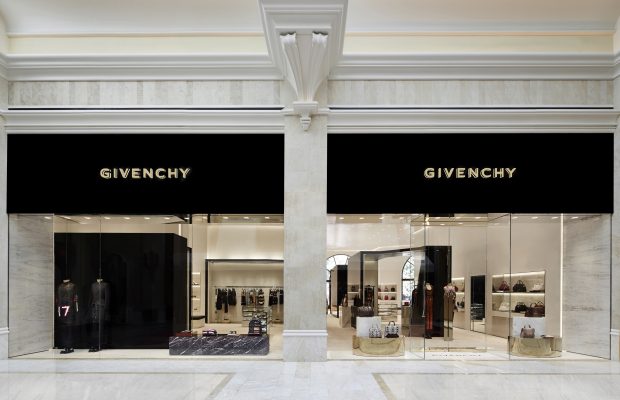
    French couturier Hubert de Givenchy, a pioneer of ready-to-wear, has died at the age of 91.

    Paying homage to its founder, the house of Givenchy says he was “a major personality of the world of French haute couture and a gentleman who symbolised Parisian chic and elegance for more than half a century”.

    Givenchy designed Audrey Hepburn’s little black dress in the movie Breakfast at Tiffany’s.

    “He revolutionised international fashion with the timelessly stylish looks he created for Audrey Hepburn, his great friend and muse for more than 40 years,” the house says. “His work remains as relevant today as it was then.”

    Givenchy was part of the elite cadre of Paris-based designers, including Christian Dior and Yves Saint Laurent, who redefined fashion after World War II. He forged close friendships with his famous clients including Elizabeth Taylor, Jackie Kennedy and Princess Grace of Monaco.

    He was born into an aristocratic family in the provincial city of Beauvais on February 21, 1927, and founded his label in 1952, selling it to luxury conglomerate LVMH in 1988. He retired several years later.

    Clare Waight Keller, who has been at the helm of the brand since last year, said on her official Instagram account she was “deeply saddened by the loss of a great man and artist I have had the honor to meet”.

    LVMH CEO Bernard Arnault says he is “deeply saddened” by Givenchy’s death. “He was among those designers who placed Paris firmly at the heart of world fashion post-1950.”
  • Sellsuki awarded THB1 million in Visa’s Everywhere Initiative

    Sellsuki awarded THB1 million in Visa’s Everywhere Initiative

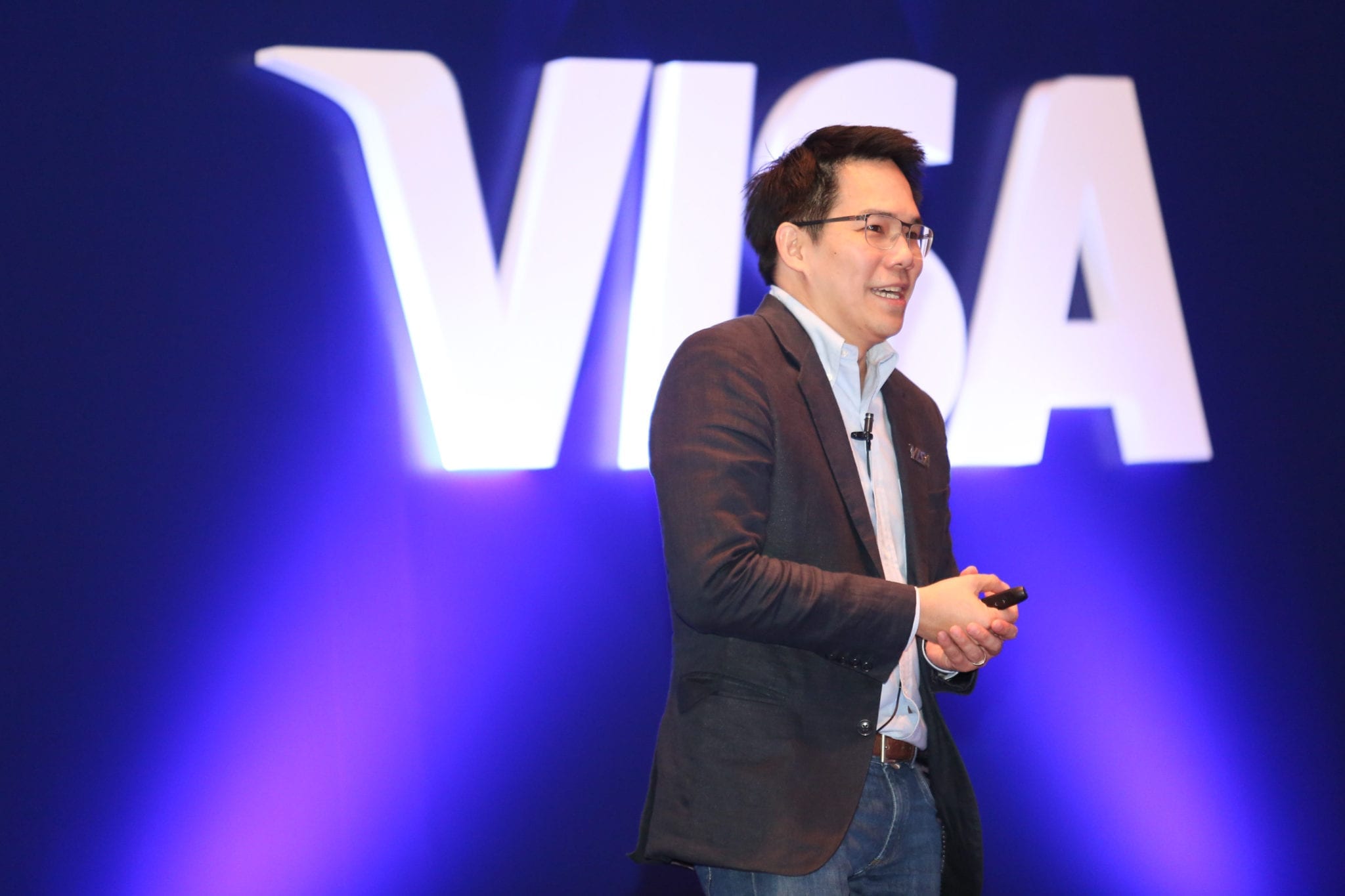
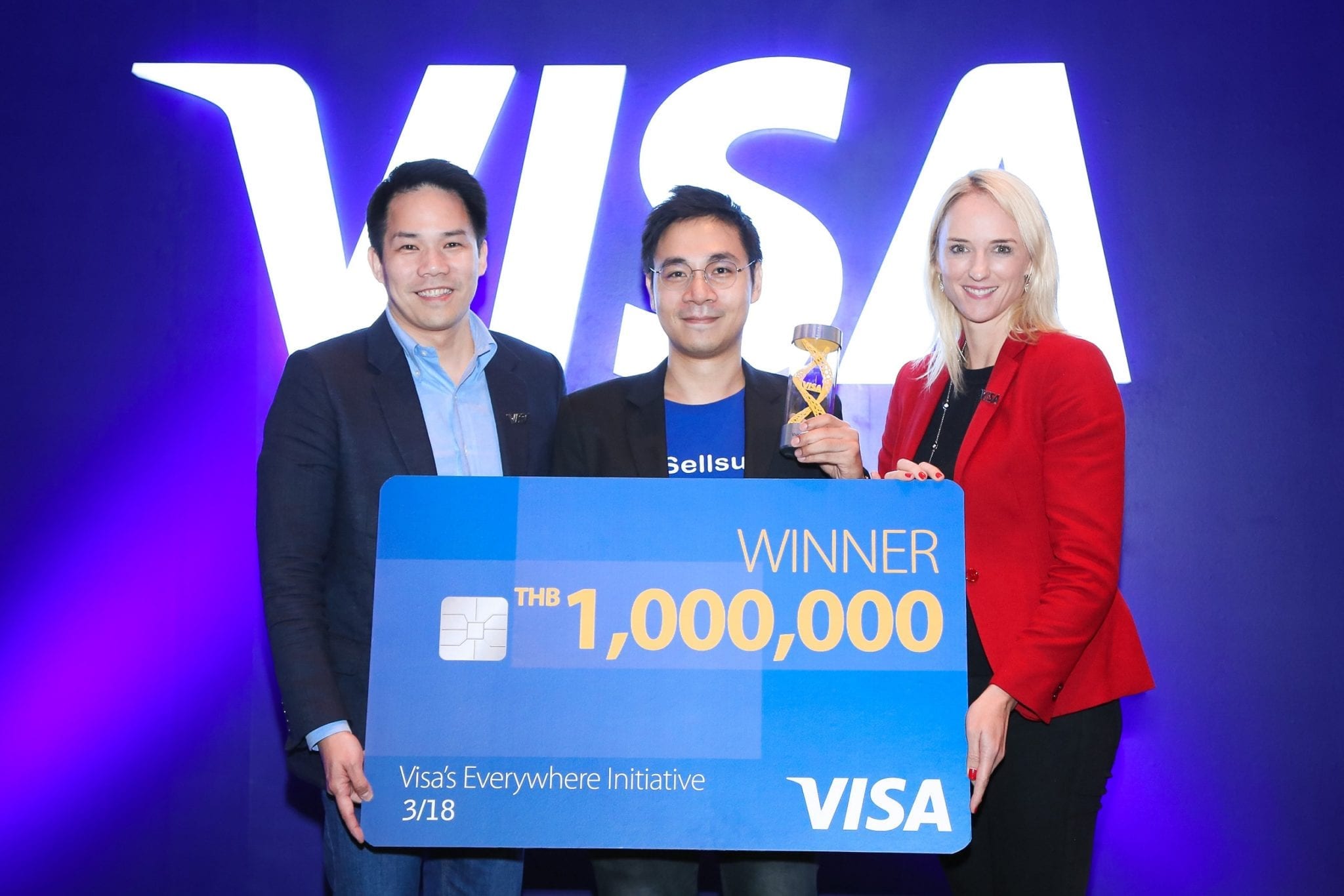
    Visa, the world’s leader in digital payments, announced the winner of its first Visa’s Everywhere Initiative competition in Thailand, awarding Sellsuki the grand prize of THB1 million in funding, in addition to mentorship, exposure to Visa partners and access to facilities and experts at Visa’s Innovation Center in Singapore.

    The winner of the VEI goes to Sellsuki, a social-first omnichannel retail platform that helps merchants to manage their own sales channels with end-to-end integrations on a variety of logistics. In cooperation with Visa, Sellsuki will make use of Visa’s APIs via adopting the use of digital payment services onto their platform, in order to help foster the most well-rounded e-commerce ecosystem.

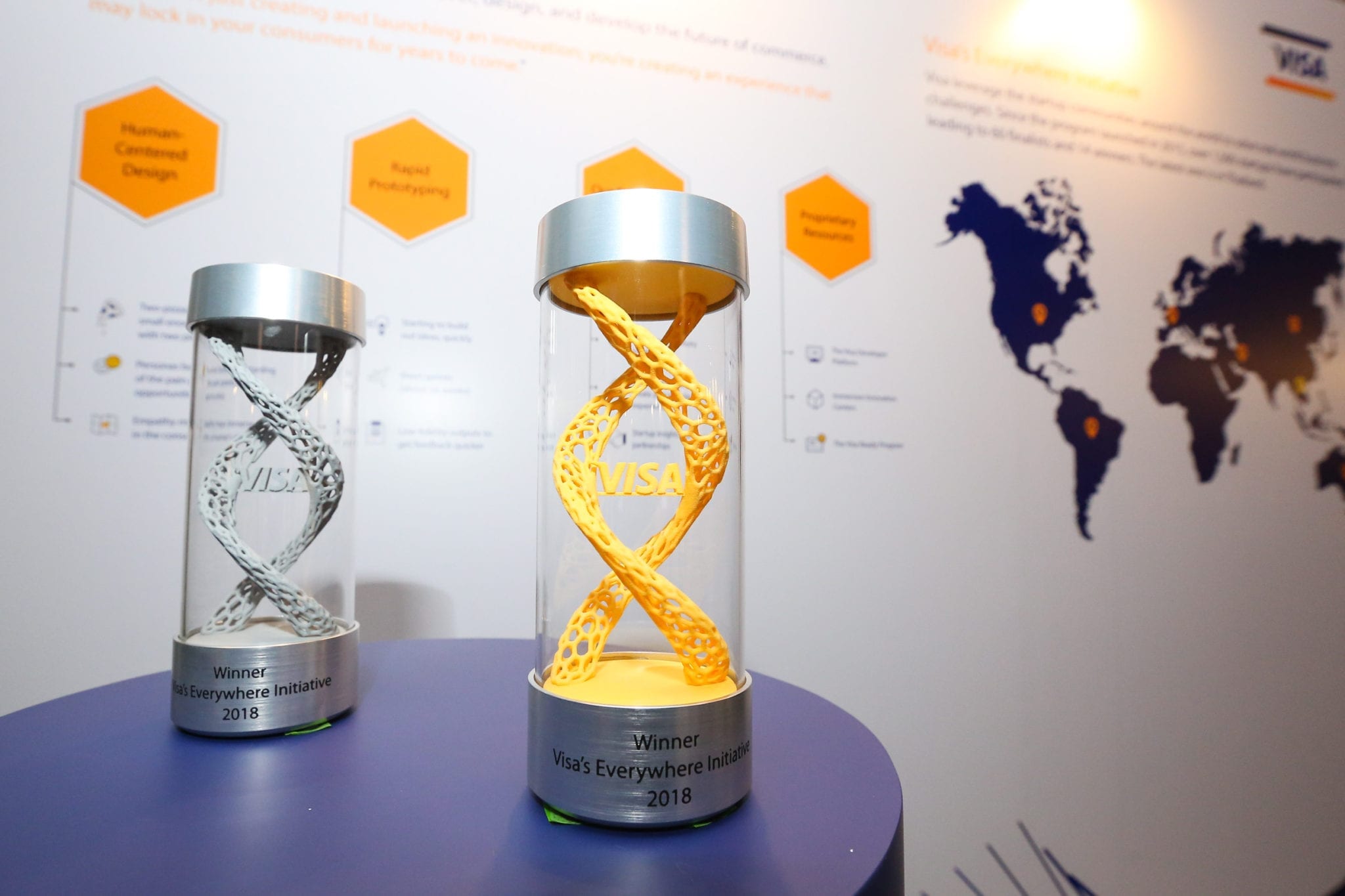
    Visa’s Everywhere Initiative (VEI) is a global innovation program that challenges start-ups to build the next big thing in payments and accelerate the future of commerce, leveraging Visa’s world-class network. The 2018 global program kicks off with the Thailand competition.

    Of more than 80 submissions, a total of nine finalists were selected for the three opportunity statements:

    How can start-ups innovate to create relevant and rewarding digital payment experiences for international tourists visiting Thailand?

      1. UTU
      2. Angel Life
      3. Instarem

    How can start-ups leverage social media platforms to accelerate commerce & scale access to financial services?

    1. 2C2P
    2. Jumper
    3. Sellsuki

    How can start-ups innovate to make digital payments easy to access and capable of adding value for merchants?

    1. Seekster
    2. Digio
    3. Silo

    Silo won the People’s Choice Award and THB200,000 in prize money.

    Suripong Tantiyanon, Country Manager, Visa Thailand said: “There is a strong momentum in Thailand’s fintech scene evident in the quality of the application we received. At Visa, we believe innovation hinges upon collaboration and co-creation, by bringing different parties together to jointly produce an outcome that brings value to all. Engaging with the start-up community through Visa’s Everywhere Initiative is therefore crucial in growing the payments ecosystem and enabling new ways of innovation. We look forward to working with these companies, helping them to harness Visa expertise and APIs, to scale their solutions to the next level.”

    Visa’s Everywhere Initiative was created in 2015 to harness the creativity and talent within the startup community worldwide. To date, nearly 2,100 startups have participated, and have collectively raised over $2 billion in funding. The program has selected more than 131 finalists and 36 overall winners. More than 40 countries and regions that have hosted Visa’s Everywhere Initiative including the US, China, Australia, New Zealand, Europe, the Middle East, and Latin America.

  • Alibaba CEO invests 20 million dollars in Rent the Runway

    Alibaba CEO invests 20 million dollars in Rent the Runway

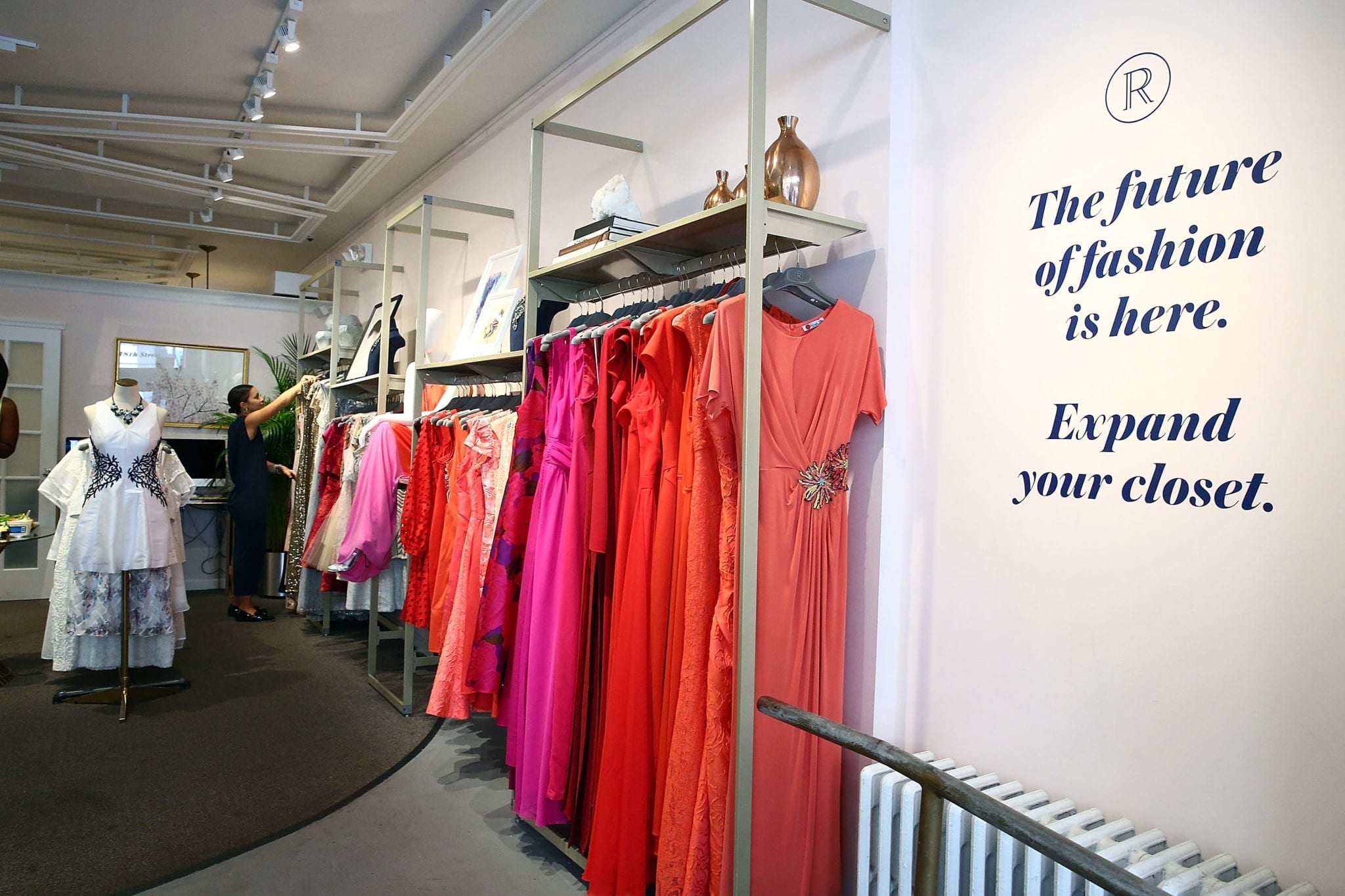
    An Alibaba affiliate has invested US$21 million in online fashion rental service Rent the Runway.

    Rent the Runway CEO Jennifer Hyman says that over time the company has built a great relationship with the team at Blue Pool Capital, an asset-management firm established by Alibaba founders Jack Ma and Joe Tsai.

    The funding values Rent the Runway at nearly $800 million. In December 2016, it closed a $60 million series-E funding round led by Fidelity Management and Research Company.

    “Launched in 2009, Rent the Runway seemed to struggle a few years ago amid the complex logistics as a renter of high- to mid-fashion apparel,”

    As the company evolved, it has also tested the limits of its own revolutionary premise – that people will begin to think of their wardrobes as existing ‘in the cloud’, making them virtually infinite.

    “It is a step beyond the original concept of renting special-occasion dresses and shoes – the Cinderella approach – to renting casual wear and office wear on a routine basis.”

    The stance is a direct challenge to fast fashion, which relies on inexpensive ownership and a closet’s high turnover.

  • January Malaysia manufacturing sales up 11% year-on-year

    January Malaysia manufacturing sales up 11% year-on-year

    Manufacturing sales in Malaysia soared 10.8% to RM67.8 billion in January this year compared with RM61.2 billion in the same month of 2017.

    The Department of Statistics said in a statement today the significant increase in sales value was due to increases in electrical and electronic products (14.3%); petroleum, chemical, rubber and plastic products (10.9%); and non-metallic mineral products, basic metal and fabricated metal products (8.1%).

    These three sub-sectors contributed 80.2% to the sales value of the manufacturing sector in the first month of the year.

    The total number of employees engaged in the manufacturing sector in January 2018 was 1.07 million persons, a 2.5% increase or 26,203 persons from the 1.04 million persons in January 2017.

    Salaries and wages paid rose 13.3% or RM439.7 million to RM3.74 billion, translating into an average salaries and wages per employee of RM3,494 in January 2018.

    Sales value per employee was up by 8% to RM63,292 compared with the same month in the previous year.

  • Facebook launches Hong Kong Marketplace

    Facebook launches Hong Kong Marketplace

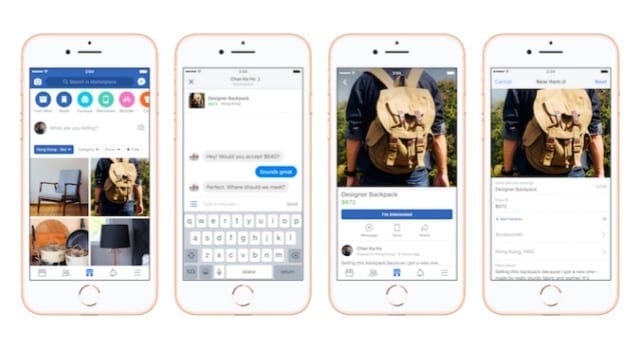
    Facebook Marketplace has launched in Hong Kong, allowing users to easily find, buy and sell goods locally.

    Already 550 million people buy and sell in groups on Facebook each month. With Marketplace, it is easier to both sell and buy. Users can view the public profiles of buyers and sellers, their mutual friends, and how long they have been on Facebook.

    FeedMarketplace shows items relevant to users’ interests and available in their community. Similarly, by tapping on the Marketplace icon, users can post products for sale directly or cross-post from a buy-and-sell group.

    Users can search for specific items and filter results by location, category or price. Images can be tapped to show more details, and items can be saved for later perusal.

    Interested buyers can directly contact the seller by message and make an offer. Facebook does not handle payments or deliveries.

    To sell an item, users simply take a photo, describe the item and set their.

    Hong Kong joins 64 countries where Marketplace is available.

  • Fast Retailing to open first Uniqlo shop on Indonesia’s Sumatra Island

    Fast Retailing to open first Uniqlo shop on Indonesia’s Sumatra Island

    Japanese casualwear manufacturer Fast Retailing will open a Uniqlo shop on Sumatra Island, its first outlet outside Indonesia’s most populous main island of Java.

    The shop will open at the Sun Plaza shopping mall in Medan this week, in the northern part of the island. It covers about 2000sqm.

    Fast Retailing Indonesia president Michiaki Tanaka says the Sumatra opening will be followed by another outlet outside Java, in Makassar on Sulawesi Island, in May.

    Two more shops are planned for Jakarta and Yogyakarta before August, taking the number of outlets in the country to 18. Tanaka says brand recognition has been boosted through the store expansions.

    Uniqlo first opened in Indonesia in 2013.

  • New Deal Means a New Majority Owner for Smashburger

    New Deal Means a New Majority Owner for Smashburger

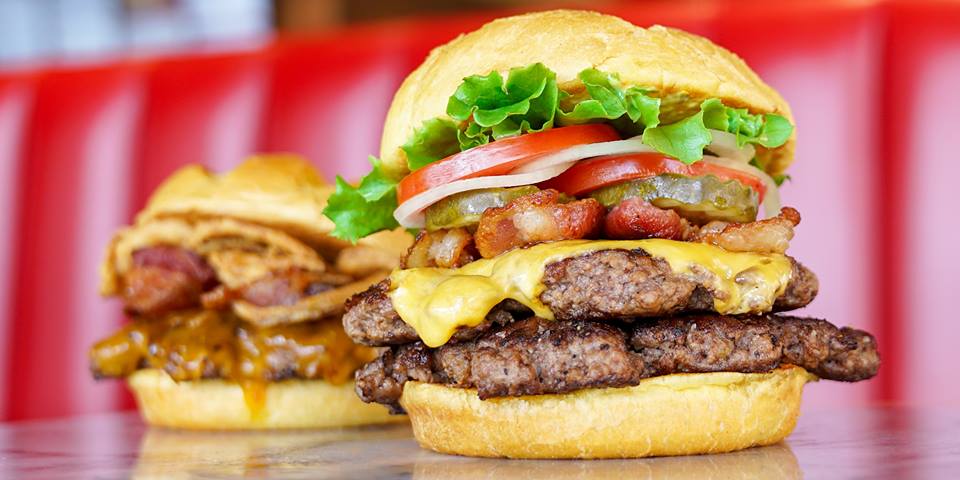
    In $100 million deal, Jollibee Foods Corp. will acquire an additional 45 percent of Smashburger, the Denver-based burger franchise that has more than 360 restaurants. The companies announced the deal Tuesday and it’s one that increases Jollibee’s ownership stake in the chain to 85 percent. The Philippines-based restaurant company first bought a 40 percent stake in Smashburger in October 2015 for $100 million, a deal which then valued the chain at $335 million.

    Tom Ryan, co-founder and CEO of Smashburger, called Jollibee an “invaluable strategic partner.”

    “Our momentum in 2017 around improved guest experience, iconic and record-setting product launches, and innovative marketing provide JFC a tremendously strong brand to enter the North American market,” said Ryan in a statement. “Our entire team couldn’t be more excited to grow the Smashburger brand and share the great tastes of Smashburger with the world.”

    Ryan took over as CEO in December 2016 following the exit of Mike Nolan after just nine months. Nolan had replaced Scott Crane, who stepped down in April 2016.

    Since Ryan’s move to chief executive, Smashburger has focused on developing new menu items, such as its Triple Double Burger, and expanded its marketing efforts. The company in 2017 also launched Smash Pass, a subscription-model consumer frequency program.

    With the expanded Jollibee partnership, Smashburger CFO Bradford Reynolds said growth in Southeast Asia is a focus.

    “This reinforced strategic partnership with JFC will allow Smashburger to continue to focus on growth in both existing and new markets including the opportunity to bring our great tasting burgers, fries and hand-spun shakes to Southeast Asia,” said Reynolds. “We look forward to building upon our successful relationship to further bolster the brand as an international leader in the better burger segment.”

    Smashburger’s footprint extends to 38 states and nine countries. Jollibee Foods operates the largest foodservice network in the Philippines, with 2,875 restaurants in the country as of December 31, 2017. In addition to its 1,062 units of the Jollibee brand, it has Chowking, Greenwich, Red Ribbon, Mang Inasal and is a Burger King franchisee with 93 units. It also operates restaurants in Australia, Bahrain, Brunei, Canada, China, Hong Kong, Indonesia, Korea, Kuwait, Macau, Oman, Qatar, Saudi Arabia, Singapore, the United States and Vietnam.

  • Resurgent McDonald’s plans 200 openings in Japan’s burger battle

    Resurgent McDonald’s plans 200 openings in Japan’s burger battle

    Fast-food chains in Japan are launching the biggest expansion wave in decades and adopting strategies that would have been unthinkable in the early 2000s, when hamburgers were a prime symbol of deflation.

    McDonald’s Holdings (Japan), the biggest player, is emerging from a prolonged slump and on Tuesday announced it is planning the first net store increase in a decade this year. Burger King, the world’s second-largest hamburger chain, aims to triple its Japanese locations to 300 by 2022, spending 5 billion yen ($45.5 million) in the process.

    McDonald’s saw a 4.5-fold increase in group net profit for the fiscal year through December, logging a record 24 billion yen. It aims to open 150 to 200 new locations in the next three years. Factoring in closings, it expects a net increase of around 100.

    “Over the last several years, we were focusing on optimizing our existing store portfolio,” President Sarah Casanova told reporters. “Now, it’s time to look to opportunities to grow with new restaurants.”

    The number of McDonald’s locations in Japan peaked in 2002 and has been decreasing since. The chain now has 2,900 restaurants after a net decrease of about 1,000.

    Opening new restaurants might seem like an odd move in a country where the birthrate is falling and consumers are holding back on dining out. The hamburger business, however, is one of the few bright spots in an otherwise bleak restaurant industry.

    It helps that chains like Burger King and McDonald’s are globally recognized. Japan is welcoming record numbers of tourists — 28.6 million last year — giving the restaurants a steady stream of fresh customers looking for familiar flavors in an unfamiliar land.

    Burger King Japan, the U.S. chain’s local operation, will open most of its 200 new restaurants in large cities like Tokyo, Osaka and Nagoya. Target locations include shopping center food courts and suburban spots with room for drive-thrus. Open-kitchen interiors will allow customers to see their Whoppers being cooked.

    Burger King also intends to offer a home delivery service, countering McDonald’s Japan’s move to expand deliveries in partnership with Uber Eats last year.

    This is Burger King’s second crack at the Japanese market. The chain left the country in 2001, after a slump. It returned in 2007 with support from such companies as Lotte, but its store count remains far behind McDonald’s Japan’s 2,900.

  • DHL to set up Malaysia’s first Global Centre of Excellence

    DHL to set up Malaysia’s first Global Centre of Excellence

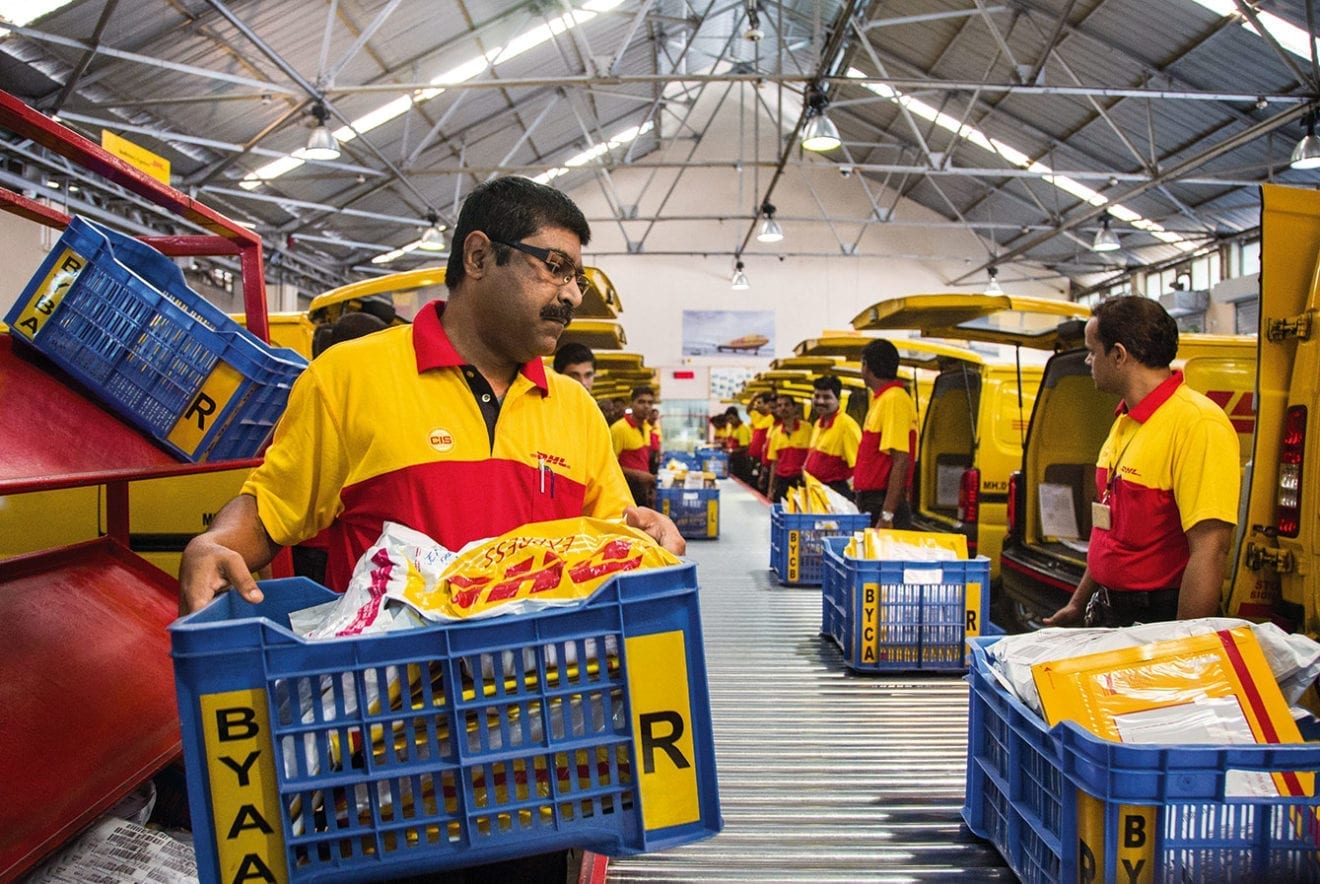
    Global logistics company DHL will set up its first Global Centre of Excellence (GCOE) in Malaysia at Iskandar Malaysia, the company announced today.

    The centre, which is expected to be operational in the second quarter of this year, will be set up by DHL in collaboration with Iskandar Innovations Sdn Bhd, a wholly-owned subsidiary of Iskandar Investment Bhd.

    The GCOE will provide supply chain consultancy services, and support businesses to design logistics solutions specific to some of Iskandar’s key industries including Automotive, Energy, Engineering & Manufacturing, Life Sciences & Healthcare and Technology.

    The centre also has the capabilities to power the region’s logistics ambitions with networking sessions and workshops where companies and industry experts come together to share best practices, to brainstorm innovative ideas that will form the future of Iskandar Malaysia.

    “We want to create an ecosystem within Iskandar Malaysia and to establish a single network that is conducive to all companies to explore and set up business in the region as their gateway to markets around the world,” GCOE Iskandar Malaysia managing director Philip Chu said in a statement.

    “Coupled with DHL’s sector-specific experience, it will underpin the bespoke logistics solutions that the GCOE will offer to the local industry.”

    Iskandar Investment president and chief executive officer Datuk Khairil Anwar Ahmad, meanwhile, said the creation of the GCOE will push the Iskandar region to the next level.

    “A strong base of logistics solutions and talent will not only allow the Iskandar region to achieve its ambitions of becoming an ASEAN supply chain hub, but also provide vital trade connectivity between its core industries and overseas markets where opportunities are aplenty,” he said.

    “As Iskandar’s population and foreign investment levels continue to rise steadily, the GCOE will play a strategic role in creating the job opportunities and export growth that underpin the region’s economic plans for the future.”

    DHL president, Global Fast Growing Enterprise and Regional head, Customer Solutions and Innovation Asia Pacific, Alfred Goh said the new GCOE could be linked to other GCOEs in the group.

    “The establishment of the GCOE will bring Iskandar’s supply chain capabilities up to speed with those of other logistics hubs in the region, including nearby Singapore where DHL has already run a Supply Chain Centre of Excellence (SCCE) for the last 10 years,” he said.

    “By complementing pure logistics skills and solutions with broader business development, market insights, and networking with key decision-makers around the world, we believe the GCOE will help Iskandar align its logistics investments with global demand and market forces more closely than ever before.”

    DHL had in 2007 established a similar SCCE in neighboring Singapore that delivered multi-million-dollar returns within its first 36 months of operation.

  • FedEx Hacked, Says No Data Compromised

    FedEx Hacked, Says No Data Compromised

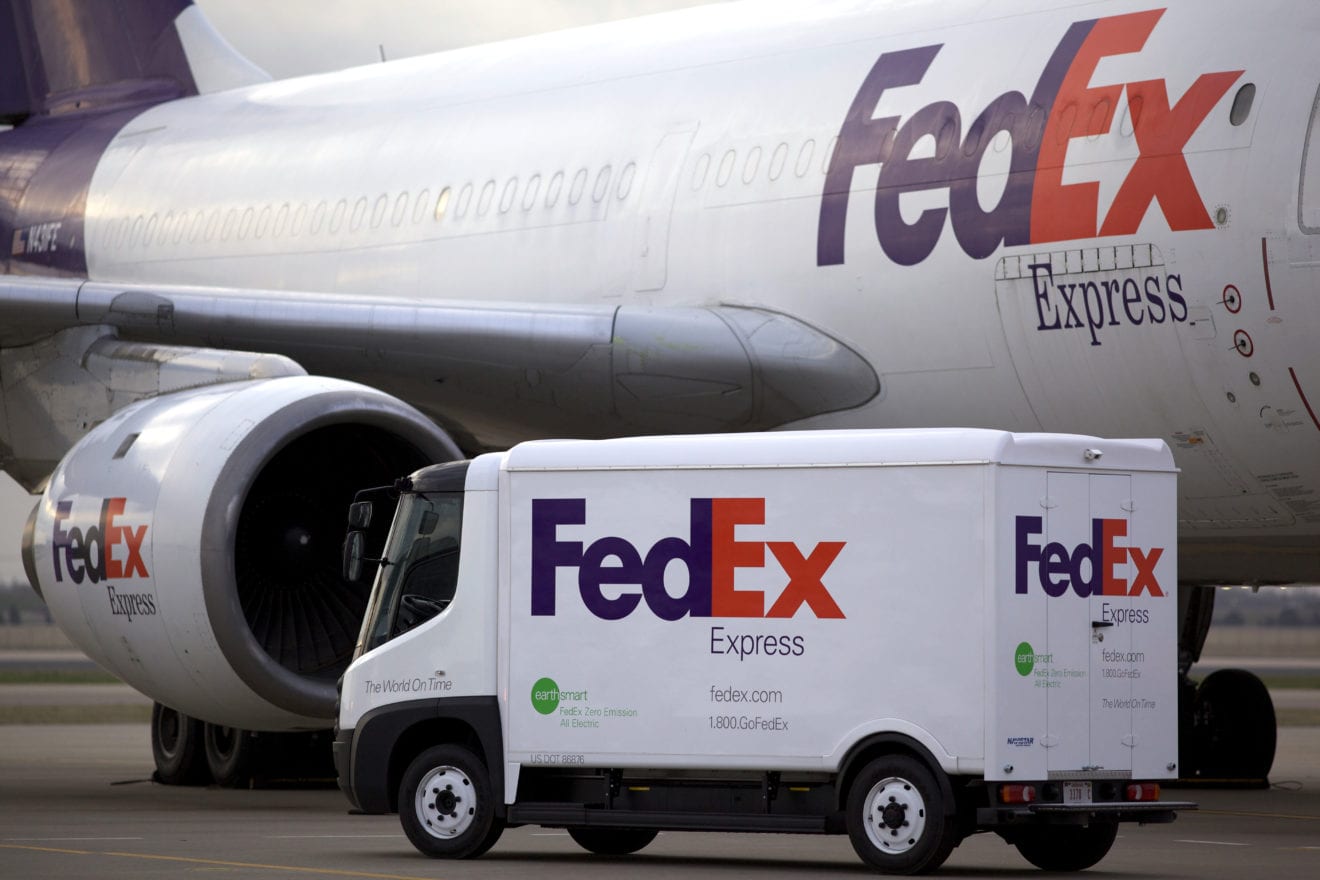
    FedEx said that it has found no evidence that private customer data was “misappropriated” when it was made visible on an unsecured server earlier in February.

    According to news from Reuters, the server that was made visible contained more than 119,000 scanned documents from U.S. and international citizens, including passports, driver’s licenses and security identification. The potentially compromised data had been stored on an Amazon S3 storage service and was collected by Bongo International, which FedEx had acquired in 2014. Bongo, which added up international shipping prices, was terminated by the company.

    “After a preliminary investigation, we can confirm that some archived Bongo International account information located on a server hosted by a third-party, public cloud provider is secure,” FedEx spokesman Jim McCluskey said in a statement. “We have found no indication that any information has been misappropriated and will continue our investigation.”

    The spokesman would not clarify which records were secure, and he wouldn’t disclose whether or not the company involved the authorities.

    The potential breach in data privacy comes as stocks from FedEx and its rival UPS have been under pressure after reports surfaced that Amazon was getting into the delivery market in a bigger way. The service, which is known as “Shipping with Amazon,” is launching in Los Angeles and possibly other locations, a person who has knowledge of the program told Reuters.

    Once investors got wind of the news, shares of both FedEx and UPS slid more than 4 percent late last week. Still, both delivery services — and analysts — are downplaying concerns the experiment is a threat to the business of FedEx or UPS in the near future. Cowen and Co Analyst Helane Becker, for example, said Amazon would have to spend an estimated $100 billion to build a network and acquire the equipment to go up against FedEx and UPS.

  • DHL Express launches inaugural passenger-to-freighter A330-300

    DHL Express launches inaugural passenger-to-freighter A330-300

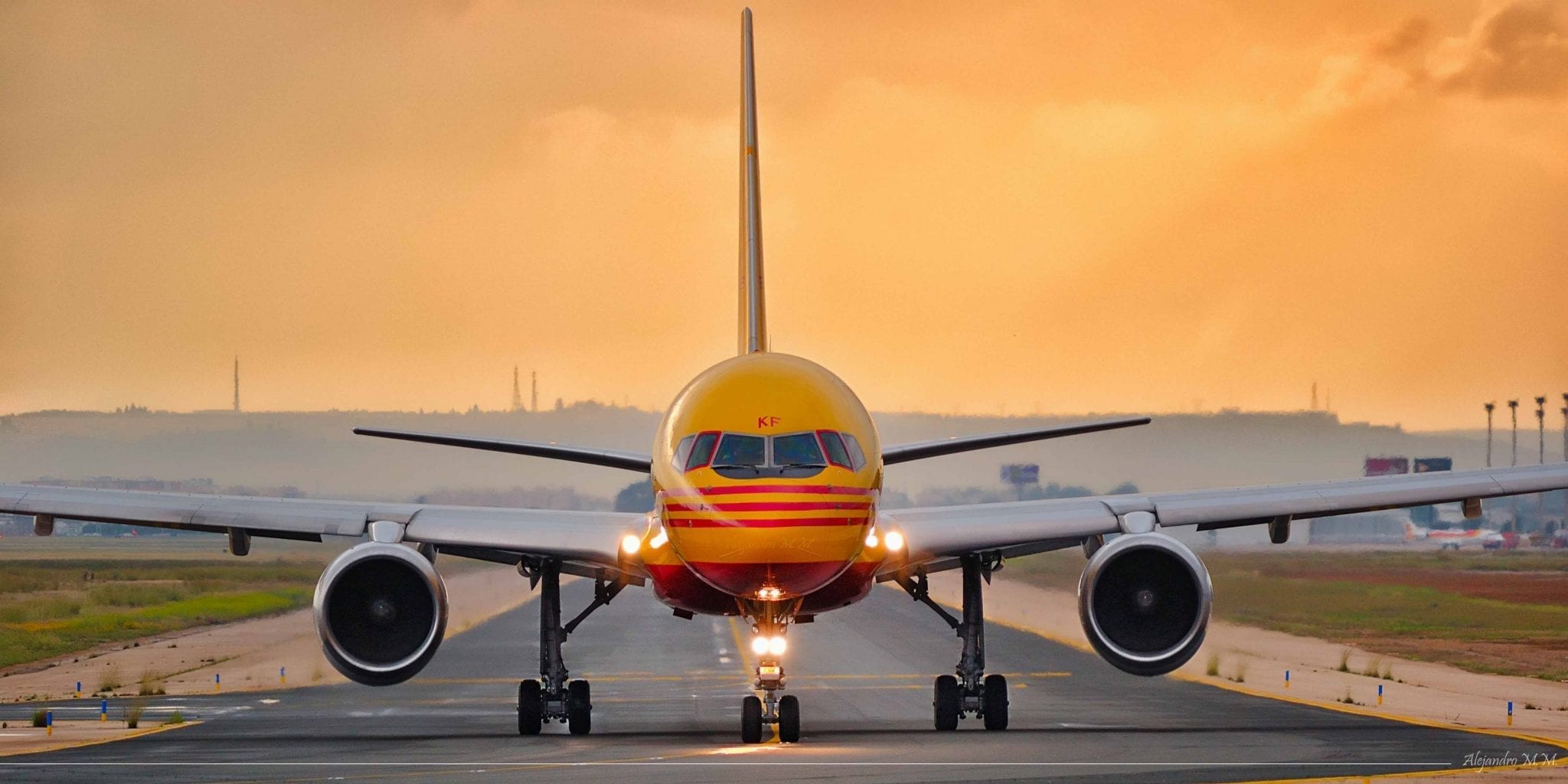
    DHL Express has welcomed its first ever Airbus A330-300 aircraft at its Penang Gateway, making Malaysia the first country in the world to operate the first of its four A330-300s.

    In a statement today, the international express services provider said the A330 will join the DHL Express fleet under a new passenger-to-freighter (P2F) deal with Elbe Flugzeugwerke (EFW), a joint venture between Airbus and Singapore Technologies Aerospace.

    DHL Express Malaysia & Brunei managing director Christopher Ong said Asia Pacific is one of the fastest growing regions driven by e-commerce trade.

    “By welcoming our first A330-300 P2F aircraft, we are ready to service increasing e-commerce volumes from Malaysia, which is expected to show a compound annual growth rate (CAGR) of 17.9% from now to 2022,” he said.

    He added that Malaysia’s trade performance is expected to maintain its growth momentum and hit RM1.8 trillion in 2018.

    “Being the only logistics company in the world to own and operate the A330-300 P2F aircraft, DHL will be able to enhance service standards and match e-commerce merchants’ and buyers’ demands,” he said, adding that the flight will be servicing the Vietnam and Hong Kong markets.

    Ong said the company’s improved capabilities will further support Malaysia’s economy by facilitating its customers’ access to the global markets, while embracing the fourth industrial revolution.

    With 33 per cent more freight capacity per flight, DHL Express said it aims to strengthen their delivery capabilities across its network, while enhancing its capacity to deliver more shipments than ever before.

    The A330-300 P2F will provide additional high-volume, low-density capacity in Malaysia with a gross payload of 61 metric tons.

    It will also import and export goods six times weekly from Penang to Hong Kong. The converted A330-300 P2F features a range of updates including reinforcements to its fuselage, floor structure, door frame shell, newly-installed safety barrier nets and a powered cargo loading system.

    “Our eyes are fully set on investing in the future. We have pioneered passenger-to-freighter conversions since 1997, and our innovation in efficiently expanding our fleet is aimed at further strengthening the DHL Express regional network,” said Ong.

    DHL Express said the Penang Gateway will continue to play a major role in facilitating greater connectivity to the key markets with a total fleet of two aircraft, 30 vans, 25 trucks and nine bikes.

  • Vietnam aims to reduce property speculation in HCMC

    Vietnam aims to reduce property speculation in HCMC

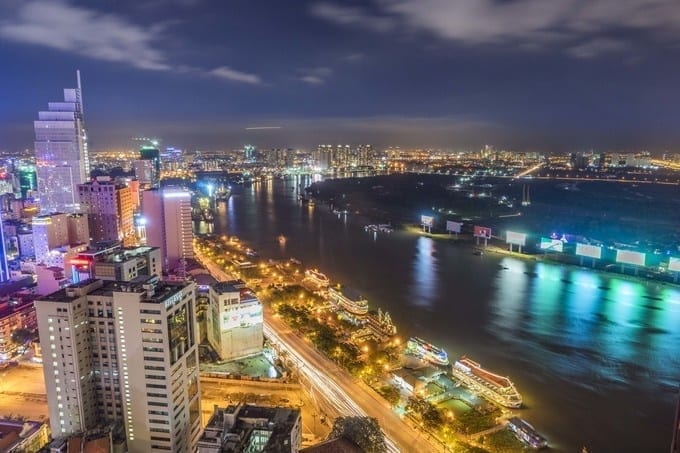
    The People’s Committee of HCM City has proposed to impose a tax on apartments and houses which are sold within one year after purchasing, aiming to reduce speculation and ensure stability in the estate market.

    The People’s Committee has submitted the proposal in its property market development project for the 2016-20 period with an orientation to 2025 and a vision to 2030 to the National Assembly and the Government.

    The project was approved by the city by the end of last year. It provided evaluations on advantages and shortcomings of the market as well as development orientation.

    The city’s property market still lacks transparency, causing speculation, it cited. Individual investors buy houses and land not for the purpose of accommodation or rental but with the intention of quickly reselling them for profit. However, the home buyers did not pay for asset taxes and additional income. Sometimes, the investors held a majority of transactions in the market, making land and house prices increase and reducing supply for people seeking to buy homes to live in.

    HCM City therefore proposed that the Government should review regulations relating to taxes on estate transactions to encourage people to truthfully declare the value and additional income from the transactions. This could help the market develop transparently and healthily.

    In addition, the project also suggested building an annual tax collection mechanism for land and estates increasing in value, which would create new funds for the Government to improve infrastructure.

    It also proposed other solutions such as imposing a high tax rate on a buyer’s second home.

    The city asked the Government to issue the urban and construction bonds, mobilising capital from banks and credit institutions as well as a mechanism to attract investment into infrastructure.

    In the short-term, the Government could allow a pilot implementation of some new financial tools such as housing saving funds or a real estate investment trust (REITS) to diversify capital resources in the estate market.

    The city proposed that the Government replace the calculation of land use payments with a fixed tax rate of 10-15 per cent.

    Read more at https://vietnamnews.vn/economy/424089/hcmc-aims-to-reduce-property-speculation.html#eGfjysbqGIY62cdx.99

  • Hong Kong’s Tsui Wah to open outlets in Singapore

    Hong Kong’s Tsui Wah to open outlets in Singapore

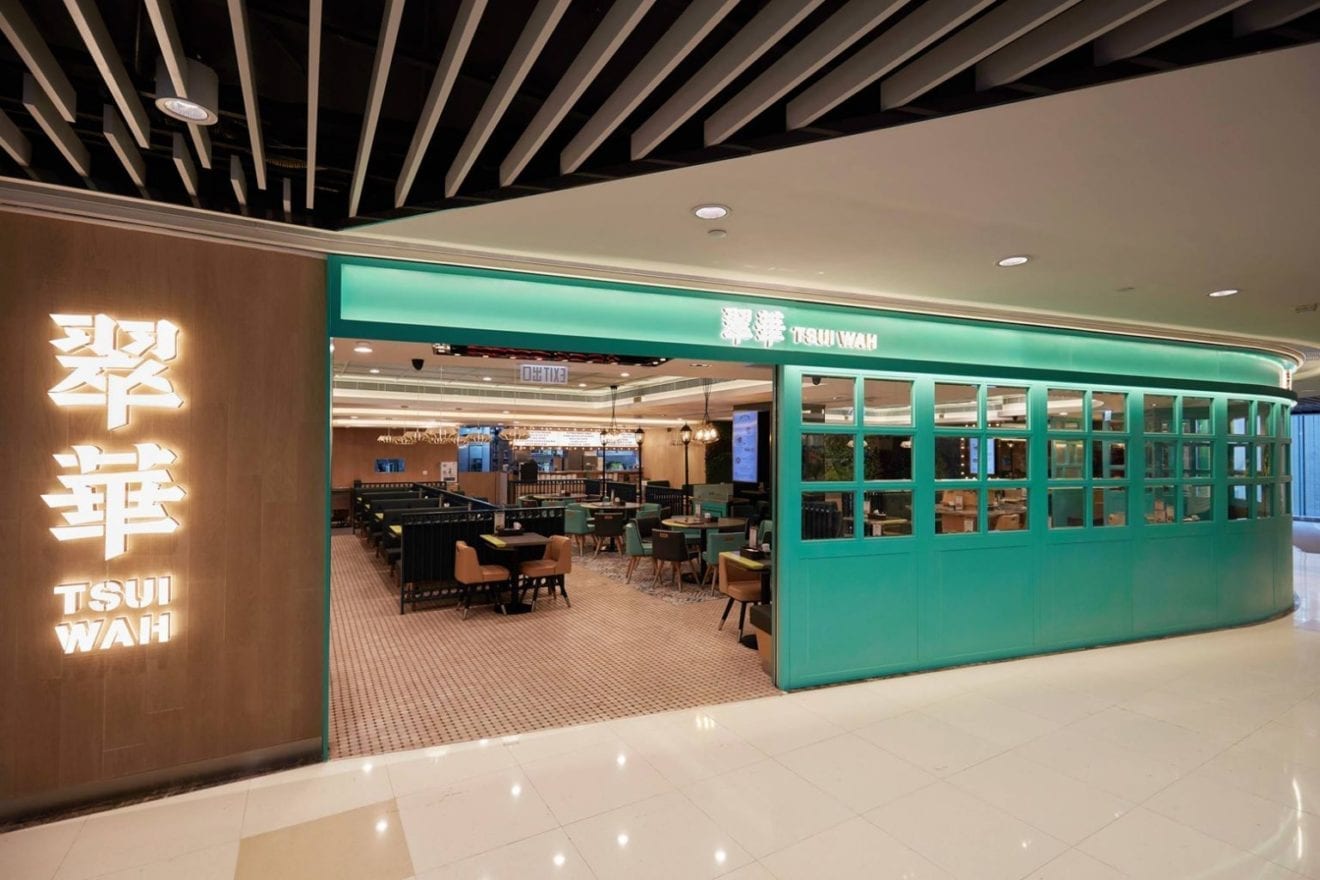
    Singapore listed restaurant business Jumbo Group has signed a JV agreement with Kang Wang Holdings, a wholly owned subsidiary of Tsui Wah Holdings, to take the Hong Kong-style Cha Chaan Teng under the Tsui Wah brand into Singapore.

    It will be a 49:51 JV between a Jumbo subsidiary and Kang Wang. It has also entered into a franchise agreement with Tsui Wah International Patent, which will give the JVC the right to use the Tsui Wah trademarks and trade names in Singapore.

    The Tsui Wah Group has about 70 outlets in Hong Kong, Macau and China, and this will be it first entry into the South-east Asian consumer market.

    Jumbo says it will fund its share of investment of S$244,998 (US$186,400) in the JVC using internal resources. The agreement covers an initial 10 years.

    Founded in the Mongkok neighbourhood in 1967, the brand is known for its fishball noodles, bottled Hong Kong milk tea and crispy bread drizzled with condensed milk. At the end of January, it had 32 outlets in Hong Kong, 35 in China and three in Macau. Despite a dip in revenue, the group managed to grow its first-half profit, according to its interim results.

    “This is part of our strategy to grow our network of restaurants, and to further strengthen our foothold in Singapore,” says Jumbo group chief executive/executive director Ang Kiam Meng.

    The location of the first outlet has yet to be revealed.

  • SOS Carved Into former Indonesian Palm Oil Plantation remind People

    SOS Carved Into former Indonesian Palm Oil Plantation remind People

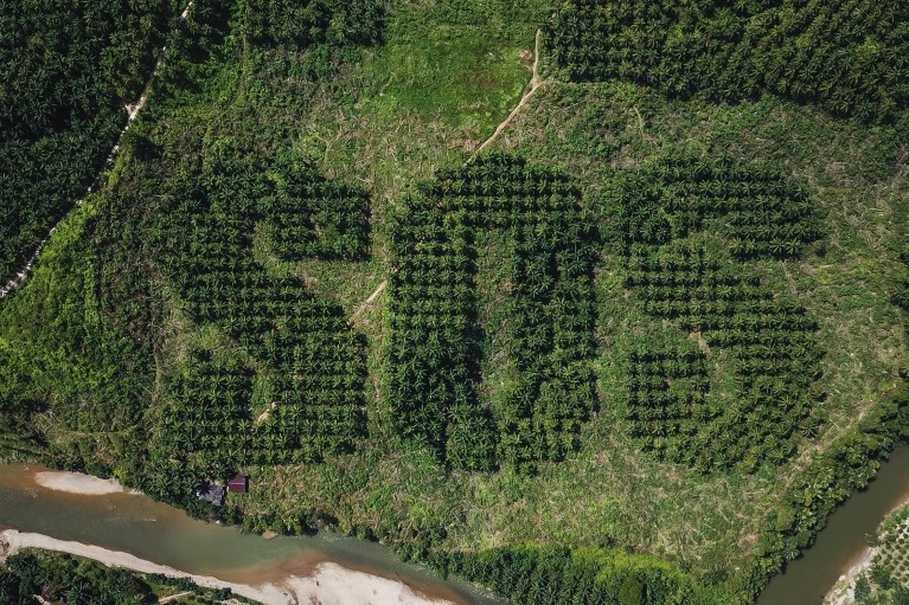
    A Lithuanian artist has carved a giant SOS message into an Indonesian palm oil plantation to draw attention to the damage done by deforestation.

    Ernest Zacharevic curated the “Save Our Souls” project as part of a campaign on the impact palm oil plantations have on tribal communitieglobes and endangered species such as the orangutan.

    “We, as consumers, are so detached from the source of our commodities that we are no longer able to see the consequences of our daily choices,” Zacharevic said.

    “I wanted to communicate the magnitude of the problem.”

    The giant SOS signal, which he completed last month, runs for about half a kilometer inside a plantation in North Sumatra, and can be seen from the air. The land will be replanted with native tree species, he said.

    Environmentalists say land-clearing for agricultural plantations in Indonesia, the world’s biggest palm oil producer, is responsible for forest destruction. Forest cover has dropped by nearly a quarter since 1990, according to World Bank data.

    Zacharevic’s SOS comes amid growing pressure on corporations to adopt sustainable practices. PepsiCo and British cosmetics firm Lush have committed to ending the use of palm oil – which is found in products from soap to cereal – or ensuring their supply is ethical.

    Last month, consumer goods giant Unilever said it had laid bare its palm oil supply chain to boost transparency.

    Indonesia has been a focus of global efforts to rein in greenhouse gas emissions caused by the deforestation of swampy, carbon-rich peatlands to make way for plantations for industries such as palm oil, pulp and paper.

    These forests are often in remote areas long inhabited by indigenous peoples, who might not have documents proving ownership or be able to contest land acquisitions in the resource-rich Southeast Asian nation.

    The forests are also home to dwindling wildlife populations. There are only about 14,600 orangutans remaining in the wild in Sumatra, conservationists estimate.

    The Splash and Burn campaign – a play on the slash and burn method used to clear forests for plantations – is supported by the charity, Sumatran Orangutan Society, and Lush.

    “We are all contributing to the destructive effects of unsustainable palm oil, whether it is by consuming products or supporting policies that affect the trade,” Zacharevic said.

    “This project is an effort to appeal to the consciousness of a wider audience.”

  • Prada not looking good outside China

    Prada not looking good outside China

    Global Prada sales fell 3.8 per cent last year – but rose 4.6 per cent in greater China.

    For all of Asia, the Italian luxury fashion brand’s sales were down 1.2 per cent, but in Japan, which it treats as a separate regional market, sales slumped 14.6 per cent.

    The group’s net income for the 12 months was €248.9 million, or 8.1 per cent on net revenues.

    Prada says it has made further progress on updating Prada and Miu Miu stores to meet the brands’ new aesthetic concepts; Church’s stores are next in line for restyling.

    Meanwhile, the group says its sales plan was supported by bold action on the digital front even as physical retail remained at the centre of its omnichannel strategy. During the year the group strengthened its partnerships with major online sales outlets.

    “Moreover, the direct e-commerce channel is growing: it has been enlarged in scope and the new graphic and functional version of the Prada.com website, unveiled in China in December, will be gradually expanded to all countries this year.

    In various markets the group has been promoting “pop-up” events in shopping malls to launch products and emphasise brand identity.

    As well as the Prada, Miu Miu, Church’s and Car Shoe brands, the group also works in the eyewear and fragrance industries under licensing agreements, and has entered the food industry with the acquisition of Pasticceria Marchesi 1824.

    Prada products are sold in 70 countries through a network that includes 625 directly run stores and a network of luxury department stores, independent retailers and franchise stores.