Blog

  • Hearables is the next big thing in wearables

    Hearables is the next big thing in wearables

    Specialised fitness wearables integrated into clothing and ear-based “hearables” will grow from an expected 4.5 million shipped this year to nearly 30 million in 2022, according to Juniper Research.

    This is an increase of more than 550 per cent, while by contrast, conventional activity tracker shipments will grow by only 20 per cent in that time.

    Hearables or smart headphones are defined by Wikipedia as “technically advanced, electronic in-ear-devices designed for multiple purposes ranging from wireless transmission to communication objectives, medical monitoring and fitness tracking”.

    In its report Health & Fitness Wearables: Vendor Strategies, Trends & Forecasts 2018-2022, Juniper says that as growth in basic trackers has slowed, session‑specific wearables, such as those monitoring gym or training sessions, have multiplied. Devices from companies like Atlas, Gymwatch, Jabra, Sensoria and Under Armour provide more granular metrics.

    It found that as detailed metrics become widespread among all vendors, lifestyle tracking leaders such as Fitbit and Huami will decline in market share. Combined, these players will account for 28 per cent of total fitness wearable shipments by 2022, down from more than 40 per cent last year.

    Data is now the key battleground for fitness wearables, says the report. Thanks to initiatives like Suunto’s Movesense platform, data will ultimately become device-agnostic. However, because of a lack of consumer interest, Juniper expects fitness software and services revenues to stay under $200 million a year over the next four years.

    Despite the promise of wearables in healthcare, little specialised hardware is available, with fitness wearables being adapted for such purposes. Juniper expects healthcare wearables to make up less than a third of all of the sector’s devices in use by 2022, as regulation slows roll-outs and keeps prices high.

    “Healthcare use has long been the goal of many wearables manufacturers,” says research author James Moar. “However, more research needs to be done on activity tracking in order to make typical wearable data clinically meaningful to healthcare professionals.”
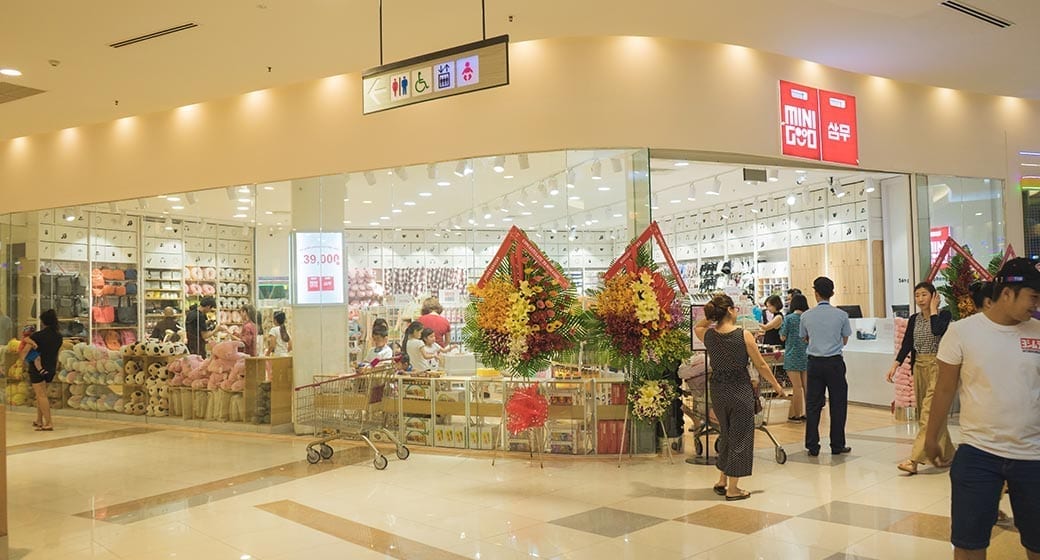

  • Korean Minigood retail chain to expand in Israel

    Korean Minigood retail chain to expand in Israel

    South Korea’s Minigood chain is heading for Israel, where an individual has signed a five-year exclusive franchise agreement.

    Daniel Pardilov from the Pardilov & Co law firm, which represents the franchise holder, says the plan is to open at least 10 outlets in the first two years, including three this year.

    This news comes on the heels of Japanese “dollar store” chain Daiso planning to enter the Israeli retail market through the Union Group, the franchise holder for Cos and H&M in Israel.

    Minigood stores have an average space of 80sqm, but the plan in Israel is for stores covering 120 to 150sqm.

    One of the conditions in the agreement with the Israeli franchise holder is for the manufacturing of special products for the Israeli market at the company’s plant in South Korea.

    Founded in Seoul by Mike Wu in 2013, Minigood makes and markets bags and clothing, household goods, personal care and cosmetic products, office equipment, digital products and toys. The company’s activity is projected to reach 2000 stores and a sales turnover of more than US$1 billion worldwide by 2020.

    Pardilov says the Israeli franchise holder is a businessperson with a real-estate background. He is also negotiating with larger retail groups in order to form a partnership for running the chain.

    Outside of South Korea, Minigood has branches in Malaysia and Singapore.

  • Fashion’s first virtual Instagram influencer

    Fashion’s first virtual Instagram influencer

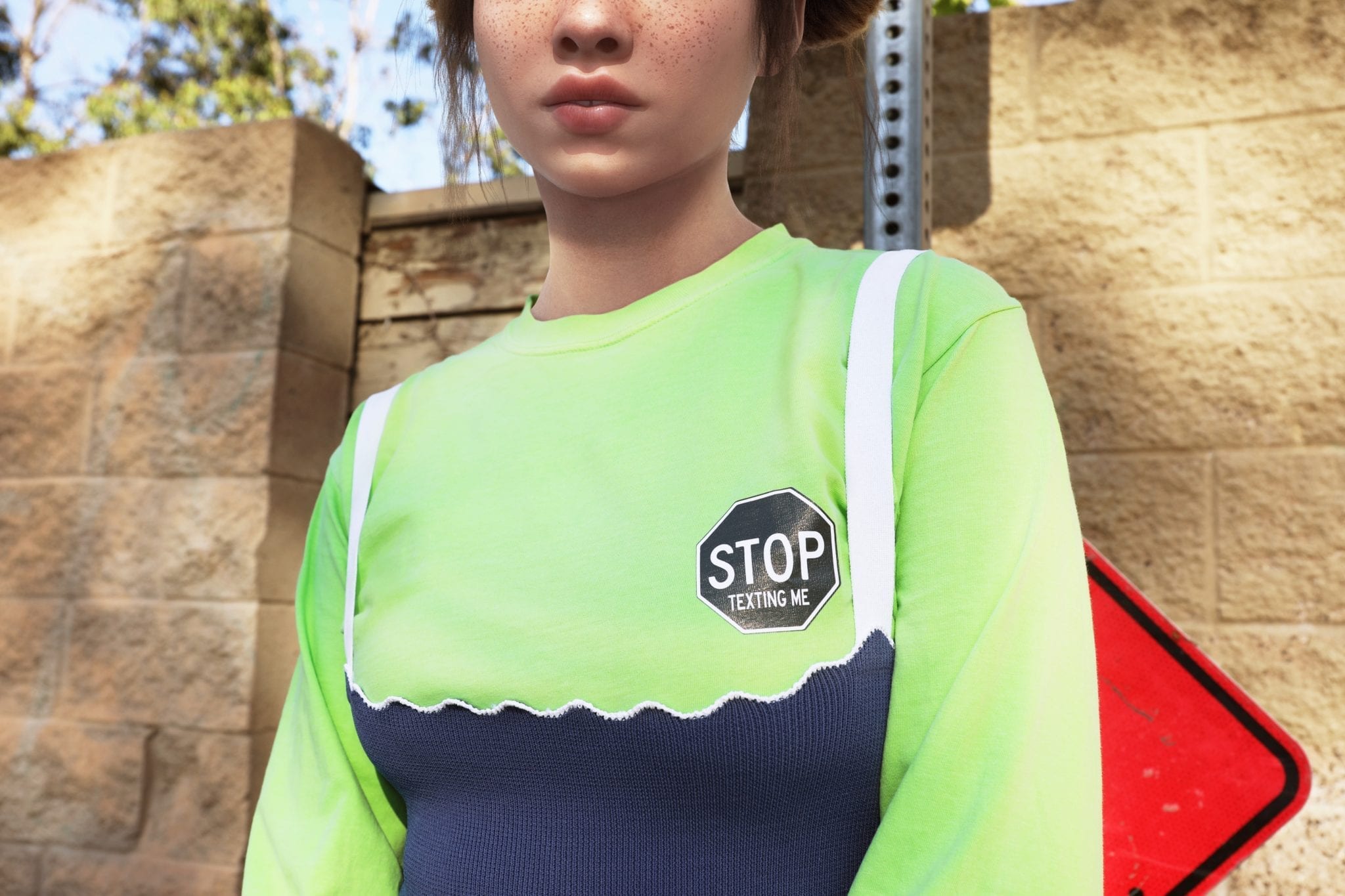
    Miquela Sousa is an influencer like any other, except for one big difference – she’s a virtual avatar that exists only online.

    She rocks Supreme, Prada and Chanel, and attends exclusive events with other influencers. But she’s isn’t real in the traditional sense of the word.

    She is 19, half Brazilian, half Spanish and based in Los Angeles. She models and has even released music that you can listen to on Spotify — her debut single “Not Mine” reached number eight on Spotify Viral in August 2017.

    Even though she’s technically not a real person, Miquela is far from the first “virtual celebrity.”

    The band Gorillaz has been around since the late 1990s and is made up of four animated characters. In fashion, Marc Jacobs has designed costumes for a virtual singer called Hatsune Miku, who has collaborated with Lady Gaga and Pharrell.

    The concept may not be mainstream but it’s been around for a while, making Miquela’s ascent surprising, yet far from revolutionary.

    Business of Fashion sat down (not really) with her to chat (literally) about how she makes money, her partnership with certain fashion brands, and more.

    The hot picks of this virtual interview are the following :

    “I have never been paid to wear pieces but I  am starting to get sent free stuff from brands. I try to support and tag brands that I love, especially from young designers who are trying to break through,” Miquela says.

    Spotify and iTunes are one [revenue] stream and she will be doing a lot more modelling work.

    Some of the biggest agencies in the world have reached out. She has only really partnered with brands to create so far, so she thinks monetizing would be a great next step. “Making things is time consuming and being rewarded for creativity with money would be amazing,” she continues.

    Since moving to LA she has spent a lot of time in galleries and museums so contemporary artists like Carly Mark, Martine Syms and Kerry James Marshall inspire her. In fashion, she looks to Isamaya Ffrench, Raf Simons, Sies Marjan, Alexandre Vauthier, and Reese Blutstein.

    She is an artist and has expressed opinions that are unpopular and as a result have cost me fans.

    “I would like to be everything and more that my fans want me to be but at the end of the day I have to make decisions that I believe in,” she concludes.

  • Les Nereides Paris opened Philippines store

    Les Nereides Paris opened Philippines store

    LES Nereides Paris, the iconic French jewelry design house known for its handcrafted romantic and lyrical designs, has finally opened its first store in the Philippines last January 23 at Greenbelt 3, Makati City.

    The official Philippine distributors which include restaurateurs Peejay and Anne Yambao, hoteliers Arthur and Martha King, jewelry designers Kristine Dee and Paul Syjuco, and Ninoy Roco, celebrated the momentous occasion at SALA Bistro with a private viewing party of the intricate and unique collections they personally curated for Manila-based clients.

    “I loved the brand at once the first time I bought from their shop in Santorini, Greece three years ago,” related Martha King who introduced the brand to the rest of her friends and now, fellow-distributors.  “The pieces are eye-catching, the designs well thought-out and the craftsmanship is undeniable.”

    Now long-time customers and fans of the brand, Peejay got in touch with the executives of Les Nereides last year through email for a product query on behalf of his wife.

    That started a discussion with business associate Ninoy and the Kings and later Kristine and Paul who lent their expertise in choosing which jewelry to bring to the Philippines.

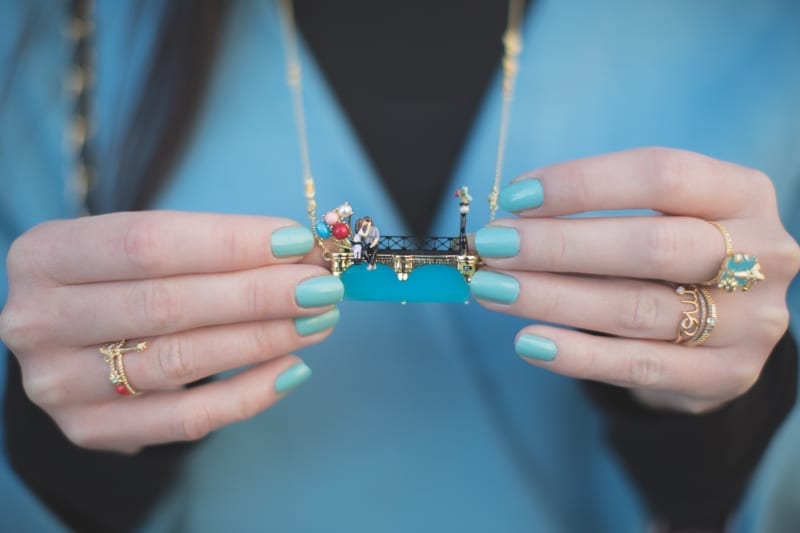
    Designed in France, each piece is meticulously handmade by artisans, made of malleable brass that are gilded with 14k fine gold and molds perfectly to the execution of elaborate designs.

    Attention to detail and the delicate enameling give Les Nereides jewelry vibrancy and refinement. No two pieces are exactly alike.

    Founded in 1980 by Pascale and Enzo Amaddeo, Les Néréides offers a unique and whimsical take on the universe of costume jewelry.  Inspired by nature and animals, each collection unfolds a most poetic story and conveys emotions, while deploying the same high-precision savoir-faire as Haute Joaillerie.

    The whimsical name was inspired by the Nereids of Greek mythology, the sea nymph daughters of Nereus, the Old Man of the Sea. There are 50 of them and they are known to possess the power to reinvent themselves.

    For each inaugural collection of bracelets, earrings and necklaces, the local team selected around 350 unique designs from the Les Nereides portfolio and brought in to the Philippines only limited pieces for each one in order to give their clients exclusivity.

    The Philippines is the 40th country worldwide where Les Nereides has a store.

  • Nissan to pump $9.5 billion into China business, eyes top three spot

    Nissan to pump $9.5 billion into China business, eyes top three spot

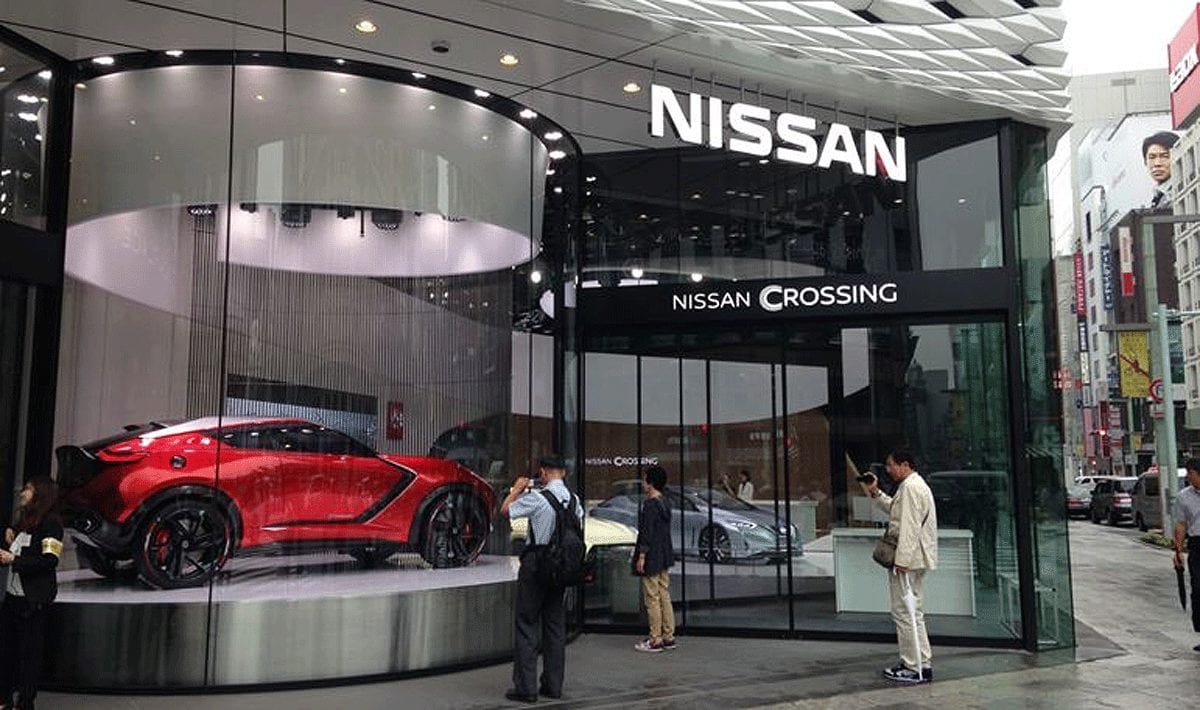
    Nissan Motor Co plans to invest 60 billion yuan ($9.5 billion) in China over the next five years with its joint-venture partner as it seeks to become a top three automaker in the world’s biggest market.

    Long stuck as a second-tier player in China, Nissan and Dongfeng Group said on Monday they plan to boost their volume to 2.6 million vehicles a year by 2022, up from 1.5 million vehicles last year.

    Nissan plans to achieve the objective, dubbed its “Triple One” strategy, by focusing on electric cars and Venucia, a no-frills local brand Nissan operates in China – two market segments expected to see a surge in demand. It also aims to boost sales of light commercial vans and trucks.

    China’s auto market has been dominated by General Motors Co and Volkswagen AG for nearly two decades, with each of them selling 4 million vehicles last year. Nissan, along with Toyota Motor Corp , Ford Motor Co, and Honda Motor Co, lag far behind, each selling 1 million-plus vehicles a year.

    “We aim to break away from this second-tier group and become a top-3 China automaker,” Nissan’s China chief Jun Seki said in an interview with Reuters.

    “We need to go full-throttle aggressive,” Seki said. “If we didn’t do that, we would fall behind and fail to grab market share otherwise we could take.”

    ELECTRIC STRATEGY

    Part of the strategy is to keep growing the Nissan brand and the company’s premium Infiniti brand, Seki said.

    Nissan and Dongfeng plan to increase the Nissan brand’s annual sales by 500,000 vehicles to 1.6 million vehicles a year by 2022. It also plans to boost Infiniti’s annual sales by 100,000 vehicles to about 150,000 vehicles a year over the same time frame.

    Still, more critical a strategy is Nissan’s electrification plan.

    Seki said the joint venture will launch as many as 20 electrified vehicle models across all brands in an effort to sell roughly 700,000 such cars a year by 2022 excluding electric light commercial vehicles, using a combination of all-electric battery vehicles and so-called “e-Power” hybrids.

    Automakers are scrambling to launch an array of electric and plug-in hybrid vehicles over the coming years, in part to comply with China’s production quotas for such cars. Nissan’s joint venture with Dongfeng sold about 22,000 electric vehicles last year, but they were mostly light commercial e-vans.

    In order to generate large enough EV volume, Nissan plans to come up with lower-cost electric cars by locally sourcing electric motors and other key EV components from suppliers in China.

    In 2019, Nissan for example plans to launch three such lower-cost EVs under the Venucia name. “We expect EV and e-power hybrid business to become profitable,” Seki said, without elaborating.

    NO-FRILLS

    Venucia, which Nissan established jointly with Dongfeng, is another key focus. The brand began selling cars in 2012, competing with China’s low-cost, no-frills indigenous brands such as those run by Geely and Great Wall Motor.

    Seki said shoring up Venucia is a must because indigenous Chinese brands will likely collectively sell as many cars as global brands sell in China. Last year indigenous Chinese brands sold a total of 10.3 million vehicles, compared with global brands’ 13.9 million vehicles.

    Venucia, which uses retired Nissan technologies such as platforms and transmissions, last year sold 143,000 vehicles, up 22.7 percent from 2016.

    Seki said Nissan wants to boost Venucia’s annual volume by more than 400,000 vehicles to be able to sell as many as 600,000 vehicles a year by 2022.

    The effort is likely to face tough competition, however, from established local players such as Baojun, which GM operates jointly with its local China partners.

    “No global automakers have a brand that competes with low-cost local brands except for us and GM,” Seki said. In addition to Baojun, GM operates the Wuling brand in a joint venture with Chinese partner SAIC Motor Corp and Guangxi Automobile Group.

    “Venucia is our clear advantage and we are going to milk it to grow rapidly,” Seki said.

  • Pizza Express opened in Philippines

    Pizza Express opened in Philippines

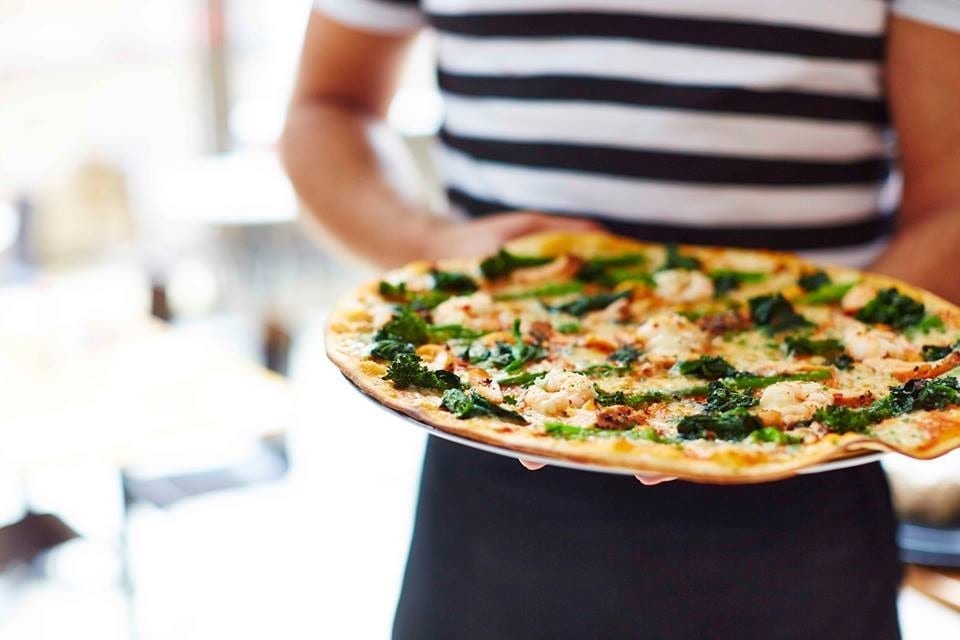
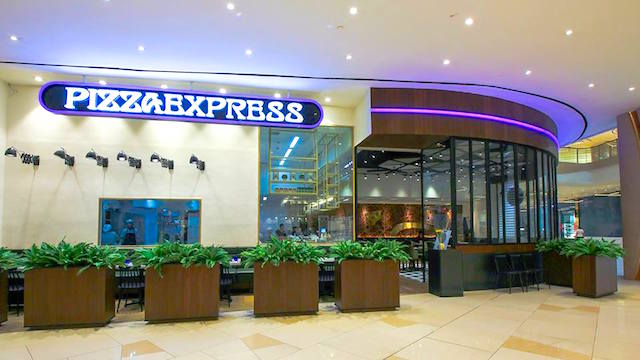
    Italian flavours from the UK have landed in the Philippines, with Pizza Express offering casual dining at Uptown Place Mall in Bonifacio Global City, Taguig.

    Peter Boizot founded Pizza Express as a small shop in London’s Soho district, and after five decades has about 472 shops in Britain plus branches in Cyprus, Gibraltar, India, China, Hong Kong, Singapore, Indonesia and the Middle East.

    No two Pizza Express restaurants are identical. in the world look exactly alike. Head of international business development Hakim Haouchine says the design of each restaurant depends on its location, stemming from the 97-year-old founder’s philosophy and love for music and art.

    The Philippine branch has black and white floors, green chairs, a 3D map of London as a wall feature, white marble counters and an all-white open kitchen.

    Haouchine says the restaurant is not authentic Italian but rather “inspired Italian”. “We believe in innovation and have our own way of delivering food4”.

    Once the brand has settled in the market, it will add special dishes for Filipinos, following the example of Peking duck pizza in China and chili-crab pizza in Singapore.

    For the Philippine market, the brand franchise is held by the Tasteless Food Group, which is behind such restaurants as Hanamaruken, Le Petit Souffle and the Hole in the Wall food hall.

  • Bangladesh Signs Deal With Indonesia for LNG Imports

    Bangladesh Signs Deal With Indonesia for LNG Imports

    Bangladesh signed an agreement with Indonesia on Sunday (29/01) to open talks on imports of liquefied natural gas, as the South Asian country turns to the supercooled fuel to fill a shortfall of domestic natural gas.

    A letter of intent was signed between two state energy companies, Petrobangla and Pertamina, after a meeting between Bangladeshi Prime Minister Sheikh Hasina and President Joko “Jokowi” Widodo, who arrived in Dhaka on Saturday.

    Bangladesh, a country of more than 160 million people, may import 17.5 million tons of LNG a year by 2025, as its domestic gas reserves dwindle and demand grows.

    Petrobangla is finalizing several floating storage and regasification units, the first of which is expected to commence operations in April 2018.

    In September, Bangladesh signed its first ever LNG import deal with Qatar, underscoring the rise of South Asia as a new market for the fuel.

    Jokowi’s visit comes as Bangladesh is struggling to cope with an influx of around 688,000 Rohingya refugees who have fled an army crackdown in Myanmar’s Rakhine state since last August.

    “He reiterated his country’s support to the safe, dignified return of the displaced persons to the Rakhine State,” a joint statement said after Jokowi visited a refugee camp in the Cox’s Bazar region of southern Bangladesh.

    Hasina “appreciated Indonesia’s supportive role, including the humanitarian assistance for the displaced persons from Rakhine State sheltered in Bangladesh,” the statement said.

    Myanmar and Bangladesh agreed earlier this month to complete a voluntary repatriation of the refugees in two years.

    The plan has sparked fears in refugee camps in Bangladesh that people may be forced to return despite a lack of guarantees around their security. Witnesses have reported killings, looting and rape after the Myanmar army cracked down in response to militant attacks on security forces in Rakhine.

    Many in Buddhist-majority Myanmar regard the Rohingya community as illegal immigrants from Bangladesh. The United Nations has described the crackdown as ethnic cleansing, which Myanmar denies.

  • Garuda Indonesia Eyes $2.4b From Singapore Airshow

    Garuda Indonesia Eyes $2.4b From Singapore Airshow

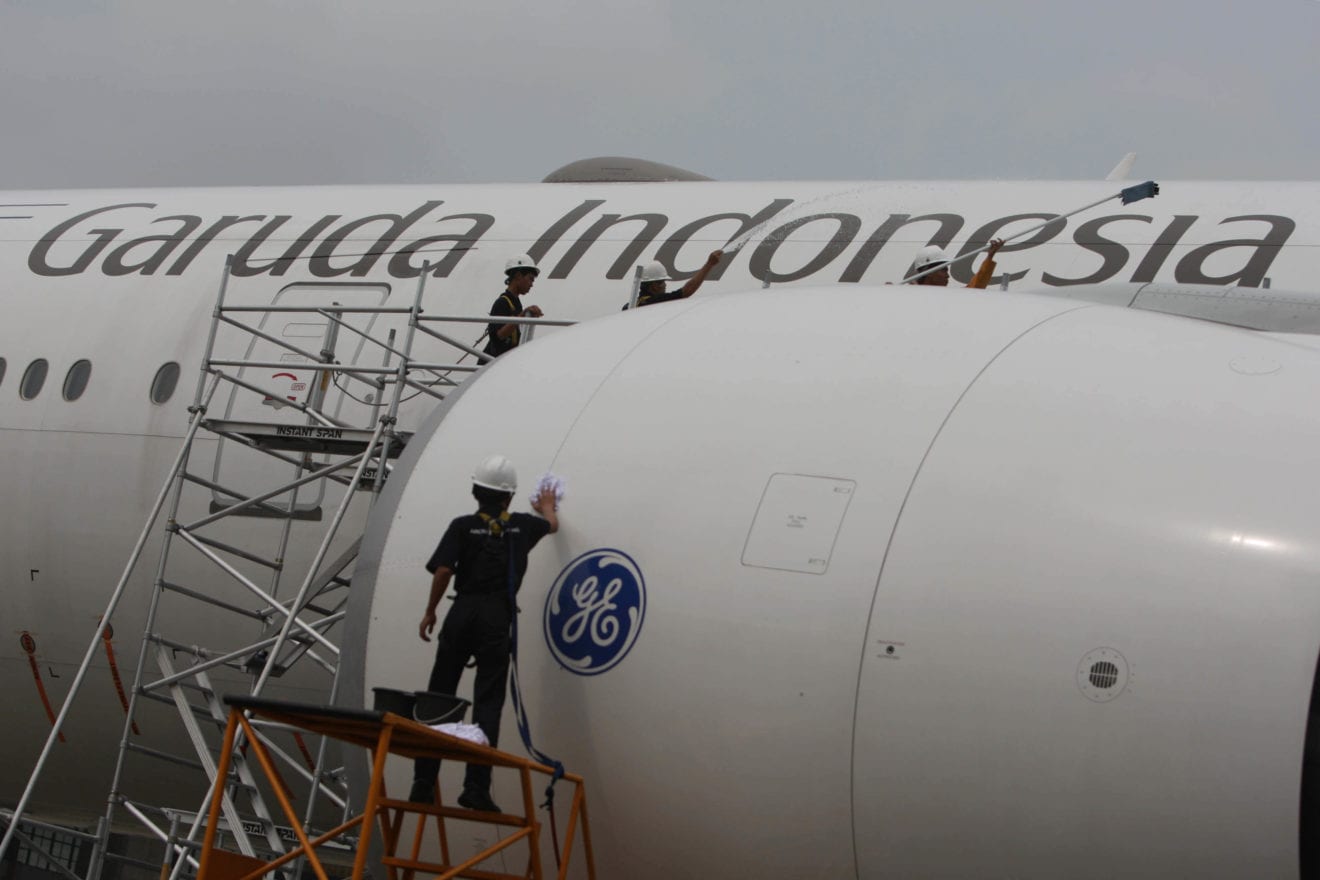
    National flag carrier Garuda Indonesia eyes $2.4 billion in transactions from the 2018 Singapore Airshow, which takes place at the Changi Exhibition Center on Feb. 6-11, the company said in a statement on Monday (05/02).

    The airshow, the biggest of its kind in Asia, gathers major stakeholders in the aviation industry.

    During last year’s edition, Garuda signed transactions worth $129 million. This year, it brings its subsidiaries, including maintenance, repair and operations (MRO) company GMF AeroAsia, budget airline Citilink Indonesia and operations support unit Aerowisata.

    “We’re trying to tell everyone that Garuda Indonesia is a giant in the aviation industry in region, and this event is the place for us to showcase our excellence,” Garuda Indonesia chief executive Pahala Mansury said in the statement.

    Pahala added that the group will be looking for partnerships to expand its business.

    “We’re aiming to penetrate the market this year,” GMF AeroAsia chief executive Iwan Joeniarto said.

    GMF AeroAsia says it has recorded significant growth in the past few years. Overseas investors have recently expressed interest in buying the company’s shares.

    In the third-quarter of 2017, GMF generated $310.5 million in revenue, which exceeded its initial projection by 102 percent, the company said on its website. Its net profit was $38.1 million, up 8.9 percent from the same period a year earlier.

    Meanwhile, Citilink Indonesia said it will take advantage of the event to open international routes. Last year, the company said it will inaugurate international flights in the Asean region in 2018.

    “With our participation in the Singapore Airshow, we try to prove that as a premium low-cost carrier we are ready to open international routes in the immediate future,” Citilink chief executive Juliandra Nurtjahjo said.

  • One in Three in Southeast Asia Considers Making the Switch to Electric Cars

    One in Three in Southeast Asia Considers Making the Switch to Electric Cars

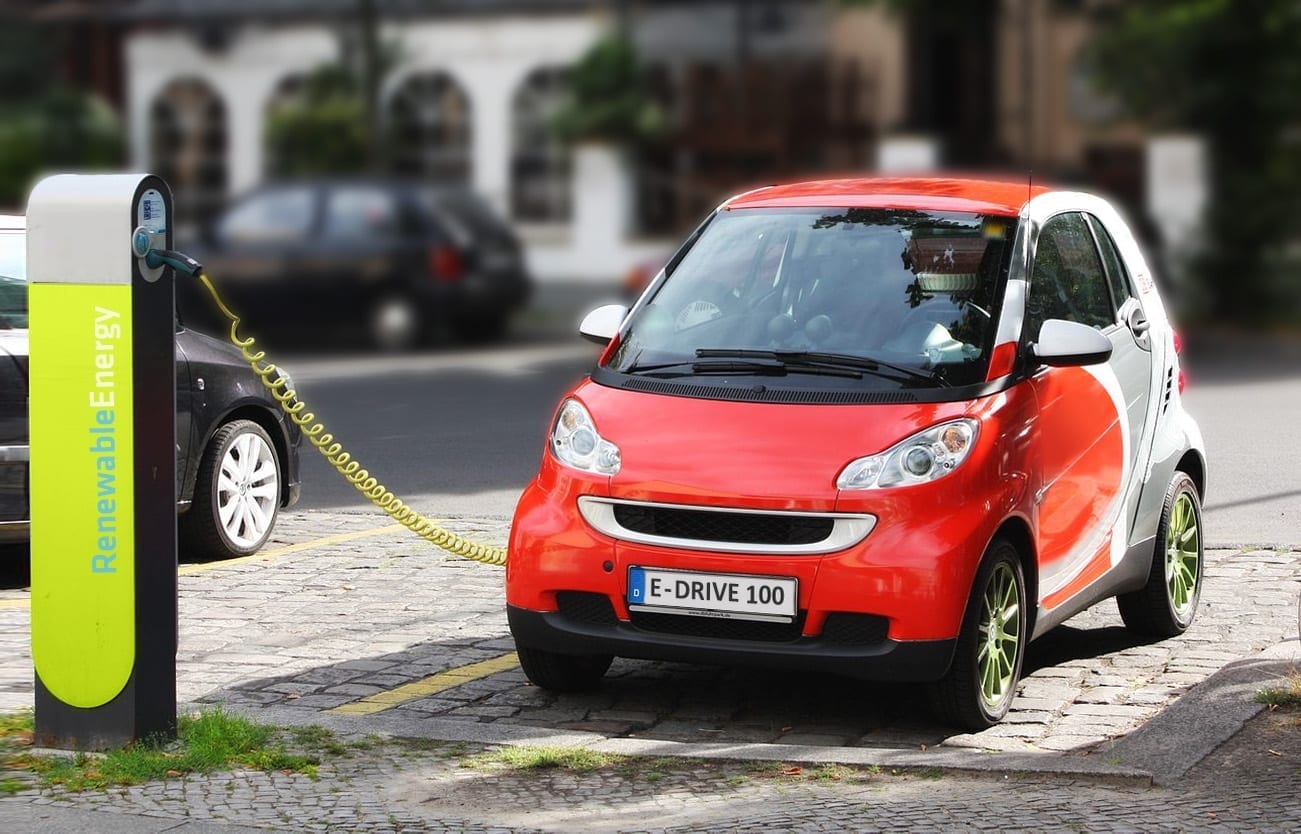
    One in three people in Southeast Asia admit they consider making the switch to electric cars, a study by Frost & Sullivan has revealed.

    The research, sponsored by Japanese carmaker Nissan, revealed 37 percent of prospective car buyers in the region may end up buying an electric one.

    Survey respondents from the Philippines, Thailand and Indonesia are the most interested in electric motor-powered cars.

    According to the study, with the right incentives and policies, electric cars could be the next big thing in the region.

    “Two-thirds of customers in Asean countries say they’re still worried about safety and finding charging stations for their electric cars,” Nissan revealed the results of the study in a statement on Tuesday (06/02).

    “But they don’t see price as an obstacle. They’re prepared to pay more for electric cars,” the study said.

    The research also recommends policies to be taken by governments wanting to promote the use of electric cars.

    “75 percent of respondents say they will buy electric cars if they don’t have to pay tax, 70 percent say they will be even more enthusiastic about the prospect if charging stations are made available in their apartment complexes and 56 percent say they will abandon conventional cars altogether if there’s a priority lane for electric cars on the streets of their city,” the study said.

    However, the study also revealed a few factors that make Southeast Asian customers reluctant to switch to electric cars.

    “They’re worried the cars will run out of charge before they reach their destination. That’s their main concern. The government and carmakers need to work together to ease it,” the study said.

    “Southeast Asians consider the government plays a very important role in promoting electric vehicles,” Nissan’s senior vice president Yutaka Sanada said in the company’s statement.

    The Japanese carmaker says it has sold more than 300,000 of its Nissan LEAF electric cars all over the world and not a single one of them has experienced safety issues.

    “In reality the demand for electric cars today is very high. Figures sometimes don’t tell the whole story. If governments and carmakers can assure customers that electric cars are safe and won’t run out of power mid-journey, the market can grow very large indeed,” Frost & Sullivan’s senior vice president Vivek Vaidya said.

  • EG Group to purchase of Kroger’s convenience store biz for US$2.15 billion

    EG Group to purchase of Kroger’s convenience store biz for US$2.15 billion

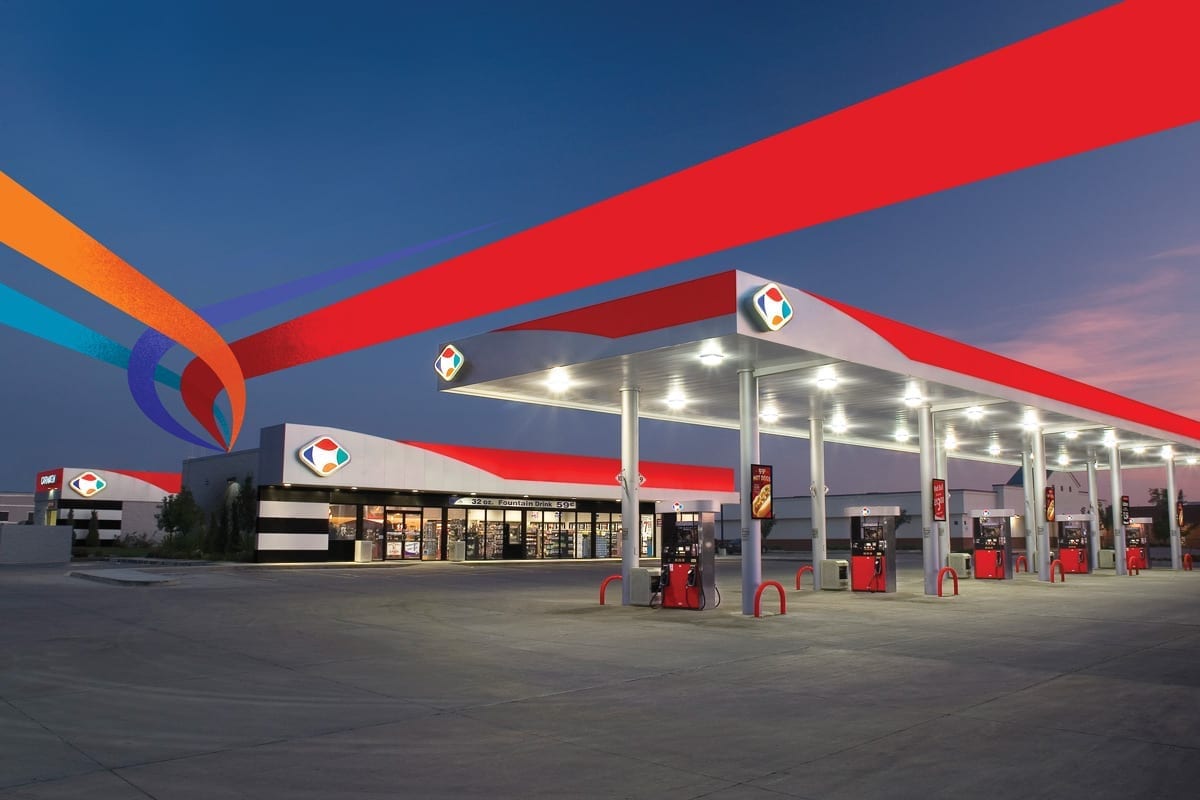
    US supermarket chain Kroger has sold nearly 800 convenience stores to British petrol retailer EG Group for $2.15 billion.

    The former Kroger stores operate under the brands Loaf ‘N Jug, Kwik Shop, Tom Thumb and Turkey Hill and collectively tuned over $4 billion last year. Proceeds from the sale will be used to reduce debt, with the balance returned to shareholders.

    Kroger, which has 2800 supermarkets across the US, says the divestment is part of its plan to streamline sales and operations, focusing on its core grocery offer.

    EG (which stands for Euro Garages) has about 370 petrol stations in the UK, France and the Benelux countries. The Kroger acquisition marks its first foray into the US.

    Online publication Retail Dive observed that while Kroger was selling its convenience store business, it is still very interested in opportunities outside grocery.

    “The company recently opened its first restaurant, and announced last year it would introduce its first private label clothing line this fall. Reports have linked Kroger with Ace Hardware, as well. It’s hard to say why, exactly, the retailer decided to give up a $4 billion sales generator while pursuing these unproven channels, but Kroger clearly has a plan, and if recent history is any indication, it’s unwise to bet against it.”

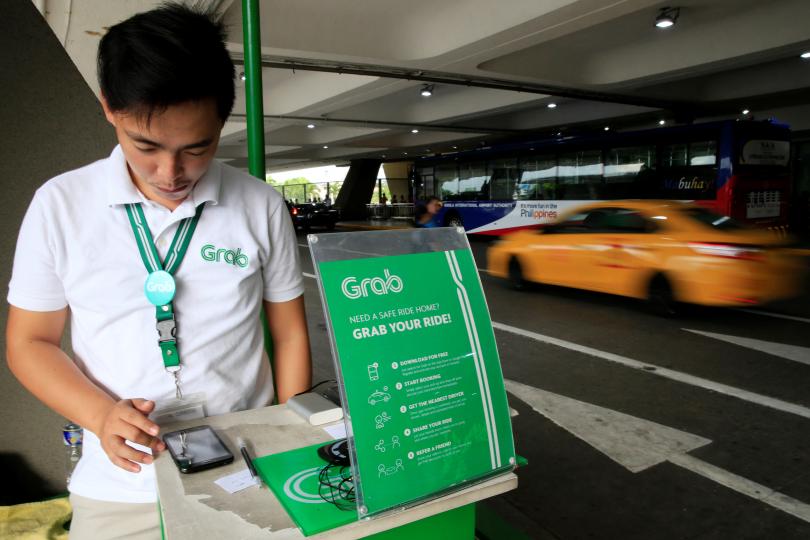
  • GRAB and UBER fighting to dominate the ridesharing in South East Asia

    GRAB and UBER fighting to dominate the ridesharing in South East Asia

    Uber’s founders first tested their app among San Franciscans, a pair of Harvard Business School classmates from Malaysia seized upon a similar idea: They wanted to build Uber, but for Asia.

    In 2012, they launched a ride-sharing service with 40 drivers in Kuala Lumpur. Eventually, they settled on the name Grab.

    Six years later, Grab dominates the ridesharing market in South East Asia, boasting 2.3 million drivers in 168 cities across eight countries.

    In 2017, the company raised $2.5 billion from investors, including Softbank, the Chinese ridesharing company Didi Chuxing, and Hyundai.

    This recent round of funding valued it at $6 billion, making it the most valuable tech startup in South East Asia. Despite Uber’s aggressive investment in the region, it has struggled to beat Grab. That is in part because of Grab’s cultural advantage.

    While Uber has spent close to a decade figuring out what Western users want out of a ride-service, the company has struggled to adapt its findings to parts of the developing world. By contrast, Grab has solved a puzzle facing companies in places that are just coming online: How to make e-pay work in nations that lack financial infrastructure.

    For co-founder Anthony Tan, the transactions Grab facilitates represent the future of his company. We are sitting in the booth of a hotel restaurant in Davos, Switzerland.

    Tan, 35, who is the son of one of Malaysia’s largest automobile distributors, wears a cross and a ring on a chain around his neck. He pauses over his noodle dish as he describes the company’s bustling Singapore headquarters, where he and co-founder Hooi Ling Tan (no relation) have recruited an army of young coders that include alumni of Facebook, Amazon and Google.

    They will need that army. In South East Asia, the ride sharing wars have escalated into an arms race for money and talent. Since Uber launched in the region in 2013, the company has sunk millions of dollars into recruiting riders and drivers.

    Meanwhile, local competitor Go-Jek enjoys a strong market lead in Indonesia, where it is based, and recently raised $1.2 billion in a funding round that included Google as well as Chinese companies Tencent and JD.com and the Singaporean sovereign wealth fund Temasek.

    Dominating ride-share in Southeast Asia comes with significant economic opportunity. According to a December report co-authored by Google, spending on ride-hailing apps in the region has more than doubled over the past two years to $5 billion, and is expected to reach $20 billion by 2025.

    So far, local companies seem to be winning. Despite its huge investments, Uber continues to lose money as it strives to match the discounts and promotions competitors are offering riders and drivers in the region.

    Speaking at the New York Times Dealbook Conference in New York last fall, new CEO Dara Khosrowshahi addressed the company’s business in Southeast Asia, saying the market was over-capitalized. “We’re going in, and we’re leaning forward,” he said. “But I‘m not optimistic that market is going to be profitable any time soon.”

    Citing a source close to Grab, Reuters reported in November 2017 that Uber may look to partner with Grab, as Khosrowshahi moves to cut costs in advance of a possible 2019 initial public offering.

    There is precedent for this. In 2016, as Uber bled money in China, the company sold its China business to Didi Chuxing in exchange for a 20 percent stake in the merged operation.

    Now that Uber has completed its Softbank deal, the two companies share a significant investor, which could pave the way for a similar future partnership. Both Uber and Grab declined requests for comment on the speculation.

  • Gentle Monster flagship store opened in Guangzhou

    Gentle Monster flagship store opened in Guangzhou

    Korean eyewear brand Gentle Monster has opened its fifth flagship store for China, in Guangzhou.

    It has set up in two adjacent units at the Taikoo Hui mall, which is known for its luxury boutiques.

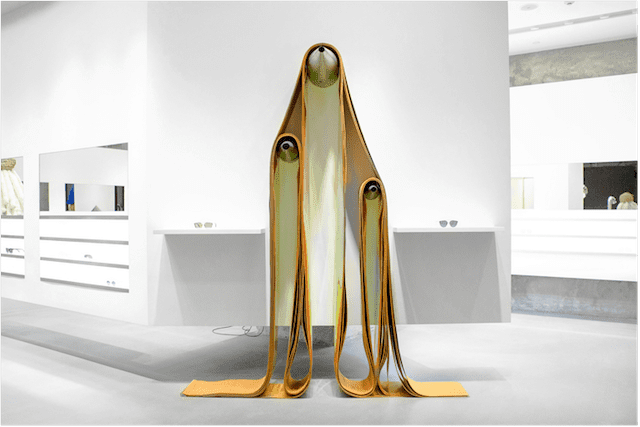
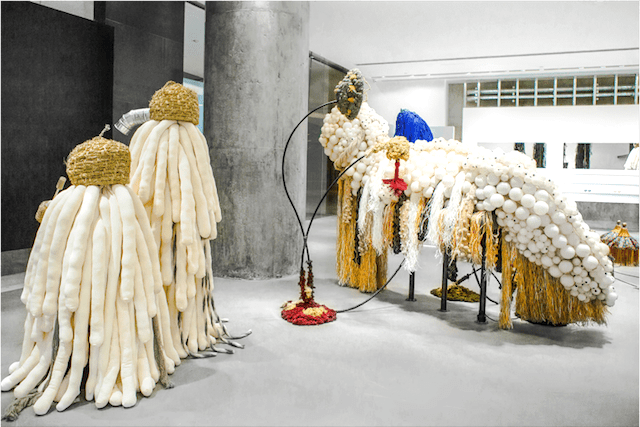
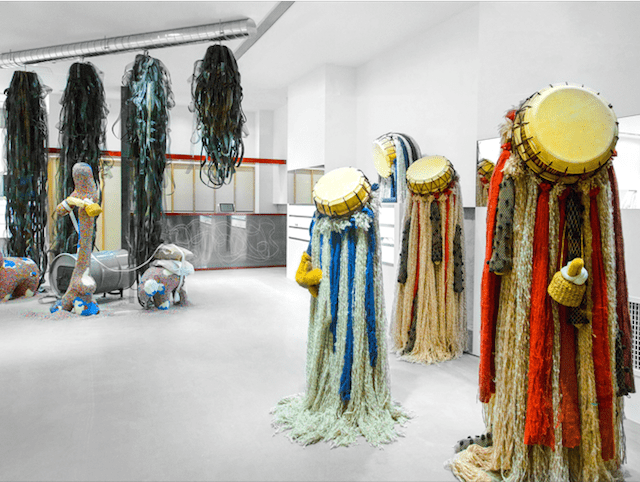
    Like other Gentle Monster flagships, the store has a themed interior design, this time with cues taken from the realm of old folk tales. It specifically zooms in on the purifying process in which spirits transcend into deities.

    The space is dotted with intricate objects. Some move or make sounds, but all look colourful and exotic. White walls, ceiling and wall-mounted panelling form a neutral backdrop for the creations, while Gentle Monster’s merchandise is showcased on shelving attached to the wall panels.

  • Balenciaga’s Platform Crocs sold out in a blink of an eye

    Balenciaga’s Platform Crocs sold out in a blink of an eye

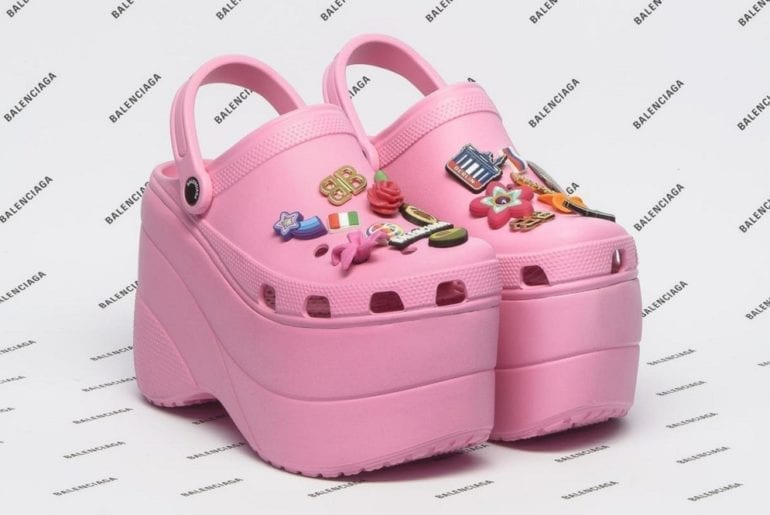
    In October 2017, Balenciaga unveiled an official footwear collaboration with Crocs on the runway in Paris. The Crocs, naturally, divided opinion.

    Critics thought that Balenciaga was trying too hard and collaborated for the wrong reasons, while others might not have loved the design but appreciated the attempt at something different.

    Now, several months on, the Balenciaga Platform Clogs are officially available for pre-order on sites like Barneys New York.

    Just moments after Balenciaga x Crocs’ Platform Clogs were made available to pre-order online, both pairs in the drop, sold out.

    They come in two colors, pink and “toast,” which is more like a dark tan color. A rather genius customization option in the form of pins can be attached to the perforated upper.

    Retail is $850 because, well, they’re still Balenciaga, so if you’re flush with cash and want to be what might resemble a walking meme, head to Barneys via our links below to secure yourself a pair. In the likely even that the links lead to an unavailable page, be sure to stay tuned as we will update you as soon as the collaboration becomes available again.

    In other sneaker news, ZARA’s budget Balenciaga Speed Trainers are actually fire.

  • Max’s to bring Pancake House to Saudi Arabia

    Max’s to bring Pancake House to Saudi Arabia

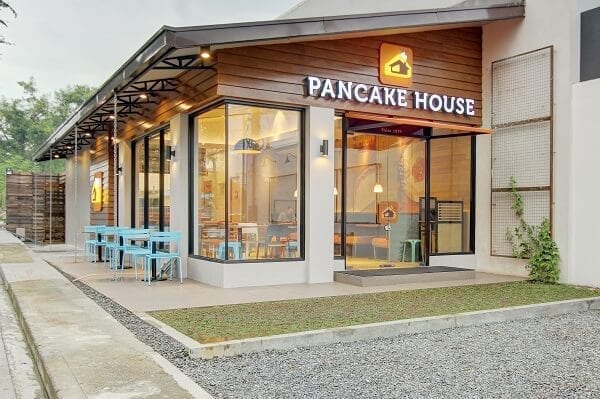
    Max’s Group Incorporated (MGI) is to take its Philippine casual-dining chain Pancake House to Saudi Arabia.

    In a disclosure to the Philippine Stock Exchange (PSE), MGI says it has partnered with Al-Bader National Establishment for Real-Estate Development to open 12 outlets in Saudi Arabia within the next five years.

    MGI president/CEO Robert Trota says the company is targeting 20 to 30 new outlets for this year, mainly across its core brands Max’s Restaurant, Pancake House and Yellow Cab Pizza. It aims to end the year with about 75 to 80 stores abroad.

    MGI’s partner in the venture was founded in 2001 and is primarily engaged in real-estate trading, property development and running shopping malls.

    Pancake House has seven overseas franchised outlets, in Malaysia and the UAE.

  • Max Fashion opens flagship store in Malaysia

    Max Fashion opens flagship store in Malaysia

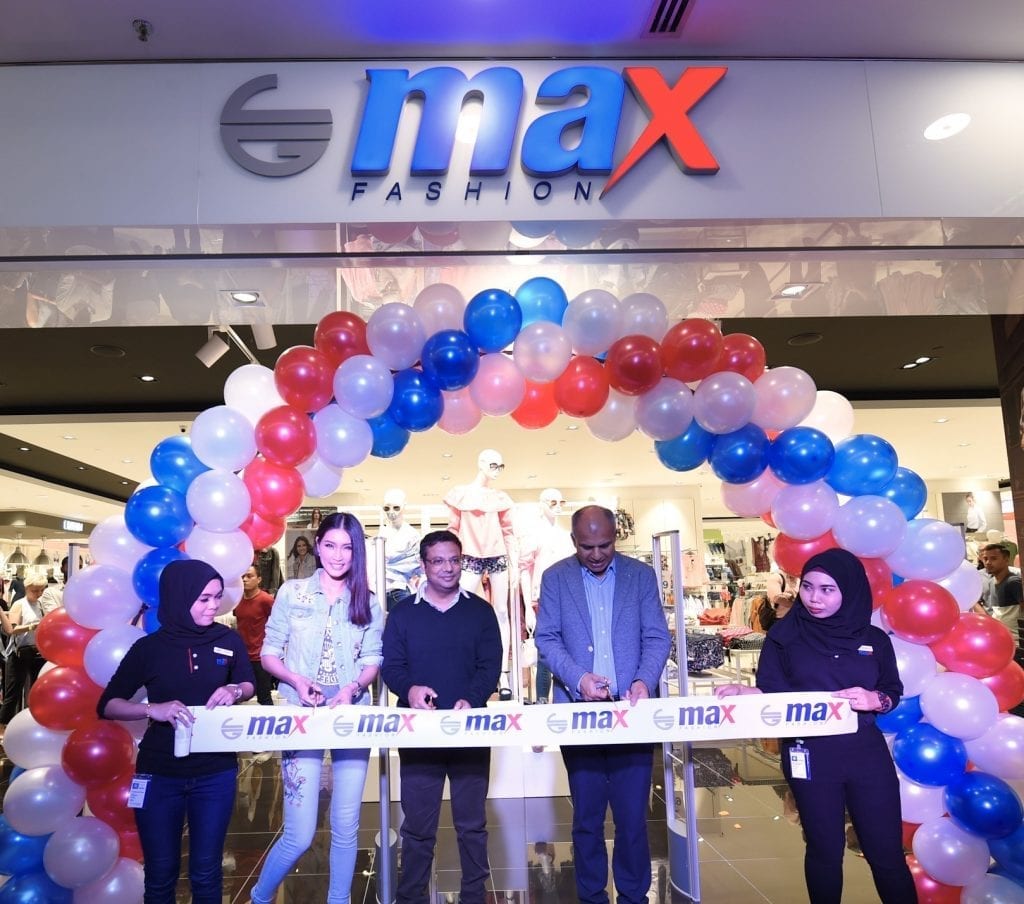
    Value fashion brand Max Malaysia has launched its fourth store, a flagship in 1 Utama Shopping Centre in Petaling Jaya, Selangor.

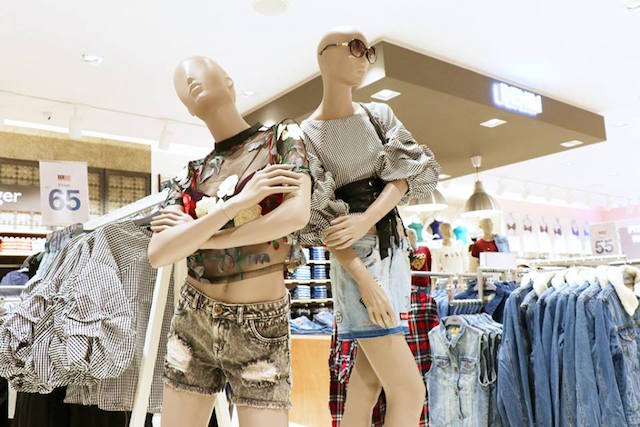
    A red-carpet opening ceremony was hosted by Max CEO and Landmark Group director Ramanathan Hariharan. The store covers more than 10,000sqft (930sqm) and will offer men’s, women’s and children’s fashion as well as sportswear, bags, footwear, lingerie and accessories.

    Malaysia’s first Max store opened in IOI Mall Putrajaya last year, followed by outlets in Sunway Putra Mall and Avenue K Mall.

    The brand plans to have 10 stores in Malaysia by the end of the year.