Blog

  • HKCYIA Offers Cruise Talks to the Public FREE

    HKCYIA Offers Cruise Talks to the Public FREE

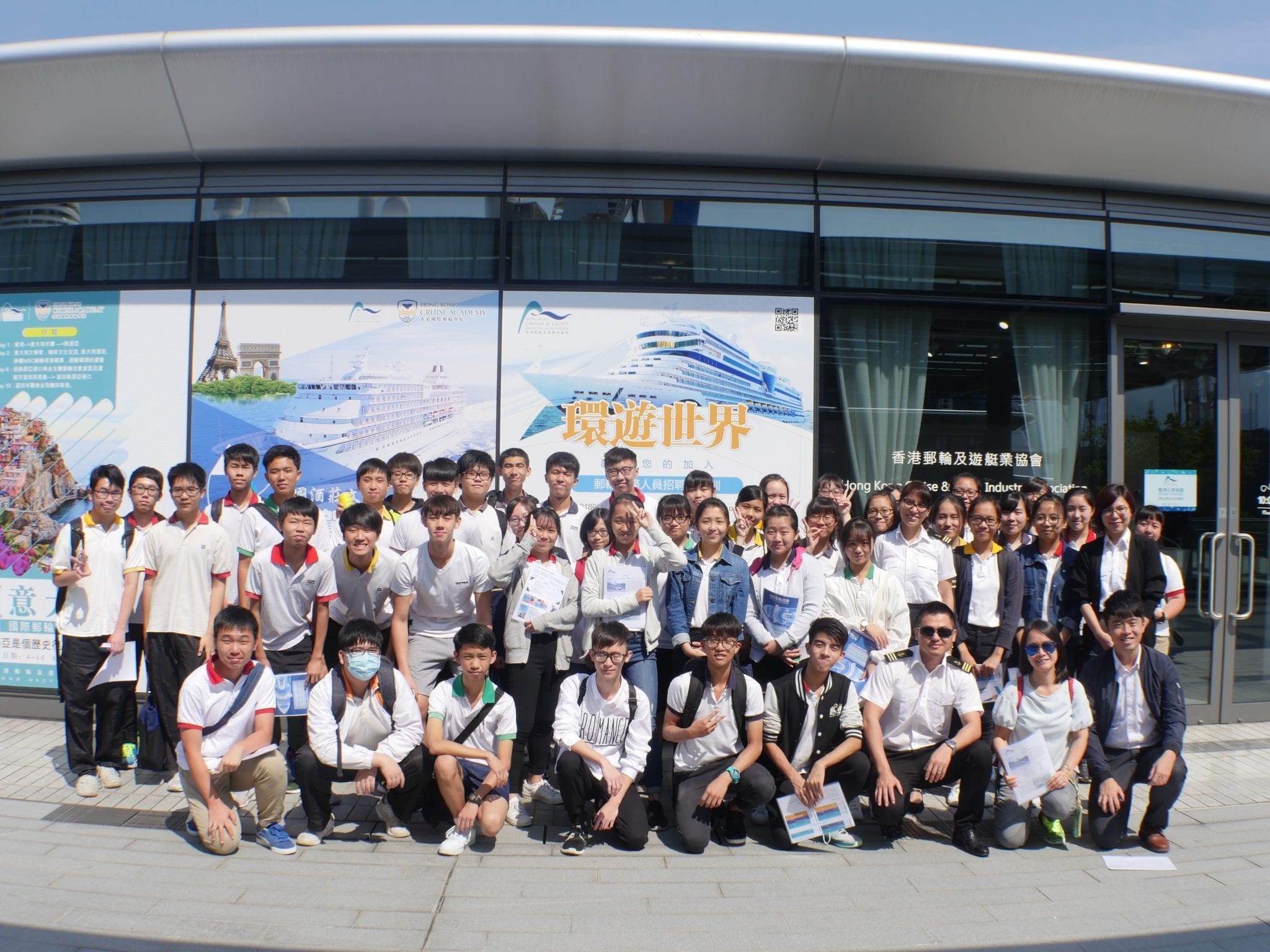
    To promote public awareness of the cruise industry and its contributions to the economy, the Hong Kong Cruise & Yacht Industry Association (HKCYIA) is to provide free talks on cruise careers for youths. This follows the talks for Tourism and Hospitality Studies students which received overwhelming response with over 70 secondary schools having enrolled for the talks since last October.

    The cruise talks for the public will be held from now till March. The 3-hour talks will be conducted in English and given by HKCYIA Purser Trainer Laura Escobar, who has over 10 years of experience in the management of European cruises. The talks will cover international cruise information, structure of international cruises, introduction to cruise travel, and career development in cruise industry, providing the public with information about cruise careers and industry developments.
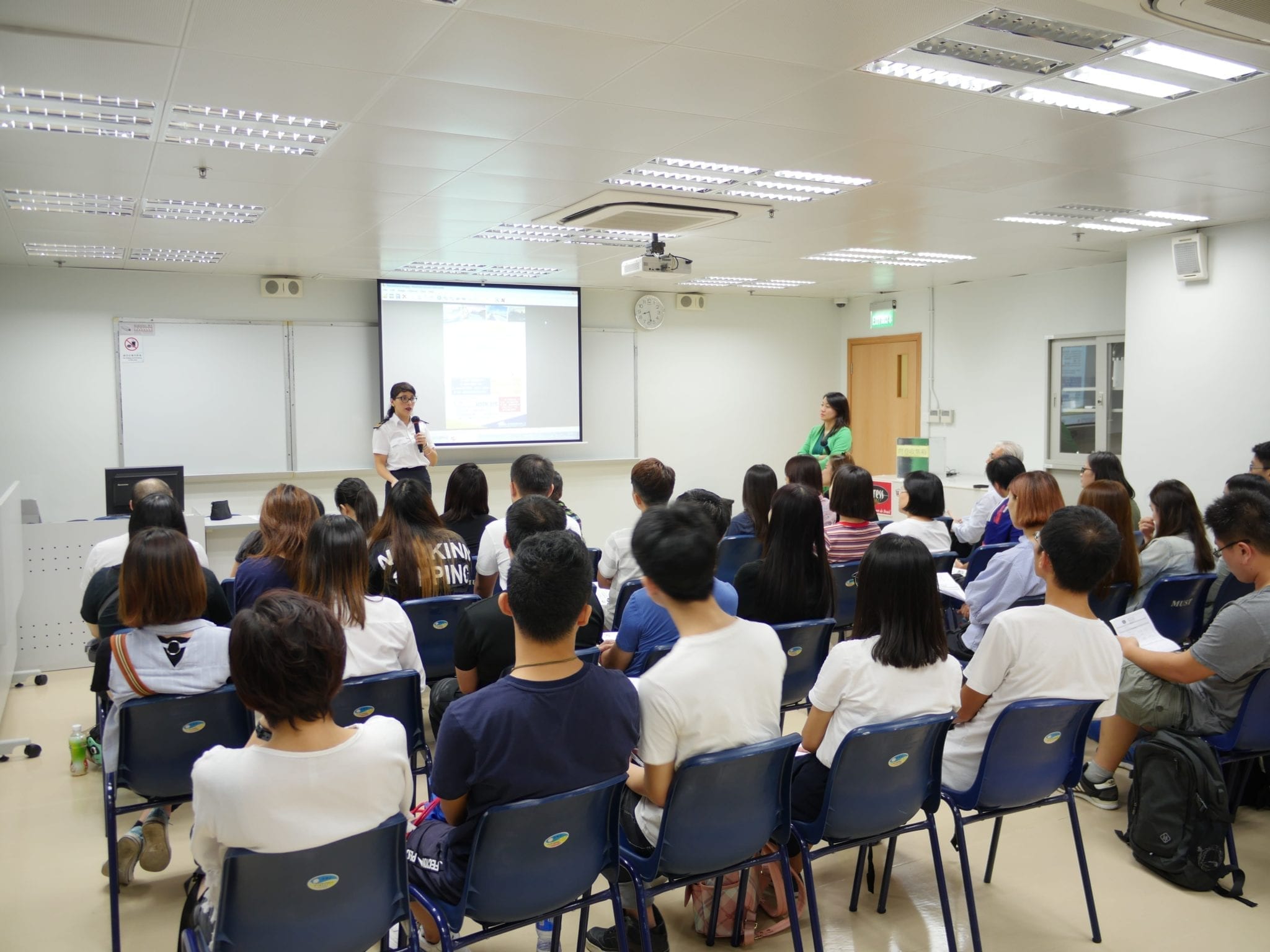
    Kara Yeung, Executive Director of HKCYIA, said “In view of the relatively low awareness of the cruise industry among Hong Kong people, HKCYIA is dedicated to advancing the long-term development of the Hong Kong cruise industry through free talks to the general public. The talks are designed to enable them to acquire a broad knowledge and understanding of the global cruise industry, thereby promoting employment in the fast-growing cruise sector.”
    The free talks will be held at Kai Tak Cruise Terminal where most international cruises berth in Hong Kong.

    Participants can have the opportunity to watch international cruises visiting Hong Kong, including Costa neoRomantica of the Italian Costa Cruises, Queen Elizabeth and Queen Mary 2 of the British Cunard Line. They can also visit the Kai Tak Cruise Terminal and the HKCYIA office. Those wanting to visit the cruises are required to make prior arrangements with travel agencies on their own. For those interested in attending the free talks, please contact Ms. Chan at (852) 2180 0723 for registration as seats will be available on a first-come-first-served basis.

     

  • Singtel appoints global cyber security chief

    Singtel appoints global cyber security chief

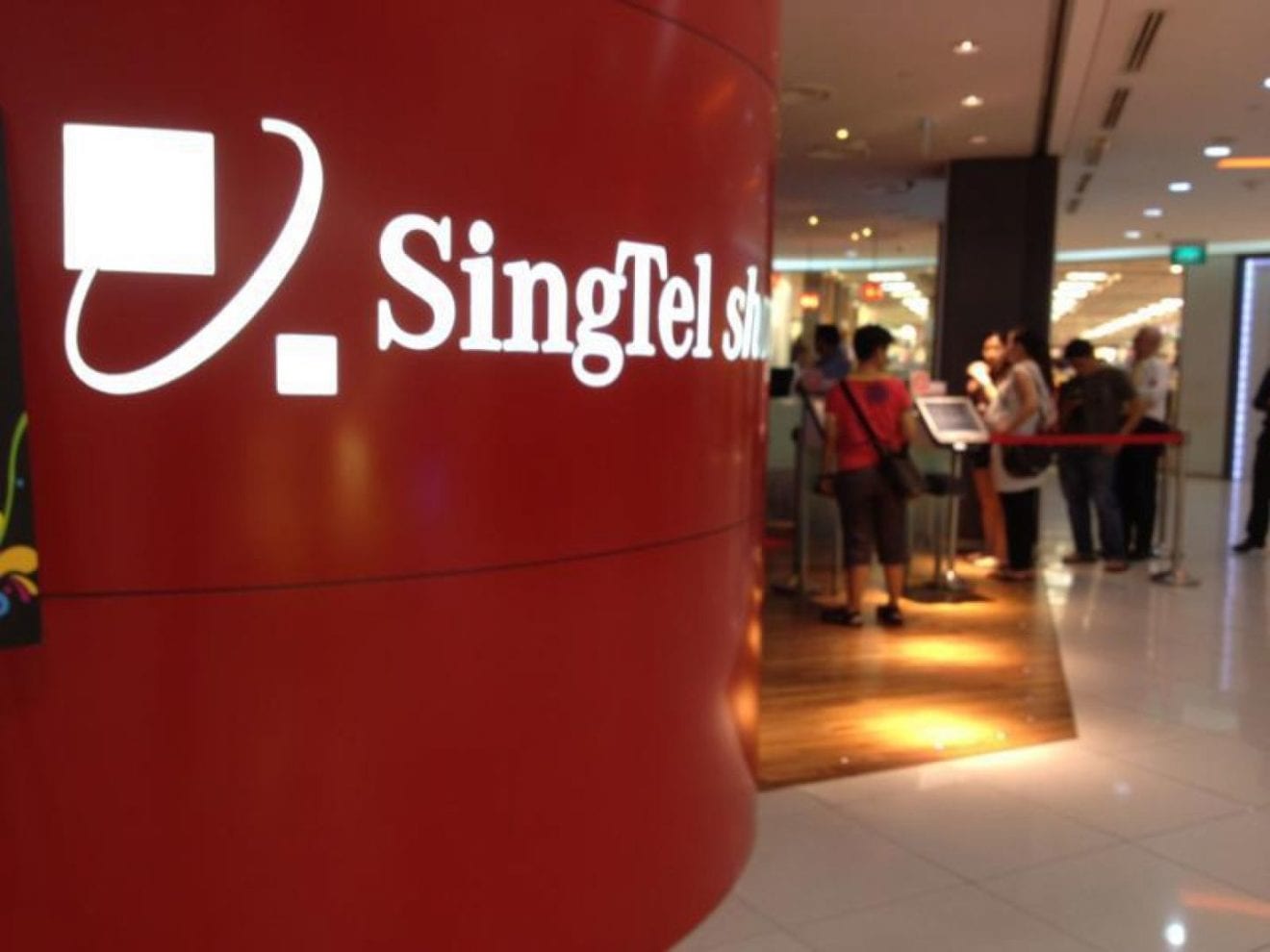
    Singtel has appointed Arthur Wong (pictured) as its new CEO of global cyber security to help fulfil the operator’s ambition of becoming a global leader in the cyber security market.

    Wong joins Singtel from IT services company DXC Technology, where he served as SVP and general manager of the company’s security business.

    DXC was formed from the $25.6 billion merger of Hewlett Packard Enterprise Services (HPE) and Computer Sciences Corporation (CSC), which closed in April.

    Wong has also previously with companies such as HP, Symantec and McAfee in various executive roles. Wong is also the founder of five startups, including IT security companies Secure Networks and SecurityFocus.

    “We are very pleased to bring Art on board as we step up efforts to drive growth in our cyber security business,” Singtel CEO Bill Chang said.

    “This newly-created position reflects our commitment to scaling the Group’s cyber business and accelerating our journey to becoming a global leader in the cyber security space. Art’s wealth of industry experience will help us optimise our cyber security assets and sharpen our business unit’s focus.”

    Singtel’s cyber security revenues grew 84% S$473 million ($361.5 million) in the year ended in March last year and are expected to reach around S$550 million this financial year.

    The company employs over 2,000 cyber security professionals across nine advanced security operations centers in APAC, Europe and the Americas, as well as through its Trustwave managed security services business, which the company acquired in 2015.

  • Honda, Forever 21 to Collaborate on Vintage Collection

    Honda, Forever 21 to Collaborate on Vintage Collection

    Forever 21 has launched a collection featuring classic Honda racing motifs.

    The brainchild of Honda’s brand management agency Earthbound, the F21xHonda racing capsule collection consists of iconic Honda designs from the early 1980s and action sportswear of the 1990s.

    “Pairing nostalgic Honda racing iconography with updated silhouettes and fabrics to create a modern yet timeless aesthetic, the latest collection includes a variety of men’s and women’s apparel,”said the two companies in a statement.

    The women’s collection offers vintage inspired styles from long and short sleeved crop-tops, long sleeve t-shirts and skirts, including items in the Plus size range. The men’s collection features street-wear ready pieces including t-shirts, pull-over sweaters and racing jackets.

    “We are always looking for new and unexpected partnerships,” said Linda Chang, VP of marketing for Forever 21. “This collaboration with Honda racing is especially relevant now with the popularity of racing and motorsport designs. We hope that fans of both Honda racing and our customers will celebrate with us through this collection.”

    Honda Powersports Marketing’s senior manager Mike Snyder said collaborating with a brand like Forever 21 allows Honda motorcycles to access a completely new audience.

    “We are very happy with the collection they have developed. It does a great job of blending Honda’s Racing history with Forever 21’s fashion sense.”

    The F21 x Honda racing collection launched in stores throughout North America and on Forever21.com this week.

  • PepsiCo Cuts Ties With Indofood’s Palm Oil Unit Over Labor Abuse Claims

    PepsiCo Cuts Ties With Indofood’s Palm Oil Unit Over Labor Abuse Claims

    Food and beverage giant PepsiCo has suspended procurement from a palm oil supplier over claims of labor abuses on its Indonesian plantations, a move hailed by campaigners on Wednesday (24/01).

    A 2016 probe by several campaign groups alleged there were child labor and worker exploitation, such as low wages and hazardous working conditions, on Indonesian plantations operated by Singapore-listed Indofood Agri Resources (IndoAgri).

    Although IndoAgri has taken action to address the complaints, PepsiCo said it decided to suspend ties “pending further progress and visibility around the issues” after it looked into the allegations.

    “PepsiCo is very concerned about the allegations that our policies and commitments on palm oil, forestry stewardship and human rights are not being met,” it said in a statement.

    Neither IndoAgri nor its parent company, Indofood, were immediately available to comment. IndoAgri said on its website that it has a sustainable palm oil policy which ensures human rights are respected.

    Businesses are facing increasing pressure from governments and consumers to disclose what actions they are taking to ensure their supply chains are free from modern-day slavery.

    Indonesia is the world’s largest palm oil producer but it has been regularly linked to the destruction of rainforests and wildlife habitats, as well as displacement of indigenous communities.

    IndoAgri is a subsidiary of Indonesian food manufacturer Indofood, which produces PepsiCo’s snacks in Indonesia under a joint venture partnership. The joint venture sourced palm oil from IndoAgri.

    The investigation was carried out by San Francisco-based Rainforest Action Network (RAN), Indonesian labor rights group OPPUK and Washington-based International Labor Rights Forum.

    “After years of denial, PepsiCo has admitted to the high risks associated with its palm oil supply chain and business partner,” RAN campaigner Robin Averbeck said in a statement.

    Palm oil, used in soap, cosmetics and food spreads, has been one of the fastest expanding crops in the last few decades.g

  • Mary Katrantzou pursues China expansion with an investment from Yu Capital

    Mary Katrantzou pursues China expansion with an investment from Yu Capital

    To boost its presence in China, London-based womenswear brand Mary Katrantzou has received funding from fashion investor Wendy Yu’s investment fund Yu Capital.

    With only two points of sale on the Chinese mainland – in the stores of multi-brand retailer Joyce in Beijing and Shanghai – and one in Hong Kong at On Pedder, the Greek designer firmly believes her brand has expansion potential in China.

    Katrantzou and Yu are friends, and the designer believes Yu to be an investor with “a pragmatic and forward-looking vision”.

    Daughter of Chinese billionaire Jingyuan Yu, the owner of wooden goods company Mengtian, Wendy Yu attended boarding school in the UK, and as an investor aims to “bridge the economic and cultural gap between China and the rest of the world”, reports Fashion Network.

    As well as philanthropic activities, notably with the British Fashion Council, the British Museum and the V&A Museum, she founded Yu Capital in 2015, an investment fund specialising in technology, lifestyle and fashion.

    Along with Yu Culture, which aims to enrich the Chinese cultural scene through international projects and partnerships, and Yu Fashion, which has the goal of working with brands and designers to promote creativity, Yu Capital is part of Yu Holdings, a platform launched by Yu this month with the aim of investing US$20 million in emerging businesses this year.

    Already Yu Capital has invested in brands such as ASAP54, now Fashion Concierge, a fashion-centered search application, and Bottletop, a British leather goods label.

    By becoming a minority shareholder in Mary Katrantzou’s brand, Yu has entered the luxury sector. She says the brand, which has its tenth anniversary this year, owes its fame to its whimsical prints and collaborations with Adidas and Longchamp.

  • More “green” of Apple store Garosugil

    More “green” of Apple store Garosugil

    Opening in Seoul on Saturday, Apple Garosugil will bring Apple’s products, in-store programming and services together in one place for the first time for South Korean customers.

    In the heart of the Gangnam area, the store features a 7.6m glass facade along a tree-lined street, with interior trees mirroring those outside.

    “Our stores are gathering places for the community where everyone is welcome to connect, learn and create,” says Apple senior VP of retail Angela Ahrendts.

    Today at Apple programming offers free sessions daily to inspire participants to unlock their creativity in photography, music, art and design, coding skills and more. The sessions are held in the heart of the store, the Forum, with its video wall.

    Anyone can attend a 30-minute Quick Start session, then go further with experiential photo walks or attend entrepreneurial sessions. Educators and developers can also receive advice and specialised training in the store’s boardroom.

    Apple’s full line of products and a curated collection of accessories are available in the store. Along each side of the store are Avenues, inspired by window displays along a shopping street, which offer interactive displays for visitors. These feature third-party products and accessories.

    Customers can register for Today at Apple sessions through the Apple Store app, as well as explore products and shop.

    Between them, the store’s 140 team members speak 15 languages.

  • Tencent expands WeChat Pay to HK residents

    Tencent expands WeChat Pay to HK residents

    Tencent has expanded its WeChat Pay user base to Hong Kong residents, who now will not need to have a Chinese bank account or credit card to take advantage of the Mainland’s popular cashless payment system.

    With the announcement, Hong Kong residents can now bind and activate their WeChat Pay accounts with any international credit cards, including MasterCard, Visa and JCB.

    They can activate WeChat Pay in two ways:

    • Bind any Mastercard, Visa and JCB credit cards for online payments such as online shopping, taxi hailing, ticket purchasing, bike-shares, food delivery and hotel booking.
    • Bind any credit cards or bank cards issued by 71 banks in China, together with proof of a valid passport, China Resident Identity Card, a Mainland Travel Permit for Hong Kong and Macau Residents or a Mainland Travel Permit for Taiwan Residents, to pay for all online and offline payments. Users with these bank cards can also activate their QQ Wallet.

    Besides Hong Kong residents, Tencent opens WeChat to expatriates living in China as well as to Macau and Taiwan residents.

    According to the 2017 WeChat Data Report that tracked consumption habits of foreign residents in China, over 64% of expatriates use Weixin Pay for their daily needs, especially for splitting bills, food delivery, transportation, dining, as well as shopping in stores, supermarkets and online.

    With the introduction of using credit card accounts, this number is expected to grow as the payment system will be simpler and more convenient to use for citizens outside of China.

    In China, WeChat is being used by a group of friends to split a restaurant bill, check into or out of a hotel, board a bus or train, hail a car service or hop on a bike. WeChat provides access to China’s car hailing service Didi Chuxing and bicycle-sharing system Mobike.

  • I.T group positive sales despite store closures

    I.T group positive sales despite store closures

    Improved consumer sentiment across Greater China and strong sales growth in Hong Kong helped boost third-quarter business for Hong Kong multi-brand fashion group I.T Limited.

    With fewer discounts offered, the group also enhanced its gross margin for the three months to the end of November.

    However, store closures continued in Hong Kong in the face of a persistent upsurge in running costs, causing downward pressure on sales.

    I.T Group operates its own brands, including Chocolate and 5cm, concept stores Izzue and Double-Park; international brands it has local licences for including Kurt Geiger and Camper; and A Bathing Ape, which the company rescued from Japanese owners in 2011.

    While comparable-store sales growth in Hong Kong and Macau rose 2.4 per cent for the quarter, there was a 3.9 per cent dip for the first nine months.

    For Japan and the US, sales growth soared by 25.5 per cent for the quarter and 30.7 per cent for the nine months, while for China the growth was 1.5 and 1.1 per cent respectively.

    Gross profit margin for the quarter was up 1.6 points to 62.9 per cent in Hong Kong and Macau, edging up 0.8 points to 60.9 per cent for the nine months.

    For Japan and the US, the margin fell 0.8 points to 68.9 per cent, and eased 0.1 points to 70.8 per cent for the nine months, while in Mainland China it edged up 0.3 points to 64.8 per cent for the quarter, and rose 2.1 points to 62.8 per cent for the nine months.

    For the group overall, the rise was 1 point to 64.9 per cent for the quarter, and 1.6 points to 63.4 per cent for the nine months.

  • Malaysia’s local telco industry needs consolidation

    Malaysia’s local telco industry needs consolidation

    Celcom Axiata Bhd CEO Michael Kuehner, while welcoming the expected entry of a new player in the local telco scene next week, pointed out that what the industry needs is consolidation and not another player.

    Yodoo is expected to launch its mobile data plan next Tuesday.

    “The market has too many (telcos) than too few. Customers have ample choice in Malaysia, from all price range, from all types of network experience, there is enough to choose from. There is no need for another one coming in.

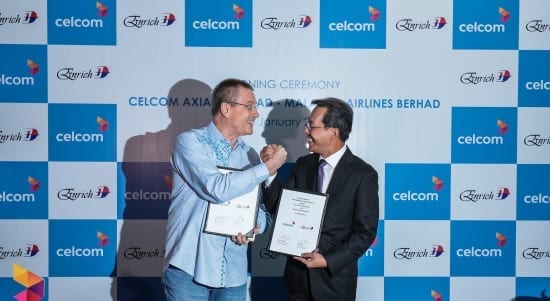
    “No worries about competition. Very happy with competition. We’re strong enough to stay in competition and be successful. Of course there is always the element of competition when it comes to pricing, which possibly has an impact on revenue, but it’s about how strong you are, how much value you deliver to customers and that makes you successful,” Kuehner said after signing a memorandum of understanding (MoU) with Malaysia Airlines Bhd (MAB) to collaborate in enhancing digital lifestyle for travellers today.

    He expects industry growth for 2019 to be flattish after industry revenue fell for the last three years.

    “After three years of shrinking revenue for telcos, maybe a bit of stabilisation possibly on telcos’ revenue side next year, so we’re slightly positive,” Kuehner said.

    Earlier, Celcom Axiata and Malaysia Airlines inked an MoU to provide benefits spanning multiple areas across both companies, including Enrich rewards, flight discounts for Celcom customers, attractive roaming plans and more.

    Kuehner said both Celcom and Enrich customers will enjoy innovative digital offerings and rewards, starting Feb 1. Both companies are still in the exploratory stage to discuss the details.

    On anotehr matter, Kuehner said a merger between Axiata Group Bhd and Telekom Malaysia Bhd (TM) makes sense in terms of scale , delivery and network perspectives.
    He said fixed mobile convergence is a trend worldwide and it is also relevant in Malaysia, adding that TM is strong on the fixed line side while Axiata is strong on the mobile side.

    “It (the merger) makes sense and this is where rumours come from, because a lot of people are talking about it. But not everything that makes sense will always happen. It’s difficult to predict,” Kuehner

    “It (merger) is up to the shareholders. I don’t have an opinion. I’m not the one calling the shots,” said Kuehner, adding that there is no indication on the merger from parent Axiata Group.

    News of a possible merger between the two emerged some nine months ago, with both companies deniying news of a reunion after a demerger in 2008. Analysts are still banking on the merger to set the tone for an industry consolidation, which is deemed as the logical route forward.

  • Innisfree Launches Snoopy-Inspired K-Beauty Makeup Collection

    Innisfree Launches Snoopy-Inspired K-Beauty Makeup Collection

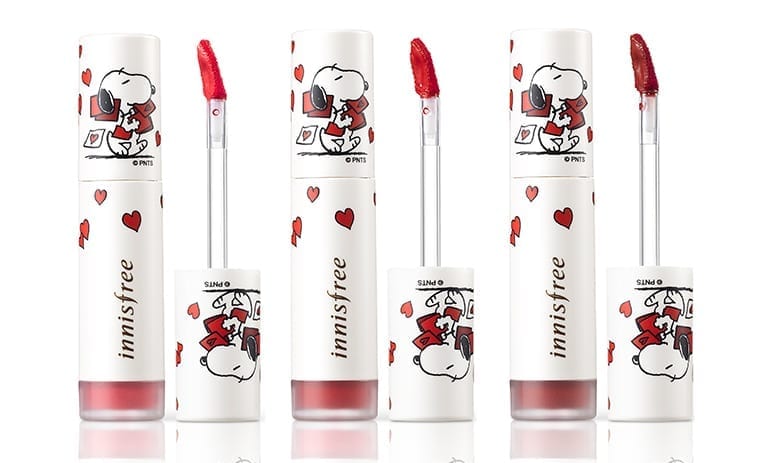
    Korean eco-cosmetics brand Innisfree has partnered with Snoopy to release a limited-edition collection for the Year Of The Dog.

    Called Innisfree x Snoopy, the collection includes five-pastel-shade nail polish, creamy tint, cushion and palette cases, with images of a smiling Snoopy front and centre of the packaging.

    The whole collection is available on Innisfree’s website, selling from US$4 to $12 each until February 28.

    Customers can change the shades of the products as they please.

    Sibling Amorepacific brand Etude House recently released its Lucky Puppy Collection to celebrate the coming Lunar New Year.

  • Telstra sets speed record with metro network trial

    Telstra sets speed record with metro network trial

    Australia’s Telstra, Ericsson and Ciena say they have achieved the world’s fastest speeds during a demonstration using Telstra’s transmission network in Melbourne.

    The companies achieved 400Gbps speeds over 61.5-GHz spectrum using Telstra’s transmission network, representing the highest spectral efficiency per fiber pair achieved in a live environment.

    This represents transmission speeds of up to 30.4Tbps per fiber pair, a significant improvement from the previous record of 25.6Tbps.

    Such speeds were made possible using software programmable wavelengths controlled by Ciena’s WaveLogic Ai modem technology and Blue Planet manage control plan and Liquid Spectrum applications.

    Telstra plans to introduce the technology as part of an upgrade to its long haul, metro and regional optical networks. Ericsson is providing end-to-end systems integration for the project and managed the deployment of technology for the demonstration.

    Telstra has already deployed Ciena’s industry-first programmable coherent modem, which offers up to three times the data capacity of the earlier modem technology deployed on the Telstra network.

    “Over the next five years we forecast traffic on our network will grow by five times. We are investing in our network and developing these innovations to meet this growing demand by providing unprecedented levels of scale, automation and intelligence,” Telstra director of IP and transport engineering David Robertson said.

    “This technology will be deployed in our domestic transmission network and we will look for opportunities to use it in Telstra’s international subsea cable network, which is the largest in the Asia-Pacific region.”

  • Likely loss in first half, Esprit Holdings to be alert

    Likely loss in first half, Esprit Holdings to be alert

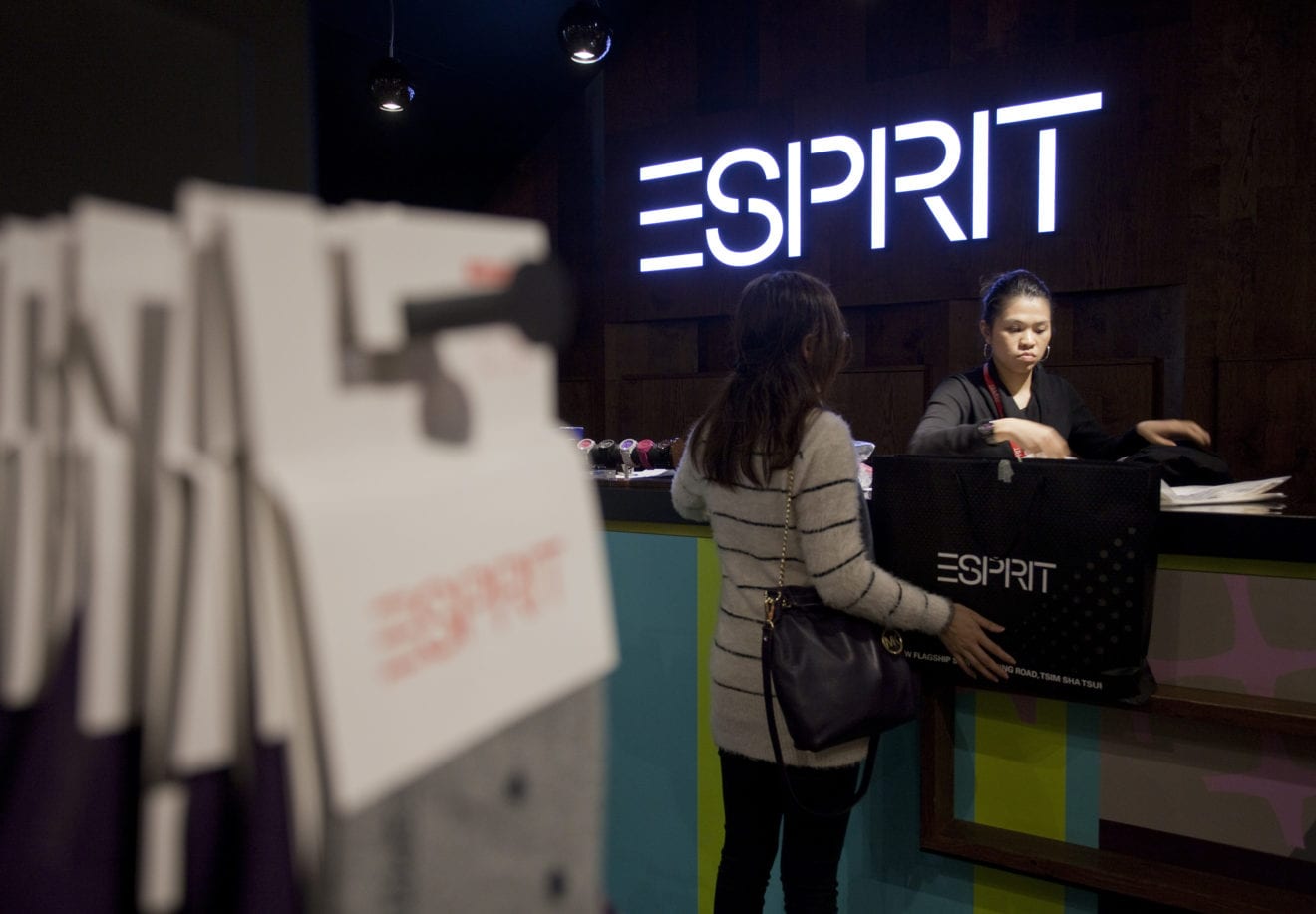
    Fashion group Esprit Holdings has issued a warning it expects a net loss for its first half, to the end of December.

    Based on a preliminary review of its unaudited consolidated management accounts, the net loss is expected to be in the range of about HK$950 million (US$121.5 million) to $980 million, compared to a net profit of $61 million in the same period a year earlier.

    Esprit attributes the anticipated loss to the combination of three major factors:

    1. Full impairment of the remaining balance of the goodwill and customer relationships in association with the group’s China business, which has had a “significant decline” in recent years, resulting in a negative impact of about $795 million before taxation.

    2. A larger-than-expected drop in group revenue in the second quarter after expecting a modest decline as a result of strategic rationalisation of its distribution footprint. The decline was exacerbated by lower sales at its brick-and-mortar stores. As a result, loss before interest and taxation (LBIT) and before the China Impairment is estimated to be in the range of $150 million to $180 million for the first half, compared to LBIT of $13 million in the same period a year earlier. While gross profit margin had slightly increased and running expenses had further reduced in the first half, it was not enough to outweigh the negative impact of the revenue decline.

    3. Net taxation expense of about $5 million in the first half in contrast to a net taxation credit of $74 million in the same period last year.

    Esprit’s company secretary, Florence Ng Wai Yin, says the board wants to reassure shareholders that the group is in the midst of fine tuning its strategic measures to establish a solid platform for long-term profitable growth. “The retail environment continues to be challenging, and because of the seasonality of the business, the performance in the second half of a financial year is usually not as good as the first half. This means the financial performance of the group in the second half remains uncertain.”

    Esprit expects to release its interim results at the end of next month.  

  • Idea Q3 revenue falls 25% from MTR cut “body blow”

    Idea Q3 revenue falls 25% from MTR cut “body blow”

    India’s Idea Cellular has reported a steep 24.9% decline in Q3 revenue and a surge in net losses as a result of the “body blow” from regulator Trai in the form of a mobile termination charge cut.

    Revenue for the quarter fell to 65.1 billion rupees ($1.02 billion), and the operator’s standalone net loss climbed 182.3% to 13.52 billion from 4.78 billion a year earlier.

    The decision by regulator Trai to reduce mobile termination rates from 0.14 rupees to 0.06 rupees per minute resulted in a steep 57% decline in interconnection usage charge rates, which Idea said negatively impacted revenue for the quarter by 8.2 billion rupees.

    “The new domestic MTC rate and recently announced drop in ‘International mobile termination’ settlement charges effective 1st February, 2018 from 53 paisa (0.53 rupees) to 30 paisa per minute, remains a body blow to all operators and reduces investable funds for the critical ‘Digital India’ program,” Idea said in its quarterly report.

    “The international IUC rate drop only benefits the foreign operators, with no commensurate benefit to Indian consumers but with significant foreign exchange and revenue loss to the Indian exchequer.”

    Idea also blamed ongoing “unrelenting rate pressure on voice and mobile data services as high ARPU consumers migrate to unlimited voice bundled data plans.”

    Despite its financial woes, Idea said that the company had managed to accrue 7.5 million net customer additions for the quarter due in part to a large influx of subscribers porting to the company from operators exiting the market in India’s wave of consolidation.

    This took Idea’s total customer base past the 200 million milestone for the first time to 203 million.

    The adoption of unlimited voice bundled data plans also led to an explosion in voice volumes for the quarter, with voice minutes of use growing 10.8% sequentially. Data usage per data subscriber also surged to 4.74GB per month during the quarter, from just 703MB a year earlier.

    Idea said it is in the final stages of the approval process for its planned merger with Vodafone India, which is expected to close in the first half of the year. The proposed $23 billion merger would create India’s largest operator by subscribers with around 400 million customers.

  • Shinsegae to buy local furniture company for $168 mln

    Shinsegae to buy local furniture company for $168 mln

    South Korean retail giant Shinsegae will buy a local furniture company Casamia for KW180 billion (US$167.8 million) in a bid to tap into the country’s home-furnishing industry.

    Shinsegae Department Store will sign a contract with the company’s founder “and others” to buy a 92 per cent stake in the company, as reported.

    Launched as a small furnishing shop in Seoul in 1982, Casamia now has multiple brands, ranging from home decor to office furniture. Sales reached KW121.9 billion in 2016.

    Shinsegae has declined to comment on the acquisition, and Korea Exchange has asked that it confirm media reports in a regulatory filing.

  • Ringgit marches higher against US dollar

    Ringgit marches higher against US dollar

    The ringgit marched higher against the US dollar today, appreciating by 59% since it was last seen in April 2016, said Oanda Head of Trading for Asia Pacific, Stephen Innes.

    At 6pm, the local note ended at 3.8840/8870 against the greenback from 3.9110/9140 on Wednesday.

    Innes said the ringgit touched the 3.8 level, rising 15% from its weakest point in early 2017.

    It strengthened against the US dollar as it continued its depreciation amid the increase on the overnight policy rate by 25 basis points to 3.25% by Bank Negara Malaysia today.

    He said the increase did not have much impact on the ringgit as the markets had fully priced in the move.

    “However, we think the market found itself a little oversold and with what amounted to be a dovish rate increase by BNM, traders booked profits.

    “If we consider that we could be entering extended cyclical downtrend on the US dollar, the ringgit could still rally below 3.80 level in near term,” he told Bernama.

    On another note, Innes also said that oil prices, which has come off their highs, would remain above the budget’s forecast and continue to support ringgit’s strength.

    The ringgit was traded mixed against a basket of major currencies.

    It rose against the Singapore dollar to 2.9746/9781 from Wednesday’s 2.9803/9832 and gained versus the yen to 3.5630/5661 from 3.5658/5695 yesterday.

    It declined against the euro to 4.8286/8327 from 4.8242/8295 on Wednesday and went down against the British pound to 5.5491/5537 from 5.5110/5168 yesterday.