Blog

  • Vietjet converts order for 42 A320neo to A321neo

    Vietjet converts order for 42 A320neo to A321neo

    Vietjet will convert its existing order for 42 A320neo to the superior and larger A321neo, bringing to a total of 73 A321neo and 11 A321ceo on order for future delivery. The agreement was signed recently by Vietjet President and CEO Nguyen Thi Phuong Thao and Fabrice Brégier, Airbus Chief Operating Officer and President Commercial Aircraft.

    The first A321neo “new engine option”, registered as VN-646, has also arrived at Tan Son Nhat International Airport from Hamburg recently, marking a major milestone for Vietjet as it has become the first airline in Southeast Asia to operate the Airbus aircraft powered by Pratt & Whitney’s latest-generation GTF engines.

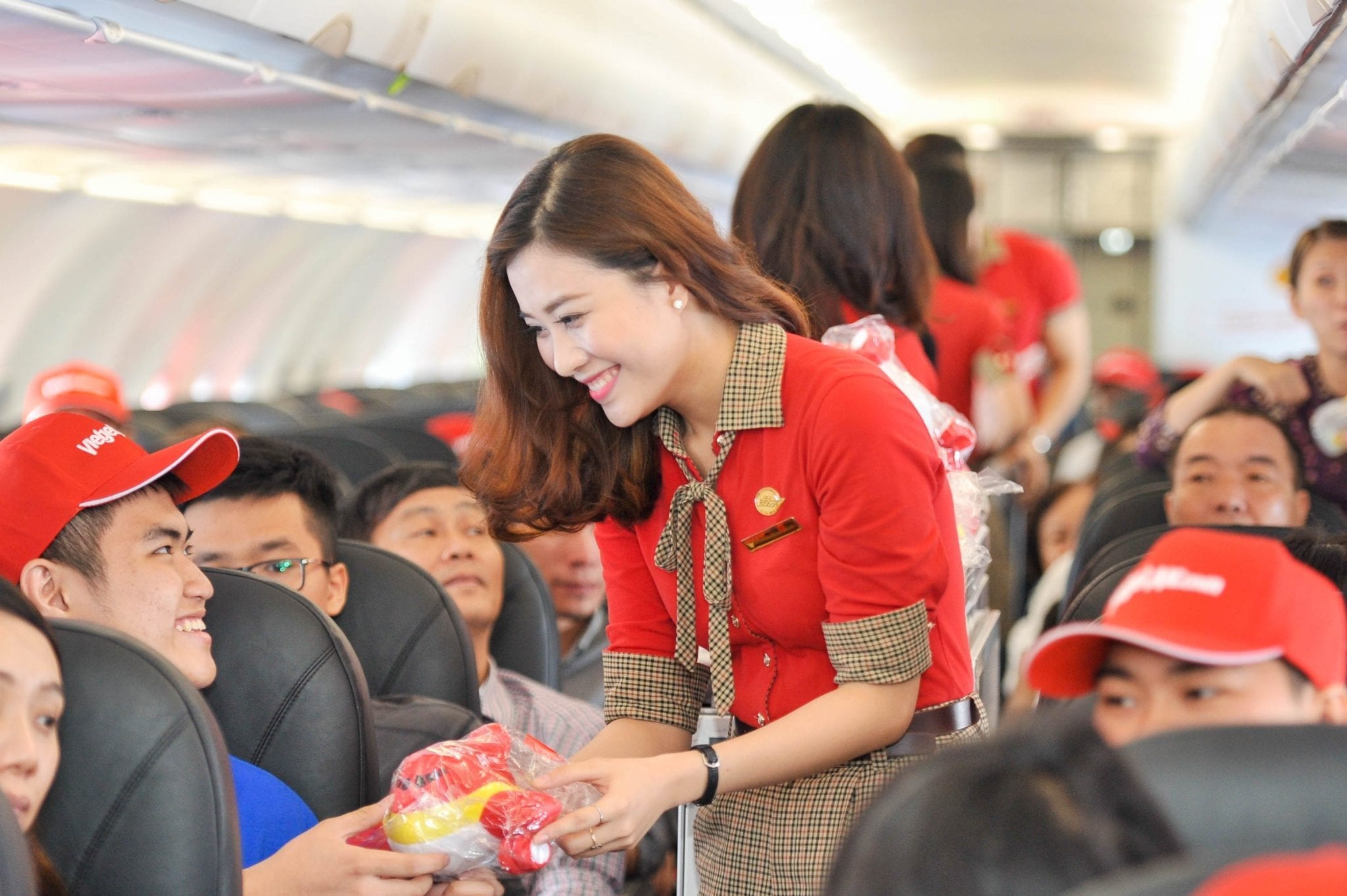
    Fitted out with 230 comfy leather-covered seats and high-quality carpeting, the first five rows of Vietjet’s spacious new A321neo have been especially designed to accommodate passengers flying Skyboss, the airline’s premium service. The aircraft’s interior also features a unique color-changing LED light system and striking décor to create a comfortable and refreshing ambience throughout the whole cabin.

    The brand new A321neo incorporates the latest in engine design, advanced aerodynamics and cabin innovations. According to the aircraft manufacturer, its GTF engines offer a significant reduction in fuel consumption — at least 16 percent from day one and 20 percent by 2020 — as well 75% reduction in noise and 50% in emissions.

    The A321neo is also the 17th aircraft Vietjet has received in 2017 alone, increasing its total fleet to 55. The new aircraft has begun operating on domestic and international routes to and from Vietnam as of January 2018.
    “We are proud when a dynamic airline like Vietjet endorses our products,” said Fabrice Brégier, Airbus Chief Operating Officer and President Commercial Aircraft. “The A321neo combines higher capacity with the lowest operating costs in its class, offering unbeatable efficiency. This aircraft will be a real asset in Vietjet’s expansion plans in such a fast-growing market. We look forward to seeing the A321neo flying in Vietjet colours.”

    “The A320 family aircraft has greatly contributed to Vietjet’s impressive operation performances with the airline’s technical reliability rate standing at 99.6% in 2017. The aircraft have also helped us maintain some of the lowest operating costs in the airline world,” said Nguyen Thi Phuong Thao, Vietjet President and CEO. “The upgraded A321neo deal once again emphazises Vietjet’s ceaseless efforts to modernize our fleet. We believe that the technical reliability rate and other operation and safety indexes will continue to go up in order to bring maximum comfort, joy and safety to our valued passengers.”

    The A320 Family is the world’s best-selling single-aisle product line and comprises four models (A318, A319, A320, A321) seating from 100 to 240 seats. With more than 5,300 orders received from 95 customers since its launch in 2010, the A320neo family has captured some 60 percent share of the market.
  • Mydin puts Sam’s Groceria stores up for sale

    Mydin puts Sam’s Groceria stores up for sale

    Malaysian grocery chain Sam’s Groceria is being sold by owner Mydin Mohamed Holdings as it divests loss-making businesses.

    Mydin values the high-end grocery business at US$12.5 million (MYR50 million). The chain has four outlets: in Gurney Paragon Mall and Straits Quay on Penang island, Sunway Carnival Mall in Seberang Perai, and Nu Sentral in Kuala Lumpur.

    Managing director Datuk Ameer Ali Mydin says the decision to sell followed the realisation that the stores’ patrons were mainly local Chinese and expatriates. “We do not sell liquor, wine, beer or pork, so we have been unable to meet our customers’ needs.”

    Sam’s Groceria, which started in 2013, stocks 60 per cent imported grocery products and fresh food.

    Last year, Mydin disposed of another loss-making unit, MyMydin Convenience, and discontinued its Kedai Rakyat 1Malaysia (KR1M) stores.

    For the year ended March 31, 2016, the group posted its first loss, of MYR156.6 million, in 60 years. With an internal re-organisation and cost cutting, the group managed to post a small profit last financial year.

  • Off-White Set to Launch More Affordable Line “For All”

    Off-White Set to Launch More Affordable Line “For All”

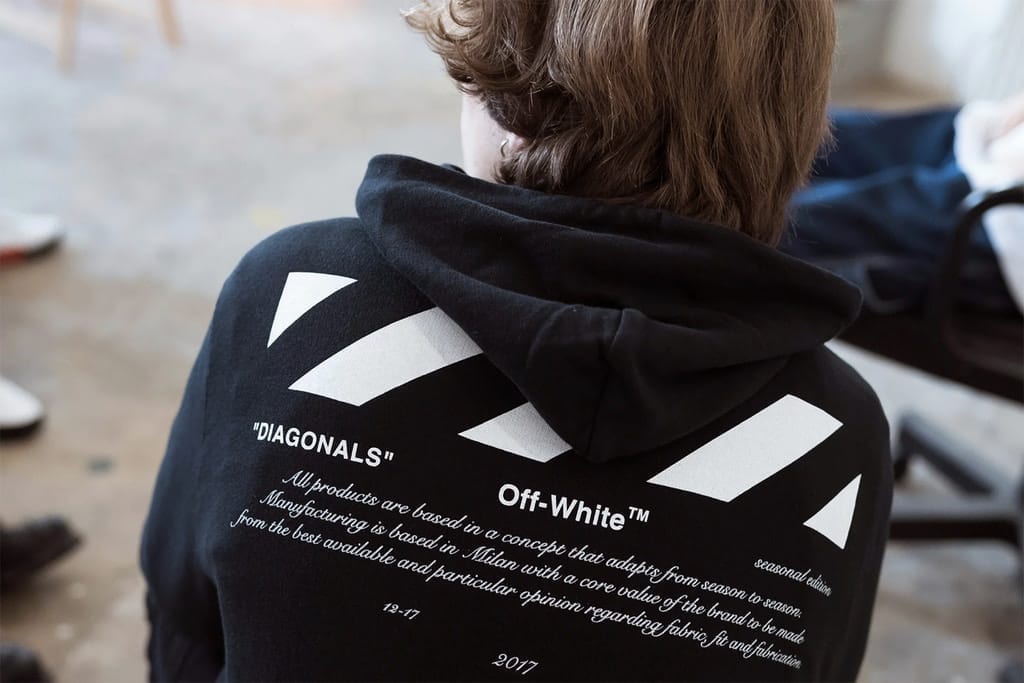
    As speculation grows about an Off-White™ x Nike Soccer collection, Virgil Abloh‘s label has debuted a more affordable line. Titled “For All,” the new collection features pieces such as graphic T-shirts and hoodies at a significantly lower price point than Off-White™ mainline pieces, with tees priced at $95 USD and hoodies at $170 USD.

    Speaking to the press about the newly-launched line, Abloh explained that “the price tier allows for a new customer to see themselves within the overall concept of the fashion label. Off-White™ can be luxury at a traditional luxury price point, or equally it can be relevant at an affordable price point.”

    The “For All” collection is available now from 11 Off-White™ locations around the world — including the brand’s stores in New York, Hong Kong and Sydney. Abloh has also indicated that there could be more affordable collections on the way, telling BoF that he will drop new releases “periodically but with the freedom to decide where and when in each instance.”

    As well as dropping the first “For All” capsule, Off-White™ has also recently released a set of limited edition cycling caps.

  • China’s Ruyi Emerges as Leading Bidder for Bally

    China’s Ruyi Emerges as Leading Bidder for Bally

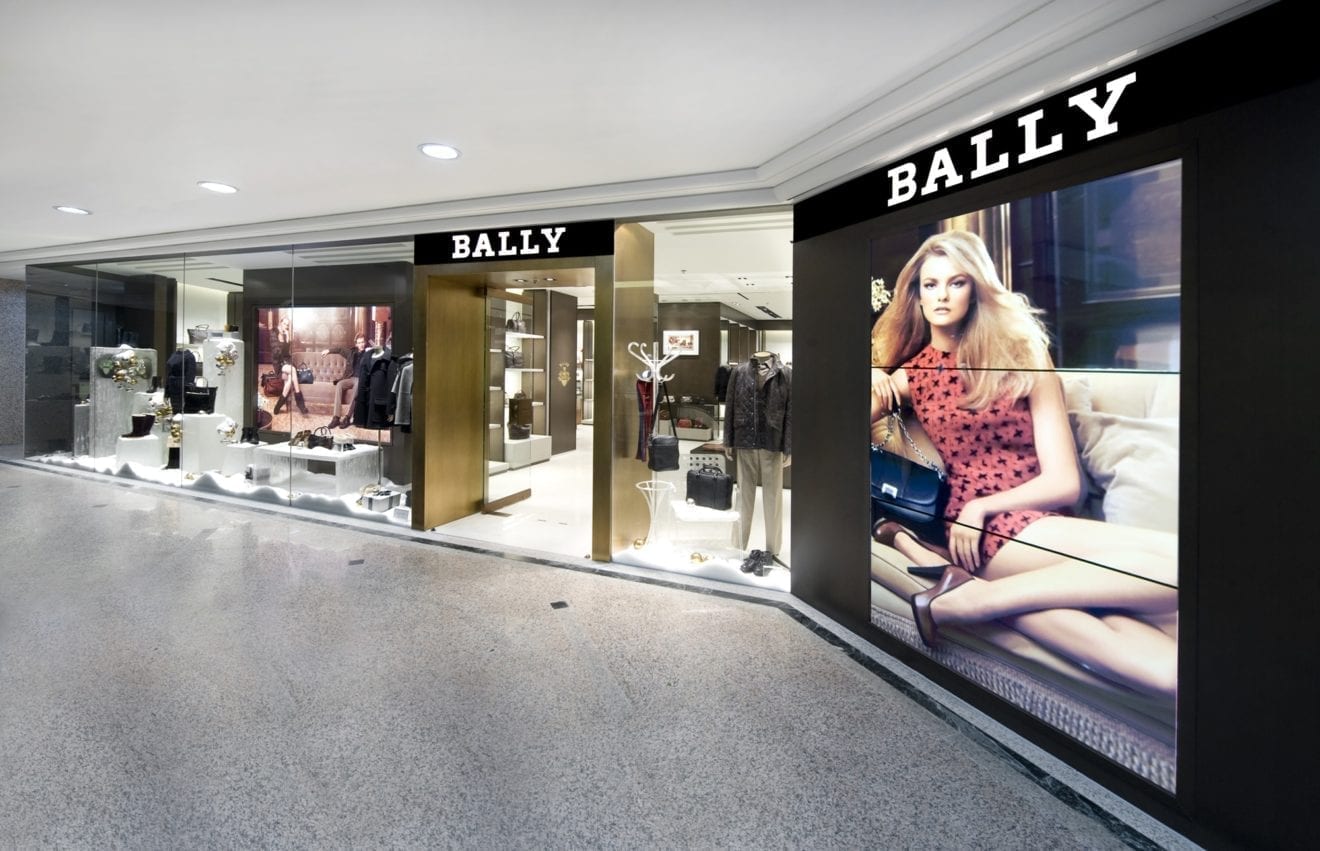
    Chinese textile producer Shandong Ruyi Group is emerging as leading bidder for Swiss luxury brand Bally International.

    In advanced negotiations with Bally’s owner, JAB Holding, the group has been discussing a price of about US$700 million, insiders say.

    Ruyi has pulled ahead of other suitors including Club Med owner Fosun International and Chinese apparel maker Fujian Septwolves Industry, and another buyer may yet emerge.

    Ruyi agreed in November to buy a controlling stake in Trinity, the owner of British bespoke suit-maker Gieves & Hawkes, for HK$2.22 billion (U$284 million). The previous month, it said it would buy the owner of material company Lycra. In 2016, it acquired SMCP, whose fashion brands include Sandro, Maje and Claudie Pierlot, and agreed to buy British trench-coat maker Aquascutum last year.

    Founded in Switzerland in 1851, Bally was previously owned by US buyout firm TPG, which agreed to sell the firm to JAB in 2008.

  • Saint Laurent joins Toplife

    Saint Laurent joins Toplife

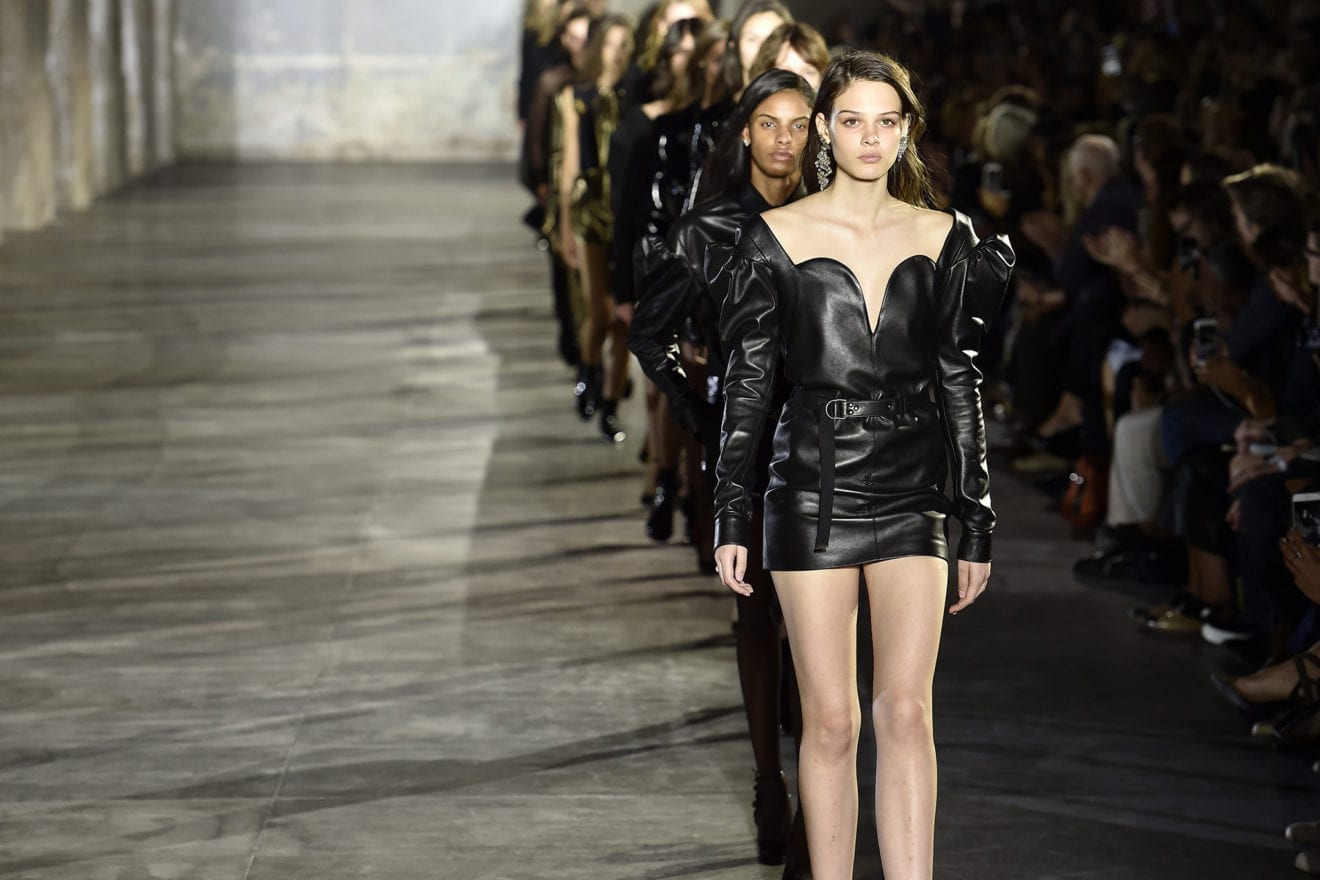
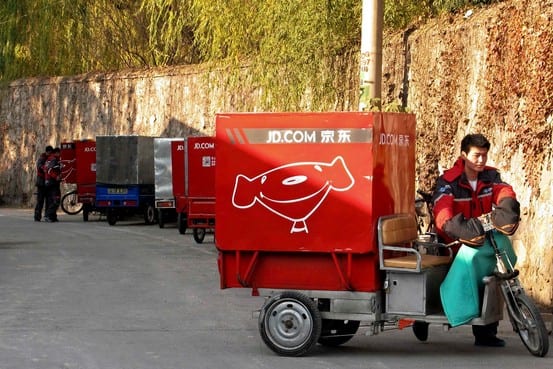
    French fashion label Saint Laurent, part of Kering, will start selling online in China through a JD.com portal, joining shopping players like Alibaba in trying to tap strong luxury goods demand from Chinese consumers.

    The French brand created in 1961 by its late founder Yves Saint Laurent, said  it was partnering with Toplife, a platform launched last October by JD.com, which aims to woo luxury buyers with same-day deliveries and premium services.

    “Thanks to the sophisticated logistics network and personalised platform provided by our partnership with Toplife, Saint Laurent will be able to implement its omnichannel development in China, securing a top-level luxury journey to our clients,” said Francesca Bellettini, president and chief executive of Saint Laurent, in a statement.

    Brands on the platform will have access to “JD.com’s upper middle class user base” and “an online luxury experience that can match the in-store experience,” said Xia Ding, president of JD.com’s fashion division.

    Toplife rivals Luxury Pavilion, a similar portal launched in August, which is backed by Alibaba’s Tmall platform and features products from fashion groups such as Burberry.

    Chinese shoppers made up 32 percent of the worldwide luxury market in 2017, more than any other nationality, consultancy Bain & Co said, making it a crucial market for fashion brands.

    KPMG has projected, meanwhile, that half of China’s domestic luxury consumption could come from web sales by 2020.

    Online shopping has proved a potent earnings driver for fashion brands even if many were initially reluctant to distribute their wares too widely.

    Top labels such as Kering’s Gucci or LVMH’s Louis Vuitton recently started marketing directly to Chinese buyers with their own websites in the country.

    High-end fashion houses are still wary of alliances with mass-market platforms such as Amazon, however, fearful they will lose control of their image.

    JD.com and Alibaba’s specialist luxury platforms have already lured several other brands, touting themselves as more exclusive, selective sites.

  • SpherePay launches in-app credit function in Singapore

    SpherePay launches in-app credit function in Singapore

    Singaporean mobile payment app SpherePay has introduced a “micro-loan” concept for its users.

    It is the first mobile payment app to offer a buy-now-pay-later scheme, which it terms advanced credit. A QR code enables payments. Users must be at least 18 years old to sign up for the service, which allows users 30 to 45 days to repay.

    Processing and approval can be done within two hours. Applications can be made by clicking the Advanced Credit icon on the SpherePay mobile app. For first time users, the credit amount is set at $300. As the app monitors spending patterns and repayments, the credit amount can increase.

    “The advance credit will benefit people without credit cards, especially students,” says the company.

    Launched in November, SpherePay has more than 60,000 users in Singapore and 100-plus merchants. Meanwhile, the company plans to expand to Thailand, Indonesia and Malaysia this year.

  • Pertamina Needs Up to $70m to Support National Single-Price Fuel Scheme

    Pertamina Needs Up to $70m to Support National Single-Price Fuel Scheme

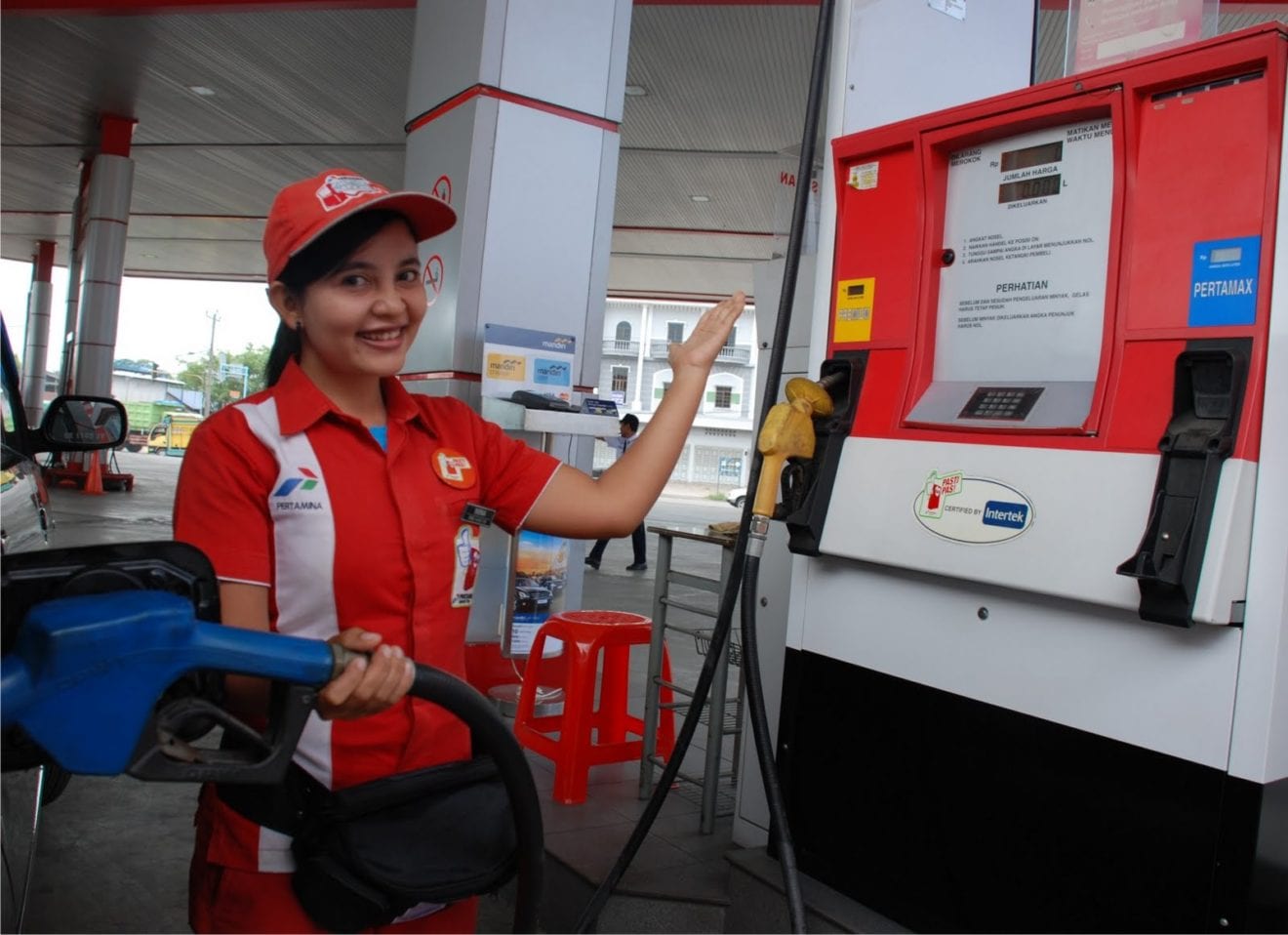
    State-owned energy company Pertamina needs to spend around Rp 800 billion to Rp 1 trillion ($70 million) this year to support the government’s single-price fuel scheme in 54 of the country’s most remote areas, a minister said on Monday (08/01).

    The administration of President Joko “Jokowi” Widodo initiated the single-price fuel scheme in October 2016 to provide cheap, subsidized fuel in remote areas to help spur growth.

    According to Energy and Mineral Resources Minister Ignasius Jonan, Pertamina needs as much as Rp 1 trillion to help fund logistical, operational and development costs to distribute the fuel in the country’s hard-to-reach districts.

    Pertamina has been tasked with developing a total of 150 fuel distribution facilities by the end of 2019, estimated to cost about Rp 3.8 trillion in total. The government targets to offer the same fuel prices across the country at Rp 5,150 per cubic meter for subsidized diesel and Rp 6,450 per cubic meter for low octane “Premium” gasoline.

    “[Subsidized] fuel products are very important, especially in the frontier, outermost and most remote areas, in which the disparity [with big cities] is pretty high. This is a three-year program as [reaching] the areas is not easy,” Jonan said in a press conference on Monday.

    Since former President Susilo Bambang Yudhoyono’s administration, the government has continuously liberalized fuel distribution businesses to the private sector from, previously, Pertamina.

    Last year, the state-controlled company, along with privately owned chemical distribution company AKR Corporindo, built a total of 57 fuel distribution facilities: Pertamina developed 54 of those facilities. In total, the new facilities have a combined distribution capacity of 48,000 kiloliters per year.

    However, last year, distributors from Pertamina and AKR only distributed 11,000 kiloliters of Premium gasoline and 6,000 kl of subsidized diesel.

    For the 2018-2022 period, the government has appointed Pertamina and AKR to procure subsidized fuel products in the country.

  • Central Group to add its online presence with JD.com

    Central Group to add its online presence with JD.com

    After forming an e-commerce partnership with China’s JD.com, Thai retail giant Central Group expects online sales to account for as much as 15 per cent of its revenue in five years’ time, from 2 per cent now.

    CEO Tos Chirathivat says the $500 million JV, announced in September, will help it compete in Southeast Asia’s booming e-commerce market and also open up businesses opportunities in China.

    Tos estimates online retail in Thailand could rise fivefold to 10 per cent of the market as web access spreads via smartphones.

    While Central Group is a privately held investment arm of the Chirathivat family, it controls a range of publicly traded businesses – Central Pattana is a mall developer, Central Plaza Hotel runs resorts and restaurants, Robinson is a chain of department stores and COL is an office supplies company. Central Pattana turnover surged 50 per cent last year, Central Plaza 47 per cent and COL more than doubled.

    Outside of Thailand, Central Group owns Italian luxury department store La Rinascente, Danish retailer Illum and the Big C hypermarket chain in Vietnam, along with interested in retail chains including Nguyen Kim (Vietnam) and B2S (Thailand).

    Central Group is targeting annual revenue growth of 13 per cent this year, says Tos. Local sentiment is helping the company, with consumer spending in Thailand picking up after the October cremation of King Bhumibol Adulyadej ended the nation’s year-long mourning period.

  • Kendrick Lamar Debuts the Nike Cortez “Kenny I”

    Kendrick Lamar Debuts the Nike Cortez “Kenny I”

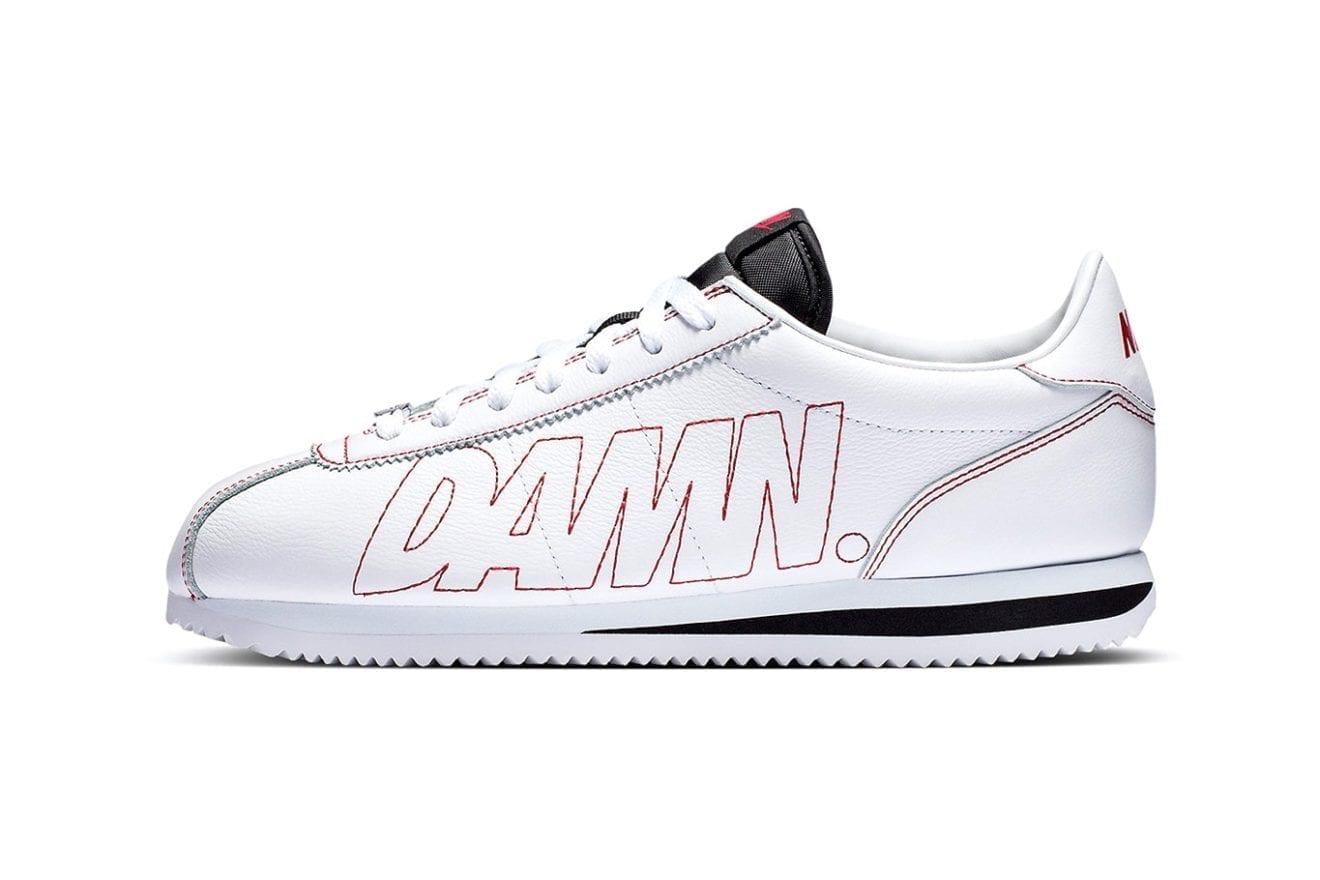
    With the release date for his “DON’T TRIP” Cortez “Kenny” collaboration with Nike fast approaching, Kendrick Lamar has now given another take on the collaborative sneaker. Stepping out for his performance at the 2018 NCAA College Football National Championship, Lamar was wearing a previously-unseen take on the Cortez silhouette, which Nike described as “a tribute to his album DAMN.“ in an Instagram post.

    DAMN. is celebrated through contrasting red embroidery of the album’s title along the sneaker’s lateral side, as well as custom Nike branding on the tongue with “DAMN.” appearing above a Swoosh logo. Other features of the shoe include its black tongue and red stitching across the upper.

    Nike has confirmed that the “Kenny I” collaboration is set to drop via the SNKRS app on January 26, with a reported retail price of $100 USD. For more new Nike sneakers, take a closer look at the Air Max 270 “Teal.”

  • The Golden Gaytime skips Indonesia market

    The Golden Gaytime skips Indonesia market

    Under social-media fire in Indonesia over its Golden Gaytime ice-cream brand, Unilever has issued a statement to say the brand is not even sold in the country.

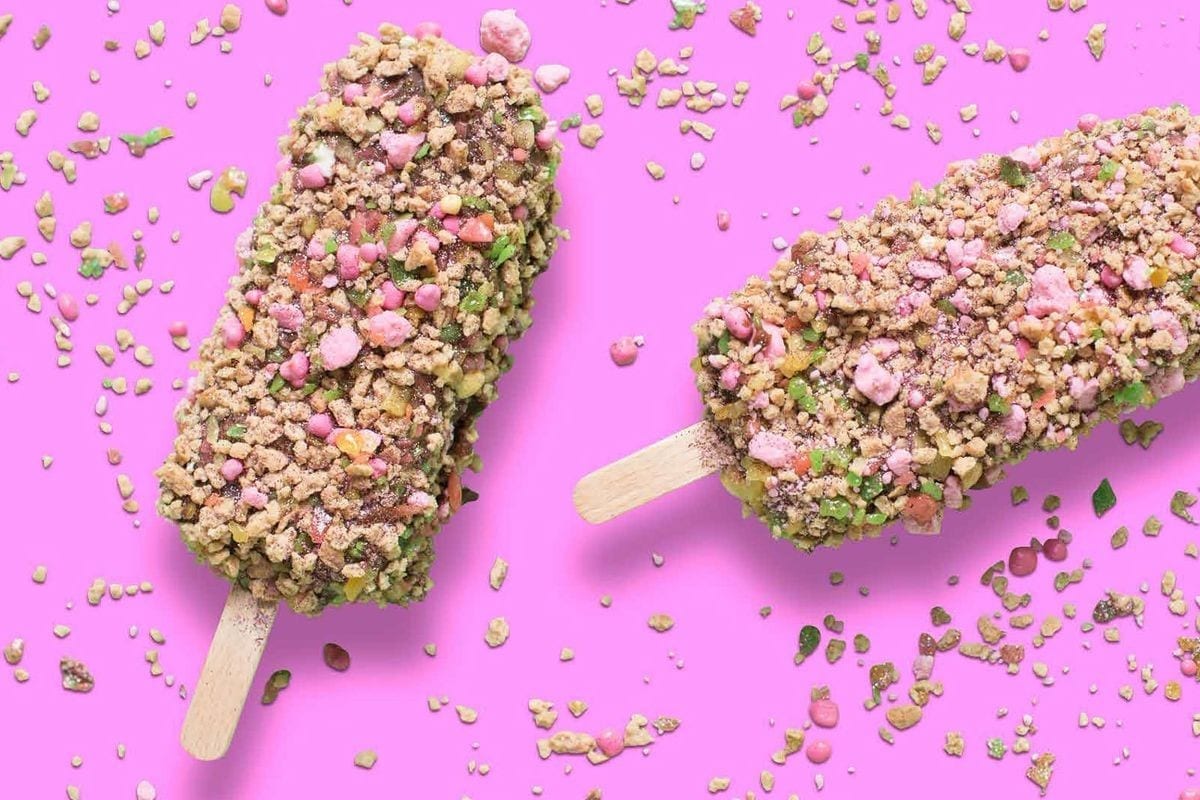
    Protesters say the name and design promote LGBT rights, a big issue in Indonesia. The outrage follows social-media posts featuring a Rainbow Gaytime ice-cream bar that is not an official product but a tribute concept created by an Australian fan for Sydney’s Mardi Gras festival. The posts went viral, followed by ugly comments and calls to boycott Unilever subsidiary Wall’s.

    Unilever Indonesia clarified that the ice cream was not a product of Wall’s Indonesia. It said it has been in Indonesia for 84 years and respected and upheld the cultural and religious values and norms of the country. It also said Wall’s brand was halal certified in Indonesia, and had won an award for its efforts in this area.

    Golden Gaytime first released in Australia in 1959, keeping its name despite the change in connotation of the word “gay”. In recent years, as with the rainbow edition, it has embraced the modern use of the word.

  • Indonesian Gov’t to Modernize Thousands of Traditional Markets

    Indonesian Gov’t to Modernize Thousands of Traditional Markets

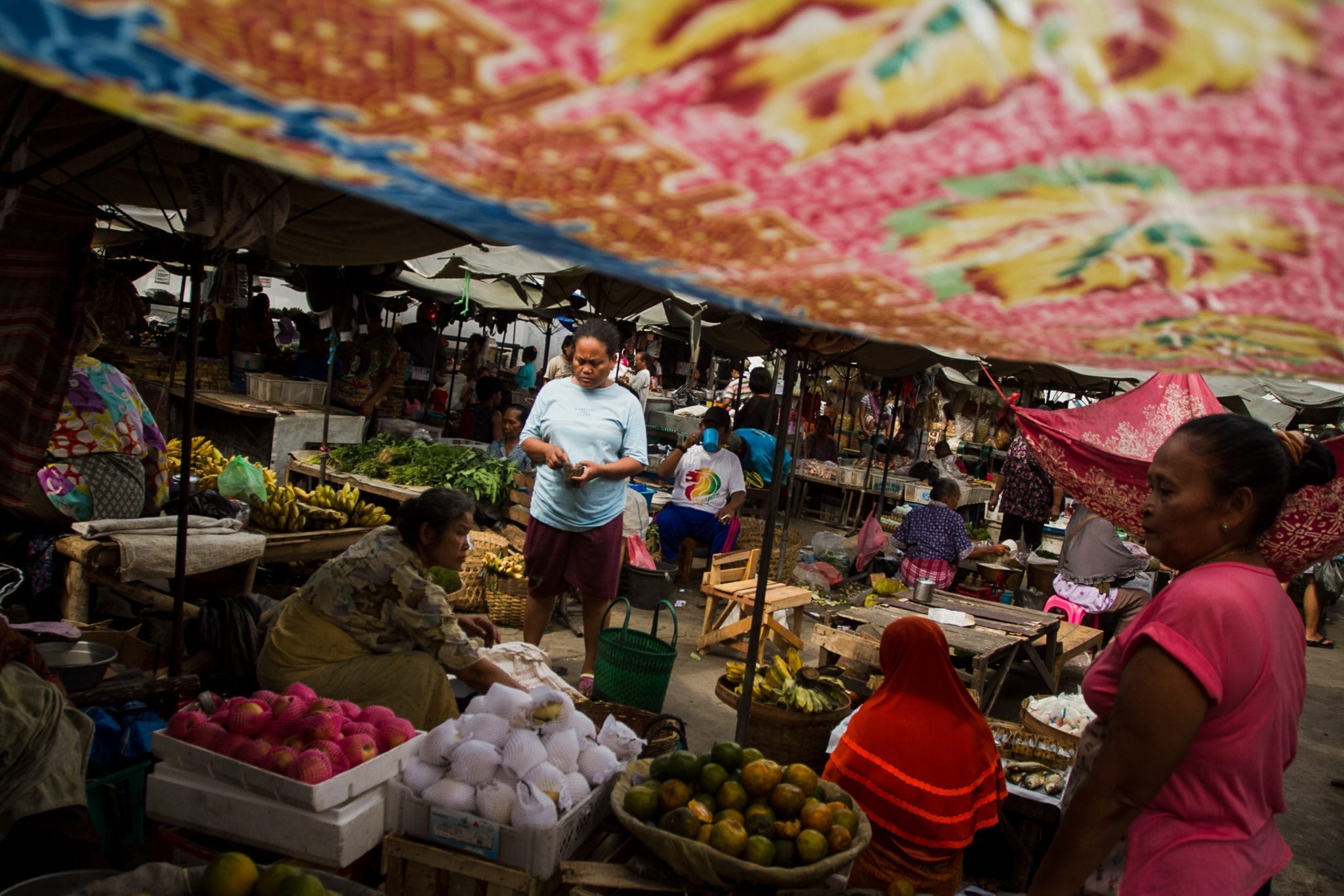
    Indonesia will refurbish 1,592 traditional markets across the country this year as part of President Joko “Jokowi” Widodo’s nine-pronged and domestic-focused Nawacita development program, its Trade Minister Enggartiasto Lukita said on Thursday (04/01).

    A total of Rp 5.5 trillion ($409 million) will be made available to modernize 267 markets through co-administration funding (TP), 1,275 markets through special allocation funding (DAK) and 50 markets under the management of the Cooperatives and Small Businesses Ministry.

    Enggartiasto said the government faces many challenges in trying to modernize traditional markets, ranging from budget limitations to protests from market sellers.

    “It’s not easy to rebuild or move [traditional] markets. Moving an old market always raises problems… even if we only move it 500 meters away from its original site. The sellers never want to move,” Enggartiasto told reporters during a press conference in Jakarta.

    The ministry’s director general of national export development, Tjahya Widayanti, warned regional administrations to treat sellers fairly when they refurbish a market.

    “Don’t abandon the old merchants. [City administrations] should reserve stalls at the new market for them, not just for new sellers coming in,” Tjahya said.

    The government will focus on refurbishing traditional markets in the suburbs this year — mostly markets that are open at least twice a week and comprising at least 50 sellers in a 500-square meter area.

    It will also refurbish some weekly markets with at least 500 sellers in a 500-square meter area.

    The government has already refurbished 2,715 traditional markets since 2015 till last year, out of an eventual target of 5,000 markets by 2019.

  • L Brands hit by sagging Victoria’s Secret sales

    L Brands hit by sagging Victoria’s Secret sales

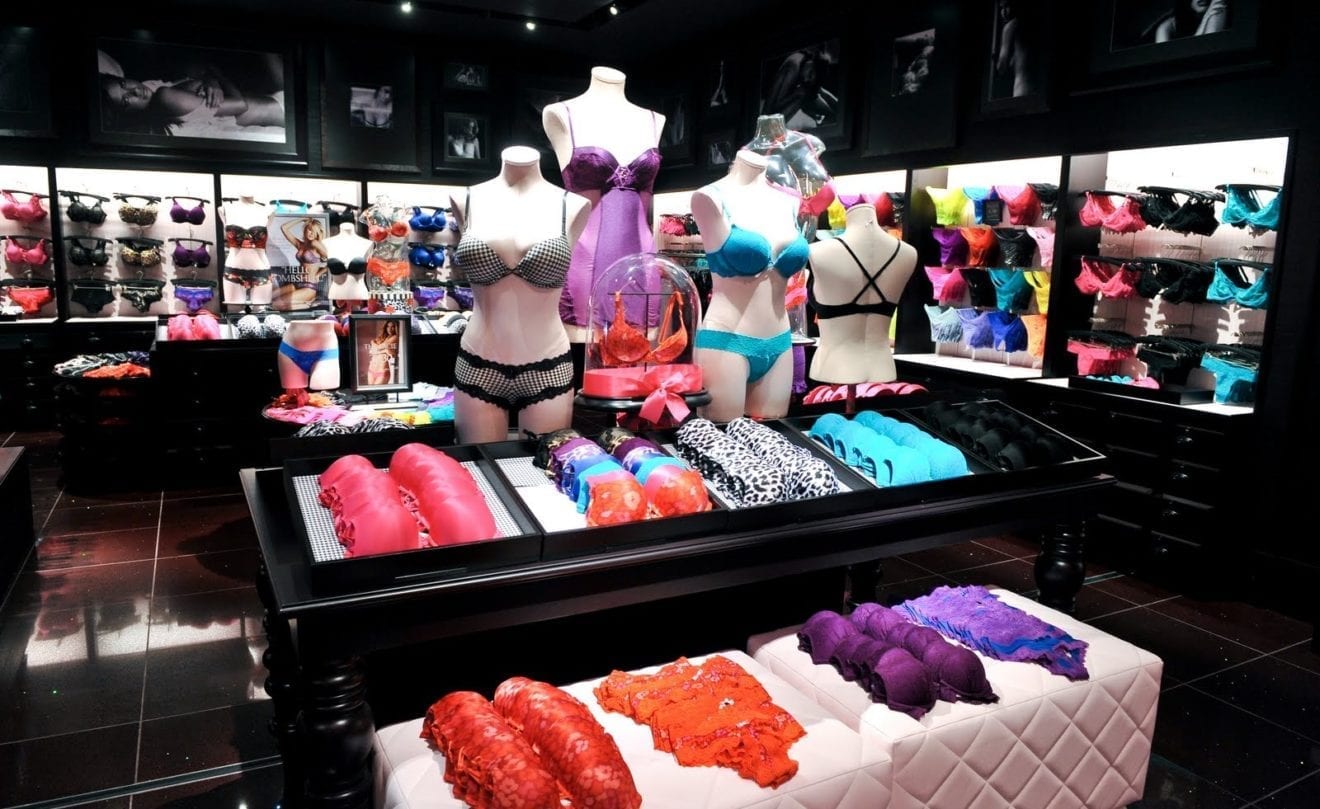
    L Brands, which owns the Victoria’s Secret, Pink and Bath & Body Works brands, has reported positive comparable and net sales for December.

    However, Victoria’s Secret sales failed to pick up during the holiday season.

    Net sales reached US$2.5 billion for the five weeks ended December 30, up 3 per cent compared to the same period the previous year, while comparable sales increased 1 per cent.

    Bath & body Works sales rose 4 per cent while Victoria’s Secret comparable sales declined 1 per cent. Minus the effect of online sales, Victoria’s Secret comparable-store sales fell 6 per cent.

    This follows Victoria’s Secret brand quitting the swim and apparel categories.

    For the 48 weeks to the end of December, the company reported net sales of $11.5 billion, down from $11.7 billion. Comparable sales dropped 4 per cent.

  • UL-OS to appoint its new brand ambassador

    UL-OS to appoint its new brand ambassador

    TVXQ ‘Yunho (Jeong Yun-ho)’ was selected as the first solo male cosmetics brand model.

    UL-OS, a male total skin care brand in Otsuka Pharmaceutical Korea, announced on  that the brand selected Yunho, the leader of group Dong Bang Shin Ki (TVXQ).

    An UL-OS official said, “We decided to choose Yunho as a new model, judging that Yunho’s healthy skin and sophisticated image fit well with the Ul-os brand image.”

    Yunho finished shooting a new TV advertisement of UL-OS’s representative product of all-in-one moisturizer. In this advertisement, Yunho’s stylish and manly charm will appeal to viewers with his UL-OS brand message and will be aired from January 1, 2018

    Yunho said “I am very interested in skin care products for normal moist and healthy skin.” “I am very pleased to be a model of the UL-OS brand that helps people to understand skin troubles and needs accurately and to provide effective skin care.”

    Yunho, who was selected as the fourth model of UL-OS after Cha Tae Hyun, Jung Woo and Eric, is the 13th year of his debut this year, as a K-POP leader, Korea’s best male idol, and he has been loved by fans home and abroad. He has been still active in the five major dome tours in Japan since November 2017.

    Meanwhile, men’s total skin care brand UL-OS presents three all-in-one moisturizers (skin milk, skin lotion, and skin conditioner) as men’s all-in-one products and has a full skin care line including scalp shampoo, skin wash, sunblock and face sheet.

    In particular, UL-OS Skin Milk has recently been selected as a men’s cosmetics standard at the Olive Young 2017 Health & Beauty Awards, and received continuous support from male consumers, including the Olive Young Health and Beauty Award in the men’s all-in-one category for the second consecutive year.

  • Suning Unmanned ‘Biu’ Store goes International

    Suning Unmanned ‘Biu’ Store goes International

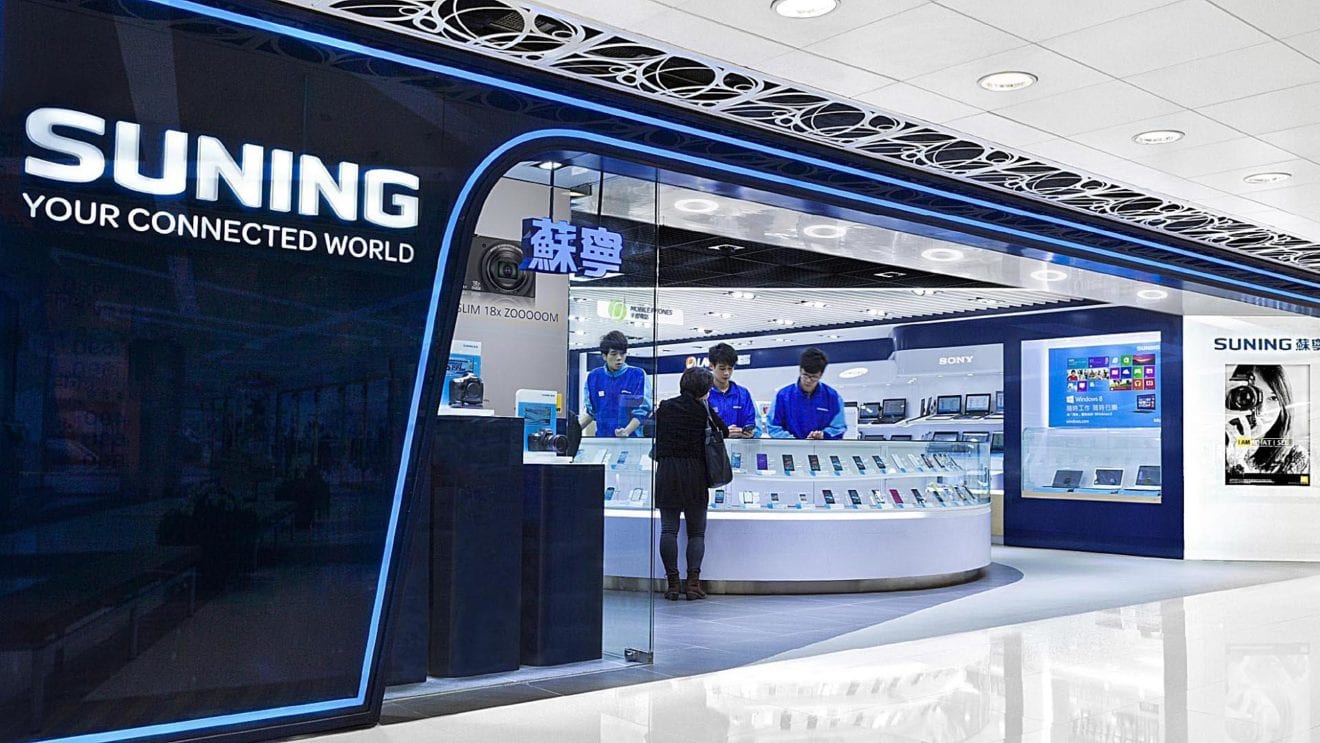
    Suning Commerce Group, one of China’s largest non-government retailers, is showcasing its unmanned, automated Biu store at CES 2018 in Las Vegas this week.

    Running until Friday, CES is the global stage for new innovative consumer electronics. Suning’s promotion of its Smart Retail program comes as the company prepares to launch its developments internationally,

    “Suning’s Biu store concept showcases the latest in our online-to-offline retail strategy, designed to offer consumers a one-stop seamless shopping experience,” says the group’s R&D executive VP Joshua Xiang, who is also GM of Suning Global Research.

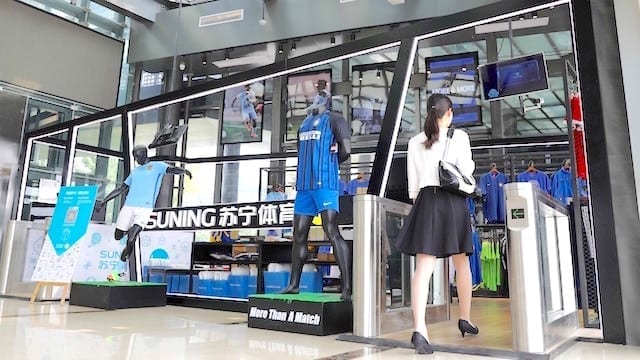
    Suning’s Biu store concept is big-data driven and powered by facial recognition and radio frequency identification (RFID) technology. Since launching its first self-service store in Nanjing in August, Suning has opened a further four cashierless stores in China, in Shanghai, Beijing, Chongqing and Xuzhou.

    It says shoppers have been flocking to the stores to buy gadgets, personal electronics, FMCG and sports accessories. They can also find branded football merchandise, including Italian team Internazionale Milano, which is owned by Suning.

    Immediate identification

    Bui shoppers who link their bank card to the Suning Finance app are immediately identified by camera at the store’s entrance and granted access. Inside, they can be helped with their purchase decisions by Suning Smart Recommendation, a shopping guide system based on big-data analysis. RFID technology along the payment pathway ensures an effortless check-out experience taking no longer than 15 seconds.

    At CES, Suning is also showcasing its e-commerce services and tech products that focus on enhancing the consumer experience. These include the Smart Sue shopping assistant, with voice and text interaction system; the Anywhere AR shopping experience, allowing shoppers to place virtual products into a real scene; Suning Smart Home, incorporating advanced Internet of Things automation systems to control electronic home appliances and built-in technology; smart retail chain software; and logistics and shopping financial services.

    A Created in China forum at CES tomorrow, hosted by Suning and the China Household Electric Appliance Research Institute, will explore electronics industry trends in China and also demonstrate Suning’s Smart Retail concept.

  • AirAsia Indonesia’s share price skyrockets after listing

    AirAsia Indonesia’s share price skyrockets after listing

    The price of PT AirAsia Indonesia’s shares has skyrocketed since they were listed on the Indonesian Stock Exchange (IDX) last week.

    The airline’s shares reached 25 percent per day over the last five days.

    Air Asia entered the bourse through a backdoor listing scheme named PT Rimau Multi Para Pratama. After the transactions, the company changed its name to PT Air Asia Indonesia on Jan. 3.

    On Monday, AirAsia Indonesia president director Dendy Kurniawan said the company planned to add two more planes — Airbus A320 planes — to its fleet as it wanted to open up new routes this year.

    He, however, declined to further explain the company’s plans. “We will announce the details next time,” said Dendy.

    Meanwhile, Bertoni Rio, a senior analyst from Anugerah Sekuritas Indonesia, said the price jump was temporary due to the euphoria after the name change from PT Rimau Multi Para Pratama to PT Air Asia Indonesia on Jan. 3.

    He said AirAsia was well-known brand among aviation firms. “The investors have a positive expectation that makes the share price increase.”

    Similar comments came from Achmad Yaki, an analyst at BCA Sekuritas. “It is still in euphoria, we still don’t know the performance of Air Asia,” Achmad said, adding that currently  airline businesses were facing various challenges.