Blog

  • Vietnam’s central bank to provide small change to all toll gate

    Vietnam’s central bank to provide small change to all toll gate

    The smallest denomination banknotes in Vietnam, VND100 and VND200 ($0.01), are both available at the central bank to any individuals or organizations that have a demand for them, a senior official from the bank said.

    Nguyen Thi Dam, director of the State Bank of Vietnam’s branch in Tien Giang Province, said the two notes are still in circulation and the central bank always makes sure they are available to customers.

    Those in need can ask for small notes at any commercial bank or come to the central bank, she said on Friday.

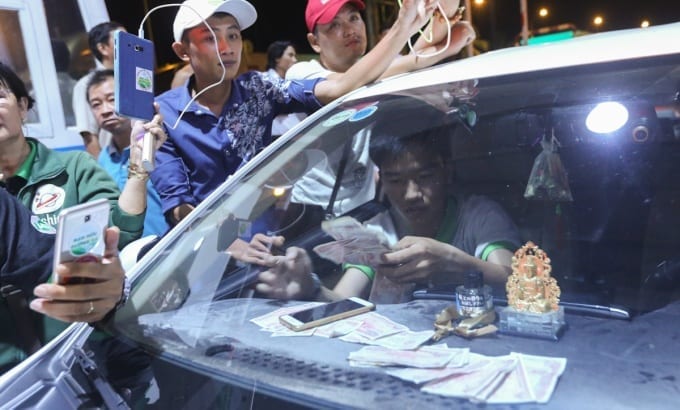
    Her statement follows a renewed dispute at a reopened toll station in Tien Giang where drivers have been protesting by demanding VND100 in change after paying VND25,100 for the VND25,000 toll.

    The situation led to a massive tailback on Thursday running up to the Cai Lay station, forcing staff to give in and allow drivers through free of charge.

    The station had only reopened that morning after disgruntled drivers forced it to close three months ago, but they were quick to pick up from where they left off.

    Their previous tactic was to pay the toll with stacks of VND200 and VND500 notes, forcing staff to spend extra time counting them. This eventually resulted in heavy traffic jams which forced the station’s staff to let cars pass.

    “We’re protesting because this station is in the wrong location, not because of the toll fees,” driver Vo Thanh Hao said. “We drivers will continue to fight against the investor behind the station.”

    The branch in Tien Giang has asked the central bank to provide more VND100 notes, given the high demand for the small denomination at the moment.

    In reality it’s a real challenge to find a VND100 note on the market these days, and they’re often kept as souvenirs now.

    The VND100 note was issued in 1991, and the biggest denomination in Vietnam now is VND500,000 ($22). A cup of iced tea costs around VND2,000 at streetside stands.

    The Cai Lay toll station was opened along National Highway 1 on August 1 for investors to recover the money spent on a project to resurface the highway and build a new bypass around a local town. However, drivers soon started using small change to pay the tolls in protest against the station, claiming it should have been placed along the new bypass instead of on the main road.

    The protests resulted in heavy traffic for days, forcing the station’s operator to temporarily close it on August 15.

    The Transport Ministry disagreed with the drivers’ claim that the station should have been placed along the new bypass, but agreed to cut the toll fees and let locals living near the station pass through for free.

    Luu Van Hao, deputy chairman of the company investing in the BOT (Build-Operate-Transfer) project, also stressed that the toll station is operating in accordance with regulations.

    “Cutting the toll fees is the last resort. We cannot relocate the station like the drivers have asked,” he said.

    There are toll stations every 62 kilometers (39 miles) along the highway, according to a report released by the legislative National Assembly last year. The standard distance set by the government is 70 kilometers.

  • Burberry celebrates its flagship store in Seoul with the artist Danny Sangra

    Burberry celebrates its flagship store in Seoul with the artist Danny Sangra

    Burberry held a special event with British illustrator and artist Danny Sangra from 28 to 29 November 2017 to celebrate the new Doodle collection in Cheongdam flagship store, Seoul.

    ‘Doodle’ means ‘playful graffiti’. The Doodle Collection is a playful scribble with a felt marker pen from reversible canvas tote bags, sneakers, silk and cotton blend scarf, wallets, pouches, belts and other small accessories.

    In January, 2018, Burberry will show men’s and women’s wear such as dress, trench coat and sweat shirt by adding gorgeous neon color.

    Burberry official said, “We have grafted a variety of British design elements such as red, white, blue, dark storms, rainbows, stripes and polka dots into the British flag as well as graffiti patterns.”

    Doodle collection products are currently available at Burberry flagship stores and Online (Burberry.com).

    At this special event, Danny Sangra presented his exclusive collection of sketches.

    Danny Sangra, who visited Korea for the Burberry Doodle Exclusive collection, explained how he created a unique illustration for the Burberry flagship store.

    In addition, Danny Sangra’s work station, which is set up separately at the store, allows him to customize the bag directly to the dog’s back.

    Danny Sangra also showed the process of customizing the Doodle bags.

    During the event, both the window and the internal display of the store were transformed into a ‘Doodle Concept’, and a photo booth was also installed to create the artwork design of Danny Sangra into a photo.

    The event will be showcased in five cities in Tokyo, Seoul, Beijing and London starting from New York on 16 December 2017.

    Danny Sangra is also an English director and writer, graduating from Central Saint Martins, and an artist, illustrator, and photographer. He already had collaboration with Burberry’s archival project “Now Then” last summer.

  • Ex Stuart Weitzman CEO launches new line of luxury sneaker

    Ex Stuart Weitzman CEO launches new line of luxury sneaker

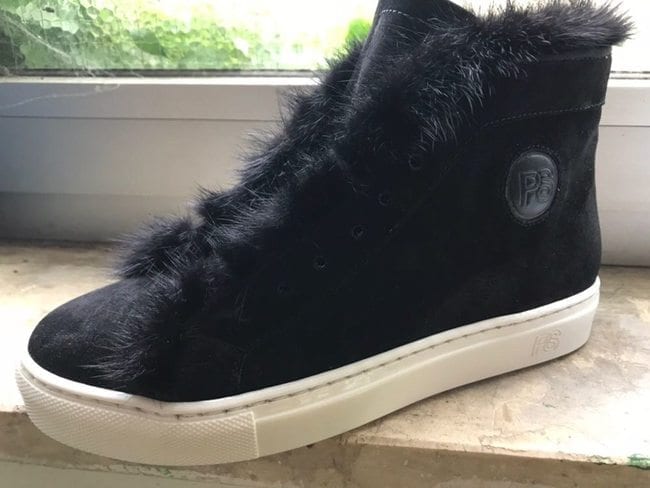
    Former Stuart Weitzman CEO Wayne Kulkin has launched a new brand to take advantage of the fast-growing luxury sneaker category.

    StreetTrend is a partnership between Kulkin and Hilco Global, which is better known in retail circles for managing the liquidation of failed retail businesses, including HMV, Blockbuster and Linens N Things.

    Kulkin says he is confident that luxury sneakers is a trend with staying power. “Consumers are passionate about the growing trend of wearing sneakers in all settings – from the gym to the office, from the park to the bar,” he says.

    “The demand for multiple pairs of shoes is a natural extension of the shift to casual dress at the workplace. People want to make a statement about their personal style from head to toe.”

    Kulkin founded the company early this year, working at first on developing product designs

    “I’ve been a sneakerhead since I was a teenager. Anyone who’s ever met me will tell you that I am always in sneakers, whether it’s with a suit, jeans, or sweatpants.”

    The first products are expected to ship to luxury retail stores in North America and Europe, including Neiman Marcus, Nordstrom, Shopbop and The Shoebox NYC, in Spring/Summer 2018.

    StreetTrend will manufacture its shoes in Italy and retail them under three brands: p448, Meline, and P.S.821.

    “StreetTrend LLC will design and market Italian-made luxury sneakers that are fresh and innovative,” says Kulkin. “The entire collection is made with the finest materials and handcrafted in Italy. Our goal is to completely exceed consumer expectations on style, comfort, and fit, all at a democratic price point.”

    Kulkin will leverage his deep industry experience in marketing, supply chain and global consumer trends as CEO of the new venture.

    “I’m excited to build something from the ground up. I love the power of ideas and the creative process, and I’m certain we’re tapping into a very exciting consumer need for sneakers that look and feel fantastic.”

    Kulkin spent more than 20 years at Stuart Weitzman and served as its CEO both before and after the company’s acquisition by Coach, (now Tapestry). He started his shoe career as a buyer at Nordstrom, and has been involved with every aspect of the footwear industry over his career.

    Hilco Global’s activities are not restricted to dissolving businesses. The company has invested in many fashion and consumer brands in the past, including Polaroid, Halston, Haute Hippie, Madaluxe Eyewear, Le Tigre, Caribbean Joe, Ellen Tracy and Altec Lansing.

  • LVMH and Céline to launch e-commerce venture

    LVMH and Céline to launch e-commerce venture

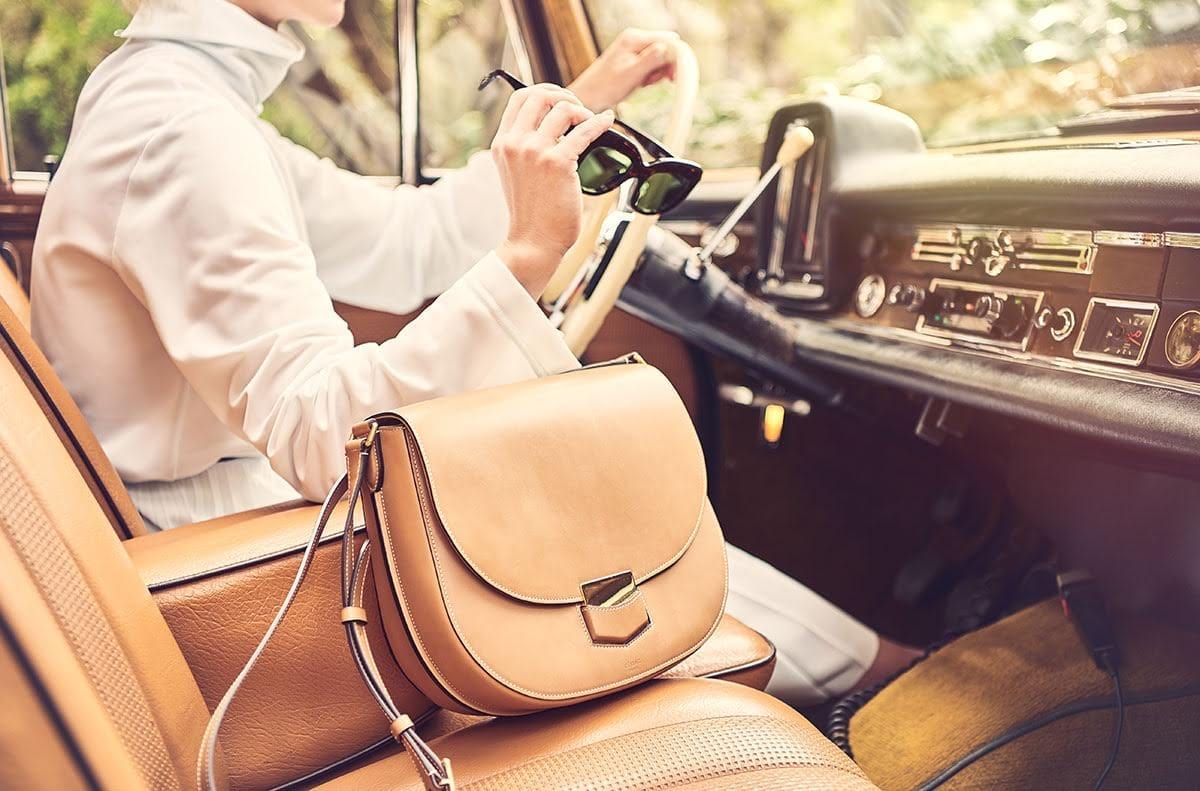
    Céline, the only LVMH-owned fashion label without its own e-commerce business, will start offering online sales from a new website next week, two sources close to the matter said.

    The French brand joins a growing line of luxury goods players belatedly pushing into e-commerce, shrugging off long-held concerns such an avenue would hurt their image.

    Artistic director Phoebe Philo’s minimalist, avant-garde designs have turned Céline into one of fashion’s most sought-after labels over the past 10 years.

    Céline will test the water with its clothing collections, shoes and leather “it-bags” usually costing well over $2,000, one of the sources said.

    “The website will launch in France over the course of the coming week,” the source said, adding that the e-commerce business would then be rolled out to the rest of Europe and the United States in 2018.

    Owner LVMH, the world’s biggest luxury goods conglomerate, does not break down sales of individual brands, but analysts estimate Céline’s annual revenue at 700 million to 800 million euros (705.1 million pounds).

    Online sales of luxury goods are set to grow 24 percent in 2017 and make up close to 10 percent of the market, according to consultancy Bain. It forecasts they will represent 25 percent of all luxury sales by 2025.

    Online sales have helped fuel revenue growth at brands such as Kering-owned Gucci.

    Gucci and rival Louis Vuitton, an LVMH brand, launched new sites in China in recent months, while leather handbag specialist Hermes has recently revamped its online business. LVMH set up a multi-brand e-commerce website earlier this year.

    But France’s privately owned Chanel remains a major outlier. The label said last week it had no immediate plans to try to sell its famed tweed jackets or quilted leather bags online.

    LVMH recently denied an October report that Philo may be close to leaving Céline, though the news has fuelled speculation that she could be one of the favourites to replace Burberry’s departing designer Christopher Bailey.

  • Safilo signs distribution deal for Thailand and Cambodia

    Safilo signs distribution deal for Thailand and Cambodia

    Safilo continues to expand internationally, boosting its presence in Asia.

    The Italian eyewear manufacturer has signed an exclusive distribution agreement for Thailandand Cambodia, adding to its international distribution network, now extending to 42 countries.

    Safilo, which is controlled by Dutch investment fund Hal, issued a press release announcing the signing of the deal with Supreme Eyewear, a major local distributor with a 40-year presence in the business. The term of the agreement was not indicated.

    “The distribution agreement for Thailand and Cambodia marks a further step in the development of the Asia Pacific region. It supports the acceleration in the growth of Safilo’s Emerging Markets unit, as per Safilo’s 2020 Strategy,” wrote the group, which hopes as a result to earn “significant market share in highly interesting countries.”

    Supreme Eyewear will distribute all of the brands featured in Safilo’s portfolio – more than 30 labels – from the most accessible ones, like Polaroid and Havaianas, to premium names such as Elie Saab, Dior, Fendi, Jimmy Choo, Givenchy and soon also Moschino.

    Through this geographic redeployment, Safilo is seeking to compensate for the loss of the Gucci license, which still weighs heavily on its financial performance, as shown by the third quarter 2017 , which recorded a revenue of €245.1 million, equivalent to a 14.9% shortfall (-12.3% at constant exchange rates) compared to the same period a year earlier.

  • Peugeot ups Chinese petrol engine shipments amid diesel slump

    Peugeot ups Chinese petrol engine shipments amid diesel slump

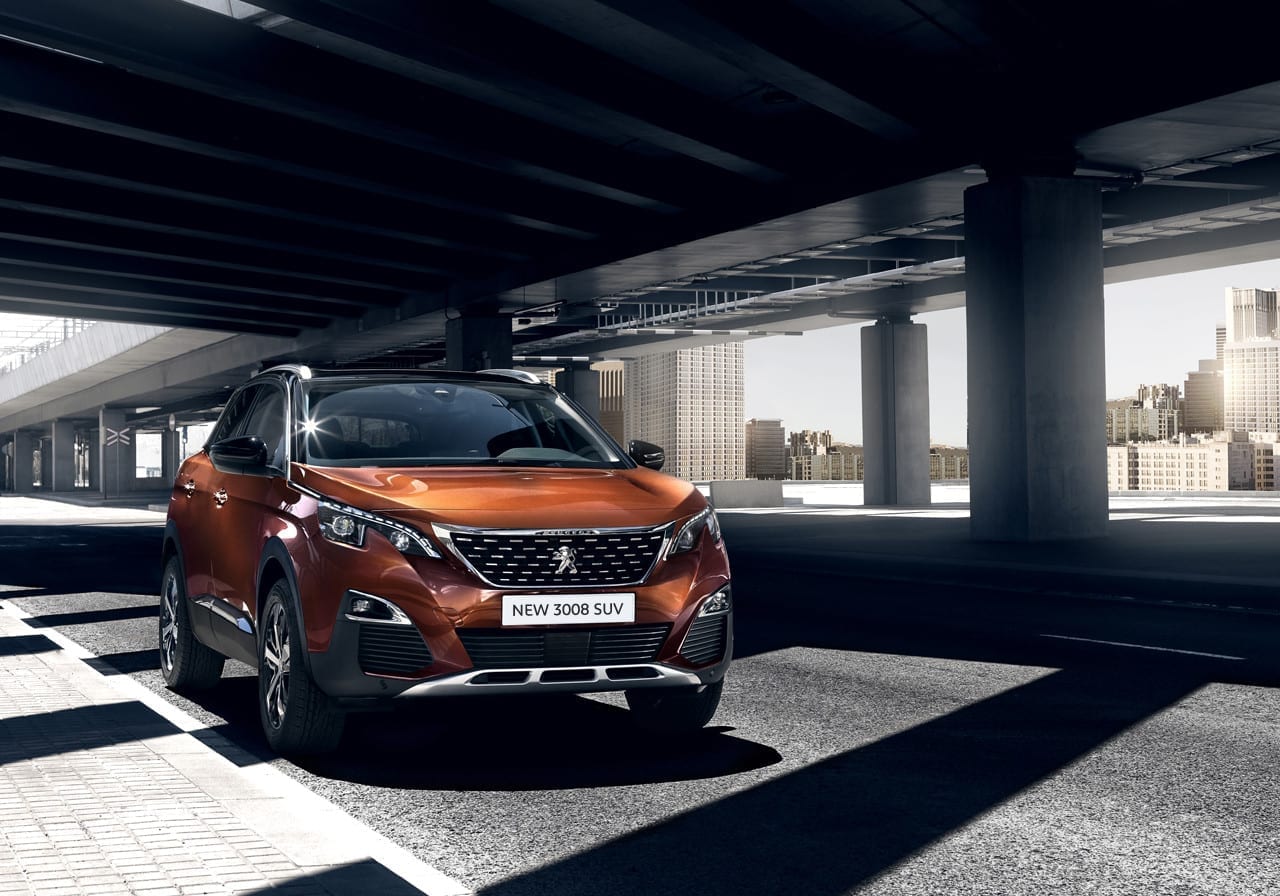
    French carmaker PSA Group is increasing shipments of Chinese-made gasoline engines to Europe as it adapts to a consumer shift away from diesel, Les Echos reported on Monday.

    The maker of Peugeot and Citroen cars now expects to source 100,000 gasoline engines from Chinese plants, an increase on the 55,000 it had previously planned to import in 2017-18, the French financial daily said.

    A PSA spokesman declined to comment.

    Paris-based PSA had announced the import plans earlier this year to accommodate the shift in demand while it converts some domestic engine production capacity from diesel to gasoline.

  • Hanoi gets its first McDonald’s as influx of western fast food chains continues

    Hanoi gets its first McDonald’s as influx of western fast food chains continues

    Global burger behemoth McDonald’s opened its first branch on Saturday in the historic heart of Hanoi, a conservative city renowned for its traditional — and cheap — Vietnamese staples beloved by food-obsessed locals.

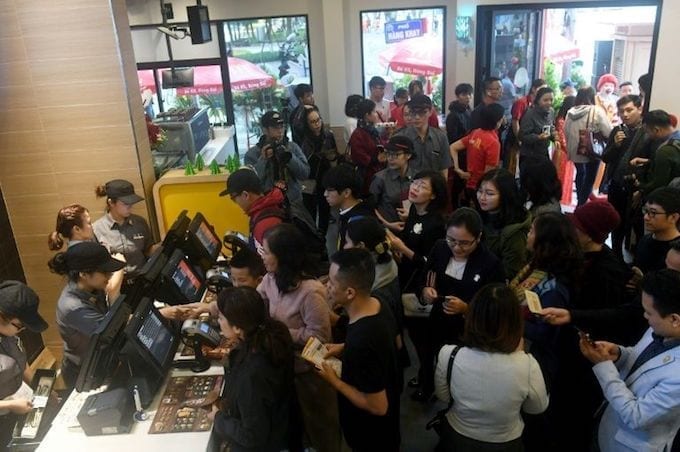
    Hungry customers lined up for Big Macs and Chicken McNuggets at the Vietnamese capital’s first location overlooking the tree-lined Hoan Kiem Lake, which draws millions of tourists annually to see French-era colonial buildings and sample street-food favorites like pho noodle soup and banh mi sandwiches.

    The restaurant is the first outside of the southern commercial hub Ho Chi Minh City, where 16 branches have opened since McDonald’s first came to Vietnam in 2014 to much fanfare, especially among the rapidly-growing middle class and American-obsessed youth.

    The global fast food chain received a similarly warm welcome in Hanoi on Saturday, as hungry diners crammed into the two-storey eatery for a first taste of the Golden Arches.

    For 84-year-old Tran Dinh Luyen, who fought against the U.S. in the Vietnam War, the restaurant was a sign of warming ties with a former enemy.

    “I am happy that McDonald’s has opened a restaurant in Hanoi. It’s a very famous American brand, so it shows how far U.S.-Vietnam relations have come,” he said after mowing down on a Big Mac with his daughter and granddaughter.

    But not everyone agreed.

    “It’s a rip-off … this fast food is for kids only, it’s not good at all,” 90-year-old Ta Xuan Huong said, espousing his love for traditional cuisine.

    Some curious tourists stopped to see what all the fuss was about, perplexed that a brand ubiquitous in the West would draw so much attention.

    “It’s kind of random to see McDonald’s opening… it’s an interesting cultural experience to see how important it is that the store is opening here,” American Dan Moore said, after his wife remarked she might not have expected to find one of the most salient symbols of capitalism in the country.

    Vietnam has seen dizzying economic growth in recent years as it has opened its doors to foreign investment — which has included an influx of western chains like Starbucks, KFC and Burger King.

    Growth in the fast food sector has been buoyed by rapidly rising incomes — annual per capita income has more than doubled in the past decade to about $2,200 today — especially among under-30s, who make up half of Vietnam’s population of 93 million people.

    The fast food industry in Vietnam has seen double-digit growth annually for the past five years, and the country has the highest 2017 growth in Asia-Pacific for fast food chains, according to market research firm Euromonitor International.

    Though meals can cost as much as three times the local fare, customers are still showing strong appetite.

    “Young people like to hang out in fast food restaurants as they are seen as a cool and nice place … and these customers also like the taste of the food,” Euromonitor analyst Samuel Huynh said.

  • Search Engine Optimization For Retail Businesses

    Search Engine Optimization For Retail Businesses

    Search engine optimization (SEO) is a special marketing technique that can help your site rank better in the search engines. The process itself involves not only optimizing the actual content of a company’s website but also external factors such as the quality of the links that are pointing at the website and the company’s social media presence. SEO is a complicated and time-consuming process – especially for retail businesses since they usually have a lot of pages to maintain. Further complicating the matter is the fact that the search engines are continually tweaking their algorithms. That means that you have to stay on the cutting edge of SEO if you want to get good results.

    Retail businesses typically have pages dedicated to every product that they sell. They also have complicated search forms that allow visitors to search for products based on a variety of different factors. Every product on the site needs to be properly optimized to ensure that they come up during these searches.

    That is one of the things that makes optimizing a retail website so challenging. Not only do you have to optimize your site as a whole but you also have to optimize each product page if you really want to connect with potential buyers.

    Understanding The Importance Of Getting Listed Well In The Search Results

    Although the SEO process can take a lot of time, it is definitely worthwhile. Obtaining one of the top spots in the search engines can provide the following benefits:

    * An increase in traffic. Studies have shown that nearly 70% of all of the clicks on a typical search engine page go to the top five results. That means that if your site isn’t in one of the top positions, it most likely won’t get a lot of clicks from the search engines.

    * Instant trust. Search engines do an excellent job of curating content, only delivering high-quality results to their users. As a result, people have naturally come to expect that the top few results in the search listings are high-quality websites. That means that if you can obtain one of these spots, you will instantly have a measure of trust with the people who click through to your site. Appearing in a top position can make your website seem more credible and trustworthy.

    * Decreased advertising costs. Getting your site listed well in the search engines can result in a lot of free, highly-targeted traffic. When compared to other advertising methods such as pay-per-click advertising, SEO is far less expensive. Best of all, the visitors who land on your site are usually easy to convert since they are already looking for the products that you sell.

    The only downside to search engine optimization is that it can take time to see results. It is not an overnight process. Instead, all of the changes that you make cumulatively add up over time, helping your site to rank better and better in the search results. As frustrating as it might be to have to wait for results, it is well worth the effort. The sooner you start, the sooner you can start seeing an increase in traffic.

    Remember – regardless of the size of your business, you can succeed online. You don’t need a huge advertising budget or a large retail shop. Instead, all that you need to do is get your business in front of the eyes of the people who are searching for the products that you sell. Here are some tips that you can use to start optimizing your site today.

    1. Include the right keywords in your content.

    Keywords are the words that people type into the search engines when they are searching for a particular product or service. When deciding what keywords to use in your content, think about the types of words that people type in. For instance, if you sell dresses, avoid general terms such as “clothing”, opting instead for more specific words such as “red evening gowns” or “blue maxi dresses”. Being more specific will help bring in targeted traffic.

    There are also a lot of different keyword tools out there that you can use to help figure out which keywords and search phrases people are using when they are searching for the items that you carry in your store.

    When people are shopping, they tend to use very specific keywords. Because of that, you should incorporate specific keywords in your content. These keywords should clearly identify what the product is as well as other details such as its color, size, and the type of material that it is made from. See more about keywords here.

    1. Create a large site.

    SEO guru Matthew Woodward suggests adding additional pages to your website may help it rank better since search engines tend to favor larger sites over smaller ones. Retail sites are usually already quite big, simply because they have a separate page for every product.

    Along with your product pages, however, you should consider adding additional content such as blog posts, interesting articles, or testimonials from past customers. Product reviews can also be beneficial for helping people find the products that they need. The more time and effort you can put into building a helpful, informative website, the more likely your site is to rank well in the search results.

    The key through all of this, however, is to focus on creating the highest quality content that you can. Check out Matt’s seo tutorials if you want more on this.

    1. Leverage your images.

    Adding images to your website is a great way to help people get a better idea of what they are buying. Images can also be used to help optimize your site. All that you have to do is add a description to them.

    Adding relevant keywords to the name of the image file and to the alt tag for every image on your site is a great way to help the search engines better understand what your content is about. This can boost your rankings, allowing your site to appear higher and bringing in more traffic. SEO tool Yoast have some good tips here.

    1. Make it easy for people to share your content.

    Although social media doesn’t have a direct impact on your overall ranking, it never hurts to have your content shared on as many social media platforms as possible. The easier you can make it for people to share your content, the more likely they are to do it.

    You should have share buttons displayed prominently on every page of your website. That way, all people have to do to share your content is to click on one of those buttons. The more times your content gets shared, the more likely you are to connect with potential buyers.

    1. Make your site mobile-friendly.

    A large percentage of people rely on their cell phones when accessing the Internet. In fact, there are now more people using mobile devices to search the Internet than there are people using desktop or laptop computers. Because of that, you should make sure that your content is mobile-friendly and that it displays correctly on cell phones, tablets, and other mobile devices. Make sure your text is large enough to easily read and that your layout works well on small screens.

     

  • Mamonde flagship to open at Takashimaya

    Mamonde flagship to open at Takashimaya

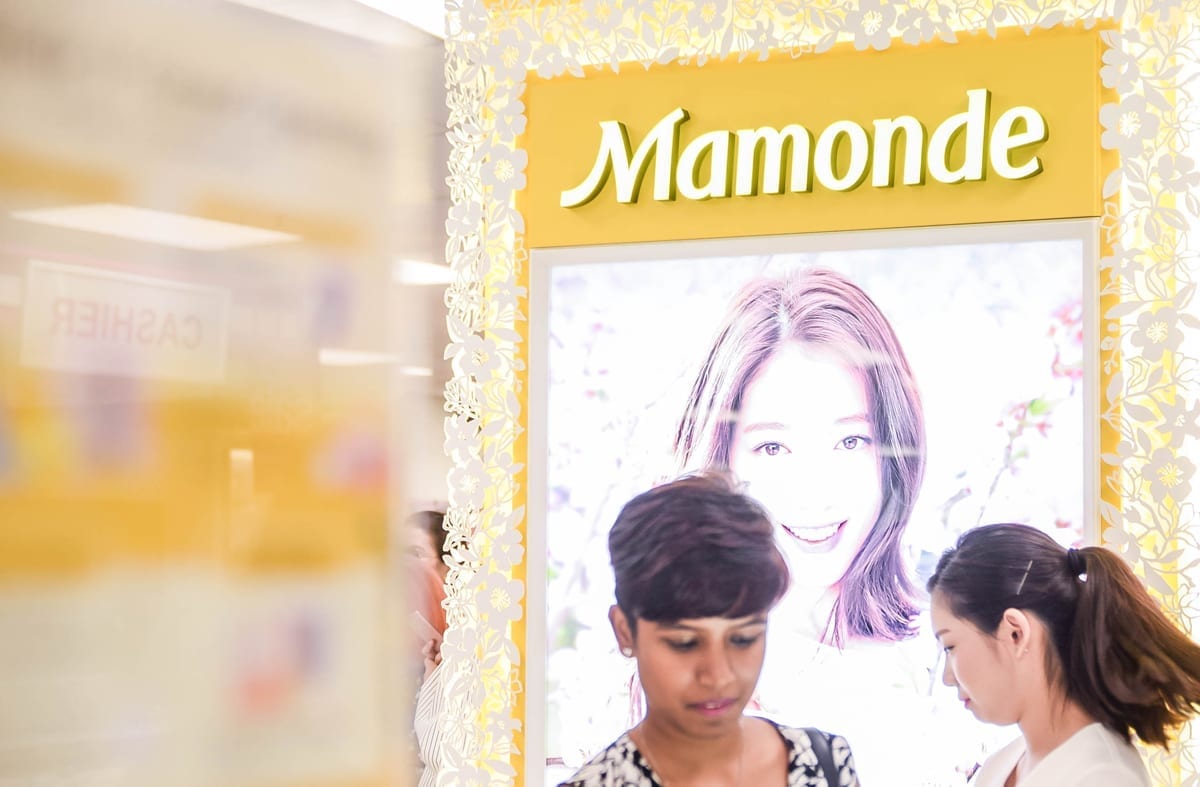
    After launching into Singapore via e-commerce this year, Korean beauty brand Mamonde has opened its first-ever global flagship store at Takashimaya Shopping Centre.

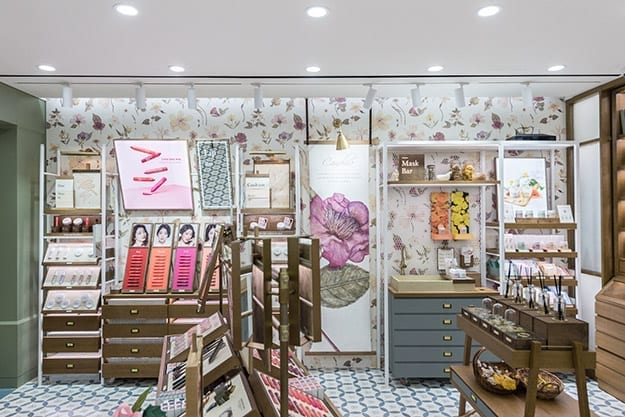
    It is decorated with blooms (both real and illustrated) giving it the air of a sensorial floral studio, as reported. The design inspiration comes from the Mamonde Garden in Korea where the brand harvests its organic ingredients.

    As well as wooden shelves and counters stocked with makeup and skincare products, there is a corner Mask Bar complete with a sink where customers can try out Mamonde’s specialty clay packs or sleeping masks. There is also a Korean eyebrow makeover service.


    Owned by AmorePacific, the skincare and cosmetics brand was launched in 1991.

  • SUPERNAP International Celebrates Grand Opening of The Most Advanced Data Center In The ASEAN Region

    SUPERNAP International Celebrates Grand Opening of The Most Advanced Data Center In The ASEAN Region

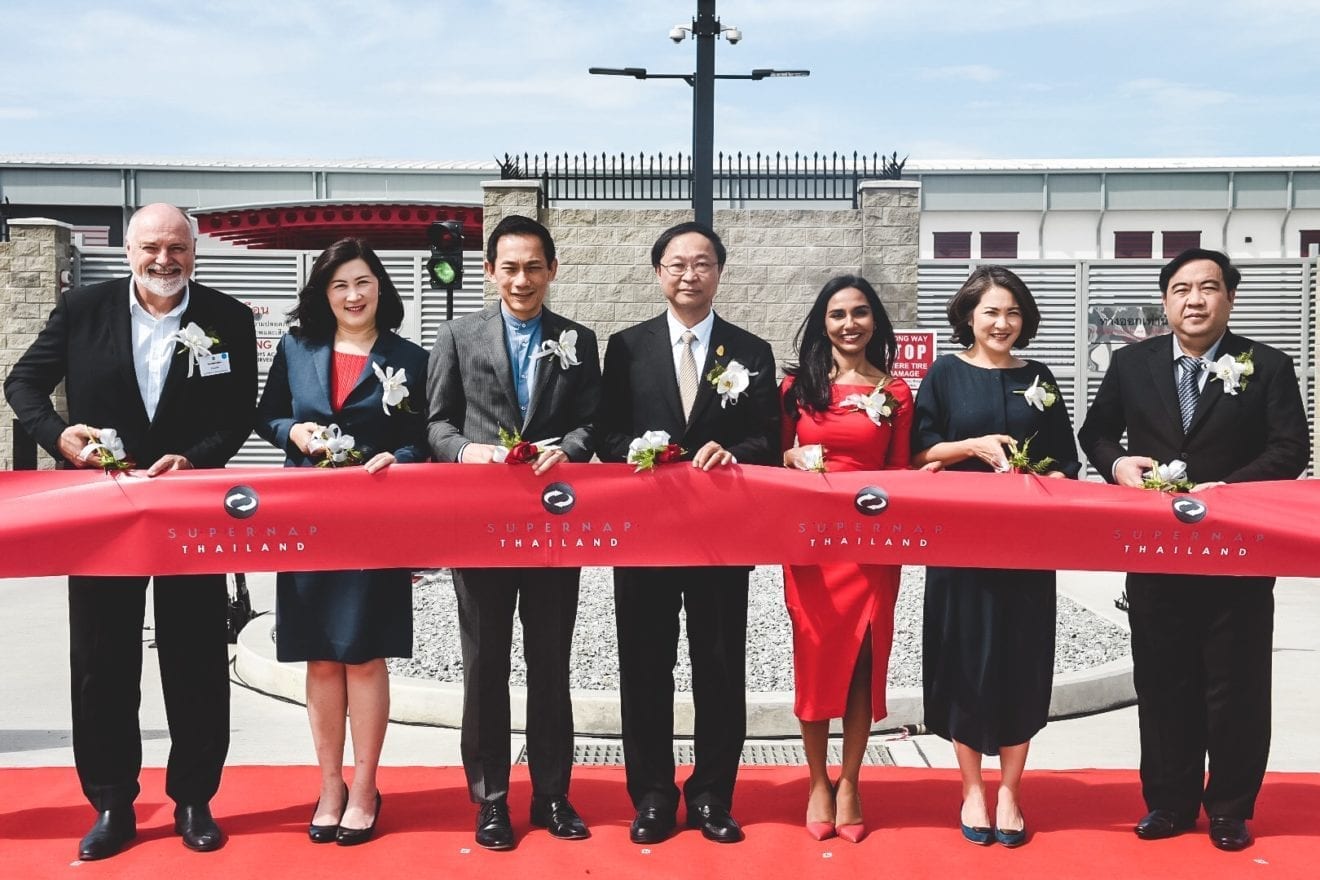
    SUPERNAP Thailand celebrated the grand opening of one of the most advanced data center in ASEAN region, the Bangkok Campus located at the Hemaraj Industrial Estate 2, in Chonburi.  The event was marked with a formal ribbon-cutting ceremony attended by several government dignitaries as well as business and community leaders.

    The SUPERNAP Thailand data center is designed and built to the specifications of the industry-renowned, Tier IV Gold-rated Switch LAS VEGAS multi-tenant/colocation data centers in the United States. Its advanced design and diverse connectivity options are expected to enable clients to respond to rapid market growth and connect to global economies, while helping the Thai government to transform the country into a high-value based digital economy.

    SUPERNAP Thailand Managing Director Sunita Bottse kicked off the ceremony, featuring board members, executives from the government sector and key vendors, by talking about the impact the project will have on the Thailand 4.0 economy.

    “Thailand is moving towards the “Thailand 4.0” era, when industries will rely on digital innovations and online connections,” Sunita Bottse said.   “This new carrier-neutral data center facility, plays an important role in the region as the critical infrastructure that powers the ability of businesses to succeed in the growing Internet of Things, Cloud and Artificial Intelligence markets. Our capability serve the huge scale of the digital world in an efficient and sustainable manner.

    SUPERNAP data center is expected to be a catalyst for attracting more investment to the region and is poised to become the data center hub for Asia Pacific and to accelerate the digital economy growth in the Eastern Economic Corridor (EEC).    

    “Under Thailand 4.0, digital transformation will be instrumental in the realization of this exciting journey. SUPERNAP data center is the digital backbone that will enhance big data and cloud computing that are increasingly essential for the development of EEC and Thailand.”  said Dr. Pichet  Durongkaveroj, Minister of Digital Economy and Society.

    The world-class SUPERNAP Thailand data center is located 110 meters above sea level outside of the flood zone, and 27 kilometers away from the international submarine cable landing station, which links to national and international telecommunication and internet gateway carriers.

    “At SUPERNAP, we have ensured that our data center is up for the challenges as Thailand moves toward being a leader in the digital economy,” said SUPERNAP Senior Sales Engineer Kasem Nincharoen. “The SUPERNAP Thailand growth model is driven by the country’s need for a purpose-built data center facility bringing assured reliability, availability, security, scaleability and disaster risk mitigation supported by the latest proven and industry leading designs.”

    Currently, the SUPERNAP Thailand data center in Chonburi is expected to include:-

    • 21,000 square meters of data center space with two data halls.
    • 20 megawatts of power distribution.
    • Proprietary tri-redundant UPS power system.
    • Up to 33 kilowatts of power per cabinet.
    • Multi-carrier fiber couples with separate paths.
    • Patented Switch SHIELD: dual independent roof 100% penetration –free decks rated to withstand 322 kph winds.
    • 24x7x365 on-site network operations center (NOC), fire, safety and security.
    • On-site, on-net member resources including conference spaces.
  • Uniqlo seeks single brand retail licence in India

    Uniqlo seeks single brand retail licence in India

    Uniqlo has applied to open stores in India, in a bid to rival fellow fast-fashion retailers Zara and H&M, two global firms that are already dominating the Indian retail landscape.

     The Japanese fashion brand, owned by Fast Retailing Company, has officially submitted its proposal to the Department of Industrial Policy and Promotion (DIPP), which will allow it to set up single brand retail stores in India.

    As per India’s foreign direct investment (FDI) policy, 100% equity investment is allowed in single brand retail trading. FDI of up to 49% is permitted automatically, however in respect of proposals involving FDI beyond 51%, it is mandatory to source 30% of the value of goods purchased from India.

    In regards to Uniqlo, it remains unclear how much the Japanese firm will be investing, but India is intent on expanding its global reach via India and was expected to enter the Indian market this year. The firm has delayed its launch, citing location issues to set up their stores.

    “Fast Retailing believes India is a market with great potential, and can confirm that the company has taken the first step towards a later introduction of Uniqlo to customers in India. At the moment, we are awaiting word from the government, and we will be able to discuss potential future steps at a later date,” a spokesperson of Fast Retailing in Tokyo told the Economic Times.

    Fast Retailing had record net profits of 119.2 billion yen (895.5 million euros) in the financial year ended in August, up 148% on the previous year according to the company’s accounts. Revenue increased by 4.2% to 13.9 billion euros.

    However, Uniqlo’s local Japanese market has softened due to poor consumer sentiment in the region, and as a result, Fast Retailing has had to look elsewhere – mostly in Asia and the US – to garner revenue growth. The firm more recently launched apparel vending machines as a soft-launch in the US, to test the retail waters.

    In November 2017, the group said Tadashi Yanai, the founder and president of Fast Retailing, would retire in 2019.

  • King Strengthens Candy Crush Licensing Categories, Adding New Jewelry lines to its Offering

    King Strengthens Candy Crush Licensing Categories, Adding New Jewelry lines to its Offering

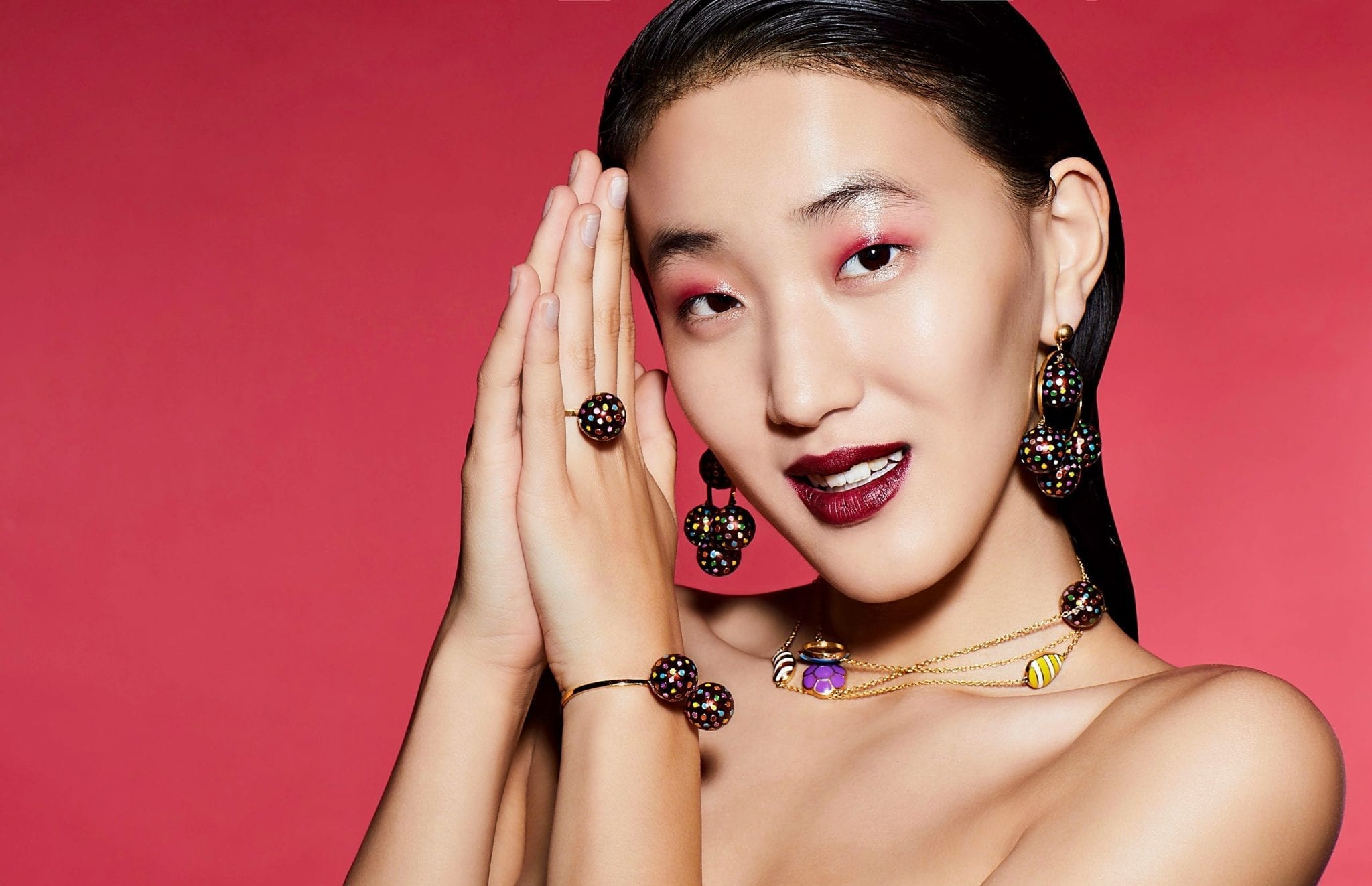
    King Digital Entertainment, a leading interactive entertainment company for the mobile world, continues to expand its Candy Crush consumer products offering, with a new range of jewelry by leading Indian designer Mrinalini Chandra. Fans and candy-lovers around the world will be able to get their hands on a range of necklaces, bracelets, earrings, brooches and rings inspired by the deliciously sweet world of Candy Crush. The deal was facilitated and is being managed by Dream Theatre, King’s licensing agent in India and South Asia.

    The range comprises of two parts; the more competitively priced range features 2D colored candy shapes while the premium range is made from gold and features 3D versions of the candies. The premium range also offers a series of Kaleera.

    The collection comprises of Necklace, Choker necklace, Ring, Cuff bracelet, Earrings, Charm necklace, Charm bracelet, Brooch pin in couture range and Y necklace, Two finger ring, Single finger ring, Lariet necklace, Candy Unit brooch, Earring, Hoop earring, Open bangle, Bracelet in mass range.

    “We’re delighted to be able to offer an array of Candy Crush inspired jewellery to long-time fans of the game,” said Philippe Bost, VP International Consumer Products, Activision Blizzard. “Our colourful designs are really brought to life by this striking jewellery range and the Kaleera series will add extra sweetness to any bride’s special day.’’

    Commenting on the range, jewelry designer Mrinalini Chandra said: “We are very excited about our collaboration with Candy Crush.  Our jewelry will comprise of hand crafted pieces inspired by the game with a quirky but chic aesthetic that is emblematic of our label. It will incorporate traditional craft techniques of Meenakari and Jaali from India infused with modern design aesthetics. Launching in the festive season, the range has something to offer every candy-lover.”

    Founder and CEO of licensing company, Dream Theatre Pvt. Ltd, Jiggy George said “We are thrilled to have facilitated this partnership between Candy Crush and Mrinalini Chandra. The collection is stunning, making it ideal for Candy Crush fans and fashionistas alike.”

    The collection is launched on 29th November 2017, just in time for the Christmas season, and will be available on www.mrinalinichandra.com and leading ecommerce sites.

    Candy Crush Saga is one of the world’s most popular mobile games in the world and along with its sister titles, Candy Crush Soda Saga and Candy Crush Jelly Saga, is played by many millions of people every day. Candy Crush Saga and its sister title, Candy Crush Soda Saga, are two of the top 10 grossing mobile games in the U.S. Over one trillion game rounds have been played in Candy Crush Saga alone since its launch.

    King continues to grow its consumer products offering across the globe supported by its global network of 19 licensing agents. King has signed 145 licensees to date.


  • Mitsui Outlet Park continue its opening phase

    Mitsui Outlet Park continue its opening phase

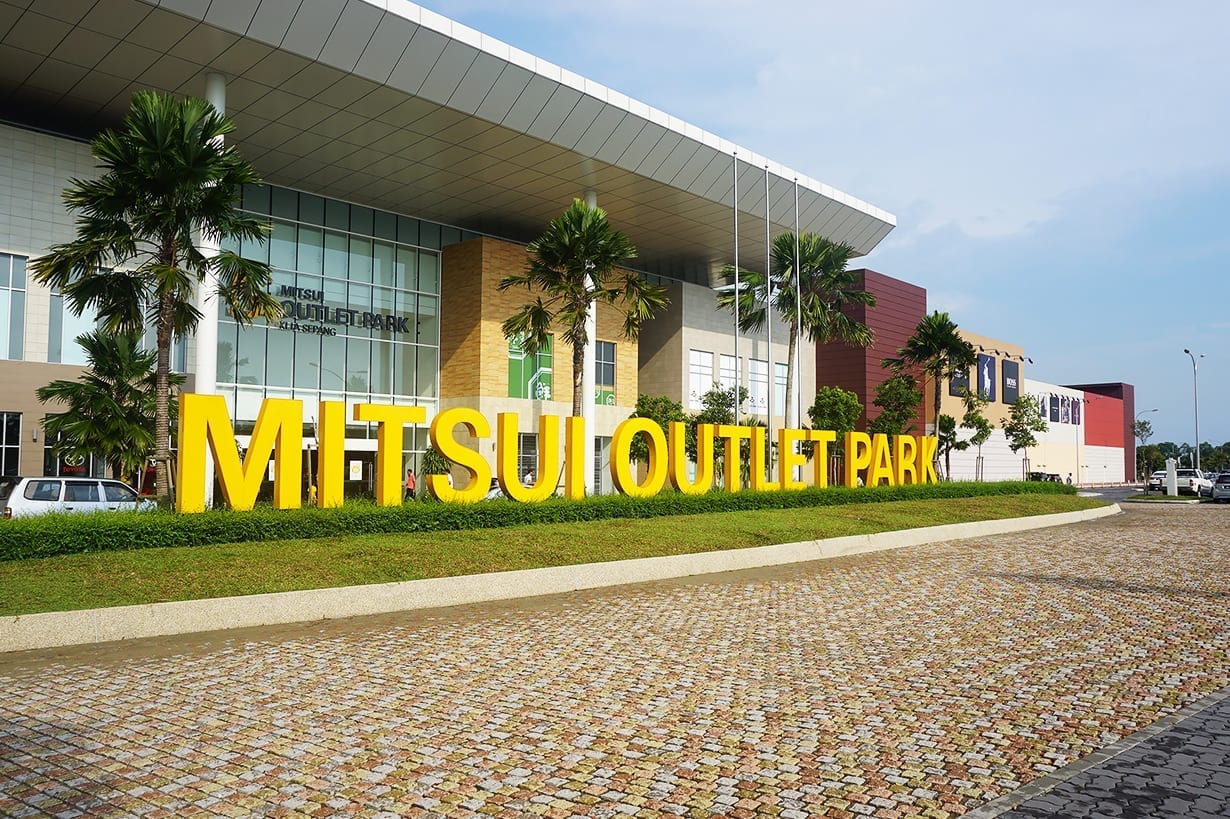
    About 35 new stores are lined up for the soft opening of phase two of Mitsui Outlet Park KLIA Sepang on December 15.

    An official launch is slated for February, says Mitsui Fudosan (Asia) Malaysia, which runs the project in a JV with Malaysia Airport Holdings, MFMA Development.

    Shops making their first appearance in Malaysia include Hummer bags store and The Beauty Laboratory by Shiseido.

    “The expansion will also introduce a good retail mix ranging from fashion apparel and accessories, sports and kidswear to cosmetics and personal care, with diversification into entertainment and amusement as well as specialty stores,” says Mitsui Fudosan.

    Phase 2’s environmental design follows the park’s “tropical resort” theme and also features the Sky Walk, River Walk and Forest Walk. The first phase opened in May 2015.

    Headquartered in Japan, Mitsui Fudosan is expanding in Asia with Shanjing Outlet Plaza Nimbo and Mitsui Outlet Park Linkou in Taiwan.

    For next year the group plans to open Mitsui Outlet Park Taichung Port in Taiwan, followed by Mitsui Shopping Park LaLaport Shanghai Jinqiao in 2020 and Mitsui Shopping Park LaLaport Kuala Lumpur in 2021.

  • Japan inflation ticks up but far from target

    Japan inflation ticks up but far from target

    Japan’s consumer prices rose for the 10th straight month in October, government data showed Friday, but inflation was still far from the target seen as crucial to revive the world’s third-largest economy.

    The core inflation rate was 0.8 percent year-on-year in October, according to data published by the internal affairs ministry, far below the two-percent target set by the Bank of Japan (BoJ).

    When the volatile prices for fresh food and energy were stripped out, prices rose by even less — 0.2 percent, the ministry said.

    Japan’s economy has battled deflation for many years and the BoJ’s ultra-loose monetary policy appears to be having limited impact.

    Other data showed that October household spending — seen as key for exiting deflation — remained flat compared to the same month a year earlier.

    However, this was better than the 0.3-percent drop market analysts were expecting.

    Household spending had fallen by 0.3 percent in September after rising by 0.6 percent in August.

    The unemployment rate remained unchanged at 2.8 percent for the fifth consecutive month, also in line with market expectations, the ministry said.

    Japan has notched up seven straight quarters of economic growth — the longest positive run for 16 years — with the upcoming 2020 Olympic Games giving the economy a shot in the arm.

    However, consumer spending has remained weak and deflation continues to stalk the economy.

    Japan’s weak inflation stands in sharp contrast to other major economies whose central bankers are looking to wind up their easing policies.

    The U.S. Federal Reserve is widely expected to hike rates for the third time this year in December and U.S. policymakers have forecast another three rate hikes in 2018.

    Meanwhile, the European Central Bank has announced it would halve its massive bond purchases from January as the eurozone recovery gathers pace, allowing the Frankfurt institution to begin winding down its crisis-era stimulus measures.

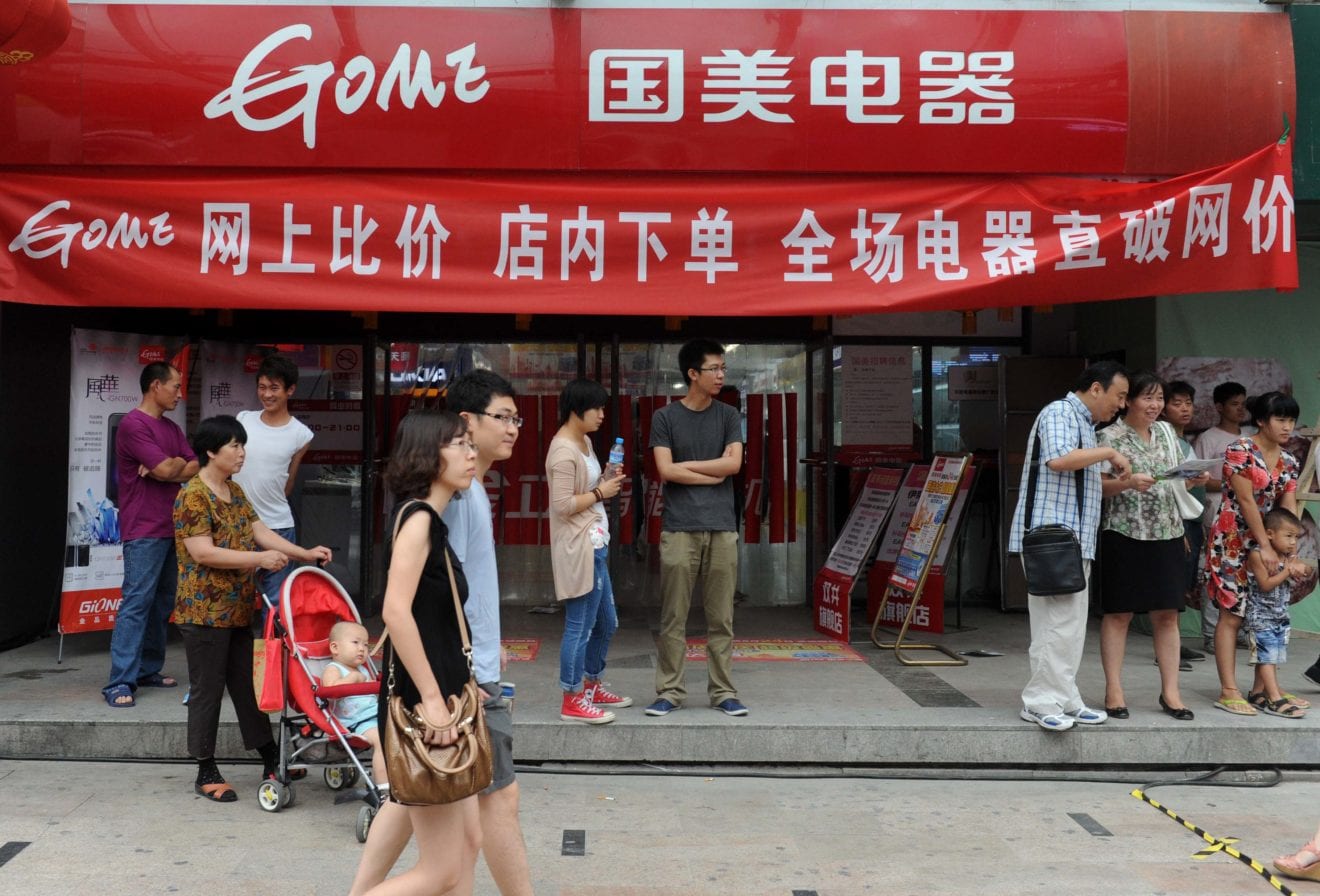
  • Gome Retail Holdings satisfying result

    Gome Retail Holdings satisfying result

    Both online and offline business showed strong growth for electrical appliance retailer Gome Retail Holdings during the nine months to the end of September.

    Total gross merchandise volume (GMV) of the group for both online and offline grew by 20.04 per cent, while GMV of online e-commerce business grew by 58.13 per cent.

    Sales revenue was about RMB57.4 billion (US$8.6 billion), up 3.68 per cent on the same period last year.

    Consolidated gross profit margin was about 17.05 per cent, up 1.03 points, while profit attributable to the owners of the parent was about RMB220.1 million, a decrease of 10.71 per cent.