Blog

  • Sydney Airport to introduce new retailers

    Sydney Airport to introduce new retailers

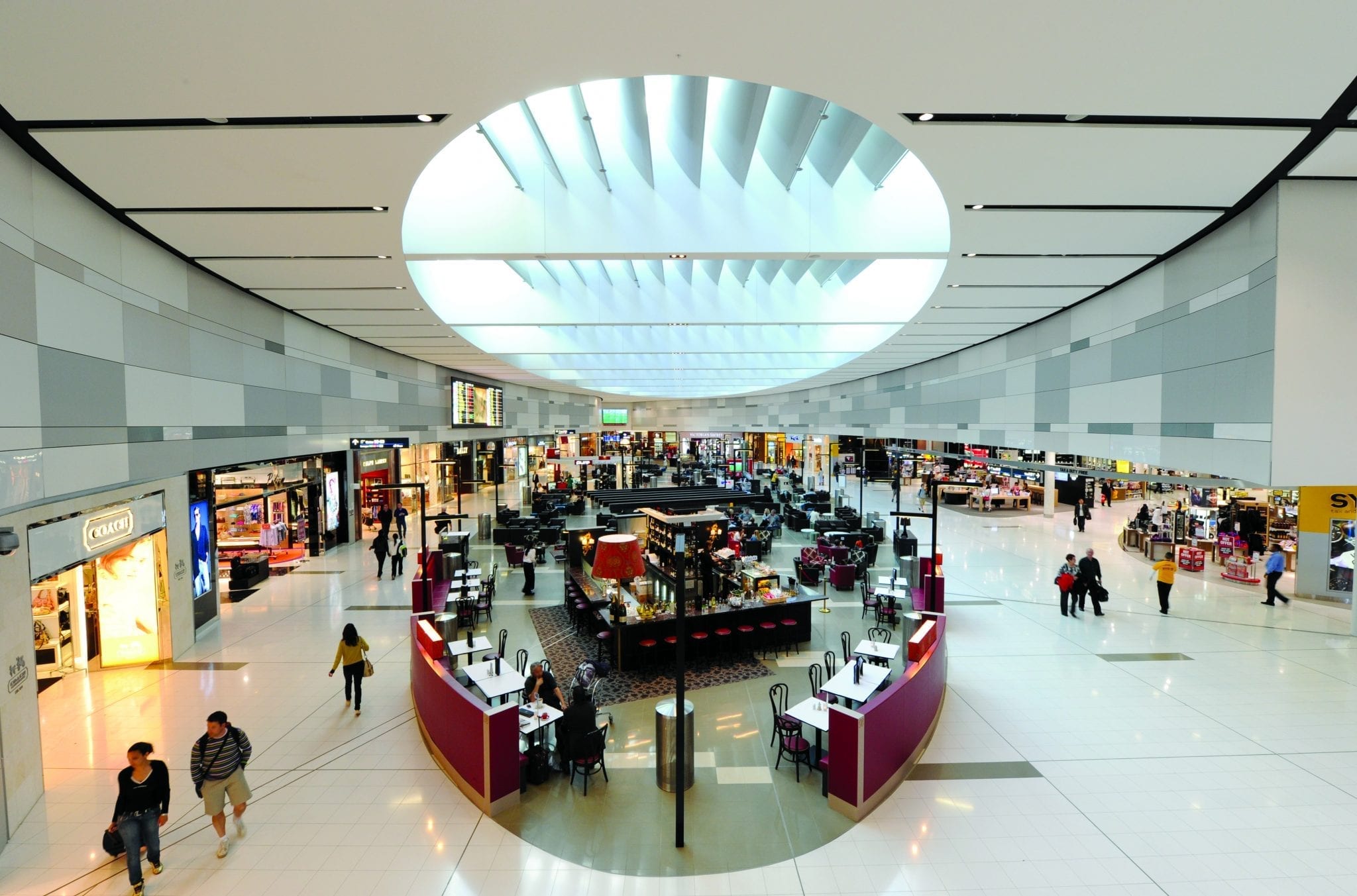
    Sydney Airport has commenced work on the next stage of its T2 Domestic terminal, which, when completed will see the introduction of new retail tenancies in the precinct.

    Kerrie Mather, Sydney Airport managing director and CEO, welcomed the next phase of terminal improvements, which follows the transformation of the airport’s casual dining precinct.

    “We’ve had such fantastic feedback about our new T2 casual dining precinct and I look forward to seeing the terminal’s continued transformation as part of our commitment to enhance the customer experience,” Mather said.

    “These improvements will deliver a consistent look and feel across the terminal, with a greater sense of space and light.”

    Mather said the new T2 Domestic terminal will have better wayfinding and improved sightlines.

    “Exciting new retail concepts and relaxing dwell areas will create more ambience,” she said.

    The improvements will see the introduction of 10 new retail tenancies to deliver a revitalised mix of lifestyle brands for visitors.

    Areas of the terminal will be expanded and redesigned to create dwell areas with upgraded flooring, columns, lighting, ceiling finishes, and contemporary furniture with textural finishes. There will also be significant upgrades to key bathroom amenities across T2 while a new mezzanine level will offer additional commercial floor space.

    The next stage of retail and dwell area improvements were designed by Australian design firm Landini Associates and follows the revitalised T2 casual dining precinct.

    The precinct features first-to-Australia offerings, sushi brand YO! Sushi and popular Danish juice bar concept Joe & The Juice, as well as Krispy Kreme and Soul Origin.

    The next stage of works are due for completion by end of 2018.

    Last month, Country Road opened its first menswear pop-up store at the domestic terminal.

  • Cassette tapes make comeback in Seoul

    Cassette tapes make comeback in Seoul

    For fans of rock and heavy metal music, a visit to Dope Records, an independent record store run by Kim Yun-jung in Mapo, western Seoul, evokes a strange feeling.

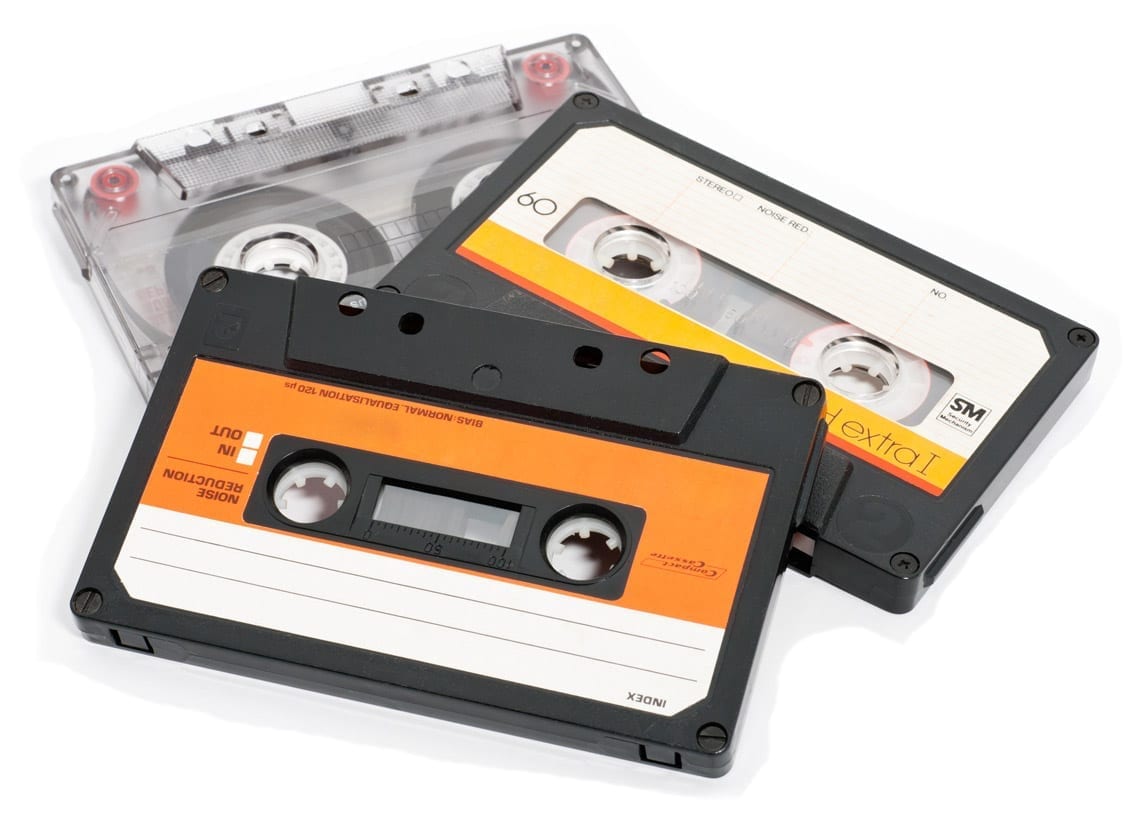
    The dim-lit basement shop feels as if time has rewound back to the mid-90s — almost three quarters of the 82sqm store is covered wall-to-wall by a huge collection of rock music cassette tapes.

    With a backlog of around 15,000 tapes (50,000 when including ones in storage), predominantly Western rock, pop music and also classic Korean albums, the store is undoubtedly a treasure trove for those with fond memories of using a Walkman during the 1980s to the late 1990s, when the medium started to phase out. But in the digital age, Dope Records, at first glance, seemed almost suicidal from a business perspective.

    “I’ve been in music retail since 2001 and what I’ve learned, despite the extinction of cassettes, is that there always has been a small but ardent demand for tapes. As with vinyl, music geeks are starting to see value in cassette tapes, for both listening and collecting,” Kim, 42, said.

    Kim is one of the small but steadily growing number of South Korean music listeners who refuse to allow the cassette to rest in the proverbial graveyard of bygone technologies. They see a particular value in cassette tapes, once the dominant music delivery format that boomed with the rise of portable tape players but now has become relegated to junk status in the eyes of average people.

    To be clear, Dope Records isn’t getting its supply from music labels or through traditional retail means. Synnara Record, South Korea’s largest music retail chain, discarded all of its tape inventory a few years ago amid flatlined sales. Most major labels have also halted tape production for quite some time, though a number of small trot music companies, such as Applemusic and Four Season Music Power, maintain production of trot music cassettes mostly for the niche senior market.

    As for Kim, he traveled around the country for years, scavenging local mom and pop record shops about to go bust — to acquire the remaining cassettes that would otherwise be thrown away.

    Kim said he was frequently asked by perplexed shop owners, “Why are you buying these?”

    Interestingly enough, tapes have seen a small-yet-significant bump in sales in the US where they are still being produced in limited volume. According to Billboard, 129,000 cassette tapes were sold in 2016, jumping 74 per cent on-year. Though nowhere near sales of CDs and vinyl, it is an indicator that some fans are willing to spend money on tapes, according to Kim.

    “I think the interest in cassettes today was rekindled when the original soundtrack for the Hollywood movie ‘Guardians of the Galaxy’ came out in a cassette format a few years ago, resembling a mix tape of different singers which almost all of us have experience with in the past,” he said.

    Kim isn’t alone when it comes to sharing his passion for cassettes. People Who Listen to Cassette Tapes, a community of tape aficionados on Naver (Line), was formed in October last year, with its membership reaching over 1700. With over 9000 posts, the community is active in sharing information on where to buy tapes and how to fix discontinued tape decks and portable audio cassette players.

    For Kwak Jae-ho, 38, often he has no choice but to listen to tapes that he already owns. Due to unsettled copyright negotiations, there are music that listeners can’t access on digital streaming services, such as Melon or Apple Music. This is more of the case for niche artists, he said.

    “I’m a fan of the mid-90s jazz band Daisy and the group’s song ‘My Little Bird.’ I can search for the band on Melon but can’t play the music, which just defeats the purpose of having an all-you-can-listen digital music service,” said Kwak.

    Listening to music on tapes, as opposed to CDs and digital streaming, also resonates emotionally deeper, said Kwak: “When listening to tapes at home recently, I heard the clicking sound of the cassette deck doing an auto reverse. It felt like I was going back to the past. Music to me isn’t just a collection of songs. Its ingrained into my past and my memories.”

    The record industry, including major labels, is apparently taking note of this trend, releasing tapes albeit in limited terms and mostly as collectors’ merchandise.

    SM Entertainment printed a limited 50,000 copies of boy band Shinee’s fifth full-length album “1 of 1″ in cassette format last year, while singer-turned-talk show celebrity Kim Heung-kook last year re-released his 1994 album “Last Reggae” under the new name “God of Reggae.” Singer-songwriter IU also produced a limited number of special cassette tapes to hand out to fans during a meet-and-greet event last Sunday.

    There’s also another group of people who buy tapes and for their own reasons: seniors having difficulty with the changing times. Downloading and subscribing to digital music services on smartphones may be a walk in the park for the majority of today’s younger generation, but it’s not the case for many elders.

    “I’m buying it to listen at home alone. It’s easy to use, and I don’t know how to use a smartphone,” Kim Young-hwan, 77, said while purchasing a cassette tape of trot compilation songs at CD Mart, a record shop in Jongno Ward, a central district in Seoul that is a common stomping ground for retired seniors.

    Song Ho-joon, owner of CD Mart, said about 20 to 30 tapes are purchased daily, mostly by seniors.

    “Some also buy cassette decks too,” he said. “Cassettes are much easier to use and durable compared to CDs. They probably used tapes all their lives.”

    Some experts attribute the relatively high cost of vinyl records, another respected retro music format, as one reason collectors are scavenging for out-of-print cassette tapes.

    “I think there is an element of a knee-jerk reaction to the cost of vinyl. Cassette tapes are sold relatively cheap, but the sound isn’t necessarily inferior when played on a good deck,” said music critic Kim Hak-seon.

    Though it isn’t clear whether the renewed demand for cassette tapes will last, some retailers are picking up on the trend to try to meet the needs.

    “We’ve gotten a hold of some past Sechskies albums recently,” Hwang Seung-soo, owner of Seoul Record in Jongno, said. “We’re seeing customers in their 20s and 30s coming into the store asking for cassette tapes of such and such album, so we’re trying to accommodate.”
  • Premier Investments requests Myer’s shareholders list

    Premier Investments requests Myer’s shareholders list

    Solomon Lew’s retail group Premier Investments has asked for Myer’s list of shareholders in a sign it may push for a seat on the board of the struggling department store.

    The company said it has made the request in order to consider writing to Myer’s members about any resolutions proposed for Myer’s annual general meeting in November.

    Premier Investments bought a 10.77 per cent stake in Myer in March, which has since lost around a third of its value to $64 million due to Myer’s sliding share price slid amid its weak financial performance.

    Lew this week accused the department store of losing its way, and misleading investors about how poorly it was performing in 2017.

    He has also said Myer’s newly opened clearance floors contain stock of up to three years old that “belongs in the Salvation Army”, and said the company is run mostly by consultants.

    Presenting Premier Investments’ financial results on Monday, Lew told analysts: “Whatever happens at Myer, we would like a seat at the table.”

    Shares in Myer, which are trading ex-dividend on Wednesday, jumped on the news, adding five cents, or 6.9 per cent, to 77.5 cents.

    Conversely, shares in Premier Investments continue to take a battering after it reported a modest annual profit increase, falling to a three-month-low on Wednesday.

    Smiggle and Peter Alexander continue to drive revenue growth for Premier Investments, but Morgan Stanley analysts have warned its apparel brands Jacqui E, Portmans, Just Jeans, JayJays and Dotti are dragging on earnings.

    While those brands make up a reducing portion of sales – 60 per cent in 2016/17 – the analysts said the risks facing the businesses “hold us back from turning more positive” on Premier Investments.

    “The structural challenges are intensifying as international retailers expand into regional Australia and as Amazon sets up direct retailing in the country – apparel is a category that is susceptible to online competition,” the analyst team led by John Stavliotis said in a note.

    They do not expect a sharp rebound in sales from those brands because of the challenging consumer environment, and predict a stabilisation, with risks remaining in the medium term.

    Premier Investments shares fell almost seven per cent in the two days after the company released its financial results, and dropped a further two per cent, or 25 cents, to $12.58 on Wednesday.

    Morgan Stanley analysts warned that Premier’s apparel brands Jacqui E, Portmans, Just Jeans, JayJays and Dotti are dragging on earnings.

  • Fast food outpaced in new delivery boom

    Fast food outpaced in new delivery boom

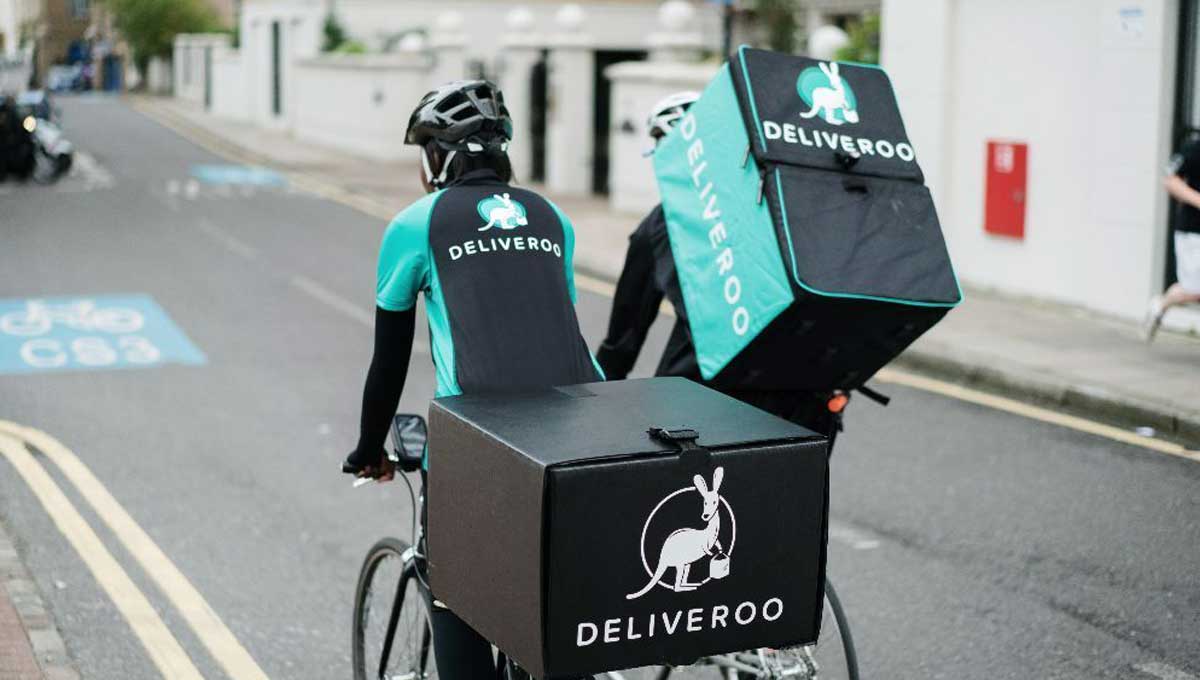
    Restaurants are cashing in on the food delivery boom driven by the likes of Deliveroo and UberEATS, as the fast food industry proves slow to adapt.

    Financial researcher IBISWorld forecasts revenue growth of two per cent for the restaurant industry in 2017/18, with the combined takings of 28,252 businesses to reach $21 billion.

    IBISWorld expects that growth to reach 5.8 per cent in 2018/19, and revenue to surpass $30 billion in 2021/22.

    Revenue for fast food establishments is forecast to rise by only 1.2 per cent in 2017/18, to $19.5 billion, while growth for cafes is forecast to be 0.8 per cent, to $8.1 billion.

    Senior IBISWorld analyst Bao Vuong says food delivery apps including UberEATS, Deliveroo, Menulog and Foodora have changed the way time-poor customers dine, and how restaurants are run.

    They allow customers to search beyond cuisine, price or rating, filtering options based on how quickly the food can be delivered, how close a restaurant is to their location, or whether delivery is free.

    Vuong said some businesses have created delivery-only menus, pop-up shops without tables and seating, or separate pick-up counters for delivery drivers to cater to the growing trend.

    The researchers found only a quarter of fast food restaurants have integrated new ordering and delivery platforms, and low revenue growth is a result of their lukewarm response to the innovative business methods.

    McDonalds and KFC secured partnerships with UberEATS and Foodora respectively in June, Vuong said, despite both delivery applications launching in Australia in early 2016.

    Red Rooster also recently appeared on Menulog, moving out of its suburban stronghold to feed customers in inner-city Sydney and Melbourne for the first time.

    The new platforms have also prompted fine dining businesses – 39 per cent of Australia’s restaurants – to lift.

    “Small tweaks such as improved customer service and enhanced ambience through lighting and increased customer interaction with chefs can go a long way towards combating these apps,” Vuong said.

    In addition, hatted eateries including Sake (Sydney, Brisbane, Melbourne), Three Blue Ducks (Sydney) and Esquire (Brisbane) have all launched on UberEATS with scaled-down menus.

    “The outlook for fine dining restaurants is strong because they place a premium on taste, while new ordering and delivery platforms mainly focus on convenience and price,” added Vuong.

  • Zoomcar partners with AirAsia for seamless travel

    Zoomcar partners with AirAsia for seamless travel

    Zoomcar, a self-driving car rental portal, has partnered with AirAsia India to provide the latter’s customers an ease and convenience to book Zoomcar for their local and inter-city self-driven transport.

    According to a company press release, one can book for a Zoomcar on AirAsia’s website. The service is available across all metro cities in India and AirAsia guests can log on https://www.zoomcar.com/airasia to avail a Zoomcar.

    The company said that the Zoomcar airport service is gaining popularity especially among working professionals and customers looking for leisure and business travel.

    Customers will get a maximum discount of Rs 1,000 or 20 per cent on the booking. Zoomcar will charge a fully refundable security amount at the time of booking.

    Greg Moran, CEO & Cofounder, Zoomcar, said, “We are excited about the partnership which will further enable the AirAsia guests to experience Zoomcar accessibility at airports with an ease and flexibility.”

    Zoomcar is currently available in 26 cities across India, including metro and non-metro cities. Zoom Hop, one-way intercity travel, is an add-on to customers where a user can pick up a car from one city and drop it to another.

    Amar Abrol, MD & CEO, AirAsia India, said, “We have always believed in going an extra mile to provide the best-in-class customer service to our guests and we are confident that through this partnership, will be able to offer the best mobility to our flyers.”

    AirAsia India currently flies to 16 destinations with its hubs in Bengaluru, New Delhi and Kolkata covering Kochi, Goa, Jaipur, Chandigarh, Pune, Guwahati, Imphal, Vizag, Hyderabad, Srinagar, Bagdogra, Ranchi and Bhubaneswar.

  • Sephora concept stores debut in France and Spain

    Sephora concept stores debut in France and Spain

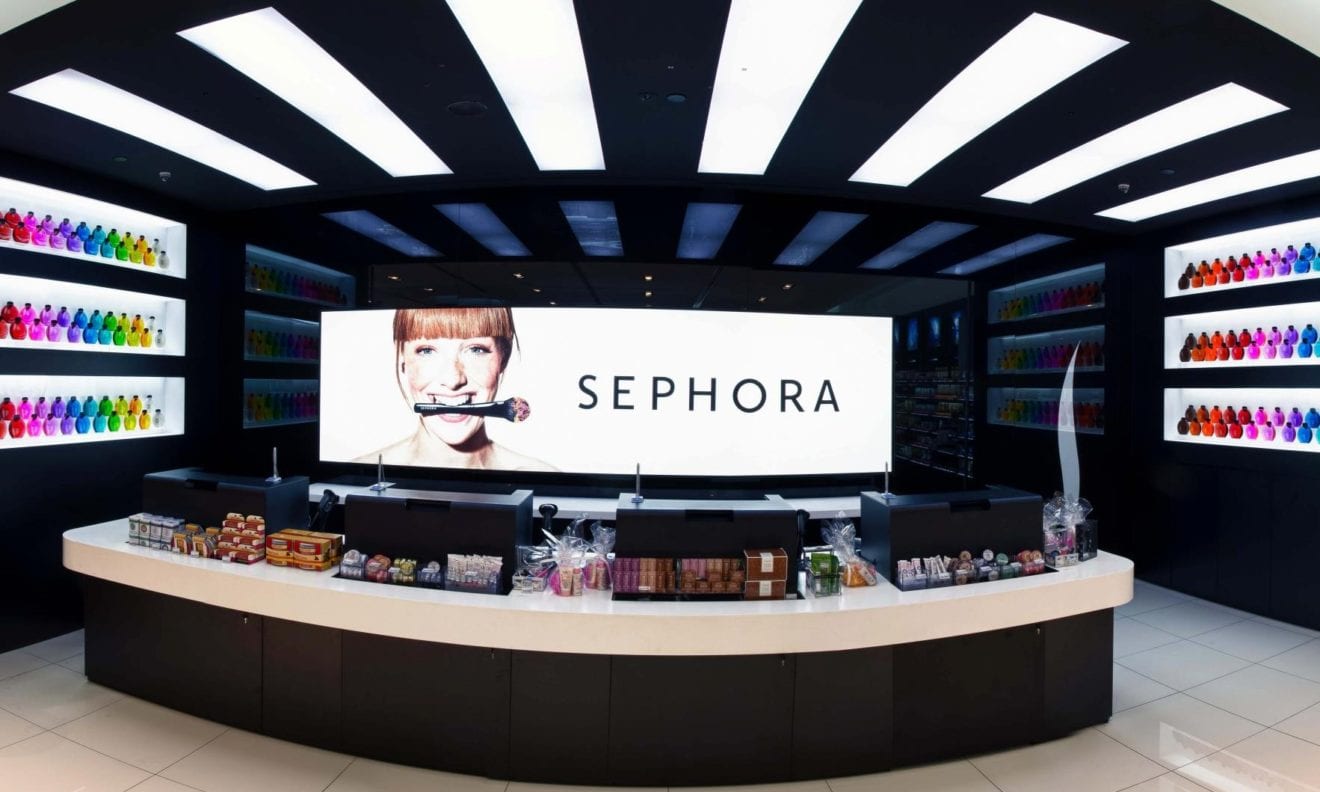
    New Sephora concept stores have opened in Spain and France, hinting at the LVMH-owned cosmetics retailer’s future design direction.

    Unashamedly targeting millennials, the brand is trying to increase dwell time in-store and encourage younger shoppers to buy into perfume.

    First introduced in France, the hyper-connected stores bring customers what Sephora describes as “a unique beauty experience in an unprecedented service-driven environment, perfectly expressing the beauty retailer’s play, share and shop philosophy”.

    “Following the tremendous success of two pilot stores opened in March in Nantes and Val d’Europe in France, Sephora has brought its new store concept to Spain. This new concept revolves around a fascinating variety of services, letting Sephora offer a groundbreaking beauty experience, transforming beauty shopping in Spain, where the brand has been present since 1998,” the company said in a statement.

    The new design engages customers right from the entrance, with a giant slide for shoppers who are happy to eschew escalators or the piano stairway.

    “As at the two French pilot stores, these newest concept stores include a trend zone with a selection of hot new products, a beauty hub for personalised advice and beauty classes to learn about specific makeup topics. With four distinct experience spaces – compared with one or two at classic stores – the new concept stores give customers access to an expanded range of brands, from the latest on-trend products from South Korea to para-pharmaceutical products, and engage with a broader audience, especially millennials.”

    New services include the Dry Bar by Rizos for a 15-minute hairstyle touch-up and the Drops fragrance experience, designed to introduce younger customers to perfume by letting them personalise the bottle of their chosen fragrance in a fun, interactive way.

    “With these two new concept stores Sephora introduces a groundbreaking shopping experience in Spain, as the brand continues to expand the concept throughout Europe, adapting it to each country for an even more exclusive experience,” the company said.

  • The Australian shopper has never had so much power

    The Australian shopper has never had so much power

    As the retail sector evolves, the average customer’s expectations are changing. To stay ahead of the curve, businesses need to adapt.

    The average Australian has been quick to adopt online shopping. In 2016, online sales exceeded $20 billion for the first time. Key emerging trends signify beyond doubt that the retail landscape is changing rapidly. To avoid being left behind, Australian retailers need to act now.

    The recent Salesforce Empowered Shopper report highlights the challenge: “We’re in the age of the customer. They expect personalised experiences everywhere, not just in marketing communications, and physical stores are just one touch-point in their increasingly dynamic retail interactions.”

    So what does this mean for Australian retailers as they develop their approach to e-commerce over the next few years? Uber has created an expectation that when a traveller finishes a journey they simply need to get out of the car. The same shift in expectations is happening in the online retail world. Local e-commerce stores such as The Iconic and Showpo are continuously making the ways their customers engage with them easier, faster and more relevant. Step by step, they are raising the bar for all digital retailers.

    Australia’s e-commerce revenue is sitting at $9.54 billion USD, but it is expected to hit $14.151 billion USD by 2020. For retailers this means focusing on a connected customer experience where competitive advantage can be created, with 66 per cent of customers expecting consistent experiences across every brand interaction.

    Another key insight from the report is the evolving view of privacy as part of the overall customer experience. Consumers expect businesses they deal with to maintain their personal privacy. This means brands that focus on transparency around what data they have and how it is being used are rapidly gaining consumer trust.

    While the Amazon and Apple global giants will always exist, Australian businesses can compete through adopting established customer-centric technologies and processes to ensure you maintain the right focus for your business:

    1. Don’t think about catching up, focus on leading in one area

    You can’t do everything. Maintaining focus on a core brand experience is where you can build momentum and differentiation. It’s the harder path initially as the work may not impact sales results in the short term, but it can pay off in a big way.

    A great example of this is The Iconic, they’re all about providing consistent, amazing customer experience. They do this by delivering on what they say they will; next day delivery and free returns. They back this up by being available via multiple channels to resolve issues efficiently and with autonomy, should they arise.

    Action: Use design research techniques to map the customer experience, identify one customer problem that will have a major impact and differentiate. Focus on addressing that issue to build capability and velocity within your organisation.

    2. The customer is central

    The customer, as always, is king. Each interaction with your customer is an opportunity to understand them better. Transactional data allows you to build profiles so you get to know what makes them tick.

    But now you can build profiles that allow you to understand them in greater detail. This knowledge also gives you great power. But, at the risk of sounding like a superhero comic, with that power comes great responsibility. Misuse turns customers off fast. Used correctly, this information can help you focus on driving value for your customer firstand foremost.

    Action: Use the data you have, and may be able to access, to build rich views of Customer Lifetime Value. This will ensure your organisation can see the impact of action in a more holistic and long term way.

    3. Create experiences that allow the customer to live your brand

    Consumers no longer want to passively watch brands tell stories. They want to be part of the action. Design experiences, in the real and digital world, that allows the customer to experience your brand promise.

    Take a look at Nike, and you’ll see they’ve become much more than a brand that sells shoes and sportswear. Their invention of Nike+, first as a sensor in a shoe, then as a wristband and now as a suite of apps, allowed them to focus on what their brand is really about: athletic performance. In doing so they gathered vast amounts of information about how their customers were using their products and created a very ‘sticky’ digital ecosystem.

    Action: Create user experience projects, with design researchers, data analysts and interaction designers, with the intent of defining how your brand would be experienced as an interaction or digital product.

    4. Focus on a long term competitive advantage

    Marketing through technology is not like delivering passive media. You now have the opportunity to introduce technology to your strategy that can help you communicate with your customer, empower your customer and allow you to build relationships over time. Spend more time on creating long term connections, and less time on flashes in the pan.

    Don’t rely on gimmicks and promotions to create loyal customers, utilise customer data and insights to build relevant, meaningful conversations, and stay focused on what your customer needs. Everything else will follow.

    Action: Use hypothesis based testing to build knowledge of what customers actually want. Then use this knowledge to design and build online experiences that create a long term brand differentiator, and a unique relationship between the brand and each customer.

    While many commentators will say that traditional forms of advertising still have their place, what recent events have shown us is that place is increasingly at the bottom of the pile. What’s clear is that businesses need to ‘become digital’ – simply doing digital marketing won’t cut it. Now is the time to invest seriously in your customer, digital technologies and data-driven communications.

    To win in today’s environment it’s critical that businesses start to create a balance between digital advertising and customer focused digital innovation. They need to make the shift from just making people want things, to creating things and experiences that people want.

  • DHL Supply Chain’s APAC head of marketing joins JLL

    DHL Supply Chain’s APAC head of marketing joins JLL

    Global real estate services firm JLL has appointed Ross Ballantyne (pictured) as head of corporate solutions marketing, Asia Pacific. Based in Singapore, Ballantyne will focus on driving marketing and engagement in JLL’s Future of Work framework, a “unique” outlook on the changing world of work and its impact on the next generation of real estate.

    He will report to Nicole Worthington, chief marketing officer, JLL Asia Pacific. Ballantyne was most recently the head of marketing, Asia Pacific at DHL Supply Chain for close to three years, and according to his LinkedIn, has been with the company for over seven years. As the head of marketing, he responsible for driving the marketing and external communications agenda across 14 countries in the region, to accelerate business growth and enhance customer retention rates.

    Prior to that, Ballantyne was marketing manager, North Asia for 10 months, during which he was responsible for coordinating marketing activities across China, Hong Kong, Japan, South Korea and Taiwan.

    He also created digital marketing campaigns to drive awareness of DHL Supply Chain’s service offering and new growth opportunities, via online advertising, LinkedIn and electronic direct mailers. At DHL Supply Chain, Ballantyne also took on the role of marketing manager for the automotive industry across Europe. He also worked at JP Morgan Chase.

    “We’re delighted to welcome Ross Ballantyne to JLL as head of corporate solutions marketing, JLL Asia Pacific. Ross’s extensive experience, gained both in the UK and Singapore, will be a great asset as we continue to develop and implement creative, innovative marketing strategies that deliver business growth and superior client experience,” Worthington said.

  • Inmarsat to supply broadband to AirAsia planes

    Inmarsat to supply broadband to AirAsia planes

    Communications services provider Inmarsat said on Wednesday that it would supply AirAsia Group with its next-generation GX Aviation in-flight broadband to more than 120 Airbus aircraft.

    The contract covers Airbus A320 and A330 aircraft across the AirAsia Group and the first onboard installations of GX Aviation are scheduled to commence in the first half of 2018. The deal also covers aircraft operated by the carrier’s long-haul arm AirAsia X.

    Inmarsat added that installations could also include additional aircraft types due for delivery in the coming years, such as the Airbus A350.

    Inmarsat Aviation President Philip Balaam said the contract meant that more than 1,300 aircraft had been fitted with, or were waiting for the installation of, Inmarsat’s GX Aviation and European Aviation Network service.

  • Deliveroo Hong Kong launches kitchen concept

    Deliveroo Hong Kong launches kitchen concept

    Deliveroo Hong Kong has launched a delivery-only kitchen so restaurants can work off-site and cater to more customers across the city.

    Dubbed “Deliveroo Editions”, the kitchen concept is in Wan Chai and already caters for six restaurants on the Deliveroo platform. Each restaurant is allocated space in the kitchen, which Deliveroo has fitted out with stoves, fridges and cookware. This means that restaurants need only invest in manpower and ingredients needed.

    In return, Deliveroo takes a commission from the orders placed with the restaurants on Deliveroo Editions.

    Deliveroo Hong Kong GM Brian Lo says the company has amassed a trove of data on customer order preferences within each area. Based on this data, Deliveroo Editions can bring in restaurants for specific cuisines that are in demand. Restaurants working out of Editions can also use the data to determine if it makes commercial sense for them to open a secondary kitchen to serve another customer base.

    “We have the actual big data to back up our assumption – we know what’s going to be successful or not within an area based on past buying patterns,” says Lo.

    He says certain restaurants in Singapore and London that already work through Deliveroo Editions have seen their revenue increase by as much as 500 per cent.

  • E-commerce wars: fashion exodus from JD.com

    E-commerce wars are in the news again in China, with reports of a mass exodus of fashion brands from the JD.com platform.

    44 fashion brands closed their flagship stores on JD last month while launching or keeping their shops on Alibaba’s Tmall. The main brands involved included millennial niche brand JNBY, billion-yuan brand Peacebird, menswear brand GXG and fast-fashion label Heilan Home.

    Following up, state-run Xinhua News Agency has published a more detailed breakdown of the brands that left: 27 womenswear brands, seven menswear brands, seven childrenswear brands and three lingerie labels.

    JD has confirmed the exodus with a statement containing a thinly veiled reference to Alibaba as “another industry player”.

    “We believe strongly in open, fair and legal competition, but not everyone in the industry agrees,” says the JD statement. “Numerous brands have told us that another industry player is inappropriately using threats to attempt to force them to sell on only one site in China.

    “We believe brands and consumers should be able to sell and shop where they want without interference, and will continue to support the ability of brands to choose to sell on however many sites they want.”

    Alibaba denies it is pressuring brands to leave any other e-commerce platform. “Brands have full autonomy to maximise their ROI in choosing their distribution platforms,” it says in a statement.

    Meanwhile, the two e-commerce giants are going head to head in preparation for Singles’ Day, the November shopping festival introduced by Alibaba. JD has its own shopping festival in June, but both platforms offer discounts during the promotions.

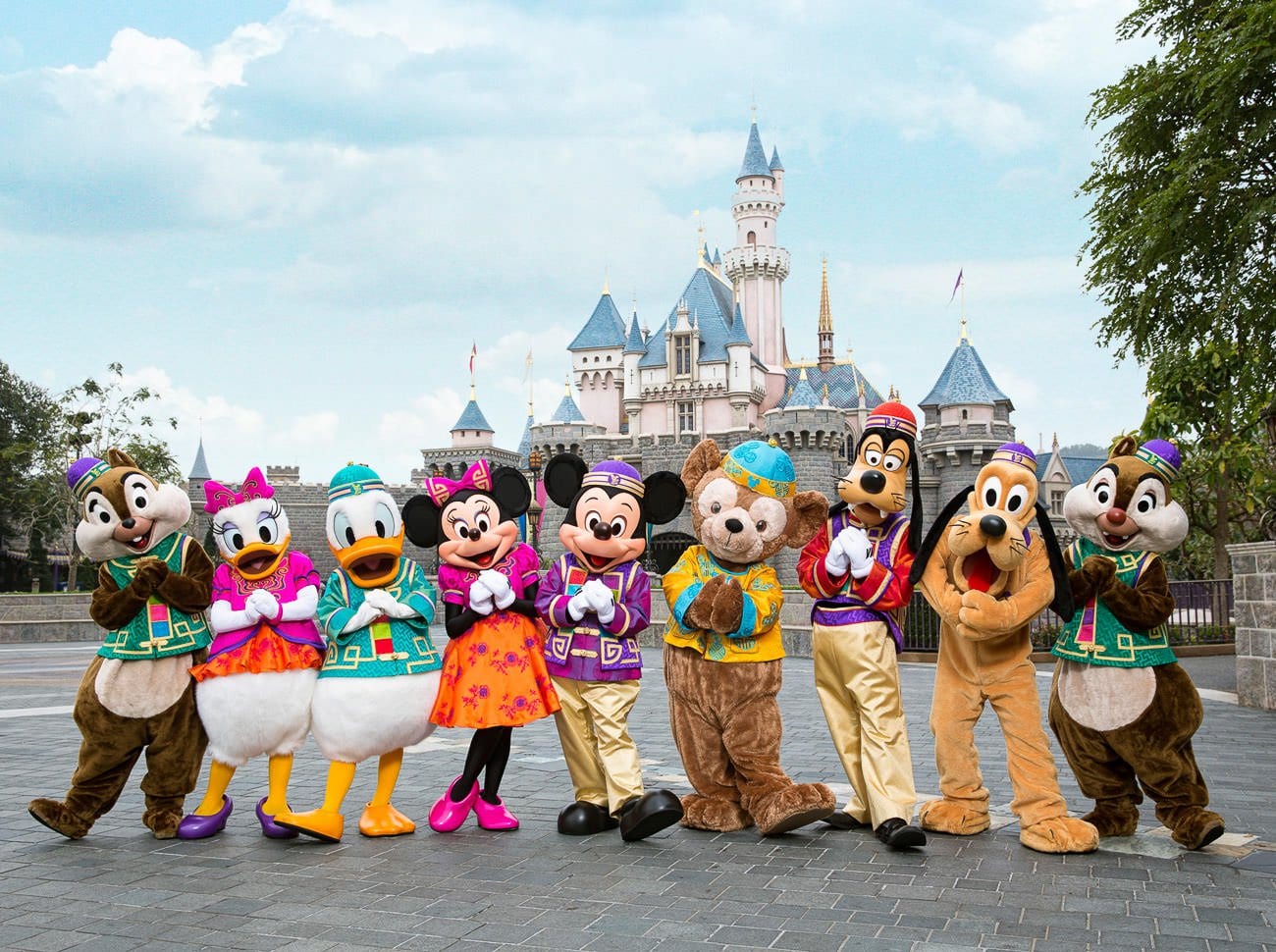
  • Disney tests new prototype stores online and offline

    Disney tests new prototype stores online and offline

    Disney is testing a new prototype store design in Shanghai, China and Nagoya, Japan as well as other cities in the US and Europe.

    According to the company, the new design combines innovative technology, storytelling and cast-member interaction to take “Disney magic to retail” through special learning and play activities, personalised celebrations for guests and a daily live stream of a Disney Parks parade.

    The US stores are in Century City and Northridge in California and Miami, Florida, with another scheduled to open in Munich, Germany, later this year.

    “No one creates experiences like Disney, and our pilot stores will be testing grounds for interactive features that will differentiate the Disney shopping experience in the changing retail landscape,” said Disney Consumer Products and Interactive Media chairman Jimmy Pitaro.

    Meanwhile, Disney has revamped its online experiencing, launching ShopDisney.com which it says offers an unparalleled assortment of Disney, Pixar, Star Wars and Marvel products across categories that include fashion, accessories, toys and home. It sells “best-in-class brands,” as well as authentic products from Disney Parks and Disney Store.

    “Online, ShopDisney is the ultimate destination for the most extensive collection of curated merchandise from our stores, parks and licensed partners,” said Pitaro. “This combination creates a powerful omnichannel experience that represents the next generation of Disney retail.”

    The website and prototype stores are both designed with dynamic layouts that spotlight product and content but allow the flexibility to feature the different worlds of Disney, Pixar, Star Wars and Marvel as new content debuts. Both also offer expanded product assortments for guests of all ages.

    “ShopDisney’s vast selection of merchandise across a wide range of categories reflects the Company’s commitment to creating products tailored for different audience demographics, from kids and families to millennials, as well as to innovating beyond the traditional and expected,” the company said.

    “The online destination features co-branded products and elevated collaborations from top brands such as Coach, Le Creuset, Spyder, Steiff and more, as well as new and exclusive capsule collections from fashion-forward brands on ShopDisney’s “The IT List,” home to “new, now and noteworthy” items guests won’t find anywhere else.

    “We know our fans are looking for a one-stop shop to find the most compelling product out there and with shopDisney we are uniquely positioned to curate the very best of Disney, Pixar, Star Wars and Marvel merchandise,” said Paul Gainer, executive VP for Disney retail. “We’ve also added product categories and brands that speak to new audiences following the success of our collaborations in the fashion space.”

    There will also be new items geared toward an expanded audience in the prototype stores, which go beyond their traditionally child-centric assortment to incorporate more product for guests of all ages. The prototype stores will use digital elements, such as giant LED screens, to present custom-designed guest experiences – including the Live from Disney Parks parade stream every afternoon and a nightly digital fireworks display on the store’s giant storefront screen – to reflect Disney’s storytelling tradition and create magical experiences for local communities that, in many cases, may be far from a Disney theme park.

    “We are a storytelling company and our vision was to create a retail space that reflected our heritage,” said Gainer. “Our stores are destinations and gathering places for fans of our iconic brands, and are often their closest physical Disney touch point so creating an authentic brand experience is key.”

  • Cebu Pacific opens Zamboanga-Sandakan route

    Cebu Pacific opens Zamboanga-Sandakan route

    THE Cebu Pacific (CEB) announced the expansion of its international route network and presence in Southeast Asia as it is opening a new route on October 29, this year. CEB announced that through its affiliate, Cebgo, will operate its first international route out of Zamboanga City with four times weekly flights to Sandakan, Sabah starting October 29.

    CEB said in a statement that the Zamboanga-Sabah flight via the city of Sandakan will be every Tuesdays, Thursdays, Saturdays, and Sundays. The one-way flight takes one hour and 30 minutes. It leaves this city at 1:45 p.m. and arrives in Sandakan at 3:15 p.m.

    It then leaves Sandakan at 4 p.m. and arrives in this city at 5:30 p.m. The CEB said the new Zamboanga-Sandakan route supports the drive for seamless logistics connectivity within the Brunei-Indonesia-Malaysia- Philippines East Asia Growth Area (BIMP-EAGA). The BIMP-EAGA, which was created in 1994, comprises the entire Borneo Island-which is divided between Brunei, Indonesia and Malaysia; Mindanao; and other Indonesian Provinces such as Sulawesi and Maluku. Its creation was meant to harness capabilities to turn the entire area into a thriving economic and tourism zone.

  • Toyota Plans Major Expansion at Five U.S. Manufacturing Hubs

    Toyota Plans Major Expansion at Five U.S. Manufacturing Hubs

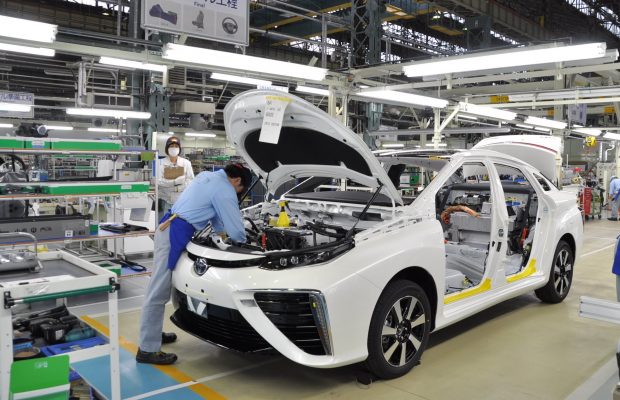
    Toyota plans a $373.8 million investment in five U.S. manufacturing plants that will support production of its first American-made hybrid powertrain and to implement its New Global Architecture at its plant in Alabama.

    The investments will include adding new production of hybrid transaxles (hybrid vehicle transmissions) at the Buffalo, West Virginia, manufacturing facility for $115,300,000; expanding 2.5-liter engine capacity at the Georgetown, Kentucky plant amounting to $120,960,000; increasing production of 2.5-liter cylinder heads at Bodine Aluminum’s Troy, Missouri plant for $17,050,000; and modifying the Bodine Jackson, Tennessee plant to accommodate production of hybrid transaxle cases and housings and 2.5-liter engine blocks for $14,500,000. The Huntsville, Alabama, plant will undergo a comprehensive upgrade to enable it to build engines that complement TNGA amounting to $106,000,000.

    Each of the projects is scheduled to begin this year and all should be operational by 2020.

    “This investment is part of our long-term commitment to build more vehicles and components in the markets in which we sell them,” said Jim Lentz, CEO, Toyota Motor North America. “This strategy is designed to better serve our customers and dealers, and positions our manufacturing operations to fulfill their needs well into the future.”

    The 2.5-liter engines manufactured in Kentucky and transaxles made in West Virginia will be used in hybrid vehicles built in North America such as the Highlander Hybrid manufactured in Princeton, Indiana.

    According to company officials, fifty new jobs will be created because of the investment at the Alabama plant. There will be no net gain of jobs at the Kentucky, West Virginia, or Bodine Aluminum facilities, but these investments will help to ensure the stability of the plants’ employment levels in the future.

    “This investment across five American plants expands capacity for our latest TNGA engines, and localizes production of hybrid powertrains, a core Toyota technology,” said Jeff Moore, Senior Vice President for Manufacturing. “It underscores Toyota’s confidence in the capability and global competitiveness of our North American manufacturing.”

    These projects, and others previously announced, move Toyota nearly halfway ($4.1 billion) toward its commitment to invest $10 billion in the U.S. as announced by CEO Akio Toyoda in January 2017.

  • Paragon Shopping Centre merging tech and fashion

    Paragon Shopping Centre merging tech and fashion

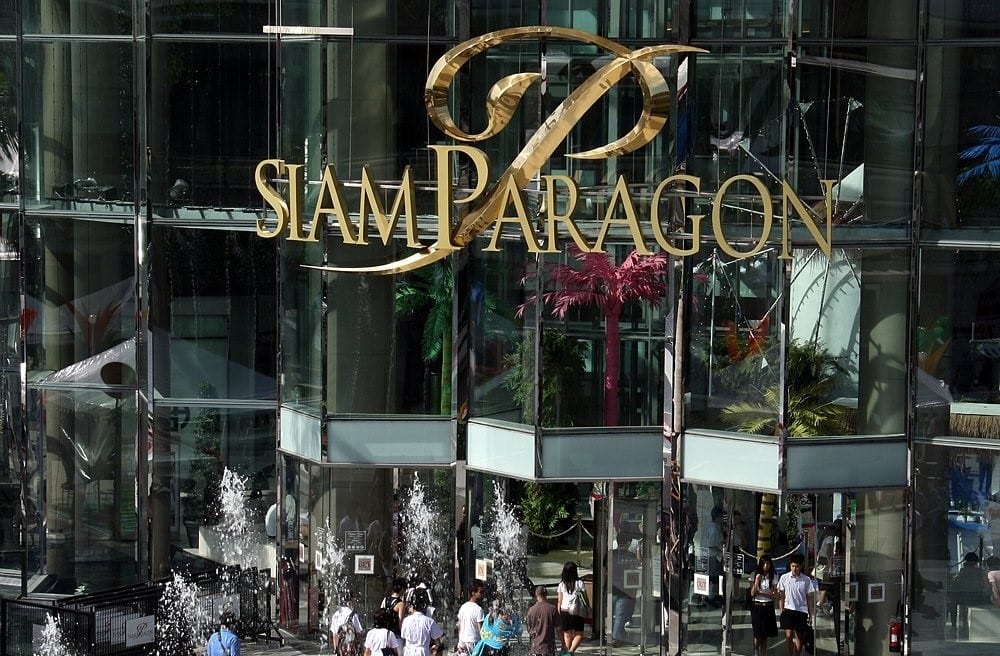
    Paragon Shopping Centre on Orchard Road has branched into robotics and virtual reality for its latest fashion promotion.

    Shoppers can watch fashion runway shows projected onto the floor, and with virtual-reality goggles can have a 360-degree view of a fashion show in which mannequins morph into models.

    Using Samsung VR Gear, the experience was created by multimedia and fashion-design students from Raffles College of Higher Education. It features apparel and jewellery from 11 capsule collections, each created by a student from the school’s fashion-design course.

    Central to the display is a large robotic arm, typically used for precision engineering. It picks up and moves boxes containing fashion pieces such as bags and shoes, giving shoppers a 360-degree view of each item. The arm is on loan from automation firm Weltron Equipment.

    Running until October 1, the display features items from Moschino’s fall/winter collection. The next day, until October 15, athleisure collections take over the spotlight, featuring such brands as AX Exchange, Diesel, DKNY, Puma and Star360.