Blog

  • Second Jalan Jalan Japan for Kuala Lumpur

    Second Jalan Jalan Japan for Kuala Lumpur

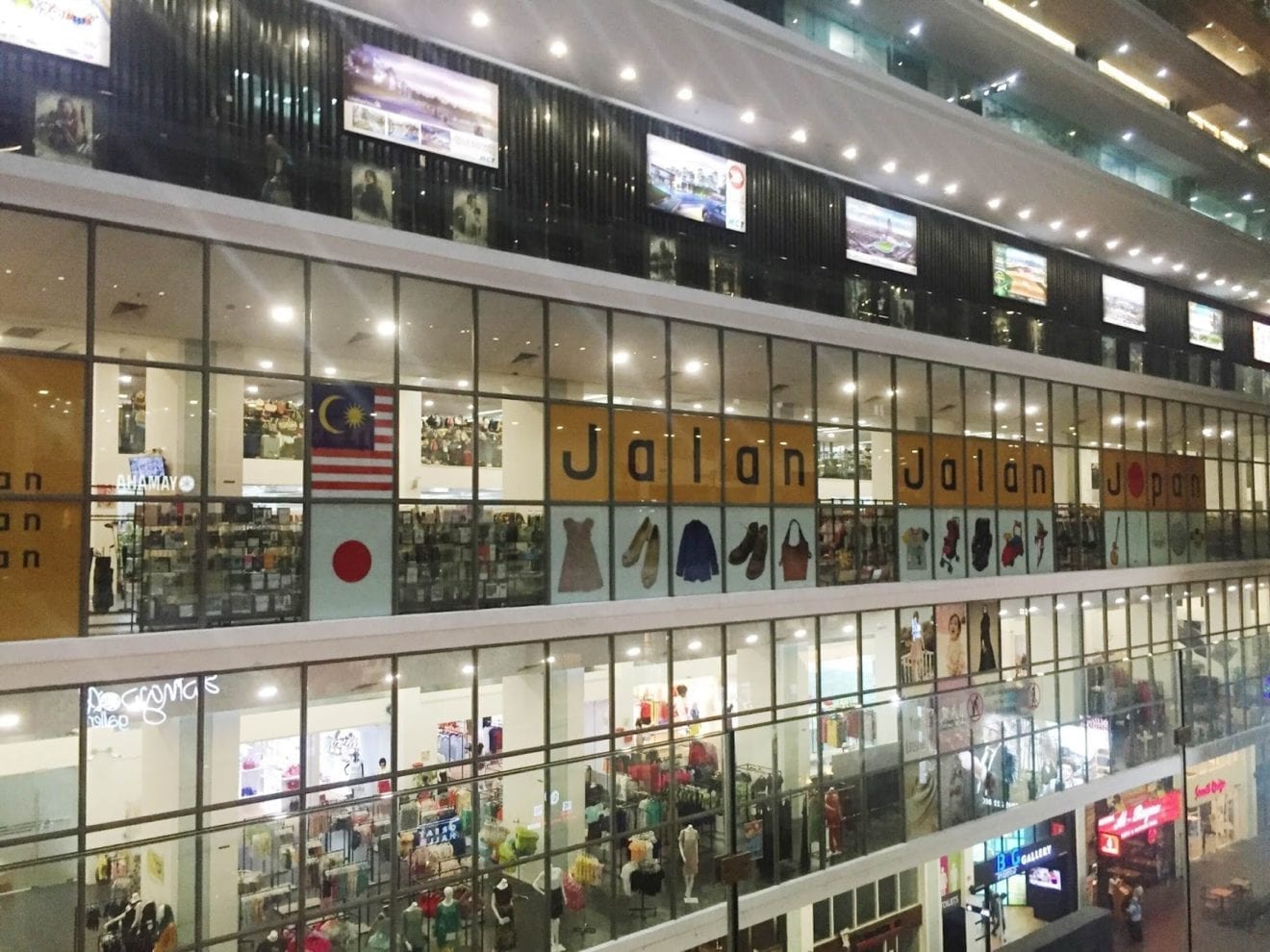
    Japanese used-book retailer Bookoff Corporation, through its subsidiary Bok Marketing, will open a second Jalan Jalan Japan outlet in Kuala Lumpur.

    Opening at 1 Shamelin Mall on September 30, it is the brand’s second Southeast Asia store.

    Also known as “JJJ”, the first Jalan Jalan Japan store opened at Skypark One City in Subang Jaya in November. It offers not only books, but also clothes, bags, shoes, household items, baby goods, toys, hobby items, sporting goods, instruments, furniture and accessories.

    Bookoff has more than 800 shops in Japan, buying more than 400 million items and selling more than 300 million pieces  annually. All JJJ goods are imported from Japan.

    Another two or three stores are planned for around Kuala Lumpur over the next few years.

  • Platinum Group sees gold in Chinese tourism

    Platinum Group sees gold in Chinese tourism

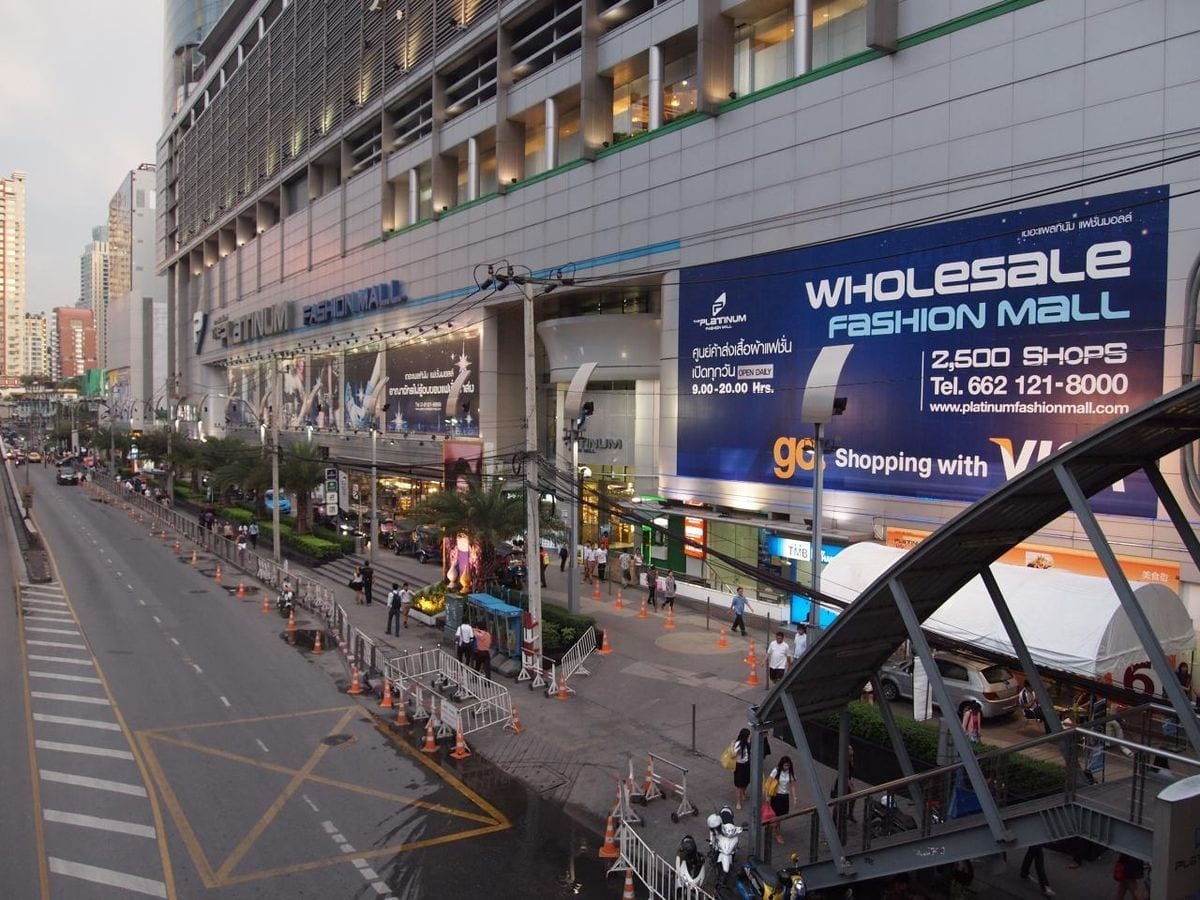
    Mall company The Platinum Group is banking on Chinese tourism to support a retail shopping centre it plans to open next year.

    With a wholesale fashion mall in Bangkok that attracts about 15 million people annually, the group is investing about THB6 billion (US$180 million) in the project, says president Chanchai Phansopha.

    “We want to transform the company from an operator of a wholesale fashion mall into a commercial property developer,” he says. The Bangkok project is part of a wider, THB11-billion investment plan that will also add hotel and office space over five years.

    Thailand last year had nearly 9 million Chinese visitors who spent an above-average $176 a head daily.

    Chanchai says he foresees double-digit growth in sales and profit, with the new mall, The Market, expected to boost revenue at least 30 per cent in 2019.

  • Megaworld aims to launch 13 malls in three years

    Megaworld aims to launch 13 malls in three years

    Property developer Megaworld Corp says it plans to open 13 malls in the next three years in line with its target to hit 28 by 2020.

    It already has 13 malls across the Philippines, with Southwoods Mall about to open in Laguna.

    Megaworld Lifestyle Malls head/senior VP Kevin Tan says the Southwoods Mall covers 58,000sqm in Megaworld’s only fully integrated township, Southwoods City. The 561ha township is at the boundaries of Binan, Laguna and Carmona, Cavite, and is the largest township in the country to feature a golf course.

    There is also a CBD, commercial and retail stores, malls, schools, church, a cyberpark, a medical centre, parks, leisure activities, a weekend market and a transport hub.

    Megaworld is a property unit of magnate Andrew Tan under his conglomerate Alliance Global Group.

  • IamClaire a ‘sisterhood community’ and shopping experience

    IamClaire a ‘sisterhood community’ and shopping experience

    A “sisterhood community” launched in Philippines targets women in a hybrid social media and retail concept.

    IamClaire.com was founded by Singapore’s Altus Capital Digital which describes the site as

    “a fully integrated community and media and online buying platform that synergizes three elements in new and meaningful ways”.

    Users can create accounts, post content, connect with other platform members and create their own “online buying experience”.

    And shop.

    The site, just launched in the Philippines, features short videos offering tips for female millennials on beauty, lifestyle and health and wellness.

    “IamClaire is about joining a community; a sisterhood that stands for positive transformation and about becoming a better you,” says ACD VP and COO Liam Mendoza.

    The core business model is to make it easy for women to buy the products after they see or share details about them.

    “There is a simple, fun way to buy them that is tied to the content and the community elements,” said Mendoza.

    Altus Capital Digital believes the modern day shopping experience should be new: “more social, more fun, more informed and much less intrusive than what e-commerce presents them today”.

  • British Essentials, the first Hong Kong online British supermarket

    British Essentials, the first Hong Kong online British supermarket

    British Essentials is Hong Kong’s first online British supermarket that has the largest British grocery range of any supermarket in the city.

    It is also the exclusive online retailer of the Morrisons brand, which is one of UK’s leading grocery chains with almost 500 stores.

    The online supermarket in a one-stop shop meets all daily needs as it sells a broad range of groceries at competitive prices.

    It offers shoppers a complete wealth of choice between branded British groceries and Morrisons own label range, including dairy-free, gluten-free, and organic products.

    British Essentials is also a very convenient grocery shopping solution for busy Hongkongers. They can place orders anytime in the comfort of their homes and have it delivered to them across Hong Kong at their own convenience.

    As a zero-waste company, the online supermarket delivers in reusable crates and cardboard boxes which can be returned.

  • Seoul’s largest shopping district shrouded in uncertainty

    Seoul’s largest shopping district shrouded in uncertainty

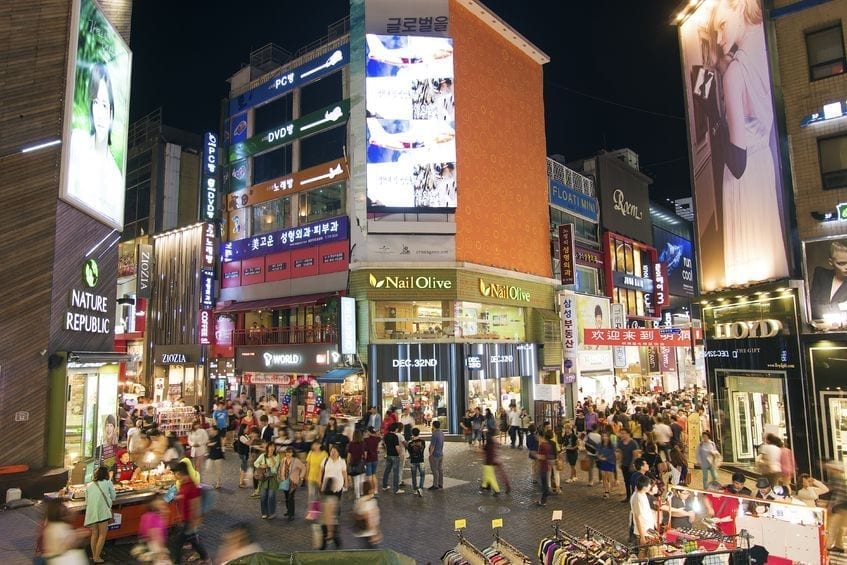
    Hit by the absence of Chinese tourists over South Korea’s deployment of a politically charged THAAD missile defense system, the future of Seoul’s largest shopping district Myeongdong is shrouded in uncertainty.

    Reports of the economic damage caused by the lack of Chinese tourists on Myeongdong, a busy shopping precinct in downtown Seoul, continue to dominate the headlines of the South Korean media.

    As the ongoing political tension takes its toll on retailers, an increasing number of shops that are falling behind on rent in the pricey neighborhood are pulling out, particularly South Korean cosmetics stores that used to rely heavily on Chinese and Japanese tourists, including It’s Skin, Holika Holika, and Orchid Skin.

    According to data released earlier this year by the Ministry of Land, Infrastructure and Transport, nine out of the 10 most expensive rental properties were in Myeongdong, with the flagship store of South Korean cosmetics chain Nature Republic sitting on the most expensive real estate in the country for the 14th consecutive year.

    What stands out amid these troubled times is the lack of sympathy for the struggling retailers and a smug sense of poetic justice felt by many South Koreans.

    Locals “unwelcome”

    Prior to talks of the highly political THAAD system, reports continued to come out in the South Korean media that a significant number of South Koreans felt they weren’t welcome in Myeongdong, as what was once the country’s busiest shopping district rapidly became a mere cash cow for cosmetics giants and fast-fashion retailers.

    It has been a very common sight for years in Myeongdong to see cosmetics chain stores focusing on luring Chinese and Japanese tourists with staff members prowling the sidewalks incessantly touting their wares in both Chinese and Japanese.

    With the tempting bonanza of foreign tourists, things began to get out of control.

    Some cosmetics stores in Myeongdong began hiring staff members who weren’t capable of communicating sufficiently with Korean customers, while others reportedly offered special deals to foreign tourists, a controversial marketing policy that bordered on casual racism, leaving a sour taste in the mouths of many South Korean shoppers.

    After years of feeling neglected by Myeongdong retailers, the sentiment that ‘it serves them right’, with ‘them’ being the shops that focused far too much on foreign tourists for years, is loud and clear in numerous comments found on major online portals like Naver.

    “Karma serves them right. I knew this was coming when (shops in Myeongdong) neglected South Koreans. Chinese tourists won’t keep coming for centuries and they can suddenly stop coming the next day because of political relations,” said one online post, among the many that reflect the feelings of a significant number of South Korean shoppers who somehow feel avenged, relishing the sense of revenge, even if at the cost of their own economy.

    Other comments shed light on more serious issues that need to be dealt with, such as dishonest taxi drivers and far too prevalent rip-offs targeting foreigners, while some raise the issue of the lack of attractions compared to almost universally popular holiday destinations like Thailand.

    “Would you want to come to Korea when they charge you 10,000 won for gimbap and taxi drivers rip you off?” one comment left on Naver read.

    “Plagued with complaints”

    Long before political discord saw the number of Chinese tourists visiting Korea plunge, Myeongdong was plagued with complaints of disorganisation, an absence of trash cans, and most importantly, a lack of character that makes the area come across as ‘bland’ and ‘far too busy’, leaving those other than Korean pop culture fans with no compelling reason to visit the district.

    In a survey conducted with Chinese tourists earlier this year by Pengtai, Cheil’s marketing affiliate, Myeongdong was even knocked out of the top 10 most popular spots in Seoul by the likes of emerging places like Hongdae and Yeouido Hangang Park, down 10 places from last year.

    With all the flaws and challenges facing Myeongdong, it’s worth acknowledging that the void left by Chinese tourists is beginning to be filled by South Koreans and a growing number of Southeast Asian tourists, with many of them ironically coming back because the area is no longer packed like sardines with foreign tourist groups, which put many locals off coming to the area.

    As tourism authorities and business operators contemplate a new direction for the shopping district during these trying times, Myeongdong must learn a lesson from the past, open its arms once again to local consumers, and remember that putting all of one’s eggs in the same basket is never a good idea.
  • My Cofi cafe goes canine

    My Cofi cafe goes canine

    Latte art has gone to the dogs in Taiwan, where the baristas at My Cofi cafe copy photos of customers’ canine companions on to their foam.

    They don’t just confine themselves to dogs, drawing such delights as parrots and cute cartoon characters, and even short phrases.

    In the southern city of Kaohsiung, the cafe is too busy to make coffee creations for every guest’s pet, confining the service to special occasions.

    They do have a regular specialty, however, in somewhat dubious taste: a cockroach portrait. One has to wonder whose pet that might be.

  • Proposal made to restructure Surfstitch

    Proposal made to restructure Surfstitch

    A party previously involved with Surfstitch has submitted a draft bid to restructure the company, which would see it re-list on the ASX, pending support from a creditor vote in coming months.

    Administrators FTI Consulting, appointed last week, notified creditors of the proposal at a meeting in Sydney on Tuesday morning, but FTI senior MD John Park declined to say what the response was, other than that the meeting was “quick” and “calm”.

    Park would not confirm whether major shareholder and co-founder Justin Cameron was behind the proposal, but said Cameron did not attend the creditor meeting.

    “I’ve received one draft deed of company proposal this morning,” Park said. “It’s a proposal to see…a relisting of the vehicle.”

    Creditors include management, advisors and the shareholders associated with the Quinn Emanuel Urquhart & Sullivan and Gadens shareholder class actions, as well as Crown Financial’s Kim Sundell, who also has pending legal action against the company.

    FTI expects to receive more restructure proposals for the company over the next 30-50 days before its due to deliver its report and recommendation to creditors about the future of the business.

    Liquidation is still a possibility, although not something that Park believes will deliver an optimal outcome for stakeholders.

    “My experience is that creditors look upon a deed of company arrangement a lot more favourably than a liquidation scenario,” he said.

    “[Litigators will] be looking for a palatable commercial outcome.”

    The administration was undertaken to put a stay on the legal proceedings. Park said a restructure would be the only outcome that would generate a return for shareholders.

    “[Litigaton funders] have indicated that they are receptive to looking at some form of restructuring proposal which takes into account their interests and they will assess it on its merits and make a decision,” Park told journalists on Tuesday afternoon.

    Park could not quantify what the company owed to creditors, citing the inability to determine the value of the pending legal action.

    Quinn Emanuel filed a $100 million class action on behalf of shareholders against SurfStitch in May and was in the process of negotiating a settlement with the company when it entered voluntary administration two weeks ago.

    Quinn Emanuel partner Damian Scattini has previously declined to say what size settlement would be acceptable to shareholders, at the time citing ongoing negotiations.

    Meanwhile, Gadens did not place a specific value on the claim it filed in June, other than to say it would be a “large” claim.

    “It’s a bit pointless to pluck figures out of the air. It all depends on how loss is to be calculated. What’s more, we don’t know the full spread of members of the class in order to make that calculation,” Gadens’ Melbourne-based partner, Glenn McGowan, QC, told IR last week.

    McGowan said he has not been contacted by administrators, except for a standard form letter to prove the claimed debt.

    “I imagine they have spoken to the [litigation] funders. But they [the administrators] will have to speak to the lawyers in each proceeding if any agreement is to be reached,” he told IR on Tuesday.

    However, he has previously said he is pessimistic about shareholders’ chances of recouping losses from Surfstitch. That is why Gadens in June also filed a class action against Cameron, who, like many CEOs, holds an insurance policy.

    Surfstitch’s operating subsidiaries continue to trade while the holding company is in administration, Park said there was initial concern from suppliers but that they’d been “pleased” with internal stakeholder response so far.

  • Central Pattana forms JV with Tesco

    Central Pattana forms JV with Tesco

    Retail property developer Central Pattana (CPN) has set up a JV with British retail giant Tesco to co-develop property in the Thai market.

    The  Central Group subsidiary has told the Stock Exchange of Thailand (SET) that the new company, Synergistic Property Development, will support business expansion. It has registered capital of THB100,000 (US$3000) with ordinary share capital of 1000 shares at a par value of THB100 each.

    CPN holds a 50 per cent stake in the JV company while the other 50 per cent belongs to Ek-Chai Distribution System, which runs Tesco Lotus hypermarkets in Thailand.

    Details of the business model to be developed under the new company are under study, says CPN executive VP for marketing Nattakit Tangpoonsinthana.

  • Cebu Pacific’s new menu gives in to your foodie desires

    Cebu Pacific’s new menu gives in to your foodie desires

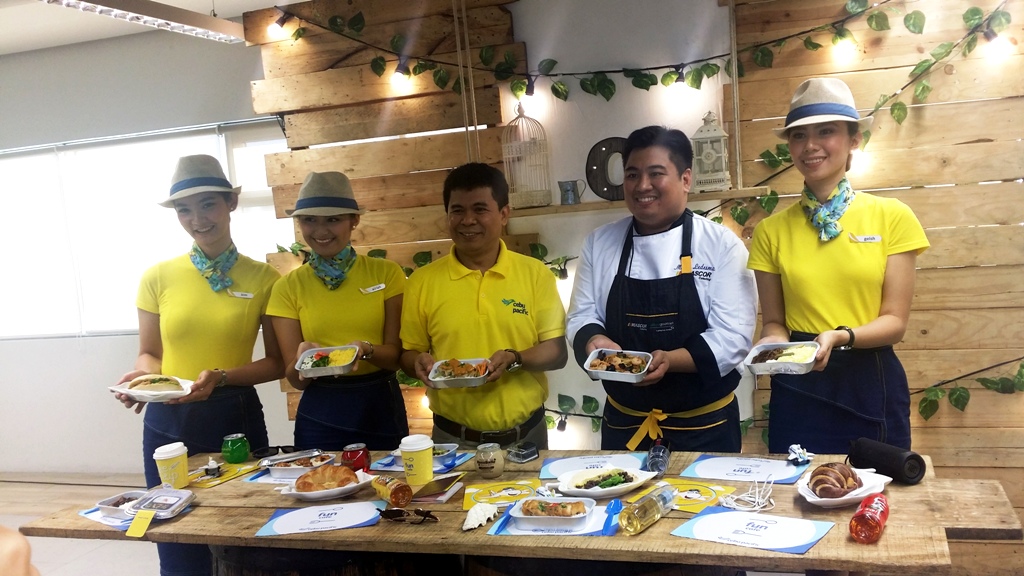
    Fliers of Cebu Pacific are in for a treat as the airline company just unveiled a new set of tasty inflight menu.

    Charo L. Lagamon, Cebu Pacific’s director for corporate communications, during a recent press event, revealed “It’s going to be part of your journey, your experience in Cebu Pacific. In September, your journey will start on board with these new flavors and treats.”

    The menu is composed of 12 new dishes ranging from light meals to satisfying rice dishes as prepared by MIASCOR-Gate Gourmet Philippines.

    Jem Calungcaguin, Cebu Pacific’s manager for inflight sales and merchandise told InterAksyon, “We’ve been continuously developing the menu for our pre-ordered meals. With the previous ones, we have received feedback from our passengers and also from our cabin crew, and we’ve taken consideration of all those insights.

    “Those insights inspired us to think maybe it’s time for us also to freshen the range because our travellers—especially the frequent ones–might have tried everything already.”

    Known for offering mostly Filipino staples, Cebu Pacific expanded their menu’s flavor profiles and incorporated Asian flavors and Western ones.

    “This one so far is the widest array of meals that we have for our pre-ordered meals. We are very excited to launch it because this time, we’re going to cater to more people and more taste palates,” Calungcaguin pointed out.

    Cebu Pacific vice president for corporate affairs Atty. Paterno Mantaring, Jr. (third from left) and executive sous Chef Mark Javier Ledesma led the unveiling of Cebu Pacific’s new inflight menu.

    The new dishes, which are all Halal-certified and adhere to the Hazard Analysis Critical Control Points (HACCP), are composed of four sandwiches, one pasta, one noodle dish, and then the rest are rice meals as developed by Chef Mark Ledesma, executive sous chef of MIASCOR Gate Gourmet Manila.

    “It’s inspiration comes actually from different destinations and flavor palates that we were trying to target,” Chef Ledesma shared during a cooking demo.

    Ledesma assured that these dishes are prepared a few hours before the scheduled flight to ensure freshness and quality.

    Cebu Pacific fliers can pre-order these dishes on all flights departing 24 hours or more from the time of booking.

    For domestic flights, the selection is limited to light snacks like sandwiches, whereas all the 12 dishes are available for international or long haul flights.

    Meanwhile, Cebu Pacific’s new inflight menu is divided into categories namely the Filipino series, Asian series, and Western series.


  • Citi Philippines sweeps awards

    Citi Philippines sweeps awards

    Global Finance Magazine has announced its best digital banks in Asia, and Citi dominated the awards with multiple wins across the region.

    For the 11th consecutive year, Citi Philippines was awarded Best Digital Bank for the Corporate/Institutional Bank category.  For Consumer Banking, it was Citi Philippines’ 11th win as Best Digital Bank.

    Winners were chosen among entries evaluated by a world-class panel of judges at Infosys, a global leader in consulting, technology and outsourcing.

    Winning banks were selected based on the following criteria: strength of strategy for attracting and servicing digital customers, success in getting clients to use digital offerings, growth of digital customers, breadth of product offerings, evidence of tangible benefits gained from digital initiatives, and web/mobile site design and functionality.

    In the category for World’s Best Corporate/Institutional Digital Banks in Asia Pacific, Citi won five regional sub-category awards, including Most Innovative Digital Bank, Best Online Cash Management, Best Online Treasury Services, Best in Mobile Banking and Best Mobile Banking App.

    “This award is a validation of Citi’s successful digital tansformation.  In all that we do, we combine the stability of a banking tradition of more than 200 years and the agility todevelop fintech solutions that will best serve our clients’ interests in the digital age.  We aim to serve our customers in the ecosystem in which they operate,” said Citi Philippines CEO Aftab Ahmed.

    Citi also swept the country awards in the Corporate/Institutional Digital Bank category, winning in 14 other countries including Australia, Bangladesh, Hong Kong, India, Indonesia, Kazakhstan, Malaysia, New Zealand, Pakistan, Singapore, South Korea, Sri Lanka, Thailand, and Vietnam.

    In the Consumer Banking digital bank awards, Citi was also named best digital bank in Australia, Indonesia, Malaysia, South Korea and Thailand.

    Asia is responsible for 17 of the Global Consumer Bank’s 19 markets worldwide. To deliver new growth, the focus for the bank was on increasing profitable market share in key markets, and products (Retail, Cards, Wealth Management and Commercial) while digitizing our business from end-to-end to deliver a better customer experience, reduce costs and improve efficiency. In the most recent quarter Citi’s consumer bank in Asia reported its fourth consecutive quarter of growth.

  • Young men are driving skincare market in China

    Young men are driving skincare market in China

    The mainland Chinese male skincare and cosmetics market is expected to grow twice as fast as the global cosmetics market in the next two years, reaching CNY1.9 billion (US$300 million) in 2019, according to Euromonitor International.

    A report by Jing Daily stated that young Chinese men who are between 18 and 26, and have increasingly more disposable income, are becoming the new driving force for the male beauty market.

    According to a study released in April 2017 by the Hong Kong Trade Development Council, young men are beginning to build skincare habits early compared to their elders.

    Chinese men as young as high school age are already using basic facial cleansing products and by the time they begin university their skincare routine becomes more complex, said Jing Daily.

    Many factors are driving young Chinese men’s consumption in the skincare market, according to the study, with some respondents concerned about their skin health.

    “The air pollution in China now is very serious,” said one Weibo user. “It greatly affects the skin quality.” Some said their skincare habits formed as a result of the influence of their girlfriend or wife.

    The study also suggests that the introduction of exclusive product lines for men means that they are more likely to cultivate skincare habits, with demand increasing for products such as BB creams, eyebrow pencils and concealer.

    As consumers develop diverse needs, more varieties of male skincare products are emerging. According to a 2016 Beauty report released by Amazon China, L’Oréal and Nivea ranked highest on its top 100 skincare products of 2016 list, with professional men’s skincare brands like Biotherm and Lab Series favoured by the male consumer.

    Jing Daily noted that mainland consumers tend to form different perceptions towards skincare and cosmetics brands in different countries or regions.

    For example, consumers generally believe that Swiss brands focus on medical beauty, American brands tend to make more advanced formulas and Japanese brands feature whitening effects, which are more suitable for Asian skin.

    The per capita consumption gap between male and female buyers has reduced from CNY26.6 (US$4) in 2014 to CNY13.7 (US$2), according to research compiled by e-commerce giant JD.com on the consumption of beauty products in China in 2017.

    Even though male skincare products, cosmetics brands and product categories are far less diverse than those in the women’s market, the future growth of the men’s market is vast as there will be more foreign brands entering the mainland market, Jing Daily concluded.

  • Donna Karan parent boosts sales by 21.6 per cent

    Donna Karan parent boosts sales by 21.6 per cent

    Donna Karan parent G-III Apparel Group has reported a 21.6 per cent increase in quarterly sales to US$538 million.

    Of that, about $45 million of sales were of the DKNY and Donna Karan brands, acquired last year from LVMH. Its other licensed labels include Calvin Klein, Tommy Hilfiger, Ivanka Trump and Karl Lagerfeld Paris.

    However the ongoing costs of bedding down its Donna Karan acquisition contributed to a quarterly loss of $8.6 million, substantially higher than the $1.3 million loss in the same quarter last year.

    Morris Goldfarb, G-III’s chairman and CEO, said, the company has created a “powerful” brand portfolio through acquisition and partnerships.

    “This great portfolio is enabling us to perform well despite significant headwinds in the marketplace. We are fortunate to have developed a diverse business, anchored by Calvin Klein and supported by other brands including Tommy Hilfiger and Karl Lagerfeld Paris. And now, Donna Karan and DKNY, both global power brands, will help us capture additional opportunities. We are positioned to provide exciting new assortments to a range of retailers and to demonstrate leadership in our industry at a critical time. We expect to generate growth in sales and achieve higher levels of profitability as we move forward.”

    Goldfarb said G-III planned to rationalise its own store network, improve merchandising and reduce expenses to return to profitability.

    “We believe we can mitigate the pressure on our retail results while reaping the benefits of an exciting new phase of wholesale growth as we look forward to a successful second half of the year.

    We anticipate achieving our operational and financial objectives and fulfilling our ongoing mission to offer brand and product solutions to an industry affected by disruption and change.”

  • Costa offers WeChat for duty free shopping on Chinese cruises

    Costa offers WeChat for duty free shopping on Chinese cruises

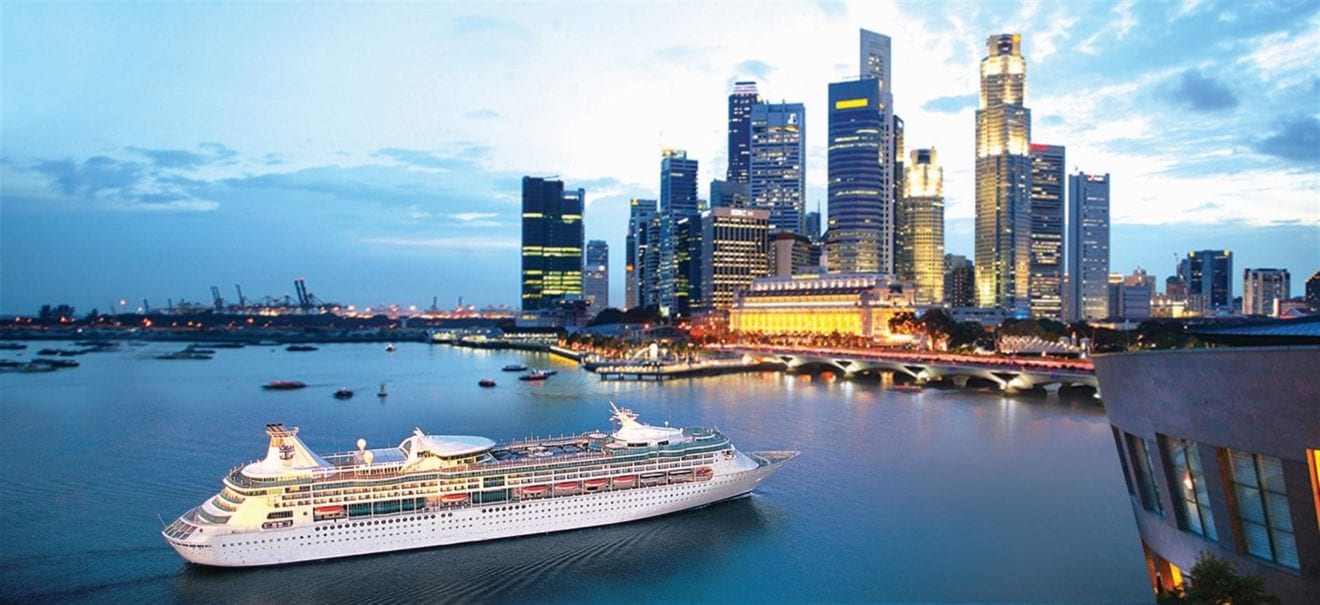
    Costa Cruises is launching a WeChat payment service onboard its fleet in China. It allows Chinese guests to use the online social communication platform to enjoy hassle-free mobile payment options, including duty free shopping – claimed to be a first for the global cruise industry.

    The WeChat service (also known as Weixin in China) launched on 2 September 2017 onboard Costa Atlantica. The integrated platform for instant messaging, commerce and payment services from Tencent Holdings, has over 963 million monthly active users.

    Chinese guests can use the online social communication platform to enjoy hassle-free mobile payment options, including duty free shopping.

    Costa – one of ten brands from Carnival Corporation – initially launched a WeChat Mini Program in August to book and pay for cruise itineraries. This latest addition extends payments to onboard duty free shopping, restaurants, spa, and other services through a complimentary intranet service.

    Costa Group Asia President Mario Zanetti said: “With China being one of the world’s leaders in mobile and digital advancements, we see great potential in leveraging WeChat’s leading position and technologies (and) also provide a more immersive and digitised onboard experience for our guests.”

    Costa Cruises claims it was the brand “that brought cruising to China in 2006” and is the leader in the Chinese cruise market today. Costa Cruises operates year-round in the Chinese market and has provided cruise vacations for over two million Chinese guests through four ships based across north, east and south China.

  • Hublot opens Kyoto store

    Hublot opens Kyoto store

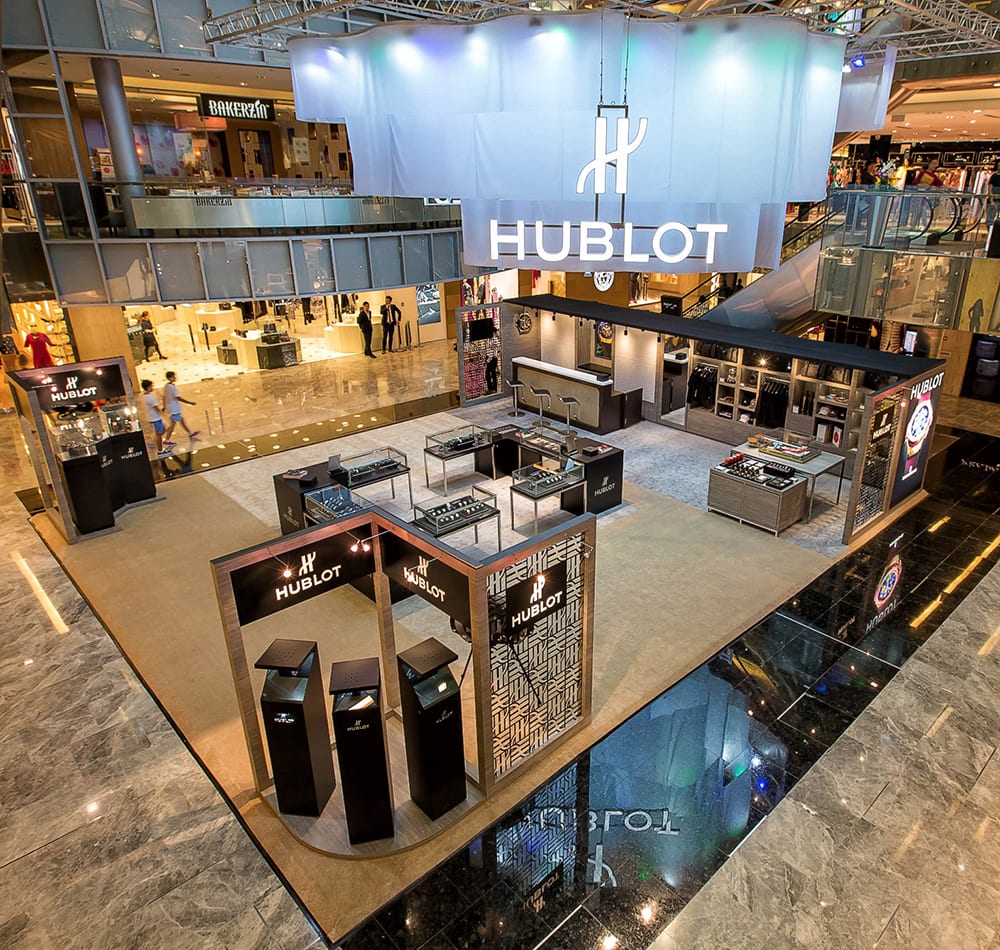
    Swiss watch brand Hublot has opened a boutique in Kyoto on 26 August 2017, taking up residence in the former space occupied by Hermès.

    Located in an old machiya-style townhouse in Kyoto’s famous Gion district, the shop features custom Japanese ‘washi’ paper and wickerwork reiterating the watchmaker’s logo.

    Shopping the latest timepieces and watch accessories from the Swiss luxury horologist, customers will also receive Japanese-style folding fans as gifts with each purchase. The Kyoto shop will primarily carry timepieces priced at around 1 million yen to 2 million yen ($9,081 to $18,162).

    The 212-square-metre boutique forms part of Kyoto’s Daimaru Matsuzakaya Department Store. In 2016, the mall retailer spent 100 million yen refurbishing the two-story wooden former teahouse. It fronts onto Hanamikoji-dori Street, which is Gion’s main street.

    French luxury brand Hermes was chosen as the first tenant, opening up a pop-up shop for a limited time from November 2016 through to July 2017.

    The history of the machiya is unknown, with records of extensions being added in 1938, according to Japan Property Central. In 2001, the overhead power lines along this street were buried underground and the road was refinished with stone paving.

    Hublot, founded in 1980 in Switzerland, targets mainly men in their late 30s and early 40s.

    The shop is the company’s third directly operated outlet in Japan after one in Tokyo’s Ginza district and another in Osaka.