Blog

  • Indonesia focuses on attracting more Asia-Pacific tourists

    Indonesia focuses on attracting more Asia-Pacific tourists

    Indonesia is currently channeling its efforts to attract foreign tourists from Asia-Pacific countries. Deputy for Foreign Tourism Marketing Development of the Ministry of Tourism I Gde Pitana noted in a written statement in Jakarta on Friday that his office is focusing its foreign tourism marketing program this year on markets in the Asia-Pacific region.

    “Targeted countries include China, Australia, Japan, South Korea, India, and other markets,” he revealed.

    Several promotional initiatives have been prepared, for instance, by undertaking more activities in the form of exhibitions and sales missions.

    Pitana stated that from January to December 2017, his office has prepared 54 activities in the form of 30 exhibitions and 24 sales missions.

    Festivals will be promoted through 30 activities and familiarization trips of 51 activities.

    Meanwhile, promotional activities implemented in the Asia-Pacific markets until July 2017 include participation in the Incentive Travel Convention Meeting in China, Hanatour International Travel Show, International Travel Expo in Hong Kong, and ADEX Australia.

    Furthermore, in the second semester of 2017, Indonesia will participate in several important events, such as the PATA Travel Mart, JATA Tourism Expo, China International Travel Mart, and MATTA Fair.

    “The same activities were also held in the European, Middle East, American, and African markets to exploit their potential,” Pitana noted.

    It will participate in nine exhibition events, with one each in July, August, and September; as well as two exhibitions in October; and four in November 2017.

    Among the international exhibition events is the largest exhibition WTM London and World Halal Tourism Summit.

    Pitana expects to see an increase in participation and synergy among the local government, tourism business players, and other tourism stakeholders to support the international tourism marketing program in 2018.

    “Several activities involving collaboration with the local governments include with the Aceh government for the MATTA Fair and ITB in Berlin and with the Yogyakarta provincial government in the Vietnam Travel Mart. We hope that participation and synergy between the central and local governments would strengthen cooperation with associations and other elements, such as the media, academia, and community, in 2018 ” Pitana added.

  • Education key to more women in SE Asia workforce

    Education key to more women in SE Asia workforce

    Education is key to growing the participation of Southeast Asian women in the labor force, an Indonesian business leader said Tuesday.

    The Indonesia Business Coalition for Women Empowerment is pushing to extend the stay of girls in school to up to 12 years from 9 years so they won’t get forced into early marriage, said its executive director, Widiastuti.

    “If a family has to decide who to send to school, because they have a certain limited income, in the past especially, they will most likely give the son preferential treatment,” Widiastuti said.

    A lack of education makes women vulnerable to pay inequality, she said.

    In Indonesia, there is a 16-percent wage gap across the board between men and women. The inequality runs as high as 50 percent for low-skill jobs then narrows to 21 percent for those who finished high school and 6.2 percent in the tertiary level.

    “We need to push further not just government but the corporate sector, to open up for women to take up leadership positions to go from entry level, to middle manager level,” Widiastuti said.

  • Inflation in August estimated to be lower at 0.02 percent

    Inflation in August estimated to be lower at 0.02 percent

    The Central Java representative of Bank Indonesia (BI) predicted that the countrys inflation in August would be lower at 0.02 percent from 0.14 percent in July.

    “The decline in inflation was a result of a cut in the prices of a number of essential goods,” Rahmat Dwisaputra of the Central Java representative of the central bank said here on Tuesday.

    Rahmat said the inflation should be stable at a lower level, adding after Ied ul Fitr inflation would be as expected by the government.

    “In June and July inflation rates were quite high. That is the trend. We will stabilize the inflation that price hike is no longer high,” he said.

    In addition to the falling prices of essential goods especially volatile foods such as chili, garlic, and red onion, the cost of education is also expected to contribute to the decline in inflation in August.

    The time when the people have to pay extra for education has been over that there is less factors contributing to inflation.

    “In September, inflation is even expected to remain low with low consumption by the people,” Rahmat said.

    With the stability maintained the purchasing power of the people is expected to be unaffected, he added.

  • DBS launches digibank in Indonesia

    DBS launches digibank in Indonesia

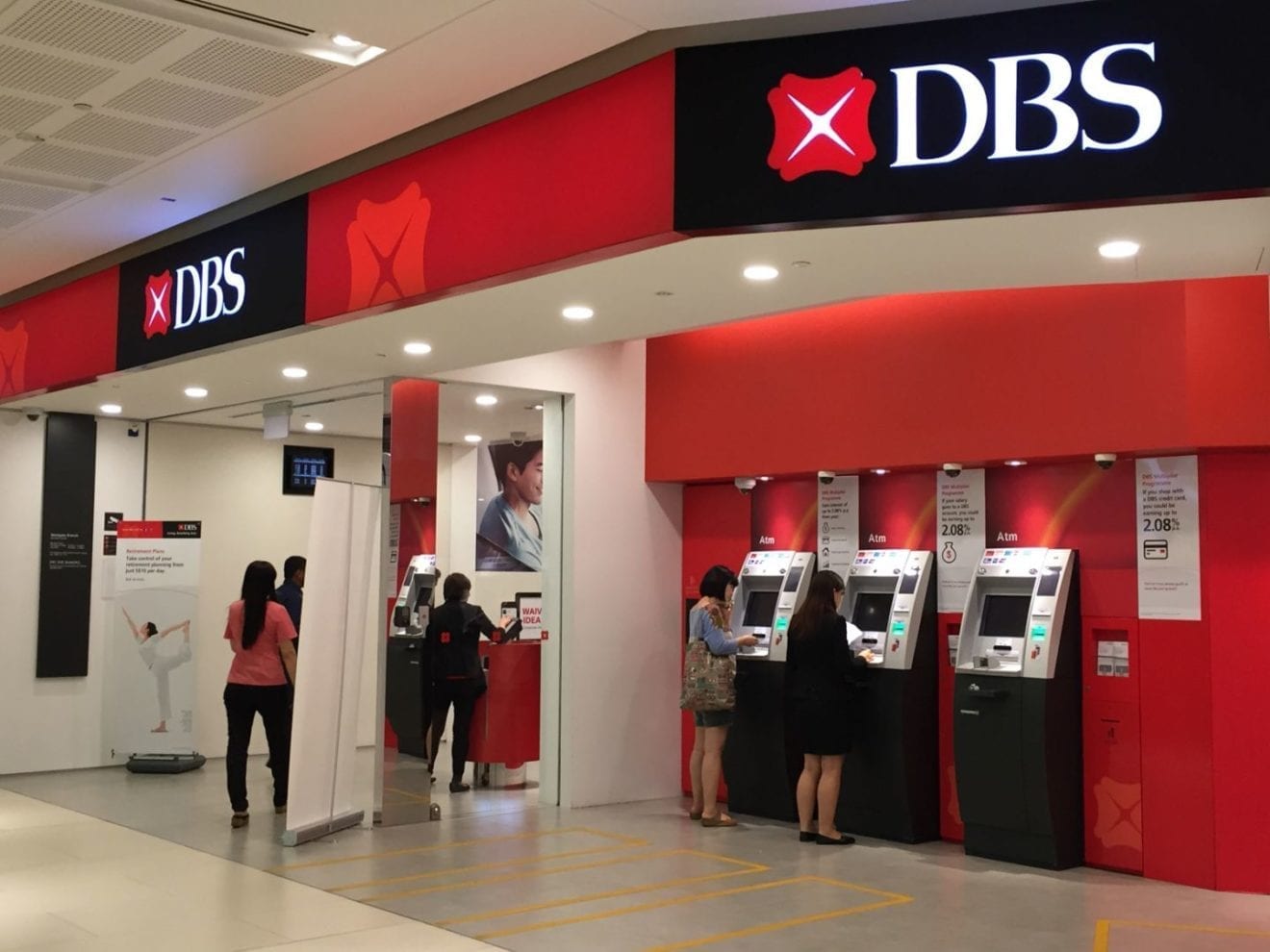
    DBS Bank has launched a mobile-led bank, or “digibank”, in Indonesia. The service is paperless , requires no signatures and brings together an entire suite of innovative technology – from biometrics to artificial intelligence (AI), DBS said yesterday.

    Customers using digibank Indonesia will be able to tap features such as biometric technology, customer service that is provided by a 24/7 AI-driven virtual assistant, an intelligent financial planning and monitoring service, and an in-built security system.

    DBS Indonesia president director Paulus Sutisna said: “Over the past few years, Indonesia has seen a rapid growth in the number of Internet and smartphone users. Along with this, we’ve witnessed a change in customer behaviour, and people increasingly want a simple, fast and effortless way to bank.

    “As a bank that is committed to shaping the future of banking, we’re excited to introduce digibank in Indonesia, giving customers the ability to bank any time, anywhere,” he said.

    The Indonesian government has said it expects the country’s digital economy to reach US$130 billion (S$175.7 billion), or about 12 per cent of its gross domestic product, in 2020, as the economy shifts from a commodity-led to service-based one. A recent survey found that Internet users in Indonesia make up 51.8 per cent, or 132.7 million people, of the population, while another poll noted around 91 per cent of Indonesian citizens have a mobile phone and 47 per cent own smartphones.

    Along with the growing Internet penetration, Indonesia’s Financial Authority Services said the number of customers using e-banking has grown from 13.6 million in 2012 to 54 million last year. The frequency of Internet banking transactions has also increased, from 150.8 million in 2012 to 406.6 million last year.

    “A few years ago, we would not have imagined that it would be possible to launch an entire bank in a mobile phone,” said DBS chief executive Piyush Gupta.

    “With digibank, we’ve built a bank that pulls together the power of biometrics, natural language, artificial intelligence and in-built security in one offering. We believe this mobile-led offering represents the future of banking.”

    The launch follows a similar roll-out in India last April, which enabled DBS to penetrate India’s retail banking market, with about 1.5 million new customers acquired to date.

  • AirAsia sets up new holding company for Indonesian ops

    AirAsia sets up new holding company for Indonesian ops

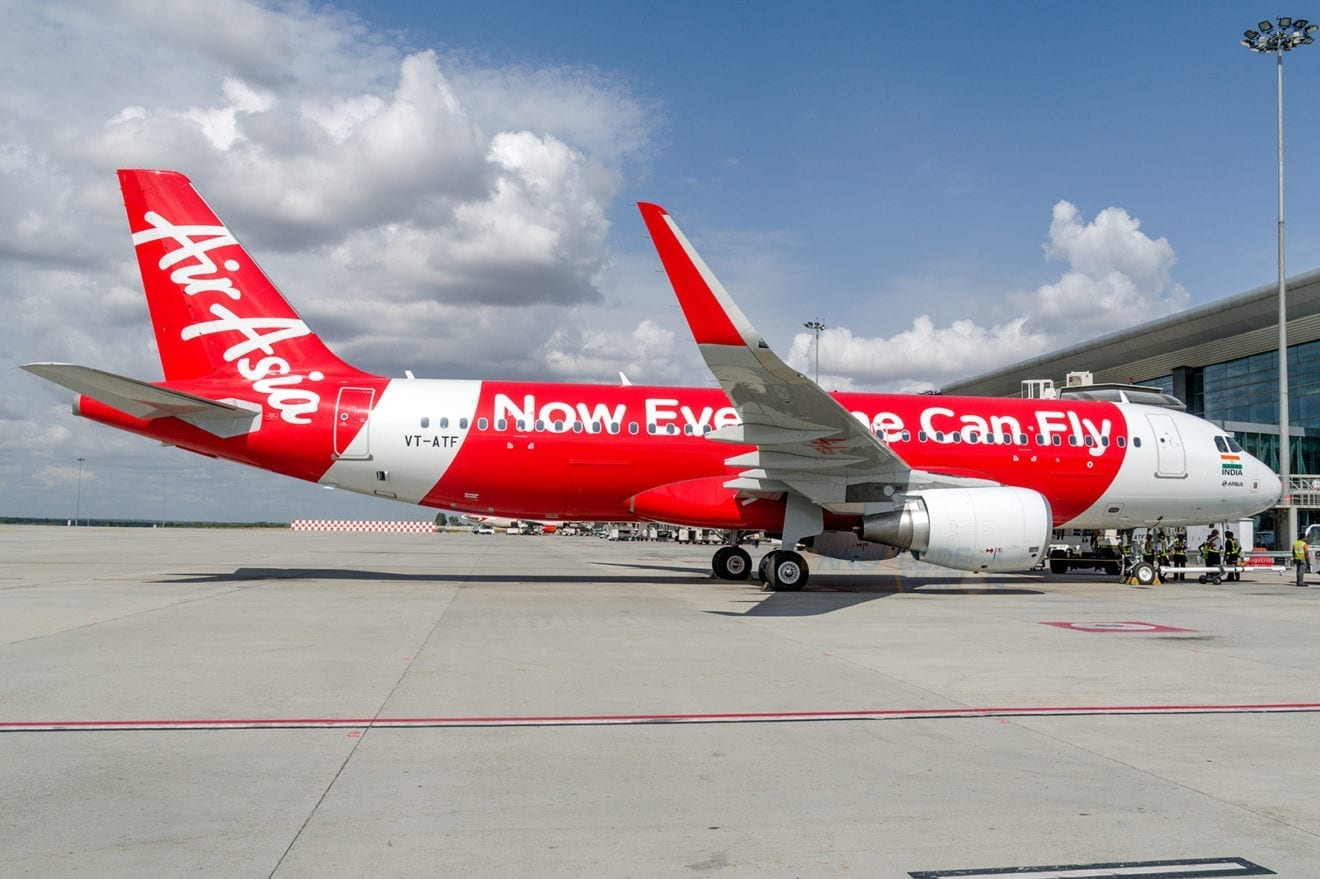
    AirAsia will partially dispose of and convert its perpetual securities investments in PT Indonesia AirAsia (IAA) into new shares in a company listed on the Indonesia stock exchange.

    The low-cost carrier said on Tuesday PT Rimau Multi Putra Pertama TBK (RMPP), will effectively become the new holding company of IAA, with 57.25% stake in the Indonesian carrier.

    At present, AirAsia has a 49% stake in IAA, while the remaining majority stake belongs to PT Fersindo Nusaperkasa (FNP) owing to a foreign ownership cap on Indonesian airlines.

    Subsequent to the exercise, AirAsia via its unit AirAsia Investment Ltd (AAIL) and FNP will own up to 48% and 49.96% equity interest in RMPP respectively.

    AAIL and FNP will subscribe for the remaining unsubscribed rights shares offered in the rights Issue after allotment for an amount up to 10.4 trillion rights issue shares in exchange for IAA perpetual securities with a nominal value of 2.6 trillion rupiah.

    Upon completion of the rights issue, the IAA perpetual securities will be converted into up to 241,067 newly issued common shares in IAA equivalent to 57.25% equity interest in the company.

    Assuming there is full public subscription to the rights issue, AirAsia will have a 21.05% indirect stake in IAA via RMPP. In the event of no public subscription it will have a indirect 27.48% stake in the Indonesian airline.

    In a separate announcement, AirAsia has proposed an internal reorganisation by exchanging the entire issued share capital of AirAsia Bhd with matching new ordinary shares in a new investment holding company called AirAsia Group Bhd.

    AirAsia Group will assume the listing status of AirAsia Bhd.

    Trading in AirAsia shares was suspended at 2.30pm on Tuesday for the remainder of the trading day. It was up two sen or 0.6% to RM3.33 on volume of 6.13 million shares done.

  • VMware, HP team for device lifecycle management

    VMware, HP team for device lifecycle management

    VMware and HP have teamed up to simplify device lifecycle management for all of an organization’s endpoints.

    Under the partnership, HP will add VMware Workspace ONE to its Device as a Service (DaaS) technology platform.

    Workspace ONE, an integrated platform powered by VMware AirWatch Unified Endpoint Management (UEM) technology, provides a holistic and user-centric approach to managing all endpoints in an organization – from mobile and desktop to IoT.

    HP DaaS offers a modern consumption model for computing in which hardware and lifecycle services are combined to improve the user experience and free up IT resources to drive growth.

    “In the mobile cloud era, employees, devices, applications and data increasingly live beyond the physical walls of the workplace, the datacenter, or the network,” VMware COO Sanjay Poonen said.

    “Digital enterprises are struggling to deliver a unified digital workspace due to disjointed technology and teams. We are proud to be the first to bring together identity, device management and application delivery on a single integrated platform so business can be conducted by mobile end-users regardless of platform, location, device or application.”

    VMware and Dell first entered a partnership in February 2016. CEO Pat Gelsinger spoke about the constantly expanding partnership during Dell EMC World in May this year.

    He spoke about the integration of VMware AirWatch and Dell Client Command Suite client systems management tools which ultimately became part of Workspace ONE; to enable customers to empower their workforce to securely bring the technology of their choice (devices and apps) at the pace and cost the business needs.

  • IBM announces blockchain collaboration to address food safety worldwide

    IBM announces blockchain collaboration to address food safety worldwide

    A group of leading companies across the global food supply chain announced a major blockchain collaboration with IBM intended to further strengthen consumer confidence in the global food system. The consortium includes Dole, Driscoll’s, Golden State Foods, Kroger, McCormick and Company, McLane Company, Nestlé, Tyson Foods, Unilever and Walmart, who will work with IBM to identify new areas where the global supply chain can benefit from blockchain.

    Every year, one-in-ten people fall ill – and 400,000 die – due to contaminated food.* Many of the critical issues impacting food safety such as cross-contamination, the spread of food-borne illness, unnecessary waste and the economic burden of recalls are magnified by lack of access to information and traceability. It can take weeks to identify the precise point of contamination, causing further illness, lost revenue and wasted product. For example, it took more than two months to identify the farm source of contamination in a recent incidence of salmonella in papayas.**

    Blockchain is ideally suited to help address these challenges because it establishes a trusted environment for all transactions. In the case of the global food supply chain, all participants – growers, suppliers, processors, distributors, retailers, regulators and consumers – can gain permissioned access to known and trusted information regarding the origin and state of food for their transactions. This can enable food providers and other members of the ecosystem to use a blockchain network to trace contaminated product to its source in a short amount of time to ensure safe removal from store shelves and stem the spread of illnesses.

    Dole, Driscoll’s, Golden State Foods, Kroger, McCormick and Company, McLane Company, Nestlé, Tyson Foods, Unilever, Walmart and others are now coming together with IBM to further champion blockchain as an enabling technology for the food sector. Together they will help identify and prioritize new areas where blockchain can benefit food ecosystems and inform new IBM solutions. This work will draw on multiple IBM pilots and production networks in related areas that successfully demonstrate ways in which blockchain can positively impact global food traceability.

    “Unlike any technology before it, blockchain is transforming the way like-minded organizations come together and enabling a new level of trust based on a single view of the truth,” said Marie Wieck, general manager, IBM Blockchain. “Our work with organizations across the food ecosystem, as well as IBM’s new platform, will further unleash the vast potential of this exciting technology, making it faster for organizations of all sizes and in all industries to move from concept to production to improve the way business gets done.”

    New IBM blockchain platform
    Beyond food supply chain applications, blockchains are now being used to transform processes and streamline transactions for everything from flowers, real estate and trade finance, to education, insurance and medical services.

    To accelerate this adoption, IBM is introducing the first fully integrated, enterprise-grade production blockchain platform, as well as consulting services, that will allow more organizations to quickly activate their own business networks and access the vital capabilities needed to successfully develop, operate, govern and secure these networks. The IBM Blockchain Platform is available via the IBM Cloud.

    The platform builds off of the successful blockchain work IBM has delivered to more than 400 organizations, incorporating insights gained as IBM has built blockchain networks across industries including financial services, supply chain and logistics, retail, government and health care.

    Extensively tested and piloted, the platform addresses a wide range of enterprise pain points, including both business and technical requirements around security, performance, collaboration and privacy that no other blockchain platform delivers today. It includes innovation developed through open source collaboration in the Hyperledger community, including the newest Hyperledger Fabric v1.0 framework and Hyperledger Composer blockchain tool, both hosted by the Linux Foundation.

    The integrated platform allows multiple parties to jointly develop, govern, operate and secure blockchain networks to help enterprises accelerate blockchain adoption.

    Features of the IBM Blockchain Platform include:
    Develop – For developers, easy and flexible network tools designed to bring blockchain networks up to speed in minutes. The platform also includes the first commercial introduction of Hyperledger Composer a framework that helps developers focus on the business use case and more easily and quickly map it to the application code. Developers can create standard business language in JavaScript and the APIs help keep development work at the business level, rather than being highly technical, making it possible for most any programmer to be a blockchain developer. Additionally, a variety of IBM Developer Journeys for blockchain are available featuring free open source code, documentation, APIs, architecture diagrams and one-click deployment Git repositories to fast-track building.

    Govern – The platform offers all participating members a level of control, while preventing any one member from having exclusive control. A new class of democratic governance tools is designed to help improve productivity across the organizations using a voting process that collects signatures from members to govern member invitation distribution of smart contracts and creation of transactions channels. By quickly onboarding participants, assigning roles and managing access, organizations can begin transacting via the blockchain.

    Operate –The platform is underpinned by an architecture that operates more than 55% of today’s global transactional systems.*** It is the first offering available to allow updates to be made to the network while it is running without any downtime. Running in the IBM Cloud, it offers unique protection from insider credential abuse, protection from malware and hardware encryption key protection. IBM Blockchain Platform provides the highest-level commercially available tamper resistant FIPS140-2 level 4 protection for encryption keys.

    In addition to food safety, IBM is advancing other blockchain supply chain initiatives using the IBM Blockchain Platform for an automated billing and invoicing system. Initial work to use blockchain for invoicing is underway starting with Lenovo. This will provide an audit-ready solution with full traceability of billing and operational data, and help speed on-boarding time for new vendors and new contract requirements.

    To complement the new platform, IBM Global Business Services offers Blockchain Services, which brings deep industry expertise from its 1,600 blockchain consultants who have helped clients deploy and integrate active networks. These consultants can apply design thinking to help enterprises conceptualize and implement blockchain enabled business models to realize optimal value. For example, during recent blockchain projects with major shipping and retail organizations, IBM consultants have been able to improve food safety traceability by 99.9 percent and decrease trade document workflow by 97percent, potentially unlocking millions of dollars in cost savings and market capital.

    The IBM Blockchain Platform offers a range of pricing options, starting at $0.50 per hour, to support rapid adoption for networks of all sizes. To support blockchain ecosystems among different organizations, the cost of the network can be shared across all network members.


  • SmarTone FY17 profit falls 16%

    SmarTone FY17 profit falls 16%

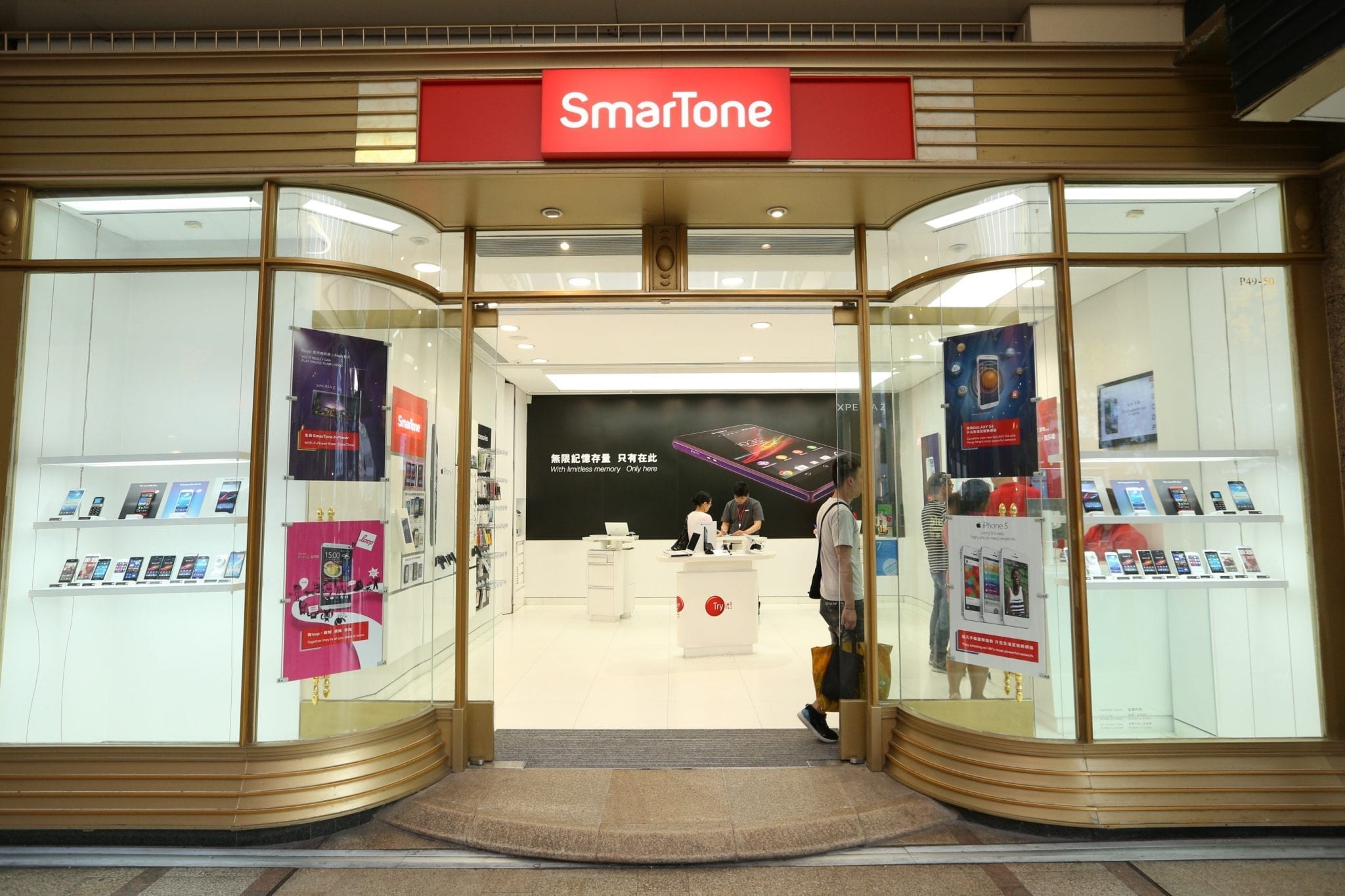
    Hong Kong mobile operator SmarTone has reported a 16% decline in group net profit for the financial year ending in June to HK$672 million ($858.8 million) as a result of falling revenue amid a challenging competitive environment.

    Service revenue fell 6% to HK$5.16 billion as handset revenue declined due to increased migration to SIM only plans, as well as weakness in the prepaid segment and falling voice roaming revenues.

    But without the effect of handset subsidy amortisation, underlying postpaid service revenue remained flat and local mobile postpaid service revenue increased by 2%. Roaming revenue declined due to ongoing OTT substitution, but its percentage of service revenue remained 14%.

    SmarTone lifted its local customer base by 4% to 2.06 million. The operator reported a churn rate of 1% and mobile postpaid ARPU of $285.

    As a result of the operator’s operational efficiency efforts, opex remained flat while capex fell by 14%.

    “While it is clear that the environment has been challenging and our profitability has been impacted, we have taken proactive measures to reposition our business for future growth,” SmarTone CEO Anna Yip said.

    “Active measures are in place to drive productivity improvements and we are taking a long-term view to investing in our business. Our focus remains on delivering the best experience for our customers.”

    But the operator warned it expects the challenging operating environment to continue, due to factors including higher spectrum costs, ongoing declines in voice roaming revenues, lower handset costs and severe competitive pressures.

    As a result, SmarTone is focused on improving productivity and accelerating growth of new revenue sources, such as IoT and M2M applications, AI and ICT services.

  • Sales at Toyota’s Lexus brand slide in first-half as sedans suffer

    Sales at Toyota’s Lexus brand slide in first-half as sedans suffer

    Toyota Motor on Friday said its luxury Lexus brand suffered its first fall in half-year global sales in six years as demand for its sedans tumbled in the United States, its biggest market.

    Sedans, traditionally a mainstay for automakers including Toyota and Honda Motor, have fallen out of favor in their key U.S. market in past years, sending many carmakers scrambling to manufacture more larger vehicles including SUVs and trucks.

    Toyota said it sold 305,169 Lexus vehicles worldwide in the six months to June, down 4.4 percent from 319,275 vehicles a year earlier. Sales slumped 10 percent in the United States, which comprises nearly half of Lexus’s global sales, and 23 percent in Japan, while jumping 30 percent in China.

    “The U.S. passenger car market has been very challenging, and this has affected sales,” Toyota spokesman Maki Niimi said.

    He added that the automaker expects annual sales to slide about 4.0 percent this year to around 650,000 units, as the recently launched LC sports coupe model and a revamped version of its marquee LS sedan model later this year lift sales slightly in the coming months.

    While Lexus continues to enjoy solid U.S. sales of its NX SUV crossover model, analysts said that the brand overall had fallen behind rival luxury brands with newer sedan offerings including Daimler AG’s Mercedes, which recently launched its E-Class range, and BMW’s 5-series.

    “It’s a model cycle issue,” said Janet Lewis, head of Asia transportation research at Macquarie Securities. “You have two core competing products recently launched (by Mercedes and BMW), while the LS is pretty long in the tooth.”

    Lexus sold just 1,855 units of its LS 460 model in the United States in January-June, down 35.2 percent from a year earlier.

    Overall, Toyota, the world’s second-biggest automaker, expects to sell 10.25 million vehicles globally this year, down a touch from last year.

  • WeChat goes to ground with WeStore test

    WeChat goes to ground with WeStore test

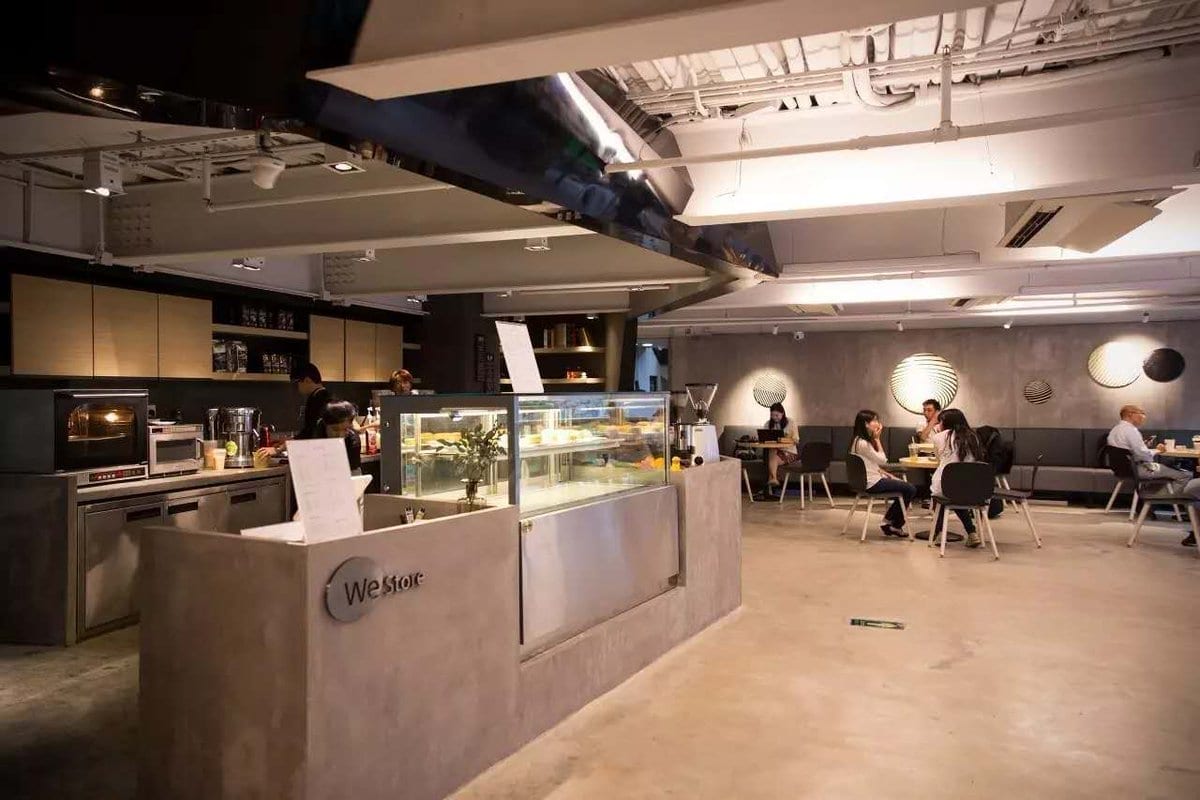
    As Chinese chat app WeChat moves into merchandising, it has opened an on-ground “test” WeStore in Guangzhou.

    This follows its announcement that it is partnering with apparel retailer Gap to launch a range of WeChat-branded clothing, its first major foray into branded merchandise.

    This was foreshadowed at December’s annual WeChat conference in Guangzhou, where are limited-edition range of branded merchandise was released, including pillows, notebooks, stickers and pins.

    A few months ago, WeChat-themed merchandise such as pillows, bags and light jackets was used as prizes for an online competition.

  • Gap China goes big on West Nanjing Road

    Gap China goes big on West Nanjing Road

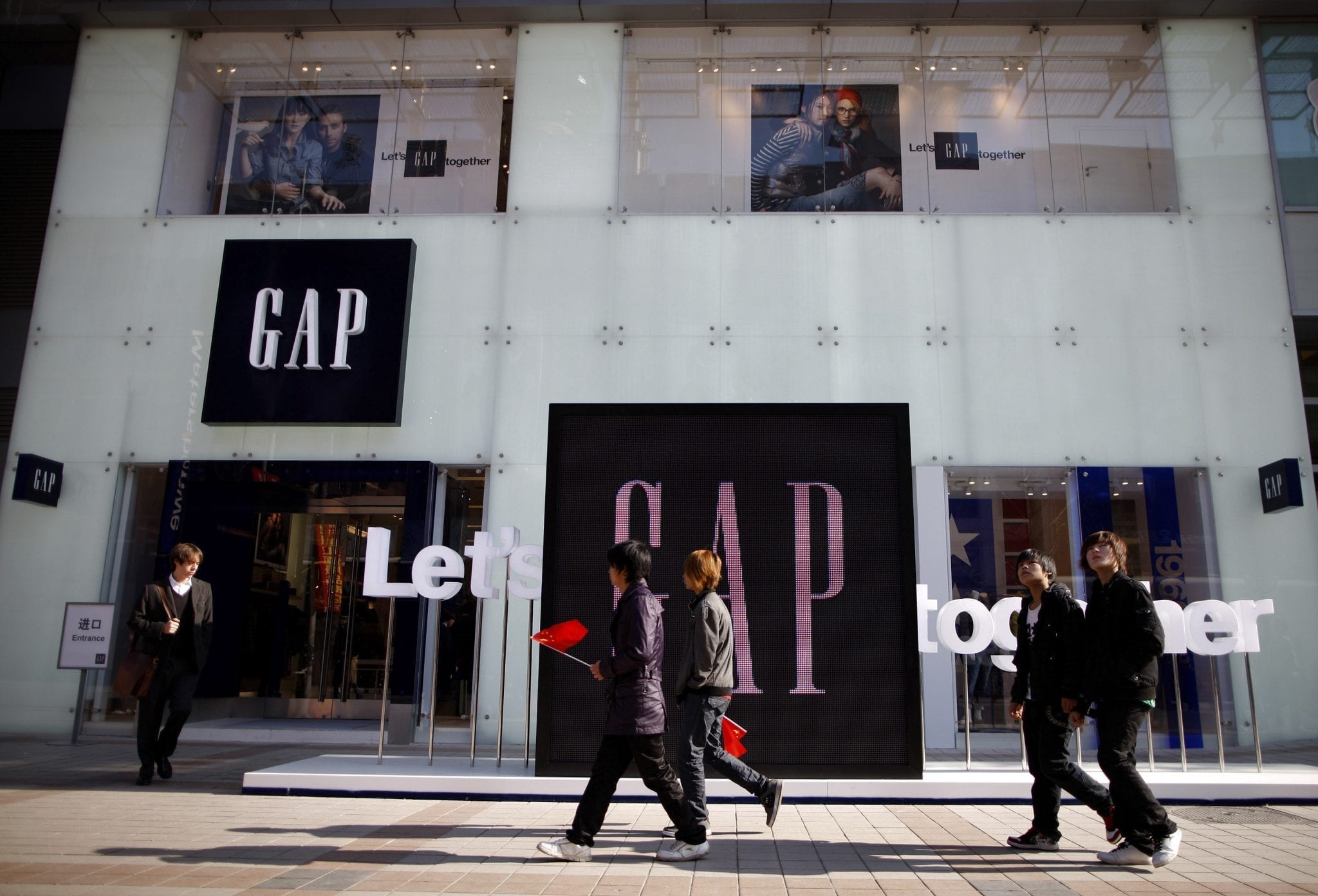
    Gap China has opened a flagship store on Shanghai’s West Nanjing Road, its biggest flagship yet in Greater China.

    Featuring Gap’s full apparel collections and latest store-design elements, the flagship underscores the importance of the China market, says Gap, which will next year move its China retail headquarters team into an office above the store.

    Covering 1908 sqm over two storeys, the flagship showcases a store concept developed jointly by Gap’s local and global store-design teams, drawing inspiration from the brand’s heritage alongside modern elements. It incorporates digital and video elements to offer an immersive and easily navigable shopping experience, says the company.

    “We believe that in-person connections and interaction with consumers in physical stores still matter, and we intend to continuously innovate that experience by integrating digital and other new customer touchpoints,” says Gap Greater China executive VP/GM Abinta Malik.

    “We see China as an important market with ample opportunity for long-term growth and innovation. At a time when this market is embracing an era of ‘new retail’, I am confident our strengths in omni-channel and in-store customer experience position Gap as a trendsetter in China’s apparel retail landscape.”

    First time

    The Shanghai flagship offers Gap’s American-style clothing and accessories for men, women and children, and opens with the latest fall collections. The larger space enables the brand to offer the full expression of GapBody and GapFit for the first time in a store.

    The store also introduces a “Chill” station where customers can recharge their phones and relax, and space for customer events and to showcase special collections and designer collaborations. The children’s and baby floor has a nursing room as well as fun stations.

    For its grand opening the store will offer a special stylist service as well as experience booths for both children and adults. A DJ and children’s band will entertain customers, and featured collaborations include the latest Disney children’s collection featuring Snow White, with a themed set for photos.

    The new store replaces Gap’s previous West Nanjing Road flagship.

  • Fitbit Hong Kong to roll out vending machines

    Fitbit Hong Kong to roll out vending machines

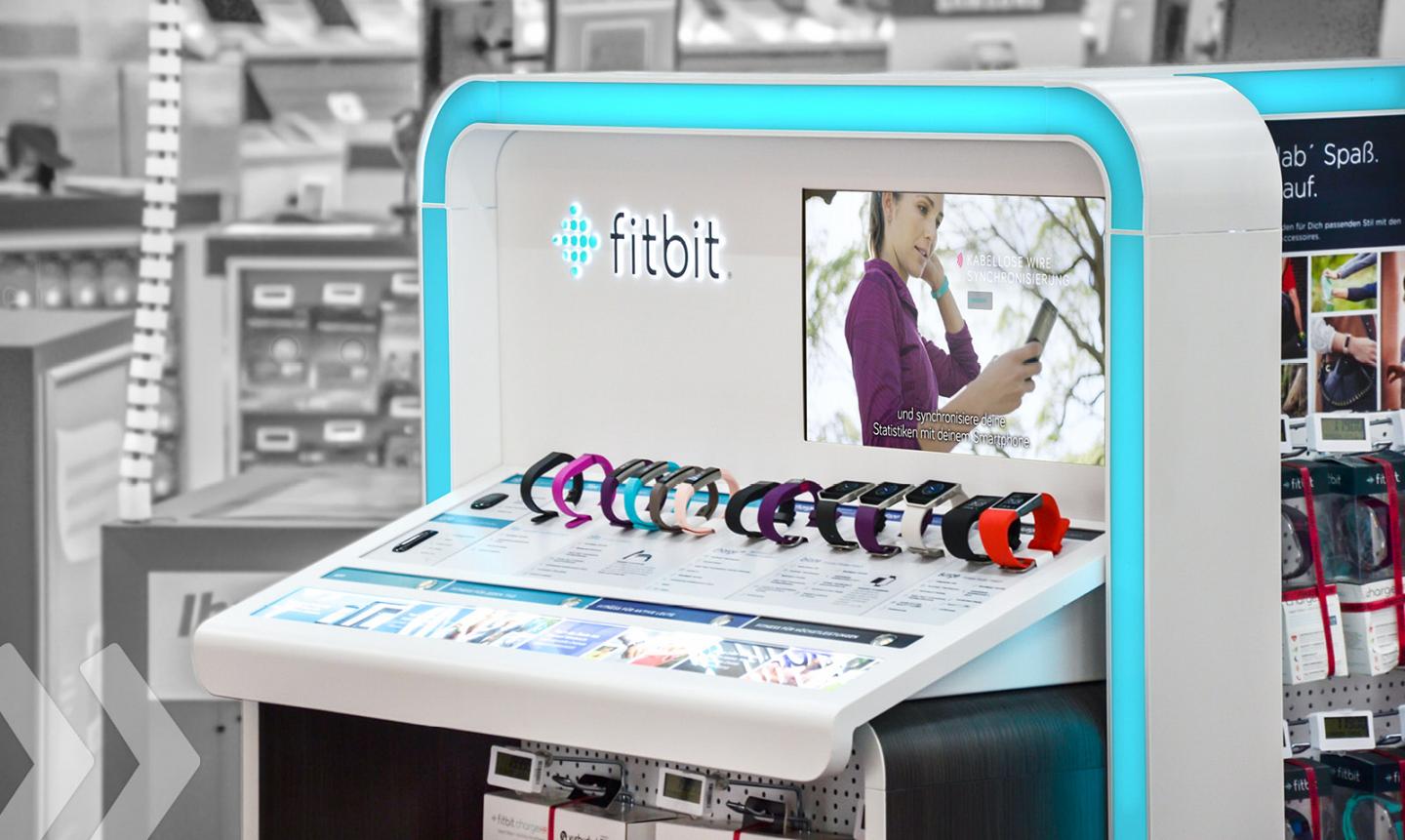
    Fitness product company Fitbit Hong Kong is aiming to grow its B2B sales via smart vending machines.

    Offered by SmartRetail, the machines accept cashless payments, and not only track sales and inventory in real time, but can also scan consumers to provide personalised recommendations.

    “For example, the machine may recommend a light-coloured wrist band to a young woman, while recommending a darker one to an older man,” says SmartRetail founder/director Adam So.

    The visual data will enable Fitbit to respond more rapidly to consumer tastes through accessing transaction data, says So. Marketing messages can also be delivered on a screen.

    IBM Hong Kong, which provides the technology for the units, says the visual and transaction data can also be used to enhance Fitbit’s sales analysis.

    “They can analyse the traffic at different time periods, the weather of a specific location, and how these environmental factors can affect sales,” says IBM Hong Kong CTO Samson Tai. “It is also possible to integrate transactions with loyalty programs. The potential with this real-time data is huge.”

    Showcased at the Hong Kong Computer Festival, the unit is still being tested, says local agent Leader Radio Technologies head of operations Ida Lee.

    She says there has been positive feedback, leading to Fitbit planning to introduce the machine in gyms or corporate offices.

    Lee says Leader sees potential for the units as the company has more B2C customers than B2B clients. “We have a stable retail and distributor ecosystem, and we wish not to disrupt it. Rather, we want to tap into the fitness, banking and corporate industries by placing our machines in their places.”

  • Tesco Lotus plans marketing push to bolster sluggish sales

    Tesco Lotus plans marketing push to bolster sluggish sales

    Tesco Lotus plans a major marketing push for the remainder of this year as it tries to boost sluggish sales.

    A core plank of the plan is a four-day Tesco Lotus Expo to be held at Impact Muang Thong Thani from November 9-12, the first time the retailer has sold products outside its store network.

    Chief commercial officer of Tesco Lotus parent Ek-Chai Distribution System, Sompong Rungnirattisai, says cautious spending by Thais in the first half of the year had seen the frequency of visits decline from an average of twice a month to monthly. The average check has dropped “sharply” he told the Bangkok Post, especially in the provinces where farmers were experiencing lower returns.

    But he is confident shopper sentiment will improve in coming months with the advent of the festive season.

    The Tesco Lotus Expo will feature manufacturers and producers ranging from multinational companies to One Tambon Product vendors, supplying goods from foods through to apparel and appliances. The company hopes to attract 150,000 shoppers.

    Meanwhile, Tesco Lotus will roll out price discounts across its 1900 stores nationwide, in all formats, including online.

  • Michael Kors exclusive goes high-tech at DFS

    Michael Kors exclusive goes high-tech at DFS

    Luxury travel retailer DFS Group is launching a Michael Kors exclusive collection for its DFS and T Galleria by DFS stores.

    Going on sale on Friday, the Michael Kors x DFS collection draws its inspiration from the jetset lifestyle and New York’s urban jungle, says the retailer. It features 14 women’s and men’s styles including ready-to-wear, accessories, sunglasses and watches.

    The campaign for the capsule collection, the second Michael Kors has launched with DFS, is headed by Chinese actress Yang Mi. The collection features an exclusive Mercer bag, the Sloan Editor Medium Chain Shoulder Bag, the Kent Backpack and a Packable Puffer Jacket. To mark the launch, DFS and Michael Kors have designed a pioneering augmented- and virtual-reality in-store experience that offers customers the experience of jetsetting into DFS locations to discover adventures inspired by the collection, which is available at six stores across Hong Kong, Macau, Singapore and Hawaii.

    During this “journey” guests can compete in two VR games to hunt for the collection in a pink jungle, and also go in the draw for a trip to New York City. They can also capture the experience to share on social media.

    The Michael Kors x DFS collection will be available in 22 DFS and T Galleria stores across 13 countries.

  • Myanmar’s MyTel to launch 4G in 1H18

    Myanmar’s MyTel to launch 4G in 1H18

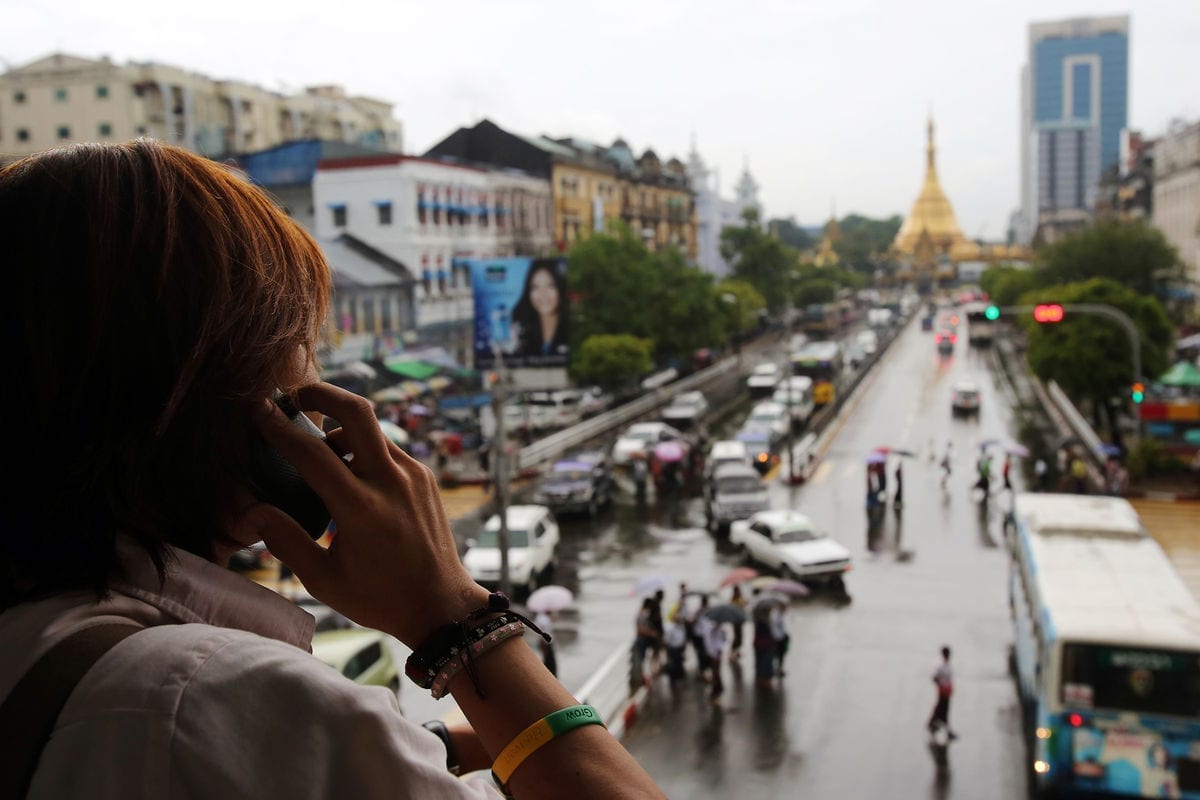
    Vietnamese operator Viettel’s joint venture in Myanmar plans to launch 4G-only services in the first quarter of next year.

    The joint venture, MyTel, plans to cover 90% of the population by its official launch, deploying nearly 7,200 base stations and 33,000km of fiber. This footprint would be double that of its nearest rival.

    According to the news agency, in contrast to previous reports MyTel does not plan to deploy 2G or 3G in Myanmar but will instead jump straight to 4G.

    MyTel is a joint venture between Vietnamese military-run Viettel and a consortium of local ICT companies. The venture received Myanmar’s fourth telecoms license in January, and now has branches across the country and around 2,000 employees.

    The deployment has a total investment of around $1.5 billion, with Viettel contributing a 49% stake.

    MyTel plans to offer roaming to Vietnam, Laos and Cambodia at prices equivalent to local charges, the report states. The company also plans to build on its deployment in Myanmar to pursue expansion to 10 overseas market, it adds without elaborating.