Blog

  • Bacha Coffee Brews Global Expansion with Luxury Launches in Beijing and Saudi Arabia

    Bacha Coffee Brews Global Expansion with Luxury Launches in Beijing and Saudi Arabia

    Bacha Coffee, a Moroccan coffee house established in Marrakech in 1910, has further expanded its global footprint with its entry into two new markets, Beijing and Saudi Arabia. This development is a part of the brand’s consistent international growth trajectory.

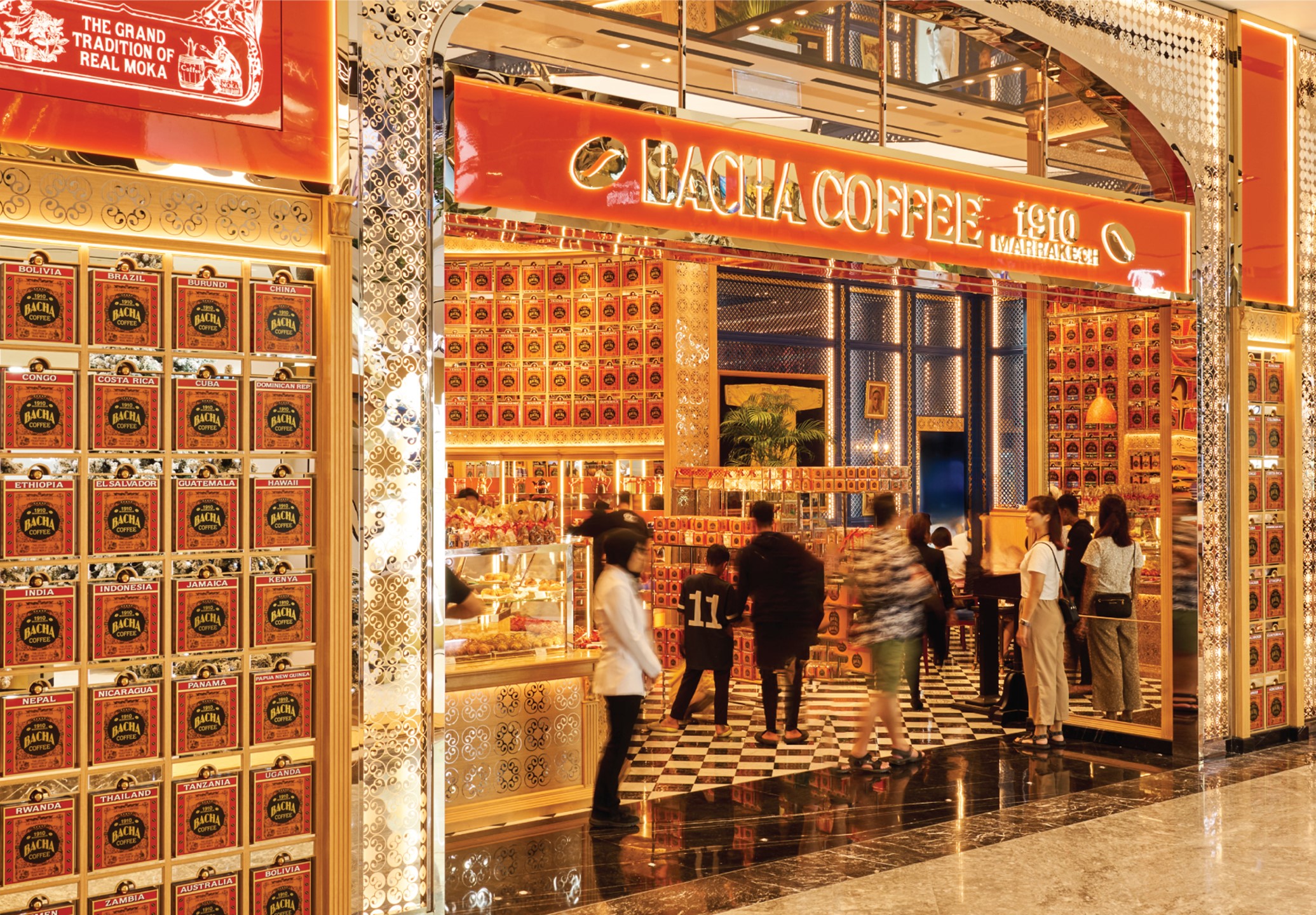
    In Beijing, the brand has set up shop at the China World Mall, offering a multi-dimensional experience that integrates retail, takeaway, and a cozy Coffee Room seating area. This location showcases the brand’s extensive selection of over 200 specialty coffees, all of which are brewed using 100% Arabica beans sourced from 35 coffee-growing regions worldwide.

    The 210-square-meter Beijing store features a boutique that sells loose and packaged coffees, gift boxes, and accessories. Coffee Masters are readily available to assist customers and grind coffee beans on demand. The store also includes a 25-seat Coffee Room, featuring design elements inspired by the brand’s Moroccan heritage.

    Taha Bouqdib, President and CEO of V3 Gourmet, expressed his excitement over this latest expansion. “Our new location is designed to spark the curiosity of our guests, much like how coffee takes us on journeys to distant locales,” he said. “We’ve blended the old with the new in a single experience, honoring our past while paving the way for the future, with 100% Arabica specialty coffee taking center stage in this vibrant scene of life.”

    The latest openings in Beijing and Riyadh are part of Bacha Coffee’s extensive expansion across Asia, Europe, and the Middle East. The brand currently operates 42 stores in 16 cities globally, including Paris, Tokyo, Seoul, Dubai, Singapore, Hong Kong, and Taipei. In addition, the brand made its debut in Thailand last year.

    Questions & Answers

    How many specialty coffees does Bacha Coffee offer?
    Bacha Coffee offers an extensive selection of over 200 specialty coffees.

    Where are the newest Bacha Coffee stores located?
    The newest Bacha Coffee stores are located in Beijing, China, and Riyadh, Saudi Arabia.

    How many locations does Bacha Coffee operate worldwide?
    Bacha Coffee currently operates 42 locations in 16 cities worldwide.

  • France’s ‘Year of Resistance’: Shein and Other Online Retail Giants Battle Unfair Competition Claims

    France’s ‘Year of Resistance’: Shein and Other Online Retail Giants Battle Unfair Competition Claims

    In the coming year, France is set to present a significant challenge to online retailers, such as Shein, according to the country’s Minister for Small and Medium-Sized Businesses, Serge Papin. He spoke out on the issue last Thursday, explaining that these online platforms are presenting an undeniable threat to French retailers.

    Concerns About Fair Competition

    Papin voiced concerns that the competition between physical stores and online platforms is far from even. He highlighted that brick-and-mortar stores are held accountable for the products they sell, whereas their online competitors are not. This discrepancy is causing concern among those in the French retail industry.

    A high-profile case is set to be heard in a Paris court involving Shein, an online marketplace that recently came under fire when child-like sex dolls were found for sale on its platform. Despite this controversy and a partial reopening of its marketplace, Shein chose not to comment on the situation.

    Calling for Regulatory Change

    The Minister claimed that such violations are not isolated incidents but are instead a systemic issue. He expressed confidence that the court will be sympathetic to his case that Shein is causing “disturbance to public order”.

    In order to address this issue, two French lawmakers are reported to be drafting a bill that would give the government the power to suspend online platforms without requiring court approval. Papin expressed a hope that this proposed legislation will lead to a decrease in Shein’s sales in France.

    International Reaction

    The rapid expansion of Shein has not been without its detractors. The company, which sells inexpensive clothing and accessories shipped directly from factories in China, has faced criticism in numerous European countries where traditional retailers are feeling the pressure.

    “We need to protect ourselves, of course, there is unfair competition, they must respect the consumer rules,” Papin stated regarding the situation.

    The French government responded by implementing a 2 euro tax due to come into effect on March 1. Similarly, the European Union plans to introduce a 3 euro tax in the summer on small parcels that were previously exempt from tariffs. This is all part of a broader strategy to curb sales by Shein and similar platforms.

    Questions & Answers

    Why are online retailers posing a threat to French chains?
    Online retailers can often bypass regulations that physical stores must adhere to, offering customers vast choice and lower prices. This has led to intense competition, perceived as unfair by traditional retailers.

    What is the proposed solution to this issue?
    The French government is considering legislation that would give them the power to suspend online platforms without court approval. They have also implemented a tax on small parcels from these platforms.

    How has the international community reacted to the rise of online retailers like Shein?
    The rise of Shein has been met with backlash in several European countries. Both France and the European Union plan to introduce taxes on small packages, which were previously exempt from tariffs, in an attempt to curb the influence of these online platforms.

  • Aldi Unveils Bold Pricing Strategy: Slashes Rates on 300 Items in Battle with Major Supermarket Chains

    Aldi Unveils Bold Pricing Strategy: Slashes Rates on 300 Items in Battle with Major Supermarket Chains

    Aldi, a renowned supermarket chain, is altering its business approach to better compete with industry rivals such as Woolworths and Coles. This modification in strategy arrives shortly after Costco, another competitor, surpassed Aldi’s profits despite having a mere 15 brick and mortar establishments.

    Intensified Price War

    Aldi’s new tactic revolves around lowering the prices of around 300 selected products, aiming to provide customers with more affordable options compared to its competition. The company, in August 2025, posited that its prices are approximately 16.8% lower than the competition.

    In the words of the company spokesperson, “Our recent reductions in grocery prices present the perfect opportunity for customers to try out new products from our everyday range or to replenish their stock of beloved items.”

    Reducing Branded Goods

    Aldi Australia’s CEO, Anna McGrath, has also acknowledged that the company intends to decrease the number of branded goods available for sale. However, requests for additional commentary on this new business strategy from Aldi have thus far gone unanswered.

    During the ACCC Supermarkets Inquiry of 2024-2025, Aldi acknowledged its relatively limited product range. The company stated that it carries roughly 1,800 products, in stark contrast to the approximately 25,000 products that full-line supermarkets offer.

    Market Performance

    Aldi Australia, which commands a market share of around 9-11%, reported a sales figure of AUD 13.3 billion for the previous fiscal year and profits amounting to AUD 403.7 million.

    Questions & Answers

    What is Aldi’s new strategy to compete with Woolworths and Coles?
    Aldi is planning to decrease prices on around 300 products to provide cheaper alternatives to its competitors.

    How is Aldi’s product range different from full line supermarkets?
    Aldi carries about 1,800 products, far less than the approximately 25,000 products that full-line supermarkets typically offer.

    How is Aldi Australia performing in terms of market share and financials?
    Aldi Australia holds a market share of around 9-11%, and it reported sales of AUD 13.3 billion and profits of AUD 403.7 million in the last fiscal year.

  • Byron Bay Cookies Unveils New Protein-Plus Range: Healthier Indulgence on its 35th Anniversary

    Byron Bay Cookies Unveils New Protein-Plus Range: Healthier Indulgence on its 35th Anniversary

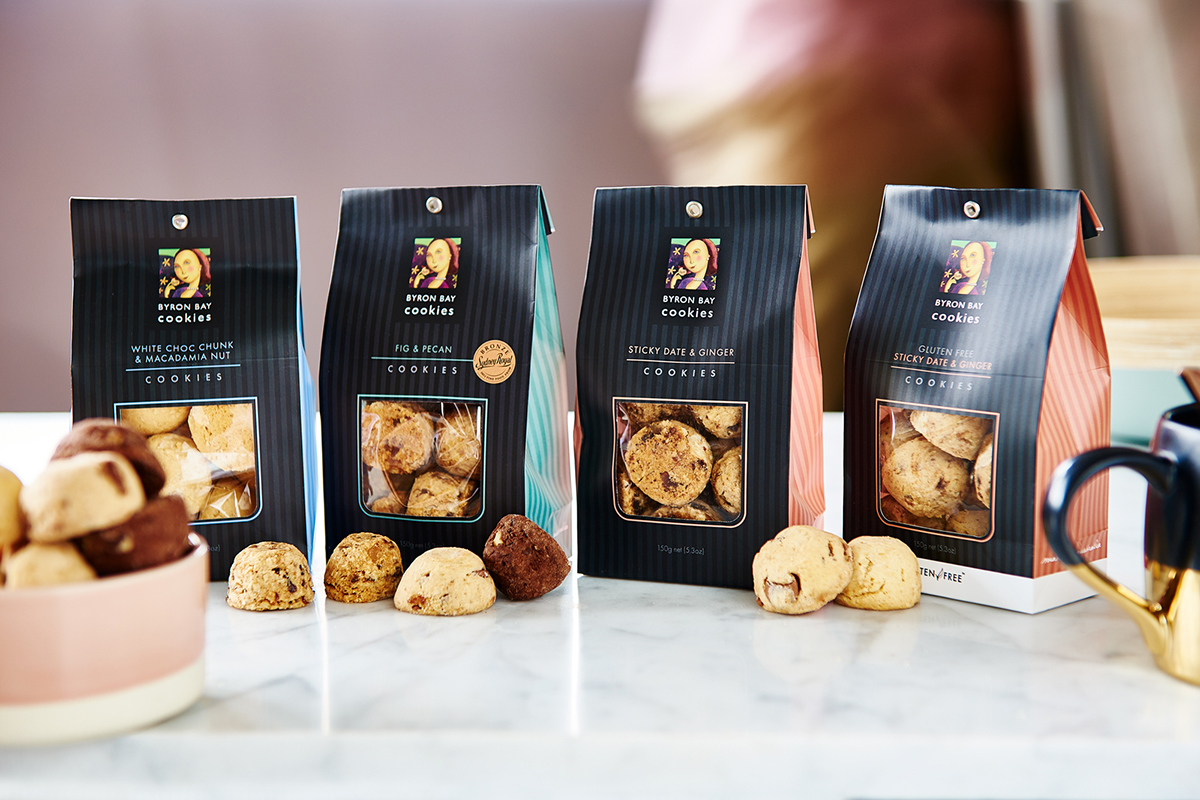
    Byron Bay Cookies is celebrating its 35th anniversary with the introduction of the Protein Plus Cookie range. These are 60g cookies, each individually packed, with protein content ranging from 16g to 18g and fibre content from 5g to 6g.

    Healthier Cookie Option

    The company claims that their new range of protein-rich cookies contains about 45% less sugar and 60% fewer carbohydrates compared to their original cookie lineup. This makes the new range a healthier choice for consumers who are conscious about their sugar and carbohydrate intake.

    Three Delicious Flavours

    The Protein Plus Cookie range comes in three delectable flavours: White Choc Macadamia, Milk Choc Chunk, and Triple Choc. These delicious options give customers variety and make it easier for them to incorporate these healthier cookies into their diet.

    Availability and Pricing

    The new range is set to be available on the company’s website from this month onward, with a recommended retail price of $6 per cookie.

    Bill Quayle, the owner and director of Byron Bay Cookies, believes that protein is not just a fleeting trend, but a lifestyle choice. He said, “We know our customers have been looking for something that delivers extra nutritional benefits, while still delivering on the taste and indulgence that we’re known for.”

    Questions & Answers

    What is the protein and fibre content of the new Protein Plus Cookie range from Byron Bay Cookies?
    Each 60g cookie from the new range contains between 16g to 18g of protein and 5g to 6g of fibre.

    What flavours does the Protein Plus Cookie range come in?
    The range comes in three flavours: White Choc Macadamia, Milk Choc Chunk, and Triple Choc.

    Where can customers purchase the new Protein Plus Cookie range and how much does it cost?
    The cookies are available on the company’s website from this month, with a recommended retail price of $6 per cookie.

  • Lady M Conquers Singapore Again: Jewel Changi Debut and Spectacular Lunar New Year Horse Gift Set Launch

    Lady M Conquers Singapore Again: Jewel Changi Debut and Spectacular Lunar New Year Horse Gift Set Launch

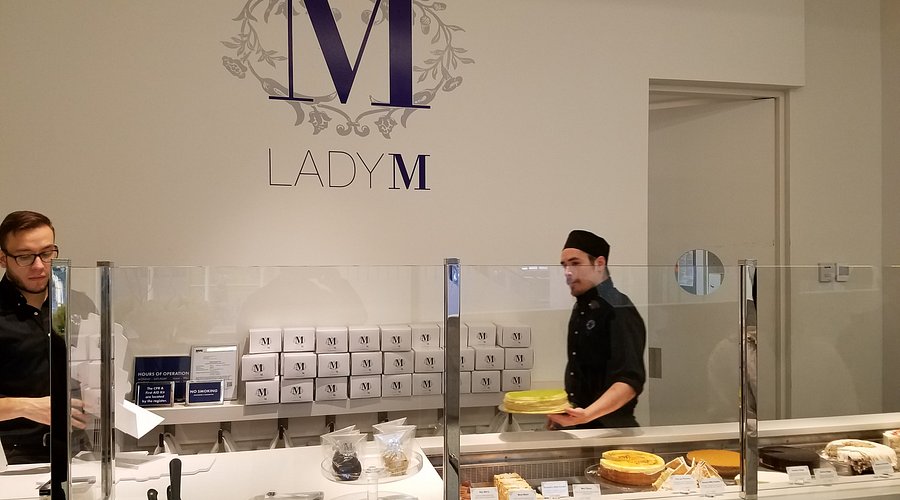
    Lady M, a prominent New York-based patisserie, has announced its return to Singapore, establishing a shop at Jewel Changi Airport. This announcement is accompanied by the unveiling of a special gift set, the 2026 Year of the Horse, in anticipation of the Lunar New Year.

    Year of the Horse Gift Set

    The gift set, created in honor of the Year of the Horse, is designed with a vivid moire pattern on its exterior. Upon opening, a horse in mid-gallop is revealed, reflective of the energy associated with the upcoming year. The set contains 32 mini crepe biscuits, each elegantly wrapped in glistening foil. These delights are available in a variety of four flavors: Coconut, Chocolate Hazelnut Orange, Vanilla, and Raspberry.

    An additional feature of the set is a collectible horse-bag charm fashioned from vegan leather. This charm, tucked away in the set’s drawers, serves as a symbol of good luck for the forthcoming year.

    The package also includes Lady M’s signature confetti-red envelopes, with each scattered piece embodying blessings, prosperity, and festivity.

    A Symbolic and Vibrant Return

    Ken Romaniszyn, CEO of Lady M, expressed that the brand wanted to commemorate its return with a collection that was “symbolic and vibrant”.

    He stated, “The moire horse motif encapsulates the dynamism and vigor we associate with the year ahead. We aspire for these creations to become treasured keepsakes and joyous gifts for all who celebrate.”

    After the Lunar New Year period, Lady M Singapore intends to provide its complete assortment of cakes and products to its customers.

    Questions & Answers

    What is the significance of Lady M’s Year of the Horse gift set?
    The gift set is both a celebration of the Lunar New Year and the symbol of the upcoming year, the horse. The set includes 32 mini crepe biscuits and a horse-bag charm as a token of luck.

    What are the flavors of the mini crepe biscuits included in the gift set?
    The biscuits come in four flavors: Coconut, Chocolate Hazelnut Orange, Vanilla, and Raspberry.

    What are the plans of Lady M following the Lunar New Year?
    After the Lunar New Year period, Lady M Singapore plans to offer its full range of cakes and products to its customers.

  • Jago Coffee: Indonesia’s Innovative Cart Startup Brews Up $12M in Latest Funding Round

    Jago Coffee: Indonesia’s Innovative Cart Startup Brews Up $12M in Latest Funding Round

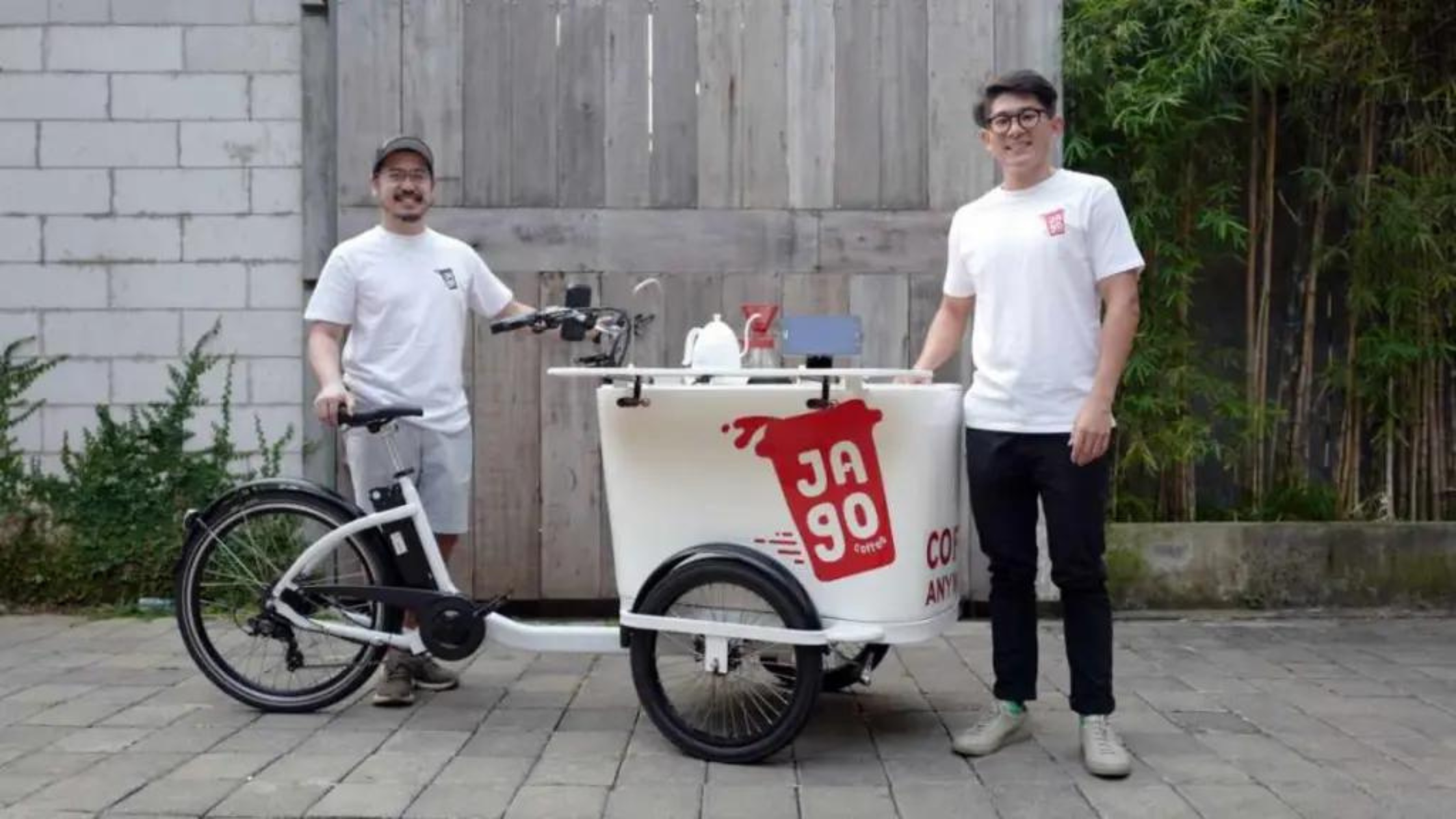
    Jago Coffee, an Indonesian mobile coffee service, recently raised $12 million in a Series B funding round bringing its total capital to over $20 million. The company is known for dispensing reasonably priced beverages from fully electric carts, making it an accessible option for a broad range of consumers.

    Funding Details

    The primary investors in the recent funding round were Beenext, alongside other contributors such as Intudo Ventures and Orzon Ventures. The infusion of capital is planned to support and accelerate the company’s expansion efforts, despite the recent financial figures indicating an increase in losses alongside growing revenue.

    Jago’s Unique Approach

    Jago Coffee has a unique business model that aligns closely with local street vendor practices. The company operates fully electric carts and offers coffee that is affordable, with prices starting at approximately $0.50. This approach makes its service accessible to a large segment of consumers.

    The company has also invested in technology, developing its own tech stack. This includes the use of machine learning to pinpoint potential areas for expansion. The company also prides itself on its dedicated applications for both baristas and customers, further enhancing its service delivery.

    Growth and Financial Performance

    Despite the challenges, Jago has experienced significant growth. There was a more than thirteenfold increase in size in 2023. Moreover, the company reported a 17% rise in revenue in December 2024. However, it should be noted that during the same period, the company’s losses more than doubled.

    This investment in Jago indicates a shift in the venture capital landscape. Investors are becoming more interested in companies that use software to manage local, physical operations, rather than placing their sole focus on digital products.

    Questions & Answers

    What is Jago Coffee’s business model?

    Jago Coffee operates fully electric carts, similar to local street vendors, to deliver affordable coffee to a mass market of consumers.

    How much has Jago Coffee raised in its recent Series B funding round?

    Jago Coffee has recently raised $12 million in a Series B funding round.

    How is venture capital shifting in relation to companies like Jago Coffee?

    Investors are increasingly interested in businesses that use software to manage physical, local operations, as opposed to focusing solely on digital products.

  • Vietjet Boosts Fleet with 44 Pratt & Whitney-Powered Airbus A320neos: A Stride Towards Fuel Efficiency

    Vietjet Boosts Fleet with 44 Pratt & Whitney-Powered Airbus A320neos: A Stride Towards Fuel Efficiency

    Vietjet Air recently revealed its partnership with Pratt & Whitney, an international leader in the production and servicing of aircraft engines, to supply its 44 Airbus A320neo airliners with Geared Turbofan (GTF) engines. This new order brings the total number of GTF-powered aircraft ordered by Vietjet to 137.

    Order Details

    The new order comprises 24 A321neo and 20 A321XLR aircraft. The first batch of deliveries is slated to begin in July 2026. Besides supplying the GTF engines, Pratt & Whitney has pledged to offer Vietjet engine maintenance services under a 12-year EngineWise comprehensive maintenance plan.

    “The GTF engine is powering our growth with industry-leading operating economics and fuel efficiency of up to 20% lower than earlier aircraft,” commented Vietjet’s managing director Nguyen Thanh Son.

    In 2018, Vietjet received its initial A321neo aircraft. Currently, the airline operates 42 A321neo aircraft, all powered by GTF engines. The airline’s future plans include outfitting a total of 93 aircraft in its fleet with this specific engine variant.

    Benefits and Commitments

    Rick Deurloo, the president and chief commercial officer of Pratt & Whitney, acknowledged that the latest order would allow Vietjet to fully leverage the merits of one of the most efficient engines for single-aisle aircraft. He also reiterated Pratt & Whitney’s enduring commitment to assisting the airline’s network expansion.

    Compared to previous-generation engines, the GTF engine slashes fuel consumption by up to 20% and noise levels by 75%. To date, over 2,600 GTF-powered aircraft have been delivered to more than 90 customers around the world.

    Network Expansion

    Vietjet currently manages an extensive Asia-Pacific network, connecting Vietnam and Thailand with locations in Australia, India, Kazakhstan, China, Japan, and the Republic of Korea. The airline has plans for a steady expansion towards Europe.

    Questions & Answers

    What is the significance of the new order with Pratt & Whitney?
    The new order will allow Vietjet to achieve maximum fuel efficiency and reduced noise levels, making it one of the most efficient engines for single-aisle aircraft.

    What are the future plans of Vietjet regarding the use of GTF engines?
    Vietjet intends to equip a total of 93 aircraft in its fleet with GTF engines, extending the benefits of fuel efficiency and reduced noise levels across its operations.

    How does the GTF engine compare to previous generation engines?
    Compared to its predecessors, the GTF engine can reduce fuel consumption by up to 20% and noise levels by 75%, making it a more efficient and environmentally friendly option.

  • KFC Loyalty Program Captivates China: 590 Million Members and Counting

    KFC Loyalty Program Captivates China: 590 Million Members and Counting

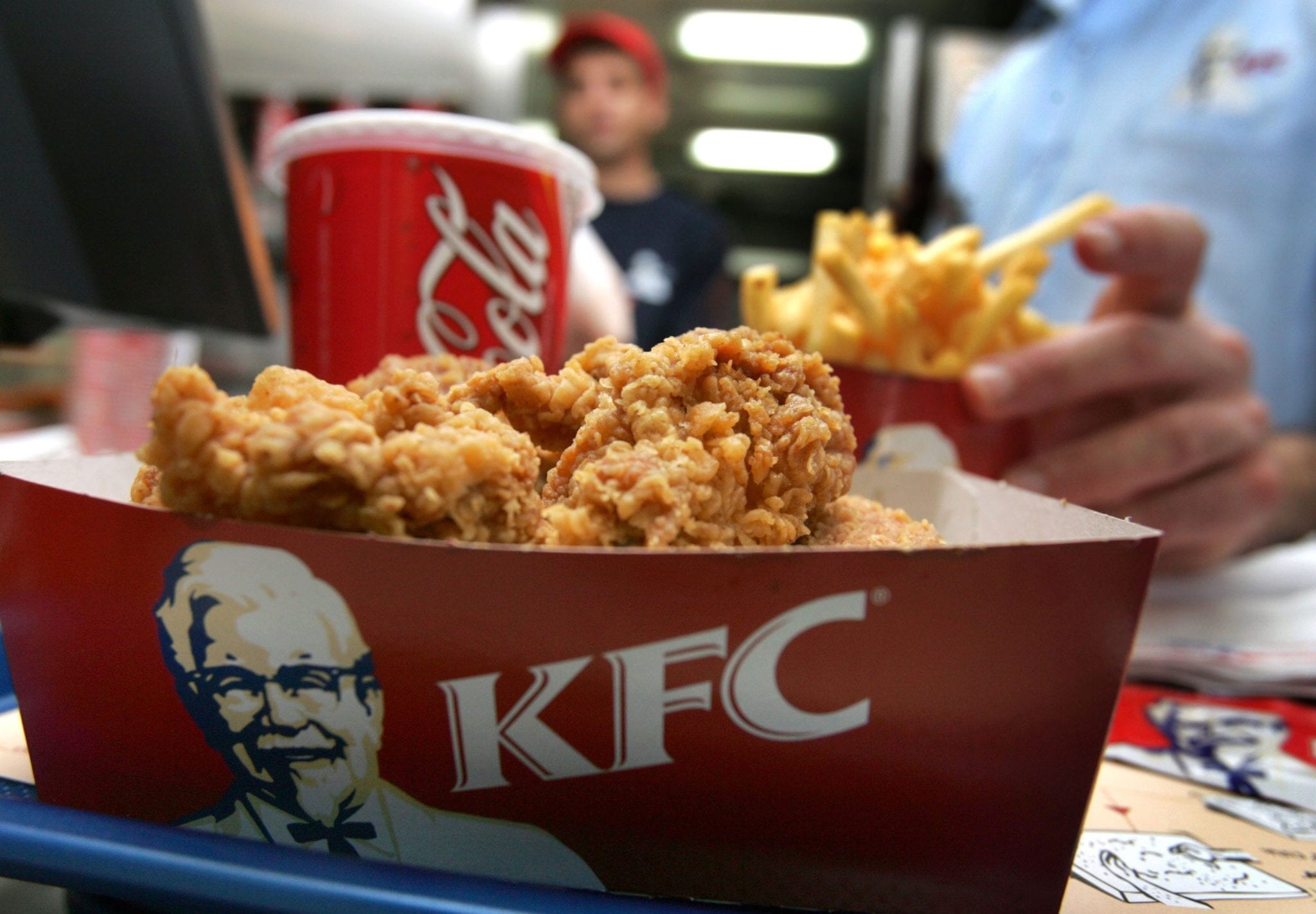
    Yum China, the parent company of KFC in China, reported a significant expansion in its digital loyalty programs which now boast over 590 million members, accounting for over 40% of the country’s population.

    Growth in Loyalty Programs

    According to Yum China’s 2025 earnings report, unique membership in loyalty programs across KFC and Pizza Hut experienced a growth of 13% from the previous year. The report also revealed that 55% of the company’s sales were made through these programs.

    David Slavick, the founder of Ascendant Loyalty Marketing, a US-based consulting firm, referred to the achievement as “the largest loyalty program in the world”.

    Yum China’s Rapid Expansion

    Yum China Holdings, an offshoot of Yum Brands based in Shanghai, owns and franchises more than 18,000 stores across the country. This includes approximately 13,000 KFC locations, which the company claims is the largest restaurant chain in the country.

    The company has pursued a strategy of quick expansion in a market where consumers utilize digital payment apps more extensively than in other consumer markets such as the United States, a trend which has sped up in recent times.

    Impact on Yum China’s Business

    On Wednesday, Yum China’s CEO, Joey Wat, informed investors that the KFC loyalty program was “really helping our long-term and short-term business”. He attributed this to the growth in the popularity of the KPRO brand, a healthier and more upscale version of KFC, which was launched in 2017. Wat revealed that 80 to 90% of KPRO’s sales come from KFC loyalty members.

    Wat also mentioned that the company’s new AI ordering assistant for KFC app users, which was rolled out across the country in January, has been used by two million members so far, mainly by diners ordering breakfast and coffee.

    Increasing Trend of Digital Ordering

    Industry experts indicate that consumers in China use digital ordering apps more frequently than their counterparts in the United States. The market for loyalty programs in China was worth nearly $20 billion in 2025 and is projected to reach almost $33 billion by 2029.

    Yum China reported that 265 million users are active, meaning they have used the program in the past year. The company’s brand-specific loyalty apps, similar to the ones in the US, allow users to order meals and deliveries digitally, and also offer discounts and personalized recommendations. Unlike most restaurant brands in the US, Yum China’s KFC app also has paid and invitation-only tiers in its membership program that provide free deliveries and prioritization in delivery queues.

    Questions & Answers

    What is the scale of Yum China’s digital loyalty programs?
    Yum China’s digital loyalty programs have over 590 million members, which represents over 40% of the population of China.

    How much of Yum China’s sales are made through their loyalty programs?
    According to the company’s report, 55% of their sales are made through their digital loyalty programs.

    What is special about Yum China’s KFC app?
    Unlike most US restaurant brands, Yum China’s KFC app has paid and invitation-only tiers in its membership program. These tiers provide benefits such as free deliveries and prioritization in delivery queues.

  • Cotti Coffee Takes on the UK: China’s Rapidly Growing Chain Brews Up European Expansion

    Cotti Coffee Takes on the UK: China’s Rapidly Growing Chain Brews Up European Expansion

    Cotti Coffee, a rapidly expanding Chinese coffee chain, has announced plans to venture into the UK market. This move is part of a wider strategy to accelerate the brand’s growth across Europe.

    Unveiling in London

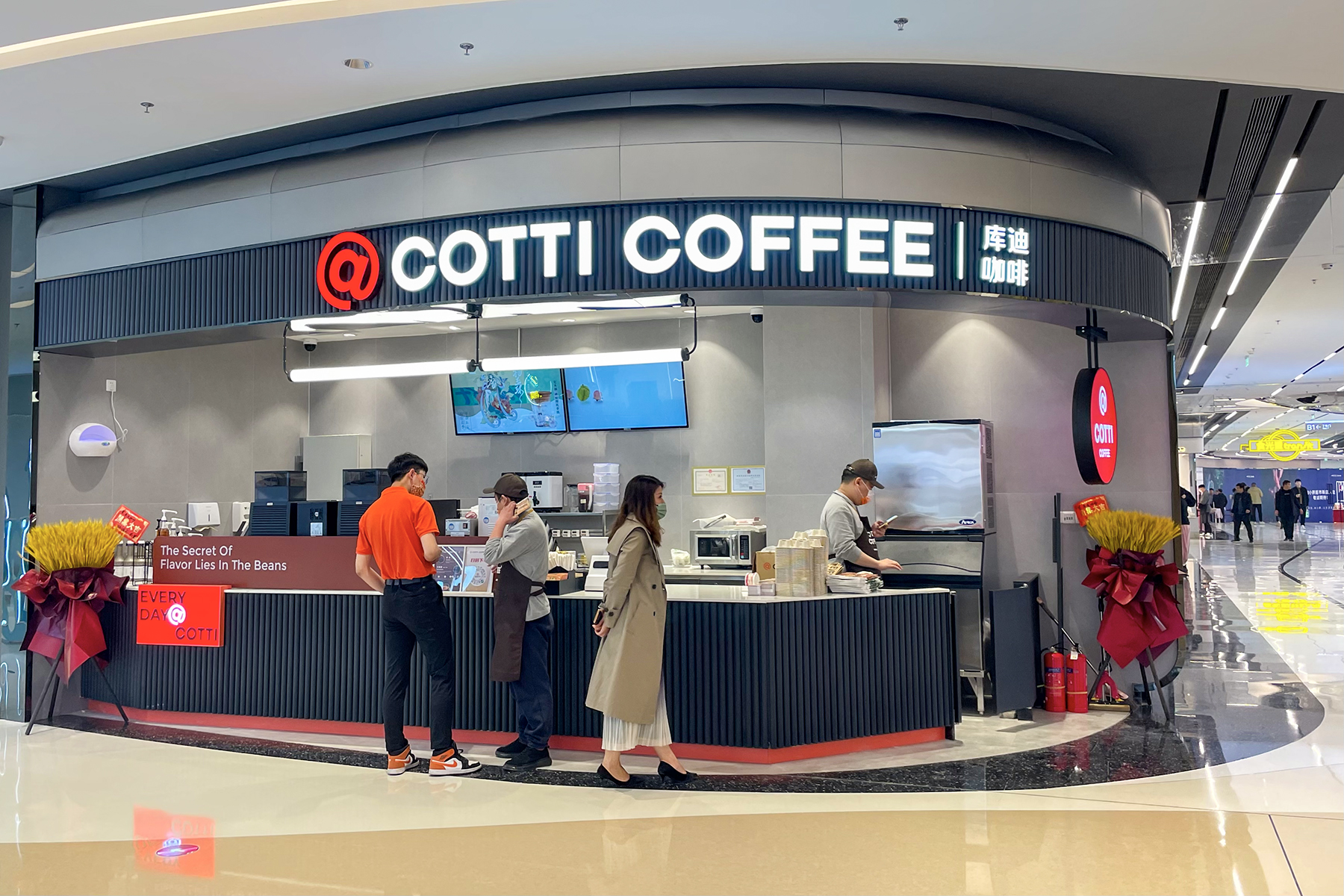
    The budget-friendly coffee chain will make its UK debut with two stores in London, set to open on Middlesex Street and Camden High Street. This comes after Cotti Coffee’s recent successful launches in European cities such as Paris, Cologne, Düsseldorf, Hamburg, Barcelona, and Madrid. These continental outlets mark the brand’s first steps into the European market.

    Digital-First Strategy

    Cotti Coffee operates with a digital-first, small-format store model and is noted for offering aggressive discounts. This approach has earned the brand recognition in its home country of China, where it is seen as a key competitor to Luckin Coffee.

    Future Expansion Plans

    Beyond the UK, Cotti Coffee has plans for further expansion into several other European countries, including Italy, Belgium, Portugal, and the Netherlands.

    Cotti Coffee was established in 2022 by a pair of former Luckin Coffee executives. Today, the brand is operational in 28 countries worldwide, including locations in Vietnam, South Korea, Australia, and Malaysia.

    Questions & Answers

    Question 1: What is Cotti Coffee’s store model?
    Answer: Cotti Coffee operates a digital-first, small-format store model, which means they prioritize their online presence and compact store locations.

    Question 2: Where is Cotti Coffee planning to expand in Europe?
    Answer: The company has plans to expand into Italy, Belgium, Portugal, and the Netherlands as part of its broader European growth strategy.

    Question 3: Who founded Cotti Coffee and when was it established?
    Answer: Cotti Coffee was founded in 2022 by two former executives from Luckin Coffee, another major coffee chain in China.

  • Revitalizing Retail: Viva Energy Appoints Former Myer Exec Teresa Rendo as New CEO

    Revitalizing Retail: Viva Energy Appoints Former Myer Exec Teresa Rendo as New CEO

    Viva Energy Group, a prominent oil company, has announced the appointment of Teresa Rendo as the Chief Executive Officer (CEO) of its retail division, Convenience and Mobility.

    Experienced Retail Executive Joins Viva Energy

    Teresa Rendo joins Viva Energy with a treasure trove of experience amounting to more than 25 years. She has held significant roles at renowned retail giants like Big W and Woolworths. Her most recent role was as the Managing Director of Myer’s Apparel Brands.

    Scott Wyatt, the Managing Director and Group CEO of Viva Energy, expressed his pleasure in welcoming Teresa to the executive leadership team. He described her as a seasoned retail leader who boasts of in-depth expertise in diverse areas such as trading, product sourcing, and innovation, as well as operational efficiency in multi-brand environments.

    Rendo’s appointment comes during a challenging period for Viva Energy’s Convenience and Mobility business. Sales had seen a downturn of 11.4% in the most recent quarter compared to the same period last year. The company also had to undertake an extensive search for a CEO following the resignation of Jevan Bouzo in September of the previous year.

    High Expectations for the New CEO

    Wyatt has high expectations for Rendo in her new role. He stated that her focus on robust retail execution will be crucial in enhancing customer experience, stimulating revenue growth, and maintaining operational excellence.

    Rendo expressed her enthusiasm for developing a top-tier convenience business. Wyatt indicated his confidence in her ability, stating that he believes Rendo will significantly expedite the company’s progress towards achieving this objective.

    Rendo will assume her duties from the interim CEO, Jennifer Gray, starting in July.

    Questions & Answers

    Who has been appointed as the new CEO of Viva Energy’s Convenience and Mobility business?
    Teresa Rendo, a seasoned retail executive with over 25 years of experience, has been appointed the new CEO.

    What are the challenges she will face in her new role?
    Rendo is joining during a challenging period for the business, with recent sales falling by 11.4% from the previous year. She will also need to enhance customer experience, stimulate revenue growth, and maintain operational excellence.

    Who will Teresa Rendo be succeeding?
    Rendo will be assuming her responsibilities from the interim CEO, Jennifer Gray.

  • Yum China Ends FY25 Strong: Delivery Boom and Store Expansion Fuel 9% Q4 Revenue Surge

    Yum China Ends FY25 Strong: Delivery Boom and Store Expansion Fuel 9% Q4 Revenue Surge

    Yum China Holdings ended the 2025 fiscal year on a strong note, with an increase in delivery orders and expedited store openings fueling a rise in sales and profits, even amidst muted consumer spending in China.

    Performance Overview

    During the quarter that concluded on December 31, Yum China, the operator of KFC, Pizza Hut, and other dining brands throughout mainland China, recorded a revenue of US$2.8 billion, a 9% increase compared to the previous year.

    The company saw a 3% growth in same-store sales, the third consecutive quarter of positive growth, while system sales experienced a 7% increase.

    Delivery service played a crucial role in driving growth, with delivery sales surging by 34% and contributing to around 53% of the total revenue. Yum China’s emphasis on digital ordering and convenience due to fluctuating dine-in customer counts across regions remains an integral part of its strategy.

    Store Expansion & Sales

    Store expansion significantly contributed to the company’s performance. Yum China inaugurated an astonishing 587 new stores in the fourth quarter, with franchise partners opening nearly 36% of these stores. Over the year, the group opened 1706 additional stores, raising its total to more than 18,100 restaurants across the nation.

    For the 2025 fiscal year, Yum China reported a revenue of US$11.8 billion, a 4% increase from the previous year, while the operating profit climbed 11% to approximately US$1.3 billion.

    Words from the CEO

    Joey Wat, CEO of Yum China, praised the hardworking team for ending 2025 on a high note by delivering growth in same-store sales for three consecutive quarters and same-store transaction growth for twelve quarters in a row.

    Wat noted that KFC had discovered new consumption opportunities via its KCoffee cafe format and Kpro side-by-side modules. Meanwhile, Pizza Hut enhanced its value proposition and launched its Wow model to extend its presence to previously untapped locations, particularly in lower-tier cities.

    Future Plans

    In terms of future plans, the company aims to operate more than 20,000 restaurants by the end of the current year, supported by the opening of over 1900 new stores. Yum China predicts that franchised outlets will represent 40-50% of all new openings across KFC and Pizza Hut, as it continues to extend its hybrid ownership model.

    Questions & Answers

    What was the revenue of Yum China for the 2025 fiscal year?
    The revenue was reported to be US$11.8 billion, a 4% year on year increase.

    What role did delivery service play in Yum China’s growth?
    Delivery service was a major growth driver, with delivery sales rising by 34% and making up around 53% of the total revenue.

    What are the company’s future expansion plans?
    Yum China aims to operate over 20,000 restaurants by the end of the year, supported by the opening of more than 1900 new stores.

  • SOTI Research Reveals the Need for Retail Tech to Deliver a More Immersive Experience

    SOTI Research Reveals the Need for Retail Tech to Deliver a More Immersive Experience

    SOTI, a proven innovator and industry leader for simplifying business mobility solutions, launched its latest annual global research, “Retail Tech Assessment: Opportunities for Enhanced Consumer Experiences,” which revealed Australian consumers are increasingly making shopping decisions based on security, trust and the quality of their digital experience. The findings reveal that while retailers are investing in technology, many still fall short of delivering truly personalised and immersive interactions.

    Retailers Need to Enhance Consumer Engagement with Technology

    The report found that there is progress to be made in enhancing consumer shopping experiences with the technology currently available. Consumers use retail apps for convenience, with 55% using them for exclusive offers, savings and points, and 53% enjoying benefits such as faster checkout. However, engagement is not growing at the pace retailers would expect, and further incentives may be needed to encourage deeper use of digital touchpoints. Additionally, greater emphasis could be placed on augmented reality (AR) and visualisation to create more immersive experiences.

    “Most of the technology does exist, but it is not being leveraged properly. Consumers want experiences that feel more relevant and forward-thinking than what they are receiving today,” said Michael Dyson, VP of Sales APAC at SOTI. “Engagement and loyalty can deepen as this technology becomes more central to the retail experience. Secure and connected devices and apps are the starting point for building brand trust.”

    Consumers Are More Cost-Conscious Than Ever Amid Economic Uncertainty

    Rising economic pressures are forcing Australian consumers to prioritise value, convenience and local purchasing, as 33% are now checking product origin or choosing to buy domestically made products. Furthermore, 86% are taking cost-cutting measures to adapt to changing economic conditions and 63% say economic factors have influenced their ability to purchase their usual items in the past 12 months.

    “Consumers now know exactly when and where to find the best value, and they’re using digital tools at every step of the buying journey,” added Dyson. “Retailers are working hard to meet expectations for smooth, connected experiences, yet issues with real-time tracking and fulfilment highlight that some foundational supply chain processes still need strengthening.”

    Security and Privacy Are Growing Concerns

    While 55% of consumers want to see more technology-enhanced shopping, research found that security and trust are critical. In fact, 87% of consumers are concerned about data privacy or security issues when shopping online or in-store, and 69% think twice before shopping with a retailer that has suffered a cyberattack. Much of this sentiment stems from the fact that 42% of consumers have been victims of retail-related fraud.

    “Finding the right balance between smarter, tech-enabled shopping and protecting consumer privacy has become critical,” Dyson said. “Shoppers are open to personalisation, provided they trust how their data is managed. Maintaining that trust requires transparency and robust security, especially at a time when major brands are facing increasing cyber threats.”

    SOTI’s latest report, “Retail Tech Assessment: Opportunities for Enhanced Consumer Experiences,” can be downloaded here.

    Report Methodology

    SOTI’s research expanded its scope to cover 13,000 consumers, uncovering key insights into the evolving retail landscape across 11 countries, including Italy and Spain for the first time. The sample split is as follows: U.S. (2,000), Canada (1,000), Mexico (1,000), UK (2,000), Germany (1,000), France (1,000), Sweden (1,000), the Netherlands (1,000), Italy (1,000), Spain (1,000) and Australia (1,000).

    About SOTI

    SOTI is a proven innovator and industry leader for simplifying business mobility solutions by making them smarter, faster and more reliable. With SOTI’s innovative portfolio of solutions, organisations can trust SOTI to elevate and streamline their mobile operations, maximise their ROI and reduce device downtime. Globally, with over 17,000 customers, SOTI has proven itself to be the go-to mobile platform provider to manage, secure and support business-critical devices. With SOTI’s world-class support, enterprises can take mobility to endless possibilities. For more information, visit soti.net.
  • Acclaimed Brix Distillers Enters Voluntary Administration: Future of Australia’s First Craft Rum Distillery Uncertain

    Acclaimed Brix Distillers Enters Voluntary Administration: Future of Australia’s First Craft Rum Distillery Uncertain

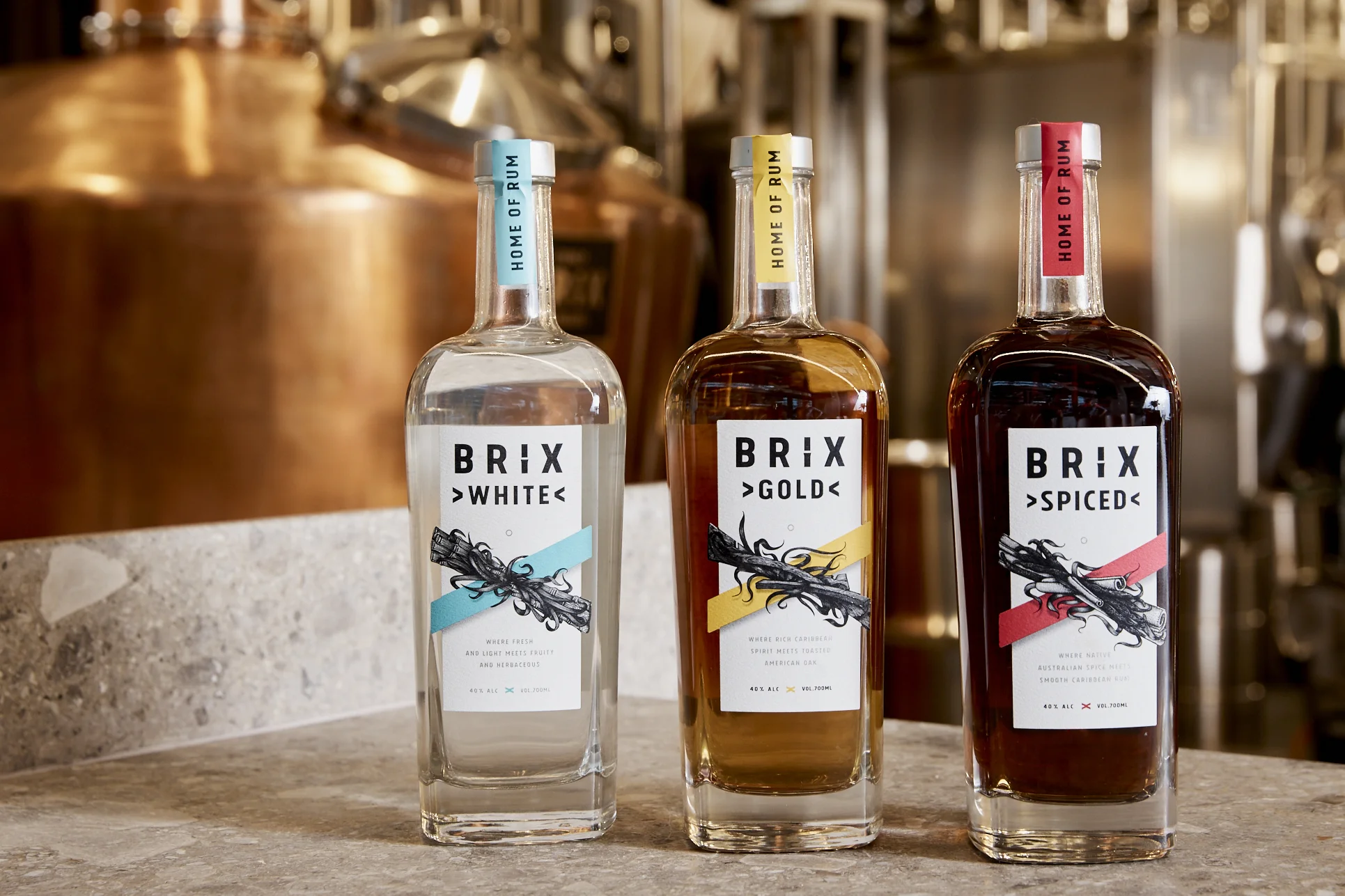
    The boutique rum manufacturer, Brix Distillers, formerly known as Sydney Distilling Co, has opted for voluntary administration.

    Appointing an Administrator

    RSM Australia has been appointed to manage the administration for the pioneer craft rum distillery in the country. The firm is presently considering all possible alternatives, including liquidating the company’s assets through a deed of company arrangement.

    Brix Distillers, which was established in 2017, ran a bar in Surry Hills.

    Exploring Options for the Distillery

    The primary responsibility of the administrators is to explore and identify all potential solutions to ensure the most favourable outcome not only for the creditors but also for the legacy of this Australian distillery brand. This includes exploring the sale of the business and its assets, according to Ben Carson, director at RSM.

    The administrators are currently in discussion with several parties who have shown interest in the future of this premium craft rum brand and its business operations.

    Seeking Potential Buyers

    Carson noted that the company boasts one of the largest private stockpiles of Australian rum in the country. He encouraged those who are interested in the business to get in touch with their proposals.

    Questions & Answers

    What is the current status of Brix Distillers?

    Brix Distillers has gone into voluntary administration, and RSM Australia has been appointed as the administrator.

    What are the future plans for the business and its assets?

    The administrators are currently exploring all potential solutions, which includes the possible sale of the business and its assets.

    Who could potentially acquire the business?

    The administrators are in talks with several parties who have expressed interest in the business. Interested parties are encouraged to get in touch with their proposals.

  • Marcus Raward: Steering Noosa Chocolate Factory Towards New Commercial Heights Amid Market Challenges

    Marcus Raward: Steering Noosa Chocolate Factory Towards New Commercial Heights Amid Market Challenges

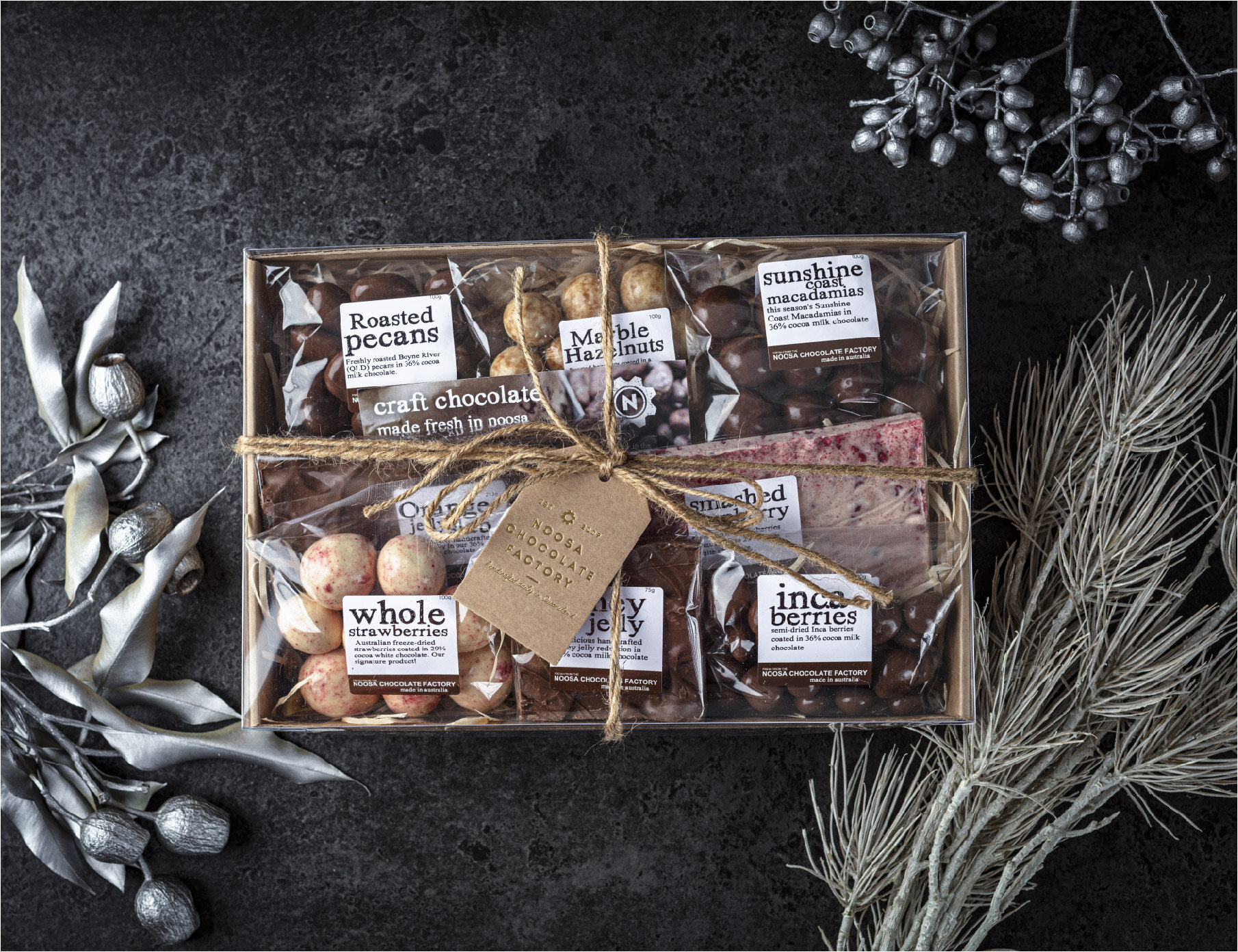
    Marcus Raward has been appointed as the new Chief Executive Officer of Noosa Chocolate Factory, marking a new era in the company’s top leadership.

    Delivering Growth Through Strategic Leadership

    Known for his commercial strategy and business growth expertise, Raward is set to steer the company through its current operational phase. His responsibilities include honoring the company’s rich heritage while readily adapting to the prevailing economic landscape.

    Raward expressed his vision for the company, stating, “The goal is to honor the roots of our brand, highlight the unique qualities that set our products apart from other chocolate and confectionery brands, while propelling the business into a stronger commercial position.”

    Addressing Market Challenges and Opportunities

    The chocolate industry is currently undergoing a transition as it rebounds from significant price volatility in the global cocoa market. Raward pointed out that the market is beginning to stabilize, a shift that has been felt by manufacturers worldwide.

    Addressing this issue, Raward commented, “Cocoa prices have posed a tough challenge for the entire sector, but now we’re seeing signs of a plateau. Simultaneously, the demand for quality chocolate continues to be robust, which opens up a real opportunity for a brand like Noosa Chocolate Factory.”

    Expansion Plans

    As part of its growth strategy, Noosa Chocolate Factory has inaugurated a new outlet at Westfield Chermside and refurbished its store at Sunshine Plaza, which is anticipated to reopen early this month.

    Questions & Answers

    What is Marcus Raward’s vision for Noosa Chocolate Factory as its new CEO?
    Raward’s vision is to honor the brand’s roots, highlight its unique product qualities, and propel the company into a stronger commercial position.

    How is the global cocoa market impacting the chocolate industry?
    Significant price volatility in the global cocoa market has posed challenges for the chocolate industry. However, signs of a stabilizing market present new opportunities for brands like Noosa Chocolate Factory.

    What are some of Noosa Chocolate Factory’s recent expansion efforts?
    As part of its growth strategy, Noosa Chocolate Factory has opened a new store at Westfield Chermside and renovated its Sunshine Plaza store.

  • Woolworths NZ Kick-starts Innovative Drive-Thru Home Burger Trial: A Fresh Take on Convenient Dining

    Woolworths NZ Kick-starts Innovative Drive-Thru Home Burger Trial: A Fresh Take on Convenient Dining

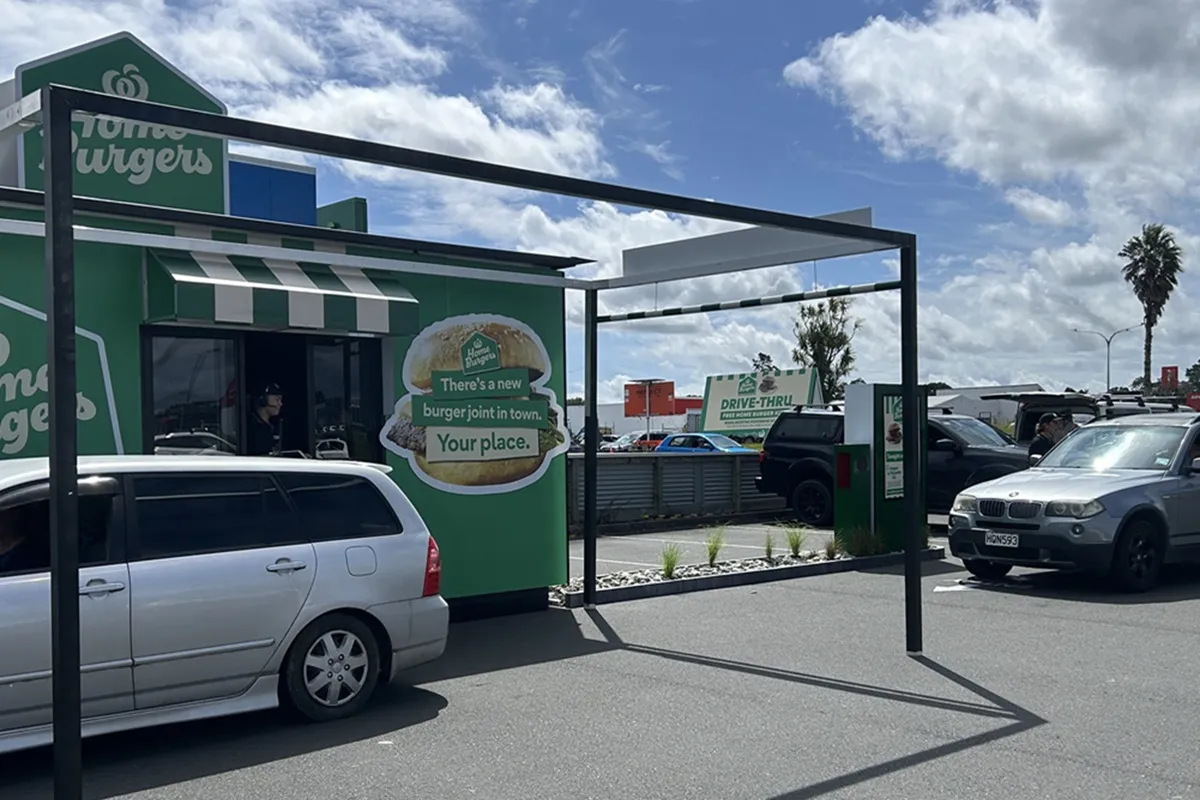
    Woolworths New Zealand recently conducted a drive-thru experiment in a supermarket parking lot to promote its new line of beef burger patties. The event, which occurred from January 26 to 28 at Woolworths Pukekohe South, underscored the importance of own-brand products during the busy summer season.

    Drive-Thru Experiment

    Approximately 4,500 Home Burger kits were handed out free of charge during the trial. With queues of vehicles observed throughout the event and stocks depleted each night, the results pointed towards a strong consumer demand for home-cooked meals that mimic the convenience of takeaways.

    Conrad Webber, Woolworths NZ’s marketing manager for fresh food and own brand, spoke about the innovative drive-thru concept. He explained that it offered a platform to showcase restaurant-style meals intended for home cooking, while also experimenting with a novel customer engagement strategy.

    “The drive-thru allowed us to translate a typical dining-out experience into a retail environment,” said Webber. He further added that “the positive reception over the three nights reaffirmed our belief that New Zealanders appreciate restaurant-quality cuisine they can easily replicate at home, and confirmed that own-brand products can deliver on flavor, quality, and convenience in a manner that resonates with our customers’ lifestyles.”

    Home Burger Kits

    Customers participating in the trial drove through the store’s parking lot to collect a Home Burger kit. The kits, which featured Woolworths Own Brand products including beef patties, brioche buns, sliced cheese, salad ingredients, and condiments, were packaged in reusable Woolworths bags complete with preparation instructions for home use.

    The drive-thru event was part of Woolworths’ more extensive Home Burgers launch. It positioned the beef burger patty range as a viable alternative to takeaway-style burgers.

    The initiative catered to households seeking quick and familiar meal solutions, particularly in light of ongoing cost-sensitivity. The campaign’s focus was on providing bundled meal solutions rather than individual item purchases.

    Questions & Answers

    What was the purpose of the Woolworths drive-thru experiment?
    The Woolworths drive-thru experiment was designed to promote its new line of beef burger patties, with a focus on demonstrating the convenience and quality of own-brand products.

    What did the Home Burger kits include?
    The Home Burger kits featured Woolworths Own Brand products including beef patties, brioche buns, sliced cheese, salad ingredients, and condiments. They were packaged in reusable Woolworths bags, with home preparation instructions included.

    What was the primary target audience for this initiative?
    The primary target audience for this initiative was households seeking quick, familiar, and cost-effective meal solutions that could easily be prepared at home.