Blog

  • CarousellMobile Revolutionizes Preloved Phone Market – Introduces Singapore’s Largest Second-Hand Mobile Store

    CarousellMobile Revolutionizes Preloved Phone Market – Introduces Singapore’s Largest Second-Hand Mobile Store

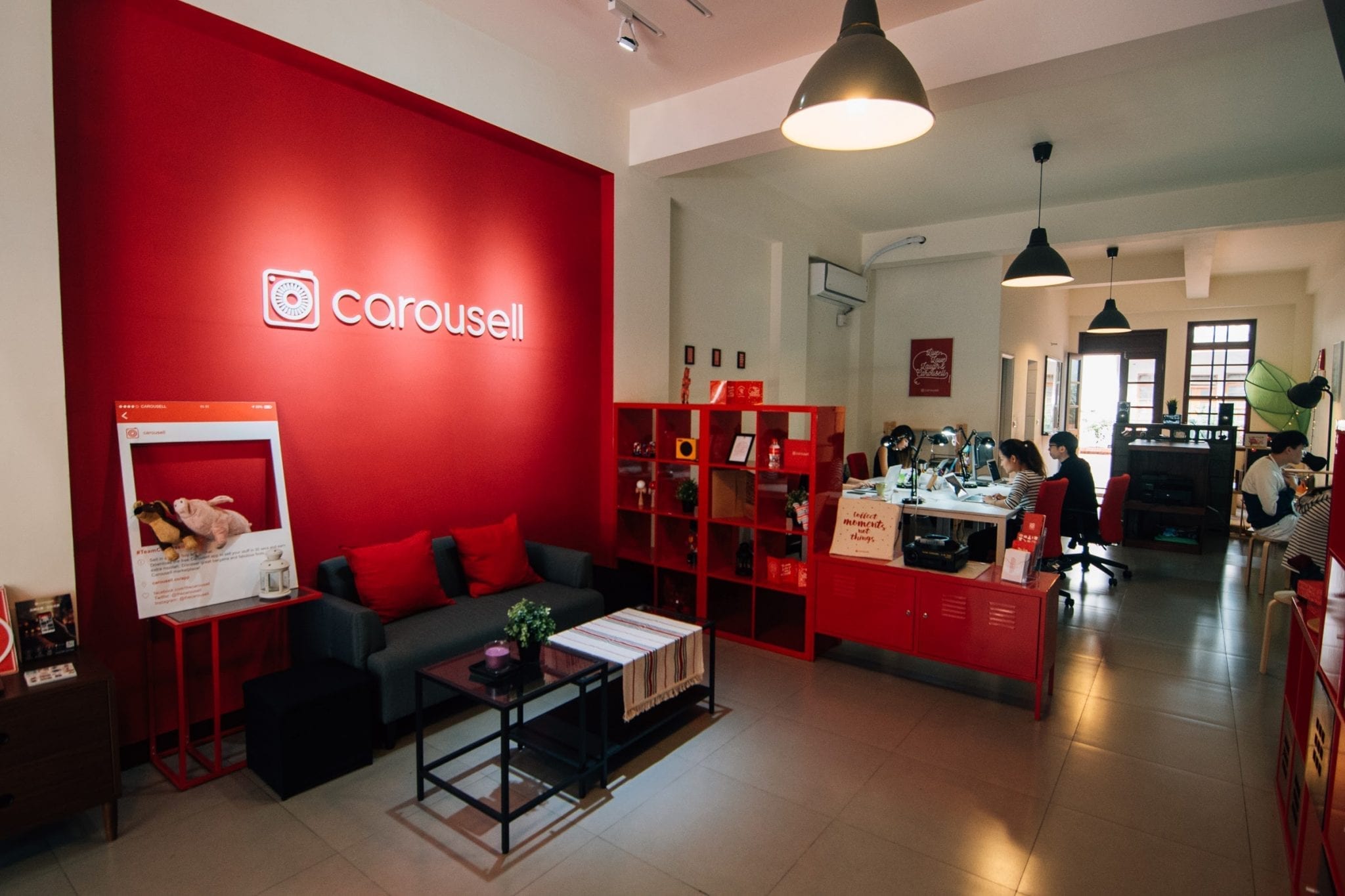
    CarousellMobile, the mobile-centric division of Carousell, has announced the launch of its inaugural physical outlet at Chinatown Point. This move marks a new phase in the company’s growth, introducing a tangible retail presence to supplement its popular online platform.

    The Store Aims to Enhance the Shopping Experience

    The new physical location promises to offer an extensive range of pre-owned mobile devices, reportedly the most comprehensive selection available in a singular retail point within Singapore. This unique set-up will enable customers to personally inspect and try out devices prior to their purchase. This hands-on approach will provide potential buyers with the confidence that they are purchasing a product that meets their requirements and expectations.

    CarousellMobile’s customers will also have the option to peruse online listings for all available products or obtain a valuation quote for their existing devices before making an in-store visit.

    Extending the Life of Mobile Devices

    In addition to retail services, the store is committed to providing comprehensive services that prolong the lifespan of mobile devices. This includes providing certified pre-owned phones accompanied by warranties and flexible return policies, instant cash buybacks, trade-in options, and on-site repair services.

    Alvin Yap, the lead at CarousellMobile, shared his insights on the company’s latest venture. He emphasized the significance of physical interactions in building trust, especially when dealing with high-value items like phones and luxury bags. He added, “CarousellMobile is our solution to the anxiety that comes with purchasing pre-owned electronics.”

    Questions & Answers

    What does the new CarousellMobile store offer?

    The store offers a wide range of second-hand mobile devices, along with services such as instant cash buybacks, trade-ins, and on-site repair services. Customers can physically inspect and test products before purchasing.

    Where is CarousellMobile’s physical store located?

    CarousellMobile’s physical store is located at Chinatown Point.

    What does Alvin Yap, the lead at CarousellMobile, say about the new store?

    Alvin Yap emphasizes the importance of physical interactions in building trust when dealing with high-value items. He sees the new store as a solution to the anxiety often associated with buying used electronics.

  • K-Beauty Powerhouse Lunabella Pioneer European Expansion with Glamorous Paris Flagship Store

    K-Beauty Powerhouse Lunabella Pioneer European Expansion with Glamorous Paris Flagship Store

    The renowned K-beauty brand, Lunabella, has recently established its first flagship in Europe, labelled as W Lunabella, located in the prestigious Le Marais district of Paris.

    The Vision of W Lunabella

    W Lunabella aims to be a one-stop-shop for total beauty solutions. This boutique will offer more than just cosmetics, boasting personalised consultations, styling services, and a select range of curated dresses.

    The founder and CEO of Lunabella, known as Yumi, shared that the ‘W’ in the store’s name is a nod to weddings. This is a testament to her ambition to extend the traditional bridal beauty’s enduring complexion to a wider clientele. Over seven years used to develop the brand were centered around the principle that skin health underpins long-lasting, high-performance makeup.

    The Offerings of the Boutique

    While the boutique will serve as a hub for retail, it also plans to hold cultural and experiential events for customers. These include exhibitions featuring Hanbok (traditional Korean clothing) and beauty workshops, offering customers an immersive experience.

    According to Yumi, “W Lunabella is not just a destination, but it is a sanctuary designed for the modern woman to reconnect with her authentic essence and rediscover her inherent, timeless radiance.”

    Established in 2009, Lunabella has gained popularity for its makeup and skincare range that is designed for extended wear.

    Questions & Answers

    What does the ‘W’ in W Lunabella signify?
    The ‘W’ in W Lunabella signifies ‘wedding’, revealing the founder’s vision to extend the enduring complexion associated with bridal beauty to a broader audience.

    What services does W Lunabella offer?
    W Lunabella offers a comprehensive range of services, including personalised consultations, styling, curated dress services, and high-quality cosmetics. The boutique also hosts cultural and experiential events.

    What is the main emphasis of Lunabella’s products?
    Lunabella essentially focuses on the significance of skin health, which is the foundation for durable, high-performance makeup. The brand is known for its extended-wear makeup and skincare range.

  • CTG Duty Free Acquires DFS: LVMH’s Strategic Luxury Retail Sale Boosts China’s Travel Market

    CTG Duty Free Acquires DFS: LVMH’s Strategic Luxury Retail Sale Boosts China’s Travel Market

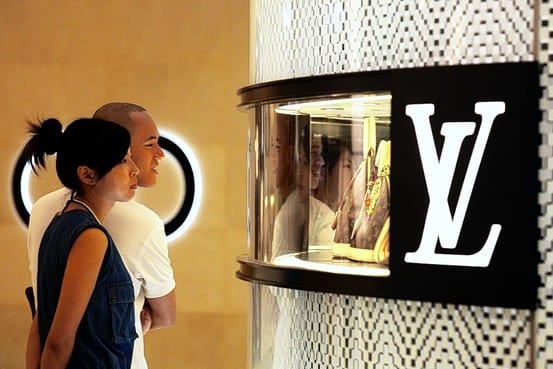
    Global luxury travel retailer DFS, which is owned by LVMH and Robert Miller, DFS’ co-founder and shareholder, has revealed they are set to sell their retail business across Greater China to the China Tourism Group (CTG) Duty Free. According to the agreement, CTG Duty Free is set to acquire businesses in Hong Kong, Macau, and Greater China.

    Acquisition of DFS Brands

    Aside from acquiring businesses, CTG Duty Free will also obtain a variety of DFS brands and intellectual properties exclusively for usage across Greater China. The proceeds from this transaction will be received in cash. Post-transaction, DFS will maintain operations of its other luxury travel retail businesses worldwide.

    Luke Chang, executive director and president of CTG Duty Free, shared that this move is expected to broaden the service network of CTG Duty Free across the Greater Bay Area. The goal is to establish a platform for promoting China-influenced brands globally while setting up an international business mid-platform.

    Chang also emphasized CTG Duty Free’s commitment to provide superior travel retail experiences to both domestic and international tourists. This aligns with their responsibility as a central state-owned enterprise-controlled listed company to facilitate the high-quality development of the retail economy in Hong Kong and Macau.

    A Significant Step for DFS

    DFS has described the sale as a significant step for the company. Ed Brennan, chairman and CEO of DFS, stated that the company is proud of its well-established presence and operational excellence in Hong Kong and Macau. The DFS shopping experience is expected to improve and progress with the fresh skills and perspectives that CTG Duty Free will introduce.

    Michael Schriver, president of LVMH for North Asia, expressed that the move highlights LVMH’s confidence in the long-term potential of the Chinese market. The transaction is anticipated to be finalized in approximately two months.

    Questions & Answers

    What is the agreement between DFS and CTG Duty Free about?
    The agreement is about the sale of DFS’ retail business across Greater China to CTG Duty Free.

    What will CTG Duty Free acquire from DFS?
    CTG Duty Free will acquire businesses in Hong Kong, Macau, and Greater China as well as a series of DFS brands and intellectual properties for exclusive use in Greater China.

    What will be the impact of this transaction on DFS?
    After the transaction, DFS will continue to operate its other luxury travel retail operations worldwide. The sale is seen as an important step for DFS and is expected to enhance the shopping experience they offer with new skills and perspectives from CTG Duty Free.

  • US Fruits and Veggies Flood Vietnam Market: Imports Soar by 67%

    US Fruits and Veggies Flood Vietnam Market: Imports Soar by 67%

    Imports of U.S. fruits and vegetables to Vietnam have surged, showing a nearly 67% increase to US$900 million in 2025. This figure represents a tenfold increase from a decade ago and showcases the robust demand for U.S. produce in Vietnam. Among the top imports are cherries, apples, grapes, and oranges, as reported by Vietnam Customs.

    Disparity in Trade

    Despite the significant increase in imports from the U.S., Vietnamese exports to the U.S. have not shown the same growth. In 2025, the value of Vietnam’s fruit and vegetable exports to the U.S. was $546 million, a mere 1.49% share in a market dominated by suppliers from Mexico, Canada, and South American countries.

    Dang Phuc Nguyen, general secretary of the Vietnam Fruit and Vegetable Association, acknowledged the challenges of the U.S. market, noting its stringent technical standards and the geographical distance between the U.S. and Vietnam.

    Vietnam’s Position in the U.S. Market

    Vietnam currently ranks as the 13th largest fruit and vegetable supplier to the U.S., a position achieved through the concerted efforts of local businesses. There is potential for further growth in the U.S. market with the expanding list of fresh fruits allowed for export, including pomelo, mango, dragon fruit, longan, lychee, star apple, rambutan, and, most recently, coconut.

    Consumer trends in the U.S. are shifting towards exotic fruits, health-oriented products, and more processed items like frozen fruit, dried fruits, and juices. Vietnamese products like coconut, durian, and pomelo are becoming increasingly sought after in the U.S.

    Challenges to Exports

    Despite the potential for growth, Vietnamese exports face several hurdles. Starting from this month, the U.S. has tightened regulations on traceability and food safety, with a specific focus on pesticide residues. Inconsistent Vietnamese oversight of planting area codes and packaging facilities may lead to warnings or even temporary import suspensions by the U.S.

    The long distance between the two countries also incurs high logistics costs, making it challenging for Vietnamese fruits and vegetables to compete with suppliers closer to the U.S., such as those in Mexico, Peru, or Thailand.

    Changes in U.S. policies under the Trump administration have introduced unpredictability to trade defense measures designed to safeguard domestic agriculture. At the same time, green production, carbon emission, and social responsibility requirements in supply chains are gradually becoming mandatory, adding further pressure on exporters.

    Questions & Answers

    What are the top U.S. fruits imported by Vietnam?
    The top fruits imported by Vietnam from the U.S. are cherries, apples, grapes, and oranges.

    What are some of the challenges facing Vietnamese exports to the U.S.?
    Challenges include tightened U.S. regulations on traceability and food safety, high logistics costs due to geographical distance, and the increasing mandatory requirements related to green production, carbon emission, and social responsibility in supply chains.

    What potential does Vietnam have for growth in the U.S. market?
    There is significant potential for growth, especially as the list of fresh fruits permitted for export to the U.S. continues to expand. Moreover, with U.S. consumer trends shifting towards exotic fruits and health-oriented products, Vietnamese products like coconut, durian, and pomelo are gaining popularity.

  • Ease Your Commute: Singapore Offers $46 Public Transport Vouchers to Qualifying Households

    Ease Your Commute: Singapore Offers $46 Public Transport Vouchers to Qualifying Households

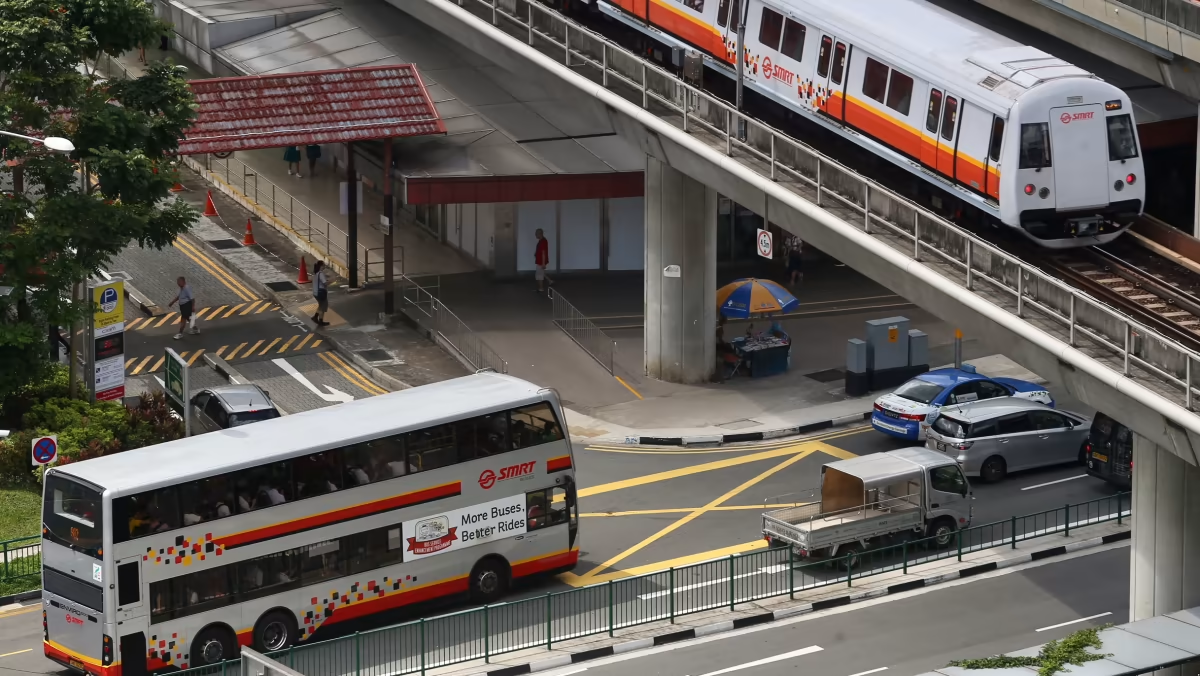
    Singaporean households that meet the eligibility criteria can now submit their applications for public transport vouchers valued at S$60 (equivalent to US$46). These vouchers are intended to alleviate the increased cost of commuting.

    Details of the Voucher Scheme

    The vouchers became available on Tuesday and will continue to be so until October 31. The eligibility requirement is set at a monthly household income per person of S$1,800 or lower.

    This move signifies the second phase of the program. The first round of vouchers was issued last month, benefitting approximately 300,000 households.

    In the current round, households that did not previously receive a voucher and those seeking additional assistance, including households that do not meet the income requirement, can apply. Applications can be submitted either online or in person at local community centers and clubs.

    These vouchers can be applied towards topping up fare cards or purchasing monthly passes. They are redeemable until March 31, 2027.

    The main goal of the initiative is to assist lower-income families in counterbalancing the recent increase in public transport fares.

    Changes in Public Transport Fares

    The basic bus and train card fares for adults in the city-state have seen a hike of 9-10 cents per trip, an approximate increase of 5% based on distance. At the same time, the express bus services have levied a surcharge, marking its first-ever introduction.

    In addition to the vouchers, the cost of monthly passes has been cut by 5% for adults, senior citizens, and individuals with disabilities as a measure to support frequent users of public transit.

    Questions & Answers

    What is the purpose of the public transport vouchers?
    The vouchers are intended to help lower-income families mitigate the impact of the recent increase in public transportation fares.

    Who is eligible to apply for these vouchers?
    Families with a monthly household income per person of S$1,800 or lower can apply for these vouchers. In the latest round, even those households that didn’t receive a voucher in the first round or do not meet the income requirement can apply for additional assistance.

    How can these vouchers be used?
    These vouchers can be used to top up fare cards or to purchase monthly passes. They are redeemable until March 31, 2027.

  • Viettel Spearheads Vietnam’s Tech Revolution with Groundbreaking Semiconductor Chip Fabrication Plant

    Viettel Spearheads Vietnam’s Tech Revolution with Groundbreaking Semiconductor Chip Fabrication Plant

    Viettel Group, a Vietnamese multinational telecommunications corporation, has recently launched the initialization phase of building the country’s first semiconductor chip fabrication plant. This ambitious venture, endorsed by the Ministry of National Defense, is a part of a governmental initiative to indigenize chip production capabilities. The project is aimed at developing a comprehensive domestic ecosystem for semiconductor technologies.

    Plant Details and Its Impact

    The prospective plant will be based in Hanoi, within the Hoa Lac Hi-Tech Park, spread across an area of approximately 27 hectares. Its intended purpose is to serve as a national hub for a variety of processes including research, design, testing, and the actual production of semiconductor chips.

    Upon becoming operational, the plant is expected to bolster several national industries, including aerospace, telecommunications, the Internet of Things (IoT), automotive manufacturing, medical devices, and automation, among others.

    Filling the Gap in the Production Process

    The process of creating a fully functional semiconductor chip necessitates six primary stages: product definition, system design, detailed design, chip fabrication, packaging and testing, and integration and testing. To date, Vietnam has engaged in five of these steps, with chip fabrication—the most intricate and crucial stage—remaining unattained domestically. The establishment of the proposed semiconductor chip fabrication plant will enable Vietnam to close this gap, allowing it to complete the full spectrum of the semiconductor chip production process.

    The Prime Minister of Vietnam, Pham Minh Chinh, emphasized the significance of the project, stating that the groundbreaking of the country’s first high-tech semiconductor chip fabrication plant is a momentous event. It signifies a step towards achieving the national strategy for the development of the semiconductor industry and sets the foundation for Vietnam to integrate more deeply into the global value chain through advancements in science, technology, and innovation.

    Training and Workforce Development

    In addition, the plant is expected to function as a practical training center for the semiconductor workforce, merging training with an authentic production environment. As a part of the National Semiconductor Strategy, Vietnam is planning to train 50,000 chip design engineers by 2030, with an aim to cultivate a workforce of over 100,000 individuals in the semiconductor industry by 2040.

    The CEO of Viettel Group, Lieutenant General Tao Duc Thang, emphasized that the plant’s construction would be completed, technology transfer received, and pilot production initiated all by the end of 2027.

    Future Aspirations

    The fabrication plant project will unfold between 2026 and 2030, incorporating plant construction, technology transfer, process perfection, and improved operational efficiency. The project’s long-term vision includes the expansion of the Hoa Lac plant, which would provide a platform for Vietnam to gradually access more advanced semiconductor technologies.

    The launch of this high-tech semiconductor chip fabrication plant is a significant step in Vietnam’s journey towards building technological capabilities, contributing to the country’s objective of technological self-reliance and lasting sustainability.

    Questions & Answers

    What is the purpose of the semiconductor chip fabrication plant?
    The plant will serve as a national hub for research, design, testing, and production of semiconductor chips, supporting numerous national industries.

    What is the timeline for the plant’s construction and operation?
    The plant is expected to be constructed, receive technology transfer, and begin pilot production by the end of 2027. The period from 2028 to 2030 will focus on process optimization and efficiency improvements.

    How will the plant contribute to workforce development in Vietnam?
    The plant will also serve as a practical training center for the semiconductor workforce, attempting to train 50,000 chip design engineers by 2030, and aim for a workforce of over 100,000 in the industry by 2040.

  • Gold Prices Skyrocket Globally and in Vietnam: Impact of US Tariffs and Market Jitters

    Gold Prices Skyrocket Globally and in Vietnam: Impact of US Tariffs and Market Jitters

    On Tuesday afternoon, the price of gold in Vietnam hit a new historical high as global rates also achieved unprecedented levels. The price of a gold bar from Saigon Jewelry Company rose by 0.67%, reaching VND166.1 million (US$6,324.12) per tael, equivalent to approximately 37.5 grams or 1.2 ounces.

    The price of a gold ring similarly increased by 0.80%, costing VND163.5 million per tael. Since the start of the year, gold prices in Vietnam have seen an 8.7% increase.

    Internationally, the situation mirrored Vietnam’s, with gold surpassing $4,700 per ounce for the first time on Tuesday. Concurrently, silver traded near a record high. This sharp increase in precious metal prices can be attributed to the heightened global tension due to the threats by U.S. President Donald Trump of imposing additional tariffs on European allies. This political unrest has led to a surge in investment in safe-haven assets such as gold and silver.

    The spot price of gold rose by 1%, reaching $4,717.03 per ounce after achieving a record high of $4,721.91 earlier in the day. U.S. gold futures for February delivery also saw a significant increase, rising by 2.8% to $4,722.70 per ounce.

    Since the commencement of President Trump’s second term a year ago, gold prices have rallied more than 70%. Similarly, silver has seen a remarkable surge of more than 200%.

    Questions & Answers

    What caused the surge in gold prices?
    The surge in gold prices can be attributed to the heightened global tension due to U.S. President Donald Trump’s threats of imposing additional tariffs on European allies, sparking a rush into safe-haven assets like gold and silver.

    How much did gold prices in Vietnam increase?
    The price of a gold bar from Saigon Jewelry Company rose by 0.67%, reaching VND166.1 million (US$6,324.12) per tael. Since the start of the year, gold prices in Vietnam have seen an 8.7% increase.

    What has been the effect on silver prices?
    Similar to gold, silver has also seen a significant increase in value. It traded near a record high and has seen a surge of more than 200% since the start of President Trump’s second term a year ago.

  • Cherry Costs Tumble as Global Supply Skyrockets: A Bumper Year for Bargain Hunters

    Cherry Costs Tumble as Global Supply Skyrockets: A Bumper Year for Bargain Hunters

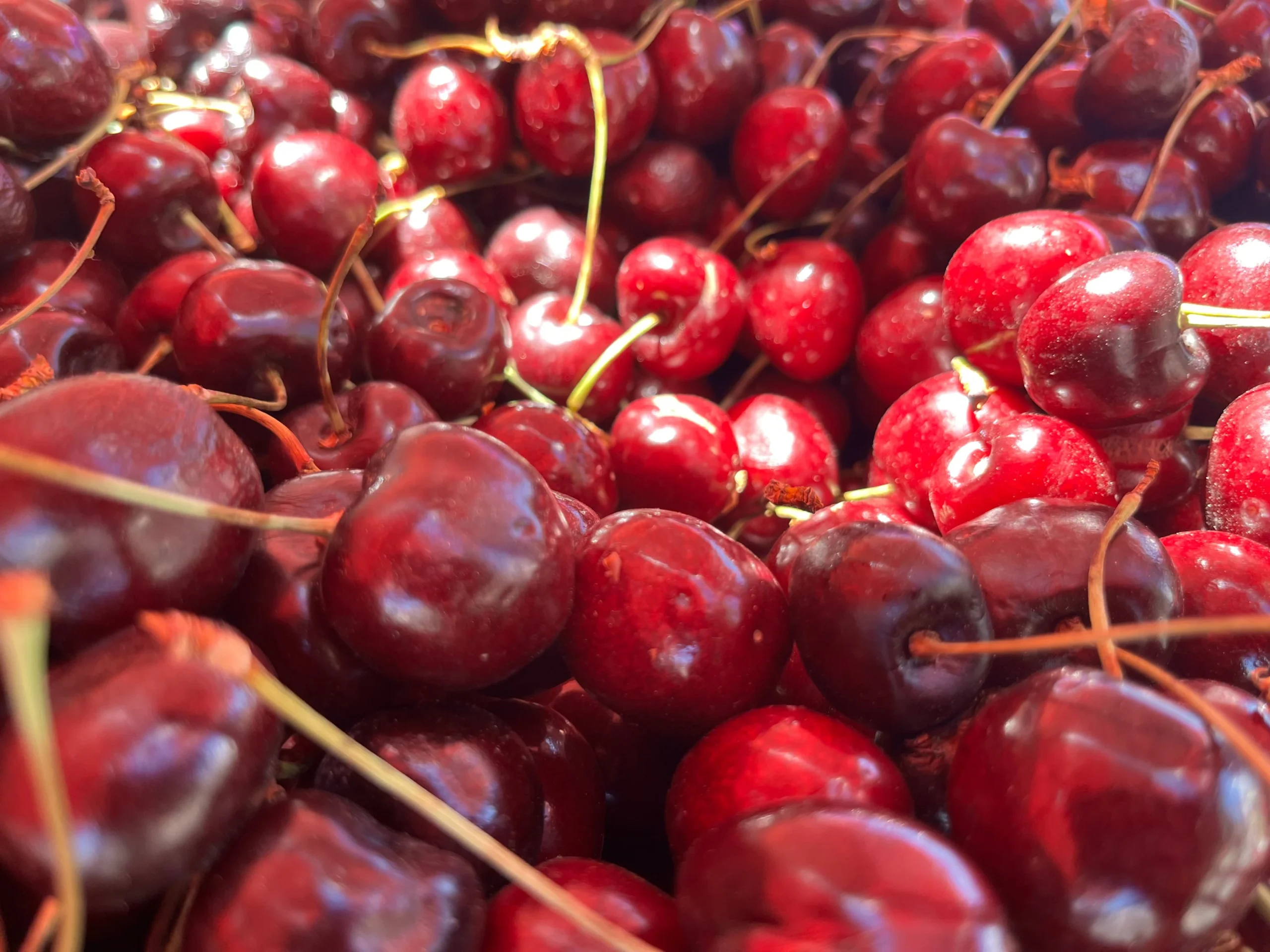
    The prices of cherries have experienced a significant drop of 50% as importers ramped up their supply in response to the previous year’s shortages. However, they soon discovered that demand had not notably increased. Importers from Australia, New Zealand, and the U.S. are now selling large cherries for approximately VND900,000 ($34.27) per kilogram, a sharp contrast from the VND2 million price tag from the previous year.

    Retailers Forced to Reduce Prices

    One fruit vendor in HCMC, known as Hoa, noted that U.S. cherries were in high demand last year, which led her to purchase more for this year. However, sales have not been as brisk as expected. She stated, “Supply has increased but demand has yet to match it, forcing sellers to reduce prices.”

    This noticeable drop in prices is also reflected in retail chains such as MM Mega Market and Go! Here, the cost of Australian cherries has dipped to VND250,000-400,000 per kilogram from VND500,000 last year, despite the fact that they were constantly sold out.

    Nguyen Thi Hang, another fruit vendor in HCMC, revealed that the market this year is highly competitive due to an influx in imports, particularly of cherries, apples, kiwifruits, and grapes.

    Vietnam’s Fruit and Vegetable Imports

    Last year, Vietnam imported fruits and vegetables worth $3 billion, which is an increase of 24% from 2024. Globally, the supply of cherries has also seen a general rise. For example, in Chile, the largest cherry exporter in the world, the cherry farming area is estimated to have grown by 4.6% to 80,000 hectares in the 2025-2026 season. Consequently, the production has also increased by 6.7% to 730,000 tonnes, as per the U.S. Department of Agriculture.

    This substantial growth in supply, at a time when demand in key markets has not significantly increased, has resulted in a decrease in prices in various locations, including Vietnam.

    Questions & Answers

    Why have cherry prices plunged by half this year?
    The prices have fallen due to an increase in supply after last year’s shortages. However, the demand has not matched the increased supply, forcing sellers to reduce their prices.

    How has this affected the retail chains?
    Retail chains such as MM Mega Market and Go! have also had to reduce their prices. For instance, the cost of Australian cherries has dipped to VND250,000-400,000 per kilogram from VND500,000 last year.

    What was the value of fruits and vegetables imported by Vietnam last year?
    Vietnam imported fruits and vegetables worth $3 billion last year, marking a 24% increase from 2024.

  • US Dollar Takes a Dip: Vietnamese Dong Gains Amid Global Selloff

    US Dollar Takes a Dip: Vietnamese Dong Gains Amid Global Selloff

    On Tuesday morning, the U.S. dollar experienced a minor decrease in value against the Vietnamese dong. This occurred concurrently with a global sell-off. Vietcombank, an established bank in Vietnam, recorded a 0.007% drop in the greenback, selling it at VND26,386.

    The Dollar in Other Markets

    In contrast, on the black market, the U.S. dollar saw a considerable increase, jumping 0.95% to VND26,550.

    Global Impact

    The global impact was also noticeable. The U.S. dollar fell to its lowest level in a week during early trading on Tuesday. This decline was propelled by threats issued by the White House against the European Union concerning the future of Greenland. This situation led to a wide-ranging sell-off across U.S. stocks and government bonds.

    The dollar index, a measure of the U.S. dollar’s value against six major world currencies, also experienced a dip. The index dropped 0.1% to 99.004, marking its lowest level since January 14. This was due to investor concerns about potential exposure to the U.S. markets.

    The Dollar and the Yen

    Regarding the Japanese yen, the dollar remained steady, with an exchange rate of 158.175 yen. This stability came after Sanae Takaichi, the Japanese Prime Minister, announced snap elections scheduled for February 8. Takaichi’s promise to halt an 8% sales tax on food for two years has turned the spotlight on Japan’s precarious public finances.

    Questions & Answers

    What was the impact of the White House’s threats against the European Union?
    The threats triggered a broad sell-off across U.S. stocks and government bonds, which led to a decrease in the value of the U.S. dollar.

    How did the dollar fare against the Vietnamese dong?
    The U.S. dollar experienced a slight decrease against the Vietnamese dong, with Vietcombank selling the greenback 0.007% lower at VND26,386.

    What is the significance of the dollar index’s drop?
    The drop in the dollar index indicates a decrease in the value of the U.S. dollar compared to major world currencies. This dip reflects investor concerns about potential exposure to the U.S. markets.

  • Celsius Debuts Sparkling Raspberry Peach: An Exclusive 7-Eleven Flavor Revolutionizing the Australian Beverage Scene

    Celsius Debuts Sparkling Raspberry Peach: An Exclusive 7-Eleven Flavor Revolutionizing the Australian Beverage Scene

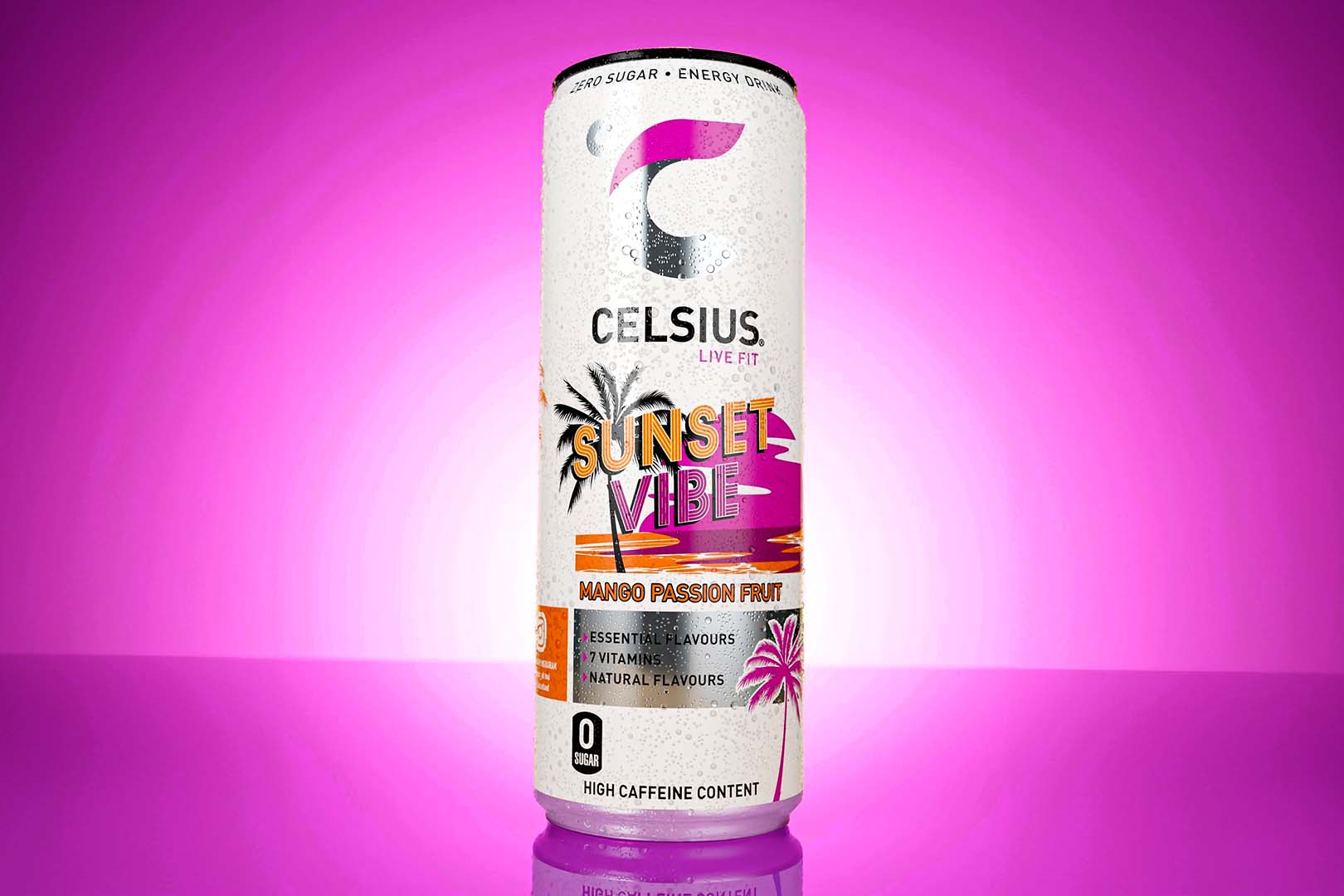
    Celsius, a renowned US energy drink brand, is introducing a flavour that will be exclusively available at 7-Eleven stores across Australia. This beverage, Sparkling Raspberry Peach, will be presented via the brand’s first-ever pop-up at the popular convenience store chain.

    The Sparkling Raspberry Peach flavour offers a delightful mix of succulent peach and a touch of zesty raspberry. A representative for Celsius anticipates that this new beverage will be popular among Australian consumers and could potentially become the preferred non-alcoholic drink of choice. This prediction comes on the back of a recent study which reported that roughly 40% of drinkers are seeking to reduce their alcohol consumption, creating an opportunity for non-alcoholic beverages like Celsius to fill the gap.

    The Sparkling Raspberry Peach flavour is currently available at 7-Eleven stores across the nation at a suggested retail price of $4.

    To commemorate the launch, a pop-up event was organised featuring Australian DJ and producer, DJ Cyril. Entry tickets were priced at $7.11 each, with limited availability.

    Adam Jacka, the General Manager of Marketing at 7-Eleven Australia, stated that their stores have consistently been a go-to spot for Australians to kickstart their day. Whether it’s a comforting oat latte, a chilly iced coffee, or a refreshing energy boost like Celsius, they cater to all preferences. Expressing his excitement about the partnership with Celsius, he added that the morning rave event was unconventional yet fitting. According to him, it encapsulates the spirit of 7-Eleven in its local, fun, and community-oriented approach.

    Celsius has recently broadened its product offerings in Australia.

    Questions & Answers

    What is the new Celsius flavor that is launching in Australia?
    The new flavor is Sparkling Raspberry Peach, a blend of sweet peach and tangy raspberry.

    Where will this new Celsius flavour be available?
    The Sparkling Raspberry Peach flavor will be exclusively available at 7-Eleven stores across Australia.

    What was the special event organised to celebrate the launch of the new flavor?
    A pop-up event featuring Australian DJ and producer, DJ Cyril, was organised to celebrate the launch.

  • A2 Milk Shares Suffer as China’s Plummeting Birth Rate Impacts Infant Formula Sales

    A2 Milk Shares Suffer as China’s Plummeting Birth Rate Impacts Infant Formula Sales

    New Zealand-based A2 Milk Company has reported a drop in its share price due to the decline in Chinese birth rates, which has reached a record low.

    On the Australian Securities Exchange (ASX), A2 shares plunged by 11.2 percent upon closing on Monday, January 19, shortly after the distressing news was announced in China. In response to a price query on the ASX, the company stated that it wasn’t privy to any information related to its current situation that hasn’t been disclosed to the market. This information, if known by certain market participants, might potentially explain the recent trading dynamics of its securities.

    A2’s Trading Performance Explanation

    When asked to provide an additional reason for its recent trading performance, A2 pointed to an announcement made by the China National Bureau of Statistics on January 19. The announcement revealed that the number of newborns in China last year had decreased by 17 percent to 7.92 million.

    The infant milk formula, one of A2’s greatest sources of income, is exported to China. In the fiscal year 2025, it recorded a revenue of NZ$1.2 billion (A$1.04 billion) from infant formula sales in China and Asia.

    Questions & Answers

    What caused the drop in A2 Milk Company’s share price?
    The decline in Chinese birth rates, which have reached a record low, was reported as the cause for the fall in A2’s share price.

    What was the percentage decrease in A2’s share price?
    A2’s share price dropped by 11.2 percent on the Australian Securities Exchange.

    What is one of A2’s largest sources of income?
    One of A2’s largest revenue streams is its infant milk formula, which is exported to China.

  • Aussies Embrace Daily Luxury: Surge in Everyday Premium Ice Cream Indulgence Revealed

    Aussies Embrace Daily Luxury: Surge in Everyday Premium Ice Cream Indulgence Revealed

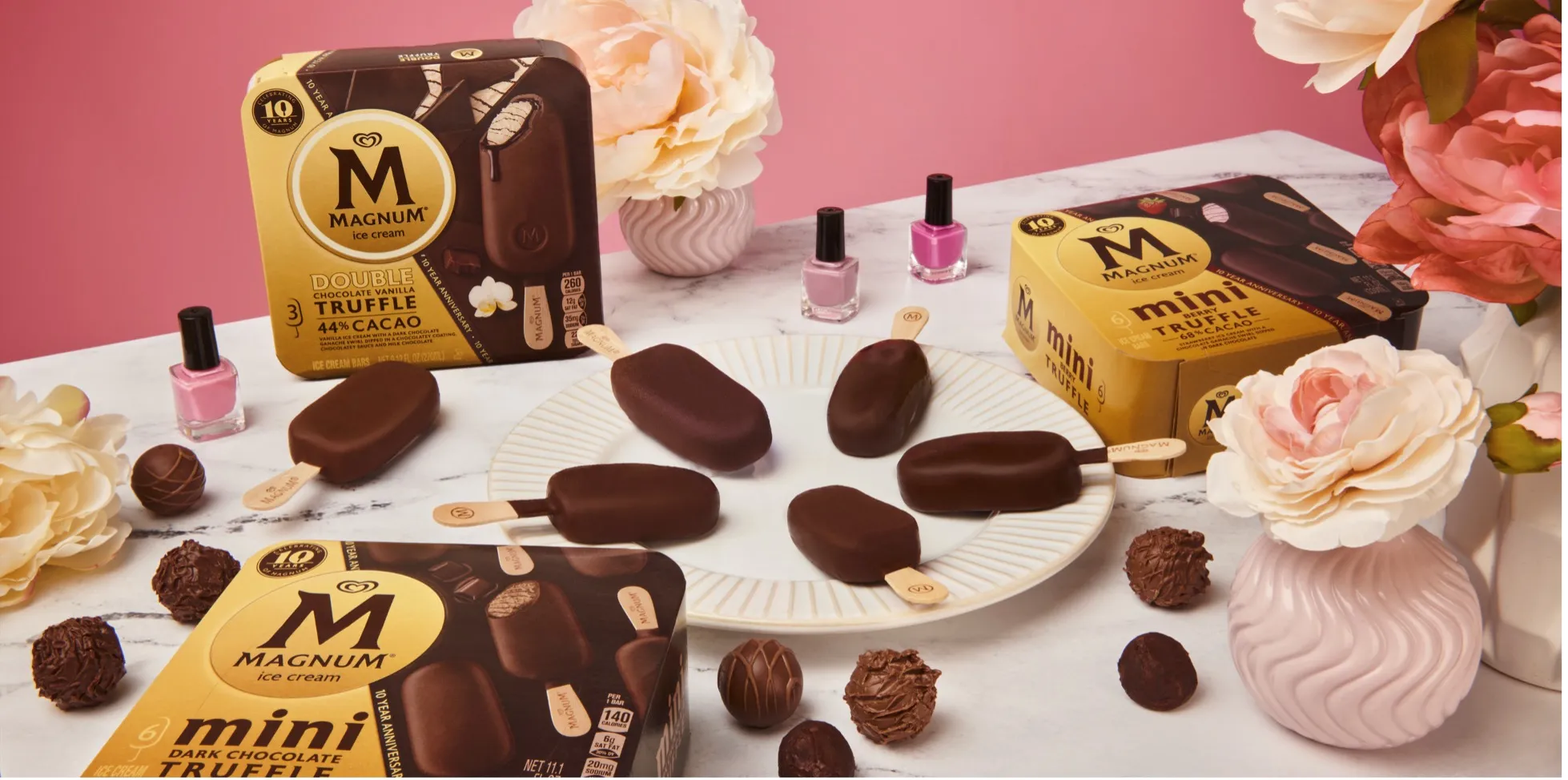
    Australia is witnessing a shift in the perception of premium ice cream, from being an occasional luxury to an everyday delight, according to recent research conducted by Haagen-Dazs.

    Ice Cream as an Everyday Indulgence

    The research found that nearly three out of every ten Australians, approximately 28 percent, now view premium ice cream as a regular indulgence. This trend is particularly noticeable in Victoria and New South Wales. Millennials and men are spearheading this increase, with 40 percent of Millennials and 33 percent of male respondents admitting to indulging in premium ice cream on a daily basis.

    Sacrificing Other Delights for Ice Cream

    Interestingly, the study reveals that four out of every ten Australians would rather forgo sweet beverages than give up ice cream, while three in ten would skip pastries and baked goods in favor of ice cream.

    Ice Cream and the Convenience Channel

    The study also emphasizes the growing importance of convenience stores as the preferred destination for consumers desiring quality, speed, and satisfaction from a single scoop of ice cream. Approximately 42 percent of respondents, predominantly those belonging to the Gen Z, Gen X, and Baby Boomers demographics, prefer to enjoy their ice cream in solitude.

    Changing Perceptions of Luxury

    Cavan Brady, the head of ice cream at Haagen-Dazs Australia, suggests that these findings denote a significant cultural shift in Australians’ understanding of luxury. He notes that consumers aren’t giving up on indulgence, but rather, they are reshaping it. He implies that the conventional ‘little treat’ has transformed into a pocket-sized form of self-care that people prioritize even in the face of tight budgets.

    Brady further explains that for retailers, this indicates that premium ice cream has evolved beyond being an optional treat. The rise of portion-controlled, single-serve, and impulse formats reflects the new pattern of daily indulgence, presenting an enticing growth opportunity for petrol and convenience stores.

    Questions & Answers

    What is the new perception of premium ice cream in Australia?
    Premium ice cream is being seen as an everyday delight rather than an occasional luxury in Australia.

    Who are mainly driving this increase in daily indulgence of premium ice cream?
    Millennials and men are primarily driving the daily indulgence in premium ice cream.

    What has the classic ‘little treat’ evolved into, according to Cavan Brady?
    According to Cavan Brady, the classic ‘little treat’ has evolved into a pocket-sized form of self-care that people prioritize, even when budgets are tight.

  • Blooms the Chemist Enhances Customer Experience with Innovative Store Redesign

    Blooms the Chemist Enhances Customer Experience with Innovative Store Redesign

    Blooms the Chemist, an Australian community pharmacy chain, is rolling out a new store design at its Figtree branch, aiming to provide a welcoming and hassle-free shopping journey for its local customers.

    New Store Design

    As part of a revamped brand approach, the latest design is a cooperative project with Chemfit, a long-standing and reliable partner. The concept was devised by Mathew Dalby, a retail design specialist from StudioFab.

    The unique design features include a color-coded arrangement and additional signage, aimed at crafting an uninterrupted and comfortable customer shopping experience.

    Brand Refresh Strategy

    The revamp, destined to be implemented across all Blooms the Chemist outlets over the coming two years, is targeted at providing retail excellence along with expert service and personalized care to the distinct local communities that the pharmacies cater to.

    Narelle Duncan, the head of network development at Blooms the Chemist, enthusiastically shared that the new brand concept introduced to pharmacy owners in 2024 was met with widespread approval across their member network.

    She asserted that the redesigned store will help bring uniformity to the Blooms network, thus promoting brand consistency. “This refreshed store layout makes health and wellness more accessible for locals by creating an inviting and user-friendly shopping ambiance. Furthermore, it enhances our pharmacists’ efficiency and practicality,” added Duncan.

    Positive Customer Feedback

    The team at Blooms the Chemist Figtree have already reported positive customer responses regarding the appealing aesthetics and enhanced in-store experience.

    Presently, Blooms the Chemist operates over 130 community pharmacies across Australia.

    Questions & Answers

    What are the key features of the new store design?
    The new design includes a color-coded layout and additional signage to provide an uninterrupted and comfortable customer shopping experience.

    What’s the purpose of the new store design?
    The revamped store design is aimed at delivering retail excellence, expert service, and personalized care to the local communities. It also intends to promote brand consistency across the Blooms network.

    What has been the initial response to the new design?
    The team at Blooms the Chemist Figtree have reported positive customer feedback, particularly noting the appealing aesthetics and enhanced in-store experience.

  • Decade-Long Scam Uncovered: $68.5M Fake Dietary Supplements Ring Busted in Hanoi

    Decade-Long Scam Uncovered: $68.5M Fake Dietary Supplements Ring Busted in Hanoi

    A vast counterfeit dietary supplement production operation has been exposed by authorities in a Hanoi industrial park, potentially impacting millions of consumers.

    The operation, allegedly run by Medistar Vietnam Company, is believed to have produced and distributed hundreds of tons of fraudulent supplements throughout the country for over a decade. The enterprise has reportedly generated an estimated VND1.8 trillion (US$68.5 million) in revenue through these activities.

    Key Players Arrested

    On January 18th, Lao Cai provincial police arrested Doan Trung Duc, the 46-year-old general director of Medistar Vietnam, along with five other individuals. The charges against them include producing and trading counterfeit food products, food additives, and seriously violating accounting regulations.

    The police have described the operation as “exceptionally large scale,” spanning across Vietnam. A coordinated effort by Lao Cai police, the Ministry of Public Security’s Investigation Police Department for Corruption, Economic Crimes and Smuggling, and Hanoi police led to an inspection of the operation on January 5th.

    Factory Raid Uncovers Counterfeit Products

    Upon inspecting a Medistar factory within Quang Minh Industrial Park in Hanoi, investigators discovered thousands of counterfeit and substandard dietary supplement products being manufactured for distribution. Among the counterfeit items were collagen supplements, vitamins, joint health products, and digestive aids.

    Preliminary findings suggest that from 2012 to 2025, this group has been distributing hundreds of tons of fraudulent supplements in the market. This illegal activity poses grave risks to consumer health and significantly damages consumer trust. The authorities further allege that hundreds of billions of dong were concealed for illicit profit, which has led to substantial tax deficits for the state.

    The investigation by Lao Cai provincial police is ongoing, and there is a possibility for its scope to be expanded in the future.

    Questions & Answers

    What is the estimated revenue generated by this counterfeit operation?
    The enterprise is believed to have generated nearly VND1.8 trillion (US$68.5 million) in revenue.

    What kind of counterfeit products were being produced?
    The factory was producing a range of fake dietary supplements, including collagen supplements, vitamins, joint health products, and digestive aids.

    What are the implications of these activities?
    The illegal activities pose serious risks to consumer health, significantly damage consumer trust, and have resulted in substantial tax deficits for the state.

  • J&T Express Shatters Records with 30 Billion Parcel Deliveries in 2025: A Year of Robust Growth and Innovation

    J&T Express Shatters Records with 30 Billion Parcel Deliveries in 2025: A Year of Robust Growth and Innovation

    J&T Global Express Limited (J&T Express), an international integrated logistics service provider, has reported its operational statistics for both the fourth quarter and the entire year of 2025. In the last quarter, the company saw a total parcel volume of 8.46 billion, marking a 14.5% year-on-year increase with an average daily parcel figure of 92 million. For the year 2025, J&T Express surpassed the 30 billion mark in total parcel volume for the first time ever by reaching 30.13 billion; this was a 22.2% increase from the previous year. The average daily parcel volume also rose by 22.6% to 82.5 million. The company credits this steady overall growth to a strong business performance, particularly in Southeast Asia and new markets, and a consistent input from the China market.

    Performance in Different Regions

    Throughout the fourth quarter, J&T Express experienced significant growth in both Southeast Asia and new markets. This was largely due to the peak e-commerce season and the company’s strong business strategies. In Southeast Asia, the company delivered 2.44 billion parcels in Q4, marking a 73.6% year-on-year increase, and delivered 7.66 billion parcels for the year, which was a 67.8% increase. The company also maintained its growth in new markets such as Saudi Arabia, UAE, Mexico, Brazil, and Egypt. Quarter 4 saw these markets surpassing 100 million parcel volume to reach 130 million, a 79.7% year-on-year increase; for the entire year, the parcel volume reached 400 million, increasing 43.6% from the previous year. The China market also enjoyed good quality growth, with a parcel volume of 5.89 billion for the quarter and 22.07 billion for the whole year, marking an increase of 11.4%.

    Investment in Infrastructure

    In 2025, the company made significant investments in infrastructure and resource allocation. It strategically optimized its network partners and outlets across different markets and upgraded its sorting centers to enhance operational efficiency. The company pushed outlet automation and cloud warehouse expansion initiatives in China, supporting the investment in automated equipment in outlets and the deployment of unmanned vehicles. This led to a 26% increase in automated equipment in outlets by the end of the year, and the deployment of 1,000 unmanned vehicles to greatly improve last-mile efficiency.

    Cloud Warehouses & Automated Sorting Equipment

    Simultaneously, J&T Express established 173 cloud warehouses, providing value-added services to address a variety of customer needs, solidify customer retention, and improve the overall customer experience. J&T Express also introduced Southeast Asia’s first industrial-grade automated sorting equipment at last-mile outlets in Thailand, planning a nationwide automation upgrade by 2026. This technology has been implemented across similar outlets in Vietnam, Indonesia, Malaysia, and the Philippines. At the end of 2025, the company operated 19,300 outlets and 246 sorting centres, with the number of automated sorting machines increasing by 134 year-on-year, bringing the total to 413.

    Charles Junyi Hou, Group Vice President of J&T Express, commented on the company’s performance, stating that the rapid development of e-commerce and a diversified customer base contributed to the robust growth in Southeast Asia and new markets. He noted that in China, the company is actively seeking higher-quality growth and that the delivery of more than 30 billion parcels globally by 2025 will serve as a new starting point for the company. Looking forward, he said they will continue to fortify their global network, stimulate growth through innovation, and consistently meet market demands.

    Questions & Answers

    What led to the year-on-year increase in parcel volume for J&T Express in 2025?
    The increase was a result of robust growth in Southeast Asia and new markets, coupled with the steady contribution from the China market.

    What is J&T Express’s strategy for increasing operational efficiency?
    J&T Express is investing in infrastructure, optimising its network partners and outlets across various markets, upgrading its sorting centres, and deploying automated equipment and unmanned vehicles.

    What are the company’s future plans?
    The company plans to continue strengthening its global network, driving growth through innovation, and consistently meeting market demands. It also aims to complete a nationwide automation upgrade in Thailand by 2026.