Blog

  • AirAsia’s 20% discount is back

    AirAsia’s 20% discount is back

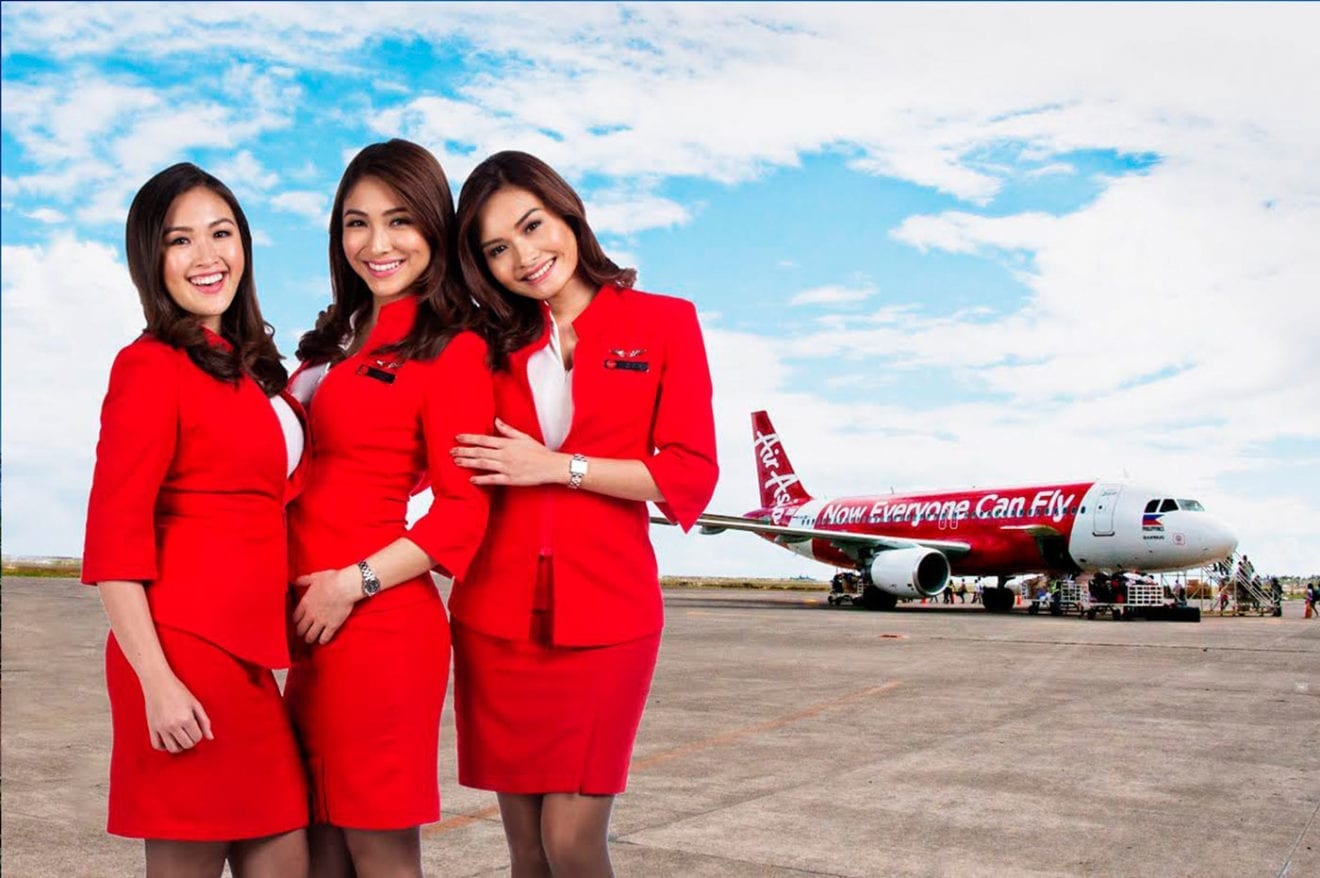
    AirAsia and AirAsia X are offering a 20% discount on all flights for bookings from Feb 6 to 12 and for travel between Feb 7 to July 31, 2017.

    In a statement, AirAsia said the low fares included all destinations, such as Kuala Lumpur to Shantou, Luang Prabang, Pattaya, Perth, Busan or Penang to Johor, Medan and Johor to Jakarta, Guangzhou.

    The budget airline said the discount applies to all bookings made through airasia.com, the AirAsia mobile app and AirAsiaGo, while BIG Members could also redeem flights using their AirAsia BIG Points.

    AirAsia group chief commercial officer Siegtraund Teh said the “All Seats, All Flights” promotional campaign, a straight 20% off fares across both the short-haul and long-haul networks, would also include the Premium Flatbed on AirAsia X.

    “Through our low fares, more Malaysians can now travel to exciting destinations within our extensive flight network, many of which are exclusively operated by AirAsia and AirAsia X,” he added.

  • Global logistics executives pick India as leading investment spot

    Global logistics executives pick India as leading investment spot

    Agility Logistics has launched the 2017 Agility Emerging Markets Logistics Index, an annual survey of more than 800 logistics professionals. The Index provides an annual snapshot of industry sentiment and a ranking of the world’s 50 leading emerging markets by size, business conditions, infrastructure and transport connections.

    Logistics executives pick India is their top investment destination and say the health of China’s economy is likely to set the tone for emerging markets overall in 2017 in a new supply chain industry survey.

    China, the world’s second-largest economy, again topped the 50-country ranking. India climbed past the United Arab Emirates (UAE) to the second spot, its highest-ever Index ranking. Malaysia at fourth and Indonesia at sixth were unchanged from a year ago.

    In the survey, industry executives identified India as the emerging market with the most potential as a logistics market and as the place their companies are most likely to invest in the next five years. 23 percent of survey respondents said passage of a key tax reform made their companies more likely to invest in India.

    “India’s economy has grown faster than any in the world over the past two years,” said Chris Price, Asia-Pacific CEO of Agility Global Integrated Logistics. He added, “Tax and economic reforms have added to enthusiasm about India, although that optimism has been tempered somewhat in the short-term by the government’s surprise decision to remove large bank notes from circulation and encourage broader use of cashless forms of payment.”

    76 percent of survey respondents said China’s economy is slowing, but only 17 percent said the slowdown is significantly hindering the transport and logistics sector. Nearly 66 percent said a slowing Chinese economy will not alter their business or expansion plans in China.

    Price said, “Vietnam, India and other countries have lured away some production with cheaper wages and incentives,” He continued, “But the e-commerce revolution in China is driving huge inbound freight volumes and reflects a healthy shift toward growth that’s balanced between exports and domestic demand.”

    The Index, in its eighth year, ranks emerging markets countries by factors that make them attractive to logistics providers, freight forwarders, shipping lines, air cargo carriers and distributors.

    “Emerging markets continue to deliver the highest growth rates in the world, but as links in the global supply chain, countries can be extremely hard to evaluate,” said Essa Al-Saleh, CEO of Agility Global Integrated Logistics. “The Index and the survey are useful when it comes to identifying the relative strengths and weaknesses of individual markets.”

  • Lotte may close three retail stores in China’s capital

    Lotte may close three retail stores in China’s capital

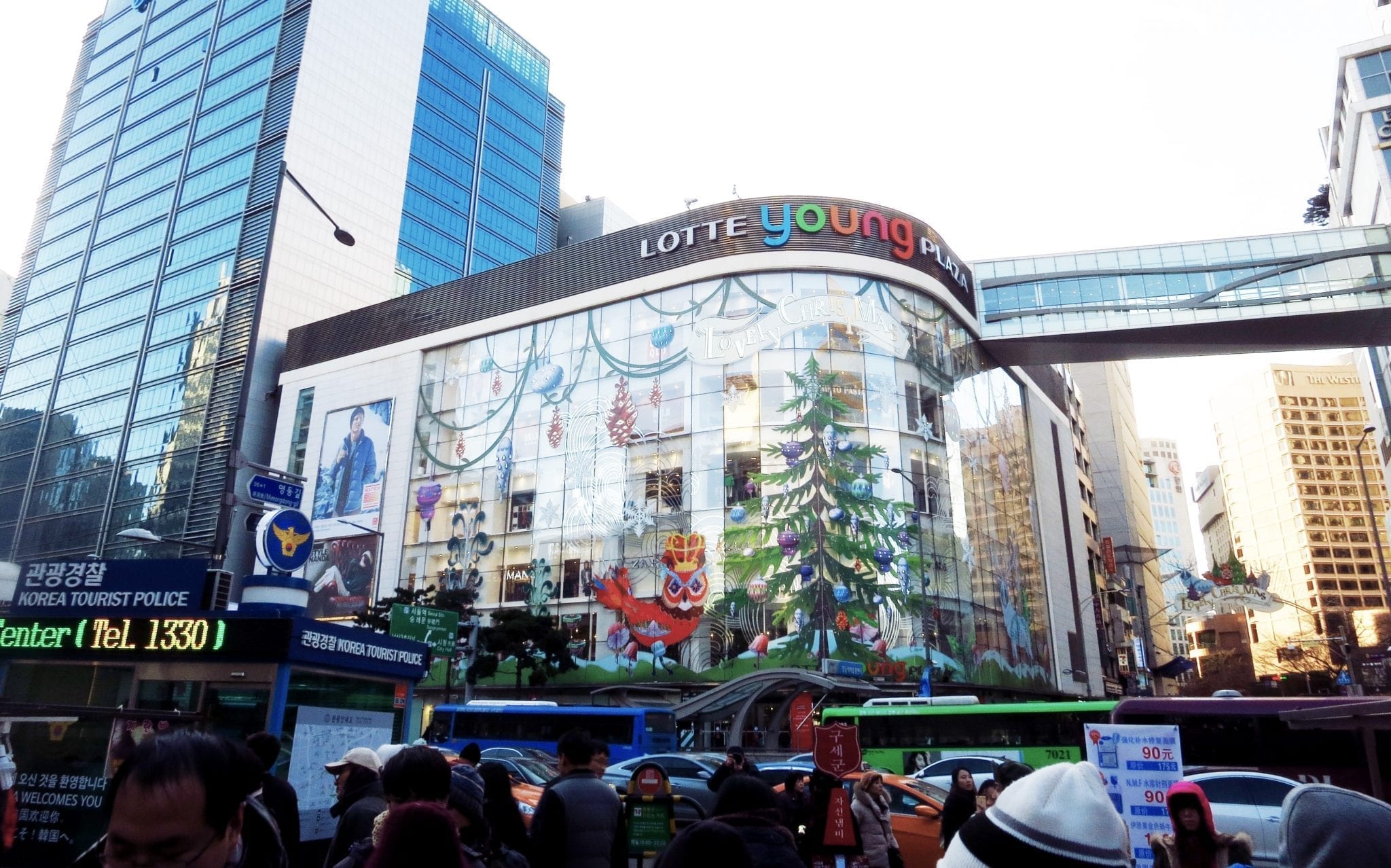
    “Three of Lotte Super’s 16 branches in Beijing are considering shut-downs,” said a spokesman for Lotte Mart, which oversees Lotte Super’s overseas business.

    “The final result is scheduled to be announced within this month,” the spokesman added.

    The company denied any connection with the ongoing Terminal High Altitude Area Defense (Thaad) anti-missile system controversy.

    “This is just the result of an annual management checkup,” said the spokesman.

    “The three branches have posted weak operating profits in recent years. This is not the first time we have closed down branches that didn’t generate enough profit. There were shutdowns last year and the year before that as well.”

    Beijing’s hostility towards Korean business in China has been growing over the past three months, and especially to affiliates of Lotte Group, which is providing the land on which the missile defense system will be deployed in Seongju, North Gyeongsang.

    In November, Beijing rolled out unprecedented tax audits and safety check of some 150 factories, storage facilities and store branches of Lotte affiliates, including Lotte Department Store, Lotte Confectionery and Lotte Super. At the time, a group spokesman said it was “unusual” for the Chinese government to conduct inspections simultaneously on multiple affiliates.

    In fact, one of the Lotte sites that was subject to an abrupt safety inspection had been given an award by the local fire department for its first-rate safety systems.

    In the face of such retaliation against its businesses, Lotte Group has been delaying final approval of swapping a golf course, which will be the Thaad battery’s home, for a plot of land in Namyangju, Gyeonggi, currently owned by the Korean military.

    Board members of Lotte International, which owns the golf course, held a meeting on Feb. 3, which delayed a final decision. The company said it would hold another meeting soon.

    Maintaining good relations with the Chinese government is crucial for Lotte because it operates many retail operations in China and gets much of its business in its duty free shops from Chinese customers.

    Lotte Department Store set up a joint venture with China’s state-owned Citi Group in October to advance into Shanghai, a new market for Lotte affiliates. The department store held a business fair on Jan. 20 to attract Korean brands that wish to go into Shanghai.

  • Indonesian Tourism Industries Support Visa-free Policy

    Indonesian Tourism Industries Support Visa-free Policy

    Indonesian tourism industries have expressed support to the adoption of visa-free policy by the government so far, citing positive impact on the tourism sector.

    The general chairman of the Association of Indonesian Tourism Industries (GIPI), Didien Junaedy, said here on Saturday (Feb. 4) that the adoption of the policy is essential to boost tourism in the country.

    He said that the policy has been proven to significantly increase the arrival of foreign tourists in their countries.

    Through Presidential Regulation Number 21, 2016, the Indonesian government has provided visa-free facility to visitors from 169 countries for a short visit.

    The regulation was produced in March 2, 2016, and so it is not yet a year old. According to me, the evaluation should be done after two years of its implementation,” he said, adding that it would take several months to familiarize.

    Junaedy added that tourism industrialists grouped in GIPI have seen and felt the positive impacts of the policy.

    He stated that consistency in the implementation of the policy would be needed with regard to building public trust in foreign countries.

    Supervision on the other hand, however, is also needed to minimize possible violations of the regulation, he noted.

    “GIPI has planned to gather tourism industrialists eight times in the first semester this year to strengthen its support for the implementation of the Presidential Regulation Number 21,” he asserted.

    Junaedy admitted that there had also been negative excesses coming from the policy, such as visa overstay problem and illegal worker problems.

    “Their number however is relatively small compared to millions of foreign tourists visiting Indonesia legally, like in other countries that implement the same policy,” he added.

    He also said that the negative impacts of the policy must be overcome, and solution to the problems must be found through joint efforts.

    “We must not blame each other over trivial problems but must cooperate to overcome them,” he stated.

    He said that the visa-free policy has so far been one of the strong factors that has played a major role in meeting the target of foreign tourist arrivals, which was set at 15 million this year and 20 million by 2019.

  • ‘Affordable’ brands replacing top luxury shops

    ‘Affordable’ brands replacing top luxury shops

    There will be a rise in “affordable luxury,” a manpower agency said yesterday, while predicting a pay rise of 3-5 percent for employees this year, the same estimate as last year.

    Adecco said as mainland tourist numbers and spending fall, some luxury retail shops are being replaced by affordable luxury brands in busy districts. The human resources solutions firm published its Greater China Salary Guide 2017 yesterday.

    From its database of vacancies it received from clients – about 600 companies in accounting, finance and banking, office, sales and marketing, retail, merchandise and logistics, pharmaceuticals, information technology and technical engineering sectors in Hong Kong – Adecco said companies are adopting a relatively conservative approach to employee salaries.

    It found that adjustments tend to fall into the usual range of 3-5 percent this year, which is the same as last year.

    “While hiring more talent who are familiar with new technology to meet the digitalization needs, enterprises have to at the same time bridge the value gap between new and old generation employees,” said Audrey Low, managing director of Adecco in Hong Kong and Macau.

    “This led to a more cautious approach in searching for the right talent. Apart from making the interviewing process more complex and raising the standards for the skills and attitude to work required, this has also led to an increasing number of enterprises choosing not to fill their vacancies.”

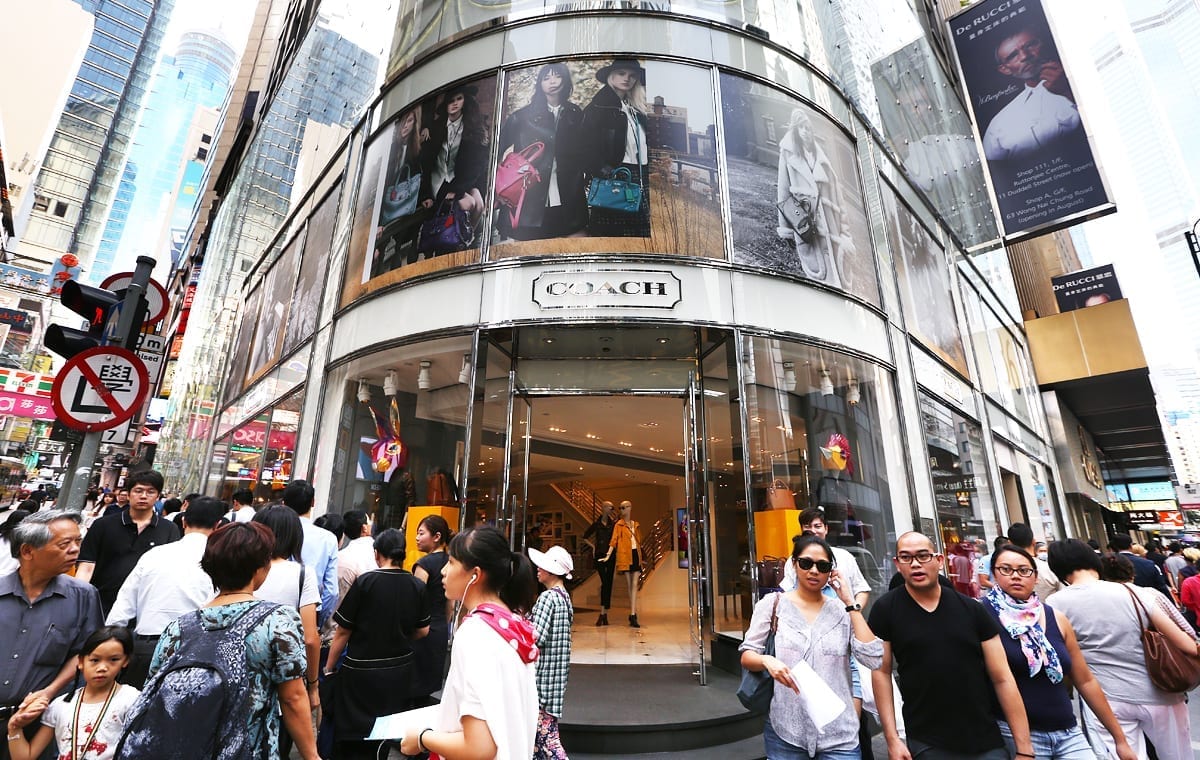
    In retail, Adecco said a lot of luxury brands such as Prada and Coach moved from busy districts because mainland tourists are increasingly visiting other destinations and because of weak economic sentiment. Salespeople in some luxury brands who do not meet targets are redundant.

    Henry Chu, practice manager of the retail sector at Adecco, said: “A lot of salespeople in the luxury brands told me in 2016 that they are pressurized into meeting sales targets and some have to meet 2015 targets.” He also said a small number of sales managers in the luxury sector went into insurance.

    Although a lot of luxury brands are closing their stores in business districts, Adecco found that they are being increasingly replaced by affordable luxury brands such as Tory Burch, Michael Kors, Lululemon and Kate Spade as consumers are switching their focus and these brands will need to hire more frontline salespeople.

    “Instead of selling their products through distributors like Lane Crawford, some of these brands have decided to go for their own stores. We have a number of affordable retail brand clients planning to expand in 2017,” Chu said.

    “They are also looking for talent who have experience in e-commerce and customer relations management.”

  • Online shopping in China grows 26.2% in 2016

    Online shopping in China grows 26.2% in 2016

    Online retail sales in China reached 5.16 trillion yuan ($752 billion) in 2016, representing 26.2% growth from 2015—more than double the growth rate of overall retail sales, according to China’s National Bureau of Statistics, the agency charged with tracking economic data. Total retail sales amounted to $33.23 trillion yuan ($4.98 trillion) in 2016, up 10.4% year over year.

    While consumers made 15.5% of their total retail purchases online, the percentage was a bit lower for physical goods, at 12.6%. Overall sales of tangible goods amounted to 4.19 trillion yuan ($610 billion). The remaining nearly $145 billion in retail purchases was of digital goods, such as music and videos.

    The report guarantees China will further extend its lead over the United States as the world’s largest online retail market. U.S. e-retail sales totaled $341.7 billion in 2015, according to the U.S. Commerce Department, and is on track to grow at around 15% in 2016 to around $393 billion. The U.S. Commerce Department will report fourth quarter 2016 and full-year U.S. online retail sales on Feb. 17.

    Helping fuel China’s growth in online retail sales was the rapid integration of stores with online channels, the National Bureau of Statistics says.

    “We expect New Retail, a new form of [online-to-offline sales] promoted by Alibaba and supported by Chinese authorities, will shape the retail landscape for China going forward. Earlier in 2017, Alibaba announced the privatization of Intime Retail Group, which we believe would be a test case for its New Retail strategy. Also, other partnerships between physical stores are Alibaba and Sanjiang, JD.com Inc. and Yonghui Supermarket,” Esme Pau, an analyst at research company Fung Global Retail & Technology, tells Internet Retailer.

    Sales in stores grew 7.8% in 2016, a sizable jump from 5.5% growth in 2015. Specialty stores selling specific brands grew 4 percentage points faster than in 2015, but supermarkets and department stores lost market share, growing about 1.5 percentage points more slowly than in 2015.

    The government agency reported that Chinese consumers bought more premium products in 2016, including sporting goods, sport utility vehicles and electric automobiles. For example, sales of mobile devices grew nearly 12% in 2016. Online sales of food in China went up 28.5% in 2016 over the prior year, clothing sales increased 18.1% and sales of other goods rose 28.8%, the National Bureau of Statistics reported.

    The growth in online and offline retail reflects a still-healthy Chinese consumer economy, despite a slowdown in recent years. China’s gross domestic product grew by 6.7% in 2016, overtaking India, which registered a 6.6% increase in GDP, as the world’s fastest-growing major economy, according to the data released recently by The International Monetary Fund.

    Chinese consumers are fulfilling some of their demand for premium products by buying imported goods online. The number of Chinese consumers who purchased overseas products on Tmall Global, an online marketplace for imported goods, more than doubled in 2016, according to Tmall Global operator Alibaba Group Holding Ltd. Amazon.com Inc., one Alibaba’s main rivals in China, reported earlier that as of the end of August 2016 Chinese consumers had placed more than 10 million orders on the cross-border e-commerce shopping area of Amazon.cn, which launched in 2014.

  • South Korea’s GS Retail to fully own Watsons Korea

    South Korea’s GS Retail to fully own Watsons Korea

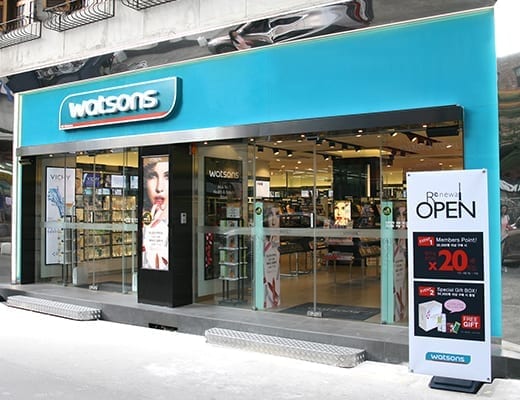
    GS Retail Co., a retail unit of South Korean conglomerate GS Group, will take over additional 50 percent stake in the Korean unit of drug store franchise label Watsons from Hong Kong-based A.S. Watson Group to make it its fully-owned entity, the company said Thursday.

    The Korean retailer in December 2004 launched Watsons Korea on a 50:50 partnership investment with A.S Watsons. It will fully own it by taking over the remaining 50 percent stake at 11.9 billion won ($10.4 million) from Watsons Holdings, Korean unit of the Hong Kong retail company.

    The company decided to make Watsons Korea as a wholly owned subsidiary to create a synergy effect with other retail businesses, said an unnamed GS Retail official.

    GS Retail has been operating the drug store chain in Korea under the brand name GS Watsons since it opened the first branch in Seoul in March 2005. It opened 54 GS Watsons stores across the country by 2011 and the number of stores jumped to 128 by end of last year.

    Shares of GS Retail closed Friday at 52,000 won, up 4.21 percent from the previous session in Seoul trading.

  • Growth for Coach China

    Growth for Coach China

    New York design house Coach reports “notable strength” in Mainland China while reporting its second-quarter results for the quarter ended December 31.

    Coach China sales were roughly even but increased 6 per cent on a constant currency basis when the impact of the strong US dollar was removed. In addition, there was a “significant” improvement in the quarter for Hong Kong and Macau.

    “We are both pleased and proud of our performance this holiday season, particularly in light of the challenging and volatile global retail environment,” says CEO Victor Luis, noting that China represents “significant opportunities” for its brands.

    “And, despite our deliberate pullback in the North America wholesale channel as well as currency headwinds, we delivered double-digit earnings growth in the quarter. ”

    Second-quarter net sales totalled $1.32 billion for the second fiscal quarter, an increase of 4 per cent over the same period the previous year, including a benefit of 40 basis points related to currency translation.

    Gross profit totalled $906 million, up 5 per cent. Gross margin for the quarter was 68.6 per cent compared to 67.4 per cent in the year-ago period, while net income for the quarter was $200 million.

    Net sales for the Coach brand totalled $1.20 billion for the quarter, an increase of about 2 per cent. This included international sales of $440 million, up 3 per cent.

    Continued strength

    This growth was driven in part by positive comparable-store sales overall with continued strength in Mainland China.

    In Japan, sales rose 9 per cent in dollar value, but eased 2 per cent in constant currency, impacted by a lower Chinese tourist spend.

    Sales eased for the group’s other directly-run businesses in Asia.

    Gross profit for the Coach brand rose 4 per cent to $830 million. Gross margin for the quarter was 69 per cent, including about 30 basis points of benefit from currency. This compared to 67.7 per cent for the quarter in the previous year.

    Net sales for the group’s Stuart Weitzman brand reached $118 million for the quarter compared to $94 million in the same period the previous year. This 26 per cent improvement was driven by strong growth in the brand’s direct channels, and was positively impacted by a wholesale shipment timing shift from the first quarter.

    Gross profit for Stuart Weitzman rose 26 per cent to $76 million, while gross margin was even at 64.3 per cent.

  • CEO quits after ‘dire’ Ralph Lauren results

    Ralph Lauren is in worsening trouble after posting a set of holiday season sales figures which one analyst termed “dire” and the loss of its CEO.

    A day after Ralph Lauren results were released showing a 12 per cent decline in sales the company announced its CEO Stefan Larsson will step down on May 1 following disagreements with chairman and founder Ralph Lauren over the direction of the company. The company’s share price fell more than 10 per cent this week.

    “There is no getting around the fact that this is a dire set of results from Ralph Lauren,” observed Neil Saunders, MD of GlobalData Retail. “Not only is the 12 per cent revenue decline a significant step down from the prior quarter, it comes off the back of a very soft comparative from 2016 when overall sales dipped by just over 4 per cent, partly thanks to very unfavorable weather.”

    Ralph Lauren closed its Hong Kong flagship store in Lee Gardens in the last quarter of 2016, part of a global move to streamline its retail channels as it tries to revive sales and profitability.

    But the main reason for the decline, says Saunders is the company’s wholesale vision which he described as “in freefall”. Retail sales were also down.

    “Both things, along with some costs from the transformation plan, have resulted in a sharp net income decline of 37 per cent.”

    He said the departure of Larsson after just over one year in the role in which he was charged with turning the company around gives the impression of a brand in crisis.

    “We believe it signals significant internal wrangling over the future direction of the firm. It also demonstrates the founder’s continued dominance over the business. As much as Ralph Lauren should be respected for his significant achievements, and his undeniable design talent, we are concerned by the orthodoxy of his leadership, under which questioning and fresh thinking are relatively rare. This, in our view, is not the way to reinvent a brand that has clearly lost its way.”

    Ralph Lauren has “lost some of its cachet”

    Analysis of GlobalData Retail’s research shows that over the past two years, there has been a steady decline in the number of shoppers considering buying from Ralph Lauren.

    “The same data also show that the brand has lost some of its cachet, especially with younger shoppers,” says Saunders.

    “There are several reasons behind this slide in popularity. The first is a change in consumer tastes and sensibilities. For a long time, Ralph Lauren, through its various brands, was the undoubted king of preppy cool. That aesthetic is no longer as popular as it once was: and for many consumers it stands for old world, old money exclusivity. Such concepts are an anathema to today’s younger shoppers. To be fair, designs have changed and the latest fall/winter collections are a step away from the preppy vibe and incorporate more ‘democratic’ aesthetics like western and street wear. Unfortunately, because Ralph Lauren is such a strong and distinctive brand, it is hard to shed its historic image.

    “The second issue is that the Ralph Lauren brand has become too ubiquitous and diffused. At the higher end, the brand is carefully controlled and curated, but as it filters down through retail channels, that control is lost. The Ralph Lauren flagship in New York’s Upper East Side is a world away from the selection of random Polo sweaters thrown onto a fixture at Macy’s, and it is becoming increasingly difficult for the two to coexist without causing brand confusion.”

    While Saunders acknowledges the brand is taking steps to remedy the problem of ubiquity, with Ralph Lauren becoming more selective about the channels it sells through, to work economically it must be counterbalanced with a step up in the retail side of the business.

    “Those uplifts are not yet coming through, and we see few signs that they will do so any time soon. There is a lot more work to do before retail is back on track.”

    For the sake of balance, it is important to recognise that a strong dollar has affected the Ralph Lauren results, depleting foreign earnings and reducing tourist spend at flagships within the US, he said. “However, this simply does not explain away all the declines; even on a constant currency basis, Ralph Lauren’s sales and profits are tumbling.

    “Ralph Lauren has made some progress, and does have a general sense of the direction it wants to move in – a direction that we believe is broadly sensible. However, execution has been extremely poor, and will not be improved by management squabbling or the absence of key executives. As such, the year ahead is likely to be another one of treading water rather than of significant progress.”

     

  • Hard Rock Japan plan

    Hard Rock Japan plan

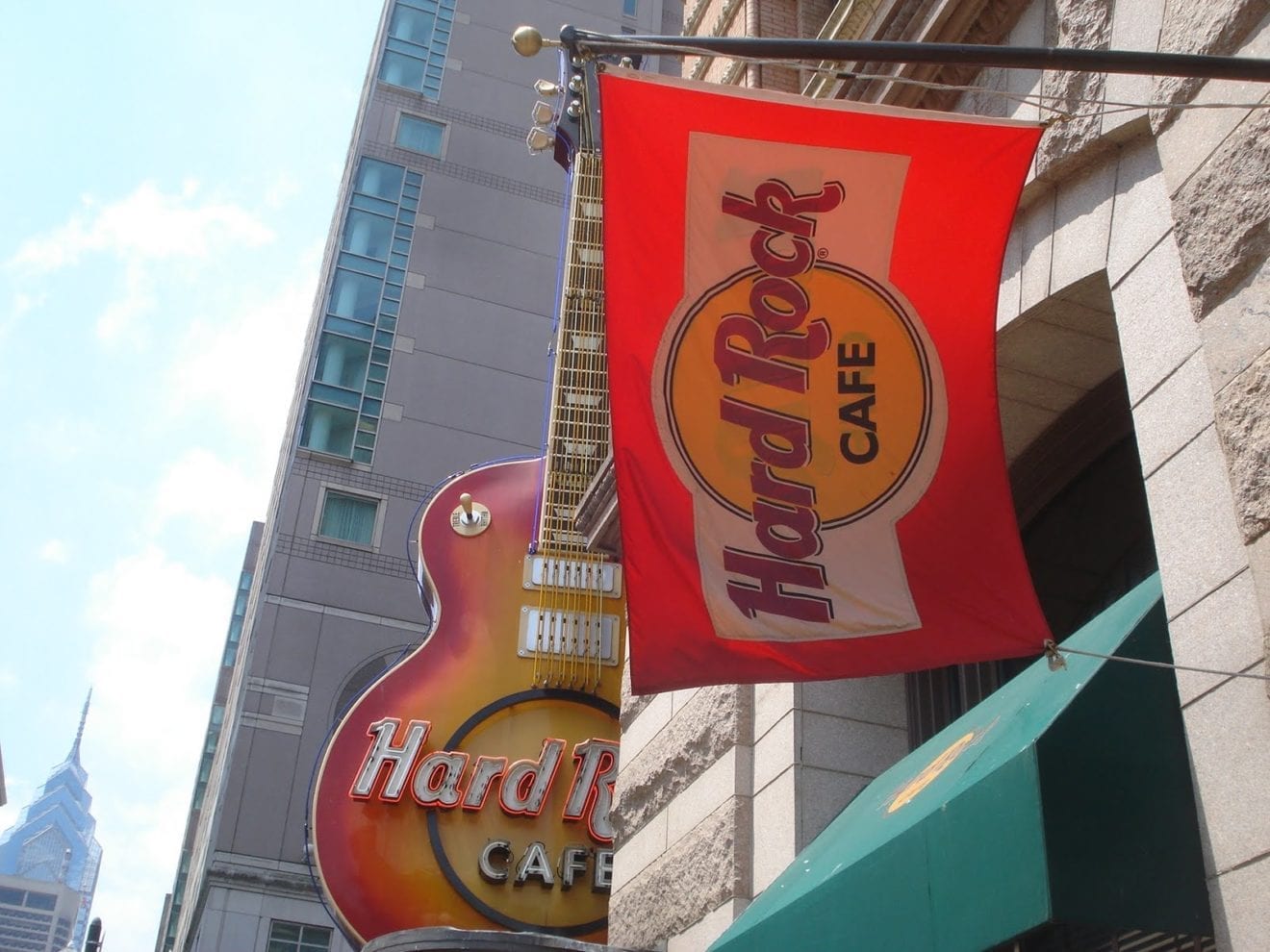
    Hard Rock International has launched Hard Rock Japan with former Sands China senior executive Edward Tracy as its CEO.

    His appointment is “a strategic move designed to support the company’s growth plans in the region”, says the company.

    The new division follows Japan’s legislature approving the Integrated Resorts Promotion Bill, marking the first step toward legalising gaming in a market that investment bank CLSA gaming analysts estimate to be worth US$40 billion.

    With 30 years’ experience in the Japanese market, where it has six Hard Rock Cafe locations, the company plans to expand its portfolio by becoming a contender for Japanese resort licences.

    Tracy has held several positions within the gaming and hospitality industry. He joined Sands China, a subsidiary of Las Vegas Sands Corporation, in July 2010 as president and COO. He became its CEO one year later, responsible for the oversight of about 13,000 hotel rooms and 30,000 employees, reports the Macau Daily Times.

    Before Sands, Tracy was president and CEO of Capital Gaming, which runs regional casinos, and held similar positions at the Trump Organization, where he was responsible for managing 12,500 employees, 3000 hotel rooms and 240,000 sqft (22,296 sqm) of casino space.

    In 2014, Harvard Business Review named Tracy as one of the “Best-Performing CEOs in the World” in its annual top-100 ranking in 2014.

  • SK Telecom, CAT to launch IoT network in Thailand

    SK Telecom, CAT to launch IoT network in Thailand

    SK Telecom has teamed up with Thai state-owned operator CAT Telecom for a project to deploy a LoRa-based IoT network and services in Thailand.

    Under the agreement, the operators plan to deploy a LoRa-based IoT pilot network in Bangkok and Phuket and launch IoT pilot services from April.

    SK Telecom will be responsible for deploying LoRa-based IoT networks in central areas of Bangkok and the entire Phuket province. The company has also been contracted to provide consulting services.

    In Phuket, SK Telecom and CAT will initially launch a LoRa-based vehicle location tracking service, and plan to follow this up with more IoT services including smart metering and smart street lighting services.

    In central Bangkok, the companies plan to offer an IoT-based location tracking service for tourists, designed to prevent children and the elderly from going missing near the Grand Palace during the mourning period recently deceased king Bhumibol Adulyadej.

    “SK Telecom will contribute to the growth of the ICT industry in Thailand by working together with CAT Telecom in the area of IoT, while nurturing a new ICT ecosystem by cooperating with many related companies,” SK Telecom EVP and head of IoT Cha In-hyok said.

    “Going forward, SK Telecom will collaborate with CAT Telecom in more areas to create more success stories in Thailand and other Southeast Asian markets.”

    SK Telecom and CAT also announced that Tree Pay, the joint venture established by the two companies as well as Korean digital payment company NHN KCP, has launched a payment gateway service in Thailand.

    Tree Pay will combine technologies from SK Telecom and NHN KCP to develop an innovative payment gateway supporting online, offline and mobile payment. CAT will meanwhile work with the Thai government to develop business opportunities for the new venture.

  • Tablet market shrinks 9% during Q4

    Tablet market shrinks 9% during Q4

    The global tablet market fell 9% during the fourth quarter, with shipments from market leaders Apple and Samsung down by double digits, according to Strategy Analytics.

    The research firm estimates that around 63.5 million tablets shipped during the quarter, down 69.6% from a year earlier.

    Apple’s iPad shipments sank 19% to 13.1 million, with the vendor’s market share declining from 23.2% to 20.6%. Strategy Analytics attributed the sluggish performance to the lack of a new iPad Pro model or any price cuts during the quarter.

    Samsung’s tablet shipments meanwhile fell 10% to 8.1 million, but its market share dipped a mere 0.1 percentage point to 12.8%.

    Third-placed Amazon increased its market share from 5% to 6.7%, with shipments growing 21% to 4.2 million.

    “Amazon has broken out of its unique seasonal patterns with the majority of its tablet sales occurring in Q4 to a more balanced approach all throughout the year, which speaks to the success of its low-cost, feature-rich Fire 7,” commented Peter King, director of Strategy Analytics’ tablet and touchscreen strategies service.

    “While Amazon’s play is to bring more users into its ecosystem for incremental revenue, we believe other technology companies can mimic this success as the tablet still holds strong entertainment value.”

    Lenovo was next with a 16% increase in shipments to 3.7 million, representing a total market share of 5.8%. Fifth-ranked Huawei was the strongest performer of the major vendors during the quarter with a 49% year-on-year increase in shipments to 3.4 million. The company’s market share increased to 5.4% from 3.3%.

  • Travel retail boosts Estée Lauder Companies

    Travel retail boosts Estée Lauder Companies

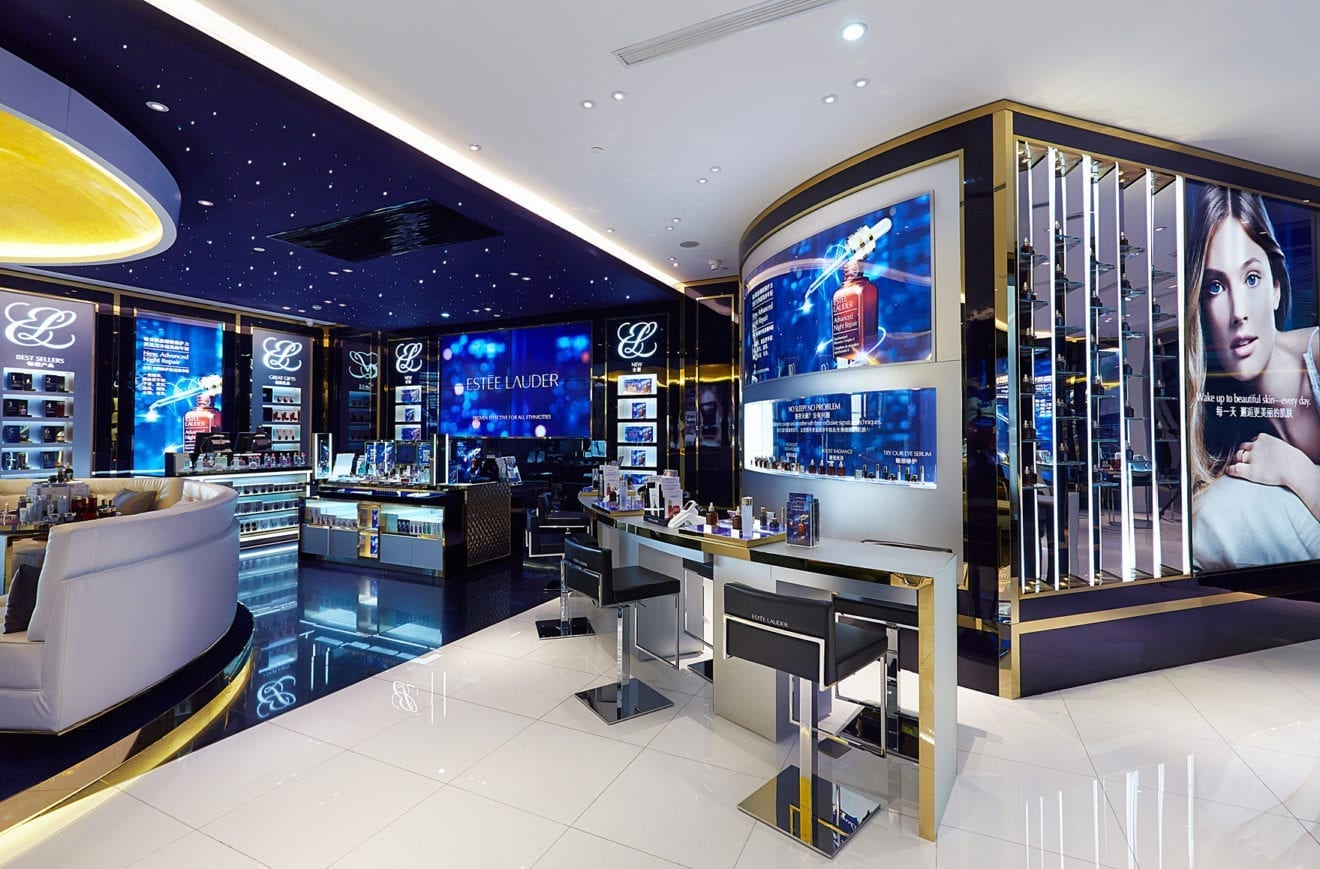
    Beauty group The Estée Lauder Companies has reported double-digit sales growth in global travel retail for the second quarter of its latest fiscal year.

    This was generated by launch initiatives, global airline passenger traffic growth and new consumer coverage, the company says.

    Its Aveda, Jo Malone, La Mer, MAC and Tom Ford brands “contributed sharply” to the sales gains.
    An overall increase in make-up sales came partly through a broadening of the brands’ presence in travel retail, says the group.

    Total net sales of US$3.21 billion were achieved in the second quarter, a 3 per cent year-on-year increase.

  • Swatch Group confident despite profit dive

    Swatch Group confident despite profit dive

    While Swatch Group profits nearly halved last year in a weak global watch market, the Swiss company is predicting “healthy growth” ahead.

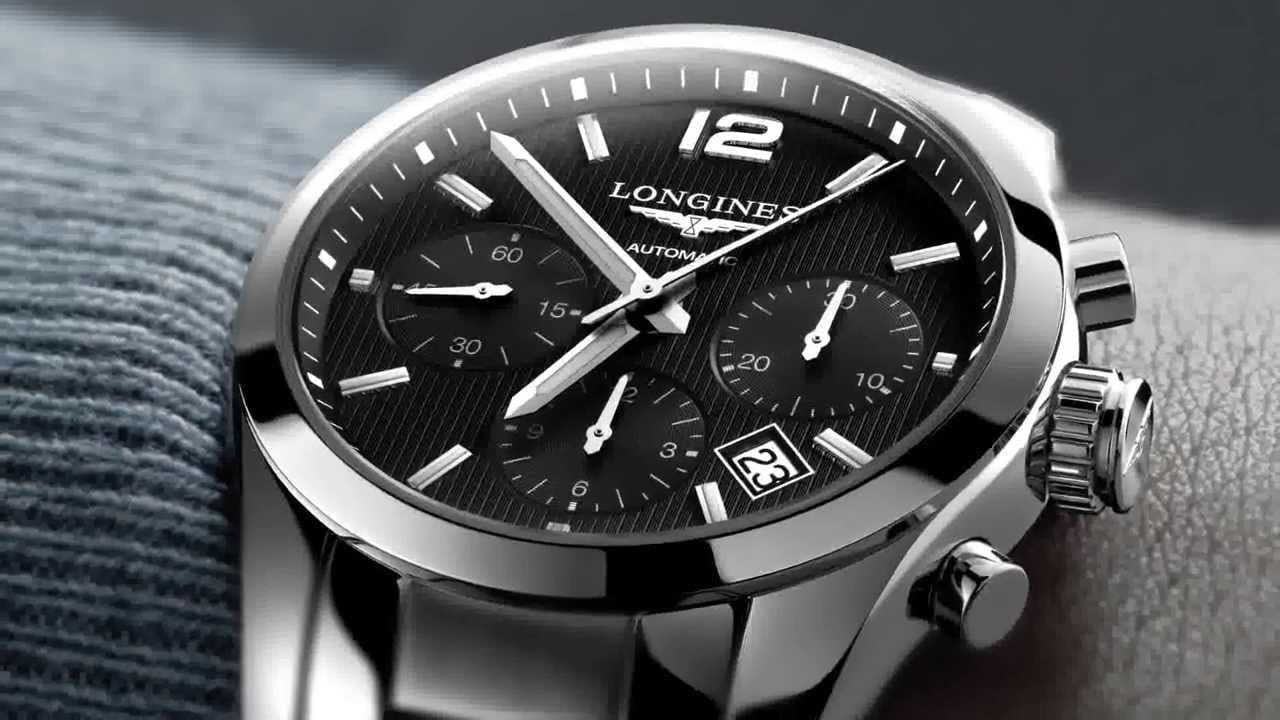
    Swatch Group owns such luxury brands as Breguet, Longines and Omega as well as marketing watches carrying its own name.

    Net profit fell 47 per cent to 593 million Swiss francs (US$598 million) last year while sales came in at 7.5 billion francs.

    Watch and jewellery sales dropped by nearly 11 per cent as 2015’s marked slowdown ran into last year. However, by the end of the year there was fresh movement in sales, especially in China, says Swatch.

    From November to January there was “very good growth” in the segment, particularly in Mainland China, says the group, noting “a substantial improvement in operating margin.”

    “Based on the positive development of the past three months, healthy growth is expected for this year.”

  • Visitor arrivals stem Hong Kong retail sales decline

    Visitor arrivals stem Hong Kong retail sales decline

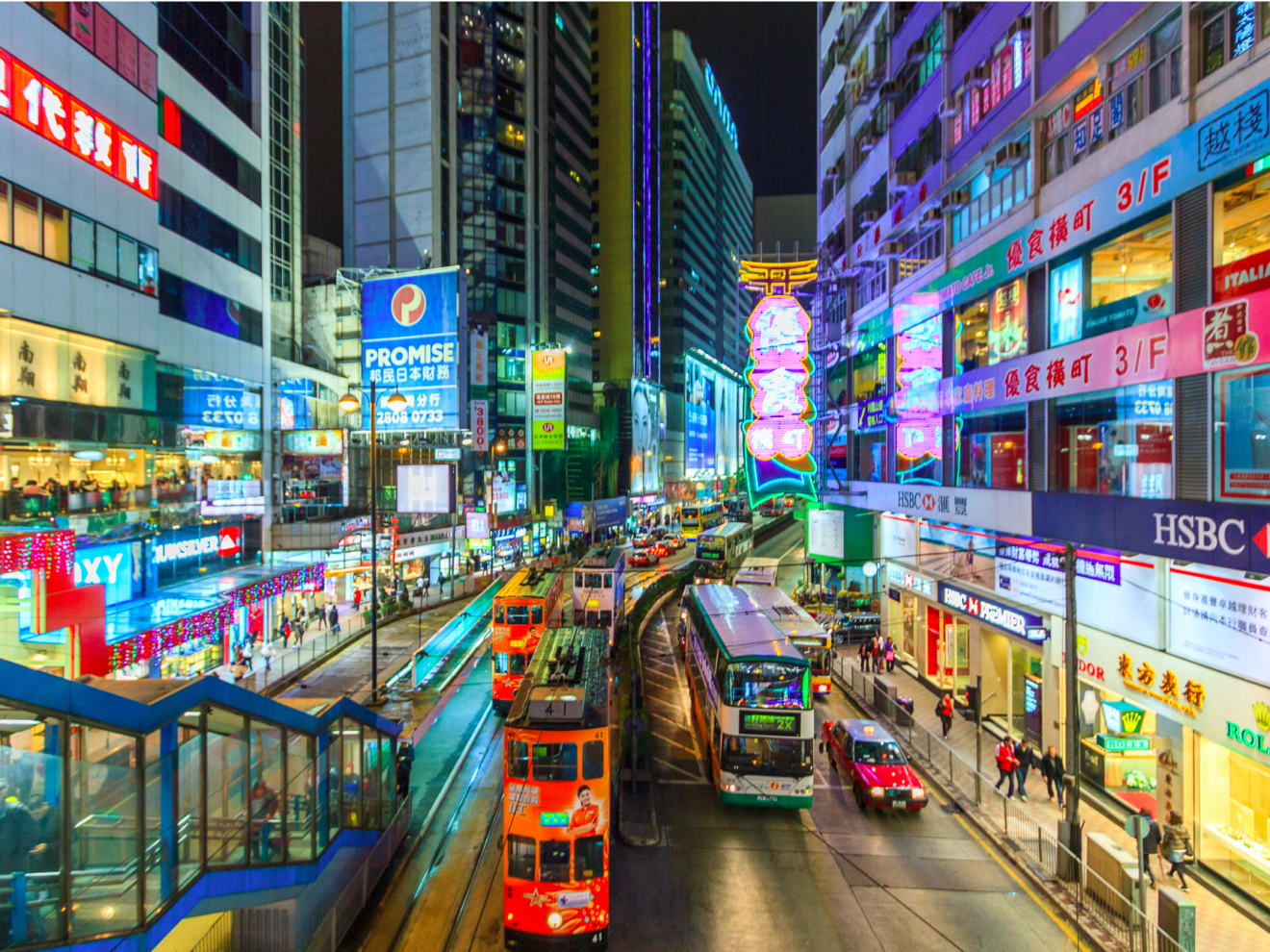
    Hong Kong retail sales declined 2.9 per cent in December, year-on-year, as visitor numbers showed signs of recovering and the watches and jewellery sector posted a long-awaited increase.

    That follows a revised Census and Statistics Department (C&SD) figure of 5.4 per cent for November, demonstrating that while the comparison is against a high decline a year earlier, the fall appears to be tapering off at last.

    For the full year, total retail sales were estimated at $436.6 billion, down 8.1 per cent in value and 7.1 per cent in volume over 2015.

    A government spokesman said the narrower year-on-year decline in December partly reflected the revival in visitor arrivals in that month, along with the stable labour market conditions which continued to help support local consumer sentiment.

    “Looking ahead, the near-term outlook for retail sales business will still depend on whether the recent improvement in inbound tourism could gain more traction and the extent to which local consumer sentiment would be affected by various external uncertainties.”

    According to the CSD, the value of total retail sales in December was provisionally estimated at HK$42.4 billion. After netting out the effect of price changes over the same period, the provisional estimate of the volume of total retail sales in December 2016 decreased by 2.8 per cent compared with a year earlier.

    Analysed by broad type of retail outlet in descending order of impact on the total retail market, wearing apparel drove the decline this month, down 4.2 per cent, followed by sales of commodities in department stores, down 3.2 per cent; electrical goods and photographic equipment down 25.2 per cent;  miscellaneous consumer durable goods down 23.9 per cent, footwear and accessories down 0.5 per cent; and books, newspapers, stationery and gifts down 2.2 per cent.

    Sales of sales of jewellery, watches and clocks, and valuable gifts increased by 2.3 per cent in December – while not a huge degree, a significant move given the impact they have on total retail sales figures. This was followed by sales of commodities in supermarkets, up 0.7 per cent; food, alcoholic drinks and tobacco up 5 per cent; medicines and cosmetics up 4.8 per cent, furniture and fixtures up 7.3 per cent; Chinese drugs and herbs up 9.3 per cent; and sales by optical shops up 6.2 per cent.

    For the whole of 2016, sales of jewellery, watches and clocks, and valuable gifts decreased by 17.2 per cent over the year and apparel by 4.9 per cent in value.