Blog

  • Fast fashion wears green

    Fast fashion wears green

    Few shoppers at Swedish fast-fashion chain H&M notice the collection bin next to the cash counter, an inconspicuous receptacle for old and unwanted clothing. But this is slowly changing.

    The retailer, with 12 bins spread across its 10 outlets in Singapore, collected 64 tonnes of unwanted garments last year – about three- fifths the weight of a blue whale. This is almost triple the amount collected in 2015 (22.71 tonnes) and more than five times that collected in 2014 (12.09 tonnes).

    This year, H&M Singapore hopes to bag a record 88 tonnes, adding to the more than 40,000 tonnes of unwanted clothing it has amassed globally so far.

    Everything collected is sold to the chain’s recycling partner, I:Collect (I:CO), for a fee, which is donated to H&M Foundation, a non-profit global organisation .

    At I:CO’s processing plants in Germany, the United States and India, the clothing is sorted. About 55 per cent of it is resold in second- hand markets worldwide. The remainder is processed – chopped up into fabric shreds which are used as insulation material; or ground into finer fibres and made into cardboard and plastic tarp sheets; or spun with virgin cotton to create recycled yarn.
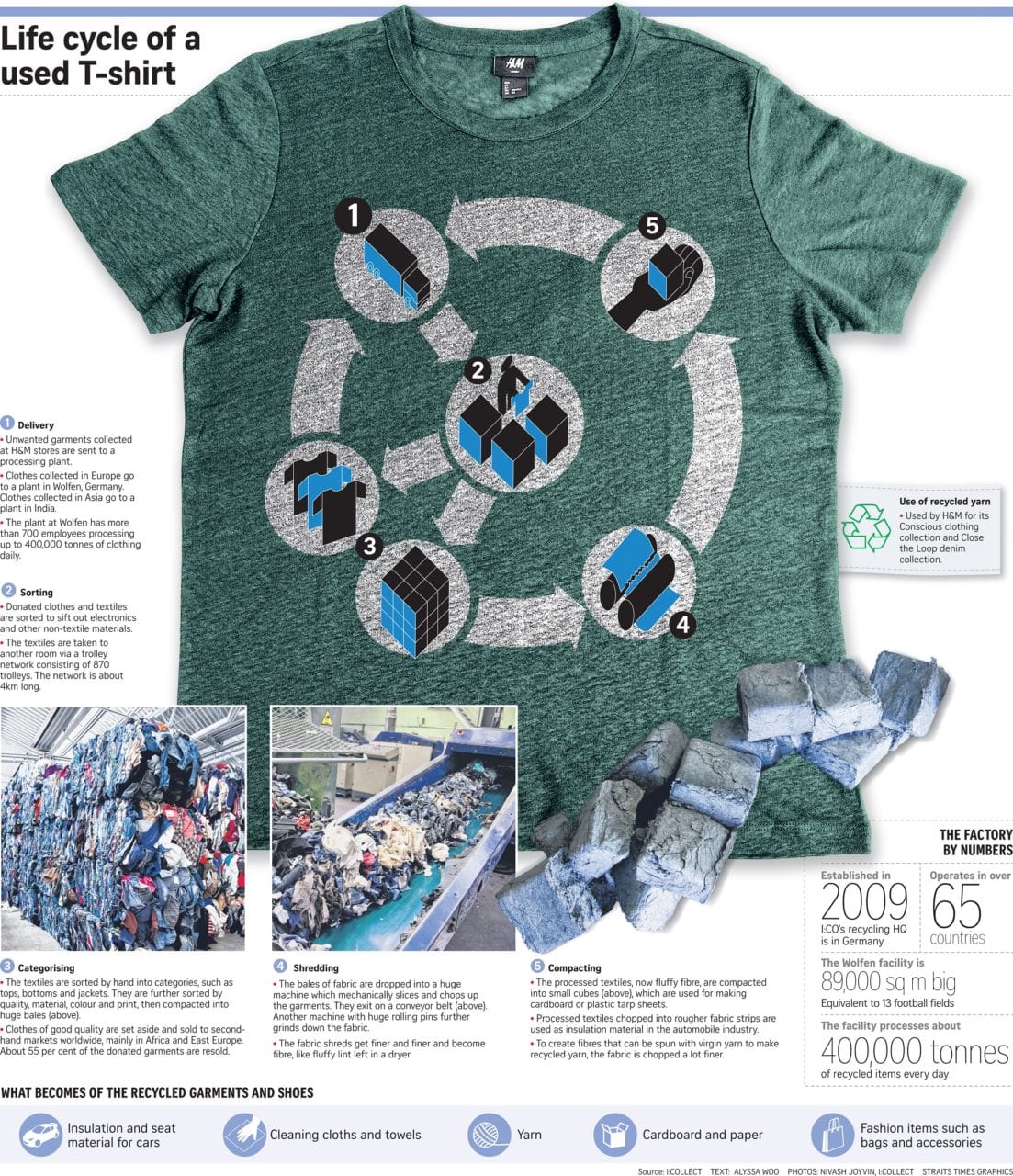
    It is this yarn that H&M uses for its two eco-friendly clothing lines Close the Loop and Conscious, comprising products made of up to 20 per cent recycled materials.

    The trend of more people donating their used clothes and more retailers accepting them seems to be growing.

    American fashion brand Levi’s launched its recycling drive, where shoppers can drop off their unwanted garments and shoes, in 2015 nationwide in the US after a successful pilot programme in 2014.

    Shoppers care more than just about how they look. They want to be part of a larger movement and they care about the social responsibility behind the brands they buy.

    LECTURER SARAH LIM, who says the time is ripe for fashion retailers to position themselves as environmentally responsible and not just profit-driven

    The North Face, which started collecting unwanted garments and footwear in 2013 in North America, expanded its collection drive to Germany and Canada last year. So far, it has collected 19.3 tonnes of unwanted clothing and footwear in the US alone.

    Fashion retail chain Forever 21 started its recycling efforts in San Francisco, California, in 2014.

    I:CO works with about 60 retail partners in 65 countries, including Levi’s, The North Face and Forever 21. H&M is its biggest partner.

    But recycling is more than just about reducing the amount of clothes headed for the dumpster.

    Mr Olle Blidholm, H&M’s environmental sustainability manager, says that, from a business perspective, it makes sense to take care of social and environmental issues.

    “To do good business long term, you need to take into account social and environmental responsibility in a more active way. You have to plan your business in line with what the planet can cope with,” he says.

    This comes as the global fashion industry cottons on to the environmental impact that the apparel industry has on the planet.

    Cotton production is a huge water guzzler. According to non-governmental organisation World Wide Fund, 20,000 litres of water are needed to produce just 1kg of cotton, equivalent to a T-shirt and a pair of jeans.

    A report in October, by management consulting firm McKinsey & Company, estimated that if 80 per cent of the population of emerging economies reached the same clothing-consumption level as that of the Western world by 2025, carbon dioxide emissions would increase by 77 per cent to 3,030 million metric tons, up from 1,714 million metric tons in 2015.

    This increases the amount of greenhouse gases released into the atmosphere, one of the key drivers of global warming.

    Singapore Polytechnic senior retail lecturer Sarah Lim says the time is ripe for fashion retailers to position themselves as environmentally responsible and not just profit- driven.

    “Shoppers care more than just about how they look. They want to be part of a larger movement and they care about the social responsibility behind the brands they buy,” she says, adding that by collecting old clothes, H&M lets customers participate in the greening process.

    She adds: “This also helps the brand establish a green reputation, which helps to build loyalty among the millennials of tomorrow.”

    According to a 2015 global report by research firm Nielsen, 72 per cent of Generation Z consumers – those aged between 15 and 20 – were willing to pay more for products and services from companies they viewed as committed to making a positive social and environmental impact.

    This is up from 55 per cent the year before.

    Over at H&M, the Conscious collection, launched in 2012, has been “well-received” here, according to the brand’s spokesman, who declined to disclose sales figures. The Close the Loop collection is not available in Singapore.

    Mr Fredrik Famm, country manager for H&M South-east Asia, puts the popularity of its eco-lines down to reasonable pricing and the fact that the products are also fashionable.

    Customers, he says, are also beginning to be more conscious and perceptive of the brands they consume.

    “There’s an increase in awareness about sustainability and being socially responsible,” he says, adding that the conveniently placed garment-recycling bins at stores make it easy for people to go green.

    For shopper Fabian Tan, H&M has given him an easy way to recycle his unwanted clothes.

    The market researcher has been donating his unwanted garments to the retail chain since it started its collection drive in 2013.

    The 29-year-old says he has donated about 150 items so far.

    “A lot of people have the intention to do good and recycle, but when it becomes troublesome to do so, they don’t do it in the end.

    “Retailers such as H&M make it easy for people to do the right thing.”

  • Retail offers banks a lifeline

    Retail offers banks a lifeline

    Retail customers offer a silver lining for banks amid tepid demand in corporate lending and the fragile state of small and medium-sized enterprises (SMEs), says Kasikorn Research Center (KResearch).

    Lending to individual customers in 2017 is expected to continue to outshine overall loan growth and the traditional mainstay of Thai lenders — commercial loans — said the research unit of Kasikornbank (KBank) in a report.

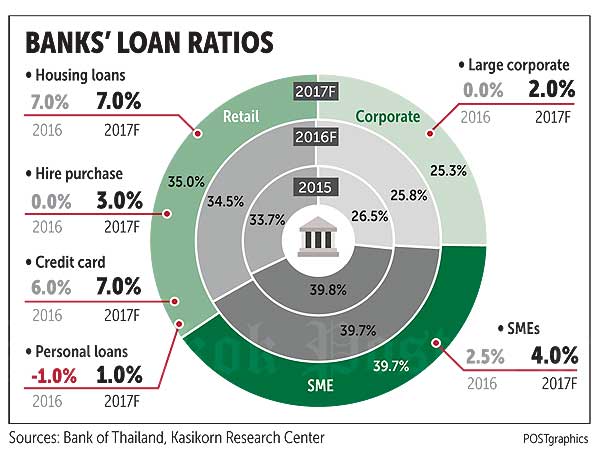
    KResearch forecasts 5.5% growth in retail loans this year, compared with 3% in commercial loans and 4% in overall lending.

    Over the past few years, retail lending also grew at a faster pace than overall and commercial loans. Retail loans rose by 6.2% in 2015 and 4.5% in 2016, well above 2.9% and 1.5%, respectively, for commercial loans those two years and 4.0% and 2.5% for overall lending, according to KResearch data.

    Thai banks’ exposure to retail loans is expected to climb to 35% this year from 34.5% last year, with SME loans steady at 39.7%, said the report. The share of large corporate loans or so-called wholesale banking is projected to fall to 25.3% from 25.8%.

    As Thailand’s economy has struggled with subpar growth since 2013, it is not a surprise banks have pushed into the retail banking business — mortgages, credit cards and personal loans in particular — as companies’ investment projects have stalled. Companies have also turned to debt instruments to raise capital because of low interest rates.

    Retail banking business offers a better profit margin than corporate loans, but carries lower default risks than loans to SMEs struggling with the uneven economic turnaround.

    Moreover, retail borrowers, white-collar workers in particular, on average have seen their income continue to grow slowly, while the unemployment rate remains low at less than 1%.

    “We expect retail lending will deliver the strongest growth in that segment this year as large corporates move toward the capital market for fund mobilisation, while only a handful of banks, especially large lenders, have expertise in SMEs lending,” said Thanyalak Vacharachaisurapol, deputy managing director of KResearch.

    “Even though retail loan growth is expected to increase at a fast clip, overall lending will only record single-digit growth as banks remains cautious amid high household leverage. However, the end of the lock-up period for the first-time car buyer scheme will add to consumer purchasing power this year.”

    The lock-up period is five years for most cars bought under the excise tax rebate scheme. KResearch estimates some 320,000 car owners, representing 30% of those in the first-time car buyer scheme, will have their lock-up period end this year, and some may consider replacing their cars.

    Auto-hire purchase is expected drive retail lending growth this year, said the report.

    KResearch predicts auto loans will expand 3% this year, up from zero last year, while housing loans — accounting for more than half of retail lending — are expected to grow steadily at 7%.

    Although banks will likely focus on retail banking business this year, lenders’ focus areas will be diverse, said the report.

    Krungthai Bank (KTB) and Siam Commercial Bank plan to pay more attention to the wealth customer segment to offset fee-based income expected to be hit by PromptPay, electronic money transfer under the government’s national e-payment scheme.

    KTB, the country’s second-largest lender by total assets, aims to increase assets under management (AUM) for wealthy clients by 25% this year from 600 billion baht. Its provincial customer base is the bank’s strength for expanding both its wealthy client numbers and its AUM.

    KBank, the country’s fourth-largest lender by assets, set a total loan growth target of 4-6% and retail loan growth of 5-7%, with mortgages contributing the highest growth among other retail lending.

    Bank of Ayudhya (BAY) targets double-digit growth for its retail banking business this year compared with total loan growth of 6-8%. The bank recorded the highest loan growth among its industry peers last year at 11.2%, with retail blazing the trail, increasing 15.9%.

  • Japan firms line up for Philippines business after Abe pitch

    Japan firms line up for Philippines business after Abe pitch

    Japanese firms, especially those in the infrastructure business, are scrambling for a slice of prospective new businesses arising from Japan Prime Minister Shinzo Abe’s 1-trillion-yen (P440-billion) financing and investment pledge to the Philippines.

    This was stated by Japanese banking giant Bank of Tokyo-Mitsubishi UFJ, a leading player in project financing globally, which has been matching Japanese firms with potential local partners in support of Mr. Abe’s commitment to the Philippines.

    The Japanese bank is also preparing to fund large-scale projects in the Philippines under the golden age of infrastructure envisioned by President Duterte.

    Takayoshi Futae, BTMU chief executive officer for Asia & Oceania, said in a recent briefing that BTMU and many Japanese firms were upbeat on the

    1-trillion-yen package pledged by Abe to promote economic and infrastructure development in the Philippines within the next five years.

    “This is one of Japan’s largest investment directed at a single country and we really want to be part of this project,” said the Singapore-based Futae, who was in town for a series of meetings with BTMU’s local partner, Security Bank.

    “MUFG (Mitsubishi UFJ Financial Group—of which BTMU is part of) is very committed to supporting Asia’s growth. We not only have the financial capability but also strong network and strategic relationships across the region,” he said.

    Futae is unfazed by China’s bid to do more business in the Philippines—given the recent rekindling of bilateral ties with China—adding that there was enough business in the region for both Japanese and Chinese firms.

    Tadahiro Miyamoto, general manager of BTMU Philippines, said representatives of many Japanese prefectures (local government units) had been visiting the Philippines “trying to find market for their products.”  With its 100-million consumer market, he said many Japanese firms were interested in doing business in the Philippines.

    Miyamoto said Japanese infrastructure-related companies and those targeting domestic markets like retailers were among those most interested in the Philippines. Those involved in the car industry are likewise interested because of the government’s “CARS” program, he said.

    The government’s Comprehensive Automotive Resurgence Strategy (CARS) program seeks to attract new investments, stimulate demand and effectively implement industry regulations that will revitalize the Philippine automotive industry, and develop the country as a regional automotive manufacturing hub.  The program covers not only car assemblers but also manufacturers of vehicle parts.

    Futae said the 6-7 percent growth rate of the country was “amazing” from the perspective of someone who hails from a slow-growing economy like Japan.

    “Philippines and Japan should work more together,” he said.

    To better understand the country and flesh out its commitment, Futae said BTMU was in need of a strong and reliable local partner—now the role of Security Bank. Since acquiring a 20-percent stake in Security Bank in April last year, he said BTMU had been able to expand into retail lending and financing to Philippine companies.

    During recent meetings, Futae said BTMU and Security Bank discussed “further collaboration” and everyone was “bullish on the success of the collaboration.”

    Asked whether BTMU was keen on raising its interest in the local bank, Futae said the group was comfortable with its 20-percent stake but added that if given the opportunity to increase its stake in Security Bank, this would be something that the group would “seriously” consider.

  • German tech firm opens in Myanmar

    German tech firm opens in Myanmar

    Neil Emerson, the firm’s senior vice president and managing director for Asia Pacific, said that its customers’ positive feedback and satisfaction drove them to establish an on-the-ground presence in Myanmar.

    Previously, the firm had been operating in Myanmar through third-party business partners, supporting local banks with their self-service technology needs for many years.

    “Our intention is to work with the Myanmar community and become a trusted partner. That is really important to us,” he said.

    “Our local office will enable us to build a closer relationship with our customers and serve them better. We continue to drive innovation in both banking and retail technology and services to meet Myanmar’s unique market requirements … Myanmar banks really aim to expand to support their customers. We are willing to support them by having our presence here.”

    Emerson said that the firm could cater to the growing needs of Myanmar banks as they expand their products and services in and beyond major cities. The firm also plans to help established or new retailers who wish to enter the Myanmar market with its automation, omni-channel and lifecycle management solutions.

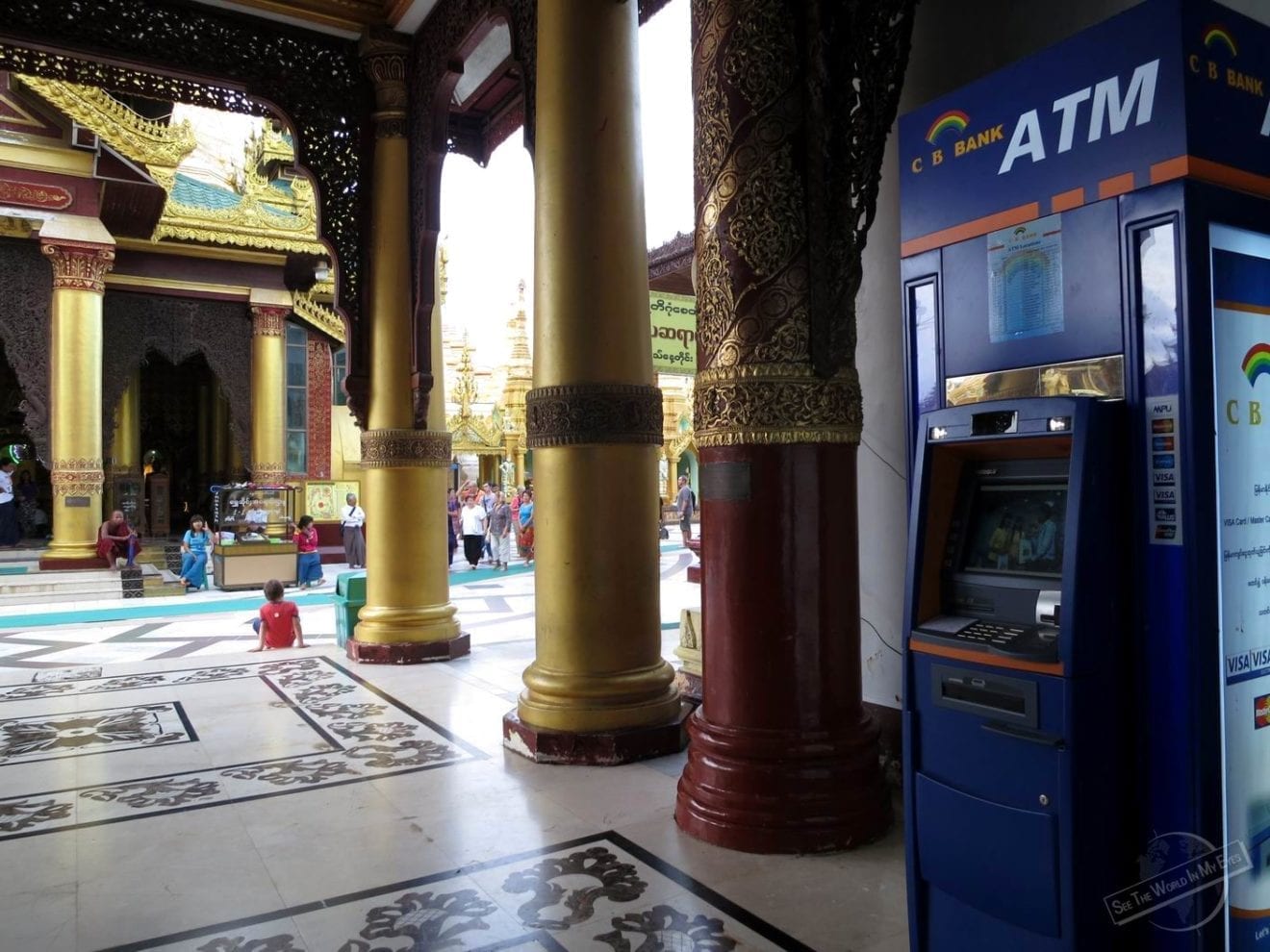
    Piers Leach, country manager for Myanmar, was proud to say that the firm is the market leader in Myanmar’s ATM (automated teller machine) network.

    To date, the firm has acquired 70 per cent market shares, providing its services to nearly 1,700 ATMs across the country. All the leading private banks including KBZ, Aya, CB, AGD and UAB have become its customers.

    Big contract

    Last month, CB bank signed an extensive contract with the firm for systems, software and services to expand its self-service cash offerings beyond Yangon. The bank operates one of the largest ATM networks in the country and aims to double its size of ATM network in 180 branches across the country. The bank will add 500 new ATMs and cash recyclers to its current network of 500 terminals supplied by the firm.

    Leach said that the firm aims at providing its technology to all the banks in Myanmar – private and state-owned.

    They are also looking at the retail sector including shopping malls, convenience stores, grocery shops and gas stations. The firm already has a team of 30 service staff in Myanmar, and will expand its workforce over time.

    “We have seen a significant growth in the banking industry in Myanmar over the last few years, and we have already been a long and established partner for most of the country’s leading commercial banks.

    “We are excited to more effectively grow our partnership with clients with a new, direct presence in the country,” he said.

    Leach does not consider Myanmar’s infrastructure as a challenge.

    “Network connection is improving over time in Myanmar. We have seen a lot of progress with regard to network connection. So, we do not see it as a problem,” he said.

    Biswajit Jha, vice president and managing director for Asean, shared a similar view.

    “It depends on how you look at it – whether it is a challenge or an opportunity. We see it as an |opportunity. Today, everybody has a smart phone in Myanmar, and infrastructure is developing very rapidly.

    You have to come across the learning phase for smooth transition to cashless society,” he said.

    “Everything is about convenience. If it is convenient to you, you would go for that,” added Jha.

    Sachin Handoo, senior director for Indochina and South Asia, said that a stable power supply should be provided to ensure that equipments are running properly.

  • H&M Asia looks to eCommerce

    H&M Asia looks to eCommerce

    H&M will open online stores in five Asian markets this year.

    The H&M Asia online stores will open in Hong Kong, Singapore, Macau, Taiwan and Malaysia. A sixth will open in Turkey.

    And, as previously reported , H&M will open its first store in Vietnam later this year at a site yet to be revealed. Some 430 new stores will open worldwide, including the first in Kazakhstan, Colombia, Iceland and Georgia.

    CEO Karl-Johan Persson confirmed the openings while announcing a 7 per cent increase in global sales for its financial year to November 30.

    Last year, H&M opened online stores in 11 markets, along with a new 427 new brick-and-mortar stores worldwide.

    “This means that H&M is now present in 64 markets of which 35 offer eCommerce. We welcomed more than 13,000 new colleagues which means there are now more than 161,000 colleagues in the group,” he said.

    And this year, the company – which also operates the Cos, Monki, Weekday and Cheap Monday retail brands – will also reveal one or two more brands.

    “In 2017 we are looking forward to delivering strong collections and customer experiences and launching one or two new brands. This, combined with the ongoing improvements and our investments in the omnichannel offering, the supply chain and advanced analytics make us positive towards our opportunities for reaching our newly rephrased growth target, both in 2017 and going forward,” Persson said.

    Most new stores will carry the H&M banner, but 70 to 80 will be for other brands, including its H&M Home offer.

    Global sales reached SEK 222,865 million (US$25.52 billion) in the financial year, however profits were eroded by a higher number of price markdowns and the higher US dollar which impacted on stock purchasing costs, falling from SEK 20,898 million ($2.39 billion) to 18,636 million ($2.13 billion).

  • Apple China sales slide further

    Apple China sales slide further

    Apple China sales have fallen for the fourth consecutive quarter, but the tech giant is putting on a brave face, buoyed by rising global revenue.

    Apple sold 78.29 million iPhones in the quarter ended December 31, up from 74.78 million last year, marking the first quarterly growth in iPhone sales in 12 months. It was as many as 2 million handsets more than analysts were predicting.

    But revenue in Greater China fell 11.6 per cent to US$16.23 billion as the iPhone came under heavy pressure from a raft of locally produced Android-based handsets with similar or higher specification and half the price.

    Apple executives put a positive spin on the China problem. “We were encouraged by our performance in China because it was clearly an improvement over the last couple of quarters,” CFO Luca Maestri said in a conference call. “In Mainland China in particular, our revenue was flat and actually grew in constant currency terms.”

    Neil Saunders, MD of GlobalData Retail, (formerly Conlumino), said both the new model iPhones and MacBook Pros helped deliver global growth for Apple: iPhone sales rose by 5 per cent in terms of units and revenues, and Mac sales were up by 7 per cent in revenue, and by 1 per cent in units.

    “In our view, the new MacBook Pros have a niche appeal, but the much higher price points helped to inflate sales. That said, given there is a more limited market for this fairly expensive kit, we question how much of a contribution to growth the new laptops will make over the remainder of this fiscal year.”

    Saunders said the first quarter results were a fairly positive note for the company, “finally pulling out of the tailspin of lower sales which have dogged it over the past year”.

    “However, the revenue uplifts have come off the back of fairly soft prior year comparatives, especially so in the North American market. Even so, the performance will come as a relief to Apple.”

    Services key to future

    Apple CEO Tim Cook said he expects revenue from services – which include the App Store, Apple Pay and iCloud – to double in the next four years after an 18 per cent improvement to to US$7.17 billion in the last quarter. Pokemon Go and subscription revenues had driven the growth.

    Saunders notes that in monetary terms services is now bigger than iPad sales and is almost as big as Mac sales.

    “Encouragingly, the division is nowhere near as mature as other parts of Apple’s business and we believe there is significant scope for future growth as Apple rolls out more content and services.”

    Despite these positives, Apple’s results do not provide the company with a completely clean bill of health, according to Saunders.

    “The iPad business, which was once a key driver of growth, is now firmly in decline with sales down 22 per cent over the prior year. And despite both product and operating system updates, sales of the Apple Watch continue to be anemic and it is clear that this product line is unlikely to be a significant winner.

    “The other major negative comes from the profit line where net income fell by 2.6 per cent. Admittedly this is much better than the circa-20 per cent declines that Apple has posted across the past three quarters. However, it underlines the fact that the top line is not moving ahead by enough to keep pace with the increased investment costs in store refreshes, product development, and research. Given that Apple remains extremely profitable, this is not a huge problem – but it does indicate that the days of heady bottom line growth are over, at least for this fiscal year.”

  • Two Moto Concept Stores open in Manila

    Two Moto Concept Stores open in Manila

    Lenovo has opened two Moto Concept Stores for its mobile phone brand in Metro Manila as part of its Philippine “full-throttle” expansion.

    Both run by smartphone retailer MemoXpress, the stores are in the Cyberzone areas of SM North Edsa Annex and SM Megamall.

    “The Philippines is a very important market for Moto,” says Lenovo Mobile Business Group Philippines country manager Dino Romano.

    Lenovo says it aims to become the No. 3 player in the global smartphone market through expanding its Moto line across emerging markets, including the Philippines. Currently the fastest-growing smartphone market in the region, the Philippines had 3.5 million smartphone shipments in the first quarter of last year, according to the latest report of the International Data Corporation (IDC).

    Both Moto Concept Stores carry the latest Moto smartphones.

  • Sushi Kit Kats for new Nestle Japan store

    Sushi Kit Kats for new Nestle Japan store

    Nestle Japan will open its first stand-alone Kit Kat Chocolatory store in Tokyo’s Ginza district on February 2 – and marking the occasion with gifts of special sushi Kit Kats.

    Since the first Kit Kat Chocolatory opened in January 2014 as a specialty store offering premium and exclusive Kit Kats, the franchise has expanded to eight outlets across Japan, all within major department stores.

    sushi-kit-kats


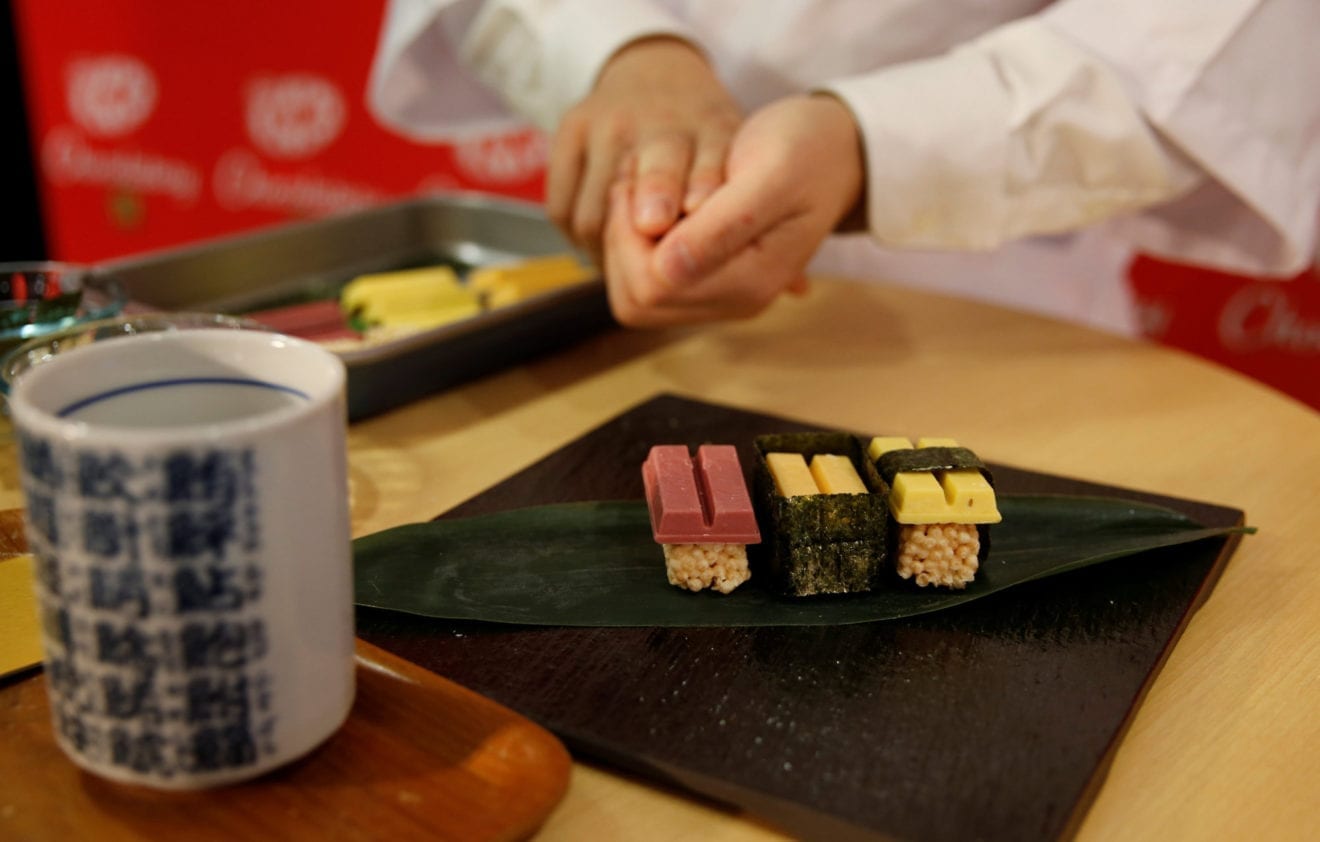
    For the grand opening of its stand-alone store, the company has created a set of three Kit Kats shaped like sushi – a combination of Kit Kats and rice puffs coated with white couverture chocolate. The maguro (tuna) version is topped with a raspberry-flavoured Kit Kat, the uni (sea urchin) version is made with a Kit Kat with the flavour of Hokkaido melon with mascarpone cheese, while the tamago (egg) version features a pumpkin pudding flavoured Kit Kat.

    kit-kats-chocolatory-japan

    Actually, the idea of a sushi Kit Kat was shared on social media by Nestle Japan as an April Fool’s Day joke last year, but the response was so huge the company decided to make it a reality. There will be 500 sets of the three sushi Kit Kats, with a limited number being offered each day to customers spending more than 3000 yen (US$26.50) or more at the new Ginza store.

    There are also plans to open a cafe on the second floor of the store in the next several months where customers will be able to try special items such as baked madeleines made with Kit Kats, or even make their own Kit Kat creations using toppings of their choice.

  • Hugo Barra leaves Xiaomi to join Facebook

    Hugo Barra leaves Xiaomi to join Facebook

    Hugo Barra, the international head at Xiaomi, is returning to Silicon Valley to head Facebook’s VR efforts, after spending three and half years in Beijing leading the Chinese smartphone maker’s global division.

    The announcement was made by Facebook head Mark Zuckerberg via his Facebook page last Wednesday.

    “I’m excited that Hugo Barra is joining Facebook to lead all of our virtual reality efforts, including our Oculus team,” Zuckerberg said in an announcement made in virtual reality.

    Barra will spearhead virtual reality efforts as Facebook’s VP of virtual reality. His relationship with Zuckerberg goes back years to when he broke ground on the Android operating system.

    More recently he worked at Xiaomi’s Beijing office as VP of International, serving as the face of the company and taking active part in product launches. Barra joined Xiaomi in 2013 from Google, where he worked as head of product management for Android, to oversee the company’s international expansion.

    Barra’s appointment comes over a month and a half after former Oculus CEO Brendan Iribe stepped down from his position in order to assume a leadership position within the company’s VR group.

    Telstra’s Cynthia Whelan to chair Foxtel

    Telstra has appointed group executive of new businesses Cynthia Whelan as the new chairman of Foxtel, the Australian incumbent’s 50/50 pay-TV joint venture with News Corporation.

    Whelan replaces Robert Nason, who retired from Telstra in 2015 and has been Foxtel chairman since June 2012. She has been a member of the Foxtel board since September last year.

    “Cynthia Whelan is an ideal chairman for Foxtel and will provide suitable leadership for the organization as it navigates a period of intense competition and technological evolution. She has significant experience in Australia and overseas in senior management and director roles,” Telstra CEO Andrew Penn said.

    Telstra’s partnership with News Corp over Foxtel allows Telstra to appoint the pay-TV firm’s chairman, while News Corp has the management control.

    Whelan will assume her new role on February 17. Telstra CFO Warwick Bray is also on the Foxtel board and the company will soon appointed a third director to replace Nason, the telco said in a statement.

  • Starbucks future strategy applauded

    Starbucks future strategy applauded

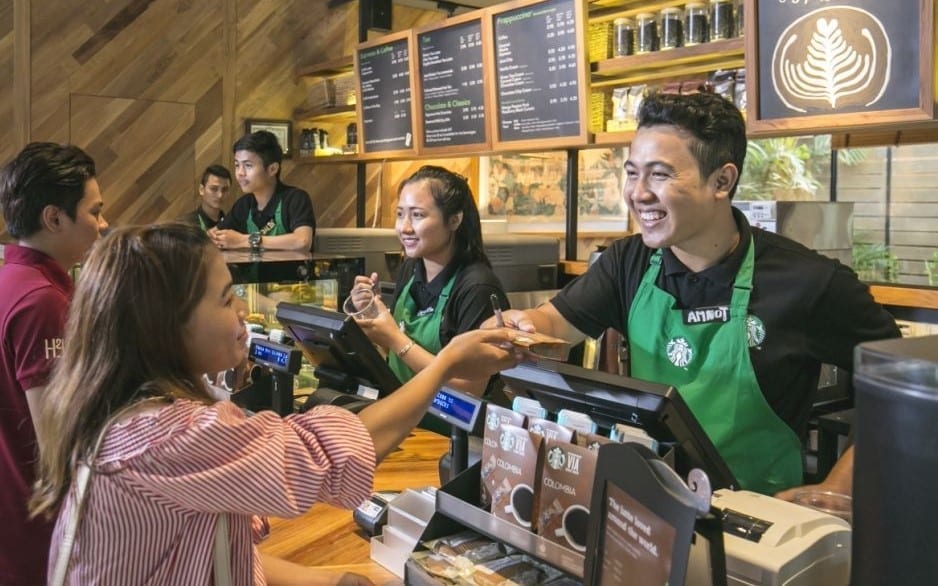
    While Starbucks has kicked off its new fiscal year with the lowest same-store sales growth since 2009, there is no reason to be overly discouraged by these results.

    Certainly, there are a few areas of softness, but the uplift of 3 per cent in the Americas comes off the back of a 9 per cent rise in the prior year. For a mature, fairly saturated company operating in a competitive segment of the market, the numbers show resilience.

    In any case, the overall revenue numbers are somewhat more robust – both within the Americas and on a global basis – thanks to a healthy program of store expansion. Starbucks may be reaching its peak in some localities, but it has demonstrated that even in its more mature markets it can still find headroom for new openings.

    Starbucks has done a reasonable job of managing its profitability at a time when margins are being squeezed by higher staffing costs. During this period, overall operating income increased by 7 per cent on a global basis and by 3 per cent within the Americas – partly thanks to the price increases of last year.

    All of that noted, there is no doubt that Starbucks is now firmly in middle age: it is finding growth more difficult to come by and, in financial terms, the business is not moving upwards at the pace it once did. In our view this is not demonstrative of a company in trouble, or even a company doing the wrong things, it is simply a reflection that Starbucks is a more mature business.

    Given that this dynamic is only likely to intensify over the next few years, it is incumbent on Starbucks to find new avenues for growth. The company is managing this well and has already set out its stall in terms of the innovations it intends to pursue to drive both the top and bottom lines.

    Some of these future plans lie outside the existing business model. Starbucks should be applauded for having the courage to look beyond its existing core operation, and to indicate its commitment to these ventures by putting Howard Schultz in charge of the new division. In truth, the push into premium through the development of the Princi chain and the Roastery and Reserve-only stores are not going to deliver sales volumes anywhere near those of the main business. However, their contribution will take the edge off the more subdued growth coming from core markets.

    As much as new initiatives will help, it is also important for Starbucks to look for ways to improve productivity at existing stores. This includes improvements to the food offer, which remains fairly low key and lacklustre.

    The year ahead will be both exciting and challenging in equal measure. However, Starbucks is a solid operator that will deliver single digit comparable sales growth, with total revenue uplifts just nudging into double digits.

  • Chatime Malaysia outlets to rebrand

    Chatime Malaysia outlets to rebrand

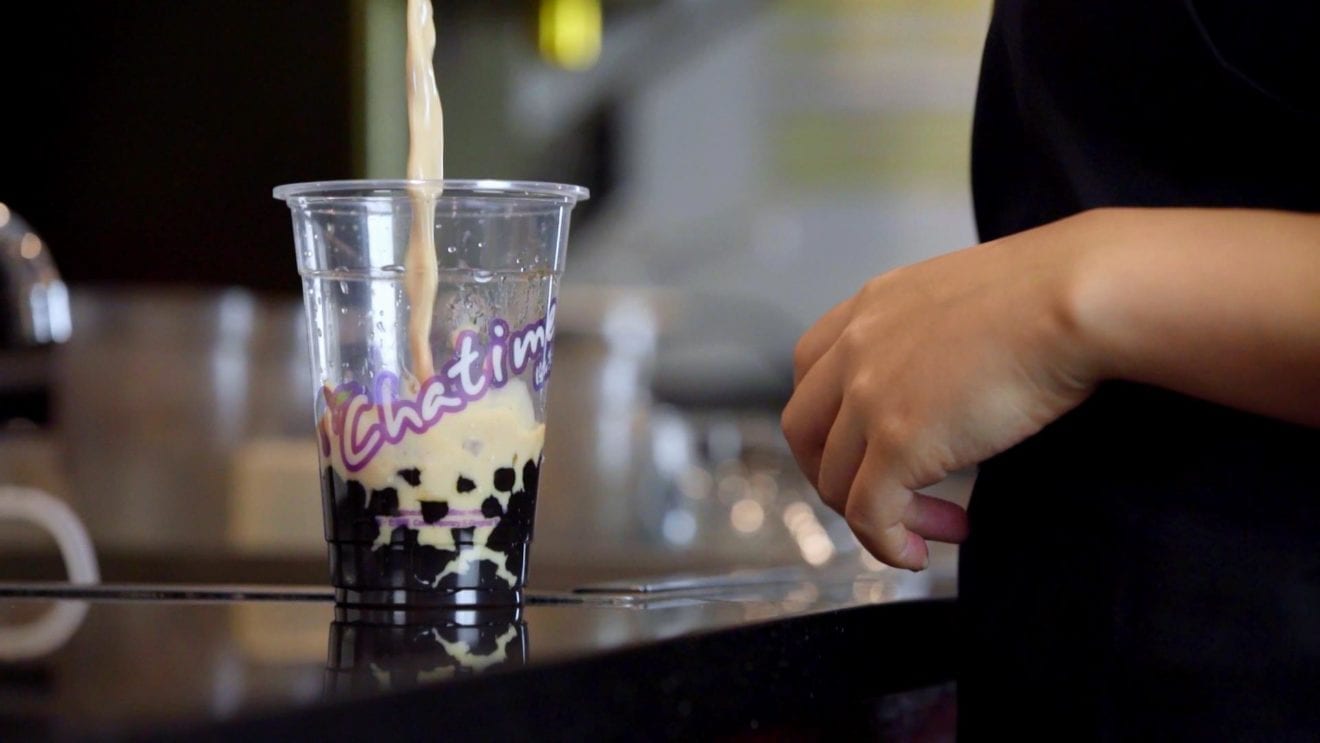
    Chatime Malaysia bubble-tea outlets will be rebranded following a dispute between franchisor La Kaffa International of Taiwan and Malaysia’s Loob Holdings.

    The move follows a termination of the franchise contract because of irreconcilable differences. Loob Holdings, which runs 165 Chatime outlets in Malaysia, contributes more than half of the turnover for the franchise company’s 800 outlets internationally.

    “We will surely come up with something better,” says CEO Bryan Loo, noting his company has nine other brands. He says it built the Taiwanese brand from scratch in Malaysia — “from zero to hero, and from no outlet to the current 165”.

    Loo says disagreements and disputes over business and operational matters had all been dealt with in accordance with the terms of the franchise agreement.

    “In 2011, there were a few dozen bubble-tea brands, and now there are only three. We are by far the market leader in our segment, and we are confident of holding this leadership with our own brand, which will be revealed when the time comes.”

    The dispute came to light when La Kaffa announced on January 6 that it had terminated the franchise and would immediately take over all the 165 Chatime outlets in Malaysia. However, Loo has clarified that Loob Holding and its sub-franchisees are still running all 165 outlets. According to the franchise agreement, the outlets will stop using the Chatime branding after 45 days.

  • Cellcard aims for nationwide LTE by April

    Cellcard aims for nationwide LTE by April

    Cambodia’s Cellcard reportedly plans to roll out nationwide LTE services by April, becoming first past the post in the race to deploy 4G services covering the whole country.

    The operator recently contracted Nokia to expand and modernize its 3G and LTE networks, including by deploying around 1,500 new cell sites.

    Now Cellcard aims to achieve nationwide coverage by April. The operator has reportedly invested around $150 million in the 4G expansion project.

    Cellcard’s main rivals Smart and Metfone are also investing heavily to expand their 3G and 4G presence. According to the report, Smart has to date rolled out 4G coverage to areas in all 25 provinces of the country and has upgraded around 65% of its roughly 2,100 base stations to 4G.

    The company now plans to invest around $80 million towards upgrading around 80% of its base stations to 4G by the end of the year.

    Metfone meanwhile aims to cover nearly the whole country with 3G and 4G coverage, with a goal of having 3,000 base stations supporting both technologies, but has not disclosed a timeline for meeting this target.

    According to data from the Telecommunication Regulator of Cambodia, mobile internet subscriptions reached nearly 7.5 million in November, compared to a total mobile subscription base of around 19.5 million.

  • Hong Kong food trucks finally hit the streets

    Hong Kong food trucks finally hit the streets

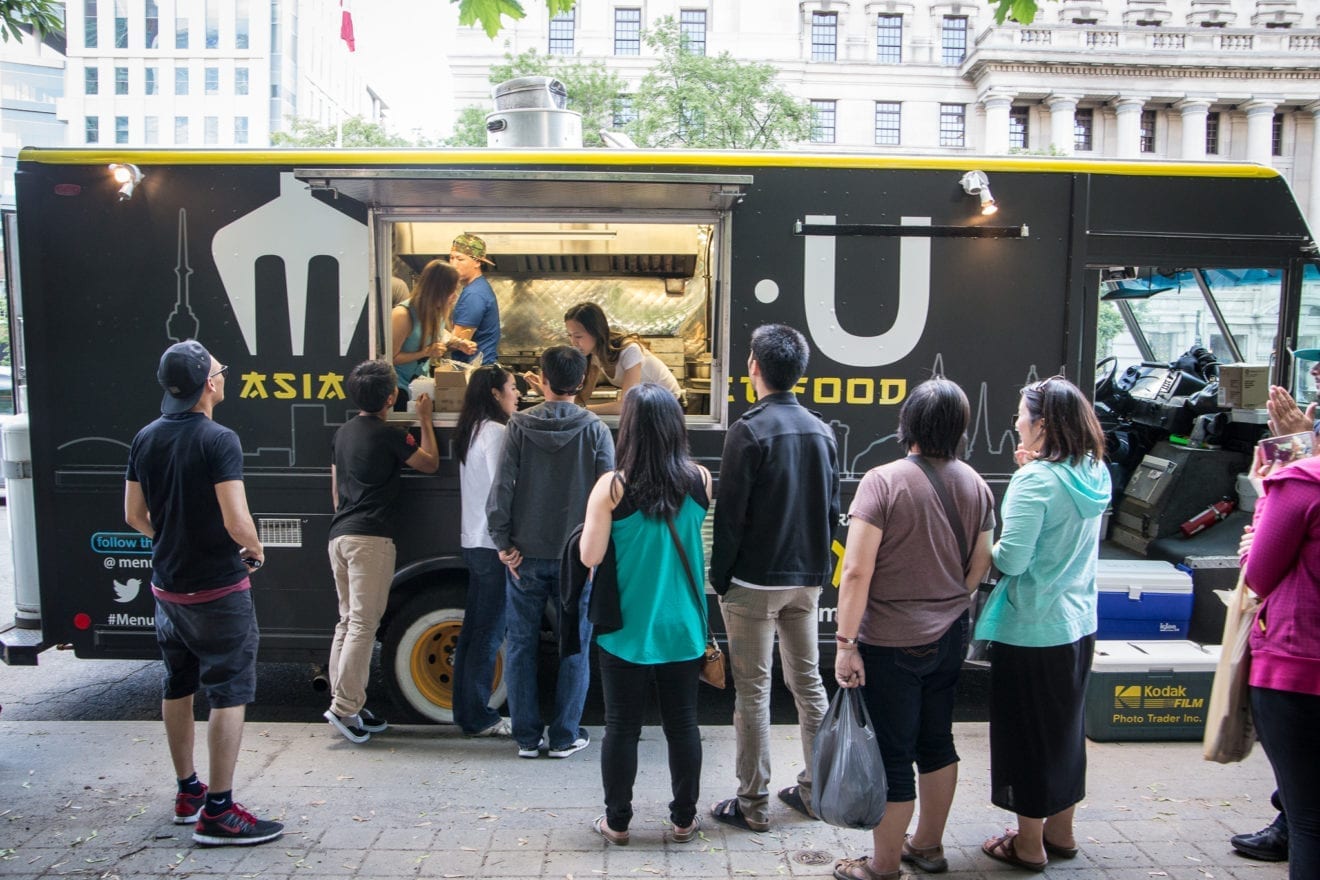
    The first Hong Kong food trucks have hit the streets – 16 in all will be operational tomorrow.

    Stationed at eight locations, they will offer a range of dishes as diverse as dumplings, dragonfruit smoothies and American-style steamed bread.

    It is the launch of a two-year pilot scheme to diversify the city’s tourism offerings, announced two years ago by former financial secretary John Tsang Chun-wah.

    Among the 16 chosen pioneers is Stanford graduate Angela Huang, an heiress of catering group Chee Kei, a restaurant chain known for its wonton noodles. The 25-year-old left her dream job in the US to return to Hong Kong to run the 5.5-tonne food truck Princess Kitchen.

    Seeing the project as “a good learning opportunity”, she says she feels that the word “princess” has a negative connotation in Hong Kong. “I want to use Princess Kitchen to send a message about what I feel about princess. It is not meant to be a girly and traditional type of princess. People should be able to define their own kind of beauty, happiness and health.”

    Huang learned about the pilot scheme while working as a consultant in San Francisco. “I want to come back for something I am excited about. This is something I really want to do.”

    To learn about running a mobile food business, the heiress started by taking orders in a food truck in San Francisco, and visited different ones in Los Angeles.

    Her food truck, which she painted herself including cartoon portraits of her friends and family, will offer dragonfruit smoothie bowls, which she would make at home and which are rarely available in the city.
    Huang, who says she feels lucky to be part of the pilot scheme, has hired two full-time staff members to help run the venture.

    Incentives

    The government offered incentives to start-ups and micro-enterprises to kickstart the scheme.. In the end, seven of the 16 winners were smaller firms.

    Part-time hawker and small restaurant owner Liu Chun-ho says he has so far spent HK$1 million (US$128,875) on his truck, Mama’s Dumpling. He had to obtain a bank loan and raise money from relatives.

    “I was planning to spend from $600,000 to $700,000 originally, but when I started preparing it realised the actual costs are much higher.”

    Almost $180,000 was spent to fit out the truck in accordance with the government’s safety and hygiene requirements. “It’s stressful to bear a cost that big,” he says. “It scares me when I think about it.”

    Liu has been selling dumplings for almost seven years during traditional celebrations. Four generations of the Liu family have been dedicated to making dumplings, and even his nine-year-old daughter has mastered the skill. Liu says the food truck will be run entirely by relatives.

    His signature dumplings will have wrappers in five colours. He plans to sell a box of six dumplings for $40. Pig knuckles, fried dumplings and soybean milk will also be on offer.

    Not all locals

    Not all the food trucks are local enterprises, such as Los Angeles-based Book Brothers Food Truck.
    “Hong Kong is a much better place to promote the brand compared with mainland cities,” says Raymond Wong, who was assigned by the US firm to manage its first food truck outside the US. The firm, which has seven food trucks and one restaurant in the US, won over the judges last year with its American-style barbecue steamed bun, which integrates Chinese and Western elements.

    Wong says a food truck is a cheaper way to establish brand reputation, given the city’s high running costs. The company has invested about $1 million on the project so far, Wong says, while opening a small cafe could easily cost up to $3 million.

    It needs to pay only about $20,000 a month for the site at Hong Kong Disneyland – the most expensive location – while monthly rents for a restaurant in a prime location could climb to hundreds of thousands of dollars.

    However, the American firm has found Hong Kong’s requirements more stringent, such as using new vehicles plus installing back-up batteries. Wong also says it is not easy to make a profit with only one truck.
    Some arranged locations, such as Energizing Kowloon East harbourfront, have few pedestrians during weekdays, says Wong, which makes things even harder.

  • Does your fish burger contain mercury-tainted shark meat?

    Does your fish burger contain mercury-tainted shark meat?

    A study of shark meat in Indonesia – the world’s largest shark fishery – has found dangerously high levels of mercury build-up in catches bound for overseas fish markets.

    Research conducted at the Seafood Inspection Laboratory in Bali found that mercury concentrations in processed, export-ready shark tissue exceeded twice the commonly accepted safe consumption limit.

    This is the first time that mercury levels have been tested in Indonesia-caught sharks bound for markets overseas, where importers and consumers are unaware that the fish that goes into fish burgers and fish and chips meals is shark.

    Bull shark meat tested on 26 January 2017 was found to contain 2.431 parts per million (PPM) of mercury. The consumption limit for predatory fish species in key Indonesian export markets such as Australia, Singapore and New Zealand, and also Indonesia, is 1.0 PPM.

    Bronze whaler meat – commonly sold as “flake” in Australia and cooked in batter for fish and chips dish- tested a week earlier was found to have a mercury concentration of 1.829 PPM.

    Bull shark meat sourced from the same location just a year ago was found to contain a significantly lower concentration – 1.368 PPM.

    Green School of Bali taking shark samples at Jimbaran fish market, Bali, Indonesia. Image: Bali Shark Rescue Center

    “Consumers are being deceived and are unaware of the type of fish being sold and ultimately ingested,” commented Paul Friese, founder of Bali Shark Rescue Center, whose non-government organisation partnered with sustainability college Green School of Bali to conduct the study.

    In Indonesia, most sharks are harvested for their valuable fins and liver first, and those parts sold to specialist buyers. The animal is then skinned, beheaded and the meat is filleted and moved back into the fish market unmarked.

    Shark fin can fetch up to IDR 2,500,000 (US$200) for a set, but locally sold shark meat sells for as little as IDR 25,000 (US$2) per kilo, and is used in street foods such as sate, fish cakes and meat balls. Overseas, shark meat is typically breaded and deep fried as fish burgers or used in the classic fish and chips dish.

    The sale of shark meat is also masked by transshipping, the process of transferring fish caught at sea from ship to ship, which makes the source harder to trace.

    Shark is particularly risky to eat because mercury bioaccumulates – the concentration of the heavy metal increases as it passes along the food chain, from plankton to shellfish, to small fish and onto larger predatory species.

    Mercury has entered marine ecosystems as a result of discharge from coal-fired power stations, residential heating systems, waste incinerators and mining, and also from volcanic activity.

    The main health risk from mercury consumption is damage to the nervous system. Unborn babies are particularly at risk from mercury pollution and, if exposed, may suffer impaired cognitive thinking, memory, attention, language, and fine motor and visual spatial skills in childhood.

    Meanwhile, shark populations in Indonesia have been under increasing pressure, as more than three million sharks are killed every year for their fins alone. Sharks are a tempting target for fishermen, particularly in remote island areas where the fins of the predators can bring lucrative returns.