Blog

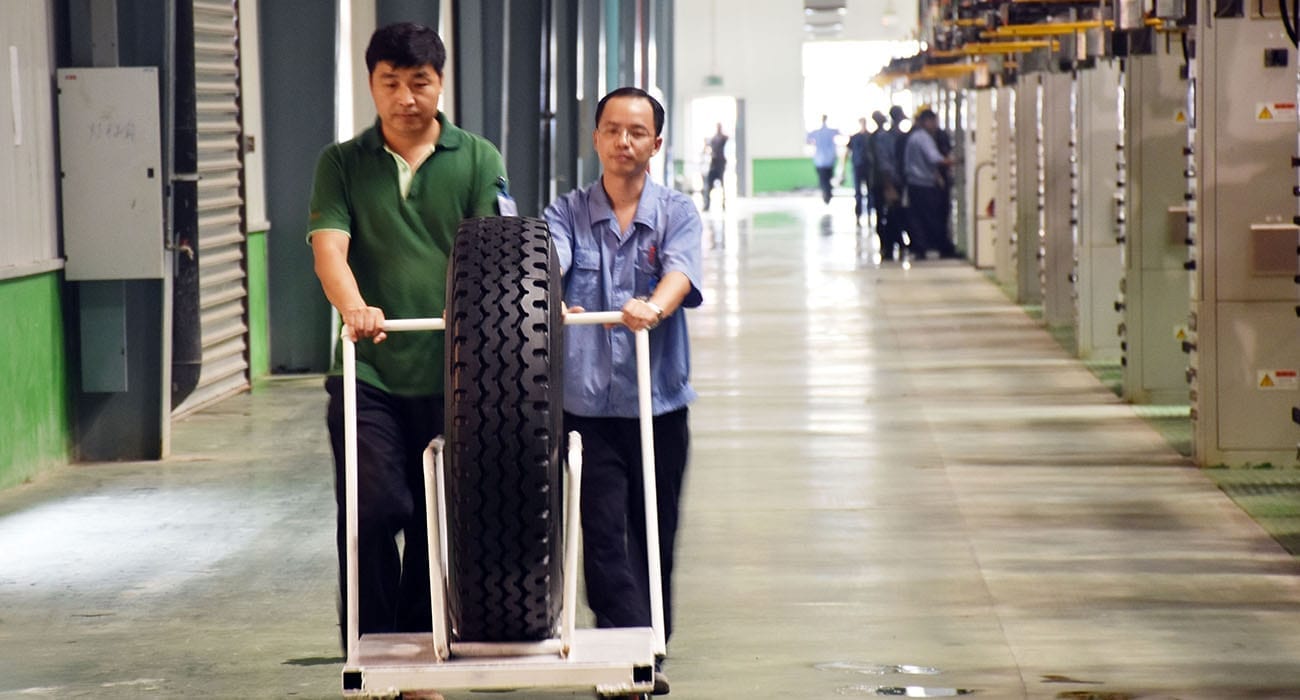
  • ZC Rubber opens first overseas Autospace store

    ZC Rubber opens first overseas Autospace store

    Autospace, ZC Rubber’s retail chain, opened its first branch in Thailand on 18 January 2017. The new branch is also the firm’s first overseas flagship store.

    Autospace, established in 2015, is the service brand of ZC Rubber in automotive aftermarket. In China, there are more than 300 franchised Autospace outlets after just two years of operation. Furthermore, ZC Rubber says it is setting its sights on both the domestic market and the international market.

    Chen Hua, president of ZC Rubber Thailand, said that the building of new Autospace store in Thailand expands the new service for Thailand customers. Nowadays, ZC Rubber Thailand operates in the stage of rapid development and will actively support the development of Autospace store in local market.

    Autospace will provide not only tyres services (which include tyre changing, repairing, and alignment), but also an express service and a mobile service.

    “We have advanced systems to provide data analysis for all the dealers and stores, and will respond to the consumers’ demand and offer to-door targeted service timely”, deputy managing director of Autospace Ms. Chen Qin said.

  • Airtel profit slumps 54% due to Jio effect

    Airtel profit slumps 54% due to Jio effect

    India’s Bharti Airtel has reported a steep 54% decline in net income for its fiscal third quarter, as the operator grappled with competitive pressure from disruptive new market entrant Reliance Jio Infocomm.

    Profit for the quarter ending in December fell to 5.04 billion rupees ($74.1 million), with revenue staying flat at 233.36 billion rupees.

    Revenues from India grew 1.8% year-on-year, despite a slowdown in mobile revenue growth due to the competition posed by Reliance Jio, which has been offering free voice and data services as a promotional exercise since launching LTE services nationwide in September.

    Mobile data revenues also declined 3% year-on-year to 30.37 billion rupees, despite a 22% increase in mobile broadband customers to 37.7 million.

    “The quarter has seen turbulence due to the continued predatory pricing by a new operator,” Airtel CEO for India and South Asia Gopal Vittal commented.

    “The present termination costs at 14 paise which are well below cost has resulted in a tsunami of minutes terminating into our network. This has led to an unprecedented year on year revenue decline for the [Indian telecoms] industry, pressure on margins and a serious impact on the financial health of the sector.”

    But he noted that despite the competitive pressures, Airtel’s revenue market share in India grew to a record-high 33%. The company’s Indian mobile base also grew 2.3% quarter-on-quarter to 265.85 million.

    Airtel’s other Indian businesses, including digital TV, business services and home broadband, also recorded healthy year-on-year growth.

    African revenues meanwhile grew 6% year-on-year in constant currency terms – the highest in the past nine quarters. Data revenues grew 24% to $153 million, with data customers growing 21.3% and traffic up 91%.

    Airtel CEO for Africa Raghunath Mandava said Africa is now generating positive free cash and is profit before tax positive in constant currency.

  • PTT Philippines to supply Cebu Pacific’s jet fuel for 2017

    PTT Philippines to supply Cebu Pacific’s jet fuel for 2017

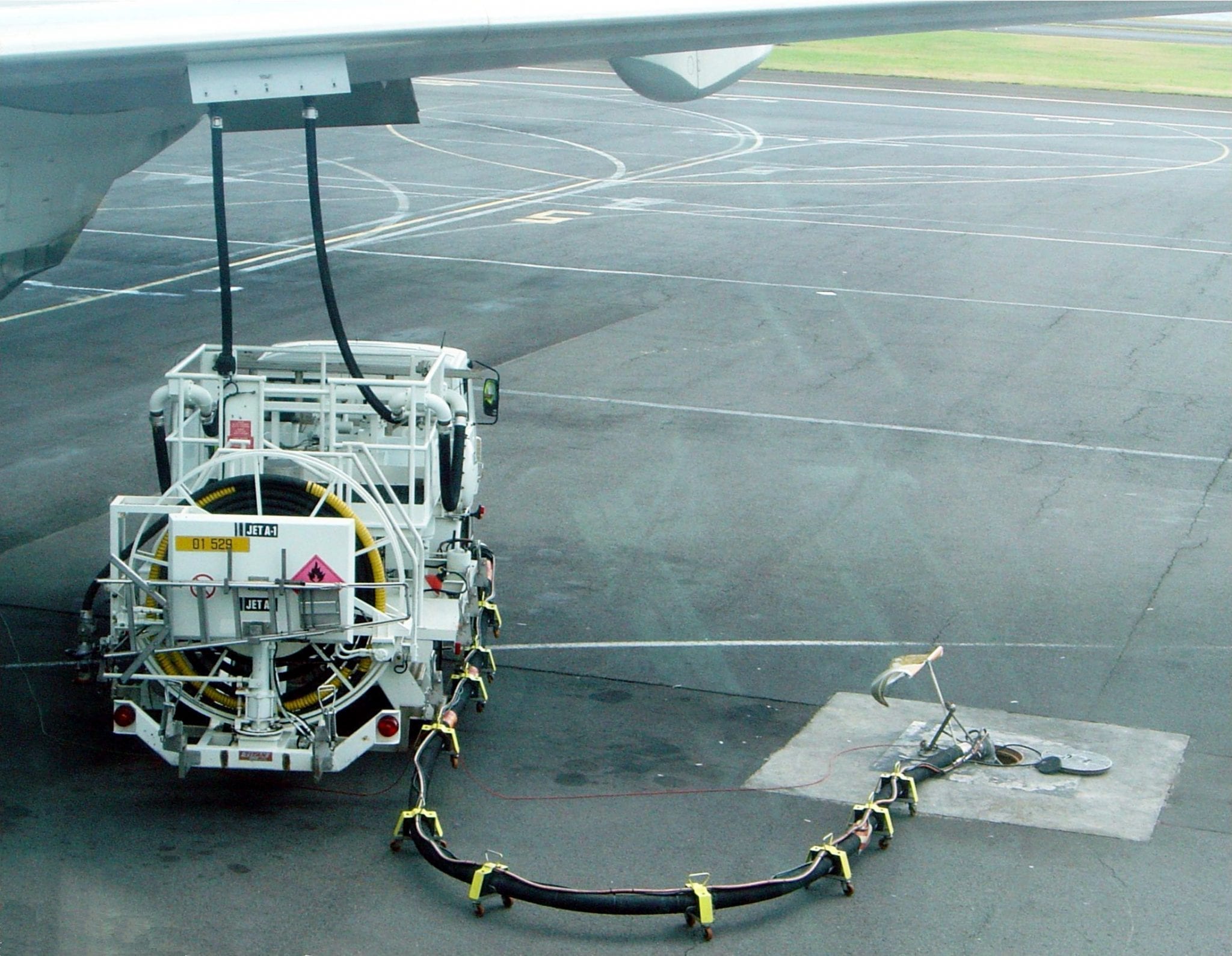
    PTT Philippines has renewed its deal to supply the bulk of Cebu Pacific airline’s fuel requirements this year. The local unit of the Thailand petroleum company will supply 1, 680,000 US barrel (267 million liters) of aviation fuel to Cebu Pacific for 2017.

    “We are always grateful to have partnered with Cebu Air. Our partnership has been growing stronger that is anchored on trust, loyalty, and commitment to providing the best and quality products and services that we could afford them,” PTT Philippines president and CEO Sukanya Seriyothin said.

    Seriyothin and Cebu Pacific president and CEO Lance Gokongwei recently signed the fuel supply contract for 2017.

    PTT Philippines has been supplying Cebu Pac’s jet fuel for over 10 years, and currently accounts for most of the airline’s total jet fuel requirements, particularly flights at the Ninoy Aquino International Airport, the Diosdado Macapagal Airport in Clark, and its Visayas routes.

    The local unit recently hiked its five-year investment plan to P5 billion for the expansion of its retail network to 300 and the Amazon Café brand from 2017 to 2021.

    The Thailand-based oil firm has been in the country for 20 years and is into retail with over 100 service stations across Luzon and Cebu. Its wholesale business also serves the maritime industry.

  • Small banks avoid being merged or acquired

    Small banks avoid being merged or acquired

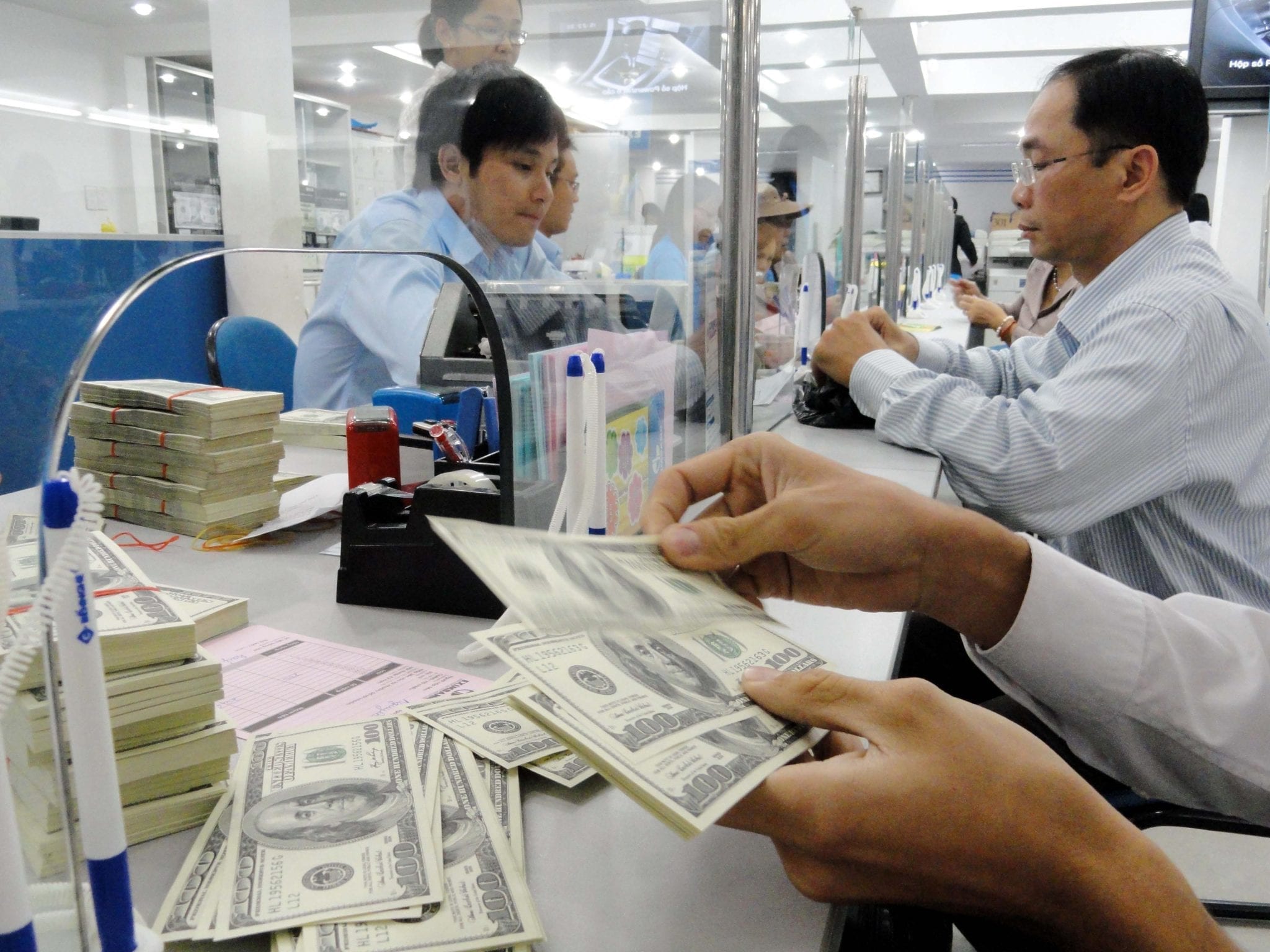
    Small-sized banks are making great efforts to grow and avoid being merged or acquired, however, it is not easy, according to the Đầu tư chứng khoán (Securities Investment) newspaper.

    VietA Bank, for example, plans to promote retail sales and focus on individual customers and small- and medium-sized enterprises (SMEs).

    Although VietA Bank’s non-performing loan ratio in late September 2016 reduced to 1.17 per cent from 2.25 per cent in early 2016, its provisions for risky loans rose by 82 per cent to VNĐ71 billion (US$3.12 million), strongly affecting the profit result. Following the first three quarters of 2016, VietA Bank posted pre-tax profit of only VNĐ101 billion.

    Another case is Kienlongbank, which was transformed from a rural bank to an urban bank. The bank aims to become a retail bank targeting SMEs operating in agriculture and rural areas. However, Kienlongbank is also facing difficulties like other small banks in the banking system.

    The bank failed to complete its 2016 profit plan, with pre-tax profit of only VNĐ19.8 billion recorded in the first nine months of 2016, a decline of 90 per cent compared with the same period of 2015. Kienlongbank’s bad debts increased from 1.12 per cent in the beginning of 2016 to 1.46 per cent by late September 2016.

    Financial expert Trần Du Lịch said the more important task for small banks, at present, is to find solutions to successfully carry out restructuring and improve financial capacity, thereby avoiding being merged or acquired.

    In an attempt to avoid M&As, small banks also plan to raise capital and have conducted self-restructuring in recent years through internal resources, however, many have repeatedly been unsuccessful.

    Saigonbank, for example, has not fulfilled its plan to increase charter capital to VNĐ4 trillion following its refusal to merge with Vietcombank.

    VietA Bank also managed to raise its capital to just VNĐ3.5 trillion in early 2016 and no further progress has been recorded since then.

    Following the failure of the merger deal with Export Import Commercial Joint Stock Bank (Eximbank), according to insiders, NamA Bank has also been unable to increase capital as expected. The current charter capital of the bank is just more than VNĐ3 trillion.

    The central bank recently also allowed VietBank to increase charter capital from VNĐ3 trillion to VNĐ3.249 trillion. With this level of charter capital, VietBank remains at the top of banks with the lowest charter capital in the market, along with other banks whose legal capital has reached only VNĐ3 trillion, such as Kienlongbank, VietCapital Bank, NCB and Saigonbank.

    Experts said small banks which wanted to survive without conducting M&As, must raise their financial capacity.

    However, foreign investors are not interested in weak domestic banks if the controlling regulations are not relaxed. As long as the ownership limit of foreign investors is still less than 51 per cent, foreign shareholders cannot take control of the bank.

    According to economist Lê Xuân Nghĩa, since weak and small banks are finding it difficult to increase financial capacity to accelerate the settlement of bad debts and restructuring, it is in their interests to find potential partners to conduct M&As.

  • Hong Kong developer takes aim at Trump rhetoric

    Hong Kong developer takes aim at Trump rhetoric

    Hong Kong property tycoon Ronnie Chan Chi-chung came to China’s defense on Thursday, saying U.S. President Donald Trump would eventually become realistic and “shut up,” amid concerns over a looming Sino-U.S. trade war.

    “China is not the same as before. If the U.S. can create troubles for China, it can do the same to the U.S.,” said Chan, chairman of Hang Lung Properties, referring to Trump’s plans to slap punitive tariffs on Chinese imports. “Don’t bother too much about a dog barking.”

    Chan’s remarks came as Hang Lung, one of the first Hong Kong developers to announce annual results, saw its Chinese business outstripped by a stronger Hong Kong market.

    The group reported a full-year net profit of 6.2 billion Hong Kong dollars ($800 million) in 2016, up 22% from a year ago. Underlying profit that excludes the impact of property revaluation jumped 45% on the year to reach HK$6.3 billion.

    Turnover was up 46% to HK$13.1 billion, driven by higher property sales in Hong Kong that grew more than four-fold to HK$5.3 billion. The developer increased sales after a rebound in home prices last April amid an influx of mainland capital, selling some 430 units, including two semi-detached houses in Happy Valley and the upscale Long Beach project.

    Rental revenue was flat. In Hong Kong, the group countered a downtrend in the retail sector with a 5% increase in rental income following mall upgrades to bring in popular sportswear tenants.

    A sluggish economy and retail environment hurt income on the mainland. Rental income from the company’s portfolio of prime offices and eight shopping malls in cities such as Shanghai, Shenyang and Tianjin fell 5% on the year to HK$4 billion. The group blamed renovations that affected occupancy, adding it would continue to develop projects on acquired sites in cities including Wuhan, Wuxi and Kunming.

    “We have 24 million square feet of buildable space in China — it’s a lot of work to follow up on,” said Executive Director Adriel Chan Wenbwo, Chan’s son, who was promoted to the position in November. Asked how he felt about chairing his first earnings briefing, he said: “It’s okay.” He described Managing Director Philip Chen Nan-lok as a “role model.”

    Mainland competition

    Hong Kong developers are facing intense competition as their mainland counterparts accelerate their shopping spree in the territory. On Wednesday, Chinese tourism conglomerate HNA Group outbid 18 developers for its third residential site in Kai Tak, bringing its total investment in the former airport site to HK$20 billion in three months. The latest deal, totaling HK$5.5 billion, is equivalent to HK$13,000 per square foot, about 10% above market valuations.

    Data from the Lands Department showed that Chinese developers splashed out HK$28.1 billion to buy land for building homes in Hong Kong last year, accounting for 41% of the territory’s residential land sales.

    Beijing’s recent capital controls may do little to reverse this trend. Patrick Wong, a property analyst at Bloomberg Intelligence, expects mainland developers to maintain a similar share of land sales in 2017, as active companies are listed in Hong Kong with funding channels abroad. “Despite the cooling measures in Hong Kong, regulatory risks here are mild relative to that on the mainland,” he said, referring to restrictions imposed on homebuyers in more than 20 major Chinese cities.

    Hong Kong developers will face a “tough time” in the land market, Wong said, although they are less aggressive in placing bids due to abundant land reserves. Local developer Hopewell stressed its priority was for existing projects rather than land acquisition. “It’s not very meaningful to look at a particular deal that has deviated from the market,” said Hopewell Managing Director Thomas Wu Man-sun on Tuesday.

    Hang Lung’s elder Chan has a similar view. “It’s a market of short-term irrationality and long-term rationality,” he said, adding that it was a “natural development” for Chinese companies to diversify their investments abroad.

    After a year of aggressive property sales, Hang Lung was left with about 100 units on its inventory list, including 16 luxury houses. Asked whether the group would replenish its land bank, he said: “When ‘black swan’ events such as the 1997 Asian financial crisis happen, that’s our chance to buy land.”

  • Higher attrition rate seen among digital consumers

    Higher attrition rate seen among digital consumers

    Customer retention dropped by 7% in 2016 compared to one year previously, a study from Verint Systems shows.

    This research was commissioned by Verint from June 23 to July 20, 2016 in association with Opinium Research. Interviews were conducted among 24,001 consumers in Australia, Brazil, India, France, Germany, Japan, Mexico, Netherlands, New Zealand, South Africa, United Kingdom and United States.

    Results show that consumers who prefer to do business through digital channels are more likely to swap providers than those that engage with businesses through human touch interactions, such as those that take place by phone via the contact center or in-store.

    Across all sectors, 57% of consumers have been with their service providers for more than three years. Banks led in terms of customer retention, with 73% of consumers reporting they have been with their provider for more than three years, whereas only 8% said they have been with their bank for less than a year.

    Mobile operators ranked second best, with 63% of consumers remaining with their provider for more than three years.

    Japanese companies had the highest retention rates of all countries surveyed—an average of 64% of consumers have been with their providers for more than three years.

    French and American companies also fared well, with 60% of French consumers and 55% of American consumers  staying with their providers for more than three years.

    The study also shows a clear link between communication channel preferences and retention. Consumers who prefer to engage with organizations digitally are more prone to switching providers.

  • Mobile to continue driving growth in Lunar New Year online shopping

    Mobile to continue driving growth in Lunar New Year online shopping

    Lunar New Year shopping is getting more mobile. Thirty-two percent of all e-commerce transactions happened on a mobile device while more than six in 10 consumers browsed on a combination of PCs and mobile devices, before making a final purchase on either device.

    These were among the findings based on an analysis of 65 million online transactions in Hong Kong, Singapore and Taiwan before, during and after Lunar New Year in 2016 conducted by performance marketing technology company Criteo.

    “Easy navigation and shorter checkout processes on mobile sites and applications, and multi-channel integration are key to improving retail sales before, during and after Lunar New Year in 2017,” it concluded.

    The company’s deep-dive into consumer browsing and buying activity revealed that in the two weeks before and after the first day of Lunar New Year, consumers browsed and purchased retail products more actively than before – an 81 percent increase in online visitors to e-commerce sites and a 68 percent increase in e-commerce sales.

    Two trends are expected to impact regional retailers during the Lunar New Year season this year.

    The first trend is that mobile devices will be used to make high value purchases. Criteo said that desktops were once the king of big-ticket purchases, but in 2017, consumers in Hong Kong, Singapore and Taiwan will feel equally comfortable purchasing expensive items on smartphones.

    The Average Order Value (AOV) on mobile applications was 27 percent higher than desktops in the second quarter of 2016. The AOV on mobile browsers was only 9 percent lower than desktop during the same period, according to Criteo’s 1H 2016 State of Mobile Commerce Report.

    The second trend is that retailers will see a high web influence on offline sales.

    Shoppers in Hong Kong, Singapore and Taiwan are becoming experts at “showrooming” – the phenomenon of looking at items at a brick-and-mortar store while checking the prices available online.

    In Singapore, while in physical stores, 62 percent of local shoppers are browsing similar products online and comparing prices to ensure they get the best deals, according to Edelman Intelligence’ Singapore Consumers Online Shopping Survey in September 2016.Sixty-nine percent of these consumers end up purchasing the same product or service online rather than offline.

    In Hong Kong and Taiwan, 32 percent and 47 percent of consumers are looking to make purchases online, rather than offline, according to Google’s 2016 Consumer Barometer.

    “Consumers have come to expect exclusive online collections and discounts during this period, timing their purchases so they have the best deals and new clothes or jewellery to symbolise the new beginning. They also tend to continue shopping indoors and online throughout all 15 days of Lunar New Year,” said Yvonne Chang, Executive Managing Director, Asia-Pacific, Criteo.

    “Given the fluid nature of online shopping behavior and intense competition, retailers must use advanced technology that delivers personalized engagement, based on each consumer’s buying habits, expressed interests and online surfing history to leverage this opportunity,” she added.

  • Vietjet awarded as “My Favorite New LCC” in Hong Kong

    Vietjet awarded as “My Favorite New LCC” in Hong Kong

    Vietjet has become an instant hit among travelers by winning the “My Favorite New LCC Award” organized by the popular online travel platform, Flyagain.la. The newly launched Ho Chi Minh City and Hong Kong service last December has been very popular with travelers as its daily afternoon flights provide them with convenient and comfortable trips between the two cities. 

    The award presentation, now in its third year, was held last week to commend travel-related companies for their good performance and their prospect for future growth. Flyagain.la is one of Hong Kong’s leading travel websites, which boasts a Facebook fans group of over 480,000, providing them with the latest travel and ticketing information. Vietjet was named “My Favorite New Low Cost Carrier” in the ceremony attended by leading travel writers, bloggers and journalists as well as representatives of leading airlines and travel-related companies.

    The Ho Chi Minh City – Hong Kong route, which is operated daily with a flight time of 2 hours 45 minutes per leg, departs daily from Ho Chi Minh City at 14.35 (local time) and arrives at Hong Kong at 18:20. The return flight takes off at 19:20 (local time) and lands at 21:05. Tickets can be booked at www.vietjetair.com or at www.facebook.com/vietjetvietnam.

    Vietjet took off in the sky in 2011 as a new-age airline with low-cost and diversified services. It has been expanding quickly and currently boasts a fleet of 42 aircraft, including A320s and A321s, providing services for 60 domestic and international routes.


    To keep pace with its rapid development and route expansion programs, Vietjet is currently recruiting cabin crew in its Ho Chi Minh City Training Centre. Successful candidates will attend intensive training courses in Vietnam and other foreign countries and enjoy an attractive income and many other benefits as well as unlimited promotion opportunities within the group.  

  • Singapore residential prices continue fall, but signs of bottom emerge

    Singapore residential prices continue fall, but signs of bottom emerge

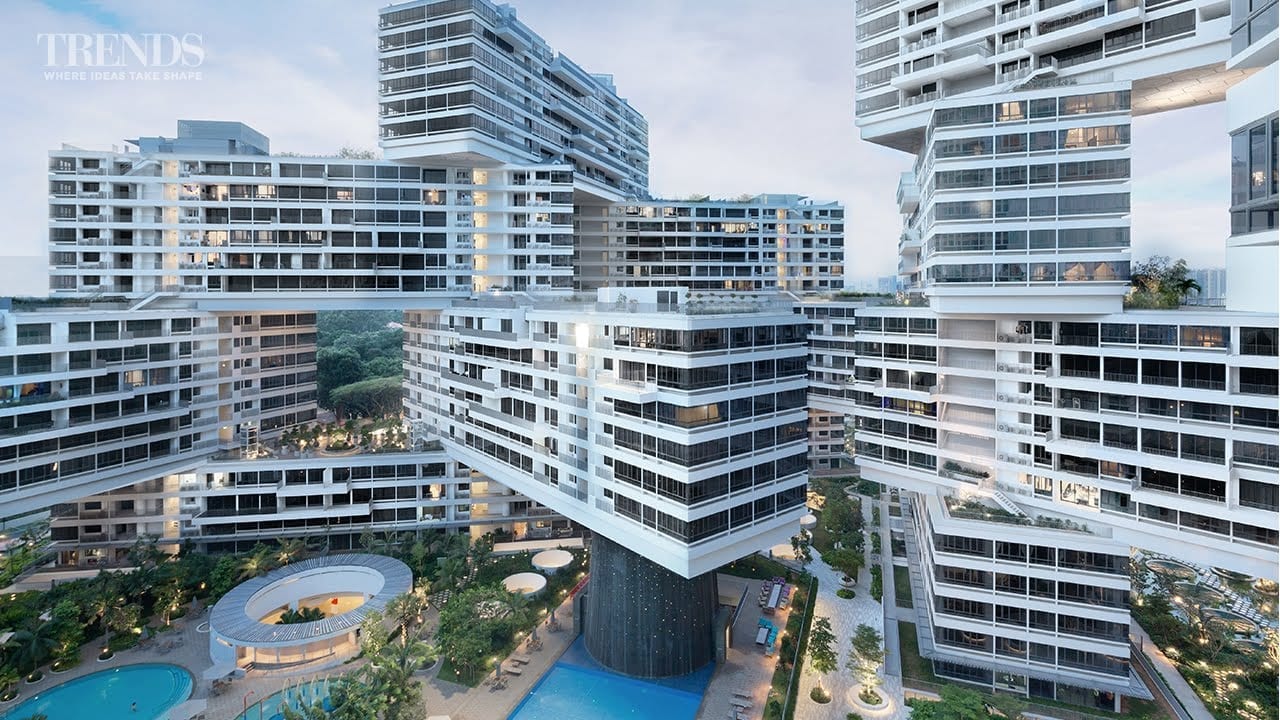
    Private home prices in Singapore fell and rents continued to soften in the last quarter of 2016 but a decrease in the number of vacant units suggests the market may be nearing a bottom.

    According to Urban Redevelopment Authority (URA) statistics for the fourth quarter released Thursday, private residential property prices in Singapore fell 0.5% between October and December 2016, slowing from the 1.5% decline in the previous three-month period.

    For the whole of 2016, private home prices fell 3.1%, compared with the 3.7% drop in 2015.

    Meanwhile, rents for private homes declined 1.0% in the fourth quarter following a 1.2% fall in the previous quarter. For the year as a whole, rents slipped 4.0%, slower than the contraction of 4.6% in 2015.

    Home prices in the city-state have trended downwards over the past three years as the government introduced a series of measures such as caps on mortgage loans and higher stamp duties to check soaring real estate values.

    Residential prices have retreated more than 10% since they hit a peak in 2013, leading many to call for a relaxation of the curbs.

    There were some signs in Thursday’s data that a recovery may be taking shape in the private housing market.

    For instance, according to the URA data, the number of private residential units in the pipeline fell to 40,913 at the end of the fourth quarter, from 43,693 at end September. The vacancy rate for completed units decreased to 8.4% at end December from 8.7% at the end of the third quarter.

    In addition, there were pockets of strength within the residential sector, particularly at the high end of the market. For example, prices of landed homes rose 0.8% during the fourth quarter, turning around from a 2.7% decline in the previous quarter.

    Most people in land-scarce Singapore reside in high-rise apartment blocks and only the wealthy can afford landed property.

    PropNex Realty, one of Singapore’s largest real estate brokers, said activity in Singapore’s residential market picked up in 2016 because prices dropped to levels that home buyers are comfortable with.

    “Despite the uncertain economic outlook and impending interest rate hikes, we are expecting a price moderation in 2017 with possible (decline) of not more than 3%,” PropNex CEO Ismail Gafoor said.

    Turning to the commercial property market, URA said office rents fell 1.8% in the fourth quarter compared with the decline of 1.1% in the previous three-month period. For the whole of 2016, office rents declined at a faster pace of 8.2% compared with the 6.5% drop in 2015.

    As for shopping malls and other retail spaces, URA said rents declined 1.2% in the fourth quarter compared with the decrease of 1.5% in the preceding period. Rents fell 8.3% for the full year, which was more than twice the 4.1% decline in 2015.

    Desmond Sim, head of CBRE Research for Singapore and Southeast Asia, estimates an additional 52,000 square metres of retail space was leased in 2016, which was short of the new supply of 75,000 square metres.

    “Although the magnitude of the quarterly decline in Q4 2016 was lower than previous quarters, we expect rents to remain under pressure,” he said.

  • South Korea duty free sales grow +33% to $10.5bn

    South Korea duty free sales grow +33% to $10.5bn

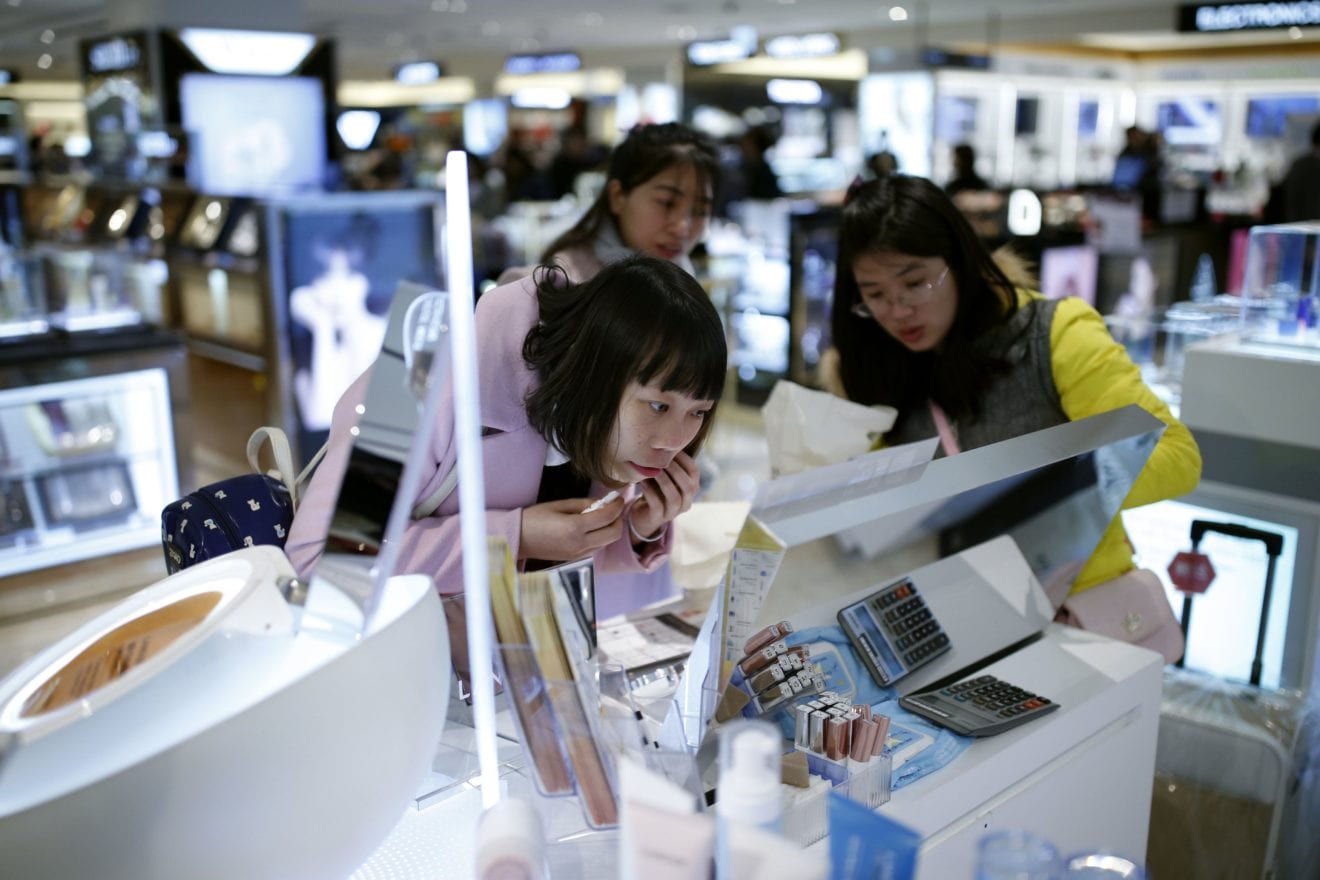
    According to the Korean Customs Service (KCS) which recently shared some Korean duty free sales figures with the local media, the total DF market in South Korea grew by +33.5% in 2016, registering sales of KRW12,275.7bn (US$10.56bn)

    The No. 1 duty free retailer in South Korea, Lotte Duty free, registered sales of KRW5,972.8bn (US$5.13bn)in 2016, whilst second-placed Shilla Duty Free saw sales rise to KRW3,405.3bn (US$2.93bn).

    Shinsegae Duty Free posted sales of KRW960.8bn (US$826m).

    By product category, sales of cosmetics – the highest-grossing product category – rose to KRW6,273.3bn (US$5.4bn); sales of handbags reached KRW1,735.6bn ($1.5bn); watches KRW935.9bn (US$804.5m) and tobacco KRW593.5bn ($510.2m).

  • Retail rents in central region to slump 8% later this year

    Retail rents in central region to slump 8% later this year

    Landlords and retailers are off to another bumpy ride. The retail outlook for this year seemed to still be on the cloudy side for both retailers and landlords.

    According to Knight Frank’s latest Singapore Retail Bulletin, average rents in the Central Region are envisaged to fall by 5.0% to 8.0% by Q4 2017, while the more resilient prime rents to moderate downwards by up to 3.0% YoY in the same period.

    “Landlords are likely to take on a more proactive role to initiate more advertisement and promotion activities in a bid to attract shoppers into the mall. On the same note, retailers are also expected to explore innovative concepts that integrate both offline and online retailing platforms to enhance consumer engagement,” the research house said.

    Meanwhile, the occupancy performance is expected to hover between 90% and 92% this year, after maintaining an average of 92.2% over the first three-quarters in 2016. This is in consideration of the close to 2m sq ft. gross floor area of retail space slated for completion in 2017 amidst the heightened level of caution among retailers towards their business strategies due to the uncertain global economic outlook.

  • Hong Kong high street retail rents decline should ease

    Hong Kong high street retail rents decline should ease

    After falling 12 per cent in 2016, the pace of decline in Hong Kong high street retail rents should ease in the year ahead, predicts CBRE.

    Last year’s decline followed a 17 per cent fall in 2015. That represents a full 27 per cent fall since rents were at their peak in 2014.

    But this year, says CBRE Hong Kong in a research note, expect a fall of a more modest 5 per cent.

    In contrast, shopping centre rents were broadly flat in 2016.

    “In 2017, slower economic growth in China and depreciation of the Renminbi are set to undermine mainland tourist spending in Hong Kong,” said Joe Lin, executive director, advisory & transaction services – retail, with CBRE Hong Kong. “However, the fall in high street shop rents is not expected to exceed 5 per cent in 2017, and by the middle of the year, most leases that were signed during the market peak of 2014 will have expired, meaning that rents are expected to stabilise from then on. Leasing momentum is expected to gradually improve from 2016,” Lin concluded.

    In investment terms, CBRE predicts a 5 to 10 per cent decline in prices for street shops in core locations in 2017, coming off a 10.6 per cent decline last year.

  • Levi’s exec says eCommerce forcing focus on inventories

    Levi’s exec says eCommerce forcing focus on inventories

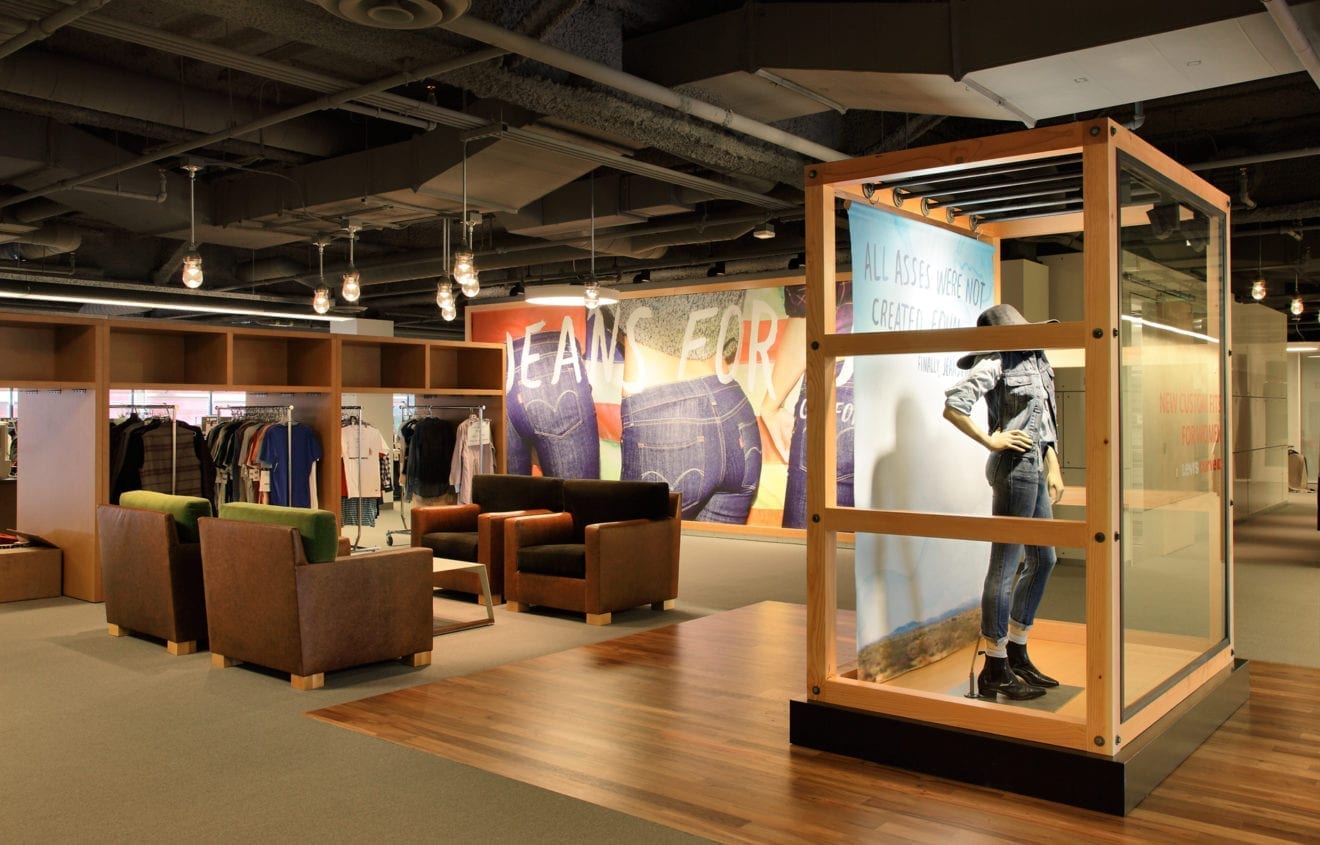
    Retailers can no longer accept a lack of shelf level inventory in-stocks and inaccurate inventories, according to Carrie Ask, executive VP and president of global retail at Levi Strauss & Co.

    Speaking at this month’s NRF Big Show in New York, Ask said that after travelling the world and observing consumers purchasing intent and behaviour in-store, the 164 year old brand’s executive team had an ‘a-ha’ moment.

    “Now while store traffic is declining, we discovered something else, something that we think is fundamentally different about store traffic today,” she said.

    “We discovered the purchase intent of consumers visiting stores, is rising. Makes sense, they don’t have to go to a store anymore, so when they do, their intention is higher.

    “In addition, we found that ‘out of stock’ and ‘couldn’t find my item’ are the top barriers to purchase for consumers that plan to make a purchase, as well as consumers who purchase but didn’t get everything they wanted.”

    Ask said the opportunity and stakes are now higher than ever for physical retailers. On the opportunity side, Ask said Levi’s were underestimating the potential within its store traffic to drive sales and conversion. And on the stakes side, the clothing brand also realised that when out of stock, the opportunity to drive a planned or impulse purchase is removed, resulting in frustrated and disappointed consumers that may decide their next trip, time and energy wasn’t worth it – potentially jeopardising future traffic.

    “In-store inventory insights, specifically shelf level instocks and accurate inventories are an age old problem for retail,” said Ask.

    “While we’ve had inventory management and planning systems for some time but typically limited to telling us whether an item is in the store but not whether it’s on the sales floor in its designated location on the sales floor.”

    In addition, Ask said instore inventory is often inaccurate, with sales associates in-store stock checks using radio or POS often culminating in coming back empty handed, not able to find products ‘even though the system said there was one.’

    “The truth is, full stop, this happens all the time and as a retailer and an industry, we can no longer accept this lack of shelf level inventory instocks and inaccurate inventories, which are an Achilles heel for us.

    “In the bad old days the consumer didn’t have very many choices and they could either keep looking and keep shopping, maybe go to a competitor or they had to settle for a substitute item, waiting for it to come back in-stock or to go without but consumers don’t have to settle anymore.”

    Levi’s is trialling technology from Intel in its stores, including the RFID tagging of all products and ceiling mounted sensors, trigger replenishment actions and get staff away from focusing on inventory management and back onto its consumers.

    “The goal is real-time, all the time, inventory insights, which brings several benefits,” said Ask. “It also gives our planning and allocation teams more accurate information to guide inventory decisions.”

  • Biggest Coach store opens in Malaysia’s KL Mall

    Biggest Coach store opens in Malaysia’s KL Mall

    Luxury fashion company Coach Malaysia has opened its largest store for Southeast Asia, in Kuala Lumpur’s Pavilion Elite.

    The store is part of the company’s continuous expansion strategy in the Asian market despite it closing its Hong Kong flagship last year.

    Pavilion Elite, developer Urusharta Cemerlang’s latest project, is next to Pavilion Kuala Lumpur as part of an integrated project with a net lettable area of about 23,226 sqm. The development is estimated to have cost US$146.4 million.

  • Waiting for Japanese department store to wake up

    Waiting for Japanese department store to wake up

    Japanese department-store sales dropped 2.4 per cent in November from a year earlier on a same-store basis, down for the ninth consecutive month.

    Overall sales at 234 outlets run by 81 companies stood at ¥525.7 billion (US$4.6 billion), the Japan Department Stores Association says, noting the size of the decrease had shrunk for the third straight month.
    Association officials say department stores are hopeful for a turnaround in December through the year-end shopping spree.

    Sales dropped for almost all categories in November, with exceptions including cosmetics. Sales fell 2.4 per cent for clothing and 0.6 per cent for food. Same-store declines were smaller than October’s 6.5 per cent and 2.1 per cent, respectively.

    Sales of tax-free goods to overseas visitors dropped 7.1 per cent to about ¥14.5 billion – the first contraction of less than 10 per cent in seven months.

    Meanwhile, the Japan Franchise Association has reported an 0.5 per cent increase in convenience store sales in November, reaching ¥773.4 billion on a same-store basis, up for the second straight month.
    It says the increase reflects brisk sales of prepared meals such as fried foods as well as the winter dish oden.