Blog

  • Vietnam rice exports set to face another tough year

    Vietnam rice exports set to face another tough year

    Despite facing difficulties, Việt Nam will strive to achieve rice exports of more than 5 million tonnes this year, the Việt Nam Food Association has said.

    Speaking at a meeting to review the VFA’s performance last year in HCM City on Monday, its secretary, Huỳnh Minh Huệ, said last year only 4.89 million tonnes were exported for $2.12 billion, a 25.5 per cent fall in volume and 20.57 per cent decline in value.

    There was excessive supply in the global market last year, and there has been a recent trend of major importing countries increasing domestic production to reduce imports, he said.

    Việt Nam’s rice exports are likely to face another difficult year as supply outstrips demand and global competition intensifies, he said.

    He quoted the US Department of Agriculture as saying global rice output in 2016/17 is estimated to increase by 1.6 per cent from last year to 480 million tonnes due to an expansion in the area under rice in many countries including Australia, Myanmar, Brazil, India, Indonesia, North Korea, Pakistan, Thailand, and the US, he said.

    Global exports are expected to rise by one million tonnes or 2.6 per cent to 40.6 million tonnes, he said.

    Stockpiles have been increasing for the last three years and are expected to reach the highest levels since 2001/02 crop, he said.

    Huỳnh Thế Năng, VFA chairman, said despite the hurdles, rice businesses would strive to export higher volumes than last year to ensure farmers can sell off as much of their outputs as possible.

    In the long term the domestic rice sector targets exports of high-value rice to affluent markets, he said.

    He said the Plant Protection Department and other relevant agencies should take measures to improve the hygiene and food safety of Vietnamese rice to enable more exports to choosy markets.

    The association said rice exporters should meet hygiene and food safety standards and strengthen linkages with farmers to ensure a steady source of the grain to meet market demand.

    Huệ called on the Ministry of Agriculture and Rural Development to build an international standard laboratory in Cần Thơ to help exporters check their rice quality, especially look for plant protection chemical residues, instead of sending to other countries for analysis as is done now.

    Năng said authorities in rice growing localities need to do more to instruct farmers in producing rice meeting safety standards, encourage them to use more certified rice seedlings and improve technical and financial support systems.

    Đỗ Hà Nam, chairman and general director of Intimex Group Joint Stock Company — one of the country’s 10 largest rice exporters — said while exports of other kinds were down, exports of Japonica and sticky rice went up by 136.95 per cent and 96.59 per cent.

    “But farmers have since rushed to grow more sticky rice, which [poses a] risk.”

    He said the Government should work with China to facilitate exports of Vietnamese rice to that country.

    “We face severe competition in terms of price from Pakistan and India.

    “There may be difficulties but if we choose to invest in varieties like fragrant rice and sticky rice, there will be opportunities.”

    Lê Thanh Tùng of the Crop Production Department said Việt Nam has the potential to boost exports of sticky, fragrant, Japonica and high-quality rice varieties.

    Besides improving quality, Vietnamese firms should also focus on building brands, he said.

    Rice stockpile

    The association on Monday called on the Government to approve a programme to stockpile rice temporarily from the winter-spring crop to ensure farmers do not lose.

    Tùng said the Ministry of Agriculture and Rural Development, based on rice production and consumption in February and March, would make specific recommendations for it.

    The quality in the 2016/17 winter-spring crop would be better than last year’s, he added.

  • CUG signs IPX peering deal with 3 APAC telcos

    CUG signs IPX peering deal with 3 APAC telcos

    China Unicom Global (CUG) has signed an IPX direct interconnection bilateral agreement with regional peers PCCW Global, Hutchison Global Communications (HGC) and Chunghwa Telecom.

    The direct IPX peering agreement will allow CUG to expand its mobile roaming coverage areas.

    In a statement, CUG said the agreement will also help provide mobile customers within the region reached by its new partners with high quality mobile voice and data roaming services as well as advanced IP services including VoLTE and HD video calling.

    CUG executive vice president Yuerui Ma said CUG IPX will become a critical platform for the operator’s international roaming data exchange.

    He said CUG aims to jointly promote direct-connection among mobile networks in Asia-Pacific by using IPX direct-connection. This would allow operators in the region to provide faster, stabler and more secure international roaming services for mobile customers.

    CUG, China Unicom’s wholly-owned international subsidiary, has a presence in 28 branches worldwide. Its main businesses include leased line, internet, system integration, cloud computing, data center, video conferencing and MVNE services.

  • AirAsia X gets FAA clearance to fly to the US

    AirAsia X gets FAA clearance to fly to the US

    AirAsia X has received clearance from the Federal Aviation Authority (FAA) to fly to any destination in the the US, making its foray into an entirely new market as it looks beyond the Asia Pacific.

    “The airline is the first Asian low-cost carrier to secure approval to operate scheduled passenger flights to the US,” it said on Tuesday.

    AirAsia X is considering flights to several US states including Hawaii as part of its route expansion plans.

    Its group CEO Datuk Kamarudin Meranun said this was a major milestone for AirAsia X.

    “Our expansion up until now has concentrated on Asia, Australasia and the Middle East, and we are excited about our first foray into an entirely new market as we look beyond Asia Pacific.

    “I’m confident travellers will respond well to our award-winning service and the kind of connectivity we can offer with our Fly-Thru product. As part of our expansion plans, we are also looking to resume our very popular London route, and are working towards securing the necessary approvals.”

    Kamarudin said none of this would be possible without its Allstars, especially group chief operating officer Anaz Ahmad Tajuddin, who  passed away two weeks ago.

    “We wouldn’t be where we are today if he chad not laid the foundations with his blood, sweat and tears, and his bravery in the face of cancer showed us the true meaning of strength. This is for you, Anaz.”

    Fly-Thru allows guests to seamlessly connect to anywhere within AirAsia’s wide network with just one stop at Kuala Lumpur, Malaysia – Asia’s No. 1 low-cost carrier hub – and other convenient transit hubs in Thailand and Indonesia, without having to pass through immigration and with their baggage checked through to the final destination.

  • Vingroup to invest in HCM City sports complex

    Vingroup to invest in HCM City sports complex

    HCM City’s People’s Committee had given Vingroup Joint Stock Company (Vingroup JSC) the go-ahead to invest in a sports and entertainment complex in District 2’s new Thủ Thiêm urban area.

    The complex would be located on 31.39 hectares, and the People’s Committee has approved a district planning scale of 1/2,000, the city’s department of planning and architecture (DPA) said on Monday.

    The project would require an estimated total capital of VNĐ6.77 trillion (US$305.1 million), excluding compensation for site clearance.

    So far, 99 per cent of the land in Thủ Thiêm urban area had been cleared, with 382 hectares set aside for residential purpose and another 334 hectares for commercial purpose. Once Thủ Thiêm had been developed, it would be able to house 150,000 residents and attract 220,000 workers.

    Vingroup JSC had acquired approval to build the complex as part of the second functional area in Thủ Thiêm and An Lợi Đông wards, Disctrict 2. The total construction is expected to take 36 months; the project utility period would be 50 years.

    Vingroup JSC’s sports complex would have infrastructure so it could be used as a multifunctional sporting halt and an amusement park. It is considered to be one of the key high-value projects in the planning of Thủ Thiêm urban area.

    Recently, many domestic and foreign investors had expressed interest in putting money into housing, commercial and office projects in Thủ Thiêm.

  • Toyota adds 400 jobs to boost Princeton SUV capacity

    Toyota adds 400 jobs to boost Princeton SUV capacity

    Toyota said on Tuesday it would add 400 jobs at its Princeton, Indiana, vehicle assembly plant as part of a US$600m spend to meet “strong and growing demand” for the Highlander midsize SUV and modernise the entire factory.

    Funding will be used for retooling, new equipment and technology to make the plant more competitive.  The project is scheduled to begin in autumn 2019 and will add capacity for 40,000 extra vehicles annually.

    “This expansion project is part of Toyota’s localisation strategy to build vehicles where they are sold,” the automaker – recently criticised by President Trump for its new NAFTA Corolla plant under construction in Mexico – said in a statement.

    Toyota reiterated CEO Jim Lentz’s recent Detroit show announcement Toyota Motor North America would “invest an additional $10bn in the US over the next five years. This investment will be used to make the existing plants even more competitive”.

    Toyota responded earlier to Trump’s pre-inauguration criticism by emphasising its contribution to the US economy. “With more than $21.9bn direct investment in the US, 10 manufacturing facilities, 1,500 dealerships and 136,000 employees, Toyota looks forward to collaborating with the Trump administration to serve in the best interests of consumers and the automotive industry,” the company said previously.

    Toyota said its Tuesday announcement showed its commitment to continued US investment. The 20 year old Princeton plant produced a record 400,000-plus vehicles last year.

  • Mobile operators should embrace LTE Broadcast now

    Mobile operators should embrace LTE Broadcast now

    Mobile operators, especially those with multi-screen assets and ambitions of providing superior mobile video and data experiences to customers, should adopt eMBMS, or LTE Broadcast, more aggressively, says a new report by Strategy Analytics.

    Accessing mobile TV services, particularly live events, over the mobile network will only increase in future as competition drives larger data bundles to 4G users, the research firm predicts.

    To meet growing mobile video demand while maintaining performance for all users mobile operators must embrace LTE Broadcast to drive support from smartphone vendors such as Apple.

    The LTE Broadcast market has changed from optimism to caution in the last two years. No other mobile operators have launched commercial LTE Broadcast service since Verizon Wireless did so in 2015.

    Strategy Analytics believes two main impediments are holding momentum for LTE Broadcast back — the lack of a reliable monetization model and weak mobile device support.

    “Although LTE Broadcast is the best tool to deliver the same content simultaneously to multiple users using the broadcast channels, therefore ideal for covering live events, for example, sports or concerts, live video alone is not enough to make a paid for service,” says Wei Shi, analyst of wireless media strategies at Strategy Analytics .

    “However, the cost saved from offloading the traffic data, largely generated by mobile video consumption, from unicast to multicast will justify operators’ limited investment to upgrade the network,” adds Wei. “In addition to packaging LTE Broadcast as part of operators’ service portfolios, there are other non-live video opportunities for the technology, for example, batch software updates, public information dissemination, and supplementing terrestrial broadcasting.”

    Out of the 26,000 models tracked by Strategy Analytics’ SpecTRAX, more than 1,000 are using eMBMS capable chipsets, though very few devices are shipped with the feature enabled. None of the iPhone models, which account for a combined 15% of smartphone installed base, supports eMBMS.

    The launching and expanding of LTE Broadcast Alliance in 2016 is a positive sign that the industry, led by a group of leading operators and technology companies, is actively addressing the device support issue.

    “Leading mobile device makers have not rushed to equip a large number of their phones and tablets with the LTE Broadcast feature, the most obvious absence being Apple’s iPhones and iPads,” adds Nitesh Patel, the firm’s director of Wireless Media Strategies.

    “One of the main objectives of the Alliance is to shore up the mobile device support for LTE Broadcast. More important than the publicity, operators should take the lead to break the ‘no business therefore no device, no device therefore no business’ cycle,” notes Patel.

    “By embracing LTE Broadcast more seriously, operators will send a clear signal to the device makers, including Apple, that it is time they should bring the feature to a broader portfolio of their products.”

  • Indosat Ooredoo enters alliance with Thuraya

    Indosat Ooredoo enters alliance with Thuraya

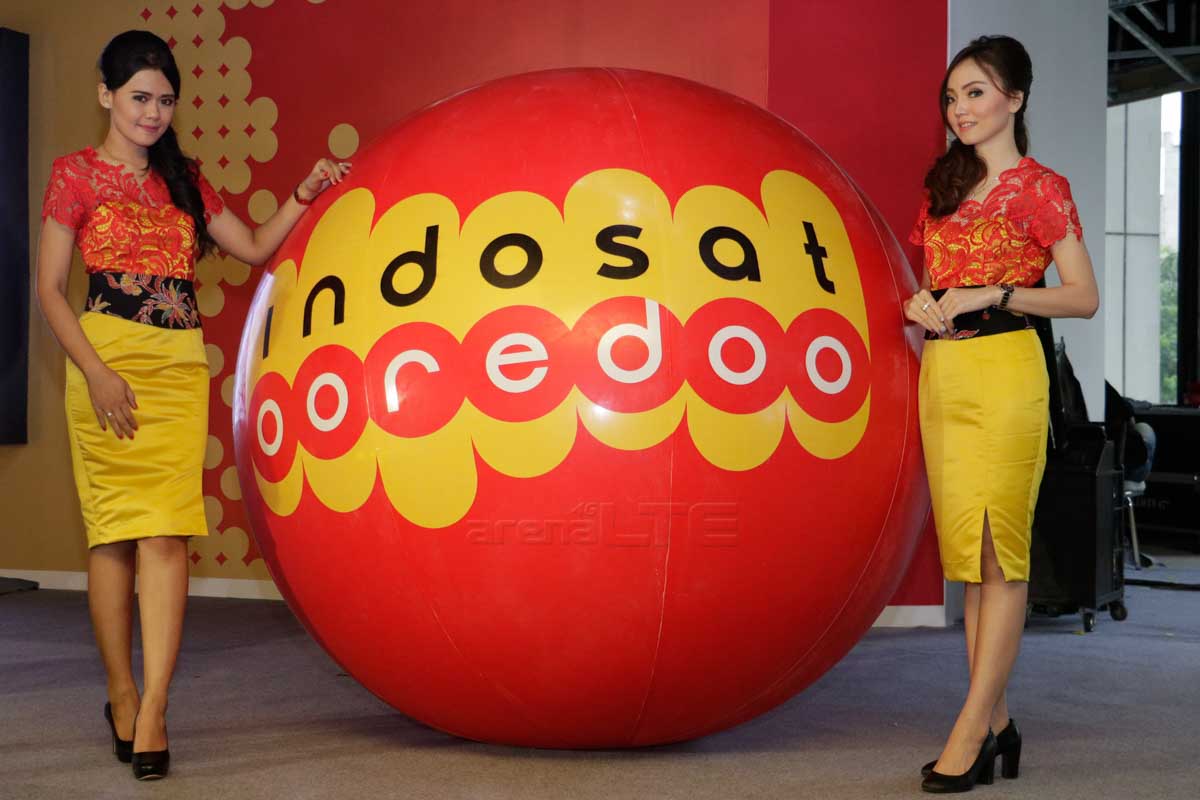
    Indonesia’s Indosat Ooredoo has entered an alliance to provide a range of enterprise services combining its products with satellite connectivity from Thuraya.

    Under the agreement, new services will be developed using Indosat SIMs roaming on the Thuraya network, as well as satellite services bundled with Indosat Ooredoo digital applications.

    In the near future, the partners said they plan to expand this alliance to cover new services for the fast-growing IoT market.

    Indosat will target the bundled products at market segments that benefit from remote connectivity extending beyond the reach of terrestrial networks and in a range of extreme environmental conditions. Examples include oil and gas, mining, military and police as well as boating and fishing.

    “We look forward to working with Thuraya to offer communication services beyond terrestrial reach,” Indosat Ooredoo director and chief of wholesale and enterprise Herfini Haryono said.

    “The cooperation will expand the reach of our digital services such as unified communications, and provide a truly seamless experience. By adding satellite connectivity from Thuraya to the Indosat Ooredoo Business portfolio we continue to deliver on our strategy to lead in digital transformation.”

    Thuraya chief commercial officer Bilal Hamouri added that the agreement is an important step towards a long-term collaboration between the two companies.

  • Mobile phone market recovers

    Mobile phone market recovers

    Mobile phone sales, which did not see the usual spike during last month’s festive season, seem set to surge in the run-up to Lunar New Year.

    “During Christmas and Western New Year, sales remained the same as in previous months, but the situation has improved and we expect sales to double from now through Lunar New Year,” Đoàn Văn Hiểu Em, mobile phone director of Thế Giới Di Động, was quoted as saying in the Thời báo Kinh tế Việt Nam (Việt Nam Economic Times) newspaper.

    Mai Triều Nguyên of Mai Nguyên in HCM City said December was for long the best month for mobile phone sales.

    “This year December sales were not high because the market did not have any striking product.

    “Besides, this year the western and Lunar New Year are so close to each other, and people were preoccupied with wrapping up their work that sales of everything, including mobile phones, were at a standstill.”

    According to FPT Shop, Iphone 7 and Iphone 7 Plus are the two top selling products followed by Galaxy J5 Prime.

    Iphones are also the bestsellers in smaller stores.

    At Thế Giới Di Động, the country’s largest telephone retailer, used Iphones top sales in terms of numbers though in terms of turnover Galaxy J7 Prime and Oppo F1s account for 60 per cent.

    At Di Động Việt, Iphones, Galaxy J7 Prime and Oppo F1s top sales while other brands are not in great demand.

    Refurbished and second-hand Iphones at good prices are in demand this season. A used Iphone 6 Plus 64 GB is offered at VNĐ8.8 million (around US$400), a price at which customers cannot get a luxury phone.

    Nguyên warned: “Customers should be careful when buying secondhand products. They should choose prestigious shops and check the product carefully before buying.”

  • Nike And Jordan Brand have opened a huge store in China

    Nike And Jordan Brand have opened a huge store in China

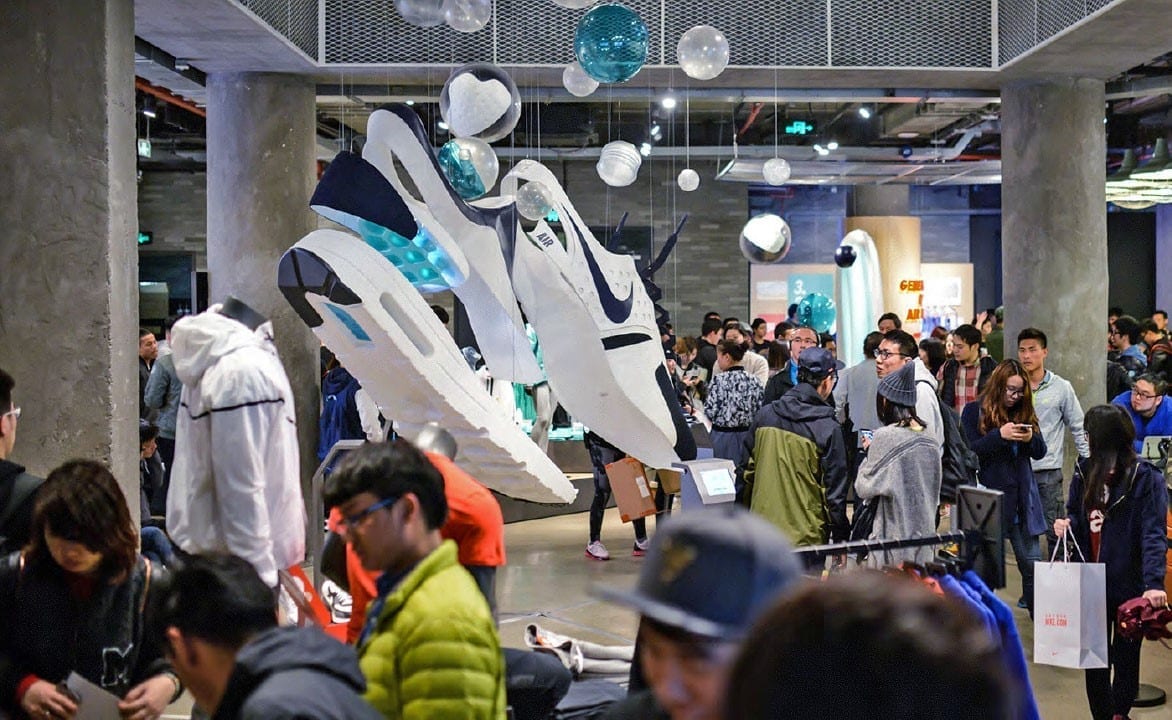
    Jordan Brand and Nike came together to open up a humongous store dedicated to basketball. China will now hold a 6,550-square-foot store located in Beijing’s EC Mall. The store will feature some of Nike basketball and Jordan brand’s latest basketball products with opportunities for personalized store experiences with NIKEiD. The space will also feature trailing zones for custom products which is called Nike+Basketball trial zone.

    “Our new Nike and Jordan Basketball Experience Store demonstrates Nike’s commitment to the sport and culture of basketball in China, and how we’re continuing to lead the future of sport retail,” said Dennis van Oossanen, Nike’s VP of direct to consumer efforts in Greater China.

    The store will also include huge appearances from athletes, in-store events and much more.  Check out the gallery below of the 6,550-square-foot store.


  • How does electronic waste get recycled?

    How does electronic waste get recycled?

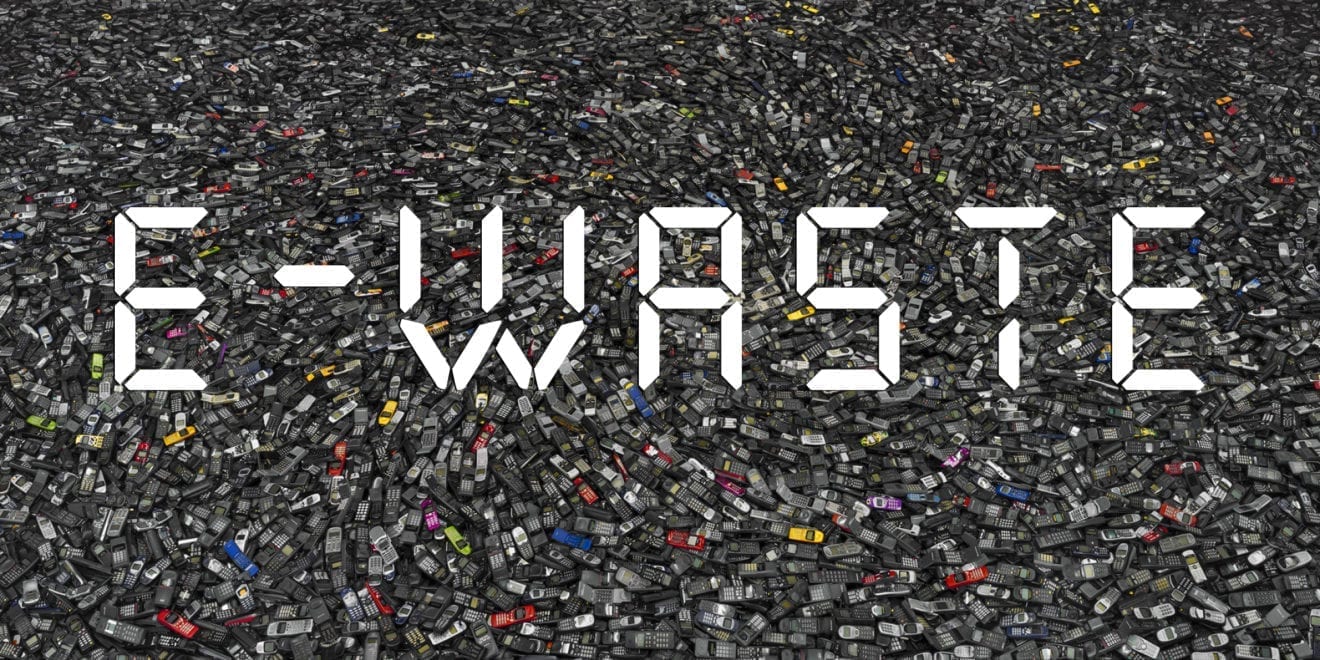
    The life cycle of electronics and electrical equipment (EEE) does not end when they stop working.If recycled properly, the precious metals found in electronic waste can go towards new EEE products.Discarded consumer electronics such as mobile phones, for instance, contain small amounts of precious and rare earth metals such as gold and silver.Scrapped cars and home appliances such as fridges and air conditioners also contain these rare metals, along with base metals of iron and zinc.In Singapore, there are several e-waste recycling initiatives for consumers.

    StarHub, for instance, partners recycling company Tes-Amm and logistics company DHL Delivery to place 328 specialised recycling bins in 277 locations under its Renew programme.Singtel has recycling bins placed at three of its shops for consumers to discard their used gadgets.Under the Project Homecoming initiative led by Canon and Epson, those with ink and toner cartridges can also drop them off at selected National Library Board locations.SORTED

    Once collected, the e-waste is sorted, labelled and dismantled according to their types – wires, LCD screens, hard disks and more.Measures, such as demagnetising hard disks, are taken to ensure data security.The e-waste is then exported to countries equipped to separate the metals through chemical processes.Once extracted, the metals are used in the manufacture of new products.

    Why recycle e-waste?

    When electronic waste is not disposed of properly, both the environment and public health suffer.This is because e-waste is very heterogeneous, National University of Singapore’s Associate Professor Tong Yen Wah explained.Apart from being made up of many types of components and materials, discarded electronics are also assembled in many ways, from simple devices like batteries to complex ones like smartphones.
    “All of these make e-waste very difficult to handle and recycle, and if their disposal is not done properly, these materials can get out and be circulated in the environment,” said the co-director of NUS’ Energy and Environmental Sustainability Solutions for Megacities programme.For instance, toxins from e-waste in landfills can seep into the groundwater that flows into rivers, causing water pollution.
  • Wahlburgers starts Asia expansion with 3 new restaurants in China

    Wahlburgers starts Asia expansion with 3 new restaurants in China

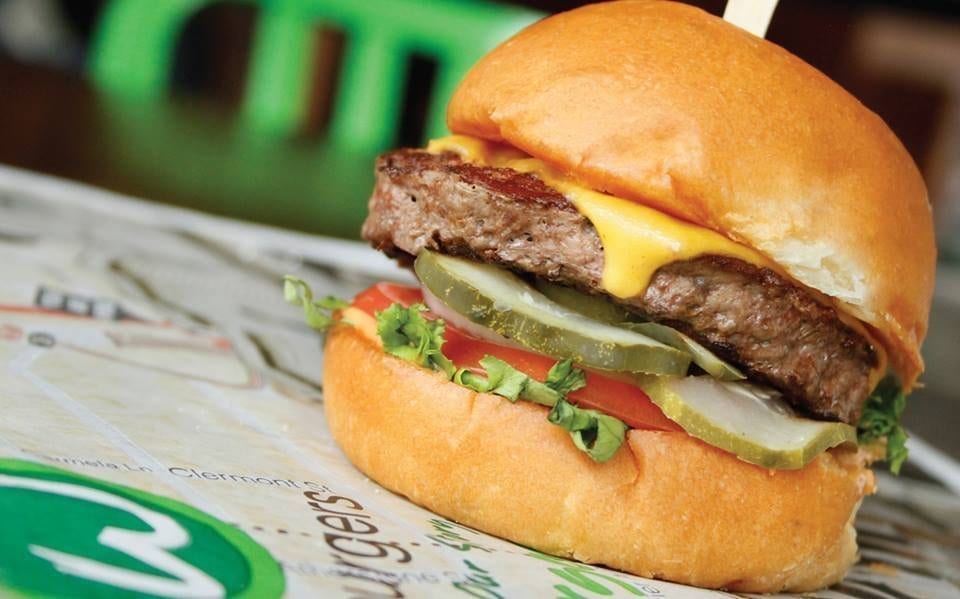
    US burger restaurant brand Wahlburgers is set to expand to Asia in 2017 through a joint venture with Cachet Hospitality Group (CHG), a Hong Kong-based international hospitality branding and management company.

    The first three restaurants are slated to open in Hangzhou, Wuhan, and Shanghai in China.

    Founded by chef Paul Wahlberg and celebrity brothers Mark and Donnie in Hingham, Massachusetts, Wahlburgers offers fresh burgers, housemade condiments, crispy haddock, seared chicken and vegetarian options. Other signature items include Mom’s Sloppy Joe, thin crispy onion rings, tater tots and thick creamy frappes and floats.

    Under the joint venture agreement with CHG, the restaurant will open 100 restaurants in China and the surrounding region over the next five years.

    CHG has signed major agreements with developers who have committed to including Wahlburgers restaurants in their projects. World Packaging Center, an existing CHG developer, agreed to sign the first restaurant in Hangzhou while Shanghai-based naked Hub has agreed to open 20 Wahlburgers in their office building complexes throughout Shanghai and Hong Kong.

    Thailand’s Big Ho Corporation will also open 20 Wahlburgers in its franchise location of Big C Supercenter stores throughout northern Thailand.

    “This is an excellent time to enter the Asia market, especially China, where dramatic growth in US-style destination malls with increasing space committed to restaurants as mall owners see both traffic and income rise dramatically,” said CHG CEO Alexander Mirza in a media statement.

    A third partner, the Arjomand Group, a holding company with businesses based in the Middle East and Africa regions, includes diverse industries such as real estate and manufacturing, is an investor in CHG and will add financial expertise and strength to the expansion plans.

    “We’re excited about this wonderful opportunity to grow in Asia,” said Wahlburgers CEO Rick Vanzura. “Having a savvy, financially strong partner is essential and we have a great partner in the Cachet Hospitality Group, which will bring an unprecedented level of service and strength to the Wahlburgers brand.

  • AEON in collaboration with Thai Airways launch “Journey of Happiness”

    AEON in collaboration with Thai Airways launch “Journey of Happiness”

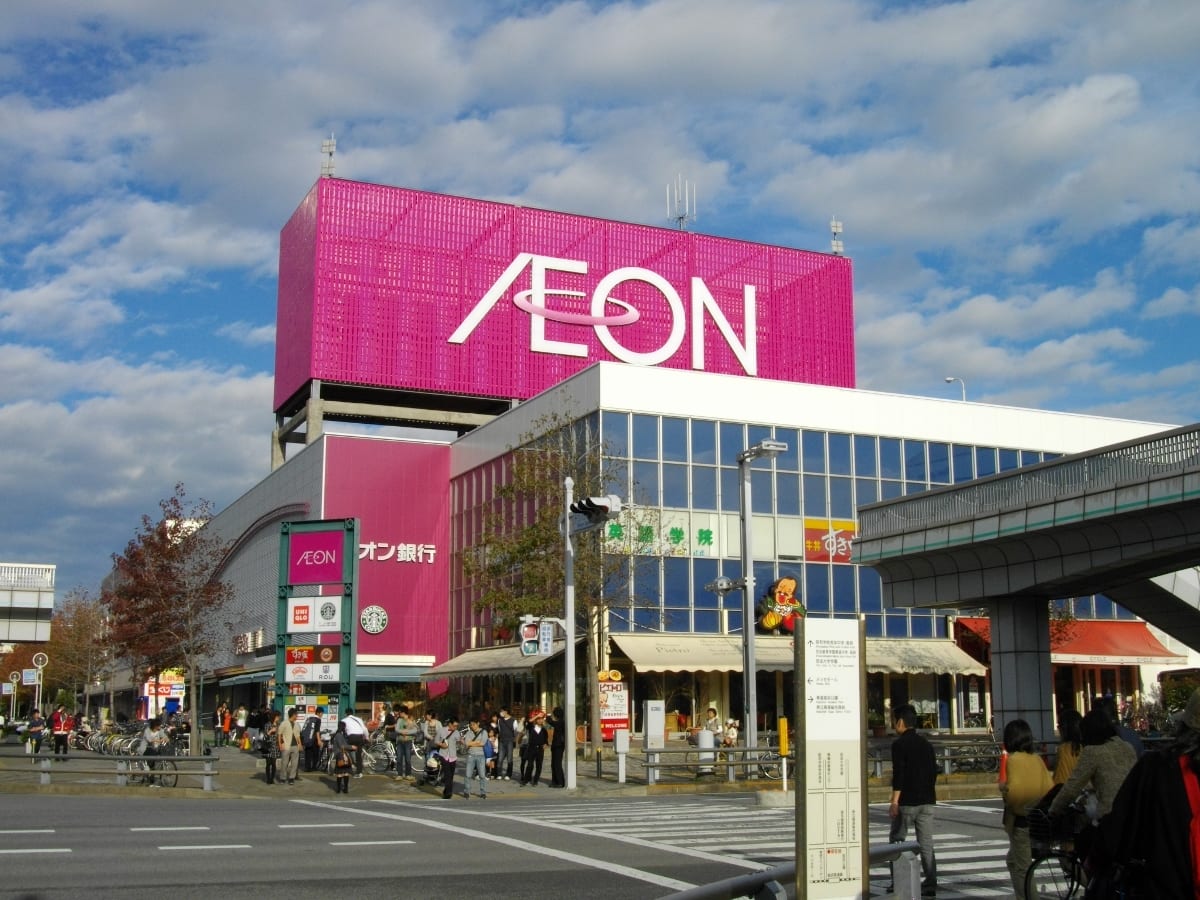
    AEON Thana Sinsap (Thailand) Public Company Limited together with Thai Airways International Public Company Limited launched “Journey of Happiness with Thai Airways 2017” campaign to offer privileges from AEON, Thai Airways and JCB partners such as special airfares from Thai Airways, great deals on tour packages from H.I.S and other special privileges from JCB partners to attendants. In addition, AEON Royal Orchid Plus Platinum cardholders, as well as other AEON credit cardholders, will be eligible for a credit refund of up to 10,000 baht on purchases made via AEON credit cards during the event. The event starts from 27-29 January at Fashion Hall, 1st floor, Siam Paragon.

  • Capsules serve up competition in Singapore’s coffee market

    Capsules serve up competition in Singapore’s coffee market

    These days, Ms Crystal Ling’s morning coffee comes in the form of a teal-coloured, bucket-shaped capsule.

    By popping it into a Nespresso machine in her office’s pantry, black coffee covered by a light caramel-coloured froth fills her espresso cup in about 40 seconds.

    “I like dark espresso that’s a bit bitter. There’s a café near my office that has what I want but at S$7 a cup, it’s not something that I should be having every day,” said the 27-year-old marketing executive, who is contemplating getting her own coffee machine.

    “Because these capsules need to be used with the Nespresso machine, I’m thinking of having one at home. My parents say it’s an expensive toy but I think ultimately, it will be cheaper than what I have been spending at cafes previously… The capsules cost less than S$1 each and for that price, it’s not bad.”

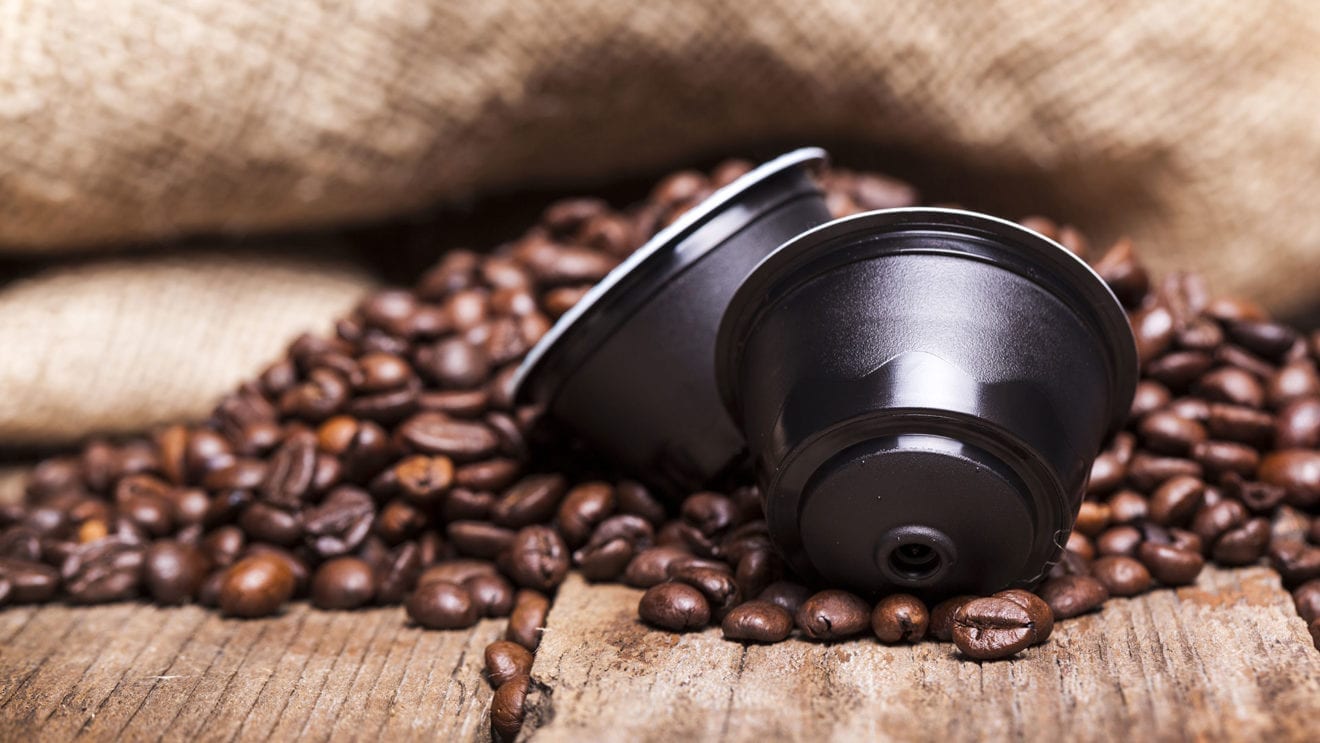
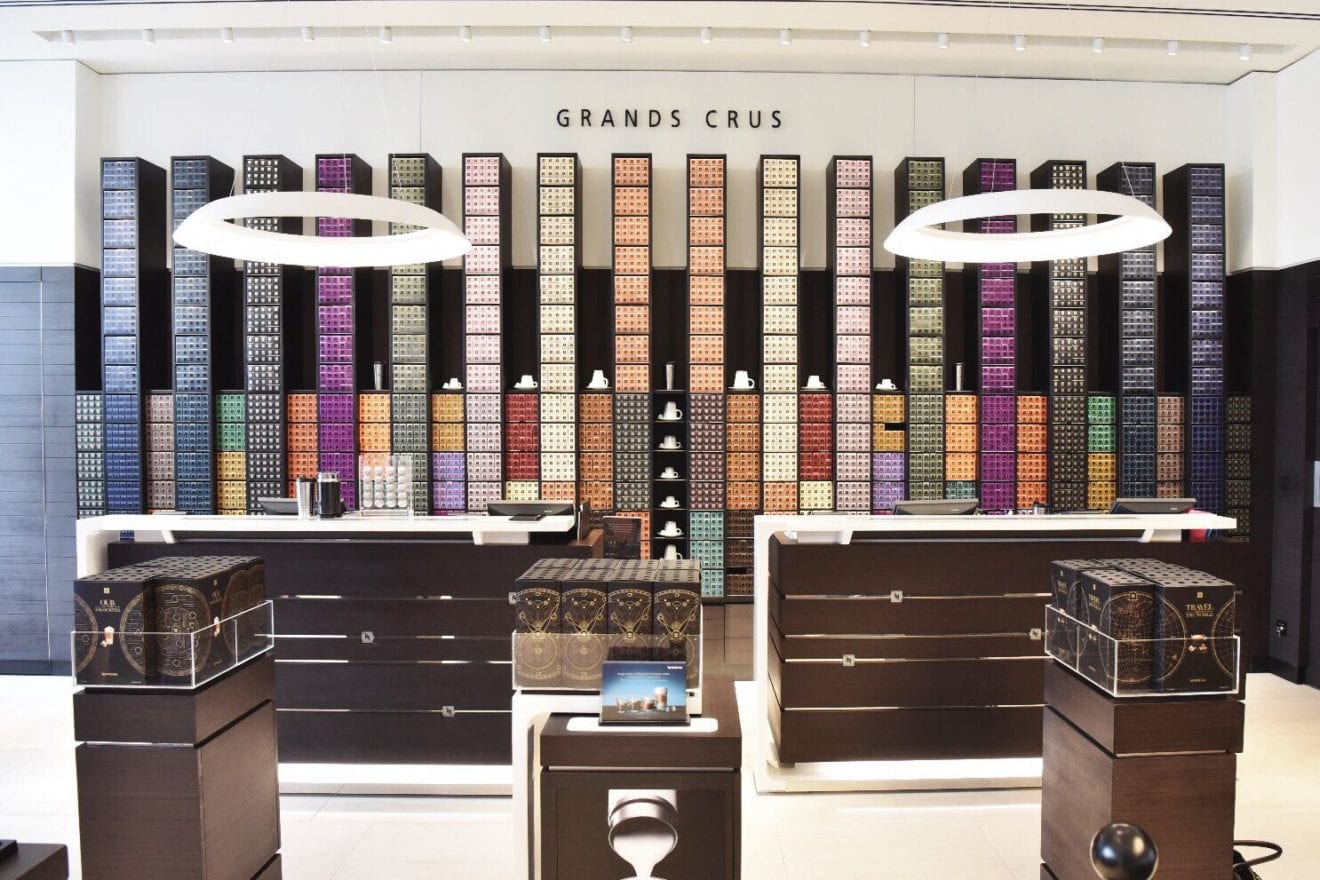
    Banking on novelty, convenience and an array of flavours, coffee capsules and machines, such as those from Nestle’s high-end brand Nespresso, are fast winning over local consumers like Ms Ling. According to research house Euromonitor, single-serve pods – including soft pods made from filter paper and hard pods that are often known as capsules – have been the fastest growing segment in Singapore’s coffee market since 2011, outpacing other segments with average year-on-year growth of nearly 5 per cent in terms of retail value. In comparison, the instant coffee segment grew an average of 2 per cent year-on-year during the same period.

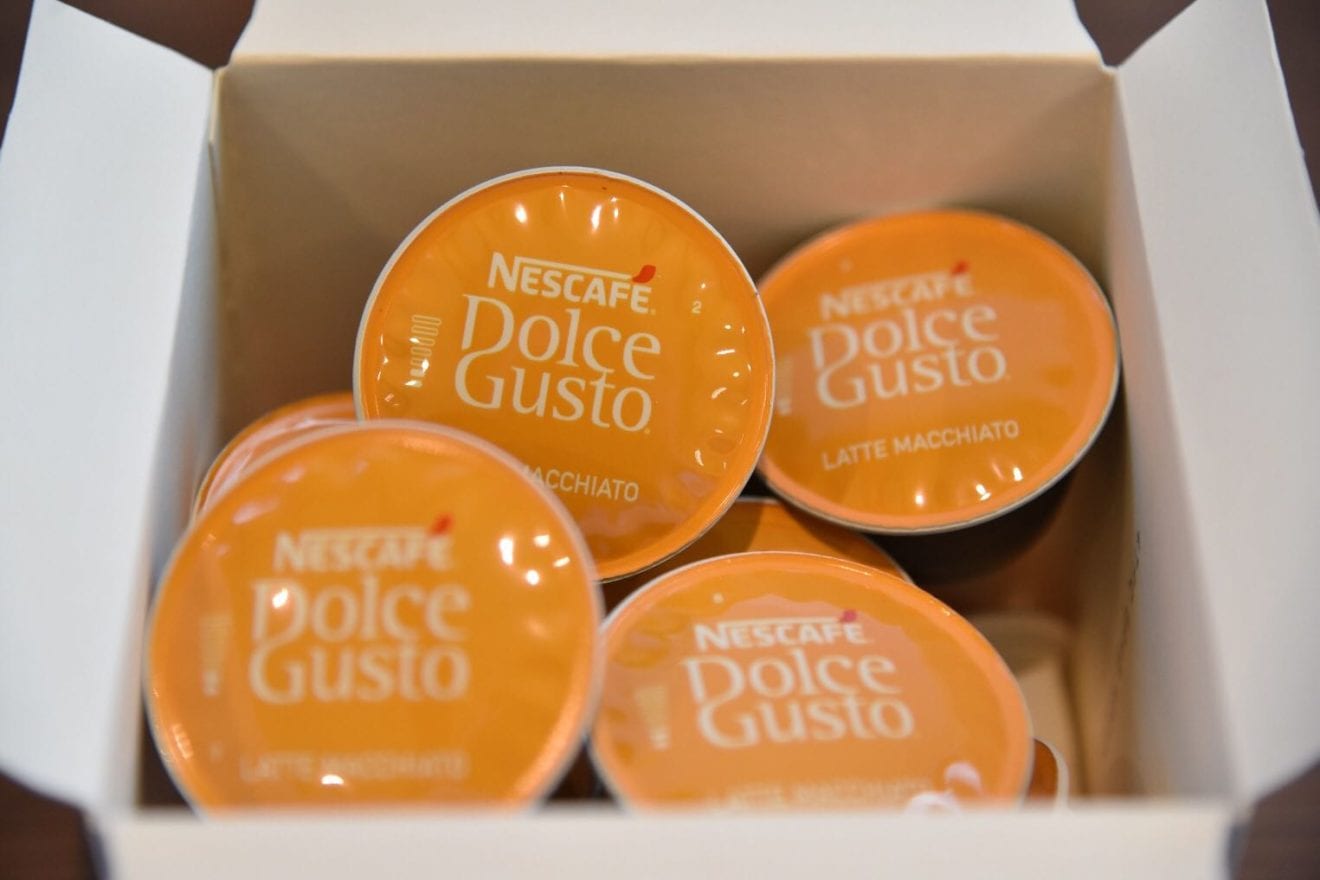
    Within this burgeoning segment, Nespresso, which first entered the local market in 2008, remains the dominant player. Nestle’s younger and cheaper range of single-serve coffee Dolce Gusto follows behind in terms of market share, helped by its lower pricing and wider variety of retail channels, noted Euromonitor’s research analyst Andrea Lianto.
    And even amid an increasingly sluggish economy, industry observers remain upbeat that the coffee-in-a-capsule segment will continue to outperform the broader coffee market in the upcoming years.

    “With higher disposable income, increased need for convenience and growing interest in high-quality coffee, coffee capsules still have room for growth in Singapore,” said Ms Lianto. “(Industry players) need to educate and convince consumers about the convenience and quality of capsules so that consumers are compelled to pay a premium for the product. The sustainability of capsules also depends on players’ efforts to maintain consumers’ excitement in the category, for example through new flavour launches.”

    This optimism is also shared by the market players.

    Nespresso Singapore, for instance, believes that its price adjustment in November means that its capsules have become an “affordable luxury experience” that consumers can have on a daily basis.

    “Even with the slowdown, people will still want to enjoy life and have moments of indulgences… if you look at the new Nespresso capsule prices, you will realise that a cup of Nespresso coffee is now an affordable luxury that you can have every day,” country manager Matthieu Pougin told Channel NewsAsia. “This is what we see in our boutiques as well. Even with the economy slowing down over the past two years, people continued to shop at our boutiques.”

    Over at Nescafe Dolce Gusto, expectations remain for the brand to see more than 5 per cent growth in the coming years. The Nestle range, which stands for “sweet flavour” in Italian, has logged double-digit growth year-on-year since its foray into Singapore six years ago.

    “The Singapore economy is facing some of its toughest challenges now (but) for the coffee capsule segment, there should still be good growth,” said Mr Chow Phee Chat, the brand’s head of business in Singapore. “Currently, the capsule segment remains one of the smallest within the market so we do project that it will still be growing very fast.”
    BREWING COMPETITION

    But for these brands, a slowing economy that could tighten consumers’ purse strings is not just the only potential challenge looming ahead.

    While Nestle’s dual-brand strategy has continued to ensure its dominance in the Singapore capsule market, it is a different picture globally.

    Keen competitors such as US single-serve coffee company Keurig Green Mountain and other upstarts that have begun making less-expensive capsules compatible with Nespresso machines, have been eating into Nestle’s global market share. According to Euromonitor, the Swiss food giant controlled 11.1 per cent of the global coffee capsule market in 2015, down from 13 per cent in 2011.

    In Singapore, a handful of homegrown instant beverage makers like Owl International and Boncafé have rolled out their respective capsule ranges, and there are other brands of Nespresso-compatible pods that can be easily purchased online. While alternative options have emerged, Ms Lianto said the “minimal presence” of these selections means Nestle will likely be unrivalled for now.

    But that does not mean that local capsule coffee lovers have not begun exploring other options.

    Ms Lim Shiyun, who owns a coffee machine from Nespresso, has bought capsules from other brands such as local café chain The Providore. “I’m quite adventurous when it comes to coffee. Since these capsules work with my Nespresso machine, there’s no harm trying out new flavours,” the 29-year-old said.

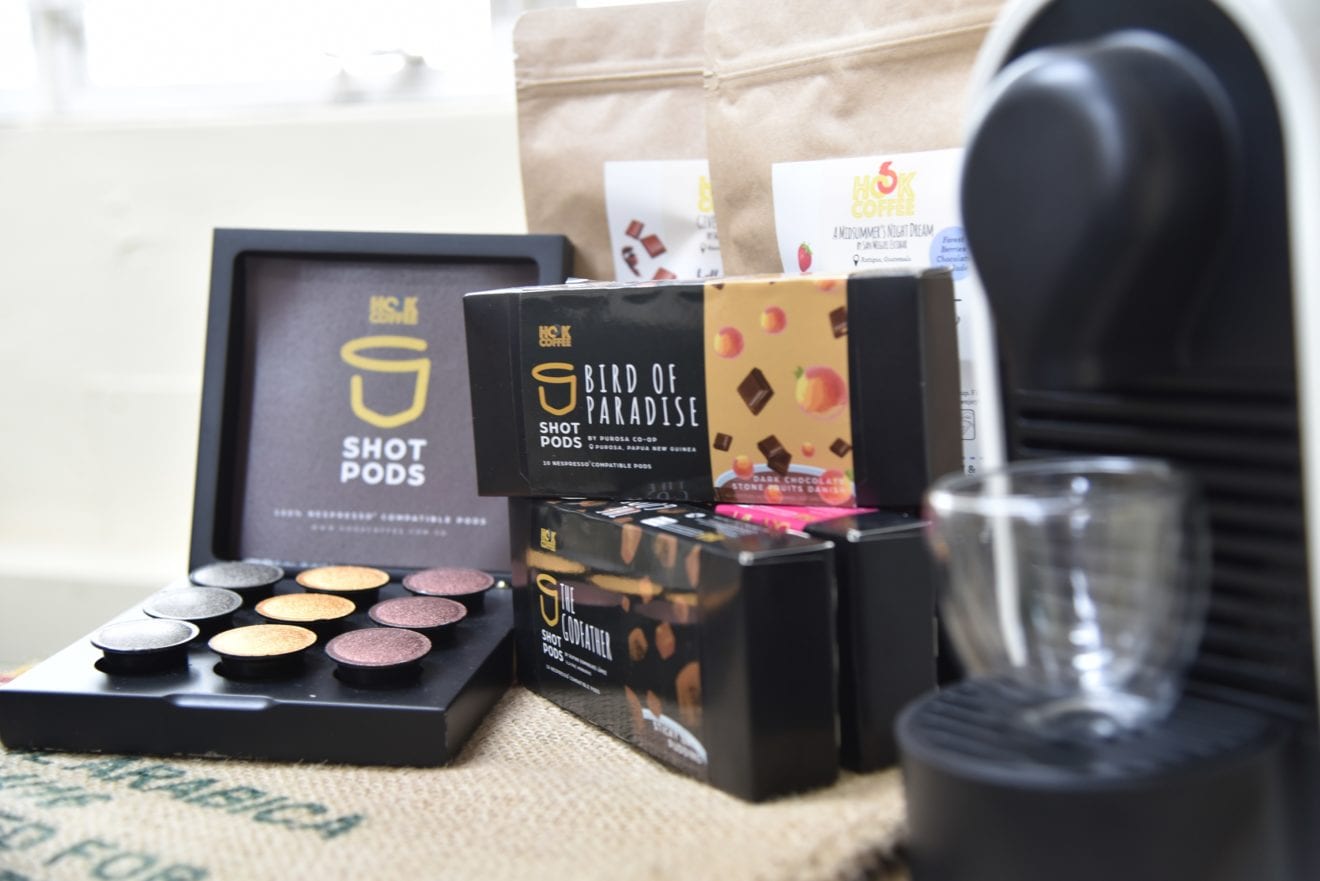
    Singapore-based Hook Coffee, for one, produces Nespresso-compatible capsules with sustainably-grown coffee beans sourced from around the world. Founded in early-2016, the online business also sells specialty coffee in other brewing methods such as French press and drip bags, and offers a coffee subscription service.

    Founders Ernest Ting and Faye Sit told Channel NewsAsia that they introduced capsules to their product line-up last June and since then, sales have been in line with expectations. Given rapid growth in the local capsule market, Mr Ting said the new venture was a no-brainer even if there were significant challenges involved for the young firm.
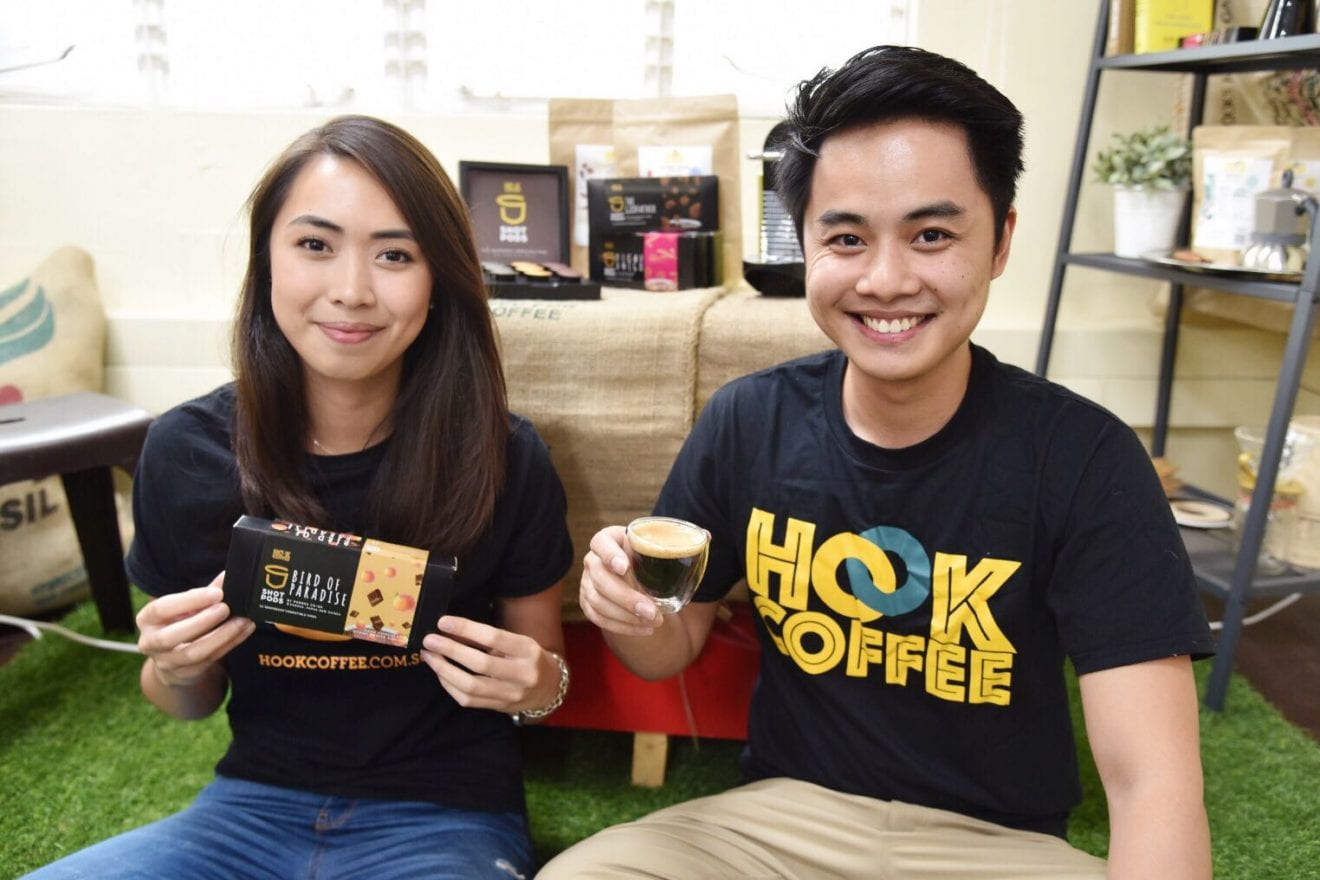
    For one, the production of capsules involved much more extensive research and development (R&D), compared to other brewing methods.

    “Each pod contains 5.5 grams of coffee and to get the same body and flavour in 30 seconds of extraction time, is very challenging. The roasting technique and the blends have to be precise; even the grinders are different so it’s a very complicated process and a huge amount of R&D investment that goes into making just one pod,” Mr Ting explained.

    That is why the introduction of new capsule flavours have been slower than other brewing options, which usually sees new additions once a month, he added.

    Meanwhile, to prevent wastage, an average of 10,000 capsules are filled during each production cycle. With such a large-sized production, it is crucial for the start-up to get things right before the release of every new flavour, Ms Sit told Channel NewsAsia. “Especially for a small market like Singapore, a large production batch is also tricky so we have to be really careful and do a lot of market research.”

    Despite the difficulties, the two young entrepreneurs still think their five-figure investment into capsules has been worthwhile and remain optimistic on sales, even as competition seems to have been turned up a notch after the market’s biggest player, Nespresso, lowered the prices of its coffee range.

    “Twenty per cent of our total sales right now are capsules. That’s the same as our drip bags and achieved within six months… As more people want convenient options, we think there will be an increase,” said Mr Ting.

    The 25-year-old added: “Interestingly, when Nespresso lowered their prices, we maintained ours but we didn’t see a drop in subscribers. In fact, it increased slowly so we think consumers are coming to us because we offer a more artisanal option.”
    PRICE CUTS, NEW PRODUCTS TO GET A SHOT IN THE ARM

    Still, industry observers said the nearly 30 per cent price reduction follows Nespresso’s recent adjustments in other markets, and will give the high-end brand a shot in the arm when it comes to competing with lower-priced rivals. For instance, Ristretto and Espresso capsules that were S$0.91 each are now S$0.68, cheaper than Dolce Gusto’s Espresso Intenso that retails at S$11.90 for a box of 16.

    Describing Singapore as a “unique market” where “coffee is part of the people’s DNA”, an increasingly discerning taste for coffee among local consumers has spurred Nespresso’s growth over the past eight years, said Mr Pougin. However, he denied that increasing competition was a catalyst for the recent price adjustment, adding that “Nespresso continues to grow in (Singapore) regardless of competition”.

    “We didn’t make the decision to decrease the price because of competition,” Mr Pougin told Channel NewsAsia. “The reason we did that is because we have been here for more than eight years and we now have the ability and want to offer the Nespresso experience to a bigger group of consumers.”

    Meanwhile, Nescafe Dolce Gusto said it has “no plans to relook (at) its pricing”, primarily because the brand’s competitive edge remains in its capsule beverages that go beyond coffee and its diverse retail locations such as supermarkets.

    “We have a place in the market. We offer a variety of beverages not just for coffee enthusiasts… (but) also tea and hot chocolate. We are a coffee system that not only offers good quality coffee, but beverages for the whole family,” said Mr Chow, who added that the brand’s new varieties including healthier options such as its unsweetened Latte Macchiato will continue to “surprise consumers”.

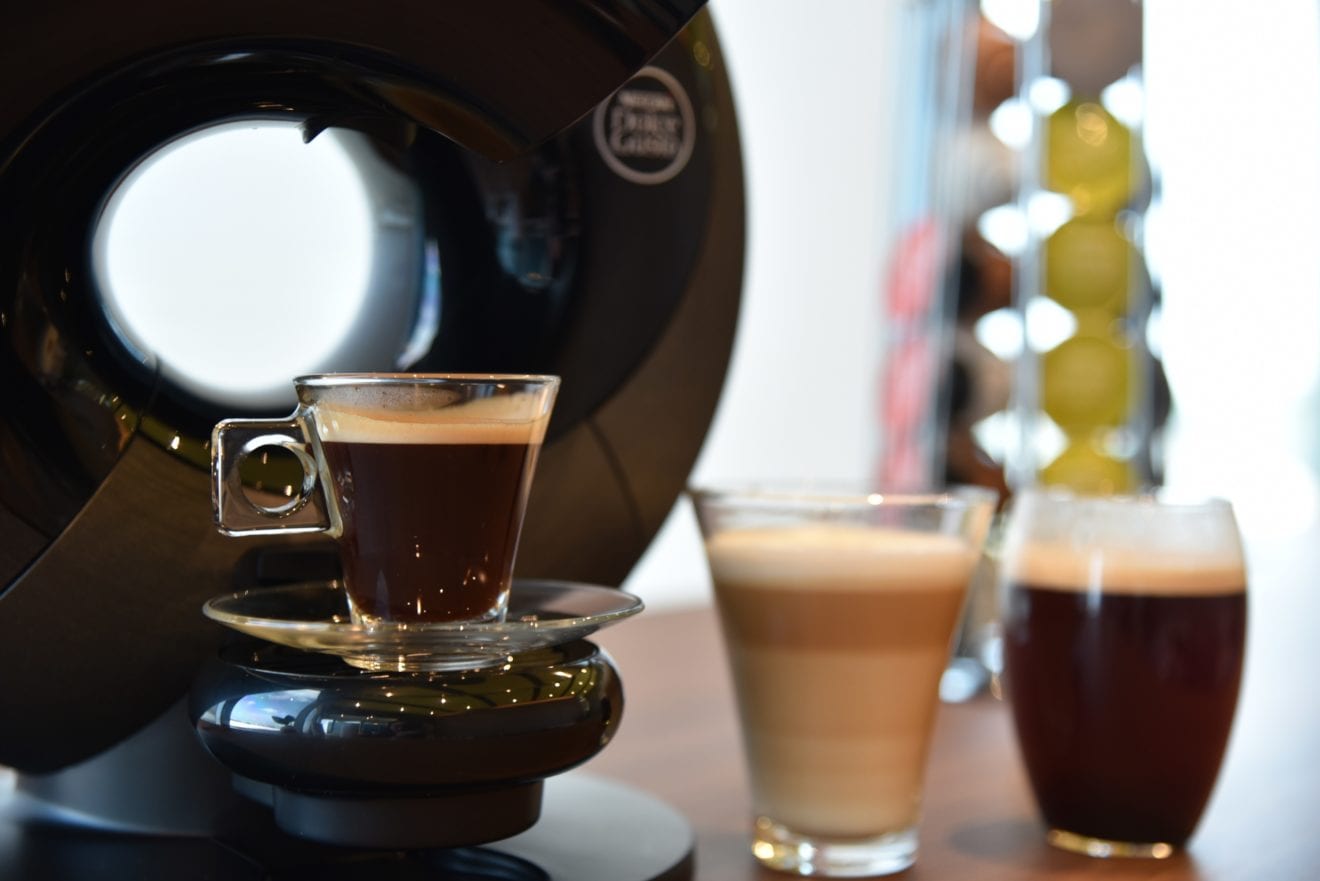
    In the meantime, Dolce Gusto is also betting on new coffee systems to help it keep up with competition. The brand’s latest “Eclipse” machine comes with an unconventional circular design and a touch screen interface.
    DIVERSIFY INTO CAPSULES? MAYBE NOT YET

    Still, there is at least one beverage maker who is opting to sit out of the hype for now.

    Mr Desmond Ng, managing director of local instant coffee brand Gold Kili, told Channel NewsAsia that the rising popularity of coffee capsules has had little impact on sales. The 32-year-old household brand also has no plans to follow in the footsteps of other homegrown beverage makers, given that coffee capsules remain “a non-mainstream option” for now and there are consumers who are not willing to splurge on a coffee machine. “As such, a packet of instant coffee, which is usually four times cheaper than a capsule costing around S$1, remains more attractive to price-sensitive consumers,” Mr Ng added.

    Gold Kili also prides itself on its traditional brew that is achieved by roasting a mixture of Arabica and high-caffeine Robusta coffee beans with sugar or caramel. Even amid the rise of Western-style coffee that uses just Arabica beans, Mr Ng believes that the traditional brew will continue to have its loyal following.

    Eurmonitor’s Ms Lianto agrees: “Instant coffee targets a different segment of consumers through a much lower price point than capsule coffee. On average, one serving of instant coffee costs less than one-third of one serving of capsule coffee.

    “As such, many instant coffee consumers, especially those who are price-sensitive, find themselves reluctant to shift completely to capsule coffee for their regular caffeine fix.”

    However, Gold Kili’s Mr Ng is not ruling out expansion plans to tap on new emerging trends in the local coffee market, such as coming up with specialty coffee bags to attract younger consumers.

    “Capsule machines remain expensive and with capsules far from being the mainstream option for consumers, we won’t be heading in that direction for now,” he told Channel NewsAsia. “But we are considering Western-style coffee bags to cater to the tastes of younger consumers. We think there’s still a gap in this market and there’s a business opportunity for us.”

  • T2 Singapore launches with kaya toast brew

    T2 Singapore launches with kaya toast brew

    For its first outlet in Asia, Australian tea chain T2 Singapore has launched with a new brew that pays homage to local breakfast staple kaya toast.

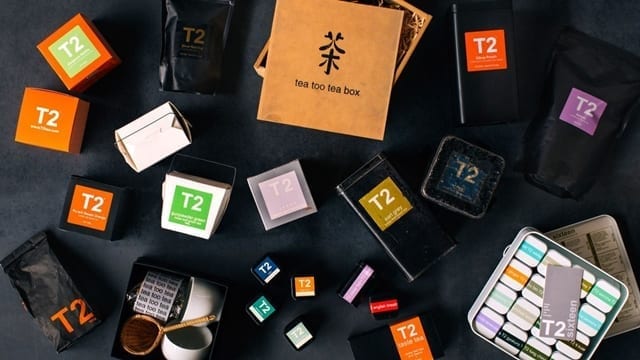
    Its Singapore Breakfast tea is a blend of pu’er (Chinese fermented tea), green tea, coconut flakes and roasted rice. It is among more than 150 types of teas at the new store, in the 313@Somerset mall.

    T2 CEO Nicky Sparshott says Singapore was picked for the company’s Asian debut because of its “strong tea-drinking culture with multicultural influences, from black tea dating back to the colonial period to Asian tea beverages such as teh tarik – Malay for pulled tea – and green tea”.

    Covering 550 sqft (51 sqm), the store offers myriad teas, from black, green and white to rooibos, and herbal and fruit-based tisanes.

    Bestsellers for the company include French Earl Grey, which has bergamot-infused black tea perfumed with rose and sunflower petals and hibiscus; Green Rose, green tea paired with mango, papaya and rose petals; and Fruitalicious tisane, a blend of cranberries, blueberries, dragon fruit and goji berries.

    t2-tea-c

    Singapore has been among T2’s top five markets in online sales over the past two years, and Sparshott hopes the country’s reputation as a tourism hub can expose the tea company to visitors in Asia.

    “Infinite possibilities”

    “Tea has moved from being a beverage for old people to having infinite possibilities … there is an appetite for new invention in teas,” she says.

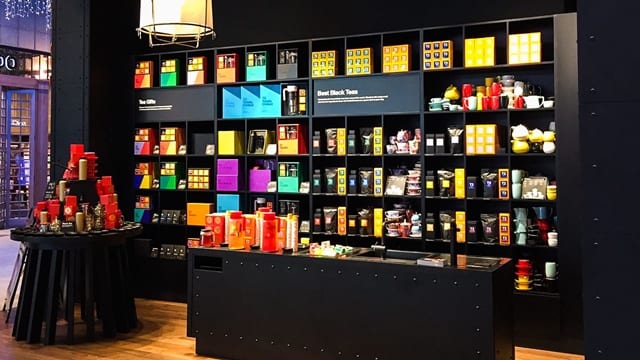
    Like its more than 75 outlets in Australia, New Zealand, the UK and the US, the T2 shop in Singapore has black floor-to-ceiling shelves lined with brightly coloured tea boxes, tea pots, cups and accessories. Taking centre stage is an island brew bar with tea-making apparatus, where six types of hot and iced tea beverages are brewed daily for customers to sample.

    Sparshott says customers can also attend regular tea masterclasses and tea-blending sessions through the tea community group T2 Society, which is free to join.

    She says T2 intends to open another three or four outlets in Singapore in the coming year.

    Started in Melbourne in 1996, T2 was acquired by Unilever in 2013, which owns such tea brands as Lipton.

    Other tea boutiques in Singapore include the TWG Tea chain and The 1872 Clipper Tea Company, which opened a tea retail shop-cum-bar in Ion Orchard last April.

  • Laduree Malaysia plans to open in Pavilion KL

    Laduree Malaysia plans to open in Pavilion KL

    Famed for its macaroons, luxury French bakery Laduree Malaysia is expected to launch soon with a store in Pavilion KL’s Couture Zone.

    No date has been set yet for the opening.

    laduree-malaysia

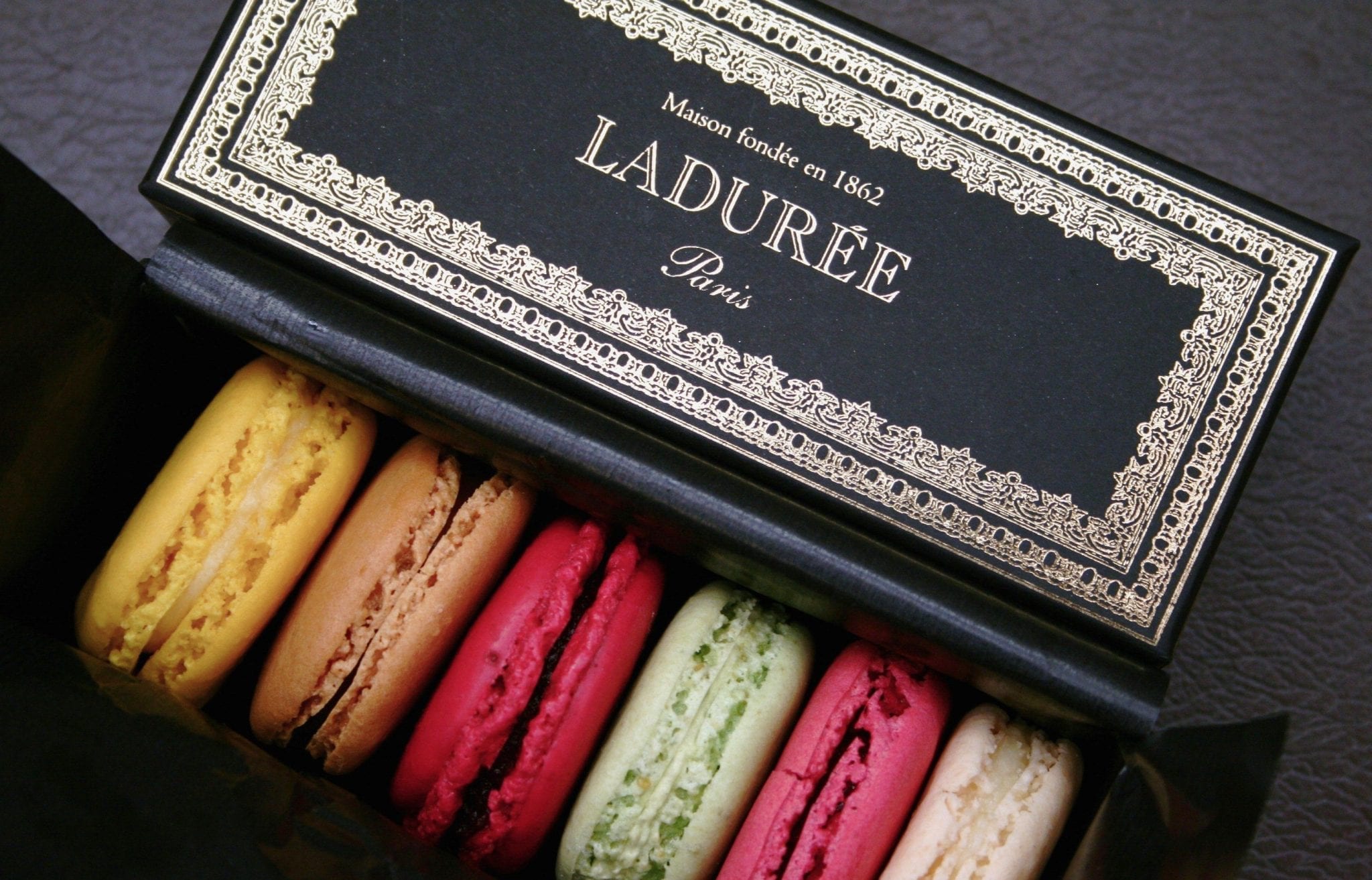
    With their ganache filling, Laduree macarons come in a variety of flavours, ranging from classics (chocolate, vanilla, lemon, coffee, salted butter caramel and rose petal) to seasonal (chestnut, Morello cherry, lime coconut and matcha).

    The brands beginnings go back to 1862 when Louis Ernest Ladurée, a miller from southwest France, opened a small bakery in Paris. In 1930, his grandson Pierre Desfontaines came up with the original idea of double-decker macaroons by sticking two shells together with a ganache filling. Since then, Ladurée has been selling around 20,000 macaroons every day all over the world.

    International expansion began in 2005 with London. Today, the brand has stores in 17 countries including Thailand, Hong Kong, Japan, the Philippines, Singapore, South Korea and Taiwan.