Blog

  • House of Fraser sales plummet under Chinese owner

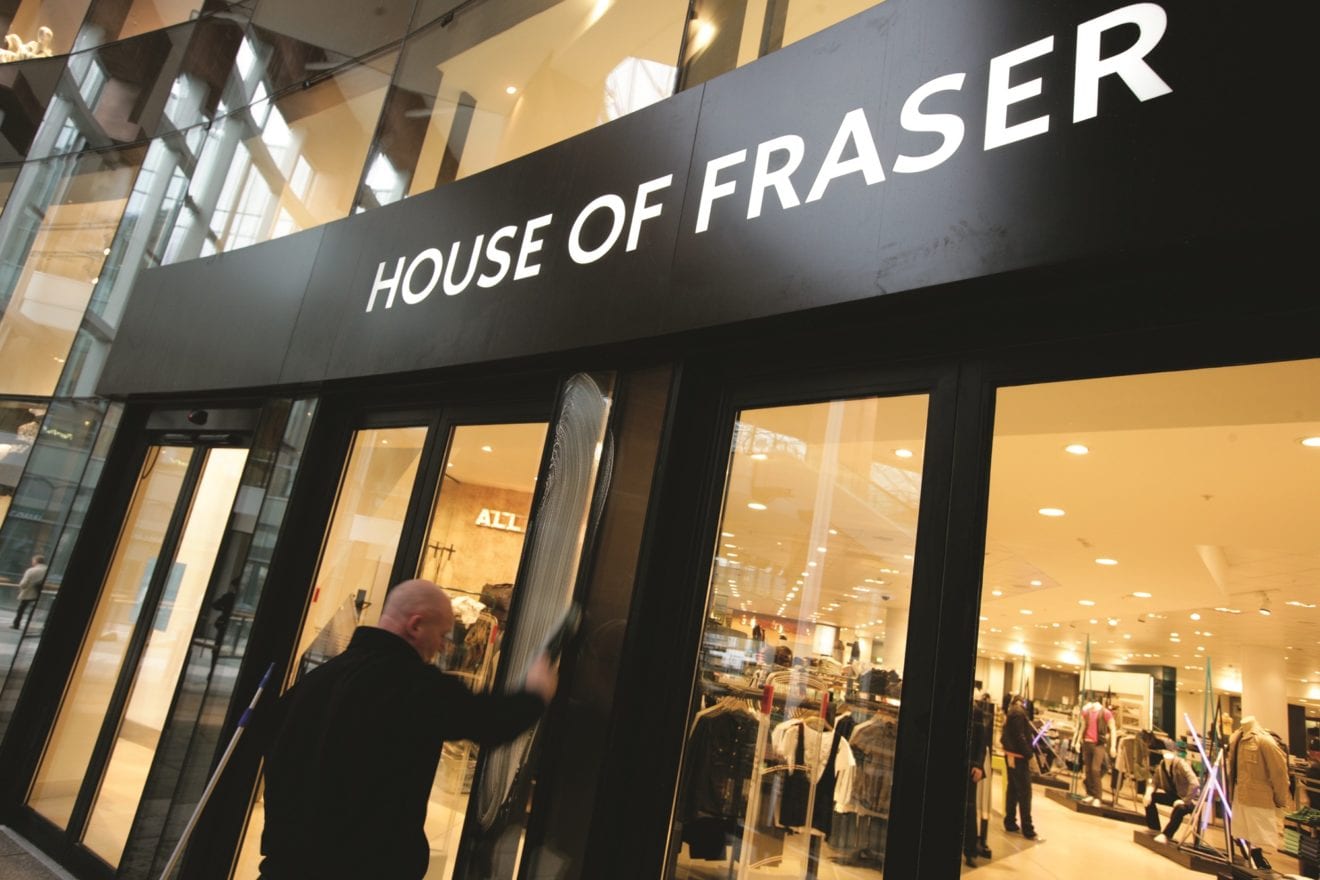
    House of Fraser sales plummet under Chinese owner

    The global ambitions of House of Fraser’s new Chinese owners have fallen flat, management is disgruntled and profits have dived nearly 50 per cent in the first half year.

    That’s the analysis of Verdict Retail senior analyst Emily Stella, who says the department store’s fate is “being closely watched”.

    Unseasonable weather and consumer uncertainty were factors in the decline, she adds.

    But the news is not all bad.

    “House of Fraser has reported a positive set of results for the Christmas period: the beauty category performed particularly well, with an increase in gifting and the onset of party season. [In the UK] House of Fraser’s Black Friday results were also commendable, with sales rising 2.7 per cent on last year – driven primarily by strong online demand, which represented 41 per cent of total sales across the week-long event.”

    After repeated postponements, House of Fraser opened its first standalone store in China in Sanpower Plaza in Nanjing in December.  The company is owned by Chinese conglomerate Sanpower Group, whose affiliate C.banner International owns British toy giant Hamleys, which has opened a store in the same centre.

    House of Fraser chairman Frank Slevin said at the opening that the chain will look to benefit from the strong demand by Chinese consumers for UK brands.

    Meanwhile, Stella says the retailer has rightly invested in refurbishing its existing UK stores.

    “These stores have been the retailer’s top performers over the Christmas weeks and supported like-for-like sales growth. Continued investment in its online platform and store estate, as well as offering consumers a broad range of brands will be critical as the retailer faces tougher market conditions in 2017.”

    The true performance of House of Fraser over Christmas will be able to be assessed when rivals M&S, Debenhams and John Lewis reveal their results tonight, providing a benchmark for all.
  • Sharetea bubble tea arrives in Vietnam

    Sharetea bubble tea arrives in Vietnam

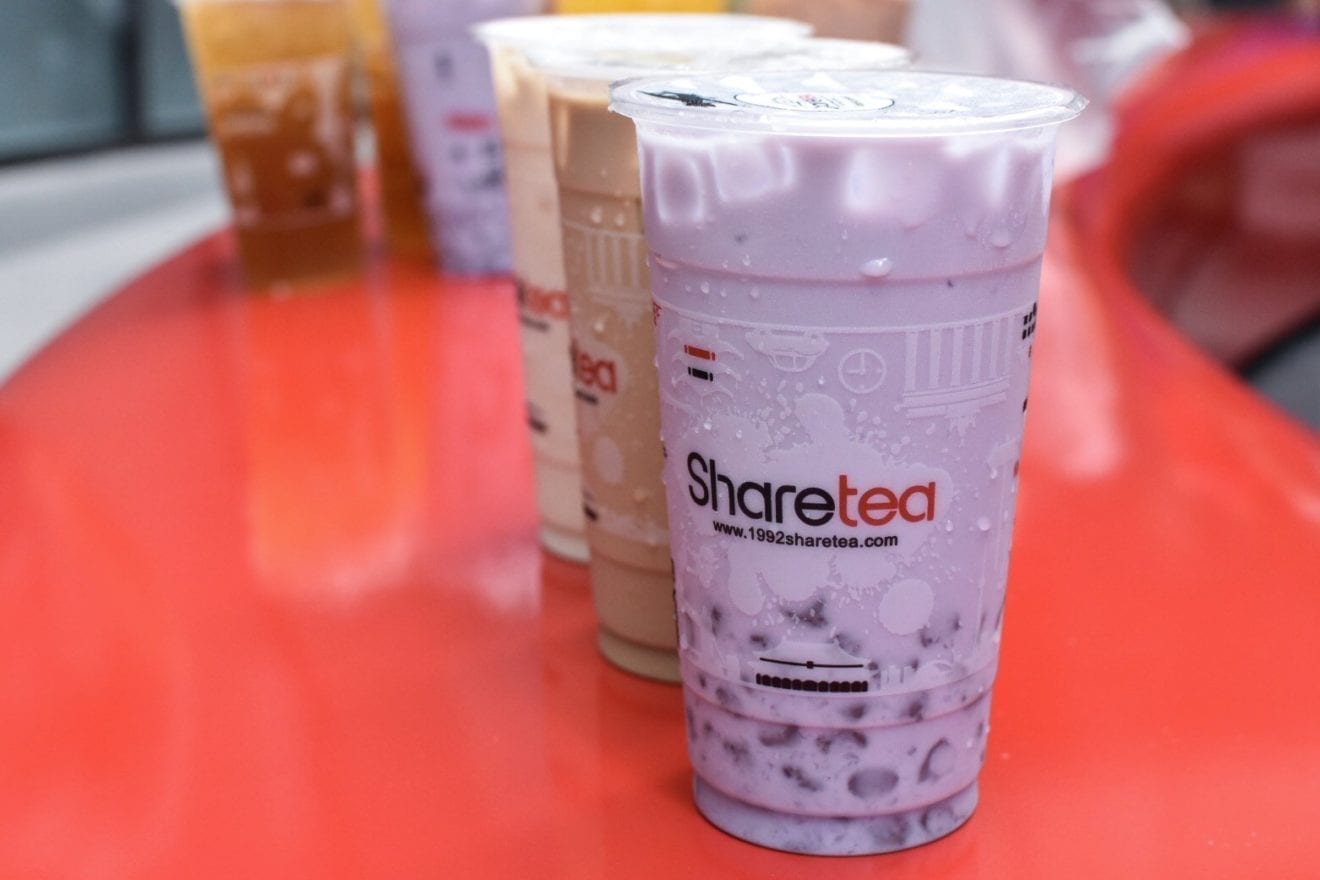
    Taiwanese bubble-tea brand Sharetea has launched into Vietnam with a store on the walking street of Nguyen Hue in central Ho Chi Minh City.

    Sharetea has more than 450 stores in more than 18 countries. Its drinks are made from tea leaves and ingredients shipped directly from Taiwan.

    It says its customers’ favourite drinks include coffee milk tea, kiwifruit tea, whole-lemon green tea and pearl black milk tea.

    Vietnam’s bubble-tea market has yet to reach its potential, say business owners in the sector. Sharetea is competing with other overseas brands like Chatime, Gong Cha and Koi.

  • Fast retailing bright faith

    Fast retailing bright faith

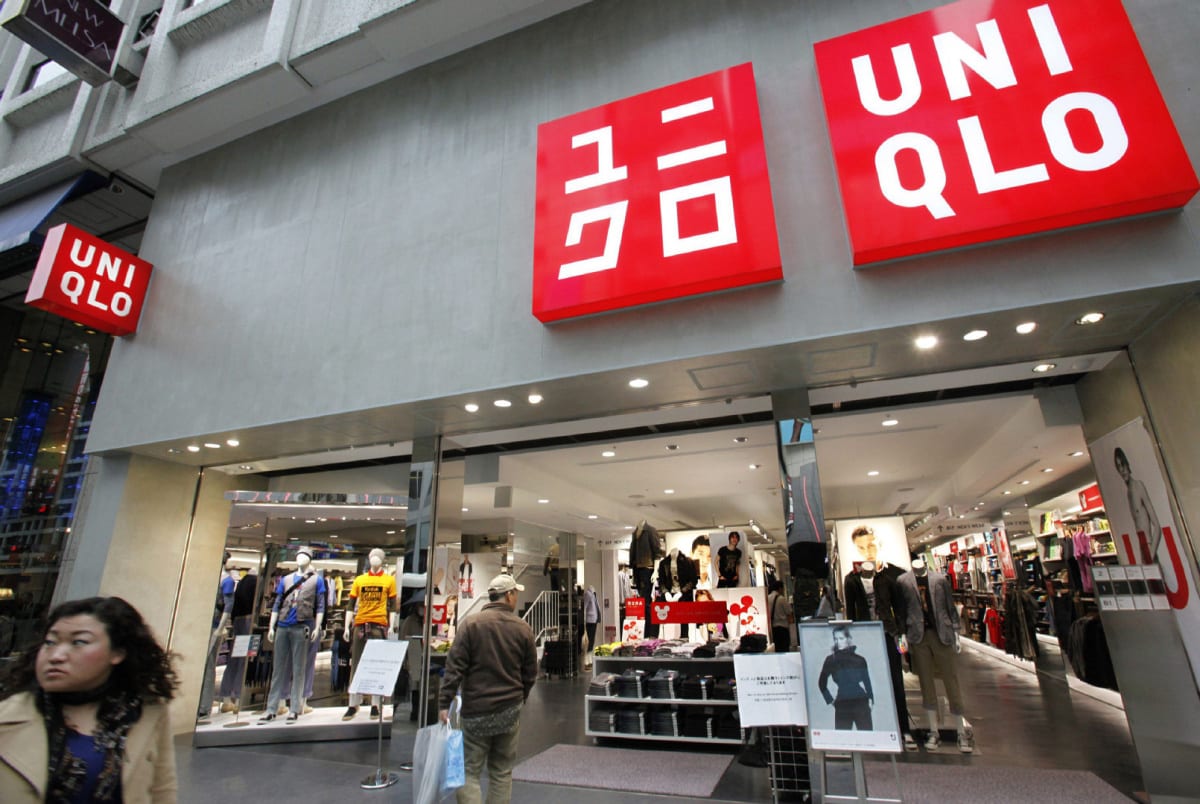
    Both consolidated revenue and profit rose for apparel retailer Fast Retailing Group in the first quarter of its latest fiscal year – the three months to November 30.

    Consolidated revenue rose 1.6 per cent year-on-year to reach ¥528.8 billion (U$4.6 billion), while profit soared 16.7 per cent to reach ¥88.5 billion.

    The gross profit margin held steady as the company continued its group-wide cost-cutting drive initiated in fiscal 2016.

    With the group recording a foreign exchange gain of ¥15.6 billion, the consolidated profit rose considerably in the quarter, with profit before taxes increasing by 34.2 per cent to ¥104.2 billion, and profit attributable to the owners of the parent expanding by 45.1 per cent to ¥69.6 billion.

    Breaking down the first-quarter performance into the three individual business segments, Uniqlo Japan increased both revenue and profit, Uniqlo International had a fall in revenue but a rise in profit, and Global Brands had a rise in revenue but a fall in profit.

    With its medium-term vision to become the world’s No. 1 apparel digital retailer, the group is focussing its efforts on expanding Uniqlo International and its low-priced GU casual-fashion brand.

    It is continuing to grow Uniqlo store numbers in each country where it has a presence, opening global flagship stores and large-format stores in major cities. It is also expanding GU, which has grown into a second-pillar brand for the group. It has opened more GU stores within Japan and has been accelerating the brand’s development and store numbers in overseas markets.

    “Another medium-term goal is to revolutionise our entire supply chain, spanning all procedures from planning to design, raw materials procurement, manufacturing and retail into a new supply chain system that can fully satisfy the needs of today’s digital era.

    “The customer-centric, information-driven supply chain is designed to support a comprehensive new digital retailing business model for the Fast Retailing Group.”

    Next month, the group will move all Uniqlo product-related and commercial activities to its central Ariake headquarters.

    Uniqlo Japan

    For the quarter, Uniqlo Japan increased revenue 3.4 per cent to ¥238.8 billion, and profit by 1.8 per cent to ¥45.6 billion. Same-store and online sales grew 2.5 per cent.

    During the period, the number of stores was reduced by six to 800 (excluding 41 franchise stores) at the end of November. Three stores shifted from being directly run to become employee franchise stores.

    Same-store sales declined in September and October because of unseasonal warm weather affecting demand for fall/winter items. Once temperatures dropped in November, same-store sales picked up.

    Uniqlo International

    Revenue eased 0.2 per cent to ¥196.5 billion for Uniqlo International, but there was a 44.6 per cent rise in profit. The fall in revenue was mainly because of the effect of the stronger yen, which pushed down yen-based sales by an average 16 per cent. However, in terms of local currencies, sales rose overall.
    Profit contributions from Uniqlo Greater China and Uniqlo Southeast Asia and Oceania were especially strong.

    Fifteen years after the first Uniqlo store outside Japan opened, the international network surpassed 1000 outlets, settling at 1009 stores at the end of November, an increase of 145.

    Global Brands

    For Global Brands, revenue rose 1.1 per cent to ¥92.7 billion while profit dropped by 22.7 per cent to ¥9.5 billion. The GU casual fashion brand grew revenue but had a profit fall after unseasonal warm weather. GU same-store sales expanded only marginally over the quarter as a whole.

    The group’s Princesse Tam.tam label in France and its J Brand premium denim label in the US continued to lose money, while fashion brands Comptoir des Cotonniers and Theory had steady profits. 

    Humanitarian aid

    In October, Fast Retailing Group decided to donate US$1 million to humanitarian aid efforts in south Sudan.

    In its “All-Product Recycling” initiative, the group delivers clothing collected at Uniqlo and GU stores to refugees and displaced persons, and in November head-office employees visited Myanmar to donate about 60,000 items of clothing. The beneficiaries were internally displaced persons in the Kachin and Rakhine states.

  • Movie company VShine Brothers opens oyster bar

    Movie company VShine Brothers opens oyster bar

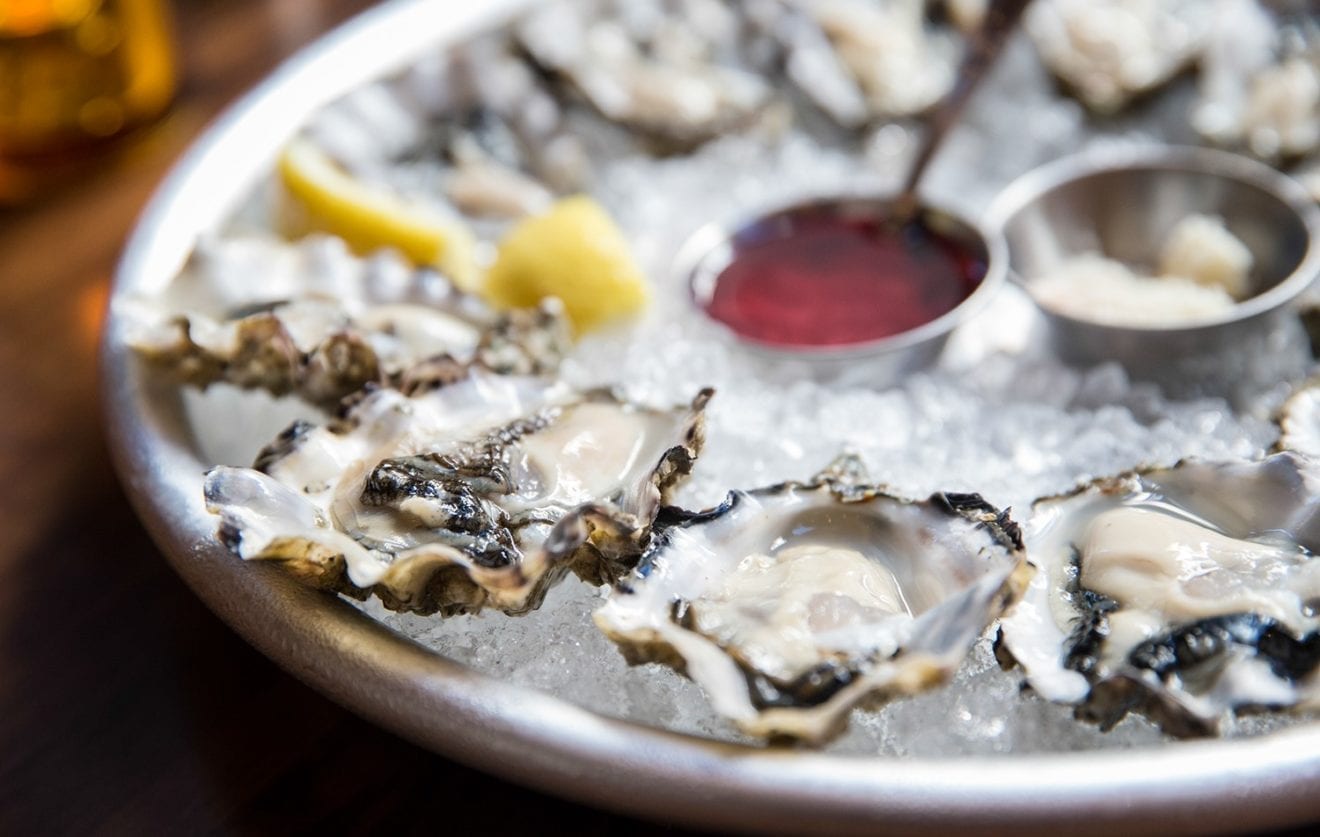
    Movie investment and production company VShine Brothers has opened an oyster bar in Beijing.

    Its VShine Oyster Bar features interior design by A+A Workshop Design, Beijing, inspired by a marine concept.

    A+A Workshop Design says the aim was to create “historical charm” from the 1930s-1940s era. “We use some marine elements such as a cruiseship door, a scuttle, reef stone … the materials used include brass, brick wall, walnut timber wall panels and ceramic tiles.”

    The floor combines marble mosaic and wood, while the ceiling is made of vintage tin-tiles.

    There is a sculptural installation at the entrance – a fake reef stone made of concrete studded with oyster shells.

    At the end of a corridor is a hidden door, which leads to a cigar room with industrial pendant lighting and a vintage Chesterfield sofa as decoration.

    Another touch is glass display cabinets with items including a full suit of armour.

    VShine Brothers was established as Wei Shi Brothers in 2011 and is now a group of companies working in the movie, television and internet sectors. It even has a clothing brand with movie star endorsements.

  • Jennifer Lopez’s footwear steps out with Giuseppe Zanotti

    Jennifer Lopez’s footwear steps out with Giuseppe Zanotti

    Jennifer Lopez’s footwear collection debut with Italian designer Giuseppe Zanotti, christened #GiuseppexJennifer, will hit the brand’s website and US stores on January 23.

    Comprising six designs, the collection channels the singer/actress’s flashy personal style, reports CPP-luxury.com. The star piece looks set to be a pair of lace-up, bejewelled stiletto boots in metallic silver, echoed by a pair of gladiator sandals.

    jennifer-lopezs-footwear-giuseppe-zanotti

    Photos released by the star in July, when the collaboration was announced, showed Lopez trying on a pair of knee-high snakeskin-heeled sandals.

    The project marks Zanotti’s first major celebrity collaboration, and it is also Lopez’s first high-end fashion series following a long-standing partnership with budget retailer Kohl’s, which featured her first collection in 2011.

    Meanwhile, the star is busy this year with a music collaboration with rapper Drake, a Spanish-language album, her Las Vegas residency show All I Have running through October and the second season of her TV show Shades of Blue premiering on NBC in March.

  • No-grow period for Tesco Asia

    No-grow period for Tesco Asia

    Tesco Asia’s sales growth stalled in the third quarter as Thais stopped spending during the mourning period for their late king.

    First quarter growth was 3.3 per cent and second quarter growth 3 per cent. But during the third quarter, according to results released it shrank to an underwhelming 0.4 per cent.

    Tesco CEO David Lewis said the slowdown reflected “a particularly strong step up in the comparative” period. “Our sales performance in Asia also reflects some weakening in consumer spending in Thailand during the Christmas period. We are proud that our colleagues have continued to serve our customers so well during such a sad time for the nation, following the death of King Bhumibol Adulyadej.”

    International like-for-like sales grew 1.2 per cent reflecting a strong seasonal performance last year. While there was little sales growth in Thailand, Lewis says the company managed to expand its market share there during the quarter.

    Globally, the UK-headquartered retailer continues to improve under Lewis’ stewardship with the company winning back market share and sales growth returning. UK like-for-like sales grew 1.8 per cent.

    “We are very encouraged by the sustained strong progress that we are making across the group. In the UK, we saw our eighth consecutive quarter of volume growth and delivered a third successful Christmas.

    Our fresh food ranges proved particularly popular, outperforming the market with great quality, innovative new products and even more affordable prices. Internationally, we have continued to focus on improving our offer for customers in challenging market conditions,” he said in a statement.

    “We are well-placed against the plans we shared in October to become more competitive for customers, simpler for colleagues, and an even better partner for our suppliers, whilst creating long-term value for our shareholders.”

    David Alexander, senior analyst with Verdict Retail, says Lewis’ pragmatic approach to steering the Tesco ship out of choppy waters looks more assured with each passing update.

    ‘The numbers from third quarter and Christmas trading are hardly spectacular, but they represent a further positive step in the steady progress the ex-Unilever boss has made since taking charge.”

    Alexander says simplifying the offer has been at the heart of Tesco’s turnaround strategy.

    “On a broader level, this has resulted in the dismantling of the Phil Clarke legacy; trimming the fat from Tesco’s balance sheet with the sales of Giraffe, Blinkbox, Euphorium and HomePlus. At its heart though, it is about delivering an improved experience for the people that can make the difference for Tesco: staff and customers. Poor product availability and customer service had been issues plaguing the troubled Tesco of old, so store ordering systems have been improved, stock is now replenished earlier on in the day and deliveries to large stores are now more likely to arrive on time. What’s more, this year Tesco recruited an extra 15,000 seasonal staff to assist over the Christmas period, up from 4000 last year, making for a smoother process for customers in-store.”

    Alexander says while these changes are not revolutionary, they have been critical in reshaping Tesco.

    “Time and again, Lewis has displayed an unflinching willingness to make the tough calls – witness the highly public standoff with Unilever over supplier pricing in the wake of the weaker pound and the recent announcement that 1000 staff are to be made redundant in its distribution network, again to “run its business more simply and in a way that best serves customers”.”

    Although the numbers coming from both Tesco and rival Sainsbury’s are left in the shade by the festive performances of Aldi, Lidl and a resurgent Morrisons, both can take considerable heart from what appears to have been a very strong end to the year in grocery, believes Alexander.

    “With tougher times predicted to be just around the corner, Tesco cannot afford to take its foot off the pedal.”

  • Ministry terminates Australia`s Tiger Air charter flight operations

    Ministry terminates Australia`s Tiger Air charter flight operations

    The Airport Authority of the Transportation Ministry has terminated the operations of the Tiger Air charter flight from Bali to Australia for failure to abide by regulations.

    The decision to terminate the Tiger Air charter flight from Bali to Australia was made by the Airport Authority (OBU), Region VI of the Directorate General of Air Transportation, Wednesday, January 11, 2017.

    Spokesman of the Directorate General of Air Transportation Agoes Soebagio, in a written statement in Jakarta, Wednesday, said the OBU Region IV had also terminated, as of Wednesday (January 11), the operations of charter flights of the Tiger Airways Australia from Melbourne, Perth and Adelaide in Australia to Denpasar, Bali.

    The examinations by the OBU Region IV revealed that Tiger Airways Australia (TT) did not abide by the regulations contained in the charter flight permit provided by the Directorate General of Air Transportation.

    The Tiger Airways Australia did not comply with regulations as contained in the KM 25/2008 and PM 66/2015, which has been amended to PM 109/2016.

  • Insurer Sun Life Indonesia values qualified agents

    Insurer Sun Life Indonesia values qualified agents

    Life insurer Sun Life Indonesia aims to have more qualified agents to market their products rather than just make the numbers, the company top executive has said.

    The firm gathered on Friday 1,000 of its most high-achieving agents for the annual “Year Start” event in Jakarta to brief them of the insurer’s vision this year and to ensure them to be ready to face a more competitive insurance industry.

    “We are launching several new initiatives in 2017, which are designed to improve our marketing agents’ productivity and to also encourage them to develop their skills and capacity,” Sun Life president director Elin Waty said.

    She added that the agency’s contribution reached around 55 percent of the firm’s insurance distribution last year and the company planned to have a similar share this year.

    The insurer uses a contract maintenance system, which obliges its agents to achieve certain targets or their contracts will be terminated to ensure the company has capable agents.

    “If this contract maintenance system wasn’t implemented, my agents would probably number 100,000,” Elin said.

    Currently, Sun Life has around 10,100 agents nationwide, a steady increase from its 9,000 agents in 2015.

    “We aim to do better in 2017 by focusing on our human resources, technology and brand,” said Sun Life Asia president Kevin Strain.

  • Indonesian game developers wake a sleeping giant

    Indonesian game developers wake a sleeping giant

    Avid gamer Alwin Daniel, 24, likes to drift off into his cell phone during his tight daily schedule.

    The Jakarta-based business analyst is intrigued, for example, by the meme-worthy Tahu Bulat, a locally made mobile game.

    “What got me hooked on the game is the fact that the more you play it, the more you can get upgrades and the more money you can collect. It’s an addictive cycle,” Alwin told.

    Tahu Bulat, literally “round tofu”, is the invention of Bandungbased game developer Own Games. Soon after its launch, it leaped onto Google Play Store’s “hit games” list in May last year, even beating Android’s top game Clash of Clans with more than 1 million downloads.

    Without Tahu Bulat’s popularity, not many people would realize what is going on in the local gaming industry, something that could be described as a sleeping giant.

    With little policy support or infrastructure, a number of skillful developers have so far managed to drive up the industry’s impact on the domestic economy through continuous creation and surging credibility.

    Indonesia has about 400 developers who have produced over 1,000 games, according to research by game engine company Unity3D.

    The country had the world’s fastest growing number of mobile game players as of August 2015.

    Indonesia is also the country with the largest amount of mobile game downloads in the world. Some 96 percent of mobile internet users play these games.

    Revenues from the local gaming industry jumped significantly by 77 percent to US$321 million in 2016.

    The skill and the potential of Indonesian game developers has transcended borders as more collaborations with foreign developers are now taking place.

    One such example is the collaboration between Indonesian developer True Digital Plus Indonesia (TDPI), a local unit of Bangkok-based PC and mobile games developer True Digital Plus (TDP) and South Korean developer Supreme Games, which created a mobile strategy game called Triumph Over Pain.

    “Through this game, TDP and Supreme Games will continue to be active in developing the local creative industry by providing the proper benchmark for how local mobile games should be and how skilled our local developers are,” said TDPI’s country director Sofian Martineau, claiming that Triumph Over Pain was the first Action-Based Role Playing Game (RPG) to be released on a mobile platform in Indonesia.

    Several globally well-known action RPG titles include The Elder Scrolls series, the Diablo series and the Dark Souls series, but these titles have yet to make the crossover to the mobile platform.

    Despite its tremendous potential, the gaming industry, which is a subsector of Indonesia’s creative economy, is still largely ignored by the government, a reality acknowledged by the Communications and Information Ministry’s informatics application director general Semuel Abrijani Pangerapan.

    “Right now, local game developers only control 10 percent of the local market share. This could even shrink to 3 percent if the government doesn’t realize the industry’s potential to contribute to economic growth,” he recently said.

    With help from the government, local developers might be able to control 50 percent of the local market by 2020, Semuel said.

    Being a country with the fifth largest number of smartphone users in the world, Indonesia has an immense cell phone user base, and therefore the potential for developing a prominent mobile games industry was significant, he added.

    At present, regulations affecting the gaming industry are minimal and among the few is a decree from the communications and information minister on the Indonesian game rating system (IGRS), which divides games into five different age categories, namely all ages, 3 years and above, 7 years and above, 13 years and above and 18 years and above.

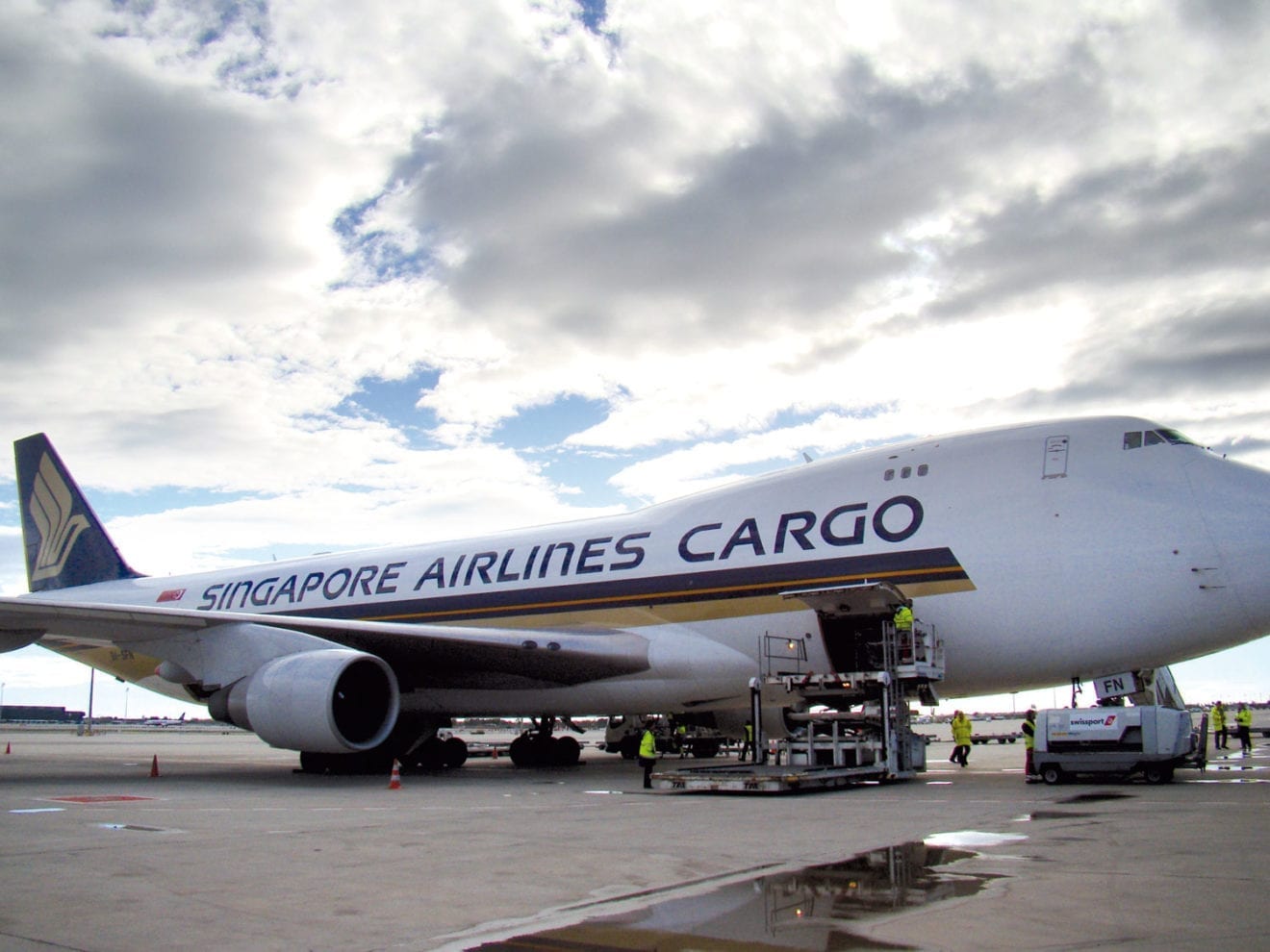
  • Singapore Airlines Cargo Achieves CEIV Pharma Certification

    Singapore Airlines Cargo Achieves CEIV Pharma Certification

    We are honoured to have been awarded the IATA CEIV Pharma certification, which reinforces our commitment to our customers from the pharmaceutical sector to deliver the highest standards of care and professionalism in handling their time- and temperature-sensitive shipments,” said Yau Seng Chin, president of SIA Cargo. “We are acutely aware of the important role that these shipments play in serving the broader community, and hope that this certification will give our ultimate customers additional assurance and comfort that these shipments, which are often life-saving, are in good hands.”

    According to SIA Cargo, the networks of Singapore Airlines, SilkAir and Scoot, covering more than 100 destinations, are included in the certification.

    The CEIV Pharma certification assesses an airline’s operations, processes and training to ensure that they comply with international good practices and standards.

    “The Asia-Pacific freight market is the largest in the world, accounting for close to 40% of total global trade,” said Glyn Hughes, global head of cargo at IATA. “Having SIA Cargo, one of the region’s largest operators, achieve CEIV Pharma certification is a significant boost not only for the airline’s customers but also the region. We congratulate them on their achievement and for taking the industry one step closer to having a global standard for transporting pharmaceuticals in place.”

    SIA Cargo is one of six companies that form Singapore Changi Airport’s cargo community, which Changi Airport Group is supporting to undergo the CEIV Pharma certification process.

    SIA Cargo and CAG are also members of Pharma.Aero, a new independent organization formed in October 2016 which aims to improve the quality of pharma handling by promoting collaboration between CEIV Pharma-certified airport communities.

    SIA Cargo is the eighth carrier in the world to be awarded the CEIV Pharma certification, joining AirBridgeCargo, Air France, CAL Cargo Airlines, Finnair, KLM, Lufthansa and Turkish Airlines.

  • Tender for retail space in Shanghai Pudong airport

    Tender for retail space in Shanghai Pudong airport

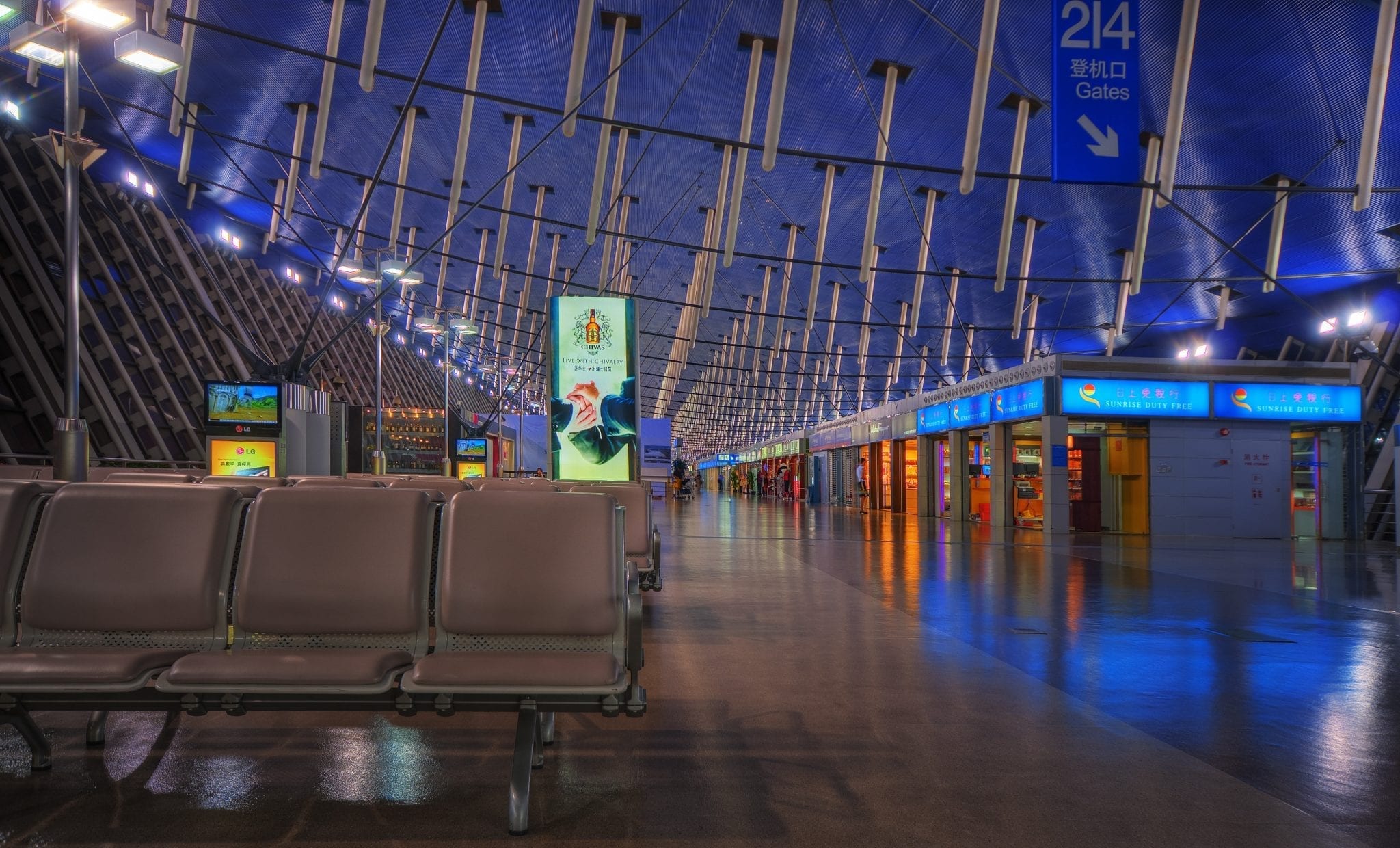
    Shanghai Airport Authority is seeking bidders for retail concessions at Shanghai Pudong International Airport Terminal 2 (domestic).

    It has 38 stores available covering a total of 3300 sqm, with multiple product categories up for tender.

    Likely bidders include Orient King Power, a subsidiary of the Antares Cheng-owned King Power Group (Hong Kong), which expanded its business at Shanghai Pudong Airport last year with fashion and luxury stores, reports The Moodie Davitt Report.

    Saying Orient King Power will target the concessions, GM Mackintosh Feng says it will give it space to introduce more brands into the domestic airside area of Pudong. “In T1 we mainly have China Eastern Airlines and Shanghai Airlines, and in T2 we’ll have Air China and China Southern Airlines.”
    Tenders must be submitted by January 22.

  • Amazon gains patent for drone ‘Mothership’

    Amazon gains patent for drone ‘Mothership’

    Amazon continues to push the envelope as a supply chain and logistics disrupter with the granting of a patent in late December for what has been dubbed a giant ‘flying warehouse’.

    The Amazon Technologies Inc. filing describes ‘airborne fulfillment centers’ (AFCs) comprised of large and robust flying drone made up of numerous smaller drones, designed to make long-distance flights or to carry heavy packages. By comparison, the average quadcopter drone — a design that incorporates four propellers — can typically fly continuously for up to 30 minutes and transport up to 4.5 kg.

    It also describes the use of unmanned aerial vehicles (UAV) to deliver items from the AFCs to users.

    According to the patent, filed 19 February 2015 and granted 29 December 2016, individual modules could detach from the collective drone body once they were no longer required, and operate independently to deliver smaller burdens.

    The filing stated: “For example, the AFC may be an airship that remains at a high altitude (for example, 45,000 feet) and UAVs with ordered items may be deployed from the AFC to deliver ordered items to user designated delivery locations.

    “As the UAVs descend, they can navigate horizontally toward a user specified delivery location using little to no power, other than to stabilize the UAV and/or guide the direction of descent. Shuttles (smaller airships) may be used to replenish the AFC with inventory, UAVs, supplies, fuel, etc. Likewise, the shuttles may be utilized to transport workers to and from the AFC.”

    The filing continued: “An AFC may navigate to an area based on various positioning factors. For example, a temporal event (e.g., a football game) may be expected to produce a demand for certain types of items (for example, sporting paraphernalia, food products, etc.).

    “In advance of the event, the items may be delivered to the AFC in a quantity sufficient to satisfy the expected demand and the AFC may navigate to a position such that UAVs deployed from the AFC can safely navigate to the location of the event and deliver the items, thereby satisfying the demand.

    “In some implementations, the AFC may navigate to a lower altitude and provide advertising for the temporal event or for other occasions (e.g., product announcements, product releases, sales).”

    In a separate patent filing, Amazon was granted a new patent at the end of last month to protect its drones from possible threats and attackers with drawings detailing the possibility of a drone being fired upon by a bow and arrow.

  • Pilot shortage puts Vietnamese airlines on standby

    Pilot shortage puts Vietnamese airlines on standby

    Big bonuses are being offered by airlines to woo more pilots. Vietnamese airlines are grappling with what they believe to be a serious shortage of professional pilots, so to keep the pilots they currently have on their payrolls and to lure new ones, they are offering hefty bonuses.

    “Vietnam’s airline market is growing rapidly, so there’s a huge demand for qualified professional pilots,” Lai Xuan Thanh, the director of the Civil Aviation Administration of Vietnam, said at a recent meeting of transport authorities.

    He added although salaries in the airline industry have increased significantly in recent years and many airlines have even offered fat bonuses to attract and retain professionals, the supply remains below the demand. According to the aviation administration, that demand is growing at 5 percent per year.

    The CAAV has mainly blamed the shortage on the fast-growing airline market.

    Vietnam’s airline industry is growing at the third-fastest pace in the Asia-Pacific region with the number people traveling by air in 2016 jumping by 29 percent from 2015 to about 52 million.

    To meet the demand, local carriers have expanded in recent years, buying more planes, opening new routes and increasing the number of flights.

    “At present, the shortage of pilots is endemic throughout the airline industry,” Thanh said. “For example, only 30 percent of national flagship Vietnam Airlines’ pilots are Vietnamese. The figures at low-cost carriers Vietjet Air and Jetstar are much lower.” he said, implying that domestic airlines are having difficulties hiring enough pilots to replace retirees and to support expansion.

    The aviation administration suggested that airlines could offer more bonuses and even set up partnerships with flight centers.

    “The CAAV will not issue executive orders to help ease the shortage. Airlines will have to transform themselves to retain workers,” said Thanh.

  • LG U+ deploys Korea’s first NFV routing system

    LG U+ deploys Korea’s first NFV routing system

    South Korea’s LG U+ has deployed the nation’s first carrier-grade virtual routing system using technology from Juniper Networks, as part of efforts to prepare its network for the 5G evolution.

    LG U+ is deploying Juniper Networks’ Ethernet switches and its vMX virtual router for the upgrade project.

    The operator selected Juniper due to its prior experience with the vendor’s routing equipment, as well as the vendor’s support for OpenStack-based NFV orchestration and expertise in the NFV segment.

    Juniper was also able to meet the operator’s resiliency requirements with its virtual routing solution’s  auto recovery and auto healing functions.

    Juniper worked closely with LG U+ on the integration of the system with existing infrastructure and devices. The operator also enabled IPv6 routing, anti-hacking and anti-DDoS attack services in LG U+’s NFV infrastructure, and additional features may be aadded in the future.

    “We are very excited about Korea’s first commercial launch of a carrier-grade NFV-based router,” LG U+ GM for transport platform development Jae-ho Choi said.

    “I believe this will enable us to not only drastically improve our routing performance, but provide greater stability and a more diverse range of services for our customers. As a leader of the 5G era, LG U+ plans to expand the adoption of NFV equipment in close, continued cooperation alongside Juniper Networks.”

  • Electrolux names DHL as top logistics partner after 13 years of outstanding services

    Electrolux names DHL as top logistics partner after 13 years of outstanding services

    When assessing its relationship with DHL, Electrolux found 13 years of excellent service, competitive costs, and a willingness to go beyond the call of duty in even the most urgent logistics emergencies.

    Those factors led to Electrolux naming DHL Global Forwarding as its Global Logistics Supplier of the Year – making the leading international provider of air, sea and road freight services the first ever third party logistics provider to receive the award, now in its 4th year. DHL Global Forwarding supplies every Electrolux business sector worldwide with a range of services including Less-than-Container Load (LCL) ocean freight, air freight, customs brokerage, and freight consolidation.

    “DHL has truly distinguished themselves in supporting Electrolux’s global growth, bringing not only exceptional service quality but a true spirit of collaboration to our supply chain operations in more than 45 countries for 13 years running,” said Bjorn Vang Jensen, VP of Global Logistics, Electrolux. “The breadth and flexibility of the forwarding network under DHL have helped us maintain consistent and cost-effective shipping all over the world, and have also helped us manage through numerous logistics-related crisis situations over the years.”

    “DHL has proven its commitment through all seasons, no matter how complex or urgent the logistics situations we may face: this award highlights the immense value they have delivered for Electrolux over more than a decade of service.”

    The emergency shipments undertaken by DHL Global Forwarding have helped Electrolux maintain continuous production in even the most pressing of circumstances, ranging from major sales events to sudden changes in government regulation standards. Apart from standard air, ocean, and multimodal freight, Electrolux also uses LCL services from DHL Global Forwarding to deliver special high-value cargo in a cost-effective manner, including made-to-measure kitchen appliances and other bespoke orders.

    “Coordinating the numerous parts, part sizes, and supplier locations involved in the home appliance manufacturing process is no mean feat,” said Kelvin Leung, CEO, DHL Global Forwarding Asia Pacific. “We have been extremely privileged to work with Electrolux across its entire supply chain, combining fast and cost-effective services with customs clearance, order consolidation, and even last-mile solutions to make the entire process as smooth and durable as the appliances we ship.”

    “This award truly honors our team’s commitment to supporting Electrolux in even the most extraordinary circumstances – not to mention 13 years of enthusiastic collaboration which shows no sign of waning.”