Blog

  • Heineken expands production, buys into local top brewer in Vietnam

    Heineken expands production, buys into local top brewer in Vietnam

    The beer maker is aggressively pouring money into Vietnam, one of the biggest markets in Asia-Pacific. As Heineken considers Vietnam a vital driver for its business growth in Asia-Pacific, the Dutch beverage giant is trying to grasp more market share.

    Heineken in July took over a facility from rival Carlsberg in the southern port city of Vung Tau in an attempt to boost its brewing capacity to satisfy the thirst of local drinkers who, according to Euromonitor International, are expected to consume more than 4.04 billion liters of beer this year, the most in the region and up from 3.88 billion liters last year.

    The Amsterdam-based company has planned to boost its capacity at the Vung Tau facility to 610 million liters from 50 million liters, the Nikkei Asia reported.

    Heineken, which entered Vietnam in 1991, currently operates in the market through two companies, including wholly-owned Asia Pacific Breweries and Vietnam Brewery, in which Heineken has a 60 percent stake.

    It is now the second biggest brewer in Vietnam controlling 25 percent of the local beer market, after dominant player Sabeco, which has 40 percent of the market.

    Heineken, which positions itself on the market as the brewer of high-end beers, has increased its annual output by 14 percent since 2012, which is more than twice the output growth rate of Sabeco, the Nikkei Asia reported, citing data from local securities company Viet Capital.

    Heineken produced 729 million liters last year, compared to Sabeco’s 1.38 billion liters.

    As part of its expansion plan, Heineken plans to buy into Sabeco as the government is divesting from the top local brewer.

    Heneiken is seen among potential investors keen to aquire more shares in Sabeco, a 90 percent state-owned company due to be listed in Ho Chi Minh City on December 20 at the latest. Heineken is reported to have already owned 5 percent in Sabeco.

    The Vietnamese government on July 20 scrapped a long standing foreign-ownership cap in many listed companies, but the 49 percent limit stays put for Sabeco.

    In the latest privatization push, the government will sell a 53.6 percent stake in Sabeco this year and the remaining in 2017.

  • Prompt Pay to revamp e-banking in Thailand

    Prompt Pay to revamp e-banking in Thailand

    The digitalization of banking remains a top priority for banks across Asia, including in Thailand. In January 2016, the Thai Bankers’ Association announced plans to develop a new five-year strategy that included digitization and next-generation payment infrastructure, financial inclusion, contribution to society, regional integration, and legal and regulatory enabling.

    Chief among the ambitions of digitization is see between 50-60% of transactions becoming cashless by 2020, up from 25% in January 2016. One of the beneficiaries of this over-arching initiative is e-Payments, which is forecast to account for up to 70% of total transactions by 2020, up from the current 30%.

    According to the Oxford Business Group report “Banking in Thailand goes increasingly digital” three initiatives have been planned to help meet these targets: the development of a payment system roadmap, publication of common standards and establishment of shareable payment infrastructure.

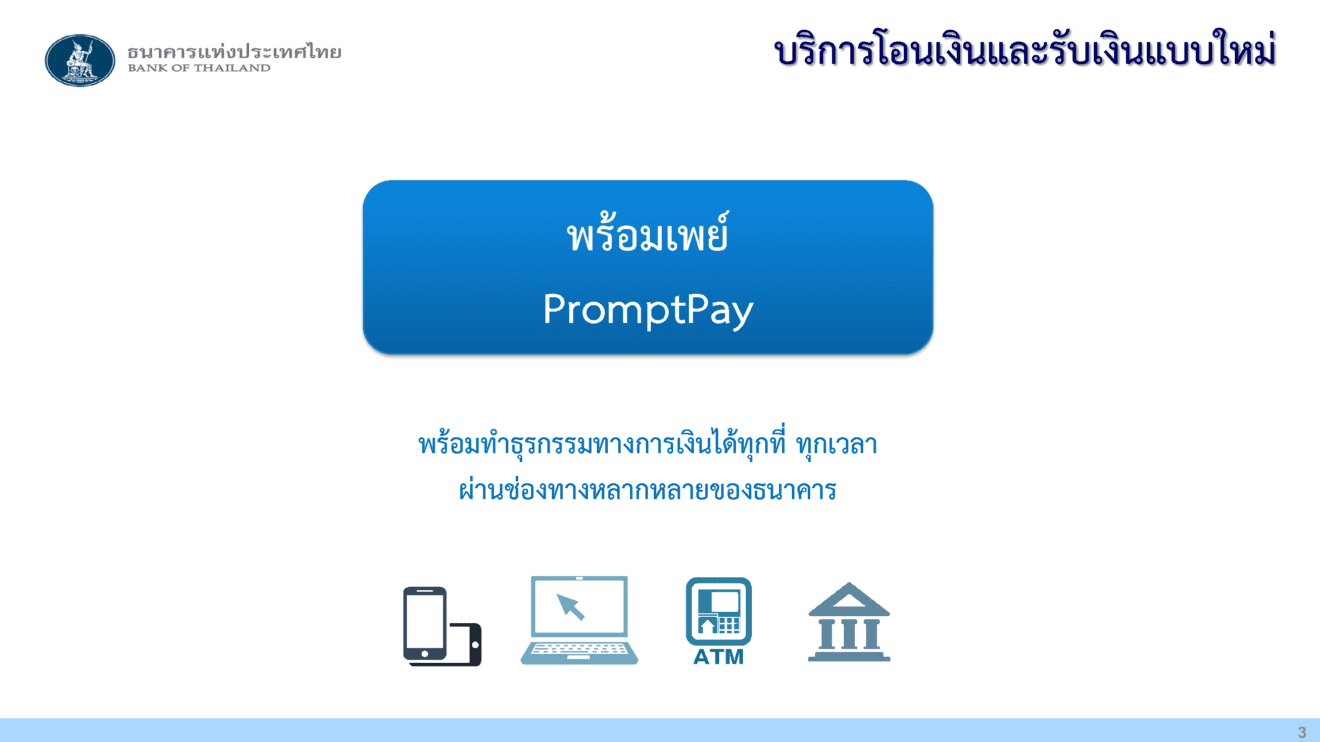
    In July 15, 2016, the Bank of Thailand announced plans to roll out a national e-payment service in partnership with a number of commercial banks as well as four institutions owned by the government. The aim of the project is to further transition Thailand into a cashless society.

    In November 2016, market research firm YouGov polled 1,022 Thai netizens’ views on the service several months after the announcement and subsequent marketing of the service, including a highly public delay of the service in October.

    According to the poll, 74% of polled netizens confirm intent to use the service, suggesting consumers view the service as a welcome advancement to current payment options. Only 7% of those polled have not heard of the service.

    Over half (54%) of those polled see Prompt Pay as enabling them to make payments across multiple channels with internet banking as the most popular option. But 20% intend to use Prompt Pay solely for internet banking, and 15% say they plan to use Prompt Pay for mobile banking.

    The YouGov poll suggests that e-payment services are growing in popularity. About 53% of those polled identified True Money as a service they have recently in the past month compared to 38% over the past 3 months. Linepay and Rabbit were alternative e-payment services also popular among those polled at 17% and 15% respectively.

  • Global ad revenue on pace to $590b in 2017

    Global ad revenue on pace to $590b in 2017

    Big brand budgets and quadrennial events such as the Olympics, European Football Championship and US presidential election will drive 2016’s global advertising revenue growth to $532 billion.

    The advertising industry is about to turn the corner thanks to the global economy getting back on track, according to a new report released by IHS Markit.

    Advertising revenue will grow 7.1% in 2016 to $532 billion. Strong growth in global real private consumption also buoyed advertising revenue as brands tried to take advantage of heightened consumer spending. Advertising revenue accounted for 0.69% of global GDP in 2016, up from 0.66% in 2015, the report said.

    Top 10 markets

    The top 10 markets make 75% of the global revenue figure. The top 10 markets still account for the lion’s share of global advertising revenue. However, their collective power has dropped due slowdowns in the Chinese and Brazilian economies, which were the rising stars in the top 10 in 2015.

    The top 10 accounted for 76% of global ad revenue in 2015; it dropped to 75% in 2016.

    Four out of the five fastest growing countries in 2016 were in Africa. Ghana and Kenya have been high on the list of many media companies’ expansion plans, and we are seeing growth above 20%. These markets are still growing from a low base, but the sheer size of their populations means they are becoming interesting targets for big brands.

    TV remains number one, but online will overtake by 2020

    TV was the number one medium globally for advertising revenue, accounting for $192 billion, or 36%, of global revenue. Despite the incredible growth of online giants like Facebook, Google and Snapchat, the TV market continues to benefit from big brand budgets. Quadrennial events such as the Olympics, the European Football Championship and the US elections helped keep TV on top.

    However, revenue from online advertising will overtake TV within the next five years. In some countries such as the UK, online already accounts for almost 50% of total advertising revenue and will only keep getting stronger.

  • Japan tightens inspections on shrimp shipments from Vietnam

    Japan tightens inspections on shrimp shipments from Vietnam

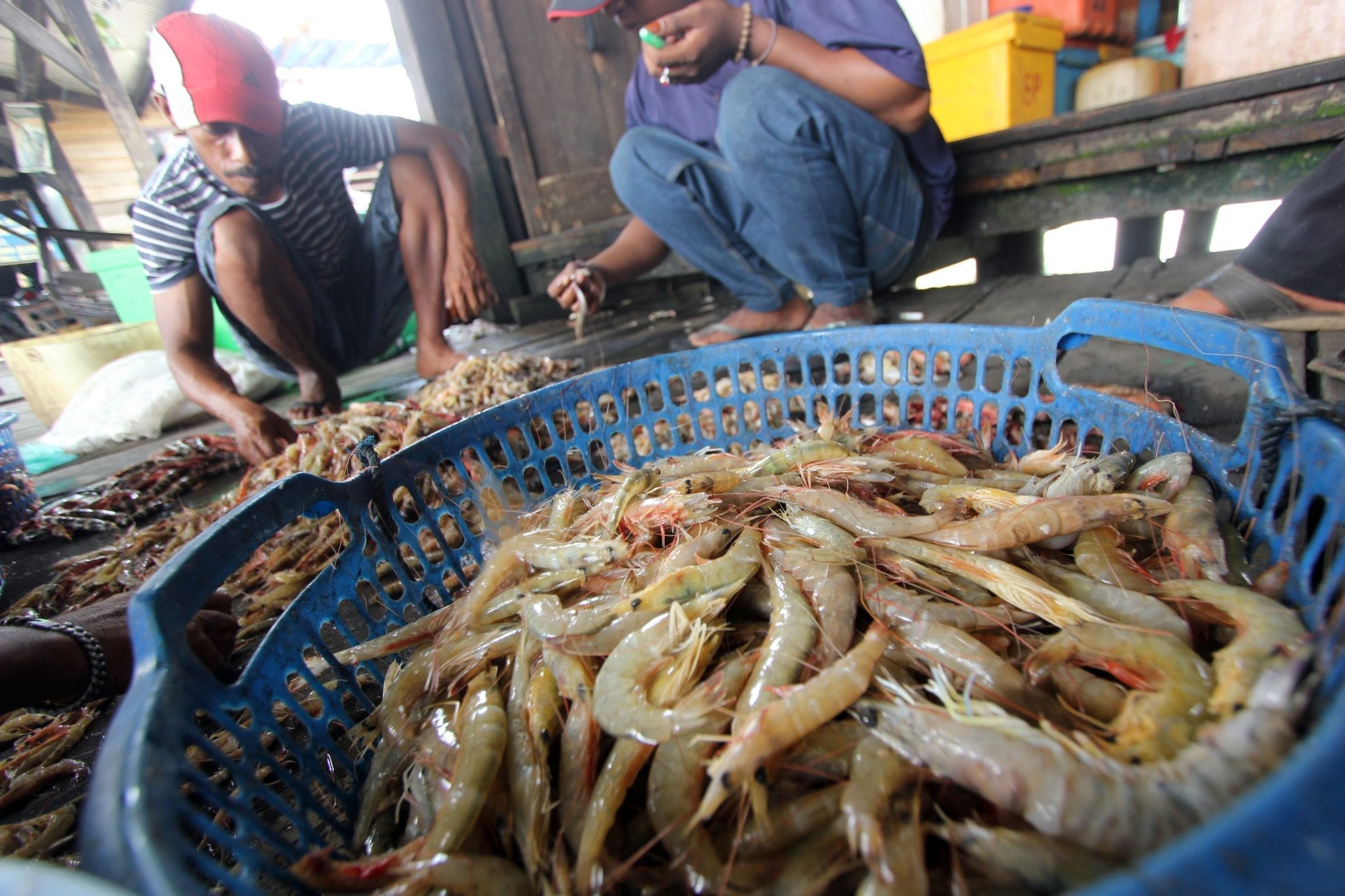
    The island nation now screens every last shrimp export for a banned antibiotic. Japan now screens every shipment of Vietnamese shrimp for a banned antibiotic, according to NAFIQAD Vietnam’s seafood quality control.

    Vietnam does not consider the substance fit for use as a direct food additive in foods for human consumption, according to the Vietnam Association of Seafood Exporters and Producers (VASEP) which reported that Japan raised its shrimp sampling from 30 to 100 percent of imports on December 12.

    Local shrimp exporters have been warned to keep antibiotic sulfadiazine residues below 0.01 parts per million, said Le Hong Phong, deputy head of NAFIQAD.

    By September, the E.U. had rejected 2.2 times more shrimp than the entire preceeding year, according to NAFIQAD, which called for special scrutiny of seafood coming out of the four central provinces affected by Taiwan Formosa Plastics Group’s discharge of toxic waste in April.

    The following month, the European Union reported having rejected 11 shipments of shrimp in the past nine months due to high levels of heavy metals. The European Commission Rapid Alert System for Food and Feed found the shipments contaminated with mercury and cadmium.

    Vietnamese trade commissions in the EU, Japan, and the United States have received roughly 180 warnings about seafood contaminated with dangerous levels of antibiotic and chemical residues so far this year.

    Australia, which remained Vietnam’s largest shrimp importer for the past five years, now requires every seafood shipment from Vietnam to be scrutinized for biological toxins and bacteria.

    During the first eleven months of the year, Vietnam’s seafood exports had edged up 6.9 percent from 2015 to nearly $6.4 billion, customs statistics showed.

    At the start of the year, Vietnam announced plans to export $8 billion worth of seafood this year after reporting $6.6 billion in seafood exports in 2015.

  • Vodafone said to consider merger for Indian unit

    Vodafone said to consider merger for Indian unit

    Vodafone is reportedly considering pursuing a merger of its Indian mobile business with a rival operator to help better compete in the intensively competitive market and survive the price war triggered by the entry of Reliance Jio Infocomm.

    The operator is looking into a potential merger with either Jio or major rival Idea Cellular, sources told.

    Vodafone has also put on hold plans to float Vodafone India on the Bombay Stock Exchange until the price war triggered by Jio’s entry is over, the sources said.

    Reliance Jio launched a pan-India 4G network on September 5 last year, offering effectively unlimited data, voice and SMS services as an initial promotion. The operator recently extended this free services promotion until March 31.

    This aggressive pricing strategy has helped the operator sign up over 58 million customers since launch – including 19.6 million in October, its first full month of operation – data from regulator Trai indicates.

    Besides incentivizing major operators such as Vodafone to pursue consolidation, smaller operators including Telenor India and Tata DoCoMo have been offering themselves for sale to the incumbents in response to the destructive price war, the report adds.

  • AirAsia named “Most Influential Airline in China” at Beijing awards ceremony

    AirAsia named “Most Influential Airline in China” at Beijing awards ceremony

    AirAsia was named The Most Influential Airline in China at the 2016 New Power of Travel Awards held in Beijing on Friday.

    The awards, hosted by Sina Travel and Youku Travel websites, review the development and trends of China’s travel industry.

    In statement today, AirAsia said Sina is the world’s largest Chinese-language web portal, while Youku is one of China’s top video and online streaming platforms.

    “The two websites evaluate travel-related companies and products based on the content and readership by over 800 million people who visit it.

    “The awards honour outstanding companies and products as voted by users, and provide travel guides on airlines, hotels and destinations for travellers.

    “The awards committee said AirAsia had influenced free and independent travellers in China with its young, passionate and creative brand image since entering the market,” it added.

    Meanwhile, AirAsia North Asia President Kathleen Tan said the airline is focused on presenting the very best content on Chinese social media, as the country is a very important market for it.

    “China is an incredibly dynamic market and we want to deliver an even better travel experience to our fans in China. This includes information on where to find the best food, hidden gems and great travel destinations where amazing memories can be made.

    “In line with this, we are working hard with our travel tourism partners and local governments to bring the world to China and vice versa,” she added.

  • McDonald’s China and Hong Kong deal formally announced

    McDonald’s China and Hong Kong deal formally announced

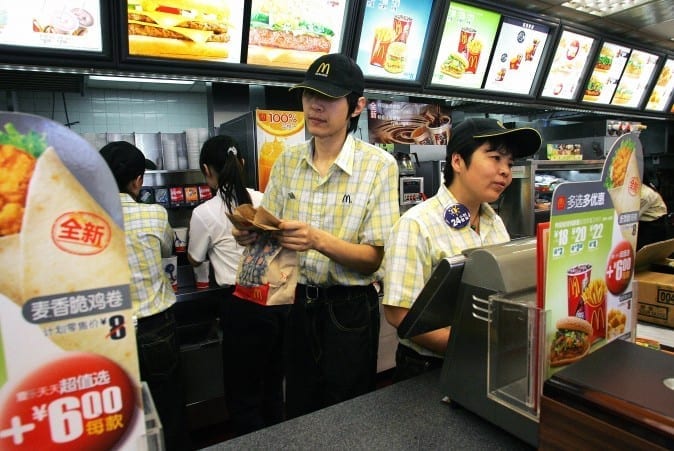
    McDonald’s has confirmed the sale of its China and Hong Kong operations to an investment consortium for US$2.08 billion (HK$16.14 billion).

    Under the deal, the purchasers, Citic Limited, Citic Capital and The Carlyle Group, will open 1500 new outlets.

    Phyllis Cheung, CEO of McDonald’s China, says the Beijing-based Citic companies will together hold a majority 52 per cent stake in the spun-off business and US-based Carlyle and McDonald’s will hold 28 per cent and 20 per cent, respectively. The consortium will run the business for 20 years.

    McDonald’s says it will now re-franchise all its 2600+ stores in Mainland China and Hong Kong to improve sales performances, part of a global effort to cut costs.

    Cheung told China Daily the new company will use its Citic’s strategic relationship with SF Express and Tencent Group Holdings (the owner of WeChat) to facilitate delivery, enhance restaurant convenience and boost its “retail digital leadership and menu innovation”.

    “China and Hong Kong represent an enormous growth opportunity for McDonald’s,” said McDonald’s CEO Steve Easterbrook in a statement confirming the deal, which has been an open secret for some weeks.

    “This new partnership will combine one of the world’s most powerful brands and our unparalleled quality standards with partners who have an unmatched understanding of the local markets and bring enhanced capabilities and new partnerships, all with a proven record of success,” he said.

    The deal will be finalised in mid-2017.

  • Lingerie startup Boux Avenue surges into top 15

    Lingerie startup Boux Avenue surges into top 15

    In just five years, British lingerie retail startup Boux Avenue has made it into the top 15 brands in women’s underwear.

    Despite facing growing pressure from Primark and H&M, following significant range expansion and improved design and quality in their underwear and nightwear collections, Boux Avenue continues to build a loyal customer following and differentiate its proposition from the value segment of the market.

    As a result, full year 2015/16 UK sales reached £44.4million – entering the lingerie specialist into the women’s underwear Top 15 with a market share of 1.3 per cent in 2016.

    boux-avenue-store

    Despite pressures on the high street to discount, Boux Avenue has maintained a strict stance on full-price trading and strategic promotions, which has been essential in justifying its mid-market prices and encouraging consumers to buy into the brand all year round rather than wait for sale periods. While midmarket rival M&S remains the UK market leader, it is losing share and traction among a younger shopper base. This provides Boux Avenue with a ripe opportunity to lure M&S’s customers in the 16-30 age bracket away, via investment in trend influenced designs, specialist customer service, and enhanced product fit and innovation – particularly in shapewear where M&S continues to excel in.

    For a young retailer, Boux Avenue has approached physical expansion cautiously, operating 28 UK stores after five years of trading. This has allowed it to build consumer awareness on the high street, but ensures that it is not overexposed during periods of restricted discretionary spending and as consumer spend continues to shift online.

    Improving brand accessibility via selling through third party online channels including Asos and Very will fuel further sales growth and win the appeal of new customers in 2017.

  • Chinese cross-border eCommerce rankings revealed

    Chinese cross-border eCommerce rankings revealed

    Surprisingly, Asia does not feature in the top 10 destinations of Chinese cross-border eCommerce during the holiday season.

    First to market, DHGate.com, a B2B transactional crossborder eCommerce marketplace, has released lists of the 10 destinations accounting for the largest volumes of shipments during the holiday season.

    The data includes the highest-selling product categories, the top countries for GMV (gross merchandise volume), the best-selling products, and the product categories with the largest increase in sales…

    Top 10 product categories
    1. Cell phones and accessories
    2. Consumer electronics
    3. Home and garden
    4. Health and beauty
    5. Sports and outdoors
    6. Shoes and accessories
    7. Apparel
    8. Toys and gifts
    9. Baby/children/parenting products
    10. Lights and lighting

    Top 5 products
    1. Holiday projector using LED lights to project Christmas images
    2. Baby shoes with LED lights
    3. Children’s building blocks, mini-figures
    4. Christmas-themed sequin cushion covers
    5. Nail-art stickers and tools

    Largest increase in sales
    1. Home and garden
    2. Health and beauty
    3. Shoes and accessories
    4. Apparel
    5. Baby/children/parenting products

    Top 10 countries for GMV
    1. US
    2. UK
    3. Canada
    4. Australia
    5. France
    6. Spain
    7. Italy
    8. Holland
    9. Germany
    10. Mexico

    Founded in 2004, DHgate.com services about 10 million global buyers from 230 countries and regions, with 1.4 million global sellers offering 40 million products.

  • Too many Philippine provincial malls, expert warns

    Too many Philippine provincial malls, expert warns

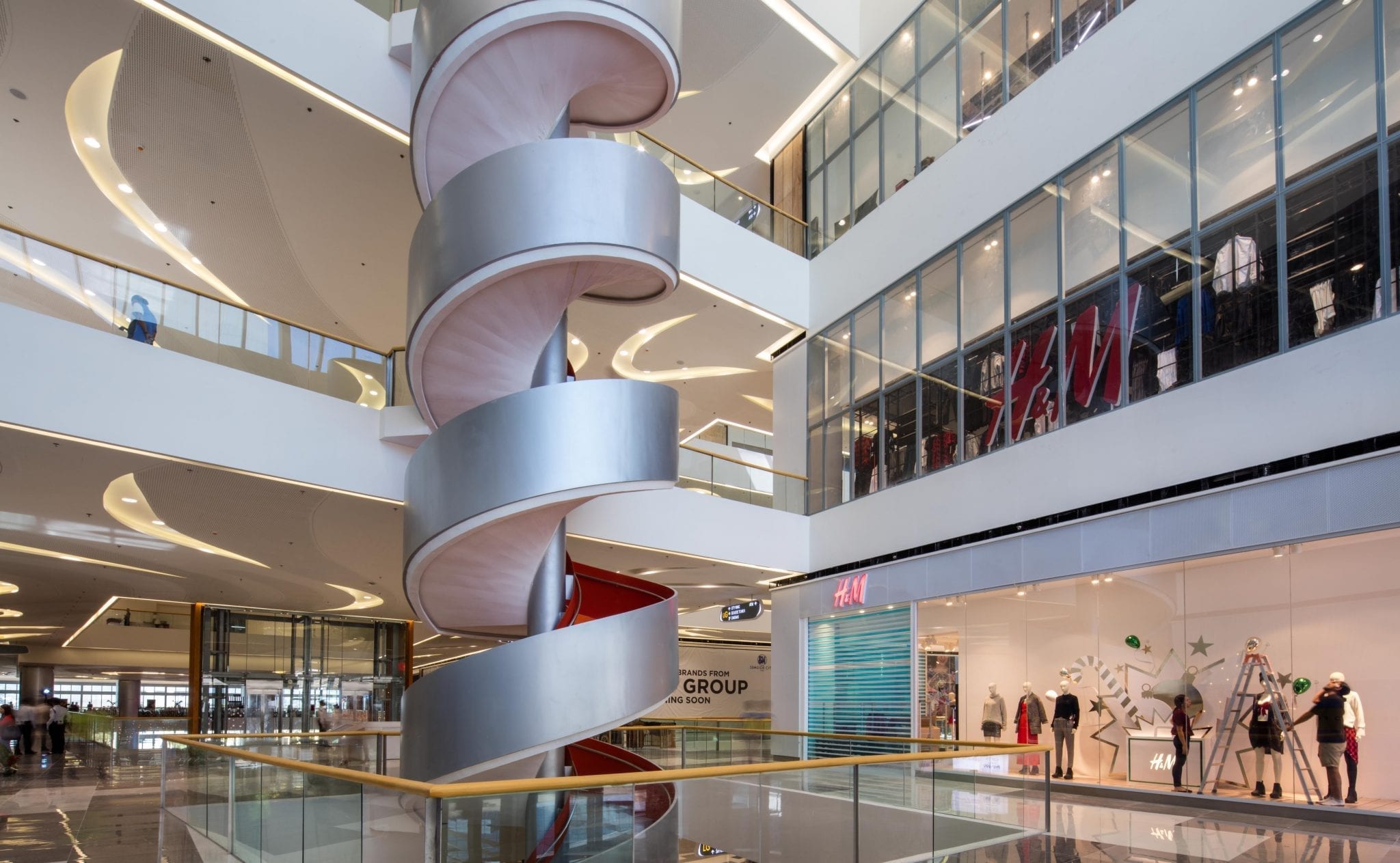
    There is not enough spending power to support the number of Philippine provincial malls being developed, warns a real estate expert.

    This follows a “fantastic” year for the property sector during which most major developers opened malls.

    “Retail has had an incredible expansion in route,” says CEO David Leechiu of Leechiu Property Consultants (LPC) has told The Manila Times.

    Ayala, DoubleDragon, Filinvest, Puregold, Robinsons, SM and Villar all opened malls in new sites, which Leechiu says is unprecedented.

    According to Colliers International Philippines, about 118,000 sqm of retail space was added to Metro Manila’s retail stock in the third quarter of last year, taking the total stock to 6.32 million sqm.

    For Metro Manila alone, total retail stock is forecast to rise by 7 per cent to 6.76 million sqm by the third quarter of this year, says Colliers. Meanwhile, retail vacancy levels have remained low at just 0.57 per cent.

    But Leechiu says it is a different story for the provincial retail market.

    “I think rents are softening because some areas might be ‘over-malled’ now,” he says. “The purchasing power is not there yet.”

    In particular, these Philippine provincial malls cater to the middle-income market. However, he believes the situation will be “very temporary’, with changes and improvements in two to three years’ time as purchasing power continues to grow.

  • Alipay users set spending record

    Alipay users set spending record

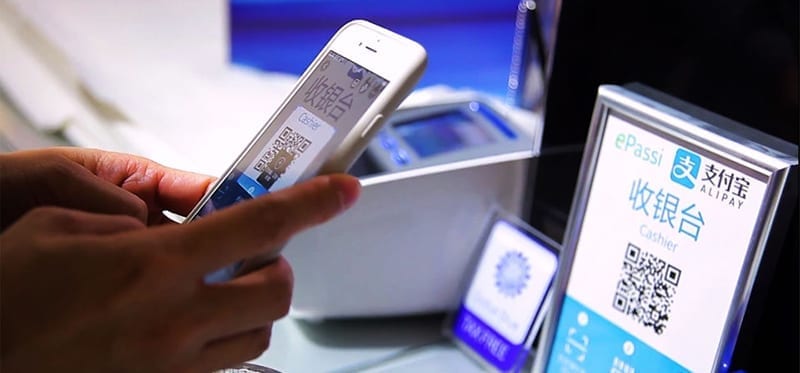
    Users of China mobile wallet app Alipay hit spending records last year both online and in stores.

    Of the app’s 450 million users, most are in Shanghai, paying out an average US$20,400 last year, says the Alibaba spin-off company. This was 1.5 times more than they spent the previous year.

    While the average middle-class wage in Shanghai is $35,000, this does not account for undisclosed income such as from rented property.

    These figures have been released just weeks after the app hit a record 1 billion transactions in a single day.
    Other highlights from Alipay’s year:

    • 71 per cent of Alipay transactions were on mobile devices, up from 2015’s 65 per cent
      Cash-strapped millennials, in China classified as those born in the 1990s, spent an average of $1080 through the app
    • Gen Y, those born in the 1990s, averaged $1590
    • The top 10 destinations outside China where Alipay was used for in-store shopping were South Korea, Hong Kong, Thailand, Macau, Taiwan, Japan, Australia, Singapore, New Zealand and Germany
    • Its single biggest overseas spender splurged $38,900.

    Meanwhile, the company has been signing up airports, major malls and top restaurants so China’s record 133 million overseas tourists can still use the app.

    About 2.3 billion Alipay transactions were chalked up using the built-in Ant Credit Pay, allowing for payment in installments, up 344 per cent from 2015.

    Alipay’s small loans service, Jiebei, issued loans worth $43.4 billion to 12 million users.

  • Yoyo Cao plans pop-up for Tang Plaza

    Yoyo Cao plans pop-up for Tang Plaza

    Womenswear label Exhibit, established by Singapore designer/street-style star Yoyo Cao, plans to open a month-long pop-up store.

    At Tang Plaza from February 2, it features items from the brand’s latest collection, including exclusive pieces from S/S ’17.

    Cao’s signature boyish style includes tops with oversized sleeves and bell-bottom trousers.

    Buyers will receive Nars beauty products with every purchase.

  • DHL Express invests in infrastructure in Chandigarh

    DHL Express invests in infrastructure in Chandigarh

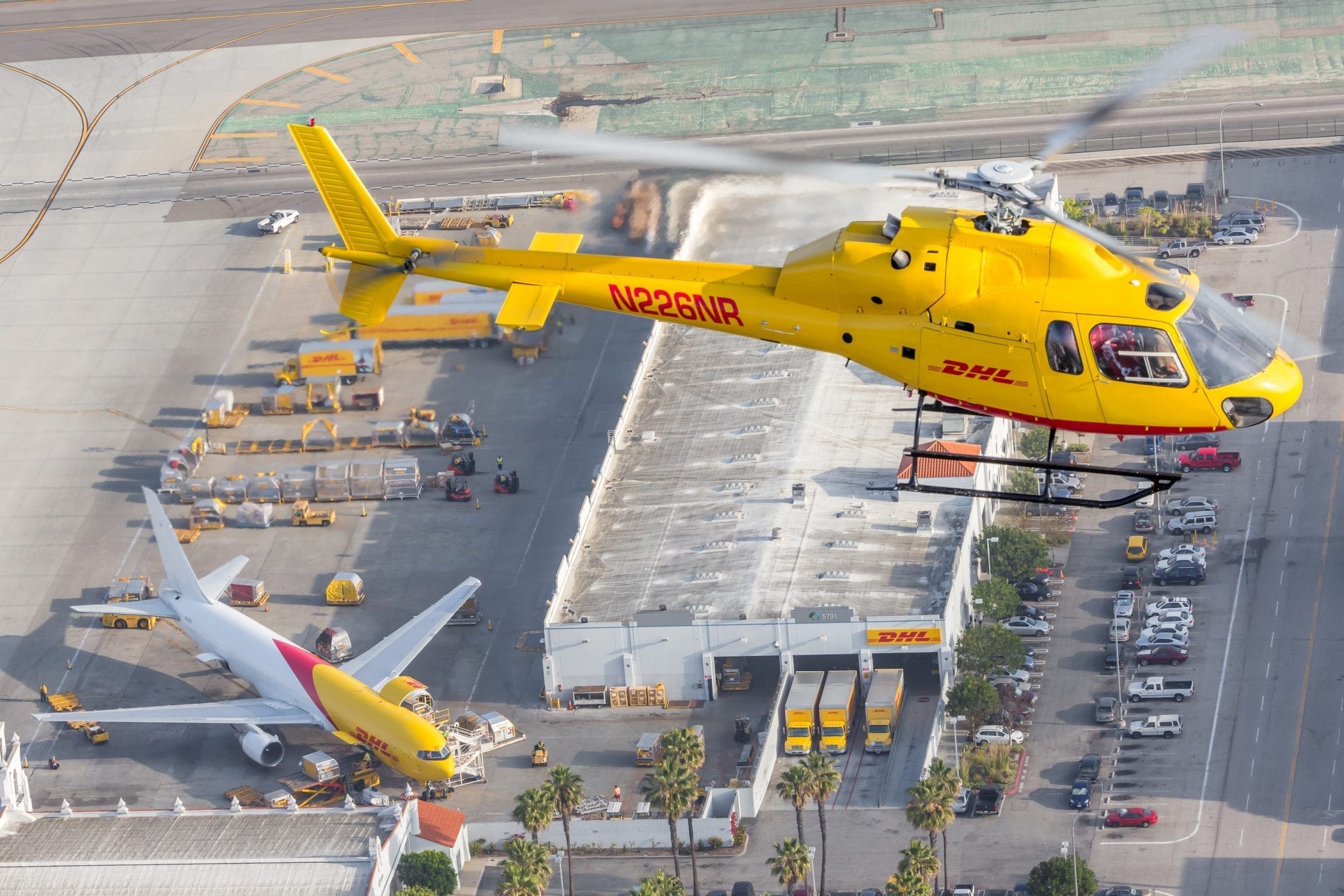
    Aimed at supporting the growth of export and import demands of customers especially SMB’s in the Northern region,  logistic service provider-DHL Express India, opened its new modern service facility in Chandigarh. The new facility will serve as a pick-up, delivery, sorting center etc., with a shipment handling capacity of over 100,000 shipments a year and will cater to the logistics needs of customers-based at Chandigarh and its vicinity namely Dera Bassi, Mohali, Panchkula, Zirakpur, Baddi, Parwanoo etc.

    Speaking to Business Standard, RS Subramanian, Senior Vice President & Managing Director, DHL Express said, “In the recent past, due to rapid industrialization, the tricity namely Chandigarh, Mohali, Panchkula and nearby areas like Zirakpur, Baddi, Parwanoo etc. has grown in prominence as an industrial hub. Through the service center facility, we are strengthening our infrastructure and capabilities to support our customers’ growing business. We will now be able to move shipments faster and with greater efficiency, providing superior service quality.

  • Saigon-Hanoi ranks 7th among world’s busiest air routes

    Saigon-Hanoi ranks 7th among world’s busiest air routes

    The country’s aviation market is growing at the third fastest pace in Asia-Pacific as air travel has become more affordable. About 4.1 million passengers are estimated to fly from Ho Chi Minh City to Hanoi this year, putting the route among the world’s most busiest, according to the U.K.-based air travel company OAG.

    Latest data from the company showed that the northbound route came in at the seventh place in the list of global busiest air routes, up five spots from a year ago.

    The route accounts for about 35 percent of the country’s air traffic, with up to 700 daily flights carrying passengers.

    Huge numbers of passengers traveling between the two largest cities have also strained Tan Son Nhat airport in Ho Chi Minh City.

    Lai Xuan Thanh, director of the Civil Aviation Administration of Vietnam, said that there were times dozens of flights had to fly around, waiting for 15-60 minutes before they could land.

    The airport is expected to handle 31 million passengers this year, far beyond its maximum capacity of 25 million.

    Thanh said that the situation is likely to worsen in the next four years as domestic carriers plan to expand to meet the local travel boom.

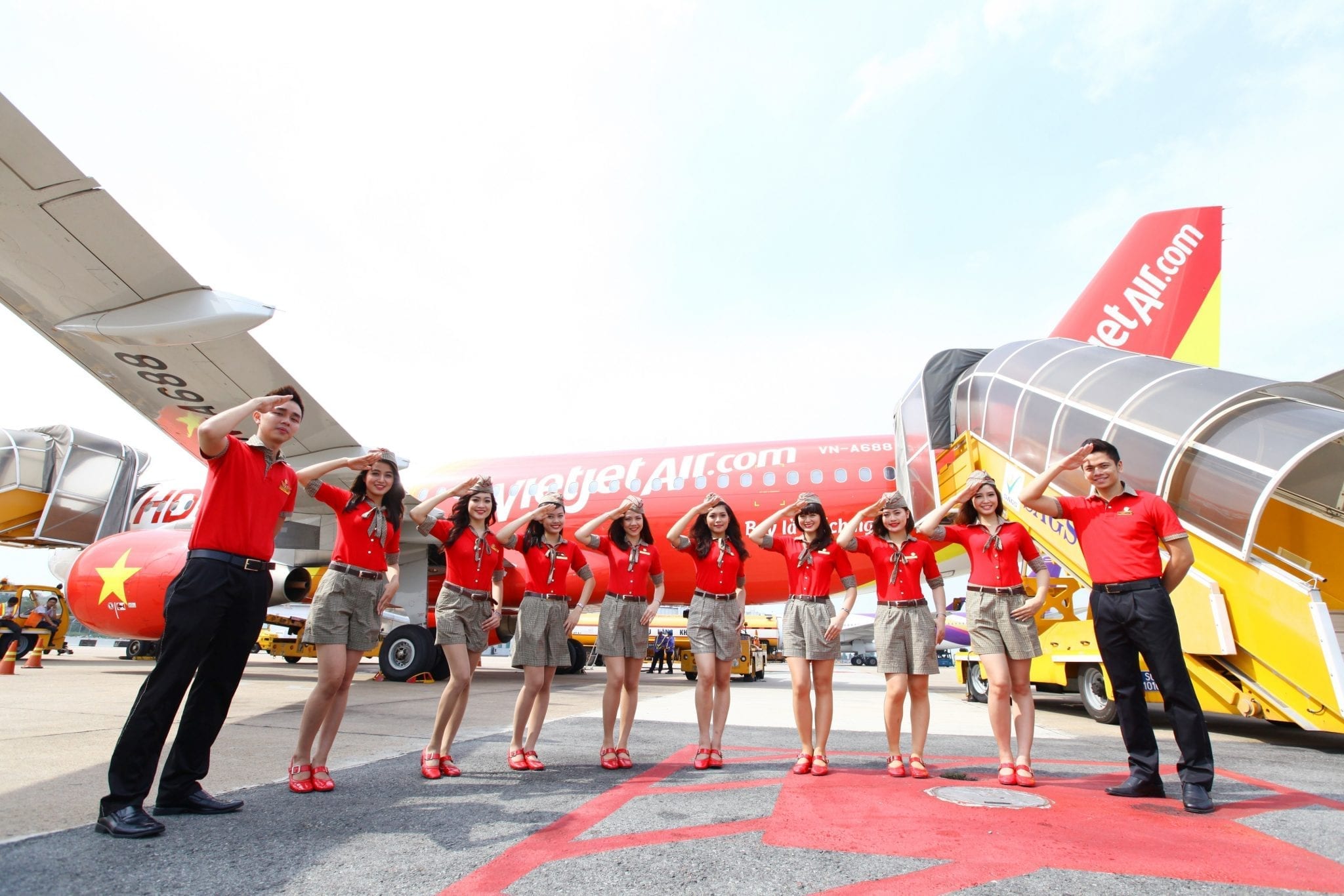
    National flag carrier Vietnam Airlines, low-cost Jetstar Pacific and VietJet Air, and newly-founded Vietstar had raised the total number of airplanes to 141 by the end of the third quarter, up 50 percent against five years ago.

    They are planning to expand their fleets to a combined 263 aircraft by 2020. Vietstar has not been licensed to fly.

    To handle the problem of overcrowded airports, authorities are considering increasing the number of night flights and putting a cap on the number of new planes local airlines can buy.

    Vietnam’s aviation market is growing at the third fastest pace in the Asia-Pacific region, according to the aviation administration.

    It is estimated that the number of passengers, including international ones, in 2016 will jump by 29 percent to hit about 52.2 million.

  • Baiduri receives ‘Bank of The Year’ award

    Baiduri receives ‘Bank of The Year’ award

    Baiduri Bank received the coveted Bank of The Year award from The Banker magazine, during an award ceremony in London.

    This achievement marks the fourth international banking award this year for Baiduri Bank. This is also the eleventh time that the bank has received this particular award. The Banker’s 17th annual Bank of The Year awards were presented at a gala black-tie dinner at the Hilton London Bankside, London on Wednesday, December 7. On hand to receive the award was Ti Eng Hui, Deputy CEO of Baiduri Bank.

    This year, The Banker Awards took on a special meaning as it celebrated it’s 90th anniversary, making The Banker the longest running international banking title in the world.

    The Bank of The Year awards goes beyond data and figures as it looks for evidence of banks setting new standards for their local industries.

    The recognition of being named Bank of the Year in the country by The Banker is testament to the strong management, sound business model and prudent risk approach of the bank.

    Speaking on receiving the accolade, Ti Eng Hui said, “We are proud to be recognised as the Bank of the Year for Brunei from The Banker for the 11th time.

    Ti Eng Hui (centre), Deputy CEO of Baiduri Bank, after receiving the ‘Bank of The Year 2016’ award. - BAIDURI BANK

    Ti Eng Hui (centre), Deputy CEO of Baiduri Bank, after receiving the ‘Bank of The Year 2016’ award. –

    “We are delighted to conclude 2016 with this wonderful achievement. This year, we have made strides in the banking industry through our innovation and strong commitment, but it is because of our faithful employees as well as our loyal customers and partners that we are able to be the bank we are today.”

    The Banker Awards was attended by representatives from 149 countries, a reflection on the importance and significance banks put on winning The Banker’s Bank of The Year awards.

    In 2016, Baiduri Bank received three other international awards, the ‘Domestic Retail Bank Brunei 2016’ from the Asian Banking and Finance magazine, the ‘Best Banking Group 2016’ from World Finance magazine and the ‘World’s Best Emerging Markets Bank in Asia-Pacific for Brunei 2016’ from Global Finance.

    Baiduri Bank is proud to be associated with these leading international banking awards, the bank said in a statement.